Phenology in NOVA

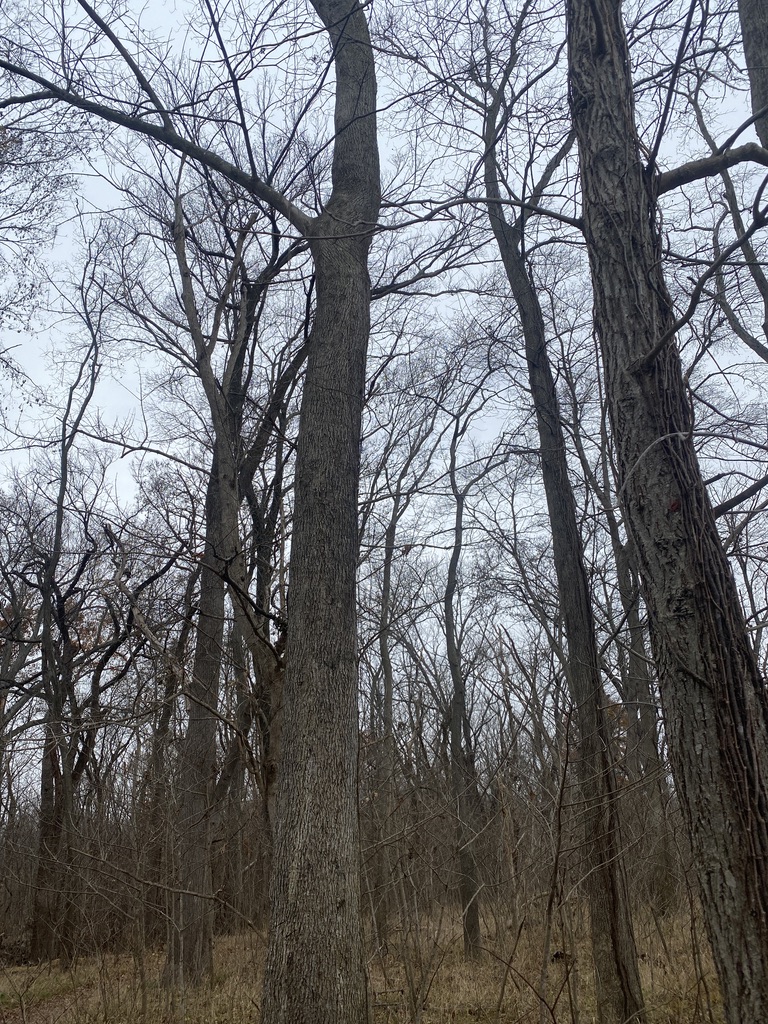
The location that I have chosen for my phenology spot in my hometown is located in Algonkian Regional Park. I immediately noticed differences in the ecology and phenology in the area compared to my phenology spot in Vermont. The first think I noticed was the lack of deciduous trees in the area. Due to the time of the year, there were no leaves on the trees, so the forest was very brown.
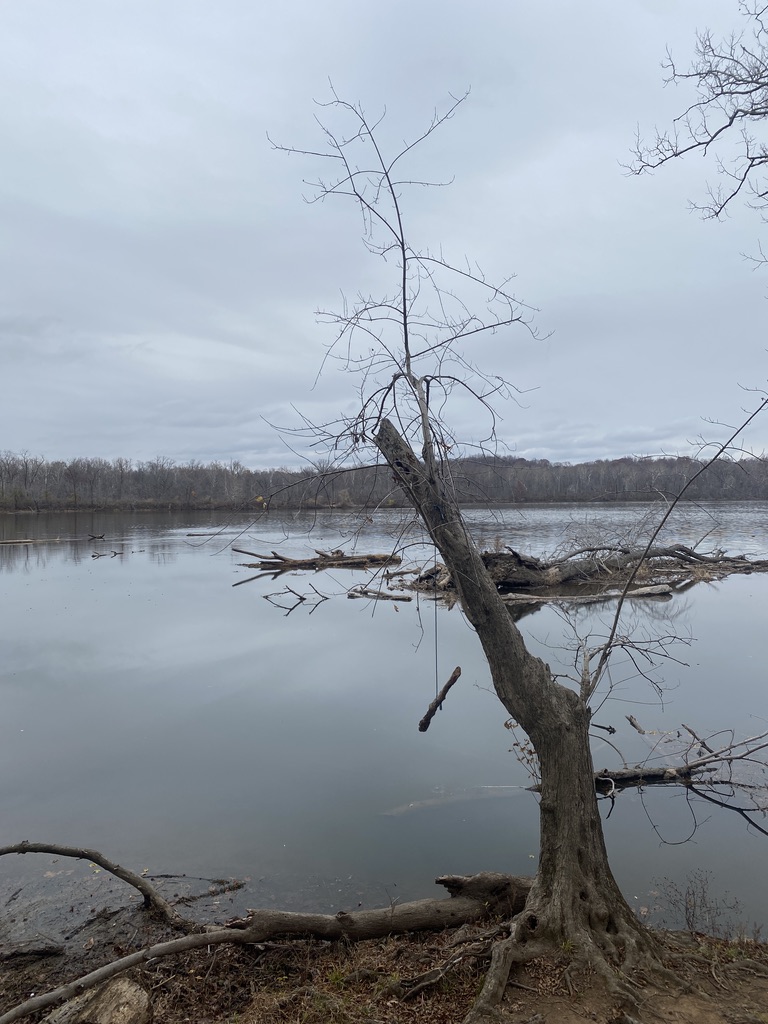
There is a large variation in the tree species in Algonkian, including Silver Maple, Tulip Poplar, Gray Alder, Box Elder, and Bitternut Hickory. The trees were of similar height, which could have been caused by the area being planted all at once. I noticed that there were layers of tree heights; the undergrowth trees were also of similar heights to each other.
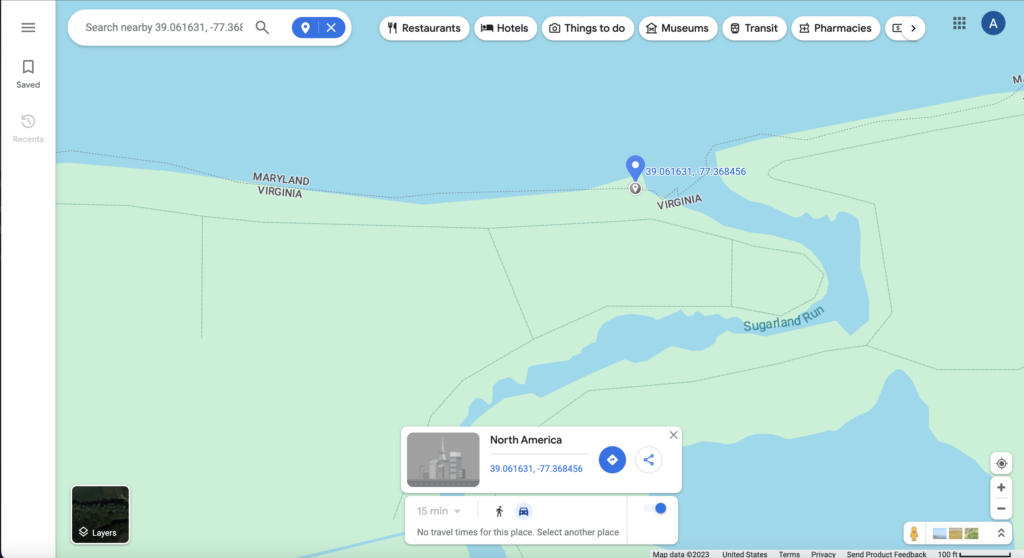
As compared to the sandy soil of Burlington, the soil in Algonkian had an exponentially higher clay content. The change in soil type further explains the different native species in the area.
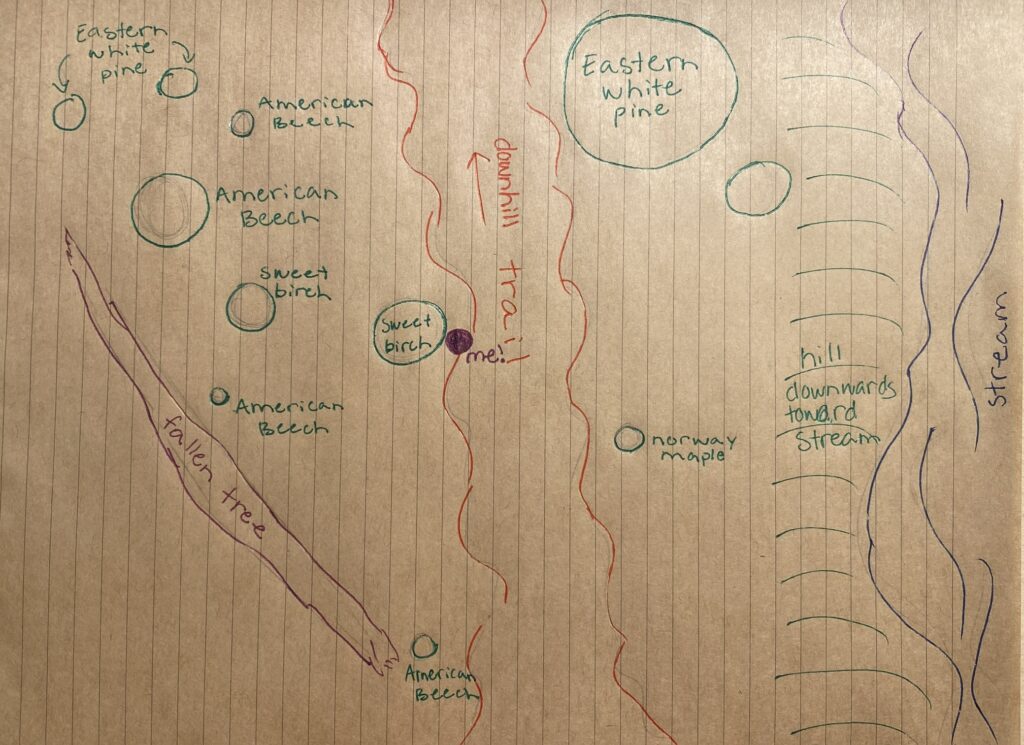
Trinity Woods Map

My spot in Trinity Woods is so peaceful. There is a stream flowing nearby and many varieties of trees to observe. These many species give the perfect opportunity to observe and listen to the wildlife of the area. I noticed many squirrels working hard to stock up on food for the winter, as it has started getting cold int he past few weeks. There are less birds than I noticed before, which may mean they have started migrating south to a warmer climate. I still noticed some birds, but they were mostly geese or sparrows that seem to be migrating from further north. Lots of the trees have already lost their leaves, so the forest floor is covered with colors of orange, yellow, and red. The few trees that are still green are the coniferous trees that border the edge of the woods. The path was harder to find due to the fallen leaves, but I was able to find the Sweet Birch that guides me to my spot and sit to observe all of the changes happening as the months grow colder.