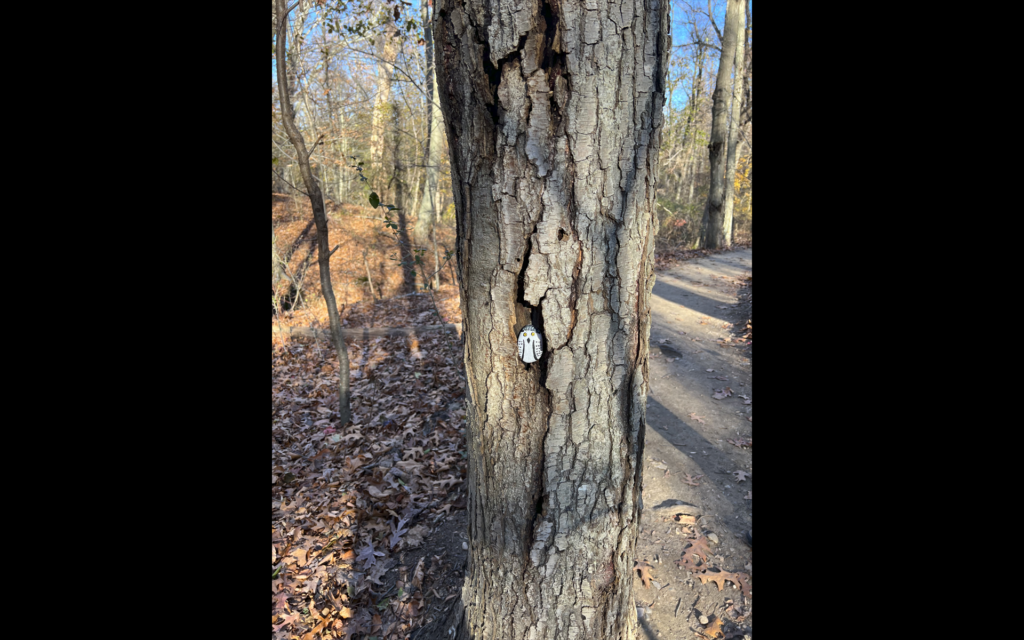
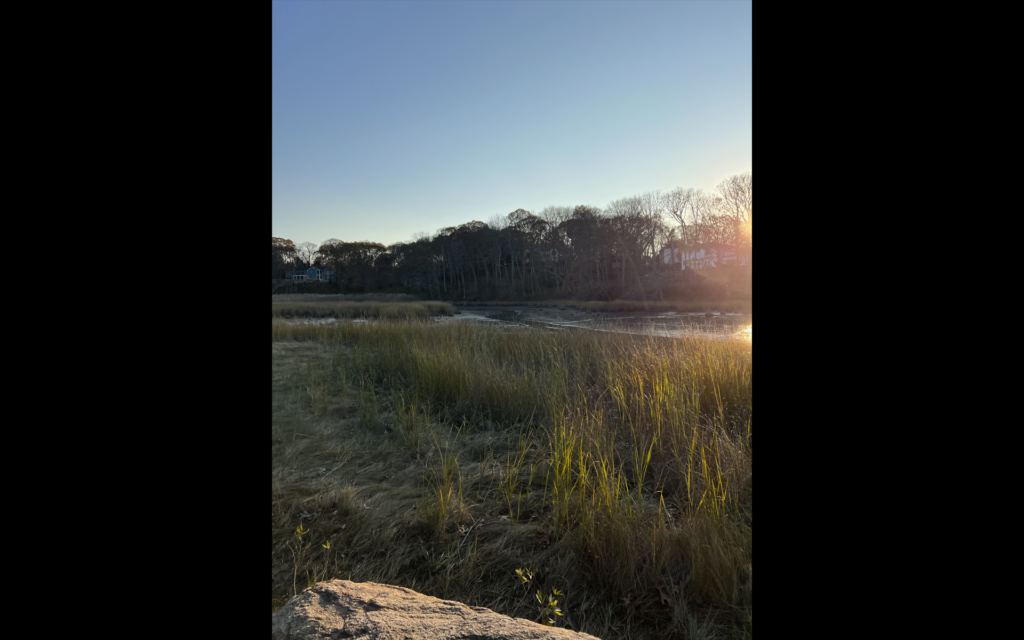
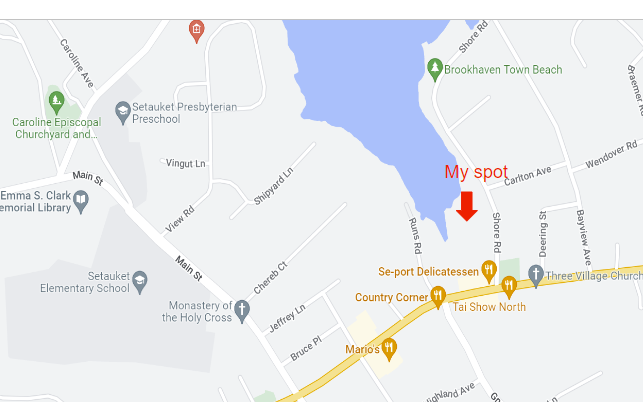
My phenology spot in Burlington is quite different from my phenology spot in Long Island. For instance, my phenology spot in Long Island is an estuary with brackish water whereas my phenology spot in Burlington is a freshwater river leading both spots to have a completely different ecosystem from one another. Brackish marshes are very unique ecosystems. Because the water in a brackish marsh is a mixture between freshwater and saltwater, it takes a special kind of plant species to live in these conditions. Plant species that live in brackish marshes are arrow arum, soft rush, cattail, and sawgrass. In my spot in Burlington, algae, water lilies, lush grass and native trees are present. The nutrient cycling is also different in both spots. In a brackish marsh, carbon sequestration is a huge process. Plants photosynthesize carbon and it enters the sediments after the plants decompose. There is also a large amount of nutrients in a brackish marsh soil due to the decomposition process leading to a high productivity rate. In my phenology spot in Burlington along the Winooski river, nutrients are cycled very differently. Although the spot is highly productive, it is not as productive as the marsh because the water is constantly moving and the soil is not as rich in nutrients.