Posts

ECOSYSTEM

Last Phenology Blog

My site changed over time from being a barren forest with little vegetative life to a prosperous deciduous forest. Initially the area had snow everywhere and the temperature ranged from 15 to 30 degrees fahrenheit. Now the temperature has been between 47 to 70 degrees fahrenheit. This dramastic change to warm temperature has caused a burst of new plant life in the area. There has also been a more noticeable amount of precipitation.

The major landmarks I have come in common with would be the apartment complex to the right of my tree and a small stream/wetland area straight down a hill from my tree. The minor landmarks I have become familiar with is the downhill location, and a small wooden fort nearby.

Culture is hugging this natural forested area. There are University of Vermont buildings to the left and an apartment complex to the right. Because of this there is less wildlife to be seen as well as a likelihood of more trash. Furthermore, because this area has a large amount of foot and bike paths, the undergrowth has been trampled so there is little natural brush.

I do consider myself a part of my place. I go and visit a tree nearby often to sit and look at the small river below. I also enjoy short walks in my place sometimes with a cat on a leash. I feel lucky to have a nice natural area near where I live. I also believe that if I didn’t feel as though I was part of my place it would be easier to allow its degradation. 
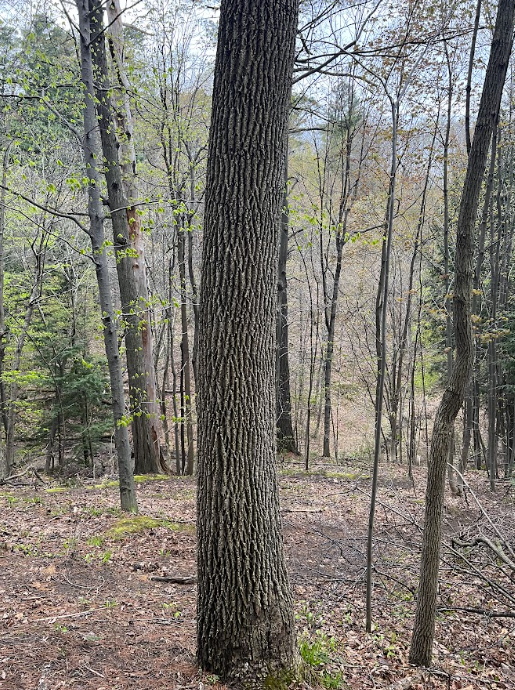
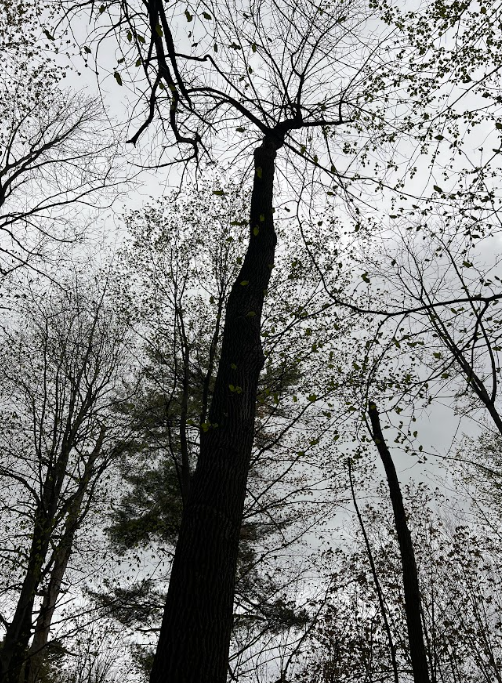
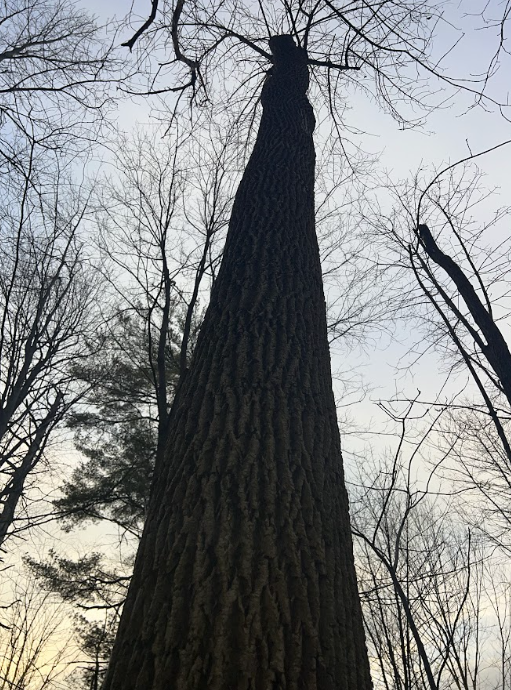
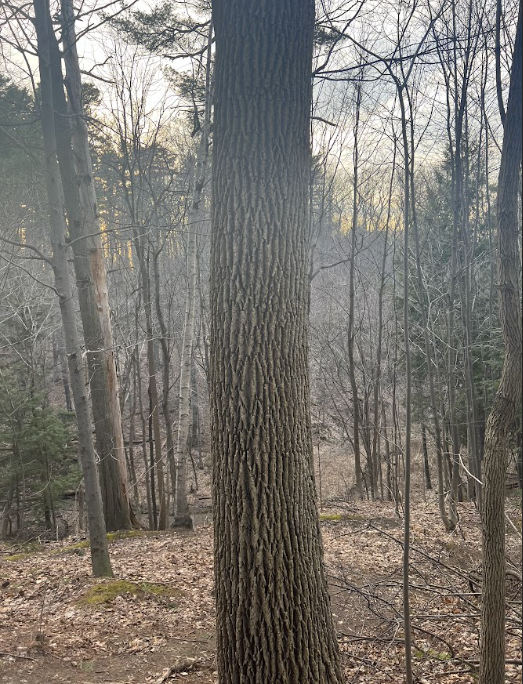
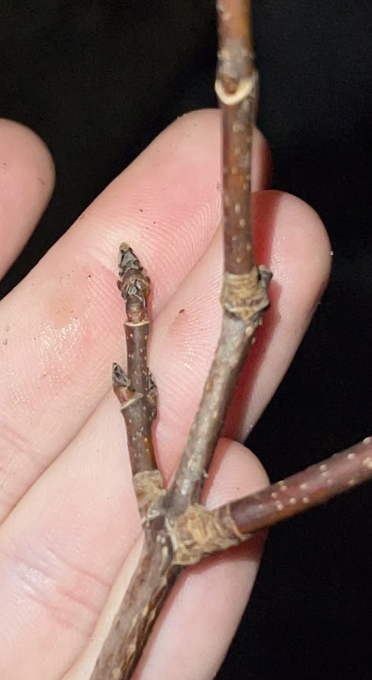
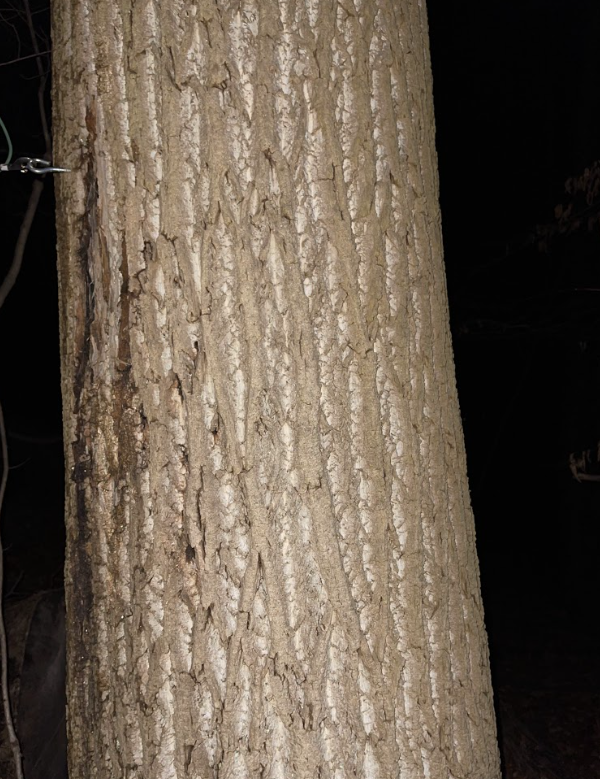
The Northern red oak I have been tracking
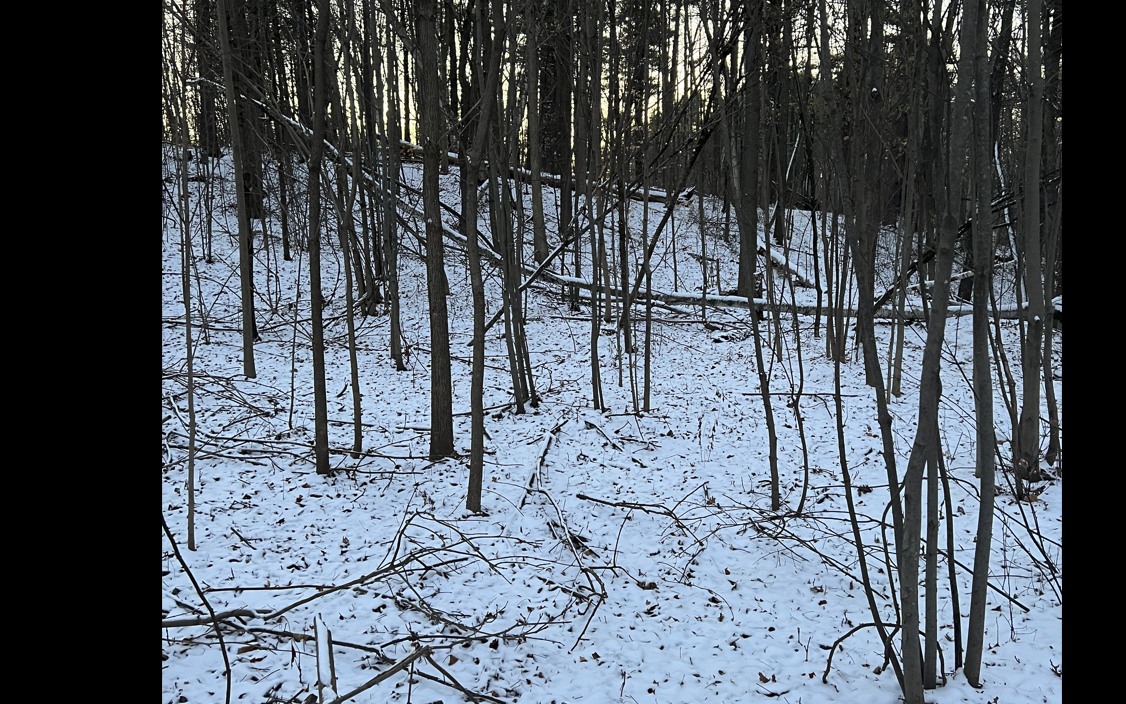
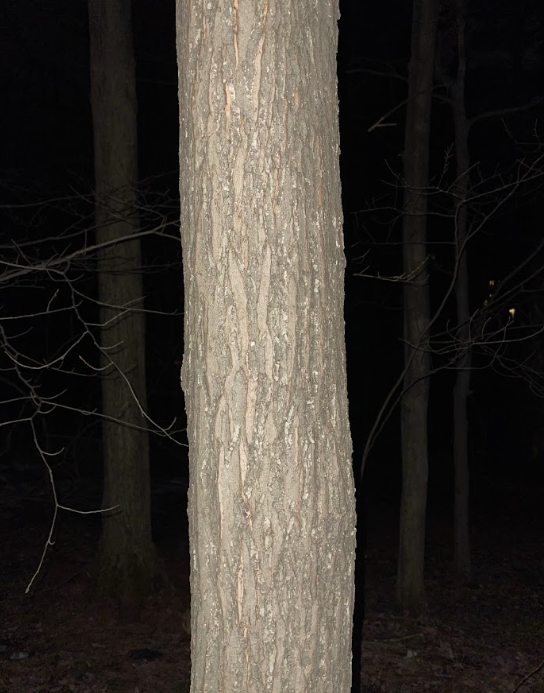
My site in the winter
An view of the sprouted buds

Phenology Blog #5

There weren’t a lot of noticeable visual changes at my sight or with the tree I chose. However the temperature was drastically different. I took the photos below on April 10th. The weather was sunny and very warm. The highest temperature of the day was 67 degrees fahrenheit. This is quite different in comparison to the weather the last time I visited my site. There was no snow when I visited today and still a lot of leaf matter on the ground. I saw no signs of growth and development in the Northern Red Oak shown below.

Northern red oak
Same northern red oak
This is the bud from the Northern red oak I found.

Changes I noticed

I couldn’t see any distinct changes in the tree from the last time I visited it. However, the surrounding area changed a bit from last time. There was barely any snow around and much more exposed leaf matter on the ground. The tree still had no leaves.

Northern red oak

THis is the Northern red oak I found.

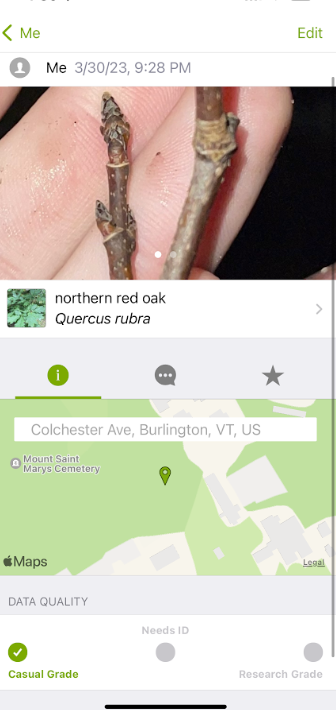
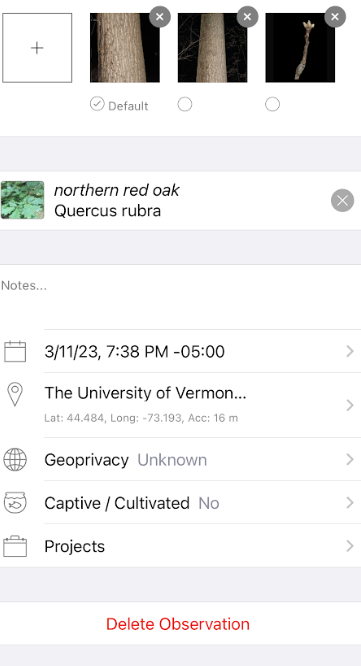
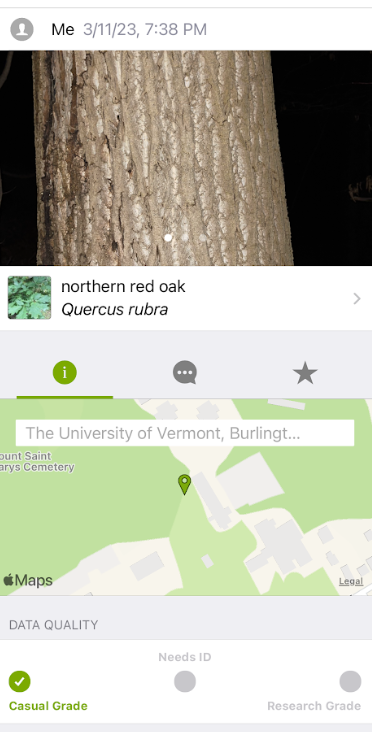
this is my iNaturalist post!

Phenology Blog #3

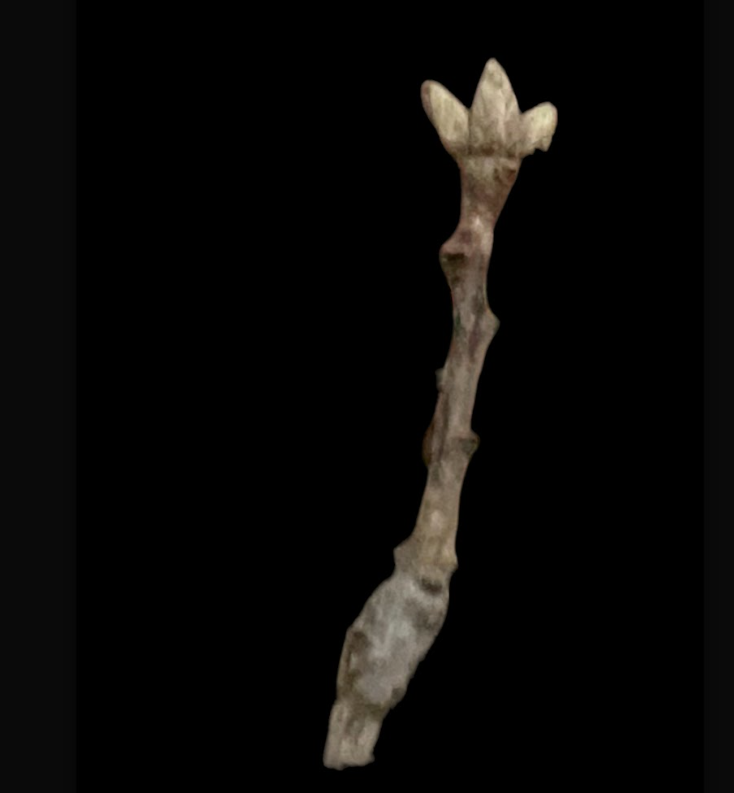
I found a Northern red oak (Quercus rubra) at my phenology spot in the woods behind Trinity Hall. I made sure to get a bed and identified it from the bud that it was a Northern red oak. As you can see on the bottom, the bud is three points and the middle point is longer. This was really the only characteristic of the Northern red oak that identified it as a Northern red oak.

Bud from Northern Red Oak

Phenology Blog #2 (iNaturalist)

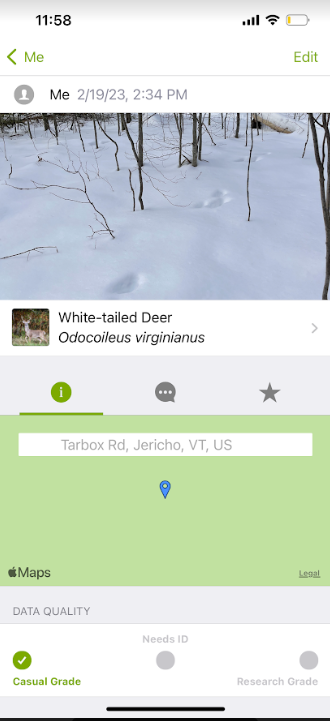
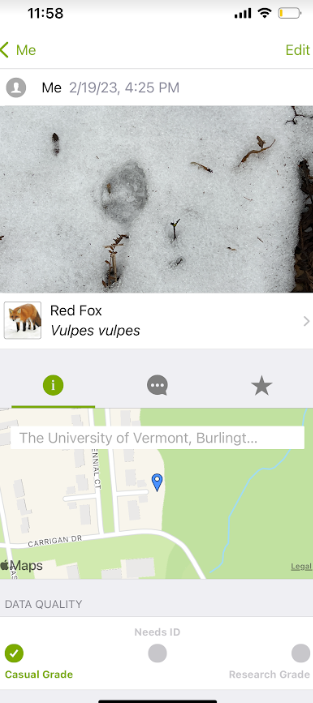
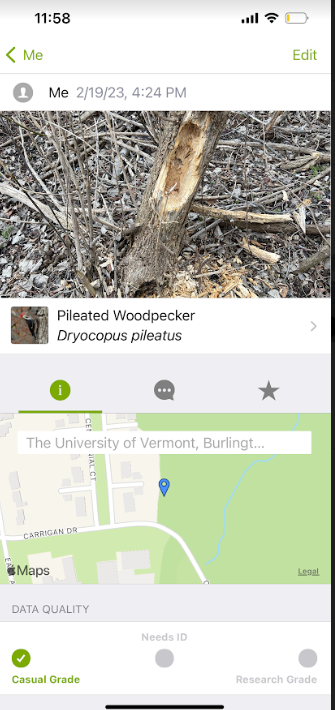
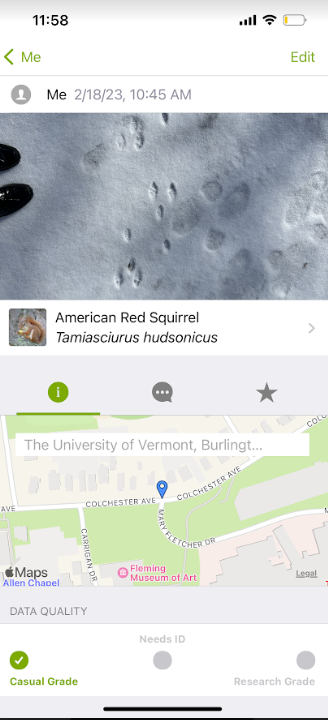
For this phenology blog, I went to centennial woods, Jericho, and I also found prints near my dorm. I found the iNaturalist app helpful in recording my animal tracks and other sightings. It offered possible animals that could have caused the occurance I posted which helped me to narrow down what I thought the print could possibly have been.

I narrowed down the tracks that I saw at Jericho to be a white tailed deer. I decided these tracks were a deer track because of the sharp points on top of the print as well as the stride.

the next print that I found was in centennial woods. I decided that this print was from a red fox because the two front nails were pointing forward and the sides were pointing slightly away.

I also found a tree that was carved out at centennial woods. I at first thought that it could be from a beaver but at closer look i realized that it was probably a wood pecker beacuse of the square shape that was made in the tree.

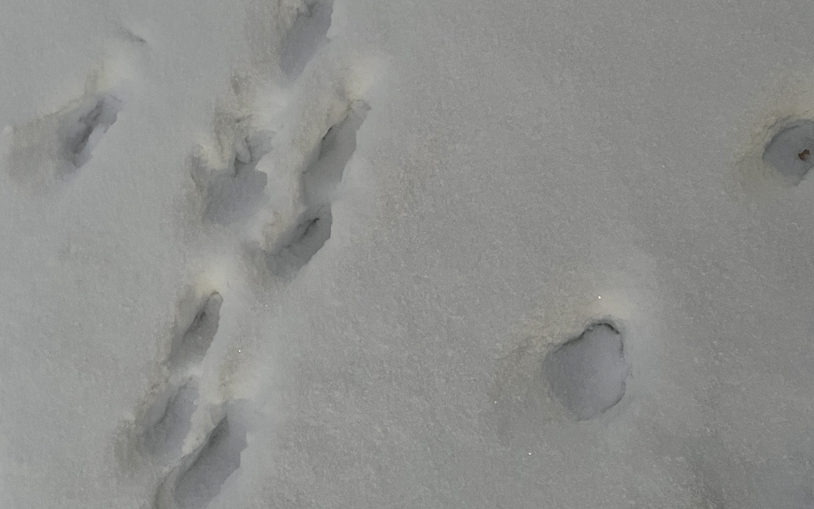
Lastly, I found what I thought were squirrel prints near my dorm. I thought they were squirrel prints because of the prints were left by a bounder. The print shape also looked like a squirrel.

Phenology Blog #1

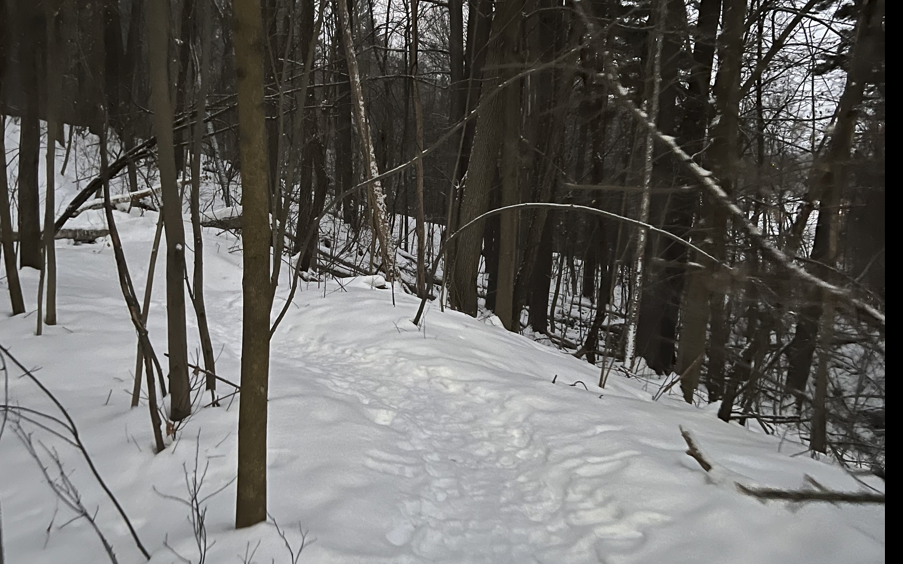
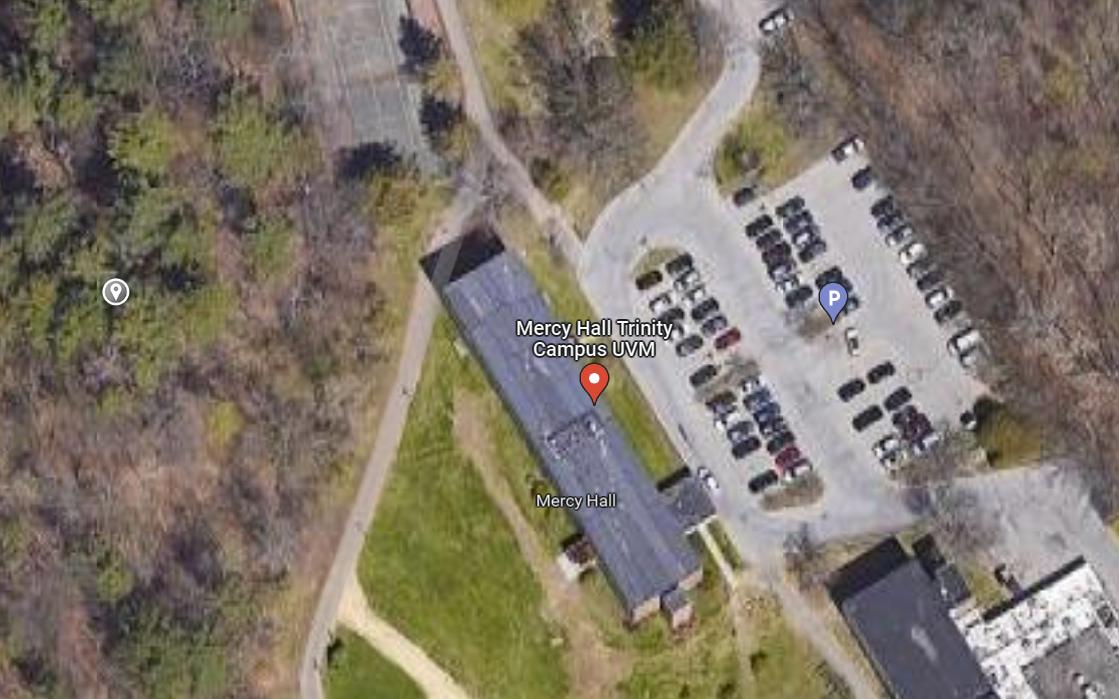
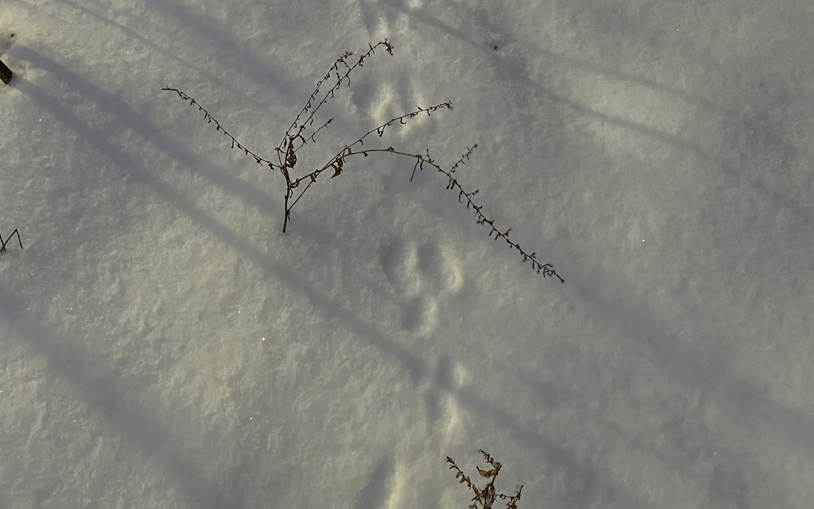
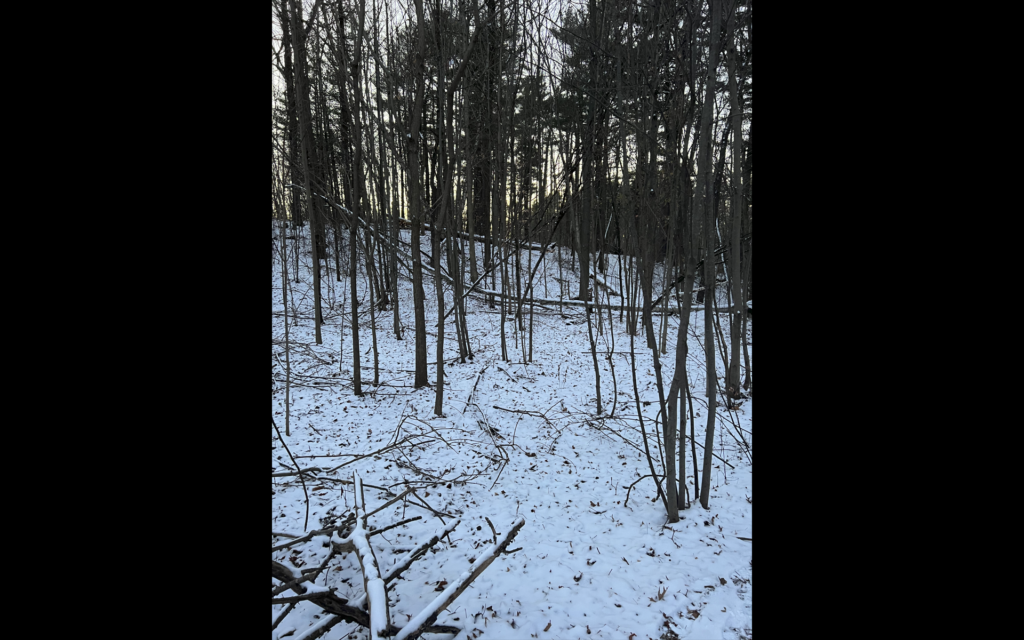
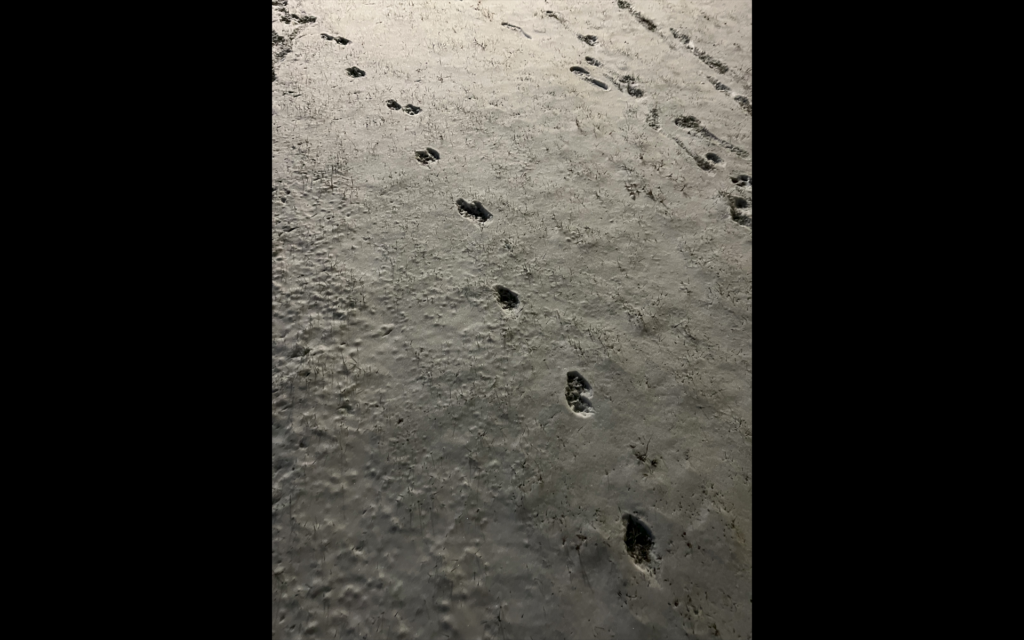
On the right you can see a full image of my phenology blog site. It is behind the Trinity dorms and is a natural forested area. I frequently walk in this area and although this was not my original phenology location, I have noticed a big change in the vegetation from my last visit here. There is little to no leaf matter present on the trees or the ground. There is about a 3 inch layer of snow coating the ground. On the left you can see tracks that I spotted in the woods. Although it is not present in the image, there were human footprints next to these prints making me think that it may have been a dog. Below are other sets of tracks that I observed in my new location. These tracks I believe to be bunny tracks because there are two prints up front and only one behind that is bigger. This is similar to the way bunnies hop. 

the gray dot is my location

Virginia’s Last Phenology Post!

Salmon Hole, Winooski

The foliage has changed greatly since my last visit to the Salmon Hole. Last time I visited my site, there were still dead leaves on the trees. However, this trip there was none on all the hardwood trees. Farther away from the water, there were still pine needles on the coniferous trees such as the Eastern White pine. I saw no persistent vegetation or fruit which surprised me being that last time I visited my location I still saw small green shrubbery. The leaf litter is now coated by a thin layer of snow and has been compressed by foot traffic on the trail. I did not see any active signs of decomposition but I did notice that the volume of the leaf matter on the ground was smaller. A piece that I noticed was a hole dug by an animal into the base of a tree. I did not see any other animal holes but my guess is that there are more hidden further in the woods. This piece highlights the fact that the temperatures are plummeting and animals are seeking shelter. It also shows how adaptive the local ecosystem of vermont is to the harsh conditions that exist here.

This is a photo of animal tracks that I came across at my phenology spot. They were close to the path and looked very similar to a medium to large dog paw print. However, they could possibly be a fox’s print. I haven’t noticed much of any animal activity at my site in the past so I have not noticed a big change in the amount of activity. I have noticed that there are less birds in the sky.

Phenology Blog #3

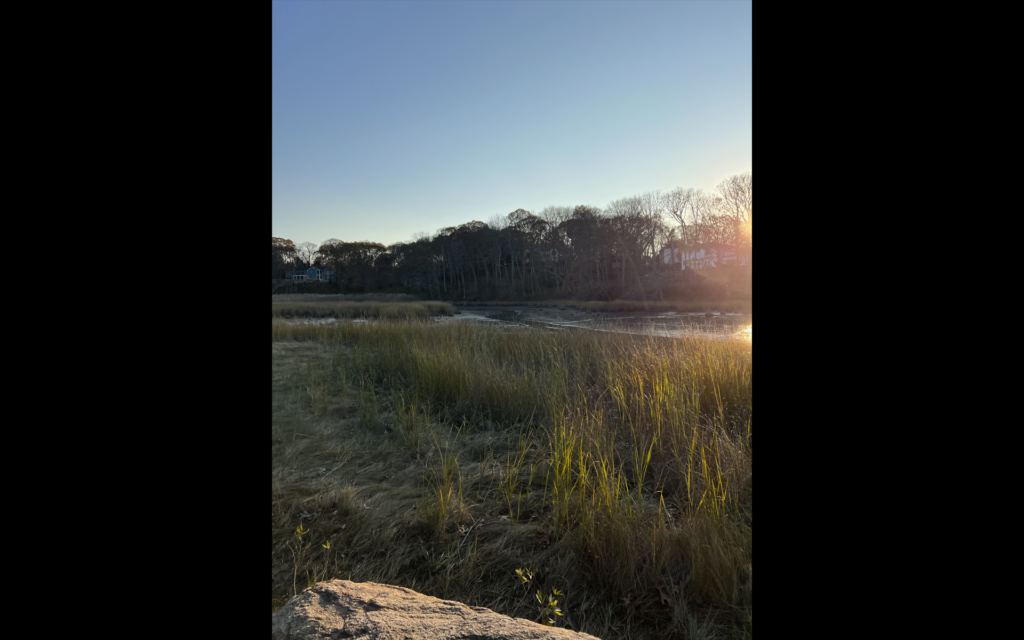
This is a picture of my spot at Setauket Pond, NY. I think it is special because it is an estuary which means it has a lot of animal and plant diversity. It is also a very unique ecosystem compared to others.
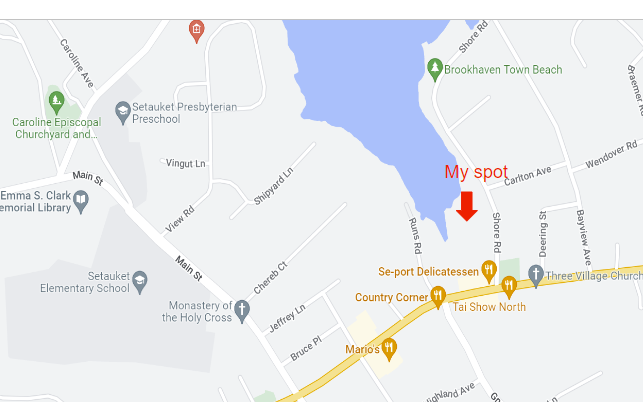
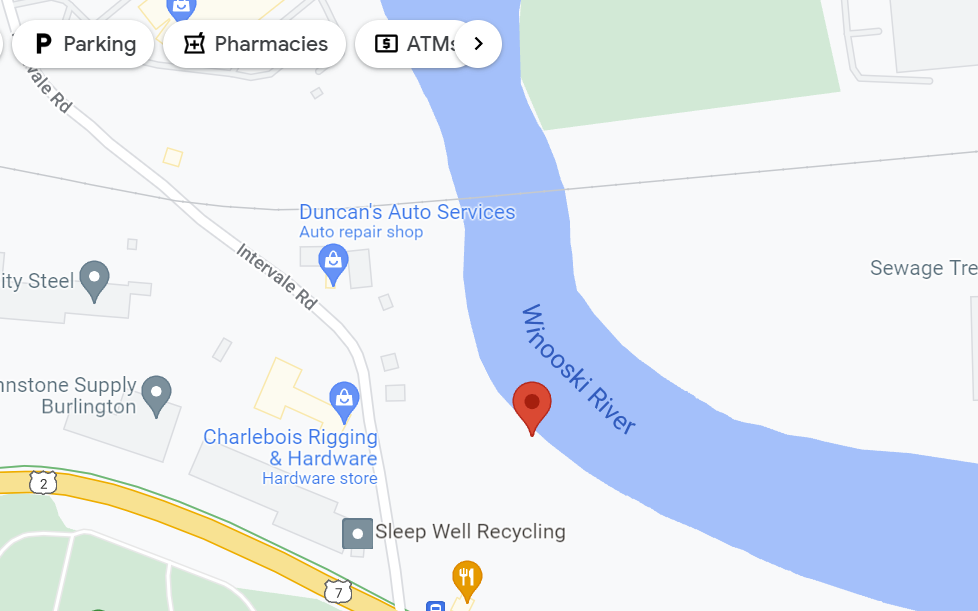
This is the location of my spot on google maps

My phenology spot in Burlington is quite different from my phenology spot in Long Island. For instance, my phenology spot in Long Island is an estuary with brackish water whereas my phenology spot in Burlington is a freshwater river leading both spots to have a completely different ecosystem from one another. Brackish marshes are very unique ecosystems. Because the water in a brackish marsh is a mixture between freshwater and saltwater, it takes a special kind of plant species to live in these conditions. Plant species that live in brackish marshes are arrow arum, soft rush, cattail, and sawgrass. In my spot in Burlington, algae, water lilies, lush grass and native trees are present. The nutrient cycling is also different in both spots. In a brackish marsh, carbon sequestration is a huge process. Plants photosynthesize carbon and it enters the sediments after the plants decompose. There is also a large amount of nutrients in a brackish marsh soil due to the decomposition process leading to a high productivity rate. In my phenology spot in Burlington along the Winooski river, nutrients are cycled very differently. Although the spot is highly productive, it is not as productive as the marsh because the water is constantly moving and the soil is not as rich in nutrients. 

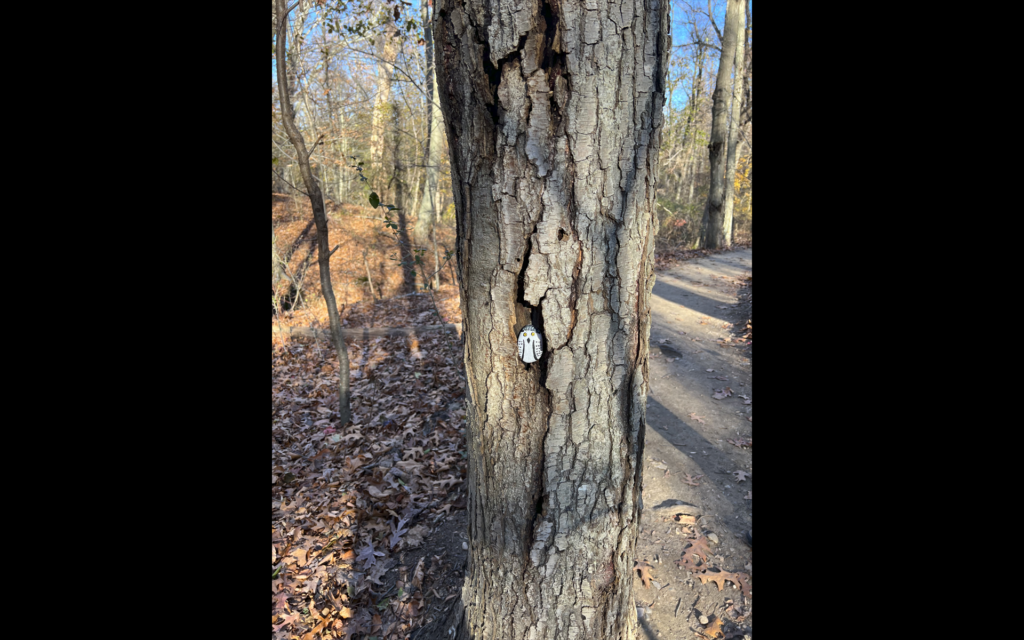
Along the path to my phenology spot, I left a painted owl rock.

Virginia’s first phenology blog post

How to get to my site:

To get to my site, you walk down to Winooski towards the salmon hole. Once you reach the salmon hole, there is a trail that runs along the Winooski river. I walked along this trail for about half a mile until I got to a bridge with a creek underneath. Around this area is where I conducted my blog research. I chose this area because it has a lot of interesting ecological factors. For instance, there is a small creek that drains into the Winooski river making for possible interesting discoveries concerning the watershed. There are a lot of mature trees which will be good shelter for small animals. There is also a decent amount of human intervention in my chosen area being that the trail is right off a main road. This will be an interesting factor to keep track of. 

Description of Vegetation:

The vegetation in my area ranged from large mature trees to small shrubs. Along the small creek bank, there were a good amount of small shrubs like plants. However, as you got farther away from the water source, the vegetation increased in size. The trees got to be as large as approximately 80 feet. The area was also very moist leading to some ferns around the river bank.

Most common woody plants: 

  • Bigleaf maple
  • Green ash 
  • American beech 


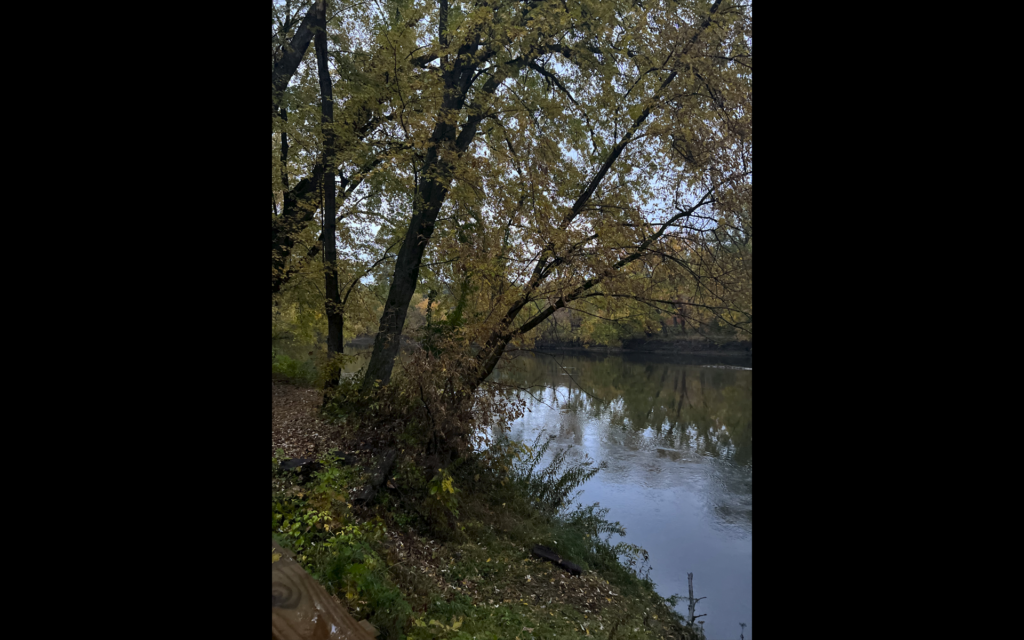
This is a picture of my site location along the Winooski river.
This is a picture of my location.

Second Phenology Post!

15 Minute Observation: I had a very calming experience during my 15 minutes of observation. I did my 15 minutes on Sunday afternoon when the temperature was very pleasant. During my time I was sitting on the ground which was covered in leaves so every movement made a crunchy sound. The sky started out very gray and halfway through it started raining. All the leaves got soaked and after the rain stopped everything was shiny and the temperature was a bit cooler. There was also a huge full rainbow over Winooski river when the rain stopped which was quite beautiful. 

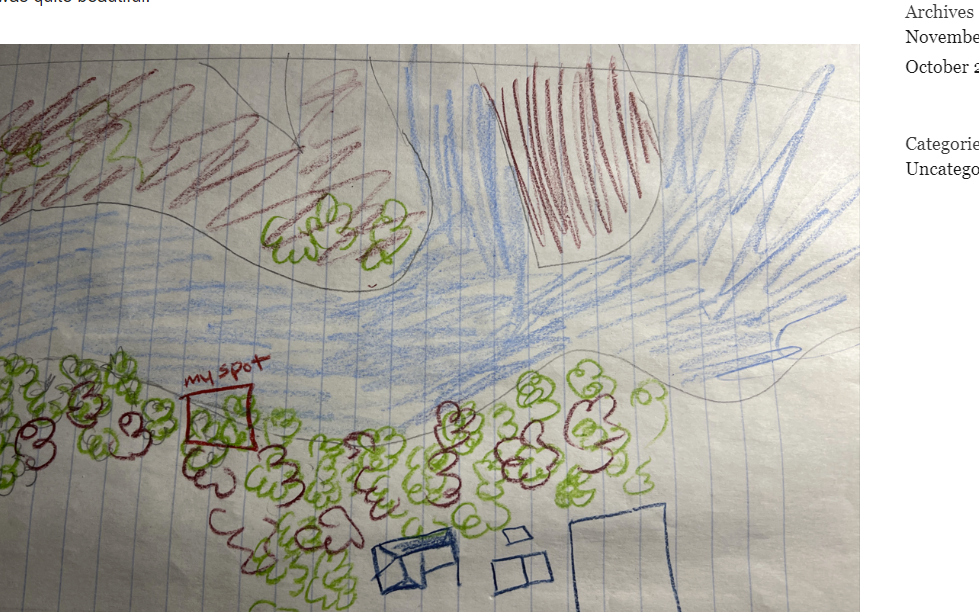
Drawing of my spot and surrounding area

Changes: There were many differences at my spot compared to the last time I was there. The trees have now lost most/all of their leaves and the ground is covered in many dead leaves. The small shrubbery that was along the water now looks like dead twigs. The grass that is along the water has also lost its green color and looks dead. 

Skip to toolbar