Posts

May 15, 2021

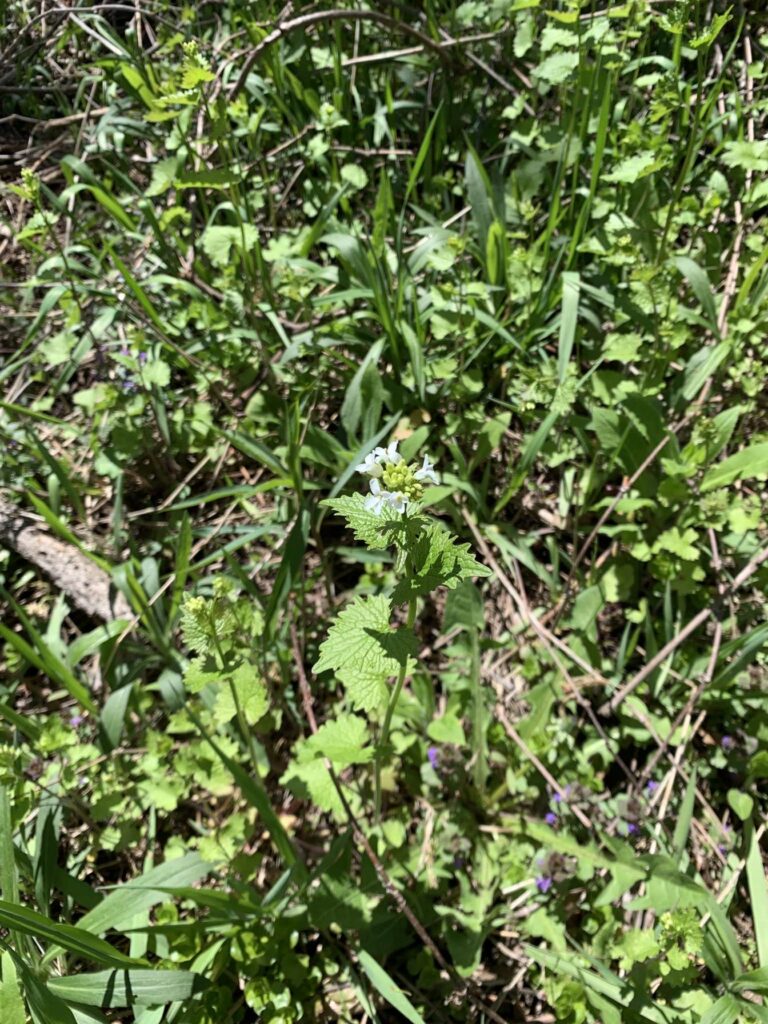
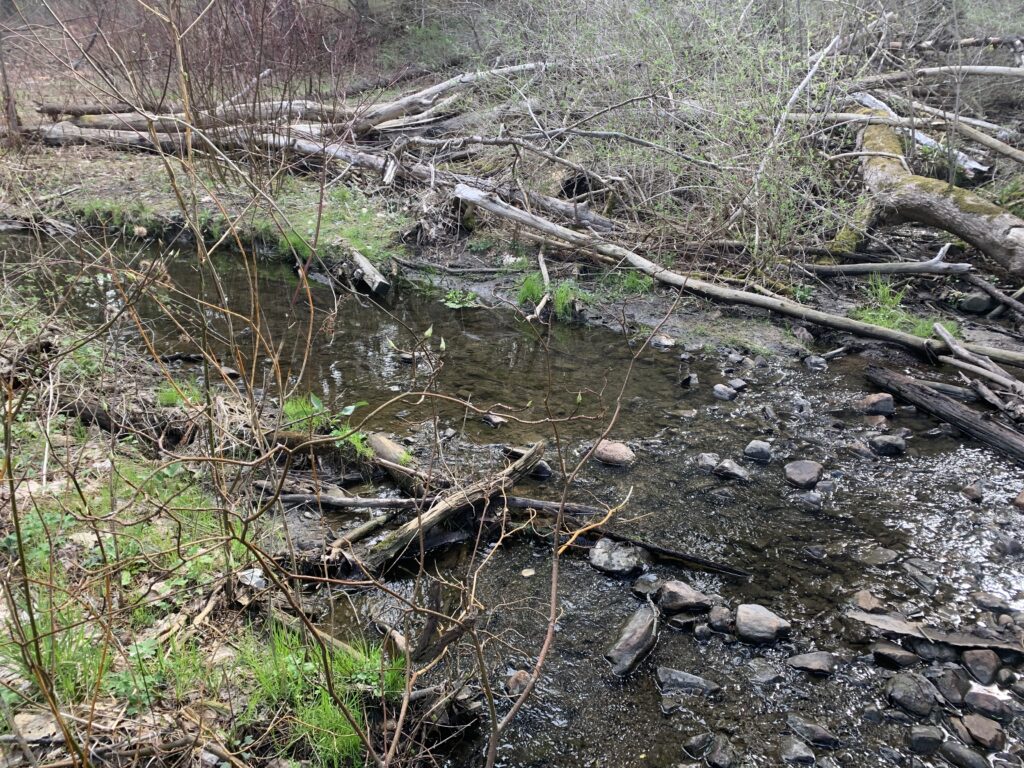
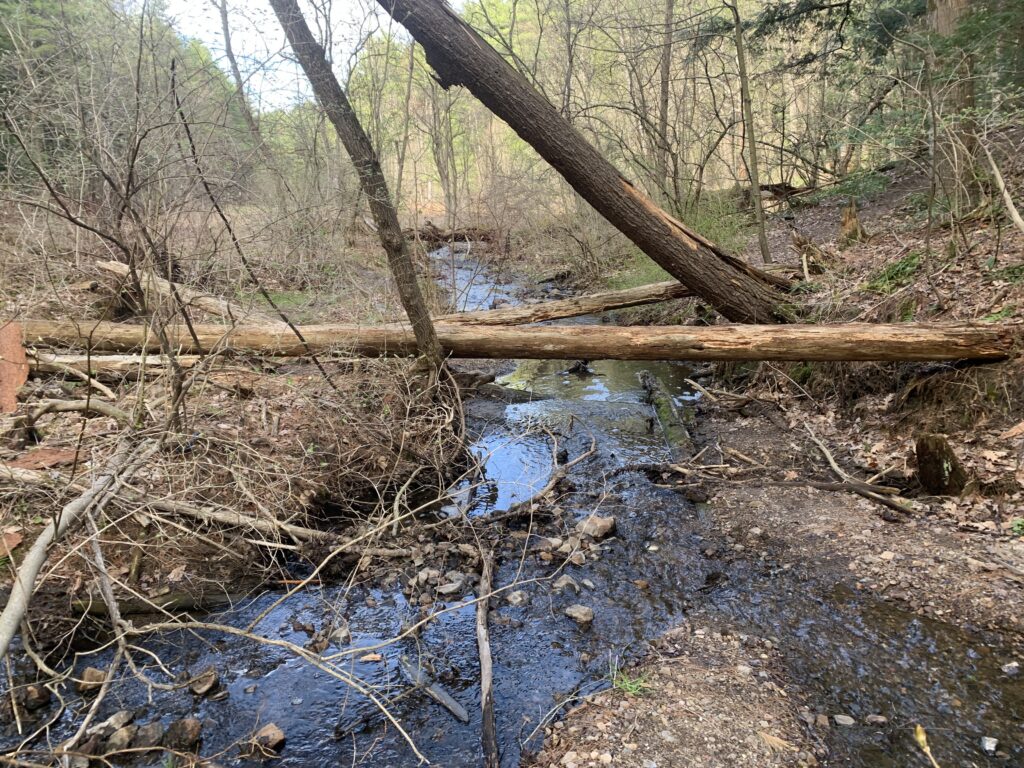
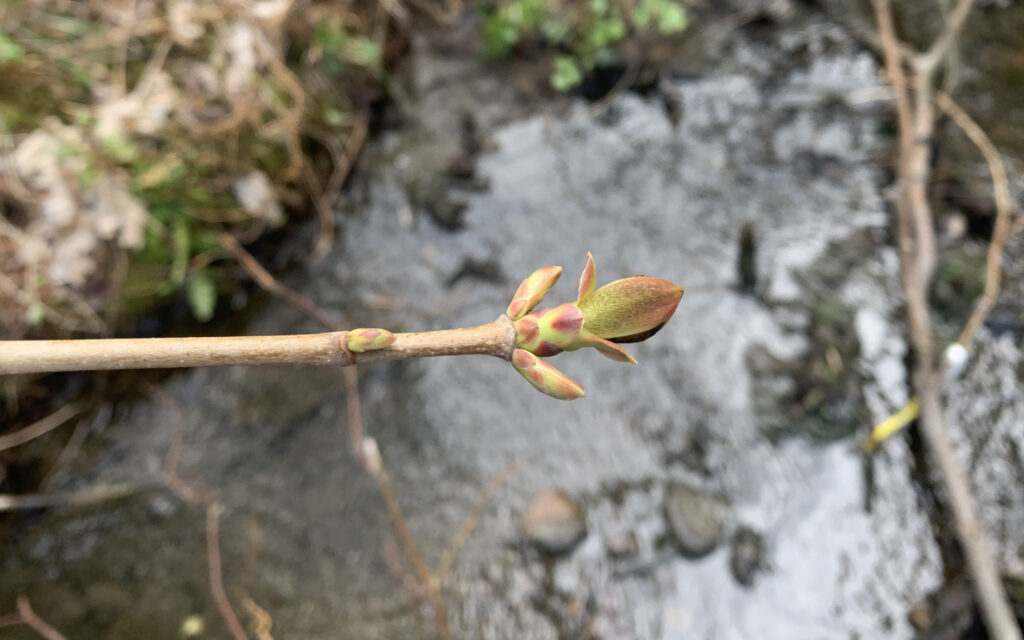
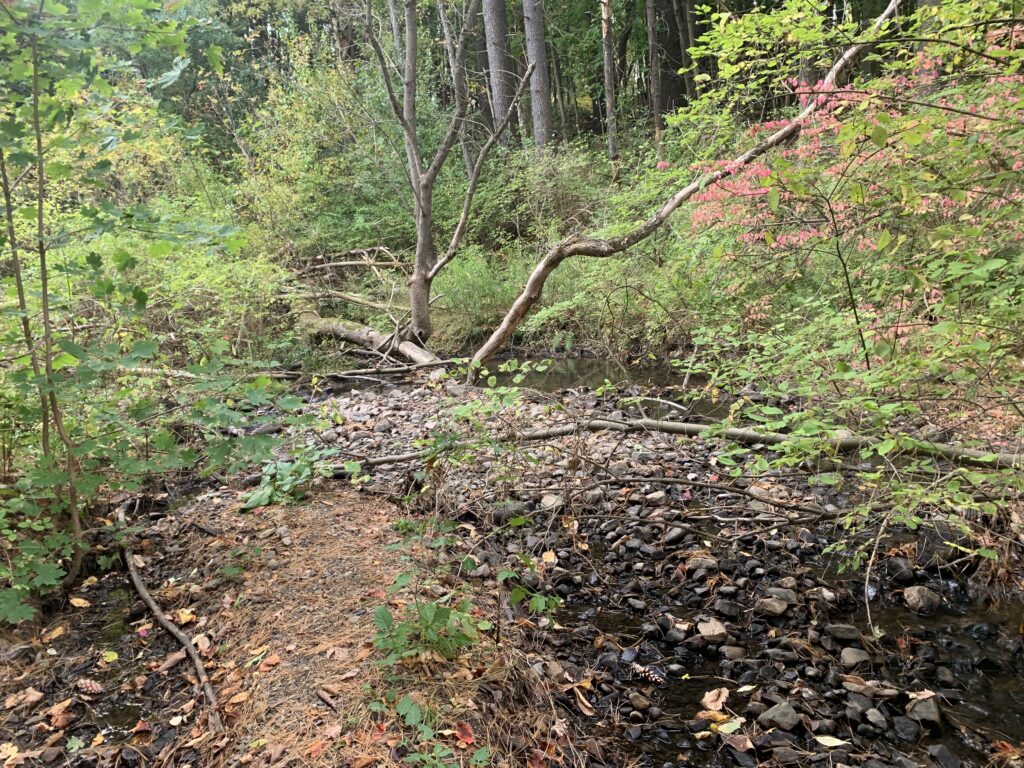
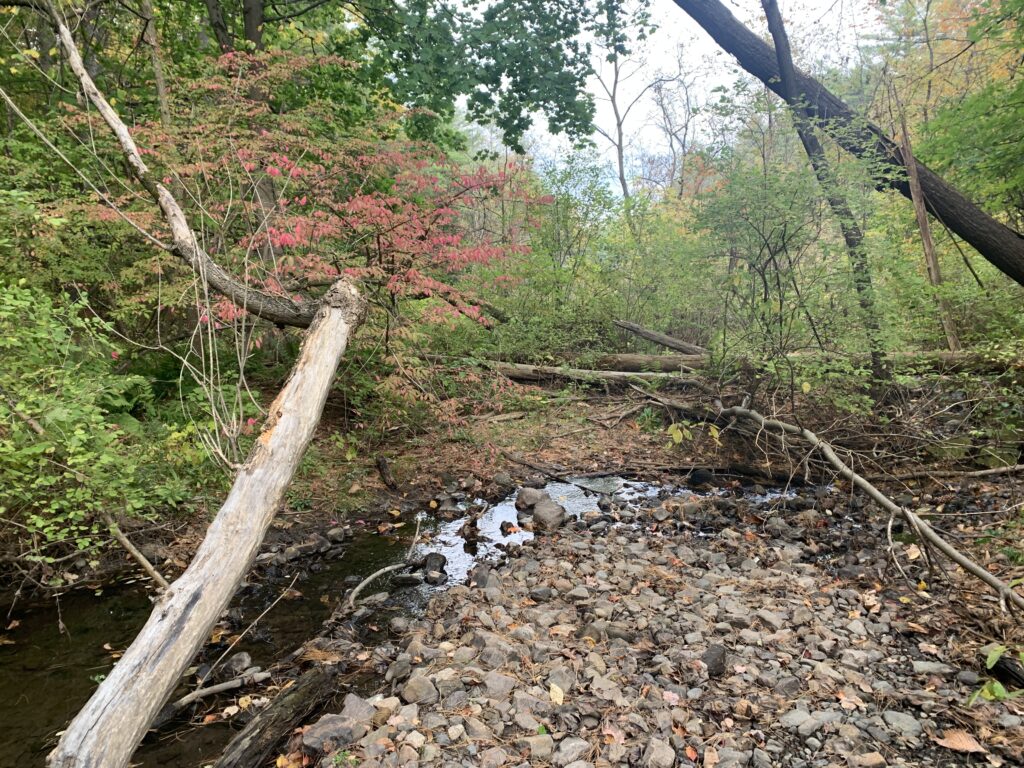
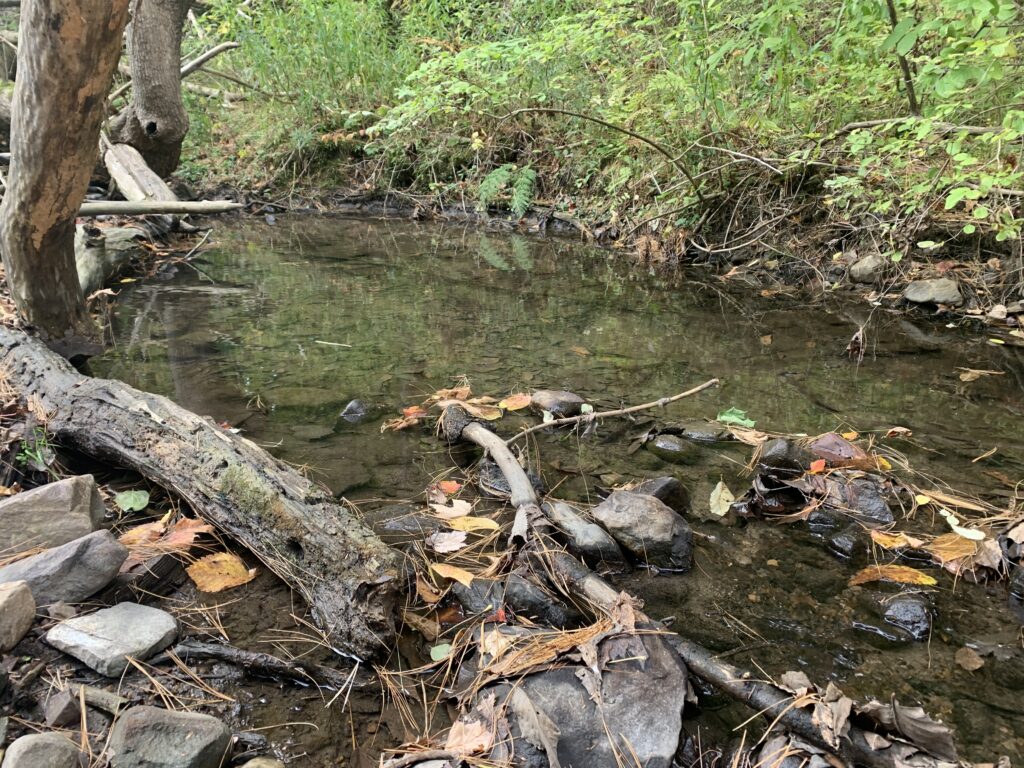
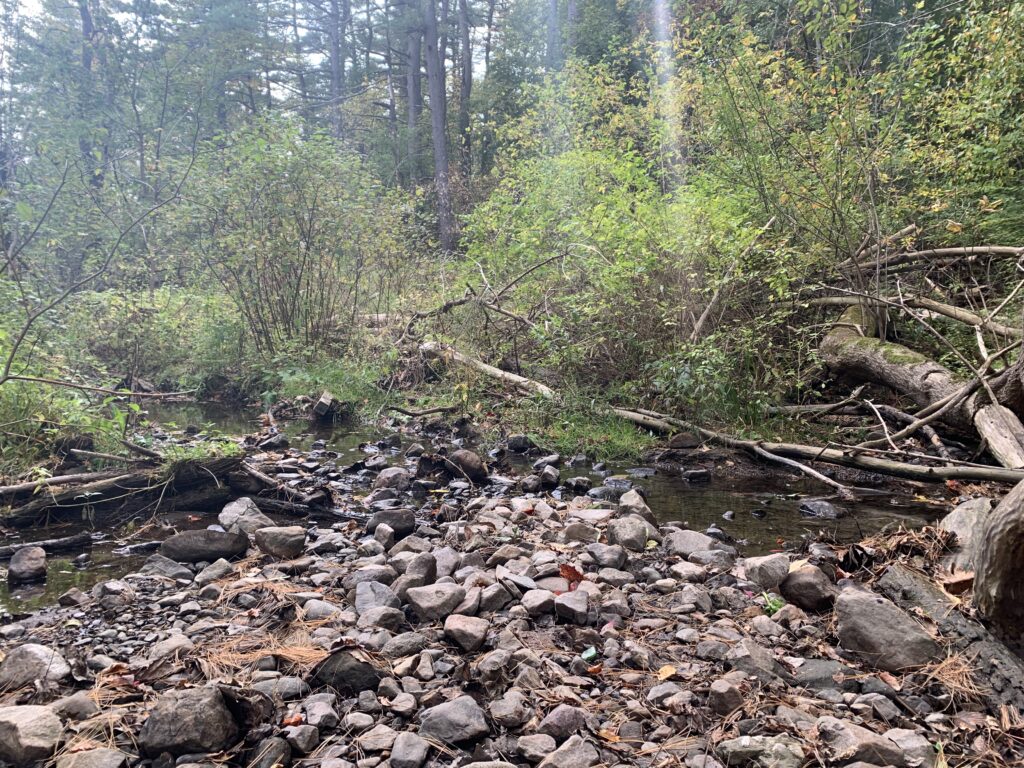
This is wild that it’s my last post for this blog! I know for sure I will be heading back there in the fall just to check it out because it’s now a very special spot to me. It’s the place I truly learned how to notice changes in the a certain natural area. Below are my final photos of what my spot looked like.
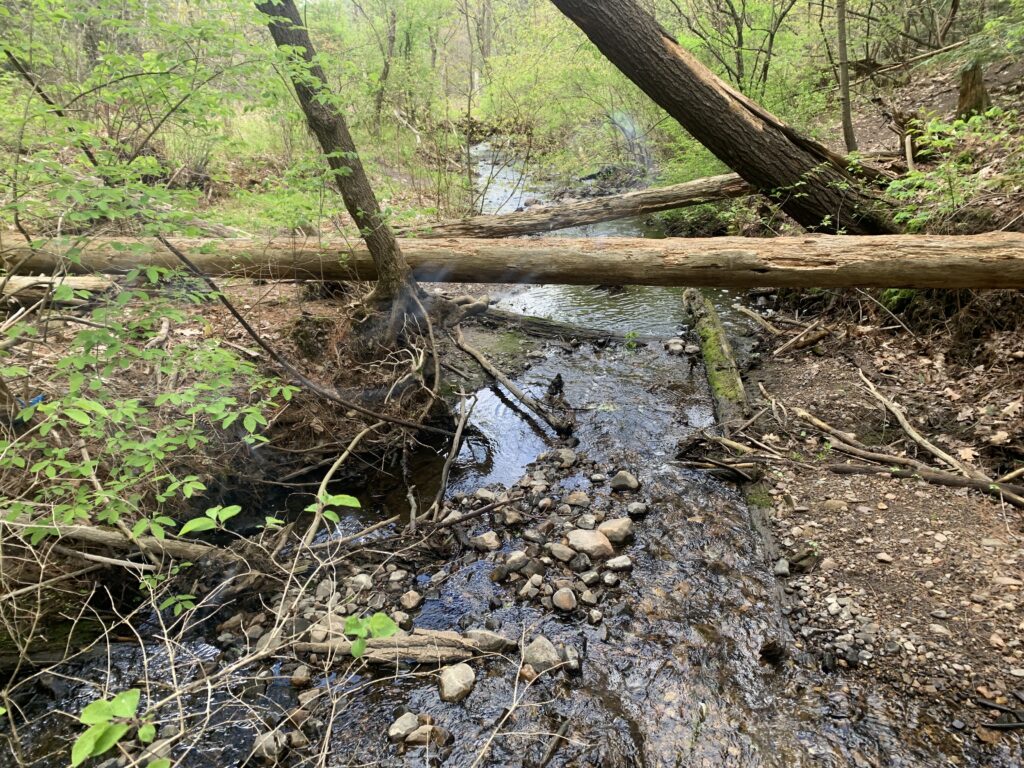
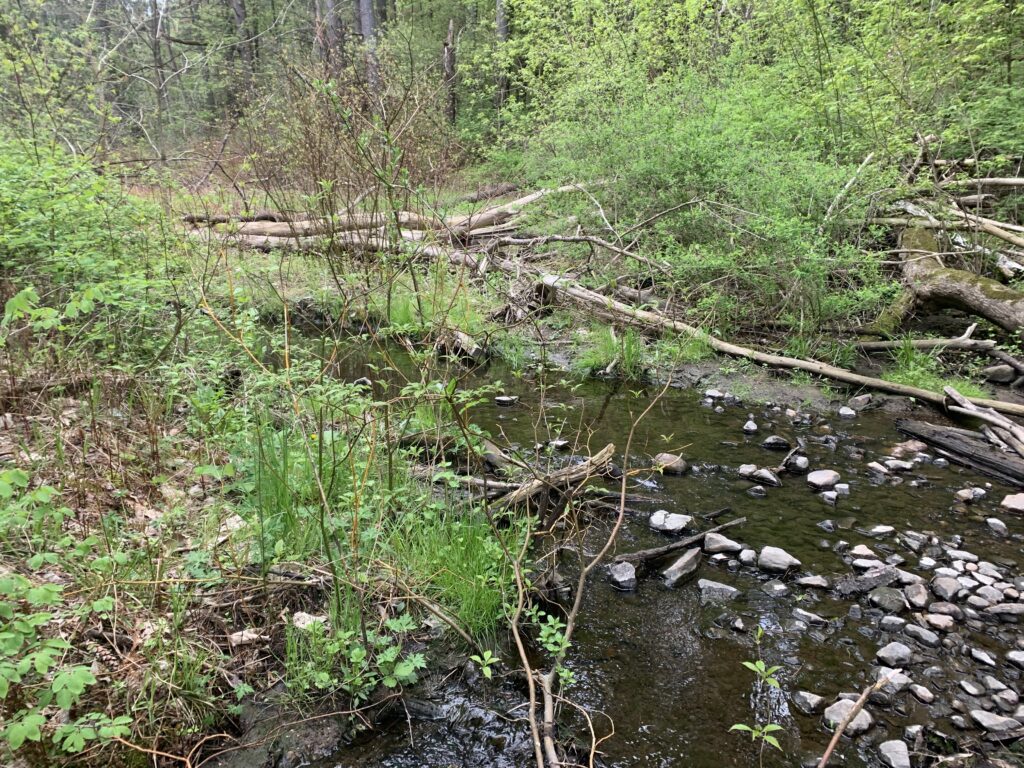
Downstream View
Upstream View
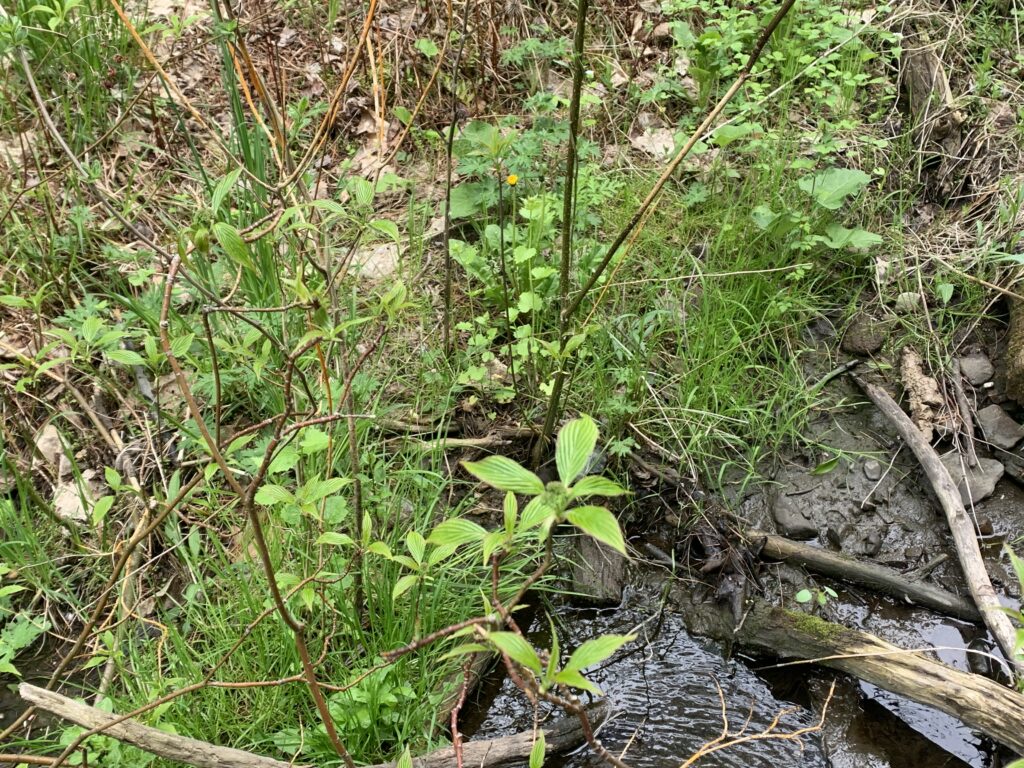
Growing Herbacious Plants

When thinking about how nature and culture intertwine in my place, there is many. This is because my spot is located in Centennial woods, and awesome spot that is used for education and recreation. Centennial woods is the closest natural spot to campus, and I believe it gives a lot of value to Burlington. There are many trails throughout the area that allow people to explore, go on trail runs, and even ski in the winter. One of the biggest concepts I challenged myself to understand is the relationship between humanity and nature. Right now, society has isolated the two, when we should not count ourselves out of wildlife because that is simply not the case. In fact we are completely part of nature, and without this recognition it is hard to feel like its our duty to protect the land we live on. This is why is think culture and nature intertwine beautifully at my spot because culture surrounds us. Since I had access to this place, I was able to establish a beatiful sense of belonging in the new city I am calling home for 4 years. Being able to fully acknowledge the life that grew and lived in this area was an amazing experience.

I consider myself part of this place, because I care about it greatly. I found myself feeling for the spot as if it was a life source, sacred to the area. If there was new evidence of destruction or litter, I felt sad. But on the other hand, seeing life grow again after a long cold winter made my heart leap. Thank you so much for giving me the opportunity to feel truly connected to a spot that is overlooked by the common eye. I will be visiting it whenever I need to feel grounded because I know this is not the end of my journey and relationship with the beautiful place on the stream in Centennial Woods.
May 4, 2021

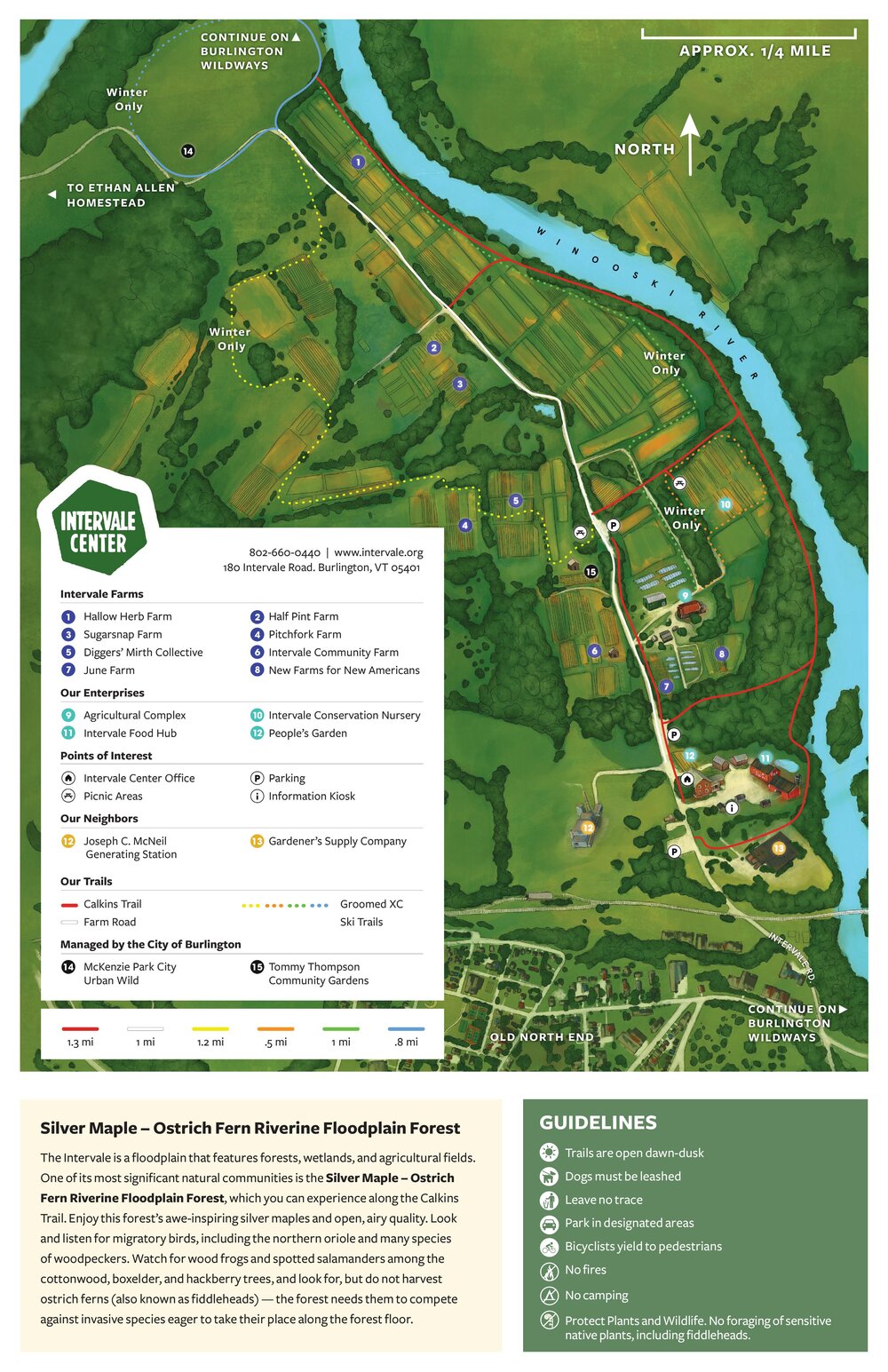
This week we got to participate in the Urban BioBlitz in Burlington and Winooski. This was really cool because I have done a BioBlitz before, but only in a protected nature area. The event I participated in was the Spectacular Nature Challenge at the Intervale, which is a 360 acre campus that consists of farmland, trails, and open space along the Winooski River in Burlington. I mostly spent the day in the rich floodplain forest that lines the river. Below is a map of the Intervale.

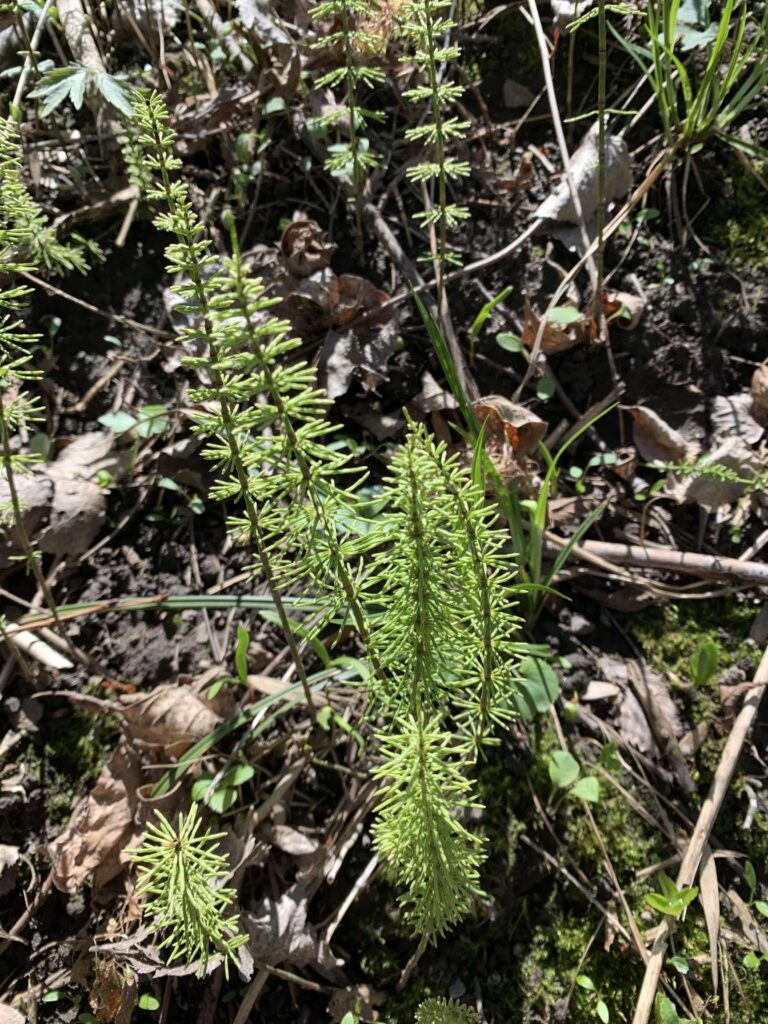
The coolest thing I found while exploring the land was the Shady Horsetail. The particularly caught my eye because they glistened in the sunlight and were growing all over the forest floor. I had never been able to identify this specie, but thanks to iNaturalist it was a lot easier. Below are some photos of this cool plant.

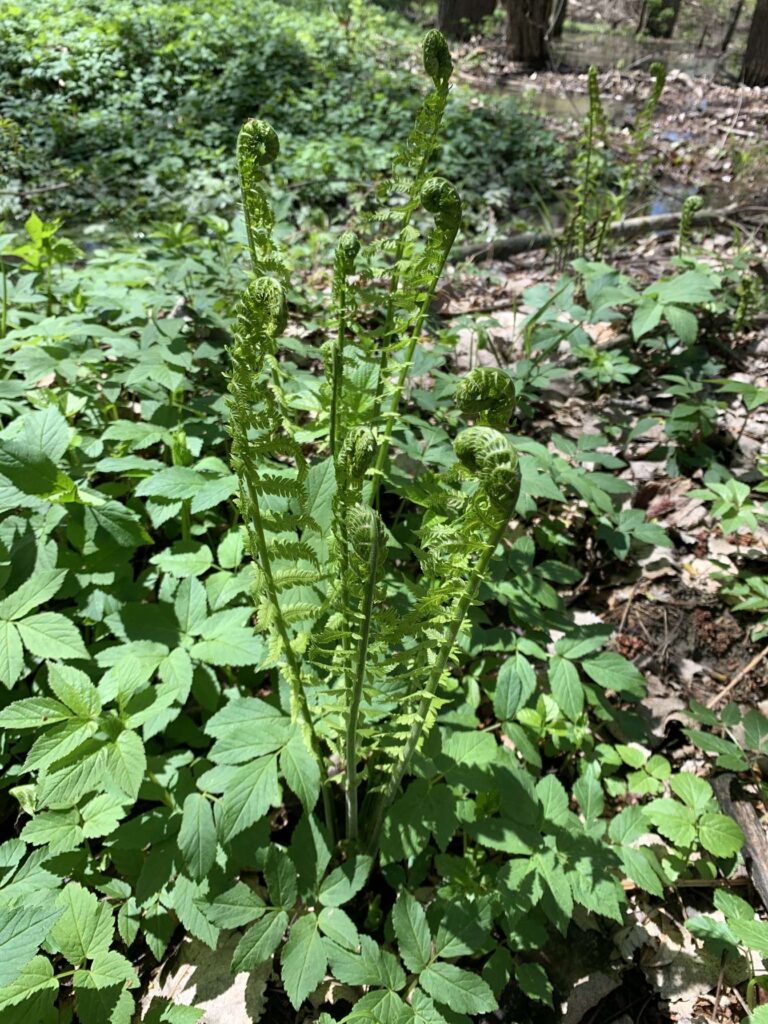
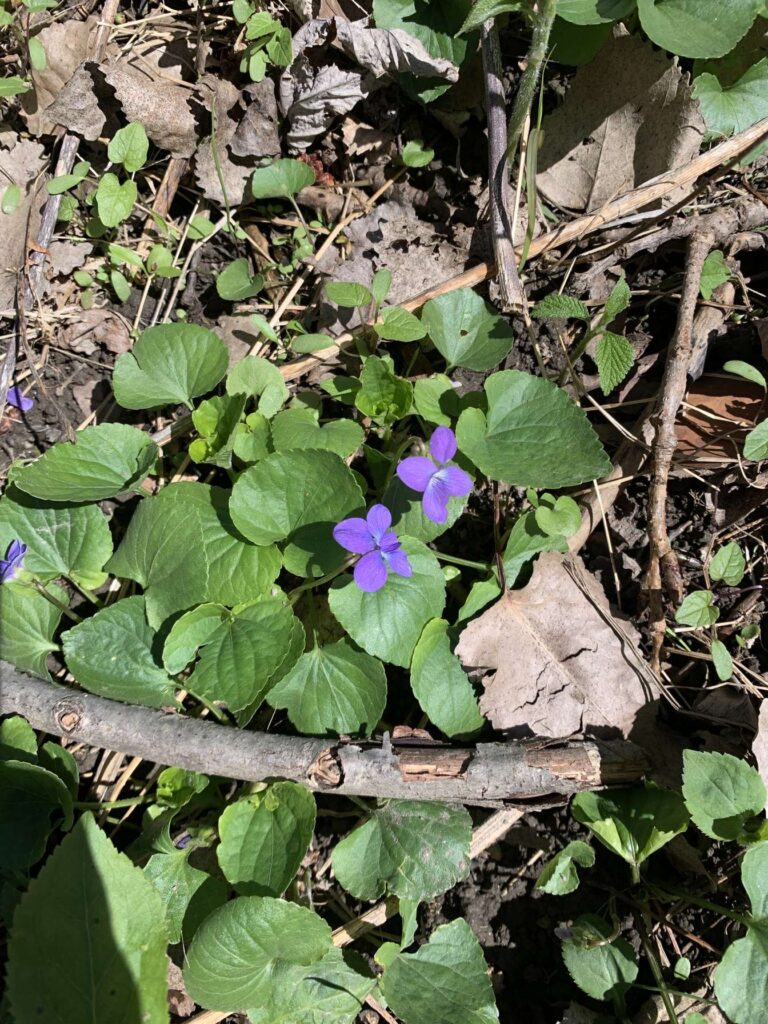
I also got the chance to seem some other plants on the forest floor, including the Common Blue Violet, the Ostrich Fern, and the Mustard plant. I already knew how to identify these, but it was cool to see so many of them in the floodplain. Judy Dow, a nationally known Abenaki activist, led a group around the forest and gave us some information on the plants. Garlic Mustard plant is actually an invasive species that needs to be controlled because it is competing with native organisms for limited resources and altering the habitat surrounding the Winooski River. But, the plant is also edible and I got to try some mean pesto that was made by the volunteers at the event.

Ostrich Fern
Common Blue Violet
Mustard Plant

I want to expand a bit more on my experience with iNaturalist during this event. I have used other identifying apps, but they are just limited to plants and fungi. It was actually really helpful, and I am looking forward to using it back at home in Columbus, Ohio. One of my favorite things about the app is it creates a place for people in different cities to share what they have found and their different observations. I think the app is such a great tool for helping communities have a deeper sense of place, as understanding the landscape around us give a much larger feeling of belonging. This will help communities embrace and create goals towards conservation. But, overall I am just really stoked I got to participate in such a cool event.

April 18, 2021

Spring has Sprung!

Above are 2 overall photos of what my sit spot look like as spring begins. It was cool to see some green and the stream flowing again. One of the herbaceous plants the began to grow was ostrich fern, and then another was tall grass that lined the edge of the water. Upon further investigation I was able to identify some common blue violet. I was excited to see this because it is an important food source for many birds and mammals. The plant is also edible, but there is not much taste to it.

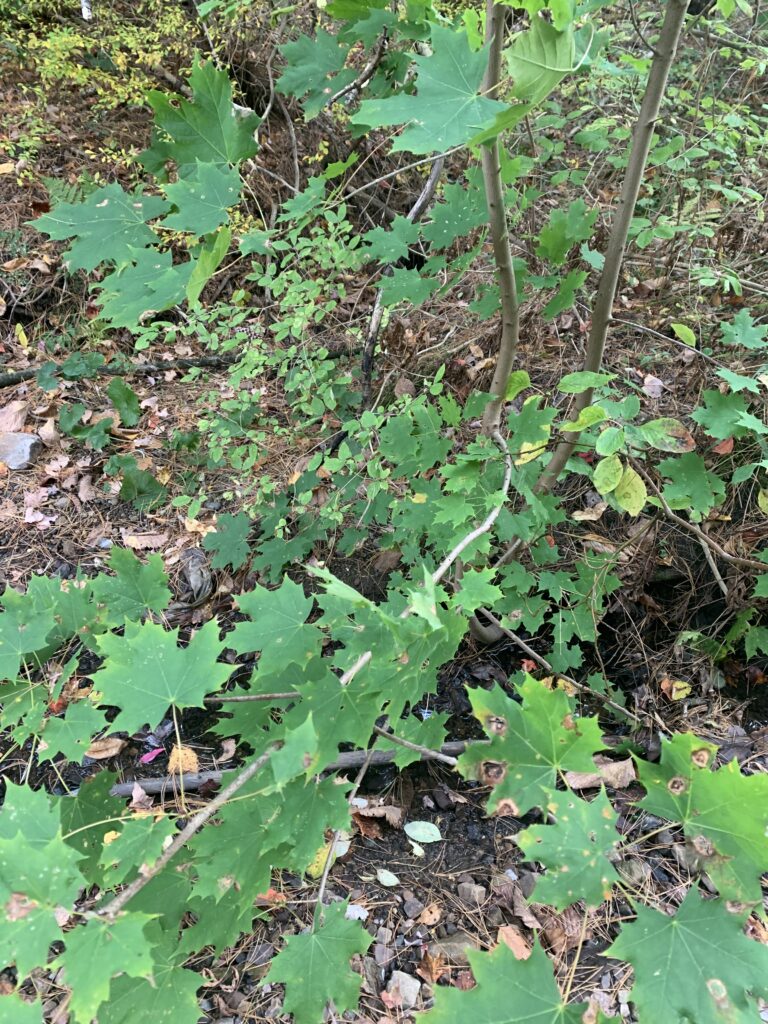
Here is a photo of a Norway Maple bud created by a sapling along the stream of my phenology spot. The colors are beautiful, and looking at it made me realize how much I tend to disregard the beauty of buds that are growing. The pattern is also a lot more intricate than I thought it was too.

March 7, 2021

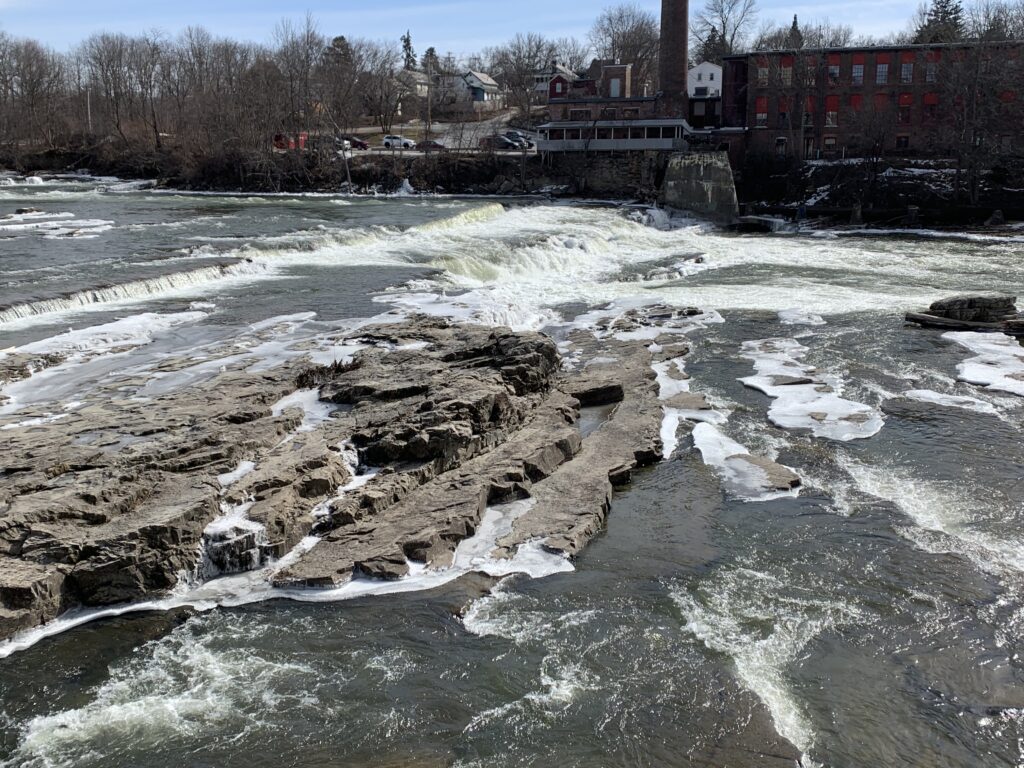
For my exploration, I decided to go to the town of Winooski and explore the floodplain along the Winooski River.

Winooski River

On the river and rocks there were many sea gulls and Canadian Geese. It was fun watching them walk around on the ice. But, upon exploring the floodplain forest farther up the stream, there were many more birds to be identified. The collective list includes crows, robins, titmouse, chickadee, and red breasted nut hatch.

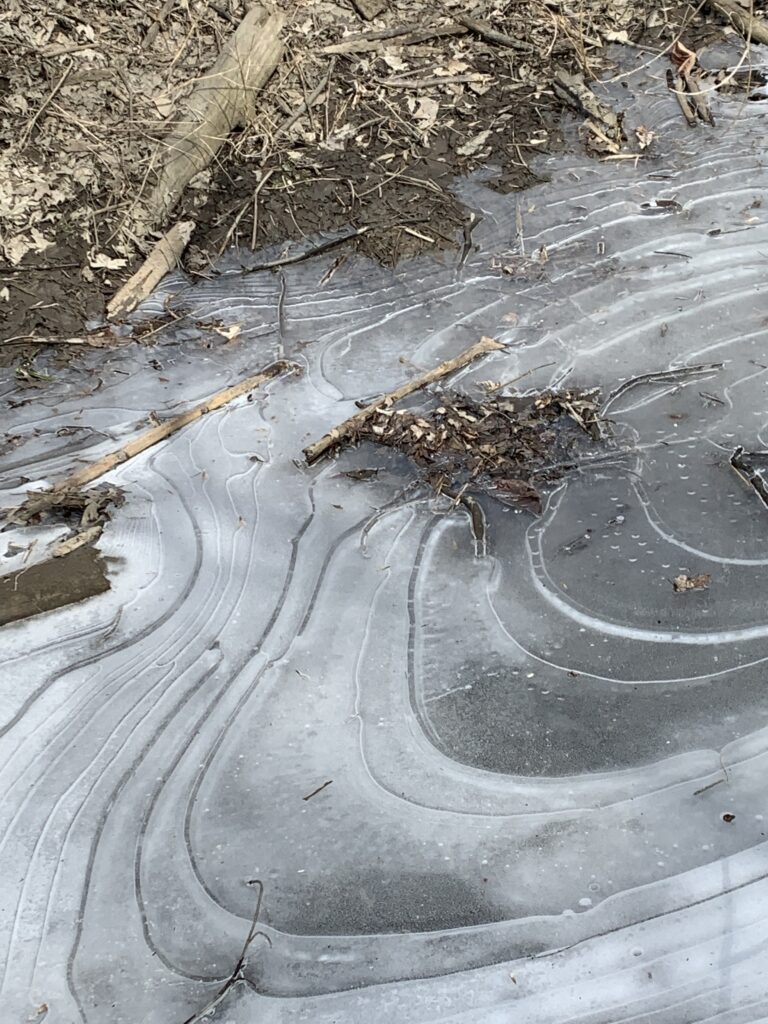
Ice Formation in Floodplain by Winooski River

Above is a very interesting pattern of use I found. I tried to figure out the process that occurred to create this design, but it was challenging. My best hypothesis is that is was a combination of the ice both melting below near the floor of the forest and also on the surface from the sun. It was in the shape of a puddle, so that is my best guess. But overall, it is a very fascinating piece of ice.

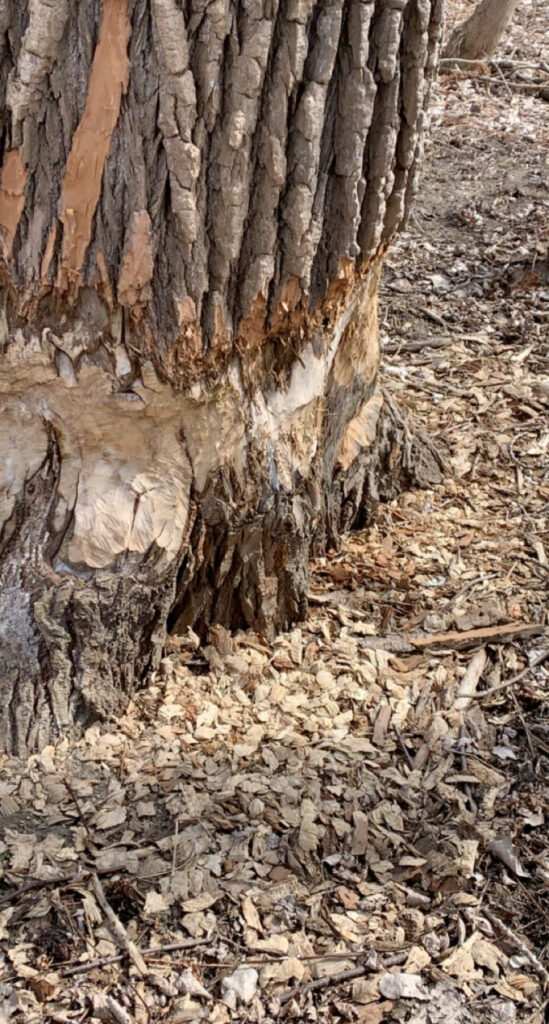
I also looked for signs of other wildlife besides bird sightings and song. Above is evidence of beavers as they chip away at the base of trees. There were so many trees that were partly shredded or completely broken off the base of the trunk from these guys. This was awesome to see after learning about how important beavers are for ecosystems. Another sign of wildlife was an owl pellet found on the floor of the forest. I also was able to see some deer. But otherwise other nature I saw and identified included silver maple, basswood, white ash, buckthorn, and tons of ostrich fern which thrive in floodplains.

When it comes to human activity there was a lot because I was exploring a recreational park. This included many foot tracks and quite a bit of litter. It was a fairly nice day so many people were out in the park enjoying the beauty it has to offer.

February 5, 2021

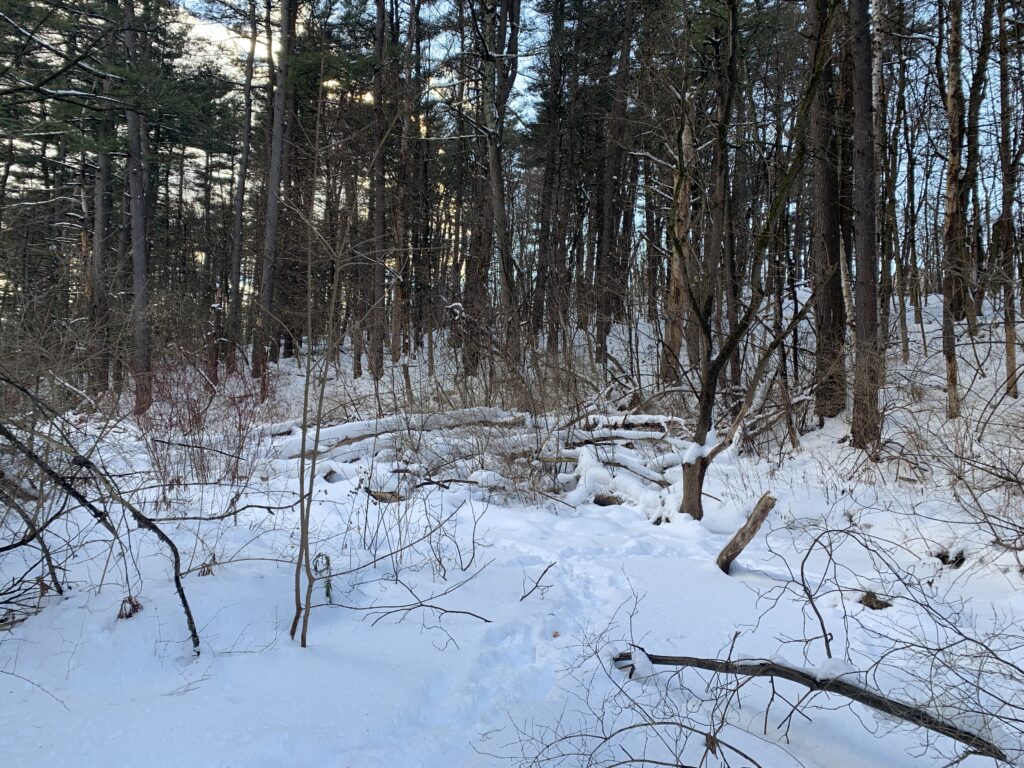
Unfortunately there were not any distinct animal track in my Phenology Location. The only real tracks that were added were I believe human and dog tracks. It was interesting to see a path be created on what used to be the stream. There is a lot of snow now which I feel like is the most obvious change. I dug through the snow to the stream and it was completely frozen.

Something else I believe is worth mentioning is that every deciduous tree fully lost it’s leaves. The only pieces of greens were the pines and hemlocks that surround my location.

December 5, 2020

History of Centennial Woods

The History of Centennial Woods is more complex than what meets the eye. It originally started as an old growth forest before there were settlements. The forest was lush and full of diversity. Upon human settlement, the woods was logged for timber. It was then completely cleared for farmland. If you look closely at the woods while walking, there are remnants of wire fences used for farming sheep and other livestock. When the sheep market collapsed, the land was used for dairy farming. Many years later, it was bought by UVM. Shockingly, UVM originally used it as a landfill to dump all their waste in. It was only in 1974 that UVM designated Centennial Woods as a natural area. Finally in 1997, conservation began. This brings us to present day Centennial woods. The woods is used for recreation and eduction, including many different trails to navigate the natural area. There still is room for improvement when it comes to the preservation and conservation of the land. The trails are unclear, leaving it hard to follow “Leave No Trace” (LNT) principles. I hope to see UVM improve Centennial woods by placing an emphasis on these principles, including anything from adding Trail Blazers, to putting helpful reminders on signs to not go off trails. This will help with allowing the woods to continue growing since it is a fairly new forest, and it will also prevent erosion.

Hendrick. A, (9/9/2020)

November 25th, 2020

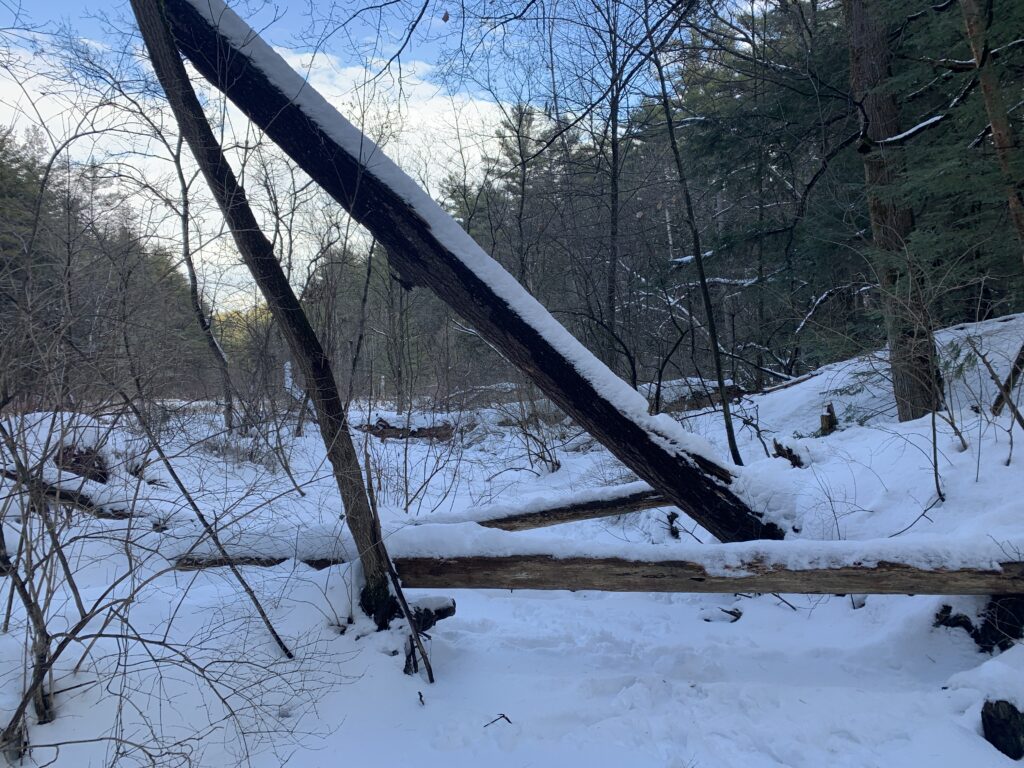
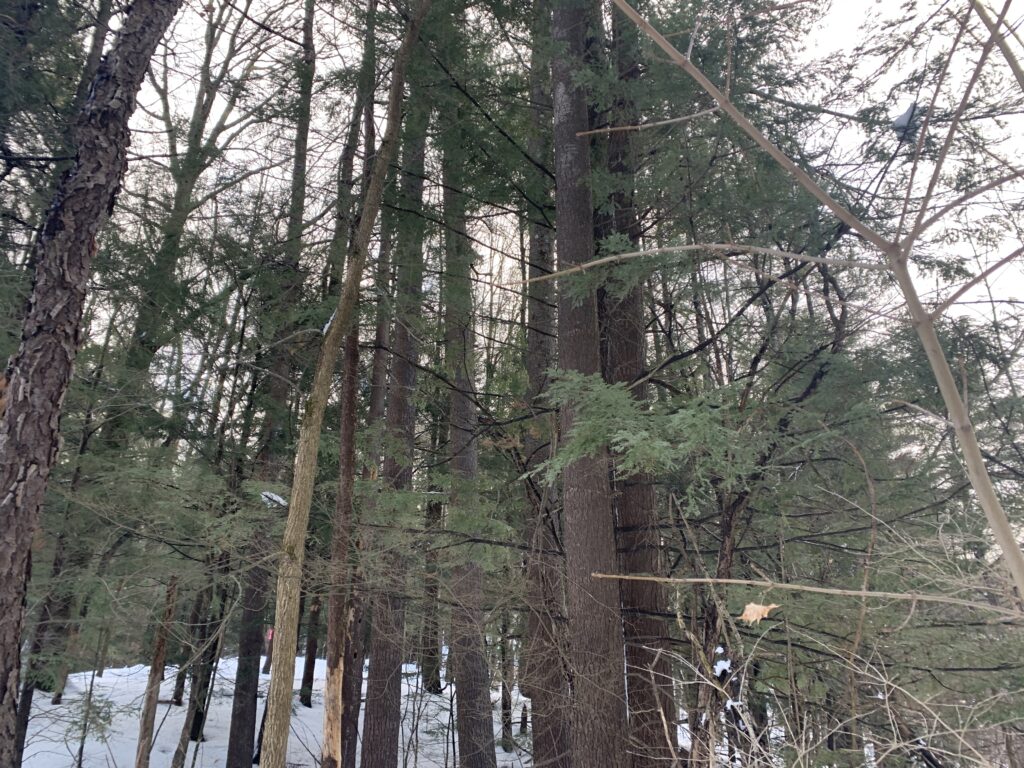
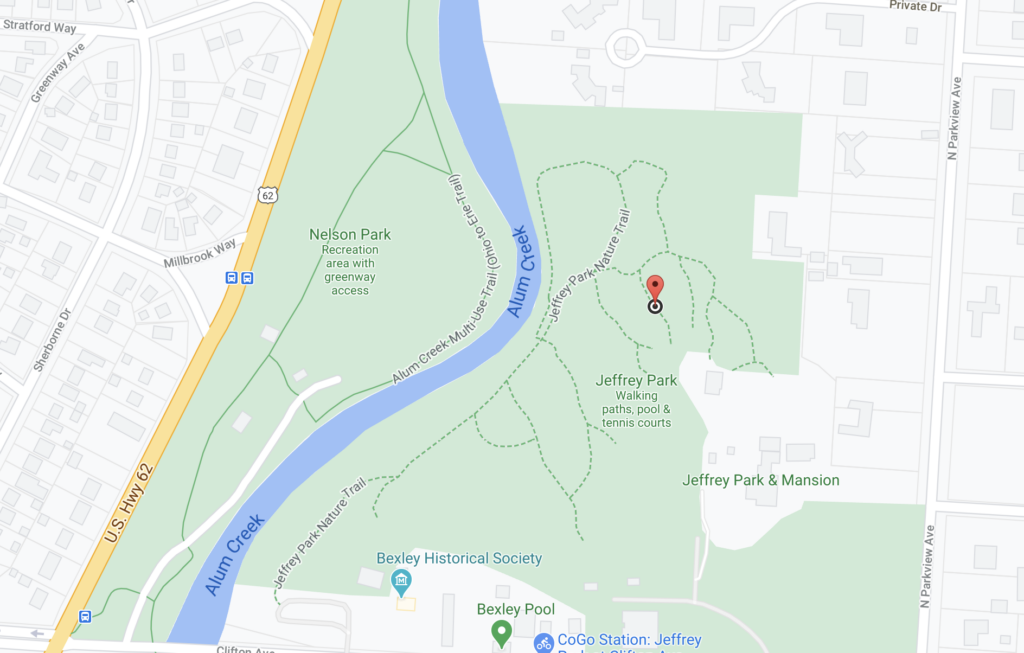
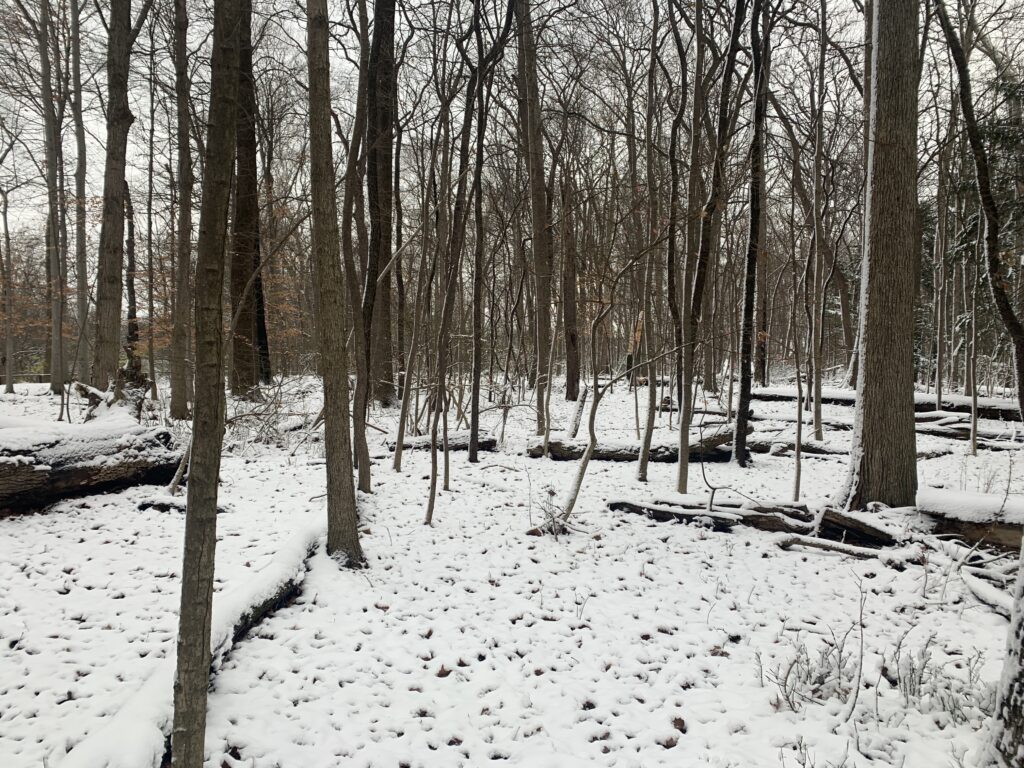
Below is a Google Maps Reference to where my Phenology Spot at home is. It’s in this park that I went to a lot as a kid. Something interesting I like to think about that is related to change over time is that this piece of woods feels way smaller now that I’ve grown up. I cannot tell if it’s because I’ve gotten bigger, or the neighborhood has grown, shrinking the original woods.

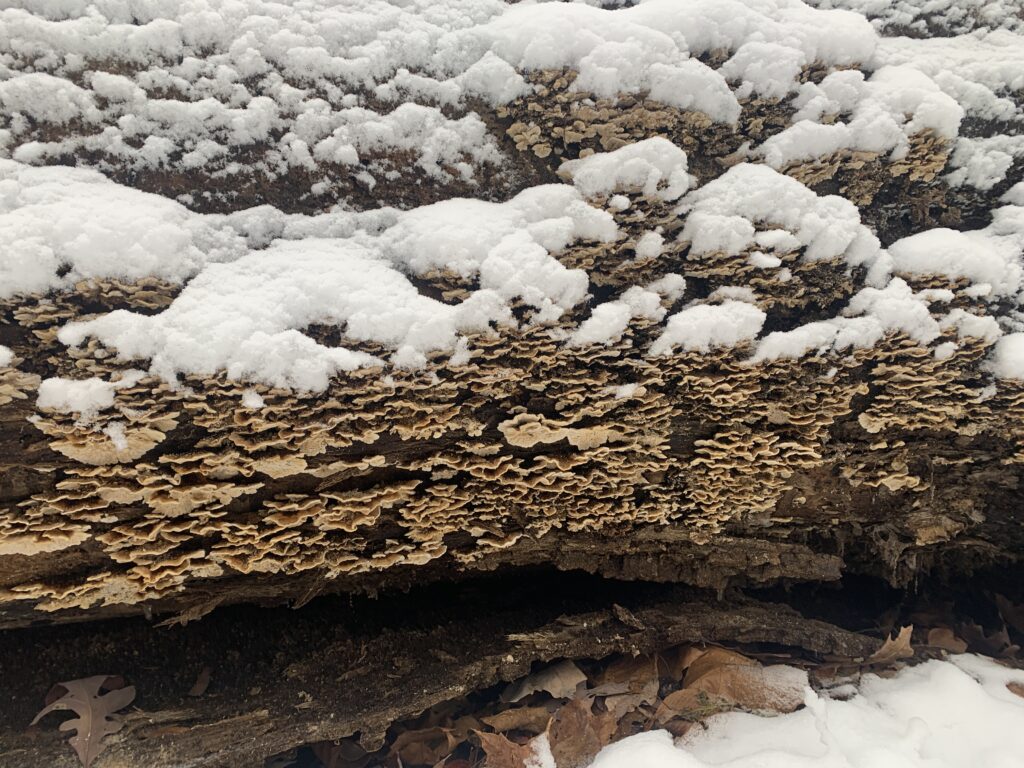
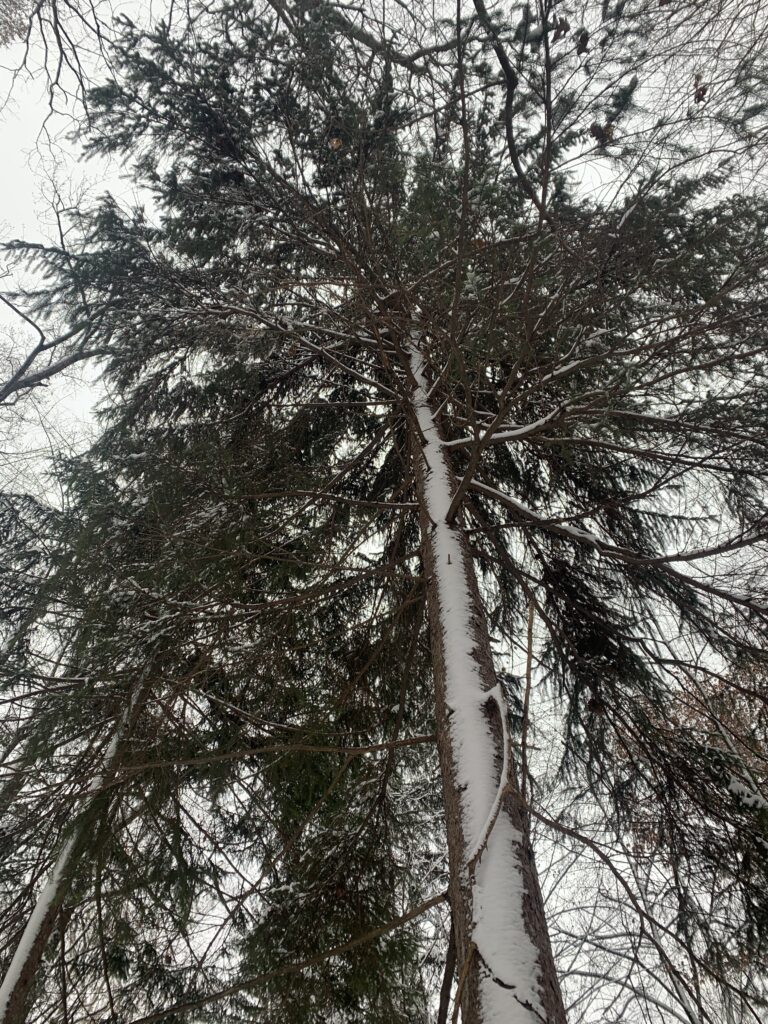
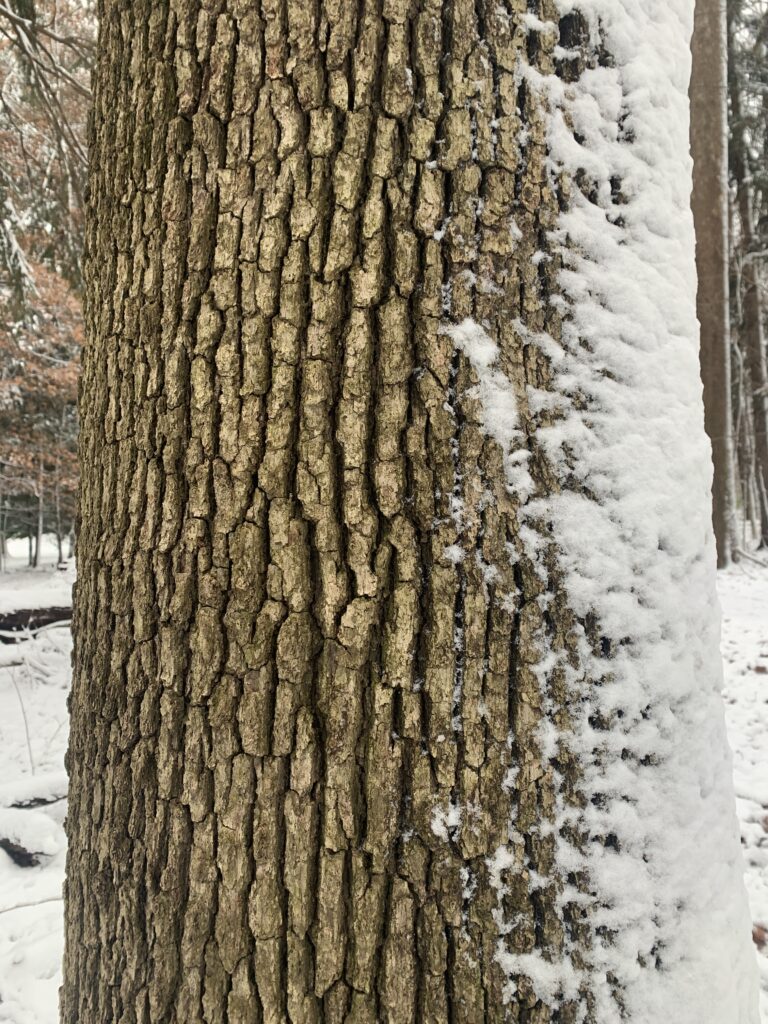
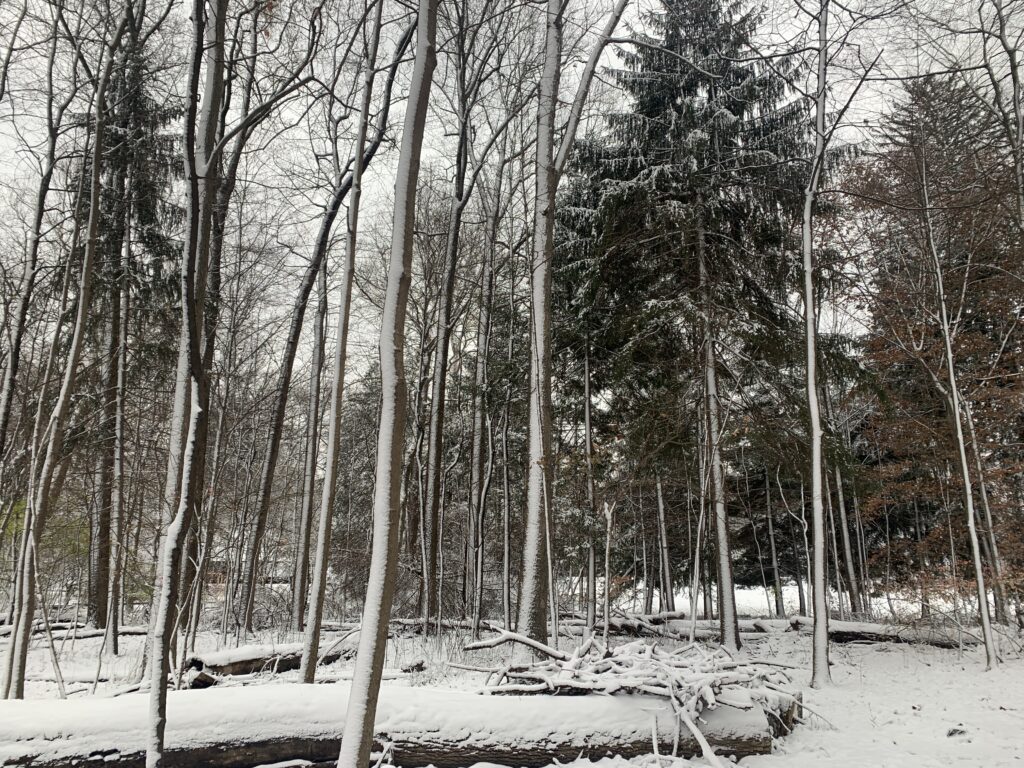
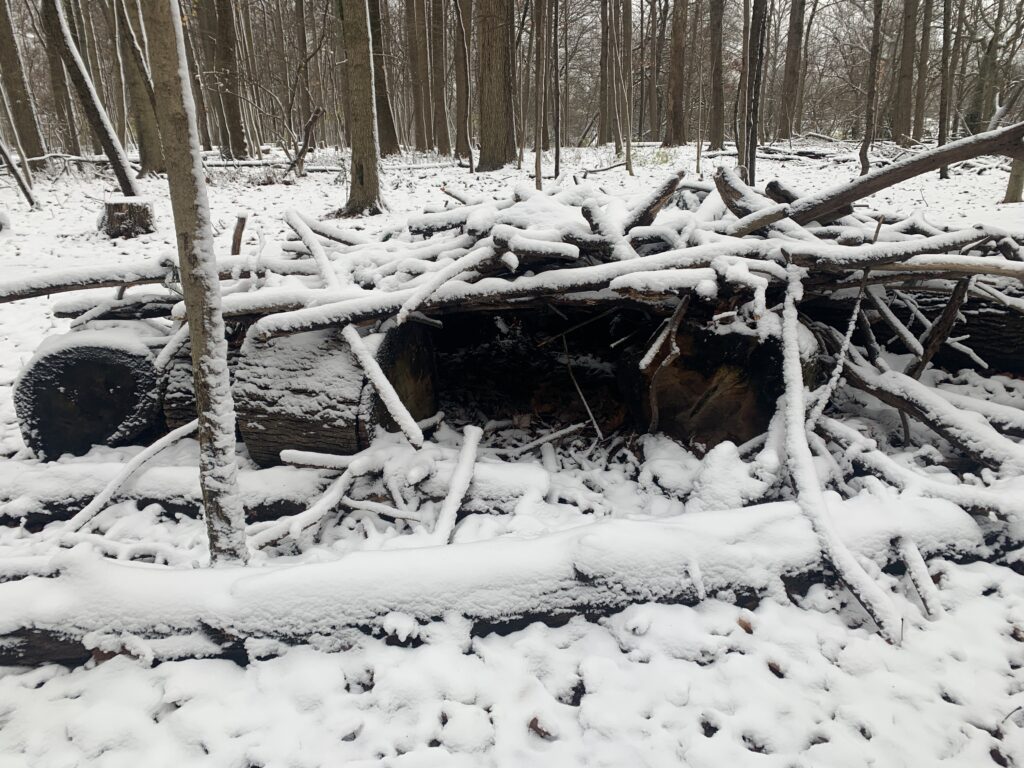
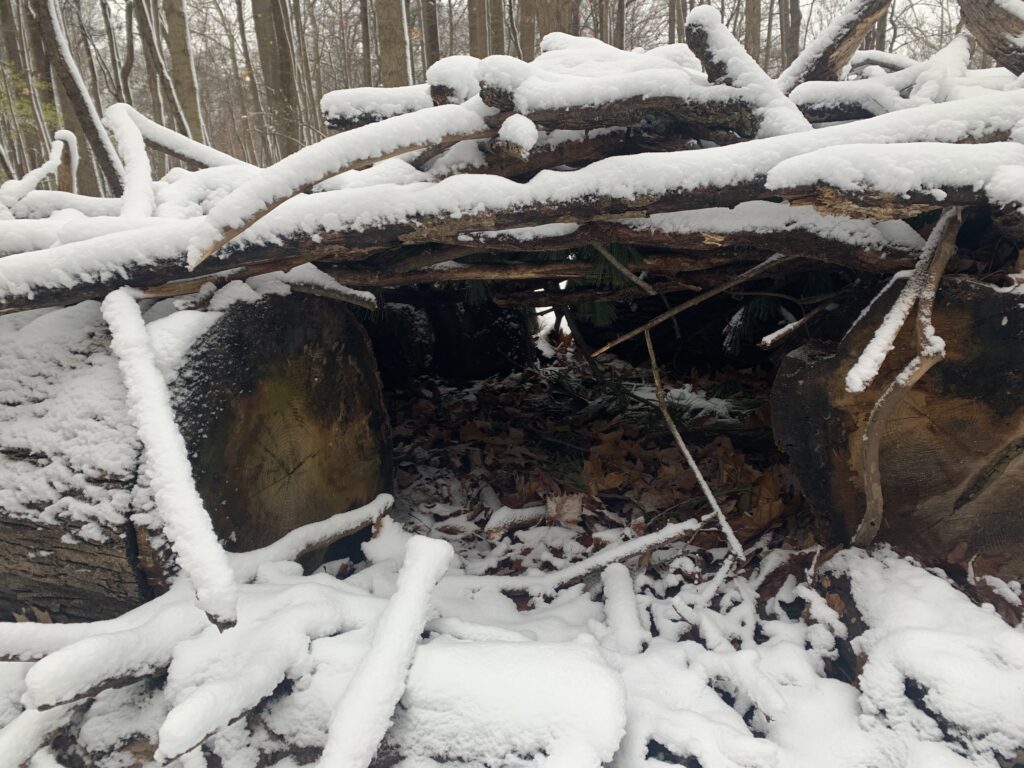
I originally thought there would be more differences between the ecology of Vermont and Ohio, but it is surprisingly similar. In my location there were Norway Spruce, Green Ash, Black Cherry, and a Sugar Maple. It was really cool that I could identify these just knowing the common trees in the Landscape of Vermont. Of course a difference is that there was snow at my Ohio location, but I know that’s just because I visited it later in the year. The first photo in the gallery above has really cool mushrooms that are growing on the fallen Green Ash. I believe they are Crimped gill. This fallen tree was also turned into a shelter, and this happens to be a common theme in the Jeffery Mansion Woods. I don’t know why there are so many shelters, but there are.

Another difference between both of my locations is the topography of the land; Ohio is flat. There is not much elevation change at all in these woods, except when going down to the creek. Alum Creek is horribly polluted and generally connected to a very unhealthy water shed. You can see the oil on top of the the water. It was always interesting to hear about the water problems in Vermont, when all I had known are the problems in Columbus. You can barely compare them because of how damaged most ecosystems are in Columbus and Ohio in general. But, there are efforts to conserve some natural areas like this one.

November 8th, 2020

Event Map

Hidden Gems

Down the hill of the old hemlock forest,

Off the trail,

Past the ferns,

A hidden gem waits to be found.

A creek divided by fallen trees,

Where leaves float

And effortlessly dodge the rocks,

As they make their journey to the Winooski River.

The spot is guarded by tall white pines

And red oaks

That extend their branches,

And keep the swimming fish cool below the surface of the water.

Every two weeks

I am blessed with the beauty,

As I am reminded just how amazing

Living in the present is.

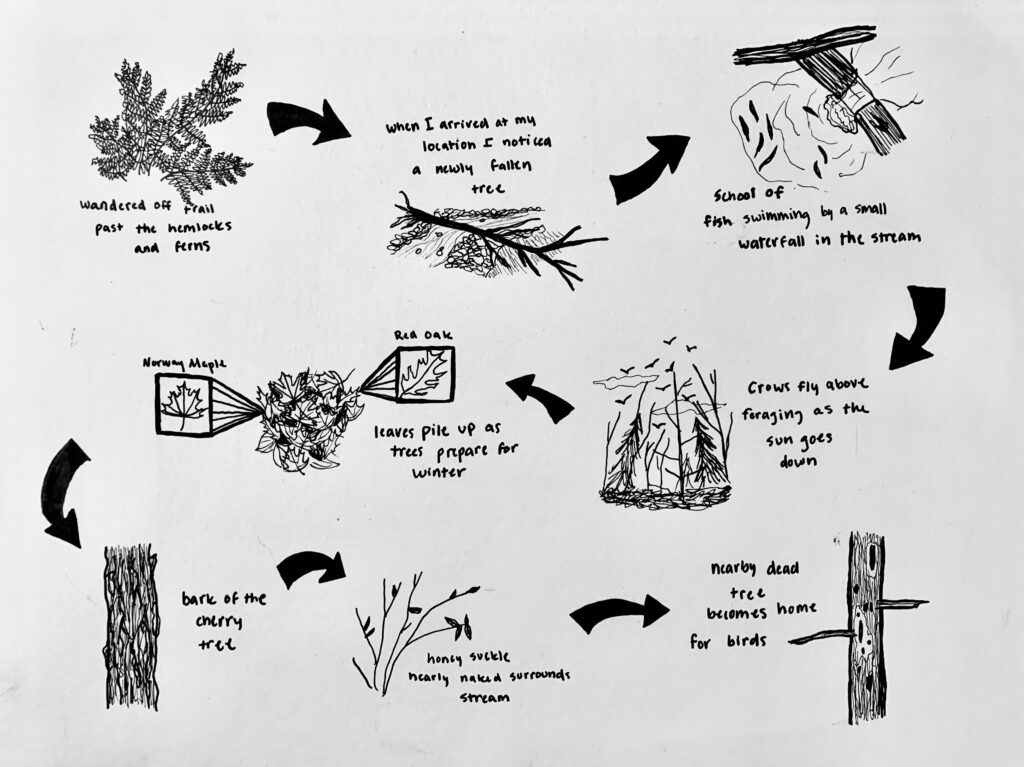
When I arrived at my Phenology Spot, the first thing I noticed was that nearly every leaf had fallen. The water was low, and the stream was moving slower than it had been. There was also a newly fallen tree. The only surviving ground covering were the ferns, and even then they were are bit droopy. The creek itself was also clearer in the sense that there weren’t many bubbles.

October 25th, 2020

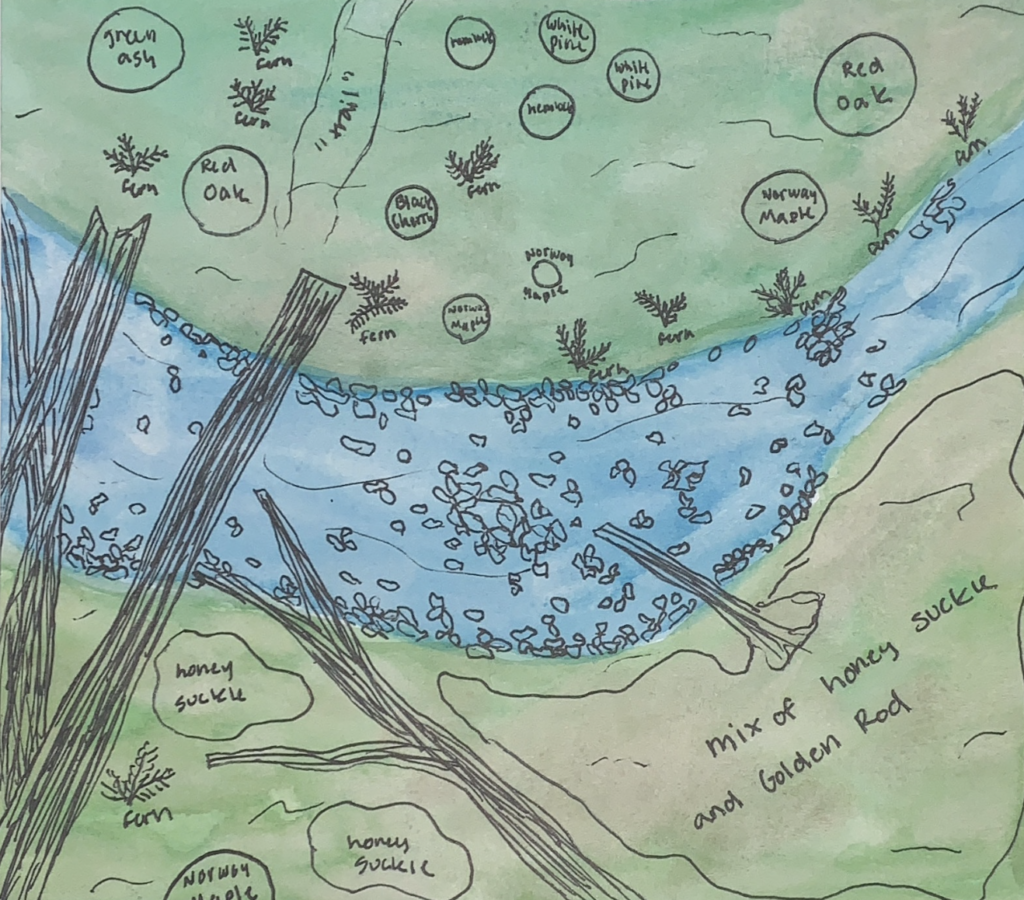
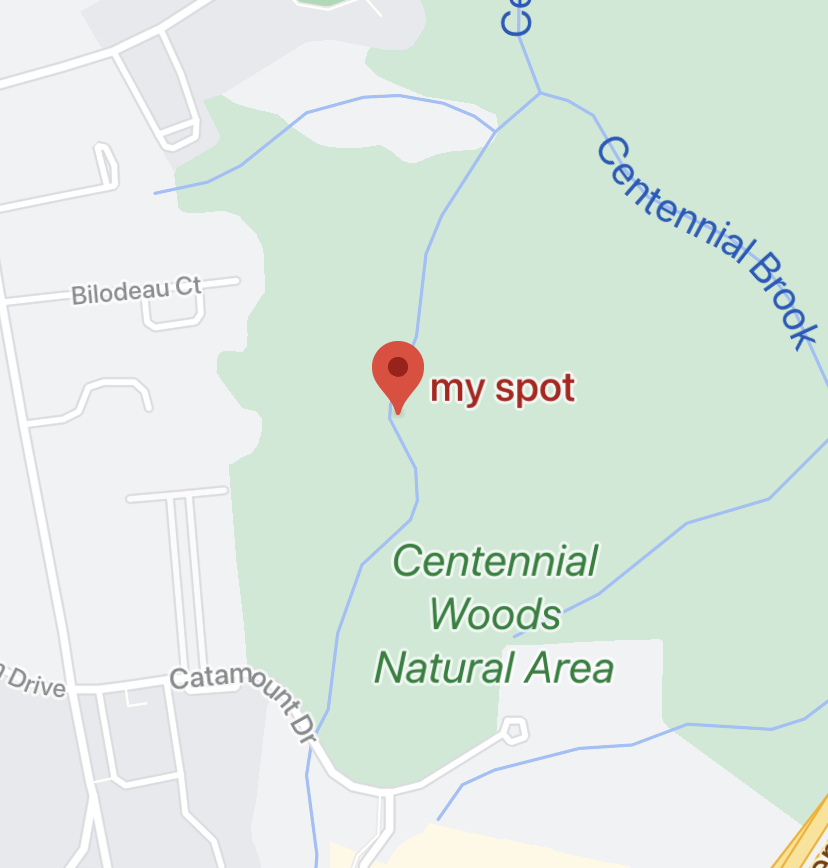
Above is a birds-eye view of my phenology spot. It includes all the trees, plants, and fallen trunks that are in the area. The circular shapes in the water are rocks. This is because the steam is fairly shallow. Something that I noticed when returning to the place this time was an increase in sediment in the stream. I think this is because of the lack of rain. The water hasn’t been flowing fast, which left room for mud to collect on and in the rocks. There was also an increase in leaves on the ground that dropped from the trees. Even the ferns were wilted because of the drop in temperature. It’ll be interesting to see what happens as the weather continues to get “worse”.

October 10, 2020

Welcome to my first post for my phenology Location!

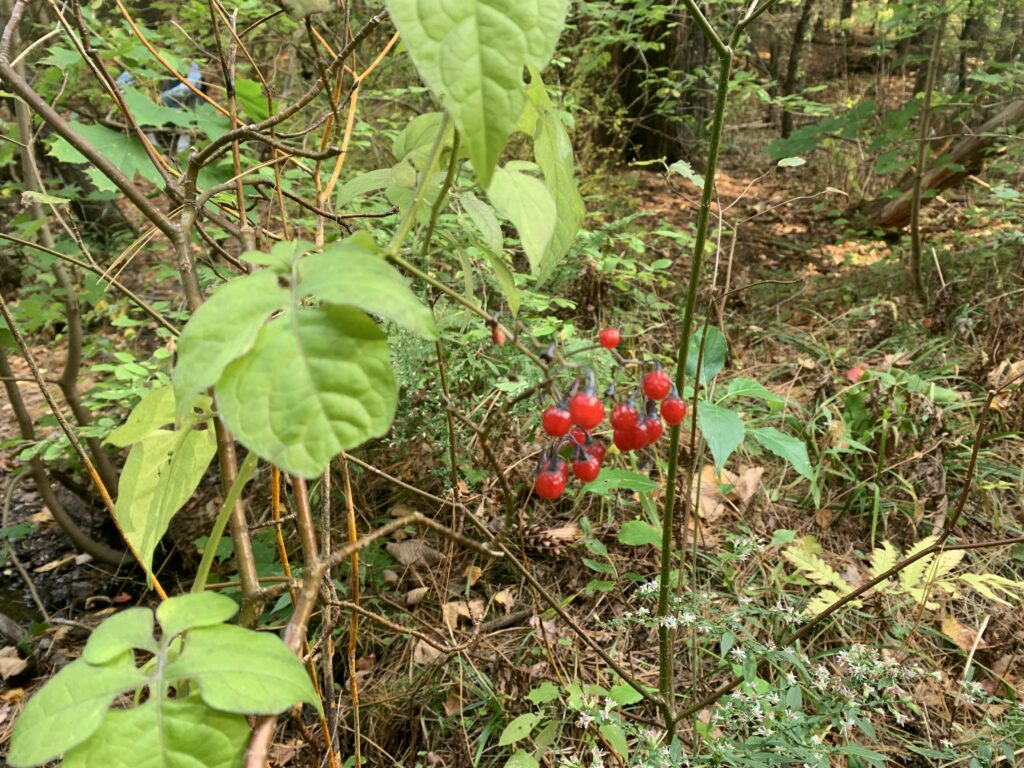
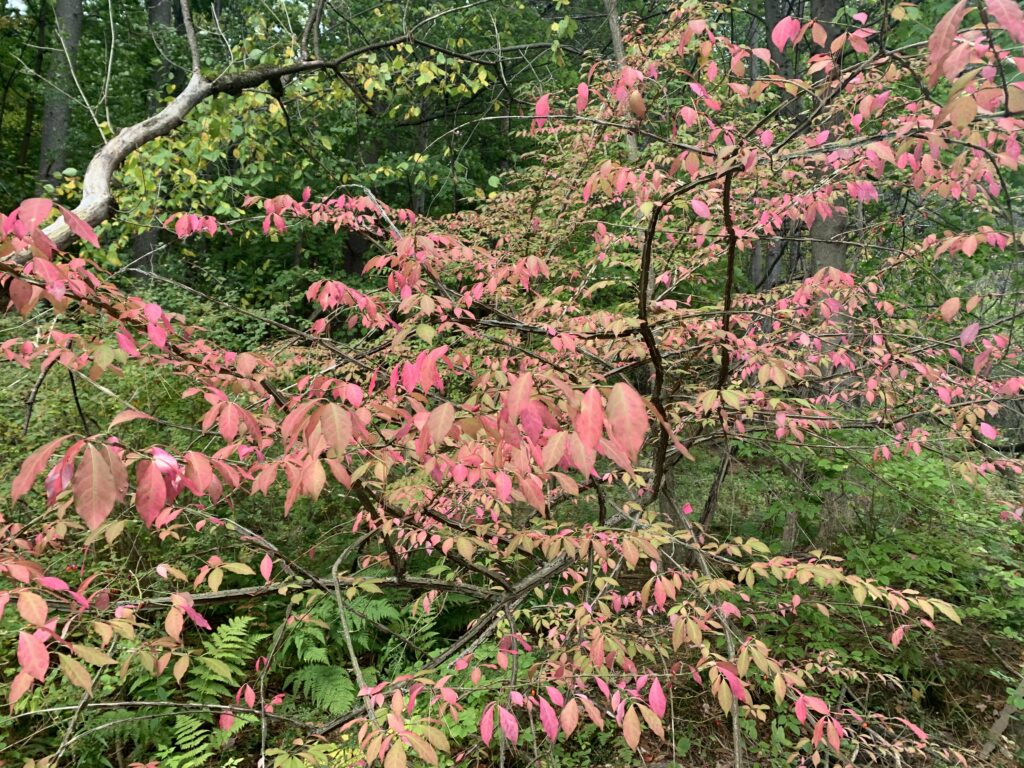
Here on the right is a photo of my spot. This is the view closest from the trail. As you can see, there is tons of foliage, rocks, and a few fallen trees along the stream. Some notable plants that reside here are: Riverbank Grape, Wood Ferns, Nightshades, Norway Maple, Eastern Hemlock and Burning Bush.

Here is a link to the exact location: https://www.google.com/maps/d/edit?mid=1xZLXp9zJVXwPRuVhXwH_95NWSu2ntxzl&usp=sharing

Where in Centennial Woods:

The photo to the right is a birds eye view of where my phenology spot is located. It’s in Centennial Woods right along Centennial Brook. It is a little ways past the footbridges near the fork in the trail below the old hemlock forest. I chose it because one time when I was hiking, there was a chipmunk on one of the logs about 5 feet away from me. We sat there looking at each other for a while.

Here are some photos I took while I was observing.

Skip to toolbar