Posts

Final Phenology Post / City Nature Challenge

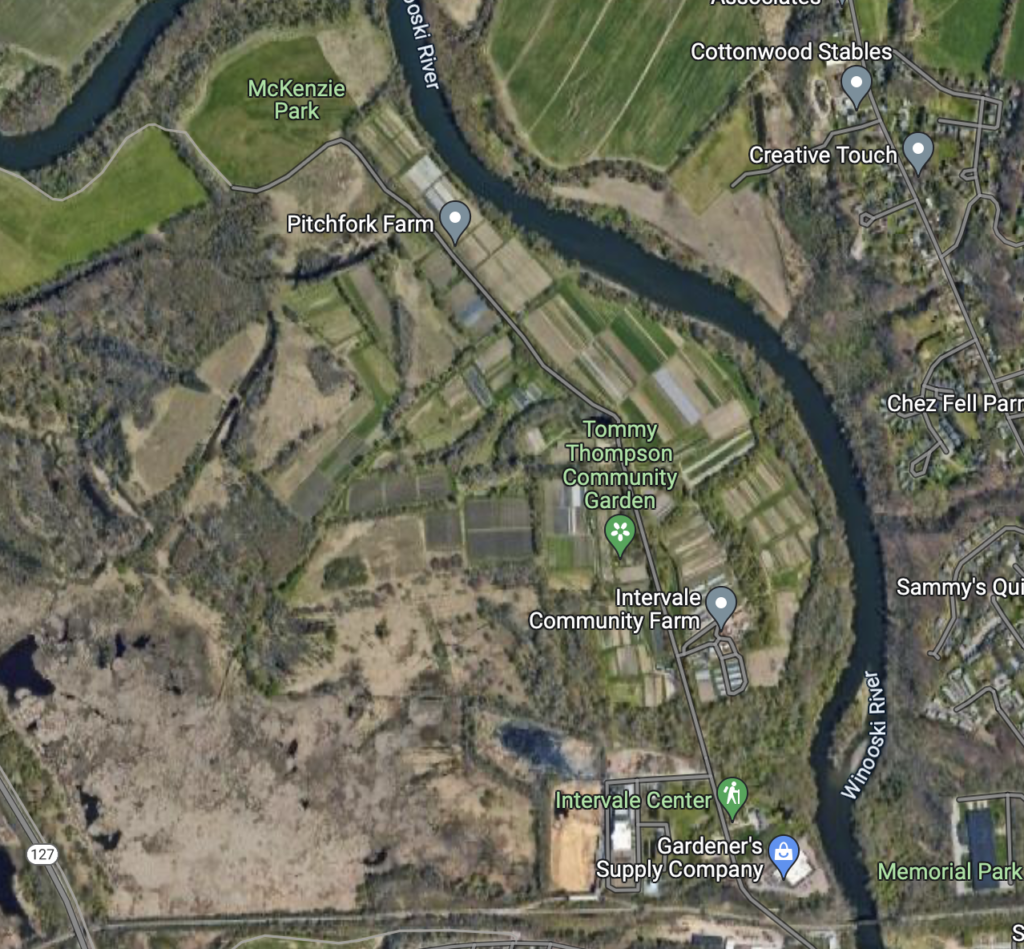
During the city nature challenge, I explored the intervals area and attended some of the tabling events. Christina and I went on a run / species exploration around the Burlington Wildways trail and Intervale road. We logged some species we were familiar with, and some we learned about from seek and people’s IDs via iNaturalist. iNaturalist worked well, and we were able to post without any issues. It would, however, be cool if Seek and iNaturalist were more integrated as apps so that you could have the phone identify and log a plant in the same app (though I would still want people to help ID unknown species and check the computers work). I made 21 observations with 16 confirmed species. I thought some of the other cities seemed to have a lot of people out looking for species. It would be cool to participate in a larger city (ie NYC, Boston) or a rural town (say in VT outside of Burlington) because it seemed they had literally thousands and thousands of observers. That and the added challenge that a lot of cities’ nature is pre planned and includes introduced decorative species of plants could make for an interesting conversation as to what counts as nature– a potted plant, a roof garden, people’s pet birds?

https://goo.gl/maps/VWAYi1izbTuUEie67 Intervale Map
April Phenology Site Visit

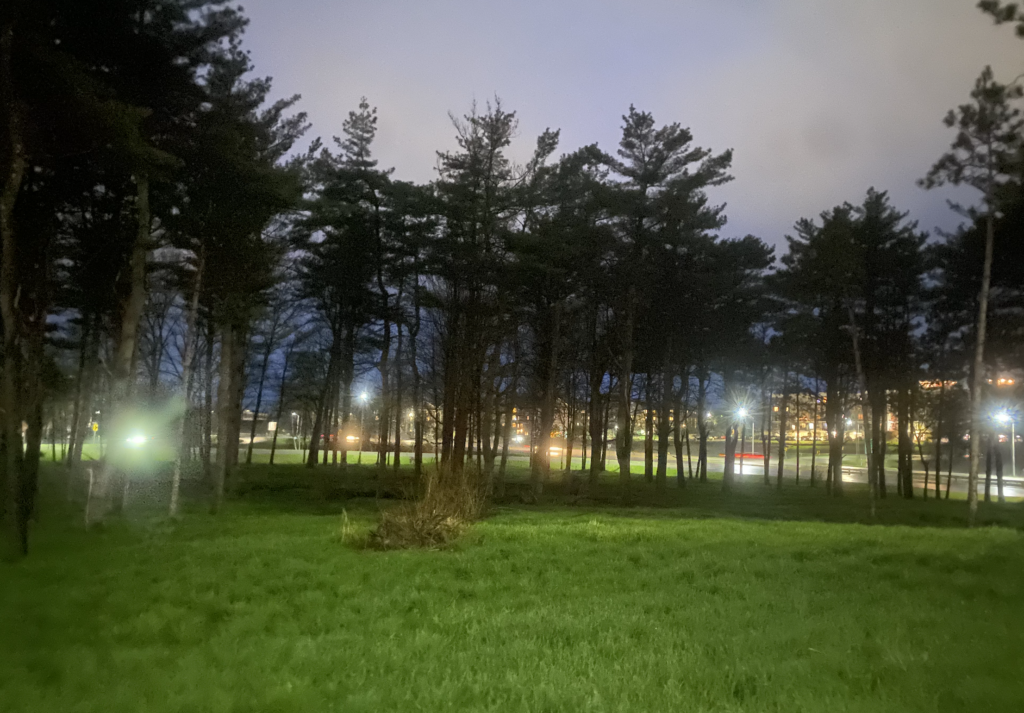
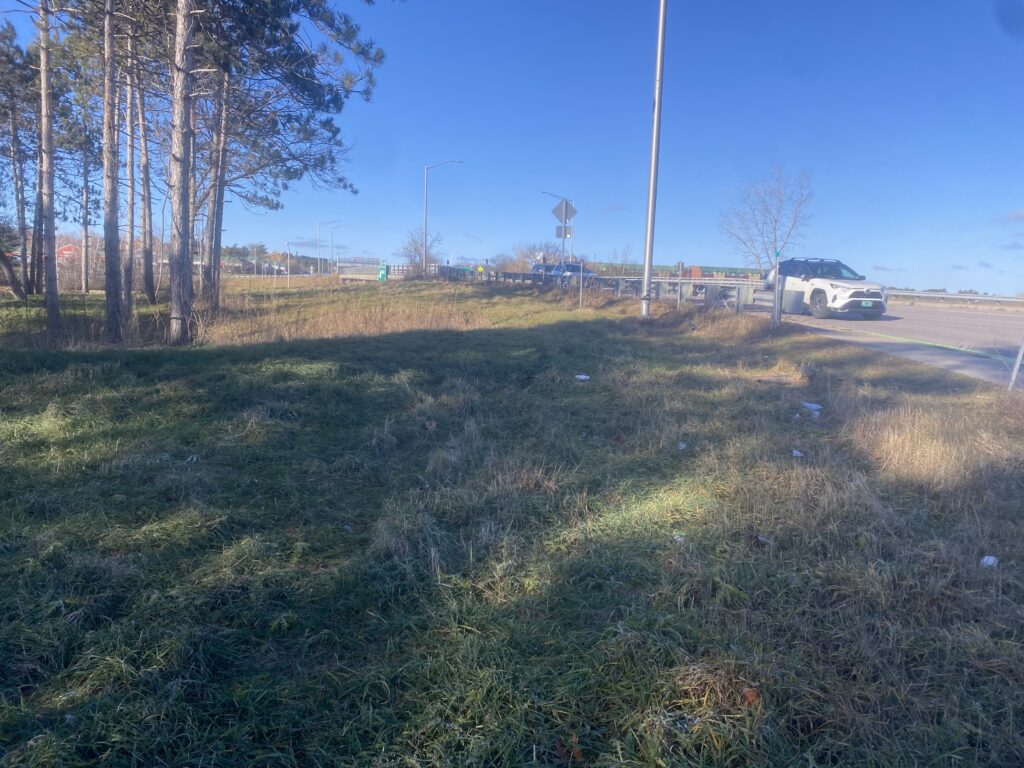
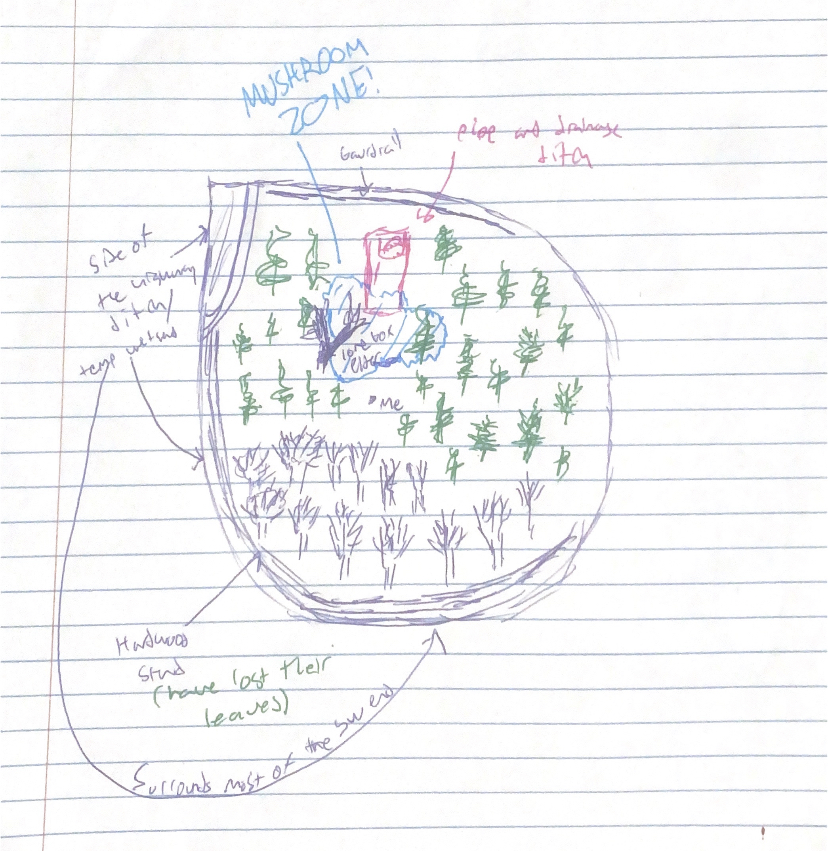
As the snow has all long been melted and we’ve gone from a white winter landscape to a lush green one,. so has my phenology site. It has once again been mowed, though not too recently, as the grass was about mid shin height. Over time, my site has changed with the seasons. It has changed as someone (who?) has mowed it and as people have indiscriminately thrown litter into it out their car windows. The landmarks I’ve become familiar with are the drainage ditches and the fallen trees that define where in the circle you are. The biggest landmark is the road that so clearly and violently surrounds this small island of “nature” within such an urban area. Nature and culture are intertwined everywhere, but especially here as we see the effects of the surrounding extremely busy streets and highway on this small part of the cloverleaf. The culture at play here is certainly the American culture of car centric cities. Despite Burlington being considered one of the most progressive small cities, it is astonishing how car centric the Burlington metro area outside of uvm and church street is. When I draw the site, too much of my drawing is man made, unnatural. At first, my thought was that I was not a part of my site. Yet it seems that my actions play a large role in the site’s development. I drive a car, and when I need to get onto interstate 89, I use this cloverleaf interchange. I use the roads to go back home, to go on adventures into more traditional nature, and to run on. I demand roads and society delivers them. I am a small part of the reason why infrastructure like this is built. Because everyone wants to be able to work and live and move, and the solution we’ve determined for this applies millions of cars.

Red Oak Visit

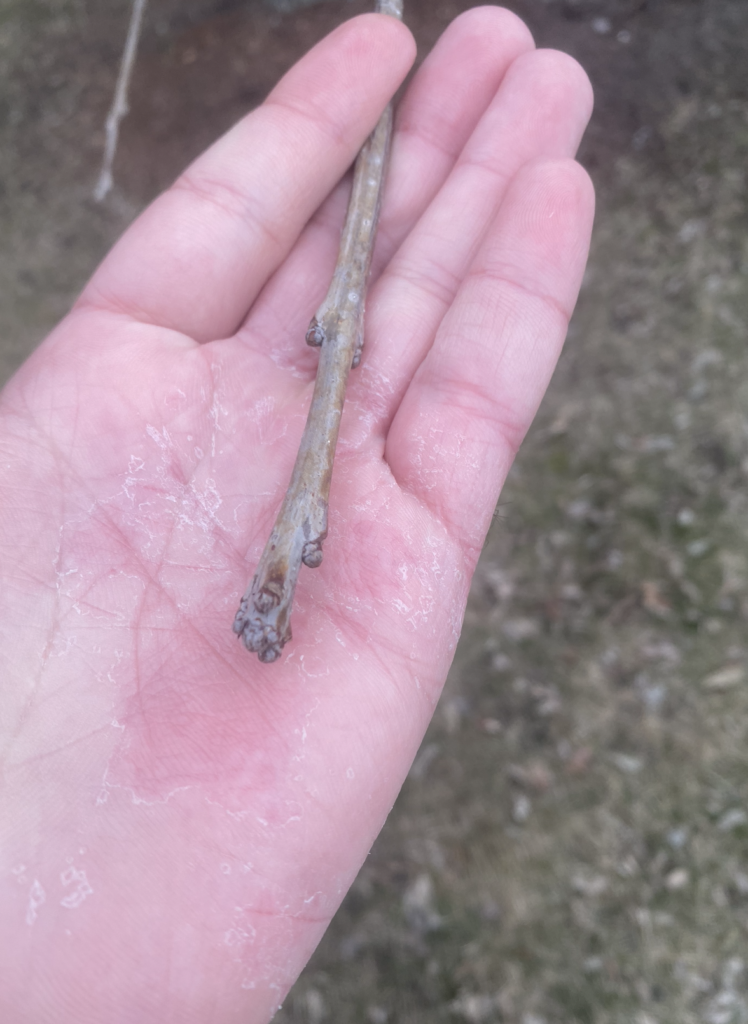
Just an update as we’ve been having some balmy weather here in Burlington. I revisited my red oak here in Burlington, but it seems that there hasn’t been any progress in budding (ignore my crusty hand this is the first week it’s been out of a cast/splint in over a month). This could be just because red oak tends to bloom later in the springtime on average.

March 27 Phenology blog

I was unable to revisit my tree in CT, so I used a red oak here in Burlington. This red oak seems to still be in the bud phase, with no signs of flowering just yet. There was still some snow on the ground, but it is melting quickly and will likely last only a few more days here down low (the mountains will surely be snow-capped through the spring).

March Phenology Posting

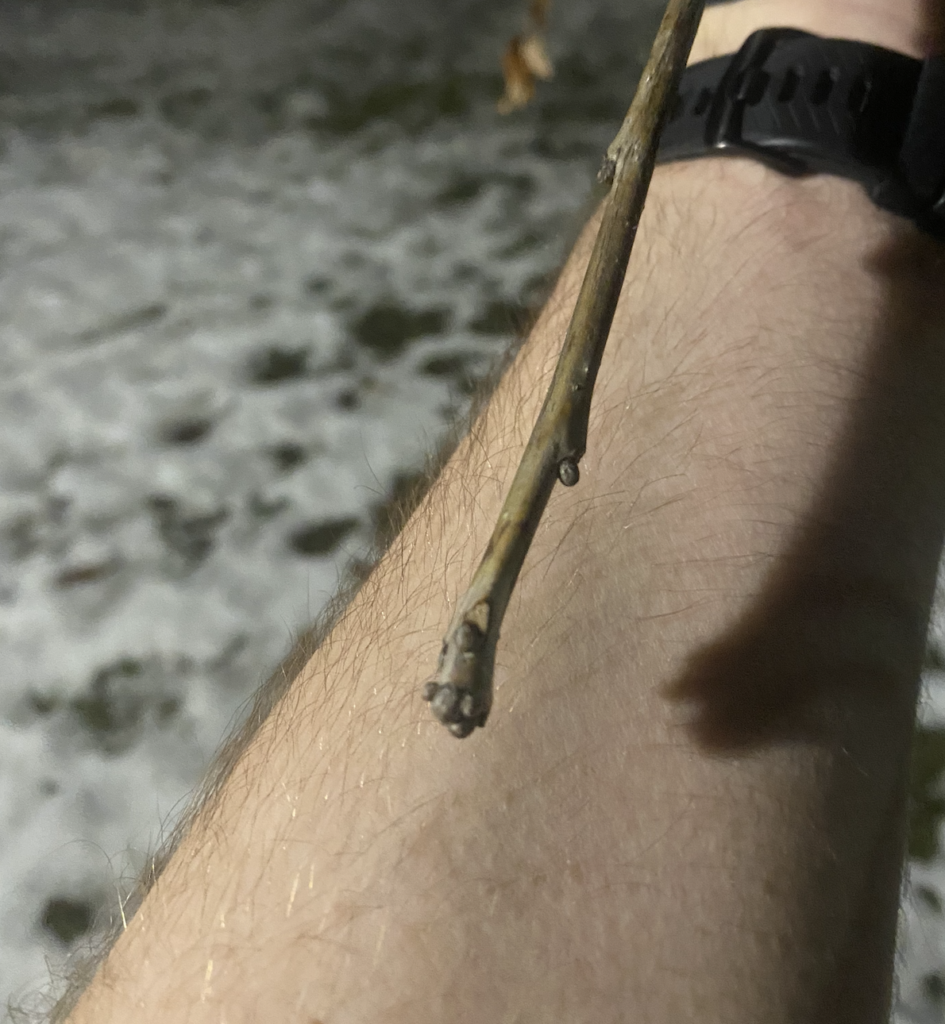
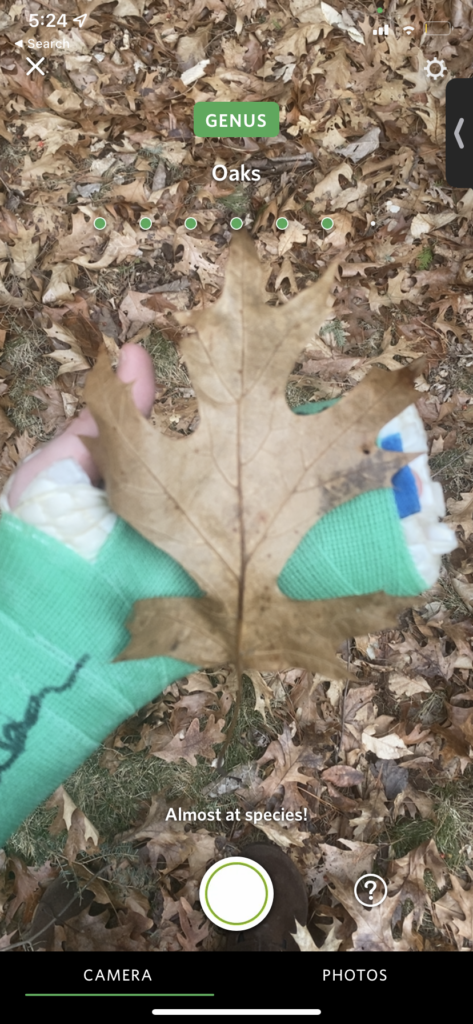
Since I have come back to CT for spring break, I didn’t have the chance to visit my phenology site. Instead, I chose to document a northern red oak in my backyard (I’ll call this “somewhere nearby” as specified in the blog guidelines). Red oak dominate Connecticut’s forests (despite the fact that the charter oak, aka white oak, is the state tree. iNaturalist wouldn’t identify the tree for me, but it seemed quite clear due to the leaves that remained on the tree and the surrounding ground. Shown is also a photo of the bud, which would fall under “no evidence of flowering” at this point. I plan to visit this tree again at the end of break to make my follow up assignment.

February Phenology Post

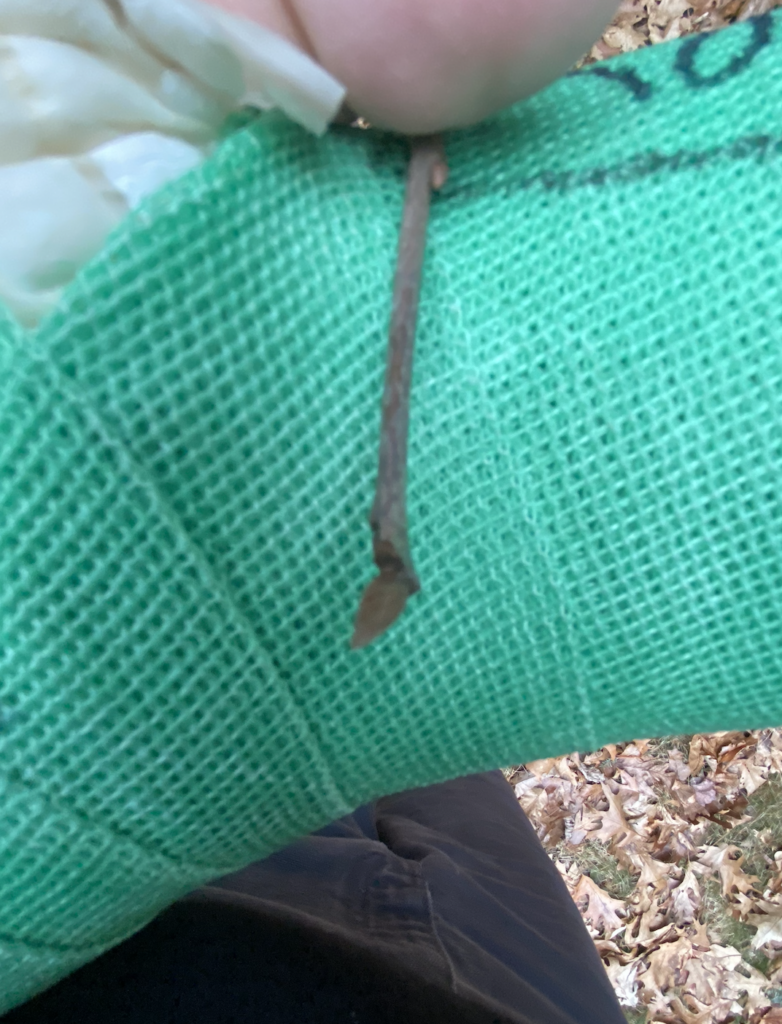
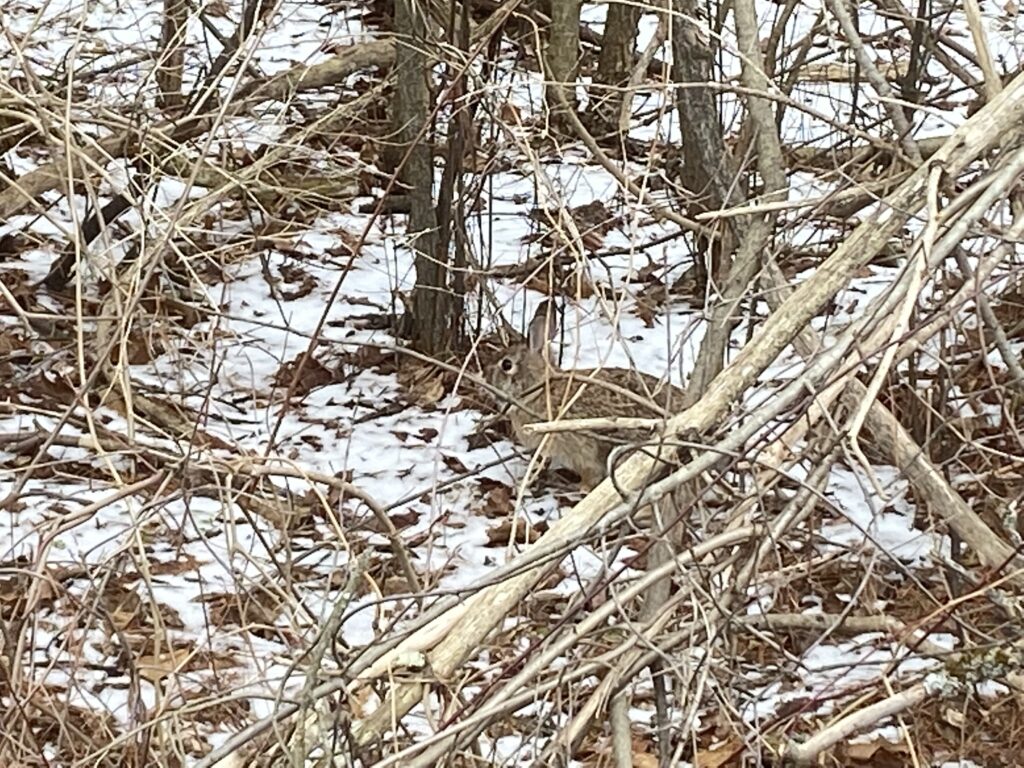
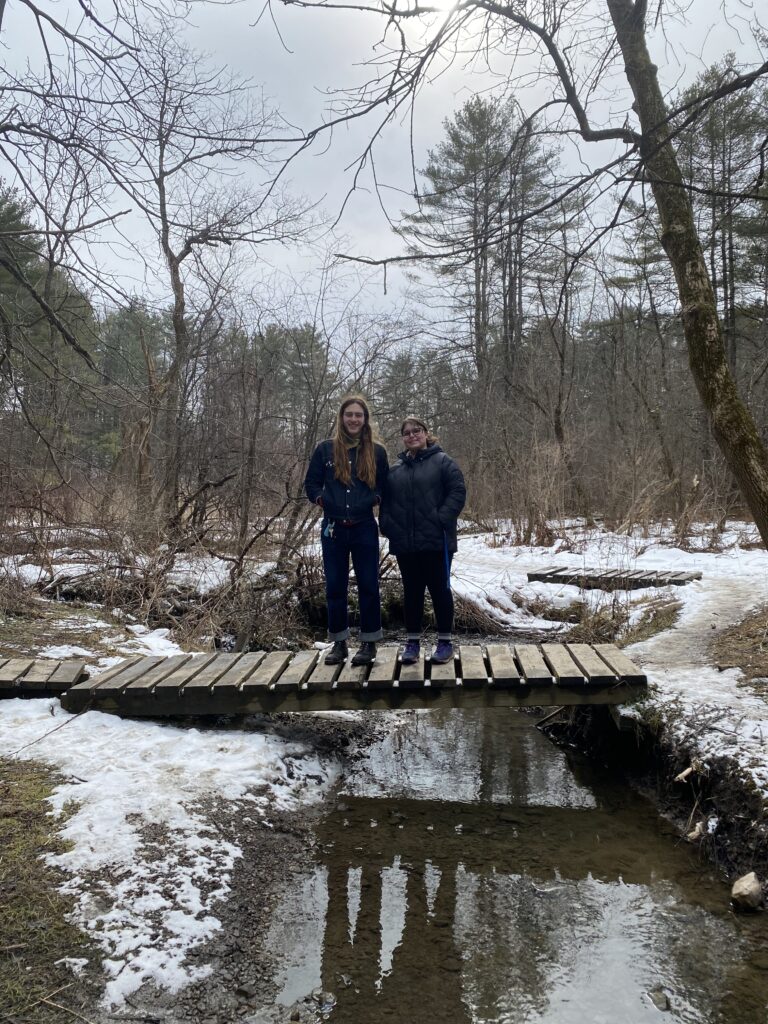
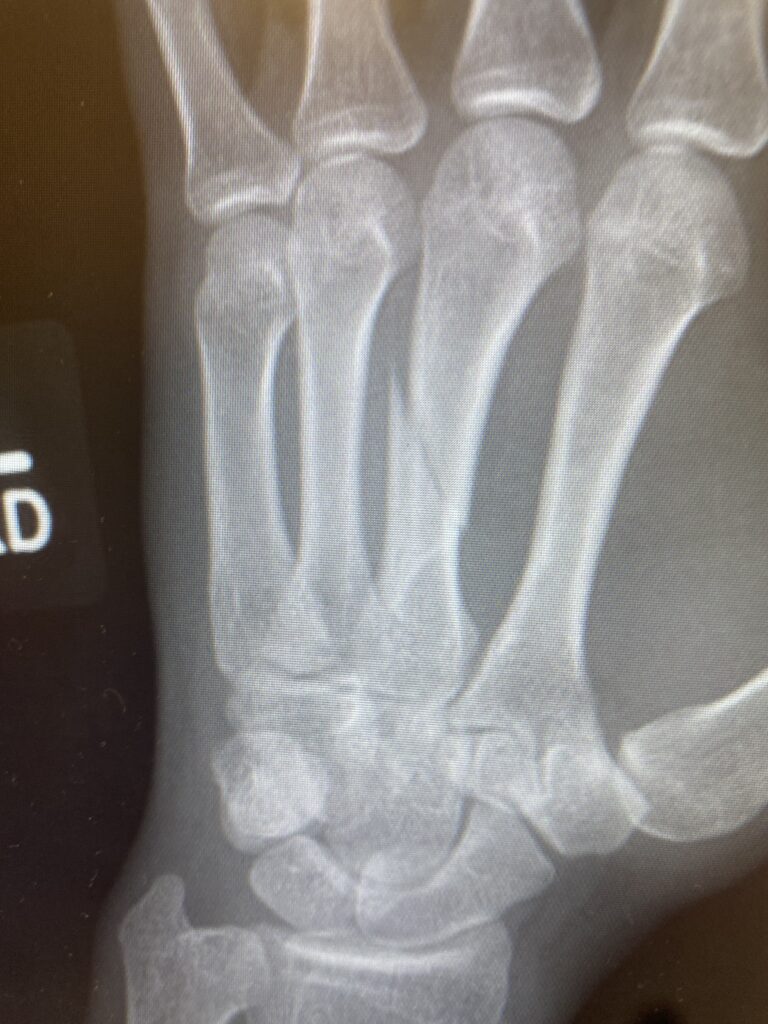
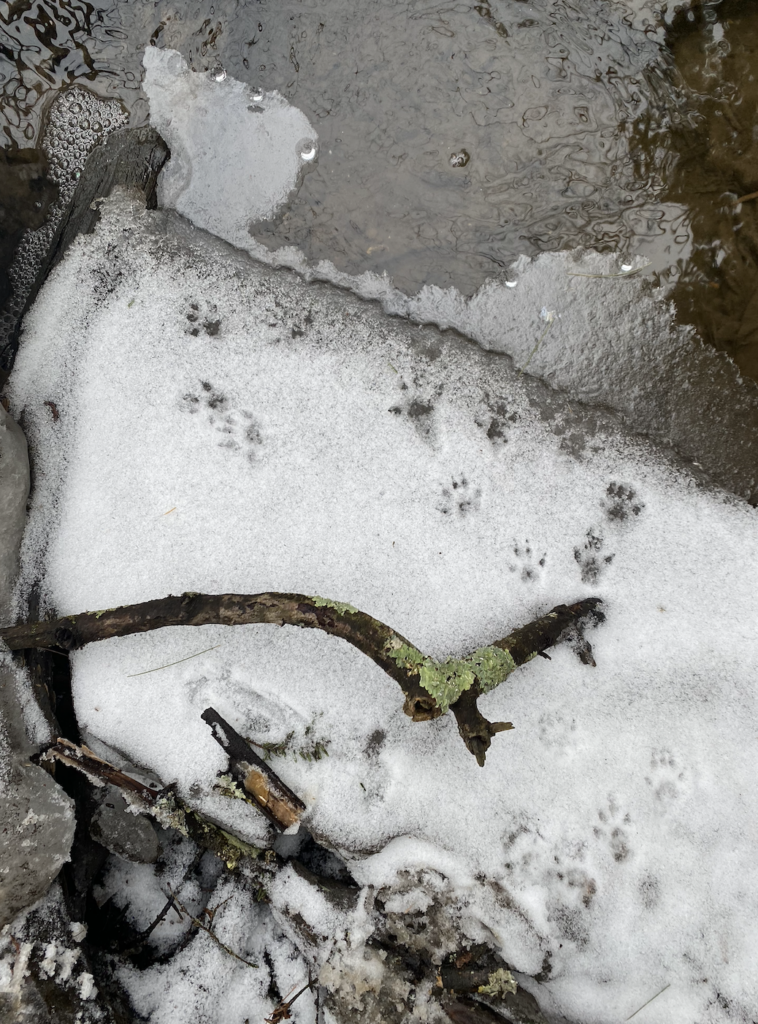
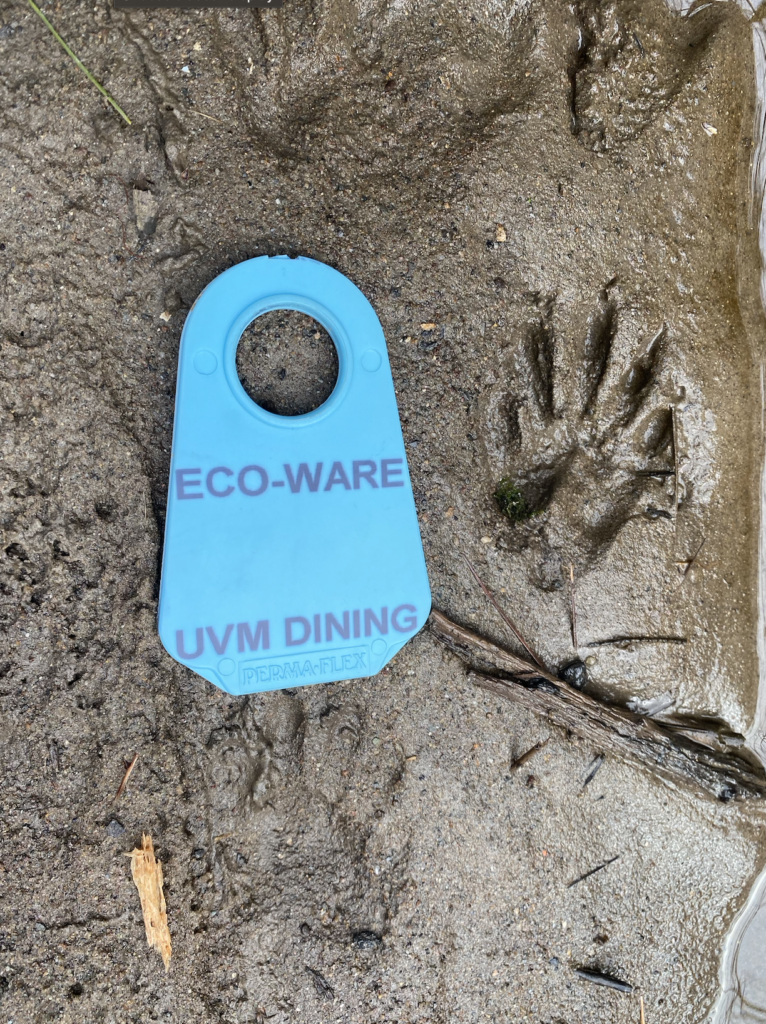
For my February phenology site blog post, I visited Centennial woods to track animals with fellow NR student Sarah O’Leary and non-NR student Vero Verbitsky. We saw a rabbit, ab=n d were quick enough to snap a photo. We found tracks of dogs, otters, and raccoons (pictured below). The large dog prints on the trail were pretty obvious, as they had claws out and were accompanied by human tracks. The otter tracks were small and close to the stream. We used Naturalist to confirm our thought that these were otter tracks. The raccoon tracks we were still a bit unsure about. They had characteristic long raccoon fingers but they were in mud, meaning it was possible it was another animal whose paws were slipping around and made a raccoon looking track. On the way back I slipped on some Ice and ended up breaking my hand (pictured).

January Phenology Visit

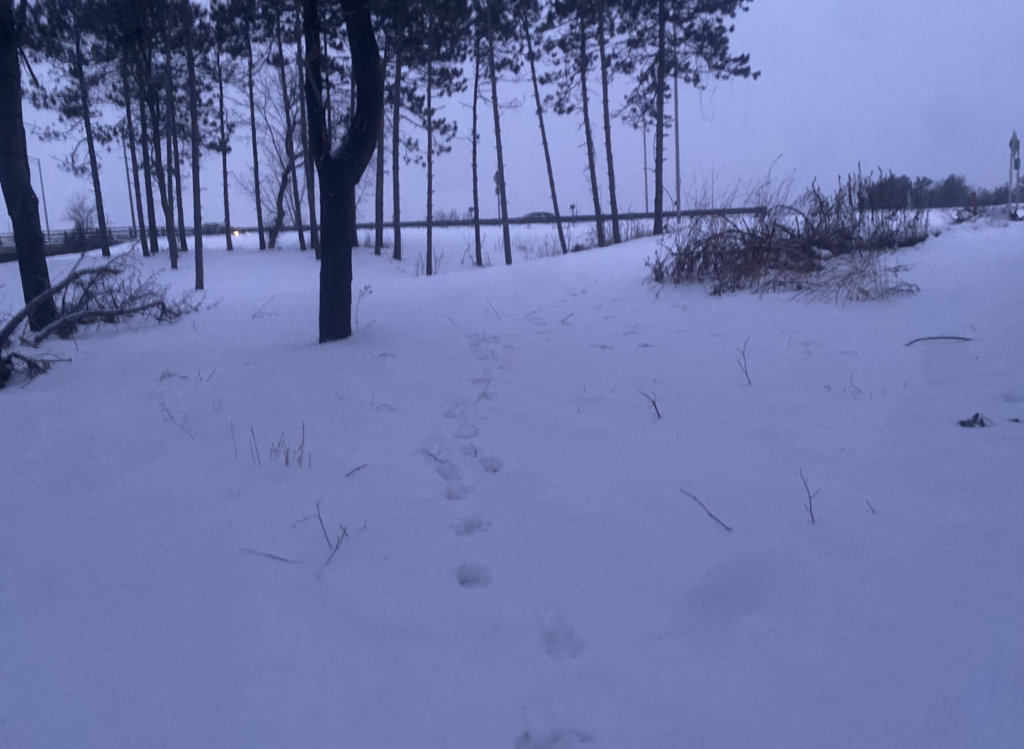
I know I titled my last phenology site post my “final” one, but here we are, back again! I visited my phenology site January 30th, around 5:15pm. It was getting dark and the weather was cold and snowy. There were about 7 inches of snow on the ground, just enough to cover my pant cuffs. As it had been snowing for a good amount of the day, there was a finer powdered snow on top of the old snow. With this, there were no footprints to be found, other than my own. The evergreens have held onto their needles and the northern hardwoods stand remains leafless. Seeing the location of this site, I wouldn’t imagine there to be much wildlife other than birds, most of which have migrated south for the winter. The extremely busy route 2 and Interstate 89 are noisy and dangerous for animals to cross on foot, and there’s no real reward on the other side. I hope that I’ll be able to see more birds in my site during the spring, potentially even the bird of prey I saw on one of my first visits to the site.

My Final Phenology Visit

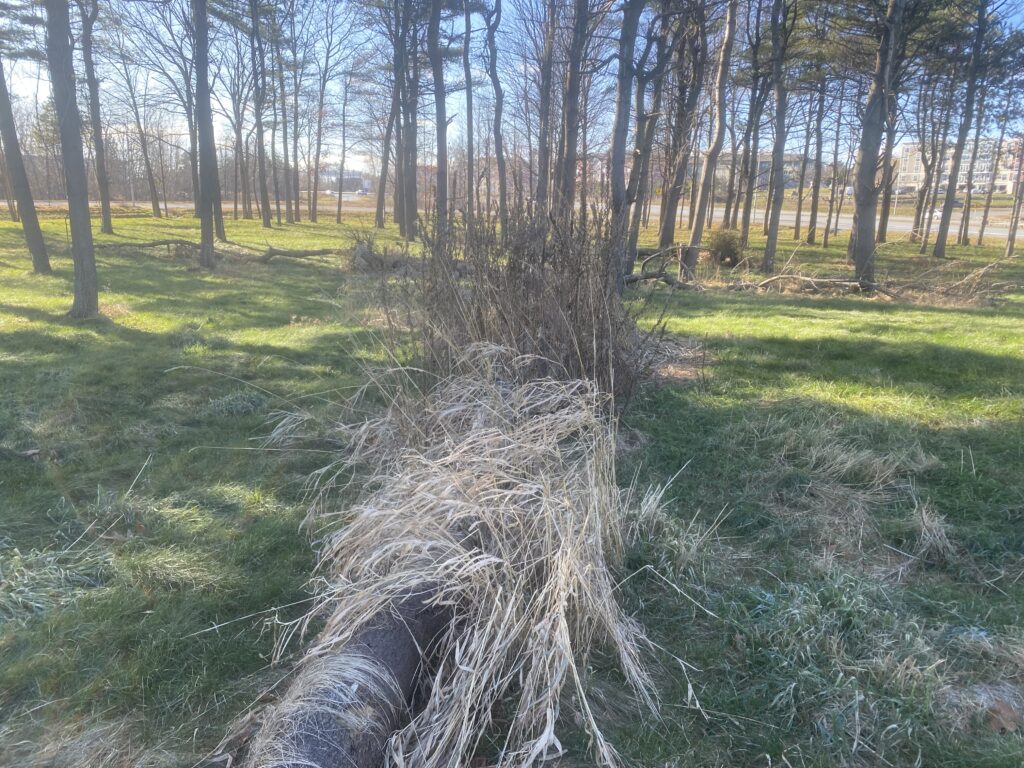
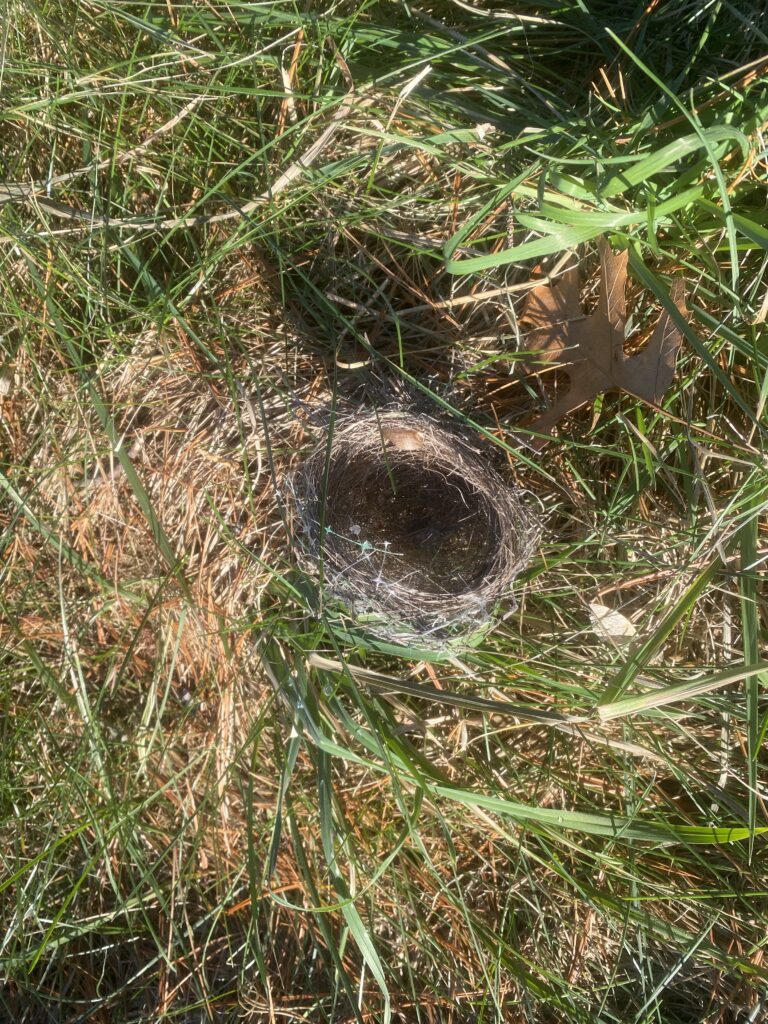
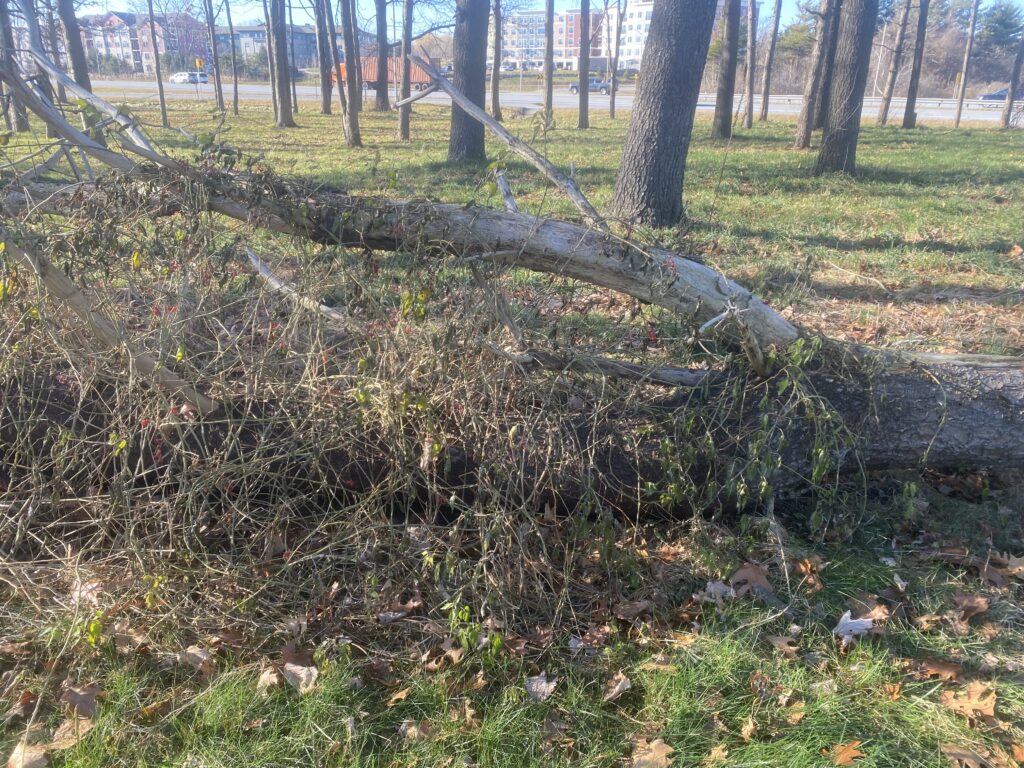
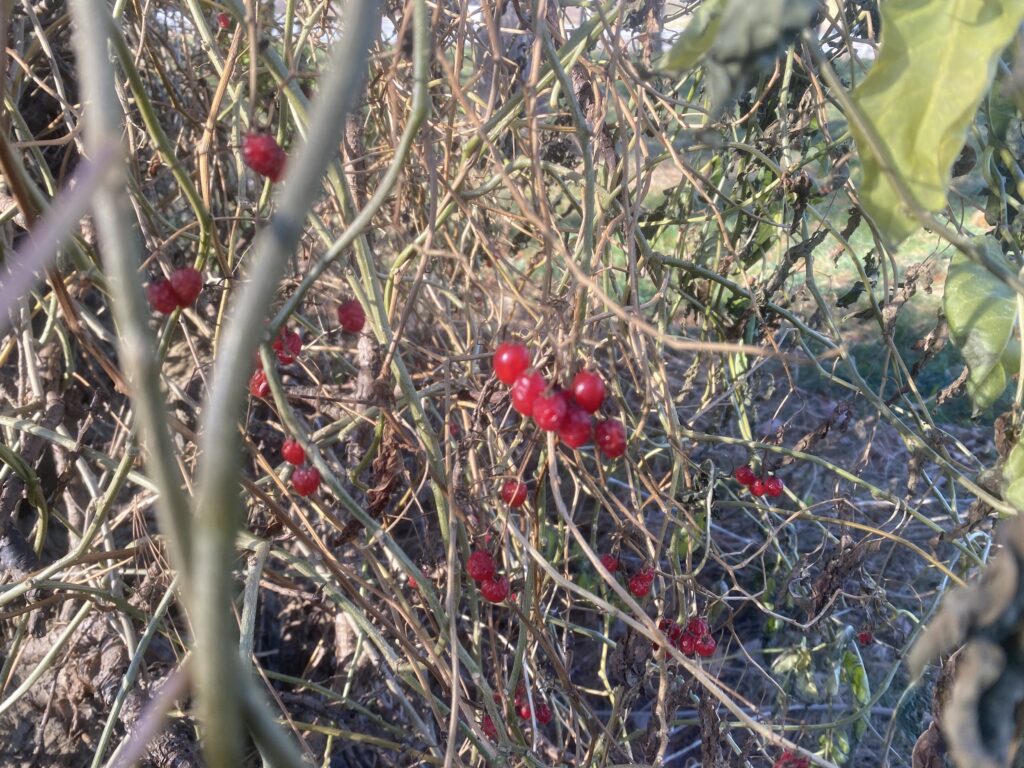
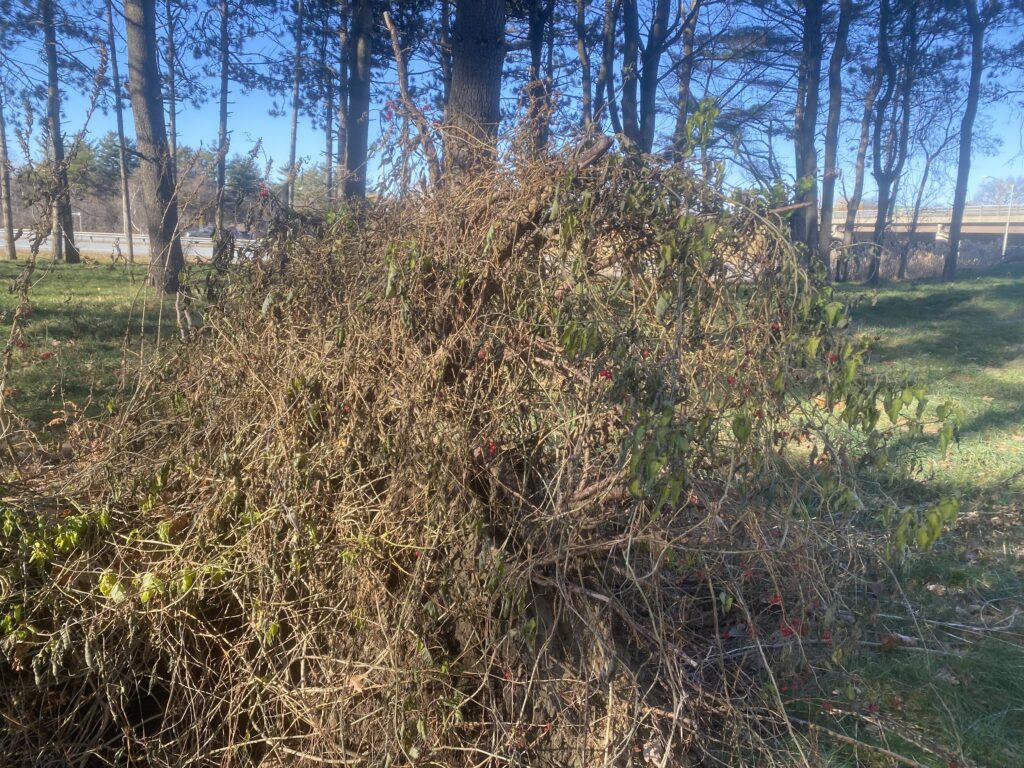
I took my final visit to my phenology site on Friday, December 9, 2022. The area had been mowed once again, reasserting the human impact that we have on this area. This repeated mowing leads to a lack of understory, save the lower lying wet areas and the areas and the fallen trees. These fallen trees had been refuge for any plants that wanted to grow in the area, including the red berried plant that seek identified as bittersweet nightshade. I had seen birds in the area, but today I saw a birds nest on the ground. The birds nest didn’t seem to have fallen, or if it did it must have been carried a ways by the wind because it was fairly far from any trees. The nest did have some plastic stringy components, evidence of the plastic pollution and litter that is all too common in the South Burlington area. As there was no snow, I wasn’t able to do any animal tracking, which I was hoping to be able to do at this point in the semester (sadly there probably aren’t many animals passing through a cloverleaf interchange either). It’s been a great semester visiting, and I’m glad to know that no one enforces the “no trespassing” that stands directly outside this area. I’d be interested to know who mows this plot, as it seems it is a part of the federally controlled highway corridor. The thing I like the most about this area is that is shows how nature persists. Despite mowing, the plants still grow. The birds in the area use plastic in their nests when it’s available. The highway ramp circling around the plot doesn’t prevent it from being an urban wild, an area where life persists against the will of the sureoundings.

Phenology From Home

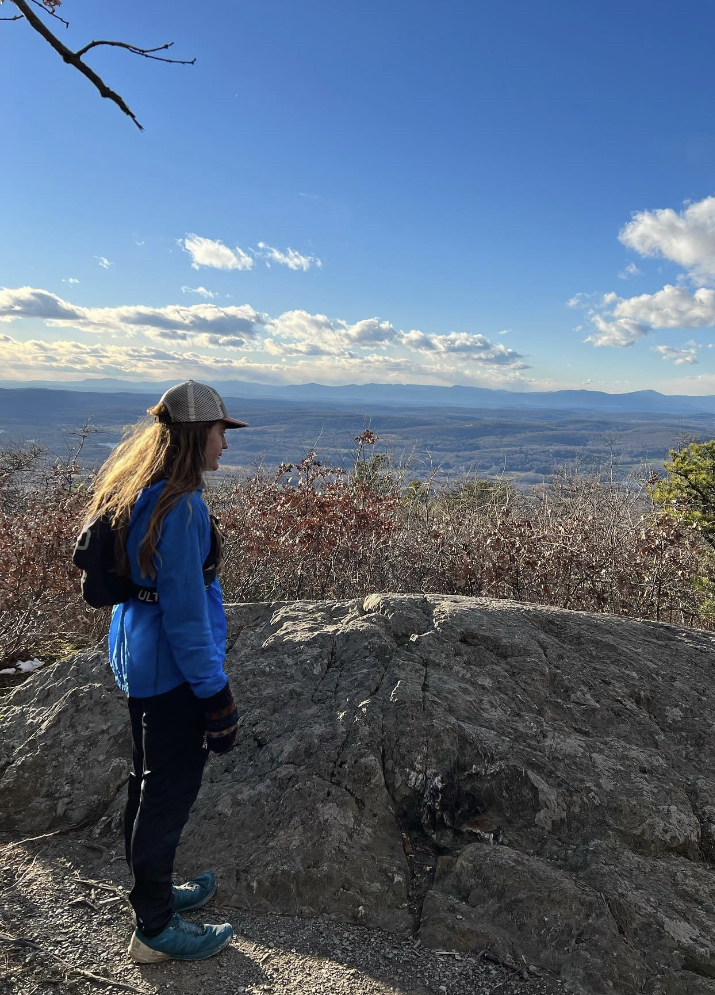
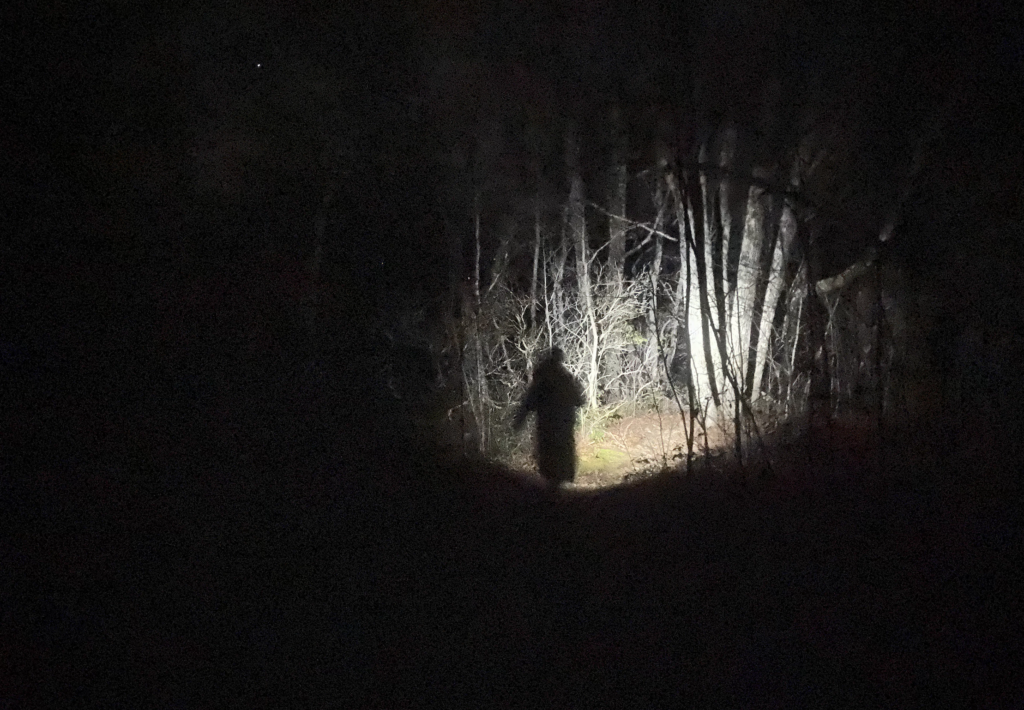
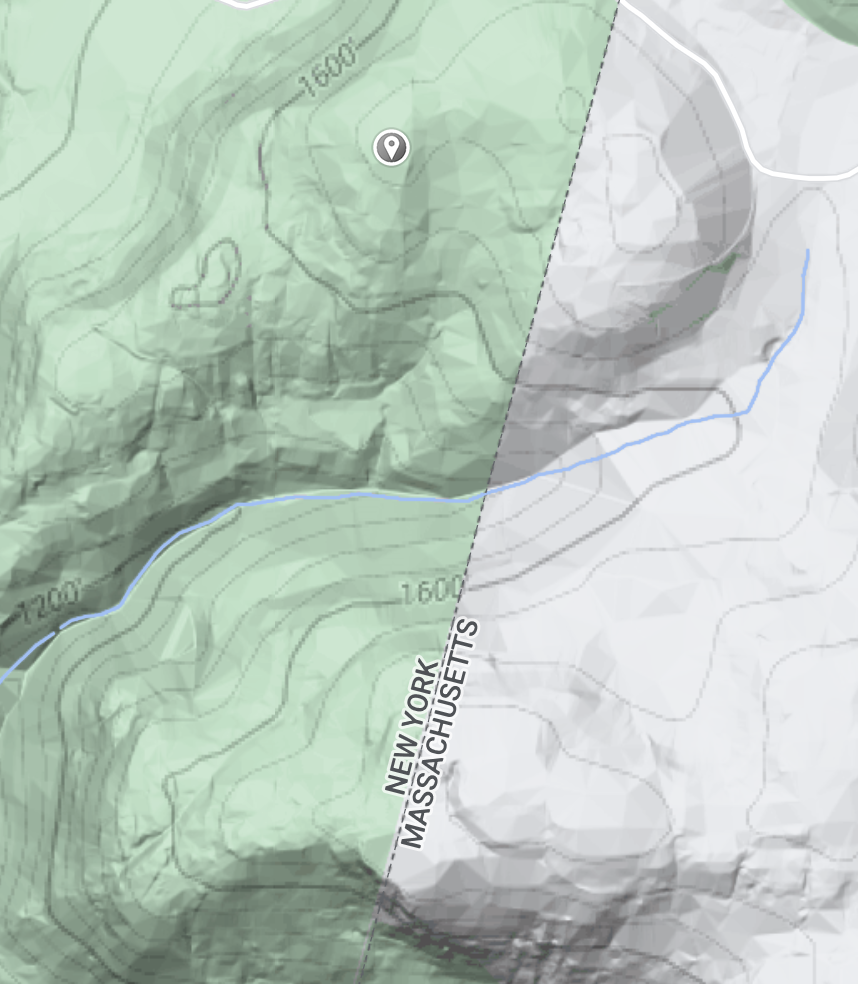
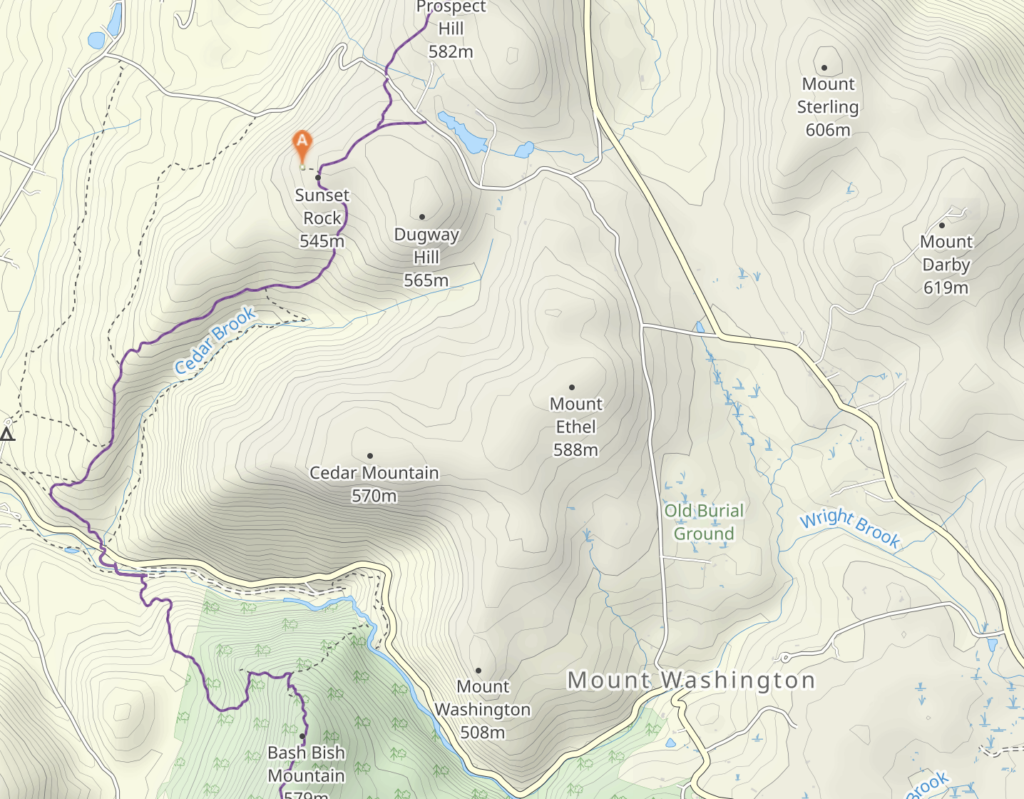
Over Thanksgiving Break I returned back to my hometown of Cheshire, CT. There, I ended up visiting one of my favorite locations, Sunset Rock. Sunset Rock is actually quite far from Cheshire, but I visited twice. Once on the first Sunday of break, and again on the second Saturday of break. Sunset rock is a large rock that overlooks the town of Copake, NY from the east. In the west you can see the Catskills. This is right off of the South Taconic trail, and is accessible from a trailhead .6 miles away. The view faces out westward, and I imagine the sunset looks beautiful from there, hence the name. My first visit I was there with a friend, and we were doing the Tri-State U loop: a 30 mile route that includes the highest peak and point in CT and a few peaks in New York State and Western Mass. The second time visiting I brought my girlfriend there, as that area is known to have the least light pollution near us and the stars are very visible. The forest has an active overstay and understory, despite the fact that it sits atop the Taconic ridge. The over story is dominated by red and white oak, with some maples, as despite the prominence on the ridgeline it doesn’t seem to get much wind and the trees would be what I would categorize as medium-large in size. The ridge seems a bit worn down by erosion in this section, and is no longer as prominent as the more southern sections of the trail, such as Brace Mountain’s summit. The understory is very much dominated by mountain laurel, and also includes a few evergreen shrubs on the cliff edges. The makeup of the over story is indicative of an old growth forest, which makes sense as it is sitting on top of a ridge line, in an area that was not very much developed for farming (though often there are remnants of what once was a farm in lower lying areas, as well as many farms in the valleys that are still in operation today). This spot is very different from my spot in Burlington. As my Burlington spot is surrounded by roads and development, this one is very much surrounded by wilderness. The Burlington one is low lying, while this one sits atop the Taconic ridge. In Burlington, my spot only has an overstory, as it is mowed, whereas here there is a dense understory. I didn’t leave anything either visit, as I think that would have gone against leave no trace, which I do my best to follow.

The Rock Itself
Approaching the rock
A google maps screenshot of the area
OSM Outdoors map via Plotaroute.com — Sunset Rock is where the A marker is
Skip to toolbar