Prior to choosing my phenology spot, I already had a spot back home where I’d go with my buddies to forage and hang out. A ten-minute walk or so from my house, a forested hill steeply overlooks the parkway they built a few years back.
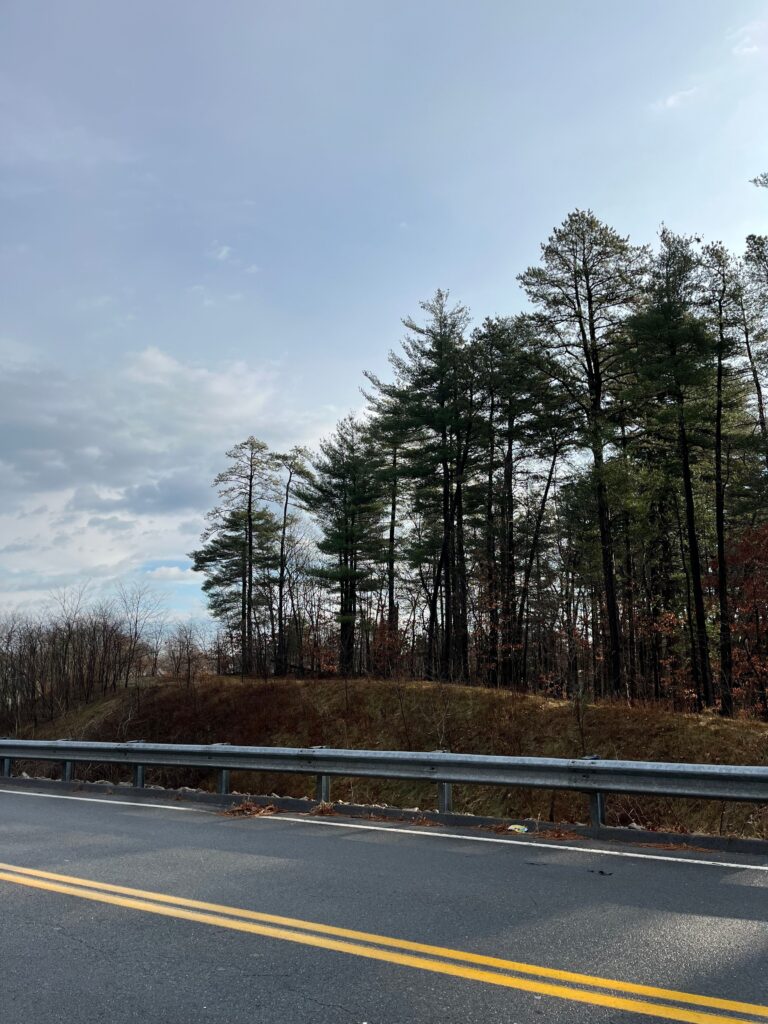
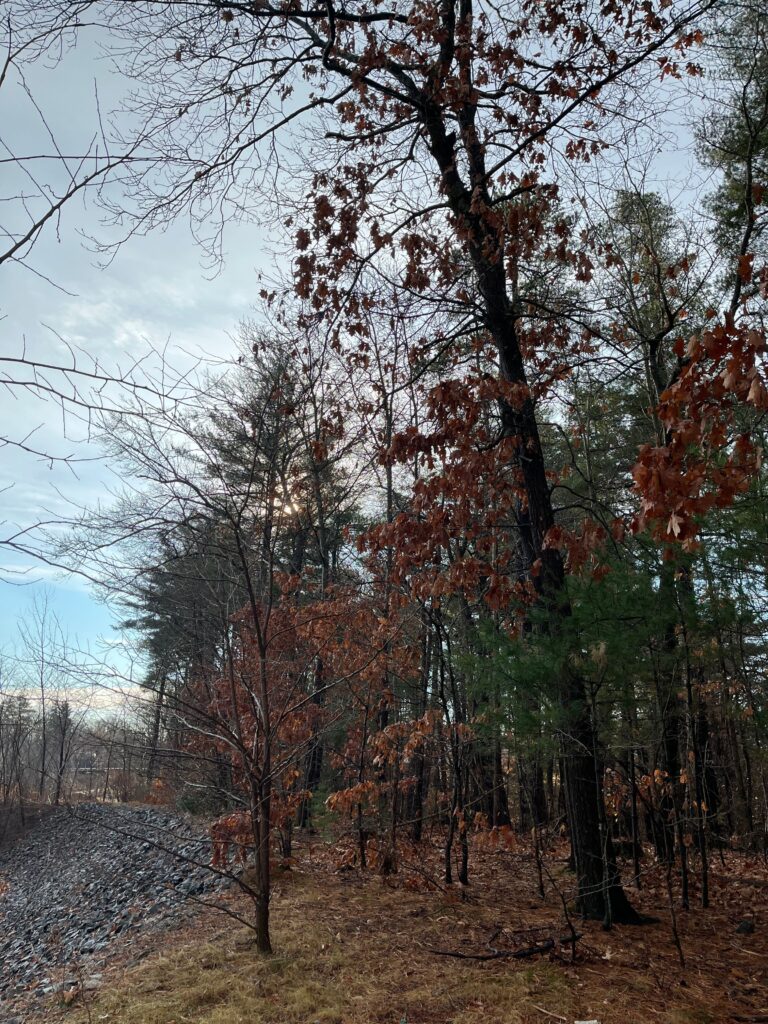
The ecology here compared to my phenology spot is lacking in biodiversity. The only trees I could identify were White Oak (Quercus alba), Scarlet Oak (Quercus coccinea), and Eastern White Pine (Pinus strobus). The pine was the dominant overstory tree and the two oak species comprised the understory, although a few very young pines appeared here and there. It only displays half as many tree species as my Burlington spot.
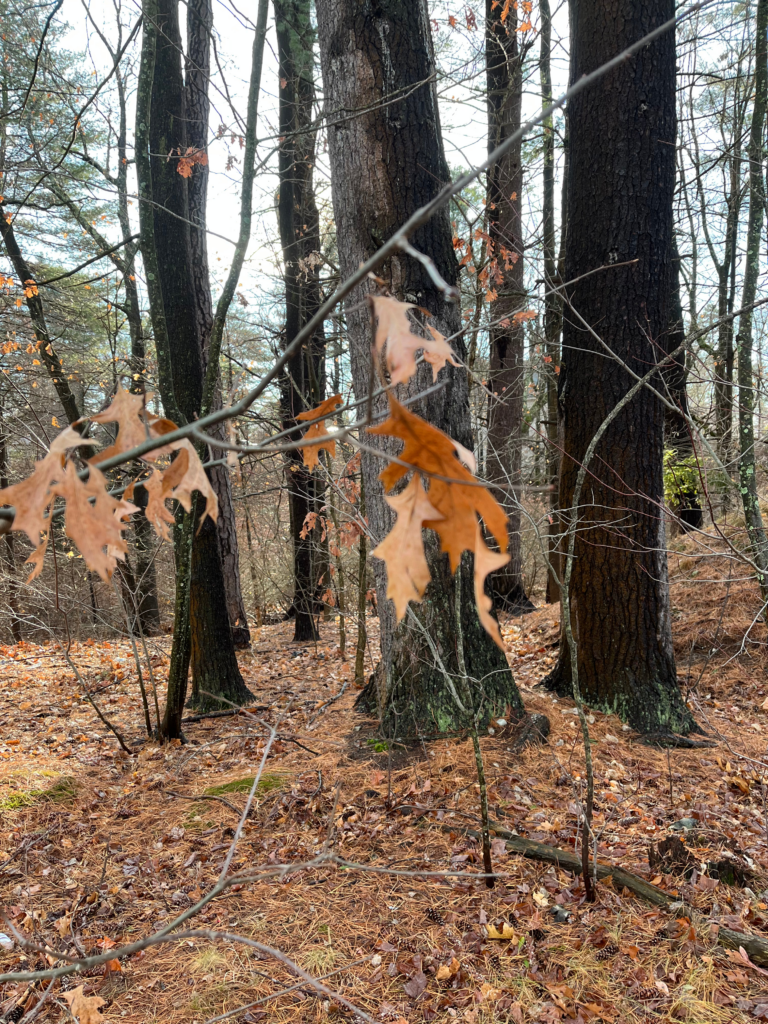
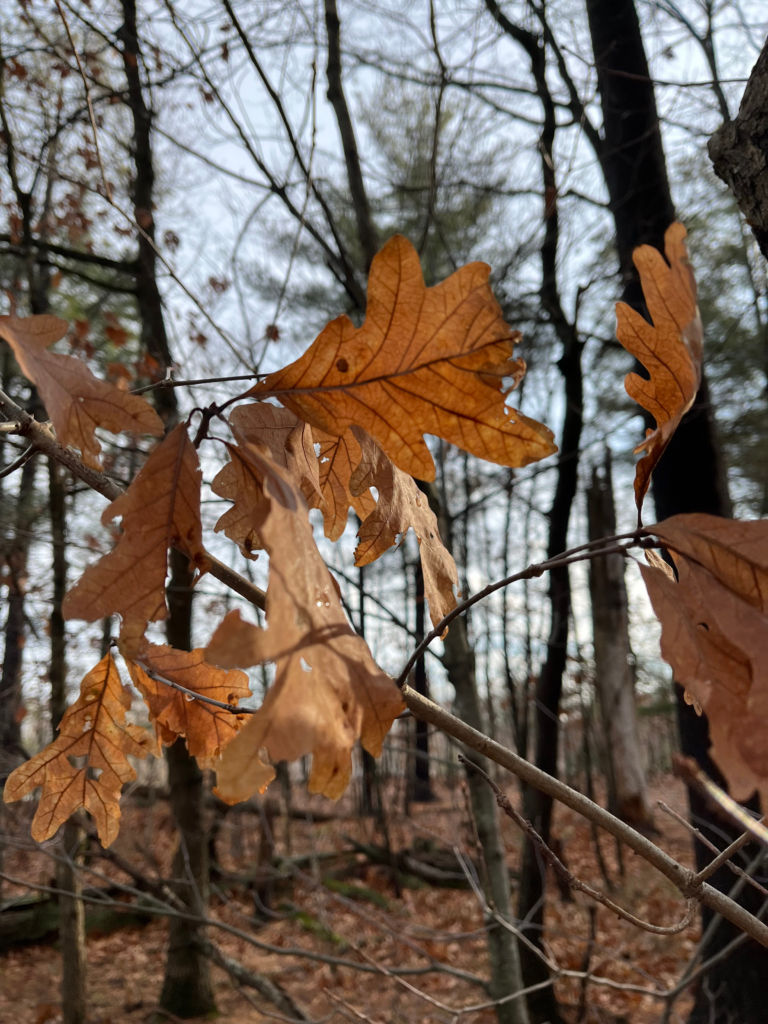
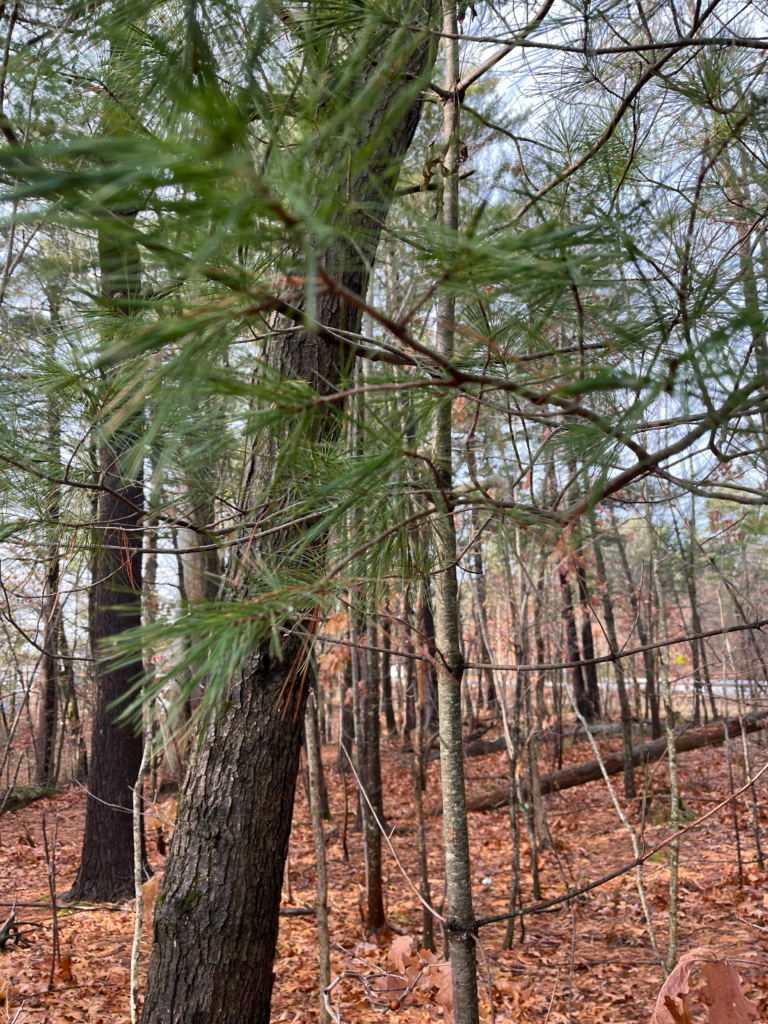
I know the phenology of this spot like the back of my hand. I have tread here from the hottest days of summer to the coldest days of winter, where snow piles up beneath the pine canopy. The last oak leaves hanging onto the trees are a dry red and brittle, showing how late it is in the season, and the pines are sparse, having surrendered much of their litter to the forest floor. As my new spot is at a lower altitude and more southward than my original spot, I would assume it is a bit behind phenologically.
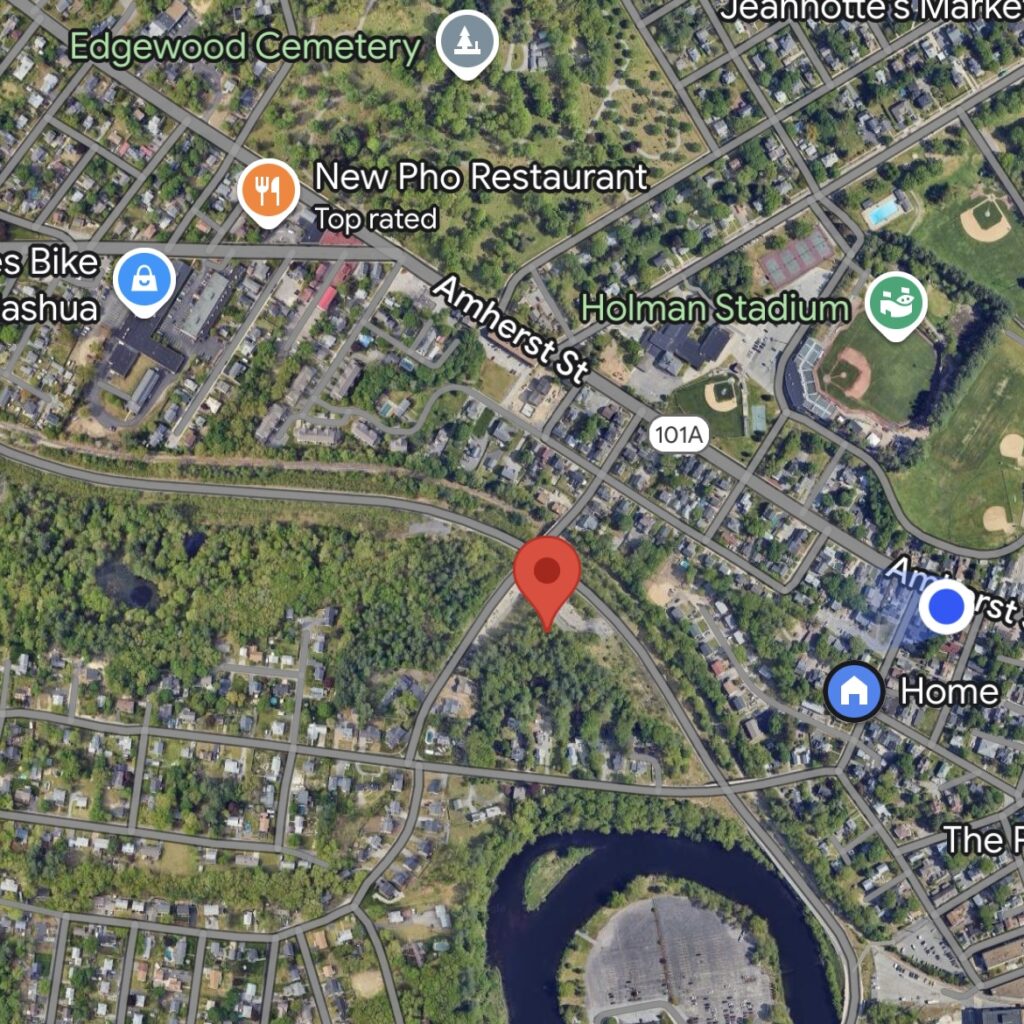
Nashua, New Hampshire