11/24, 2:10p.m., Cloudy, 50°F
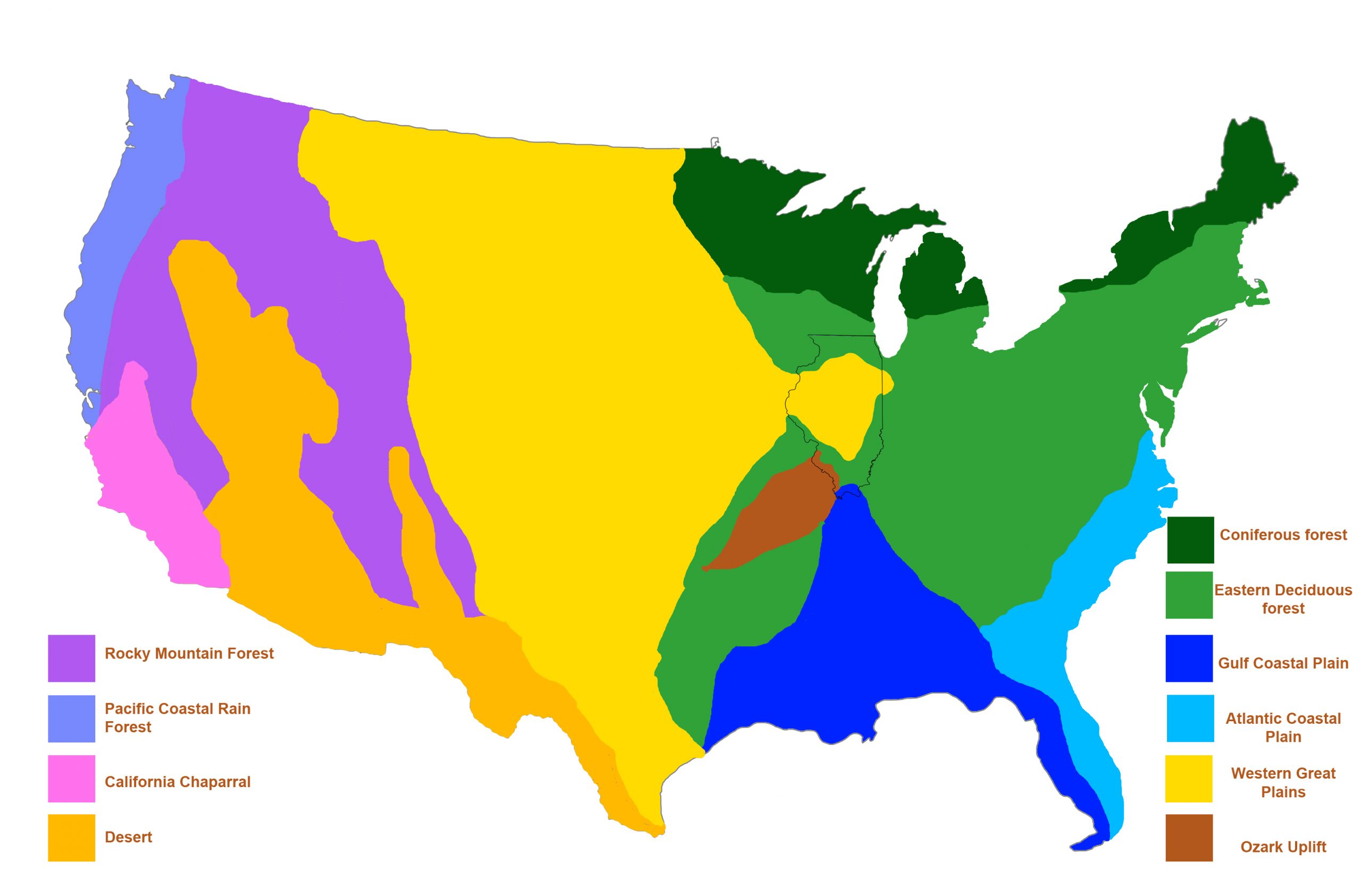
I’ve touched on briefly the similarities that my home state, Pennsylvania, shares with Vermont in a previous post. While I’ve observed many similarities, I’ve also picked up on some major differences, namely the forest composition. Vermont is situated near the cusp of the coniferous and eastern deciduous forest border in North America. More of the species found in Vermont are hardy and tolerant to the colder climate, such as the coniferous trees of which there are many different species (Norway Spruce, Eastern White Pine, Cedar, Hemlock, etc). Below, I have included a map of North America which illustrates this difference.
Since being home, I’ve seen many of our focal species, however their abundance is varied. I chose a spot that I’ve been coming to for over 10 years to observe these changes.
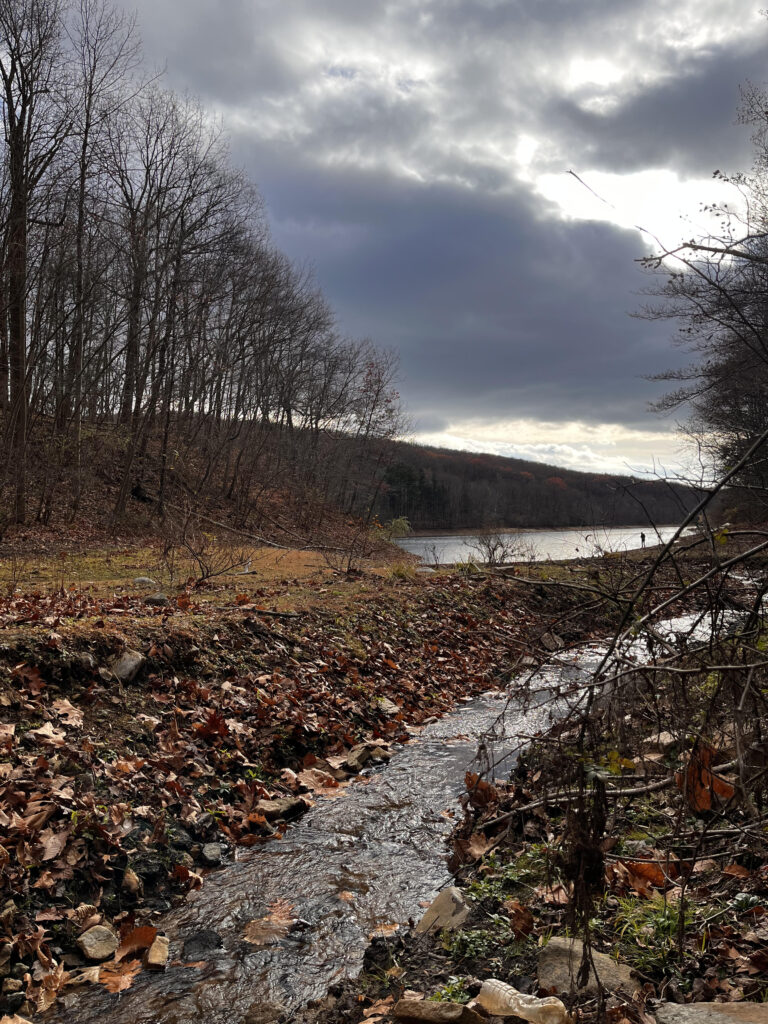
Trout Run Reservoir is a man-made body of water, but it is situated in a more rural part of Berks County, PA. It was built around 1975, so it’s been a prominent fishing and outdoor recreational location for the residents of Boyertown and other neighboring towns for a while now. While visitors are not allowed to boat or swim, the reservoir offers good fishing, which is how my dad and I discovered it so many years ago.
For how long I’ve been visiting this spot, I’m ashamed to say I have never done such a deep dive on it as I have these past few days; particularly, of the tree species present in the area.
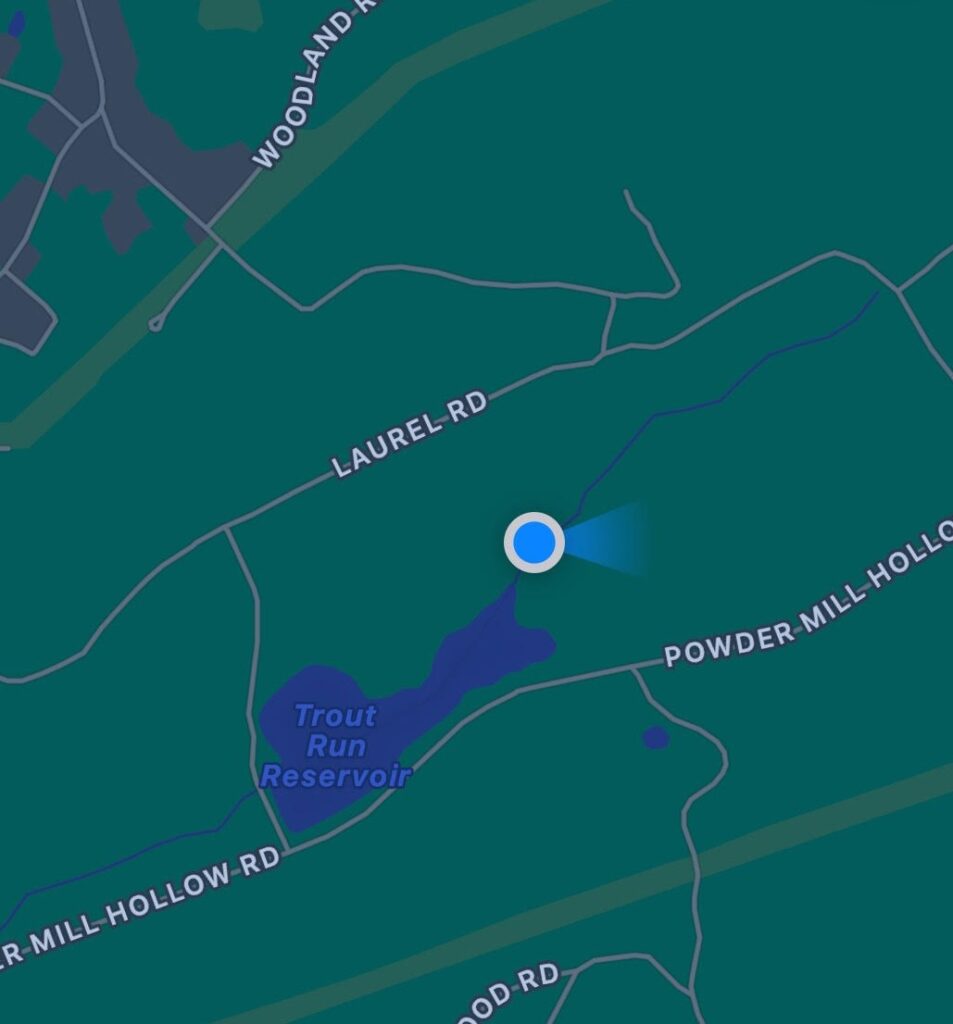
I would say that the area is comparable to my spot in Centennial Woods, as there is still a significant amount of foot traffic. Both are relatively rural. However, there is more development right outside of Centennial.
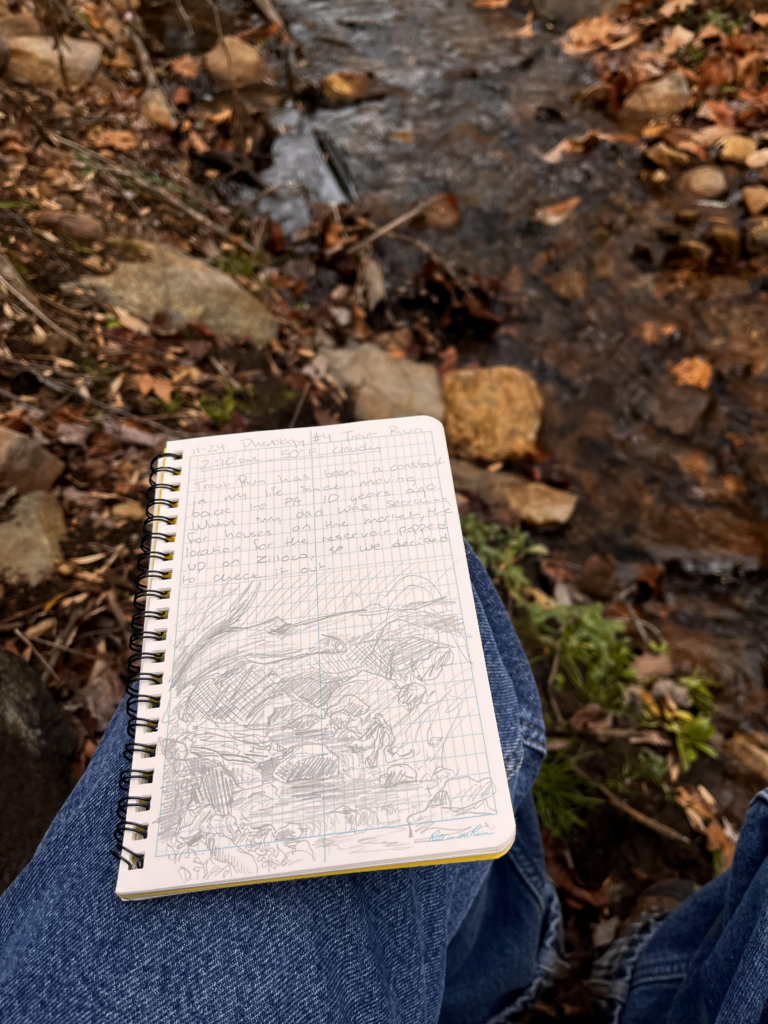
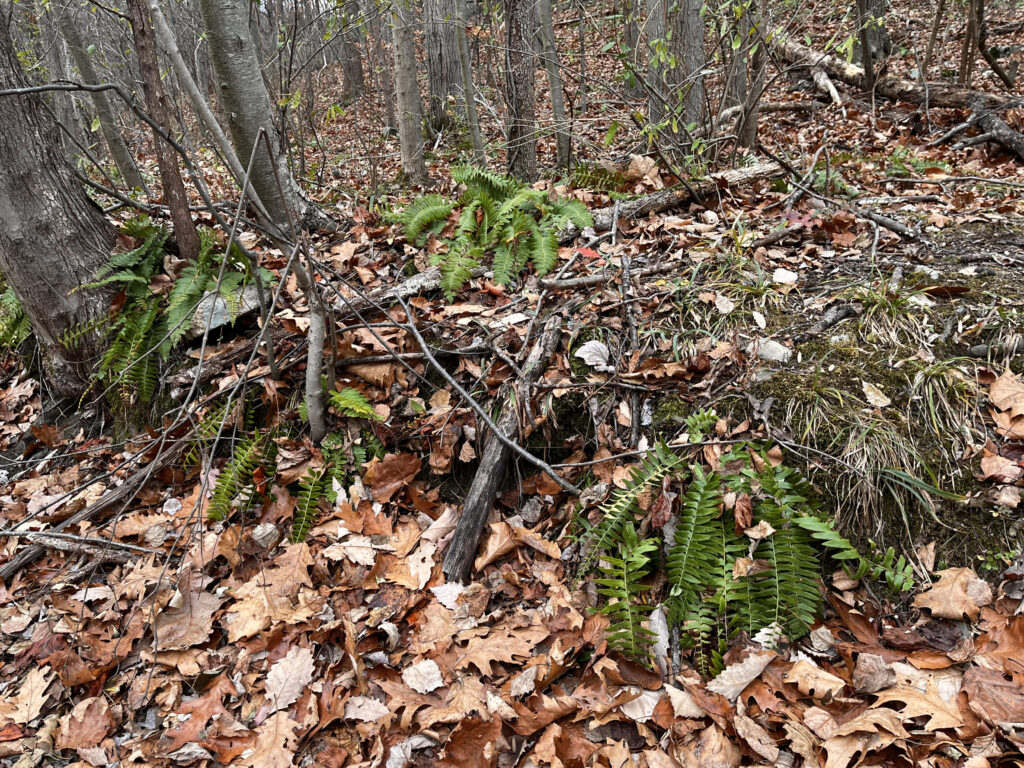
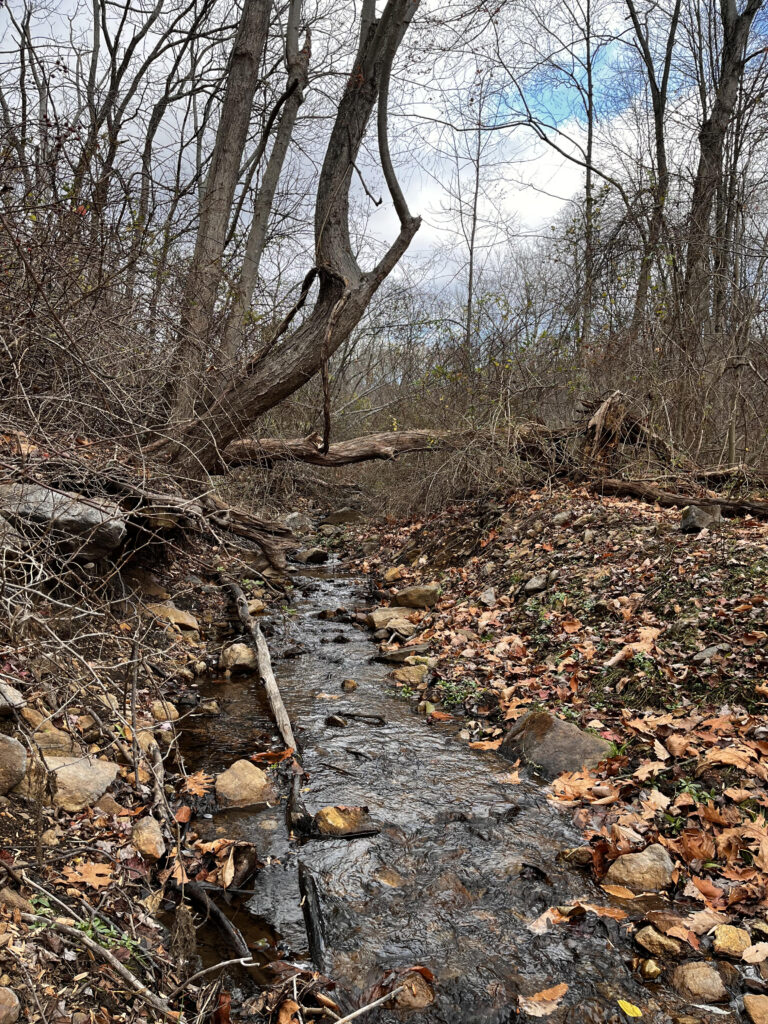
I sat in my spot for a while and sketched what I saw. There were larger stones in this section of the creek than in Centennial. The vegetation directly by the stream was sparse, and evidence of erosion was apparent. The small field adjacent to the spot at Trout Run lacked species typical of a wetland habitat.
Some species I was able to identify include:
- White Oak (Quercus alba)
- Red Oak (Quercus rubra)
- Chestnut Oak (Quercus montana)
- Big Tooth Aspen (Populus grandidentata)
- Red Maple (Acer rubrum)
- Yellow Poplar (Liriodendron tulipifera)
- Yellow Birch (Betula alleghaniensis)
- Black Willow (Salix nigra)
- American Beech (Fagus grandifolia)
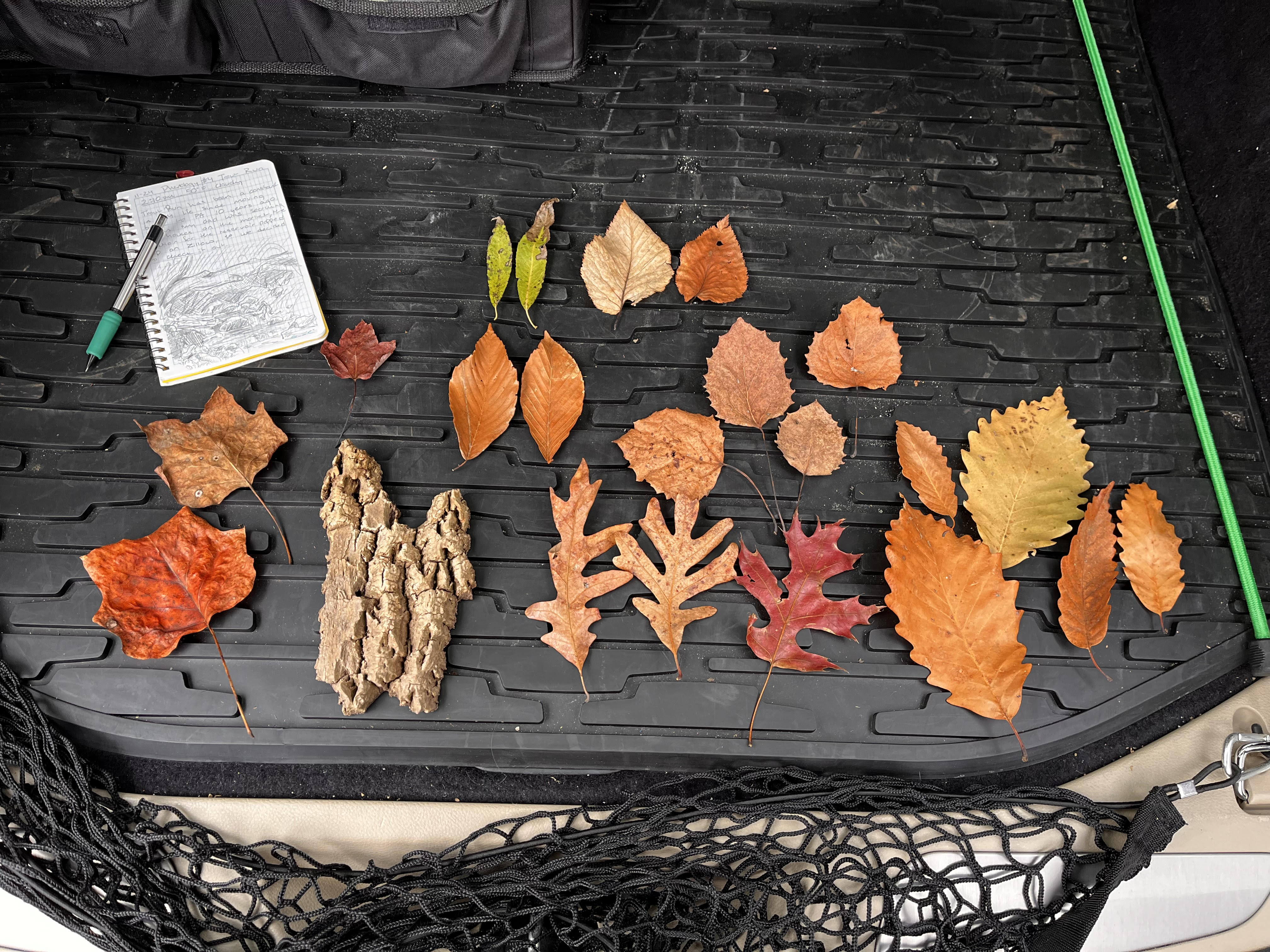
Some of the beeches had still had leaves, which I had observed in the Burlington area as well. Much like Centennial, this forest does not feel like old growth. Many of the tree species there thrive in disturbed areas, and the fact that the area has been so developed and that the reservoir is a man-made alteration on the land indicates this is a younger stand. Nonetheless, I loved this opportunity to learn more about a spot that’s given me so many memories.