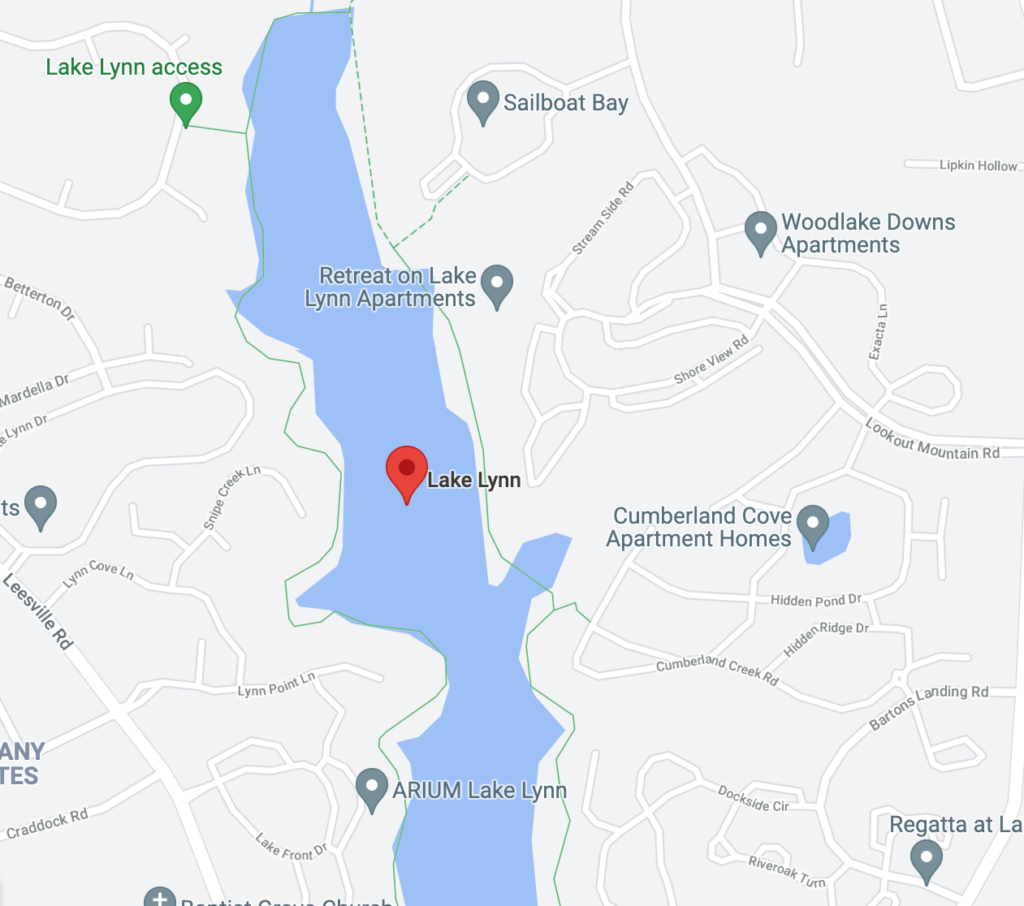
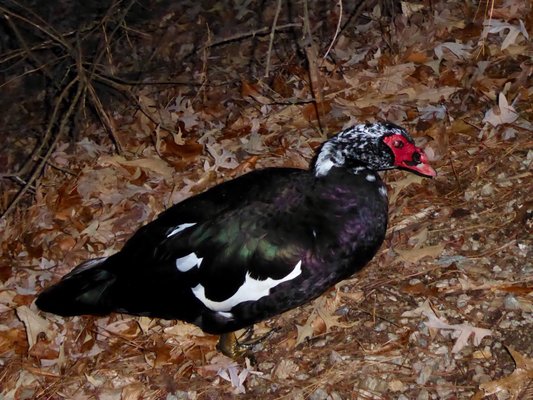
About 3 miles from my house in Raleigh, North Carolina is the phenology site I chose to observe and compare to the phenology site in Burlington, Vermont. This place is easy to bike, walk, or drive to from my house and I used to go there very often during the pandemic. Shown in the first picture is the recreational value of the site with a trial surrounding the lake where people walk and bike. The water is shown in the second picture as a home for many species of animals including fish, turtles, and birds. One animal I find specifically interesting is shown in the last picture and is called the Muscovy Duck; it is kind of creepy to walk past especially at night. Both phenology sites have waterways in them and these waterways are somewhat at the center of both sites. They are also both used for their recreational value to humans who hike and bike in both areas. While Centennial Woods was naturally occurring as for its river, Lake Lynn was manmade for flood protection. Both areas do provide an ecosystem service of being flood protection areas due to their vegetation and waterways.