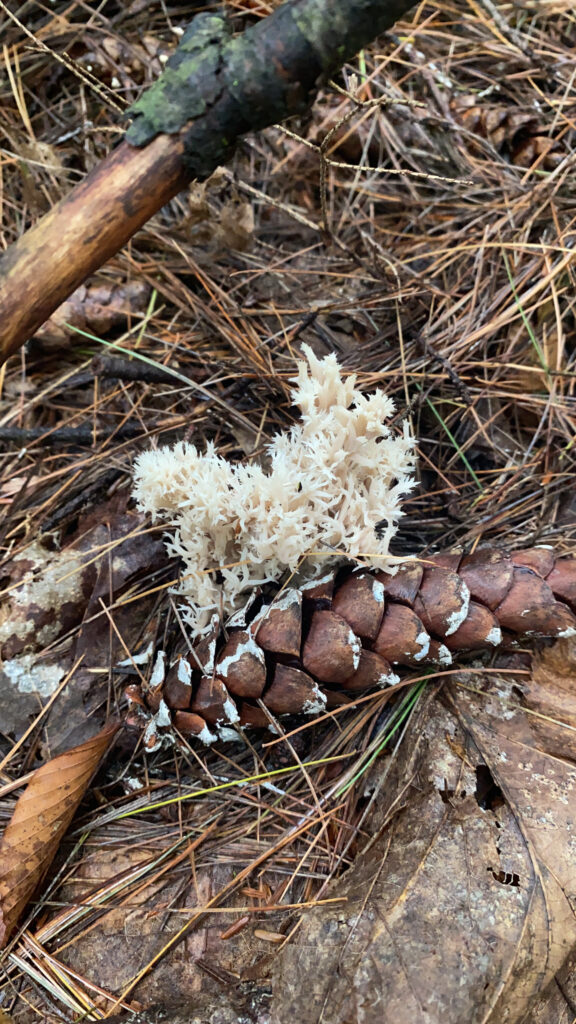
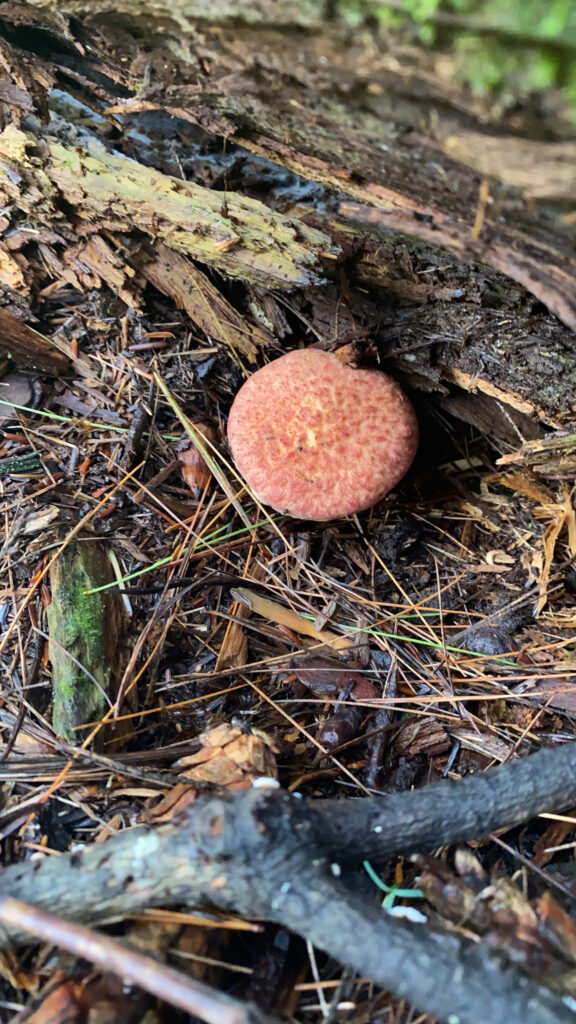
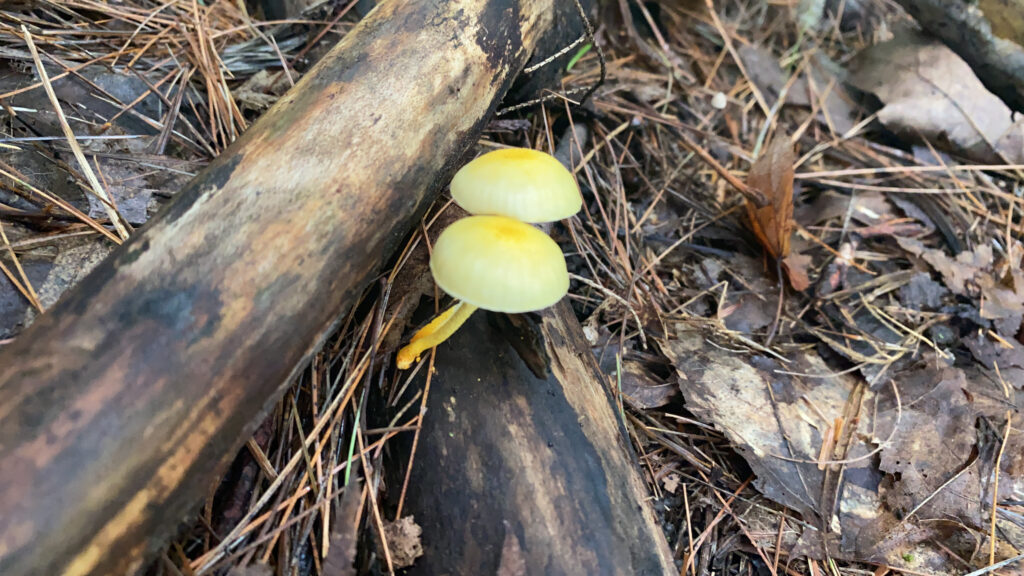
I chose Centennial Woods Natural Area for my NR001 Phenology Assignment for two reasons: one being my love of fungi and the fact that I saw a variety of fungi on a hike there, and two being the importance of urban natural areas to people and the environment. Natural Areas in urban centers are important for the physical health and wellbeing of the people inhabiting those areas because then they have access to nature which has been proven to better mental health and wellbeing. These natural places are also important for the wellbeing of the environment and allow a thriving ecosystem to exist where it usually would be developed land.
The 65 acres that Centennial Woods encompasses contains a myriad of plant species and land types such as fields, wetlands, and streams. To get to this area from campus is fairly simple, it is about a 20-minute walk from the Davis Center, you walk past the Aiken Center and Jeffords Hall to Carrigan Drive and then follow that road straight down to the entrance of Centennial Woods on your left. The vegetation in the understory includes Common Buckthorns, Honeysuckles, Sensitive ferns, Intermediate Wood Ferns, and more. The understory and overstory trees include Eastern White Pines, Eastern Hemlocks, Boxelders, Green Ashes, White Oaks, Red Maples, Norway Maples, and more.