Feeds:
Posts
Comments

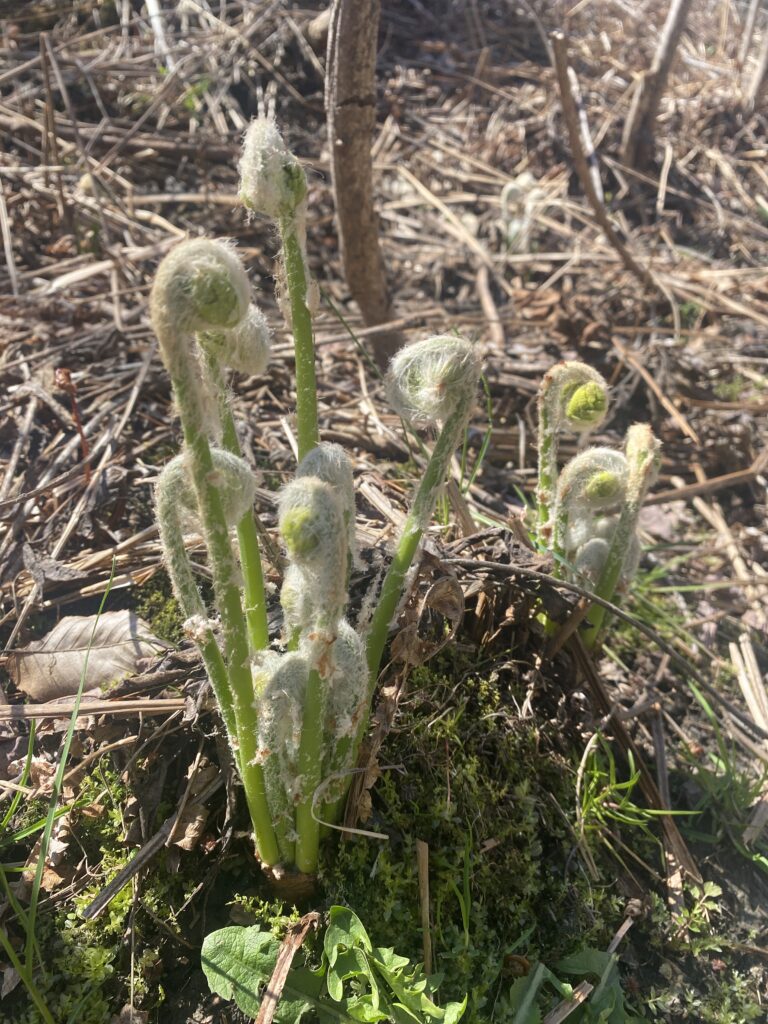
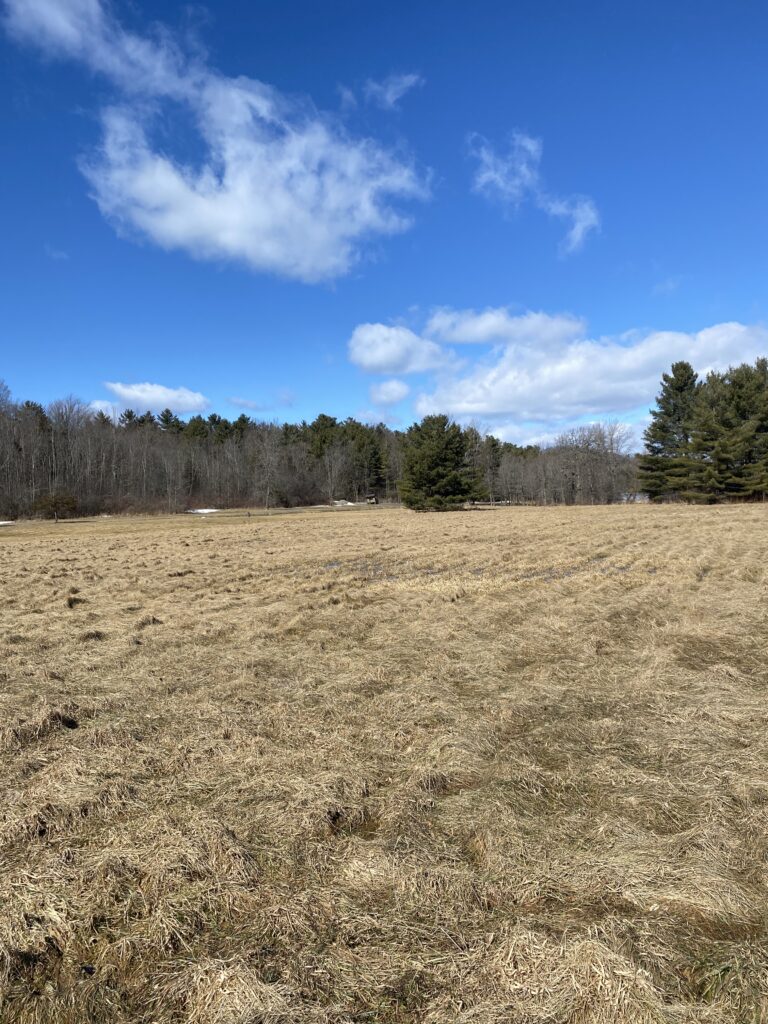
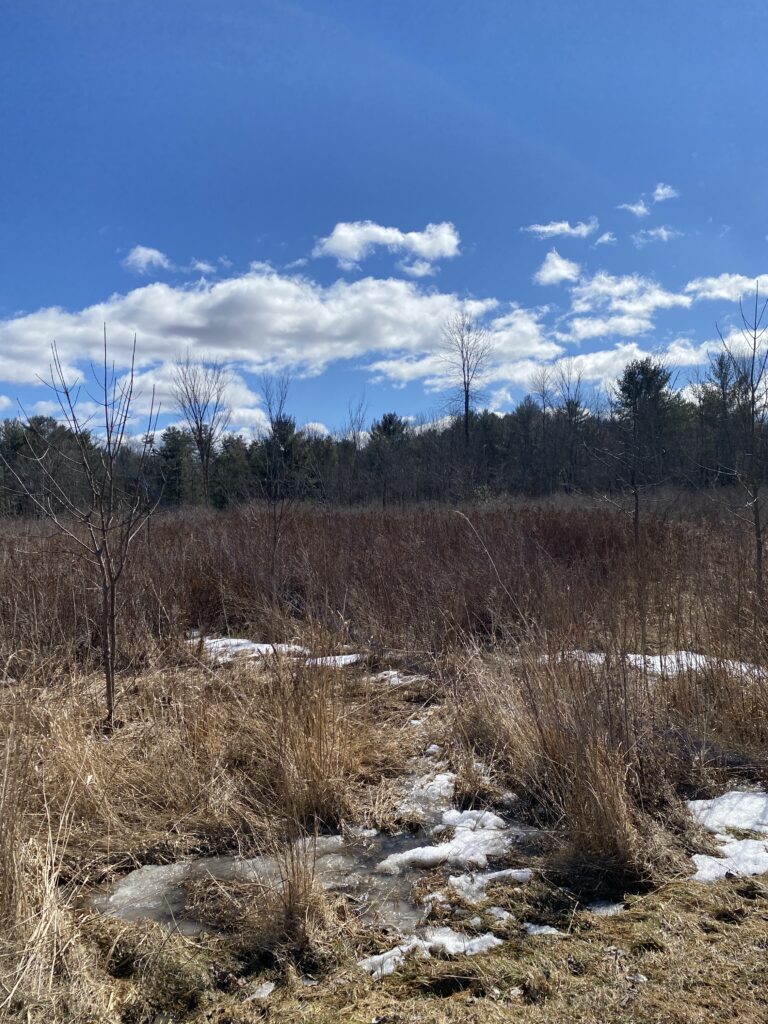
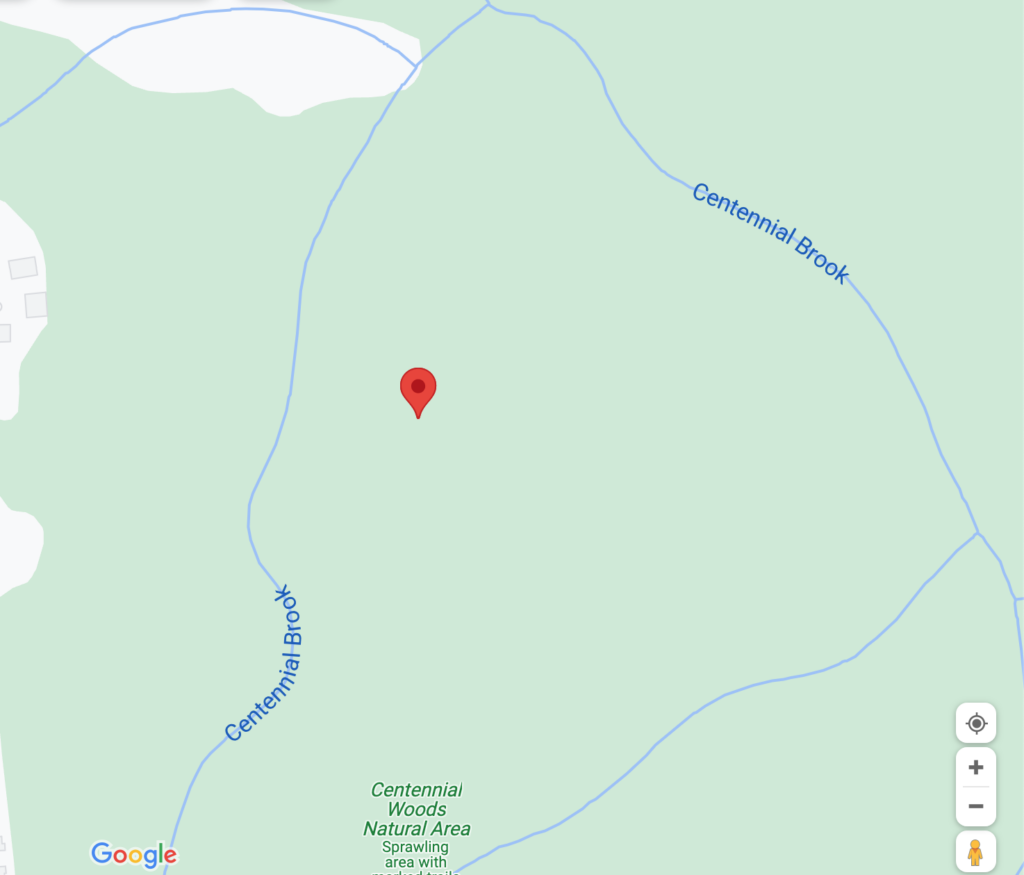
There is a lot of new life springing up out of the earth this time of year, this is a huge difference from the barren winter land there once was. There is the unfurling of ferns, sprouting green leaves, and new buds on the trees. In this urban environment, nature and culture intersect on the grounds of Centennial Woods where people interact with the natural environment in ways they usually would not be able to without this natural area. People also host different labs and meetings in this area, allowing for the university’s culture and surrounding areas to flourish in this area. I would consider myself a part of this phenology spot I chose and I have loved seeing the changing of this ecosystem over my time documenting the seasonal changes. It is very close to campus and very accessible to a variety of people which allows many to feel a part of this place.
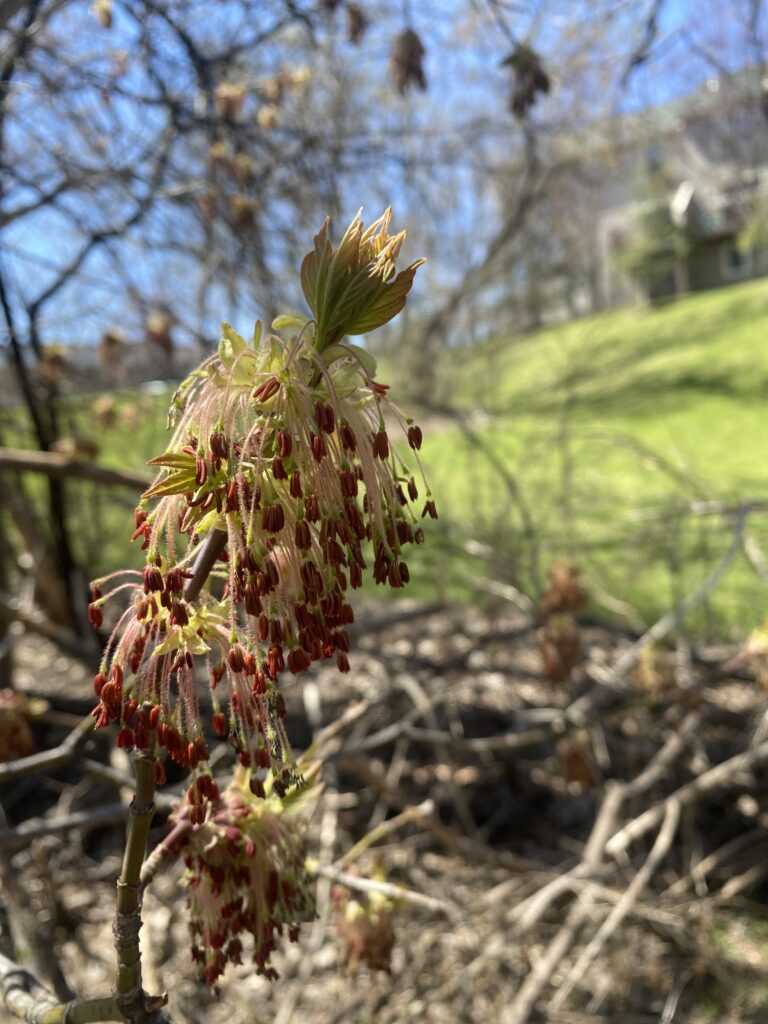
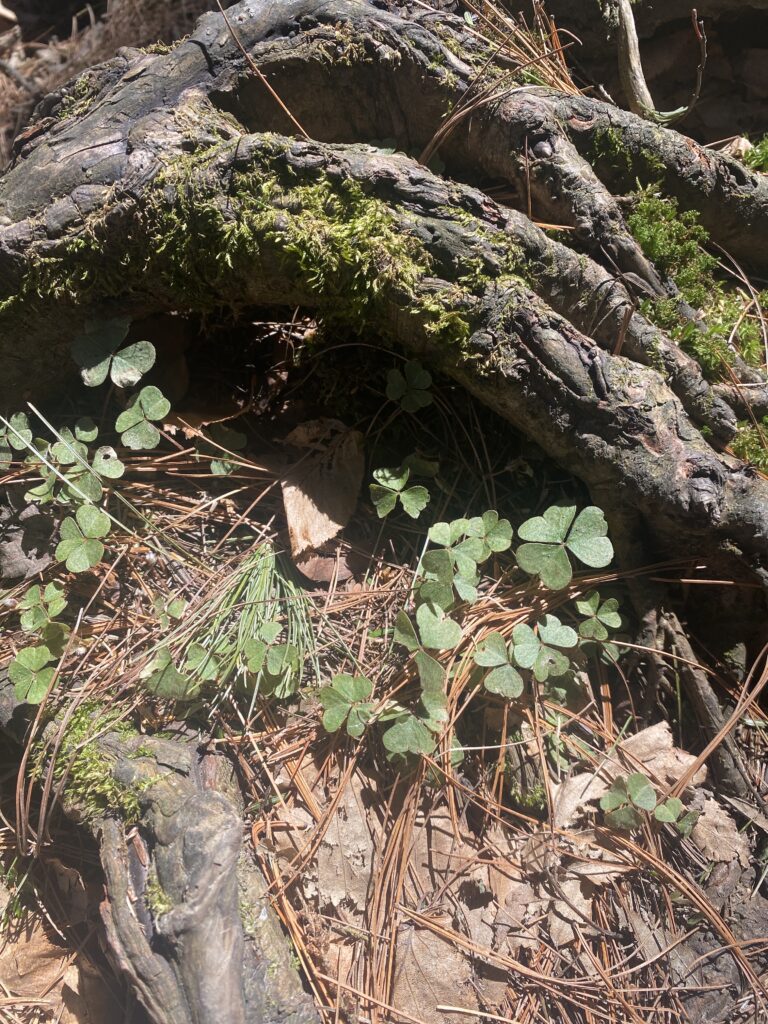
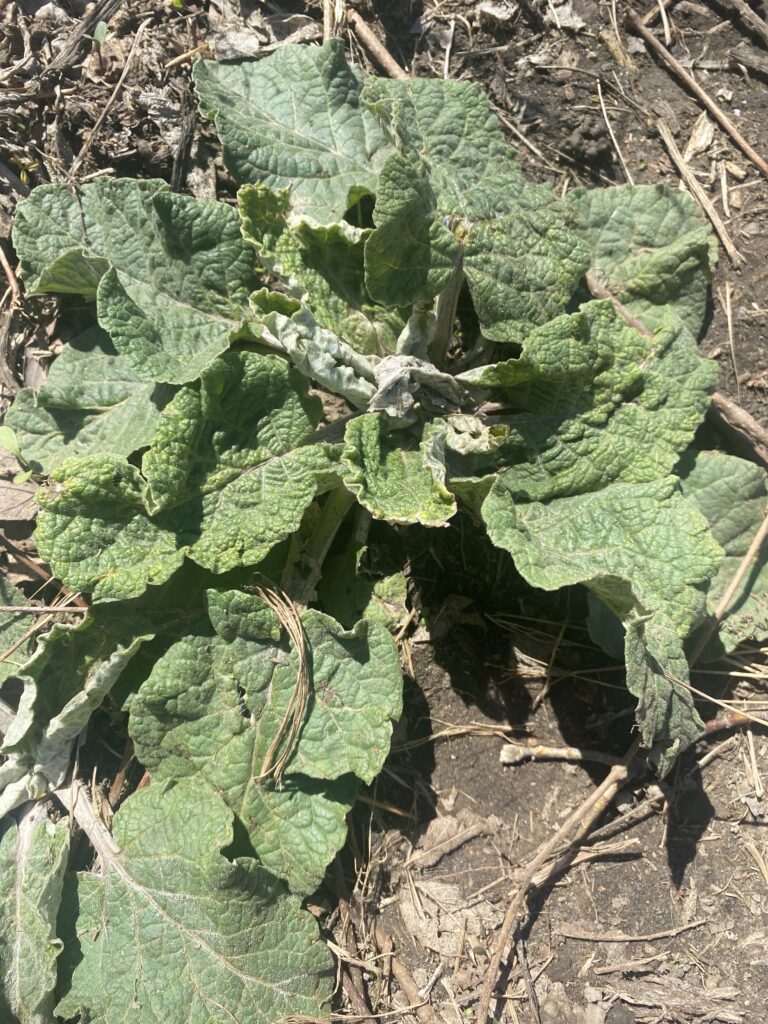
The pathways are now surrounded by new plants and blossoming trees, with maples blooming, oxtails on the trails, and wild rhubarb in the fields.
BioBlitz

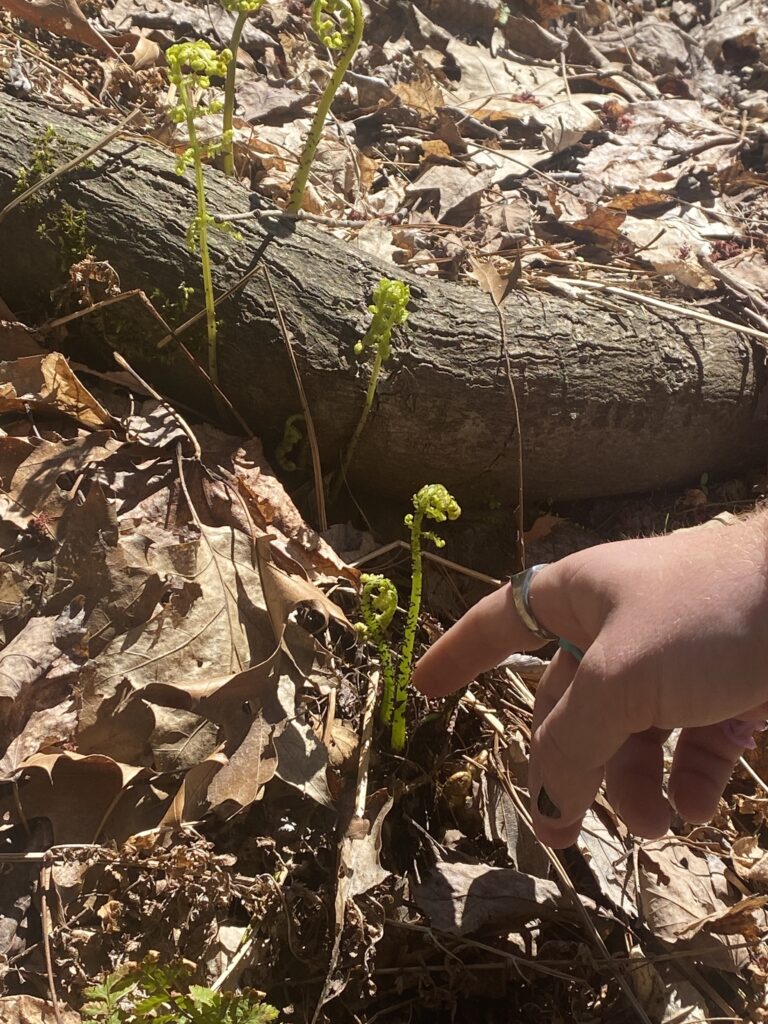
During the City Nature challenge BioBlitz, I visited Centennial Woods and Winooski to gather information for iNaturalist. My experience using iNaturalist was very easy and fun, I liked to see the suggested species that were found based off of my pictures and it was fun when I already knew what the species was and I was able to type it in myself. I found 14 different species in a very small area, mostly small vegetation that had just sprouted. But I found myself paying more attention to my surroundings and trying to spot new plants, which I usually would not be doing so this was a fun and new experience for me. This made me be able to see so many more little plants than I usually would have noticed. It was very interesting to look at the main city nature challenge group on iNaturalist to see all of the various species being documented around the world, I really liked the Saguaro cacti pictures. I also enjoyed seeing so many new species that I had never heard of and the cool encounters people had with them like the green anole or the Egyptian goose.

Extending My Reach

My family and I traveled to and stayed in Charlotte, Vermont for spring break. This area is definitely more rural than Burlington and has some pretty amazing views. The new phenology spot I chose is Laplatte River Marsh Natural Area at Shelburne Bay. As for its natural history, it is pretty similar to the rest of Vermont with it being clear cut and fairly recently in history, it was reforested and now this fragmented landscape is crucial for many species. It is especially important for many migratory bird species like waterfowl. I did not encounter many birds at all, I heard some chirping and saw a crow and a few robins. The pathway was surrounded by thick woody vegetation that had no berries, flowers, or leaves. I noticed some pine needles, oak leaves, aspen leaves, and a few maple leaves.

Searching and Seeking

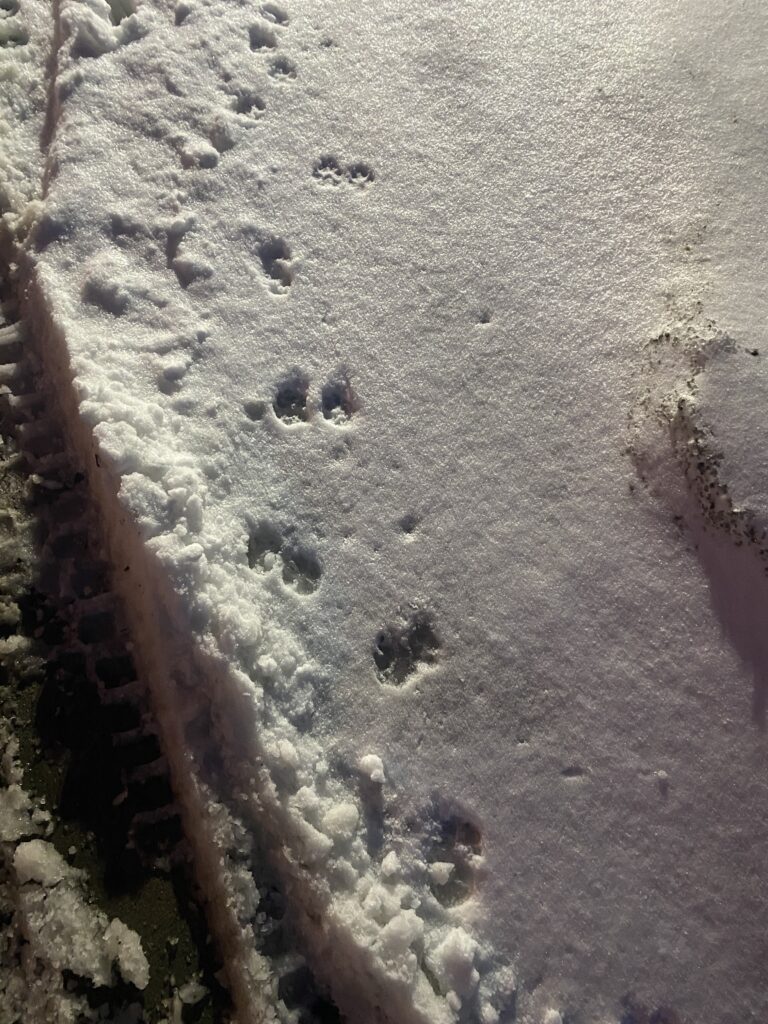
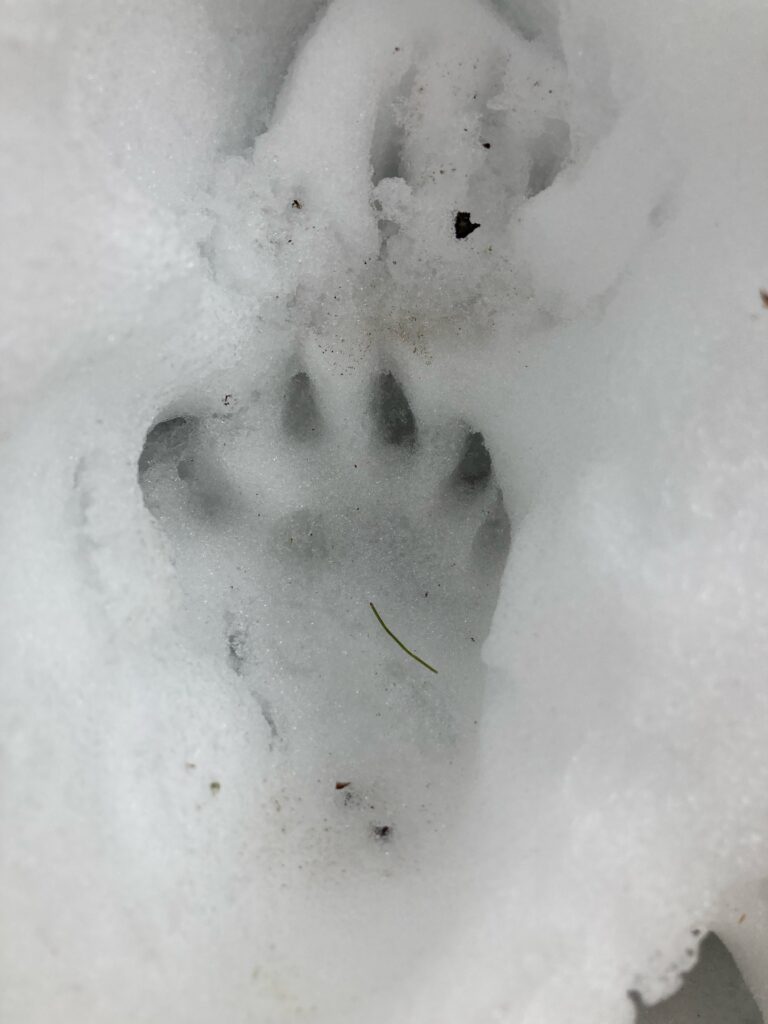
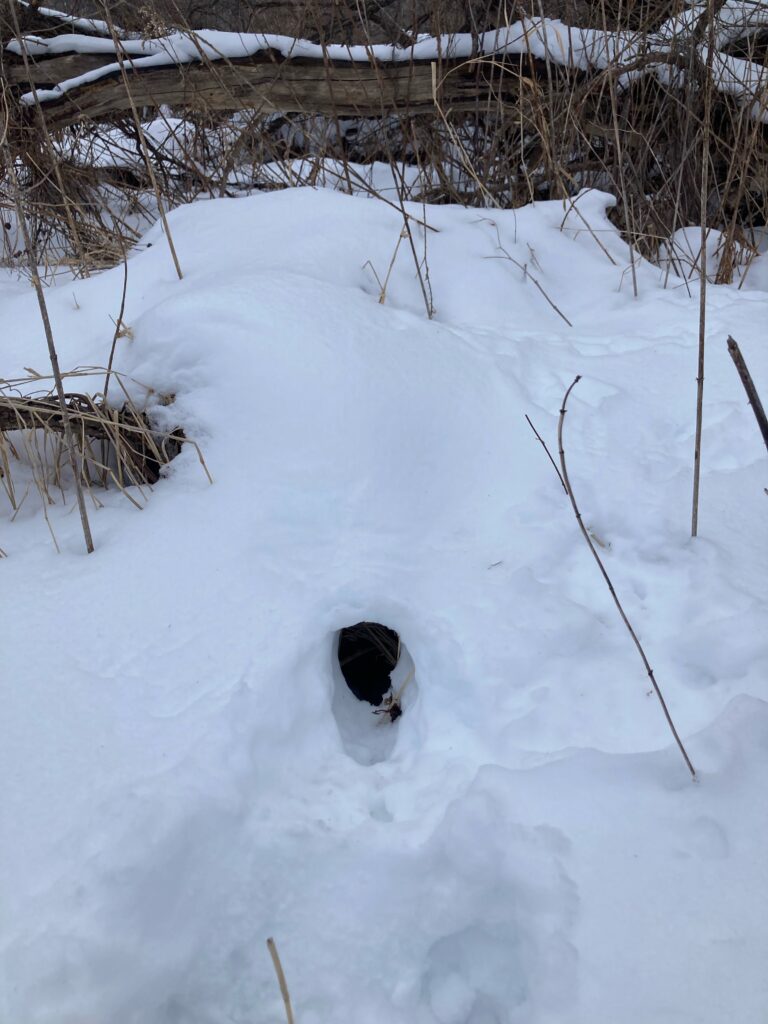
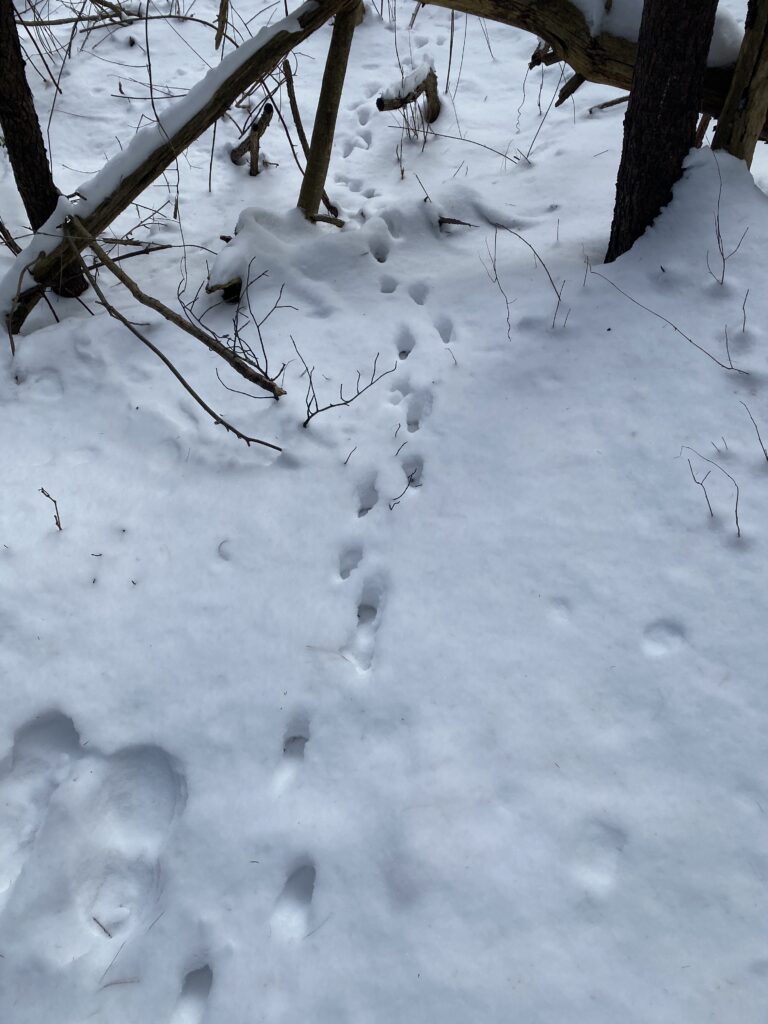
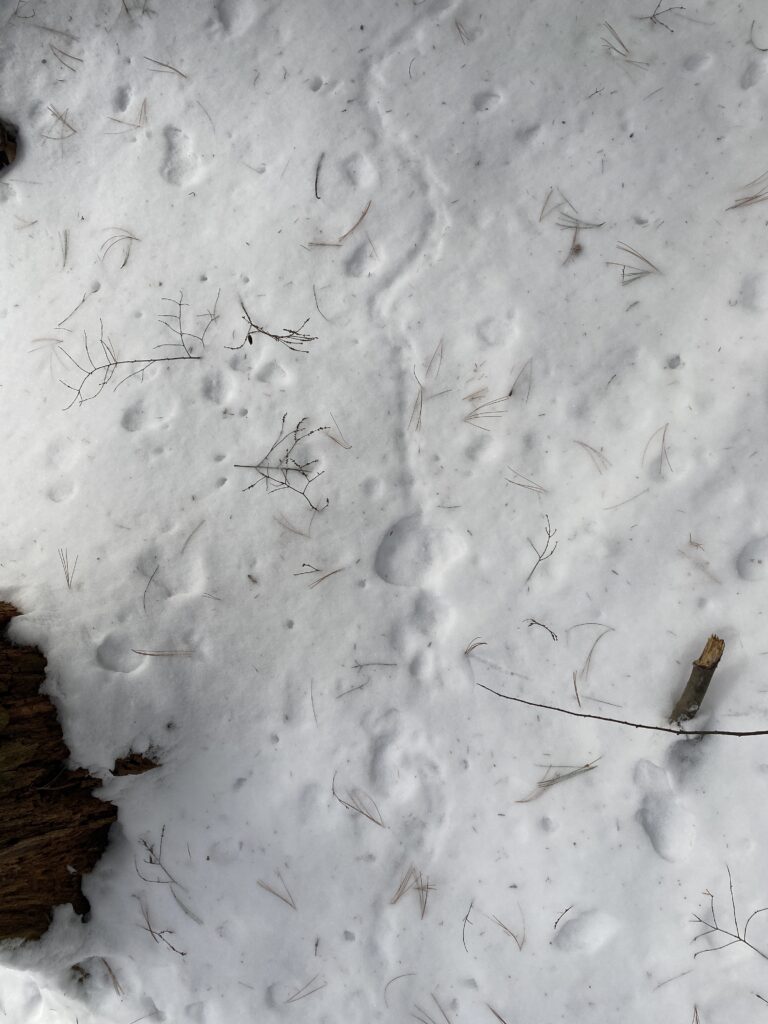
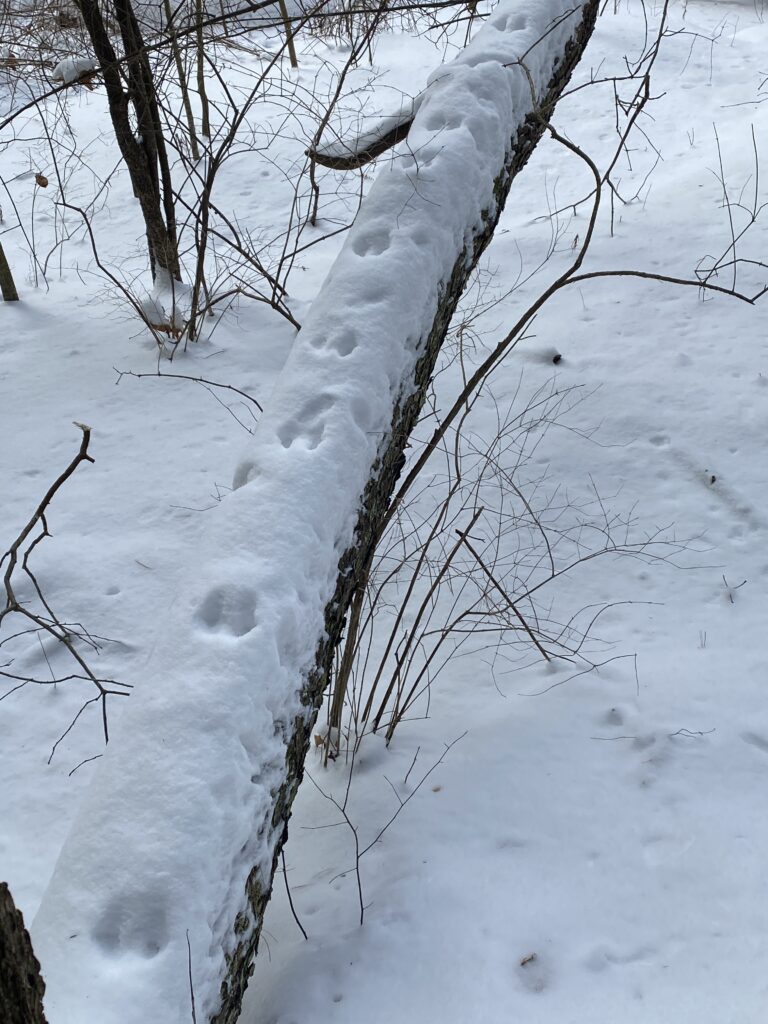
For this exploratory adventure, I went to the Intervale and traversed the slippery and muddy environment looking for tracks and signs of animals. I ended up finding some bounding tracks that only had four toes, which made it difficult to determine which animal they came from. I also found the track of what was probably a skunk or porcupine as well. Lastly, I saw a sort of den in the snow that might have been made by a rabbit. My experience using iNaturalist was easy because I used it during another lab in Environmental Studies last semester so it went smoothly.

The Cold Correction

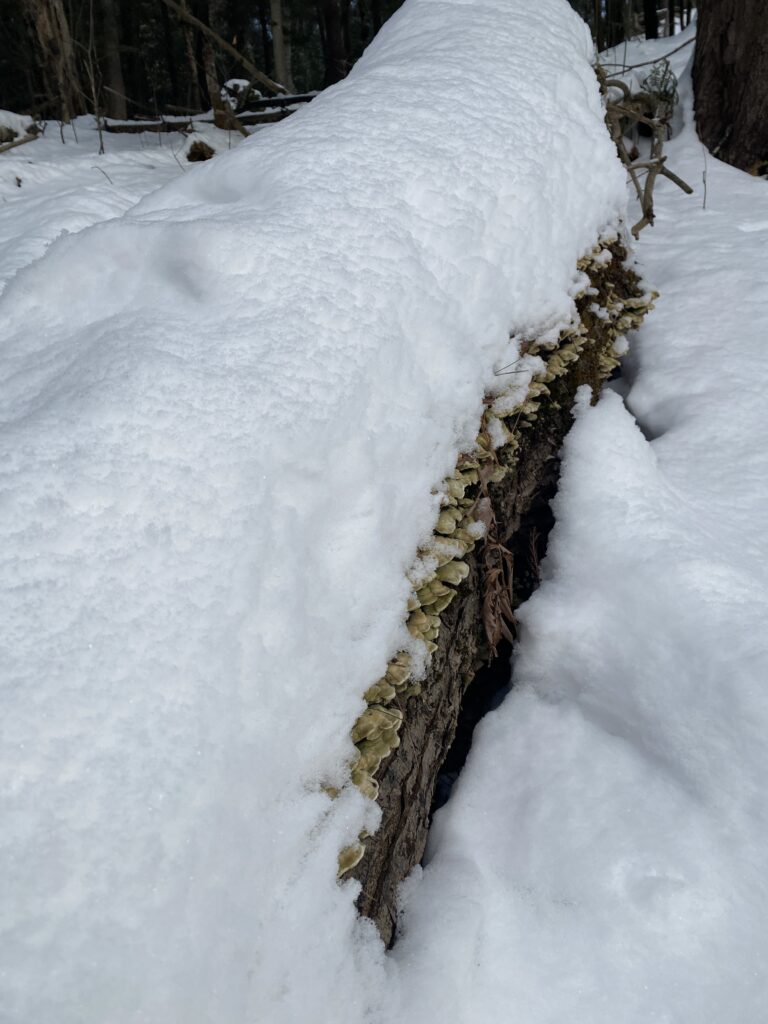
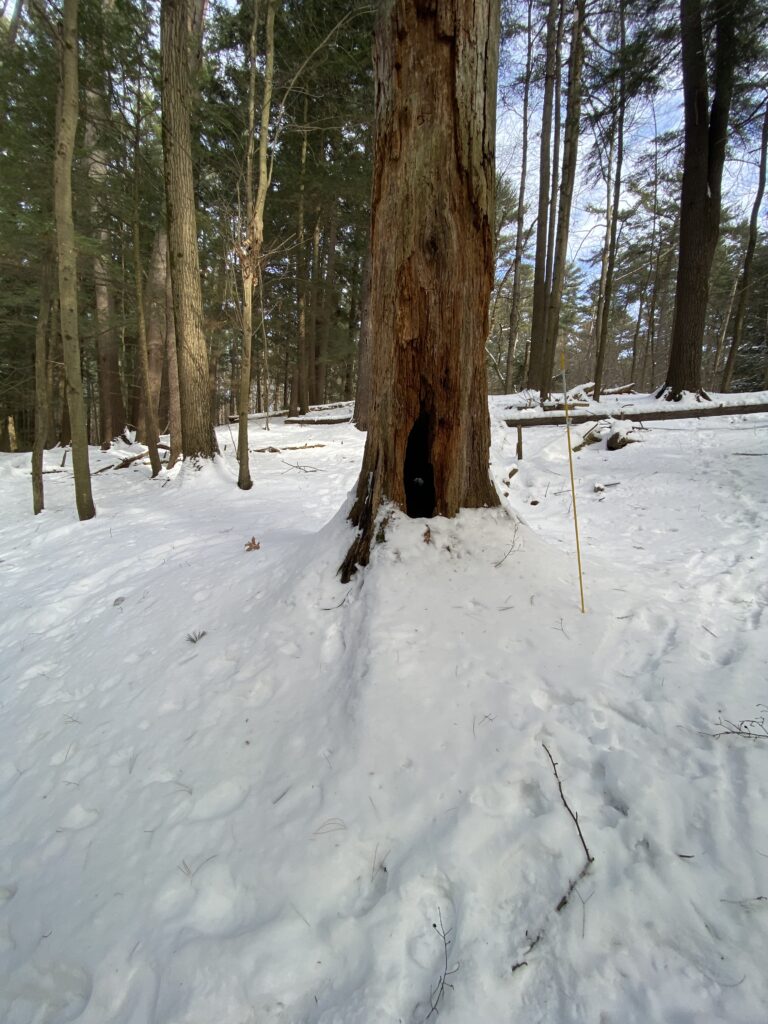
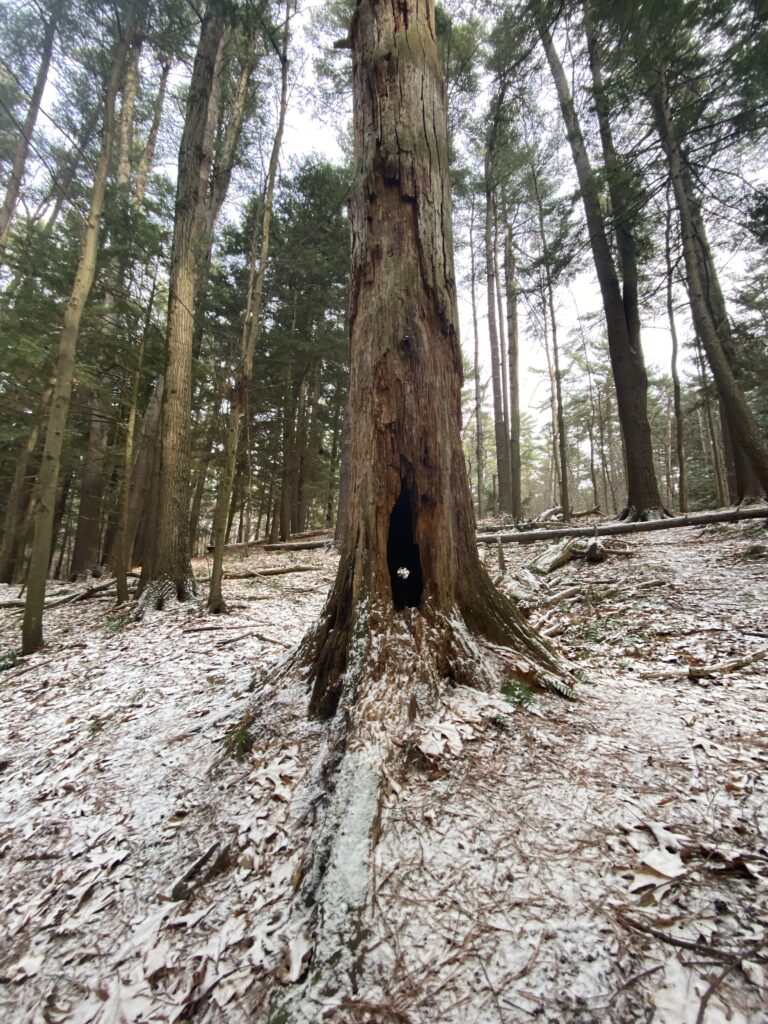
As I walked through Centennial Woods today I heard the squeaky crunch of snow beneath my boots but noticed a lack of birds singing or water rippling. Now that the full wrath of winter has fallen upon Vermont my chosen phenological site has gone through some major changes. All of the deciduous trees have shed their leaves while some evergreens like the Eastern White Pine have kept some of their very top needles, reaching for the sunlight. There is scarce to no understory to be seen due to the thick white blanket of snow that has fallen and smothered the plants that were once there.

Although some things have been hidden underneath the snow others become visible, like the tracks of animals who make their own trails in the forest. I observed where some humans veered off of the trail to discover more and I saw the hints of other animals from their tracks in the deep snow.

Whispers of Winter

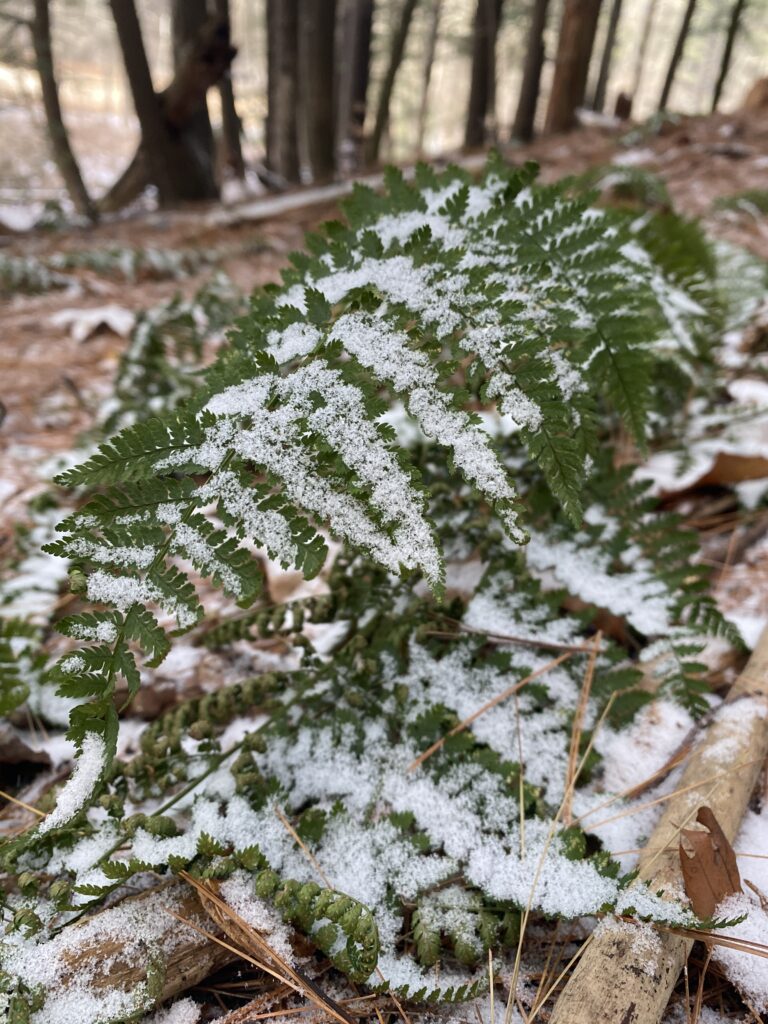
Now that the temperatures have dropped and snow has fallen, there are changes in my sight. I saw less ground cover other than a few sparse ferns. The ground is frozen, littered with leaves, and a thin coating of fresh snow. I heard some birds singing, but nothing like the bird irruption talked about in Naturally Curious. I also did not see any animals or signs of them, I only heard a dog barking off in the distance. Overall my phenology site is beautiful during this new phase and is becoming somewhat of a refuge for me as well as some (undoubtedly present) animals preparing for winter.

Phenology At Home: Lake Lynn

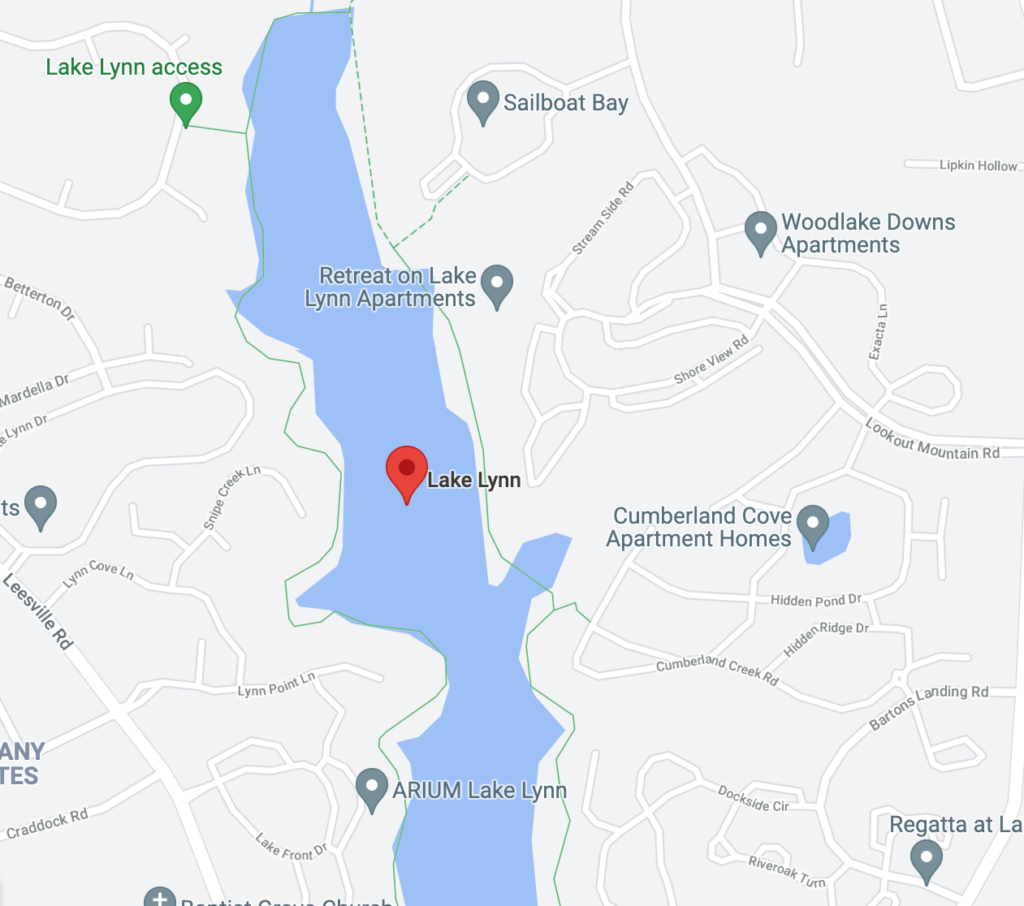
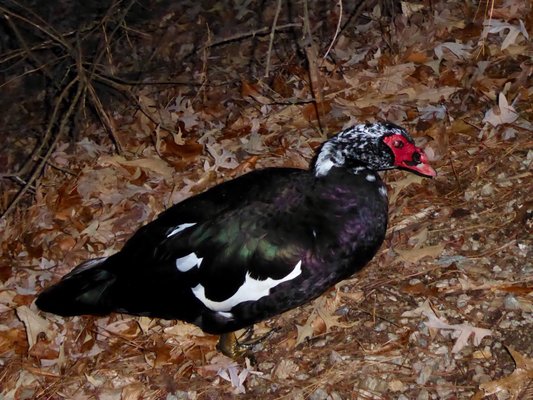
About 3 miles from my house in Raleigh, North Carolina is the phenology site I chose to observe and compare to the phenology site in Burlington, Vermont. This place is easy to bike, walk, or drive to from my house and I used to go there very often during the pandemic. Shown in the first picture is the recreational value of the site with a trial surrounding the lake where people walk and bike. The water is shown in the second picture as a home for many species of animals including fish, turtles, and birds. One animal I find specifically interesting is shown in the last picture and is called the Muscovy Duck; it is kind of creepy to walk past especially at night. Both phenology sites have waterways in them and these waterways are somewhat at the center of both sites. They are also both used for their recreational value to humans who hike and bike in both areas. While Centennial Woods was naturally occurring as for its river, Lake Lynn was manmade for flood protection. Both areas do provide an ecosystem service of being flood protection areas due to their vegetation and waterways.

Fall at Lake Lynn, Raleigh, NC | Lake Lynn, Raleigh, NC is a… | Flickr
Lake Lynn, NC | Lake Lynn, Raleigh, NC is a man-made lake cr… | Flickr
Lake Lynn Park 7921 Ray Rd Raleigh, NC Parks - MapQuest

A New Path

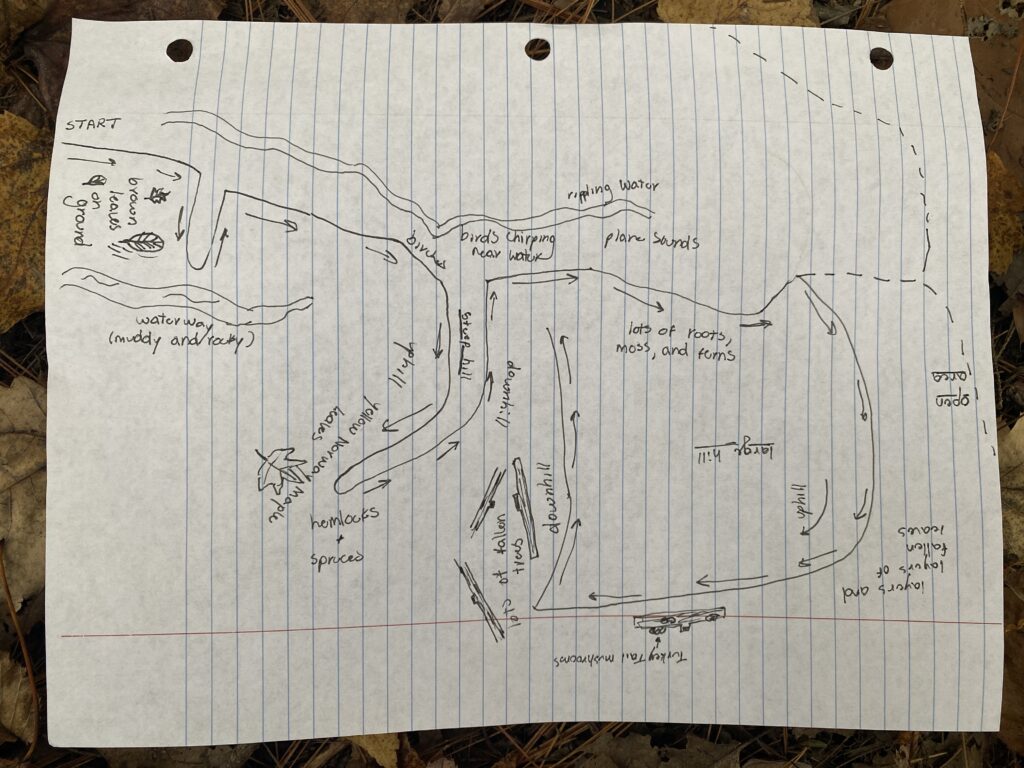
Although my phenology site is in Centennial I took some new pathways that I had never been on before and created an event map along the way. I began along the normal path and then went down to the water where it was muddy and rocky, I then followed back along the trail and before I took a right up the hill a lady asked me if I had seen her missing cat. I then went up the hill seeing yellow Norway Maple trees and Eastern Hemlocks. Then I continued on the path finally heading up the big hill before the opening and kind of getting lost, but seeing piles and layers of fallen leaves on the ground and hearing birds chirping in the trees before I made the descent back to the beginning of the trail.

This Changing Environment

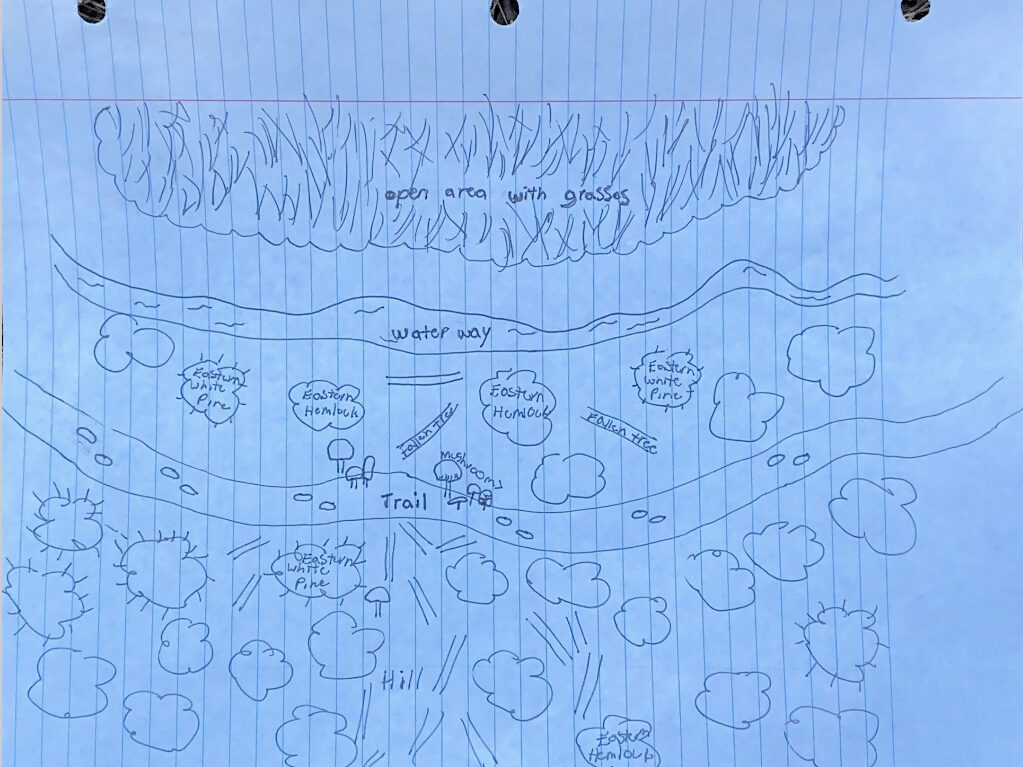
As I sat in Centennial Woods today the weather was high 50s with clear skies. I heard distant bird chirping, loud planes flying overhead, and water rippling in front of me. I saw the trees surrounding me and the leaves and roots beneath my feet. I smelled fresh outside air.

My chosen spot felt like a new space this time I visited. There were less species of fungi present and less abundance overall of fungi. The ground was dier this visit with a bit less moss coverage. The overstory, although not changed much had less pine needles on the trees and the understory had less fern abundance.

The spot I sat in is in the middle of the image where the word “Trail” is written.

Map Of My Chosen Plot

Older Posts »

Skip to toolbar