Posts

Final Phenology Post

I had so much fun participating in the City Nature Challenge this past week! Waking up last Friday was like waking up on Christmas morning. I had camped at North Beach the night before, and as I made my way home I immediately began snapping photos.
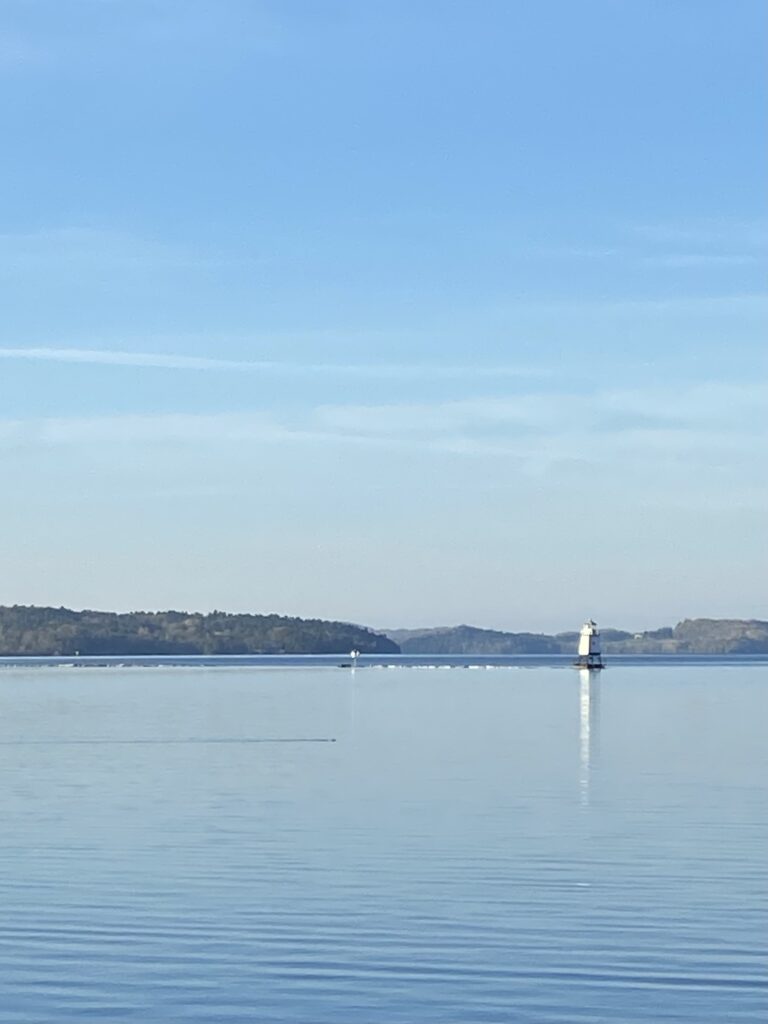
About 5 minutes into our walk we saw a miraculous sight. A river otter making its way across Lake Champlain! My excitement was through the roof. The picture is difficult to make out because only its head poked up out of the water.
Areas Explored:

  • North Beach
  • Centennial Woods
  • Intervale Center
  • UVM Campus

Observations: 33 Species: 21

Favorite Plant Found: Siberian Squill

Favorite Animal Found: North American River Otter

Overall I found it so encouraging to see so many community members involved in citizen science. Although we are not the most populous city we make up for it with passion. I had some amazing discussions with people who visited our beaver presentation.

There were also so many young kids at the Intervale Center who were so curious and interested in nature. I saw a piece of myself in them. I hope that their generation will continue to pursue solutions for sustainable living.
Tree ID

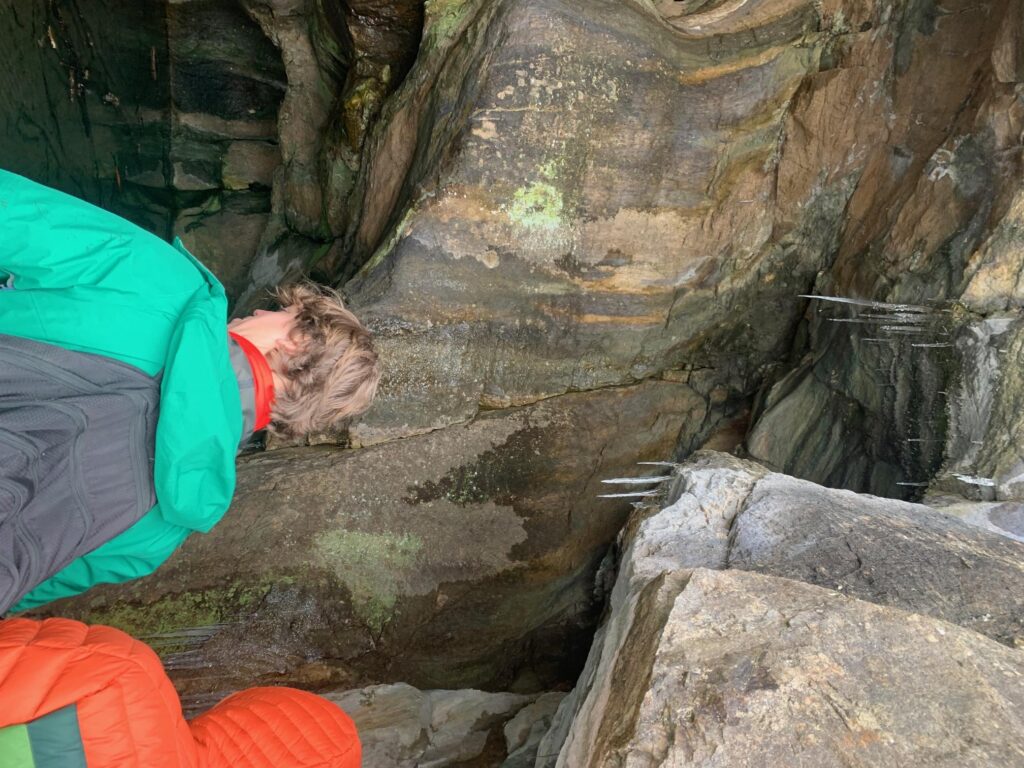
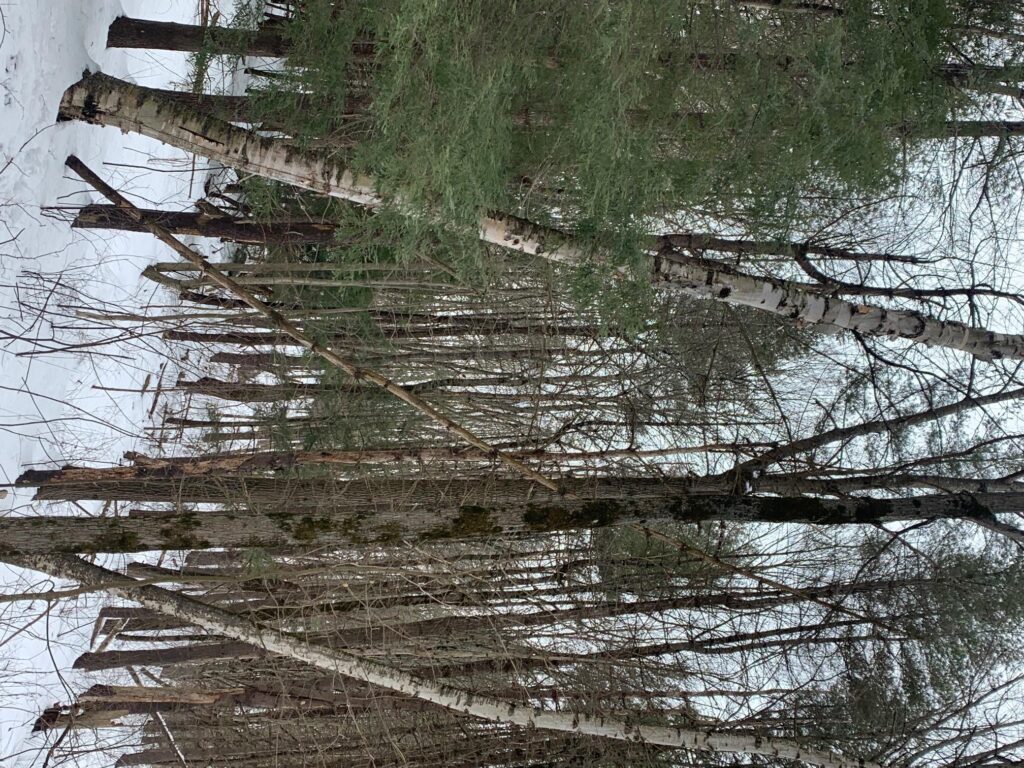
This week I went out to Centennial Woods with my friends to look for some trees! Since we had finished our last classes before break, we went on an adventure to the ice caves as well. In particular we were looking for red maple, Northern red oak, paper birch, or American beech.

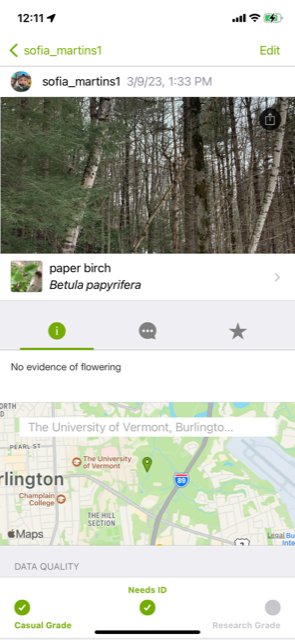
In my opinion, Paper Birches are the easiest tree to identify due to their distinctive bark. I spotted two of them as I approached my research area.

I could tell that these were paper birches because of their pale white bark which curled at the edges in some places. I could rule out their lookalike, yellow birch, because of the coloring of the bark.

Meeting the Neighbors!

This week I explored around the UVM campus because I wanted to see want kind of animals are making their home here. There is a surprising amount of wildlife here, even though we think of it as a human-centric and developed space. Nature always find a way. #resilience

The first animal we saw was an Eastern Gray Squirrel. It was in the trees next to the Interfaith Center, an area that is pretty highly trafficked by people. This little guy seemed to be well-acclimated to humans and was not afraid of us.

https://www.inaturalist.org/observations/148919594

Next we observed a pair of tracks perfectly imprinted in the mud near the Redstone Pines. They look like they could be the front paws of a squirrel. We determined this because of their size and resemblance to a tiny hand. It could even be from the same one we saw!

https://www.inaturalist.org/observations/148919956

Our third sighting was a huge crows’ nest on the side of Gutterson Fieldhouse. It was really interesting to see how the crows have used human development to their advantage. We also saw a murder (yes that is really the name for a flock of crows) making their way to their roosts in the trees later on.

https://www.inaturalist.org/observations/148921706

https://www.inaturalist.org/observations/148928162

Lastly, at the front of the gym we came upon some gulls. It is always funny to me to see seagulls here because we are so far from the ocean. I come from a beach town near Cape Cod, so I see them a lot back home. At first I thought it was a Herring Gull, but on further research I think it might be a Ring-billed Gull. The two species are very similar in coloring, but the Ring-billed Gull is smaller.

https://www.inaturalist.org/observations/148921930

☆.。.:*・°☆.。.:* First Prompt・°☆.。.:*・°☆.。

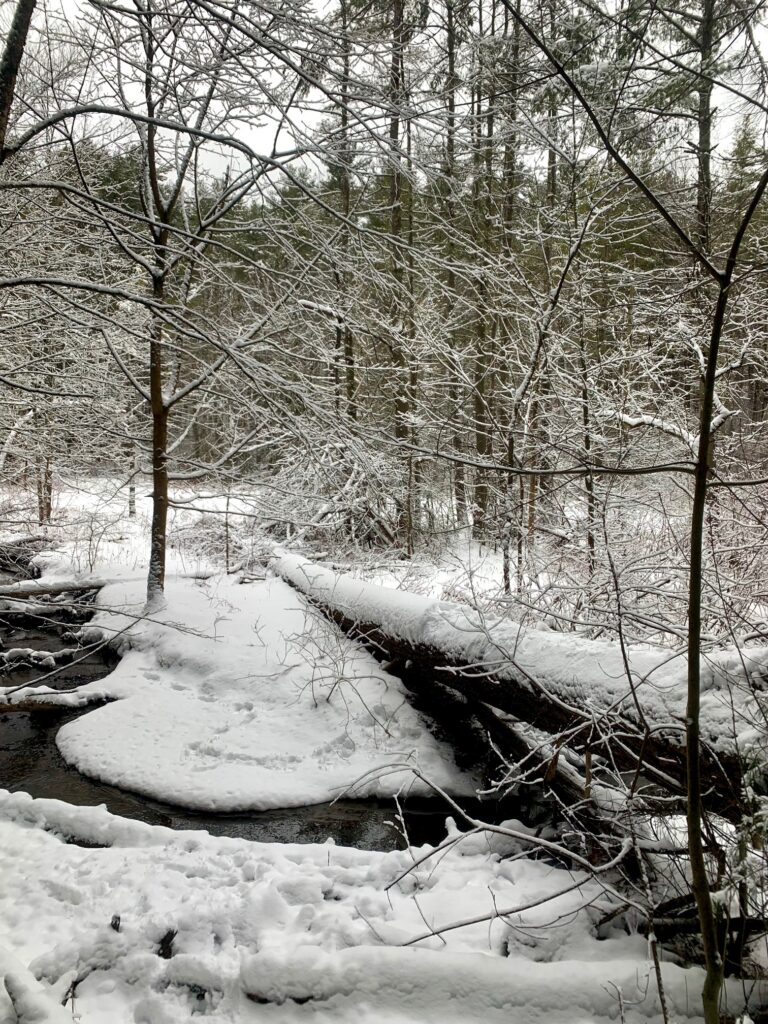
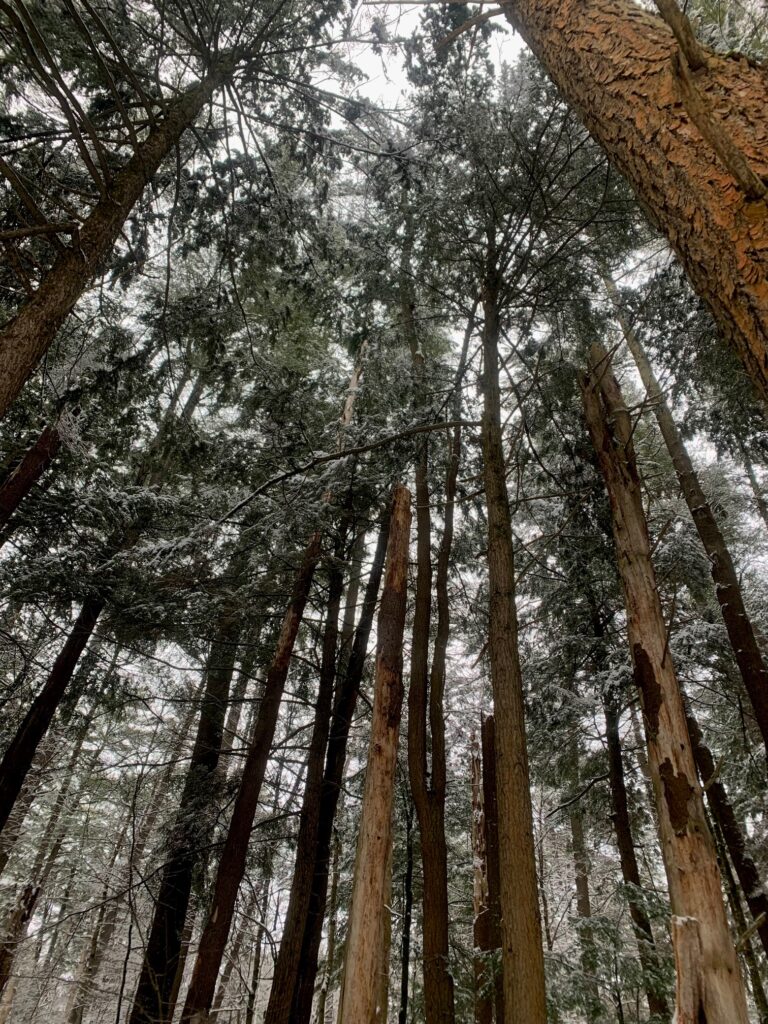
This is what my phenology spot looks like from the trail ╰[。♥ᴗ♥。]ノ

There is a stand of mature Eastern Hemlock trees up on the hill, and younger maples and oaks down in the open area around the stream. The young hardwoods thrive with the extra sun exposure away from the shade of the tall conifers.

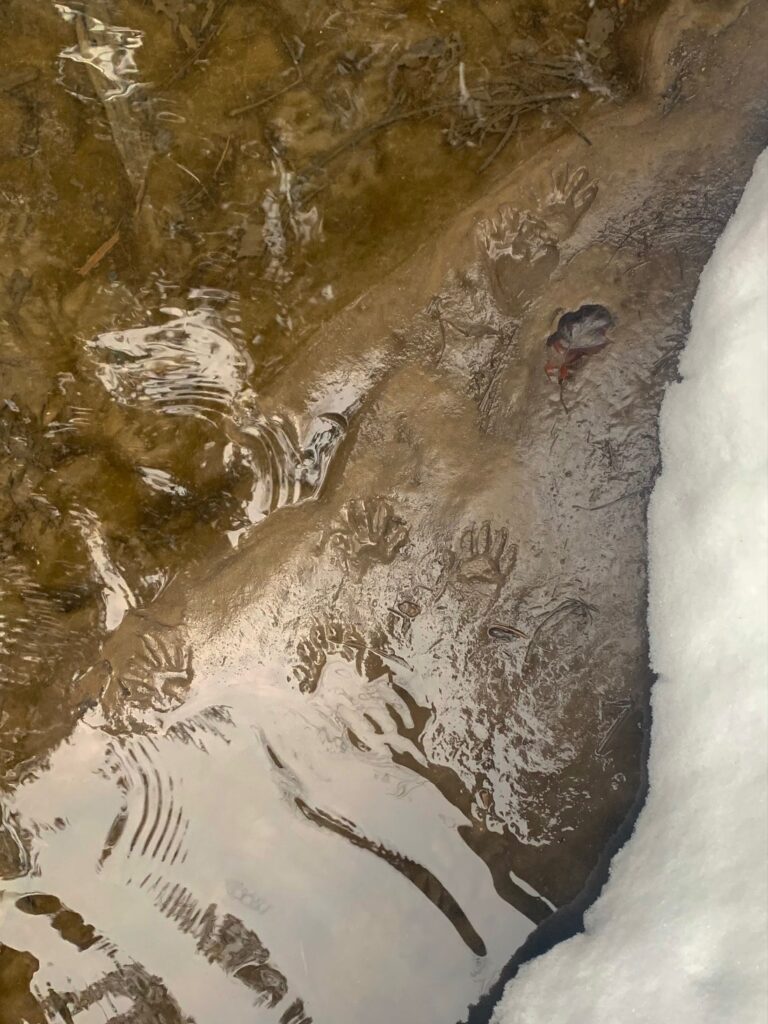
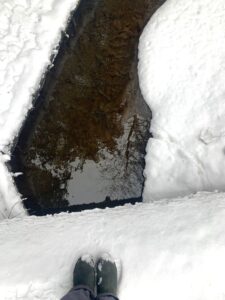
On the stream bank I spotted the tracks of a raccoon! I was so happy and excited when I found them. It was likely taking a drink of water. Raccoons are also known to rinse off their food before eating it.

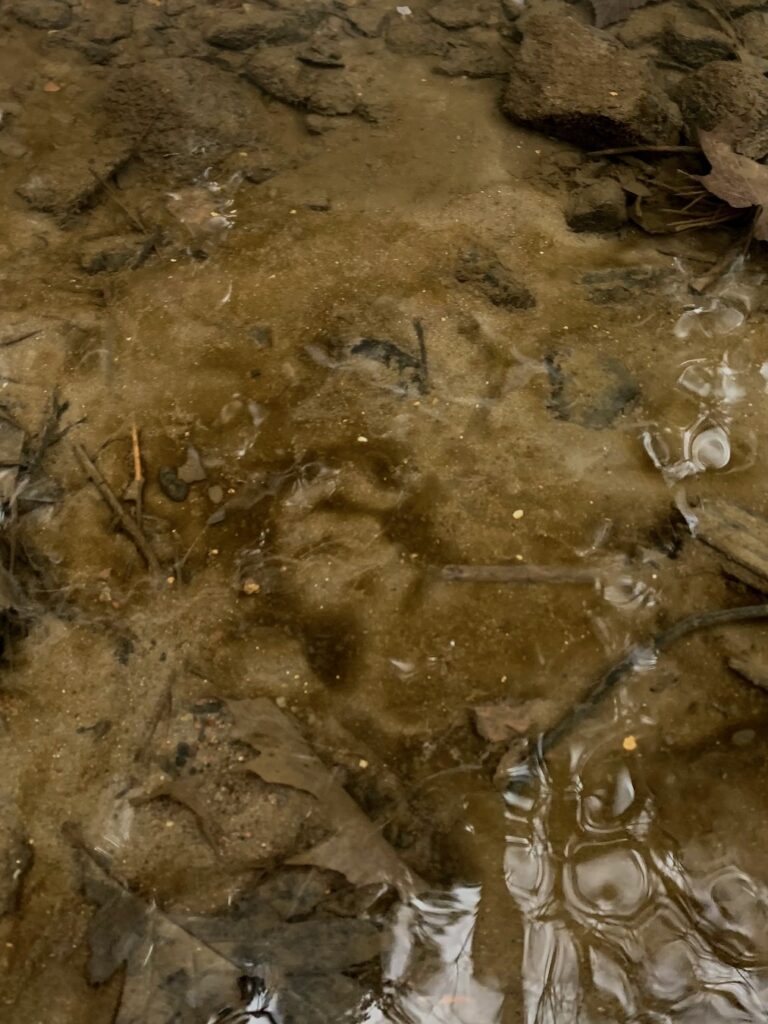
I was also surprised to see raccoon tracks in the middle of the stream bed. I’m not sure what it could have been doing that deep in the water. You can see pictures of the submerged tracks below.

Other than the print sightings I did not see many birds or even small mammals. The trails were a little busy with people and dogs, so that could be why.

New Semester, New Phenology Spot!

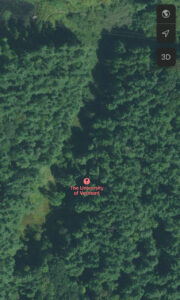
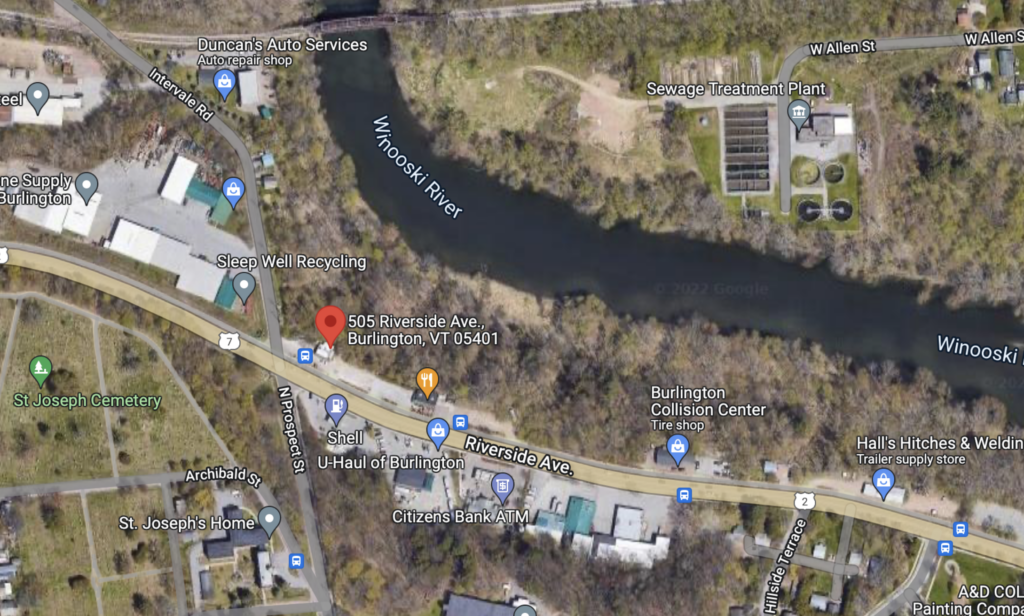
This semester I chose a research spot in Centennial Woods because of its accessibility. To get to it, you follow the main trail past the bridge, then bear left until you reach the river bend. The coordinates are 44.5 degrees North, 73.2 degrees West. I really like this spot because there is a small stream with a log over it to sit on and observe the forest. A map of my phenology location is included below.

Phenology: 11/28

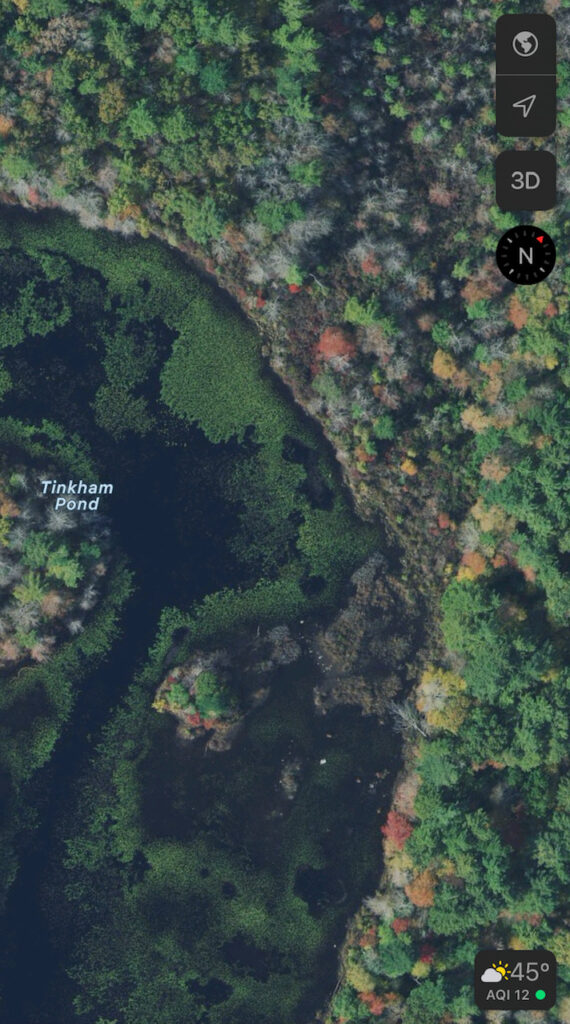
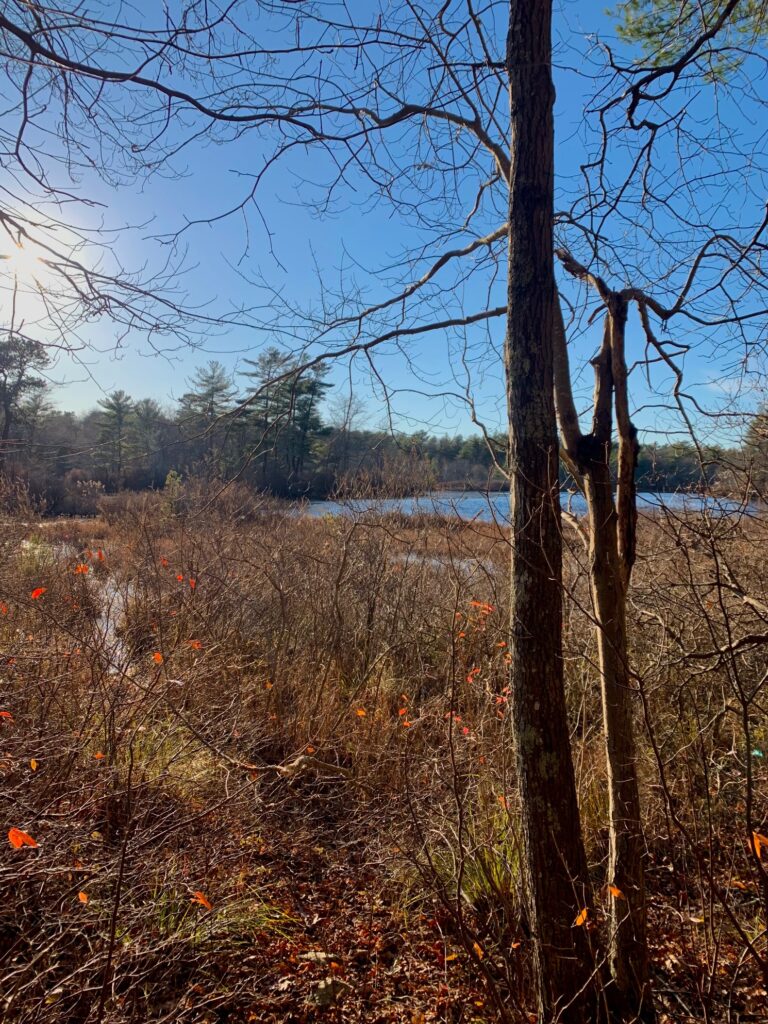
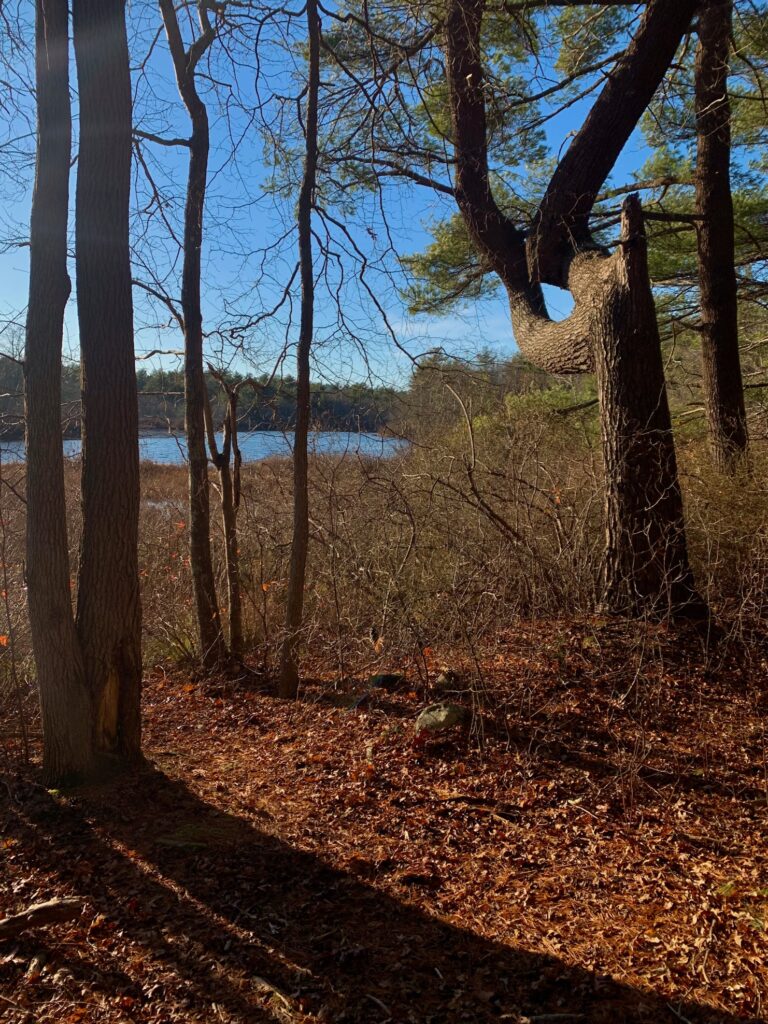
Tinkham Pond, Mattapoisett MA

The spot I chose for my phenology study is along my favorite trail back home. I used to come here a lot growing up because it is down the street from my house, so whenever I need some wilderness therapy it was easy to get to. Recently the land has been purchased by the Buzzards Bay Coalition, so they are beginning to manage trails and ecosystem health. As a result, the area has changed greatly in the past few years.

Species Found

Trees:

  • Eastern White Pine
  • Red Oak
  • Holly
  • White Oak
  • Red Maple

Herbaceous Plants & Shrubs:

  • Summersweet
  • Roundleaf Greenbrier
  • Emergent shoreline grasses

Comparisons

Both of my phenology spots are in the Northeast, so the species compositions were very similar. They are also both adjacent to fresh water sources. However, the management of the ecosystems differs in quality. This can probably be attributed to the shorter duration of the Buzzards Bay project as well as less support from the community. As a result, I observed a lack of plant and canopy diversity at Tinkham Pond. The summer sweet and greenbrier completely dominated the landscape, and I didn’t find any other plants where they grew. Additionally, there were very few trees in the understory, and I didn’t find any saplings. In comparison, the site at Salmon Hole demonstrates a much more robust ecosystem. The forest is diverse in tree and herbaceous plant species, and seems to be thriving under the management of Burlington Wildways. We are lucky to have such strong public support for conservation in this city.

Nov. 7th Reflection

Hello blog! For this assignment we were tasked with sitting silently for 15 minutes and reflecting on our experience. By the end, I felt a much deeper emotional and spiritual connection to my phenology site. It was kind of like getting to know a friend. Here is what I observed…

What I took away from my 15 minute meditation was an admiration for the incredible ability of nature to synthesize with anthropogenic life. As I sat, I heard many bird calls. I could recognize the sounds of chickadees and blue jays. I could also hear the trickle of the descending stream nearby. But most of all I could hear the sounds of traffic, horns blaring, and planes overhead.

I spotted a woodpecker that swooped above me. It was tapping at the trees in search of bugs, and the hollow sounds rung out over the forest. I enjoyed watching his methodical strategy. All of a sudden there was a jarring siren sound that pierced the peaceful moment. But the woodpecker didn’t skip a beat. It was completely unfazed by the loud intrusion, and it continued pecking away. I was amazed by how its behavior had become so accustomed to the urban surroundings. It was a great example of nature’s adaptability and resilience.

Later on, a couple with a cute dog passed by me on the trail and asked what I was working on. I told them we were researching the changes in the forest throughout the seasons. The woman told me about how much she appreciates watching nature shift and change when she is taking her dog out for hikes. I thought it was very sweet how thoughtful she was about her surroundings and that she found time to show gratitude for it.

Changes in the Environment:

  • All maple leaves have fallen
    • Only a few beech leaves and white pine needles remain
  • The temperature was much colder and there was a cool breeze
  • The currents of the river were swirling dramatically, which could be a result of the temperature shift
  • There were less people on the trails
  • The fungi that were there on my last visit were gone
  • I recently identified the unknown species of tree, which is a rare native butternut tree, and the strange plants on the stream bank, rough horsetail

Bird’s Eye Map:

Week One Observations- 10/16

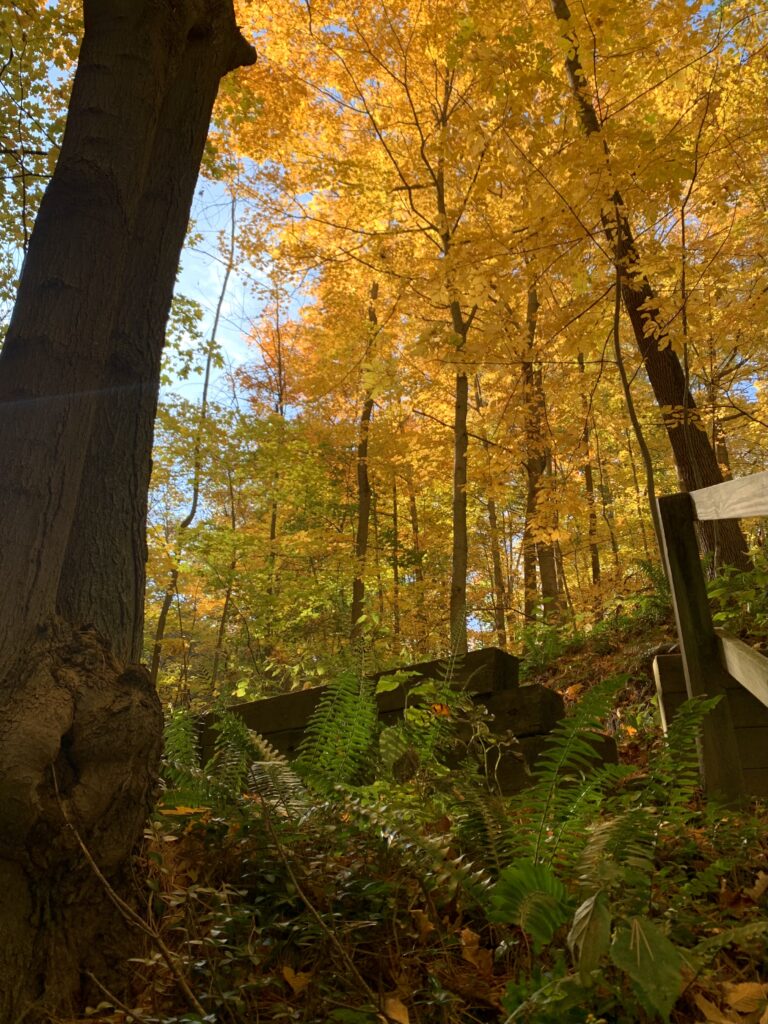
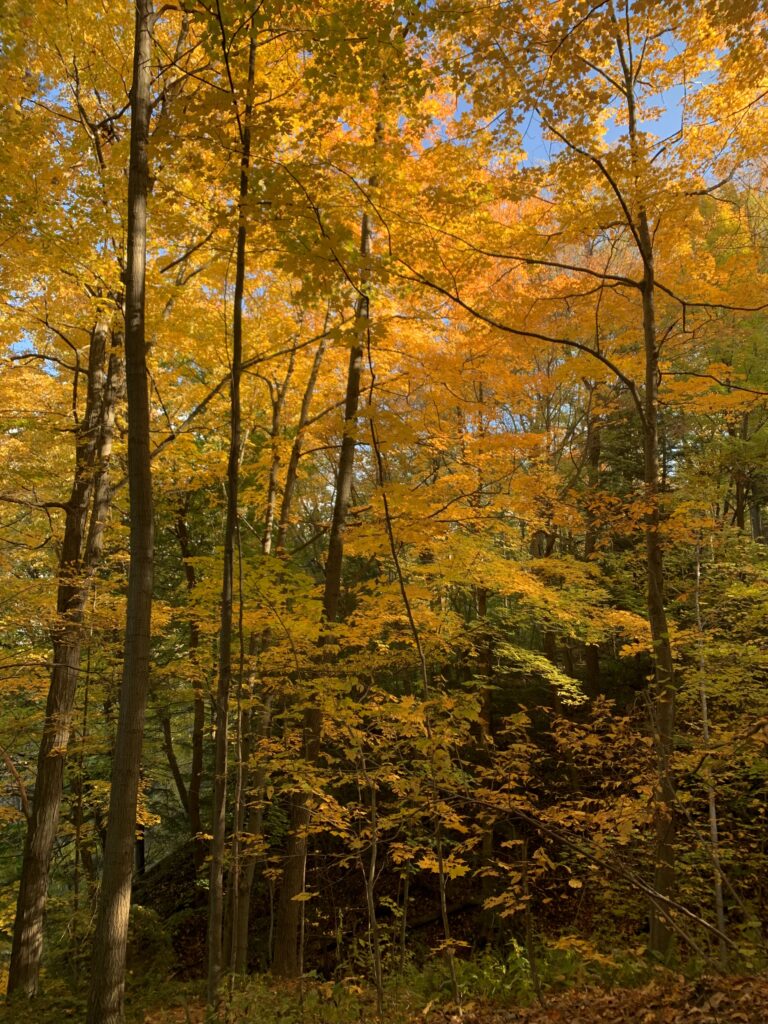
Today was my first day studying my phenology site and I had so much fun! It was a perfect day to be in the forest. The sunlight hit the maples just right so that they glowed a brilliant gold. I enjoyed wandering around the clearing and identifying the vegetation. Here is what I found…

Herbaceous Vegetation:

  • Vinca Minor, also known as Periwinkle (Invasive)
  • Christmas Fern
  • Sensitive Fern
  • Broadleaved Goldenrod
  • New England Aster

Woody Plants:

  • Bamboo sprouts (invasive)
  • Red Maple
  • Sugar Maple
  • Norway Maple
  • Yellow Birch
  • Eastern White Pine
  • Striped Maple

Skip to toolbar