
𝙀𝙖𝙨𝙩 𝙒𝙤𝙤𝙙𝙨 𝙉𝙖𝙩𝙪𝙧𝙖𝙡 𝘼𝙧𝙚𝙖
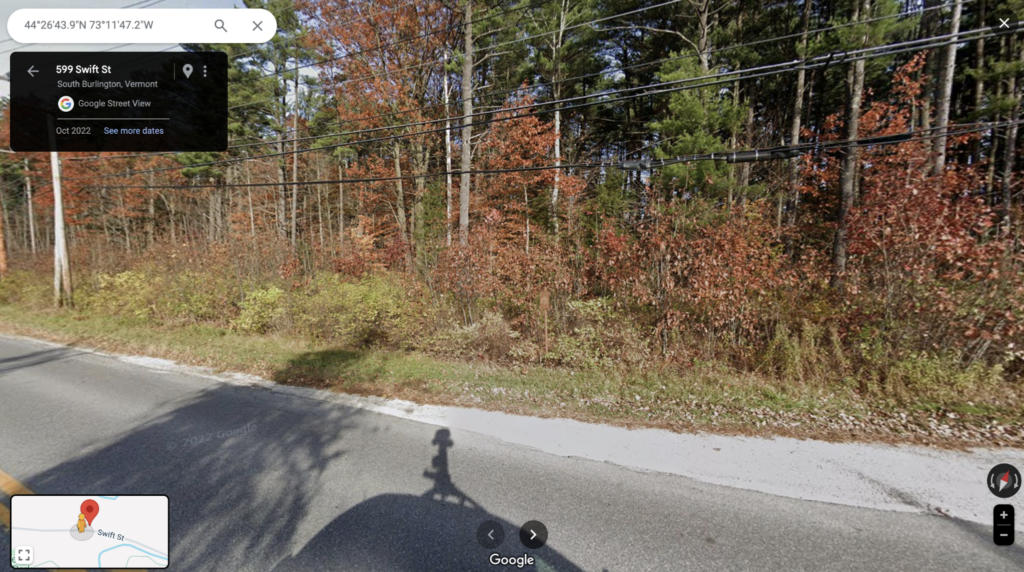
- I chose to visit the East Woods Natural Area because it was one of the few locations that I found with the least human interactions. For example, there were many parks and or mixed recreational areas but I wanted to choose a place where I could find the least amount of human interaction/relatively undisturbed area. East Woods’ thriving existence is due to a handful of investors, naturalists and environmentalists in the early 1950’s who wanted to preserve the forest’s natural beauty and the possible educational value that could arise from it. East Woods was later purchased by the city as part of a larger attempt to protect vital natural areas, making it another public land area around Burlington while also helping to maintain the ecosystem. The Potash Brooke is a major part of East Woods in terms of the role it plays for the life that exists there but also in terms of its filtering and draining functions of stormwater. Unfortunately, the urbanized watershed carries sediments and unhealthy compounds that are a result of heavy rain storms and commercial development in the area. Despite the efforts to maintain the health of natural areas, this is common with urbanization. In order to get there one has to drive eight minutes, bike around 20 or walk an hour from Burlington and enter through the trail path, around the bulletin board.
- I noted many sunlight openings in the canopy which helps with the regeneration of forest floor plant growth. A bit into the entrance, the floor is primarily flat and sandy but as I approached Potash Brooke the landscape became steeper and the natural slopes began to rise and fall. The understory is dense, consisting of shrubs, saplings, and forest-floor plants, creating a diverse ecosystem. The forest floor vegetation helps prevent erosion and aids in absorbing rainfall, preventing water runoff. I was able to note striped maples, witch hazel plants, and American hornbeams. There were various mosses and shrubs underneath trees and shaded areas, growing in patches. In addition, many Christmas ferns, maidenhair ferns and wildflowers are prevalent.
- The forest consists of mixed hardwoods and conifers such as Sugar maple, Red maple, American beech, Eastern white pine, Northern red oak, White ash. The variety of trees, bushes, and plants provide habitat for a diverse range of wildlife species, contributing to the area’s overall biodiversity. https://www.inaturalist.org/observations/247395542
𝑁𝑜𝑣𝑒𝑚𝑏𝑒𝑟 4𝑡ℎ


My favorite part about sitting alone in the natural setting was really focusing on my ability to tune in and listen to how loud yet calming the “silence” of natural elements are. What I mean by this is that when I think of silence I usually imagine a completely empty room or a library. I often can’t think when there is too much noise but my experience in East Woods reflects how different noise is in nature. To me sitting and listening to the subtlety of water in the stream hit the rocks, hearing the breeze push the leaves around and occasional chirps above head rooted me and truly allowed me to reflect. For instance, I could hear the small animals and critters scurrying on the floor over the dead leaves and noticed each leaf that had just fallen off a branch into the water or onto the floor. This made me appreciate the project even more because I normally wouldn’t find myself noticing things in this perspective. The majority of the floor was covered in fallen maple leaves and pine needles.
Originally, I was going to stay closer to the trial/walking areas and paths but I decided I wanted to get away from the more visited areas to experience a full immersion. Compared to the previous month that I visited, the trees are much more barren as a result of the autumn weather. Naturally, the floor was very colorful from all the trees shedding off their branches and I noticed more mushrooms this time around. Both the understory and canopy had been striped of a lot of their green colors and there was more sunlight shinning through and hitting the floor. I also noted a slightly different smell that I would describe as a little more “rotty” and musky due to the dead leaves and colder atmosphere. However, the days leading up to my visit were noticeably hotter than I would expect for this time. I thought that this would be important to note especially considering the future affects that hotter weather will have on not only East Woods natural processes but also on other forests.
The map: https://maps.app.goo.gl/rrVdUdxLa1NqVZL56
𝑇ℎ𝑎𝑛𝑘𝑠𝑔𝑖𝑣𝑖𝑛𝑔
📍𝒷𝑜𝒸𝒶 𝓇𝒶𝓉𝑜𝓃
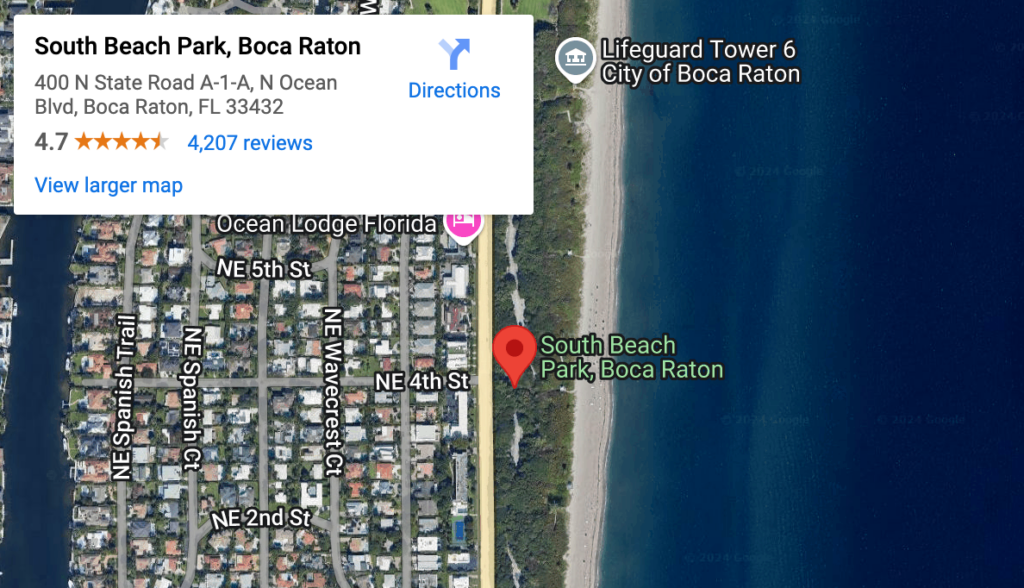
During Thanksgiving break I went home to Boca Raton, Fl. For this assignment I visited my favorite spot, South Beach Park. This beach park is my favorite spot because it reminds me of my childhood of growing up quite literally on the beach and spending most of my time playing in the sand and listening to waves crashing and the calls of seagulls. To me, there is nothing more peaceful and relaxing as spending all day lying in the sand and swimming in the warm waters of Floridas Treasure Coast.
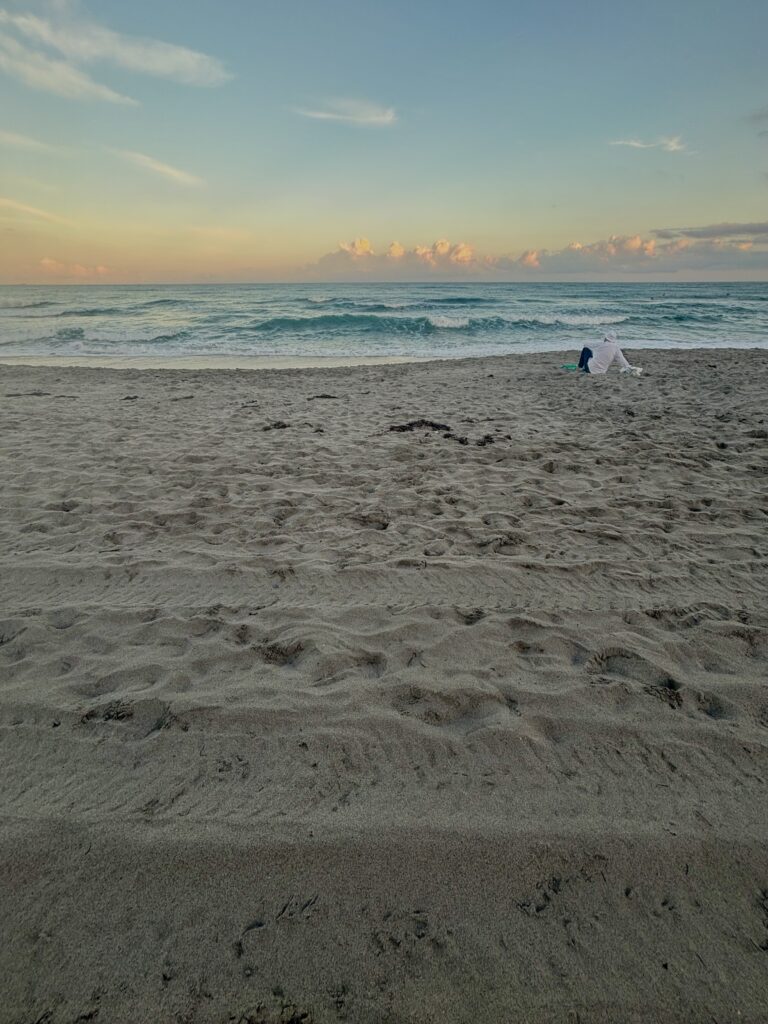
This picture is of the beach during the evening, right as sunset starts. Even though Im on the East side, the sunset it still breathtaking.
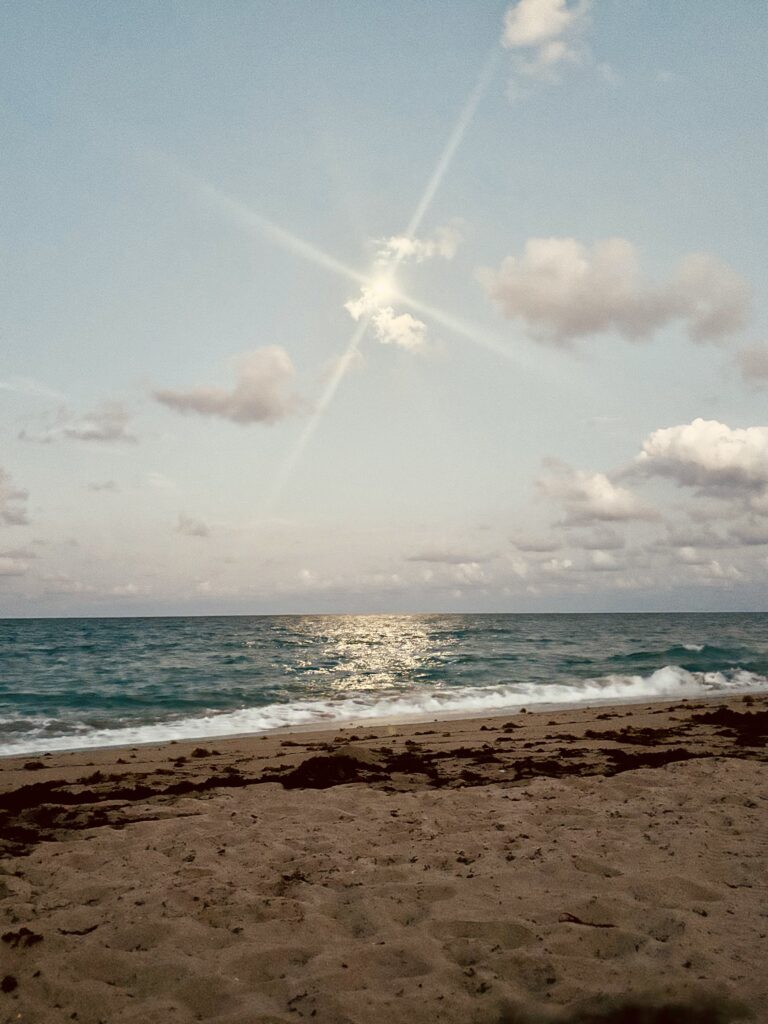
This picture showcases the beach when the moon is completely out. It seems as though it can be the sun in the picture but I increased the exposure of the picture to show how equally beautiful it is at night as it is during the day.
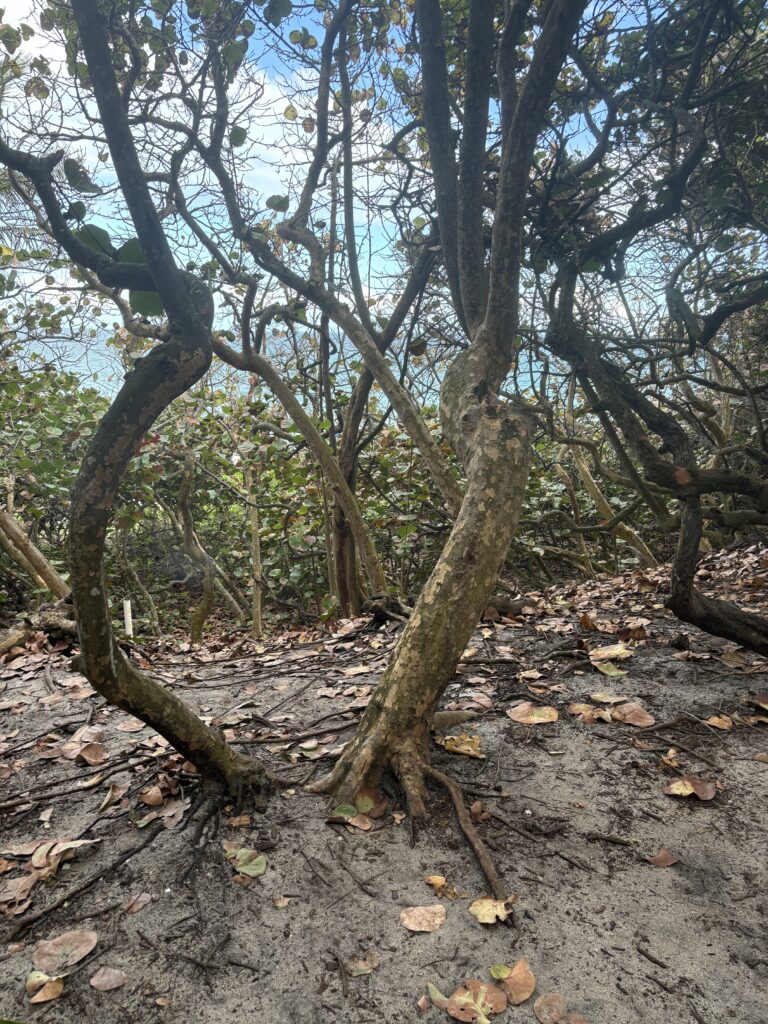
This last picture is one of a seagrape tree, a common coastal tree that helps to keep coastal erosion at bay.
The ecology and phenology of East Woods Trail and South Beach Pavilion differ greatly. The primary difference between the two are their forests, South Beach, as well as all around Florida, is home to mangrove and coastal forests while East Woods is a deciduous forest. Their forests as well as their climate, geography and seasons all differ. For instance, Boca Raton really only experiences two seasons: wet and dry, while East Woods goes through all four seasons. This determines whether or not animals will hibernate, bird migration, plant life cycles and so many other environmental factors. The dominant species in South Beach includes red and black mangroves, sea turtles, brown pelicans and various dune plants. East woods has notable organisms such as sugar maples, various fern plants, frogs, deer and squirrel.
Both are very diverse environments yet comparatively host very different types of species of animals due to the difference in year round climates (subtropical vs temperate) and geography. Despite their differences, both face very similar environmental issues. East Woods faces invasive species, trash as well as water pollution and runoff in the stream of Potash Brookes. South Beach faces the exact same issues proving to show that no matter how different the areas where people live are, each environment is still very delicate and needs to be treated with respect.
𝑊𝑖𝑛𝑡𝑒𝑟

I wanted to practice drawing nature from a different perspective so this is my attempt at drawing ferns from a close up perspective.
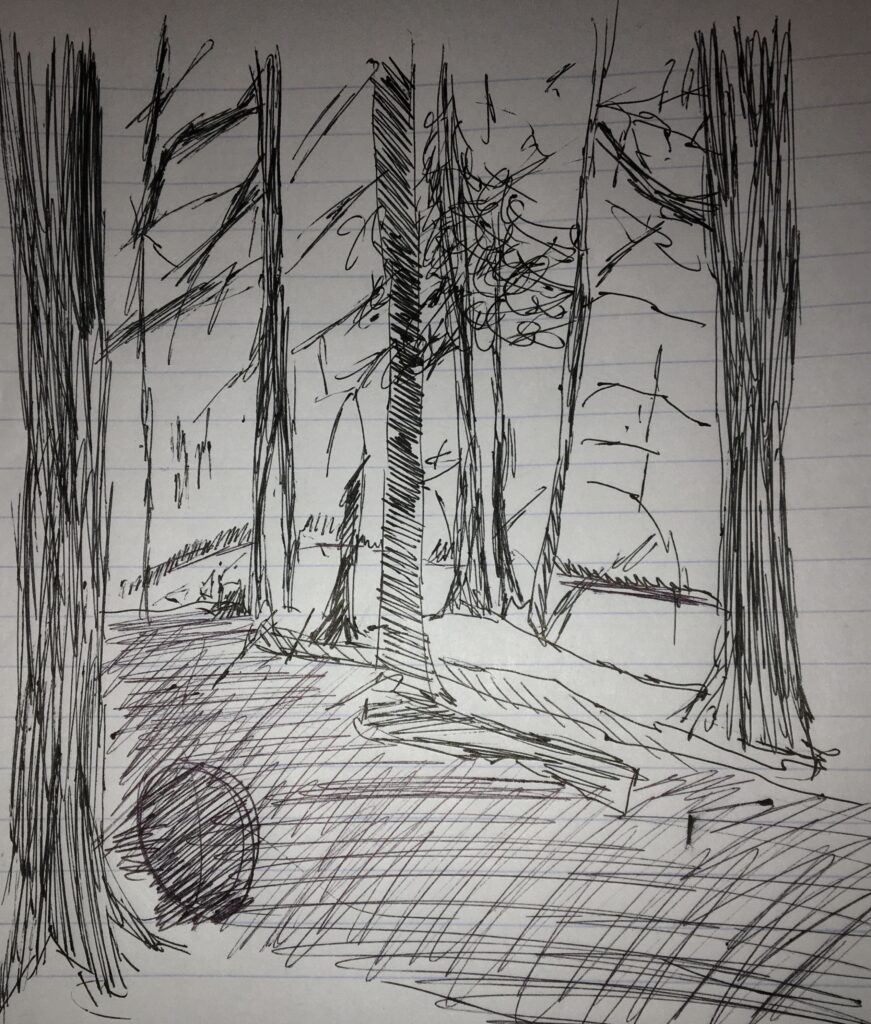
It has finally and officially changed seasons in Vermont and as my first ever winter I get to explore how nature changes close up, which is an opportunity Im very appreciative of as I would not know where to even start if I wasn’t in Vermont. Temperatures have dropped significantly now and the landscape reflects the cold atmosphere all around with dark browns and greens being the only colors showing against the white of snow. In the East Woods Natural Area, the majority of trees are now bare of leaves and the dominance of pines such as Eastern Hemlocks is much more obvious. Parts of the ground are covered in snow and ice from the snowfall over the past two days however the majority of the ground is covered by leaves that have accumulated over each other over the past few weeks. The leaves that are still hanging on are curled and seem as though they will fall off very soon such as what I saw with a few beeches. I noticed that with Winter the sound of the water from the brook is much more prevalent. There is no sign of any vegetables or fruits as well as the presence of animals. Animal activity has decreased almost completely aside from me hearing an occasional bird call.
The aspect that I enjoyed most about visiting my phenology place was how relatively silent it was. Burlington in general is not that loud, at least compared to my hometown, yet there is always the sound of human presence. In East Woods I was always able to think introspectively and really reflect on my surroundings.