Posts

Final Phenology Post :(

Today I made my final (school related) venture down to my phenology spot. I was actually having quite a bad day today and the thought of walking all the way to centennial and all the way down to my spot then all the way back to my dorm room seemed like the last thing I would ever want to do today. I knew deep down though that going out on this little adventure would probably lift my spirits. Surprise surprise, it totally did. A lot had changed at my spot since I had last been there! The big black oak was budding, green grasses were growing, the maples had small leaves on them, and there were even little fish/minnows and water bugs in the brook! I hadn’t seen wildlife in it since last semester.
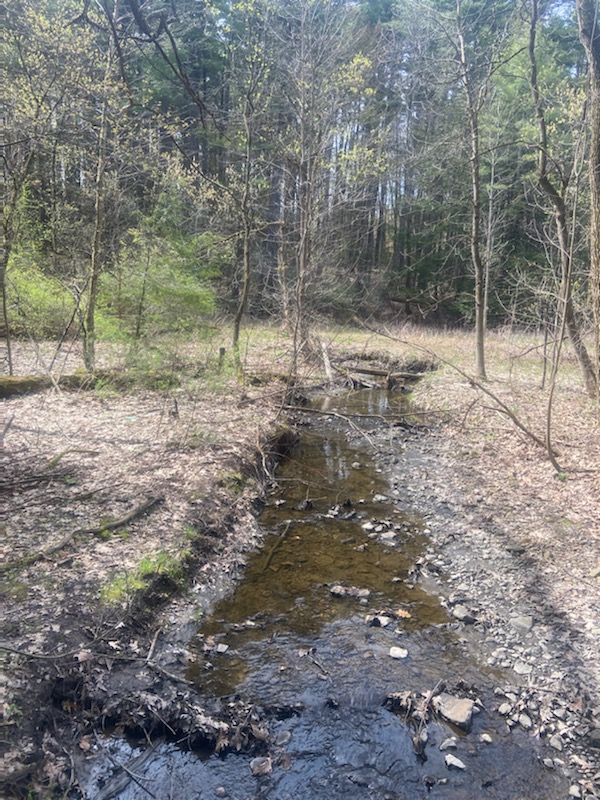
my phenology spot as of today, there is still a lot of leaf litter but it’s easily identifiable that there is more and more green coming along.

I also saw a lot of other species popping up in centennial, one thing that I was ecstatic to see there was Fiddleheads or Ostrich Ferns! Those guys were everywhere! We had just learned about these fun ferns in one of our recent NR 2 labs and how beneficial they are for floodplains. I’m curious to know if they were being deliberately planted there in centennial or if they’re just always around every year. My knowledge on fiddleheads is not yet extensive but I’m excited to learn more. Another species I saw pop up today was lilies of the valley. They hadn’t flowered yet and were just stems, I wouldn’t have known if iNaturalist hadn’t told me. (I’ve been getting along better with the app recently)
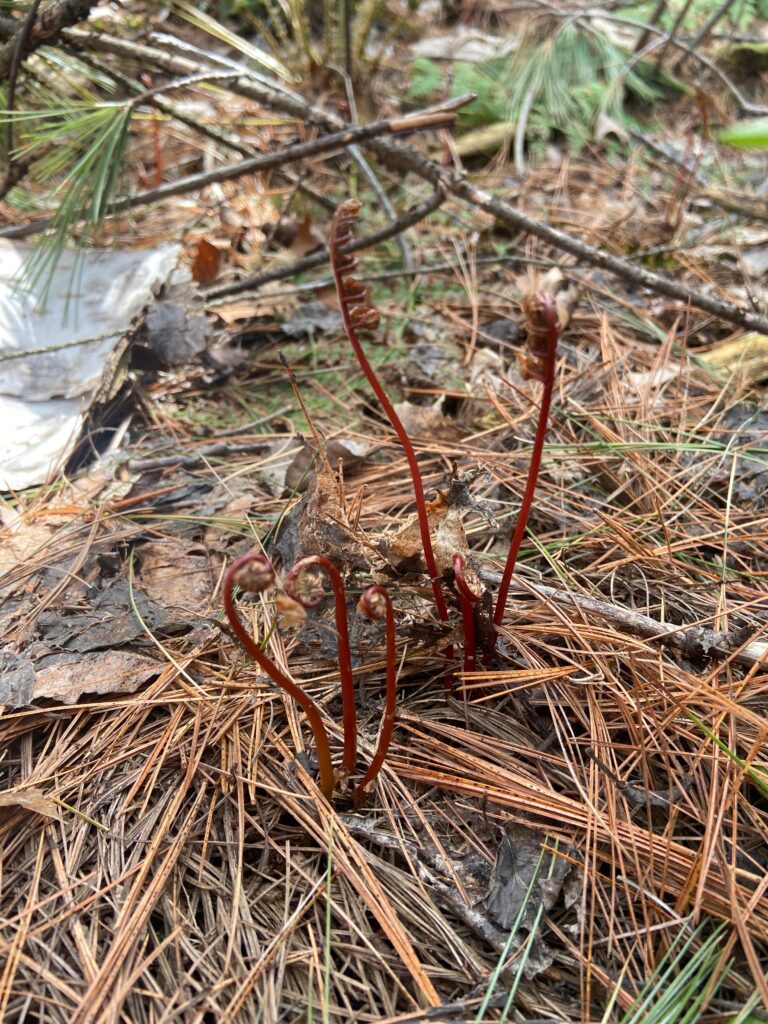
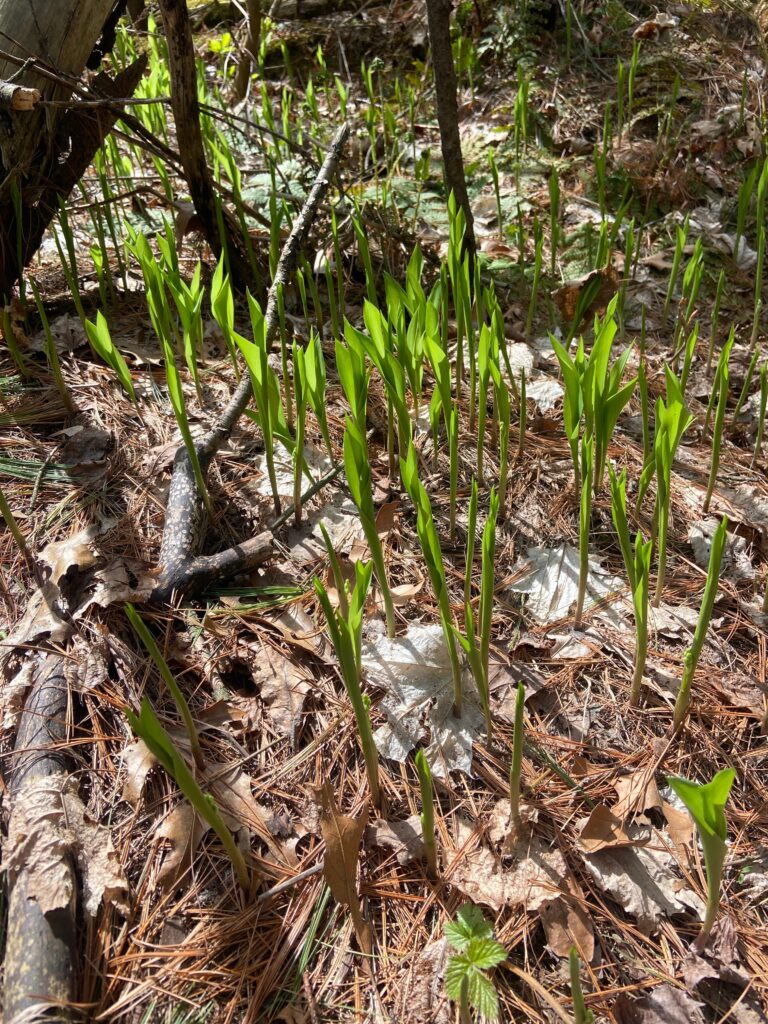
Ostrich ferns starting to peek out in centennial!
lilies of the valley that will soon hopefully flourish

I would say that nature and culture intertwine a lot at centennial. Of course it is on stolen land so acknowledging that there is and always will be Native American culture at the roots of this land is very important. On a different note though, there’s another type of culture you find in centennial which is just people who truly appreciate nature. Every time you walk through those woods you’ll see people in them either sitting or walking slowly just looking around. With every glimpse they take you can tell they are grateful for the beauty in front of them. To me this is a subculture of UVM, one could call us tree huggers, but really we just appreciate the natural world and everything in it. Those apart of this culture can almost always tell when there is someone else like them wandering the woods as you’ll always receive a friendly “hello!”

As I walked down to my spot I pondered for a while upon the question of whether I consider myself a part of my phenology spot. As I arrived, I had just settled on an answer: no, I am not. Today, my spot healed me and my emotional troubles. I felt soothed and happier after arriving. This place can and has done a lot of good for me, but I am not doing any good for it. I don’t do anything in my power to take care of it, clean it up or protect it. I go, I sit, and I leave, but I don’t leave it better off than I found it and I think to truly be a part of a place, that’s what you must do.
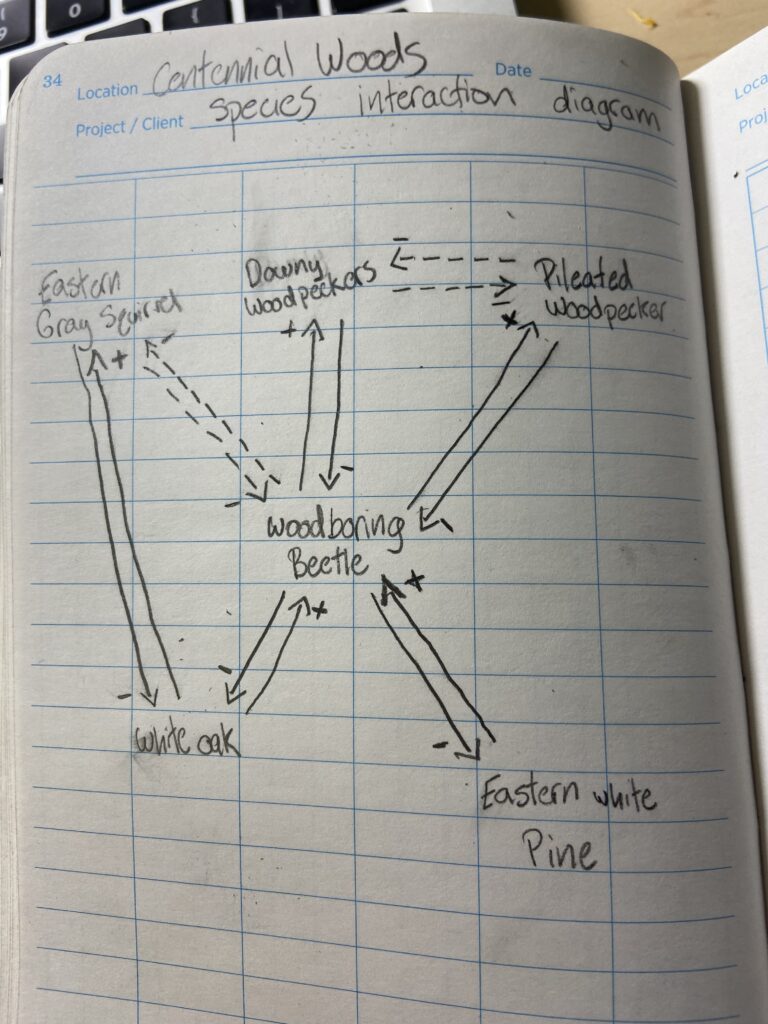
my species interaction diagram for 6 different species found in centennial woods.

City Nature Challenge iNaturalist BioBlitz

I chose to explore two main areas of Greater Burlington, those areas were the Intervale and Lake Champlain. I went down to the Intervale for the Spectacular day of Nature where I saw many different species and got to interact with nature in a productive way. What I was able to do was remove invasive weeds and plant fiddleheads instead which are native and much better suited for a floodplain environment. It was a great experience.

Ultimate Guide to Wild Edibles: Fiddleheads - Outdoor Adventure Sampler
This image is some of the fiddleheads that had been planted down at the Intervale on the spectacular day of nature.

At Lake Champlain, I had walked down with my friends to get some delicious creemees and enjoy the peace and tranquility of the lake. At the Lake though, I was able to observe some awesome species such as Junipers and Mallards! I loved watching the Mallards float around with each other with not a care in the world. I could watch those guys for hours. Luckily I was able to snap a pic so you could hopefully gain half the enjoyment I did.

Mallard friend floating around on Lake Champlain

My experience using iNaturalist honestly was not the best and I have never been the hugest fan of the app. I’m not sure whether it is because of my cell phone and its terrible reception or if it’s just not a great app. Personally when I use it, 90% of the time it will not give me a suggested species and I have to manually enter in which species I think it is. This is often very discouraging because I don’t know a lot yet and am typically trying to learn when using this app so when nothing comes up, I often give up trying because I don’t possibly know what the species could be.

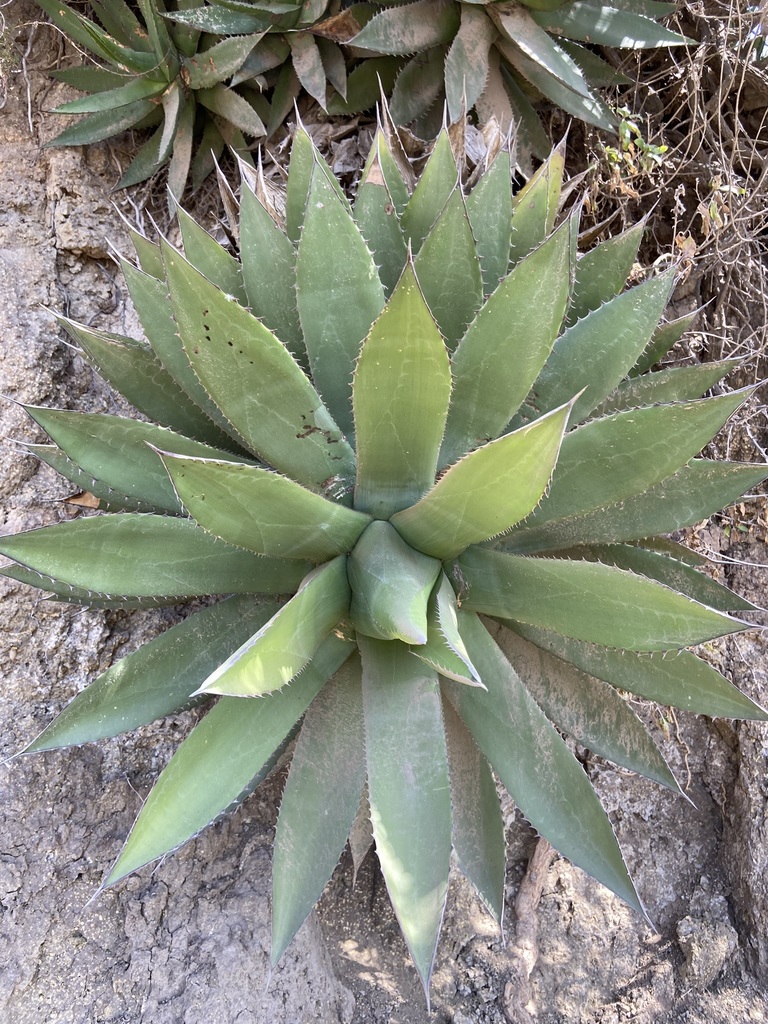
Shaw’s Agave as found on a participants iNaturalist

Something I found amazing about looking through other participants postings was how many species that I’ve seen in a plant store being found out there in real life. Oftentimes it’s hard to imagine that certain really cool looking plants even exist in the wild but they do and there’s people out there finding them every single day. Shaw’s Agave is one of those species that made me think of this. It looks like one of those fun succulents you’d buy at a fancy plant store but there it is just sitting outside pretty in the wild. This stuff is pretty amazing to me. I one day look forward to traveling and finding all the insane species that I can’t find here. But first I’ll find everything I can find here.

Bartlett Arboretum, Stamford, CT Edition

Ever since I was young, my dad and I would frequently venture down the road to the Bartlett Arboretum. It’s a beautiful little nature preserve that I have gotten to know very well growing up. It’s literally located on my street and is about a 4 minute walk. My dad and I often went foraging for mushrooms there or just took nice walks on the various trails. We had a favorite spot however, it was Forsyth pond that was at the end of one of the trails, the trail pops you out into a beautiful pond area and has some seating. This is what I chose to be as my at home phenology site.

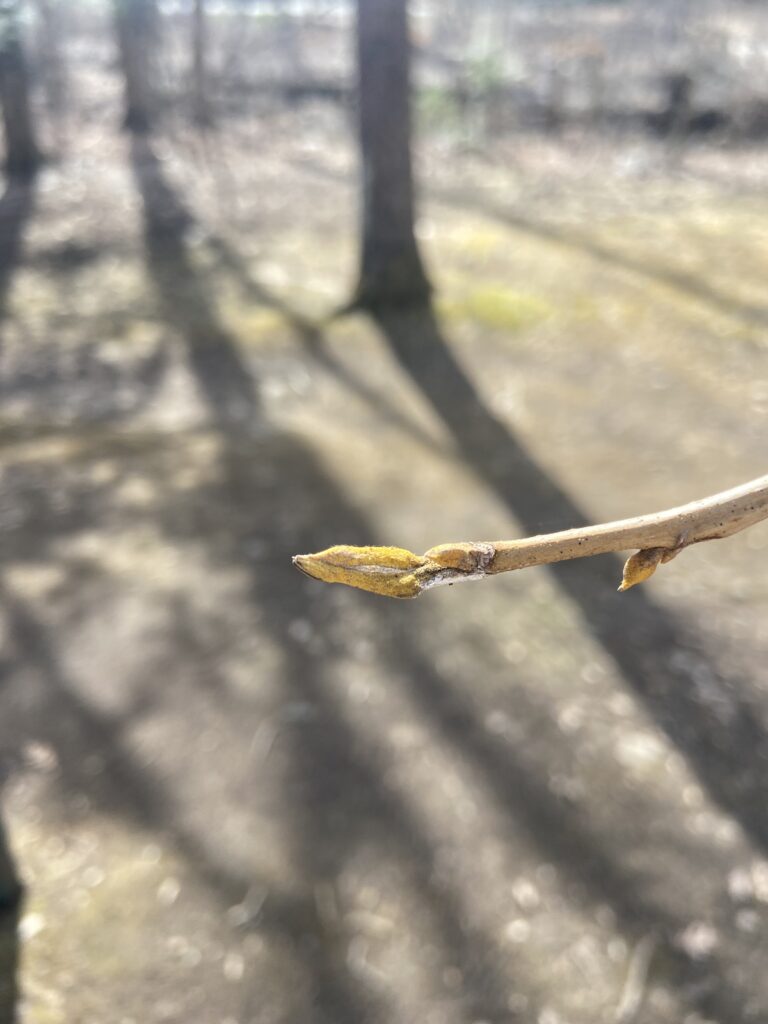
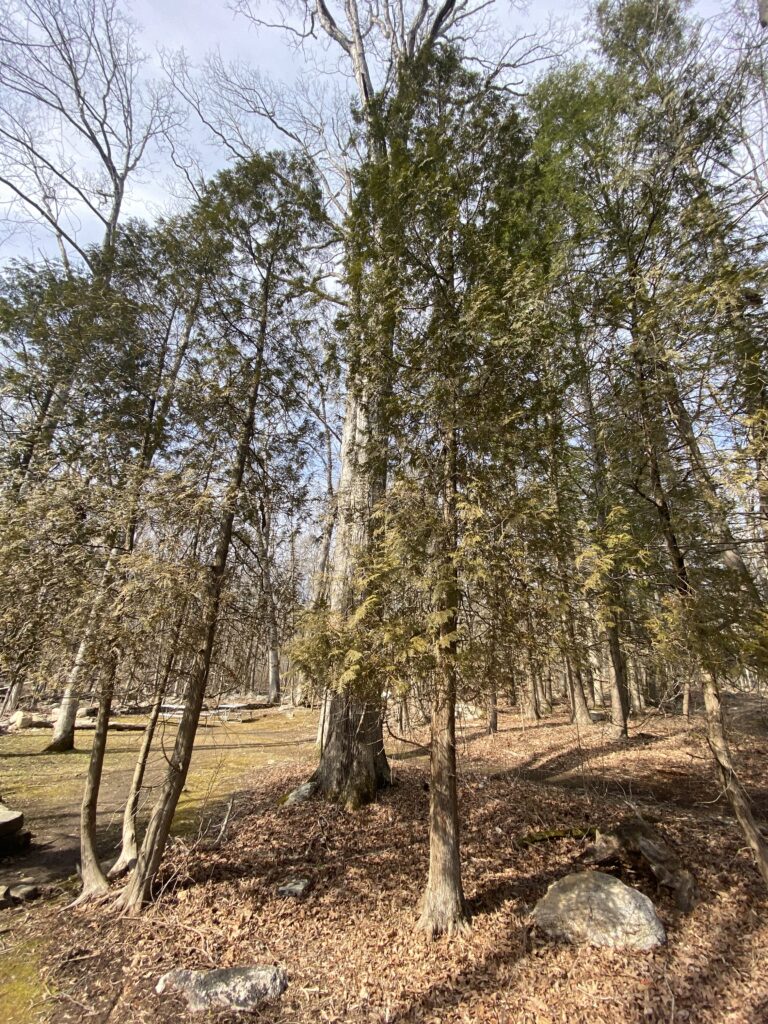
When I arrived, I was greeted by shining sun but not as much phenological action as I was hoping to find. Most of the woody plants in this spot were still recovering from winter, but were definitely still in good condition. There were many dead branches dipping into the pond likely as a result of the snowstorm we received the weekend prior. There wasn’t much woody plant growth on the ground but there was a nice mix of tree species in the area. I saw some red maples, sugar maples, an american beech growing in the understory, and some northern white cedars glowing in the sun. There was one tree that I just couldn’t identify however since the buds were growing out a bit already and iNaturalist was unable to make a clear guess based on the buds and the bark. The buds were soft, long-ish, and yellow. I’ll provide an image if any of you have any guesses please let me know!

pictured: unidentified tree species with the yellow buds.
Northern White Cedars
Red Maple Buds

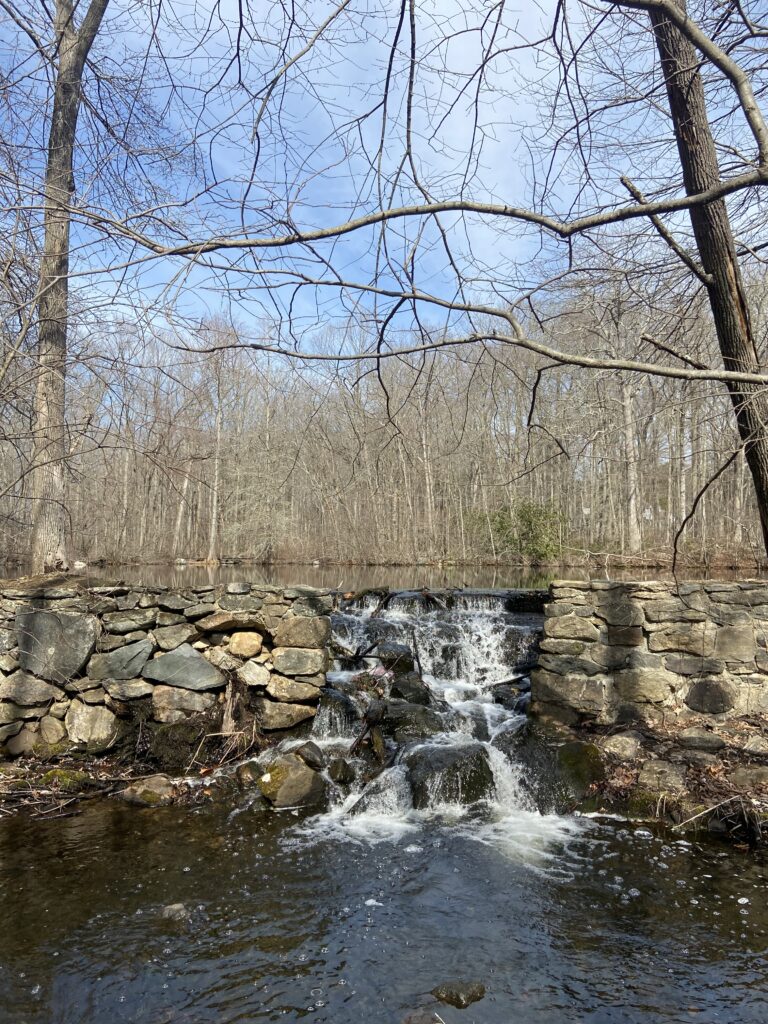
I chose a sight with running water to have that similarity with my Burlington phenology spot however the two spots differ greatly still. The main difference is how untouched my spot in Burlington is while my spot in Stamford is very accommodated to humans and their recreational needs, there’s at least four signs and a wooden table and a bench. The phenology here was definitely more controlled by humans whereas my Burlington spot is completely natural. Another thing here was that I could hear birds, but for as long as I sat there, no birds wanted to show themself. In my Burlington spot however, bird sightings are much more common.

This woodland pond was created by a dam located at the point where the water pauses before spilling into Poorhouse Brook. The water then runs south to Long Island Sound. Shallow enough for aquatic plants to root and still reach the surface, Forsyth Pond is home to frogs, dozens of snapping turtles, several aquatic plants, and cypress trees which were planted by the founder of the arboretum, Dr. Bartlett. The pond provides a beautiful rural despite for the Arboretum’s many visitors.

My last bit of my adventure consisted of some cleaning action! I was looking at the stream and saw a very large water filled pink balloon wedged between a few rocks on the waterfall! I was really saddened to see this type of pollution in one of my favorite natural areas. I couldn’t just reach in the falls and pull it out because I’m too small and the falls are too big so I took one of those dead branches I mentioned earlier, and for at least 30 minutes poked at the balloon until finally I got it un-wedged! I was super proud of my work and felt like I did a good thing for my community.

This is the balloon wedged in the falls
A beautiful picture of the brook running out of Forsyth pond

Phenology Post Using iNaturalist!

For today’s posting, I decided stay around campus as sometimes I forget, I barely know where anything is at this place! My adventure happened to start at the medical center this morning where I got dropped off by the bus, initially I was just going to make my walk home and go back to bed, however the temperature was so nice and I decided a little adventure would be good for me. I began walking and pulled out my new handy tool “iNaturalist” and off I went. I stopped in front of the Jefford’s Hall community gardens area and looked around. It was pretty snow covered and not too exciting in this weather but one species I was able to identify there was Hops! There was also American Asters which are a fan favorite, iNaturalist was really good at identifying these plants just based on leaves. I continued on my walk home but decided to go past Uheights and walk down to redstone. I passed quite a few American Sycamores and Green Ashes while trodding through Athletic campus. When passing my building I passed my favorite paper birches.

Finally I arrived on Redstone campus, there’s a nice field behind a couple of the buildings that I was hoping would have tracks for me to sniff out, unfortunately due to the intense amount of snow melting, there was nothing noteworthy. However, I saw this bird perched at the top of a tree, I snapped a pic and iNaturalist identified it as a common grackle! This bird was found right outside of WDW on one of the trees behind the building. Finally, I was tired out and headed home to take my long awaited nap.

December Posting

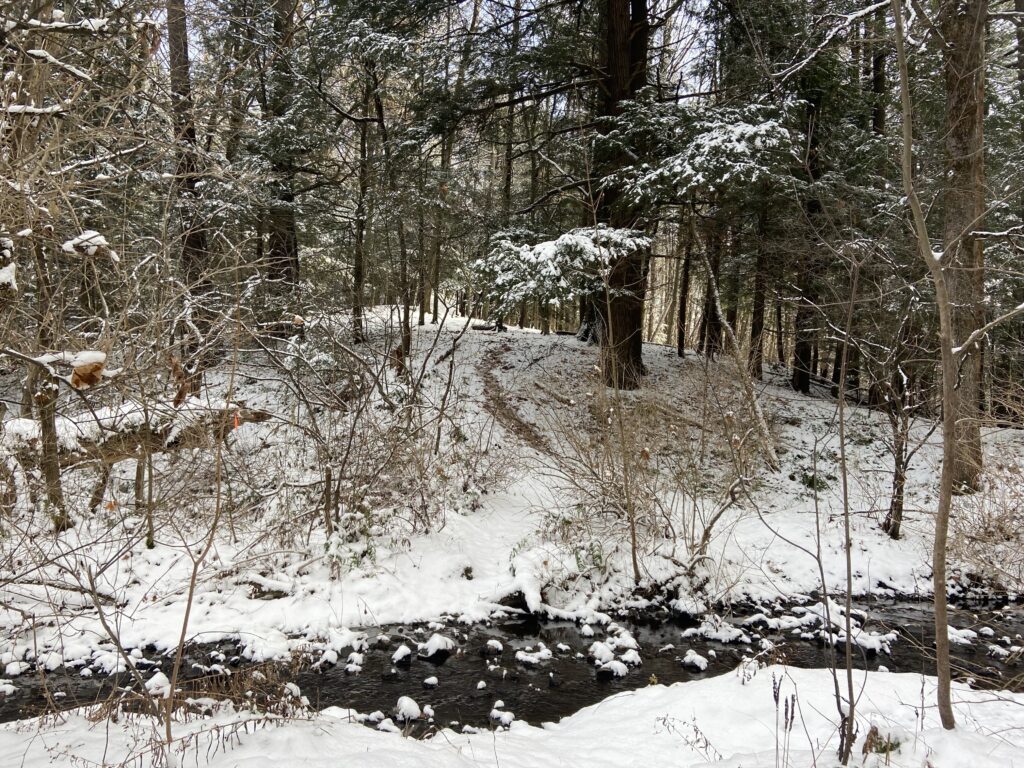
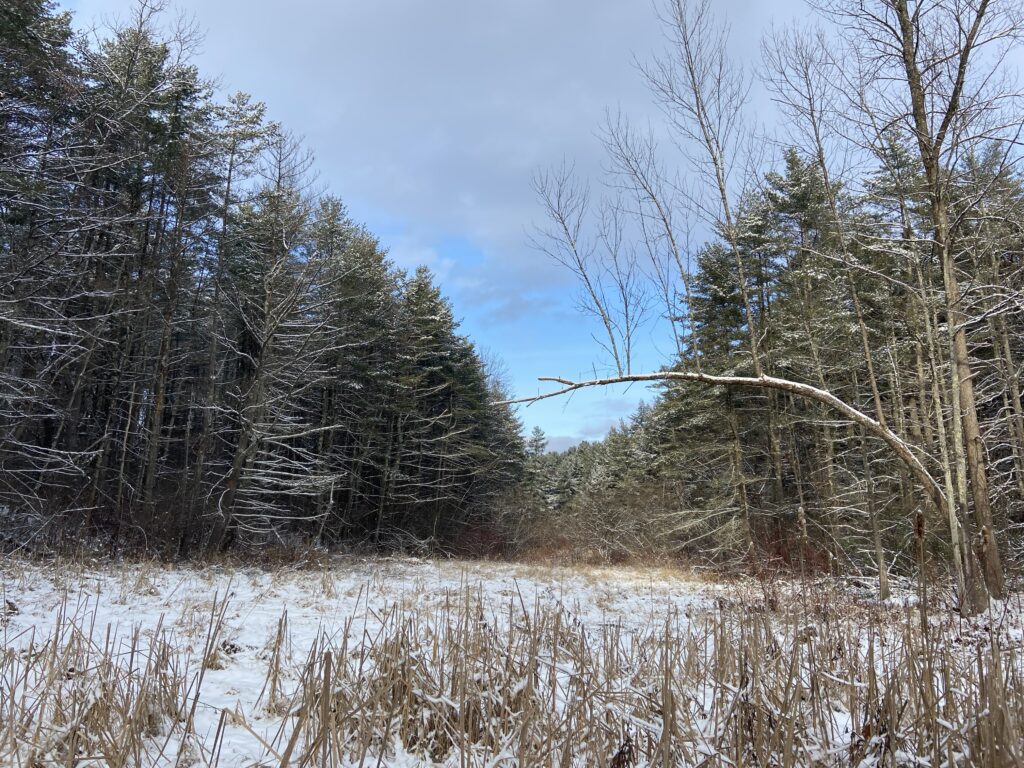
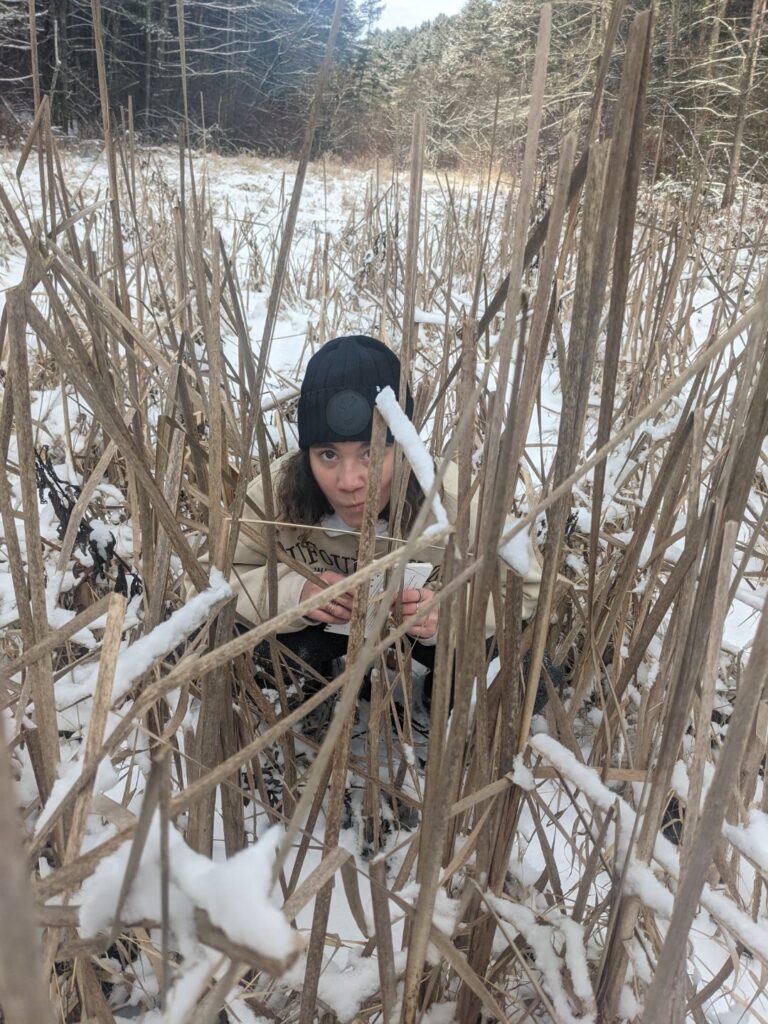
This week I was ecstatic to take my walk down to centennial woods as the night before there was a fresh snowfall! There’s nothing more beautiful than the snow laying on top of tree branches like icing on a loaf of pumpkin bread (my favorite bread). I walked down with my good friend Becca as our spots are very close to each other. Since everything was pretty much frozen (or at least slush) we ventured out into the marshy area to get a nice view of everything.

View of phenology spot from the other side!
view of marshy area!

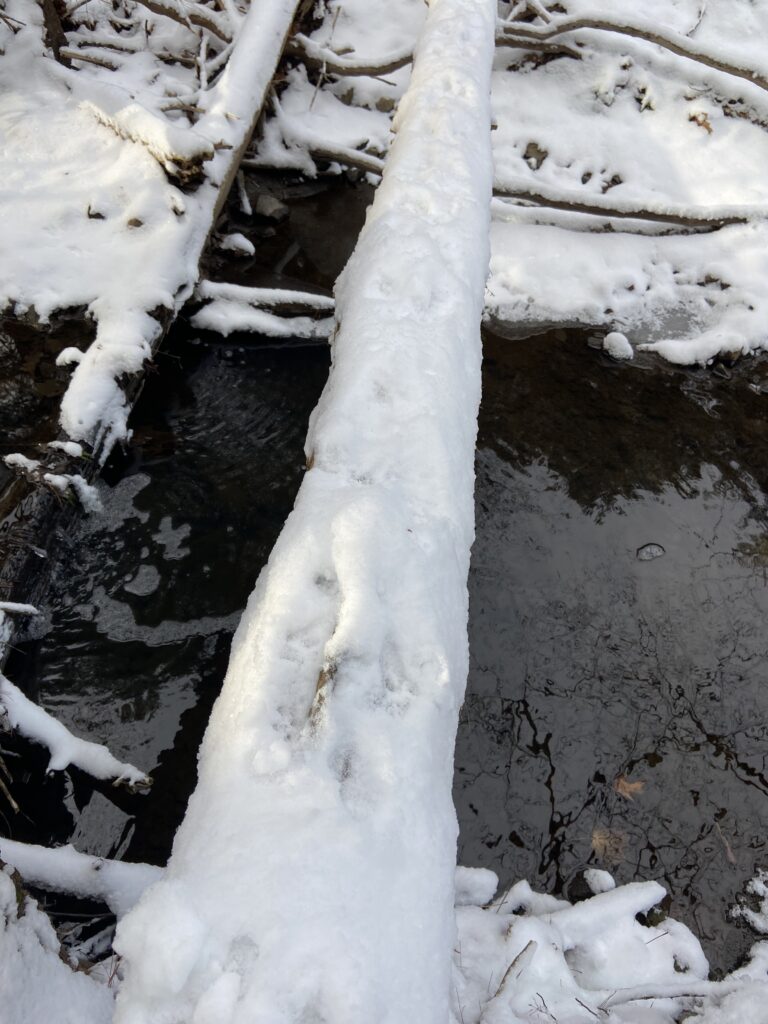
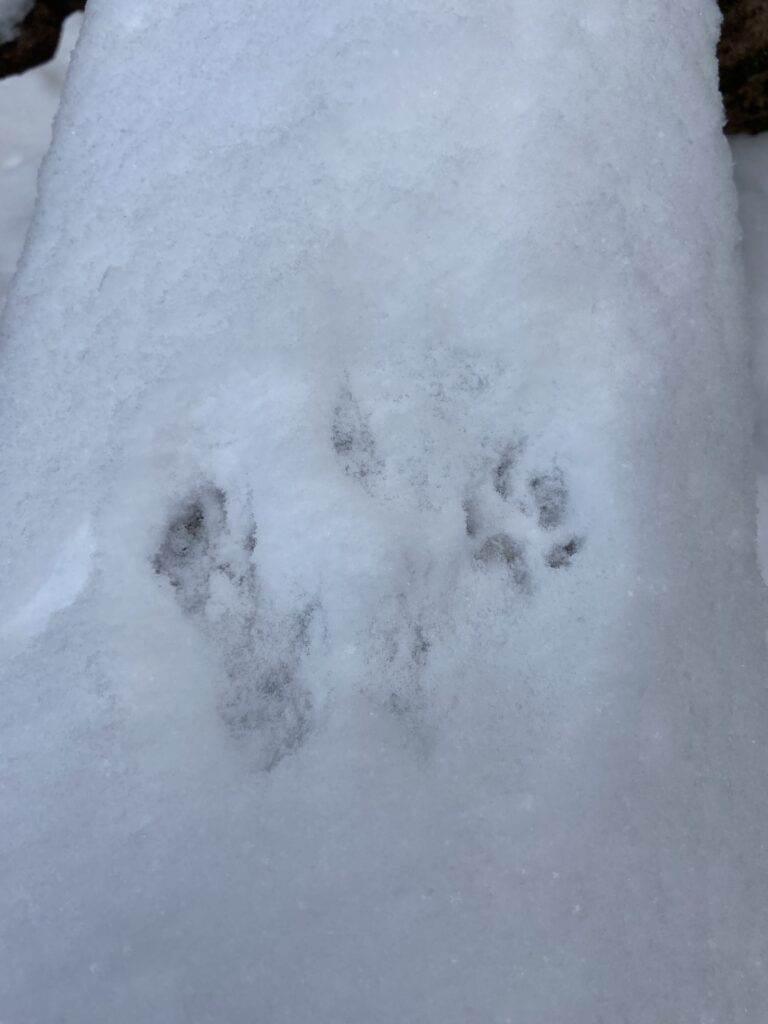
After returning from our off-site adventure, we honed down and found so tracks! There were many tracks in pretty cool spots! One of my favorites to see was the squirrel tracks on fallen tree trunks! It’s very impressive how they climb upwards even in inches of snow! We also saw some bunny tracks, and my most exciting find, fox tracks!! A possible explanation for the mass amounts of squirrel tracks that were seen could be the large black oak tree that produces a food that squirrels love: acorns! I was shocked that we didn’t see any deer tracks because white tailed deer are among one of the highest acorn consumers. I learned this fun fact from Ms. Mary Holland herself! Regardless, it was still very fun to see all the tracks and know that all the furry friends enjoy the spot even more than I do!

squirrel tracks up a tree trunk!
what we’re pretty sure are fox tracks!
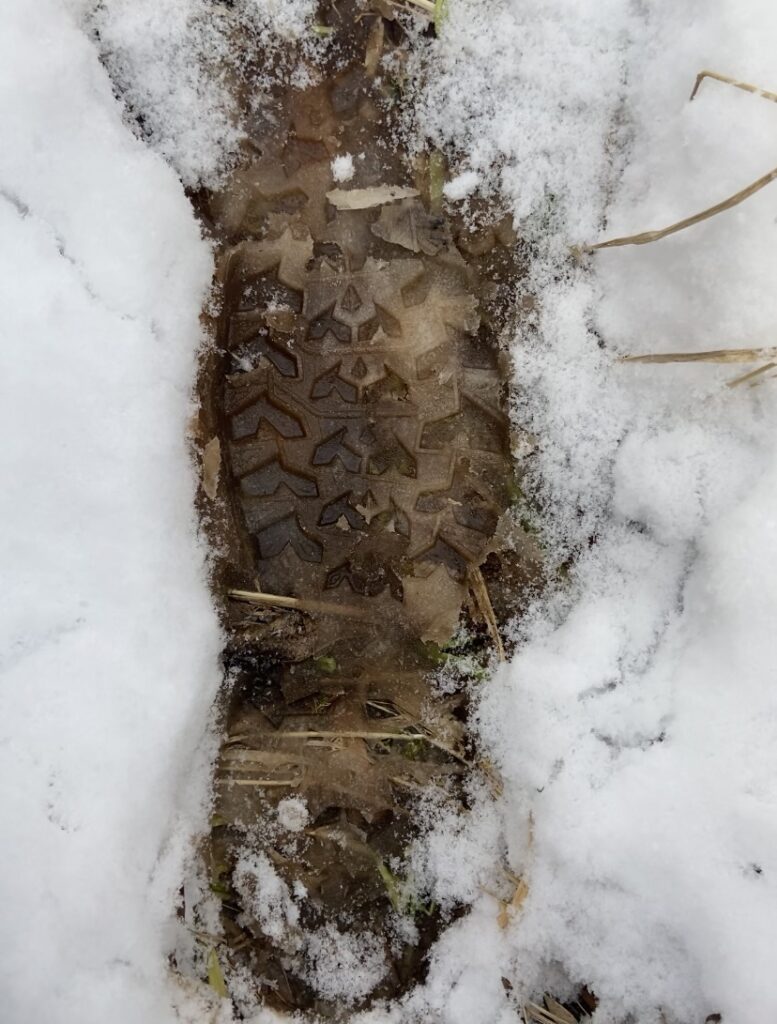
a wild sav track!!
a wild sav in their natural habitat!!! quite a rare find

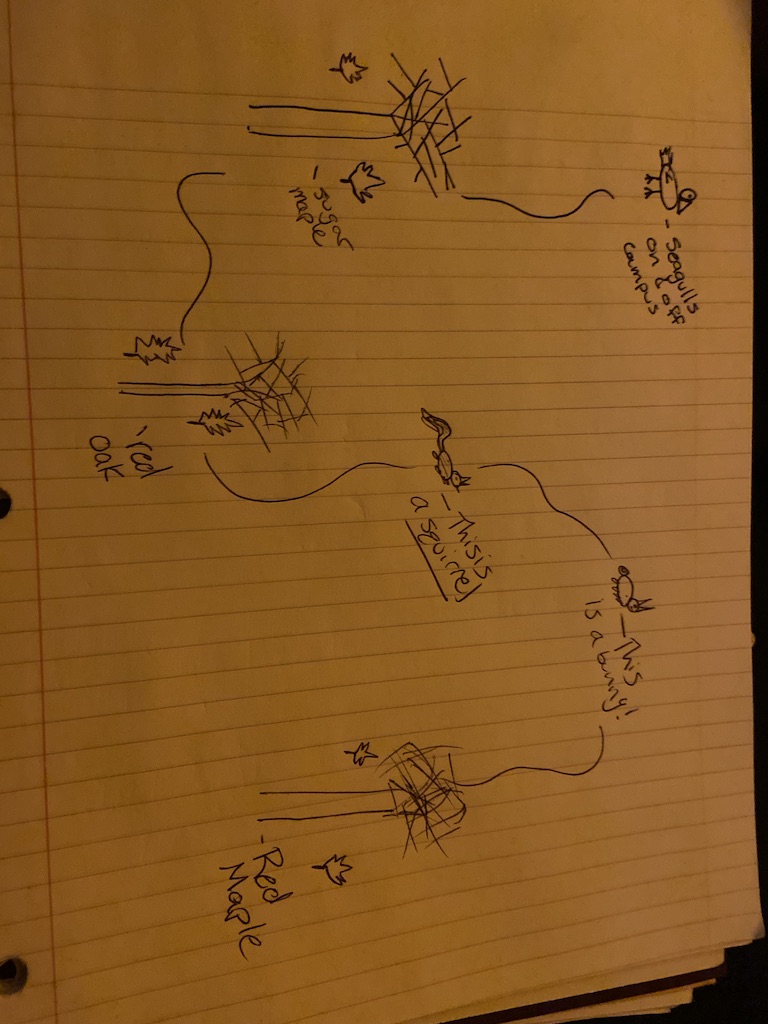
Phenological Map Of Downtown Burlington

My map depicts the journey my friends and I took downtown! Our final destination was Ben and Jerry’s but the map shows all the creatures and species I saw on the way there and back. The first thing I saw on my walk was a seagull, this was actually on campus but we saw plenty more once we got downtown. We also saw sugar maples and red oaks! Then we saw quite a few squirrels which I am simply awful at drawing and to my shock we saw a bunny scamper away from the sidewalk into the grassy area away from the road. Lastly we saw some red maples, my absolute favorite maple because I think the leaves are the cutest.

Post #2

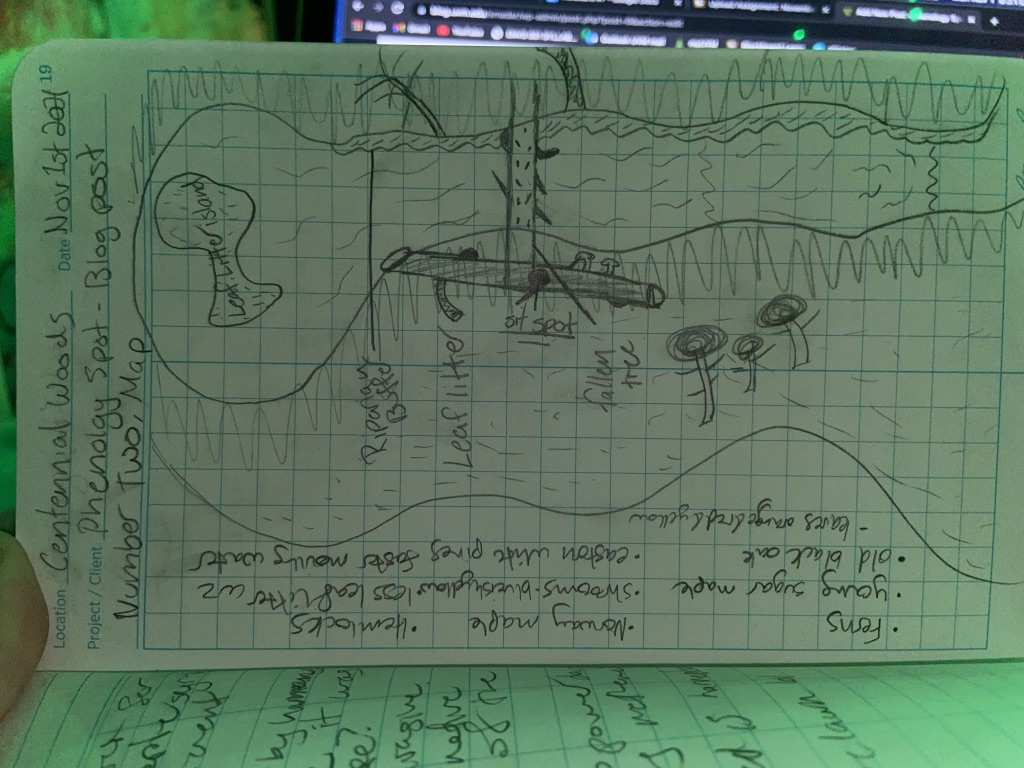
Today I walked down to Centennial Woods once again, it was the perfect day for it. The air was crisp and the sun was shining, the leaves crunched perfectly under my shoes and that always makes me really happy. As I arrived at my spot, not much had changed in terms of vegetation. There were still many ferns, mushrooms, sugar maples, Norway maples, eastern hemlocks, eastern white pines, and the one classic black oak. Today though, the mushrooms I saw growing on the fallen tree were different than the ones I had seen before, these shrooms were a blueish yellow color and pretty thick.

The biggest difference in my phenology spot this week was the stream. It rained a bunch this weekend and the stream was flowing faster than I’ve ever seen it before. It was really awesome to see, it was so deep that I couldn’t even hop across it like normal, I had to walk across the fallen tree to get to the other side where my sit spot was. In the stream, there was little to no leaf litter, probably because it was rushing so much quicker than usual and the leaf litter got washed away. The leaf litter content on the ground of my site was about the same though.

Before beginning my 15 minute sit, I had to find a place that wasn’t all damp. Luckily one of the two fallen trees at the site had the perfect little dry spot for me to get comfy in. As I endured my sit, I began looking for noticeable differences at the site from my last visit to now. The biggest difference was in fact the stream’s water content. The next most noticeable thing was the leaves on the trees, they were all changing colors exhibiting beautiful shades of reds, oranges and yellows. The contrast of the changing leaves to a clear blue sky was stark and incredible to see. Sitting and connecting with this spot today made me feel really calm and peaceful. I’ve been sick this weekend too so getting this relaxing breath of fresh air and beauty was definitely a great thing for me to have.

Hello world!


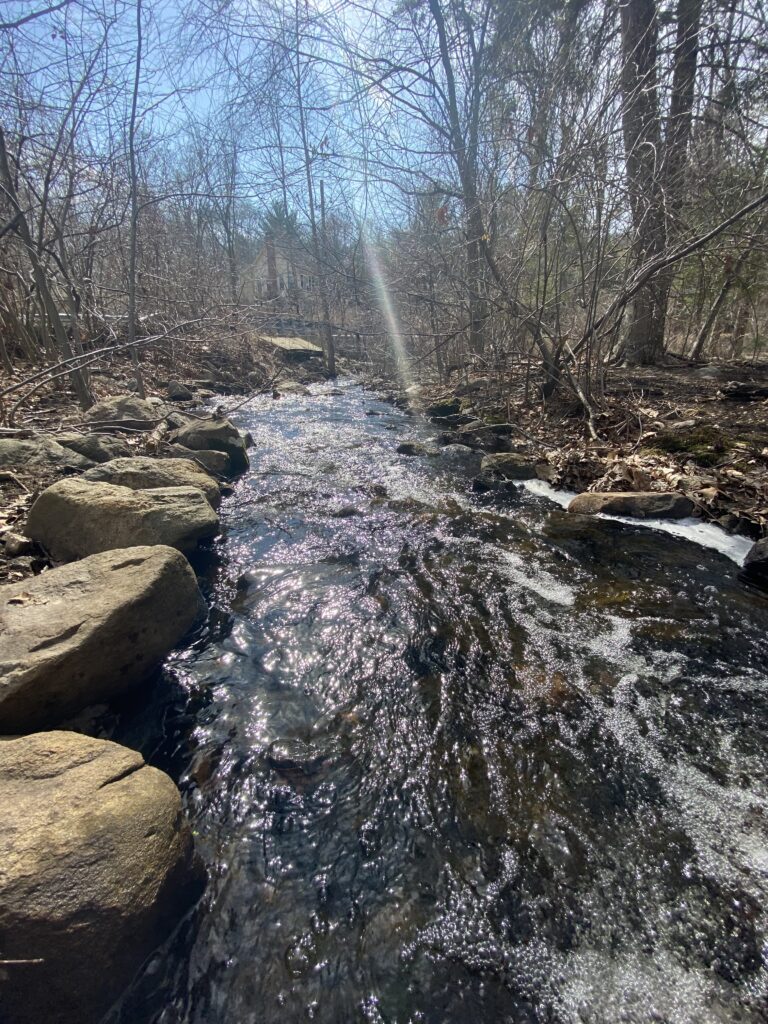
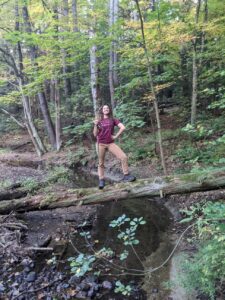
My spot is located not too deep in centennial woods, but off the path in a secluded area. It’s just past the little bridge over the stream at the bottom of a small hill. The stream runs through it and theres small shrubbery surrounding the stream. I chose this spot because of its seclusion and how peaceful it is. Surrounding the area in the overstory there are many sugar and red maples and some eastern hemlocks and a large white oak. There were ferns, jewelweed, moss, and fungi, in the understory. There were fallen trees too that fungi were growing on. With all the rain recently I’m expecting to see a bunch more fungi popping up. In the stream I saw many minnos, and a large amount of leaf litter. I’m excited to see what happens as winter takes effect!

Skip to toolbar