Feeds:
Posts
Comments

Assignment #5

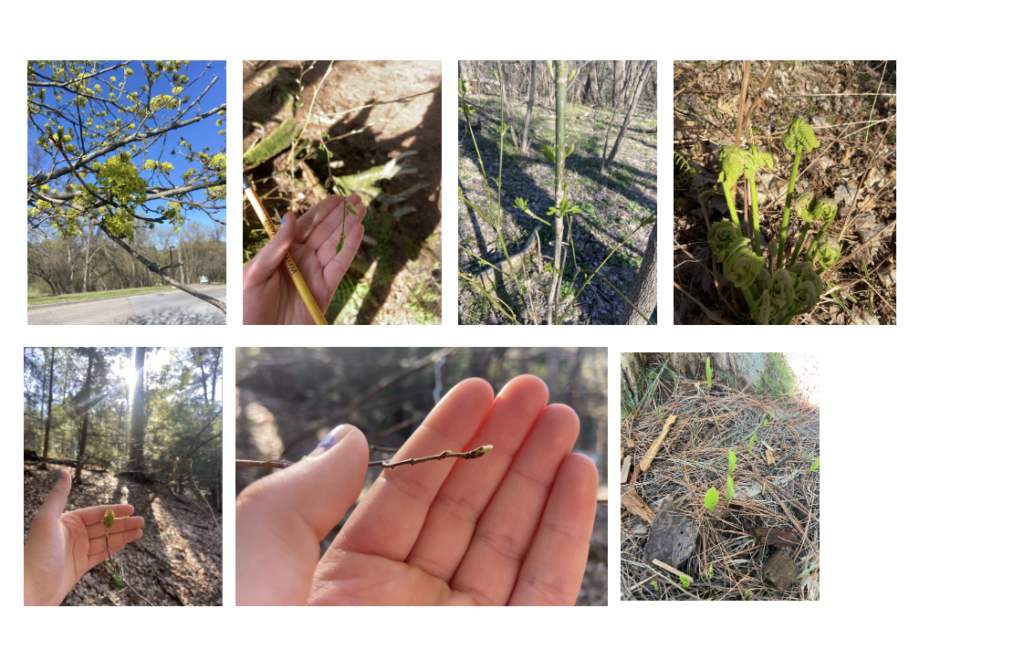
Last time I visited my spot, it was winter and there were little signs of life. Now, hints as spring are visible with budding on the Norway Maple, American Beech, and Sugar Maple. These trees in my spot have become major landmarks I’m familiar with, along with the big log and Eastern Hemlocks towards the back. The entire clearing area of my phenology spot is also a major landmark in my opinion. The smaller Barberry plant and Christmas and Intermediate Woody ferns are smaller landmarks I’ve taken the time to notice by spending time in my phenology spot. Also, I noticed for the first time a small Ostrich Fern sprouting!

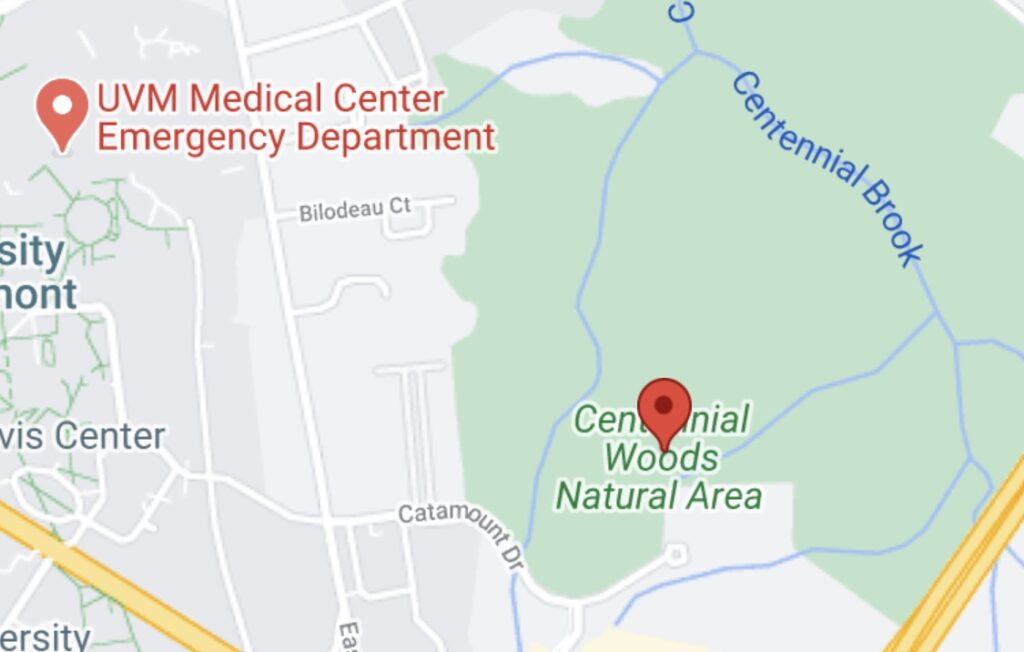
My spot, and especially Centennial Woods are a great example of the intertwining of culture and nature. The spot is a natural area that’s protecting from urbanization and being cut down to create parking lots of new buildings. People go to Centennial for nature and birding walks, it’s a place to escape the hustle and bustle of a city. Centennial creates a culture of nature lovers and peace seekers, especially for UVM students searching for a wooded oasis lacking any classrooms or crowded dining halls.

I’ve been visiting my phenology spot for two semesters now, over half of a year. I’ve definitely changed from the person who first found my phenology spot, but good change. I would definitely say I am a part of my place, but not in a disruptive of inhibitory way. I’ve never seen anyone else take the time to look at my spot, so it’s really special to me and feels like something I am a part of.
Phenology Assignment #4

During the Bio-Blitz, I explored Centennial Woods and areas along the sidewalk leading to the woods. Normally I just pay attention to the nature in Centennial and don’t notice anything as I walk over, but this time I identified a couple of plants along the way to increase my knowledge. In total I encountered 11 species, most of which I wasn’t previously familiar with. I really enjoyed using iNaturalist, it’s such a simple app to use and I love how people from across the world come together to identify species and contribute to citizen science.
Looking at the BioBlitz leaderboard, it looks like La Paz in Bolivia is leading the way with 109,395 observations and 6,095 species. San Antonio is in second place which is surprising to me, because it isn’t an area I previously considered to have a great amount of biodiversity. This goes to show though that my idea of nature isn’t fully accurate. I also found it funny that the most observed species in Washington DC is Eastern Poison Ivy. This is also a little bit sad though, because there may not a lot of biodiversity in the area and poison ivy is growing invasive.

Friday, April 11th

I noticed that all of the trees had buds, but the overall trend was a lack of bud breakage. The only tree with bud breakage was the Sugar Maple. None of the trees had any flowers, but the Red Maple did have flower buds signaling blooming soon! The only tree with identifiable leaves was the White Oak. The leaves were dried up and dispersed at the bottom. Each of the trees were in the same phenophase without a great amount of new growth showing the promise of screen.

Looking at the Spring First Leaf Index and Spring First Bloom Index on NPN’s website, the country’s leaf and blooming trends haven’t quite reached Vermont yet. The growing trend though is moving North, so it’s likely leaves and blooms will be seen soon in the coming weeks. I also noticed an abundance of red on the map, signaling the early arrival of spring. This has a direct relationship with climate change increasing temperatures, causing plants to bloom earlier.


Wildlife Signs in Burlington

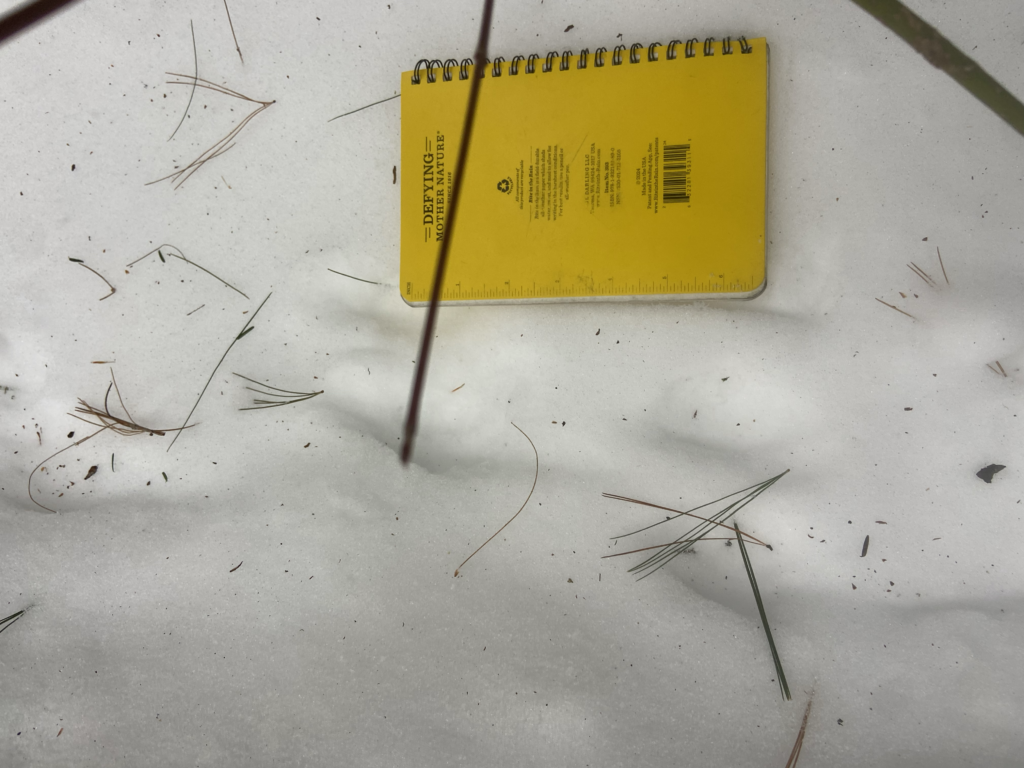
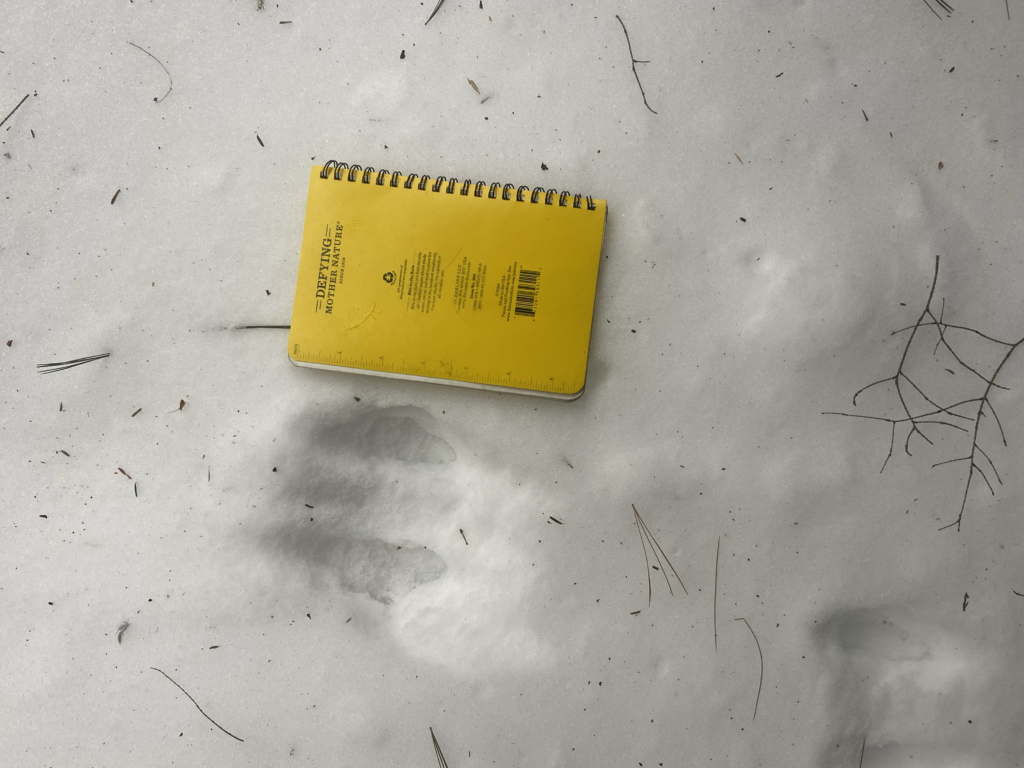
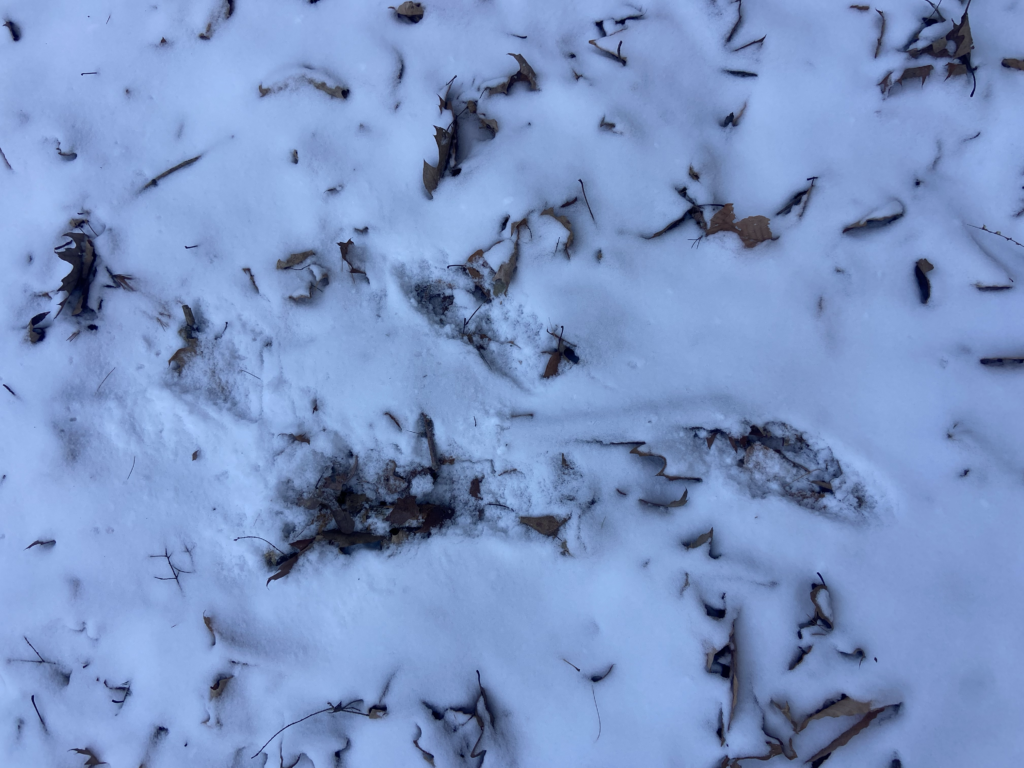
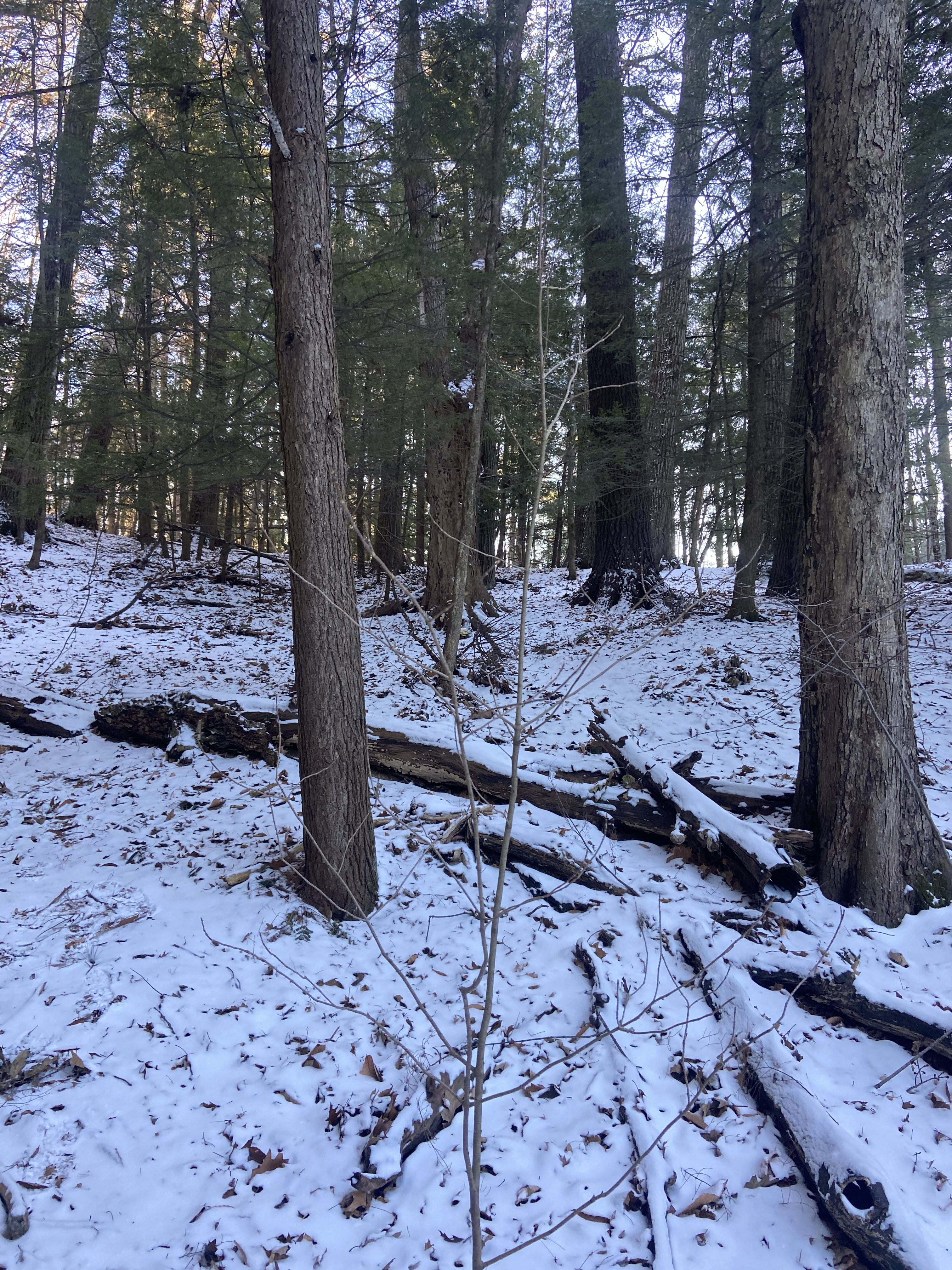
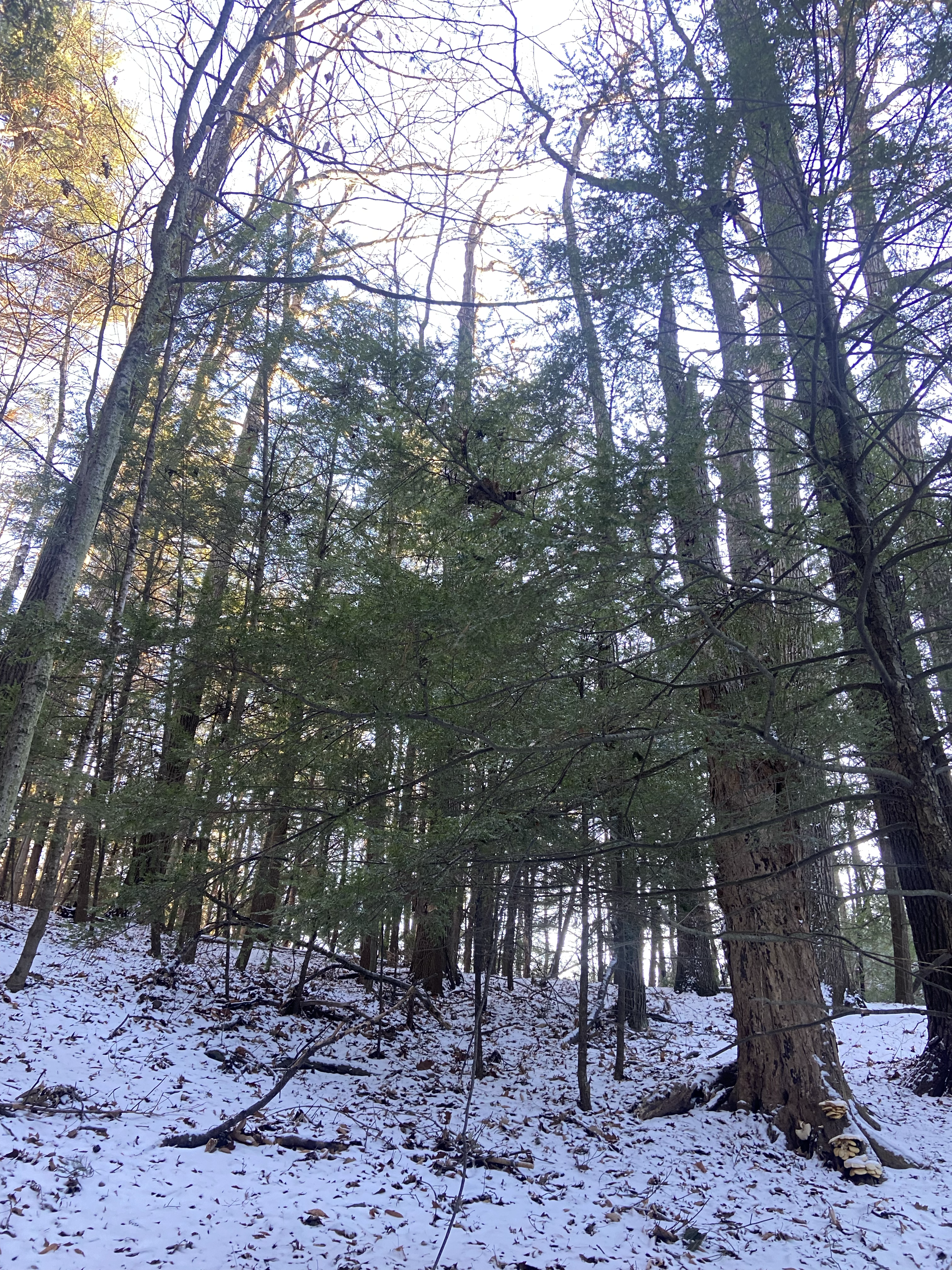
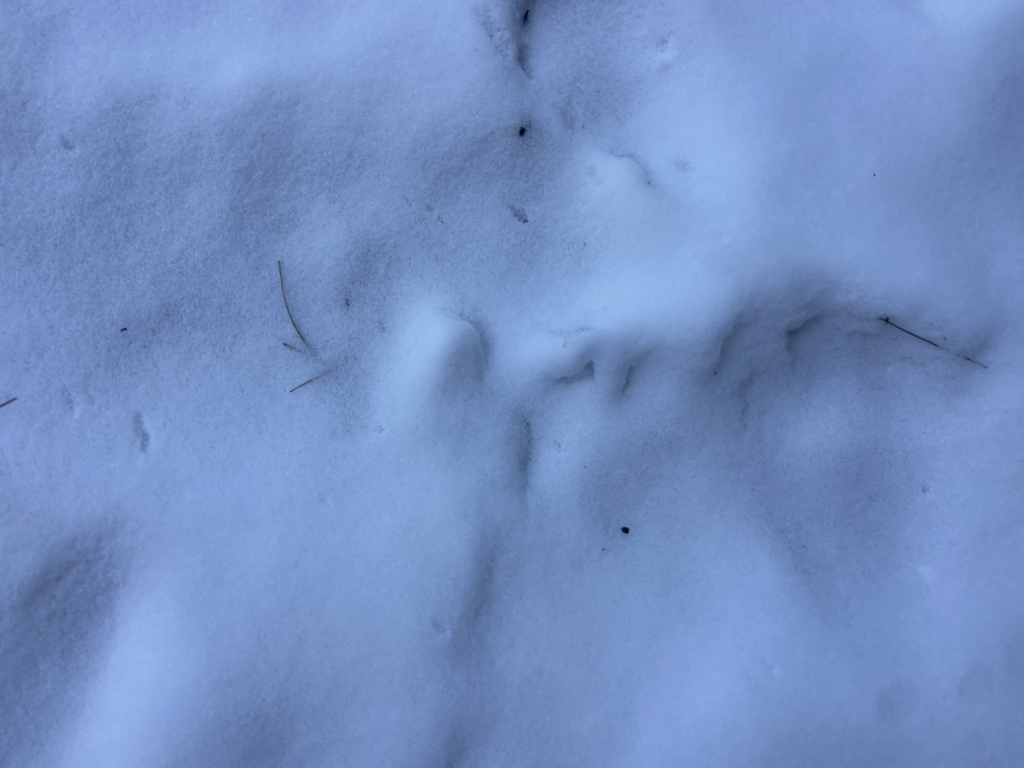
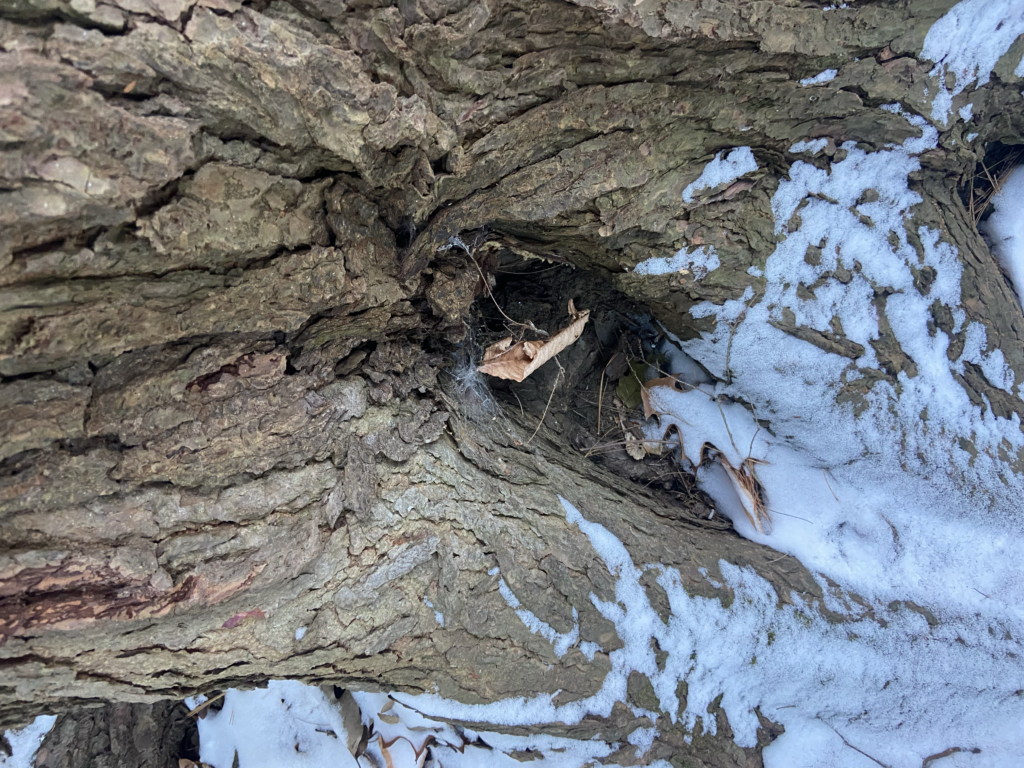
I went to Centennial, but instead of looking for tracks at my phenology spot I explored the rest of the woods and found some really cool stuff!

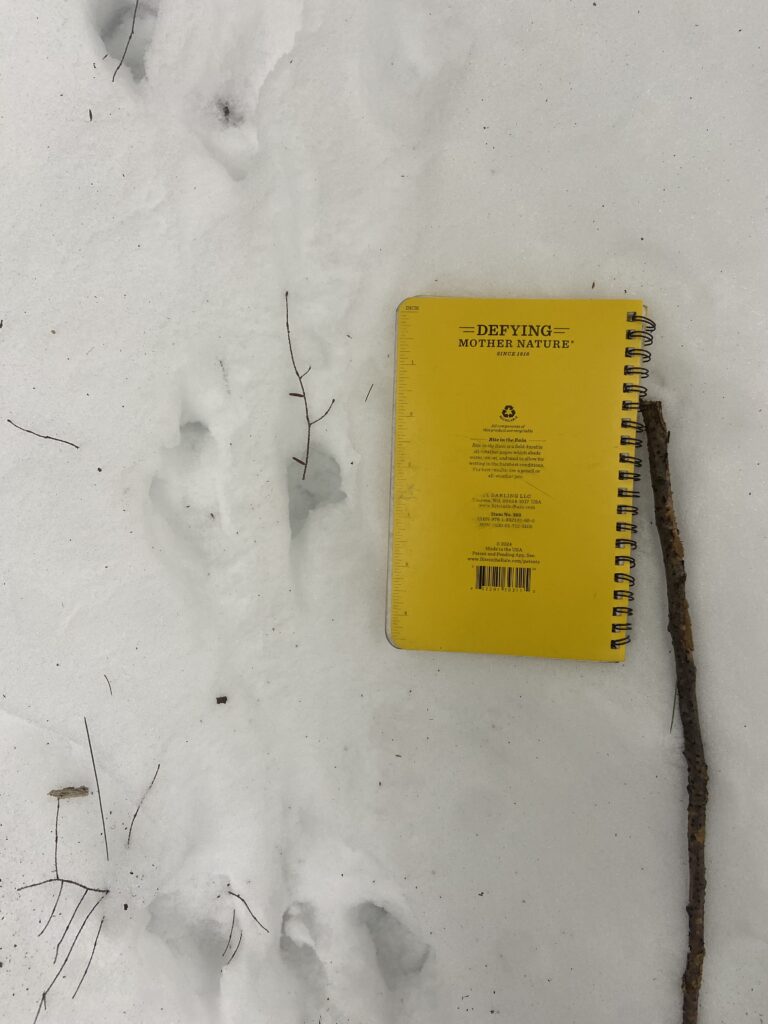
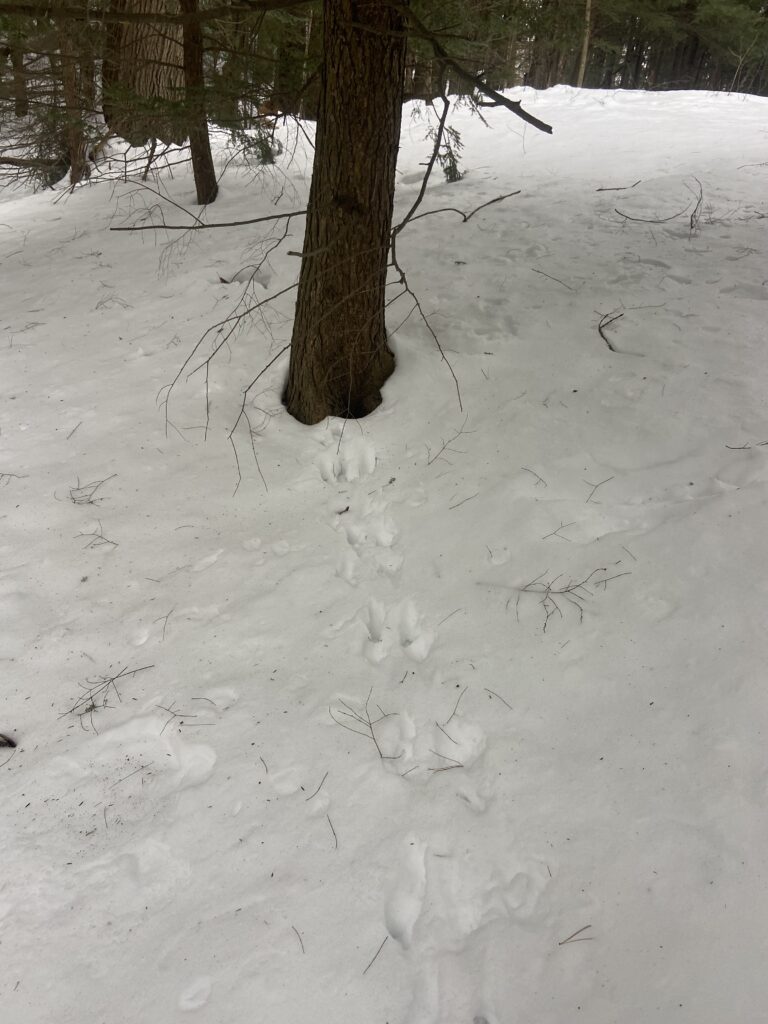
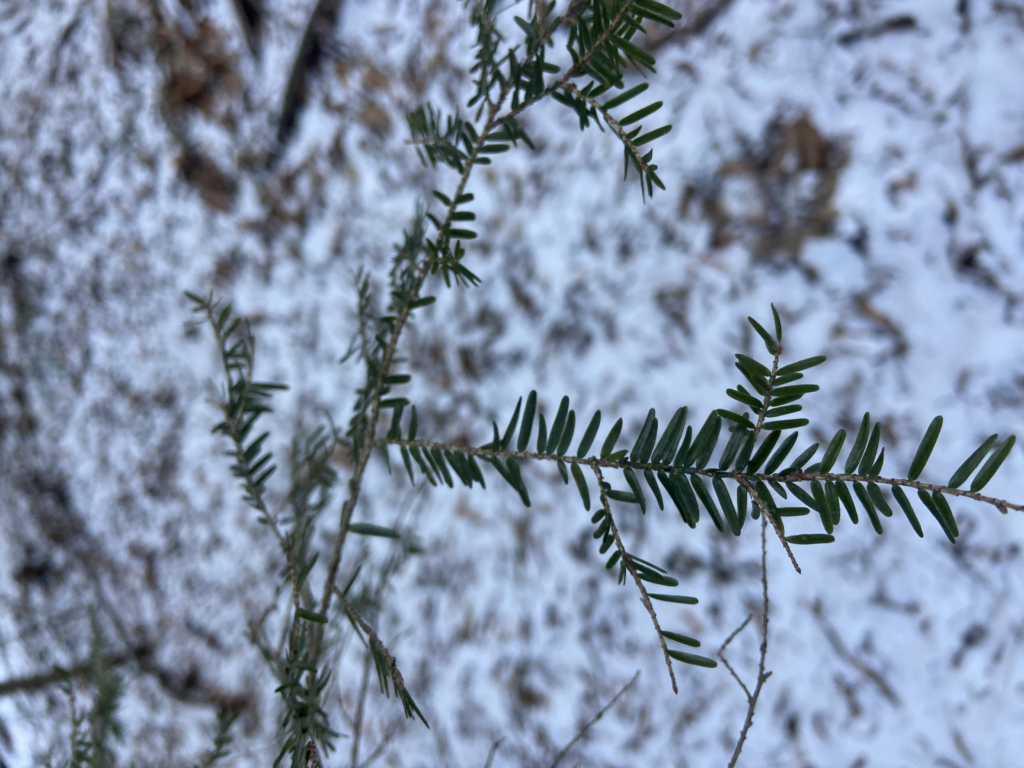
Photos 1-2 (from left to right): The tracks may belong to a Gray Squirrel. The tracks stopped right in front of an Eastern Hemlock tree which leads me to believe the animal climbed up it. The tracks are also in a galloping pattern. I don’t think they belong to a Red Squirrel because of their larger size. https://www.inaturalist.org/observations/262987511

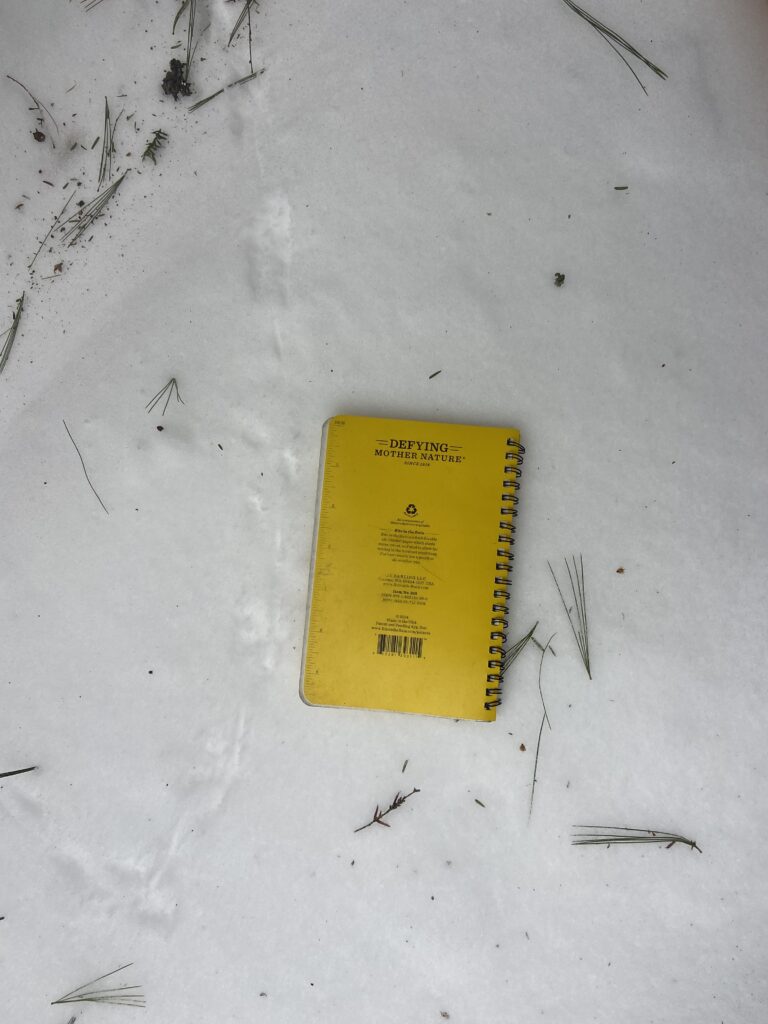
Photo 3: The tracks are very faint, but they could belong to a shrew as the tracks look even smaller than those of a mouse. https://www.inaturalist.org/observations/262987724

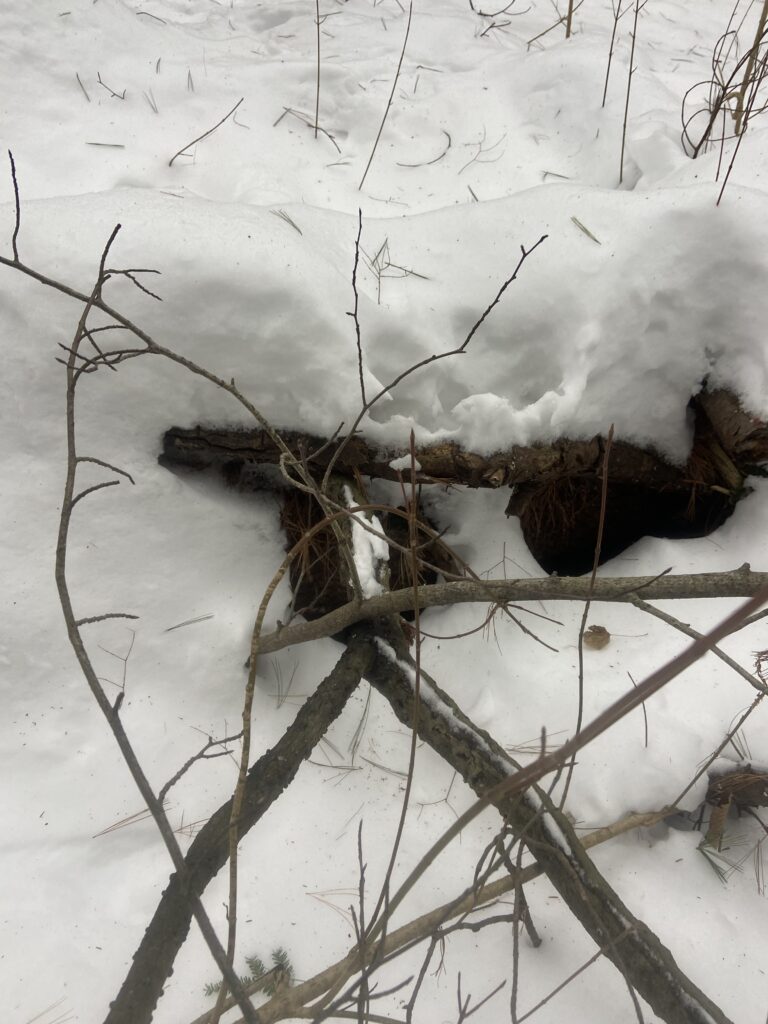
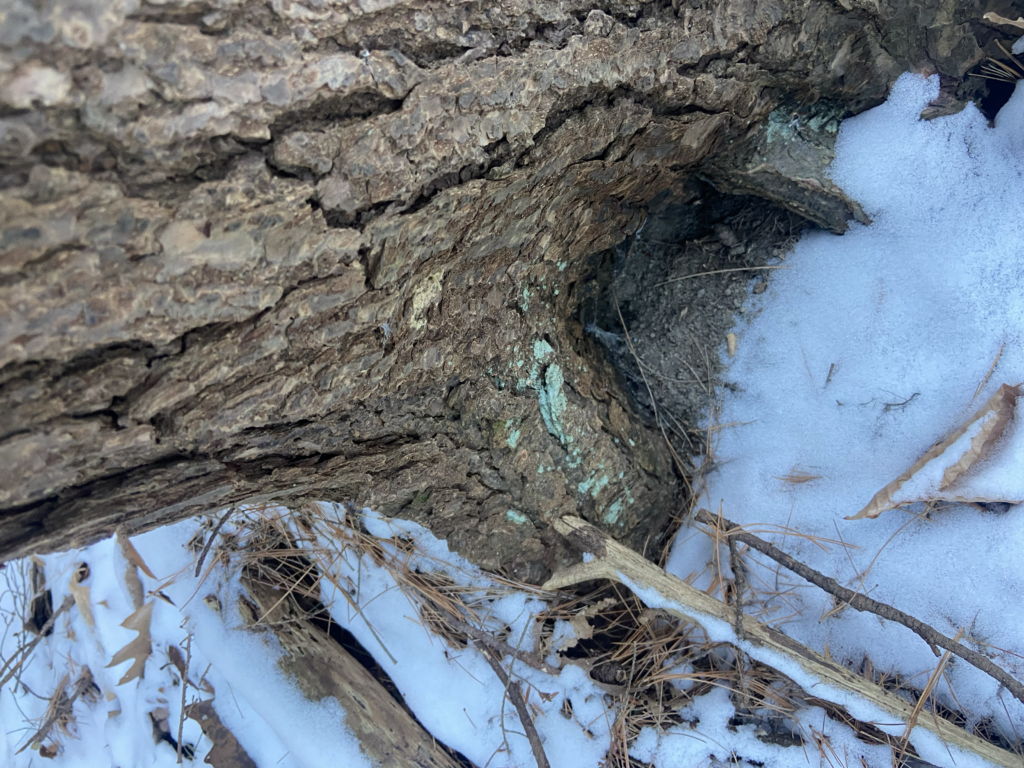
Photos 4-6: I think these tracks could belong to a Cottontail Rabbit, because they’re skinnier than those of a Snowshoe Hare. The tracks lead up to and stop in front of a secluded log, and I think this could be the den of the rabbit. The tracks are also in a bounding pattern. https://www.inaturalist.org/observations/262988979

1/26/25

The snow is covering the whole ground of my spot now, last time I went the leaves were much more visible on the ground.

The Eastern Hemlocks look the same, and the Intermediate Woody and Christmas ferns are still there but the leaves have definitely shriveled and have a darker color compared to December. Some light brown and shriveled Norway Maple leaves remain, but the Barberry, American Beech, and Sugar Maple trees have lost all of their leaves which compares to how my site looked in early December. I couldn’t find the small tunnel I found last time though.

I couldn’t find much wildlife activity except these little small indents in the ground, though if they’re tracks I couldn’t identify them with my guide. I also saw some small holes at the bottom of two trees, maybe they’re dens? I definitely want to improve on my animal tracking and sensing skills this semester.

Assignment #5

The ground was the first thing I noticed when I visited my phenology spot for assignment #4, and looking at it for this assignment I noticed that there was less yellow leaf litter, and all the leaves seemed a bit more brown and wet. They weren’t decomposing necessarily, but they looked more absorbed into the ground, likely from the snow and rain.

Looking at the trees, the two Eastern Hemlocks on one side of my spot seemed to have lost even more needles compared to last time. The Hemlock on the other side seems to be thriving though. There are a lot of Eastern Hemlocks in my spot, and I think this is because it’s a shady area and Eastern Hemlock have a very high shade tolerance.

The American Beech has lost all its shriveling brown leaves, and there are also no leaves left on the Sugar Maple and Barberry. The Barberry has also lost its fruit. There are some very small yellowing and shriveling leaves persisting on the Norway Maple though.

After reading Naturally Curious, I looked for some signage and vegetation in my spot that Mary Holland discussed in her book. First, I noticed that the Intermediate Woody Ferns in my spot were still persisting. Holland explained how these ferns are evergreen, so their front remain green the entire year. I also noticed a very small tunnel in the ground hidden amongst the leaves. I couldn’t tell exactly what kind of animal it’s for, but it was very tiny hole so the animal must be small. I’ve never noticed a tunnel in my spot before, and I’m thinking there’s an increase in animal activity right now as species are getting ready for winter by burrowing or storing food and fat. The birds also seemed to be chirping in unison together and louder, as it was more noticeable then me than usual.

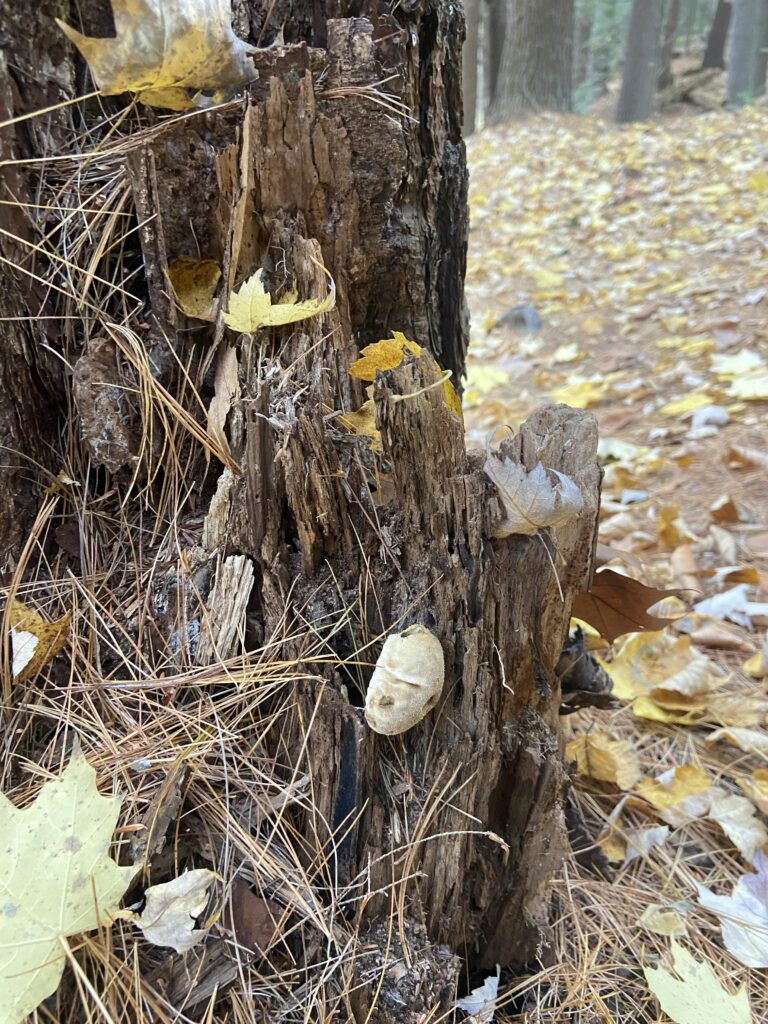
Finally, I saw something white out of the corner of my eye and noticed there were a bunch of light yellow mushrooms stacked at the base of a tree. I used Seek to identify them, but it could only identify the genus as Oyster.

I am really grateful for my phenology spot, it’s provided a great place for me to escape the stress of school and assignments for a little bit and connect with the greater Burlington area, a place I really didn’t know all that much about only 4 months ago. I love how a small natural area right across the street from my dorm has the power to make me a happier person and feel a sense of connection to my new home. My sense of place and place attachment has been really cultivated through my spot. I have a connection to my phenology spot in Centennial Woods and really feel like I’ve gotten to know a lot about it. It has made me feel happy to be at UVM and in the amazing city of Burlington. I also love the log at my spot and how it’s a clearing area. The log is a great place for me to sit and really take in my spot, and the clearing makes it easy to view everything like the Eastern Hemlock, one of my favorite focal tree species which I’m happy is in abundance at my spot.

Assignment #4

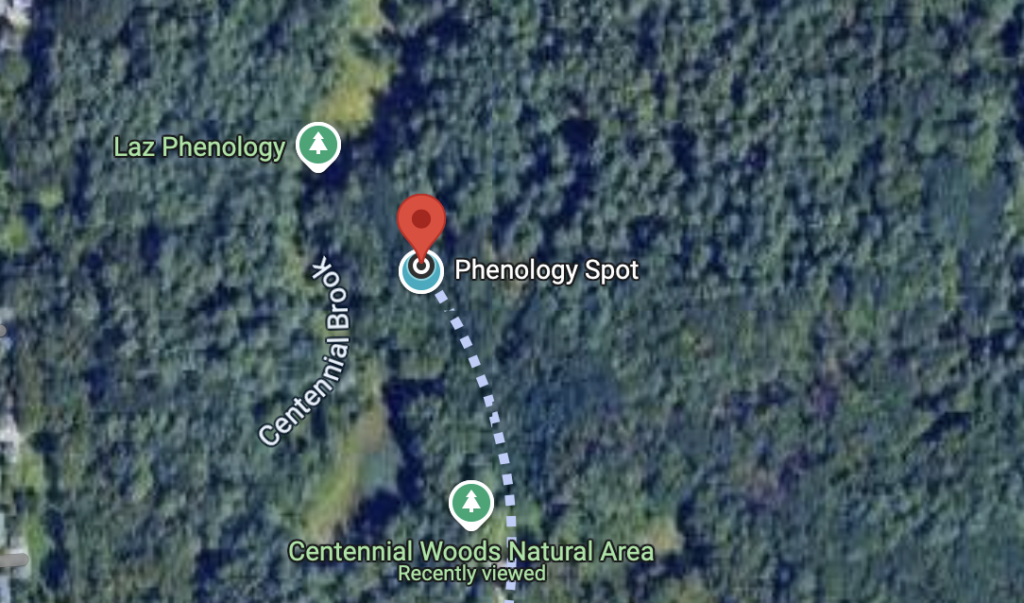
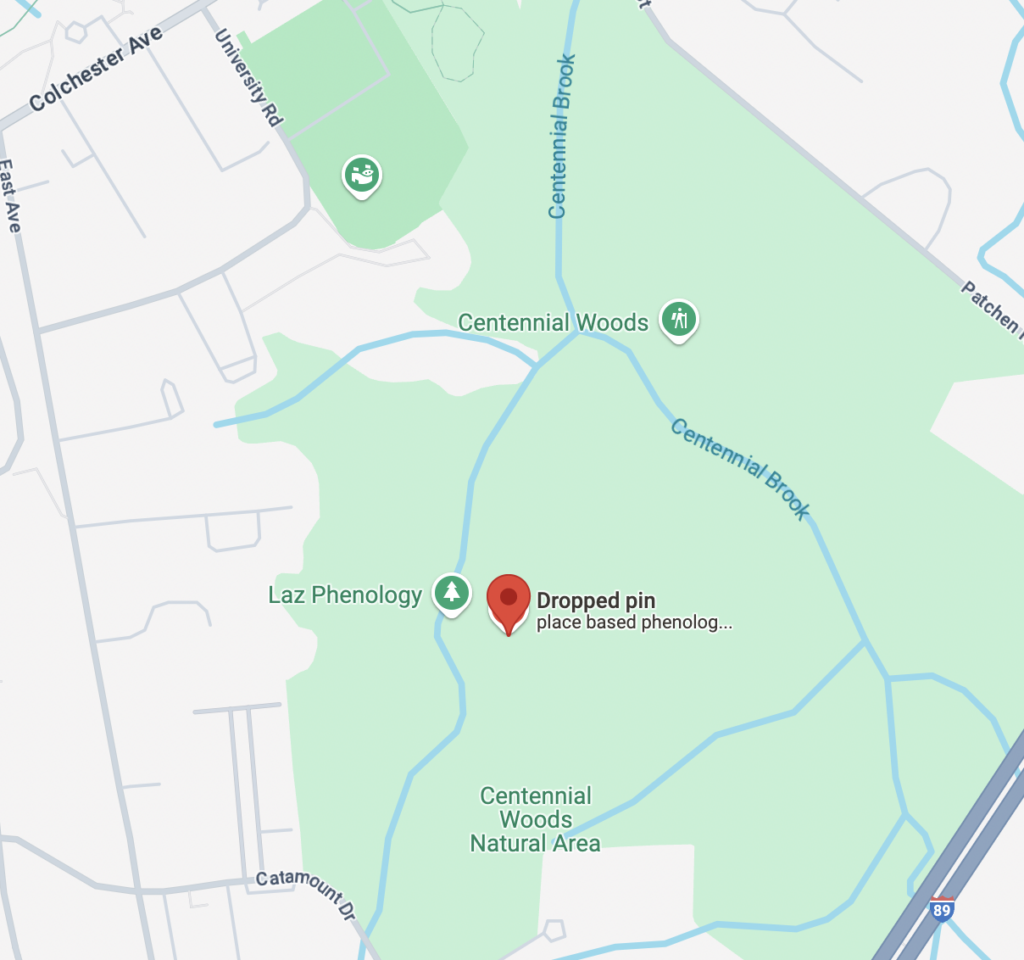
Google Maps pin: https://maps.app.goo.gl/yq4T2qTquDw2Ub2u9

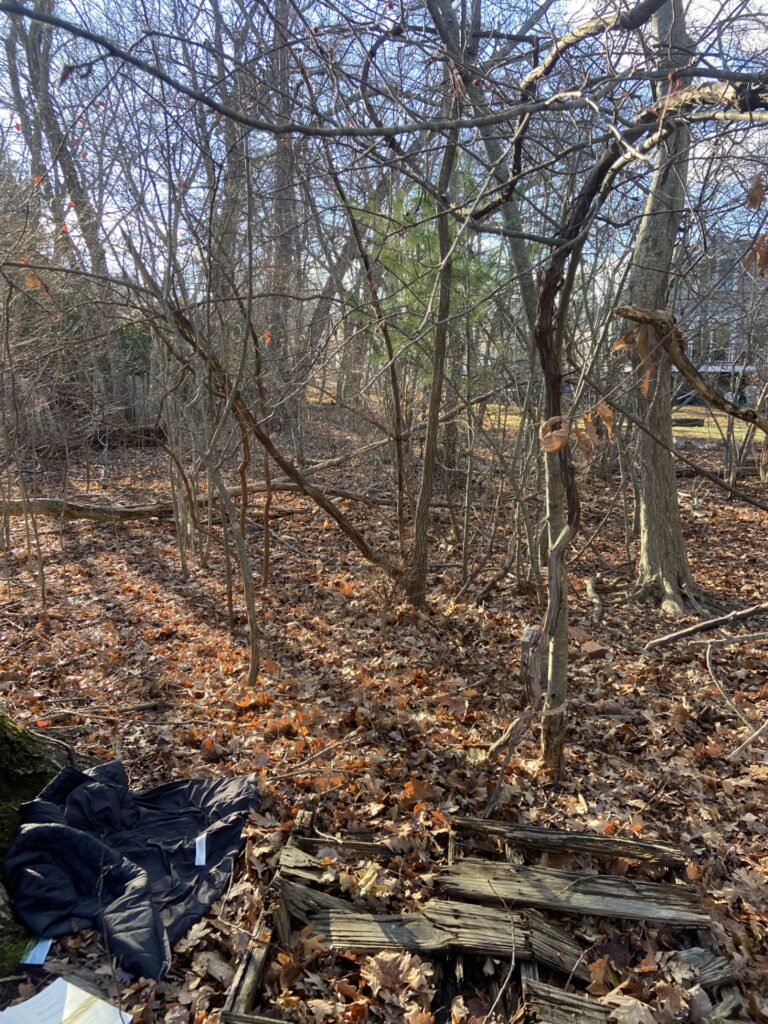
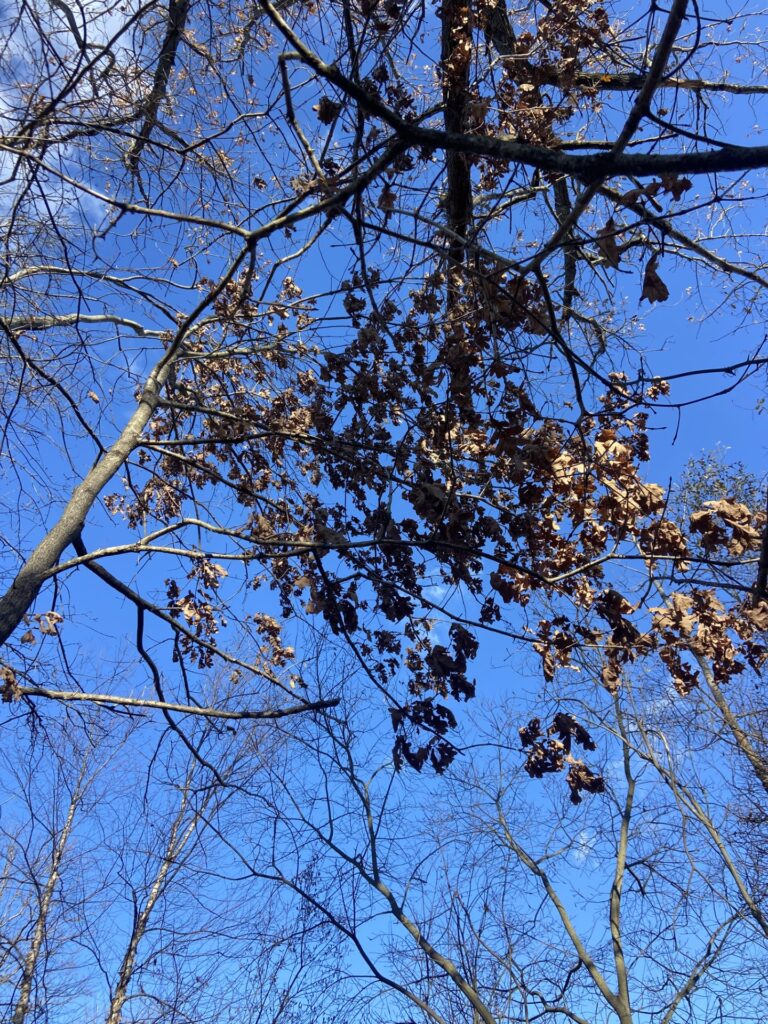
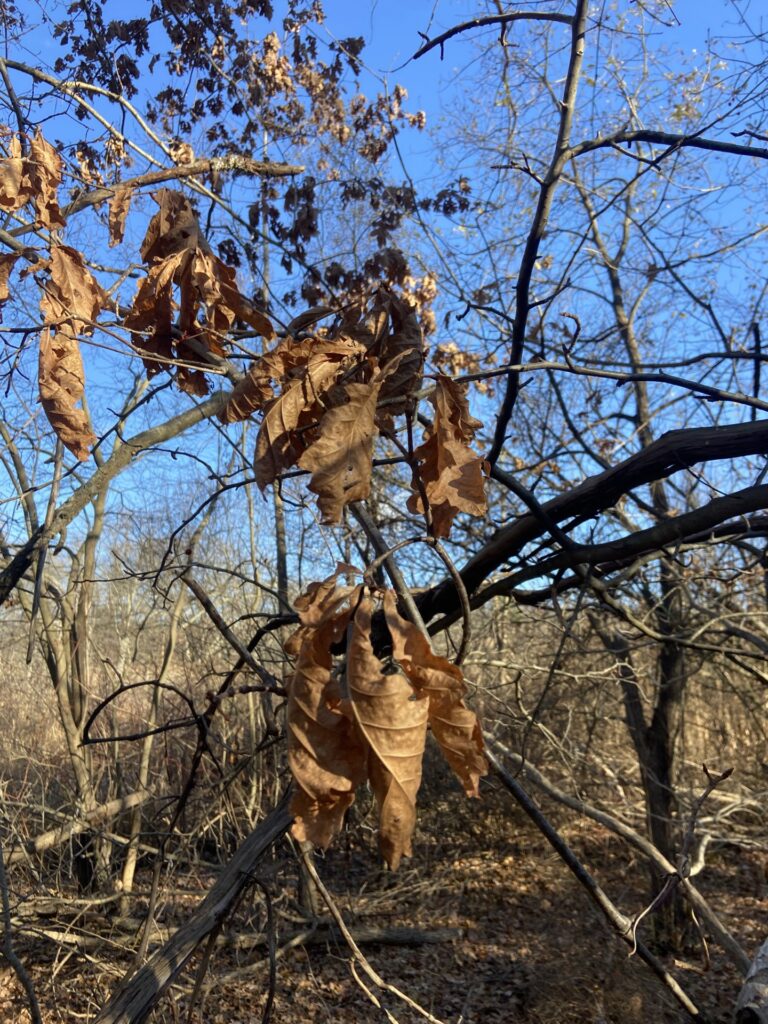
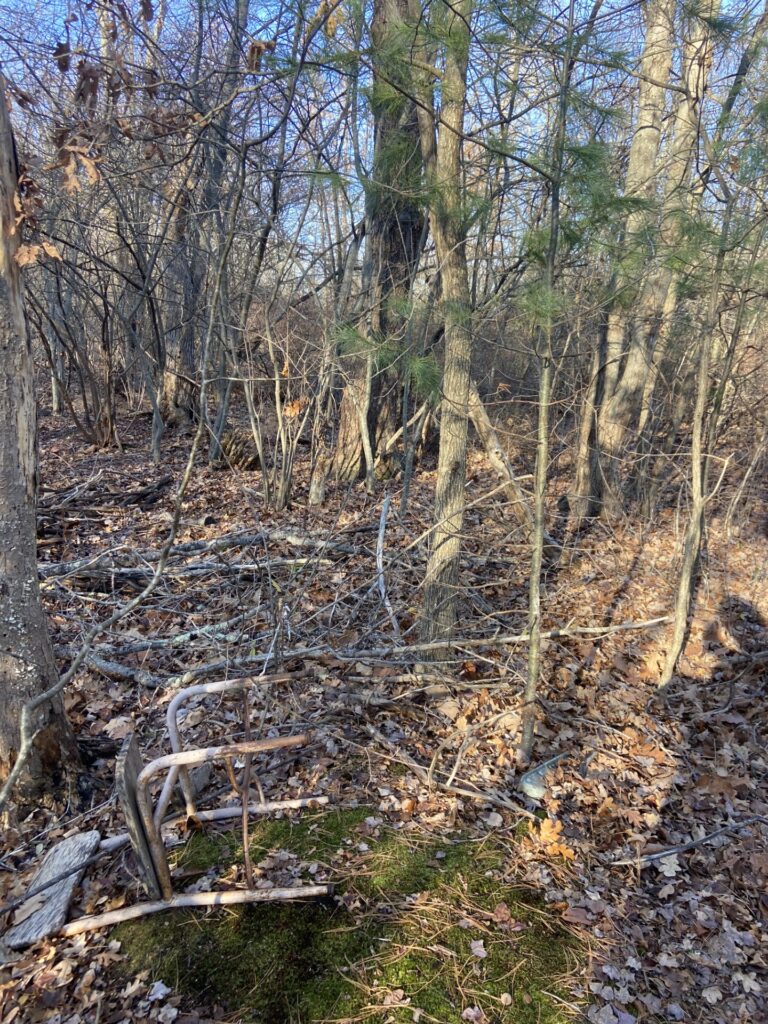
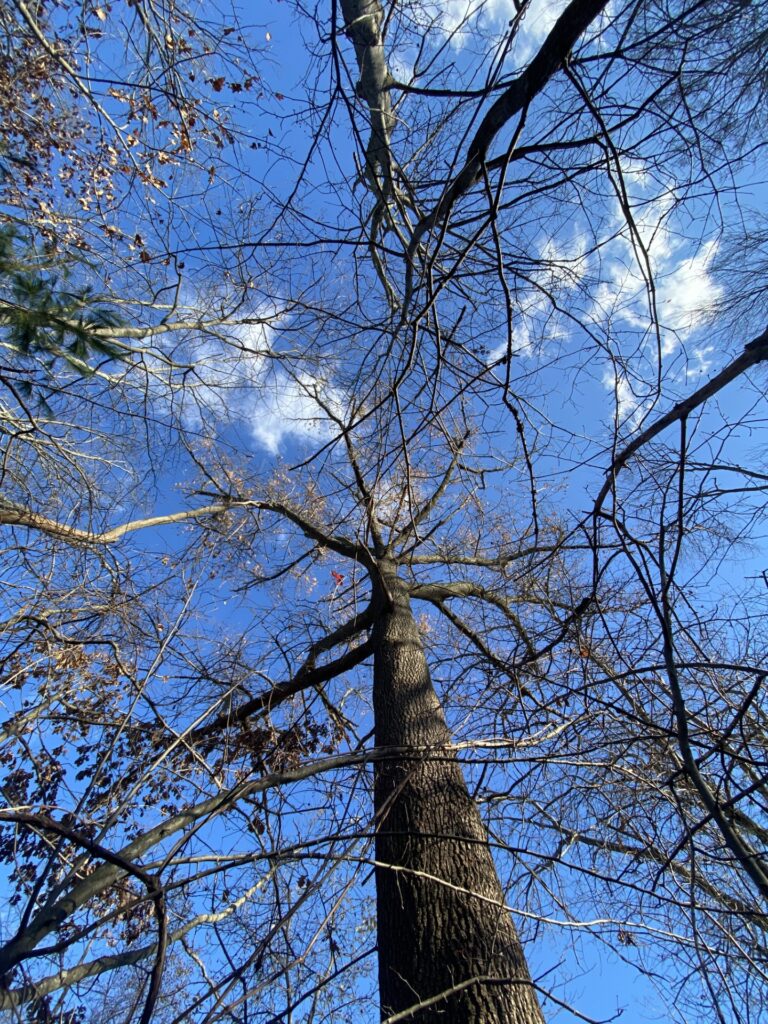
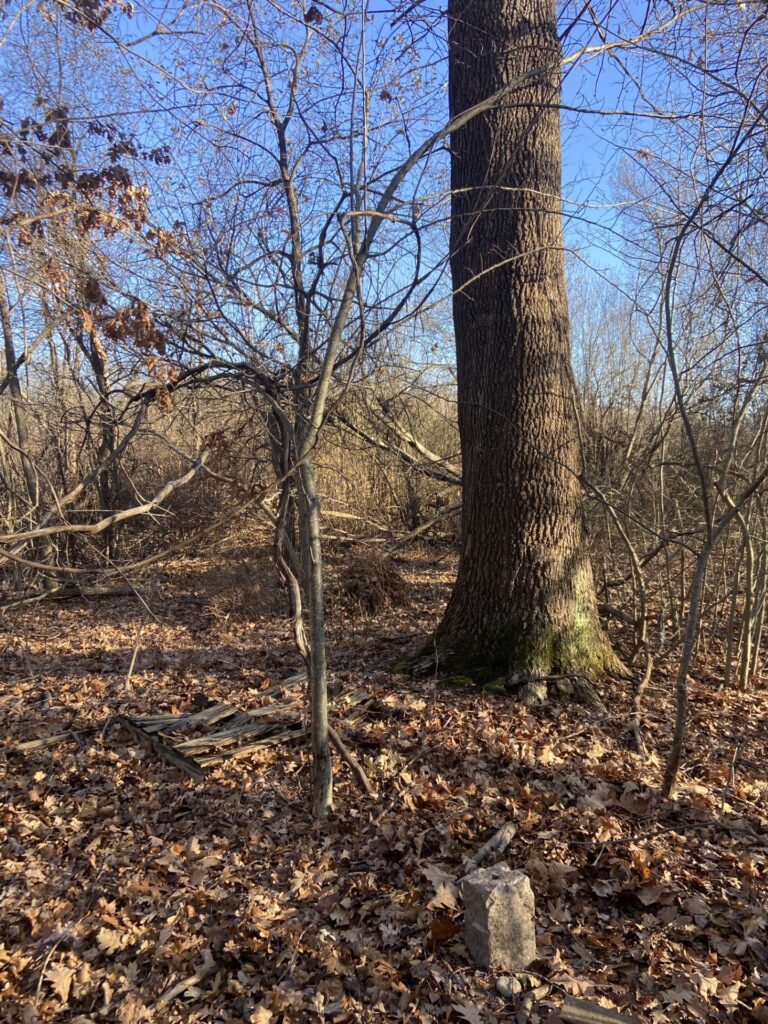
My new phenology place was in the woods behind my house in Massachusetts. This is an area I spent a lot of time in as a kid, and it’s right next to one of my favorite trees which I now know is a White Oak. I think it’s really cool how the woods behind my house fostered my love of the environment and inspired me to study them in college, and now I’m back in these woods putting my college knowledge to use.

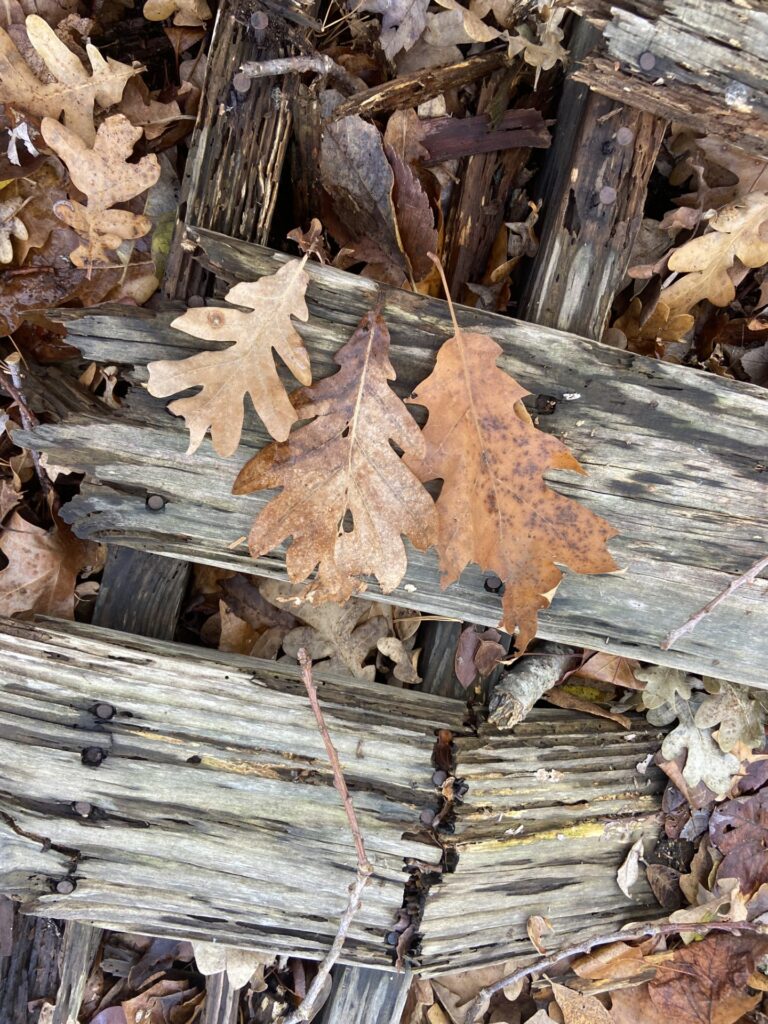
There were a lot more oak trees, mainly White Oak instead the the coniferous Eastern Hemlock that dominate my phenology spot in Burlington. The spot behind my house is definitely less remote than my Burlington site as I can see my house as well as my neighbors, and hear leaf blowers and kids running around. I still find this spot really peaceful though, and am really lucky to have such beautiful woods right behind my house. Most of the tree branches were bare, but some of the White Oak still have crinkly brown leaves hanging on which wasn’t the case in my Burlington spot where only the American Beech and Sugar Maple had some vegetation hanging on. The spot behind my house was definitely flatter and more condensed with trees unlike my phenology spot, which is a clearing type area on a slope.

Looking into the weather preferences of oak trees, I found out they prefer a more moderate climate. It makes sense then that there are more of them in the more southern state of Massachusetts than northern Vermont, at least looking at my two phenology spots. I also know that Eastern Hemlock prefer shadier sites as they have a very high shade tolerance, and I wouldn’t say the woods in my yard are that shady leading to there not being a lot of this species in these woods. I also know that Hemlock prefer more cooler temperatures, so places in Vermont like my Burlington phenology spot are likely more hospitable for them.

Extra Credit Assignment

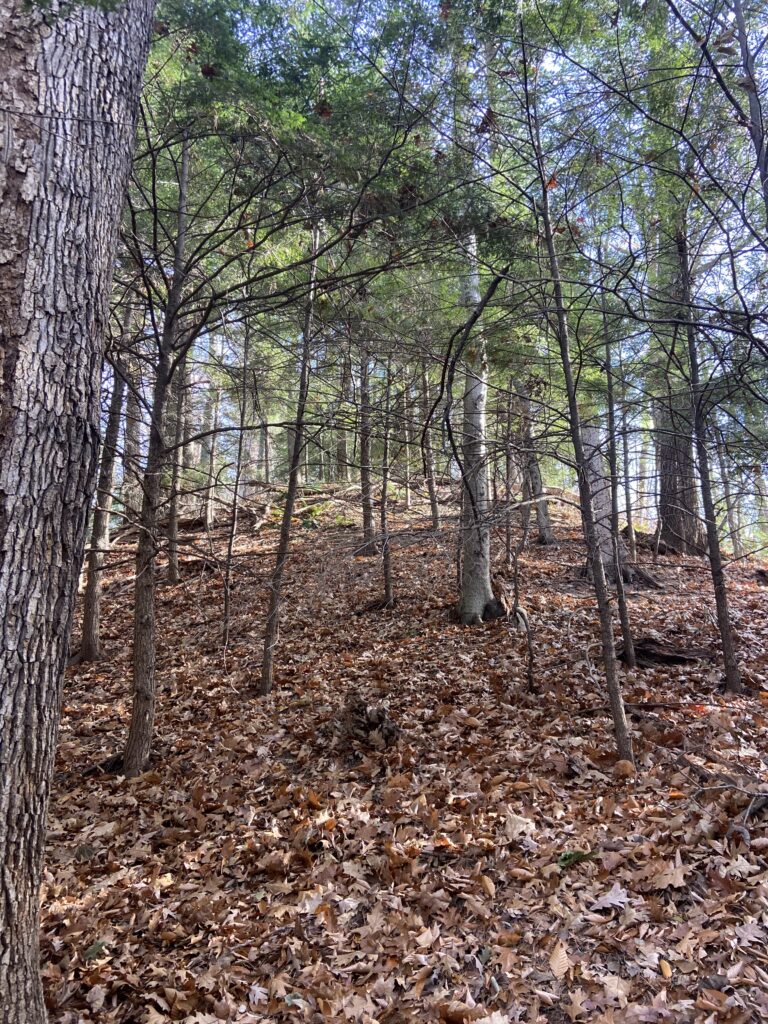
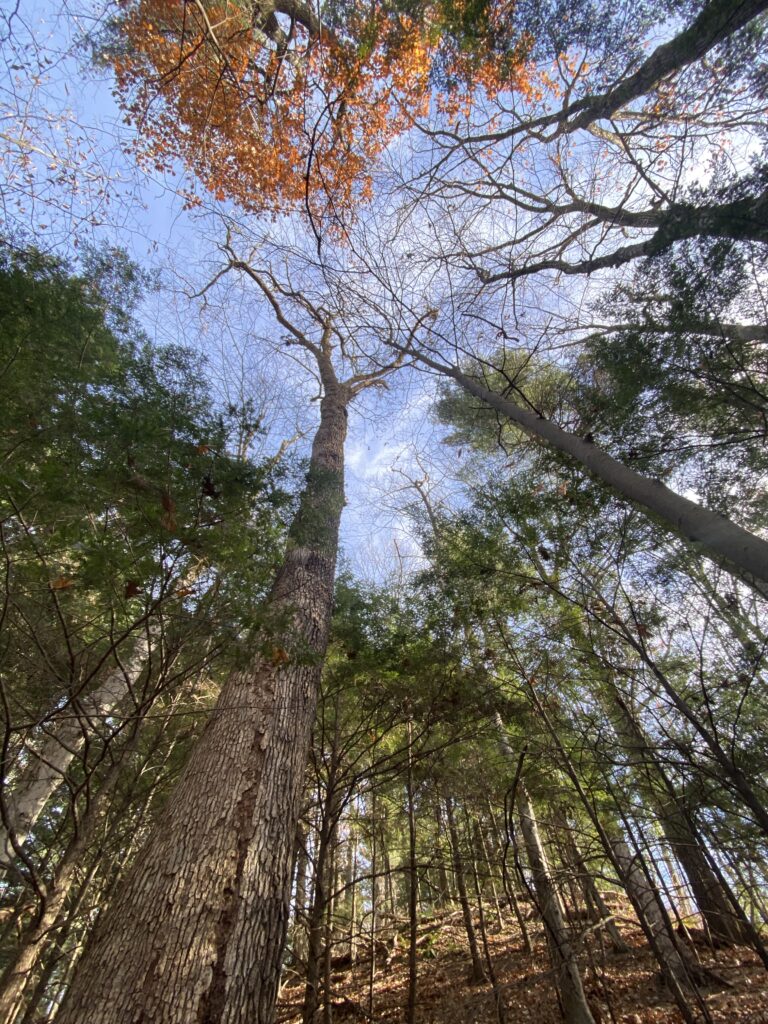
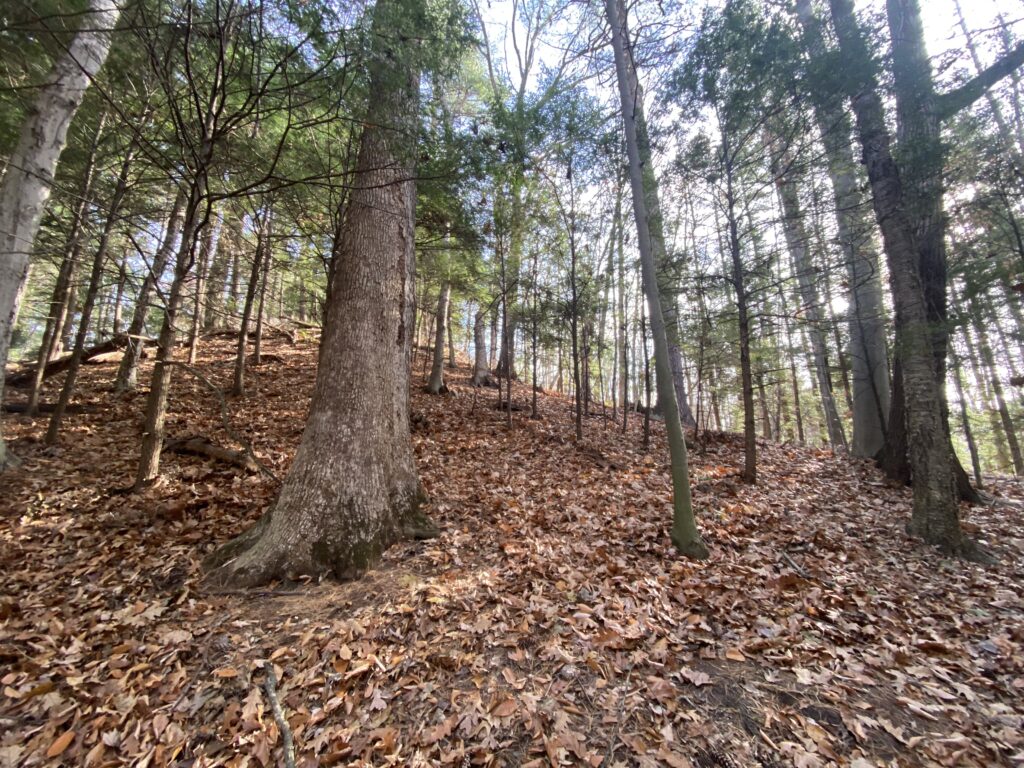
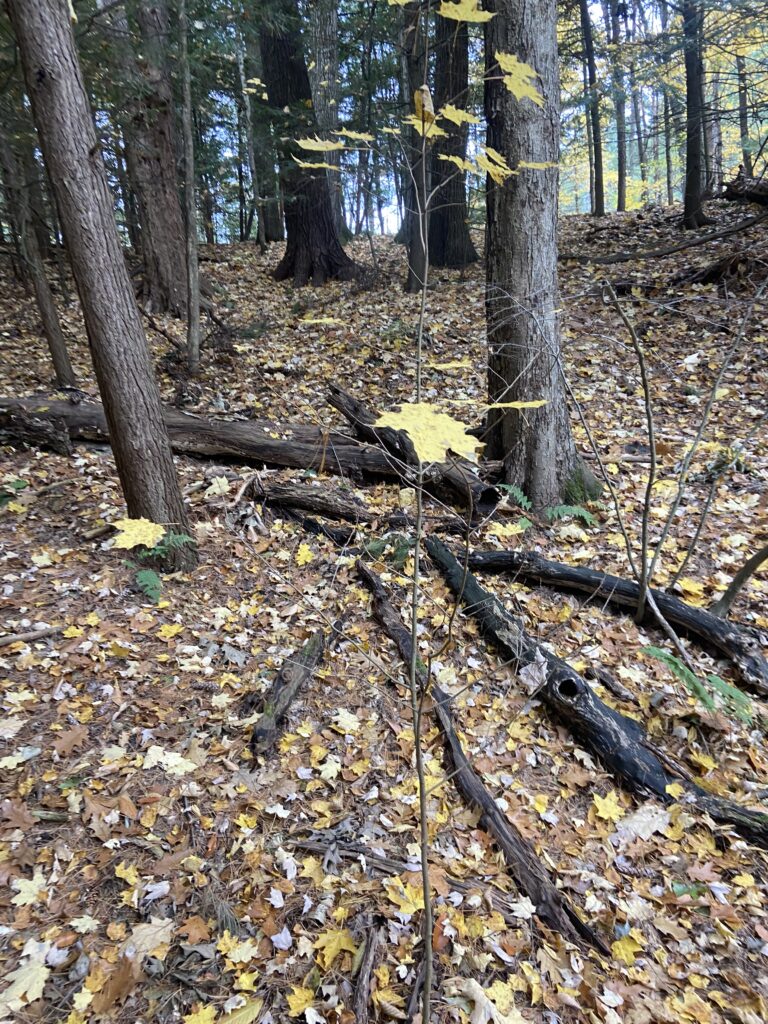
Comparison to my place: I visited my friend Eloise’s phenology spot which is also in Centennial Woods. It was in a similar area to mine, but you take a different trail to get to it. Standing in the spot, I noticed how it was on a slope whereas mine is in a flatter area. There are also more trees than my spot which is in a clearing, with an abundance of Eastern Hemlock surrounding a tall Northern Red Oak. Like my spot, it’s noticeable that some of the Eastern Hemlock have lost their needles as many of their branches are bare. Both of our spots are right off the trail, and looking down the hill I was really surprised to actually see my phenology spot! Finally, I heard the slight sound of leaves coming off their branches and falling to the ground, and looked to see Northern Red Oak leaves floating down which was super cool and peaceful.

Compelling features of Eloise’s blog: Right off the bat I really like the green background color! The blog is also really organized and simple to read. It’s cool how she used a dropdown feature to write down the tree species she observed in her spot. I also like how the photos are aligned in a grid. We had similar experiences looking at the changing of the leaves in our spots: some of the leaves on the deciduous trees were still green and not turning the normal foliage color.

Link to blog: https://blog.uvm.edu/ecasi/2024/10/14/phenology/

My phenology spot – right down the hill!

Assignment #3

I went to my spot after NR1010 in the midst of a pretty hard and stressful week. I didn’t want to walk down to Centennial Woods at all, but I forced myself to because I thought it would make me feel better and it definitely did! We talked a little bit about how going out in natural areas improves your mental health in NR1010 today, and that was definitely the case for me. My mind felt clearer, and all the things I was worrying about didn’t seem as significant.

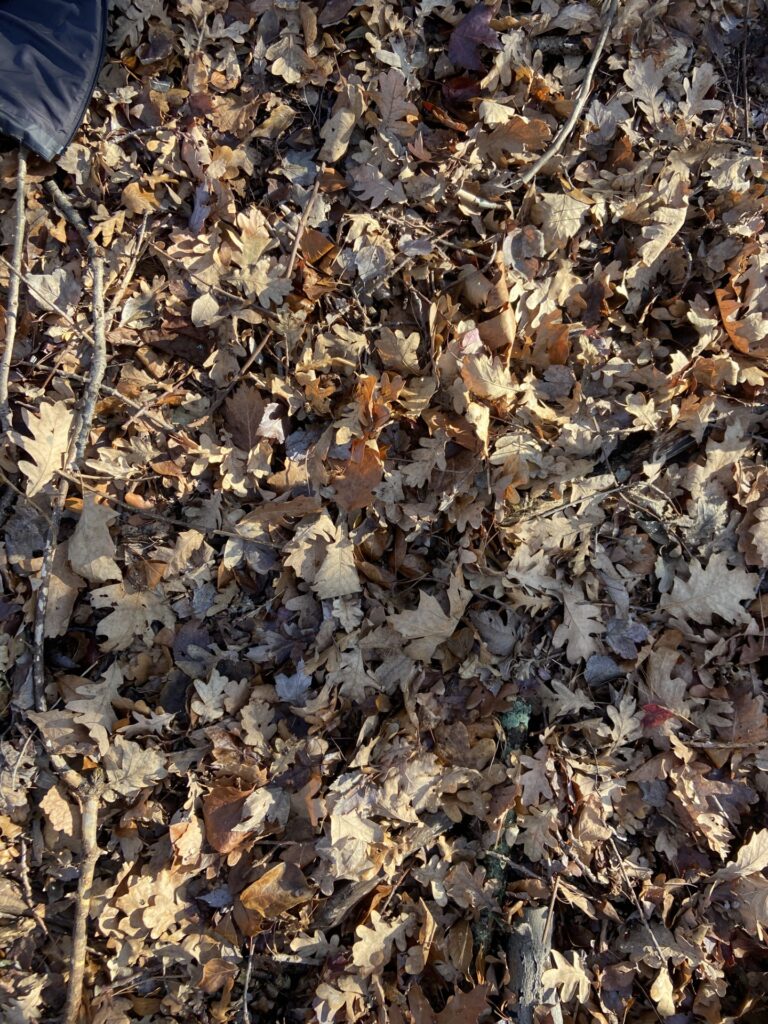
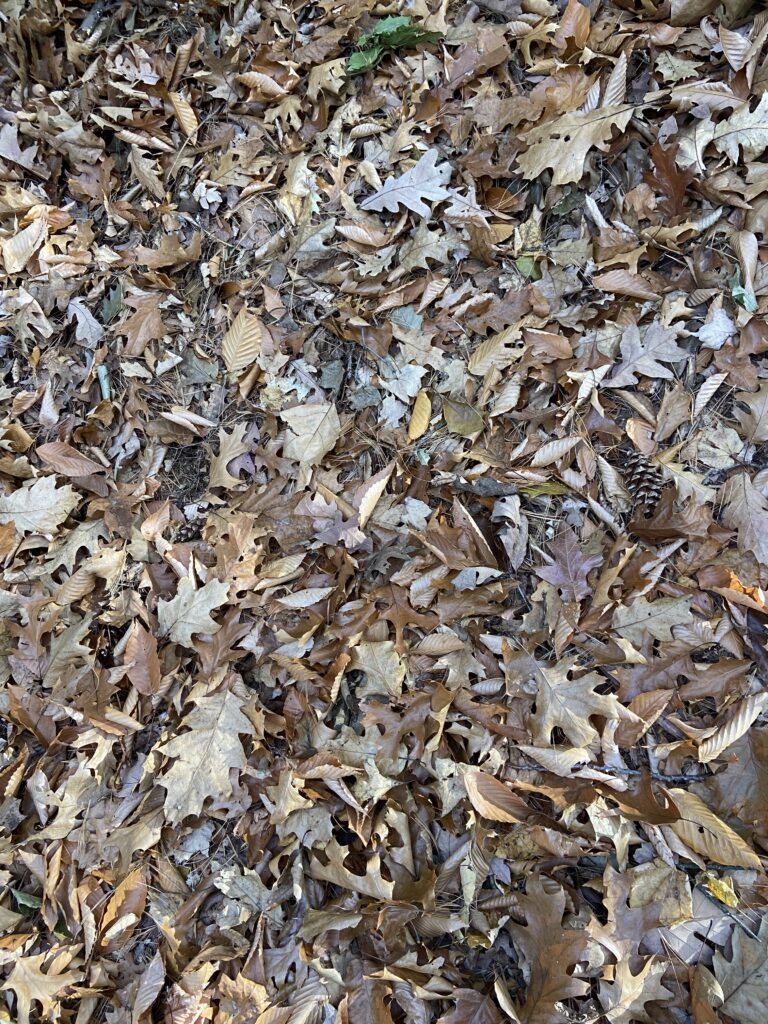
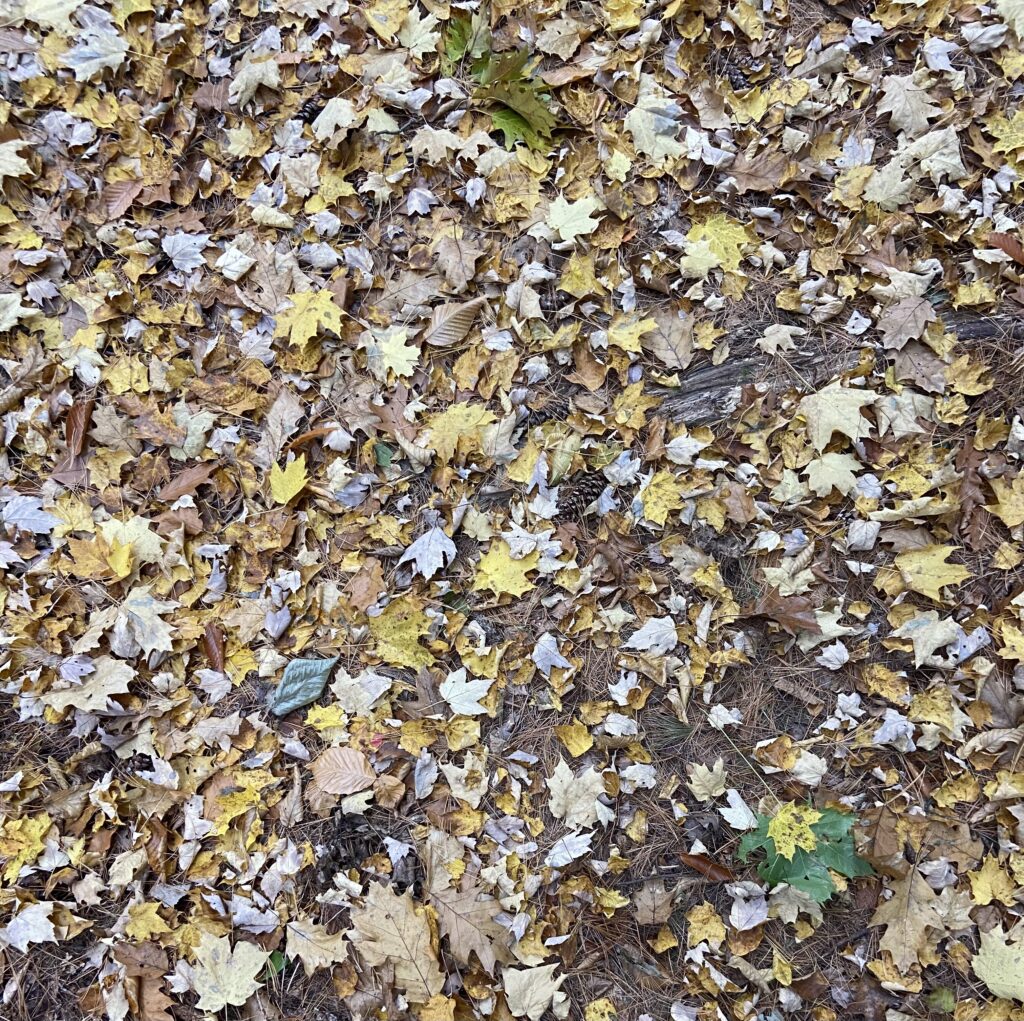
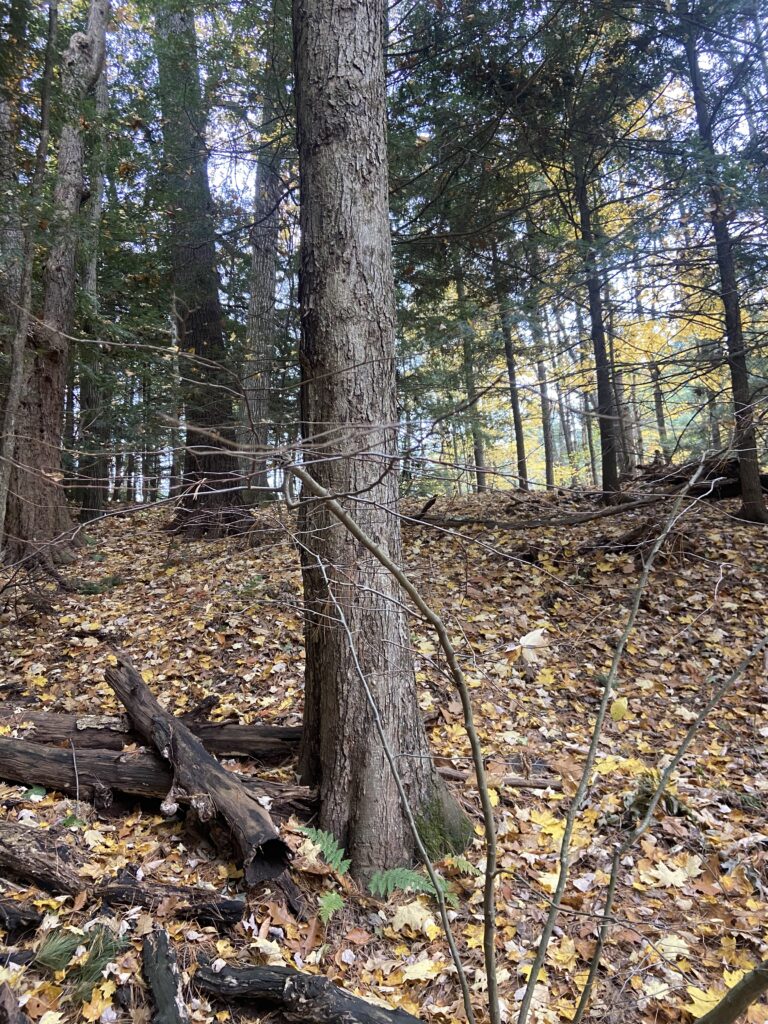
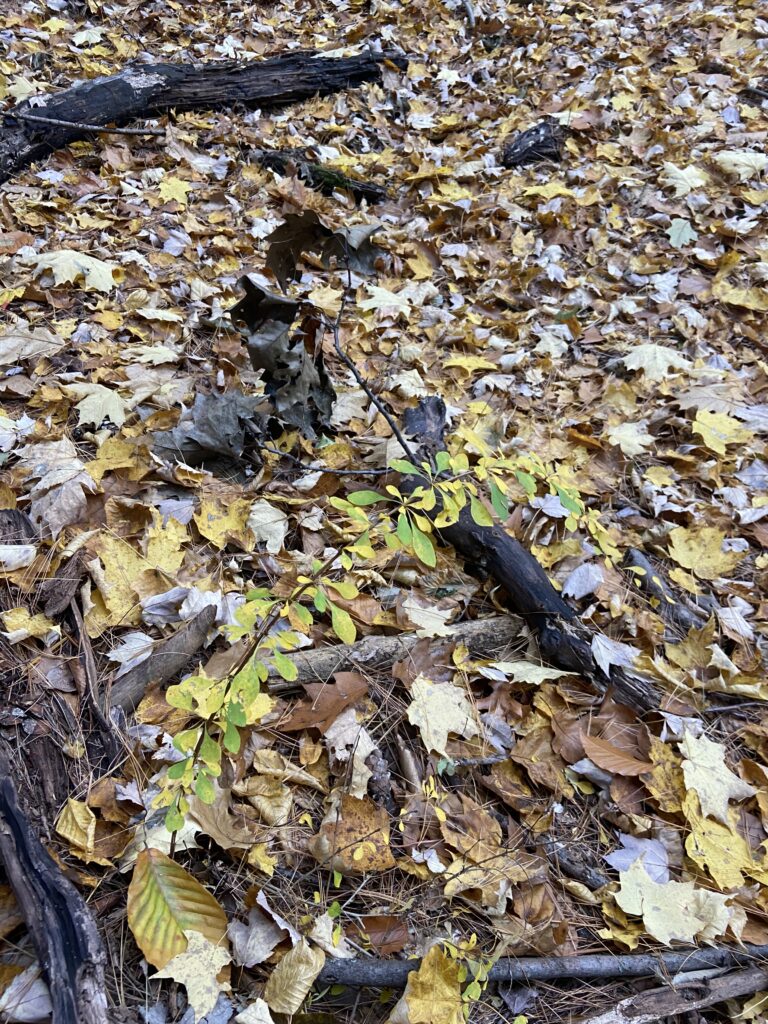
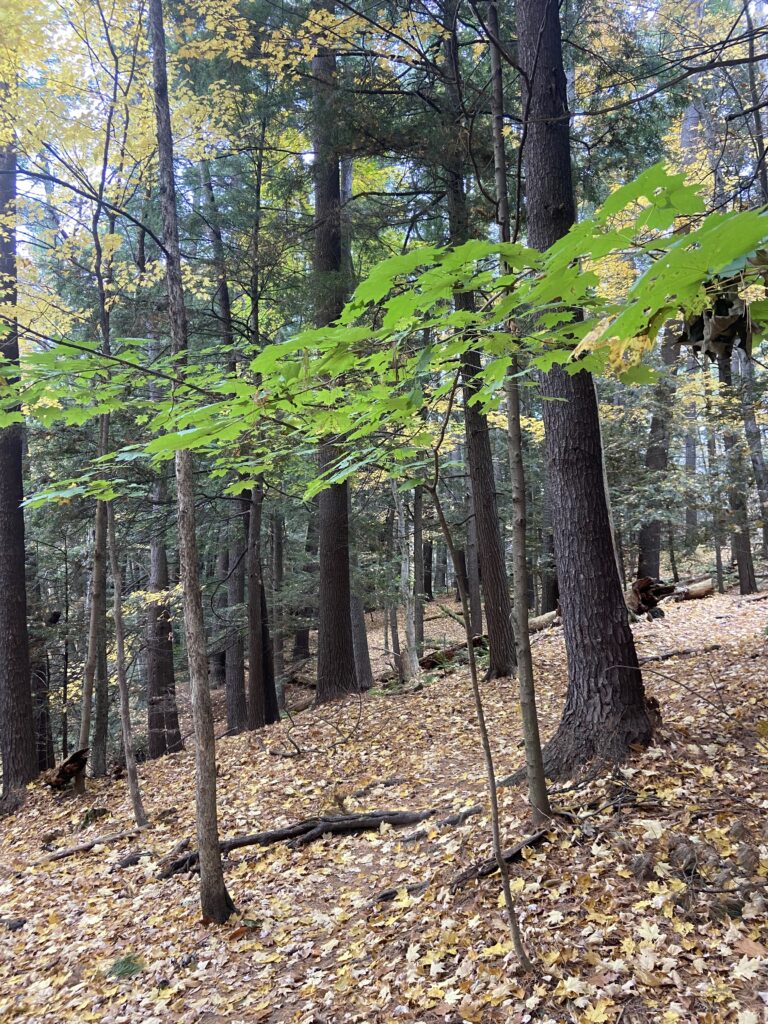
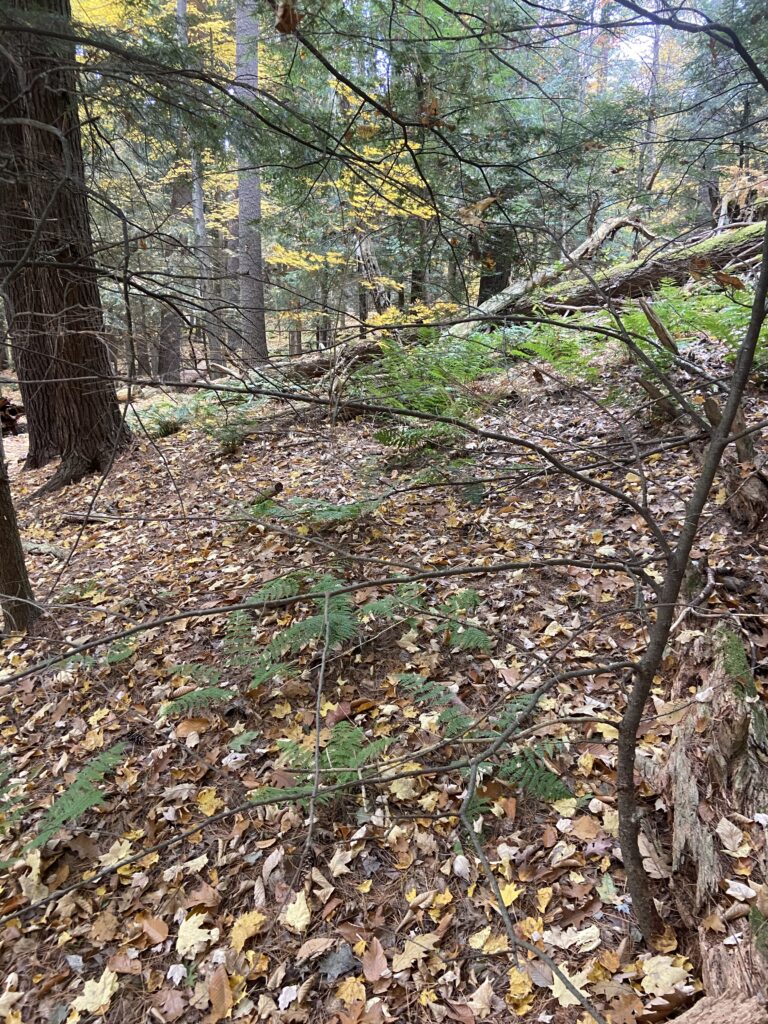
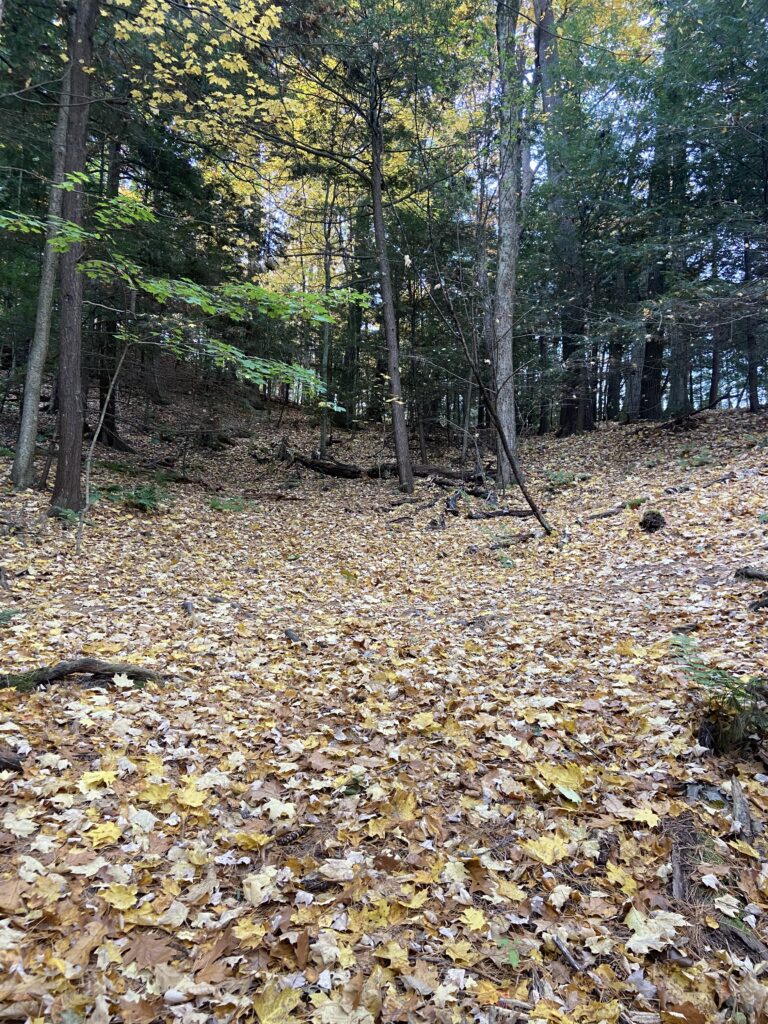
There was a lab group working close to my site, and at first I was upset because I just wanted to be alone. But then I began to appreciate this because it reminded me of how Centennial isn’t beneficial for just nature walks, but also for supporting education. Walking into the clearing, I immediately noticed there were way more tree leaves on the ground. It was hard not to notice them since they were a bright yellow and light brown color that contrasted with the usual dark brown pine needles that cover the ground. The area looked a little more barren with the majority of the trees’ leaves on the ground, but I also thought this looked really beautiful.

Foliage leaves on the forest floor

When I could tune out the cars racing by and airplanes flying above, I could really hear the birds chirping above, and the wind rustling what leaves the trees had left. Finally, I had the realization that the trees in my spot are familiar to me now, I know exactly where they are, what kinds they are, and what they look like which is sort of comforting.

Vegetation

There are a lot of yellow and light brown leaves from Sugar Maple, American Beech, Red Maple, and Northern Red Oak trees on the ground. The young Sugar Maple tree has now lost most of its leaves with a few yellow ones remaining on the upper branches. The young American Beech also lost most of its leaves, with a couple very small and brown shriveled up ones remaining. The Christmas and Intermediate Wood Ferns look the same, but I found a new Norway Maple tree. I thought it was interesting how most of the leaves are remaining on it and are still green. The Barberry leaves are transitioning from green yellow, and the Eastern Hemlock trees have lost a noticeable amount of needles which is interesting to me since they’re coniferous trees.

Bird’s eye view map

Assignment #2

Most Common Woody Plant Species:

Older Posts »

Skip to toolbar