Posts

City Nature Challenge

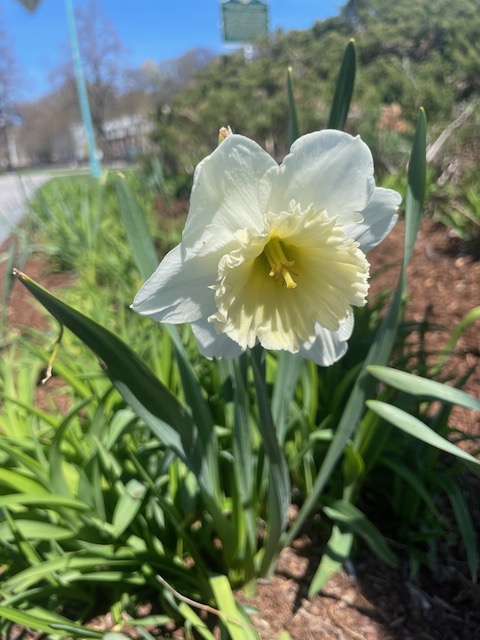
During this four day bio blitz challenge I decided to go down to the lake Champlain waterfront. While spending time at the waterfront I walked the bike path and took notice of all the species of trees and animals around me. I had fun using the INaturalist identification feature. It was fascinating to see how quickly it was able to identify different species. I encountered lots of daffodils and common rhododendron adjacent to the bike path.
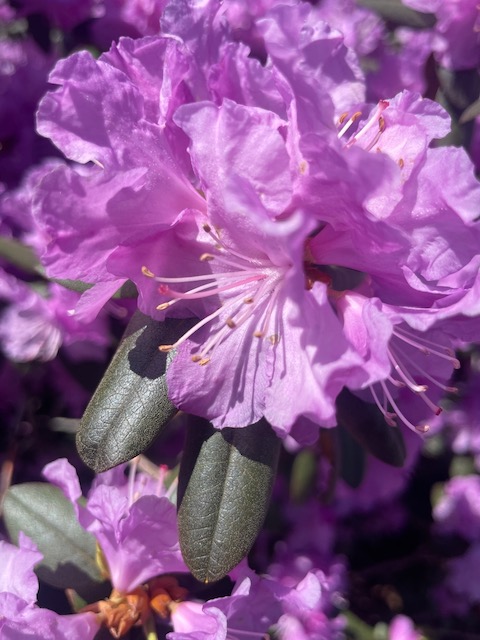
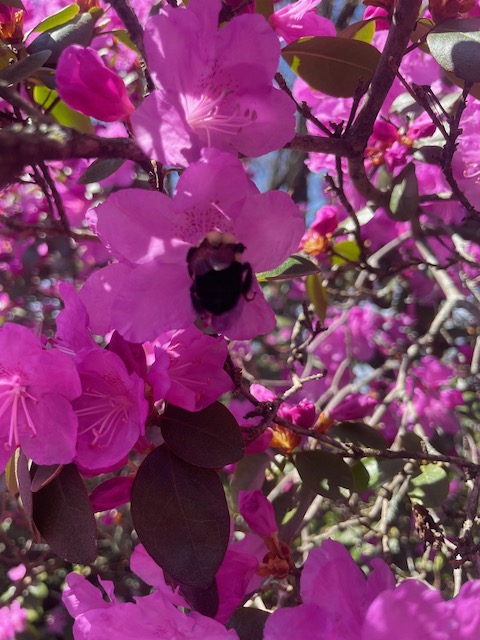
When taking a closer look at the common rhododendron I noticed that several bees were swarming the plant collecting its pollen.
I was surprised to see how serious some cities take this challenge. It was impressive to see the numbers of observations that certain cities racked up across the world. This was an enjoyable experience, it allowed me to become more aware of my surroundings while spending time in a beautiful place. I look forward to partaking in it again next year.
Final Post

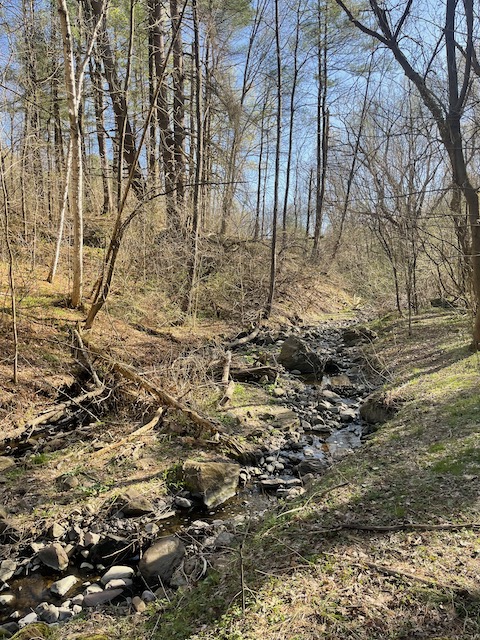
I first visited my phenology spot in October of last year. It has been a really cool experience to see my places phenology change over time. When I first visited my spot it was colorful with fall leaves and was very lush. Overtime the cold weather changed its appearance. It became more dark with less vegetation during the winter months. Over the past few weeks in the start of spring the vegetation has begun to come back and it is starting to become colorful again. This cycle will continue to repeat.

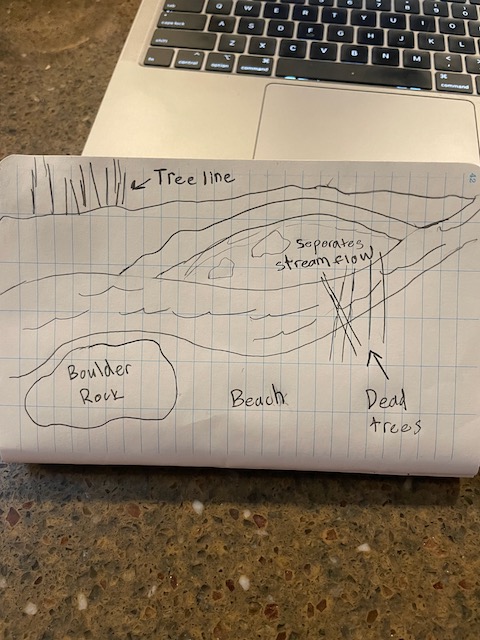
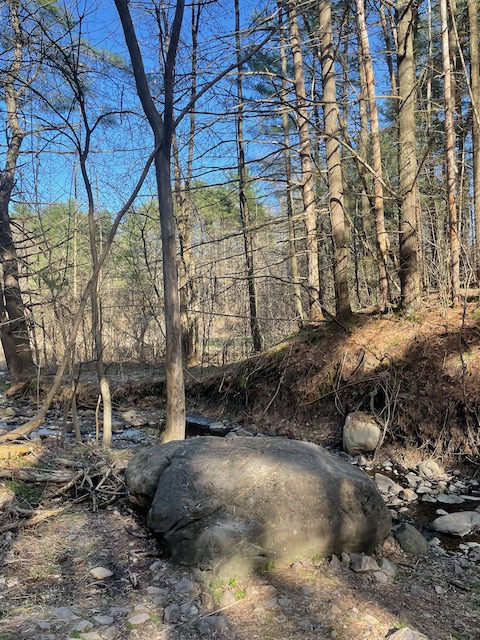
While spending time here I have become familiar with a few land marks. One of my personal favorites is shown above. The stream is cut in half with this small patch of grass which makes for beautiful scenery. I also love spending time on the big boulder adjacent from the stream. It is a great place to relax and decompress.

Many students within UVM come to Centennial woods to seek relaxation. I believe that it’s a great natural area close to campus that students can easily access. UVM’s tight connection and culture to the outdoors is connected to the love and appreciation of Centennial Woods. However, I believe that it is important to respect these natural areas and it is imperative to keep them healthy. I would not consider myself a part of this place because it is its own natural community. I believe that I am a guest to this place and should be respectful whenever I spend my time in Centennial Woods. I look forward to coming back during my next few years at UVM.

Tree Visit #2

After walking in Centennial woods the other day I did not notice much change in the forest. The temperature over the past month has slowly been dropping which in turn has made the forest ground more muddy. While looking at the trees I only noticed slight flowering on a few maple trees. When looking at my Northern Red Oak I did not see any change in flowering.

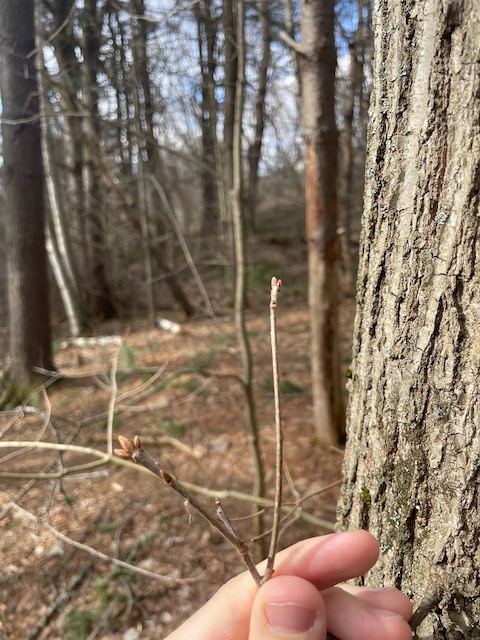
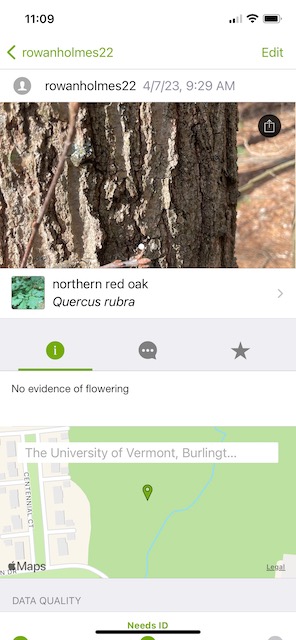
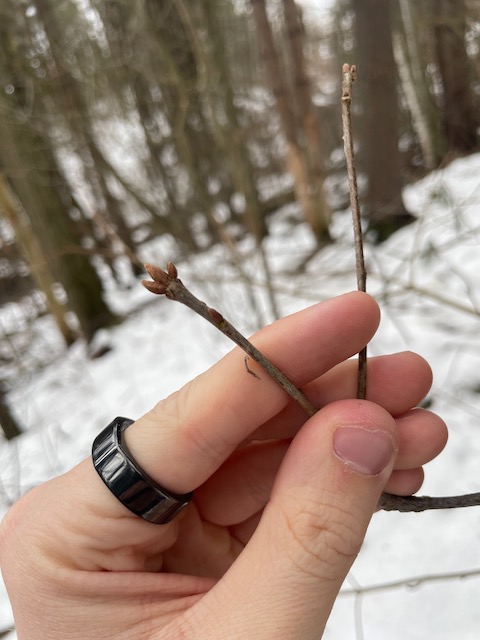
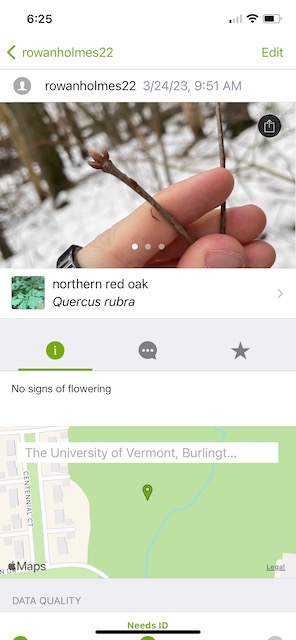
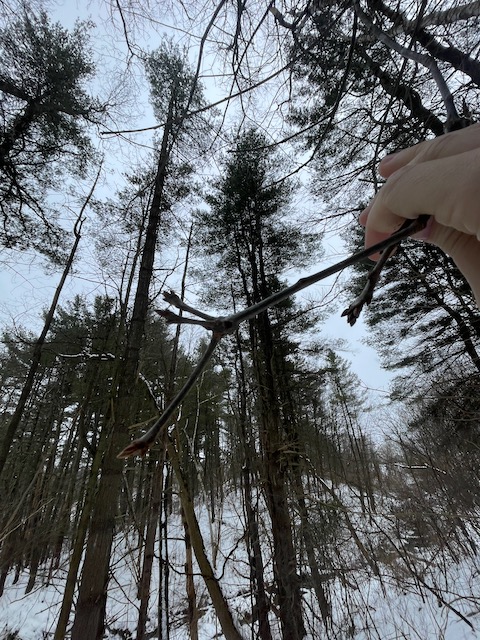
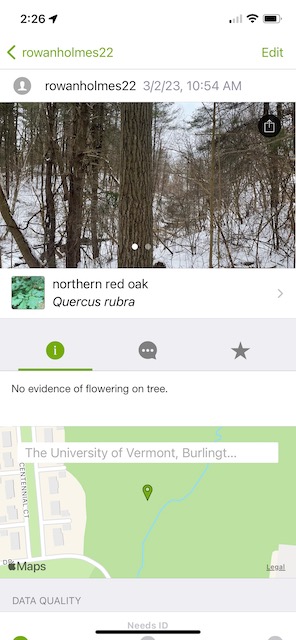
As you can see above the terminal bud on the Northern Red Oak still shows no signs of flowering. I expect in the next few weeks for this to change as the temperature continues to rise. After I took my pictures of my findings I uploaded a post to Inaturalist and included notes about the flowering not present.

Tree Visit

The other day I want on a walk in Centennial woods and went back to the same Northern Red Oak. I took out my phone and took some pictures to document if there was any change. After comparing the pictures I noticed that there was not much of a change since I had last been there.

The terminal bud on this Northern Red Oak still showed no signs of flowering. The overall condition of the forest was similar. The only change that I noticed was that there was less snow present due to the recent warm weather. I believe that in the next couple of weeks the forest will start to see some serious change with buds starting to flower. I am very excited to go back! After my walk I went back to my room and uploaded my pictures to iNaturalist.

Tree identification

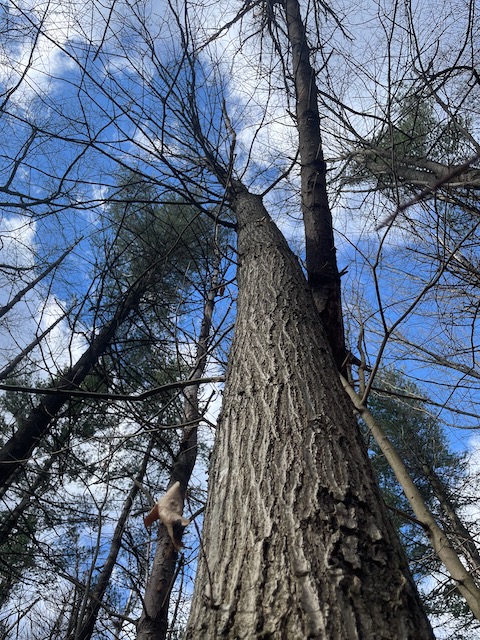
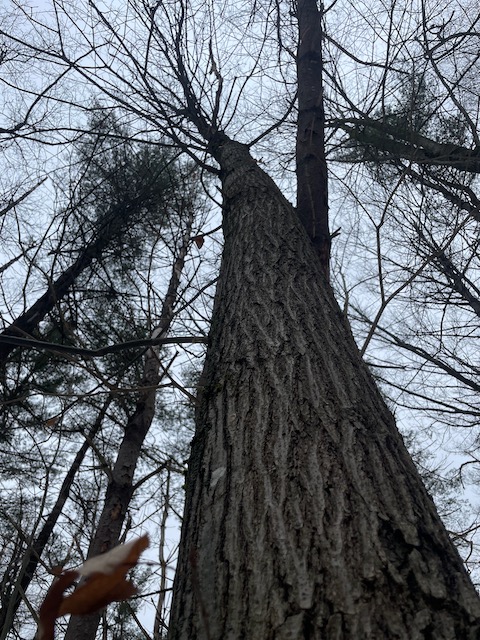
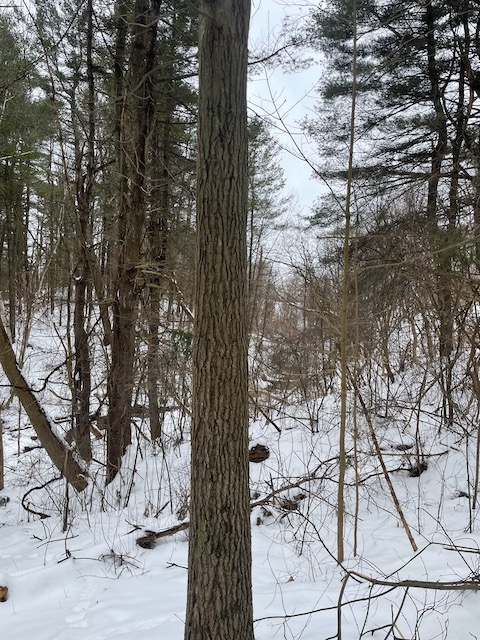
I took a short walk in Centennial woods and stumbled upon what looked like a Northern red oak. To identify this tree I first looked at the bark. The bark had a light orange color within its ridges. This is a key indicator when picking between red oak and white oak. Red oak tend to have a slight orange color associated with it.

I then looked at the branching pattern and noticed that it was alternate branching. The Northern red oak’s a very distinct when it comes to its bud. They have multiple pointy terminal buds. The buds are brown and red in color and have scales. This tree matched up perfectly with its description.

After noticing these features I was fairly confident that this tree was a Northern red oak. I then went back home and uploaded these picture on my INaturalist app. This was a very fun process, I enjoyed taking a walk in the woods Identifying trees and look forward to spending more time in this natural area.

Animal Tracking

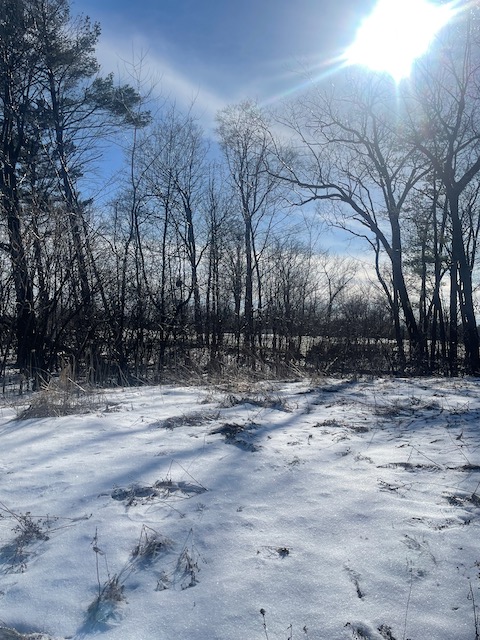
My Dad came up this weekend to go skiing with me. After our ski excursion we decided to take the time and look for some animal tracks near campus. We started by walking on the path right next to Virtue Field near red stone campus. The start of this path had high human traffic but as we continued to walk it started to become more secluded. Adjacent from the walking path was a small wooded area.

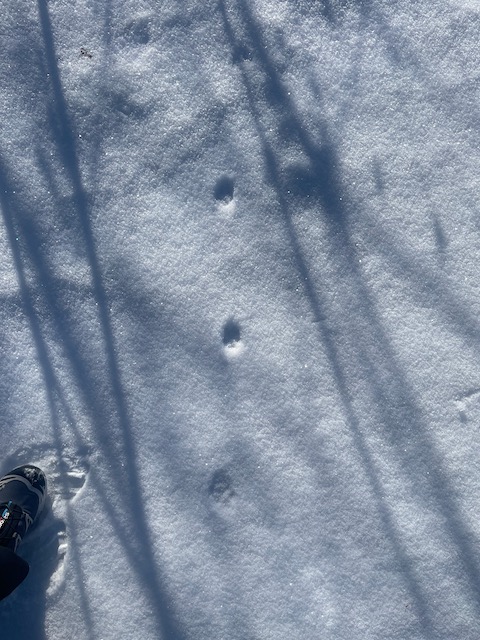
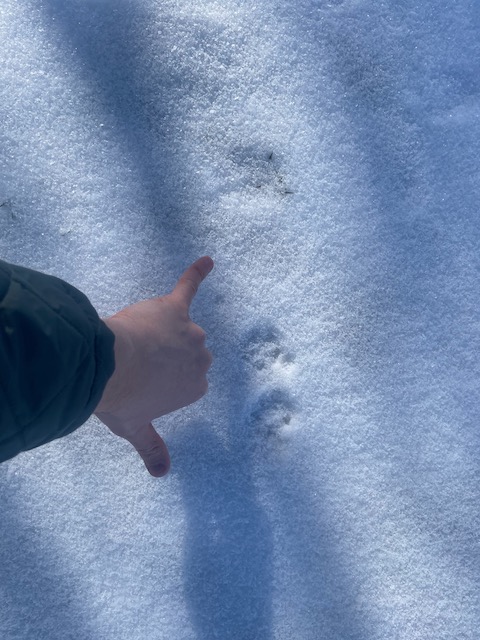
As we looked in this wooded area we saw the sign of some faint tracks. As we approached closer we could tell that these tracks were from a diagonal walker and they were walking in a straight line. Since these tracks were walking in a straight line it immediately ruled out the possibility of it being a dog.

While looking closer at the tracks I was able to pick out that these tracks were very small and had four distinct toe markings. While looking through my animal tracker guide I stumbled upon the redox track. It seemed to be a similar size and shape of what was given as an example in the track guide. I also know that the red fox is popular in this particular area of Vermont.

My best guess was that this was a red fox track was because the size of the track matched the best then compared to a coyote or grey fox. Recording my observation in the INaturalist app was very easy and fun to do. I enjoyed this experience and I am looking forward to more tracking in the future!

Return to Phenology Spot

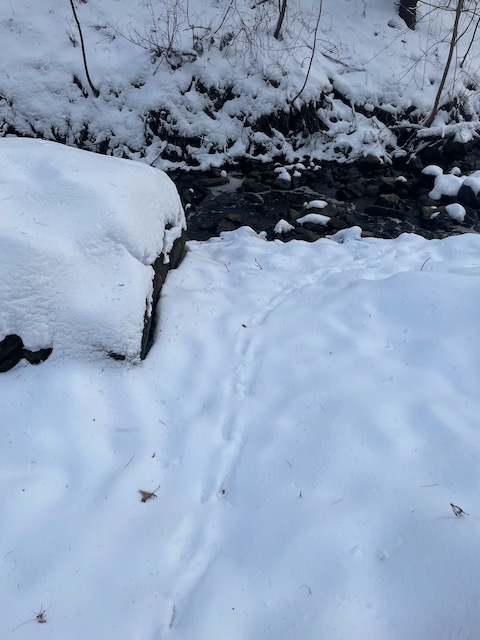
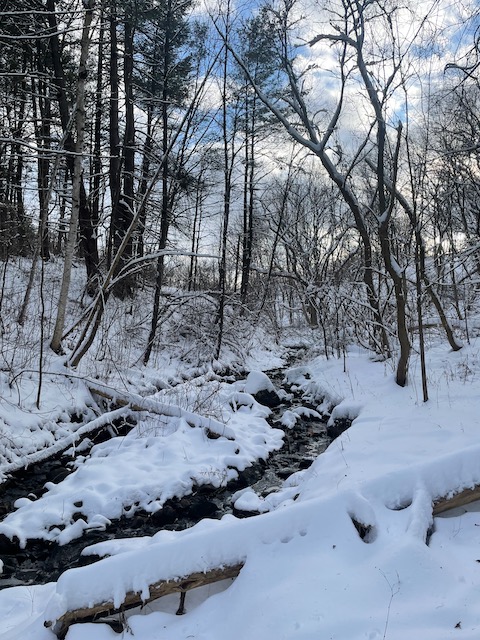
This is my first time back at my phenology spot since last semester. My spot has changed a lot since the last time I was there. My spot is now covered with fresh snow. However, the stream is still flowing because of the warm temperature. I noticed possible animal tracks leading to the stream. The tracks are old and were hard to identify but If I had to guess I would think that they are deer tracks.

1/28/23

Final Entry

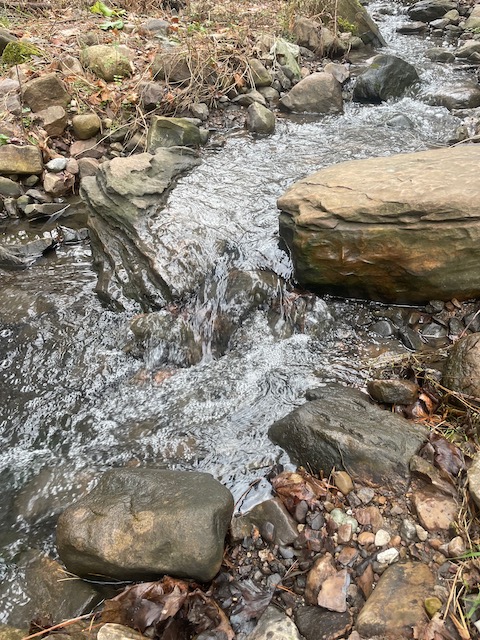
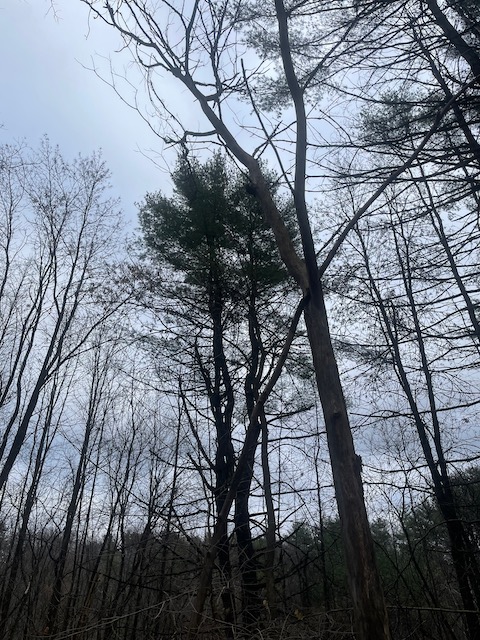
The foliage at my phenology spot was somewhat similar to what it was a month ago. There was not many trees with foliage left in the forest. However, in the upper canopy White Pines still had their pines on the tree. This is the only visible foliage left in the forest. The forest floor is filled with decomposing leaves and logs which can serve home to insects. I found no signs of animal tracks near my phenology area however I did hear some birds near by. My phenology area has gotten a lot more water flow since the last time I was there. The stream is now flowing with water. I believe that if tested this water would be filled with different species of macroinvertebrates.

This phenology spot has been a great place for me to visit over the semester. It was a fun spot to go to when I was stressed out because it was a quiet area that gave me time to relax. I am very fortunate to have a natural area like this so close to campus. I found peace and comfort visiting this spot and taking in the beautiful forest all around me. I am excited to go back to this phenology spot after winter break to see how it has changed!

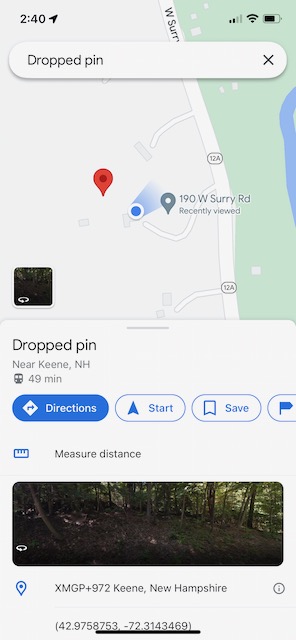
Home Phenology Spot

I decided to pick the woods behind my house for my home phenology spot.

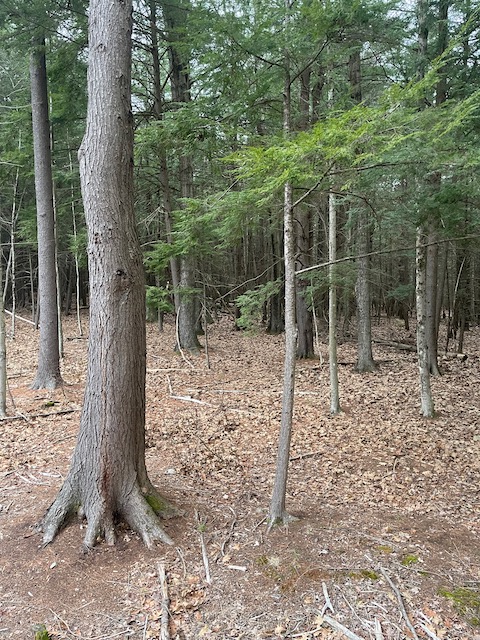
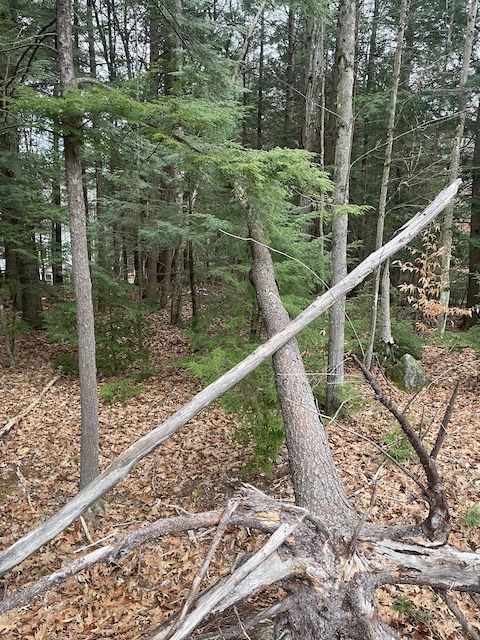
This woods is special to me because I spent so much time here as a kid growing up. This woods is filled with cedars, pines, maples, and oaks. It is also home to big boulders from glaciers thousands of years ago. This spot is different to my spot in Burlington because the forest has more spaces out and contains more boulders. It also seems to be a little more green than back at school.

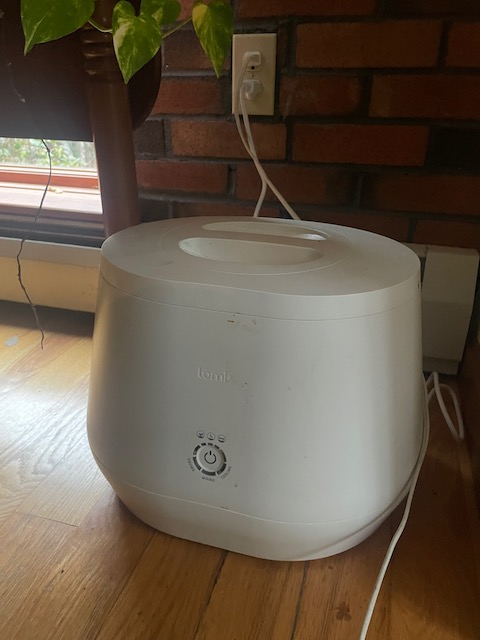
As a gift to the special location we give the soil rich compost. We have a machine in our house that can compost our food. We then give this back to our woods.

Aerial View

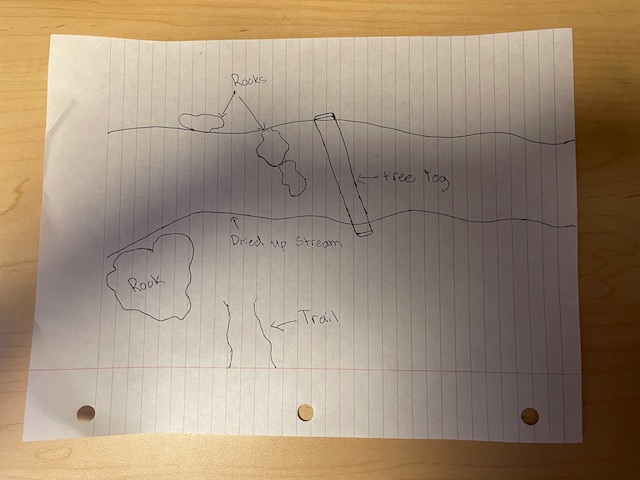
Having 15 minutes to take in my phenology spot and observe different patterns around me was very relaxing. I was able to see things around me that I hadn’t noticed before, and was able to draw an accurate representation of my spot.

My spot compared to last time is very different. Many of the leaves on the tress have fallen and the spot seems less lavish. The stream has also dried up a little.

Skip to toolbar