Ode to my Salmon Hole Phenology Spot

Salmon Hole

Lived, Living, Live on

Oh how rich and full I have seen your life in only a year

Seen you flourishing, in death, and emerging once more

Lived, Living, Live on

Living Cycle

The first time I visited my phenology spot, it was bursting with life: trees full of leaves, geese calling out, ants crawling by, grasses rustling in the wind. As the temperature got cooler, the birds flew south, animals went into a dormant state, and leaves started to turn vibrant oranges and fall. It soon became a peaceful scene with a blanket of snow lying over the ground and ice occupying the space where the river once was. Wildlife was hidden or gone, aside from the occasional prints and teeth marks from a beaver. With time, my site has now begun to bustle with life again, with bird calls growing louder by the day and buds breaking to reveal vibrant green leaves.

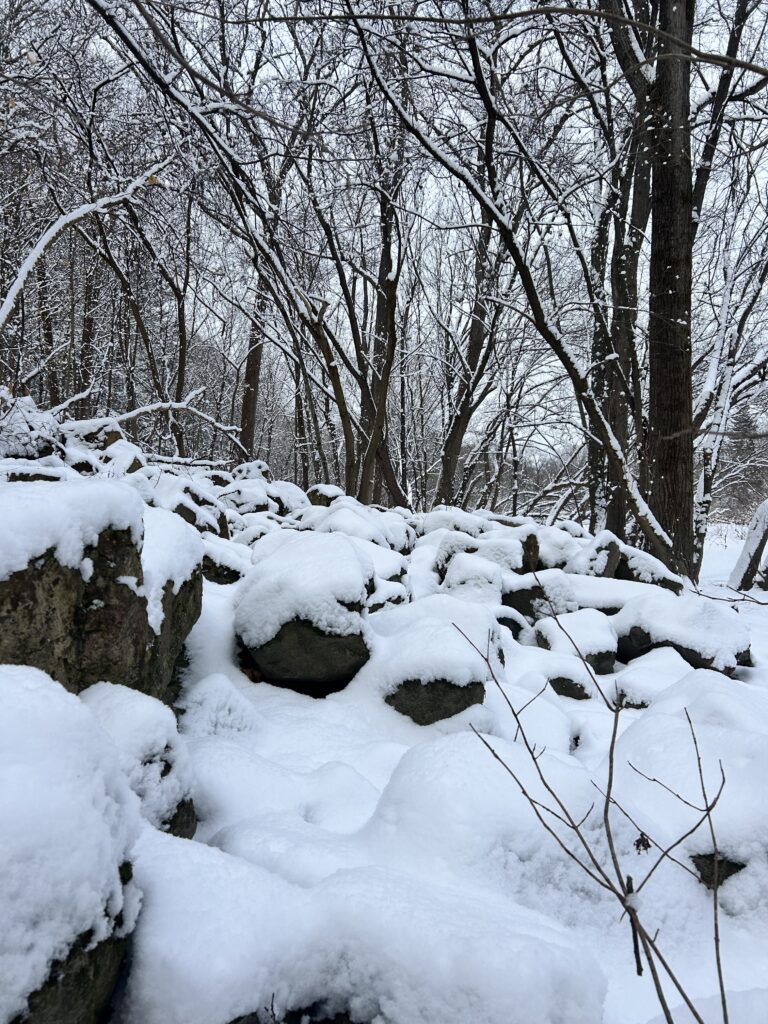
Visiting and becoming more educated about my site has revealed a few landmarks that I observed throughout the seasons as they changed. Firstly was the large Japanese Knotweed bush that was thriving, died, and is now blooming again. Due to it’s invasive nature, it would have been beneficial to remove the plant in the winter when it was dead. Secondly, I observed the status of the riverbank and the accumulation of trash changing from fairly polluted, to iced over, then even more polluted then before. Finally, I observed the change, or lack of change, of the rock pile at the back of my site. While little physical differences were observed of specifically the rocks, it was a great way to see the difference in coloration of the site throughout the season.
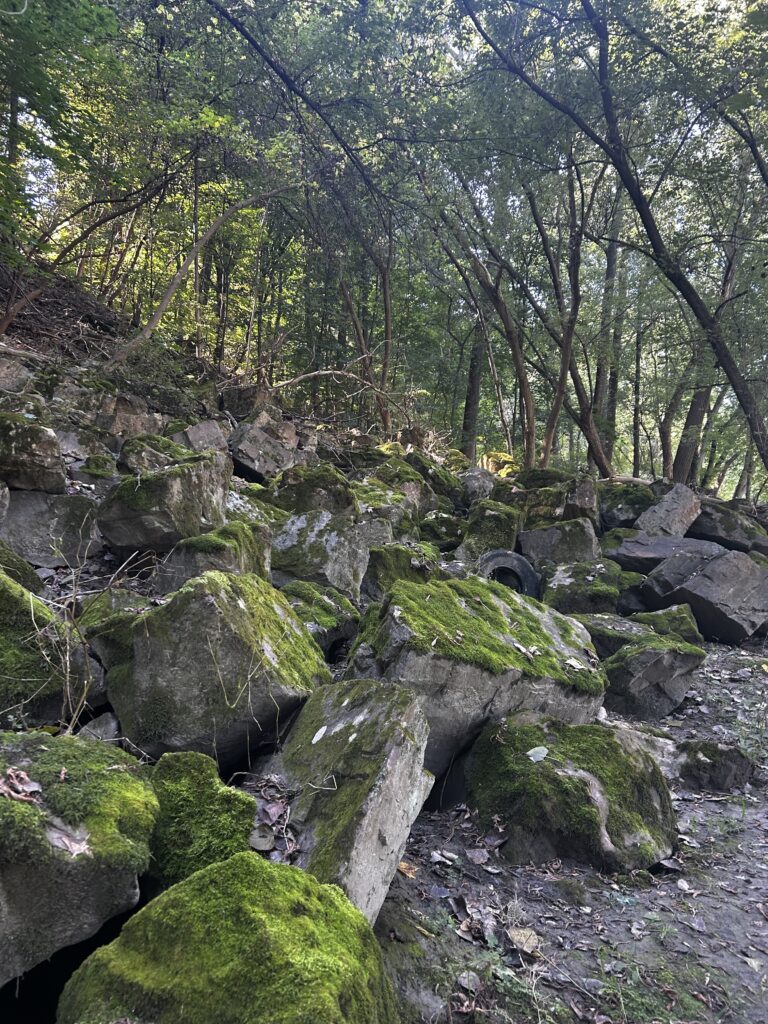
Since the last warm visit to my site, a large amount of wood debris has collected along the banks of the river, carrying with plenty of human trash and pollutants as well. This could be a result of the great amount of rain Burlington has seen within the past month, raising water levels enough to push trash onto the shores of Salmon Hole. The pollution at my site has, unfortunately, increased significantly due to, what I assume, both natural and anthropogenic factors. It is disheartening to see the health of my site worsening at the expense of human activities.

Additionally, there is an interesting two-sided cultural and natural interaction here. With some individuals using this land for recreation and appreciating nature, while others use Salmon Hole as a home with many homeless individuals living there. This creates a unique relationship of humans and nature with one group simply appreciating the land and the other viewing it as their home. I am curious as to which group has a greater impact on the land and the differences of emotional connection and belonging towards the site.

I feel as though I can be appreciative of the nature at the site and educated on an intellectual and emotional level of the history and current status of the site, however, I do not feel I am a part of the site. This is because there are many individuals who live at Salmon Hole and I feel as though I am entering their home. I love how I have seen this site change, evolve, live, rest, and live again, but I am not a part of that phenology. I have had my own phenological changes this past year: adapting to life in Vermont, meeting new people, developing new passions, and discovering my values. Both Salmon Hole’s phenology and my own can be at the same time, but I have not impacted the site’s changes. I have learned so much throughout this past year returning and observing my phenology spot and I plan to continue to visit and check up, making sure it continues to thrive and improve it’s health over time.

Goodbye Salmon Hole… only until next time.

Phenology from Home

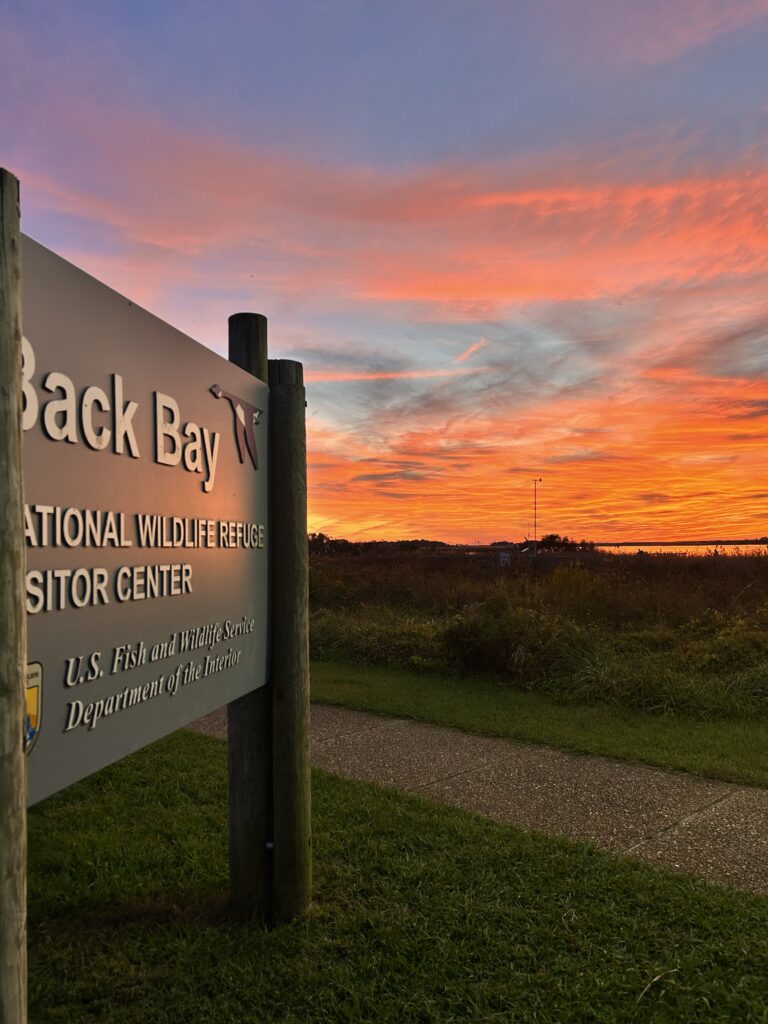
Welcome to Back Bay!

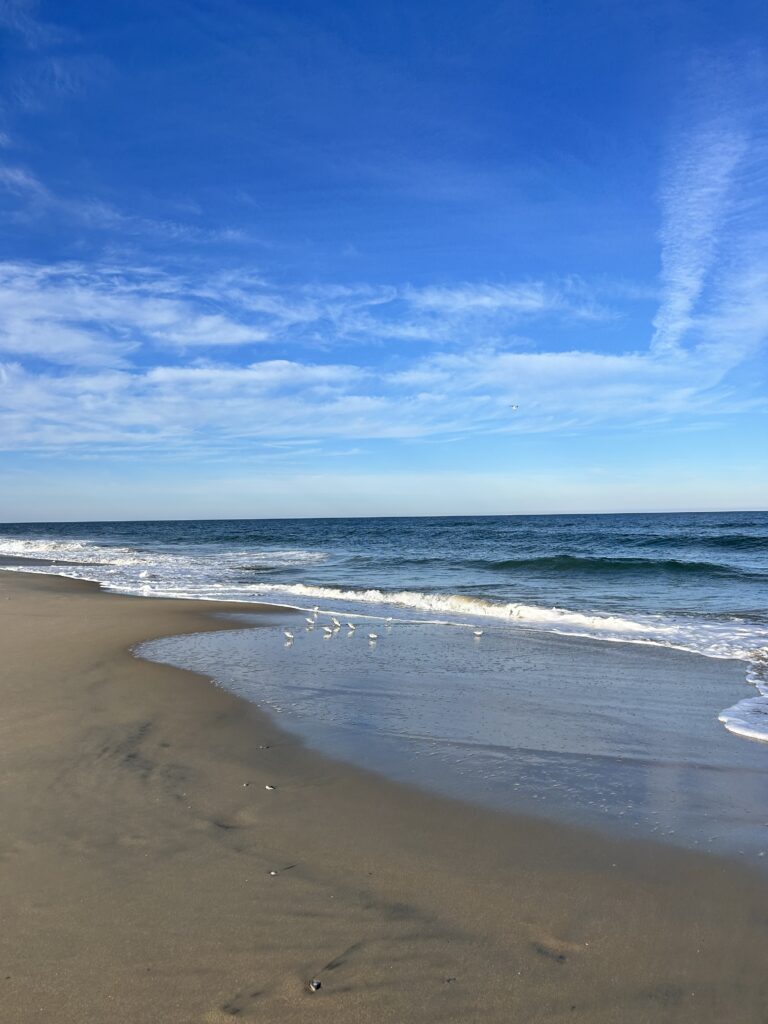
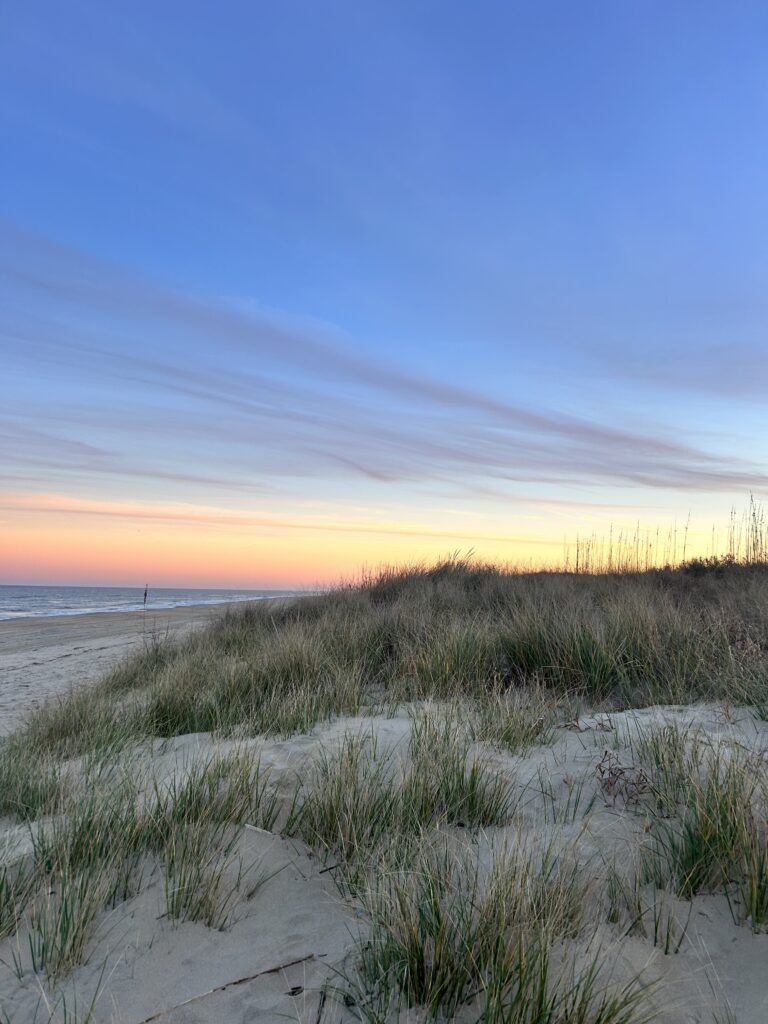
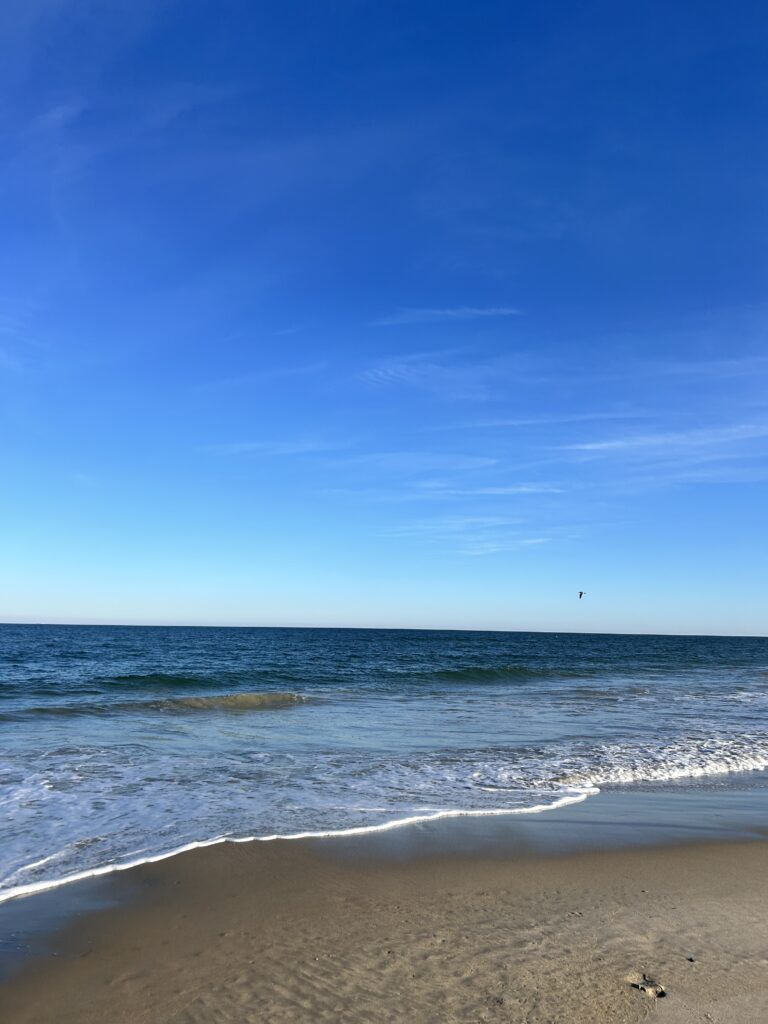
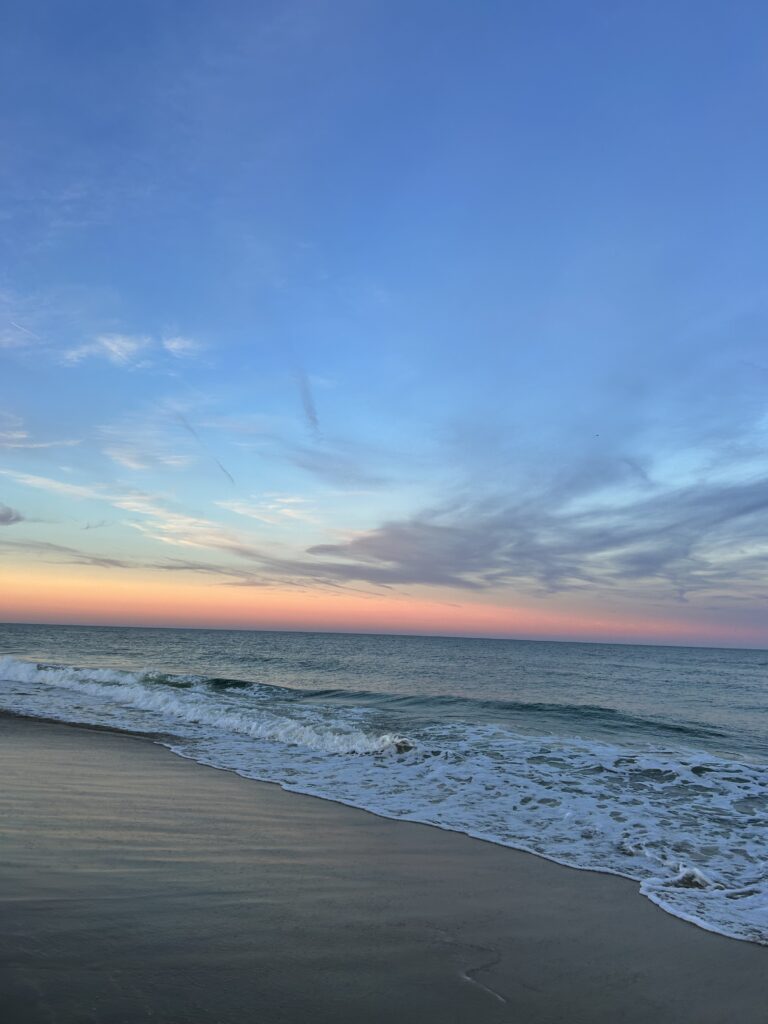
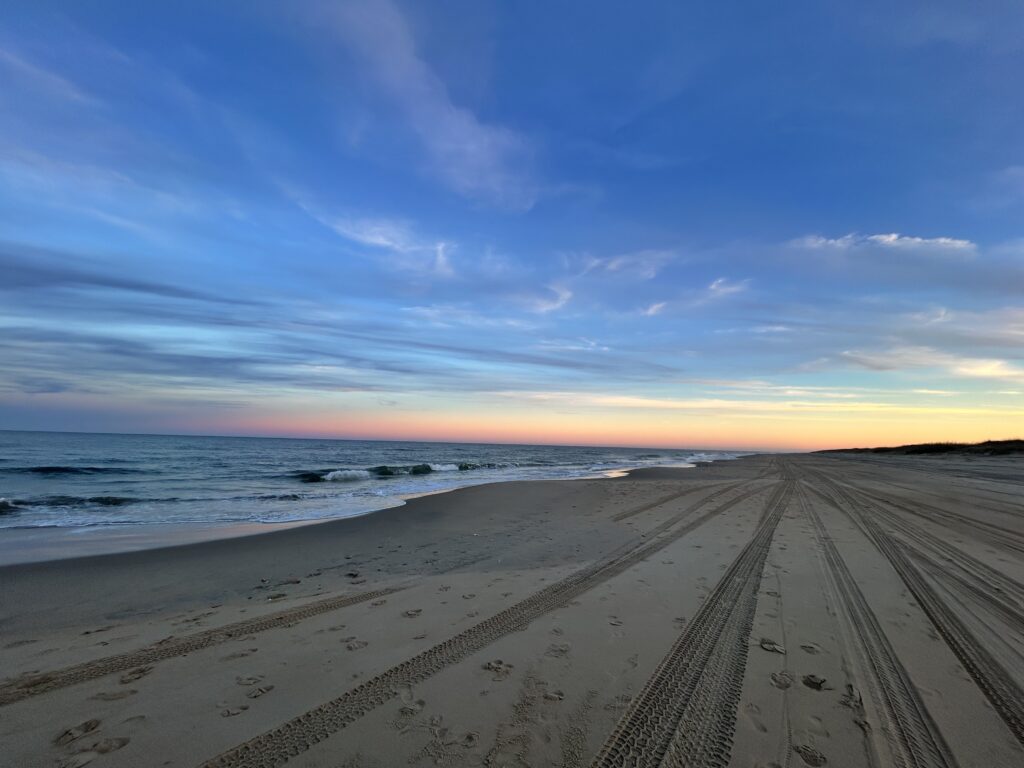
Welcome to Back Bay National Wildlife Refuge in Virginia Beach, Virginia, right by the border between Virginia and North Carolina (36°40’18.1″N 75°54’41.1″W). Only around thirty minutes from my home, this is my favorite place to be in nature and study the plants and animals native to Southeast Virginia. Back Bay’s marsh, ponds, dunes, and sandy beaches are a unique place for wildlife to be protected from the outside world of commercialization and tourism in the nearby areas. This refuge has converted mowed, grassy areas to native plants which creates important habitats for birds, bees, butterflies, and mammals.

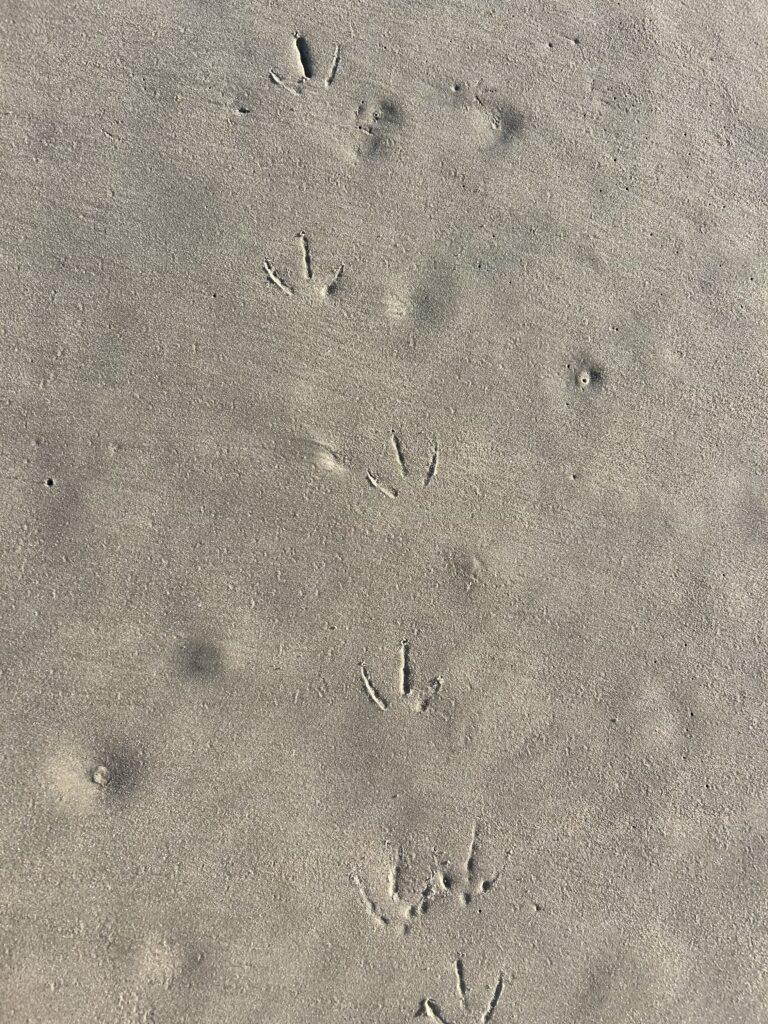
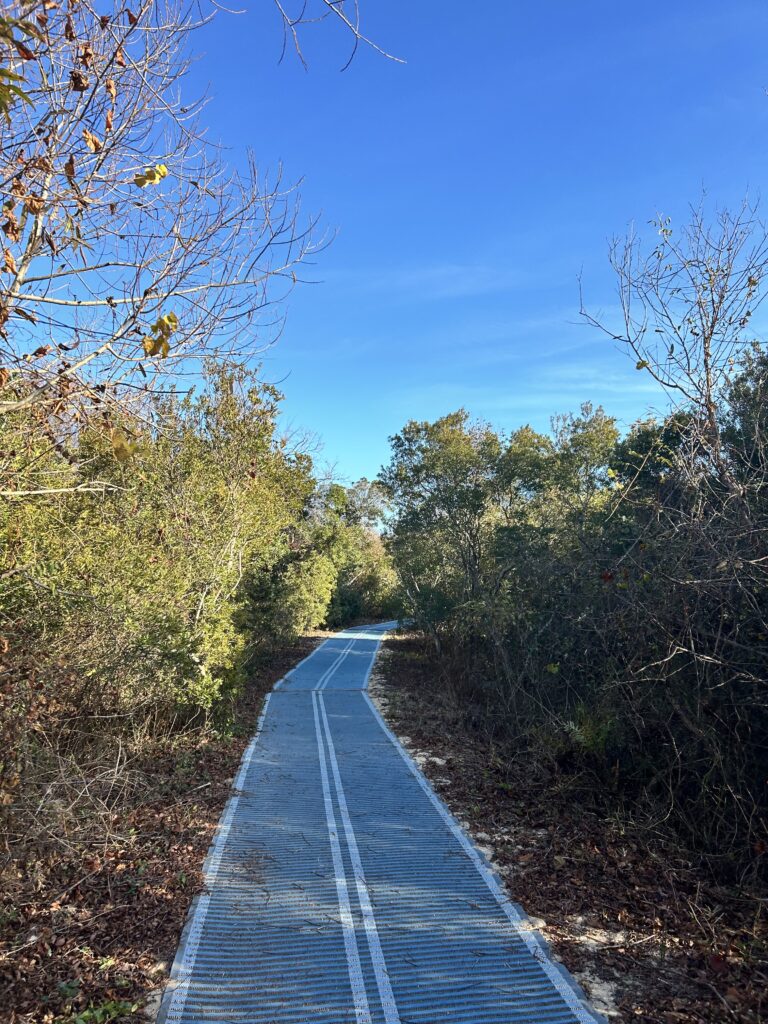
My phenology spot can be reached by walking along the Seaside Trail from the parking lot, down the blue walkway through the wetlands and dunes and then a brief walk down the beach. Plenty of animals and unique plants can be spotted just on the short walk. I spotted red maples, black cherry, Japanese honeysuckle, swamp bay, gallberry, American coinwart, and Virginia chainfern along the trail as well as American marram grass and sea oats on the beach. I also spotted lots of Sanderling, Ring-billed gulls, and Large whiteheaded gulls flying around.

Back Bay vs. Salmon Hole

Even though my phenology spot at Salmon Hole and my spot at Back Bay are both along a body of water, they are drastically different. Back Bay has fewer tree species, aside from on the trail in, while Salmon Hole’s main plant species are trees. Salmon hole also did not have nearly as many birds as at Back Bay, which was busy with seagulls and other small birds. Finally, the soil at Back Bay was extremely sandy (because it is at the beach) and, even though the soil was sandy at Salmon Hole, it was not primarily made of sand. This results in different species growing at the two spots. Additionally, all of the leaves are gone from the trees in Salmon Hole, but the red maples, black cherries, and gallberry all still have their leaves and are mostly green, orange, and red.

“Honorable Harvest”

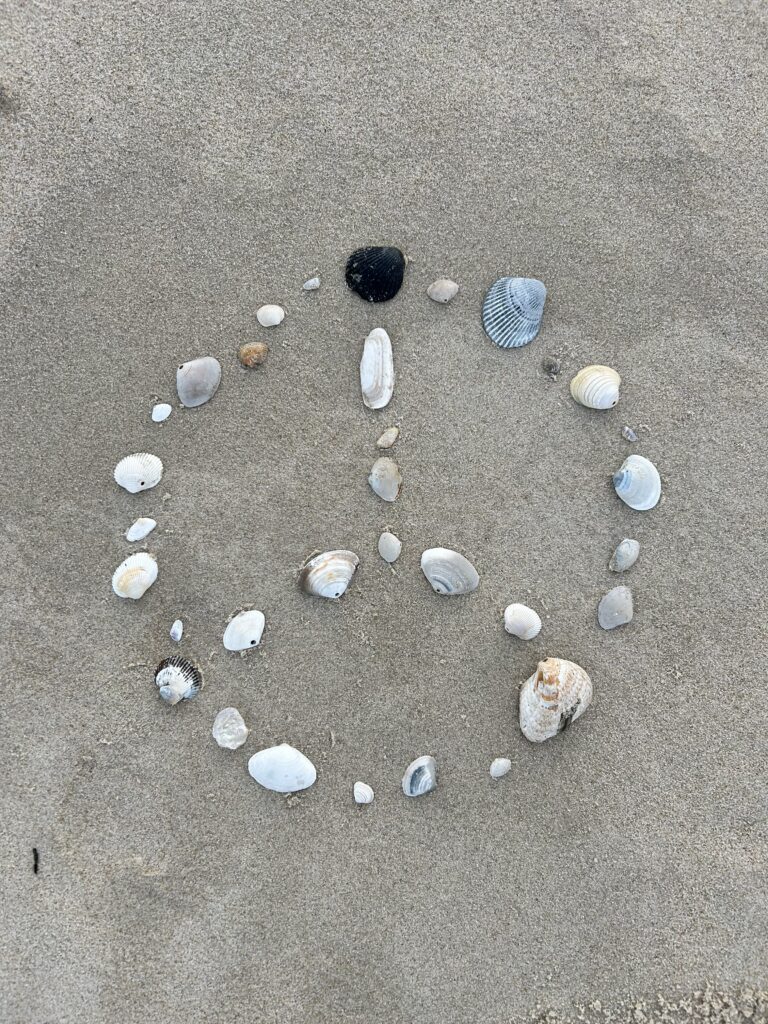
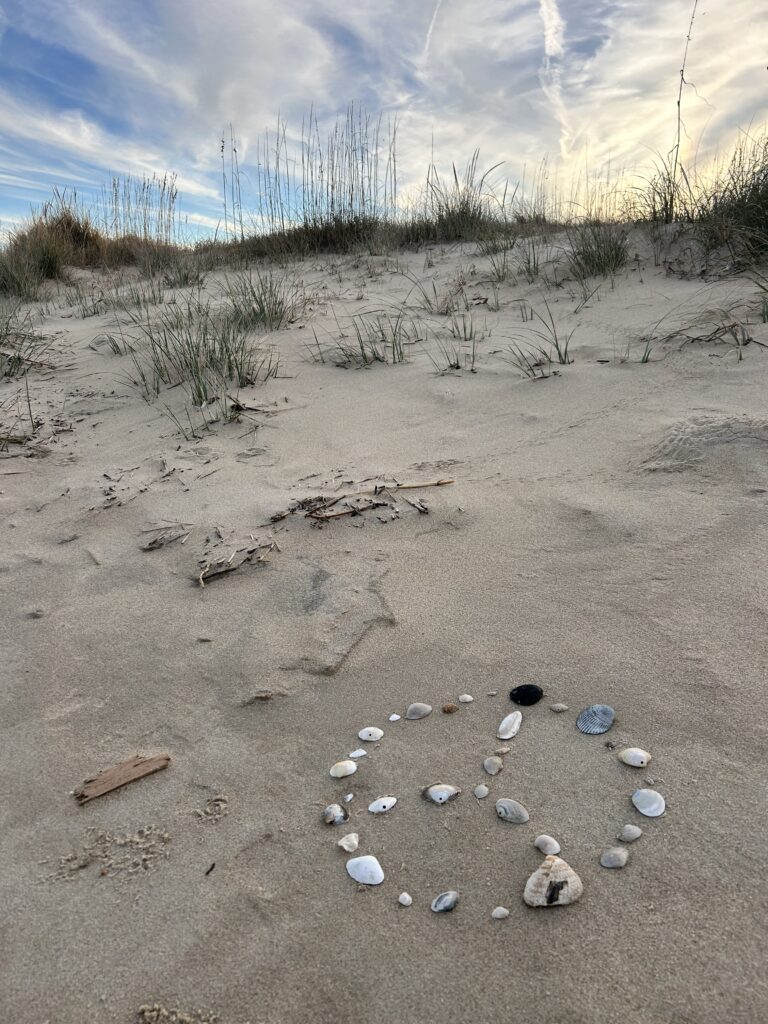
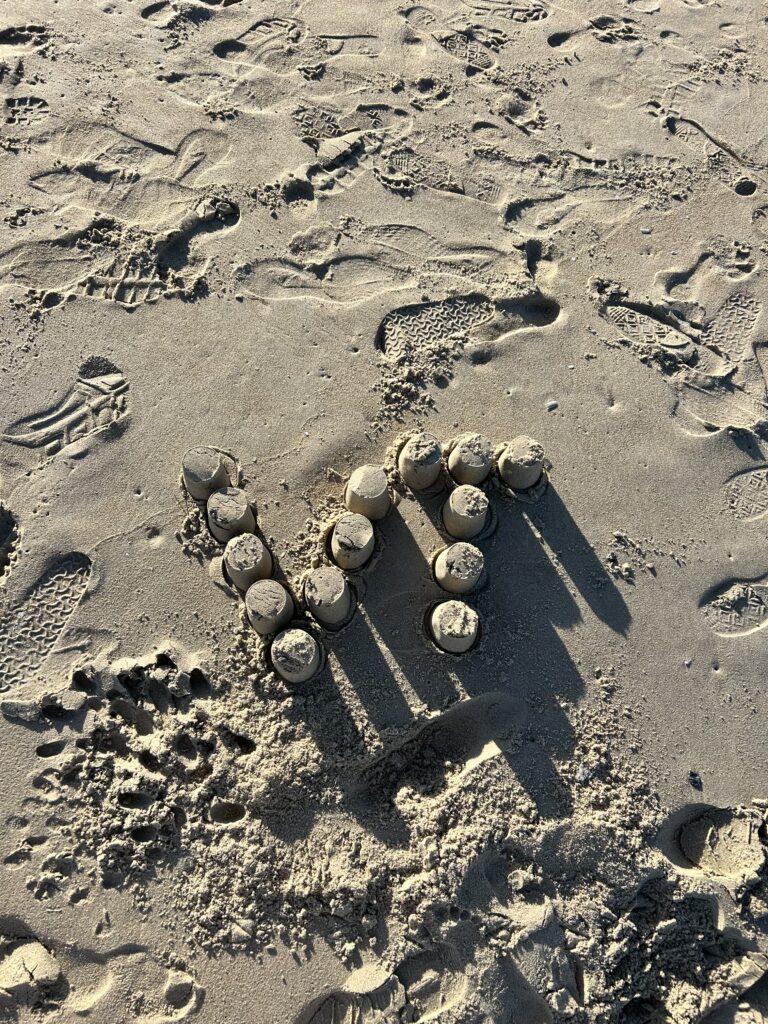
In reading “The Honorable Harvest” from Braiding Sweetgrass by Robin Wall Kimmerer, I gained a new view for how our modern society treats the world around them. The normal American society takes as they need from the earth, in excess, and without respect. They will take, take, take to their liking, despite how it inevitably destroys the soil and world around it. We should respect and value to land that allows us to survive. The earth should not be a resource to be exploited, but a mutual relationship that allows both human and the land to thrive. In honor of this passage, I left a small piece of art made of seashells from along the shore to promote peace and tranquility with the land.

Fall into Phenology

Changes in my Surroundings

This week Salmon Hole is in peak foliage! With gorgeous yellows, oranges, and reds popping through the woods, I arrived at my phenology spot at the perfect time. First, the many Boxelders present are showing their bright yellow leaves off, with a little bit of the Red Maple’s scarlet leaves left to contrast them nicely. There are lots of leaves left in the trees as well as plenty of fallen leaves left on the ground, meaning fall isn’t over just yet!

Compared to my last visit to Salmon Hole, it is a lot more bright in the woods as the fallen leaves have allowed for more sunlight to come through. My previously dark phenology spot is now bright and full of autumn colors! This also means that it is a lot more windy in the woods because there is not as much plant cover to block the windy weather from on the water from hitting you while walking by. This wind coupled with the dropping temperatures outside makes for a chilly time of observation.

I also observed the wildlife nearby. Last time we heard many birds singing, saw a snake slither past us, and watched a gaggle of geese on a nearby island. This time, I spotted no geese and heard very few birds, but I observed many squirrels attempting to build up their winter food storage. Even though there were no acorns or nuts in the area near us, it didn’t stop the squirrels from searching for the entirety of my time there.

The Japanese Knotweed and Japanese Stiltgrass invasions are still holding strong and very prevalent along the walking path as seen on my last visit. It does not look like they have increased in their land coverage, though, which is good for the other native plants around them.

Sitting in Silence

I decided to sit in silence this time at my phenology spot, rather than running around identifying plants like my last time there. I picked a seat in the middle of my phenology spot, surrounded by large trees, and observed the area around me to the best of my ability. I first noticed how silent it was. This spot is far enough away from homes or roads that there is barely any societal noises present. Aside from the babbling river and a few squeaks of squirrels and chirps of birds, it was serene. Deep red and vibrant yellow leaves silently floated to the ground, landing atop of other leaves of their same kind. Some, mainly from a Boxelder perched right along the riverbed, would fall into the water and float away.

With nothing else to focus on aside from the nature around me, I began to think about all of the changes this plot of land has seen since it’s creation. People have carved a pathway through it, littered the shore with trash, metal, and tires, and discarded old cement and rocks into a massive pile, killing whatever plants were once under it. The human impacts on this land are not initially noticed, but through observation it is clear how little of this land is unaltered.

Additionally, there has been significant impact on the plants nearby due to invasive Japanese Knotweed and Japanese Stiltgrass. The Japanese Knotweed has taken over a large section of the land at my spot and prevented sunlight and nutrients from reaching the other plants nearby. I believe this is what caused a whole section of trees to die off. The Japanese Stiltgrass has also covered most of the understory and ground, meaning other plants don’t have a chance to grow and successfully reproduce in those areas.

While there are many different topics observed in my time sitting at my phenology spot, my main observation was how much humans have littered this area and altered the land in drastic ways. Hopefully one day this spot will restore itself back to its original healthy status so it can be enjoyed for years to come. See you later with another update on my Salmon Hole phenology spot!