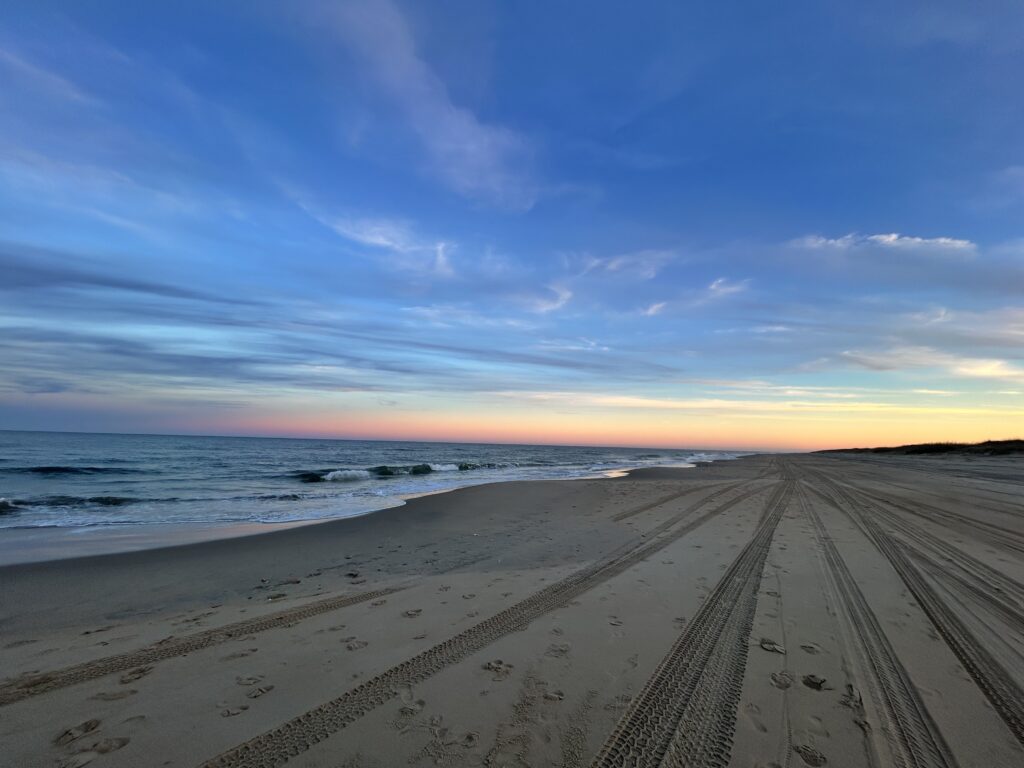
Welcome to Back Bay!
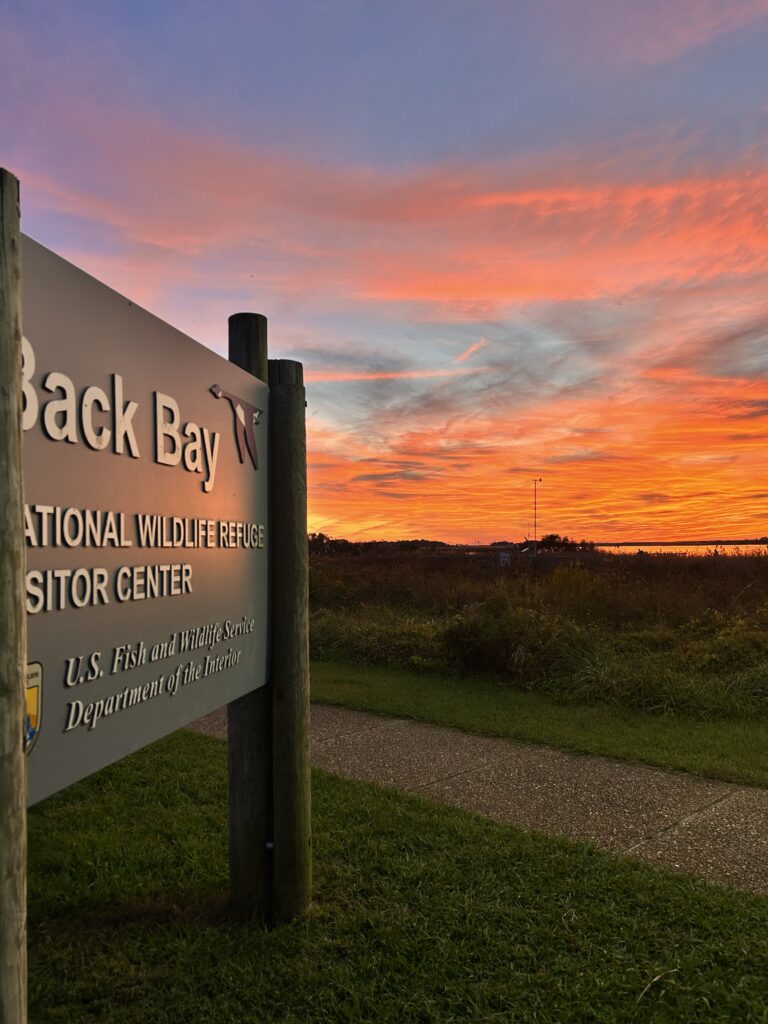
Welcome to Back Bay National Wildlife Refuge in Virginia Beach, Virginia, right by the border between Virginia and North Carolina (36°40’18.1″N 75°54’41.1″W). Only around thirty minutes from my home, this is my favorite place to be in nature and study the plants and animals native to Southeast Virginia. Back Bay’s marsh, ponds, dunes, and sandy beaches are a unique place for wildlife to be protected from the outside world of commercialization and tourism in the nearby areas. This refuge has converted mowed, grassy areas to native plants which creates important habitats for birds, bees, butterflies, and mammals.

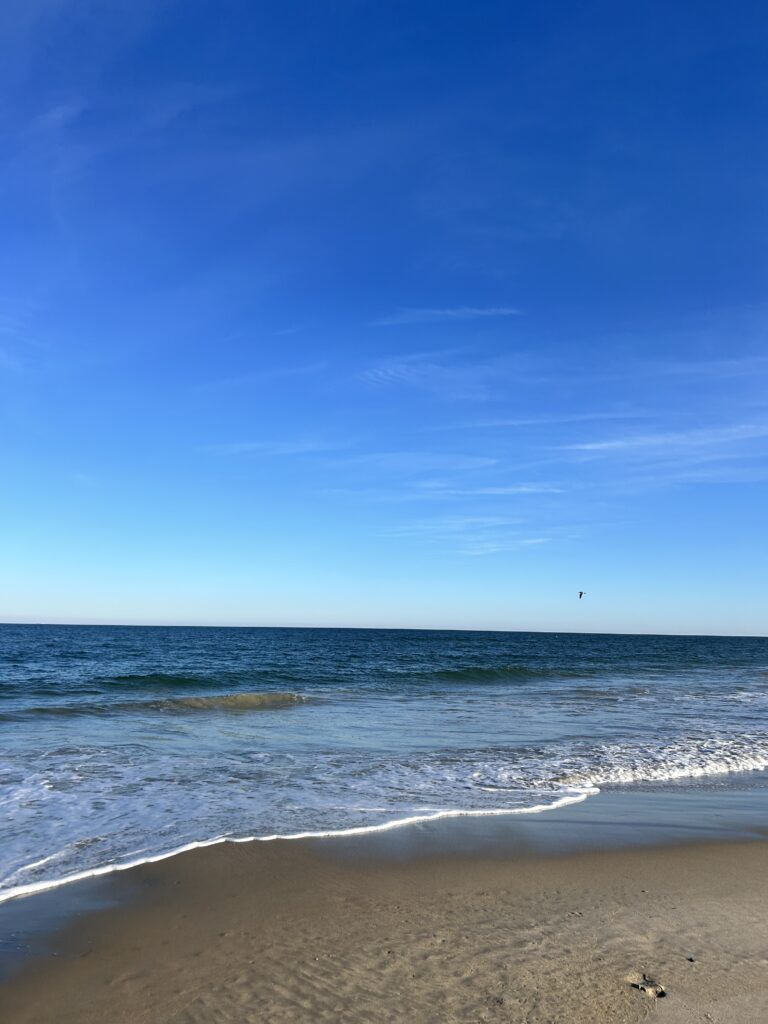
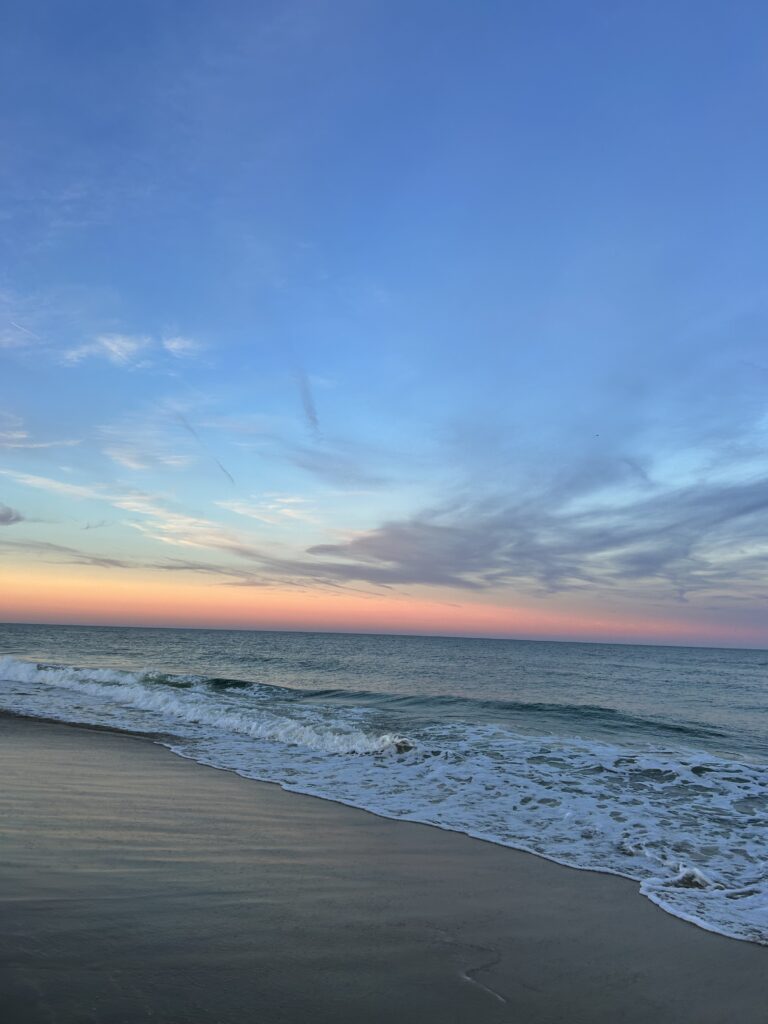
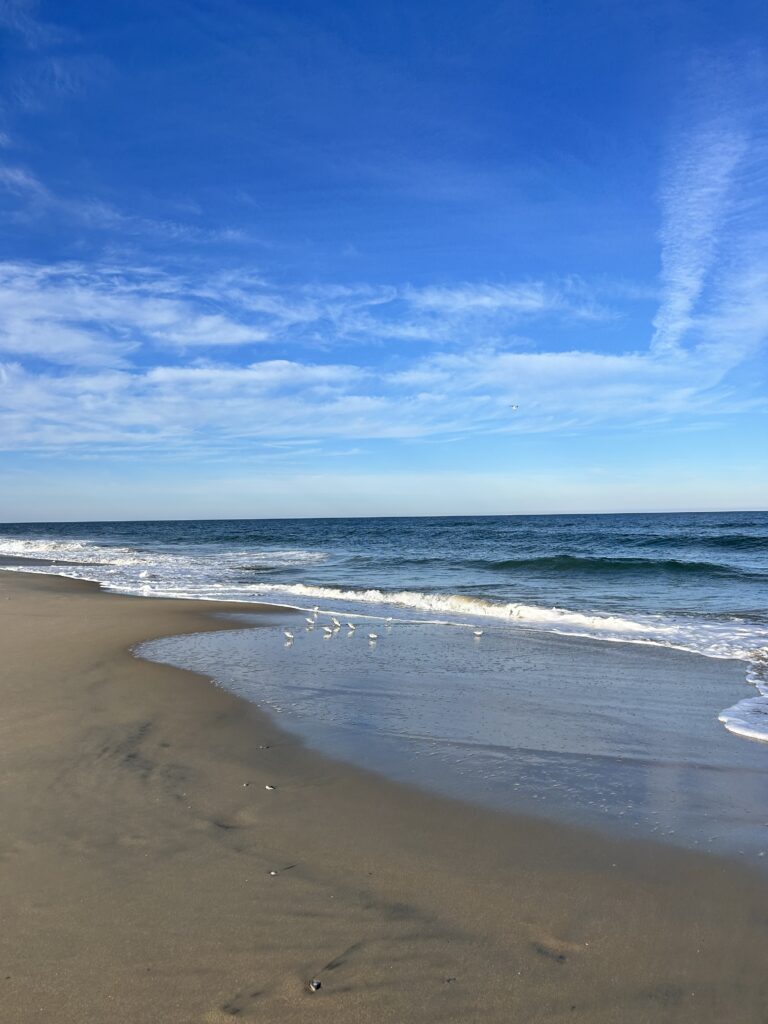
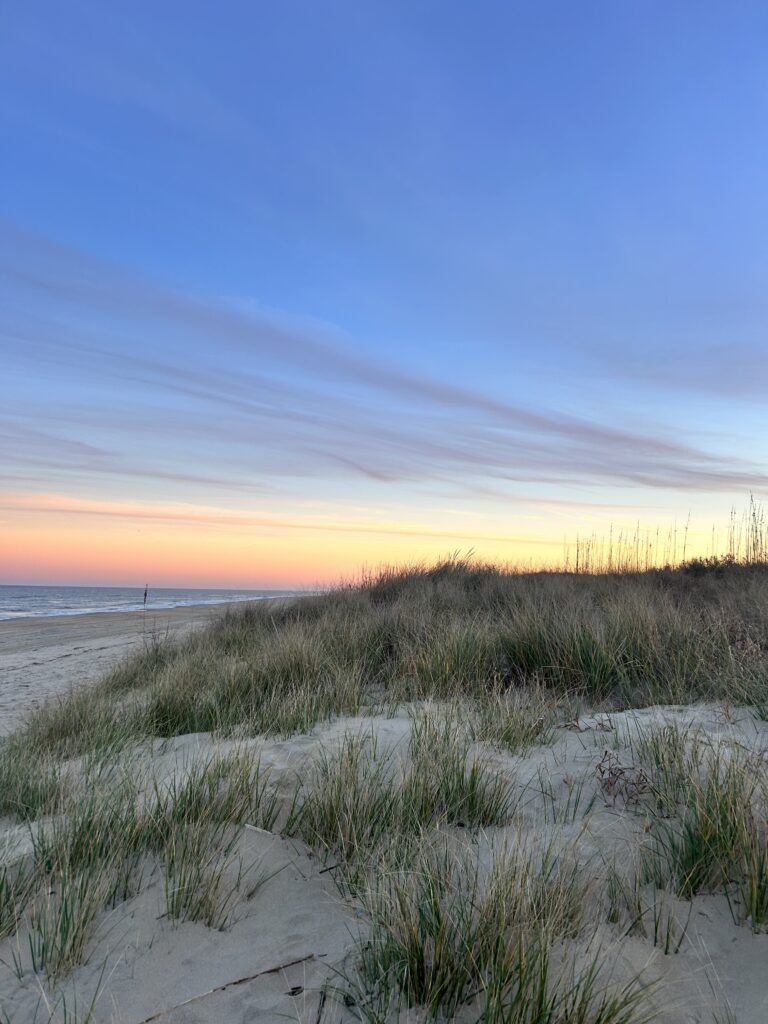
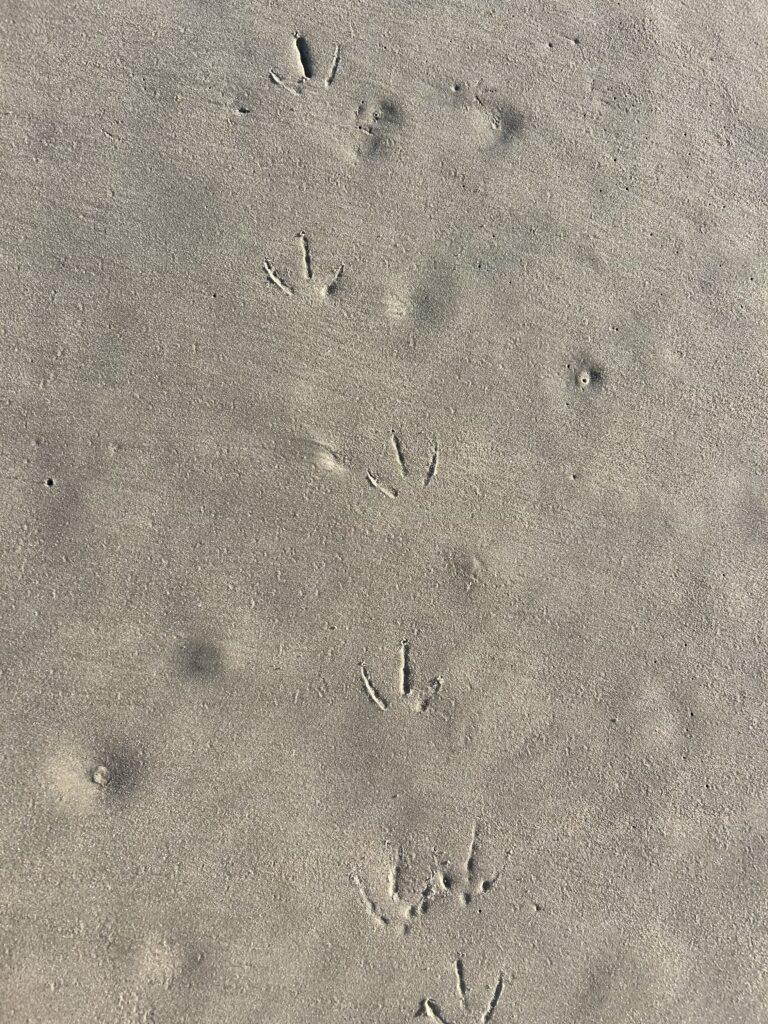
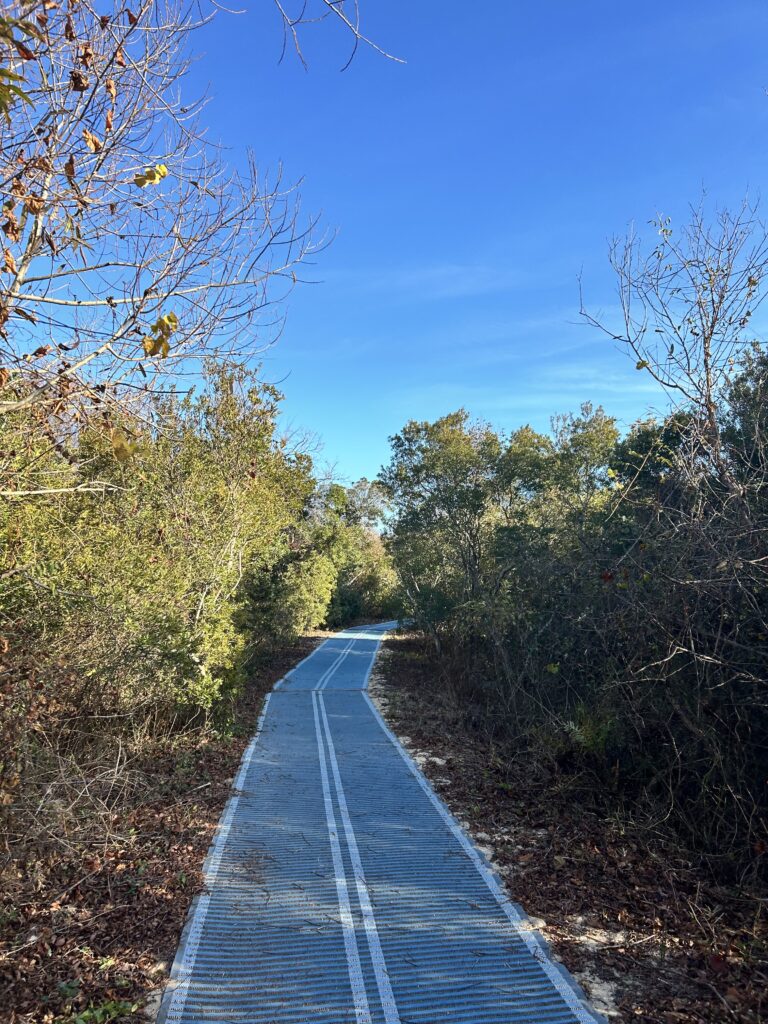
My phenology spot can be reached by walking along the Seaside Trail from the parking lot, down the blue walkway through the wetlands and dunes and then a brief walk down the beach. Plenty of animals and unique plants can be spotted just on the short walk. I spotted red maples, black cherry, Japanese honeysuckle, swamp bay, gallberry, American coinwart, and Virginia chainfern along the trail as well as American marram grass and sea oats on the beach. I also spotted lots of Sanderling, Ring-billed gulls, and Large whiteheaded gulls flying around.
Back Bay vs. Salmon Hole
Even though my phenology spot at Salmon Hole and my spot at Back Bay are both along a body of water, they are drastically different. Back Bay has fewer tree species, aside from on the trail in, while Salmon Hole’s main plant species are trees. Salmon hole also did not have nearly as many birds as at Back Bay, which was busy with seagulls and other small birds. Finally, the soil at Back Bay was extremely sandy (because it is at the beach) and, even though the soil was sandy at Salmon Hole, it was not primarily made of sand. This results in different species growing at the two spots. Additionally, all of the leaves are gone from the trees in Salmon Hole, but the red maples, black cherries, and gallberry all still have their leaves and are mostly green, orange, and red.
“Honorable Harvest”
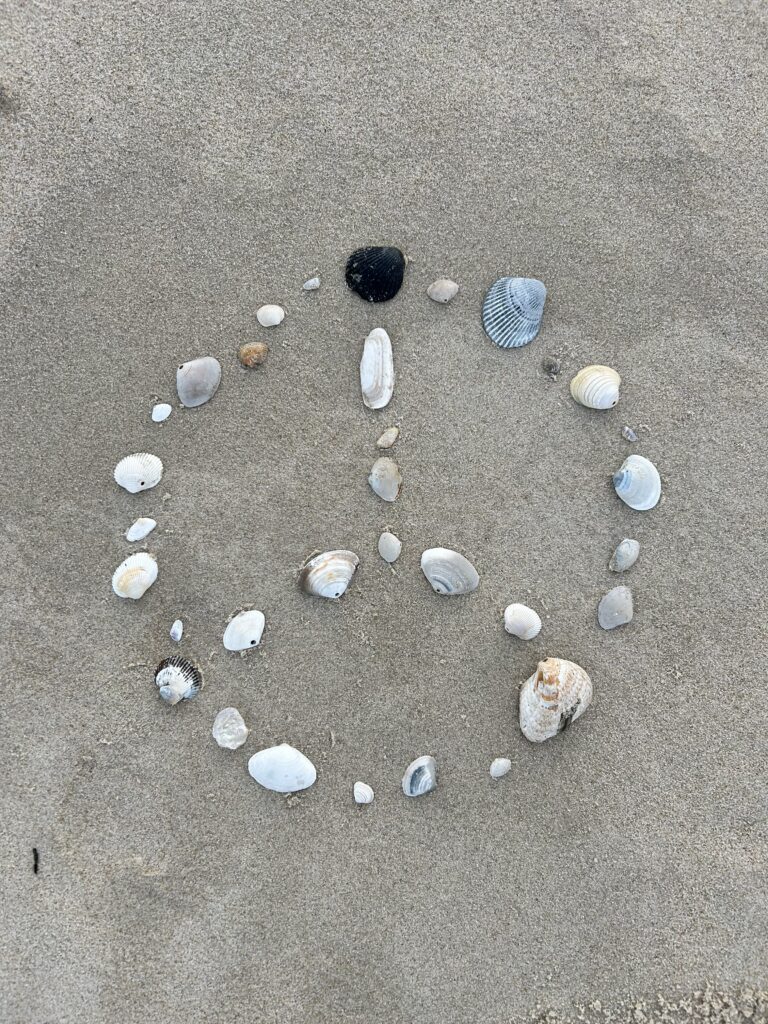
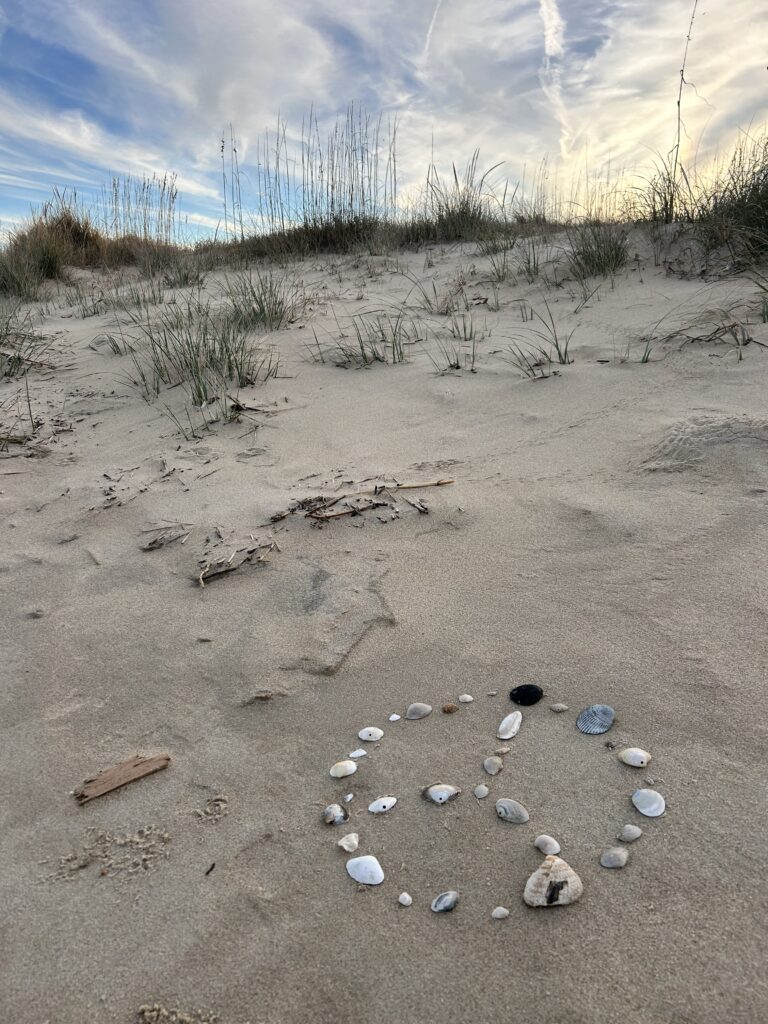
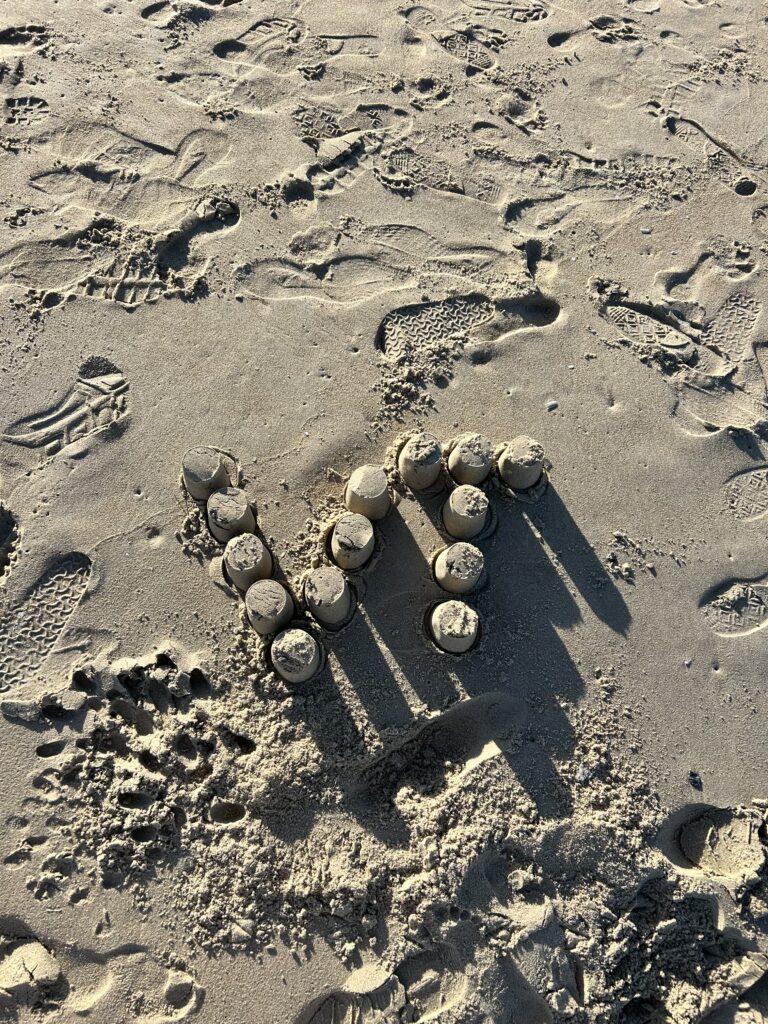
In reading “The Honorable Harvest” from Braiding Sweetgrass by Robin Wall Kimmerer, I gained a new view for how our modern society treats the world around them. The normal American society takes as they need from the earth, in excess, and without respect. They will take, take, take to their liking, despite how it inevitably destroys the soil and world around it. We should respect and value to land that allows us to survive. The earth should not be a resource to be exploited, but a mutual relationship that allows both human and the land to thrive. In honor of this passage, I left a small piece of art made of seashells from along the shore to promote peace and tranquility with the land.