Salmon Hole
Lived, Living, Live on
Oh how rich and full I have seen your life in only a year
Seen you flourishing, in death, and emerging once more
Lived, Living, Live on

Living Cycle
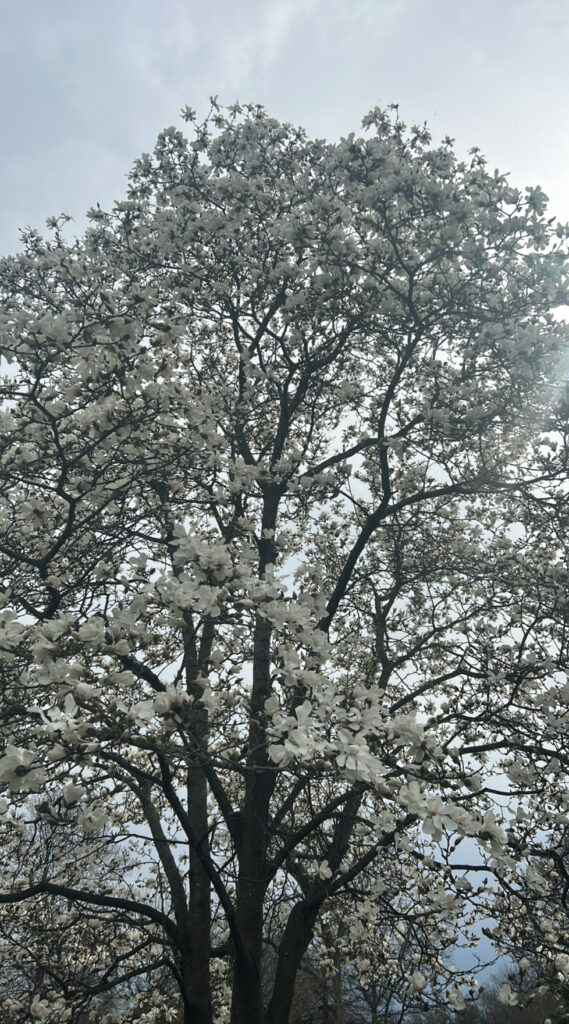
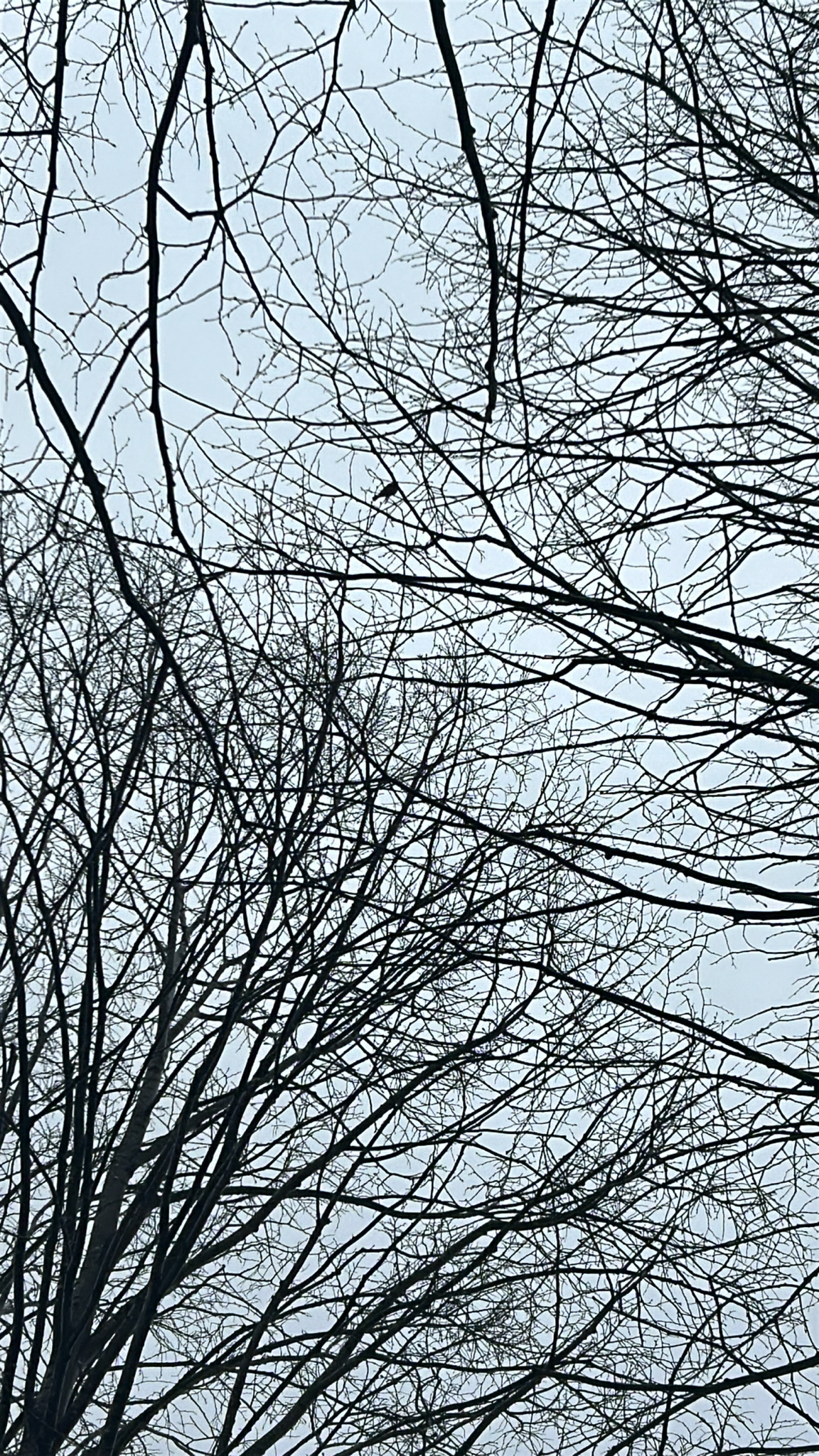
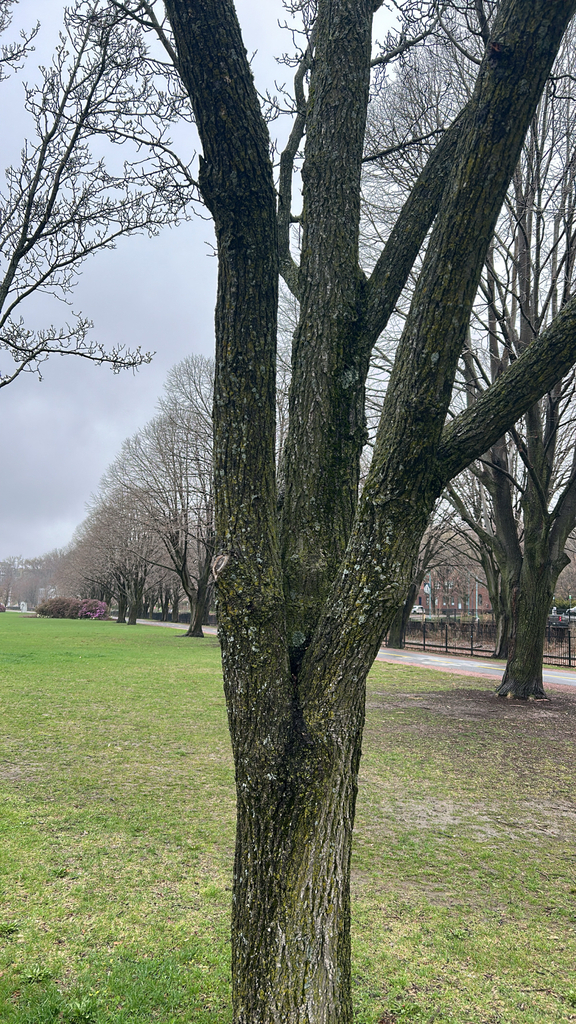
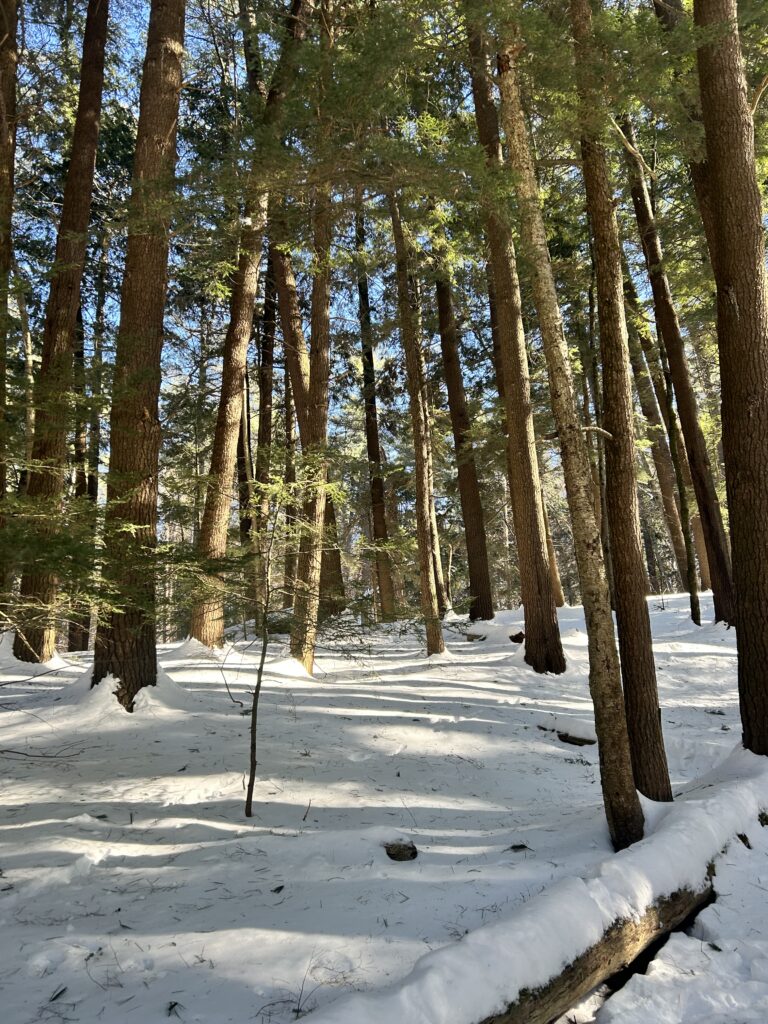
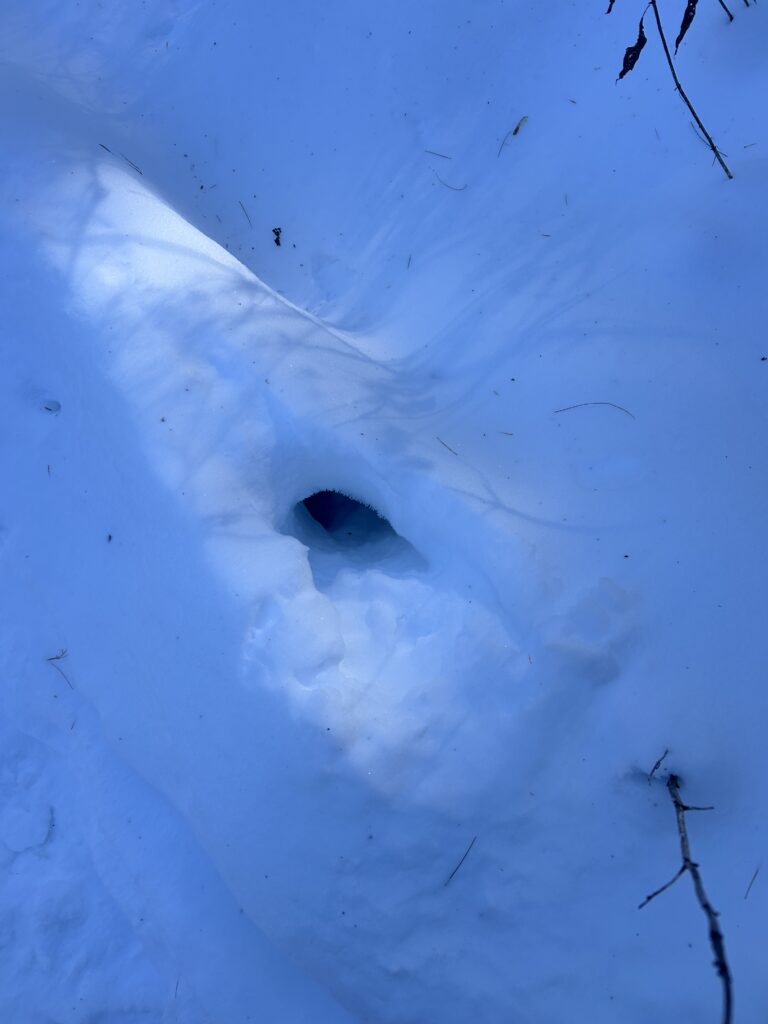
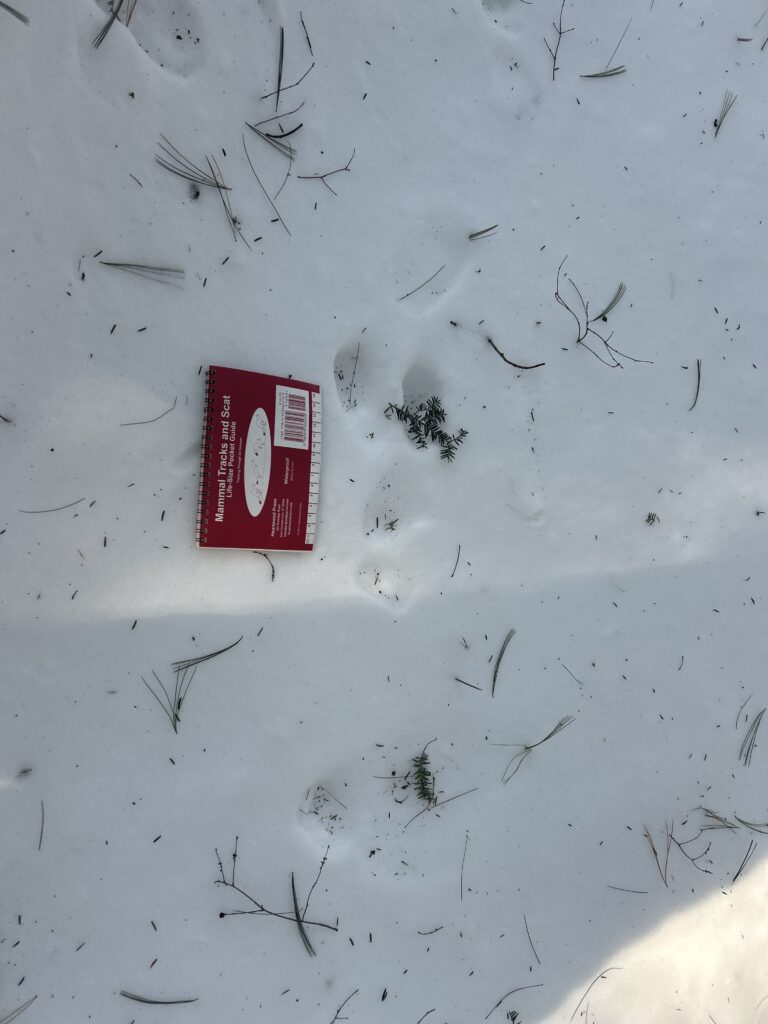
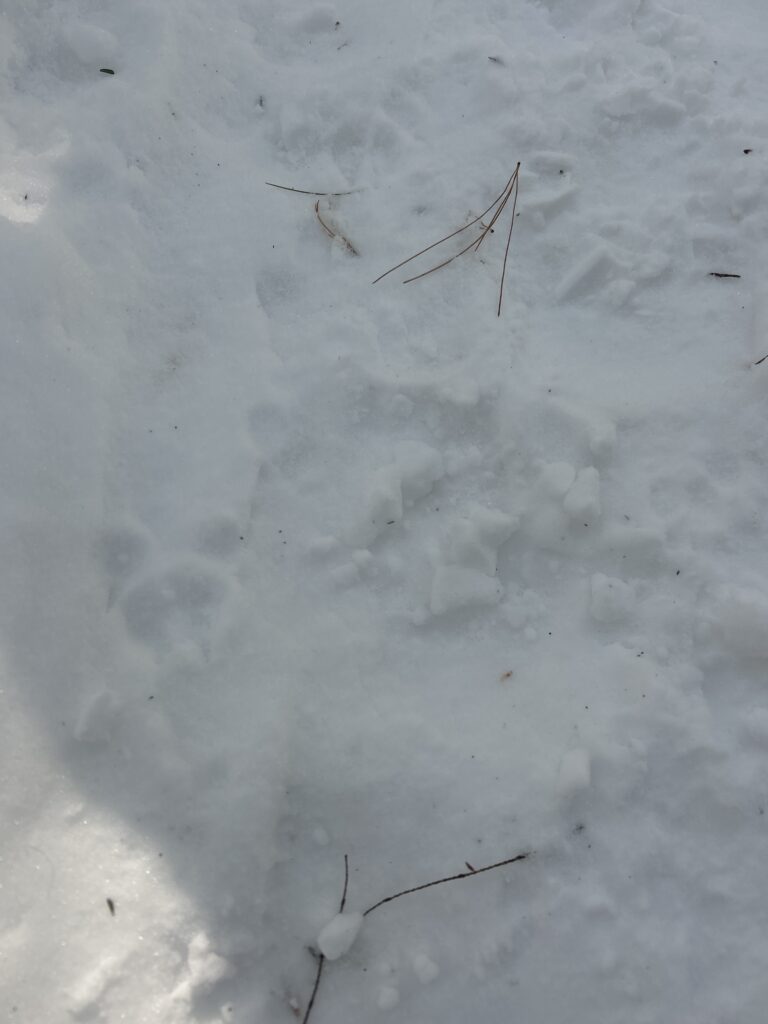
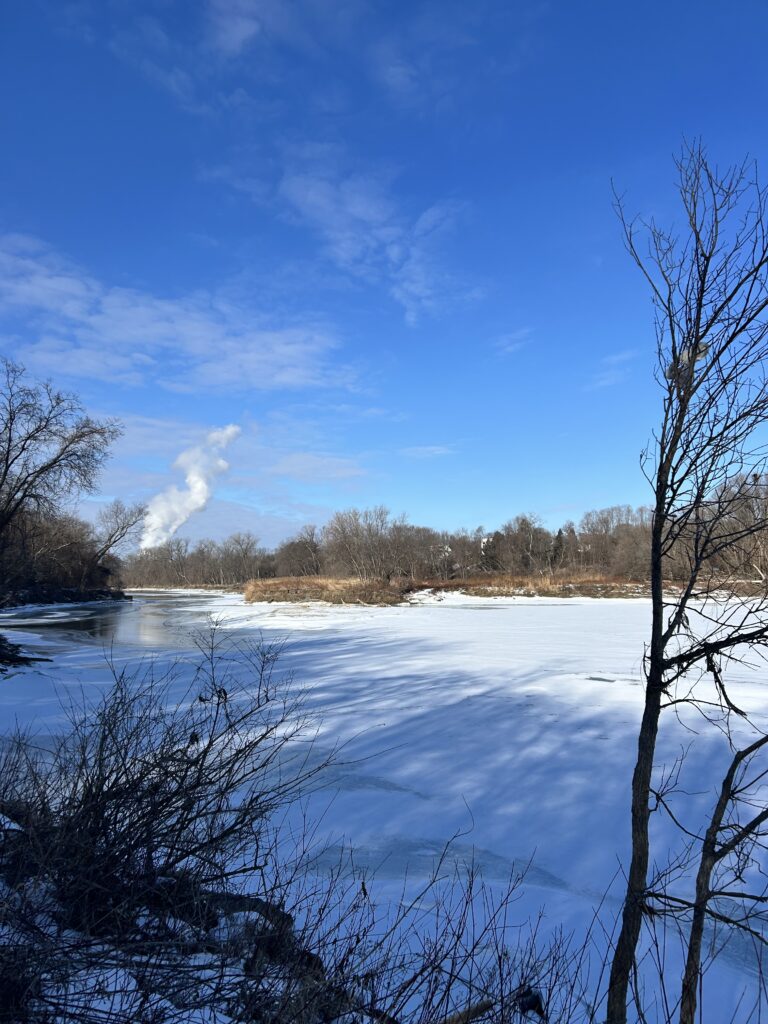
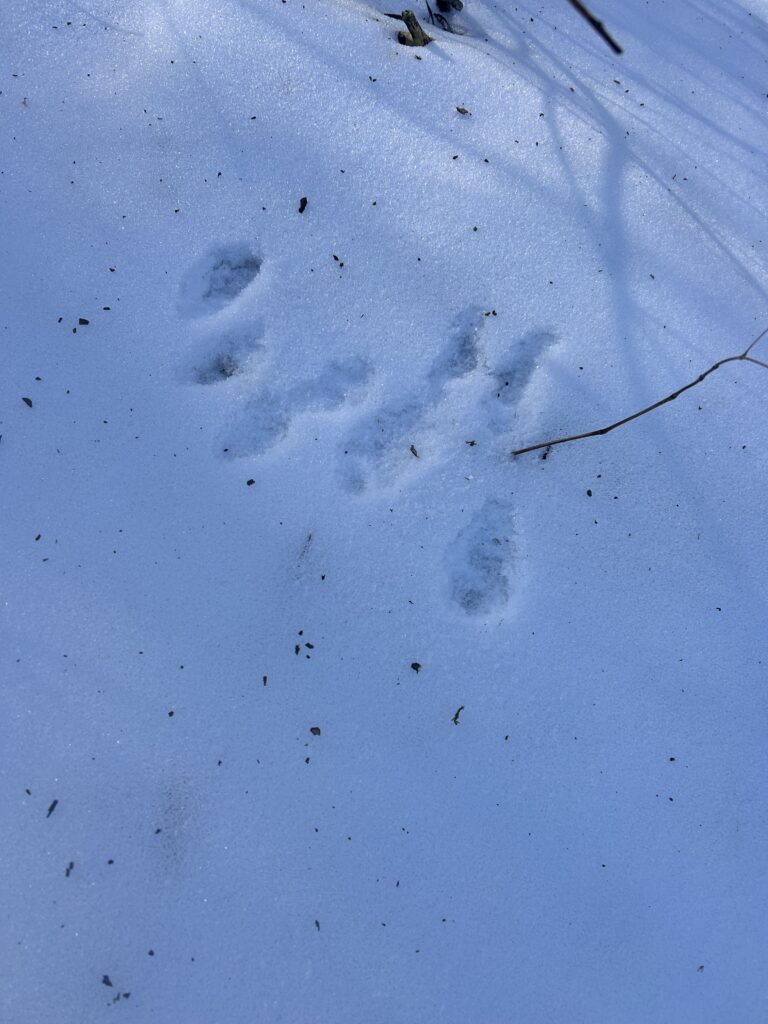
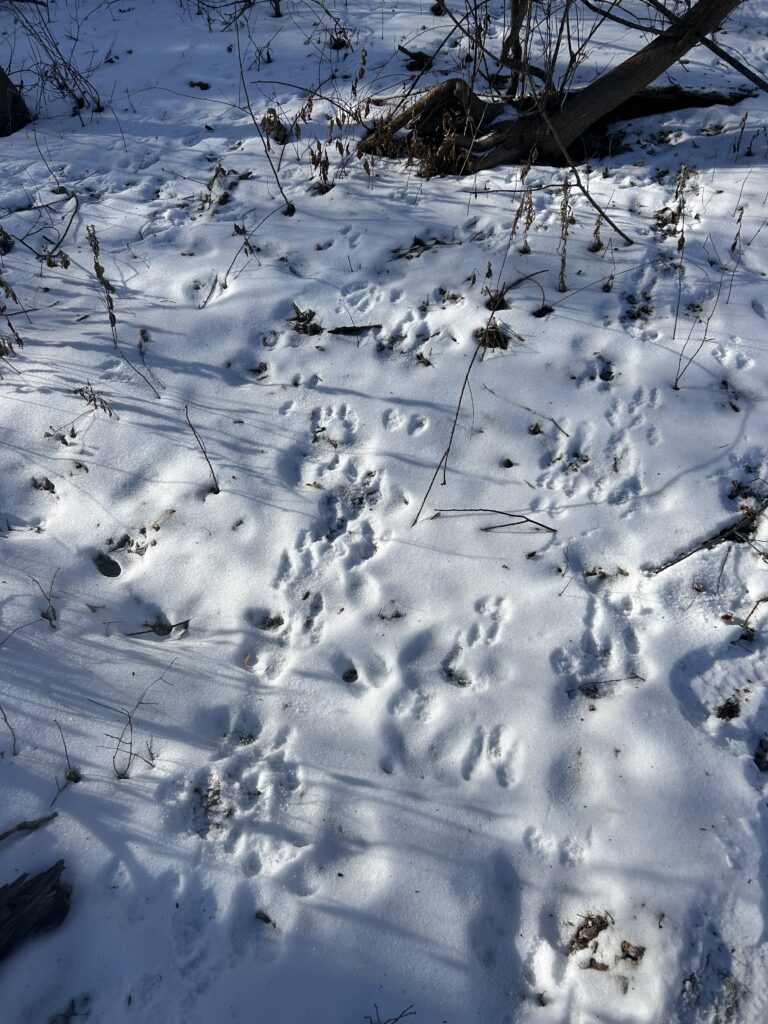
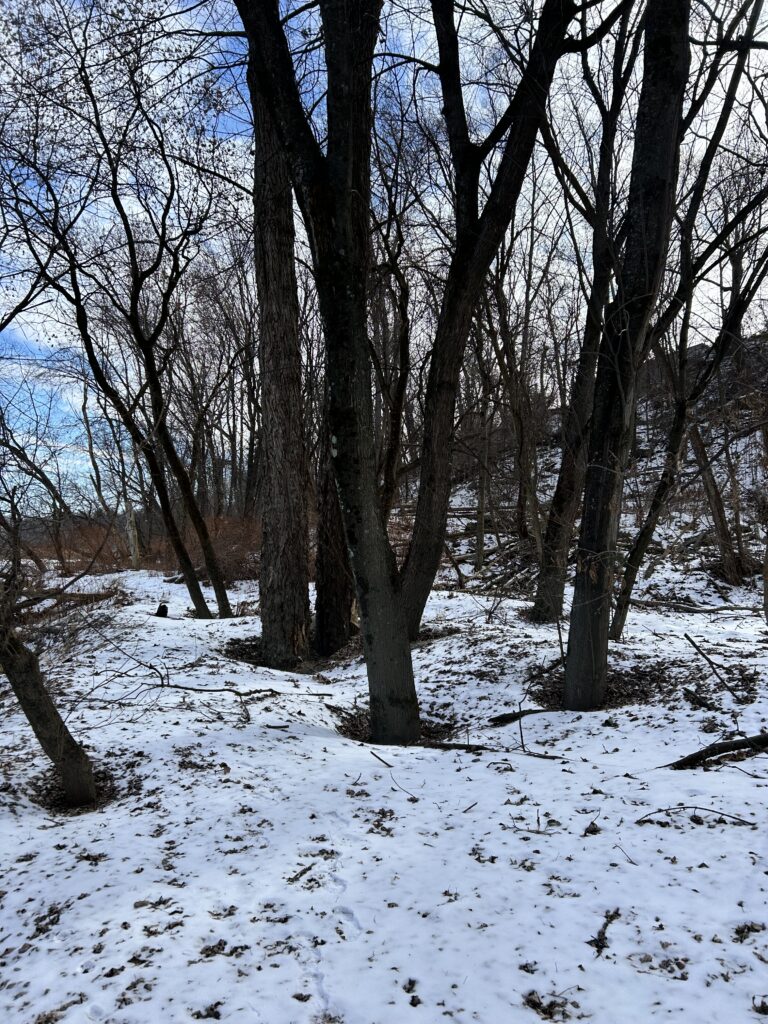
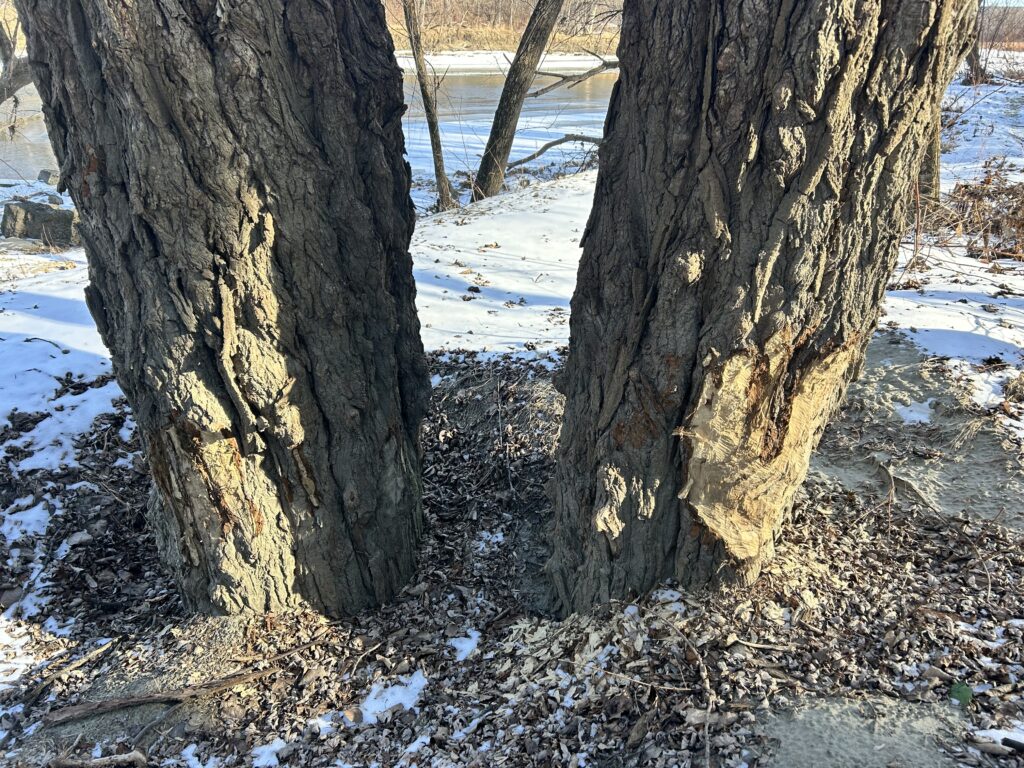
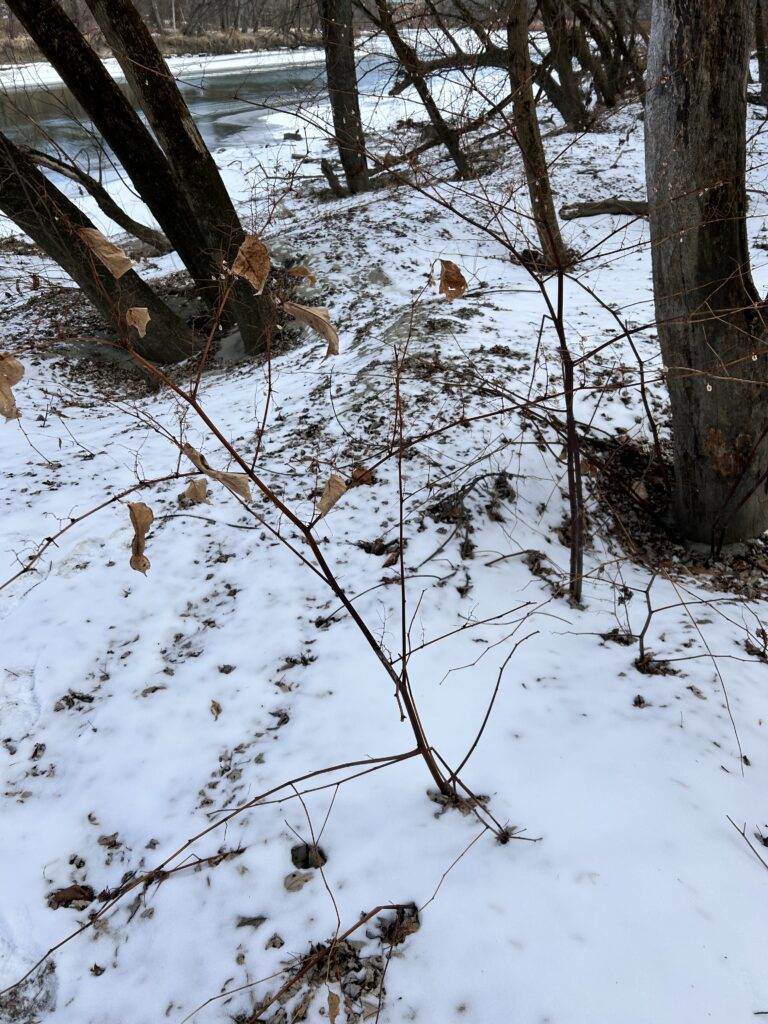
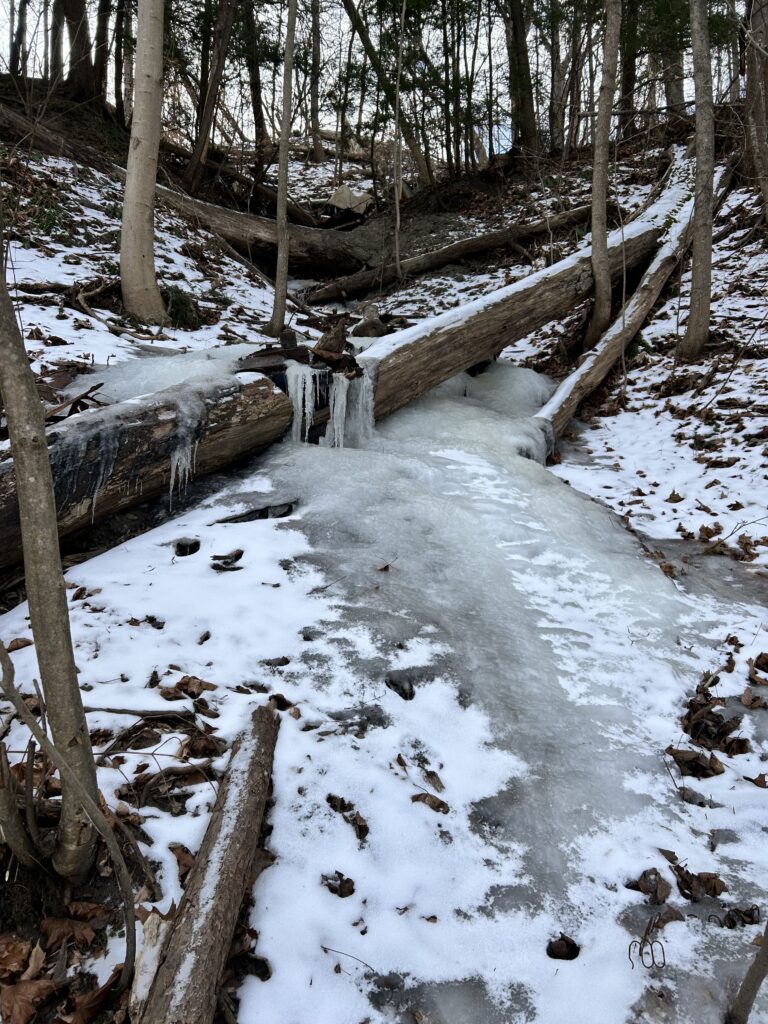
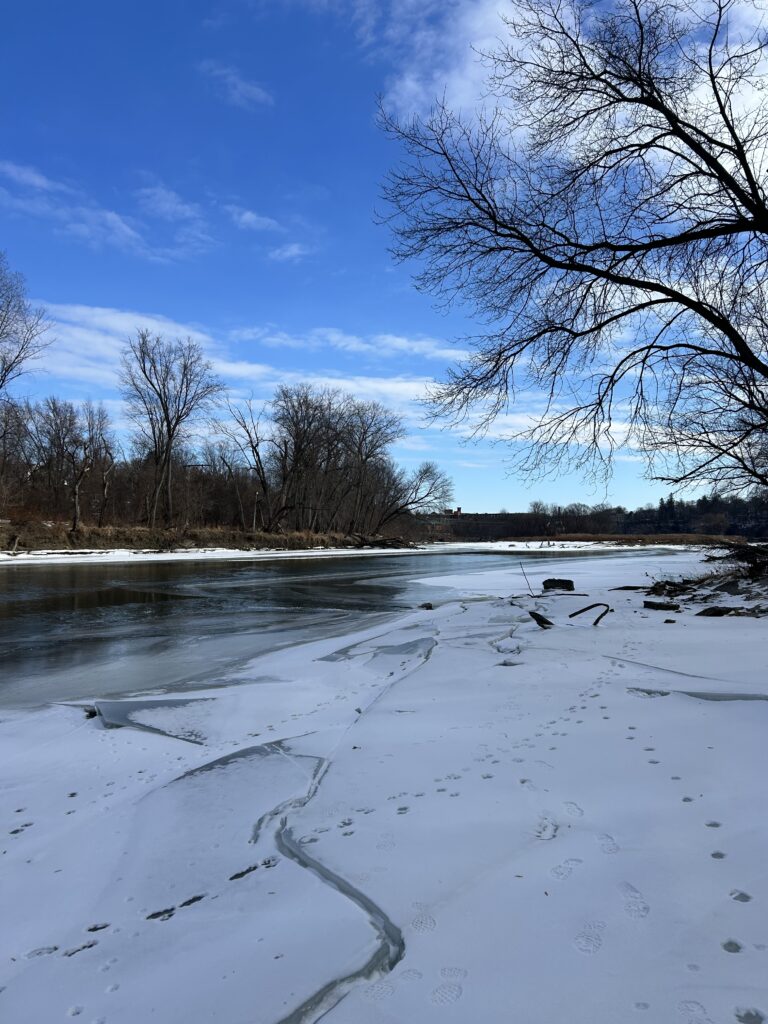
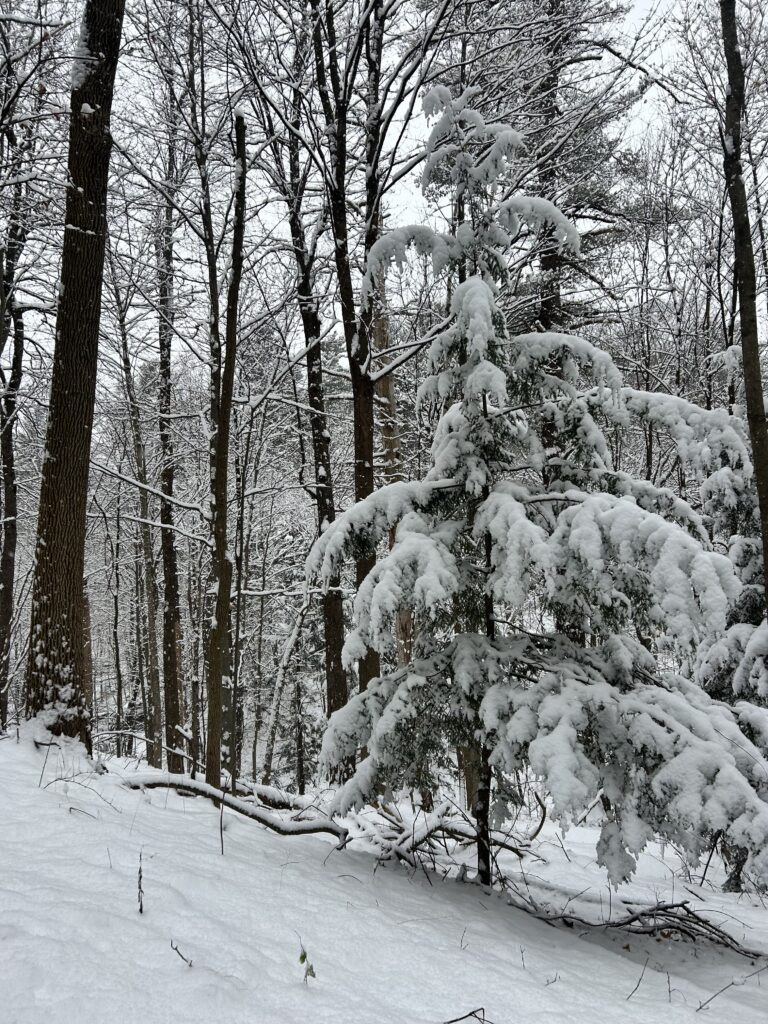
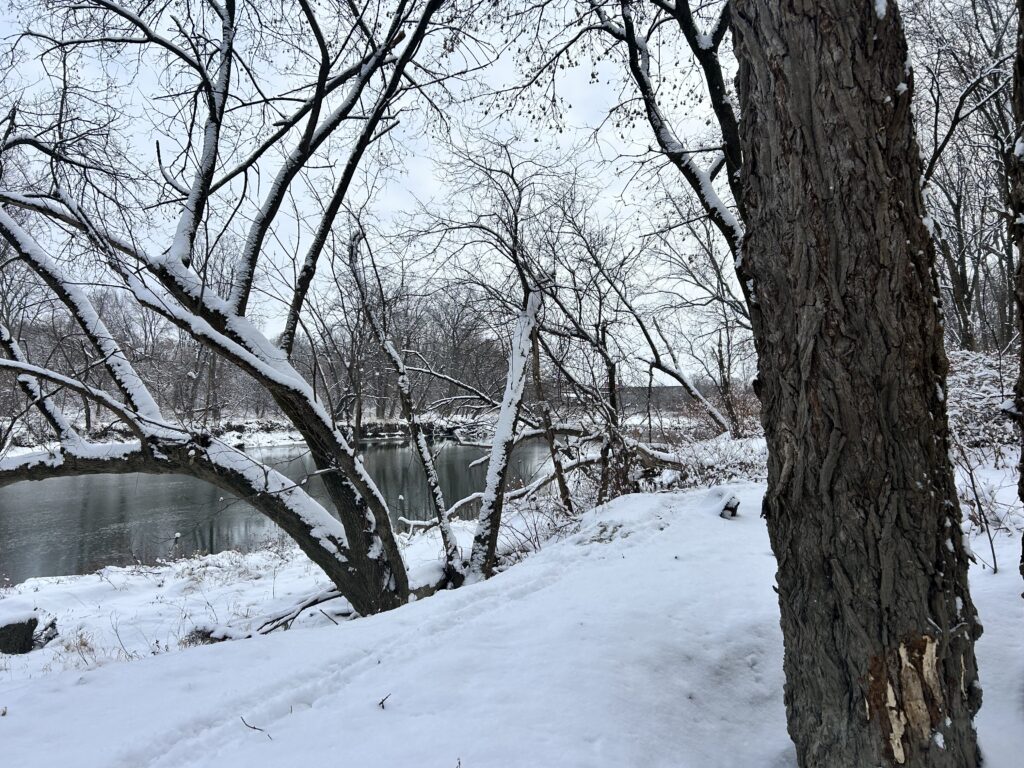
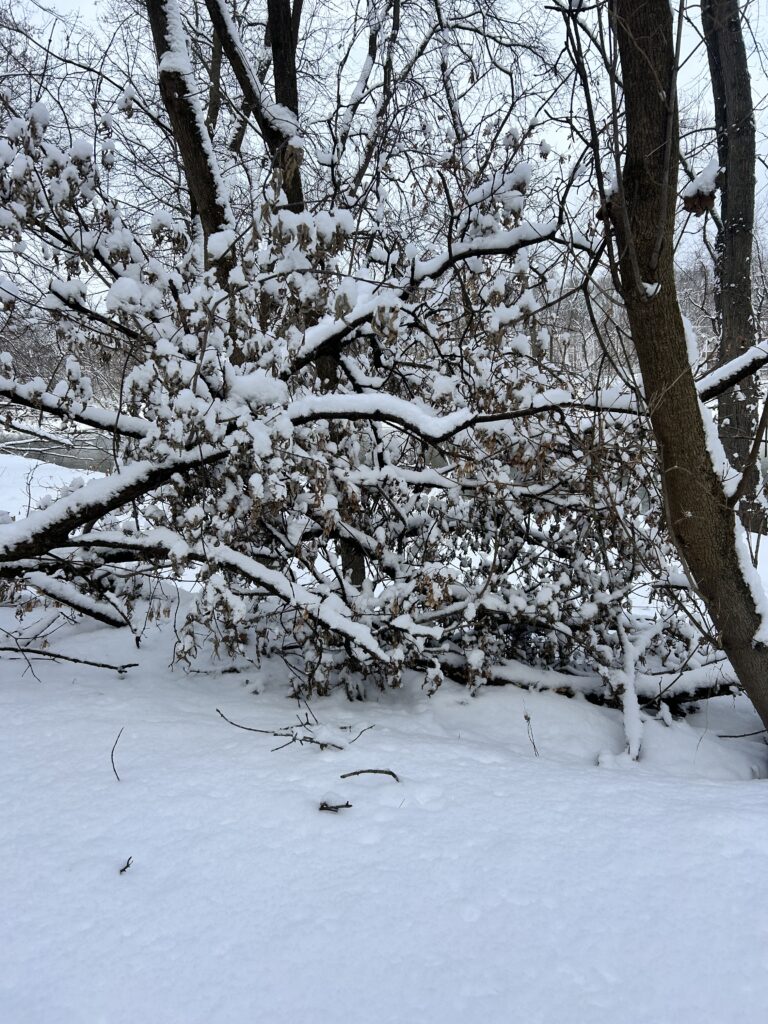
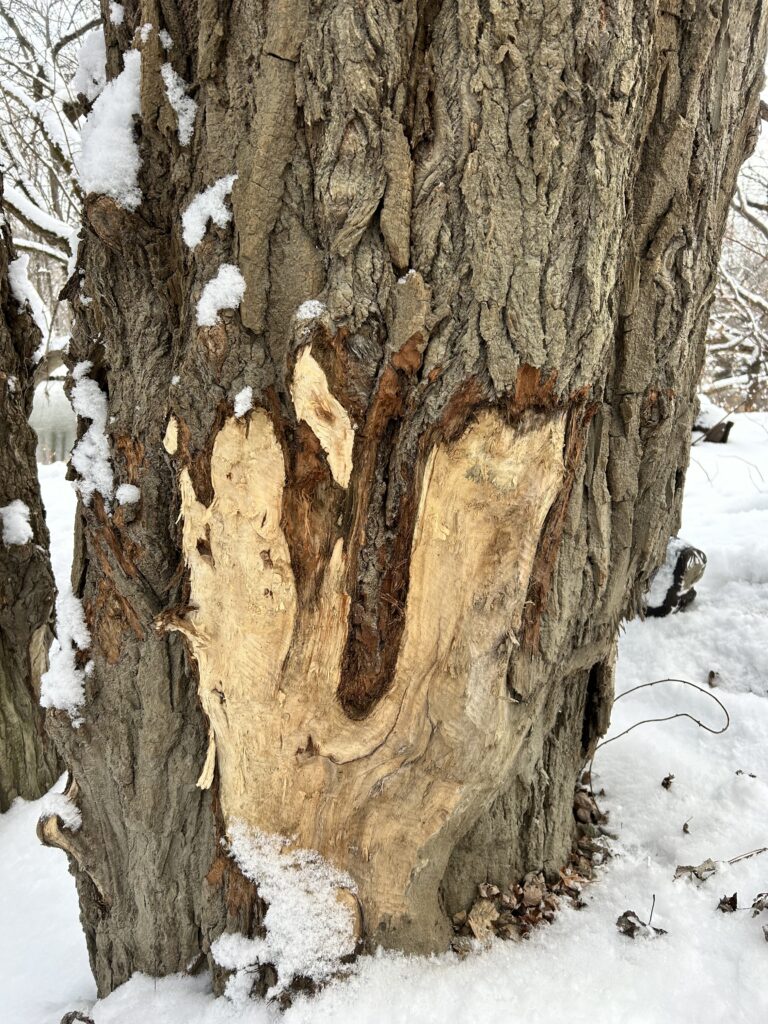
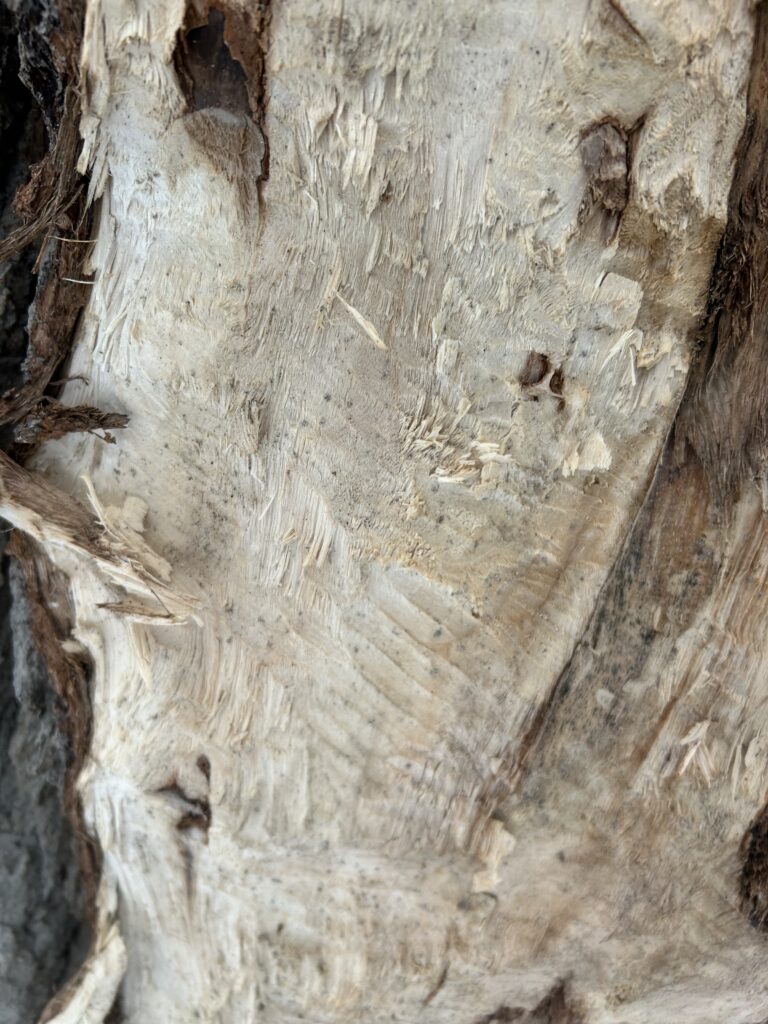
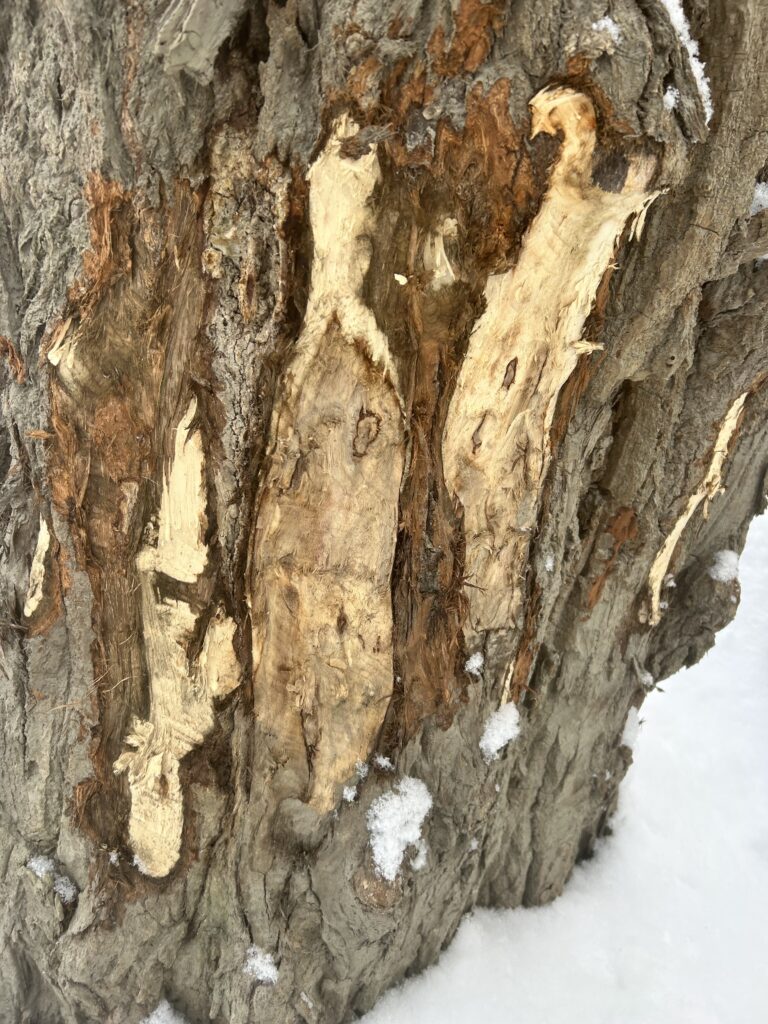
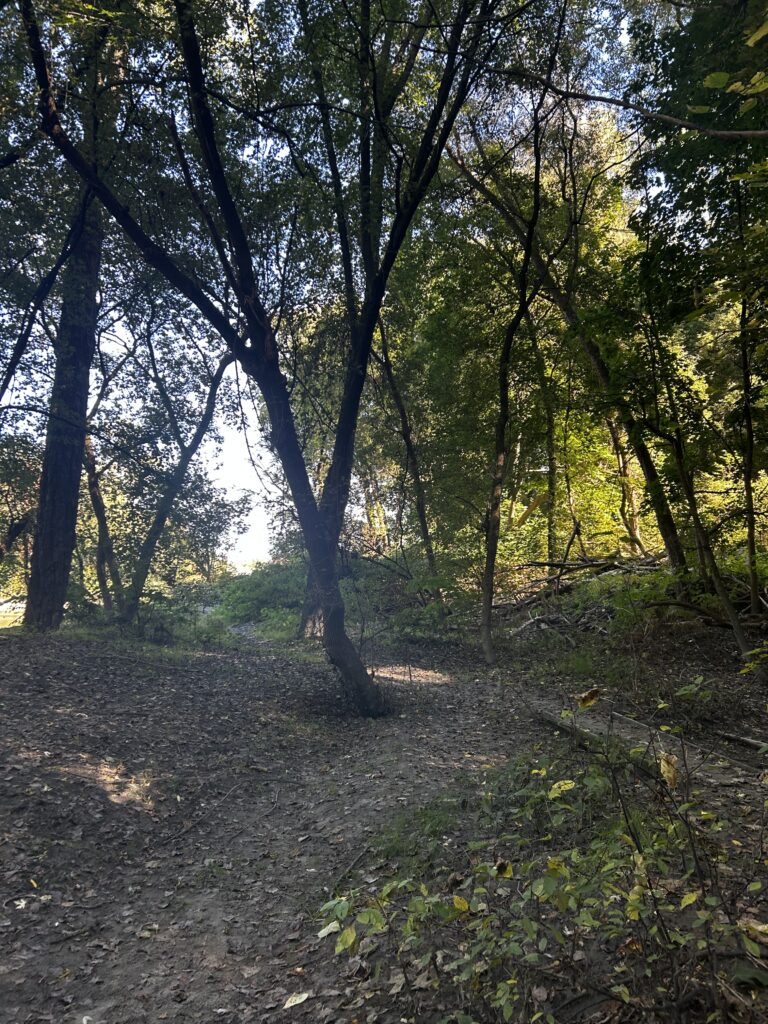
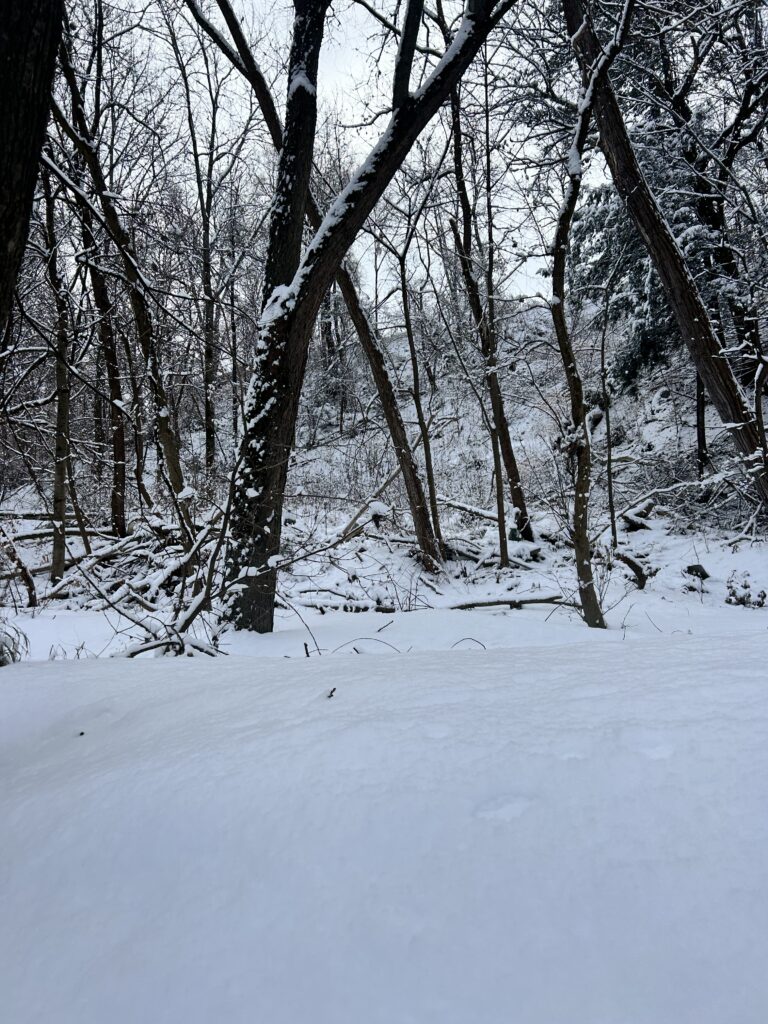
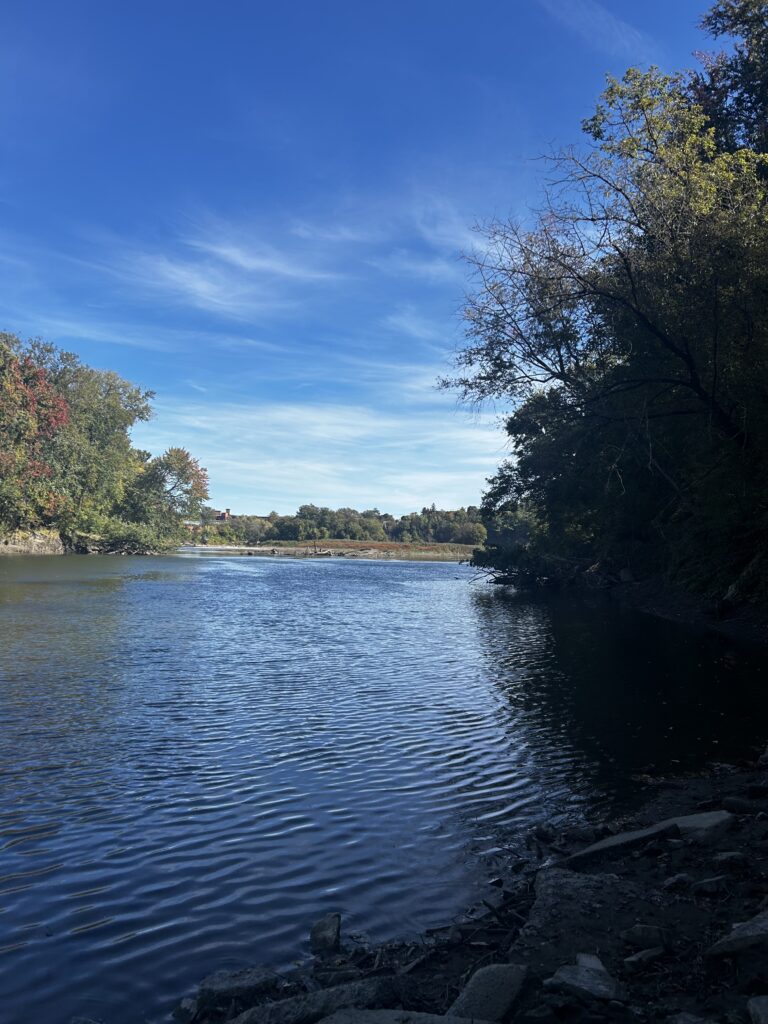
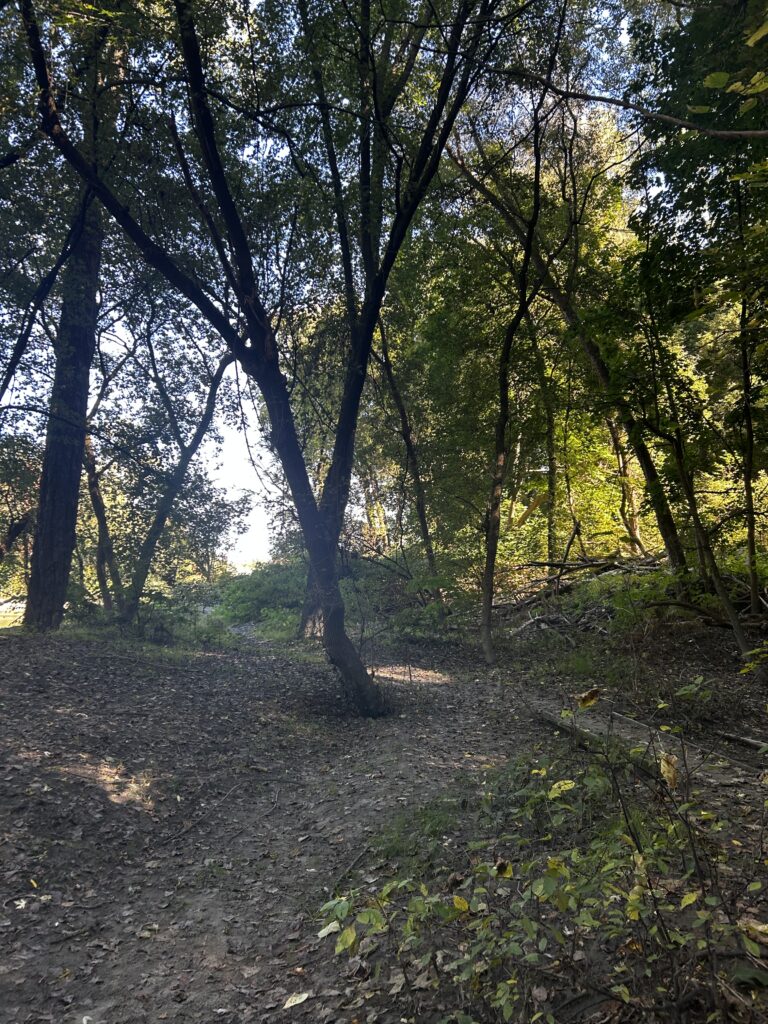
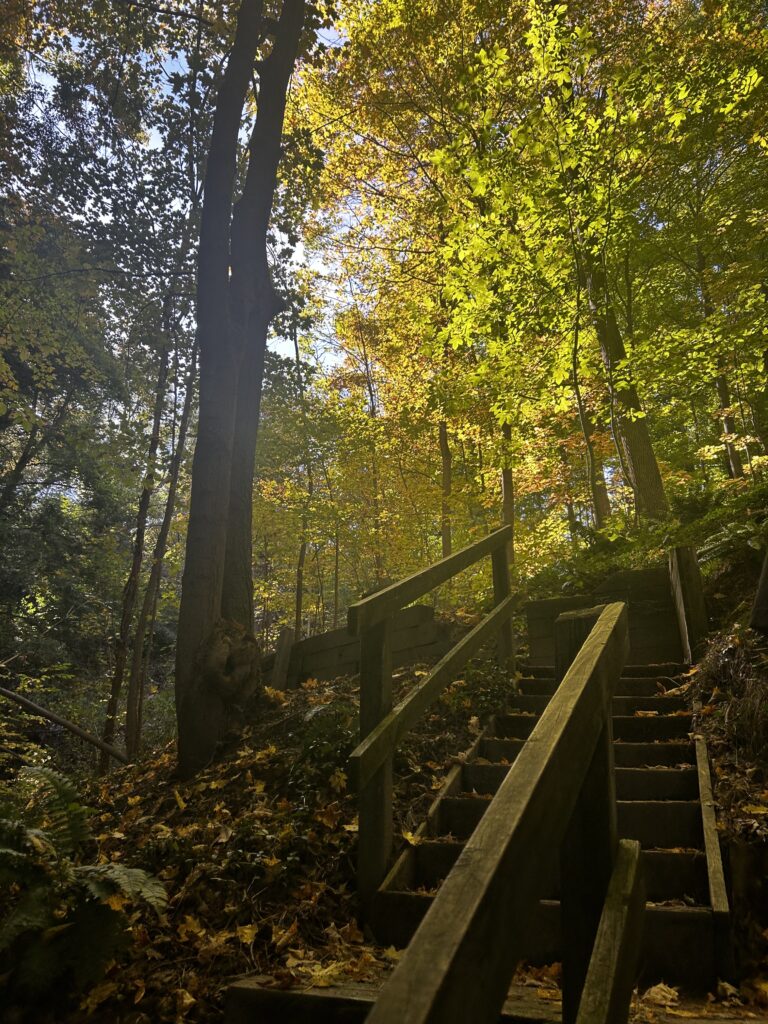
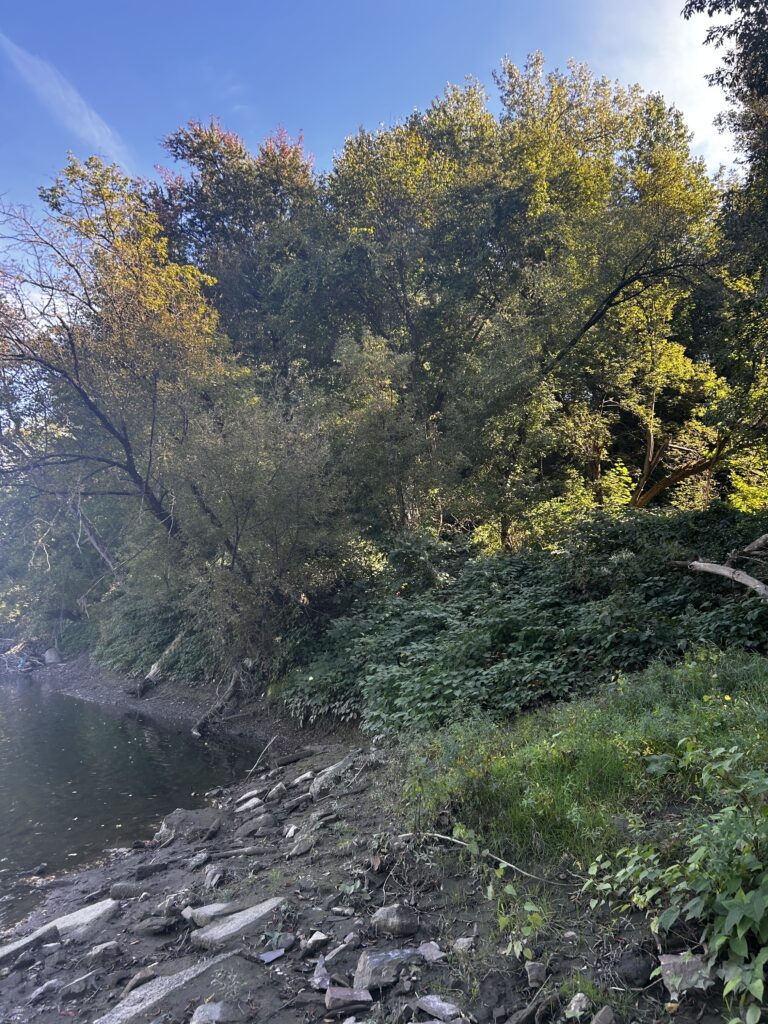
The first time I visited my phenology spot, it was bursting with life: trees full of leaves, geese calling out, ants crawling by, grasses rustling in the wind. As the temperature got cooler, the birds flew south, animals went into a dormant state, and leaves started to turn vibrant oranges and fall. It soon became a peaceful scene with a blanket of snow lying over the ground and ice occupying the space where the river once was. Wildlife was hidden or gone, aside from the occasional prints and teeth marks from a beaver. With time, my site has now begun to bustle with life again, with bird calls growing louder by the day and buds breaking to reveal vibrant green leaves.

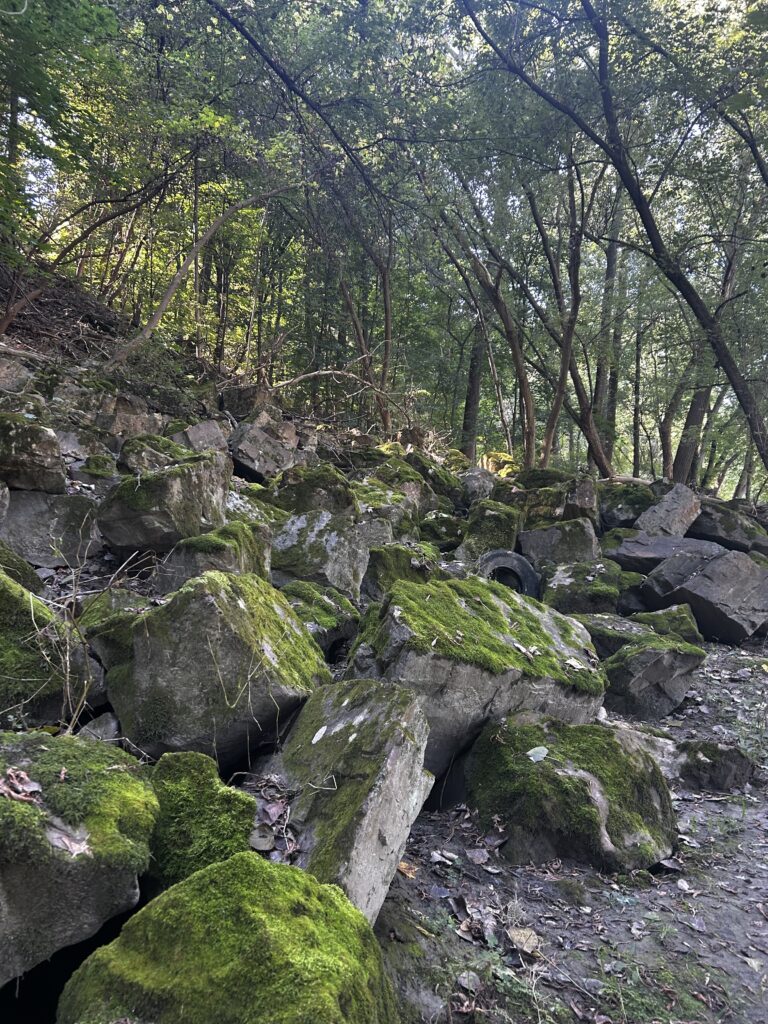
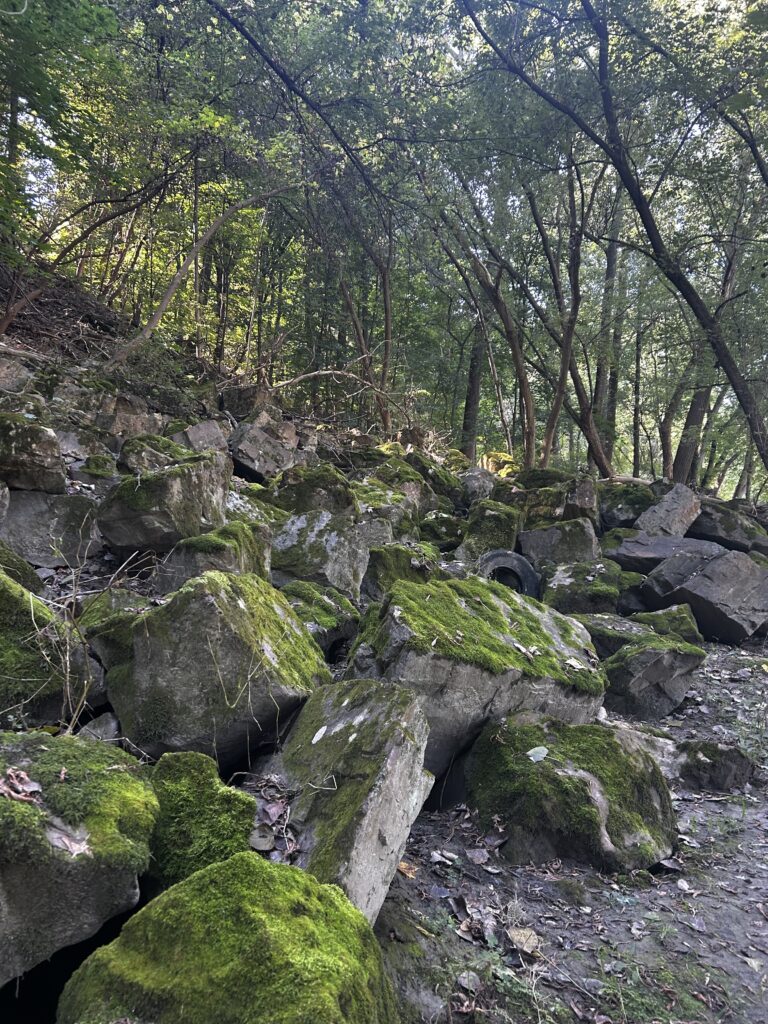
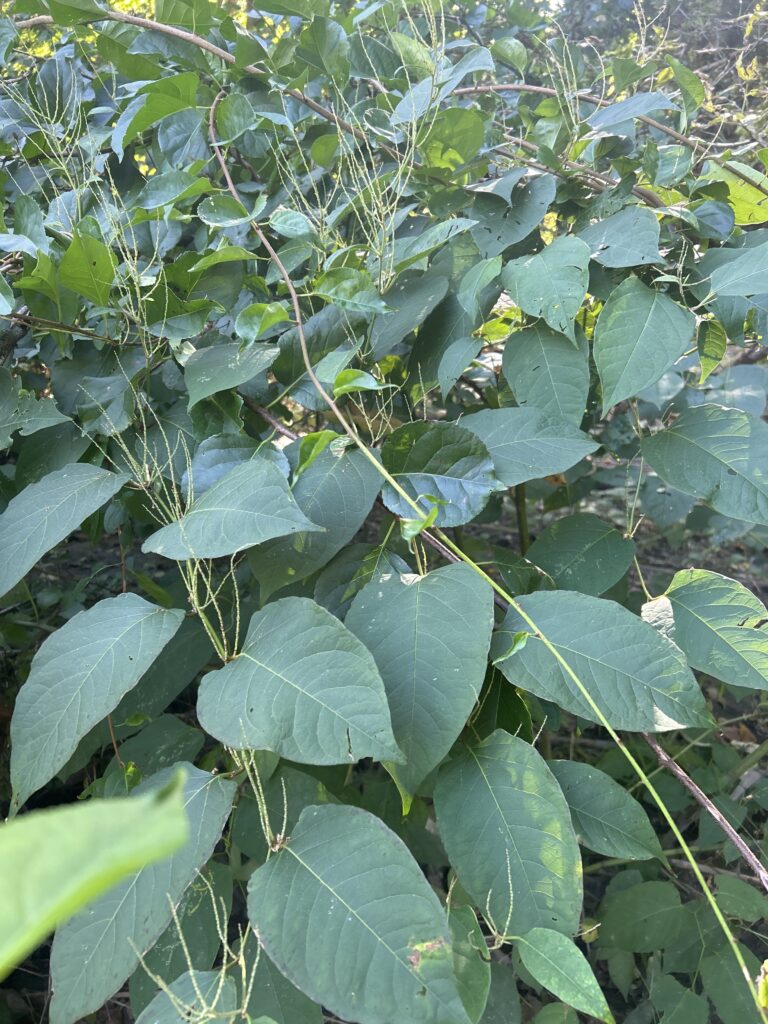
Visiting and becoming more educated about my site has revealed a few landmarks that I observed throughout the seasons as they changed. Firstly was the large Japanese Knotweed bush that was thriving, died, and is now blooming again. Due to it’s invasive nature, it would have been beneficial to remove the plant in the winter when it was dead. Secondly, I observed the status of the riverbank and the accumulation of trash changing from fairly polluted, to iced over, then even more polluted then before. Finally, I observed the change, or lack of change, of the rock pile at the back of my site. While little physical differences were observed of specifically the rocks, it was a great way to see the difference in coloration of the site throughout the season.
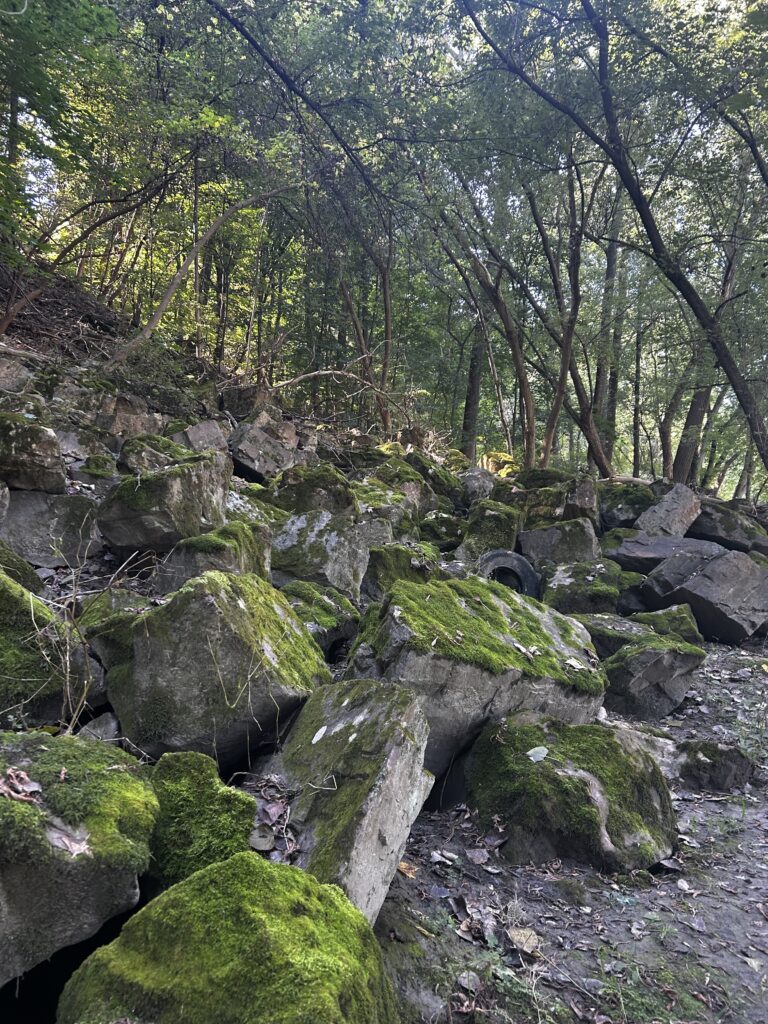
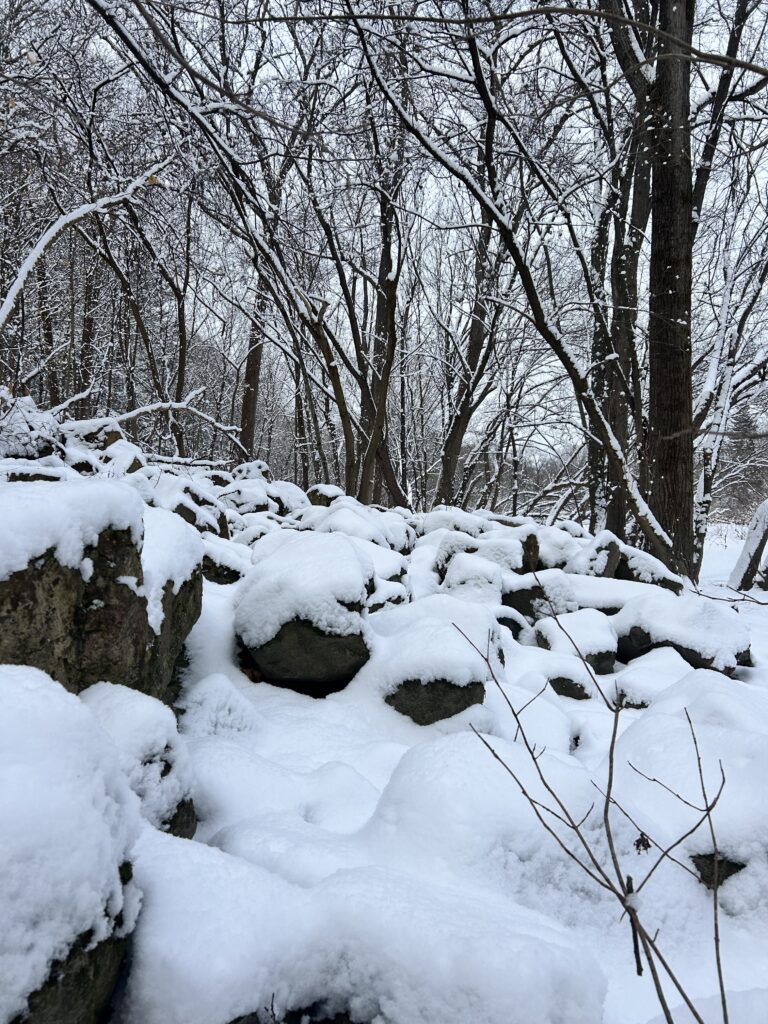

Since the last warm visit to my site, a large amount of wood debris has collected along the banks of the river, carrying with plenty of human trash and pollutants as well. This could be a result of the great amount of rain Burlington has seen within the past month, raising water levels enough to push trash onto the shores of Salmon Hole. The pollution at my site has, unfortunately, increased significantly due to, what I assume, both natural and anthropogenic factors. It is disheartening to see the health of my site worsening at the expense of human activities.
Additionally, there is an interesting two-sided cultural and natural interaction here. With some individuals using this land for recreation and appreciating nature, while others use Salmon Hole as a home with many homeless individuals living there. This creates a unique relationship of humans and nature with one group simply appreciating the land and the other viewing it as their home. I am curious as to which group has a greater impact on the land and the differences of emotional connection and belonging towards the site.
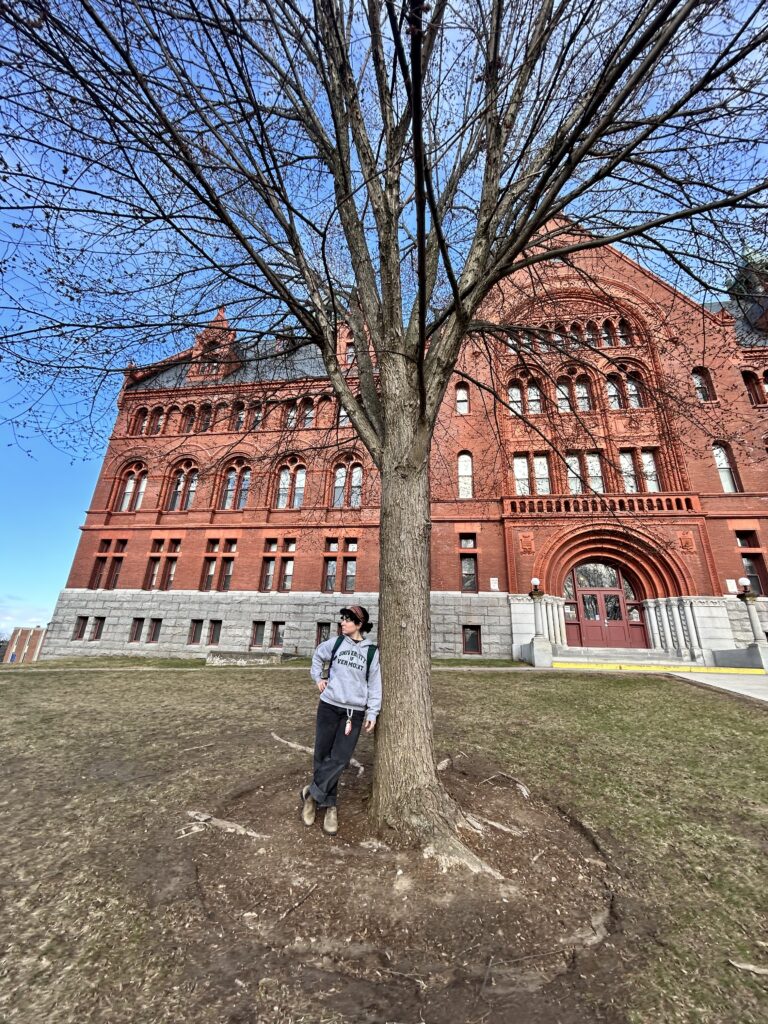
I feel as though I can be appreciative of the nature at the site and educated on an intellectual and emotional level of the history and current status of the site, however, I do not feel I am a part of the site. This is because there are many individuals who live at Salmon Hole and I feel as though I am entering their home. I love how I have seen this site change, evolve, live, rest, and live again, but I am not a part of that phenology. I have had my own phenological changes this past year: adapting to life in Vermont, meeting new people, developing new passions, and discovering my values. Both Salmon Hole’s phenology and my own can be at the same time, but I have not impacted the site’s changes. I have learned so much throughout this past year returning and observing my phenology spot and I plan to continue to visit and check up, making sure it continues to thrive and improve it’s health over time.

Goodbye Salmon Hole… only until next time.