Feeds:
Posts
Comments

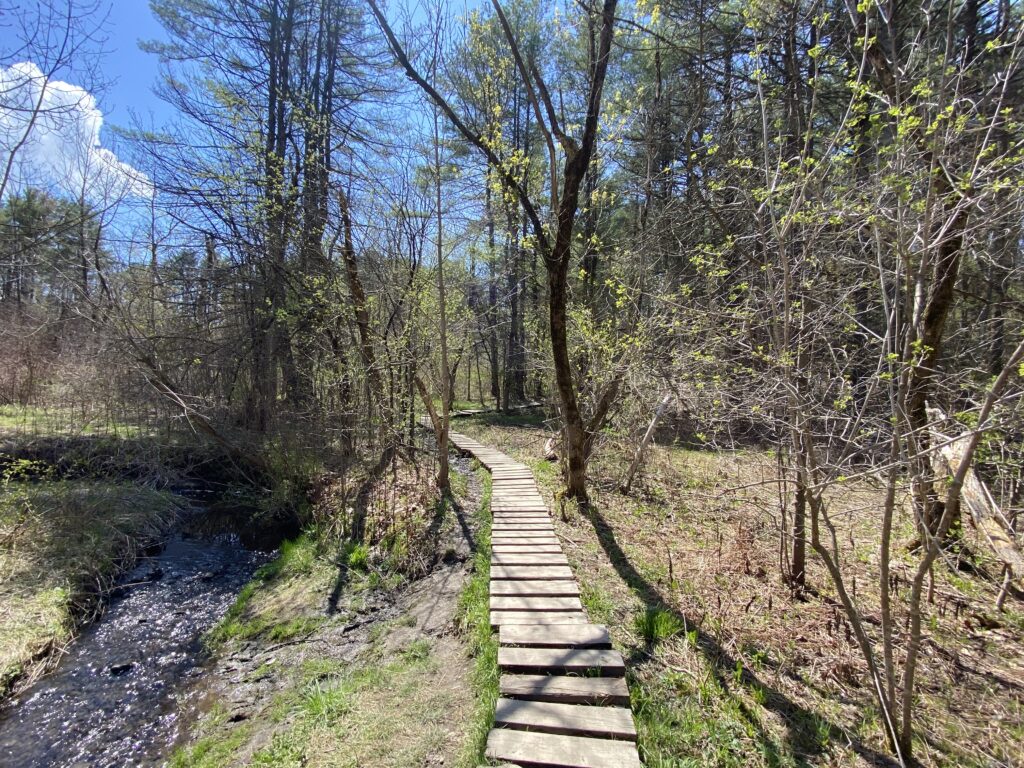
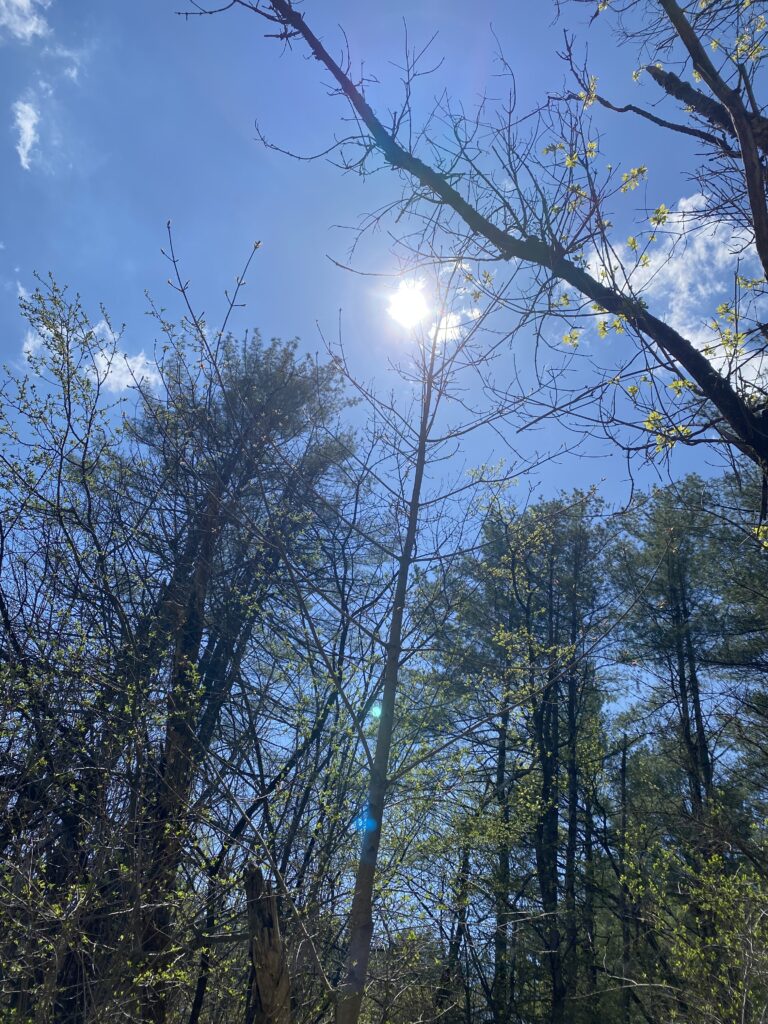
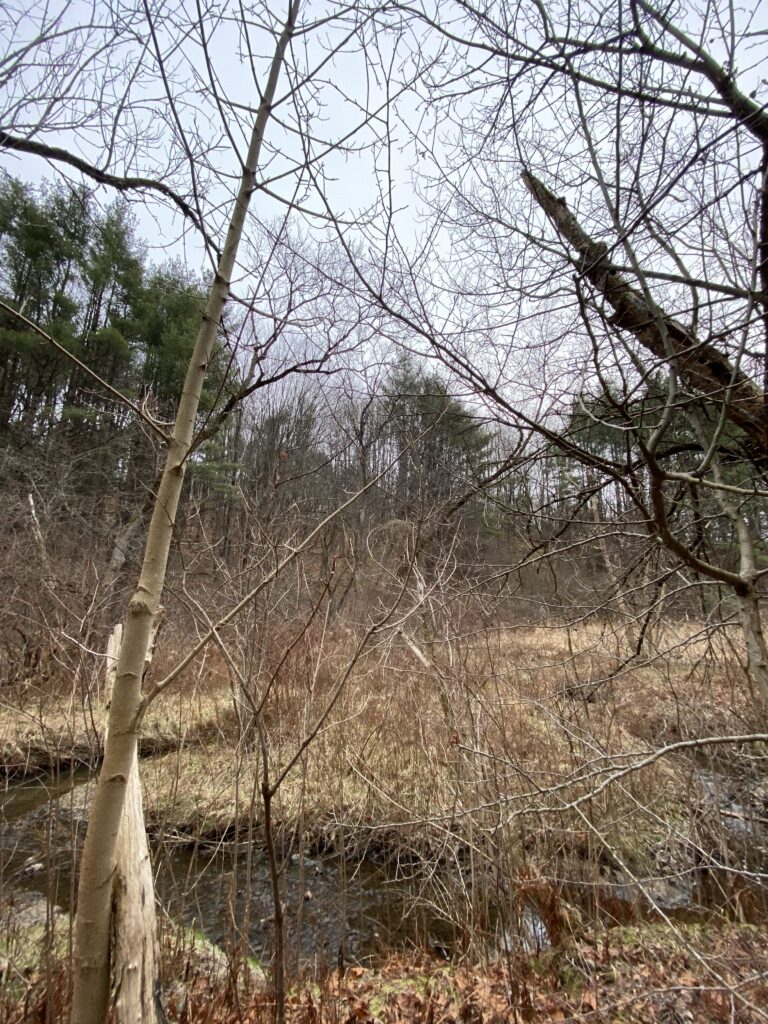
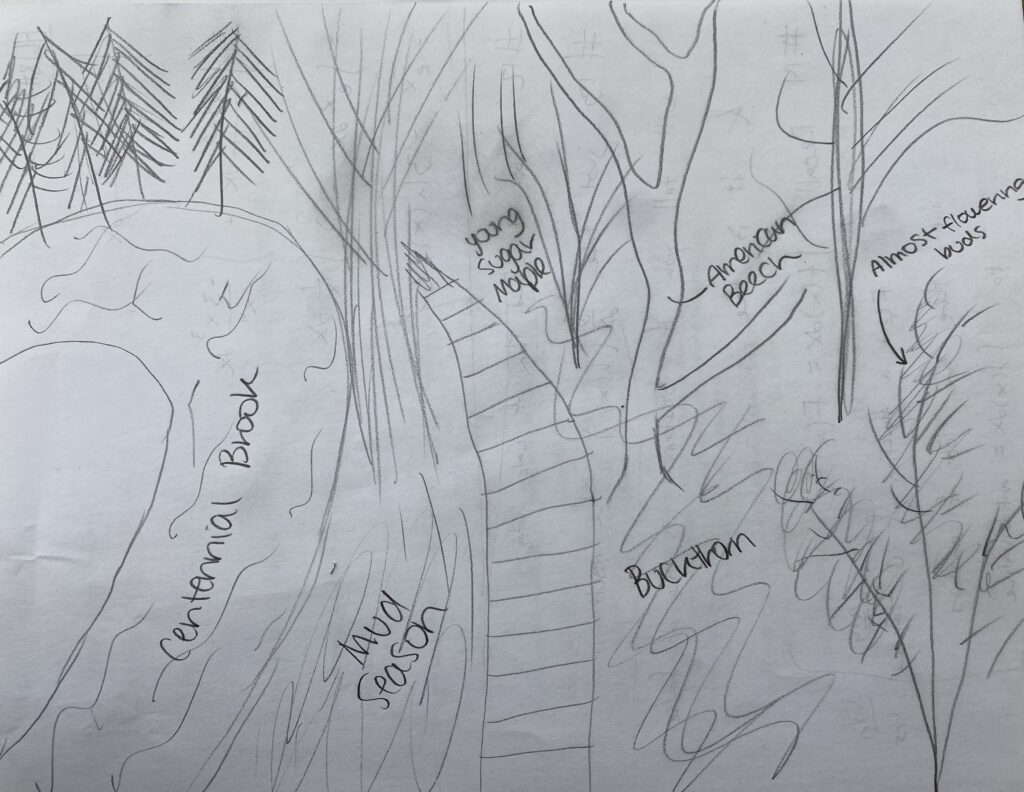
Since October, I have had the pleasure of observing the phenological changes that my site in Centennial Woods experienced, from the famous Vermont fall to the -40 degree Fahrenheit real feel of winter and to mud season Spring. The changes in plant species where the trees and shrubs were full of leaf coverage to slowly dying off of branches and “hibernating” through the winter and now, restarting its life as a bud ready to flower and return to its max strength form. Similarly, the relatively strong presence of wildlife that got quiet in November and now, you can hear birds chirping all the time and the faint noise of pollinators. Throughout the months, my site in Centennial Woods has remained intact. While water levels of the brook that navigates its way through Centennial fluctuated from month to month, everything else has luckily remained the same. This year, we experienced some extreme weather and will continue to, yet my site remains the same and has the ability to continue to support the natural system that it is supposed to support. 

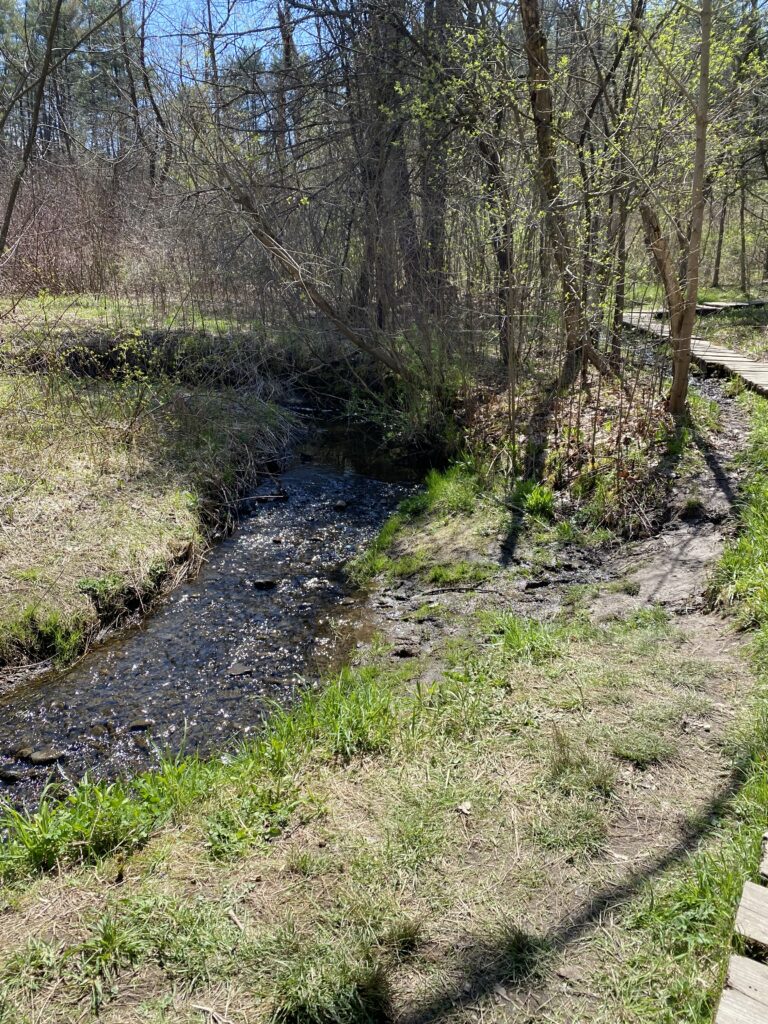
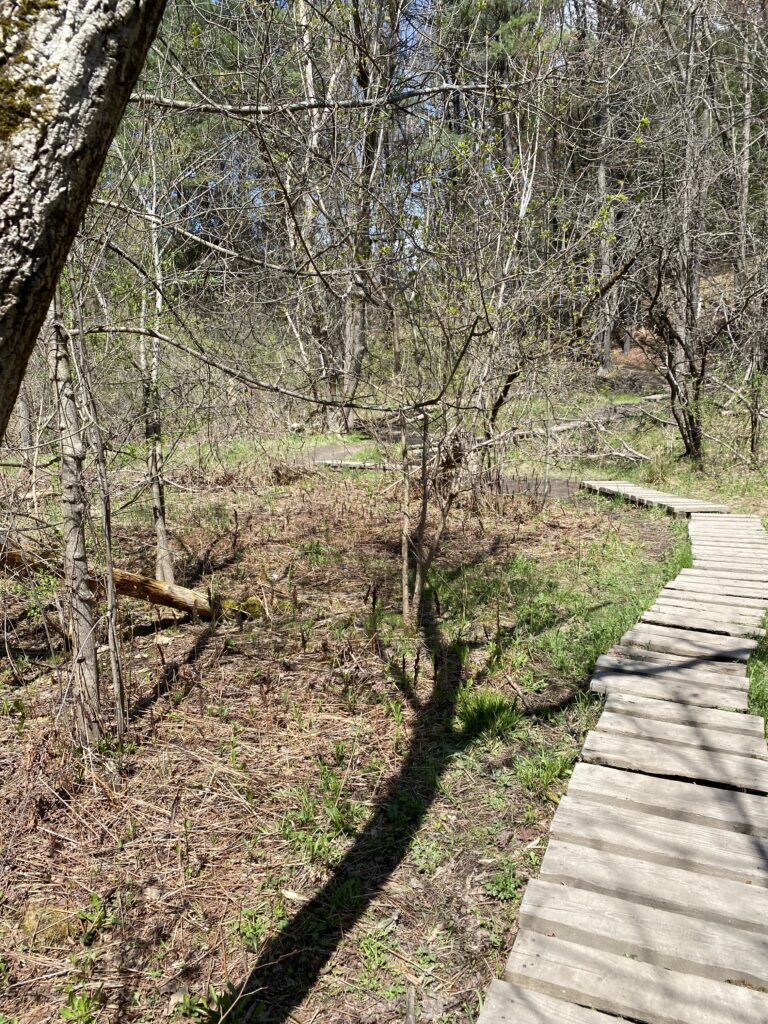
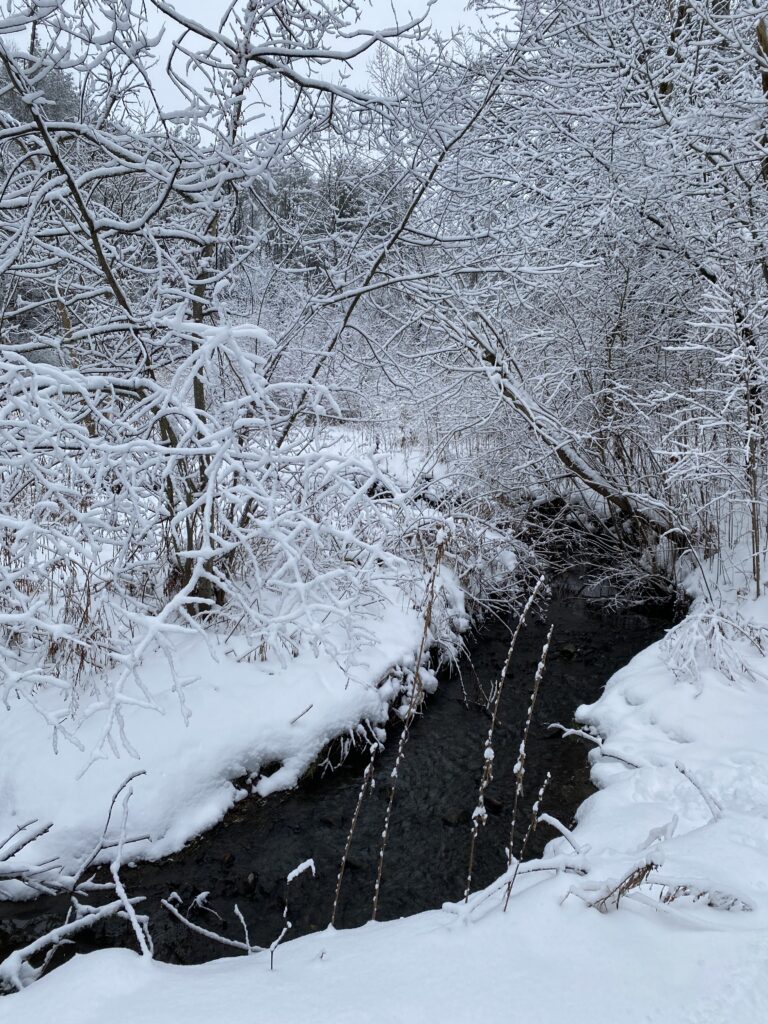
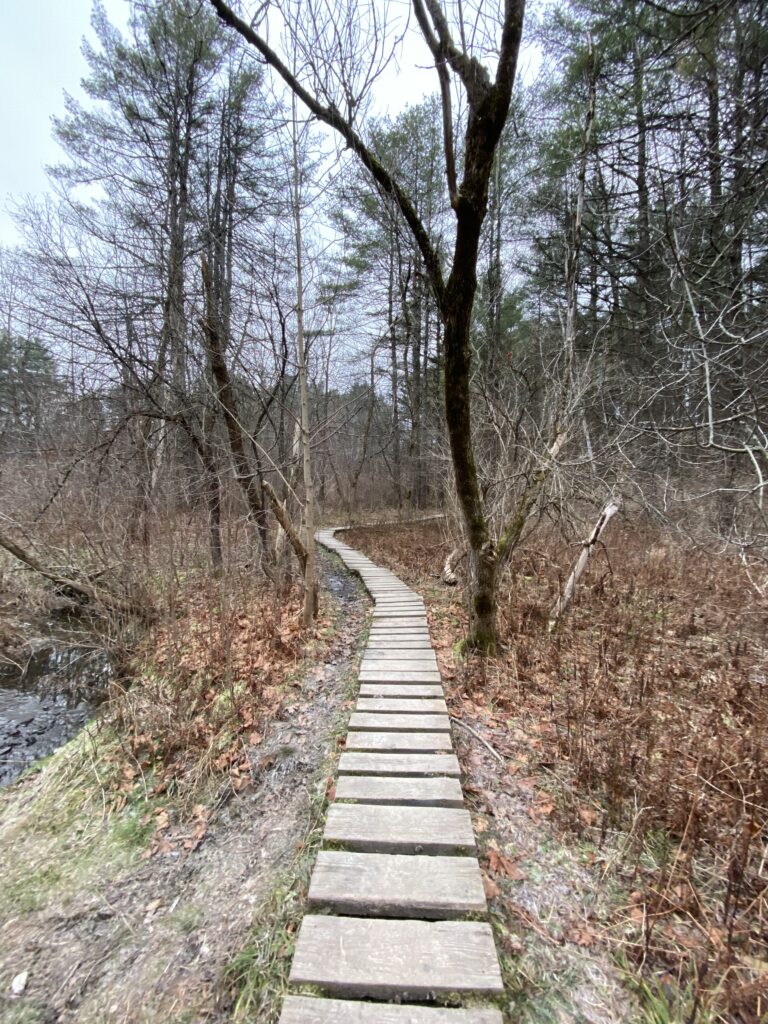
The Centennial Brook has become a familiar major landmark with me. It makes its presence known from the tranquil babbling that you can hear as you approach my site. I recognize that the dynamics of my site would not be the same if the brook was not there. In addition, I have had the privilege to watch various young plant species grow over the months like a sugar maple and various birch trees. Lastly, a minor landmark that phenologically does not contribute or get affected but helps define my site is the wooden walkway that divides my site. 

Nature and culture intertwines at my site through the species that it houses, as well as the acknowledgement that Centennial Woods was once indigenous people’s land. Not all of the species are native to Vermont and therefore have a unique and culturally rich origin. There has been a long lasting discussion of UVM’s on ways to honor the Abenaki people and give credit to them for the land that UVM has. In Centennial Woods, you will be able to find some indicators of Abenaki activity that culturally contributes to my site. Additionally, the norms of recreational use, or just use in general, of Centennial Woods ties in culture as well. 

Personally, I do not think that I am a part of my place. I believe that I am someone who thoroughly enjoys everything that my place has to offer and has a pretty good understanding of the dynamic. However, in my opinion, to be a part of a place I feel like you need to influence positive changes on that place and I feel like I have not done that. I have simply and respectfully observed my place. 
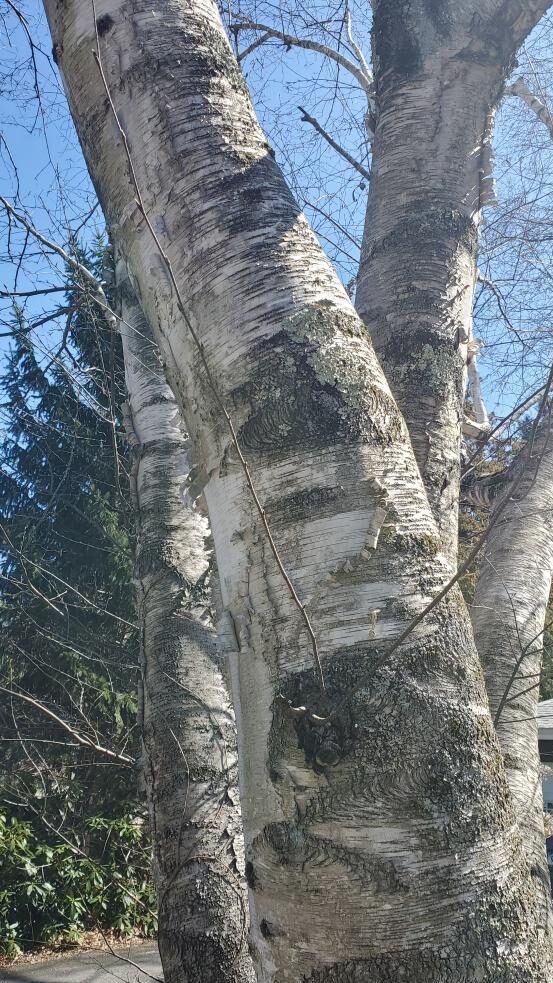
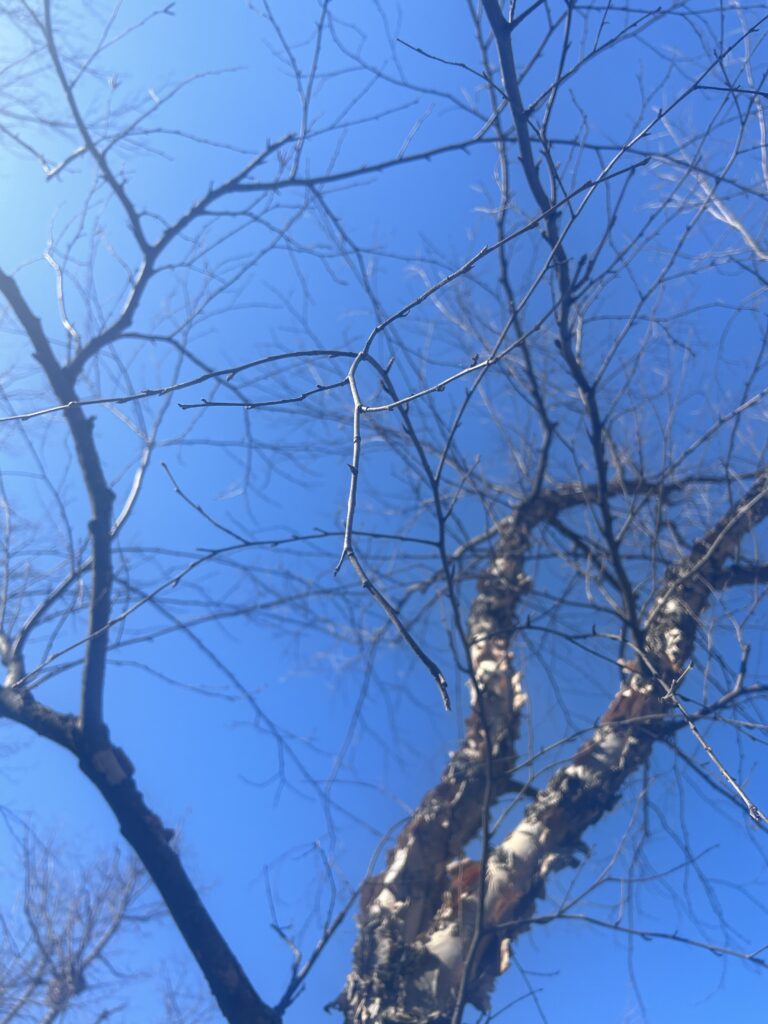
In Burlington, we have experienced some beautifully warm Spring weather. People are hammocking in the pines and playing frisbee on the greens. This is now the third time that we are observing the phenological changes of a birch tree. Despite the increasing in temperature, there are no significant changes to observe other than a slight increase in size of the bud. I would argue the tree is on the verge of budding within the next couple of weeks but we will have to come back and see.

It is a week into Spring and I am back visiting the Paper Birch. After comparing and contrasting the images collected from this assignment, I observe no significant changes. The color of the buds have become slightly more green and the buds have slightly increased in size. It was interesting returning back to the tree after we’ve experienced warmer weather recently. The smell of the frozen ground defrosting was noticeable and there was less snow crunching under my feet. As the weather warms, I cannot wait to observe more phenological changes that this tree presents.

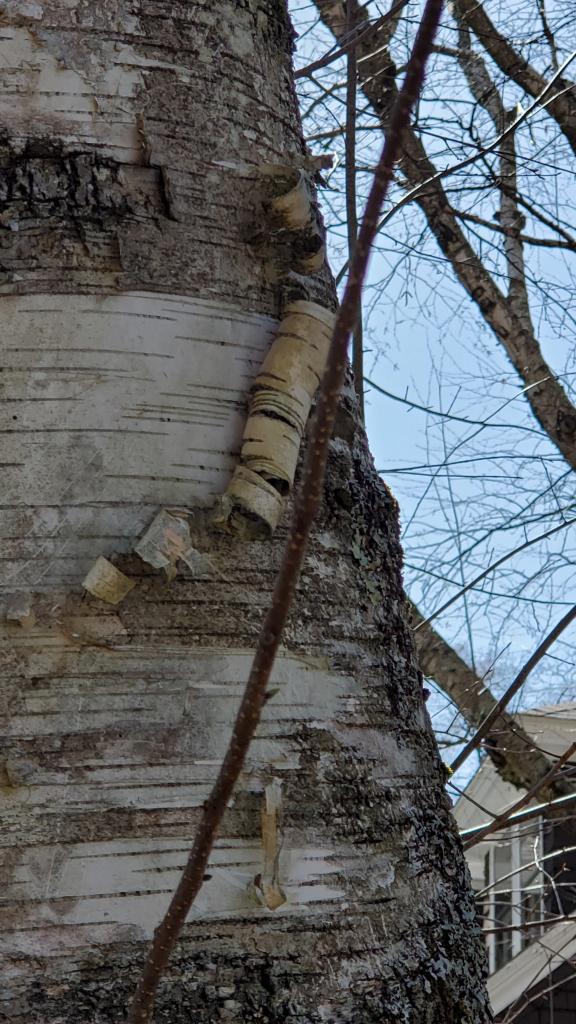
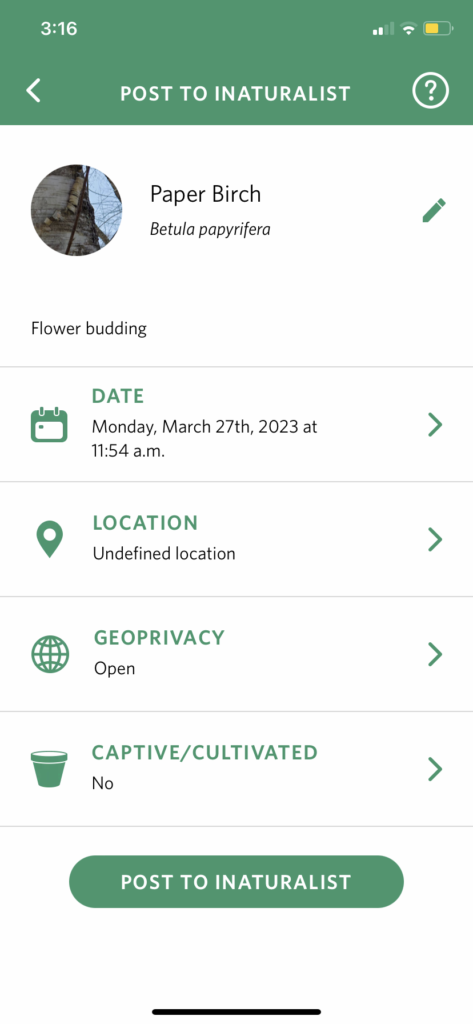
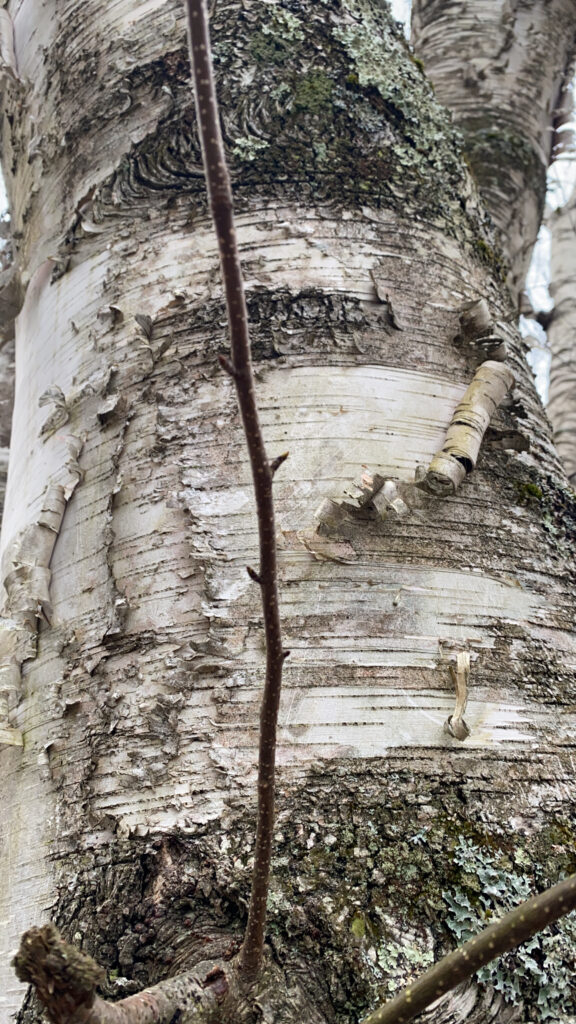
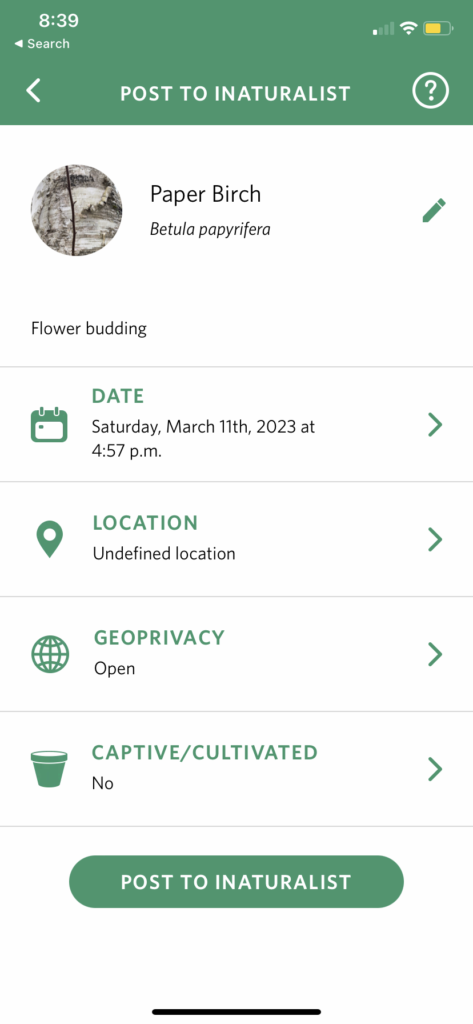
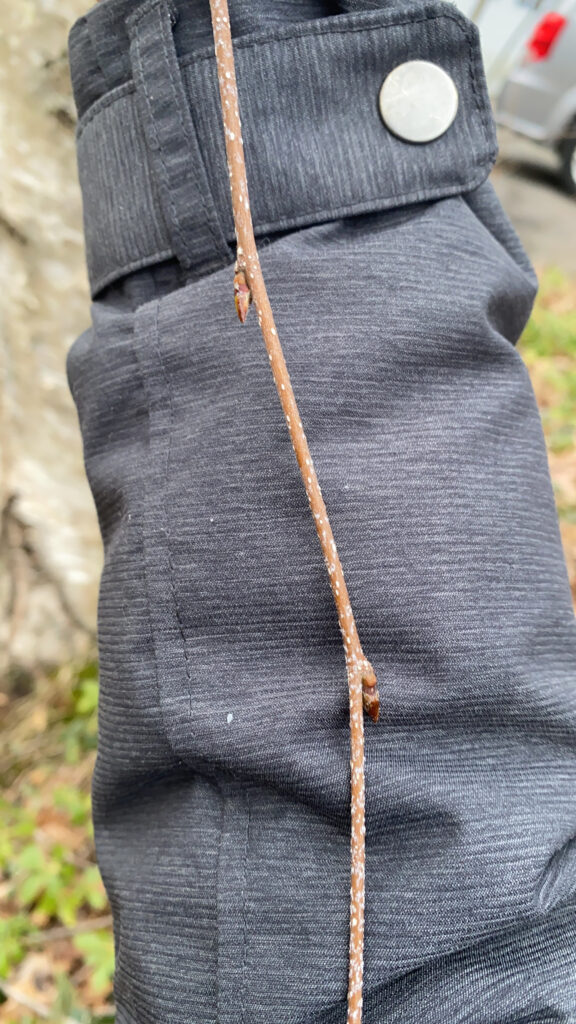
To start my Spring break off right, I adventured to my phenology spot in the search Red Maple, Northern Red Oak, Paper Birch, and American Beech. Ultimately, I found a large Paper Birch and decided to further investigate it. The white, curly, paper-looking bark is a key identifying characteristic of Paper Birches. The buds of Paper Birches are a brown-black color with ovate and pointed buds. The buds are rather narrow and the branches have white spots all over. I was able to identify this tree as a Paper Birch rather than other lookalikes such as the Gray Birch or Yellow Birch based on the color, shape, and size of the buds as well as the appearance of the bark. The branch of the Paper Birch has obvious signs of flowering as there were defined buds on the branches. Eventually, greenish-brown flowers named catkins will flower and turn into leaves. I cannot wait to see the progress of this tree in a couple of months as the phenology continues to change and evolve.

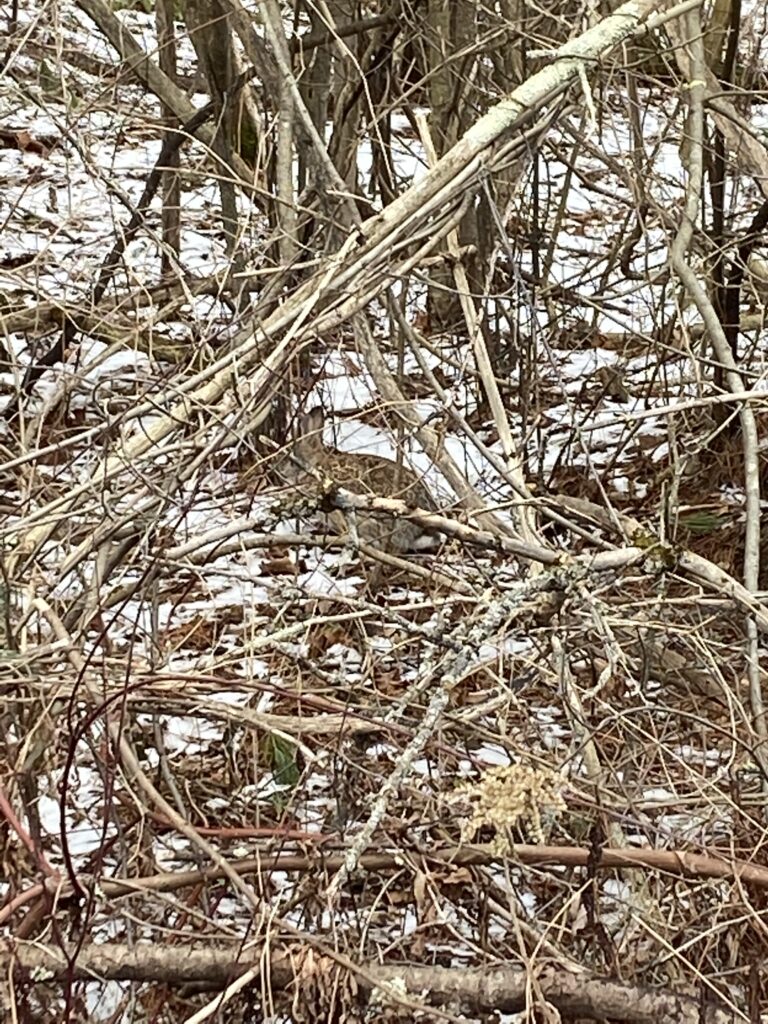
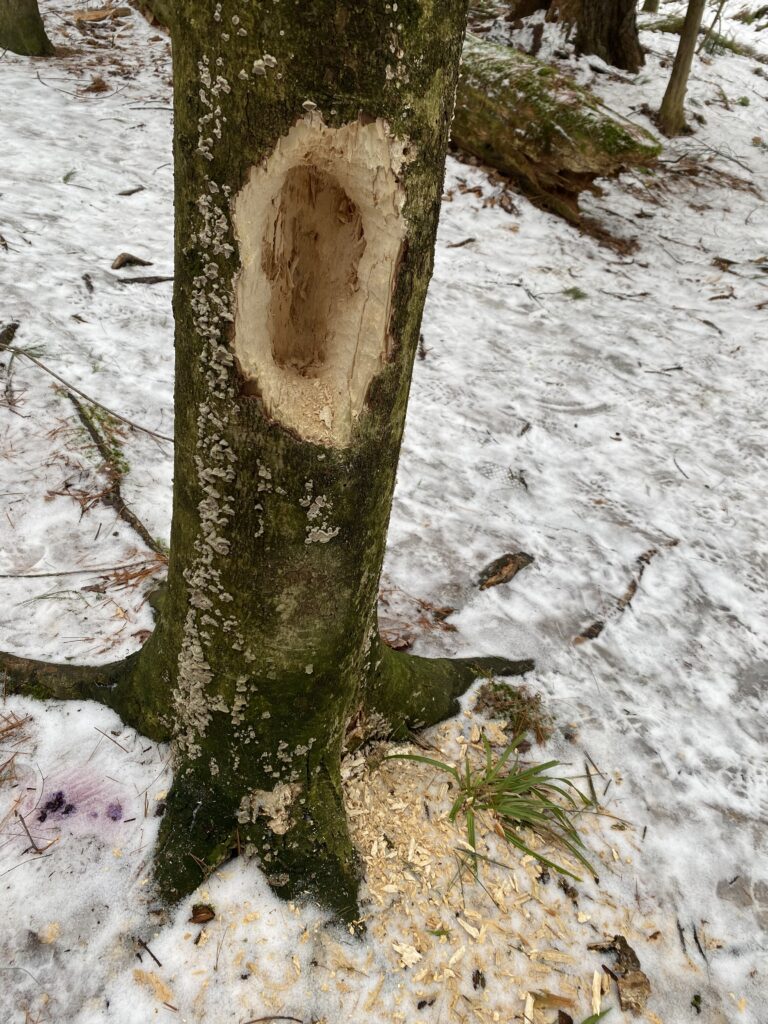
On Sunday, February 19th, at 11:15 AM, I journeyed over to Centennial Woods in the hopes of finding animal tracks and being able to identify them. It was a cold, partly cloudy morning a couple of days after it snowed. Depending on where the sunlight shined, it was muddy or snow-covered in different areas. I encountered various sightings of wildlife in Burlington such as dog tracks, Eastern Gray Squirrel tracks, Woodpecker activity, beaver activity, an Eastern Cottontail, a Black-capped Chickadee chirping, tracks of an animal that is a member of the Mustelids family, and raccoon tracks in the mud. 

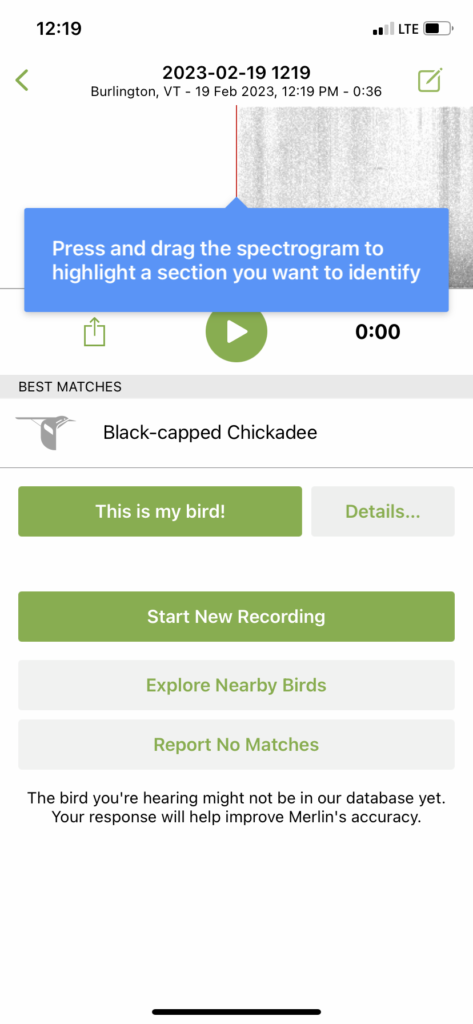
The iNaturalist app is an amazing resource that I find myself using constantly to learn more about my surrounding environments and ecosystems. The app’s ability to identify is always impressive and endless, especially when it comes to identifying plant species. However, I had a challenging time using the app to identify animal tracks because the tracks were not defined enough to highlight the identifying characteristics. Therefore, I mainly relied on my track and scat book and already made observations on iNaturalist by my peers to help identify the tracks that I found on my adventure in Centennial Woods. Another resource that I relied on to help identify the wildlife in my surroundings was the Merlin Bird ID app. I can always count on that app to pick up on the chirping of the Black-capped Chickadee. 

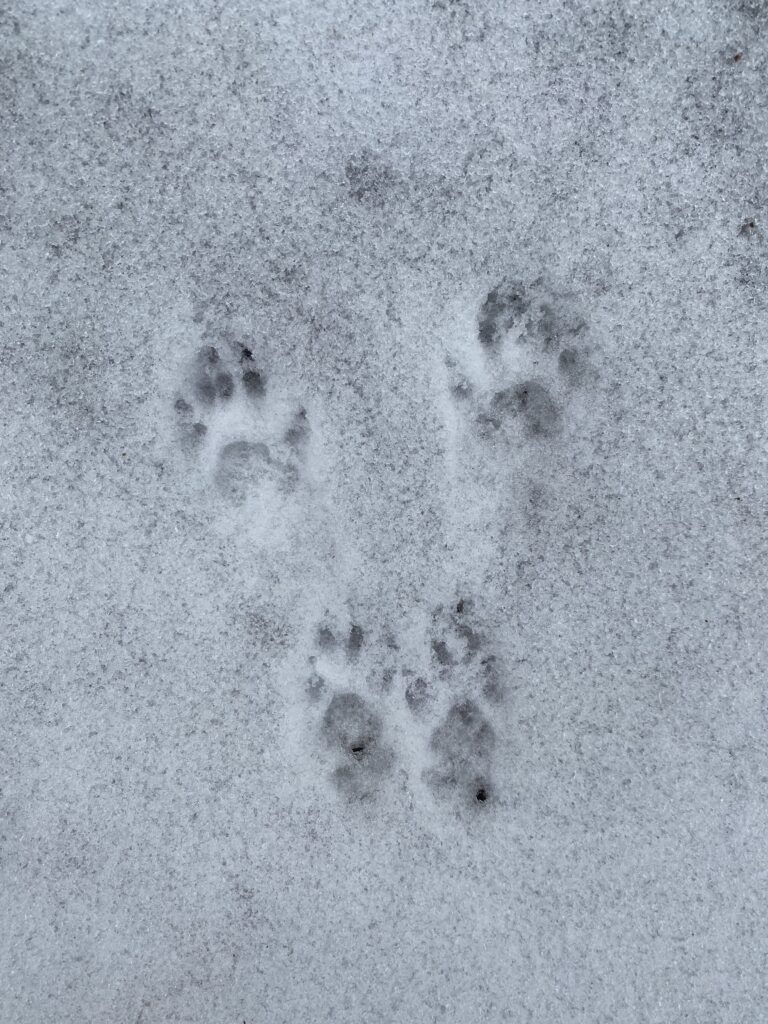
At the beginning of the trail, I came across a bunch of smaller animal tracks at the bottom of a tree. I identified these tracks as a Gray Squirrel because there were four small tracks together, four front toes on the front feet, and the hind foot was different with five toes. The size of the tracks corresponded to the dimensions given by the tracking book and I compared these tracks to the pictures uploaded to the iNaturalist Project. I was pretty confident with these tracks being a squirrel’s but I wasn’t sure between a red or gray squirrel because the main difference is the size of the tracks. Ultimately, I chose the Gray Squirrel because of the size of the tracks and there were more postings of a Gray Squirrel than a Red Squirrel on the iNaturalist database. 

Eastern Gray Squirrel Tracks

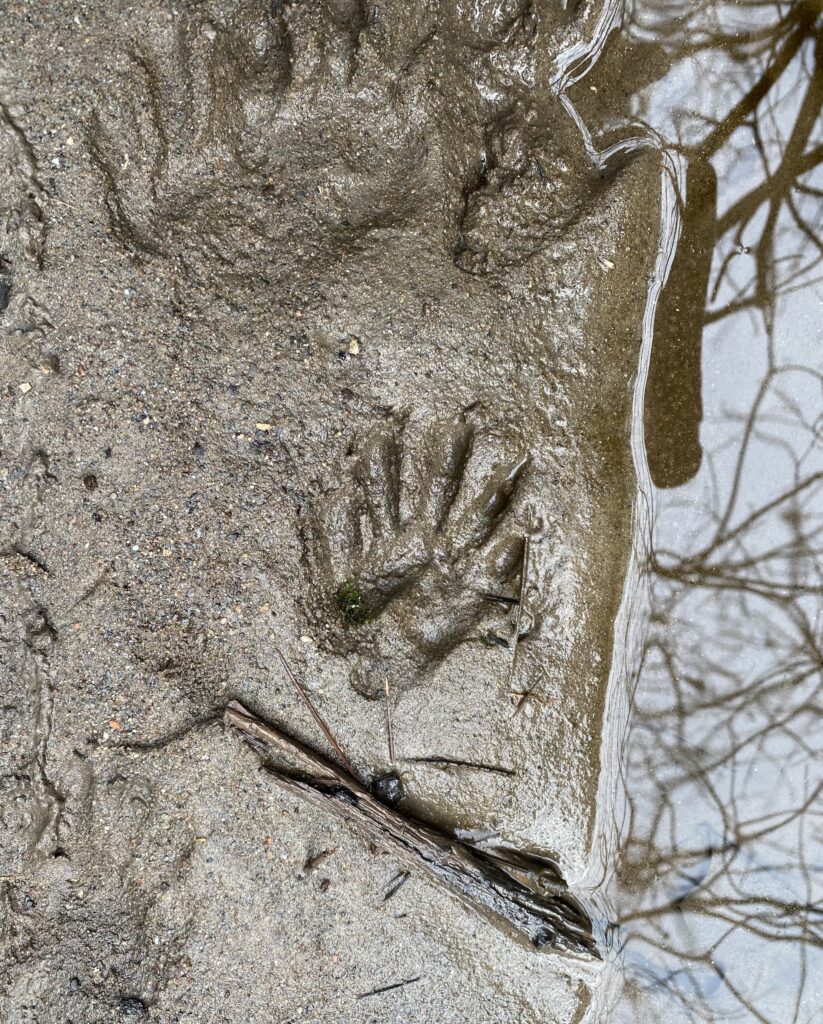
After journeying deep into Centennial Woods, I came across tracks in the mud next to the stream that the iNaturalist app was able to pick up immediately. The tracks of a raccoon that was likely down by the stream to drink water. There were the same pattern of tracks down the stream about 20 feet from the first ones. Raccoon tracks have very distinct features including five toes and human-hand looks. In addition, the dimensions when comparing to an eco-ware tag were accurate to the dimensions provided by my animal tracking book. 

Raccoon Tracks
Eastern Cottontail
Signs of Black-capped Chickadee
Woodpecker Activity

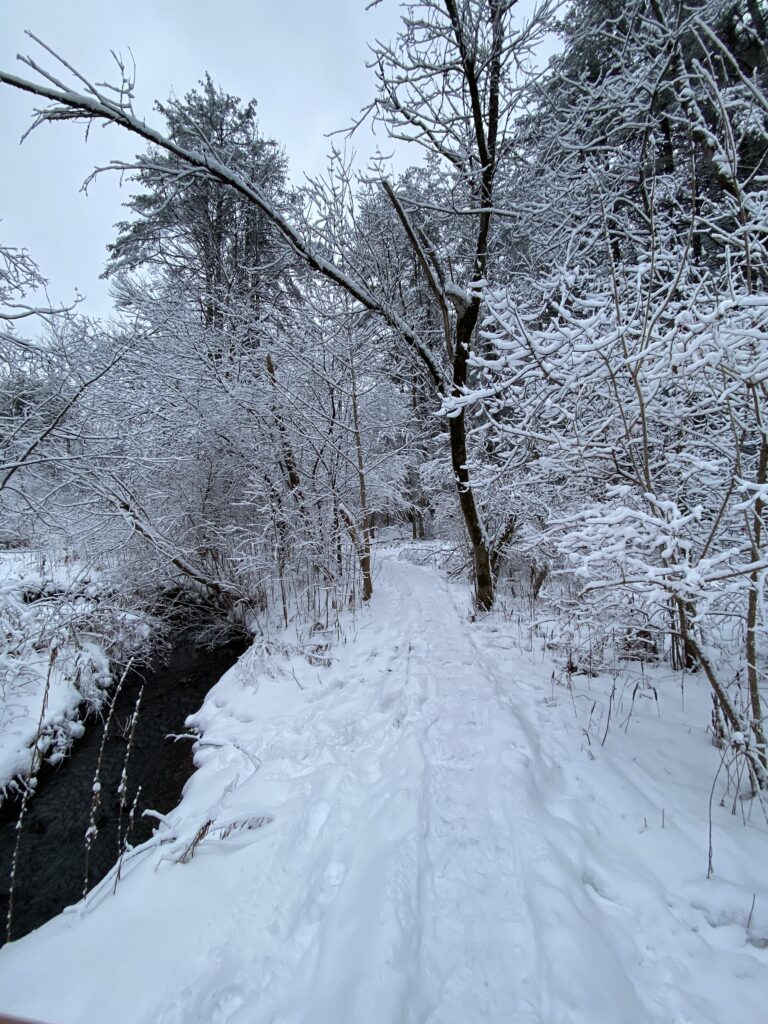
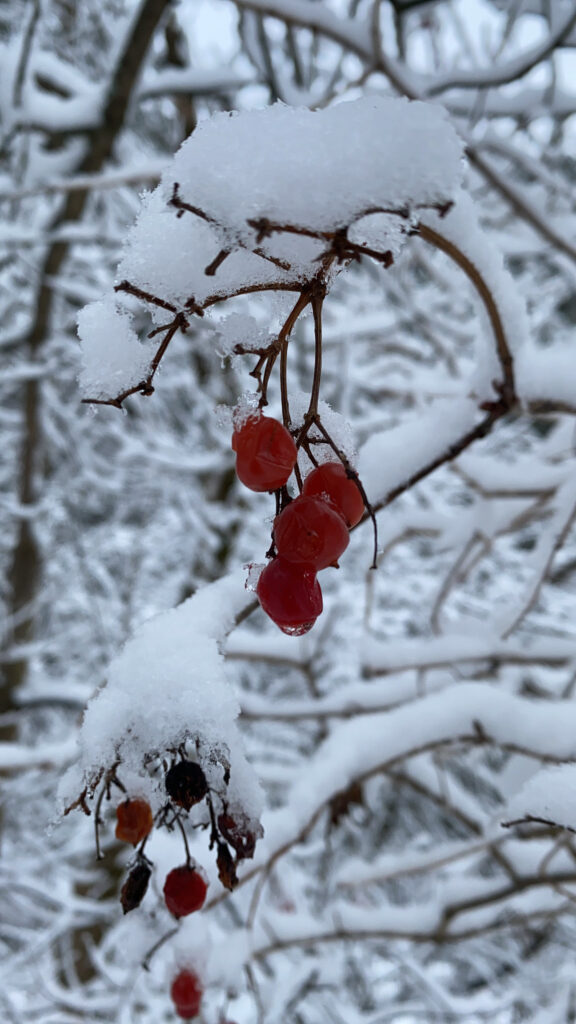
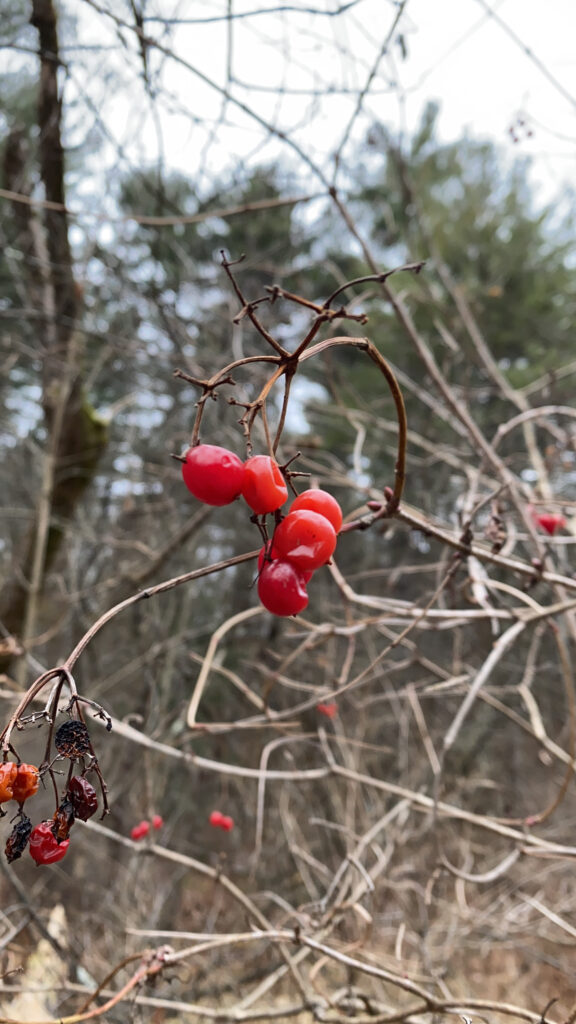
We are back to blogging and studying the phenology of Centennial Woods! It is still the season of the sticks but with a beautiful coating of shimmering snow and colder, brisk air. The Guelder-Rose berries were still standing as the redness of the berries were accentuated by the white snow. In addition, you could hear the Black-capped Chickadee in the distance just like before. While this location was never packed with wildlife activity, it felt even more empty and still now. When I visited the location, it was not cold enough for the babbling brook to freeze over so it continued to stream at the same pace as before.

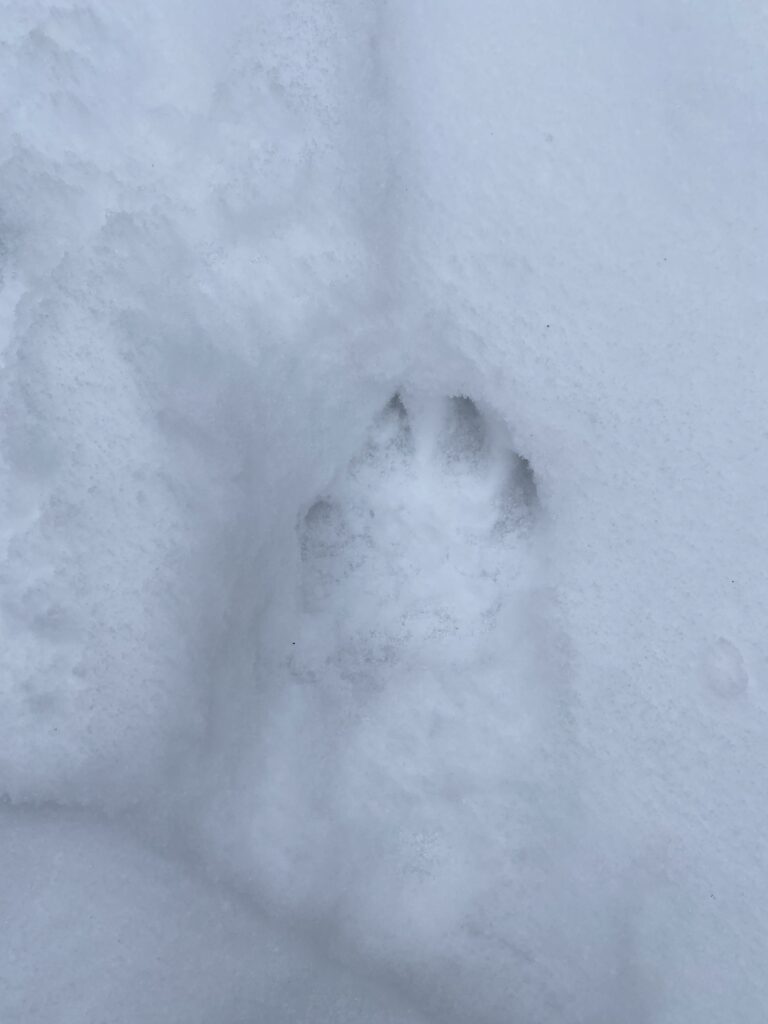
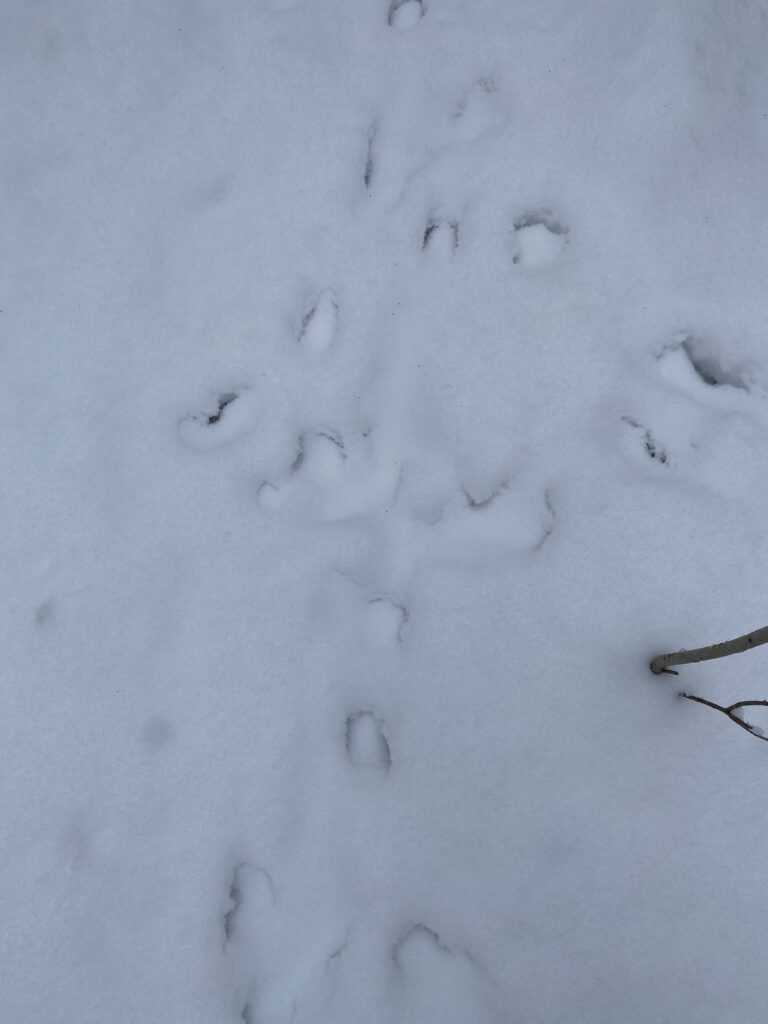
The night before, about four inches of snow had fallen so I was hoping that there would be minimal human impact at my phenology location and therefore it would be easy to trace wildlife tracks. For the most part, I was getting confused between fallen snow making dents in the snow with wildlife tracks. Unfortunately, I was only able to locate human and dog tracks which does not highlight my location’s changing phenology but it does highlights the importance of Centennial Woods as a natural area. That’s all for now! It feels amazing to be back!

The journey of learning more about my phenology spot in Centennial Woods is coming to a close. Over the past two months or so, I have had the opportunity to observe the changing phenology of my location which has been eye-opening and educational. By observing the thick green overstory transition into a colorful foliage and then transition into stick season has been a special way to be introduced to Vermont.  

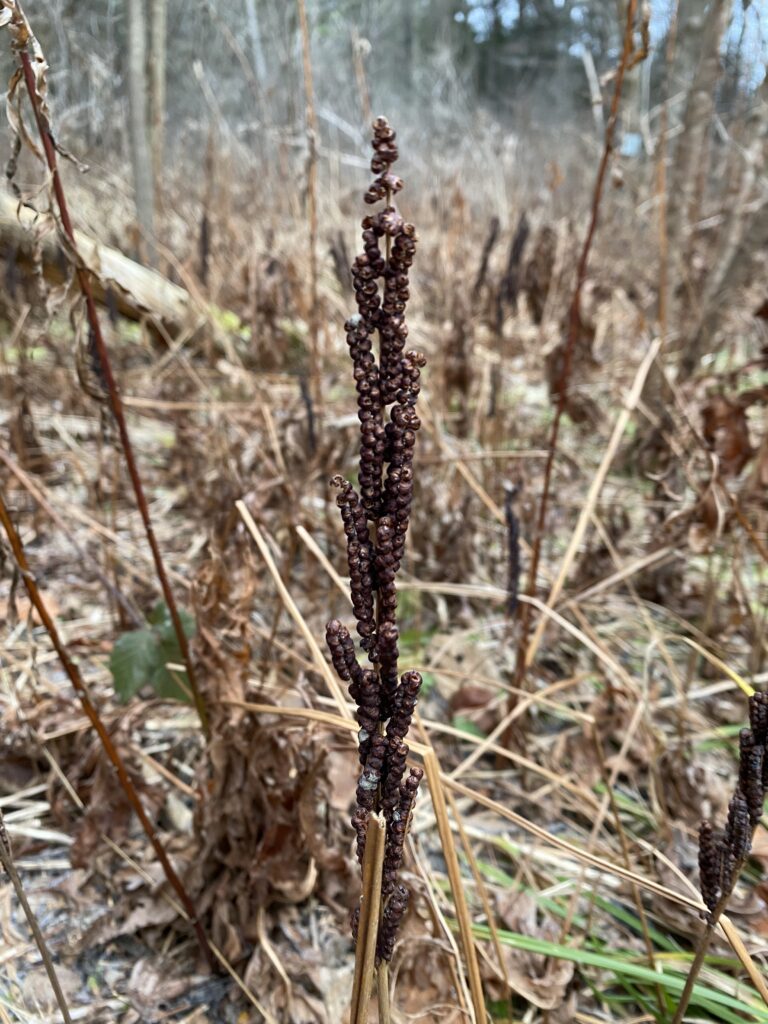
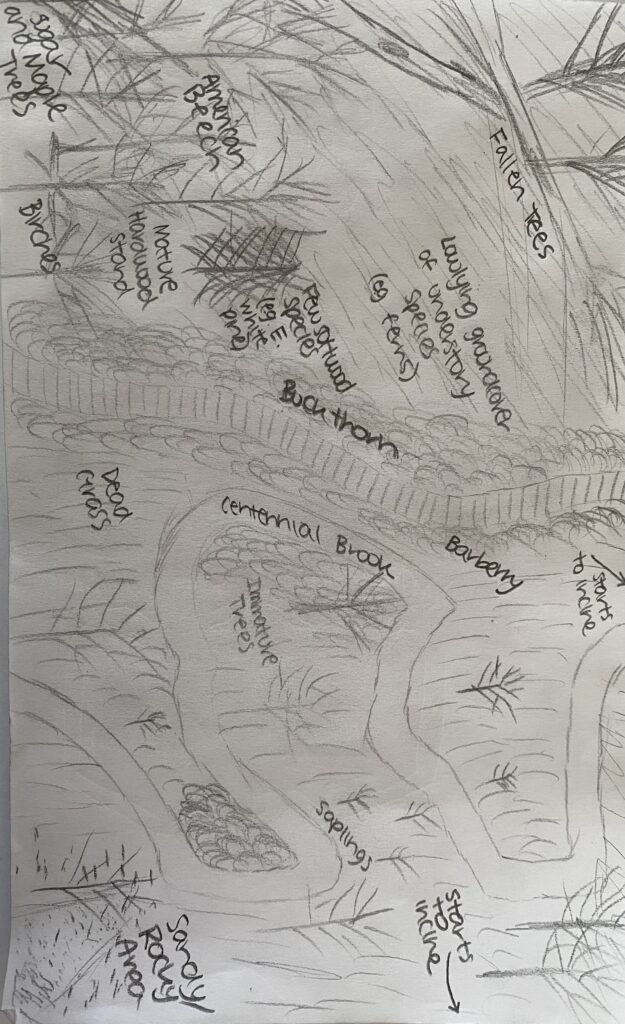
The foliage has not changed significantly since my post in early November. It is stick season in Centennial Woods and it still has an abundance of fallen leaves. There were more trees than last time without any leaves. The Sensitive Fern was one of the few planets that was not all sticks. In my hand-drawn map of my location, it is highlighted that, at the time, all of the varying trees in species and maturity, like the Birches and American Beech, have full crowns of leaves which have all fallen. In addition, the buckthorn that lines the path and the grass and fern that covered the forest floor was thin and overpowered by fallen leaves.  

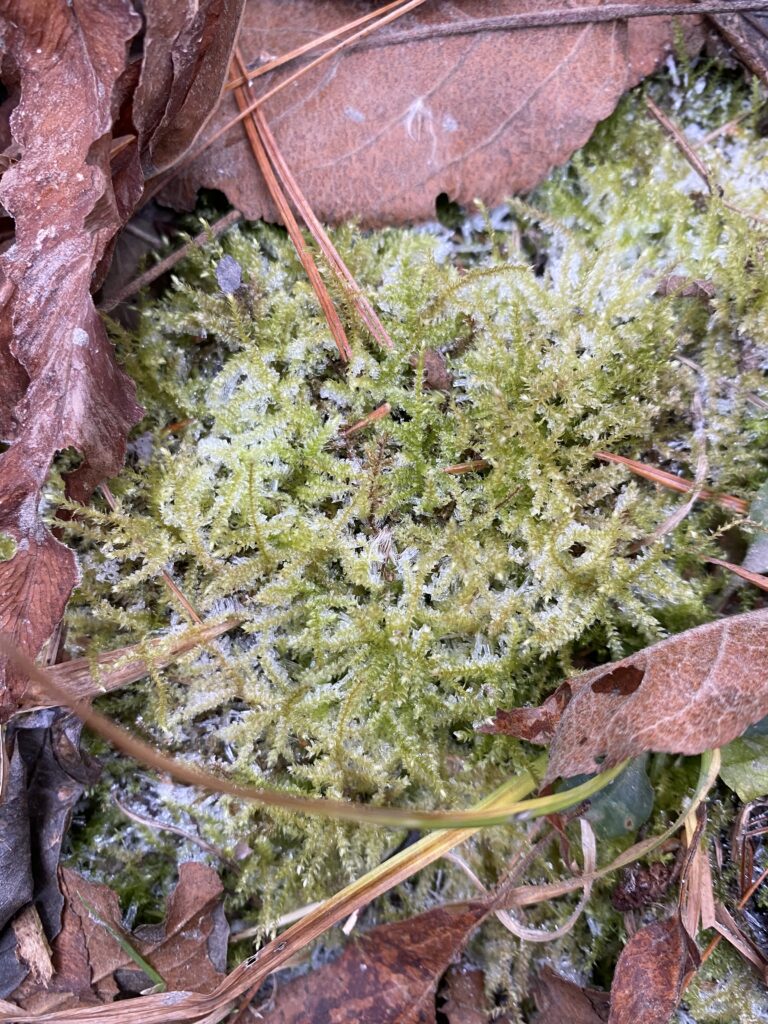
At my location, there were a couple of persistent fruits and vegetation. The most visible fruit was the guelder-rose with its bright red berries that can be seen from far away. These berries will be a main food source for various bird species. Some persistent vegetation that I was able to identify was moss, specifically Eurhynchium Praelongum, and the leaves of White Avens.  

A major component of stick season is the fall leaf litter. I noticed that the size of the leaf litter has decreased due to the decomposition of the leaves. An example of a decomposer is mold, which is indicated by greenish-gray or darker brown spots on the leaves.

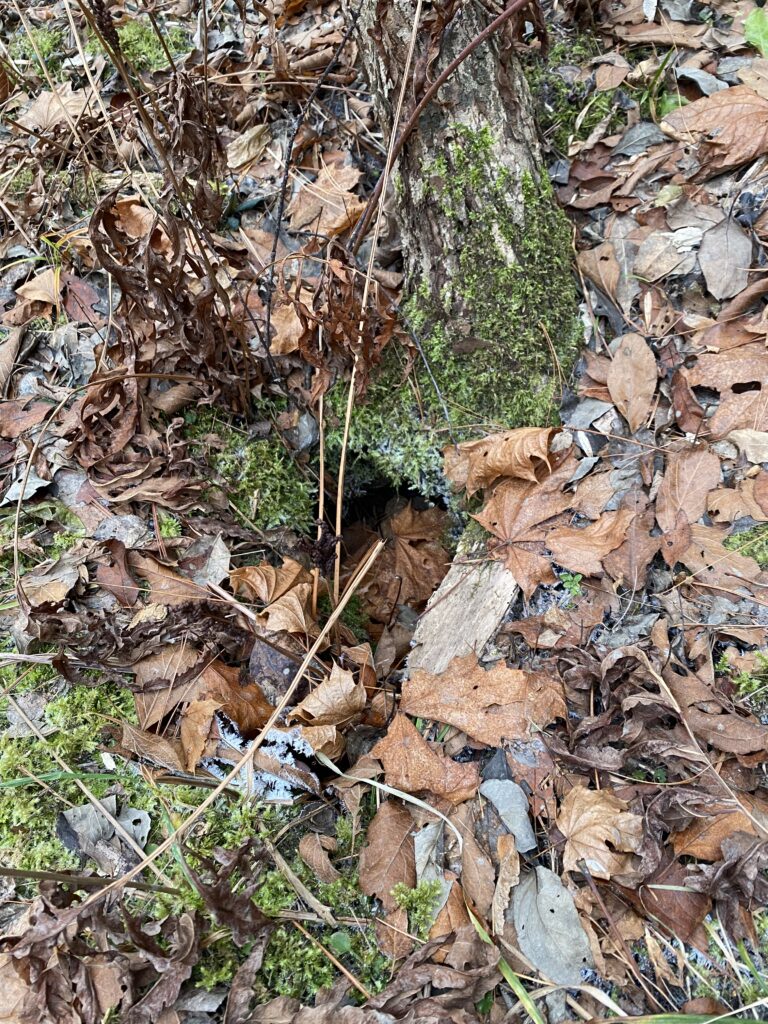
The Merlin Bird ID app was able to identify a Black-capped Chickadee. In addition, there were various trees with marks on the bark and borrows, showing signs of hibernation. And as Mary Holland likes to point out in Naturally Curious, there were signs of squirrel nesting as there were leafy ball nests and striped bark nearby. While the animal activity previously was never overwhelming, it was and felt more calm and empty feeling, like everything had gone to bed for the night. There were very few birds chirping and sounds of animals moving over the crunchy leaves. Unlike the past visits, there were no sightings of the typical squirrels or chipmunks. 

I am beyond pleased with the location that I chose for my phenology project for several reasons. I am proud that my spot highlights the importance of appreciating and enjoying your immediate surroundings and how it demonstrates that you do not need to travel long distances to enjoy nature and learn from it. Furthermore, my location seems very similar to a spot in my hometown (featured in my latest blog post) at first glance but once you observe it more closely and identify the species that make up the spot, you will soon learn that they are different. Lastly, my favorite part of the location is the babbling Centennial Brook that weaves itself through the woods. It feels like the brook makes the location more unique and has a strong influence on what species are likely to be found in the location. Although my Centennial Woods exploration is coming to a close, I intend to keep visiting my location and further observe the changes in phenology to continue my overall understanding of and continue to learn about Vermont’s phenology. Until next time!

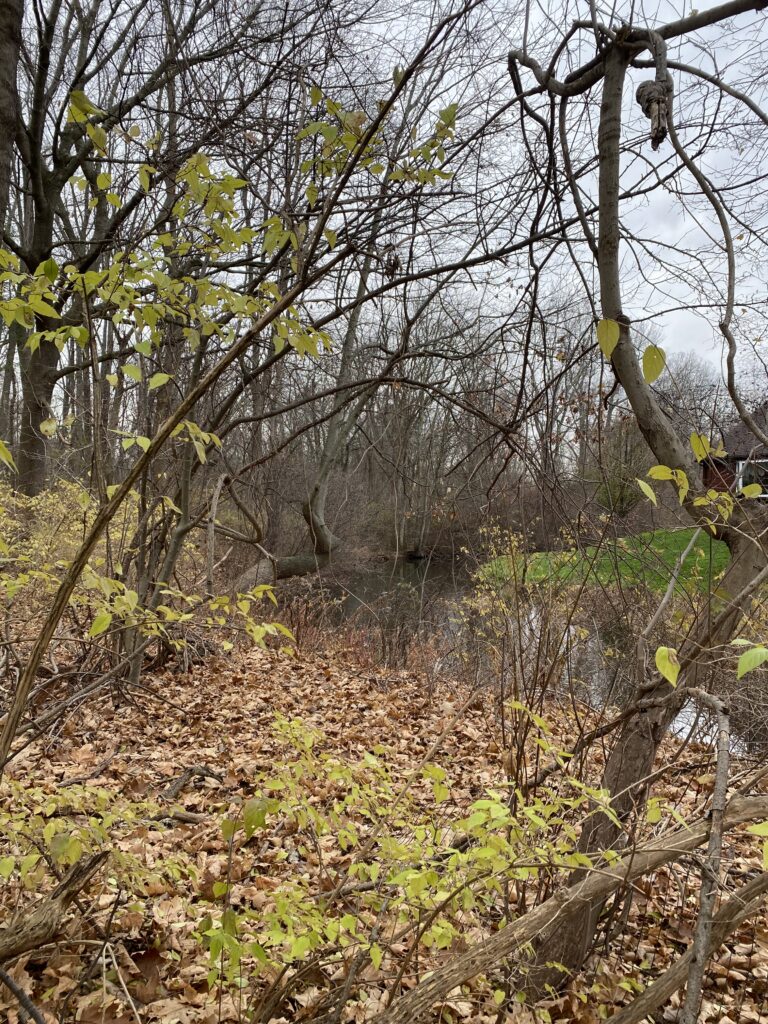
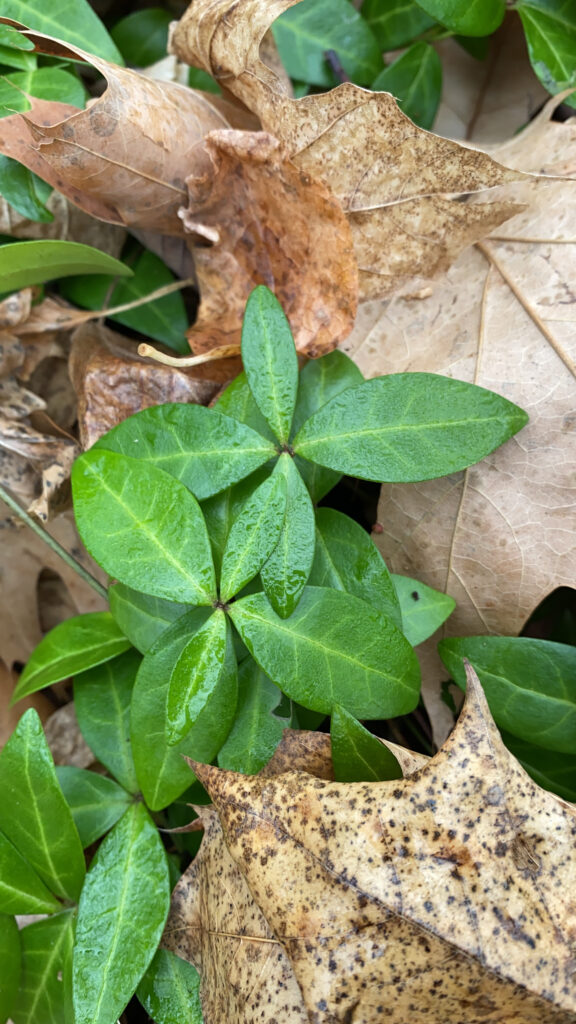
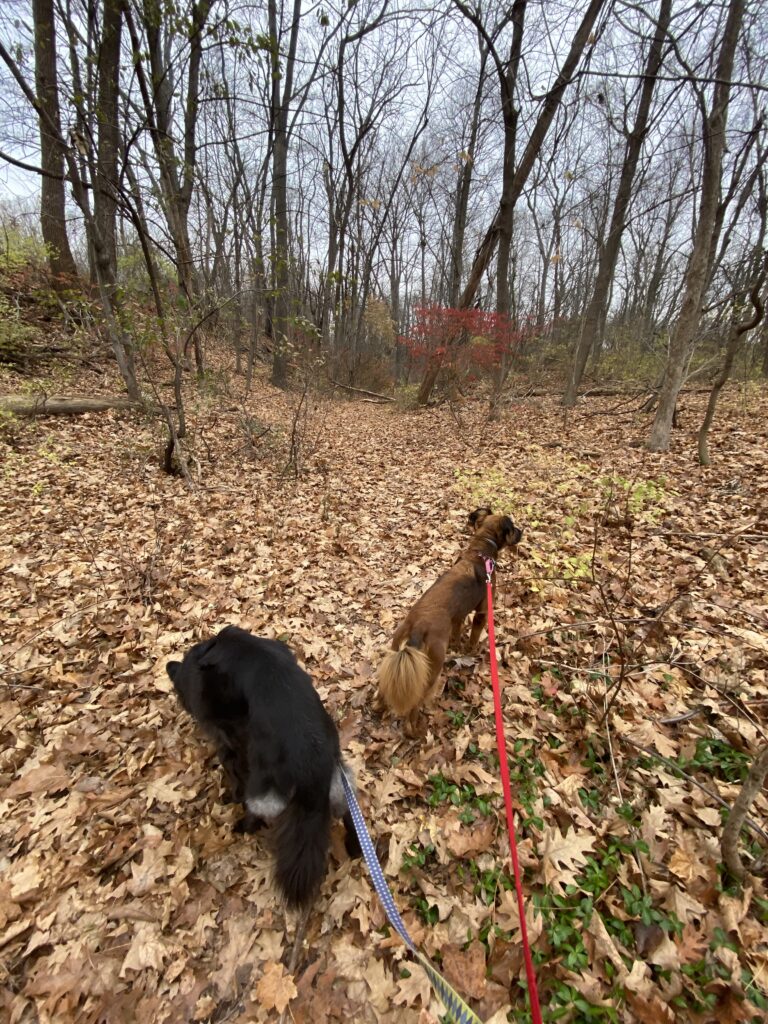
It was Thanksgiving break time and off I went home, back to West Hartford, Connecticut. With this blog post in mind, I immediately knew which location back home I wanted to compare to my phenology project location. The Connecticut location strongly influenced the one I picked in Vermont, as my phenology project location is very similar. Both locations are part of natural areas in the middle of a more urbanized area and surrounded by a school so both locations are influenced by human activity. Moreover, a stream passes through both locations which plays a major part in the ecology. Some notable differences between locations were the species of plants and animals present. At my phenology project site, the stream is mainly lined by Buckthorn and back home, the stream was lined by two different species of honeysuckle, such as Amur Honeysuckle and American Fly-honeysuckle. Some other species that I identified in the understory in Connecticut were Winged Euonymus, Multiflora Rose, Common Ivy, and Lesser Periwinkle that I have not been able to find in Vermont. It is also worth noting that the terrain of both locations are relatively similar as it varies in incline. Moving onto the wildlife present, the sound of wildlife was more distinct than in Vermont; however, I still heard the sound of vehicles driving on a main street close by. I was able to hear the Hairy Woodpecker and Tufted Titmouse, as well as see squirrels and ducks. 

“Honorable Harvest” in Braiding Sweetgrass emphasizes the importance of the exchange between humans and the Earth. Some “rules” that one can follow to give back to the Earth and also be a respectful steward of the land are to share the space as the Earth shares with you, be appreciative of the land, and sustain the land as it sustains you. Throughout my break, I made an effort to practice giving back to the land by using the space respectfully and sharing its beauty with my dogs and family members. In addition, I properly disposed of trash like deflated balls and small pieces of plastic as a way of sustaining the land. 

As I sit in the center of my spot located in Centennial Woods, the sound of the wildlife that surrounds me is slightly overpowered by the sound of human life. In the distance, I can hear the sound of motorized vehicles as well as the faint sound of humans enjoying the space for recreational purposes. As I try my best to sound out the human activity, I zone in more on the presence of nature. The sound of Centennial Brook babbling. Tranquility. Occasionally, I will hear a few chirps from birds and rustling in the leaves by critters, like chipmunks and squirrels, preparing for the winter season.

Returning back to my spot after a couple of weeks, it is apparent that stick season is here. The trees that were previously full of a thick, green leaf cover are now stripped down to branches of a brown-grey color. Every step I take, I crunch the fallen dead leaves. Rather than a contrast between a blue sky and green leaves, it is now a contrast between a blue sky and shades of brown with yellow and red hints. The sunlight is more present at the bottom of the forest but it feels weaker. The wind is more brisk and the temperatures are cooler. Winter is right around the corner.

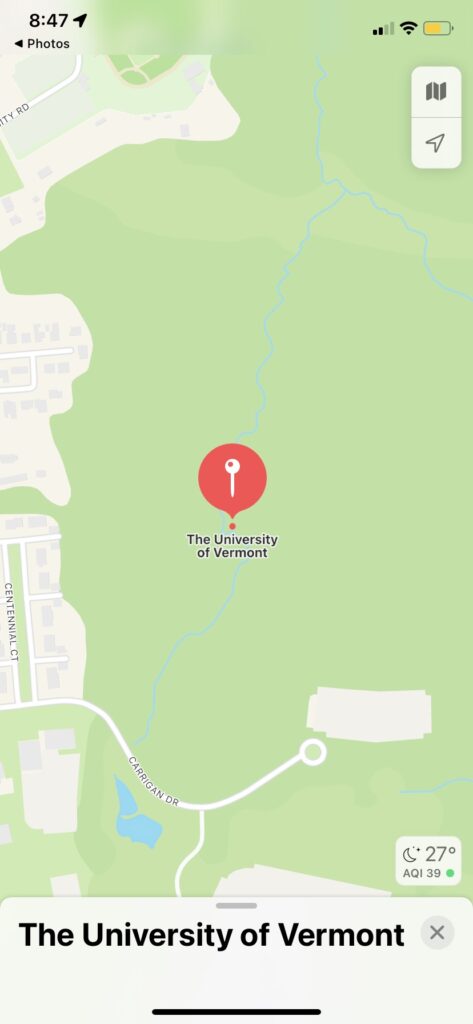
Join me on an in-depth exploration of Centennial Woods! It is a natural area located in Burlington, Vermont that is frequently used as a “getaway” for humans but also is a home for countless species. 

I chose this location because of its ease, resemblance to my hometown, as well as the varying elements that make up this area. Burlington, Vermont is home to many beautiful and worthwhile natural areas that capture the wonders of the natural world. While there were numerous locations that I could have chosen to further explore, I chose a nearby location because it is important to be able to appreciate the typical natural areas in your surrounding community as these areas are your reality. You are not always able to travel to the most renowned and spectacular sights, which is why there are no matched beauty of the simple things in life. Furthermore, we were assigned to self-explore Centennial Woods for our first lab of the semester. Centennial Woods was my first impression of the natural world in Vermont and I was immediately drawn in by its beauty and abundance. I was drawn to this specific area partially because it reminds me of a stream right by my house in Connecticut. Additionally, I thought it would be interesting and educational to explore the role of the stream on the phenology that you would be able to observe at this spot. 
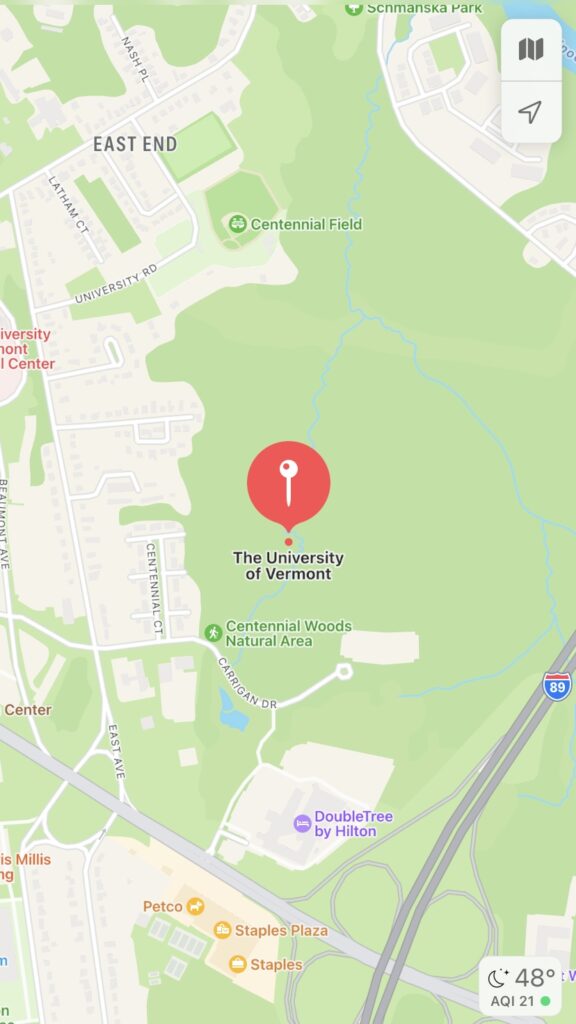
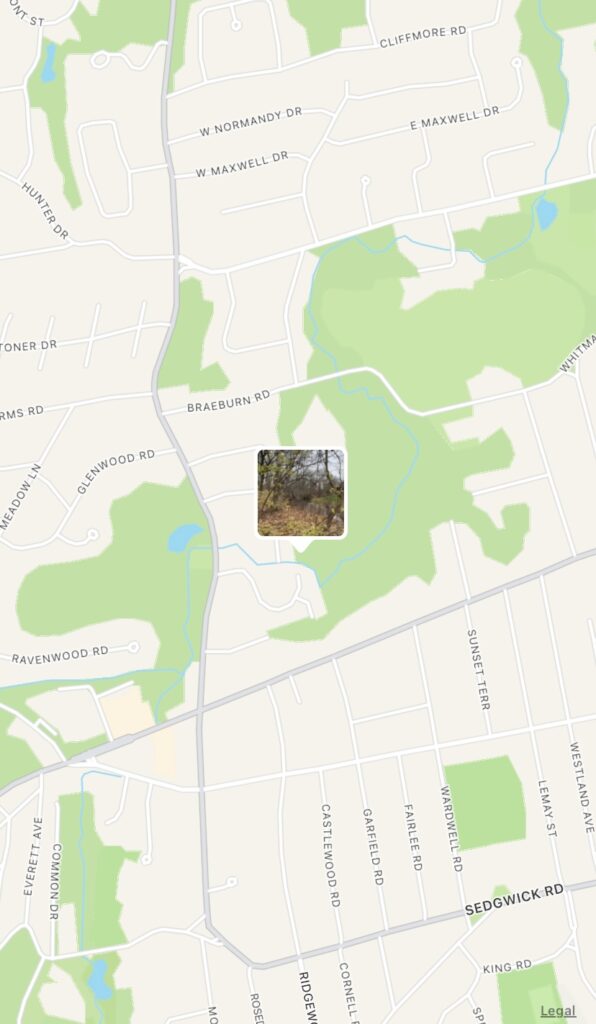
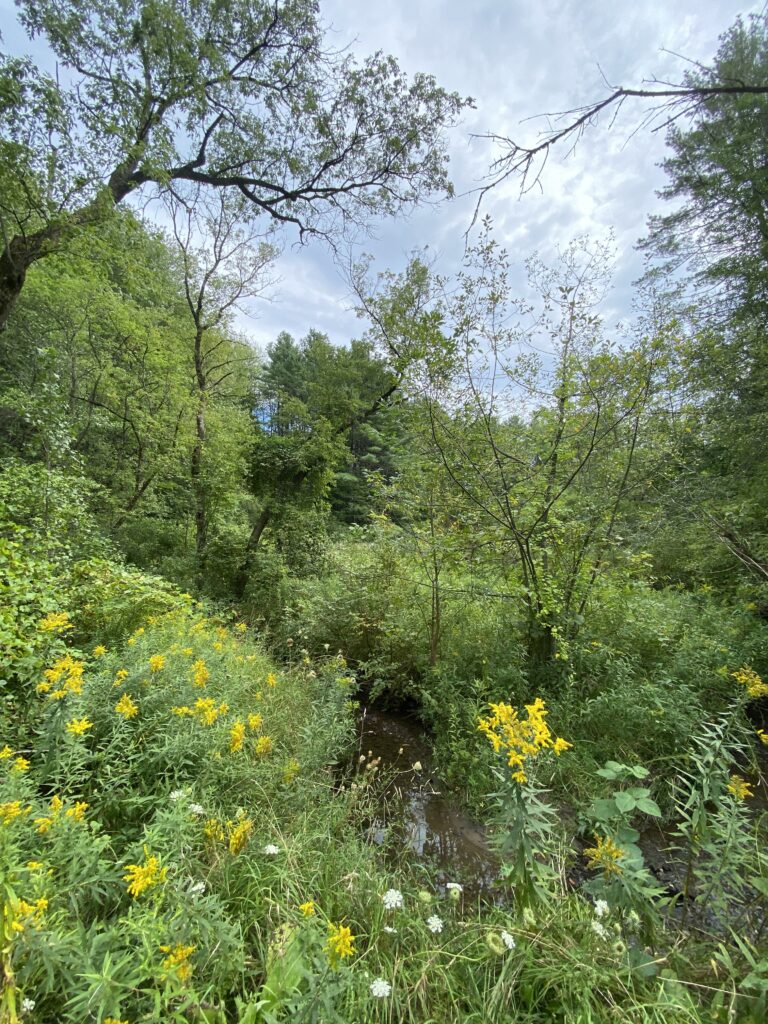
Centennial Woods is a mix of forested and marshland with a small stream flowing through the thick forests of various plant species such as Buckthorn, Eastern White Pine, Boxelder, Yellow and Paper Birch, and Poison Ivy. The plant cover is relatively widespread and there is a mix of tree maturity. You can spot and hear the typical New England species in Centennial Woods which I am excited to discover and observe. 

Where do I start? Find your way to Jeffords Hall on the University of Vermont campus. Walk towards the Jeffords parking lot and find Carrigan Drive. Using a compass, walk east down Carrigan Drive which will become Catamount Drive after a main intersection with a stop light. Continue walking east until you locate a wooden sign titled “Centennial Woods, Natural Area”. Use the path to the left of the sign and start your journey. At the first fork-in-the-road, continue on the path to the right. Eventually, you should come across wooden bridges that will be parallel with a small stream. Look around and enjoy the vicinity! 

Skip to toolbar