
4/24 Blog Post #11
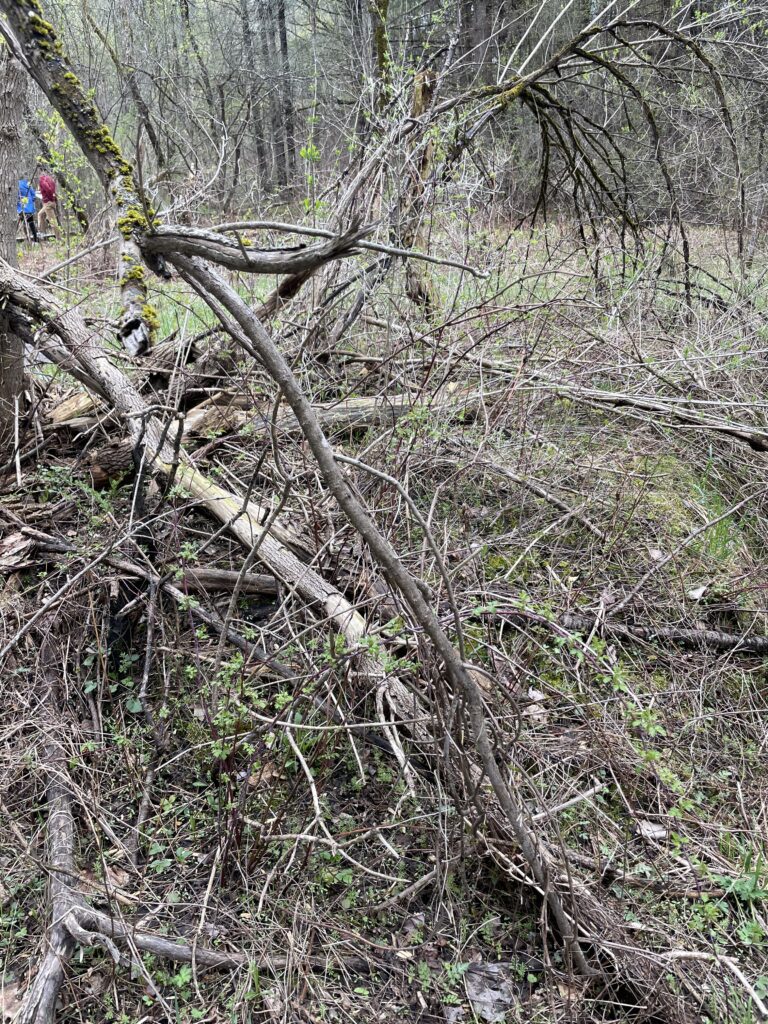
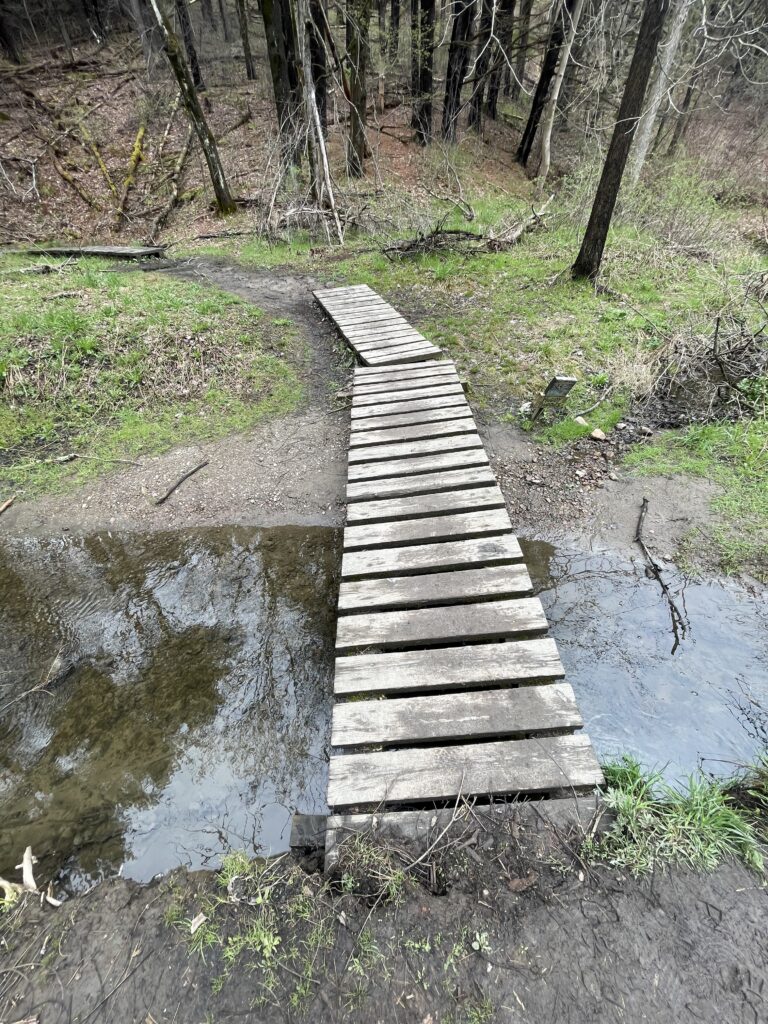
Today was my last visit to my phenology spot for this project, however I will most likely be back to this spot in the future. Over the last two semesters I have seen a lot of change occur in this area. I have watched it change phonologically as well as from human disturbances. When I first saw this spot it was early fall, there were leaves and/or berries on almost all the plants. The stream was relatively slow moving at this time, and the ground was fairly dry. As it got later into the fall, the leaves and berries fell from the trees, and most of the woody plants died off. When I returned after winter break, there was a drastic difference since my spot was covered in snow. All of the plants had died off and the river was flowing at a faster pace. As spring time has been approaching, I have noticed signs of life reappearing, like the buds on the American Beech tree that is only a few yards away from my spot. Also the grasses along the river bank are starting to sprout up again.
In addition to the phenological changes I have observed in my phenology spot, there has also been some evidence of human change. The most notable of these human changes is the addition of wooden bridges to help people avoid walking through the mud. Every time I have come back to this spot I have noticed there are more wooden bridges along the path, and it seemed like this time there was significantly more than the last time. I also have noticed the wear on the grasses in the places that people walk. I have noticed that some bare spots have appeared now that the grasses are growing again, in places that are off the trail. I think I had some part in this because one of the bare spots is where I like to stand when observing my phenology spot.
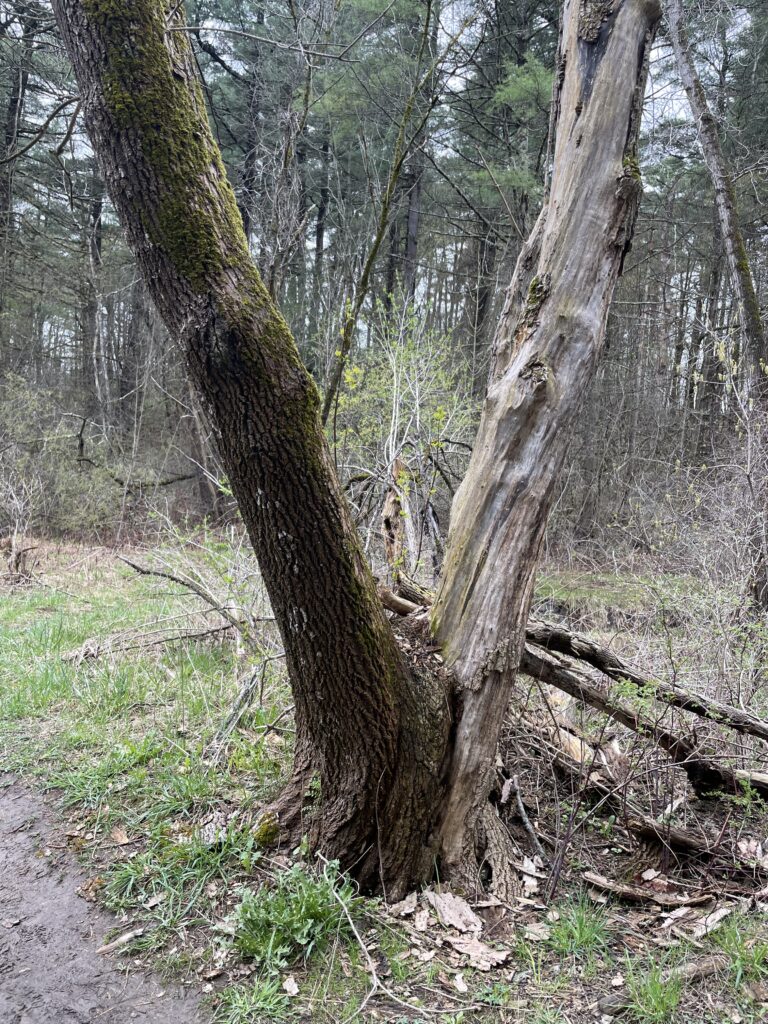
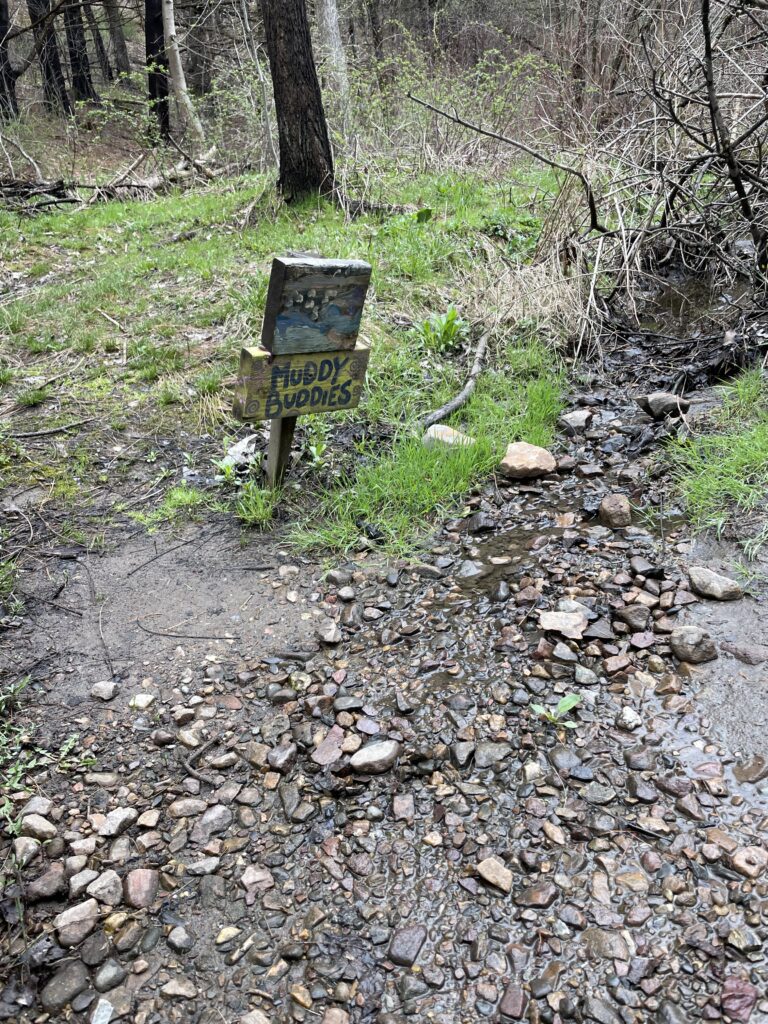
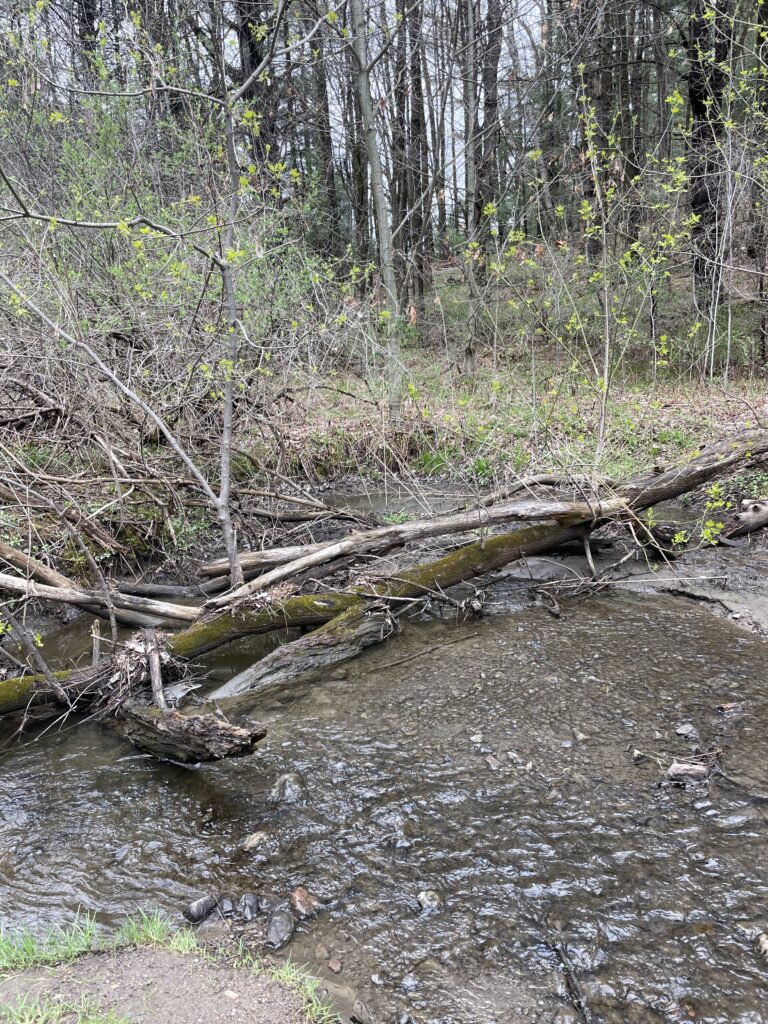
There are multiple markers around my spot that I have gotten to know and recognize over the past two semesters. The major landmarks include The split ash tree which marks where I split off from the trail. Another one is the wooden bridge that crosses right over the stream at my spot. The third major landmark is the downed tree that is across the stream. The minor, or smaller, landmarks include the piles of wood plants that line the side of my spot. Also the small sign that says “Muddy Buddies” is another minor landmark.
I think my spot is a great example of how culture and nature are intertwined. Centennial Woods is a natural area made for people to be able to connect with nature. Every time I have visited my spot I have encountered at least one other person who has come to enjoy this area. I have seen people hiking, walking their dogs, taking photographs, looking for birds, and so on. All of these are ways in which our society and culture have chosen to interact with nature. In Vermont I have noticed a culture that fosters the love for the environment and the outdoors. Places like Centennial Woods are perfect demonstrations of how that culture becomes intertwined with nature.
I have come to consider myself as a part of my place due to the impact I have had on it. I have spent a lot of time in this place in order to complete this project. My presence in this place has no doubt altered it. At the simplest of levels, I have contributed to the bare patch with no grass where I like to stand at my spot. I also would consider my self a part of my place because it has become familiar to me. I have grown to know the landscape, including the trail ahead and behind the spot. It no longer feels like another spot out in the woods that I pass through once and a while. It feels like one of the places that I know well and go to regularly, like my dorm, my house, and my old school. I consider myself to be a part of each of those places because of the time I spend there and so I feel as if I am also a part of this place now.