
3/20 Blog Post #8
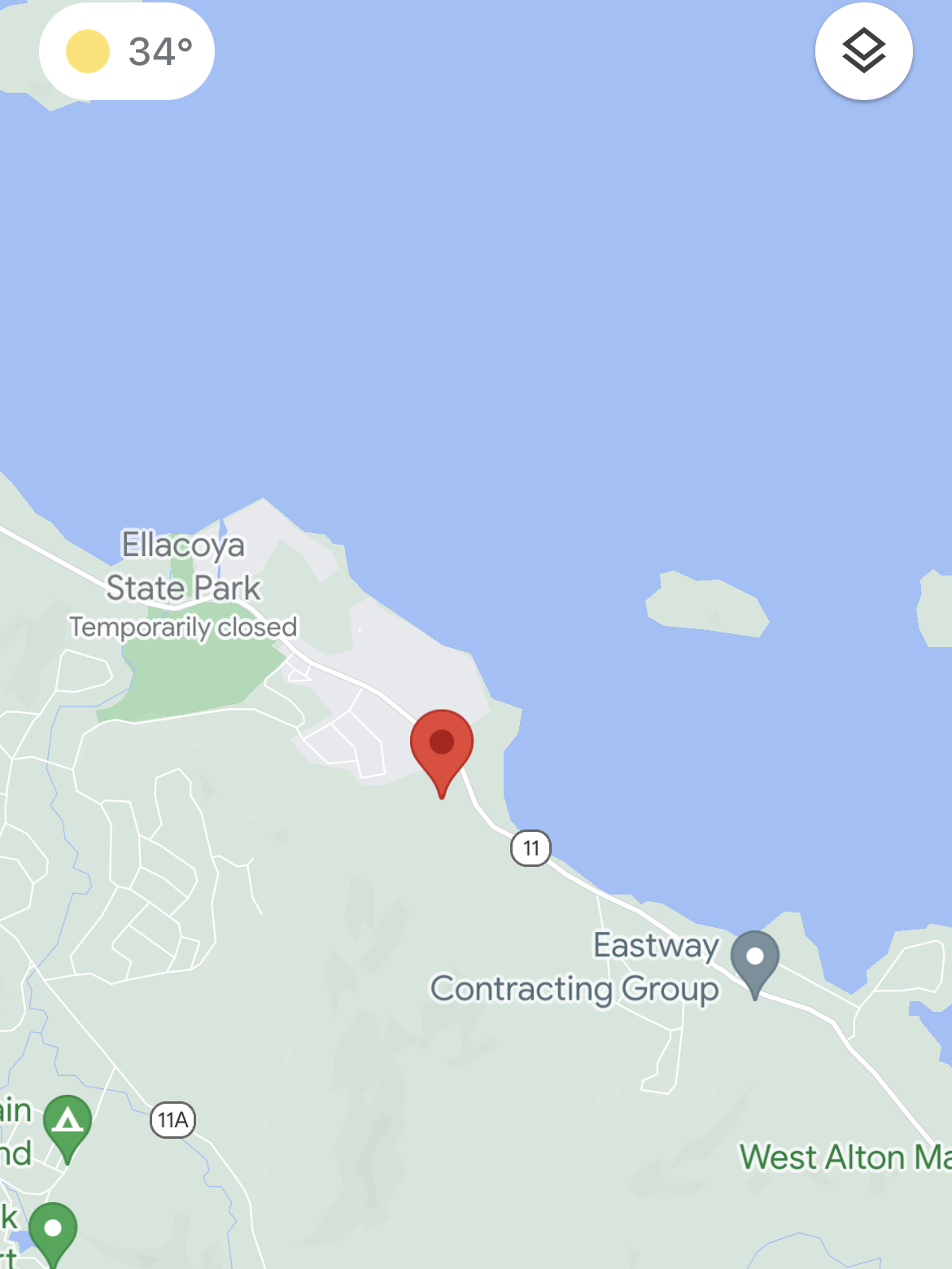
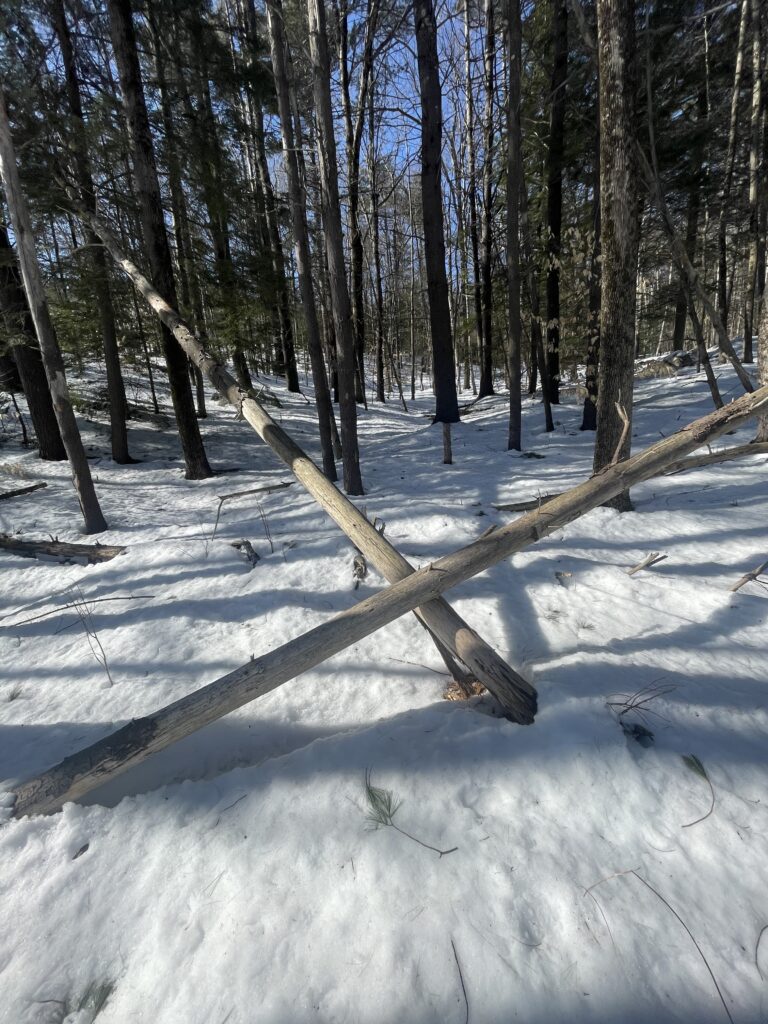
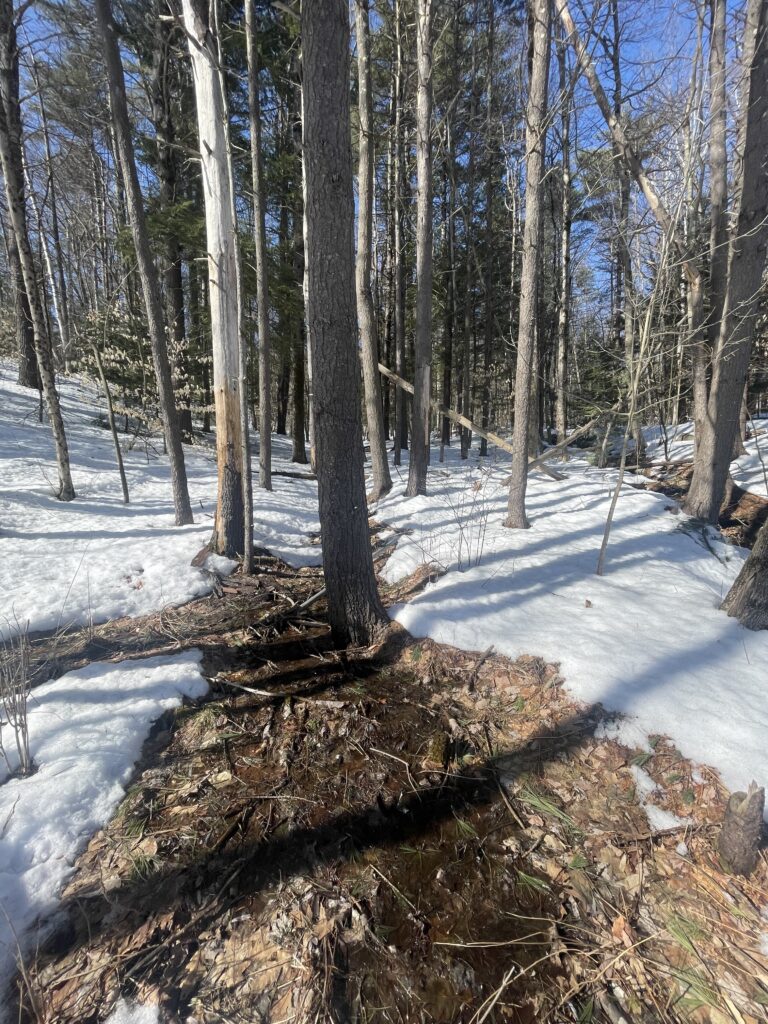
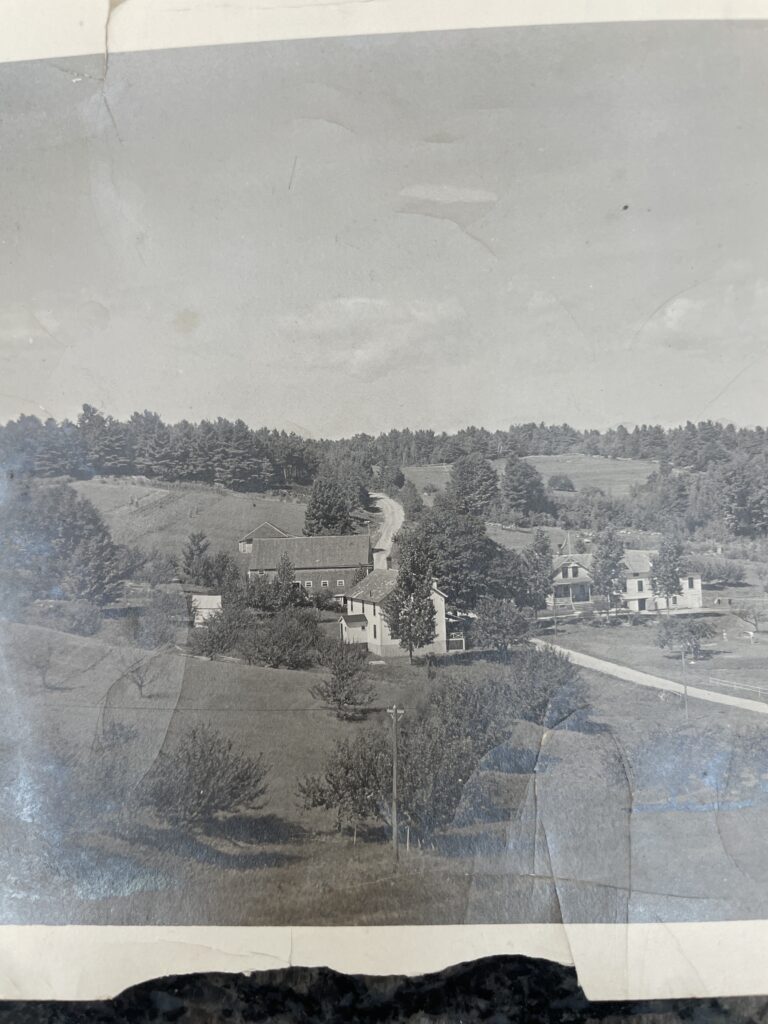
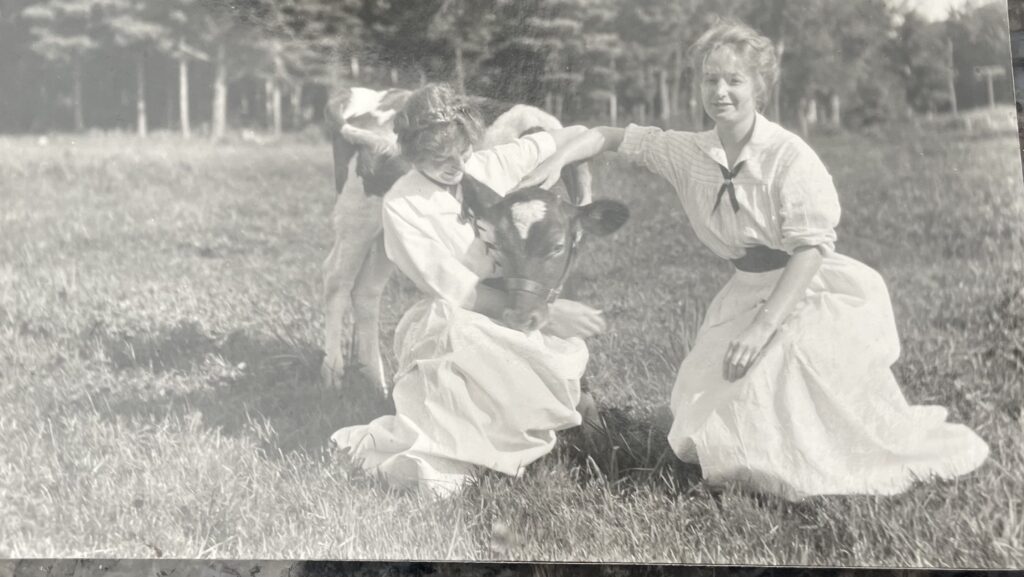
Over spring break I spent some time in outdoors in my home town in New Hampshire. For this phenology post I decided I wanted to focus on a spot in the woods that my family owns because I have a good understanding of the natural history of it. The land has been in my family for eight generations, and while I don’t know the exact land uses from the beginning I do know that from the 1800’s into the early 1900’s it was a working farm that raised cattle, sheep, and pigs among other things. The fields were also used as camping grounds for people who arrived on the Boston to Maine railroad system. In 1890 it became an Inn which is still the primary use of the land up through today. The landscape photo in the bottom left is from 1918 which I believe is right before the reforestation began in the spot that I visited.
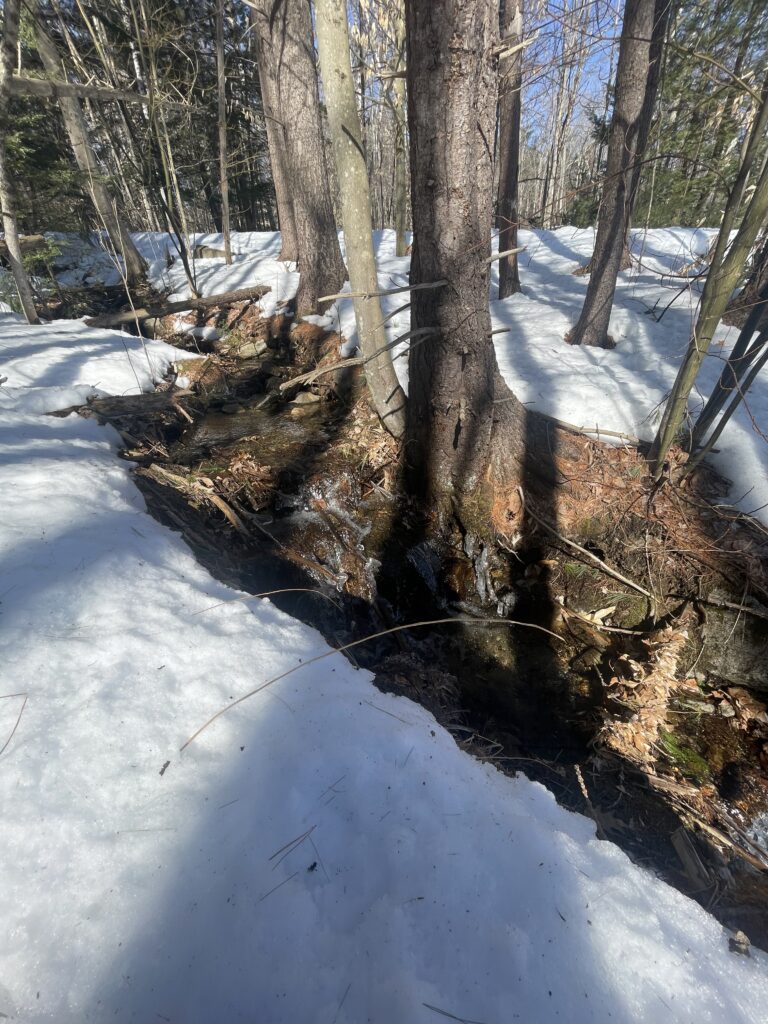
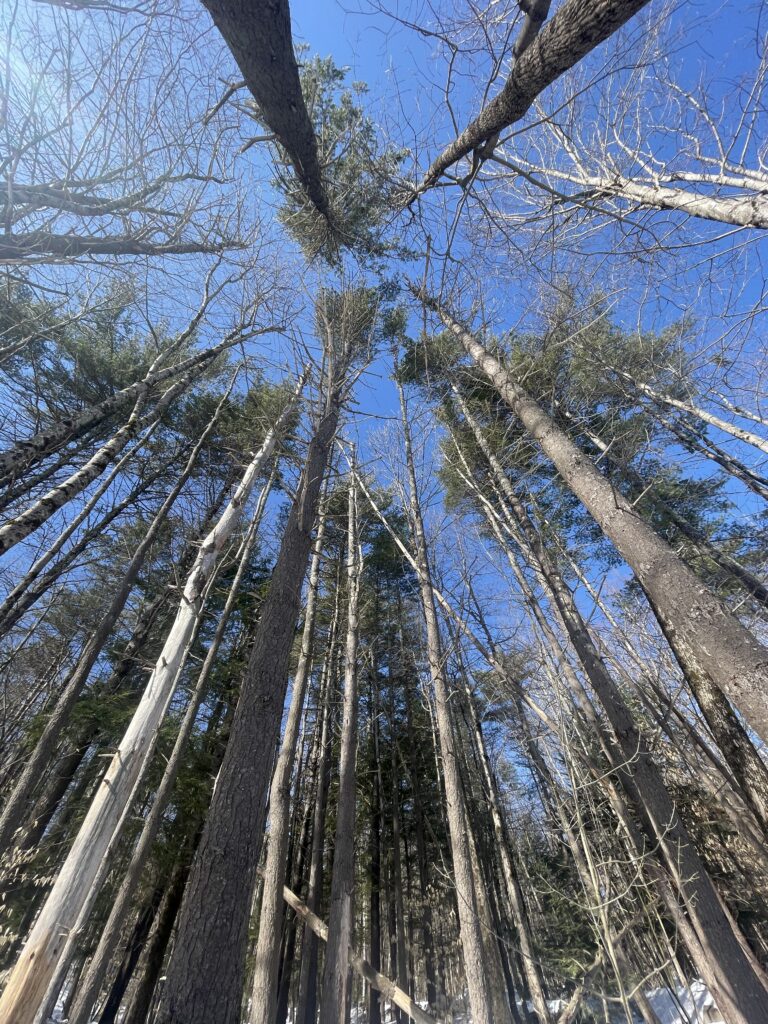
The trees in this area are definitely younger in age, however I think the forest is entering into a late successional stage because the primary composition of the forest is Oak and Pine and there was a significant amount of early successional trees that were dying off. The other woody plants around the river all seemed to have died during the winter, but a few were starting to bud with the warmer weather we have been having. I also noticed the sound of woodpeckers up in the trees while I was there and I saw evidence of holes that had been left by them. I also noticed that the river in this spot was moving significantly faster than the river at my phenology spot in Burlington. I think this is due to the fact that an upper portion of the river had been straightened out by humans so it would not flood our neighbors driveway. This human alteration of the river does not allow it to flow naturally and causes it to move at a faster pace.