5/6 Blog post #12

•May 6, 2023 • Leave a Comment

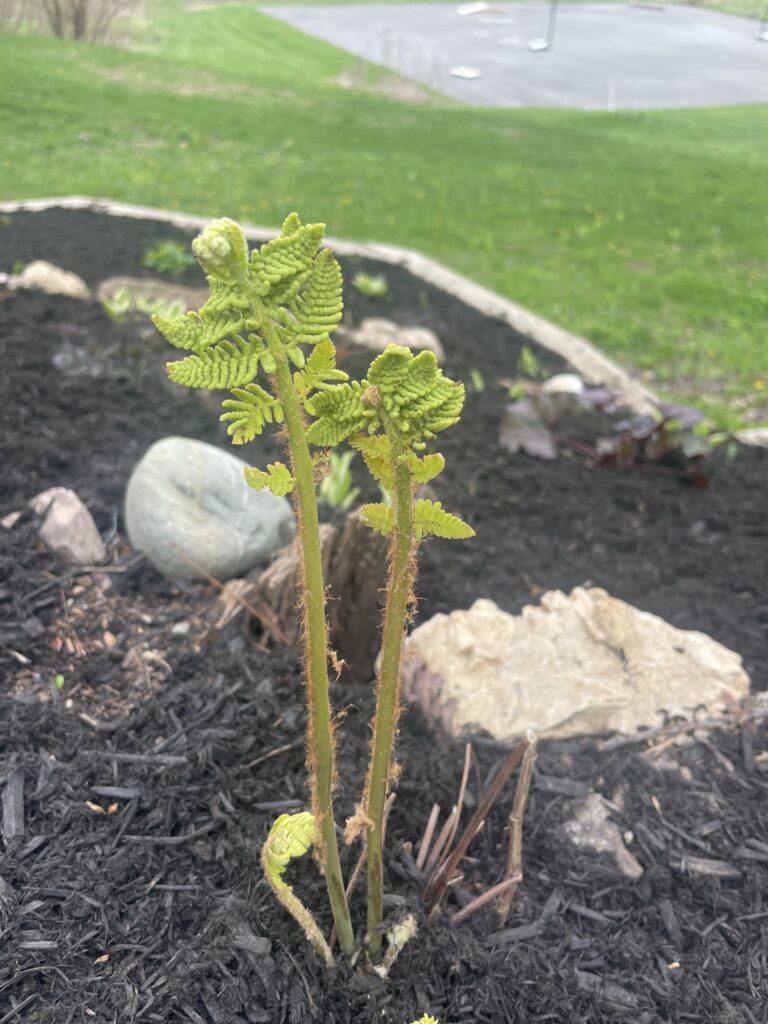
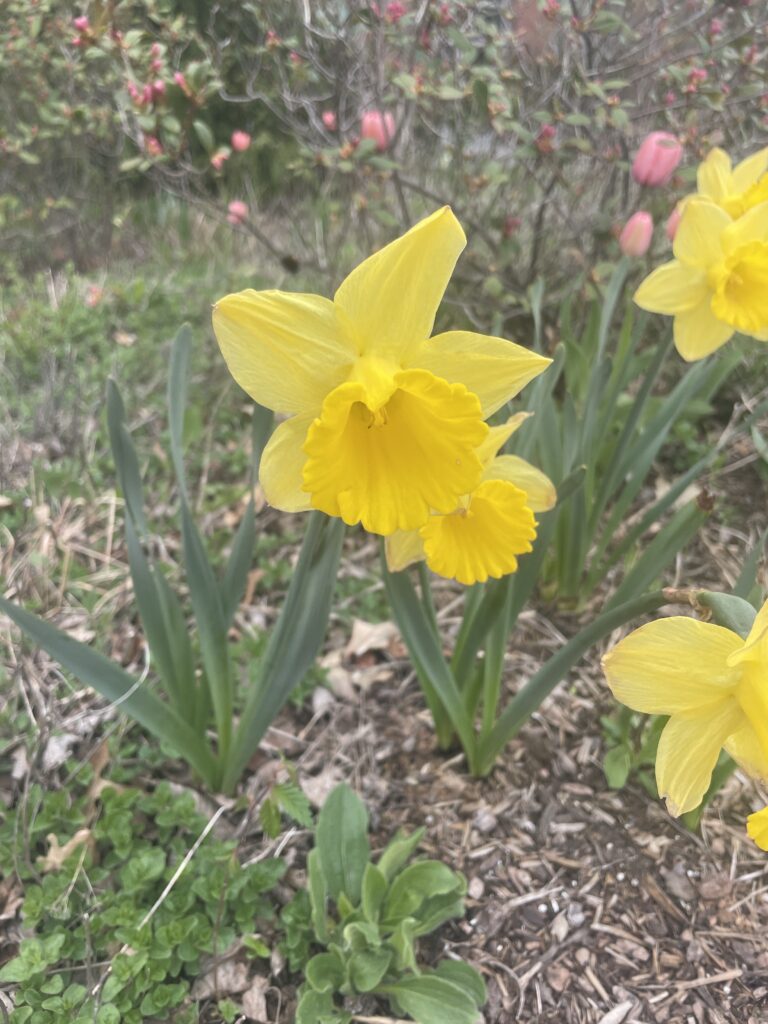
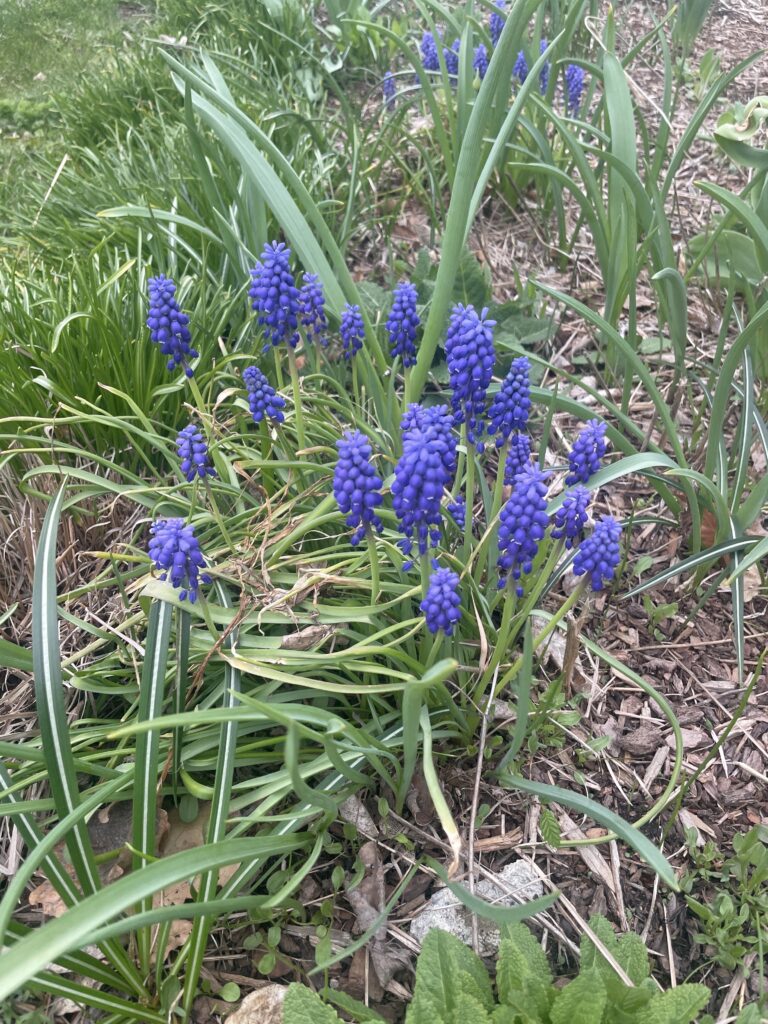
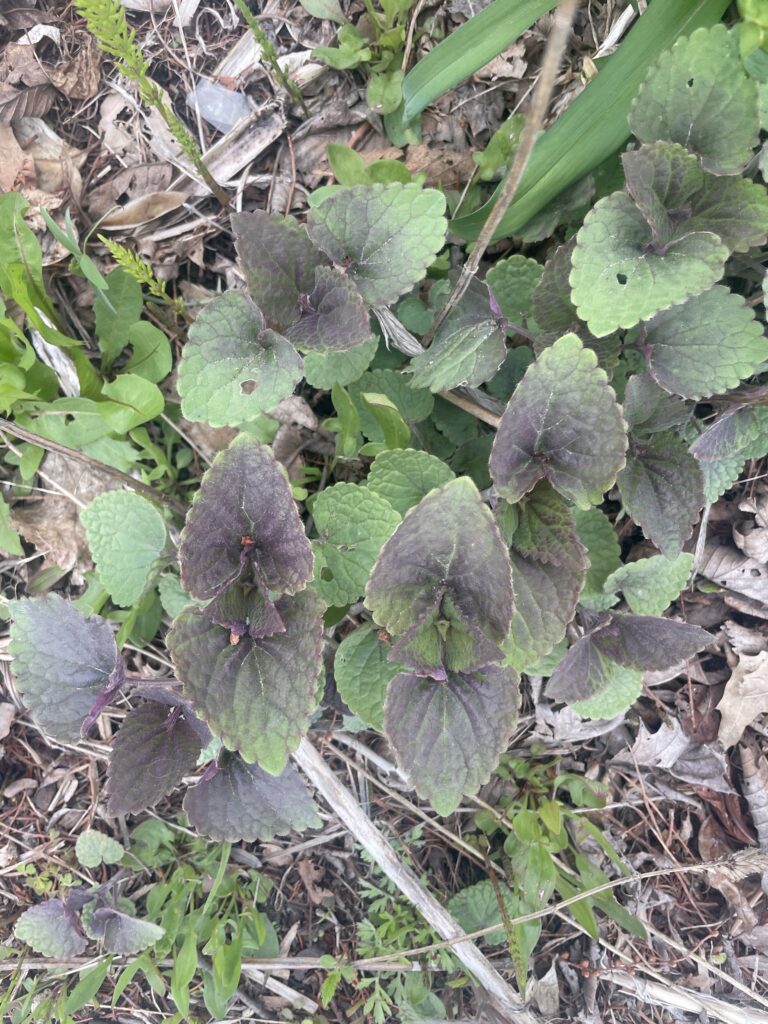
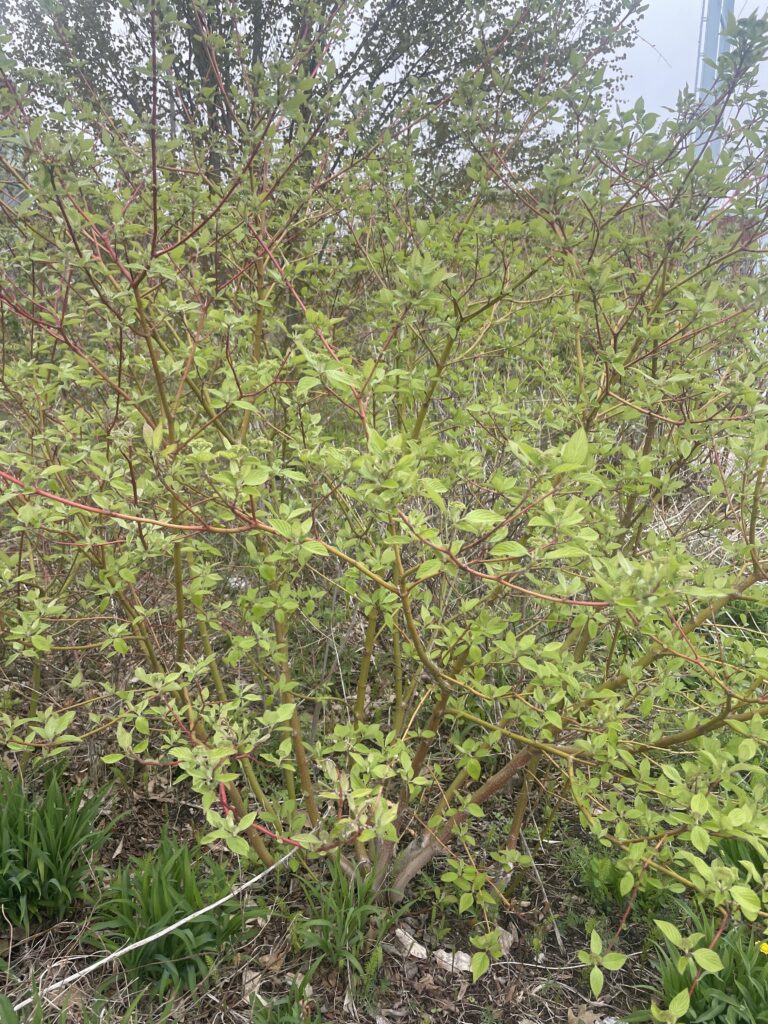
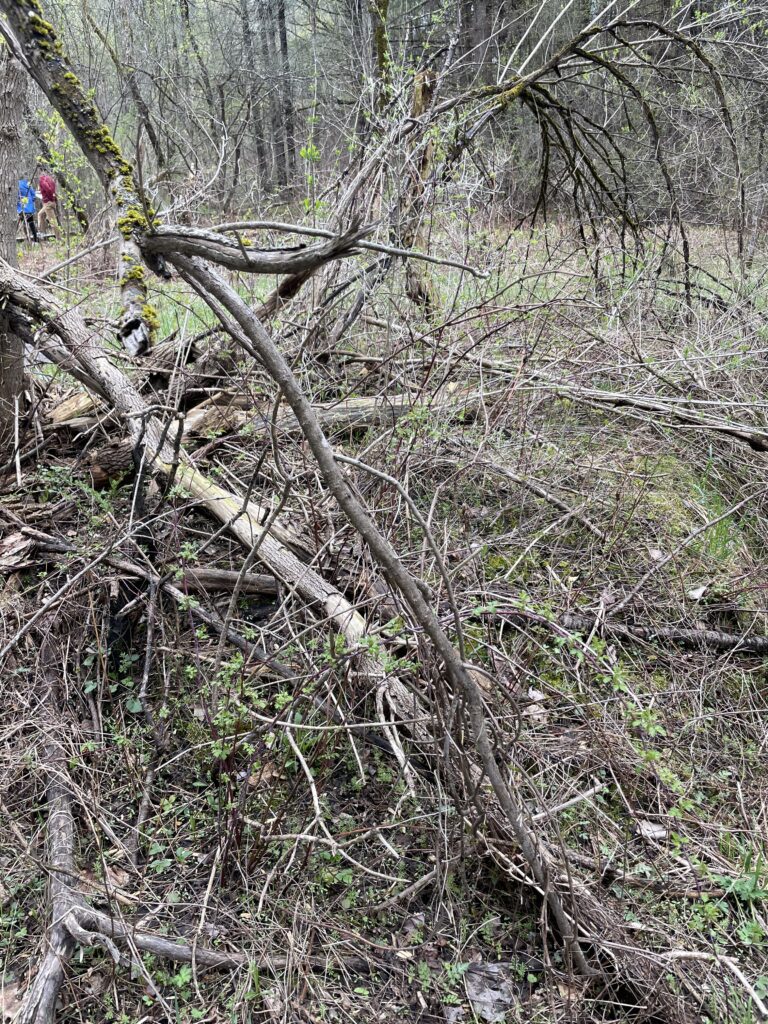
This past weekend I took part in the City Nature Challenge and I thought it was very fun. The two places that I recorded observations was on campus at UVM and also down at Rock Point. I had an easy time using iNaturalist. It was very simple to use and I like the feature that suggests what species you might have photographed, this helped me identify some species that I was unsure of. Over the weekend I recorded 17 observations. Of these observations there were 11 different species that I encountered. This was surprising to me because I did not think I had observed the same species multiple times, however after others had given their suggestions on my observations it appears that I did.
When we looked at the other cities that participated in the City Nature Challenge in comparison with Burlington, I was surprised to see Burlington did not compare in numbers to many of these other places. I figured that since Vermont is a very outdoorsy place with a lot of natural areas, there would be more participation and more species than there was. Although, it does make some sense because the city has a much lower population than many of the other cities that competed. I was not surprised though to hear that Burlington had a higher percent of population participation. I think that marker is more significant because it shows that there was much more involvement of our community in this event.

4/24 Blog Post #11

•April 24, 2023 • Leave a Comment

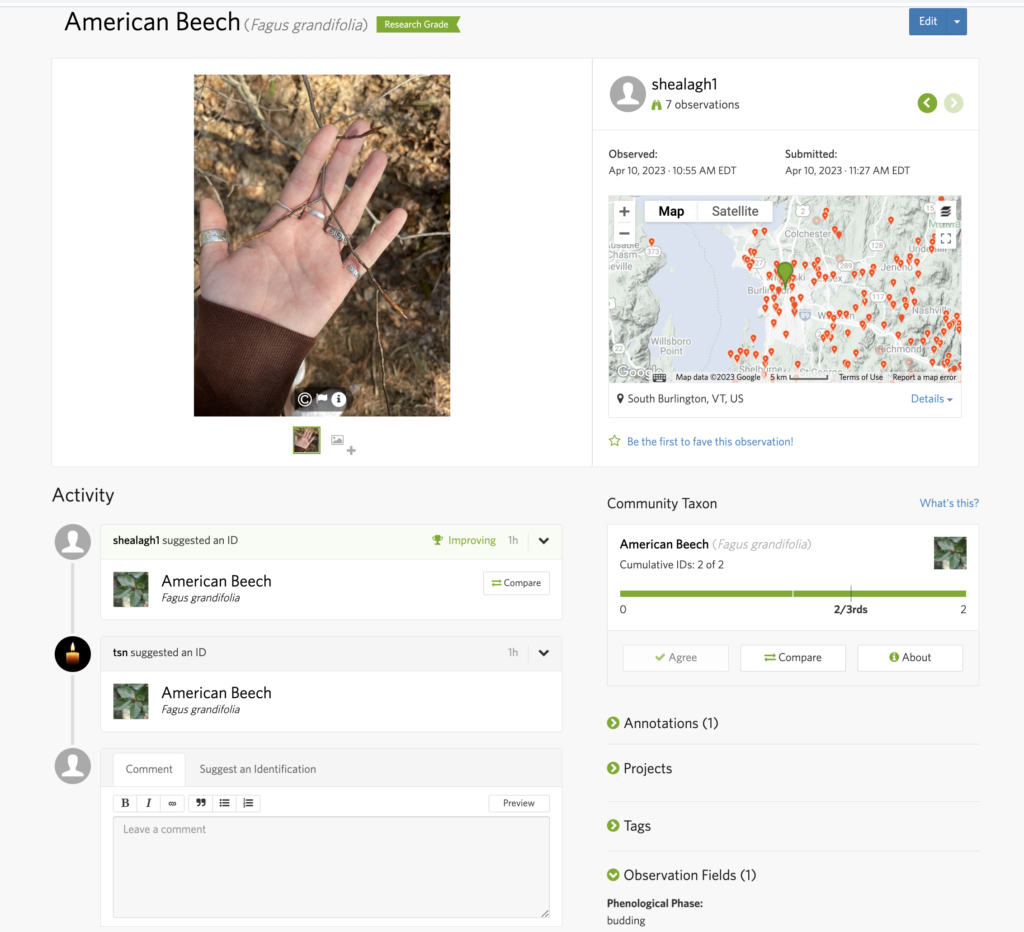
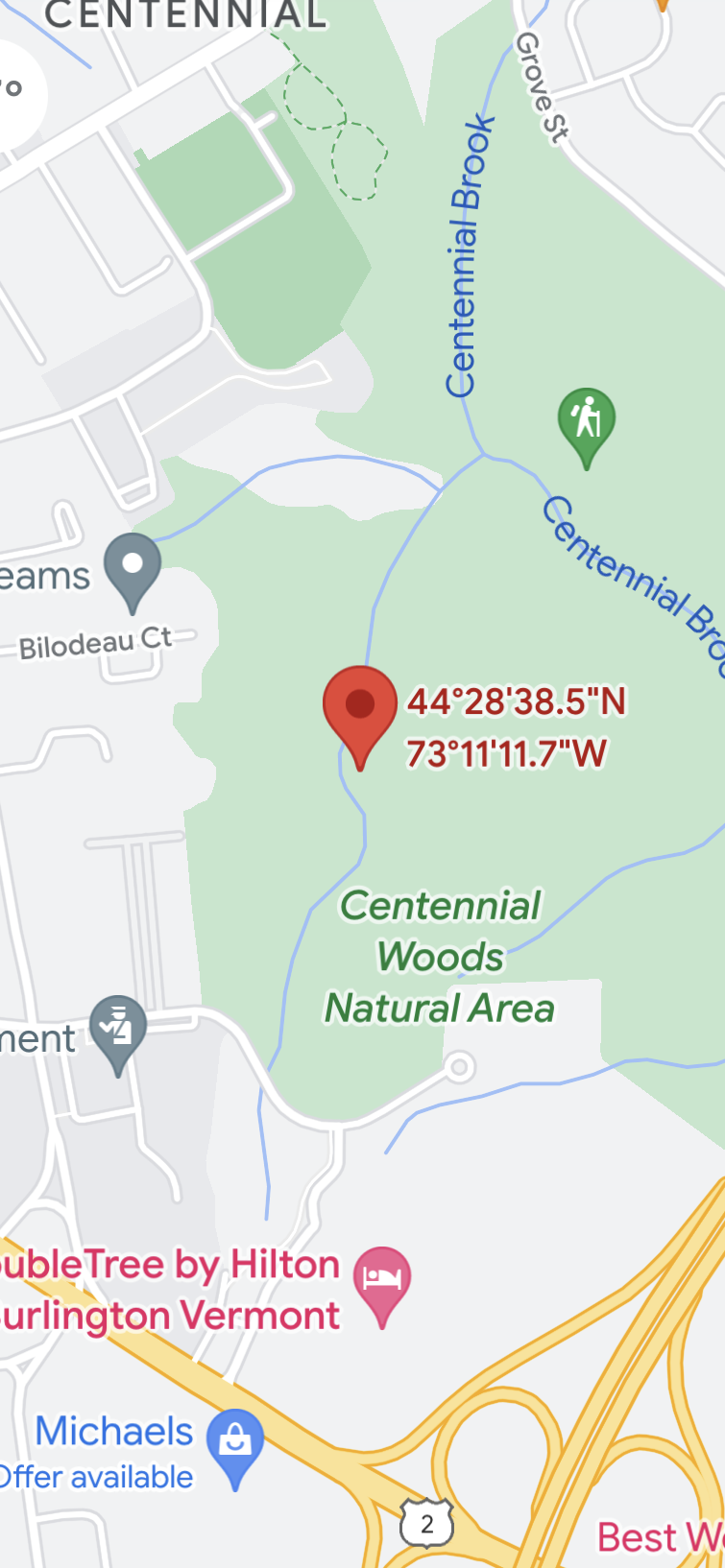
Today was my last visit to my phenology spot for this project, however I will most likely be back to this spot in the future. Over the last two semesters I have seen a lot of change occur in this area. I have watched it change phonologically as well as from human disturbances. When I first saw this spot it was early fall, there were leaves and/or berries on almost all the plants. The stream was relatively slow moving at this time, and the ground was fairly dry. As it got later into the fall, the leaves and berries fell from the trees, and most of the woody plants died off. When I returned after winter break, there was a drastic difference since my spot was covered in snow. All of the plants had died off and the river was flowing at a faster pace. As spring time has been approaching, I have noticed signs of life reappearing, like the buds on the American Beech tree that is only a few yards away from my spot. Also the grasses along the river bank are starting to sprout up again.

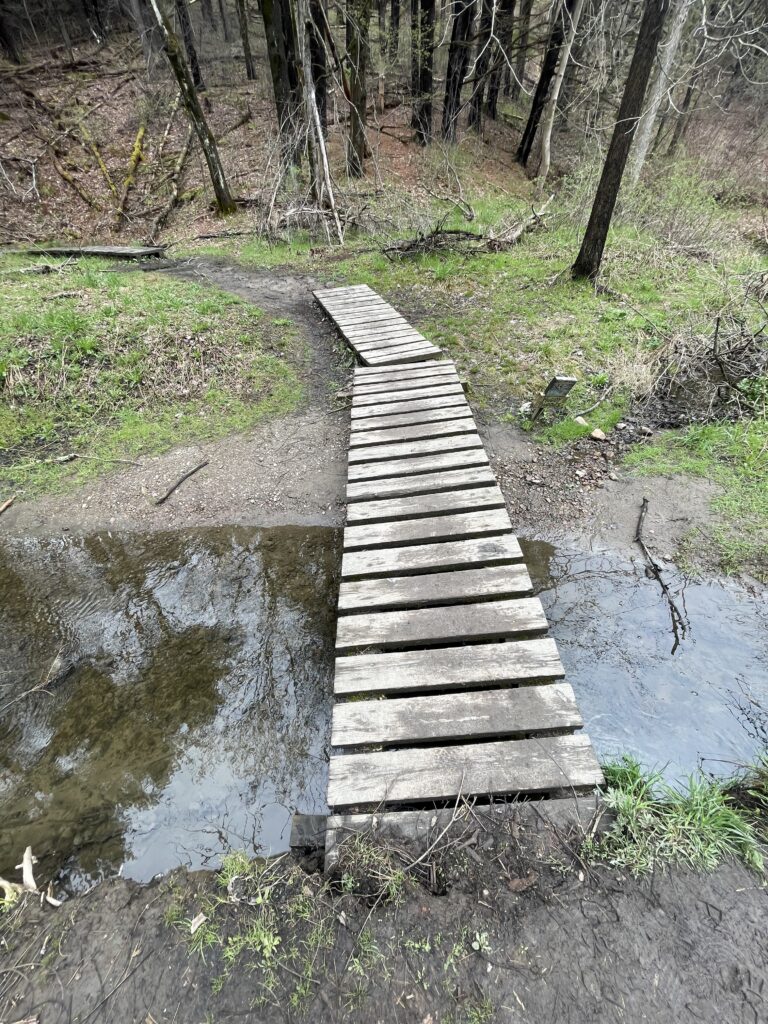
In addition to the phenological changes I have observed in my phenology spot, there has also been some evidence of human change. The most notable of these human changes is the addition of wooden bridges to help people avoid walking through the mud. Every time I have come back to this spot I have noticed there are more wooden bridges along the path, and it seemed like this time there was significantly more than the last time. I also have noticed the wear on the grasses in the places that people walk. I have noticed that some bare spots have appeared now that the grasses are growing again, in places that are off the trail. I think I had some part in this because one of the bare spots is where I like to stand when observing my phenology spot.

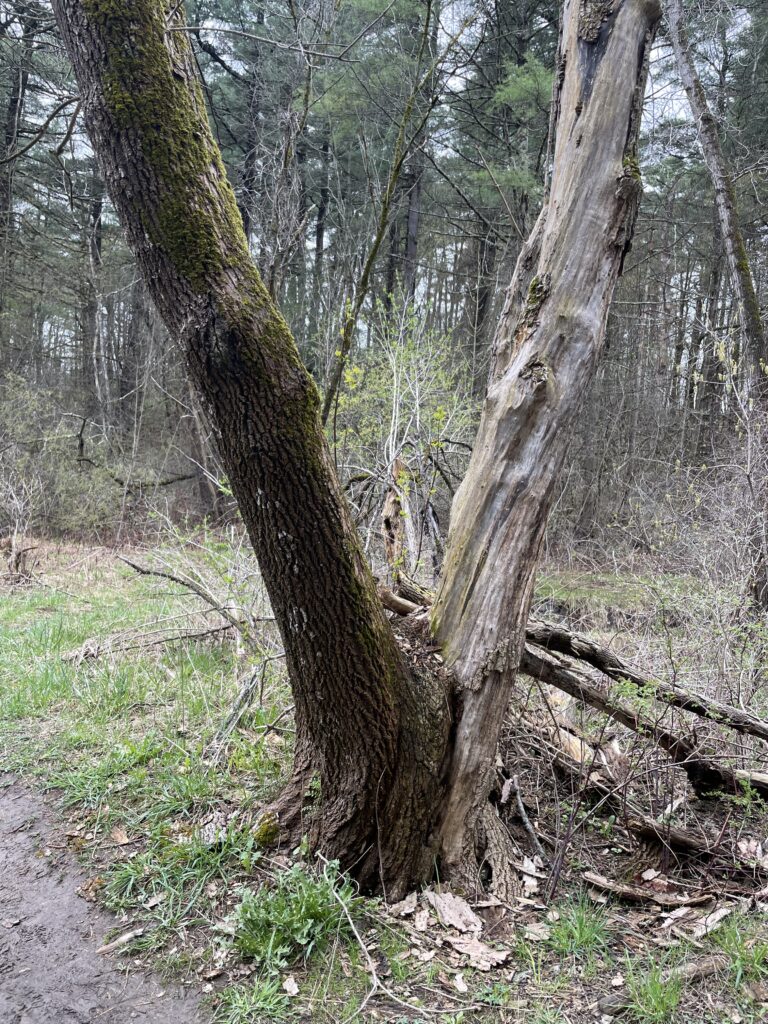
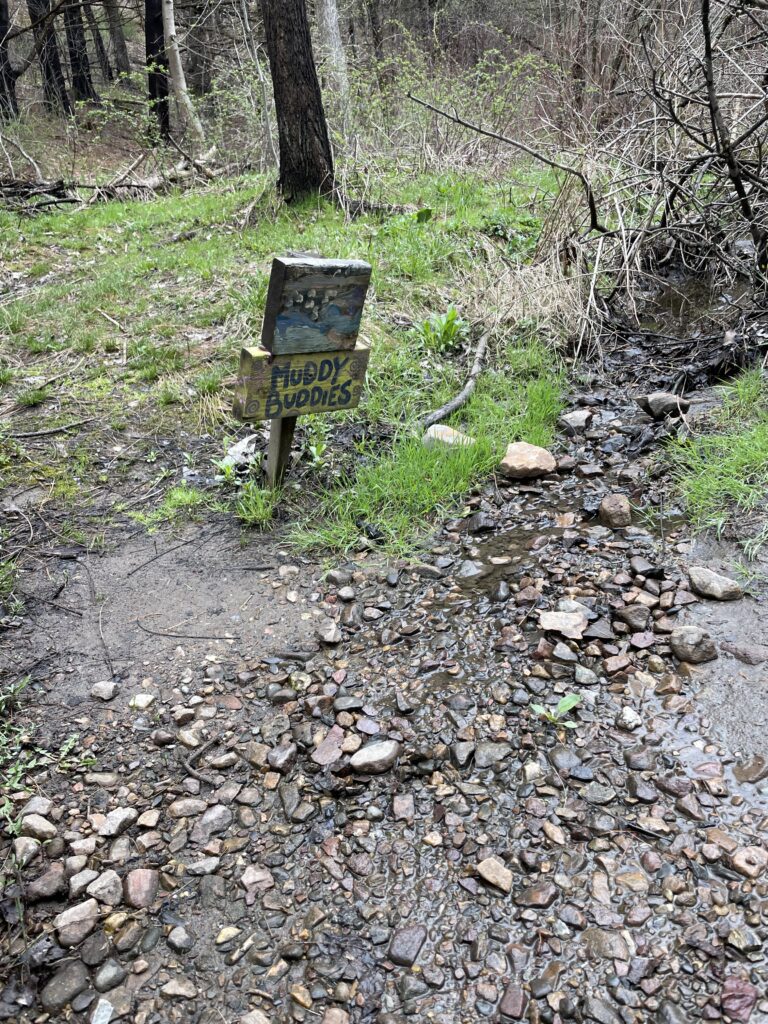
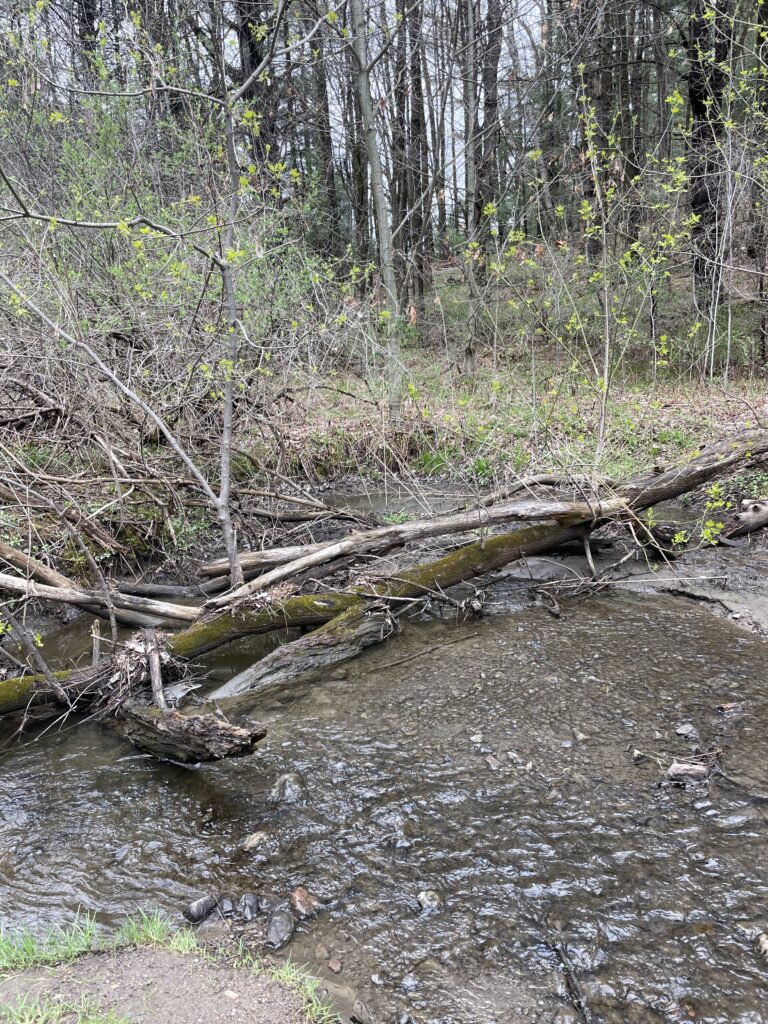
There are multiple markers around my spot that I have gotten to know and recognize over the past two semesters. The major landmarks include The split ash tree which marks where I split off from the trail. Another one is the wooden bridge that crosses right over the stream at my spot. The third major landmark is the downed tree that is across the stream. The minor, or smaller, landmarks include the piles of wood plants that line the side of my spot. Also the small sign that says “Muddy Buddies” is another minor landmark.

I think my spot is a great example of how culture and nature are intertwined. Centennial Woods is a natural area made for people to be able to connect with nature. Every time I have visited my spot I have encountered at least one other person who has come to enjoy this area. I have seen people hiking, walking their dogs, taking photographs, looking for birds, and so on. All of these are ways in which our society and culture have chosen to interact with nature. In Vermont I have noticed a culture that fosters the love for the environment and the outdoors. Places like Centennial Woods are perfect demonstrations of how that culture becomes intertwined with nature.

I have come to consider myself as a part of my place due to the impact I have had on it. I have spent a lot of time in this place in order to complete this project. My presence in this place has no doubt altered it. At the simplest of levels, I have contributed to the bare patch with no grass where I like to stand at my spot. I also would consider my self a part of my place because it has become familiar to me. I have grown to know the landscape, including the trail ahead and behind the spot. It no longer feels like another spot out in the woods that I pass through once and a while. It feels like one of the places that I know well and go to regularly, like my dorm, my house, and my old school. I consider myself to be a part of each of those places because of the time I spend there and so I feel as if I am also a part of this place now.

4/10 Blog Post #10

•April 10, 2023 • Leave a Comment

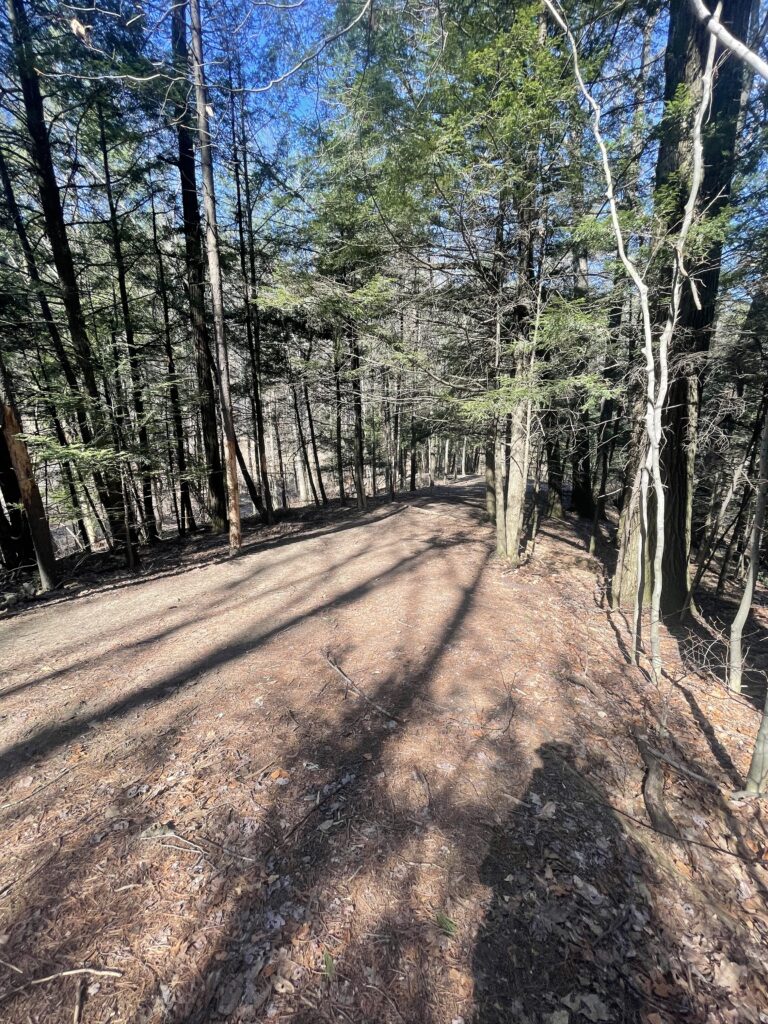
Today I went back out to visit the American Beech tree that I have been observing. It was warm and sunny on my walk there, which was a nice change from the cold temperatures from my winter visits. The walk to my tree was also much easier since it was not covered in a sheet of ice like it was last time. In fact, I did not see any snow on my way into the woods. The only evidence of snow that I saw was some mud from the last of the snow that melted away. I did not notice any change in American Beech, it still seems to be budding and not yet blooming. I am assuming it will bloom in a few weeks when we reach the end of April or beginning of May.

3/27 Blog Post #9

•March 27, 2023 • Leave a Comment

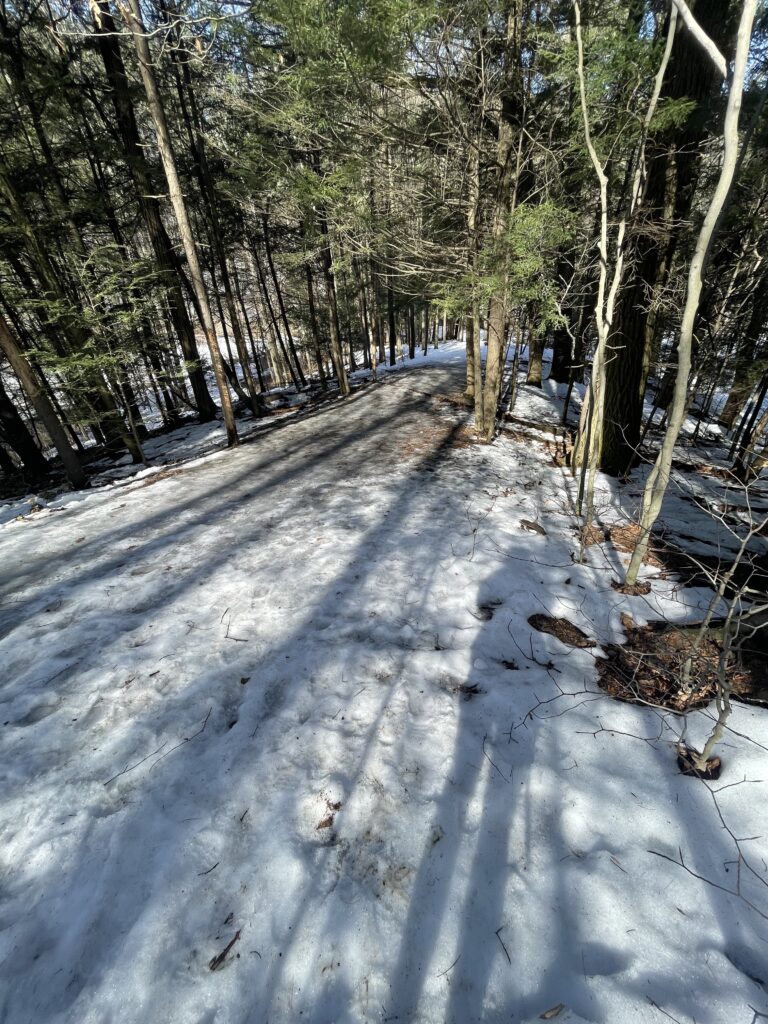
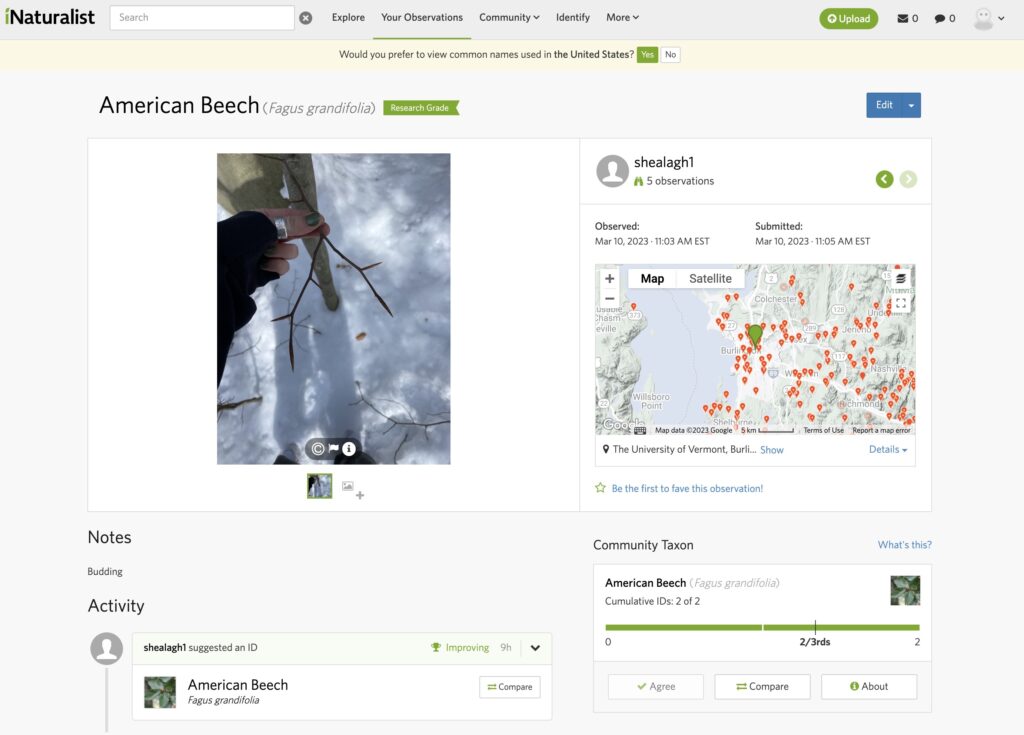
I returned to the American Beech tree that I visited just before break. The walk up to the tree was tough because the snow had started to melt and then froze over again. I almost slipped multiple times. When I made it to my tree, I took at look to see if there were any changes to the buds. However, I did not notice any difference in the buds so I classified it as budding on iNaturalist once again. The only difference I noticed since the last time visiting was the lack of snow on the ground, other than that everything looked relatively the same.

3/20 Blog Post #8

•March 20, 2023 • Leave a Comment

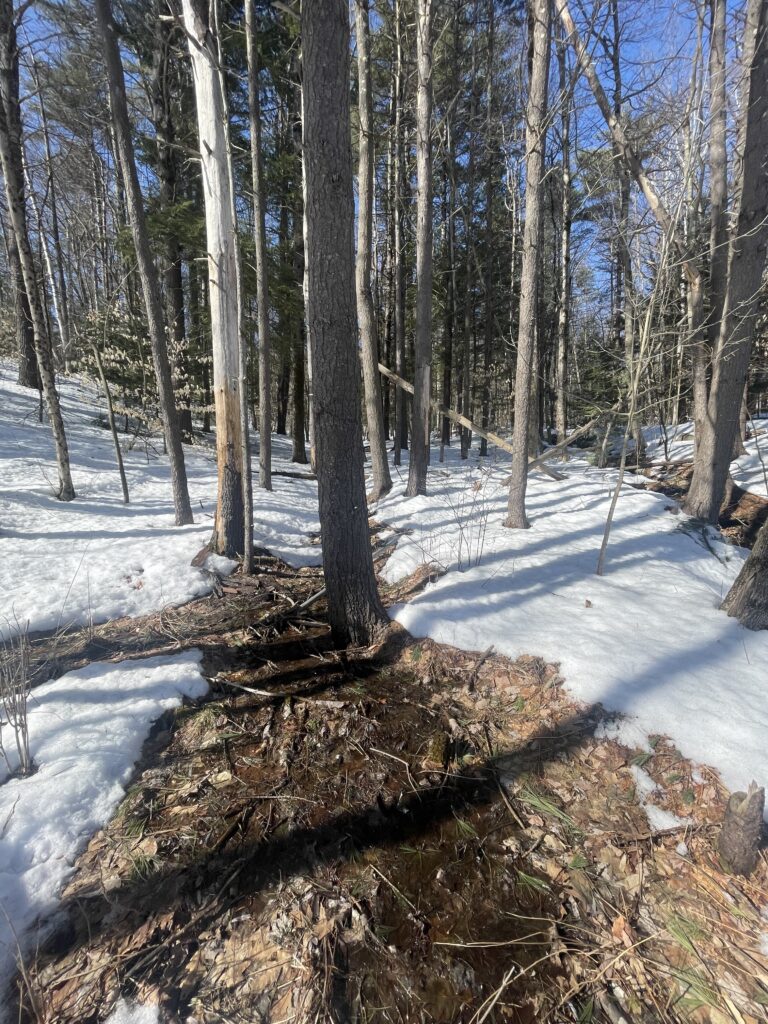
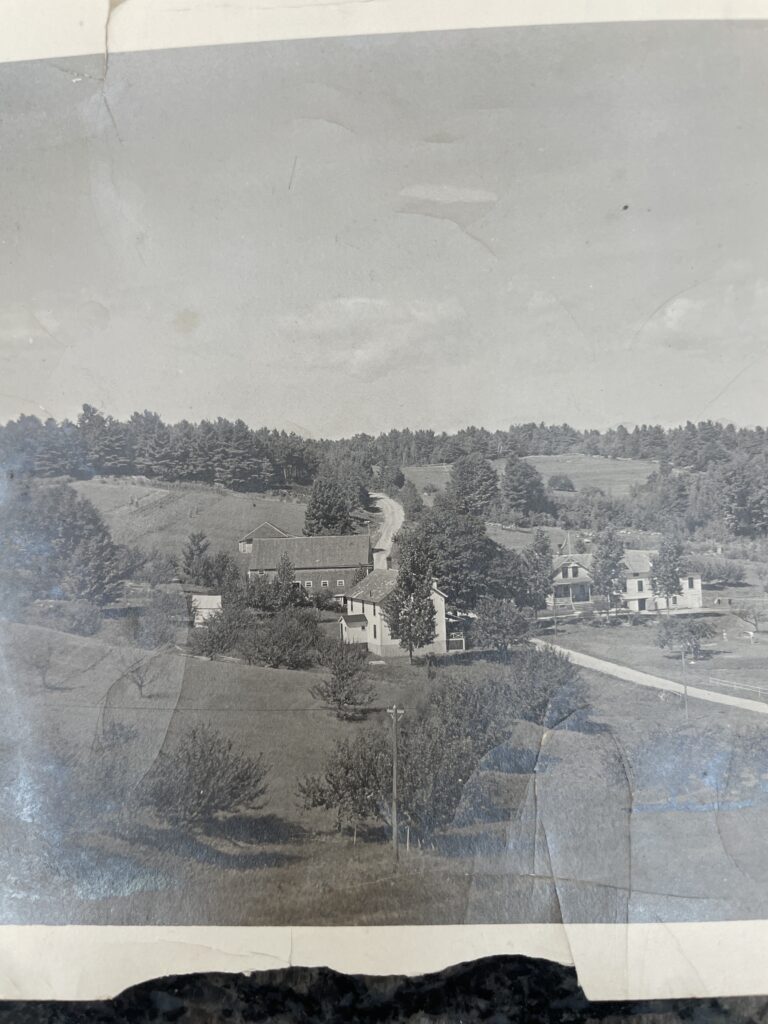
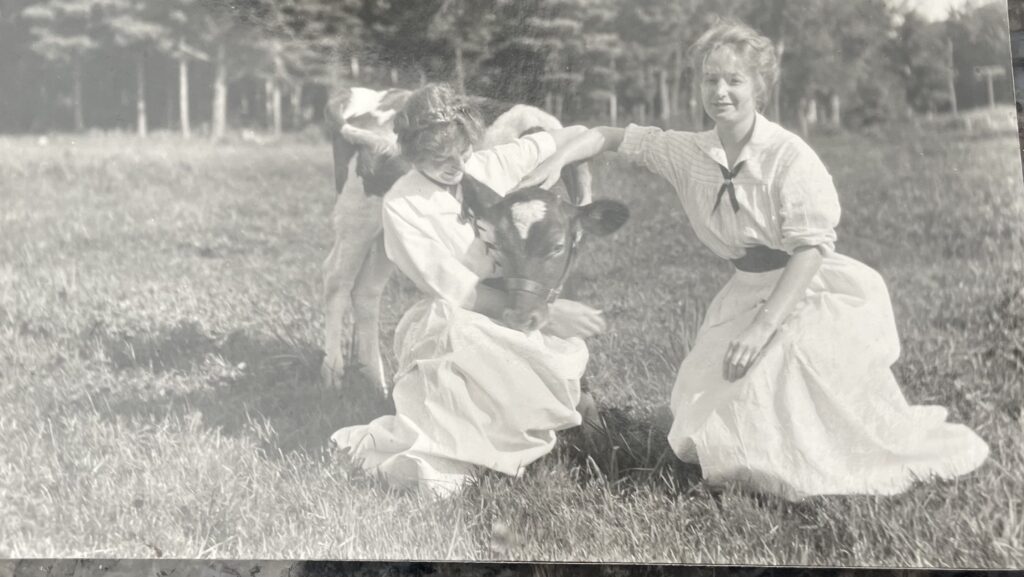
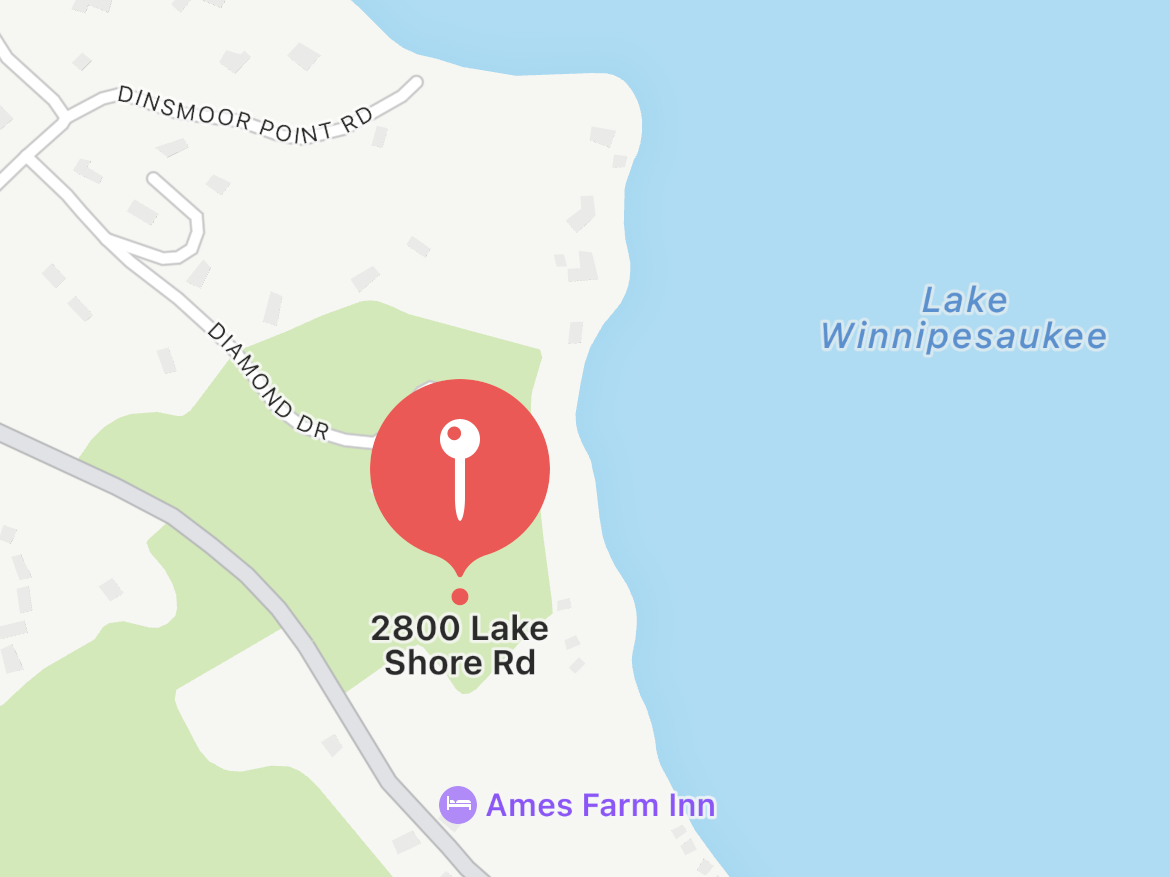
Over spring break I spent some time in outdoors in my home town in New Hampshire. For this phenology post I decided I wanted to focus on a spot in the woods that my family owns because I have a good understanding of the natural history of it. The land has been in my family for eight generations, and while I don’t know the exact land uses from the beginning I do know that from the 1800’s into the early 1900’s it was a working farm that raised cattle, sheep, and pigs among other things. The fields were also used as camping grounds for people who arrived on the Boston to Maine railroad system. In 1890 it became an Inn which is still the primary use of the land up through today. The landscape photo in the bottom left is from 1918 which I believe is right before the reforestation began in the spot that I visited.

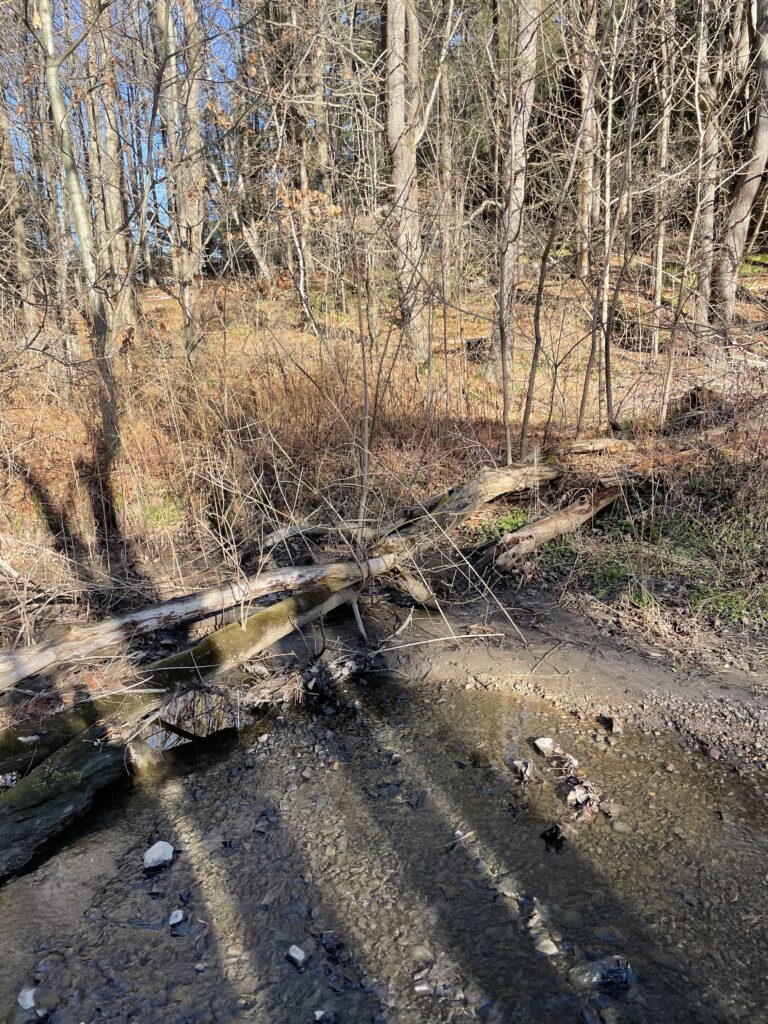
The trees in this area are definitely younger in age, however I think the forest is entering into a late successional stage because the primary composition of the forest is Oak and Pine and there was a significant amount of early successional trees that were dying off. The other woody plants around the river all seemed to have died during the winter, but a few were starting to bud with the warmer weather we have been having. I also noticed the sound of woodpeckers up in the trees while I was there and I saw evidence of holes that had been left by them. I also noticed that the river in this spot was moving significantly faster than the river at my phenology spot in Burlington. I think this is due to the fact that an upper portion of the river had been straightened out by humans so it would not flood our neighbors driveway. This human alteration of the river does not allow it to flow naturally and causes it to move at a faster pace.

3/10 Blog Post #7

•March 10, 2023 • Leave a Comment

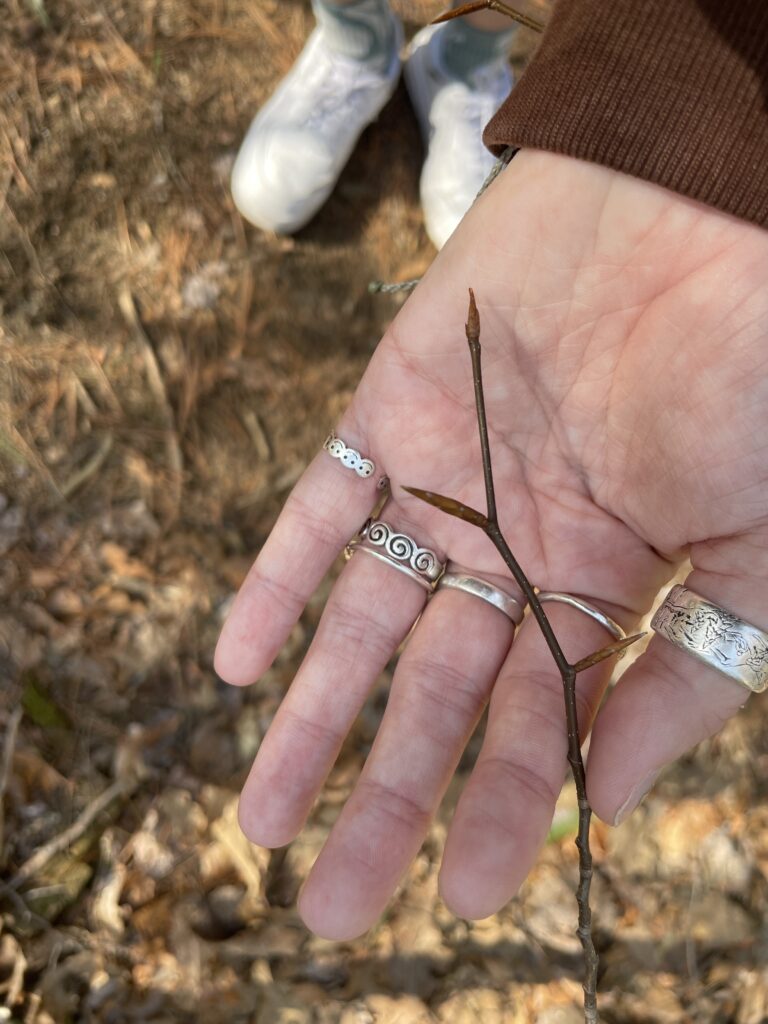
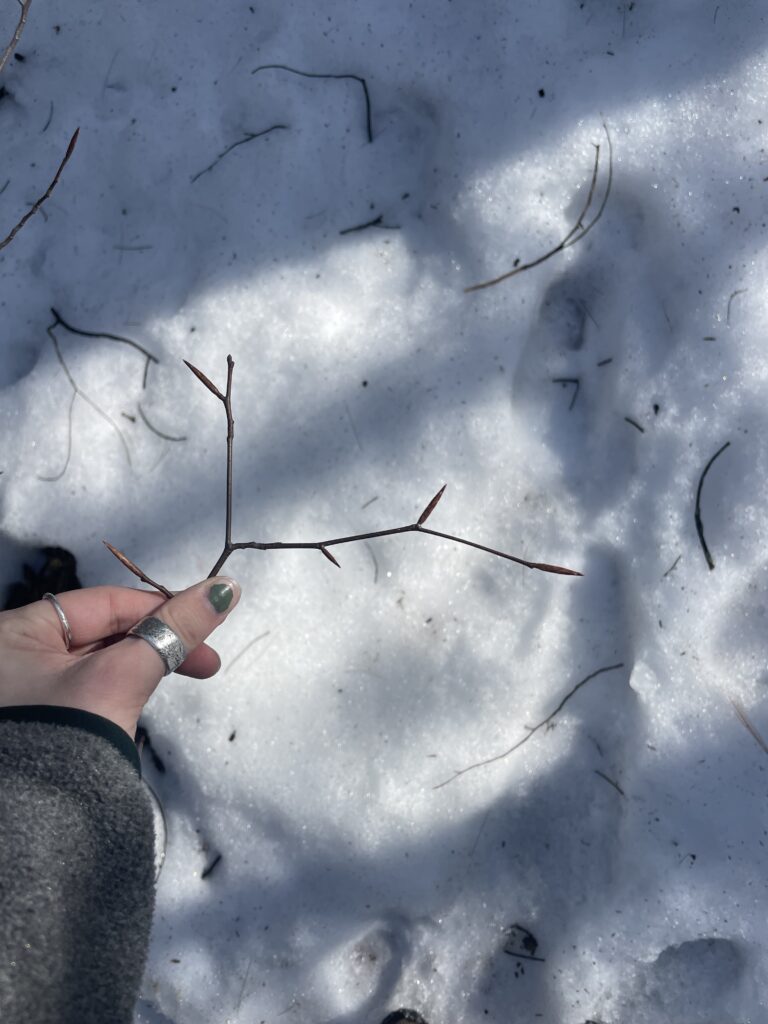
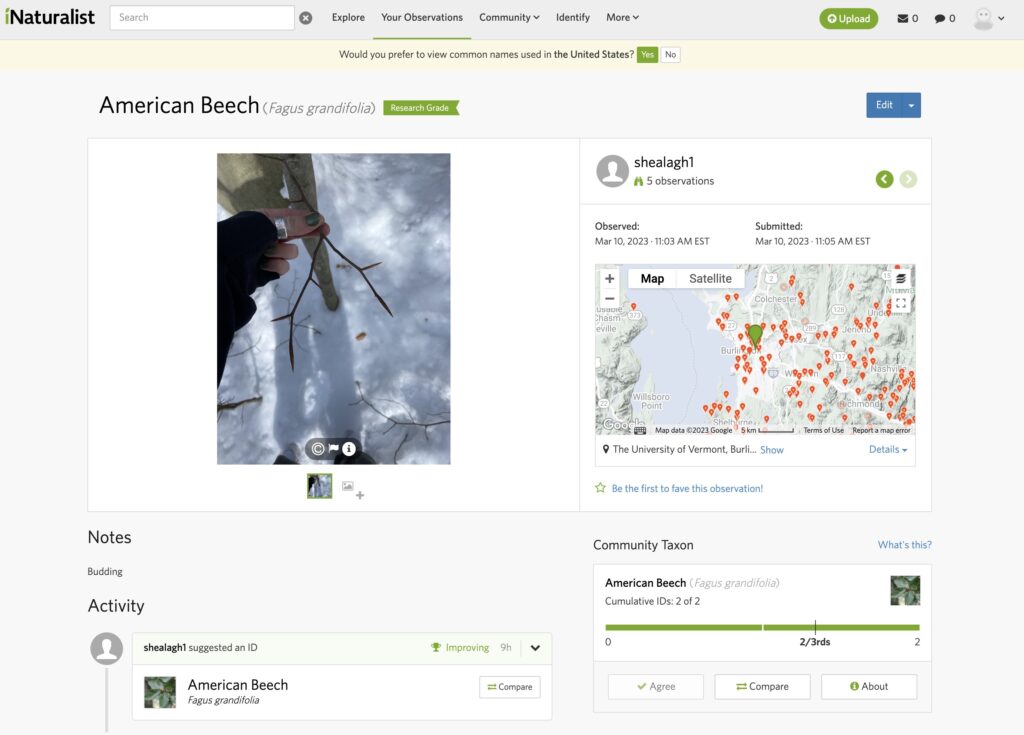
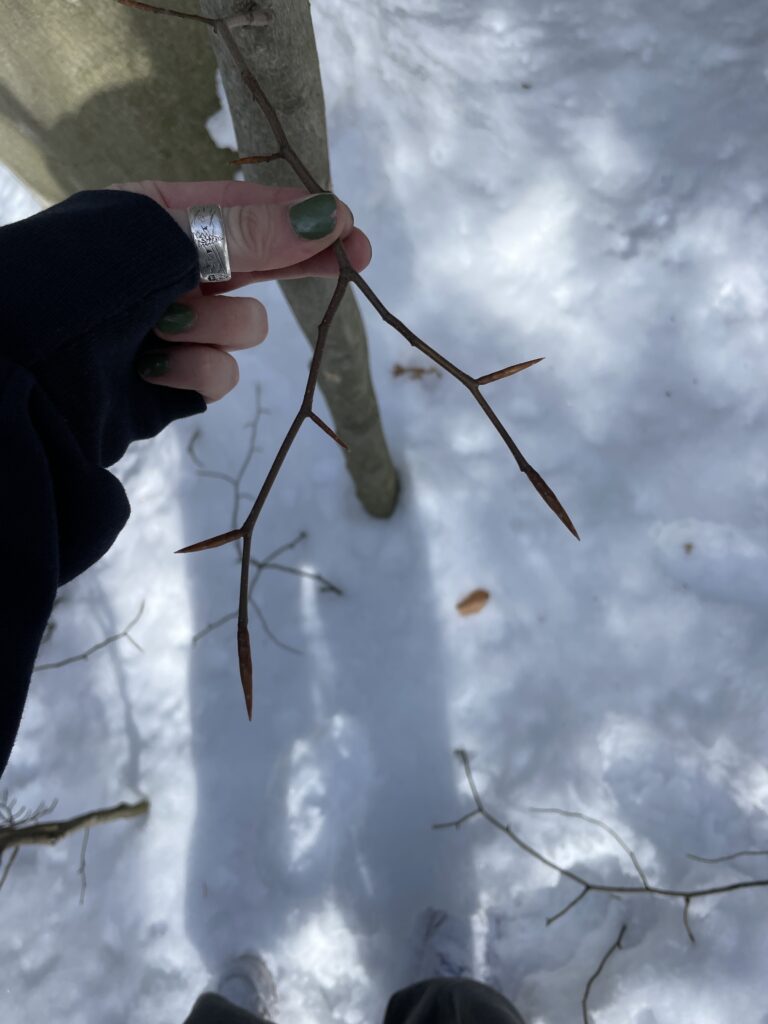
Today I went back out into my phenology spot to look at tree twigs. I could not find any Red Maples, Red Oaks, Paper Birch, or American Beech with low twigs in my spot so I had to continue on the path for a little while. I noticed a large American Beech along the side of the trail so I went to see if I could find some low hanging twigs. I found a few small trees beside it and tried to identify one by its buds. They are in the photo above.

The bark is what really gave away that it was a Beech. There were some other signs that the Beech was not a young Maple, like some people confuse them for. The terminal buds on the Beech were slim, long, and only had one bud whereas the buds on Sugar and Striped Maples have a terminal bud that are short and have three buds off it.

2/20 Blog Post #6

•February 20, 2023 • Leave a Comment
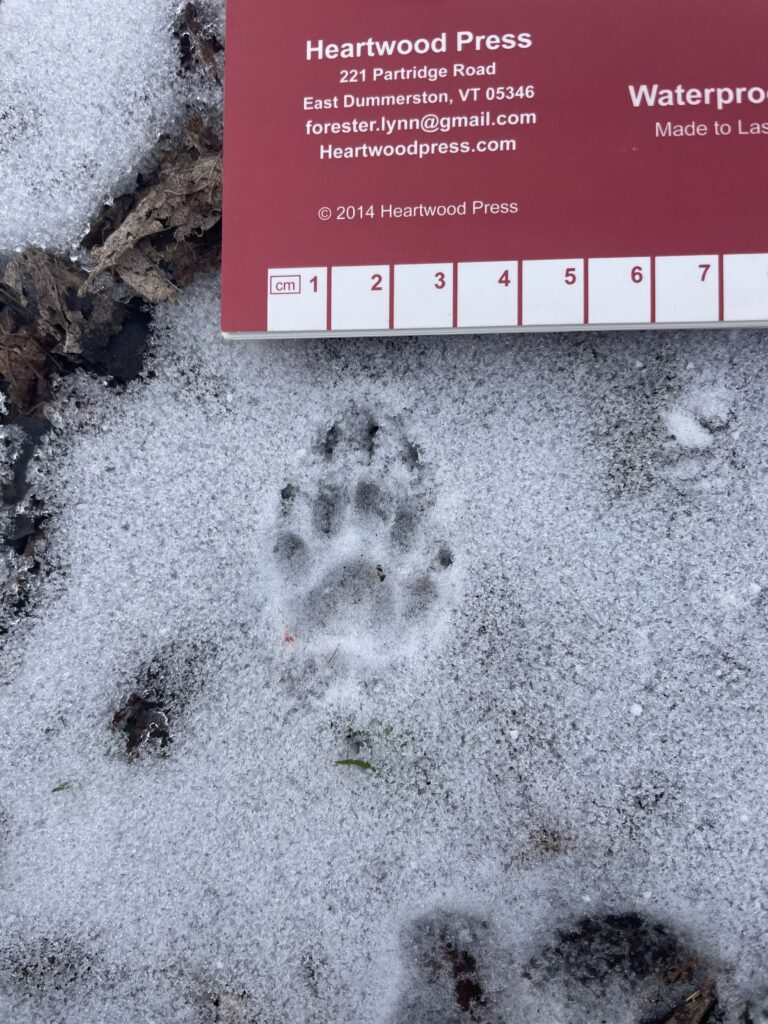
Tracks #1
Tracks #2
Tracks #3
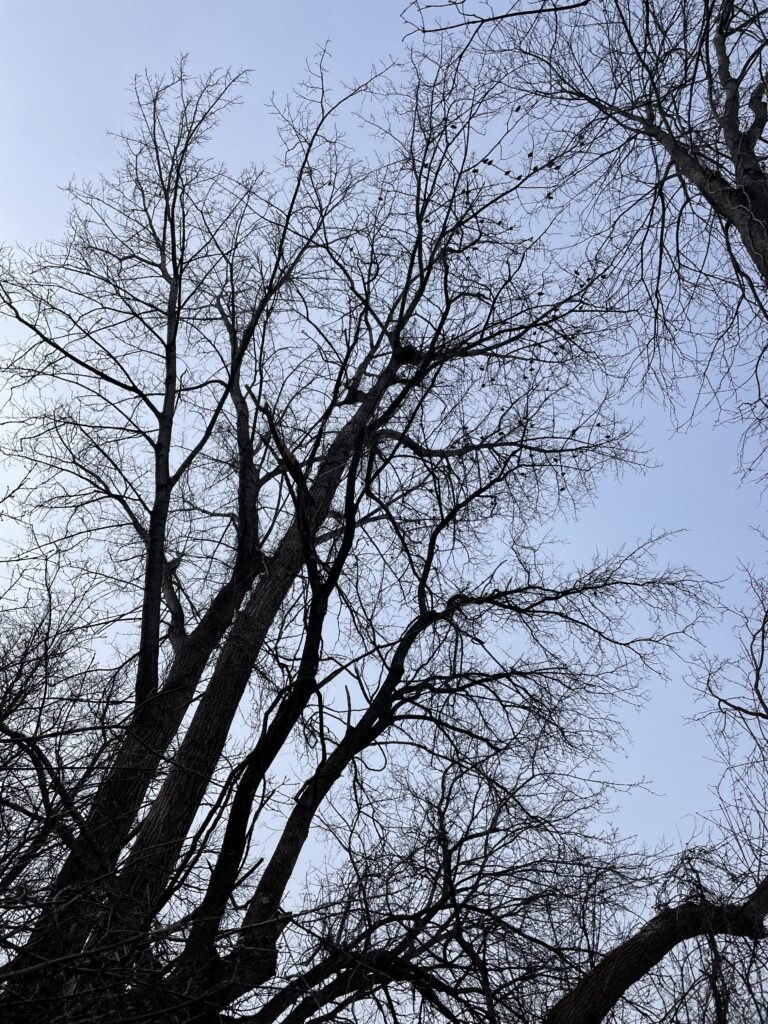
Birds in Tree

I started looking for tracks this week in the woods behind the Redstone Lofts. Unfortunately there was not many signs of wildlife there. This is not surprising though due to the amount of human traffic through the area. I then went to Centennial Woods because I figured I would have more luck. The first thing I noticed when I got there was a lot of bird activity. They were all chirping and sitting in the trees. I also ran into some bird watchers who took interest in these birds.

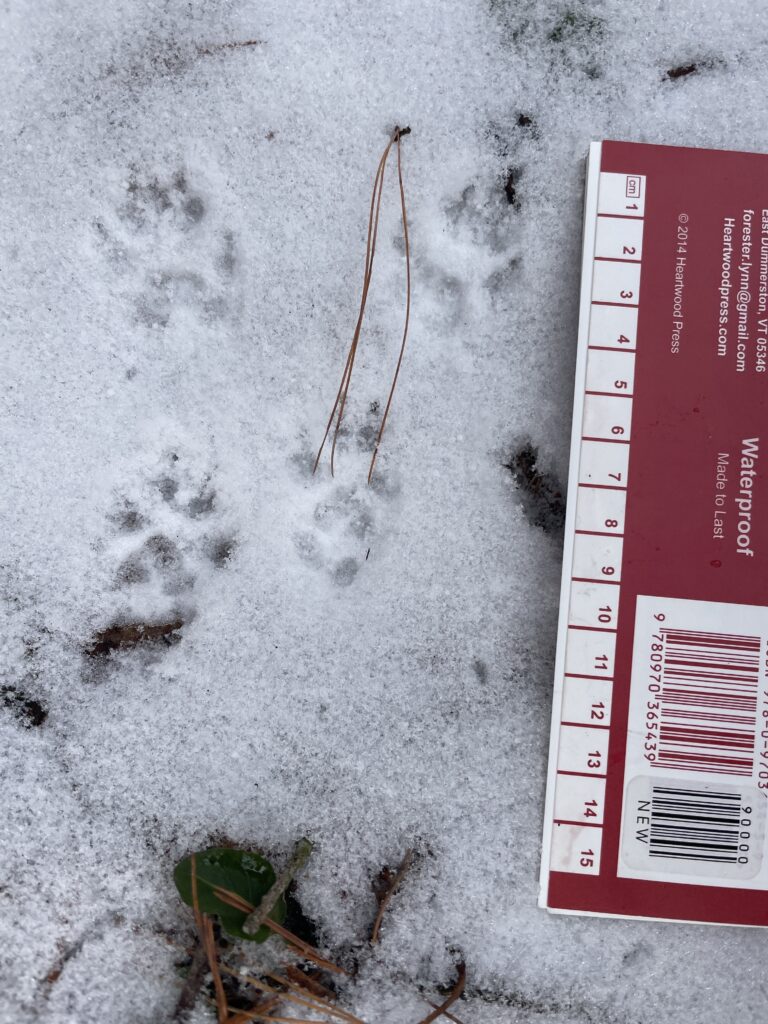
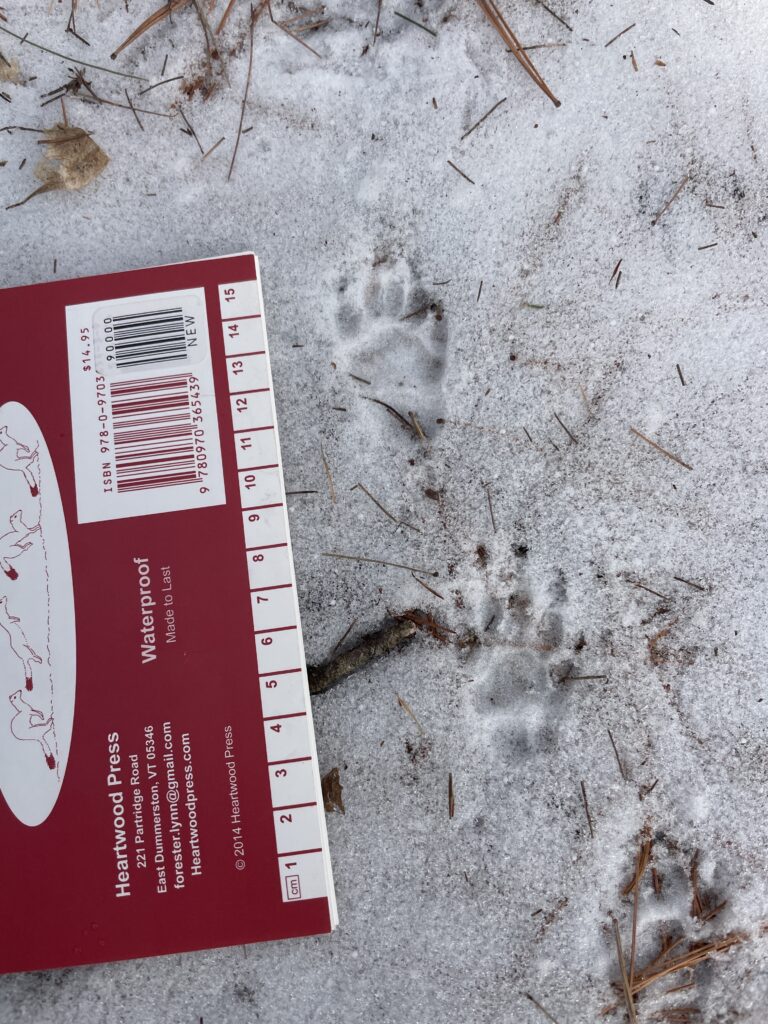
There was a thin layer of fresh snow on the ground in the woods that made it very easy to see the tracks and their details. There was a lot of human and dog tracks which was to be expected since the woods are a popular walking path. I saw a few animal tracks along the path. I took pictures of each of them with a ruler and then uploaded them to iNaturalist. I was not sure of my identifications but I just selected my best guess when it asked the species.

The three tracks that I have photos of above were the ones that I was most interested in. I was not completely confident in any of my identifications but I was able to pick up on some important details about the tracks.

Tracks #1 I could tell was a bounder. Between the bounding, size of the tracks, and number of toes, I think that it could have been a Chipmunk.

Tracks #2 I spent a lot of time trying to figure out. I could not make out a pattern in its stride because it seemed to be changing direction and pace a lot. The length of the front print compared to the one behind it makes me believe that it is a bounder. The number of toes and shape of print helped me decided that it was the track of a Gray Squirrel.

For tracks #3 was the clearest print that I was able to find, but the rest of the prints in the track were not preserved because they were close to the side of the trail. I was between a fisher or a gray fox but the shape and number of toes leads me to believe it is the print of a fisher.

Overall I think that the experience trying to identify the tracks in the woods really helped me to learn them because I had to analyze the small differences between similar prints. It was also very fun to get outside and look for evidence of the wildlife!

1/30 Blog Post #5

•January 30, 2023 • Leave a Comment

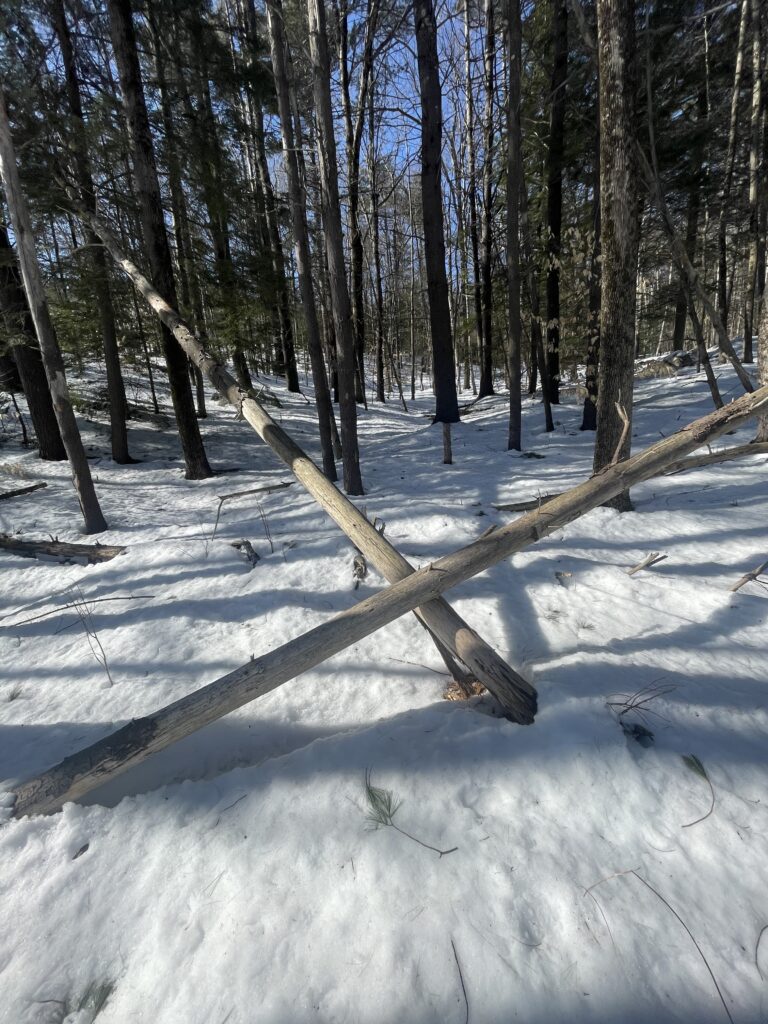
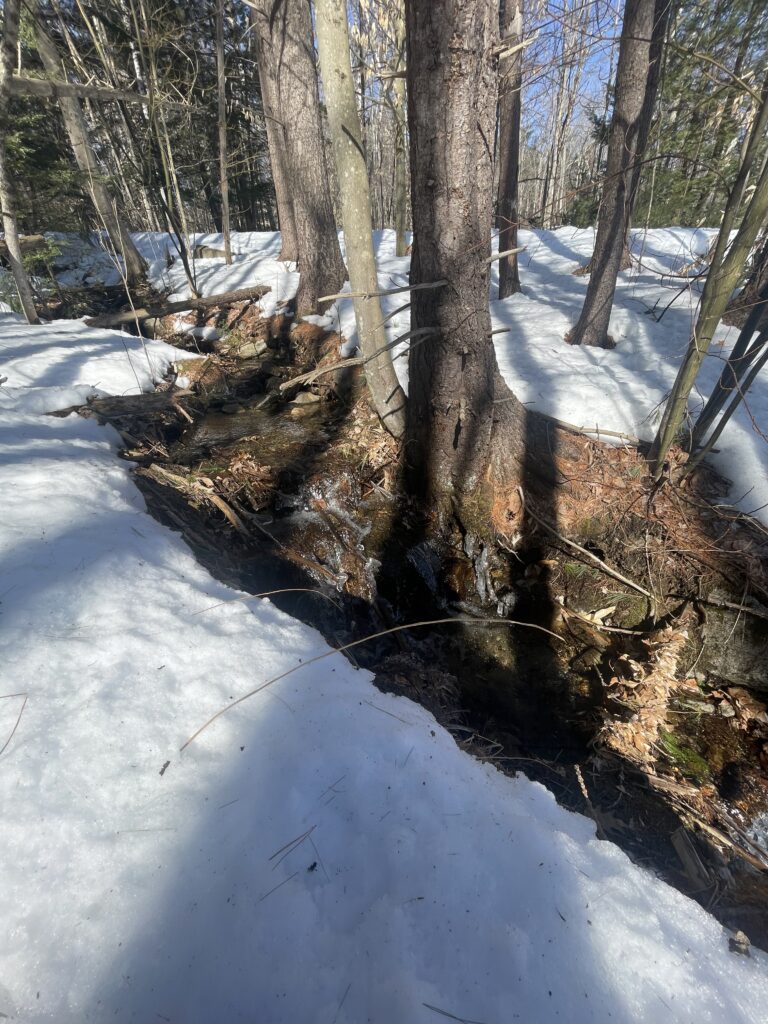
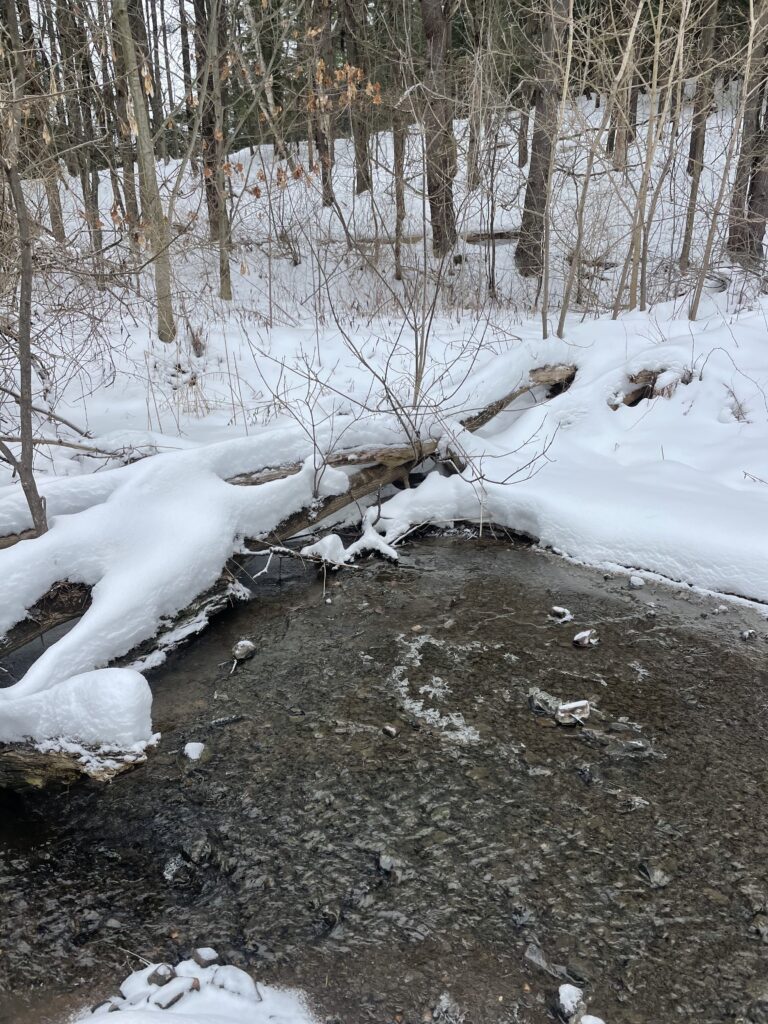
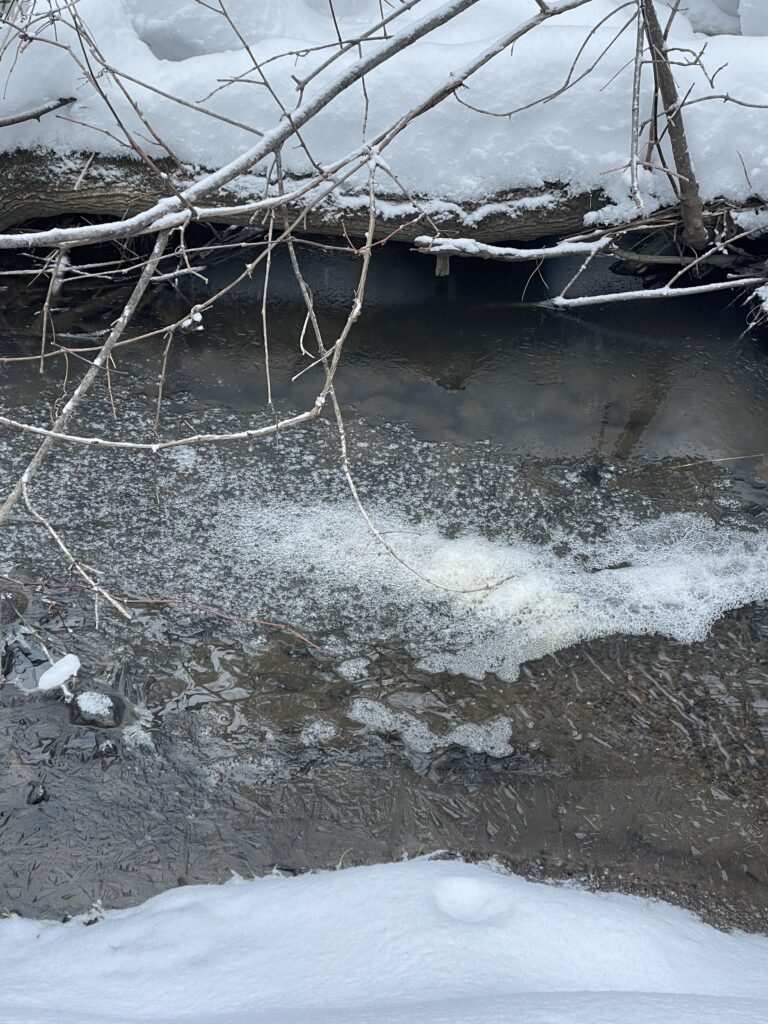
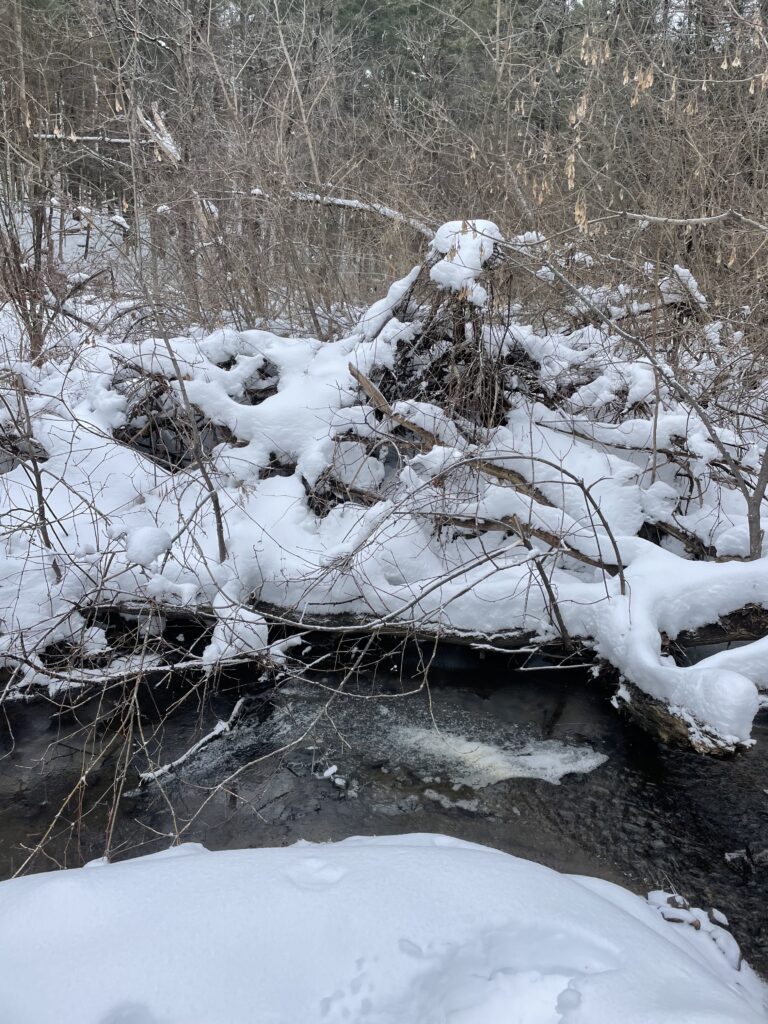
Today was my first day back at my phenology spot since the end of last semester. There were many notable changes to the area since I last visited. The most notable being the snow covering the ground. There was no vegetation left, even most of the woody stems had been broken or covered by the snow. There was also a decent amount of fallen trees in my spot and on the walk down. The stream has started to freeze over, however there was still water flowing. Additionally, the water level in the stream seemed higher than it had previously been.

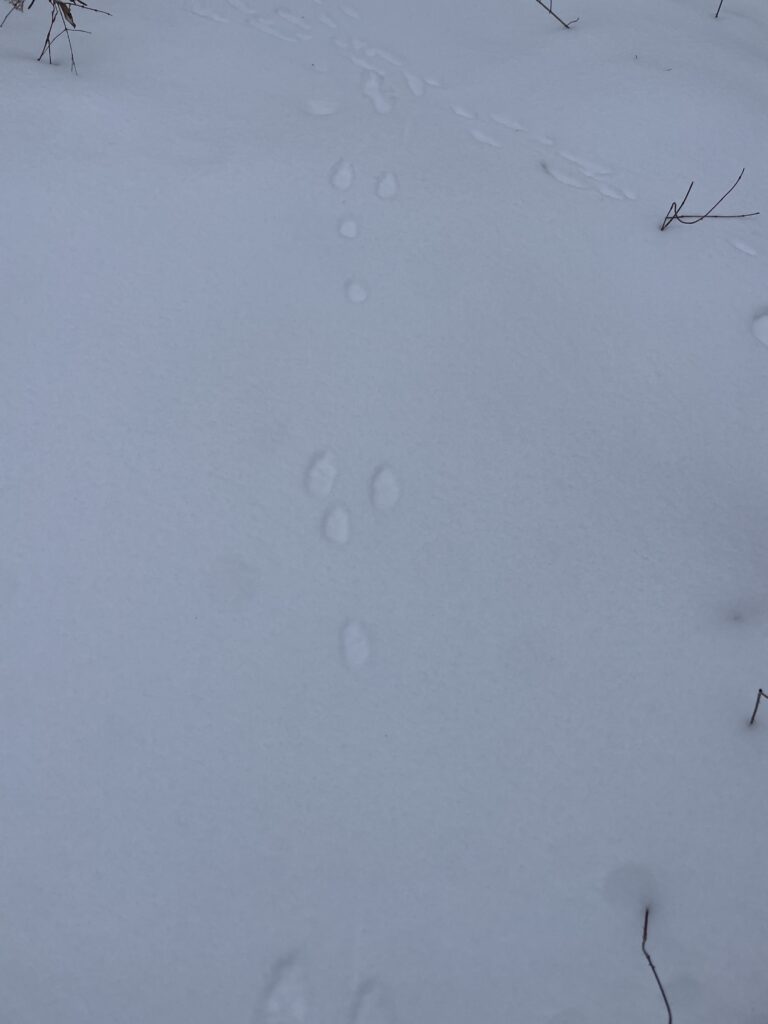
There did not seem to be much animal activity at my spot. I think this was caused by the amount of human footprints on the trail, which must drive most of the wildlife activity away. I did see one set of tracks that I believe are some type of hare based on the pattern they left in the snow.

12/10 Blog Post #4

•December 10, 2022 • Leave a Comment

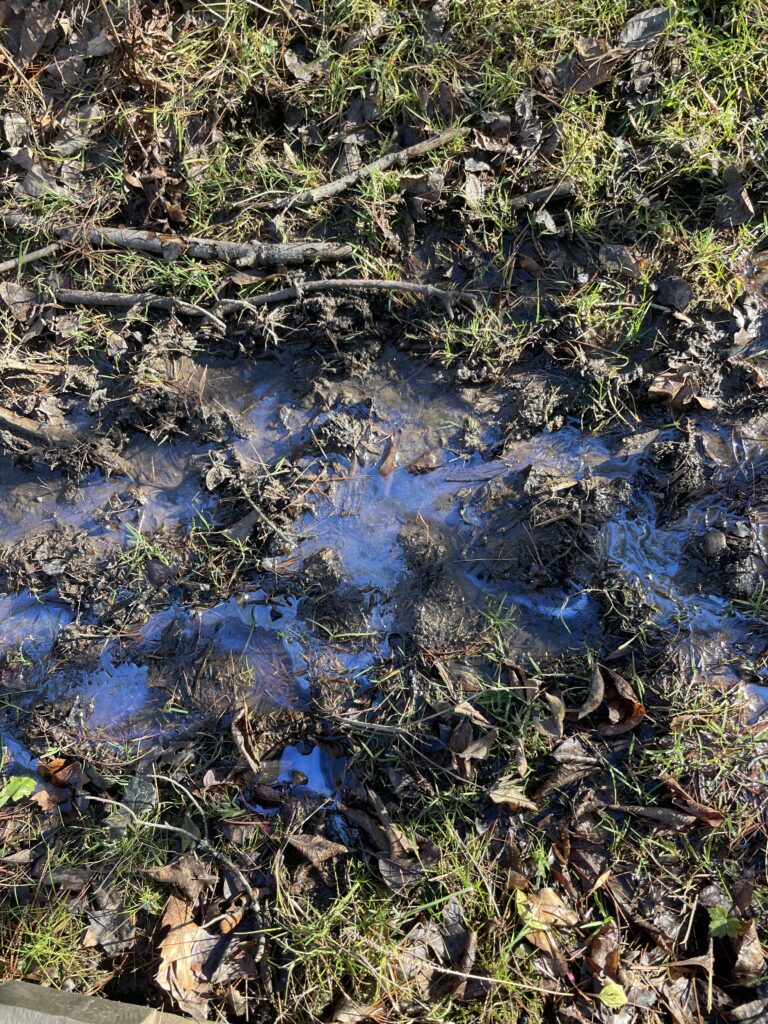
Yesterday I returned to my Phenology Spot for the last time this semester. On the walk to my spot I noticed the the ground had become a frozen mud, much different than the loosely pact soil that I had usually been walking through. Another thing I noticed was that some of the water in the mud that was not entirely frozen over had a blueish hue to it. Almost like it had oil or gas spilled in it.

All of the trees were barren, besides the coniferous, and the same goes for the majority of the vegetation. Even the Norway Maple’s leaves had fallen since I had last been here. The only noticeably living vegetation in the area was the grasses along the river. The leaves from the trees were scattered along the ground, but it seemed like most of them had partially or even completely decomposed.

There was much less activity in the area than I had noticed during past visits. For one, there was much less human traffic along the path. There was only one other person I saw while at my spot, and I think it was someone who was also visiting their phenology spot. I also did not hear any birds chirping while I was in my spot. The past few times I had visited I heard a few birds moving about in the trees, but this time it was pretty silent. I also did not see any tracks left in the mud, only human foot prints.

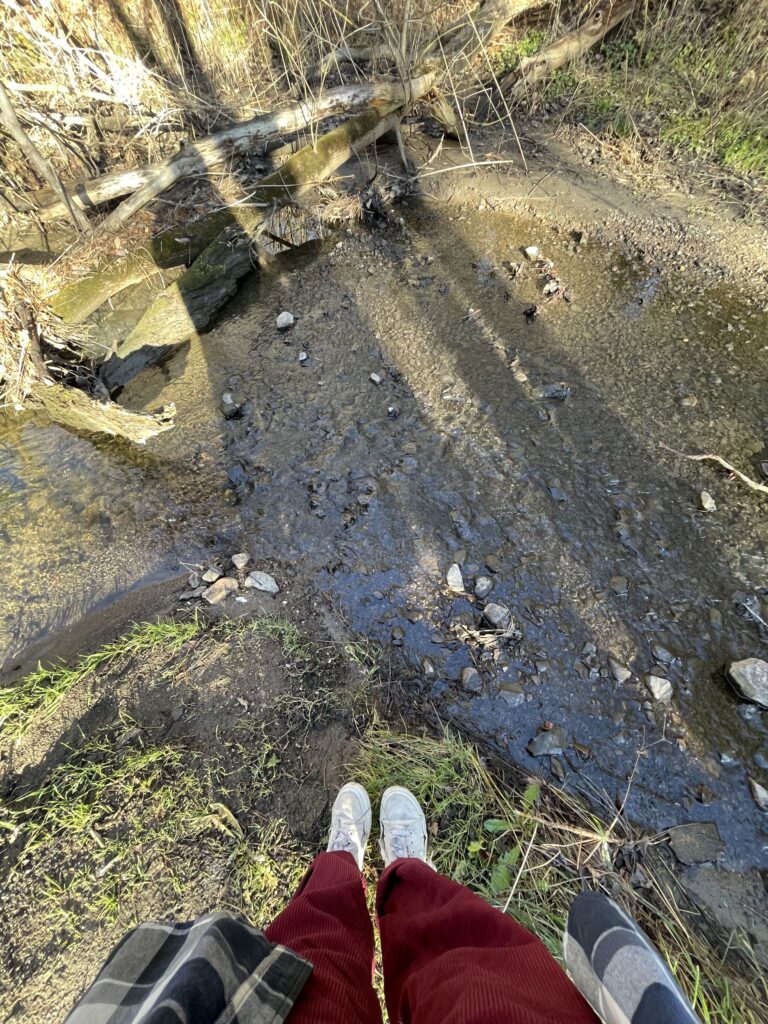
Over the last semester I have come to love this spot in Centennial Woods. I enjoy having a peaceful place that I can head to anytime life starts to get stressful. My favorite thing about this spot is the way the water flows over the rocks that are in the middle of it. Since the water is relatively shallow, and the rocks are somewhat tall, the water falls over them and it sounds like a very small waterfall. I feel a connection to this place now that I have watched it these last few months and will definitely be coming back to it.

11/28 Blog Post #3

•November 28, 2022 • Leave a Comment

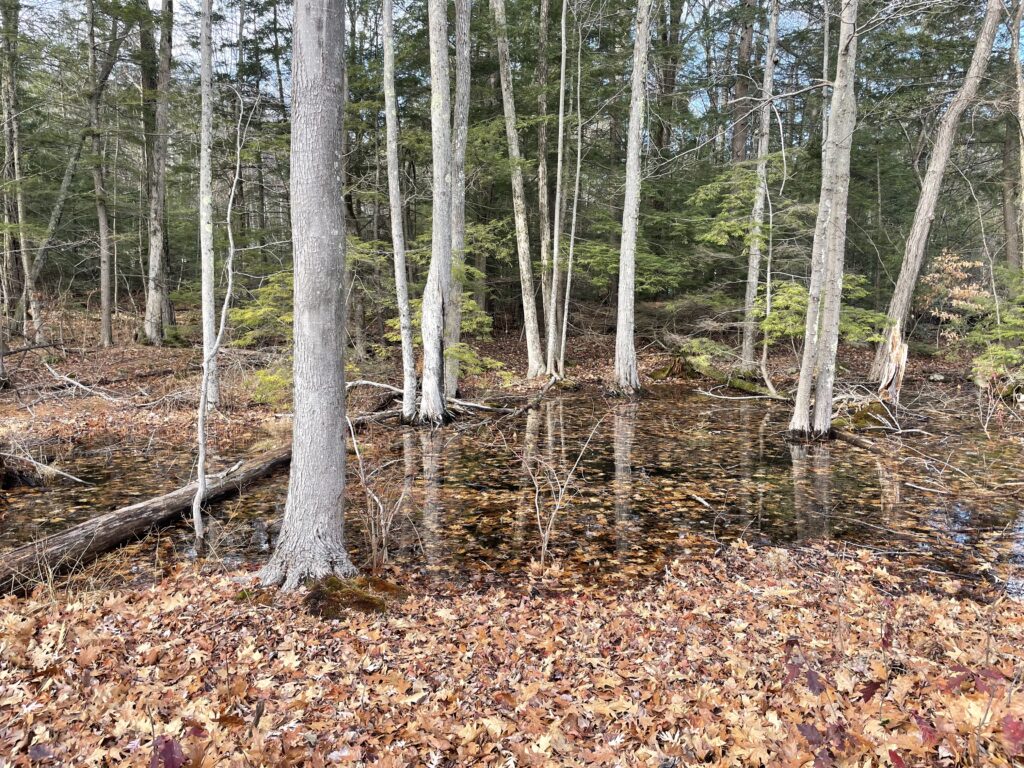
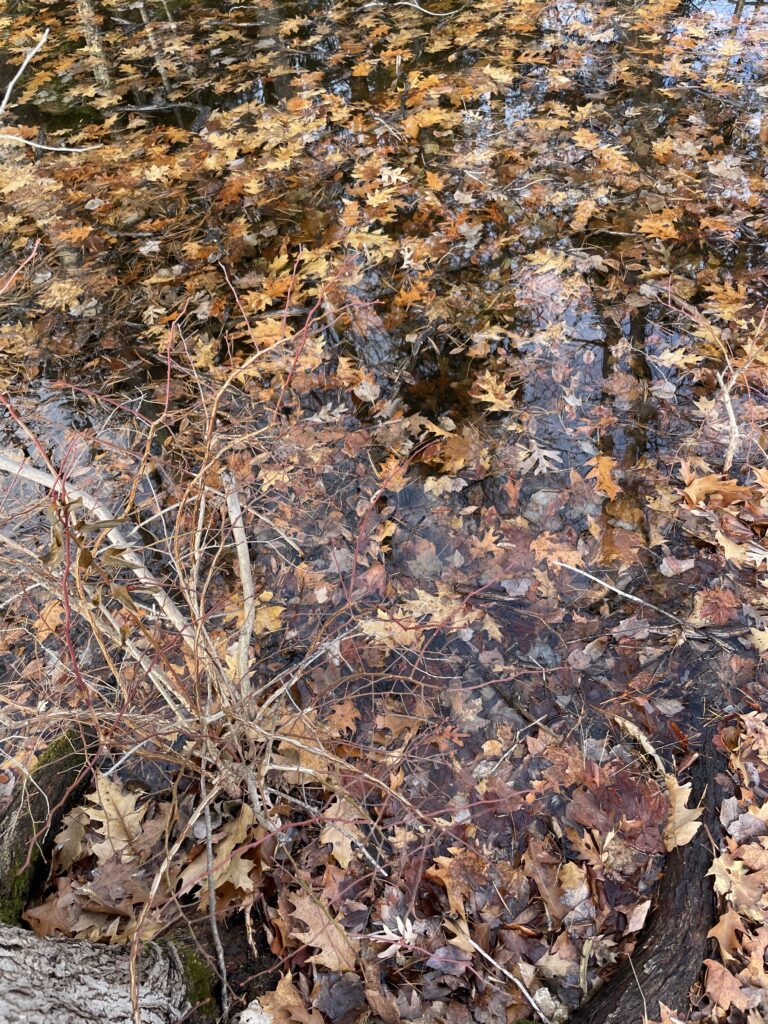
I chose a place in the woods on my family’s land to be my home phenology spot. On the surface it seems very similar to my place in Burlington because it is an opening in a woods with a water feature. They both have rather open canopies with downed logs and woody vegetation. However the water feature here is a swamp that forms from rainfall rather than a continuously running stream of water like in my Burlington spot. The trees here are mostly oaks with coniferous, like Eastern White Pine and Eastern Hemlock, as you move further away from the swamp. Most of the vegetation has died for the season except for some raspberry bushes that are still holding onto their leaves. The ground in this spot is also very different from my place in Burlington. Rather than hard pact soil that is present in Centennial woods, the ground here was damp, which made it rather squishy underfoot. There was also a lot of decaying matter on the ground covered in mushrooms, moss, and other fungus.

I could not think of a gift that would be fitting for my place, so I chose to think about the part of the Honorable Harvest where they spoke of not taking the first or the last. As I mentioned there are some bushes of raspberries that are still holding on. I was considering next season coming back to this spot in order to pick them when they are ready. Then I reflected on if the land would want me to. This is the only bush of raspberries in the area, and I wonder what animals eat from this bush. I thought of who I would be taking from if I were to come back and pick all the berries. I decided that I will come back to the bush and, if allowed by the plant, I will have a few berries but will end up leaving them for the animals of the area.

 
Skip to toolbar