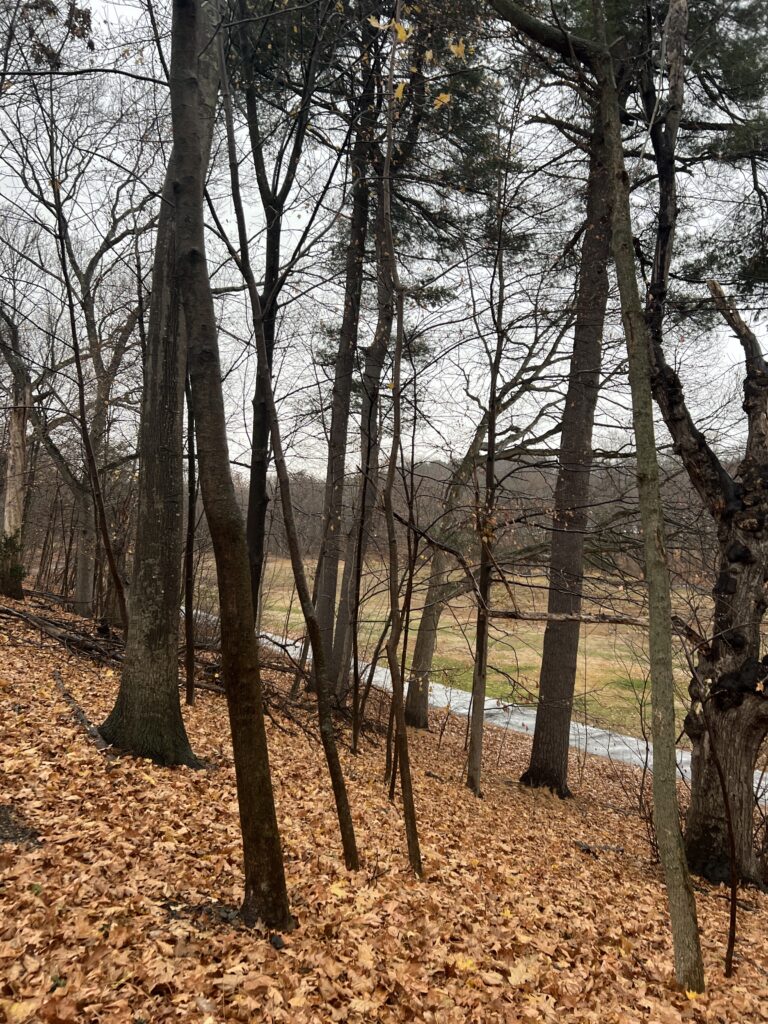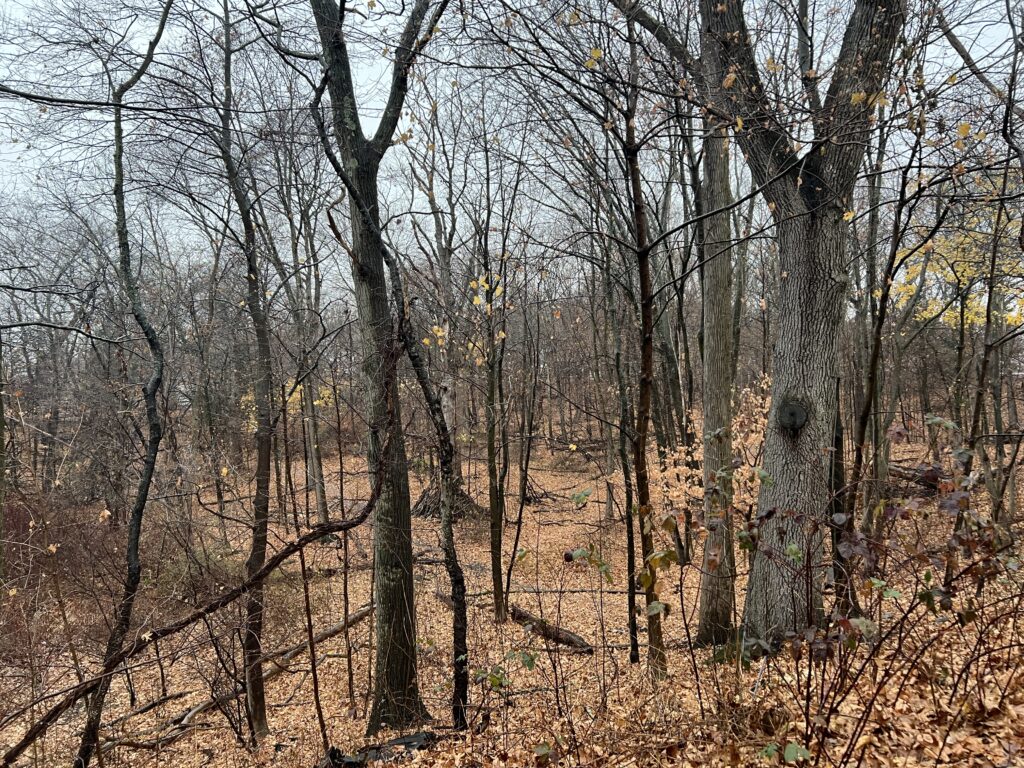
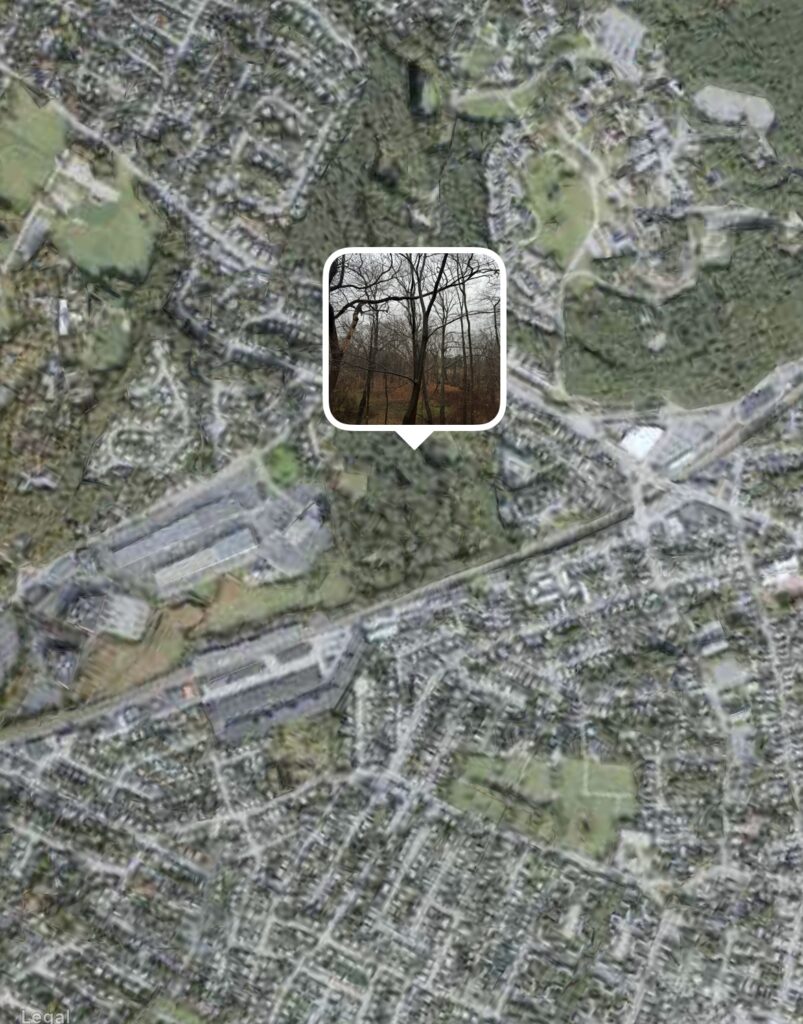
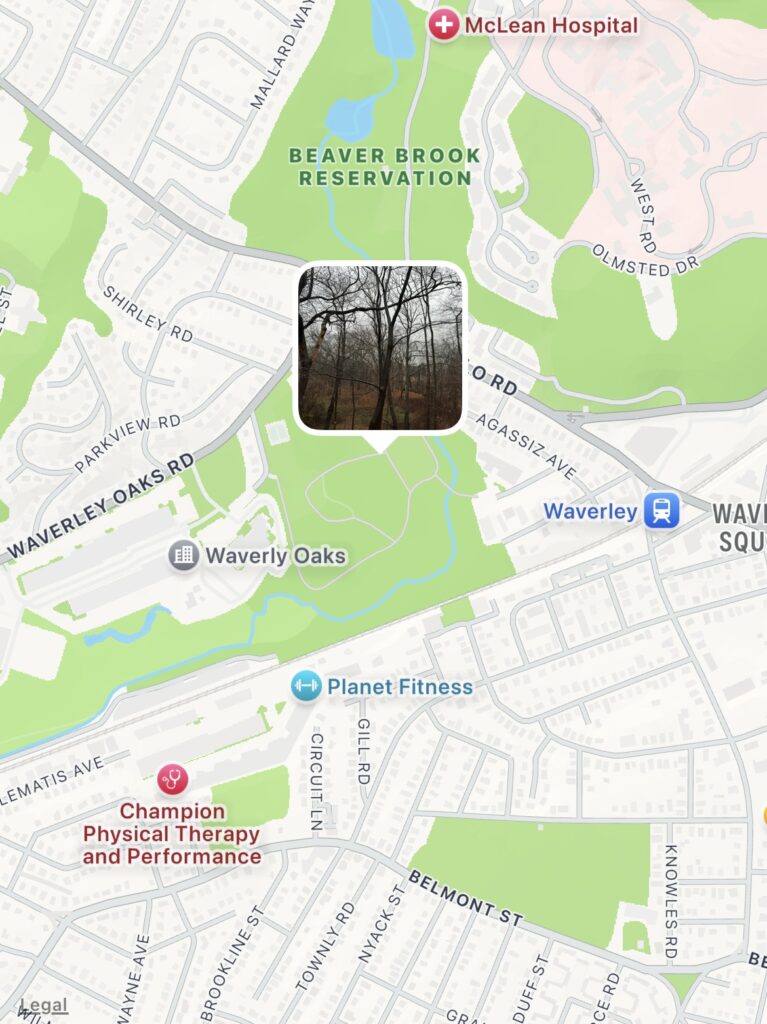
For my break phenology spot I picked an area of the Beaver Brook Reservation/Park in my hometown Belmont, Massachusetts. It is a reserved natural area that contains a paved walking path, a dog park, a playground and water park, and a small forested area with walking trails. I picked this spot because it is my favorite area to walk my dog around and because it is a gorgeous natural area within a developed suburban town.
Another reason I find this place special because of the cool variety of tree species with native species in the forested areas and ornamentals planted along the path. I only noticed this on my most recent visit because of the knowledge I have from NR1010 and Dendrology. This has made me so much more mindful of my surroundings. Beaver Brook also makes learning about different tree species accessible to everyone with little signs labeling different species and explaining a little bit about their history. The forested area of the park is interesting because it is mainly composed of small trees including ash, eastern white pine, northern red oak, birches, and various other species. This is evidence that before this land was saved for conservation, it was most likely cleared for farming or residential areas.

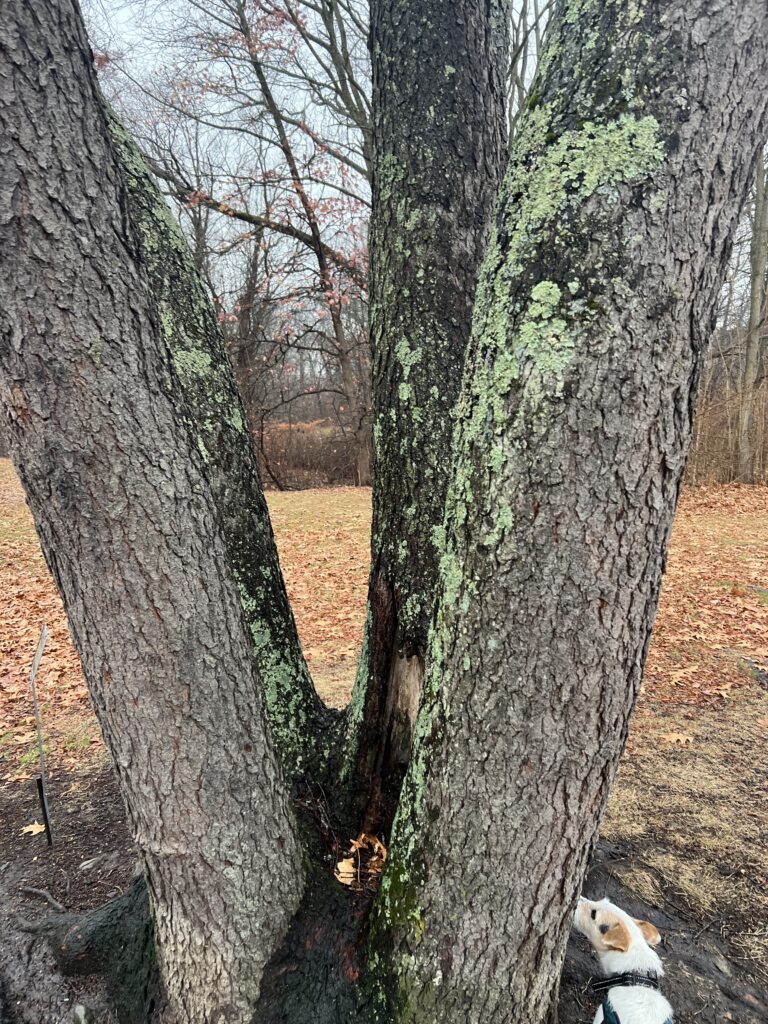
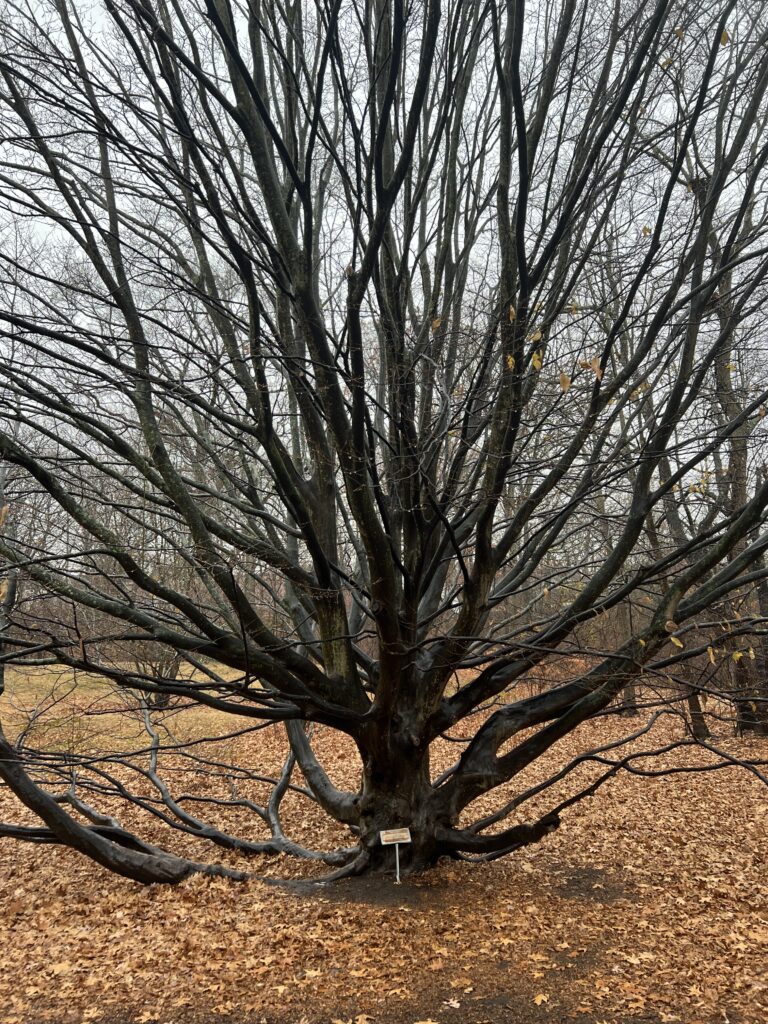
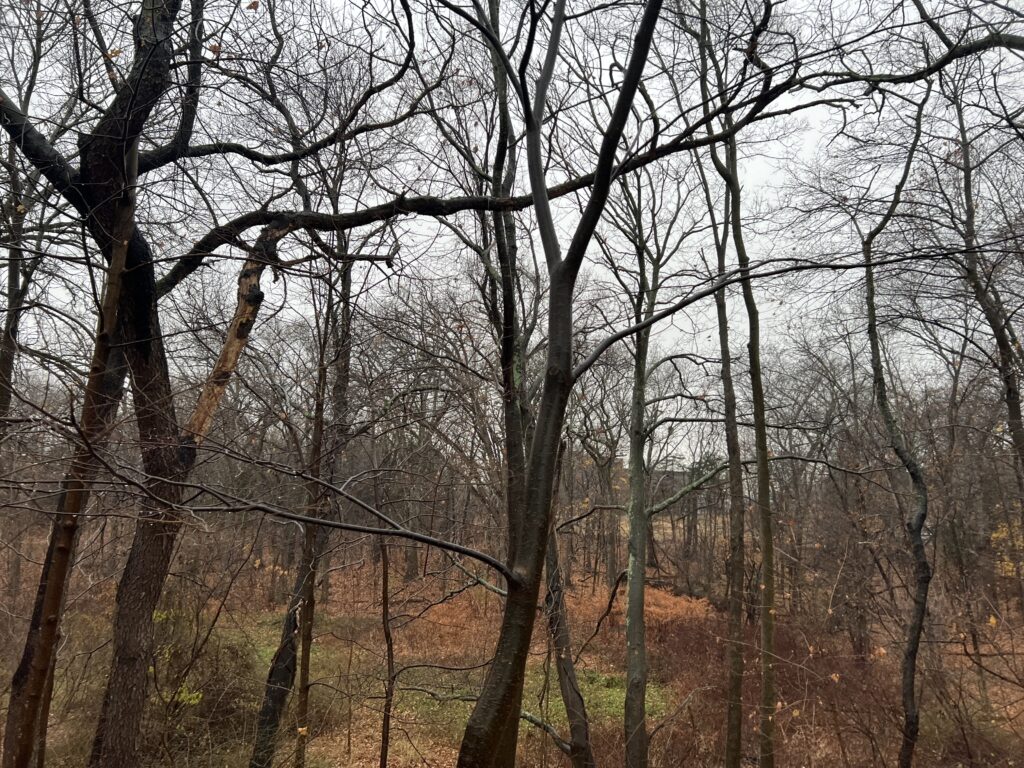
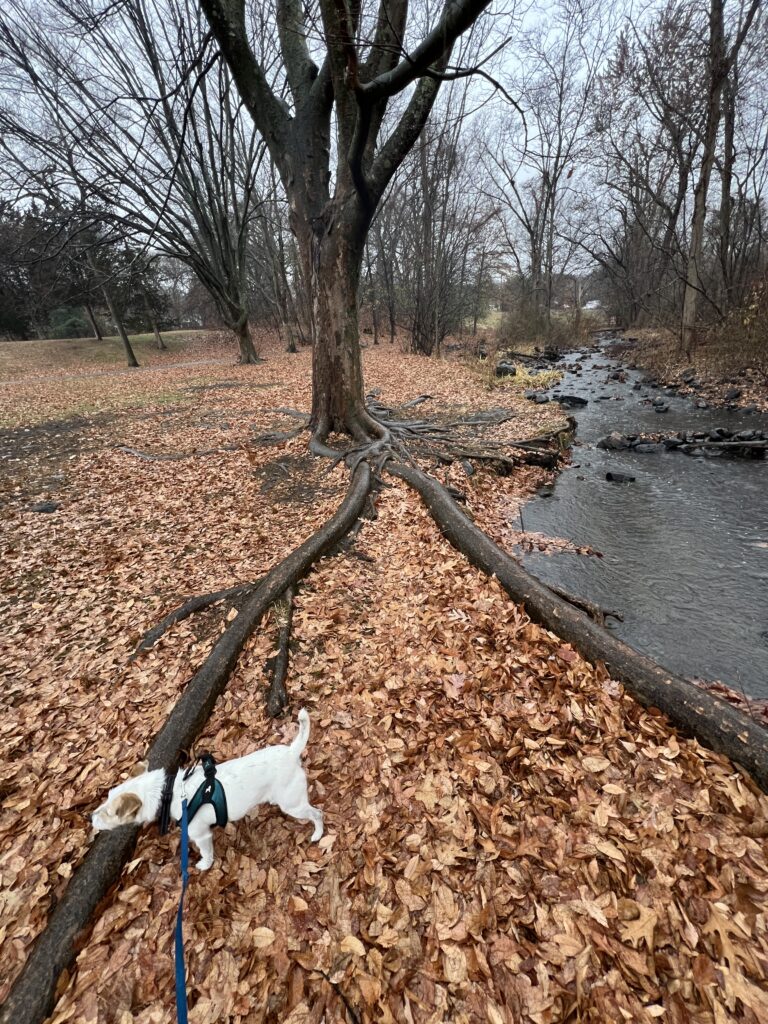
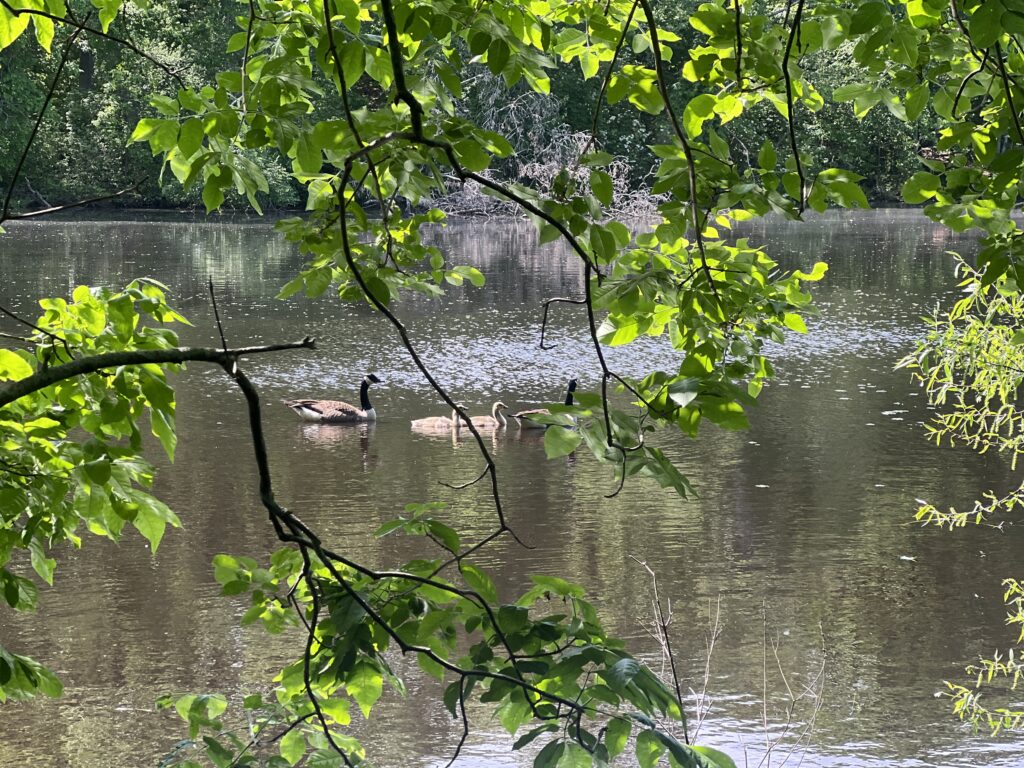
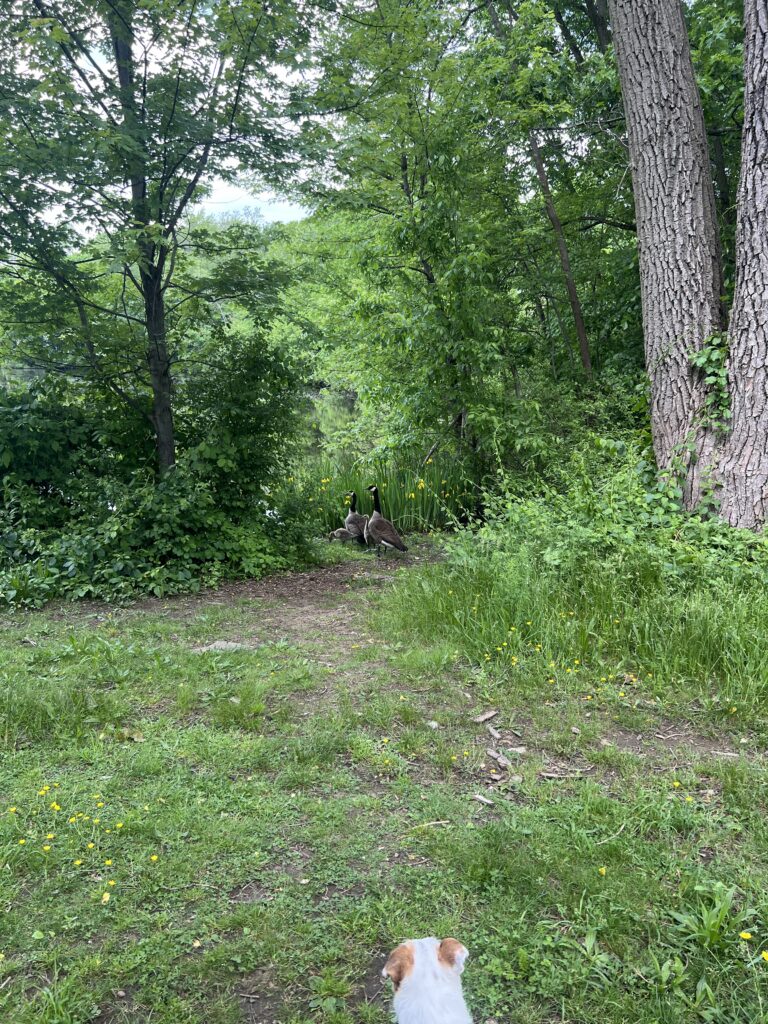
This area is also special because it is home to lots of wildlife. During my visit there were many blue jays flying around the park. You can also often find ducks swimming in the stream and you can always see squirrels running around. It also has another extended area across the main road where there are more walking trails and a pond that is often home to geese and many riparian tree species.
This place is similar to my spot in Centennial woods because they both have many younger trees and many of the older trees are eastern white pines. However, my place in Centennial woods is dominantly large evergreens where as in Beaver Brook there is a more diverse mix of hardwoods and evergreens with northern red oak as the most common species. Beaver Brook also has more of an herbaceous understory because the overstory is so much thinner while the forested area of my spot in Centennial Woods is mainly pine needles. They are similar in the fact that they both have riparian elements because there are streams running through the forests and they are both surrounded by developed urban areas. This has effects on the wildlife that can live in these areas because of the surrounding roads.
When I observed this area it was much farther into the fall season than when I last checked out my Centennial Woods spot so way more of the trees had lost their leaves and the ground was covered in leaf litter. I would also say there were fewer signs of wildlife as I usually observe in this area because of the start of colder weather. There are often migrating Canada geese and other birds in the area that I did not see most likely because they have gone south.