City Nature Challenge !!

For the city nature challenge, unfortunately I was extremely busy that weekend, but I took some time to explore one of my favorite natural areas near campus — centennial woods. I went with a couple of my friends not in NR, and it was so exciting to be able to show them what species was which. Although it was relatively cloudy and cold when we went, it still was worth it.
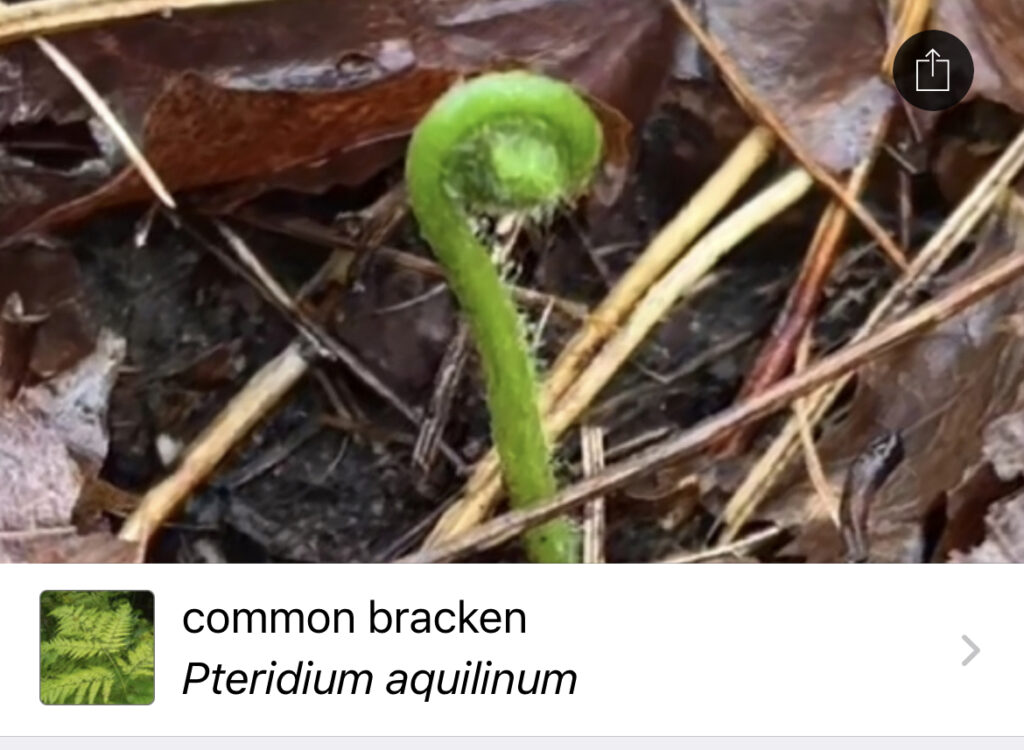
I encountered many different species but I only logged about 5 or 6 because I was too caught up to take pictures. Also, I made my friends also log using iNaturalist, so they got to add 10+ species. My experience using iNaturalist was fun, especially when I knew the species I was logging. However, do to weak signal it took a while for the photos to upload.

I found it interesting that so many people in NYC were also participating in this, I live so close to the NYC area and I hadn’t heard about this until taking this class. Cape Town really took everyone down with the amount of observations.

I am interested in using iNaturalist when I go home for the summer, I want to learn about my local species. I feel like this has helped me to become more connected to Burlington’s natural areas, both during and before the bioblitz.
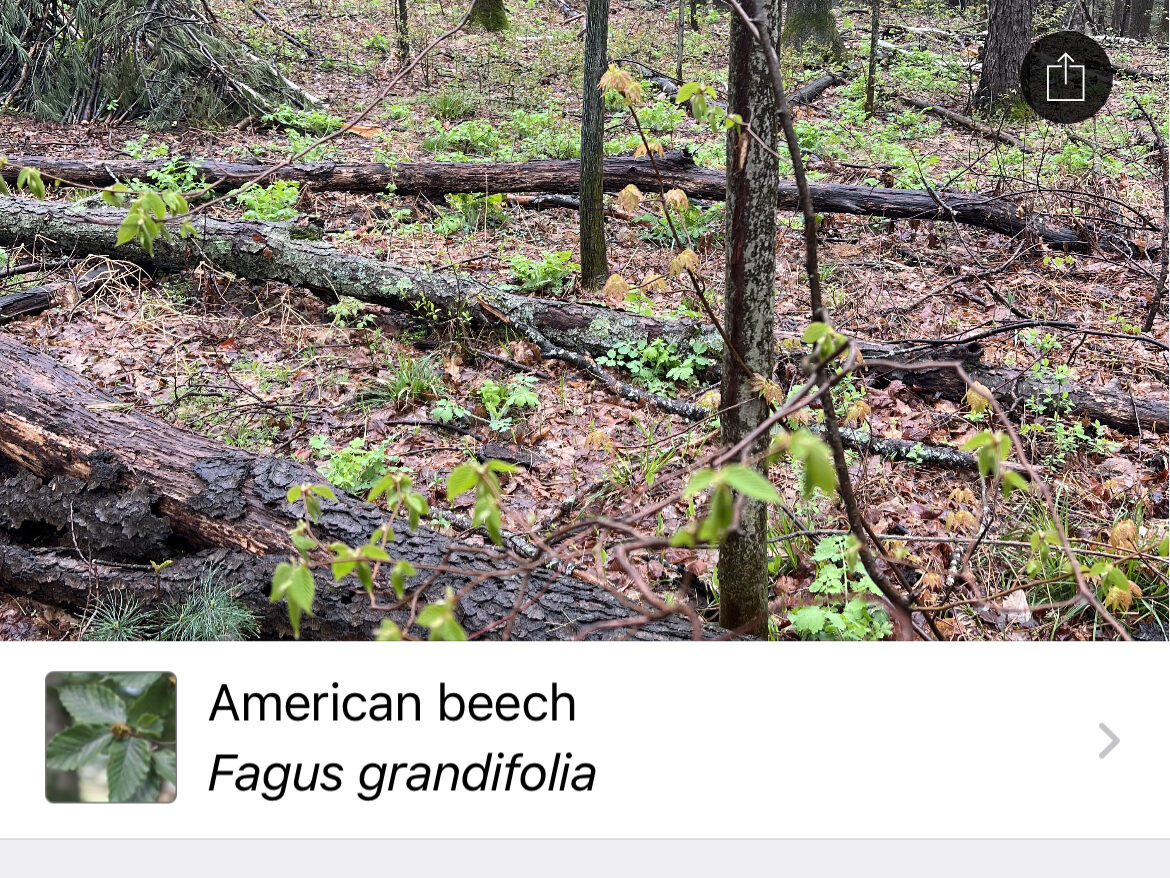
Overall, this was a really fun experience and I hope to participate more in the next one!!
Where the Ferns Grow 🌧️

There’s nothing I love better than walking in nature while it is raining. I love to watch the squirrels shake off to get dry, and to hear the birds singing from the cover of the trees. Today was the day that I finally got to return to my phenology site, and all I can say is that spring has sprung. The green is coming back, and nothing has made me feel happier. I feel like over the past year I have become attached to my phenology spot, and I no longer need to scavenge around to find it. I remember every turn, every hill, where it gets muddy, and most importantly, where the ferns grow. The rain today made my spot smell like regrowth and the fresh smell of mud. This sensory experience was something that I haven’t experienced since the fall and it made me feel like I made a full circle from the first time I was here.

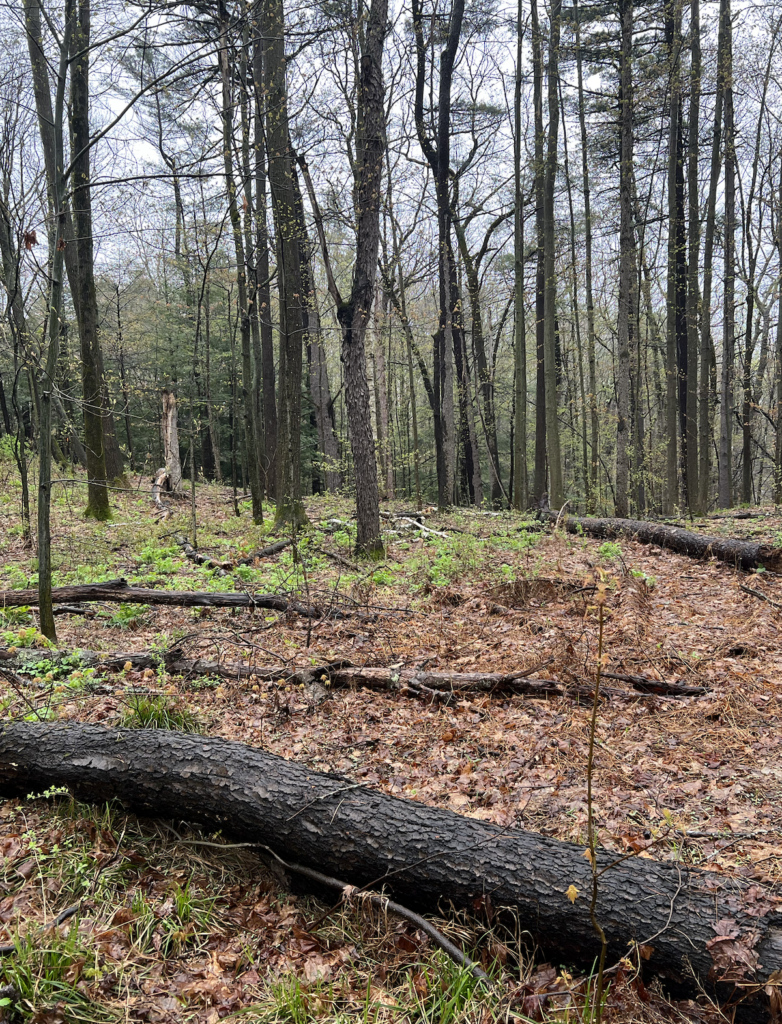
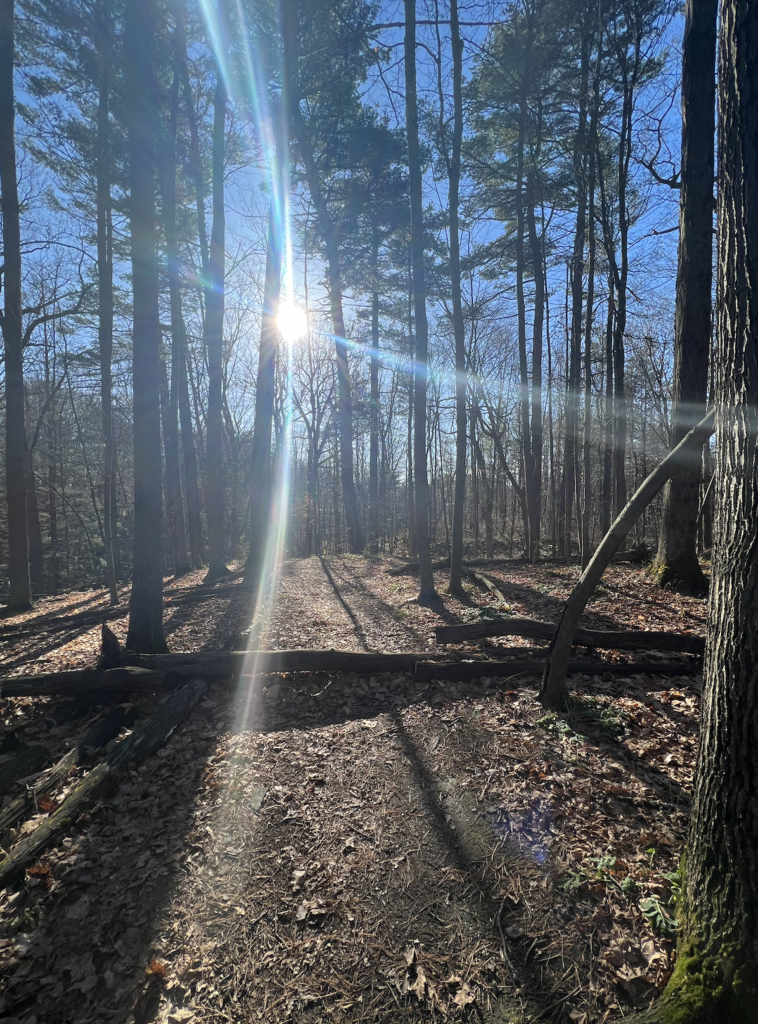
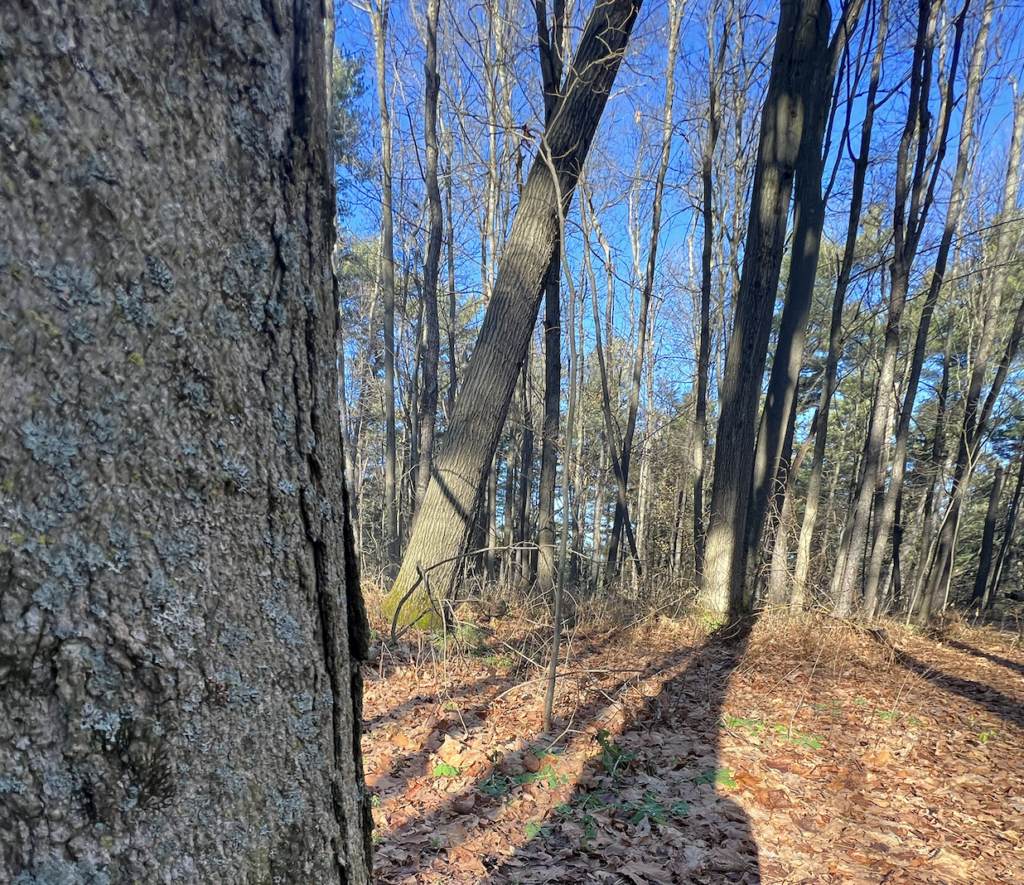
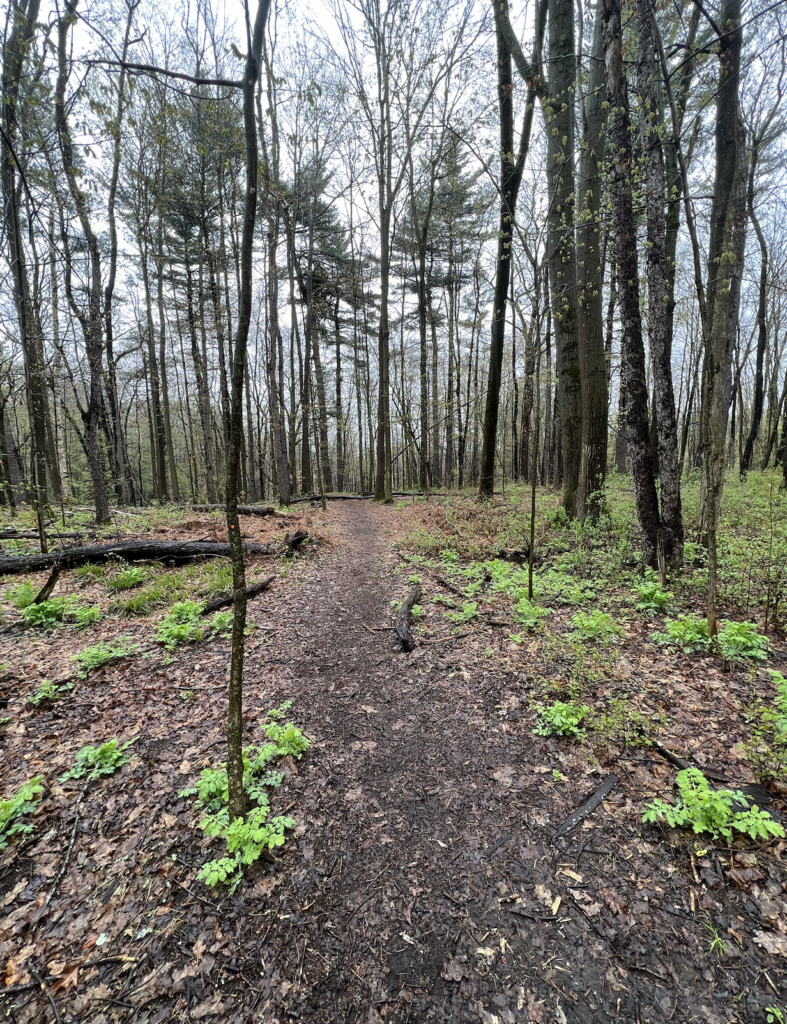
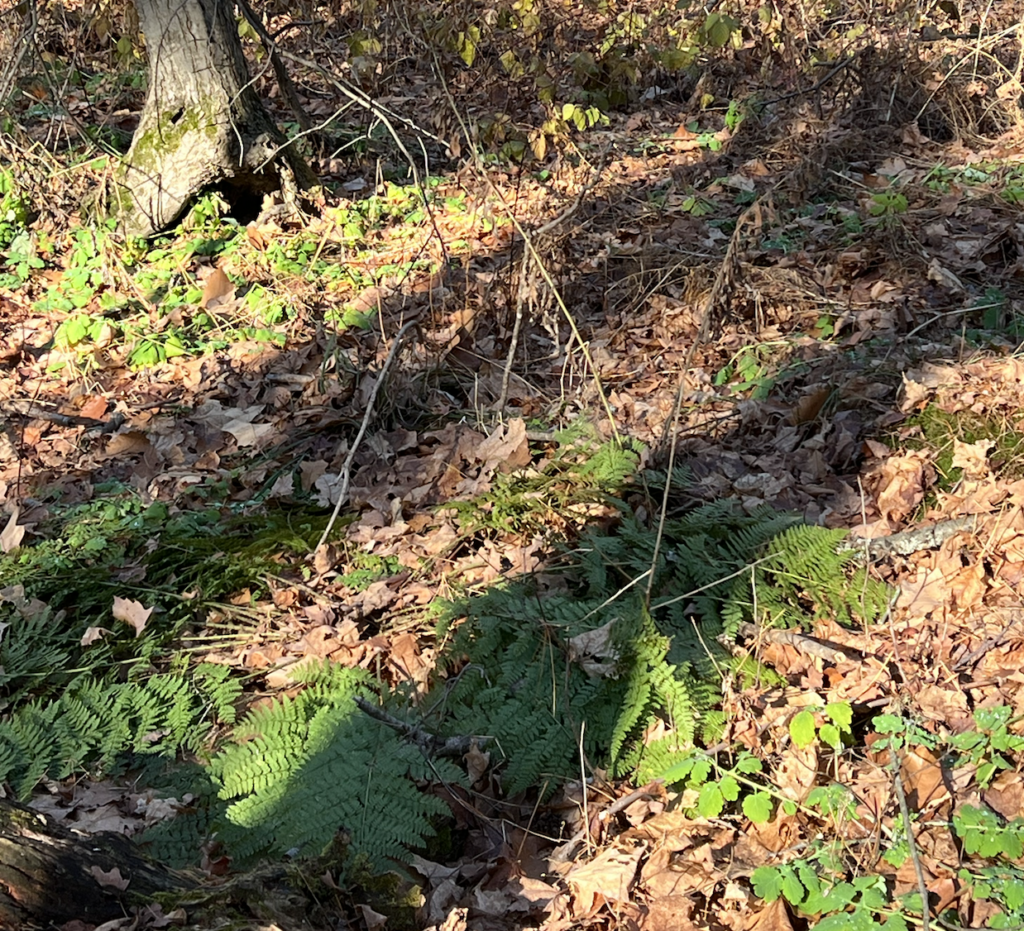
My phenology spot when i first encountered it was filled on both sides with ferns, this is what really drew me to this specific spot. Also, this path that you see between areas leads to nowhere — unless you want to look over the hill, which I always enjoy.

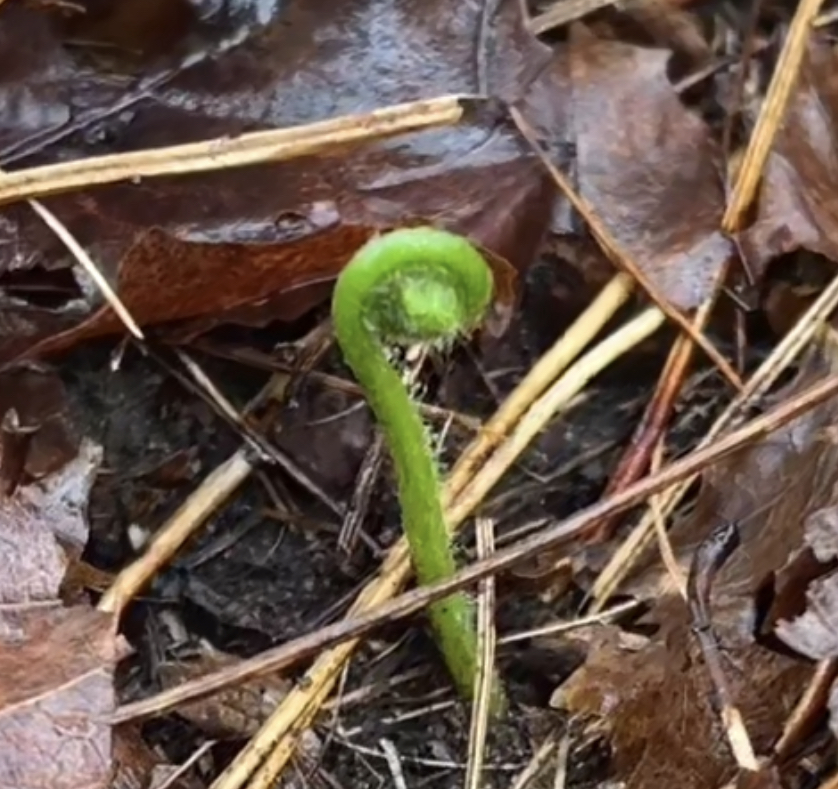
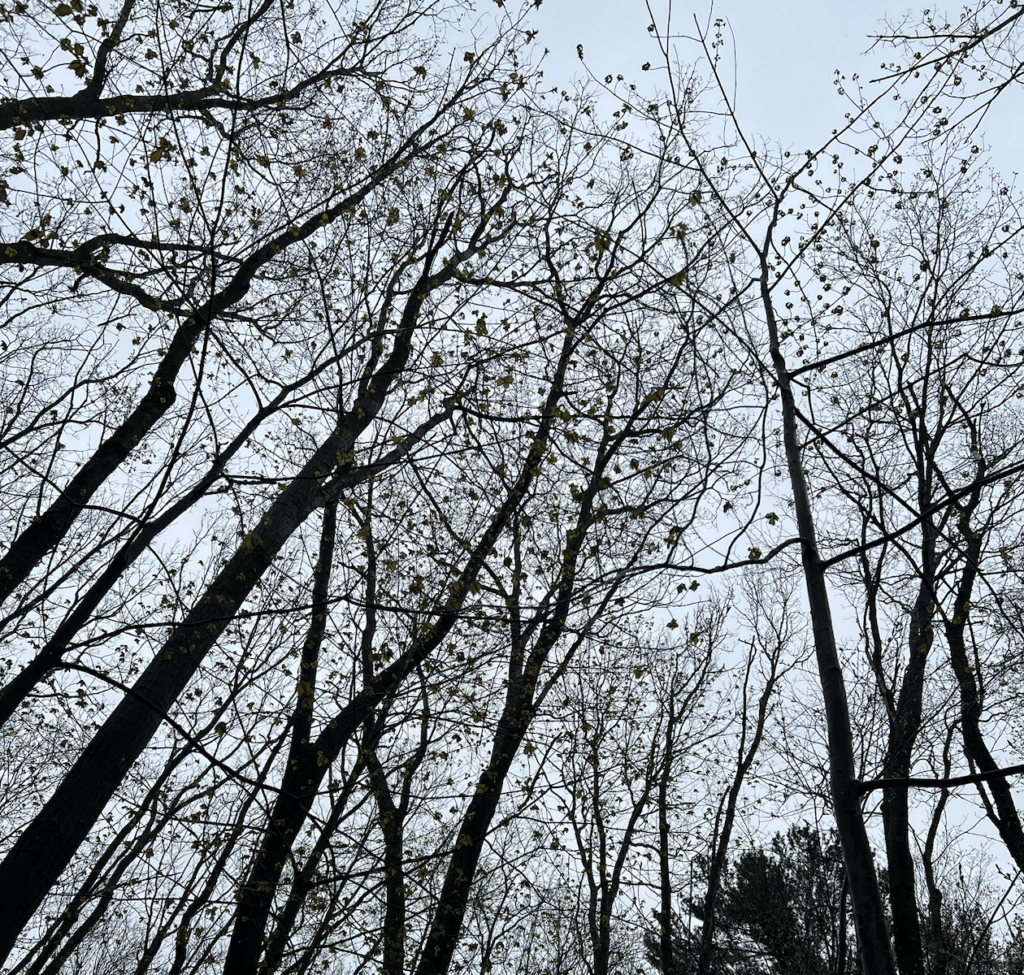
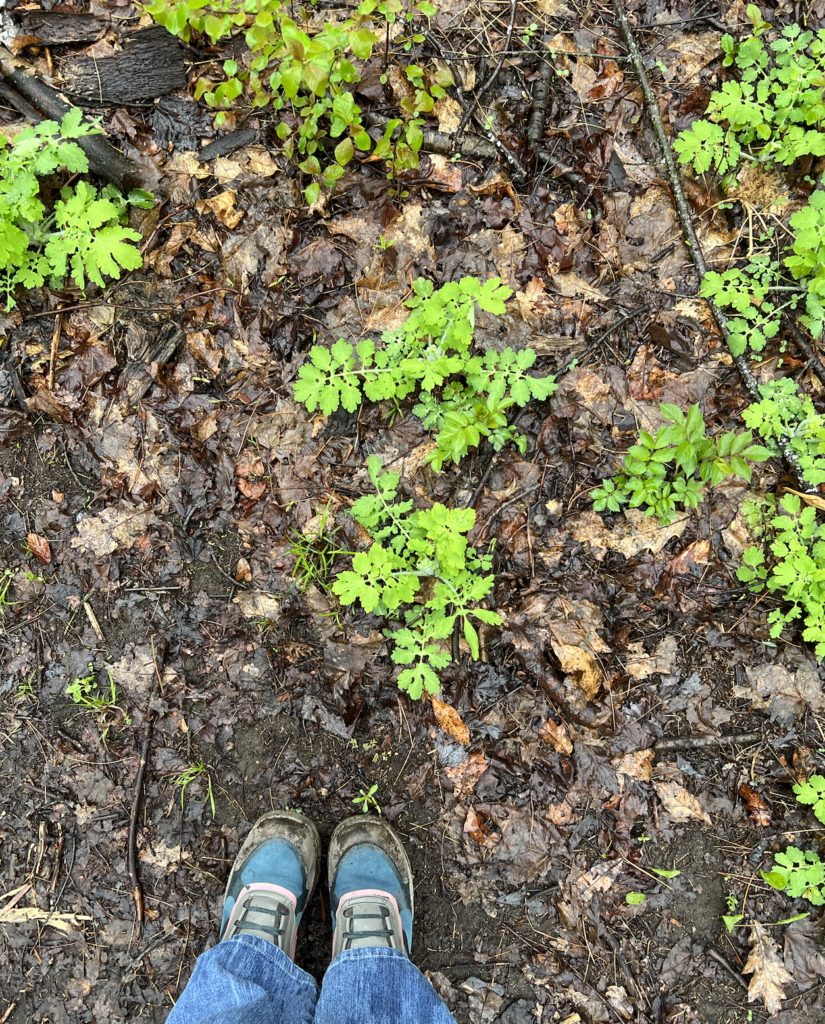
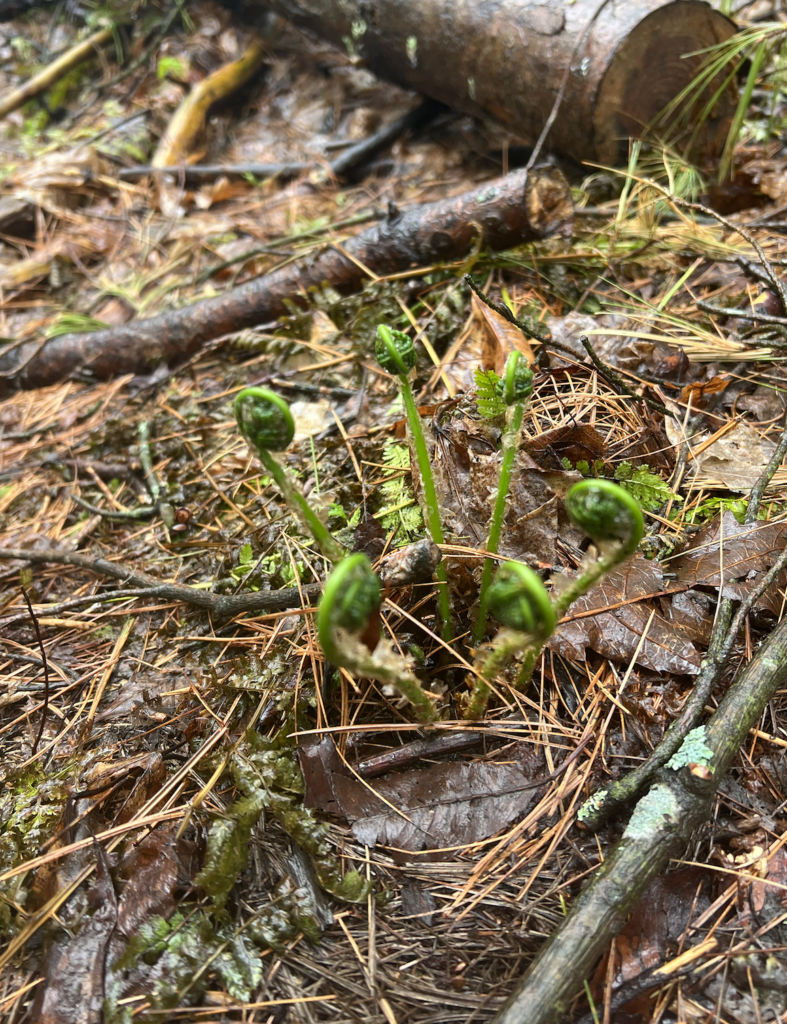
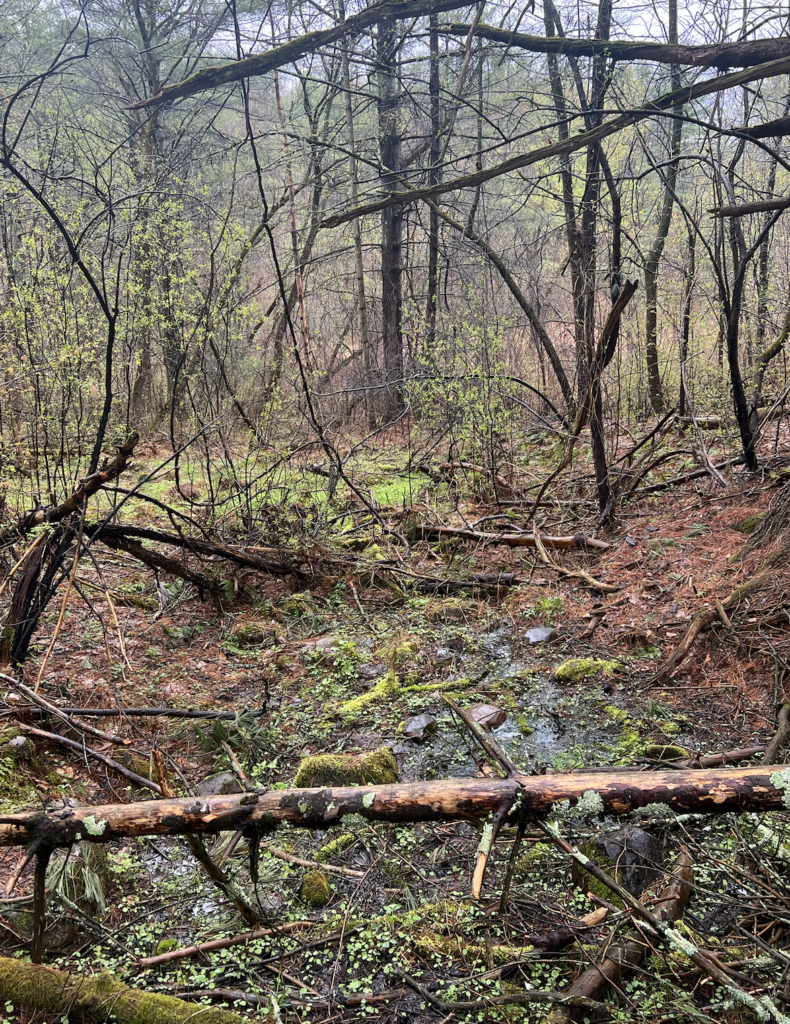
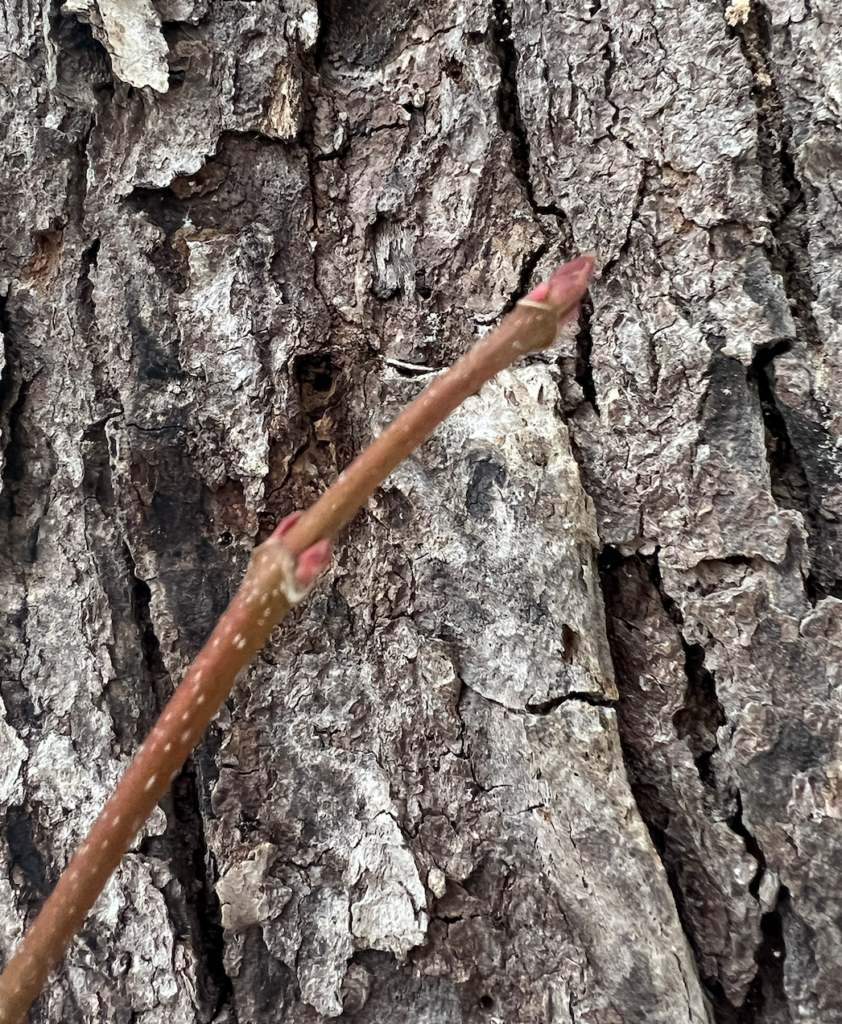
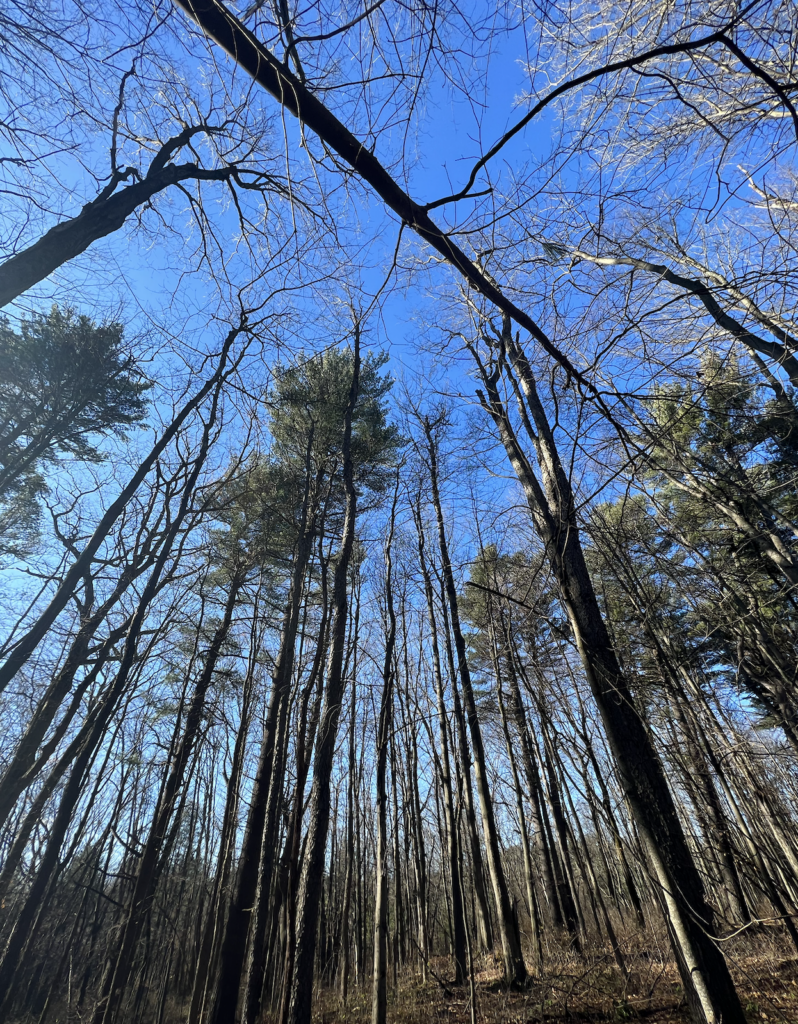
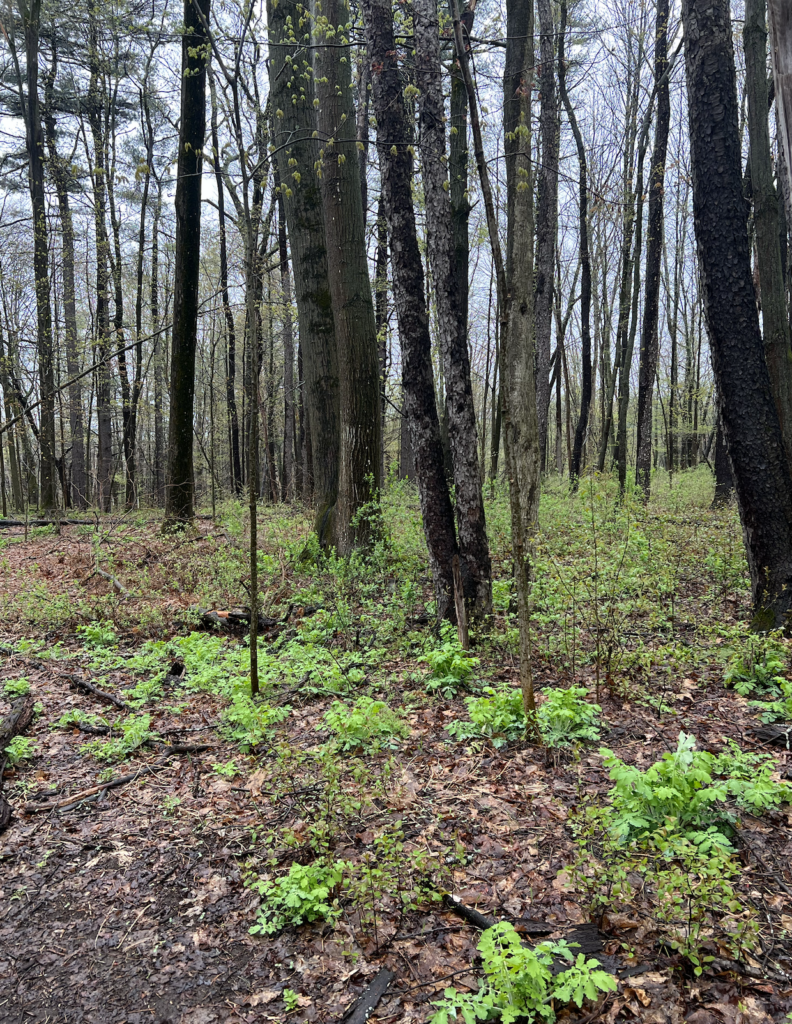
Physically, except for a few fallen trees that had previously been there, nothing has truly impacted my area. However, when it comes to phenological change, there are black cherry trees and baby sugar maples that are budding. Similarly, as seen to the right, there is a lot of greenery present in the understory, much of it is new. One thing that stuck out to me were the fern buds. I will put pictures below of the overstory and of a budding fern:

Culture and nature do intertwine at my spot — once the weather becomes nice everyone on campus comes outside for the sun and the rainy days are days when we rest and rejuvenate. The patterns and habits of nature are similar to those of humans, spring is always the time where everyone starts to come out of their dorms and when the greenery comes out after a long winter. This mutual feedback to changing seasons is what makes humans more interconnected to nature.

I feel like with the time I spent with my phenology spot I have become a part of it. I am definitely going to continue visiting my spot even after this year is over. I am excited to see it again in August when everything comes back into full bloom. It will only be a few months until then — but for now, I will refer to my spot as where the ferns grow.

Final Budding Update 🍃

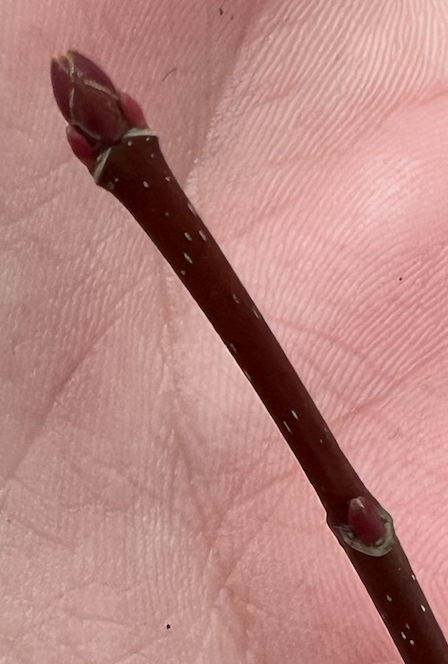
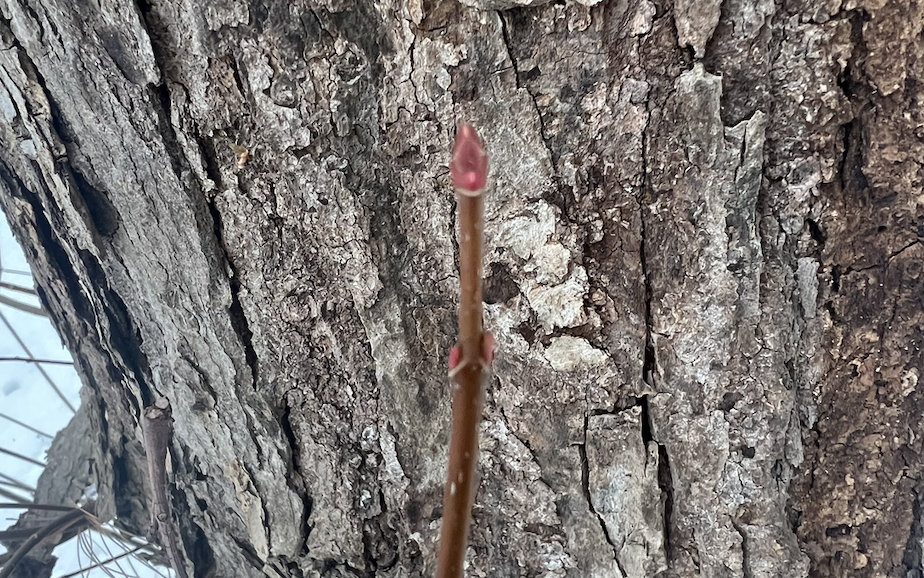
On my last visit to my tree, I have finally seen a small change in the bud size and a more prevalent red color. Below I compared my first visit to my final visit:

Left = First Visit/Right = Last Visit

From the pictures you can see the obvious change in color. I may have to return to this tree before the semester is over (early may) in order to see the final stages.

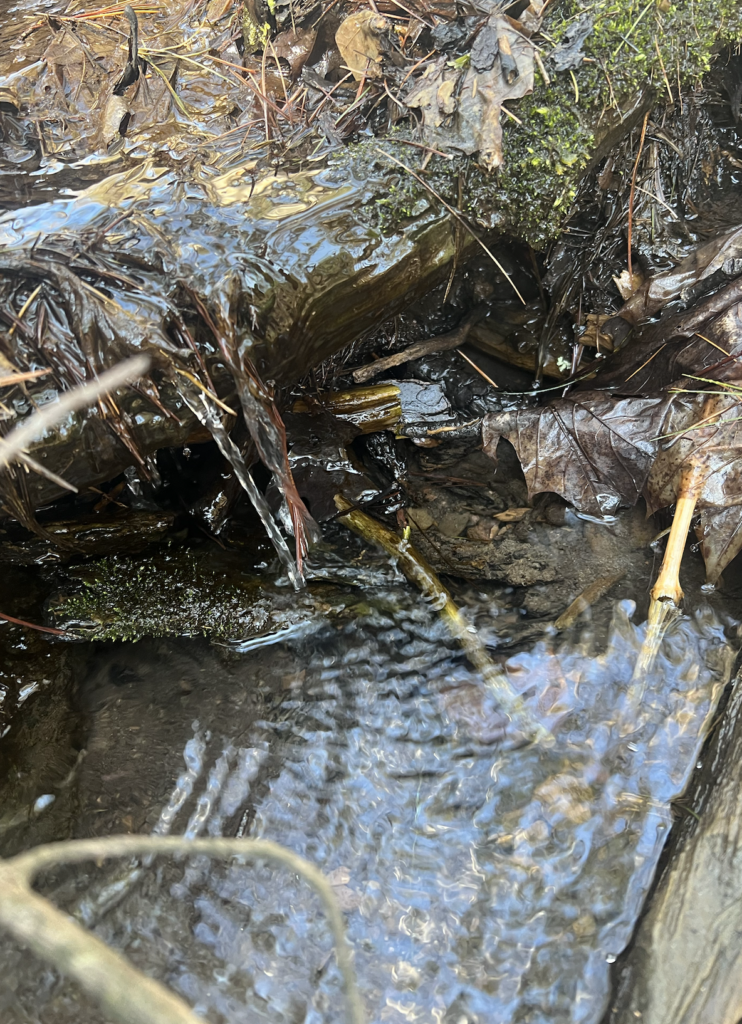
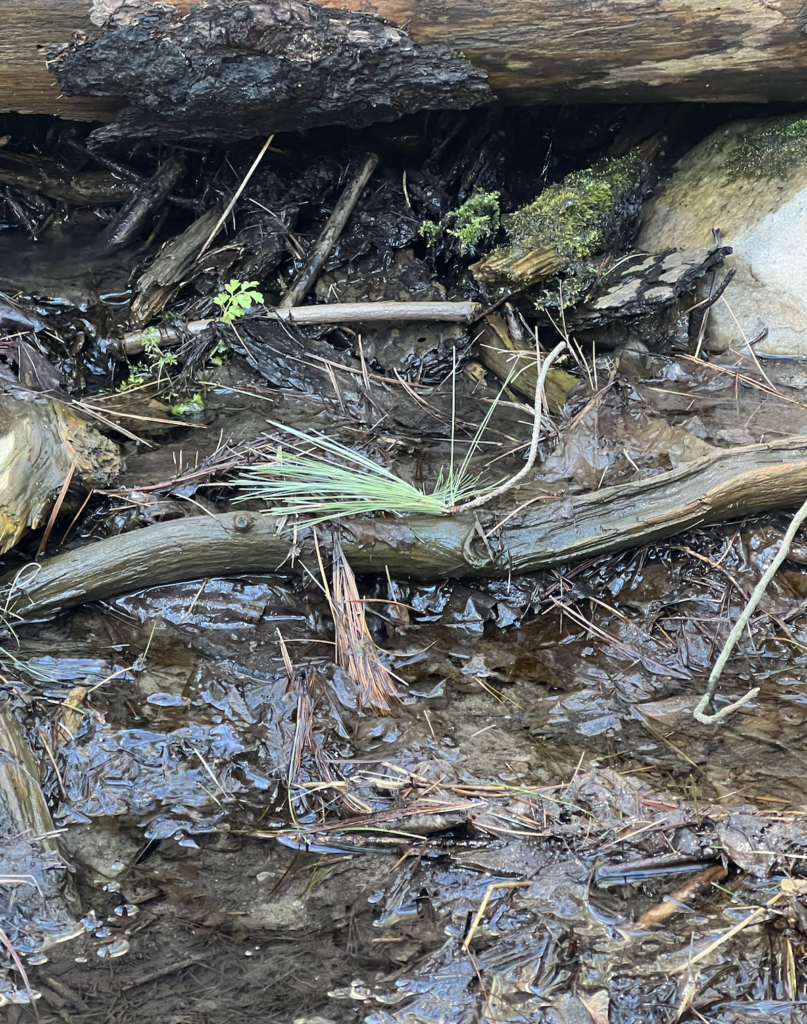
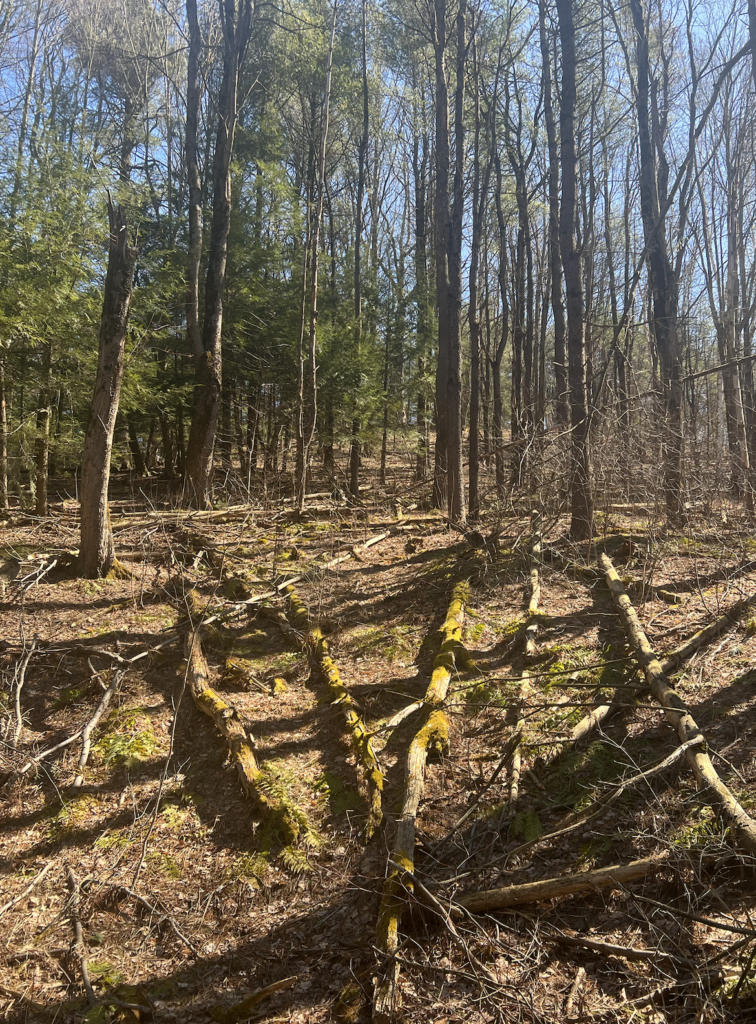
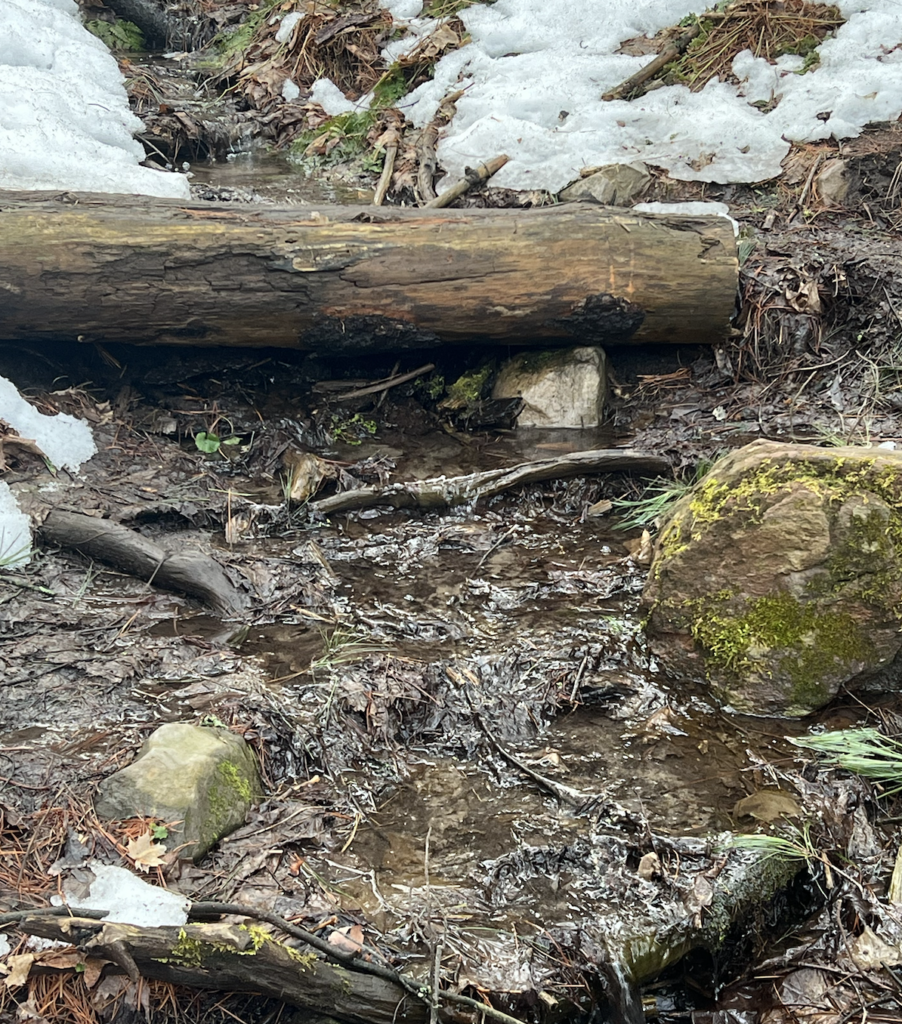
Otherwise, on my adventure to my tree I noticed other phenological changes, one being that is it officially mud season. Everything has melted in Centennial Woods and you can hear the stream running if you stand still. Also, the birds are singing!! Here are a few pictures from my walk — I even saw a downy woodpecker, but unfortunately couldn’t get a picture.
Overall, I had a very enriching time and I am excited to visit my phenology spot in the coming weeks.

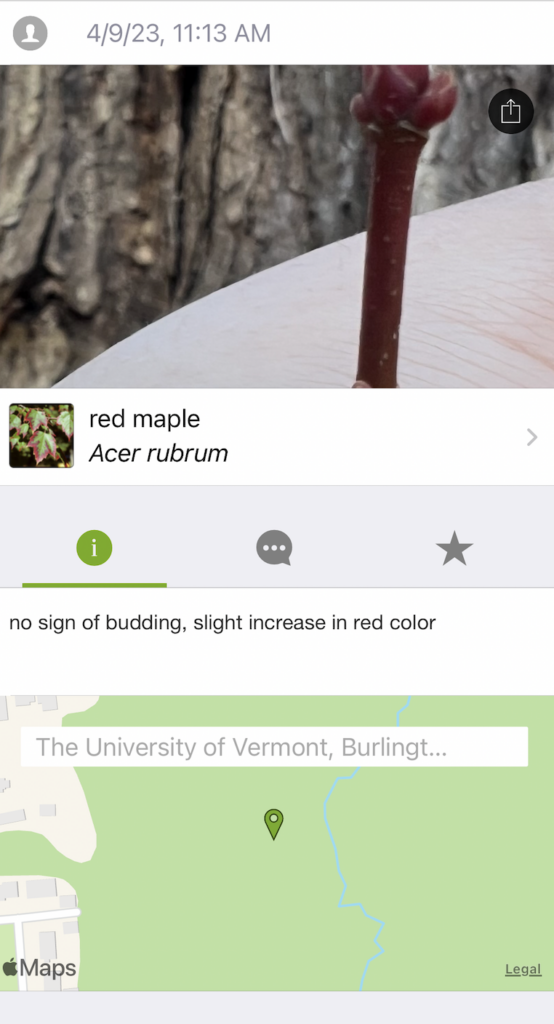
My INaturalist Post/Location

Spring is here! – Budding Update 🌱
I went back to the same red maple I had on my previous post. The weather today was feeling like spring and the bird songs were very prevalent in my adventure into centennial woods.

Here you can see that there are signs of budding on this tree but, no change in growth from my previous visit.

I am hoping that by the time I update in the coming weeks there will be evidence of flowering, but unfortunately I don’t think there will be evidence of flowering until late April/early May.

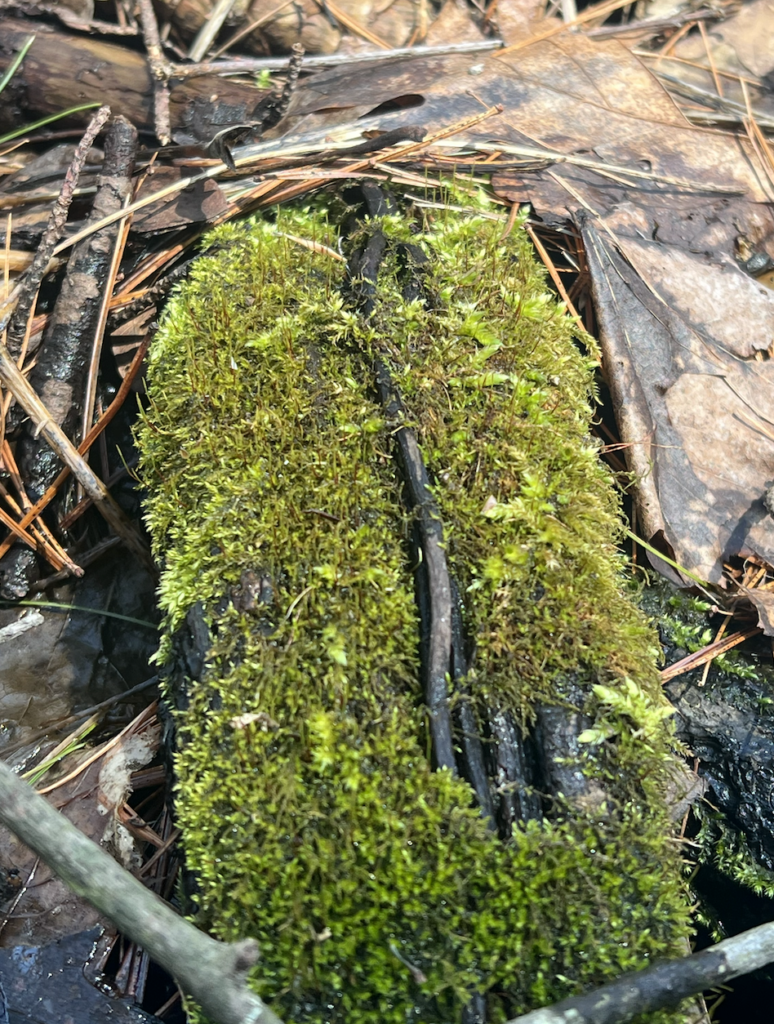
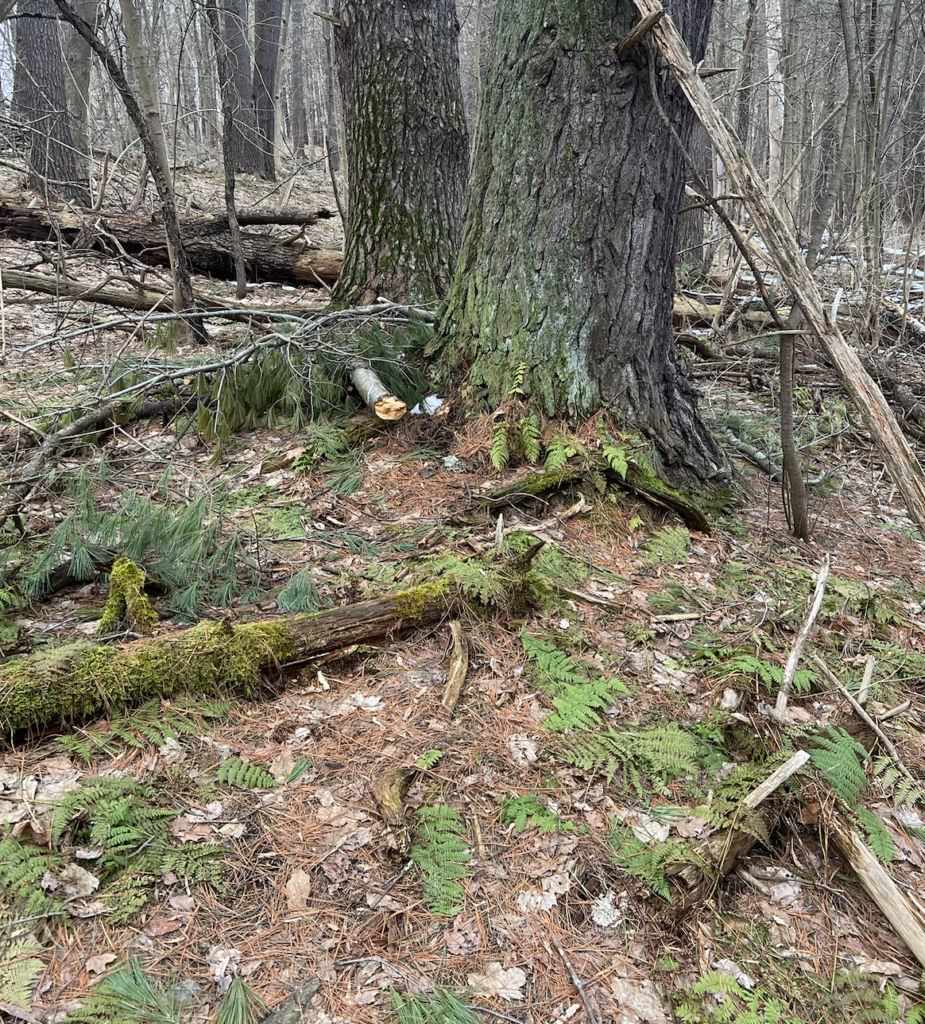
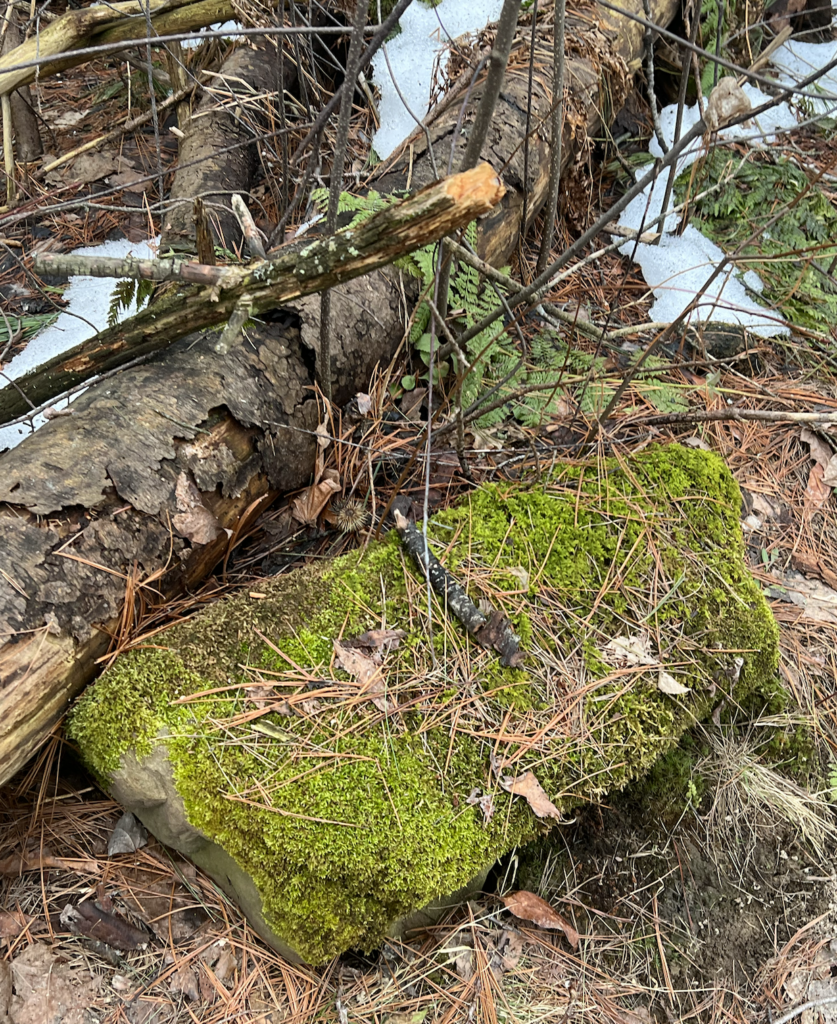
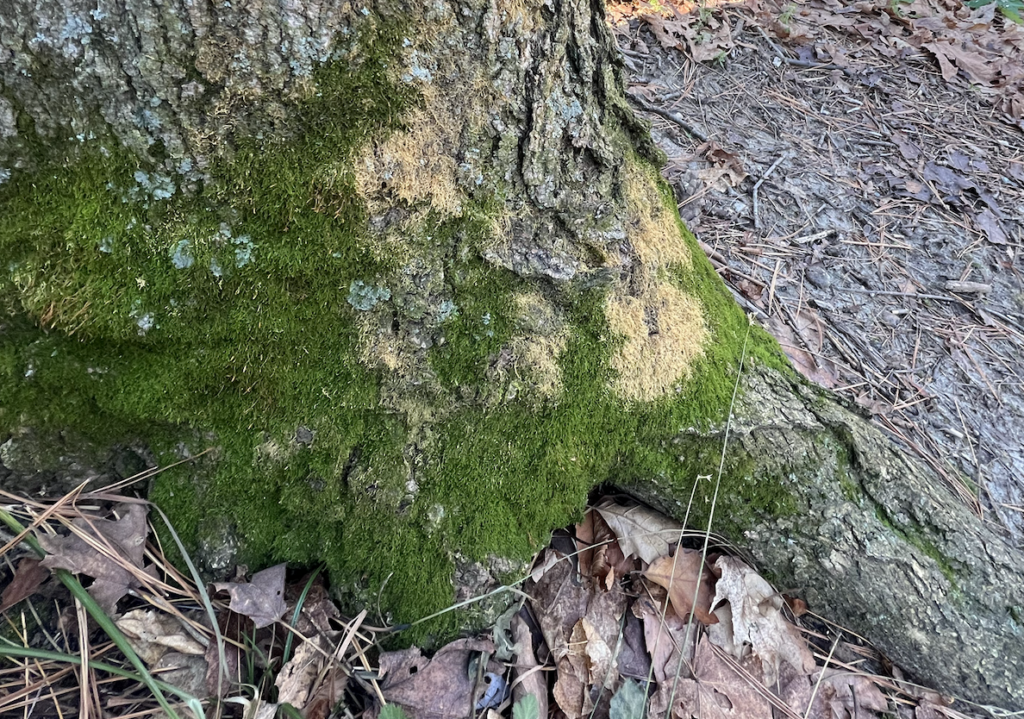
Below are some additional pictures I took, mostly moss growth and green that has come up after a week of relatively warm temperatures:

Spring is Ahead 🌱

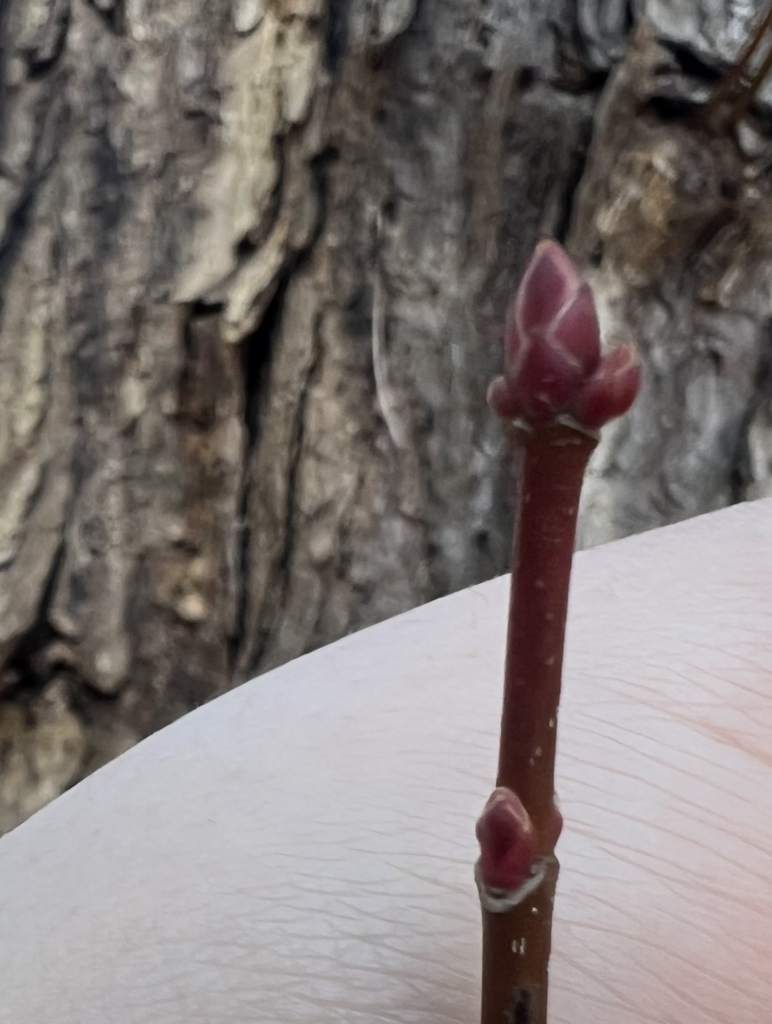
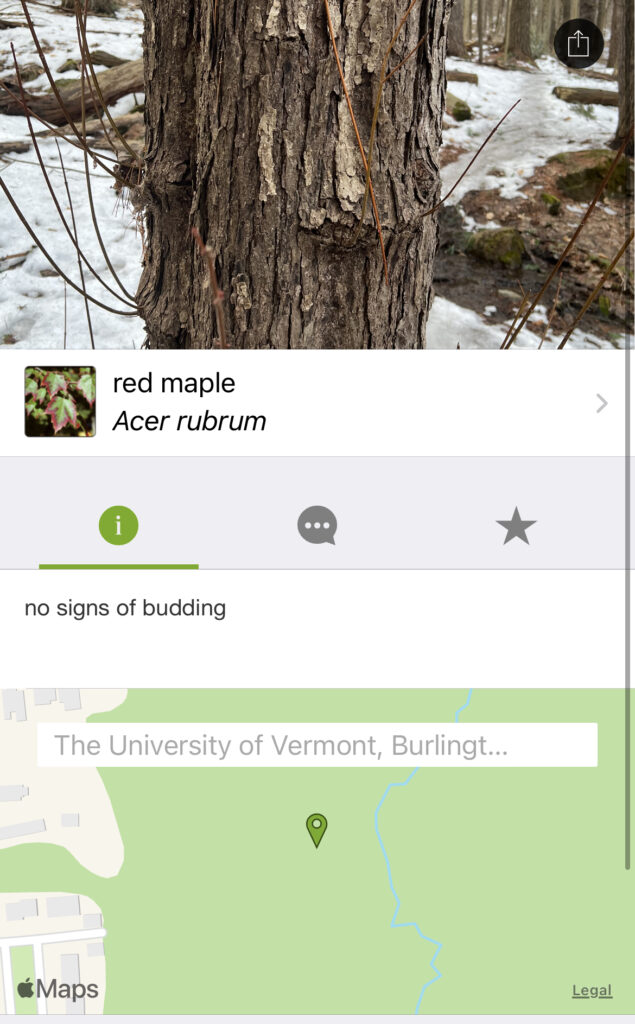
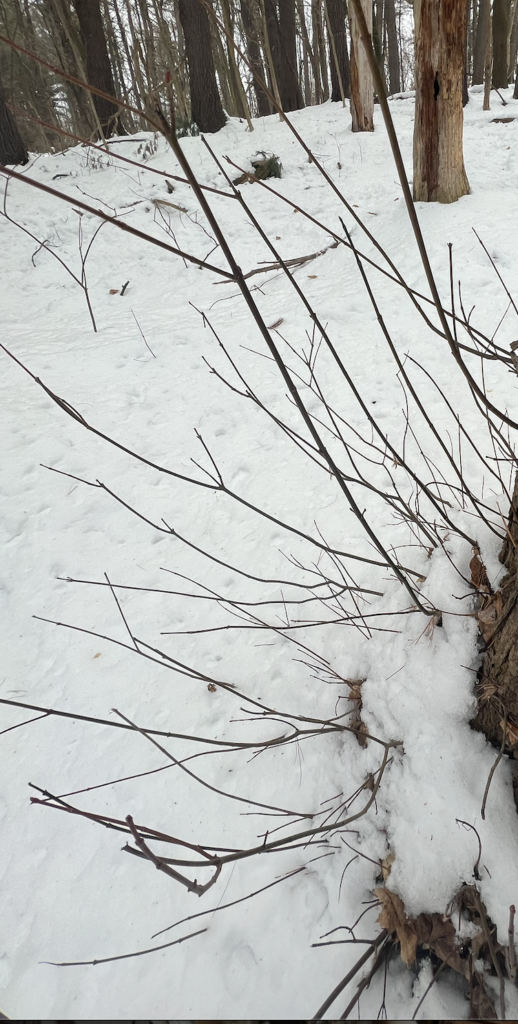
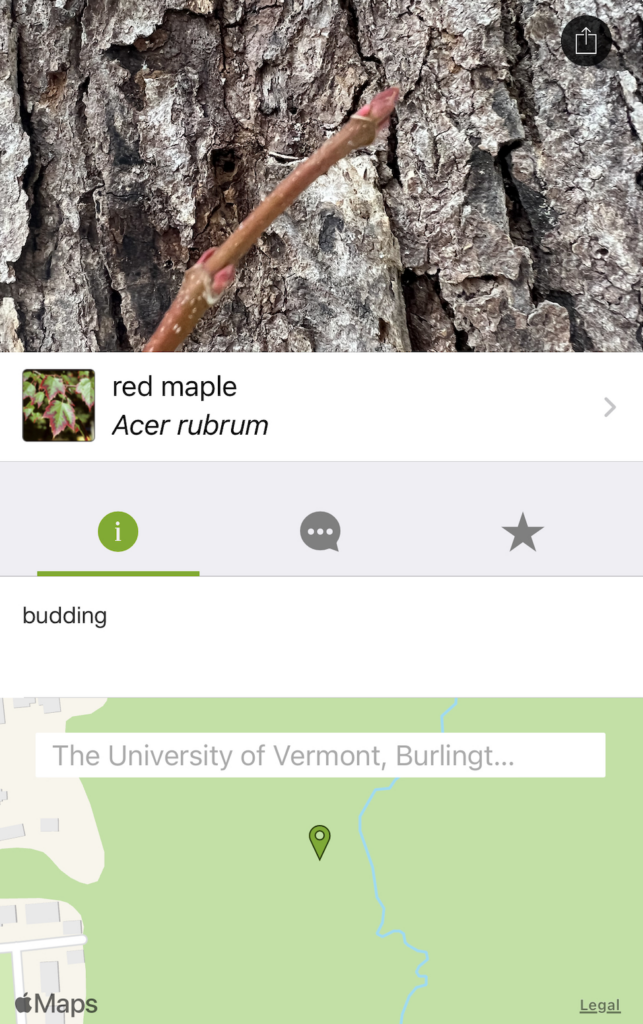
I took a quick walk to Centennial Woods and chose a young red maple to document its buds. I can tell that it is a red maple due to the color and shape of its buds. What was strange about this tree specifically was that although the parent tree was dead, many young trees have started sprouting from its base.

As you can tell from the photo, this tree has started to bud.

My INaturalist Submission

A Trip to Rock Point 🪨

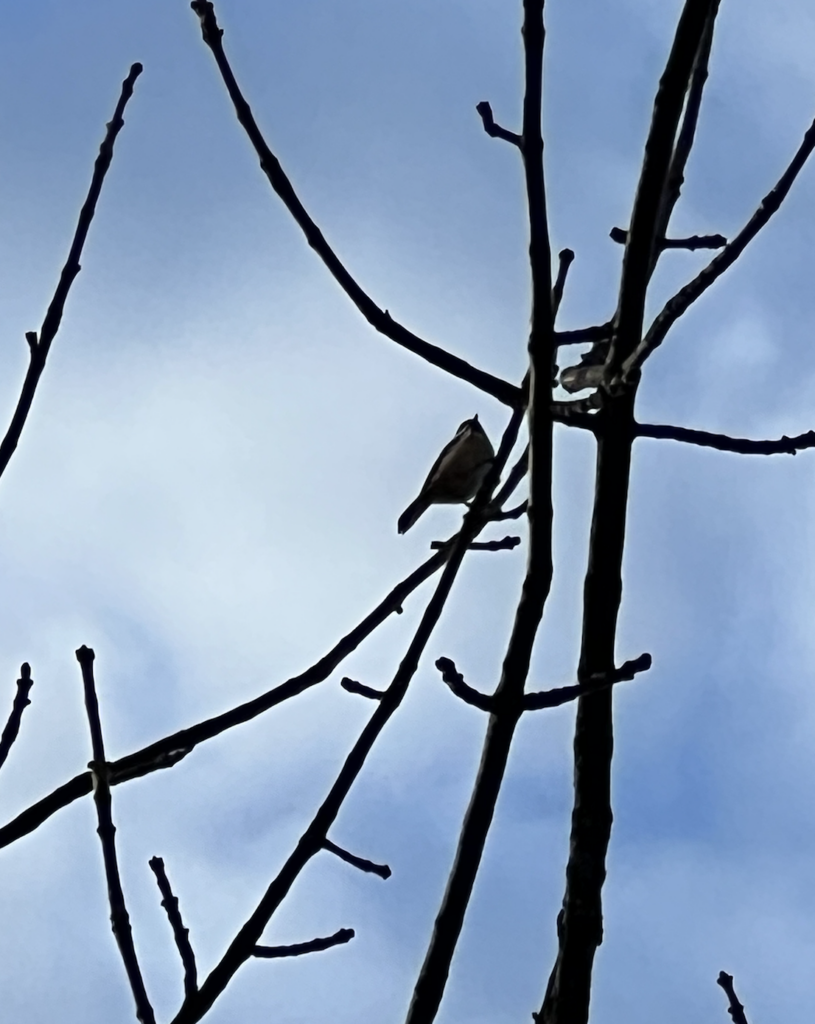
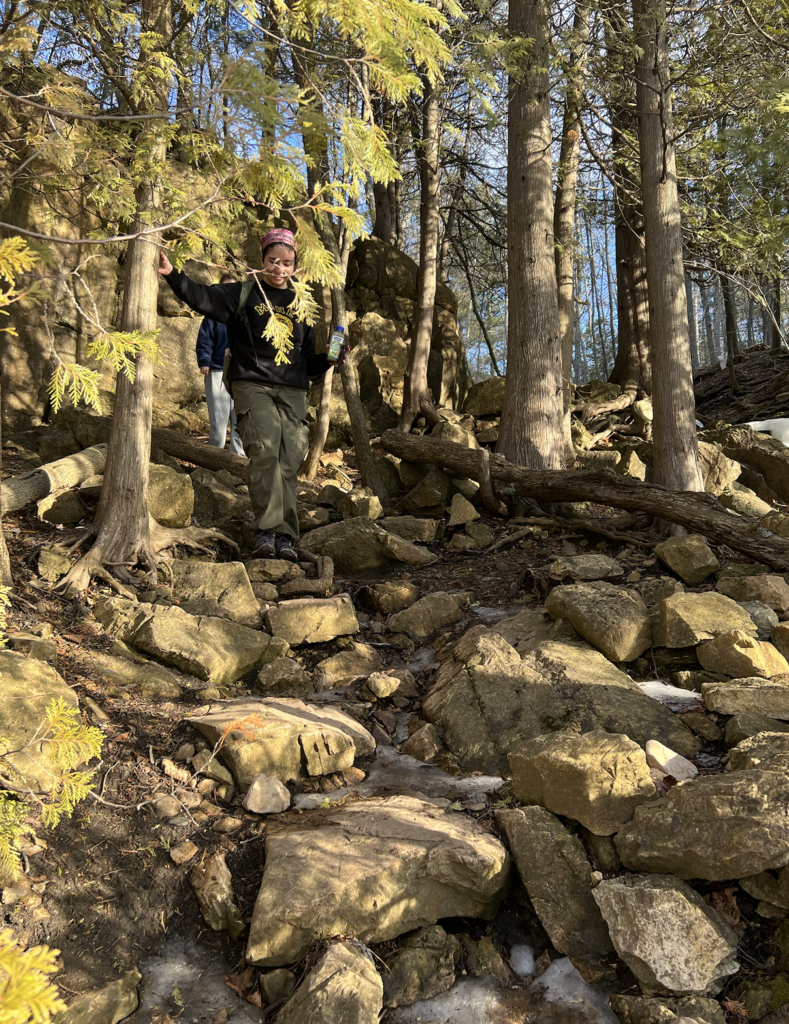
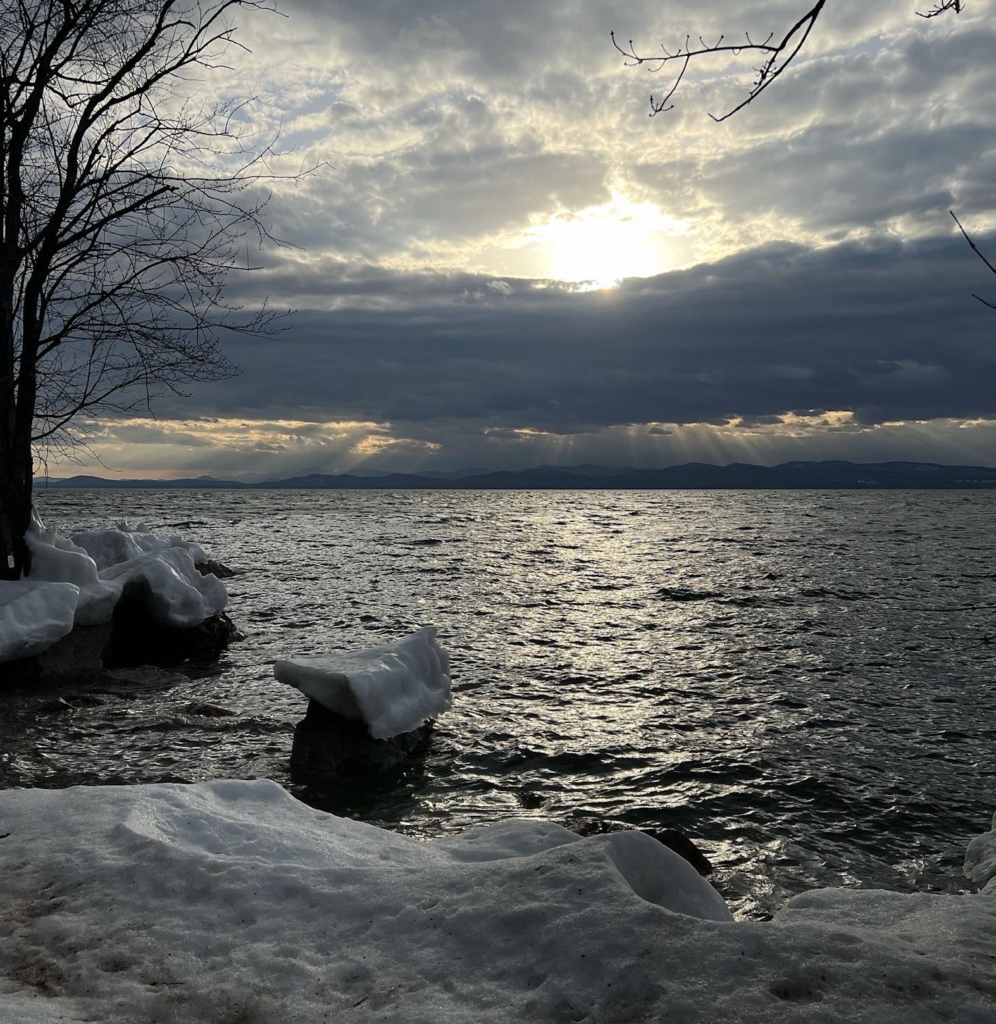
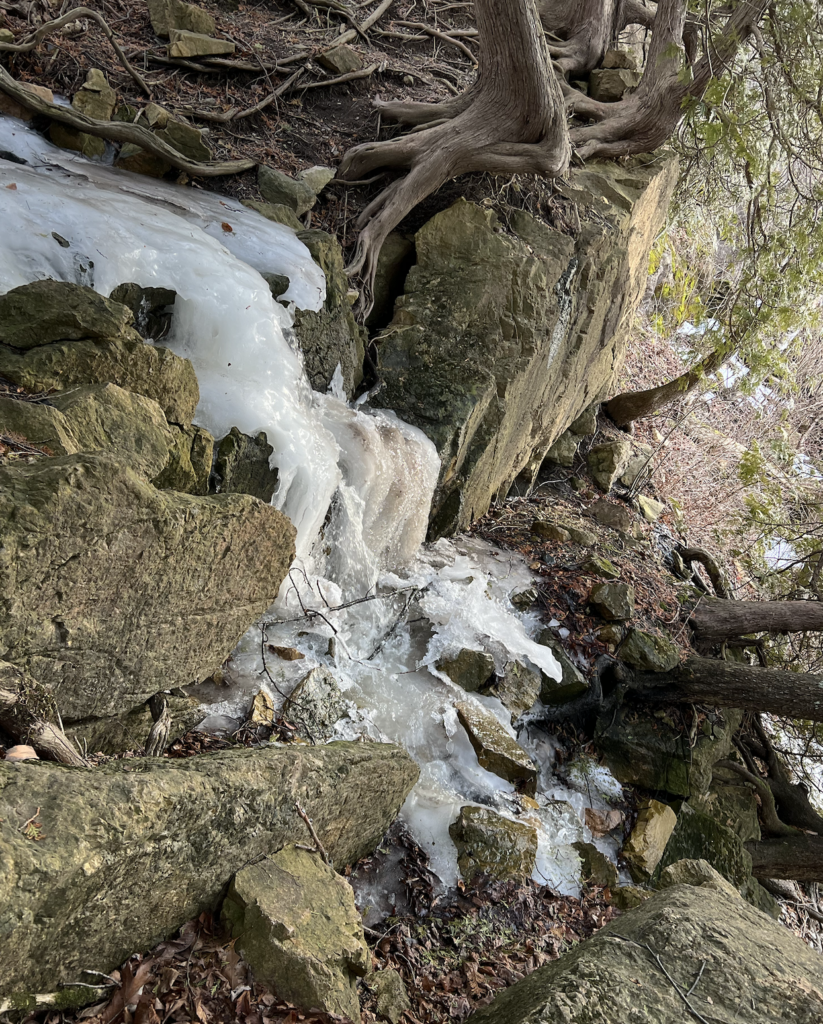
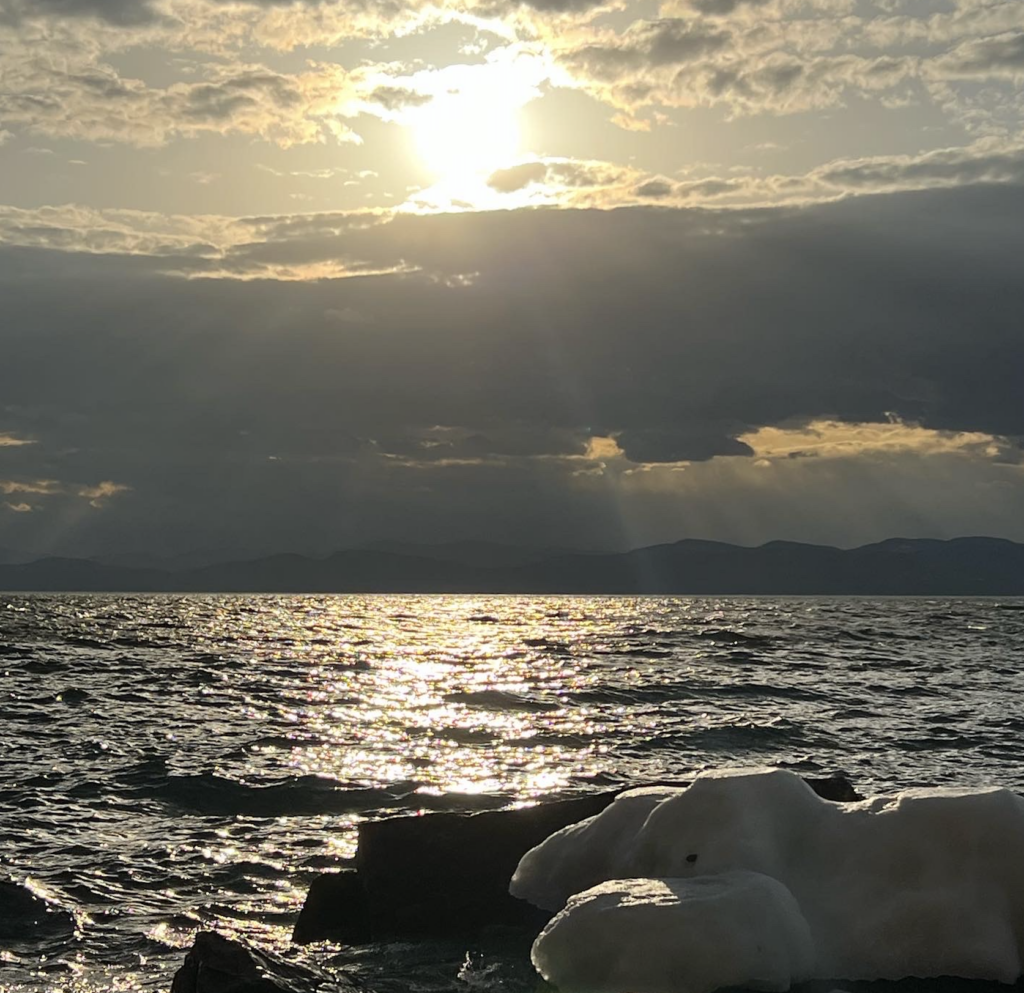
For my iNaturalist observation I went to rock point. Along the way I encountered evidence of porcupines and chickadees — while passing many grey squirrels on the way. It was relatively late in the afternoon when I started my hike, and when the sun started to set all of the birds started to sing, flying from one tree to another. Overall, it was a beautiful day for a hike and it was interesting to observe life as the sun went down.

This is the Black-Capped Chickadee I identified while down by the lake. I kept on hearing its call but I couldn’t see it until it landed on a tree nearby. I identified it and uploaded it to iNaturalist.

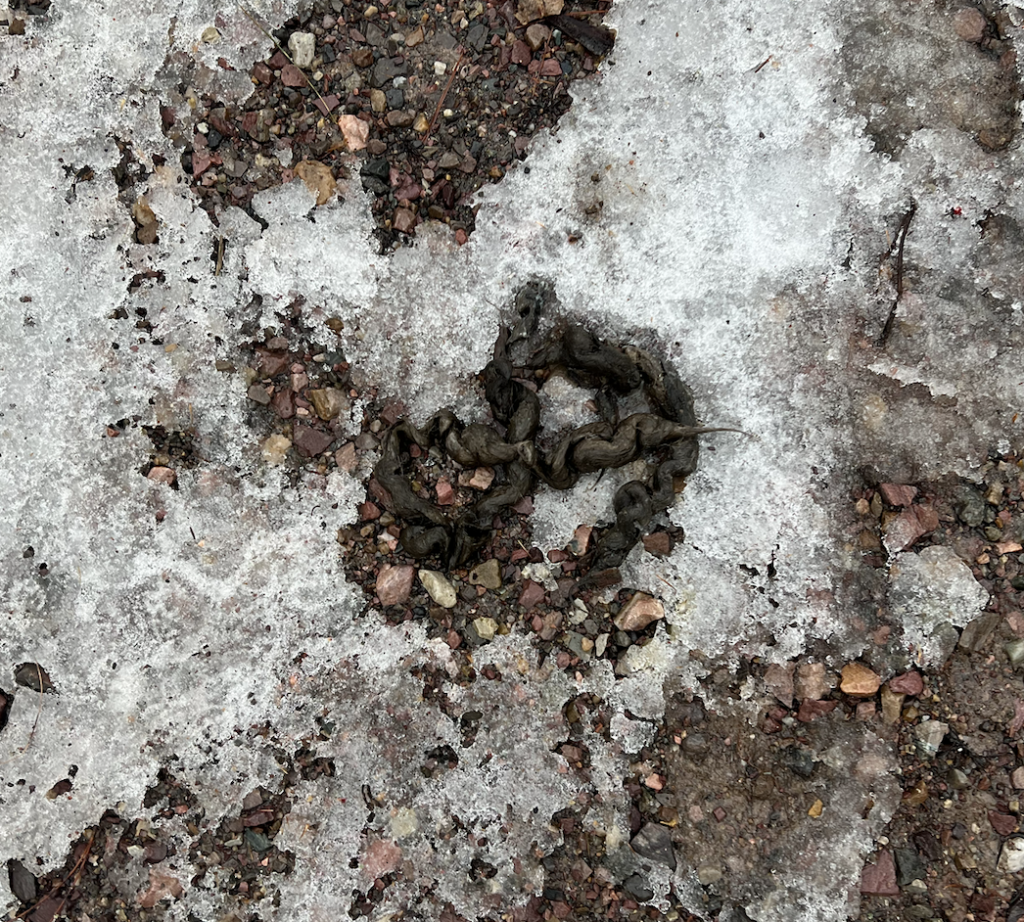
I also encountered scat on the hike back, most likely belonging to a porcupine, hence the wood debris and green undertone. Due to the melting snow, it was hard to identify the tracks surrounding the scat, but the contents of the scat was the best observation. I uploaded this to iNaturalist, hoping that I made the correct ID.

Here are some additional pictures from my hike that I thought were worth sharing:

Snow! ❄️

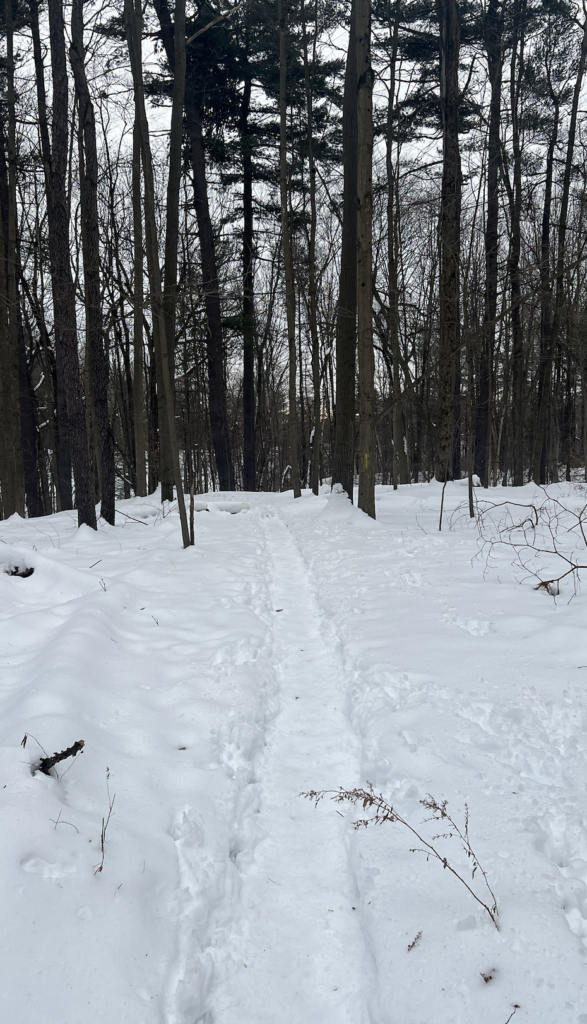
This is my first time visiting my phenology spot since it has snowed a significant amount! I was very excited to get out there and look for tracks and evidence of animal burrowing/traveling.

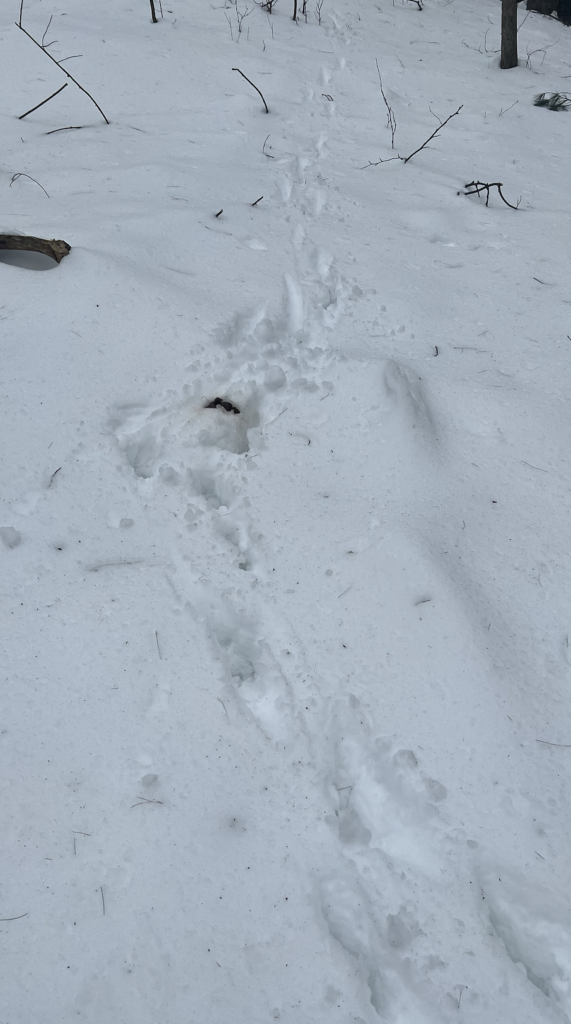
My phenology spot, once filled with ferns is now completely covered with 5-7 inches of snow. As I walked along the path I was able to find tracks (and scat). There were not many areas where there was less snow, due to the lack of tree coverage.

I am unsure of the tracks, but using the scat identifier, it may have been a raccoon. The tracks are long and dragged out, as the animal was heading up hill.

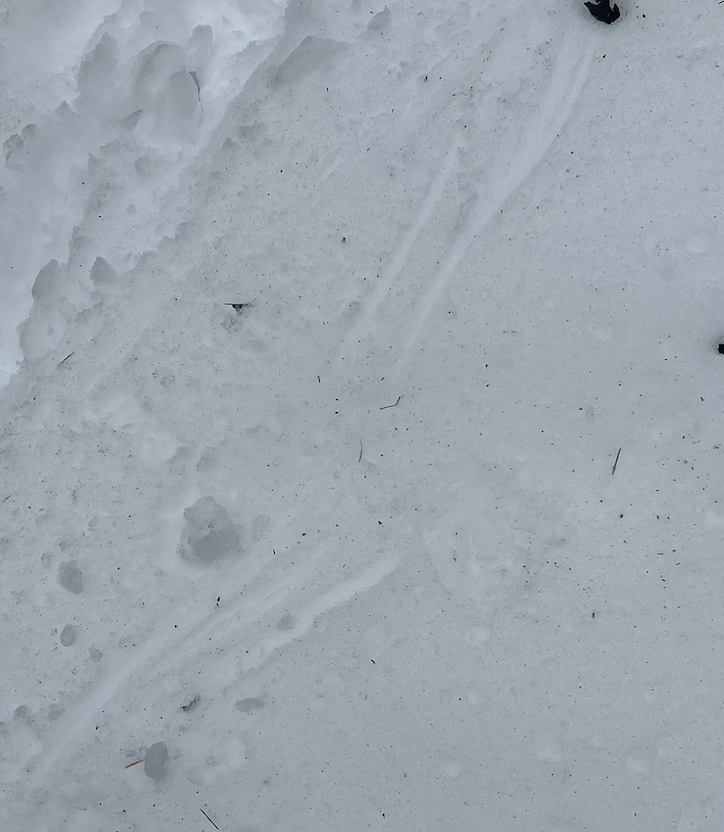
Something that I found interesting were these long tracks, although they may have been made from sticks and/or a small mammal.

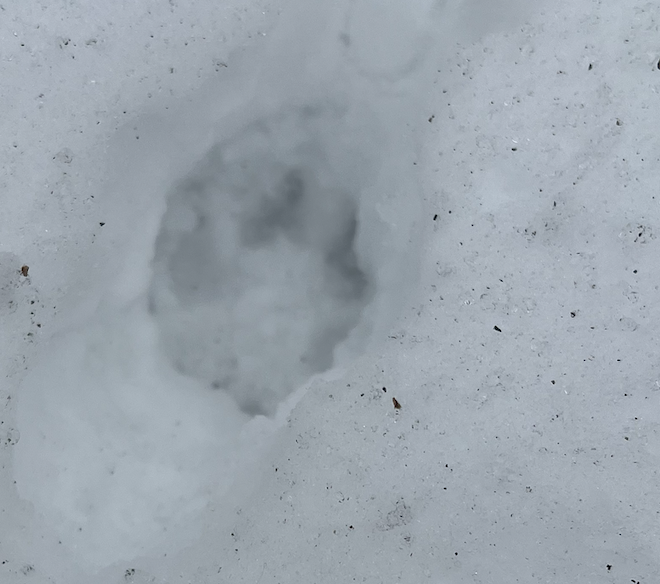
Now I can’t say I am 100% on my identifying; it may have been a dog with short nails, or a bobcat. I found these track relatively far from the path going uphill.

Over the next few trips to my phenology, with more snow on the way, I am going to look for similar patterns in tracks. For now, it is interesting to see how different it looks with the snow coverage.

Welcoming December

It is the week before finals and it was nice to break up my study time and visit my phenology spot for the last time before the end of the semester. Looking back at my first post and the pictures that I took, it is very interesting to see the vast changes that have occurred in such a short amount of time.

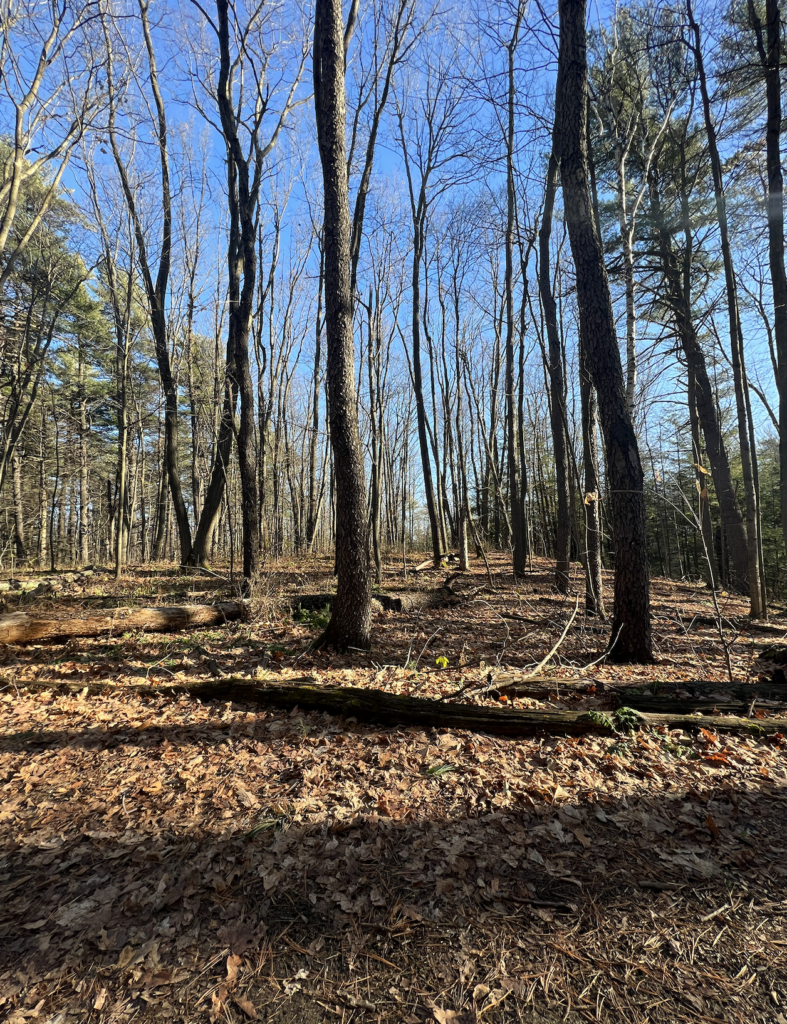
There is no longer lingering foliage on the black cherry and maples that surround my phenology spot, most of it has fallen from the trees. The only foliage that remains is that of the eastern white pines (pictured below). This has caused an increase in leaf litter, and an overall increase in decomposition especially amongst the fallen trees and bark.

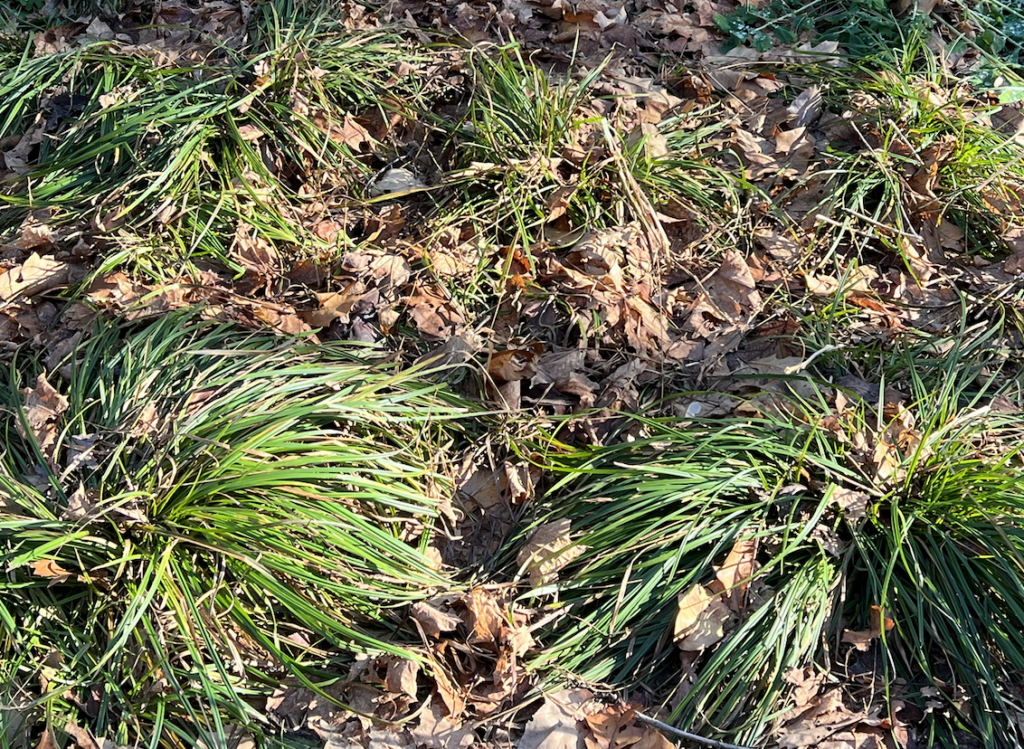
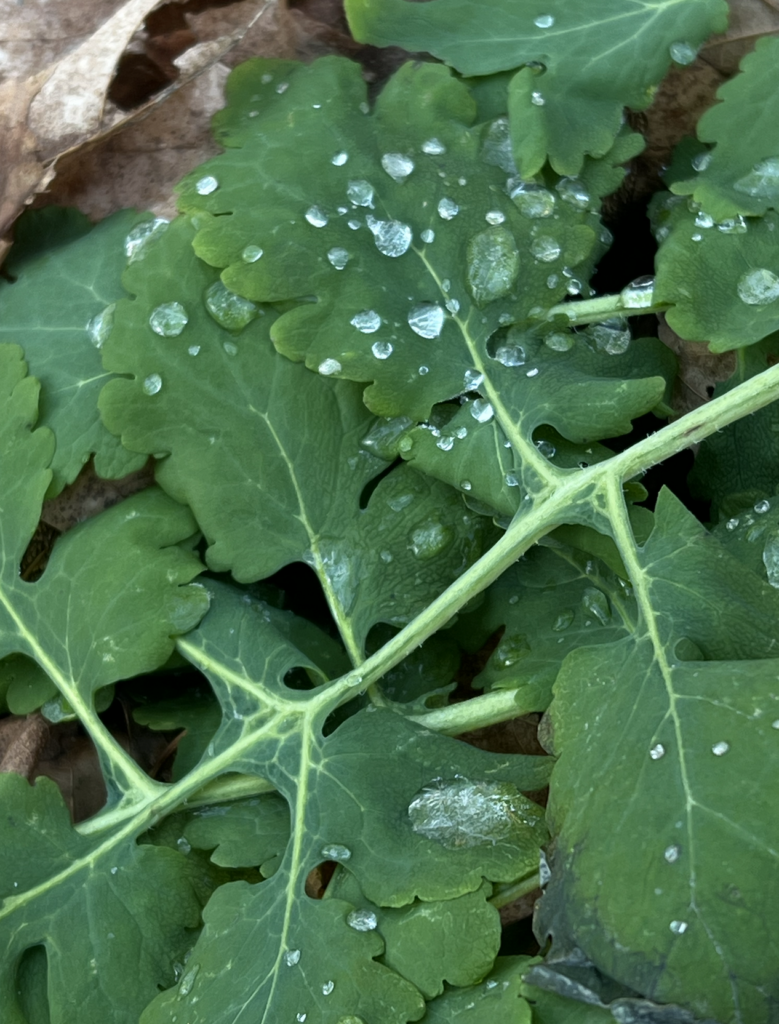
Even with the increase in leaf litter, an increase in decomposition, and the recent frost some woody plants and moss strangely persist. However, by referencing naturally curious it made more sense. My phenology spot is mostly made up of small woody plants, one being the intermediate woody fern — this is the most common fern in New England and its “fronds remain green throughout the year” (Holland). Another species that is still persistent in color is the greater celandine (Chelidonium majus), however, unlike woody ferns, these leave will eventually give to the frost. Longstalk Sedge, however, is an evergreen plant and will remain throughout the winter.

Animal activity has greatly decreased with the exception of birds. Below I attached an audio recording of what surrounded me as I sat and observed the space around me. Unfortunately, I couldn’t see the birds as I looked around, but I definitely heard them.

volume up!!

With the time I have spent at my phenology spot, I have realized that what I value most from it is the over story. Whenever I visit, I tend to look up.

I originally chose this spot for the abundance of ferns, and although this still remains as one of my favorite things about the place, I have learned to acknowledge the way the trees grow. If you look close enough you can see how the branches grew according to the sunlight.

Going Home :)

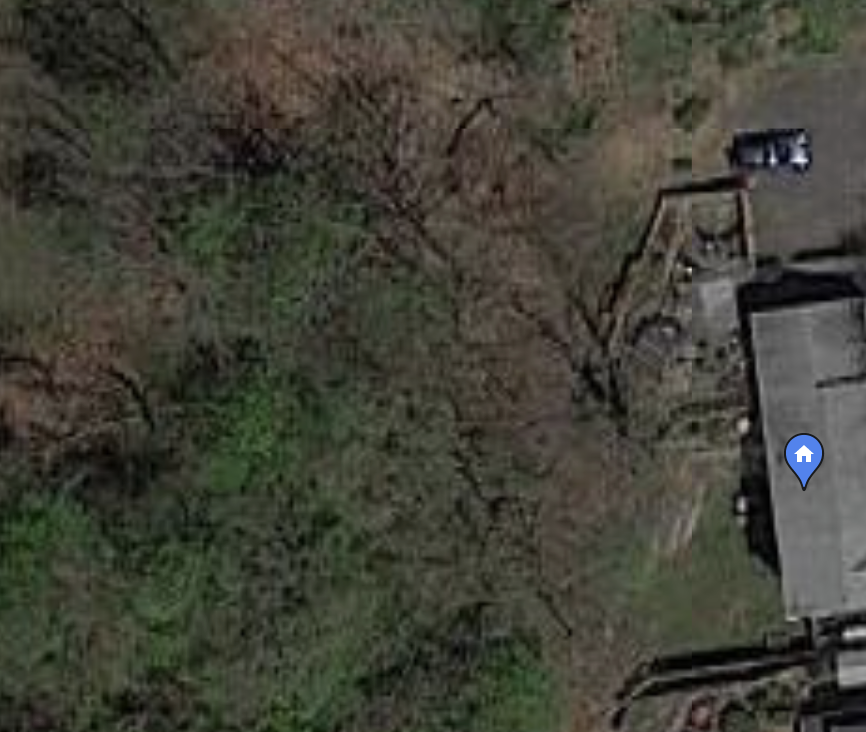
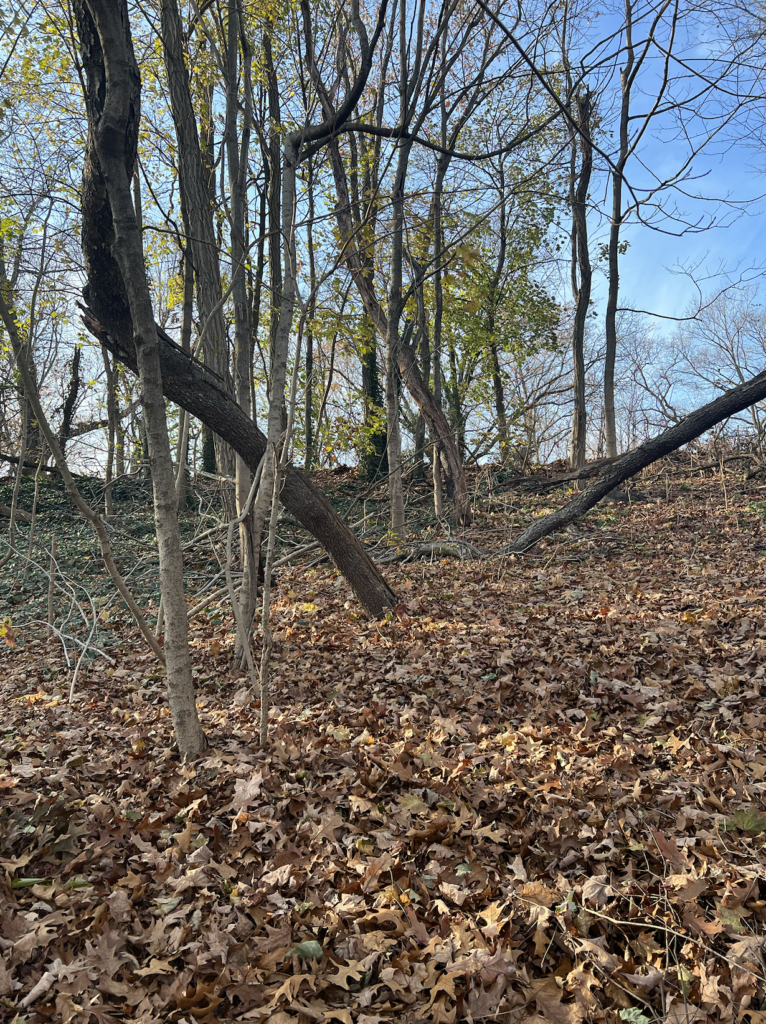
I spent my Thanksgiving break in the home where I spent most of my life. I live in a relatively suburban area, but my backyard is forested. I chose this forested area right behind my house because it has served as a place of imagination and curiosity throughout my childhood, keeping me connected to nature, even in a bustling, noisy neighborhood.

In this google map satellite image of my home, you can see how close I am to a wooded area. It is common for me and my family to see birds, squirrels, chipmunks, deer, coyotes, wild turkey and groundhogs come in and out of our area. It is a place of refuge for these animals from the highly developed areas surrounding.

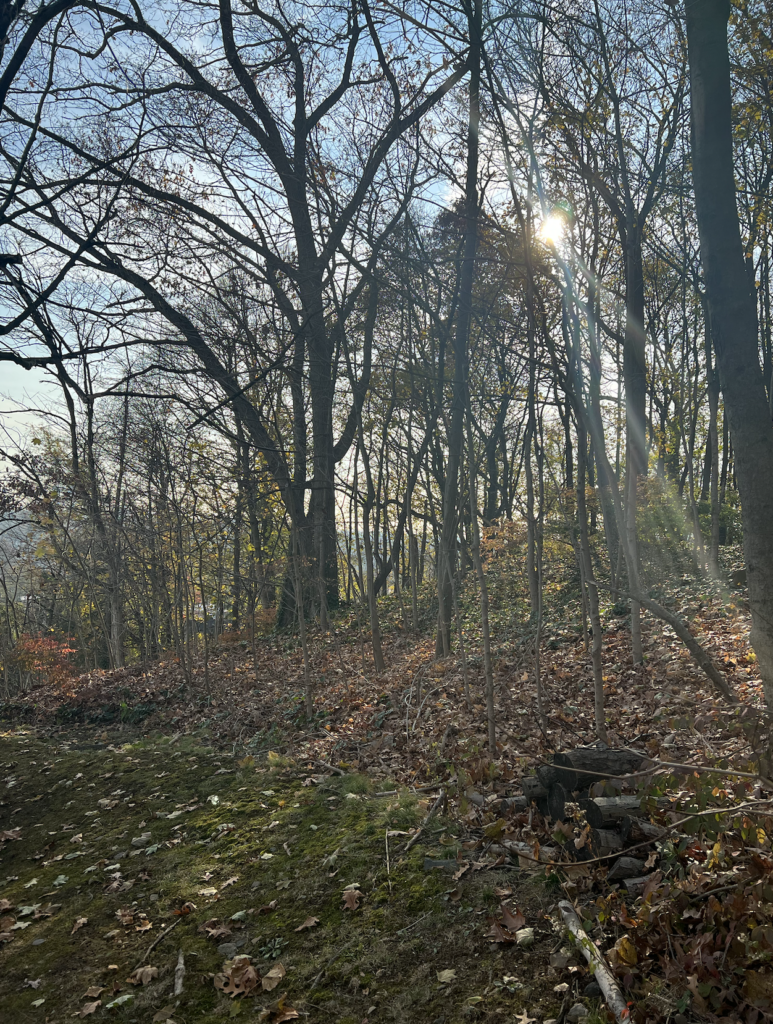
Previously cleared in the early 1900’s, similar to my phenology spot back in Burlington, it is a relatively young forest with a greater percentage in understory rather than over story. It is mostly made up of silver maples, Norway maples, northern red oaks, and white oaks; whereas, back in centennial woods, there is an abundance of sugar maples and white pines. The phenology of both areas are relatively similar with that the trees have lost most of their leaves and every thing beneath the organic layer of leaves lies dormant in preparation for winter.

This spot isn’t just special because it is where I spent most of my childhood, but it is interesting to watch the area develop over time. Every year I observe changes to the animal population and watch saplings develop over time. Now, with a greater perspective of changing seasons and natural ecological patterns, I hope to have a better understanding of these changes in a broader perspective.

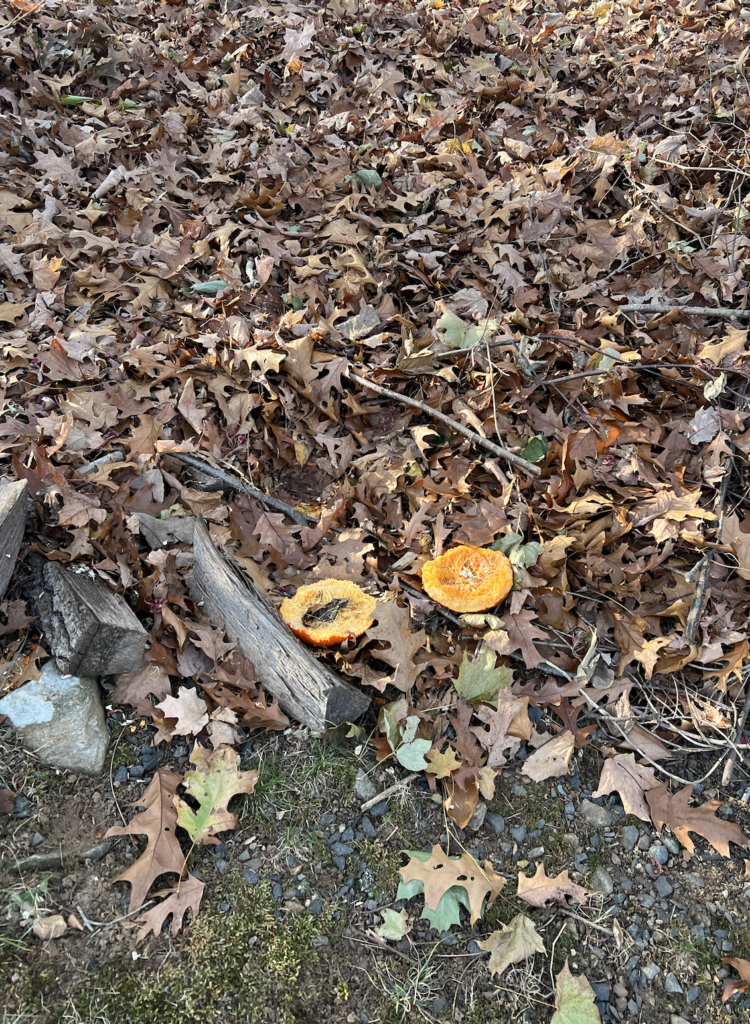
In response to honorable harvest, my family left our pumpkins (used to decorate on thanksgiving) on the edge of the woods, and not even a day later it was evident that they were eaten by small mammals.

Changing Seasons

It is evident that there has been a change in the air, and the trees have become bare in just a few short weeks. The ferns that cover half of my phenology spot are slowly being reintroduced into the soil, and there is an increasing layer of organic material on the wood’s floor due to the fallen leaves and decaying woody plants. I have also noticed an increase in fungi, whether that is in the soil or on the bark of the trees. It was nice to just sit and acknowledge these physical changes while also taking time to listen to the birds and small mammals getting ready for the cold.

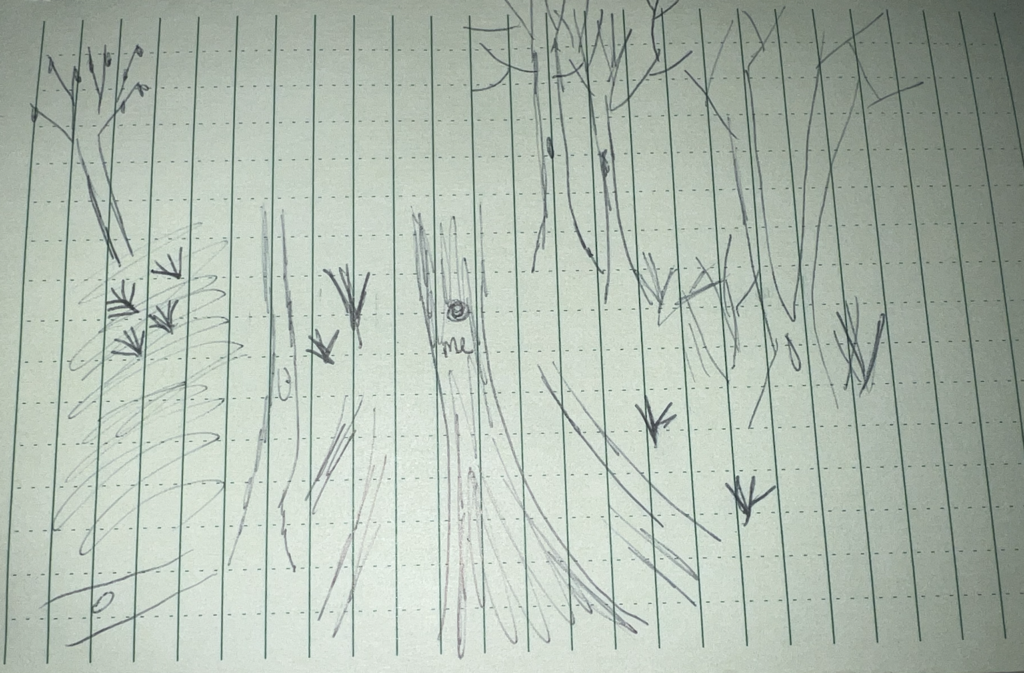
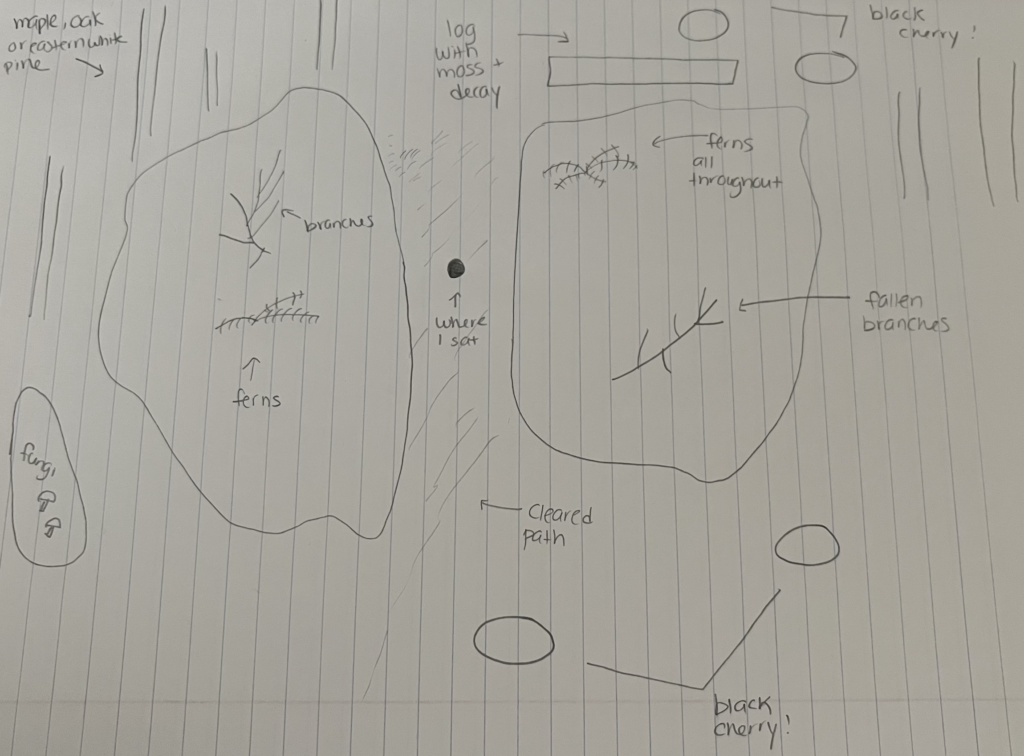
Although, I can say that my birds-eye drawing is not the best, it still showcases my favorite parts of my spot, including the few black cherry trees that surround the fern area and how there is a direct cleared path between the ferns.

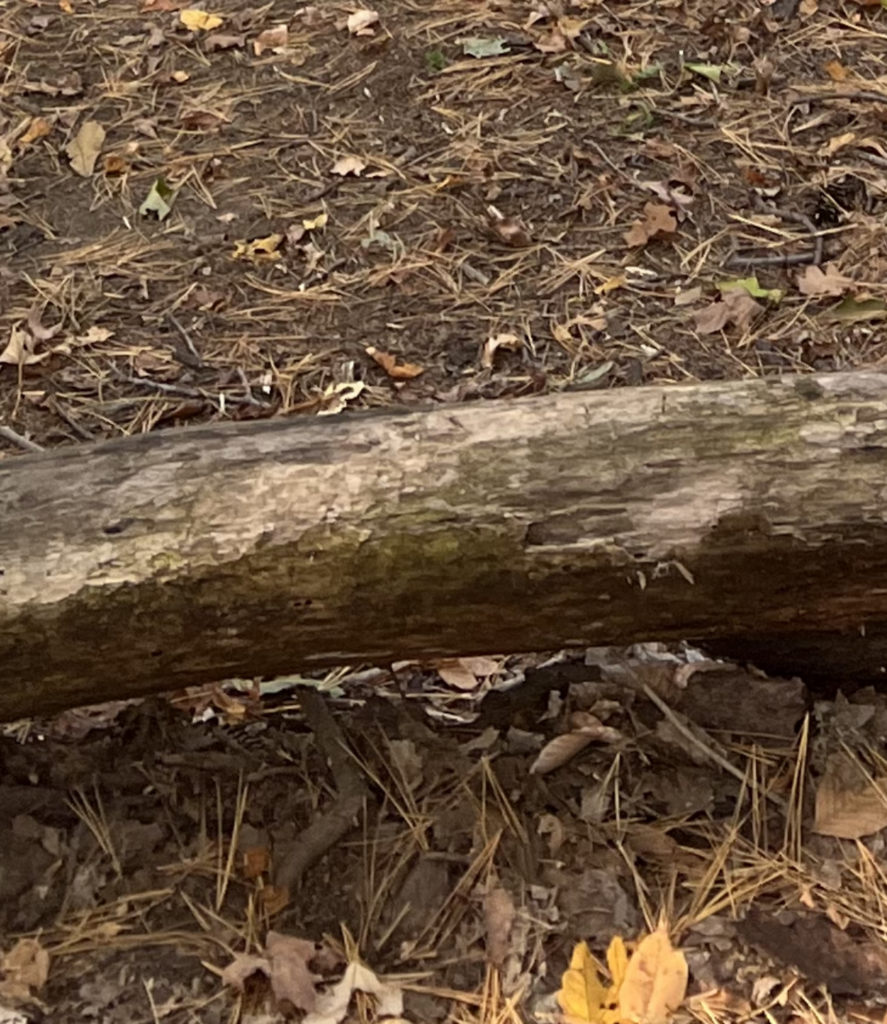
Here you can see the increased organic matter, composed of pine needles, fallen leaves and decaying organic material such as this fallen tree.

As it gets colder, I hope to see a bigger change in my phenology spot, regarding the spotting of wildlife and the burrows/nests that may start to appear as time goes on.