Posts

Final Visit to Salmon Hole: Post #4

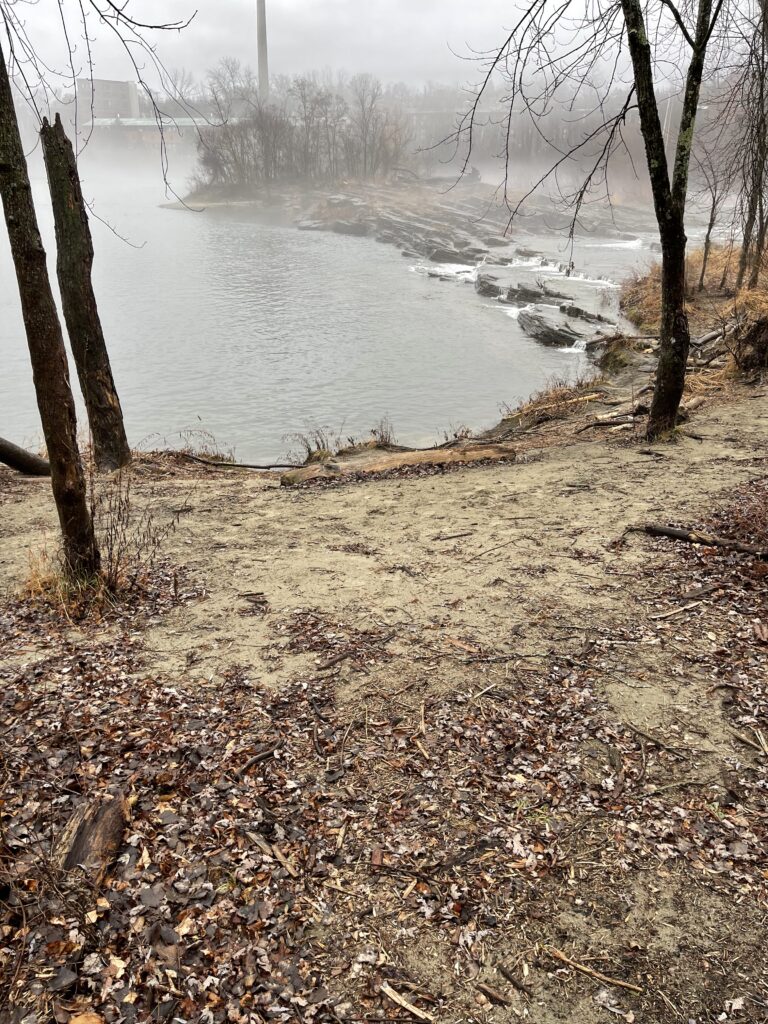
During my last visit to Salmon Hole as an assignment, I went on a dark, misty day. The clouds stretched over the sky as far as you can see, blocking any trace of sunlight from reaching the greater area of Burlington, Vermont.
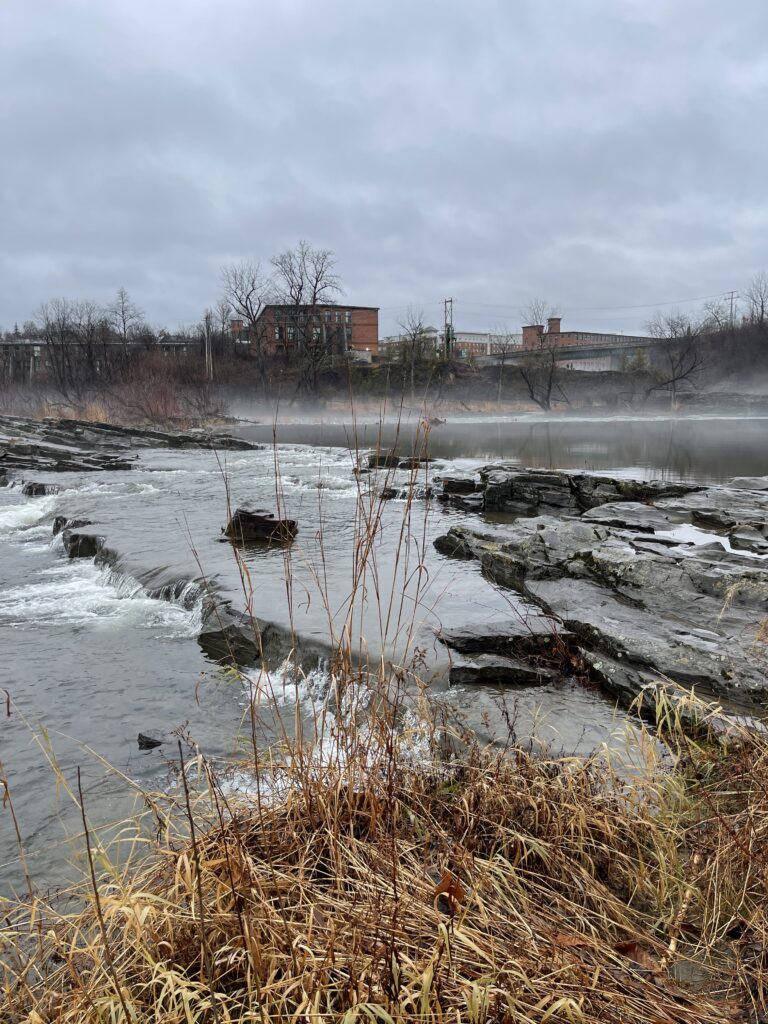
As I first set foot on my site, the first thing I noticed was the leaves. During my last trip, all the leaves had freshly fallen off the trees and covered up the ground almost entirely. During this trip, the leaves were diminished, crumbled, and blackened from the original light brown and maroon-ish colors and had scattered in different directions no longer entirely covering the floor of the site.
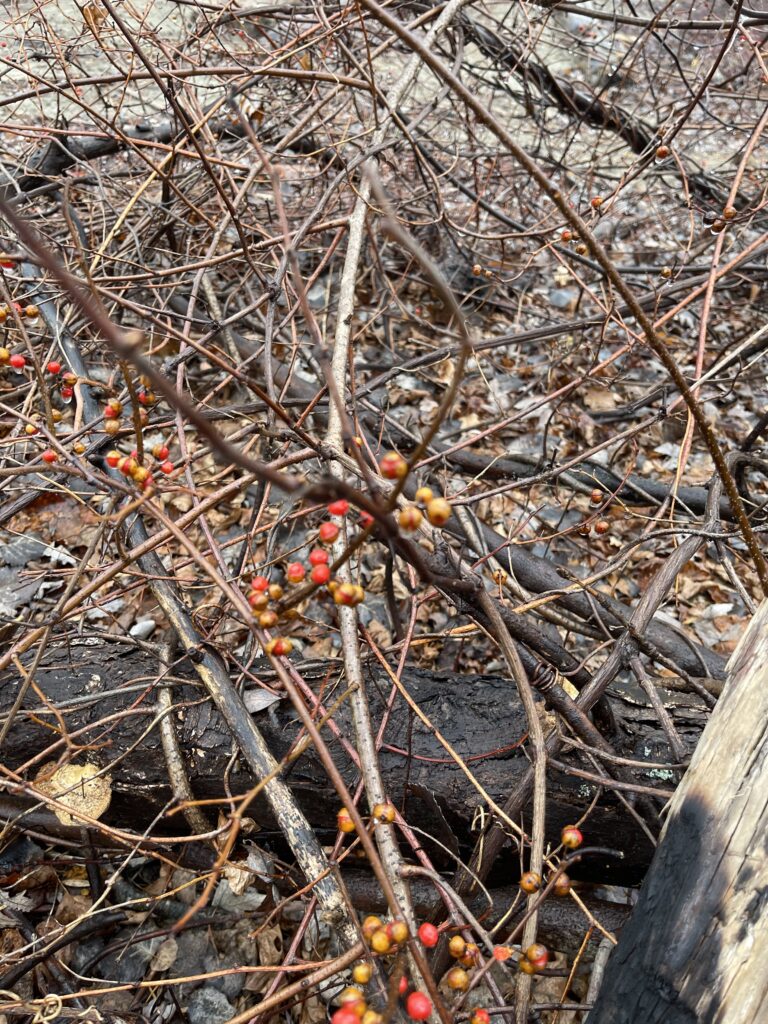
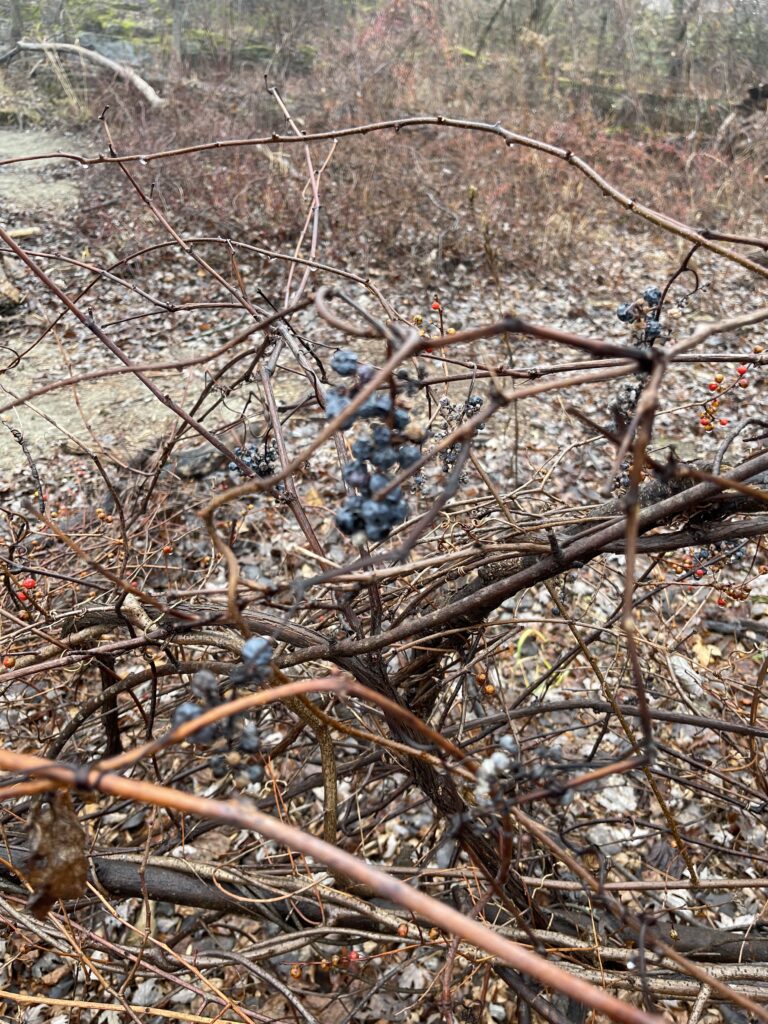
There were still some berries attached to the Oriental Bittersweets and the Riverbank Grapes but the berries on the Bittersweets had faded from a bright red to a mellow beige tone.
Animal Activity: The amount of animal activity wasn’t very noticeable from the beginning of this semester but the amount of birds squawking and chirping was a lot less than my last visit. This could be because of the volume of the river flooding out any other sound or because birds have already began migrating.

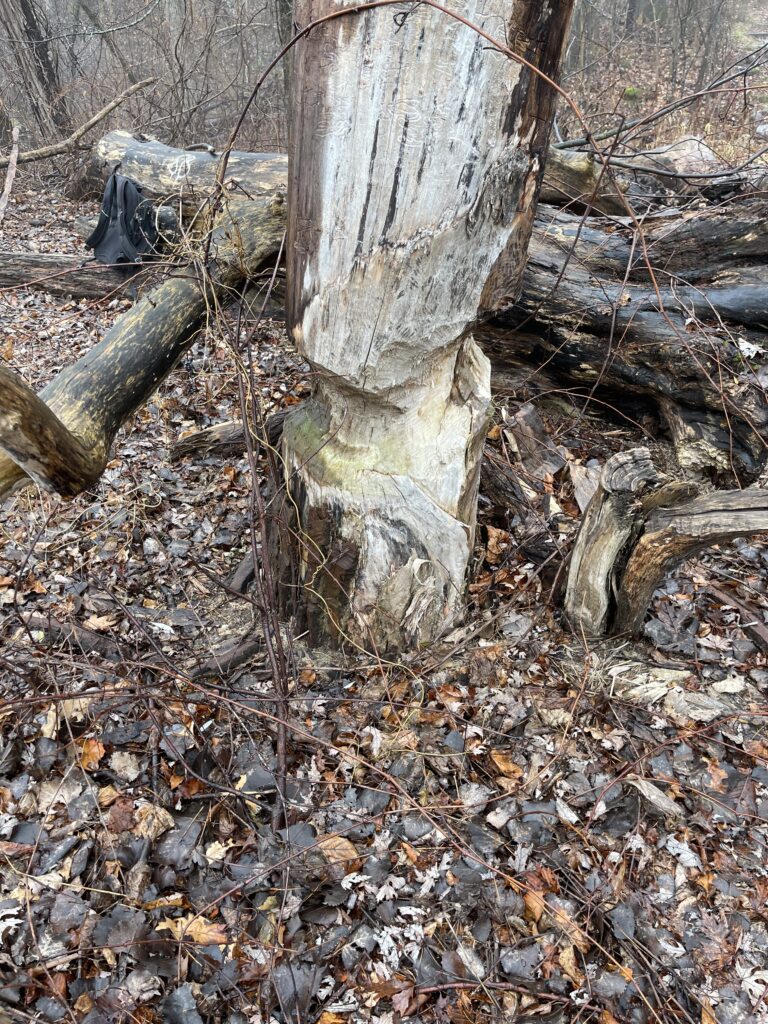
There haven’t been any new signs of animal tracks or tracings but signs of beavers in this area are still prominent from the chewed up trees in the area.
What did I enjoy the most: Over the source of this semester, I’ve thoroughly enjoyed my time at this site in almost every category. The scent of the trees, the sound of the river, and the overall atmosphere of the environment makes it so much fun to explore and observe this ecosystem, but I’d say my favorite part about this project was the refreshing experience of leaving campus and getting out of my normal routine. It was really nice to switch up my schedule and do something that I wouldn’t normally day and get out of the routine of wake up, classes, dorm, sleep.
Thanksgiving Break Phenology Site: Post #3

Location:

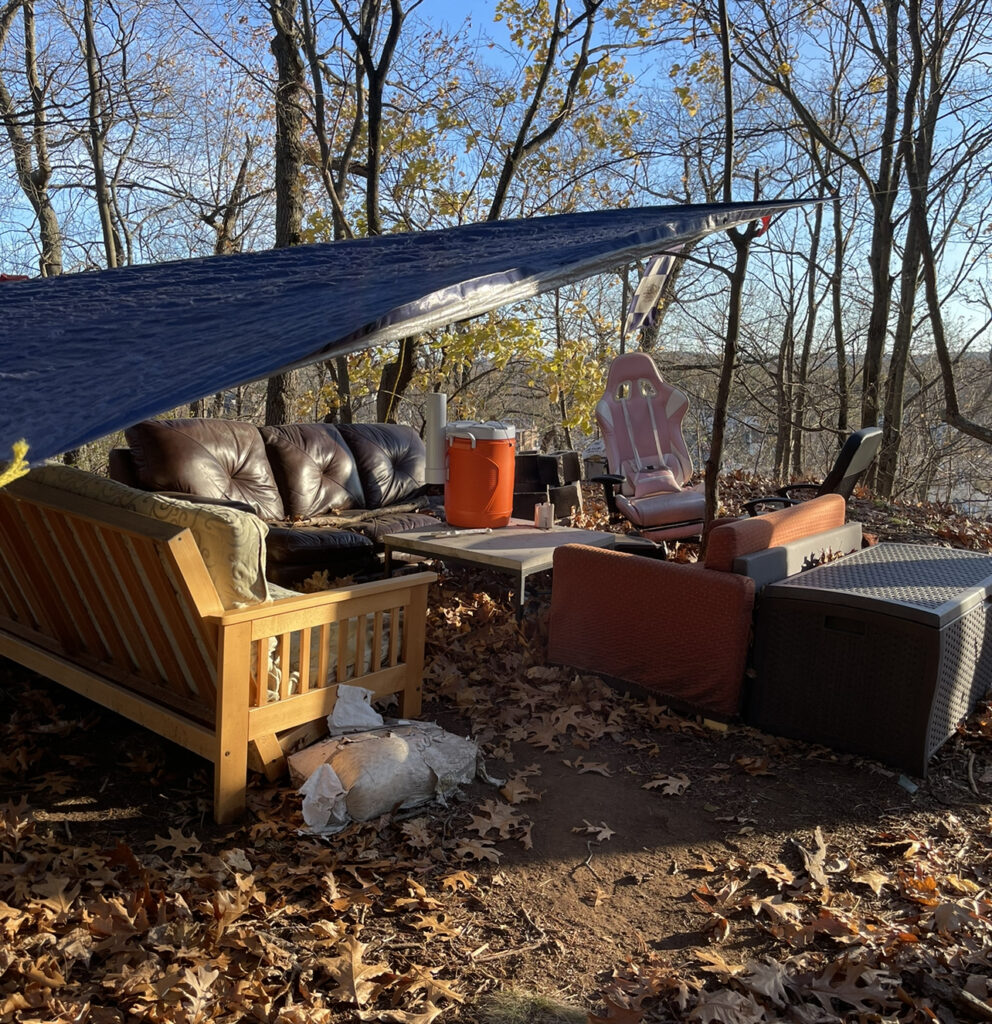
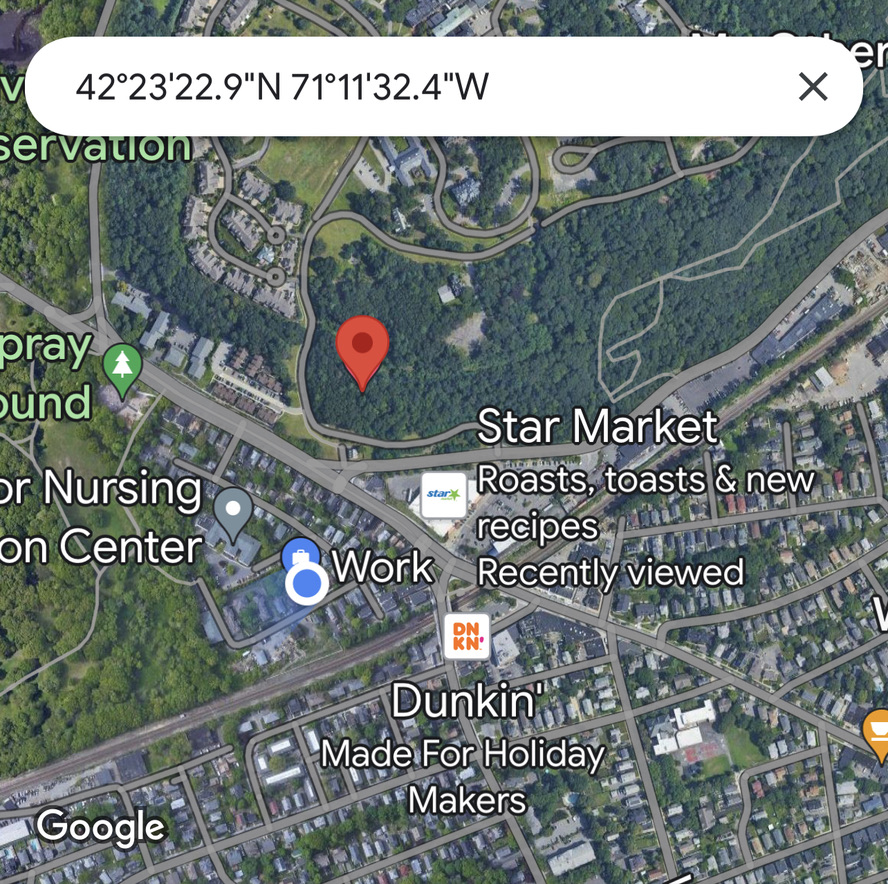
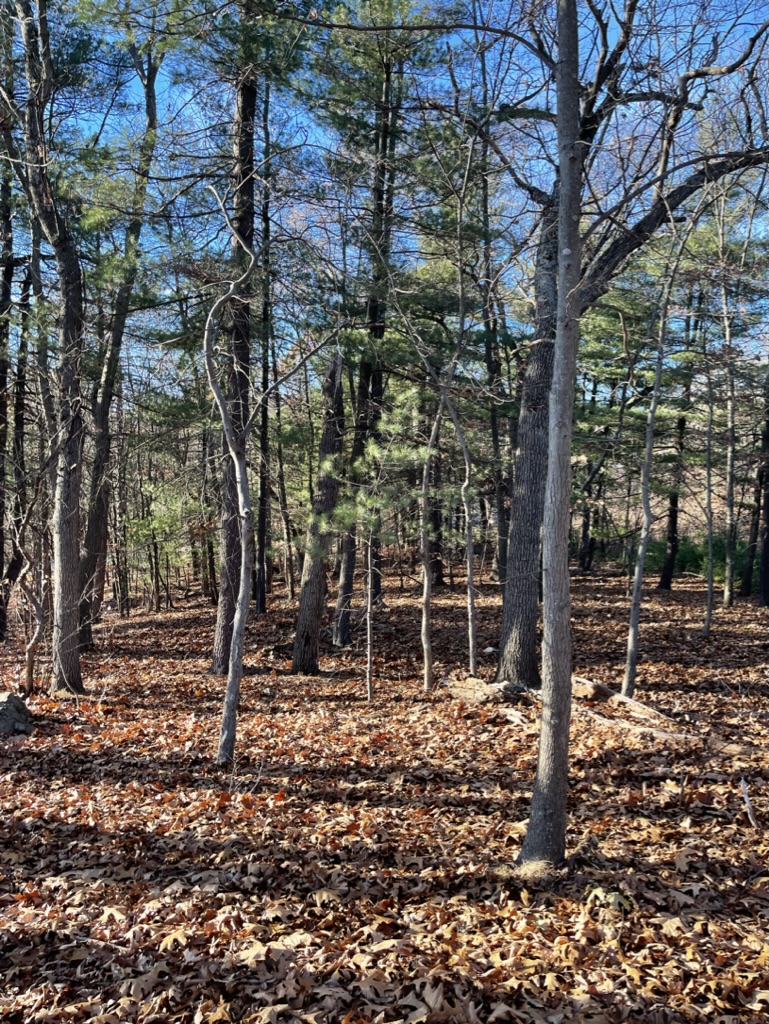
Why this place is special: Ever since I moved to this house I’ve been visiting it with friends, family or by myself as a refreshing pause on life. There are no trails which lead into this area which makes it feel like we’re in our own world. My friends and I have built a fort here just to relax, talk, and listen to the world around us. It’s always a place I can go to appreciate nature in a very developed environment.

Comparing both sites: At my Thanksgiving phenology site, the woods are predominantly made up of Red Oak trees and North White Pines. The Red Oak leaves cover the ground completely and the pines are reluctant to let go of their own leaves. There isn’t much understory trees nor any shrubbery which crowds the floors unlike Salmon Hole. At Salmon Hole, of course there are trails and walking areas where there are no plants or leaves in the way, but in the thick of the woods it’s nearly impossible to walk around from the amount of shrubbery and understory there is. The vegetation also differs quite a lot. At my Salmon Hole site, there isn’t necessarily a dominant tree. The species are very diverse and consist of cotton woods, white oaks, birches, basswoods, and more.

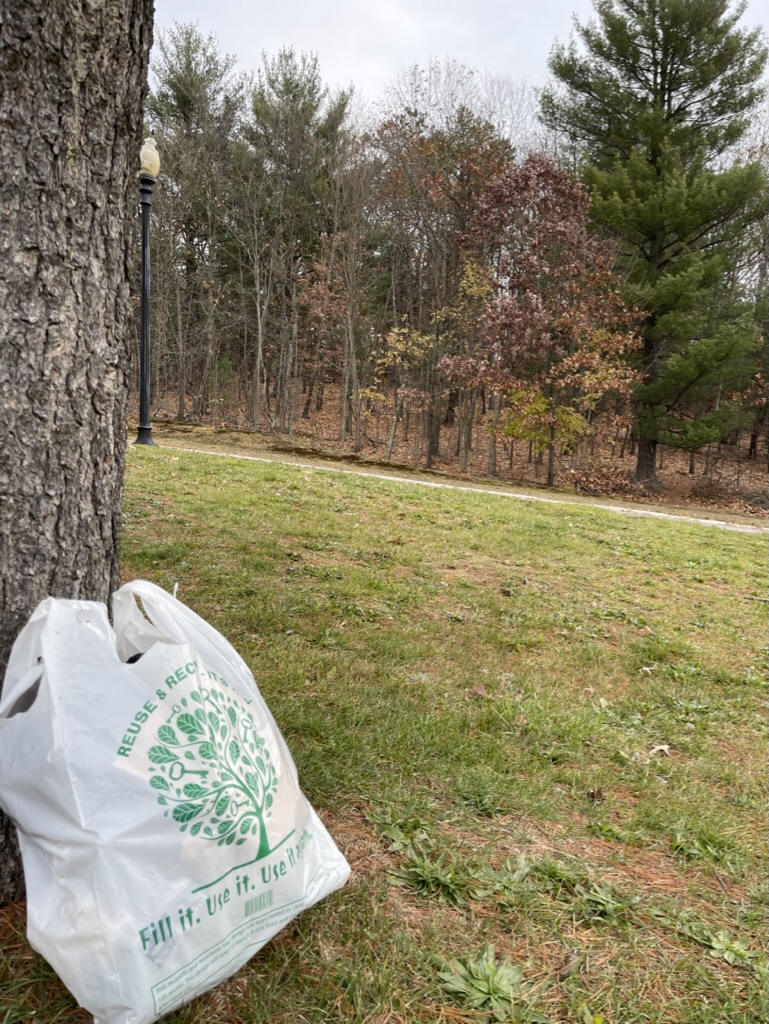
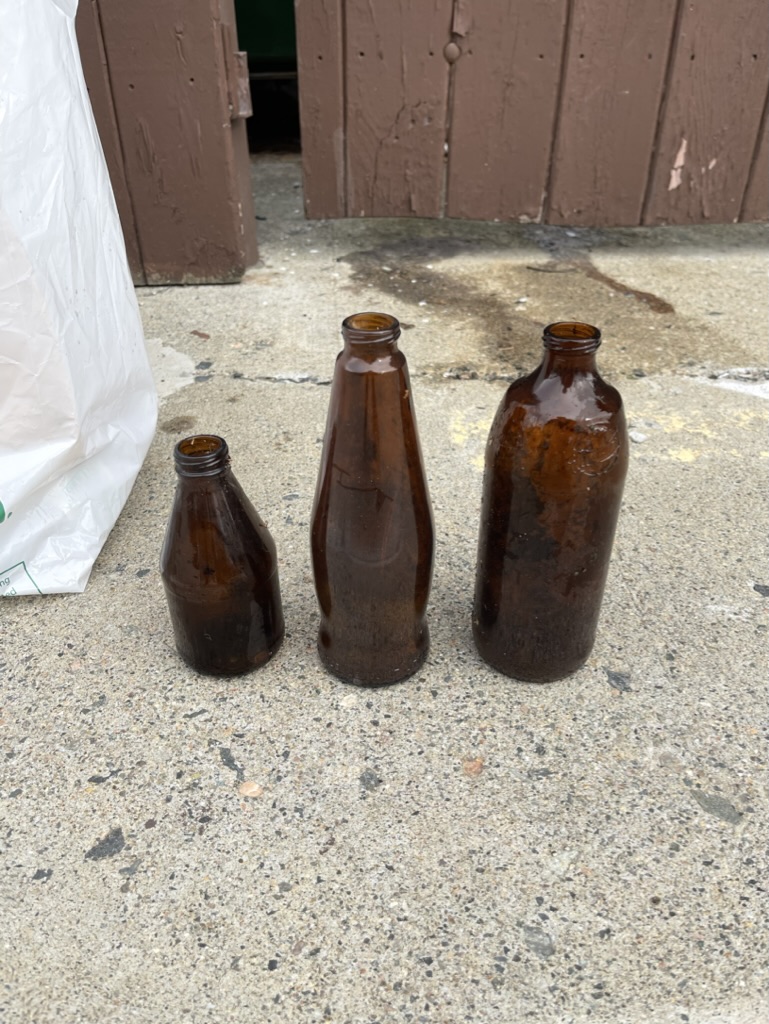
A gift: As a gift to my new place I decided to spend a little time picking up trash around the area. Some of the things I picked up were pretty ordinary like wrappers that had an expiration date of two years ago and some were a little more interesting. The most intriguing piece of litter I had picked up were antique glass beer bottles. The paper around it had withered away and the shape of them makes you wonder how long these bottles have been here for.

Changes in Salmon Hole: Post #2

Sitting in Silence: As I sat in silence for 15 minutes I began my observations with what I heard. I immediately heard birds cawing, the sound of moving cars in the distance, the wind rustling the leave on the ground, and the murmur of a car alarm.

As the noises faded to the background I focused in on my surroundings. I noticed that although my site is off the beaten path and was a refreshing break from all the noise and chaos of the world it also had hints of gloominess floating around. The more you actually look at one thing, like the weltering flowers, the dead leaves covering the ground, and remembering how bright and cheerful this spot used to be with all the different colored leaves and plants creates a bitter sensation when all you see now is dark, gloomy, and grey tones.

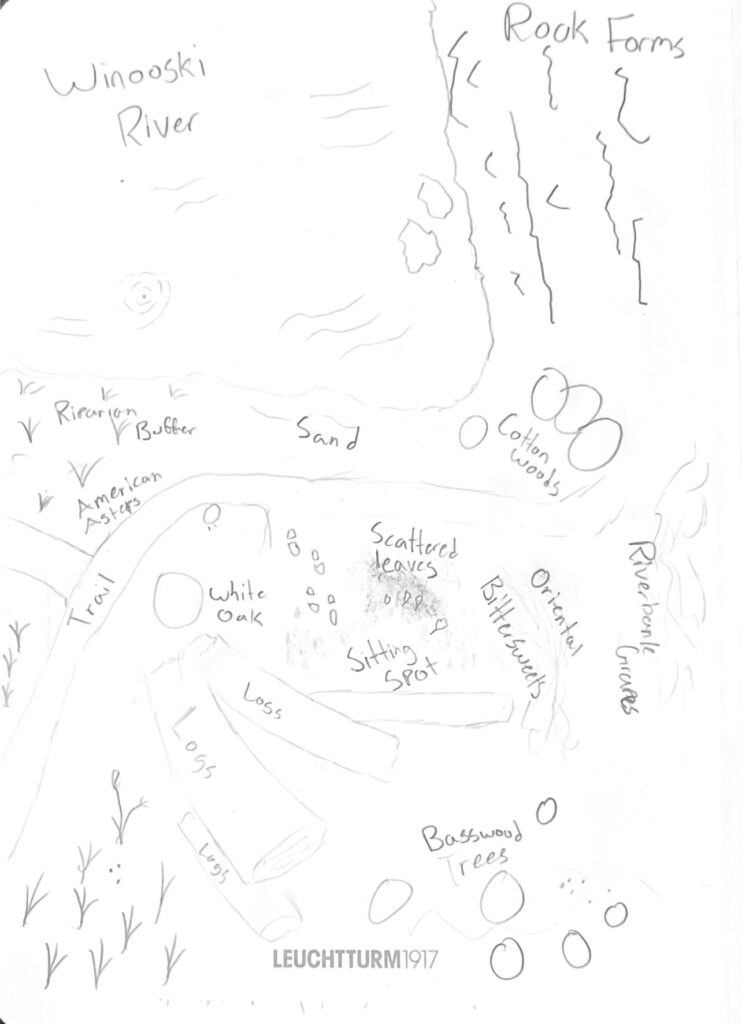
Birds-eye view:

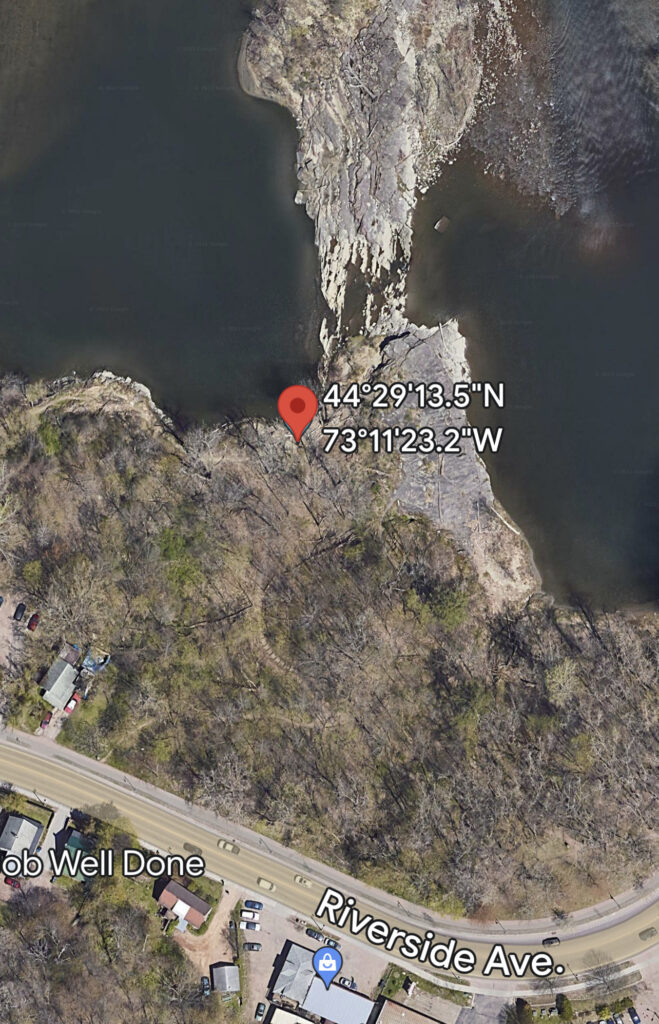
Birds-eye view of my phenology site

Changes since my previous visit: The vibrant green canopy that once was high and mighty in the trees, covering the land from up above, now lies on the ground as decaying, dull leaves. The flowers that once offered a beautiful purple and pink American Aster have welted and withered. The Oriental Bittersweets and Riverbank Grapes released their leaves to scatter in the wind, leaving the tangled brown roots and a few berries behind. Looking around at my entire site, the former diverse range of species, each representing a different form and color now digress into one brown, beige, and brick colored woodland.

An Introduction to Salmon Hole: Post #1

What is Salmon Hole?: Salmon Hole is a park located in Northern Burlington along the Winooski River. It’s known for its fishing spots and peaceful trails.

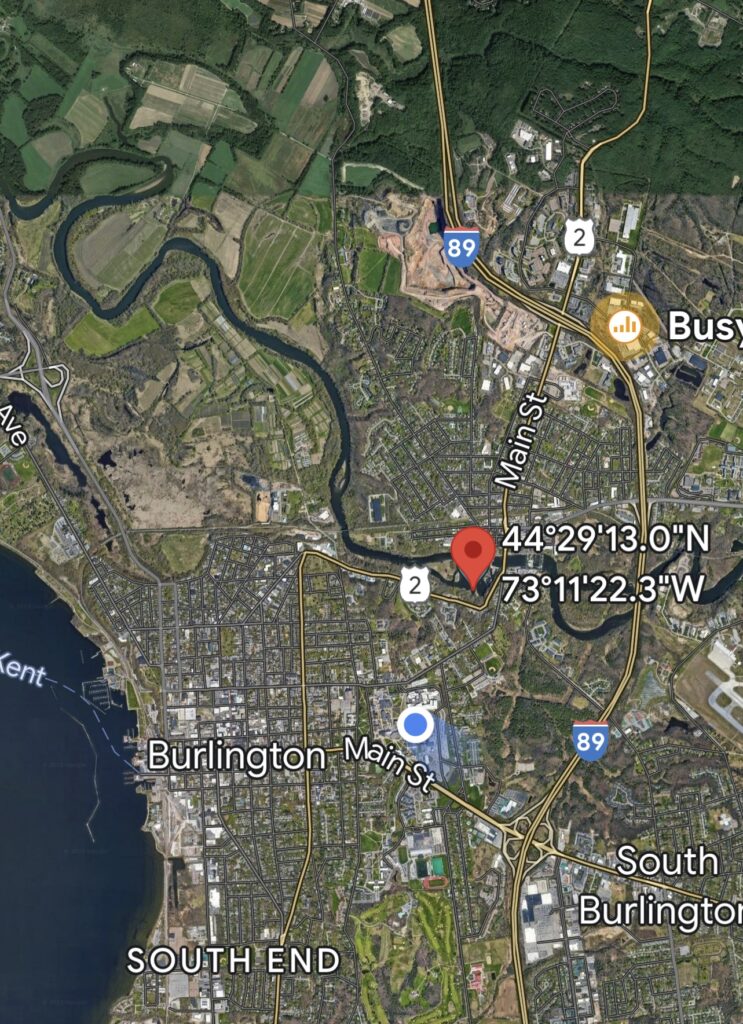
How to get there: In order to get to my phenology site, you must walk along the Riverwalk trail starting just off of Riverside avenue (236 Riverside Ave). Once you start your walk continue along the trail until you reach the sign stating “RIVERWALK TRAIL 0.7 MILES TO INTERVALE AVE” bare right and arrive at the site.

Why I chose Salmon Hole: Despite the short distance this site is from my dorm, I chose this location because I love the atmosphere created by a slow-moving river and its soothing sounds of the water brushing against the riverbank. I greatly look forward to visiting this site and hope to use my visits to take a break from school and relax as I observe this ecosystem.

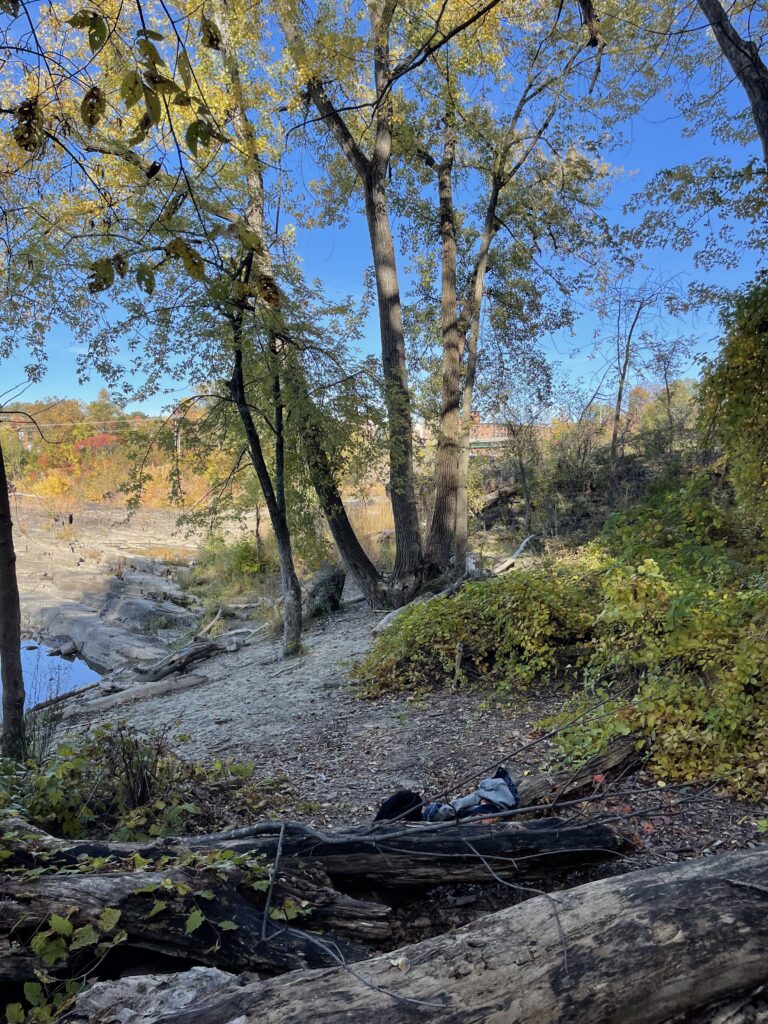
Vegetation: This site has a very sandy soil and no vegetation in the center of this plot. This is due to foot traffic compressing the soil and making it an unlivable environment. Around this opening, there are many different species thriving in the understory and overstory. The understory vegetation includes: Riverbank Grapes, Oriental Bittersweets, Red Osier Dogwoods, New England Asters, Big Bluestems, and American Asters. The most common of these species were Riverbank Grapes and Oriental Bittersweets. The overstory consisted of Eastern Cottonwood, Fremont Cottonwood, and Silver Maple. The overstory did not have a certain species that overwhelmed the others.

Picture of site taken from the Riverwalk Trail
Greater Burlington area displaying location
Zoomed in image of site
Skip to toolbar