Nov. 7th Phenology Update

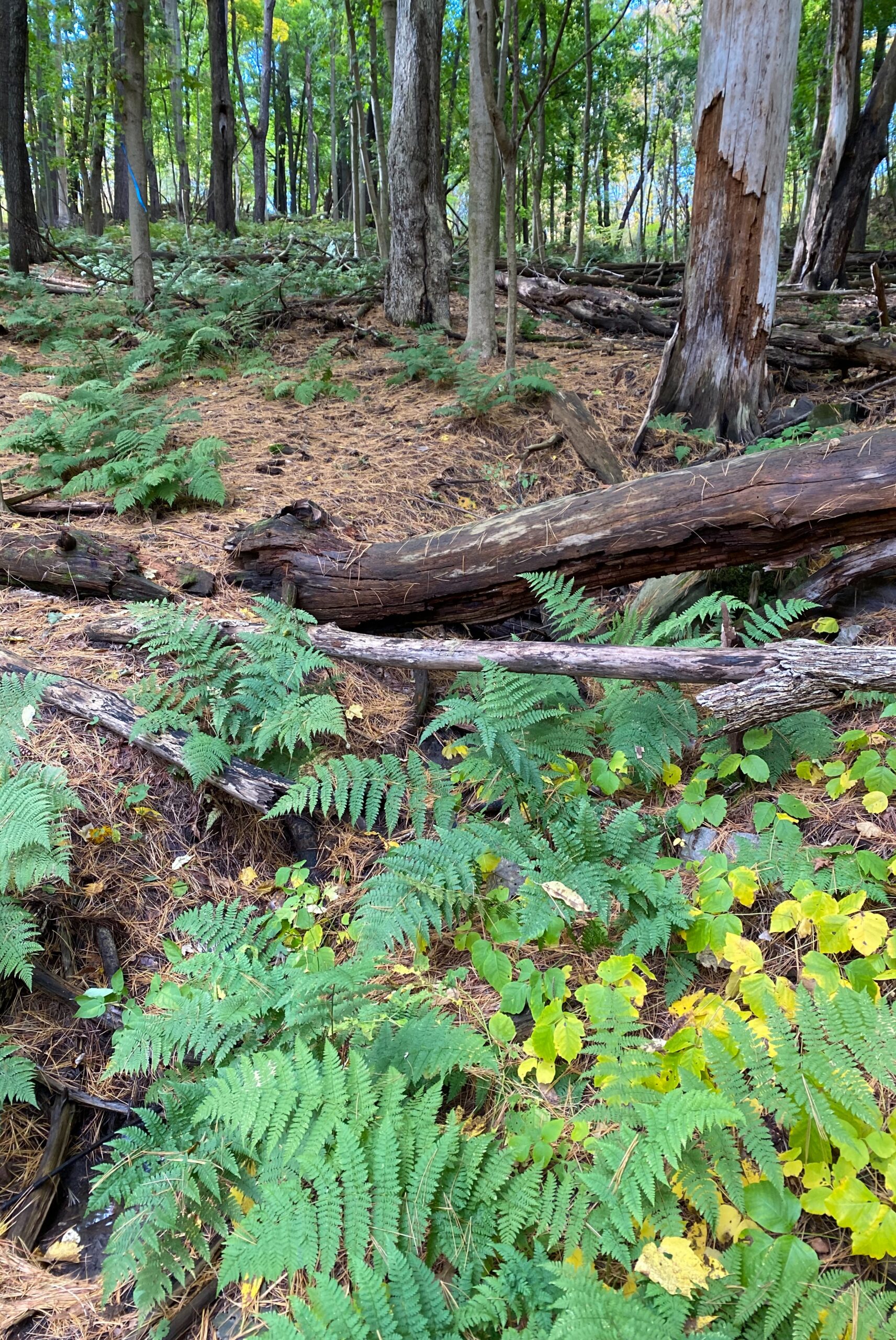
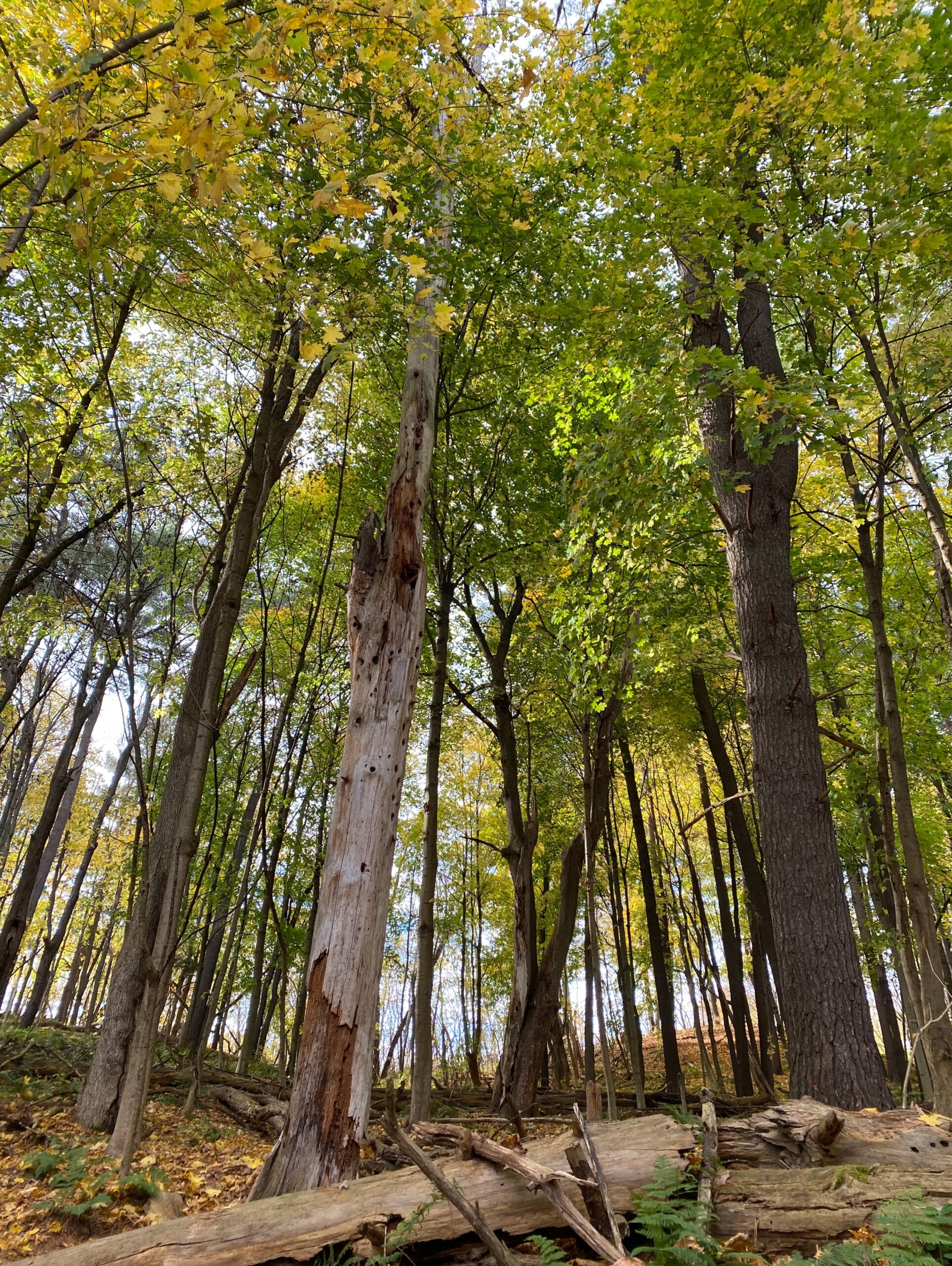
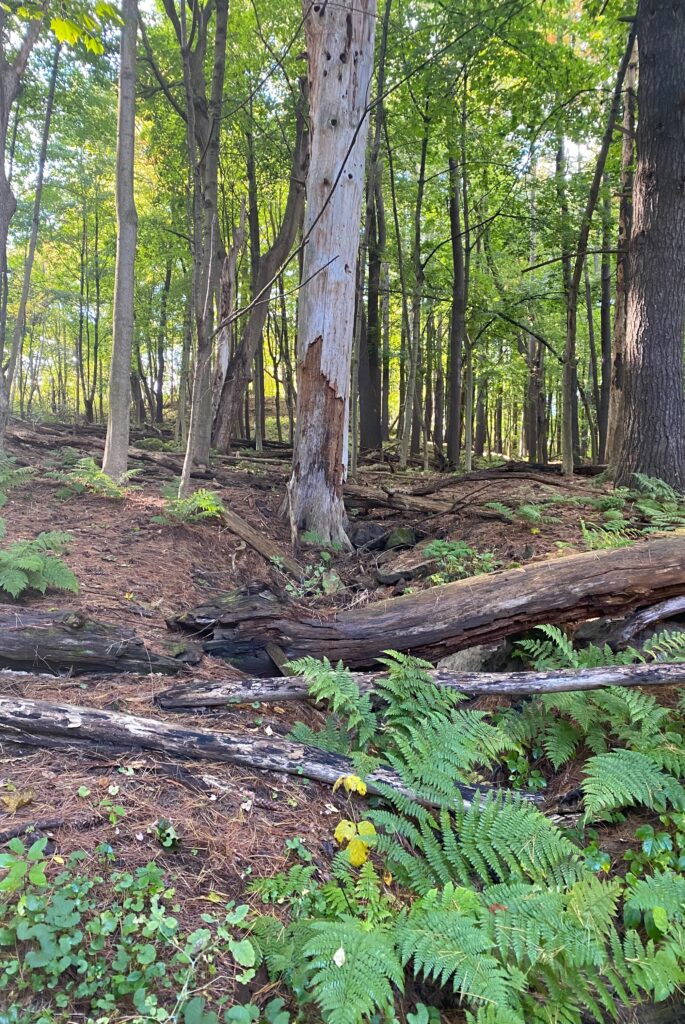
Today was a relatively cloudy and warm day out, being almost 70 degrees. On the walk to my spot, I could tell that the woods looked different from the last time I had visited. Although not all of the trees had lost their leaves yet, the forest floor was littered with orange and yellow maple leaves as well as pine needles. I also noticed that some of the smaller herbaceous plants such as the Western Poison Ivy had died. There also seemed to be slight changes in the branches and fallen trees since the last time. This could be attributed to the wind or some human or wildlife disruptions. I then spent 15 minutes sketching, observing, and engaging with my spot from the ground, noticing a range of different bird calls as well as the rustling of the forest.
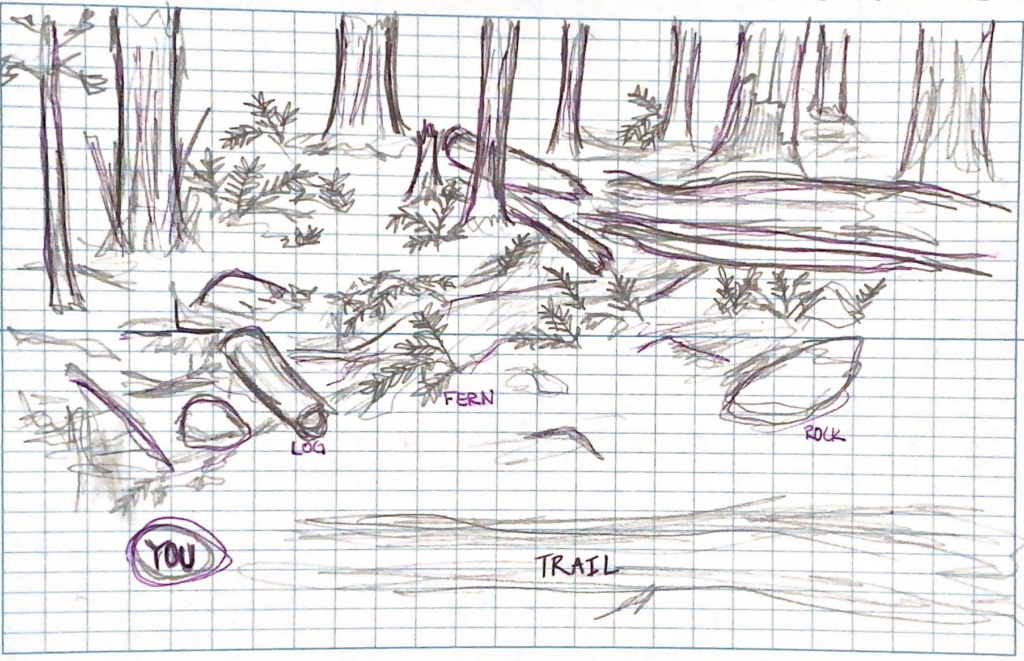
bird’s eye map sketch
Posted in Uncategorized | Leave a comment

Introduction

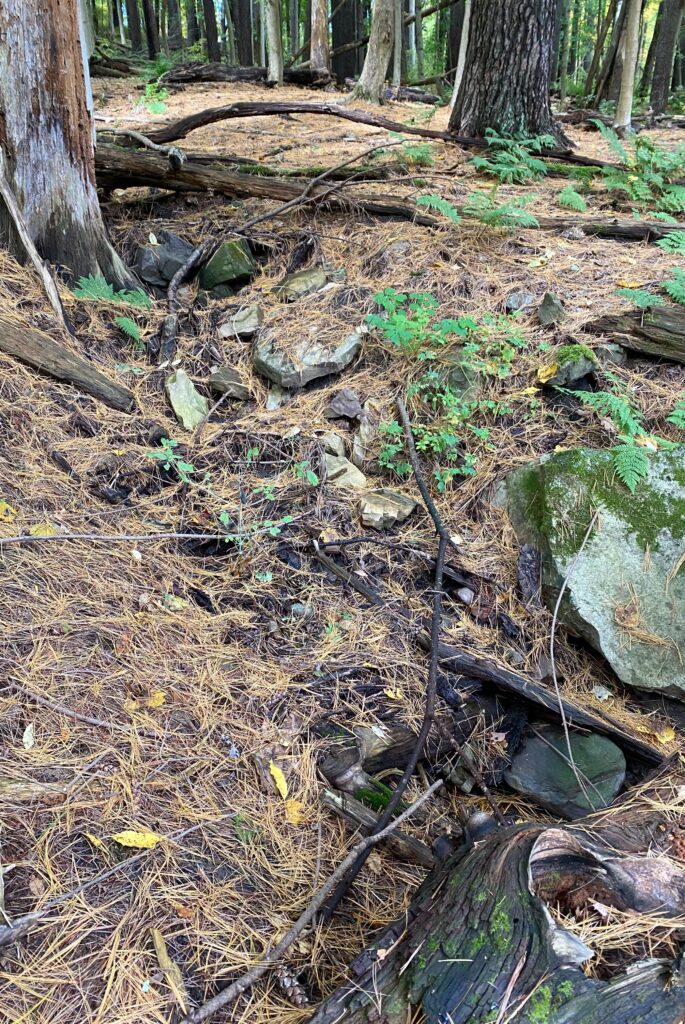
Although Centennial Woods is vastly diverse in species of hardwoods and pines, at this phenological location, the observed dominant woody species was the Norway Maple. But, as we take a closer look at the dead pines on the ground, we can see the prominence that the Eastern White Pine has here as well. Although they reach high up in the canopy, we do not see as dense of a population of pines as we do maples here. Along the forest floor, there are ferns, poison ivy, asters, and other herbaceous species. And as we can see from the photos, the deeper path in the ground followed by the presence of varying sizes of rocks marks where a potential stream may have once flowed.

Common Woody and Herbaceous Species

  • Calico Aster
  • Eastern White Pine
  • Norway Maple
  • Red Maple
  • Alder Buckthorn
  • Red-berried Elder
  • Fly Honeysuckle
  • Western Poison Ivy
  • Intermediate Wood Fern
  • Garlic Mustard
Posted in Uncategorized | Leave a comment