City Nature Challenge!!

Andy’s Lab City Nature Challenge!

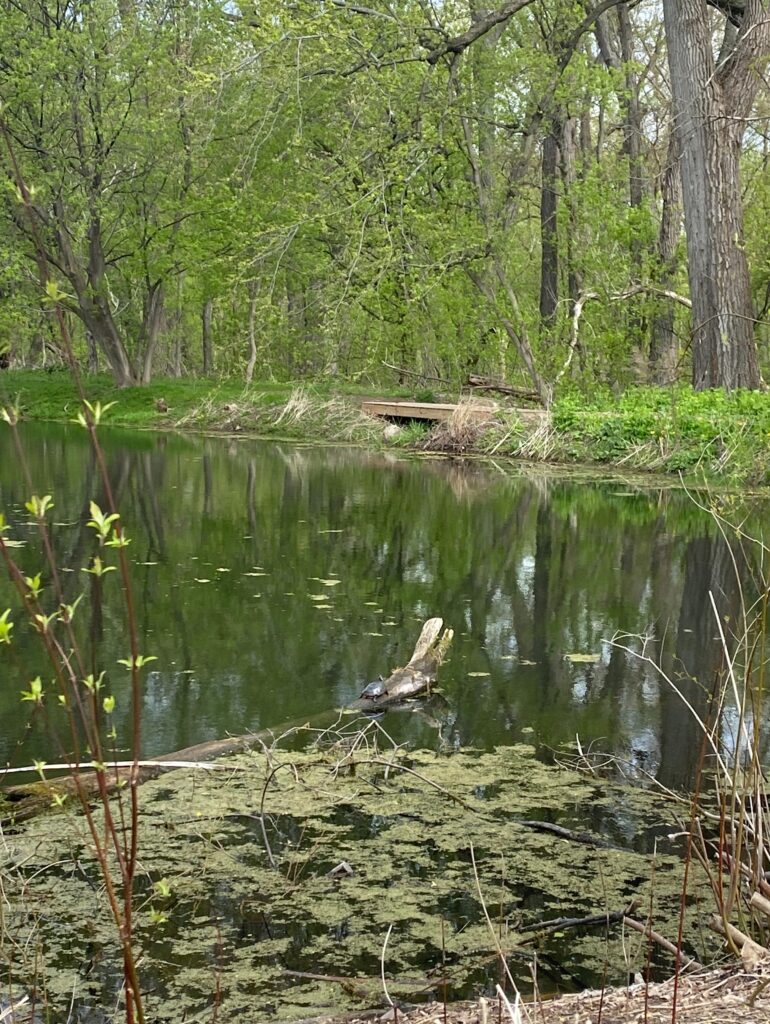
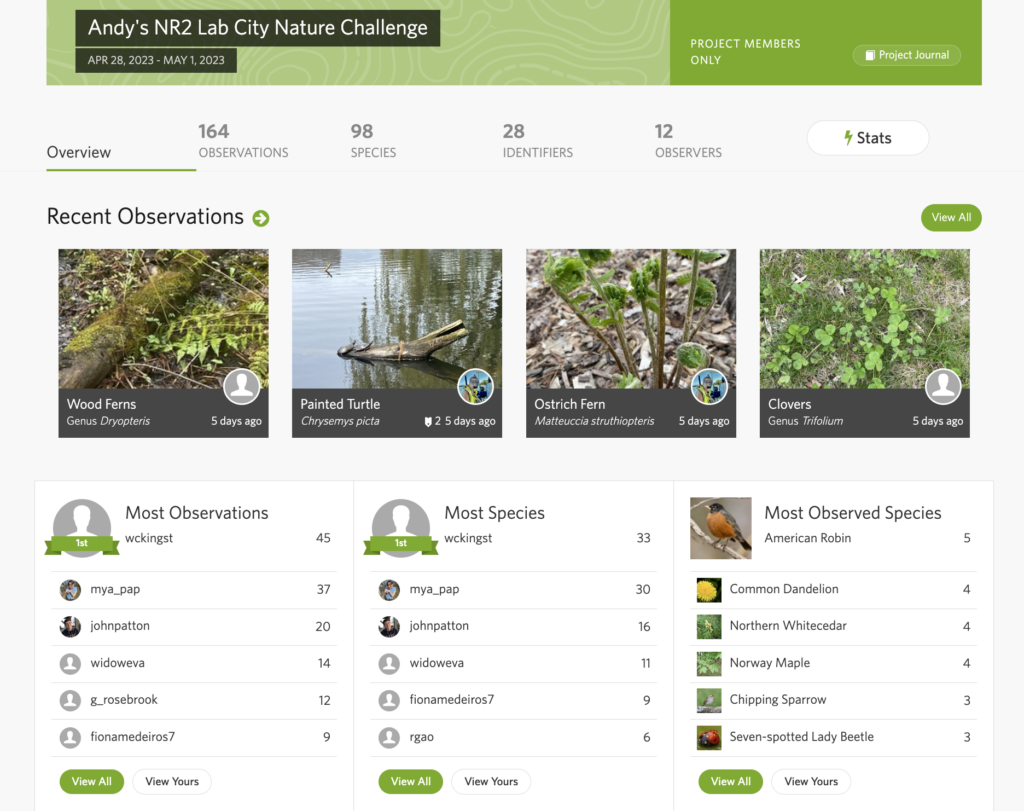
From 4/28-5/1, Burlington along with the global iNaturalist community participated in the City Nature Challenge. During this four-day BioBlitz, my friends and lab peers explored the greater Burlington area to record over 150 observations and almost 100 species. iNaturalist was fairly easy to use but I did not have service at some of the places I explored. Additionally, I found it a bit difficult to capture photos of birds as well as record their calls. Although my group did not get as many observations as other lab sections, I still had lots of fun exploring and getting involved! It was also so cool to see that compared to the global community, Burlington made the leaderboard even with our small comparative population size. It really goes to show how much the community values and engages with their natural community.
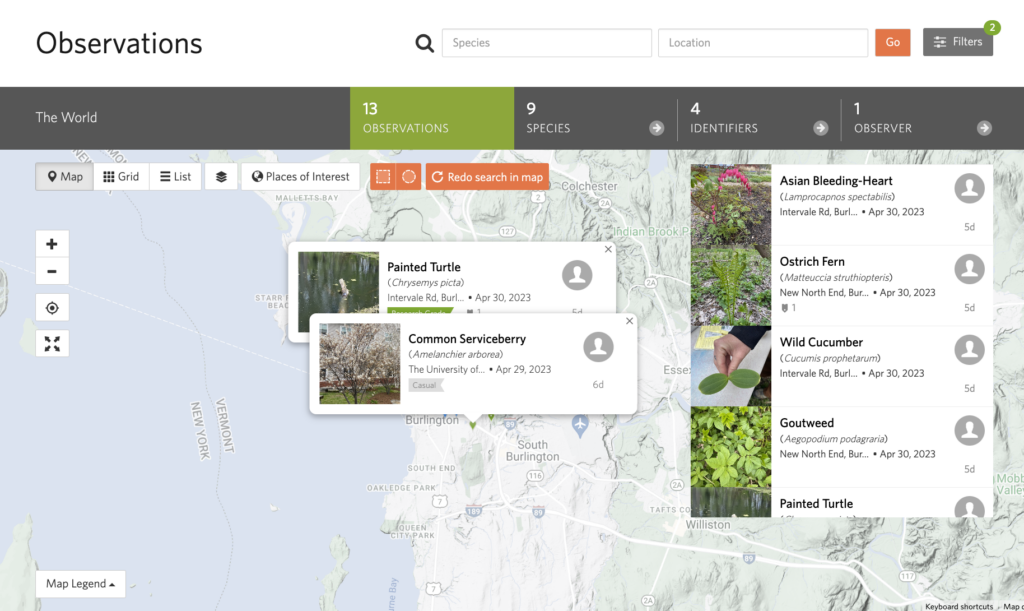
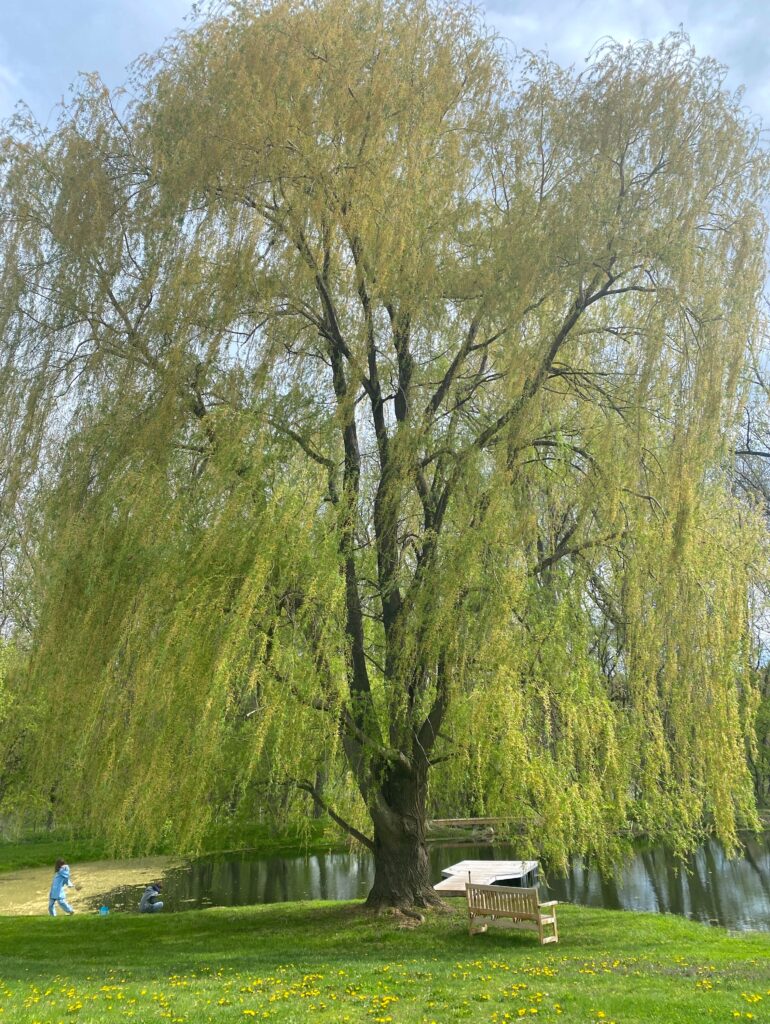
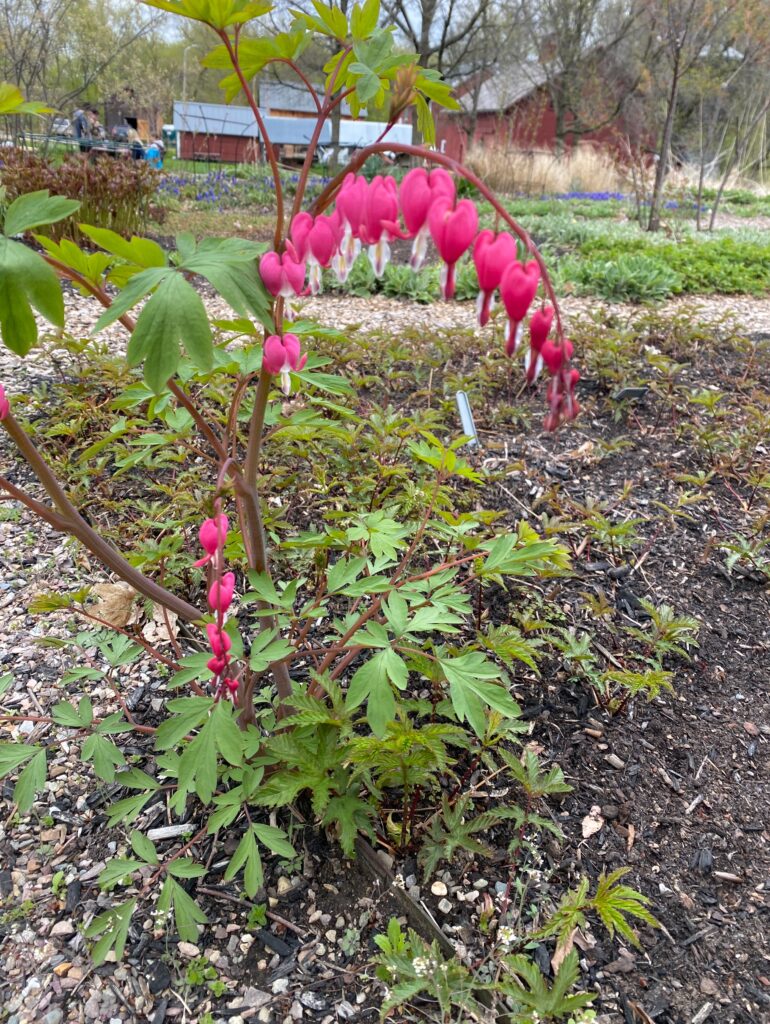
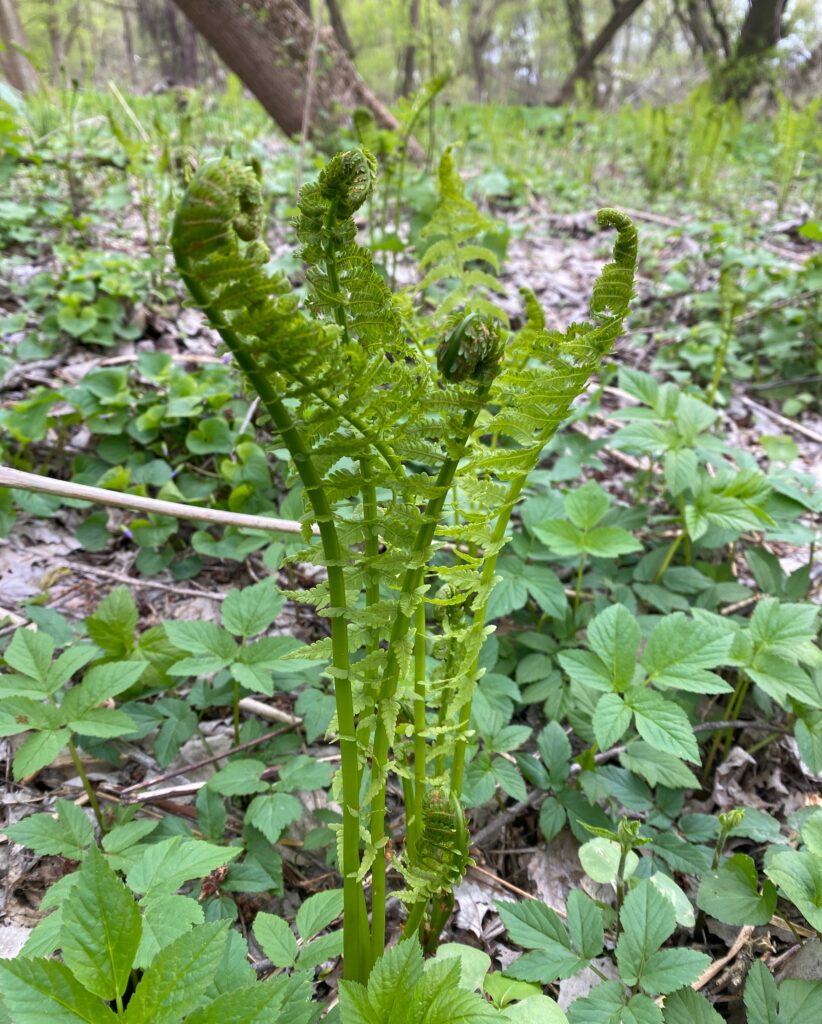
Places I explored…

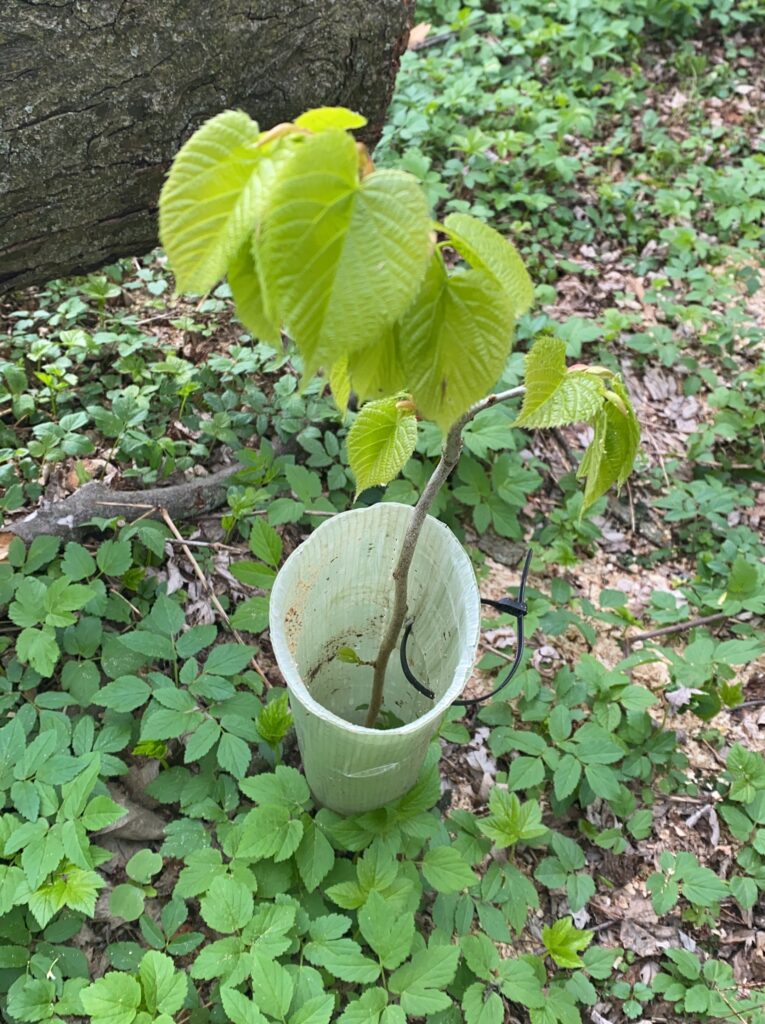
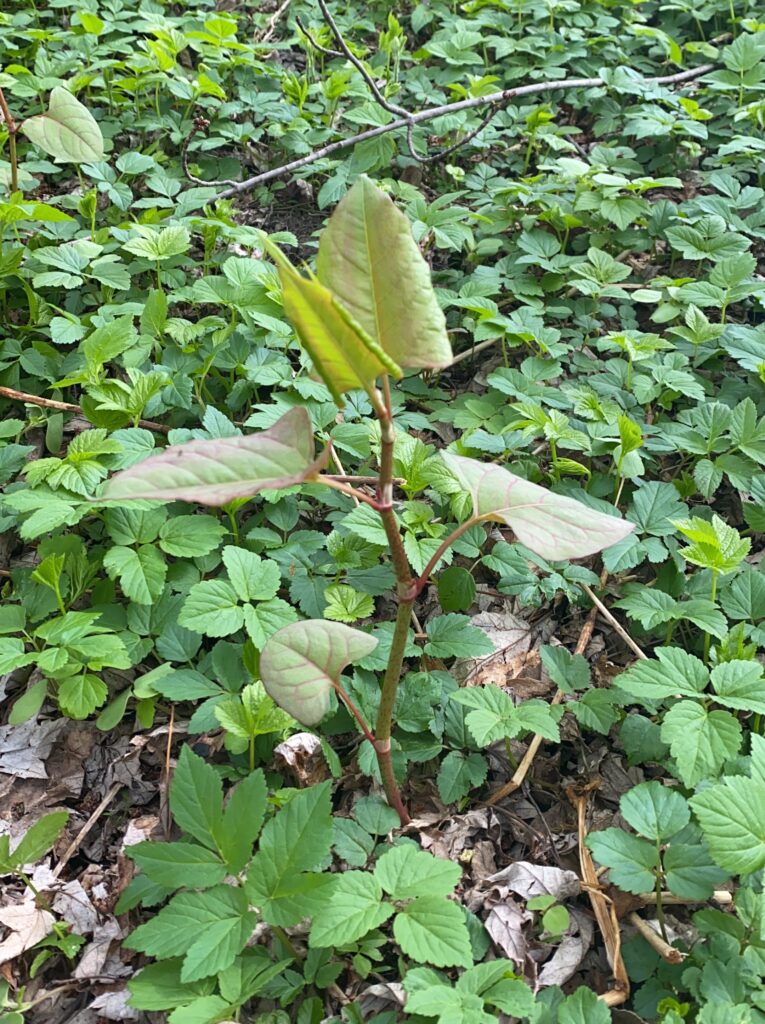
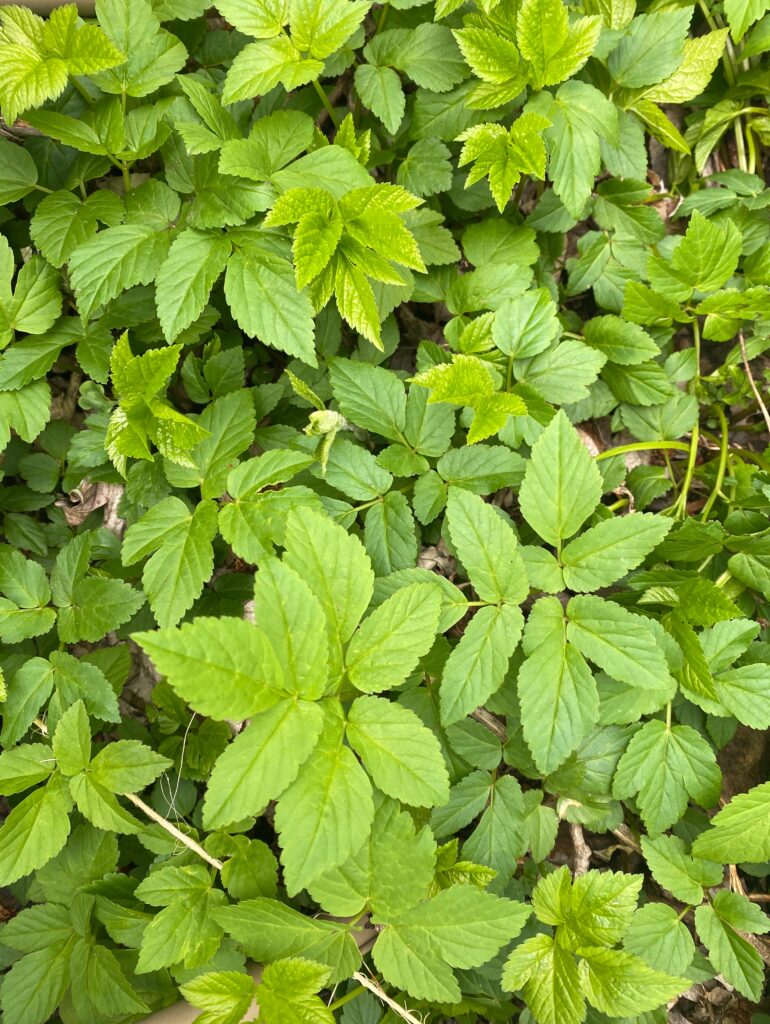
During this time of celebration, a variety of community events were being held to honor and enjoy the natural “urban wilds” of Burlington. A few friends and I headed down to the Intervale Center on 4/26 to enjoy the Spectacular Nature Day. We tabled about beavers and floodplain fauna, informing visitors and participants about the diverse species that call the Winooski Watershed and Lake Champlain Basin their homes. It was rewarding to meet so many community members who share the same passion for nature as well as to hear their stories. We also did some ostrich fern planting and explored the events – we tried Japanese Knotweed ice cream & Garlic Mustard pesto! Overall, this was the most fun I’ve had getting involved with the greater Burlington community!!
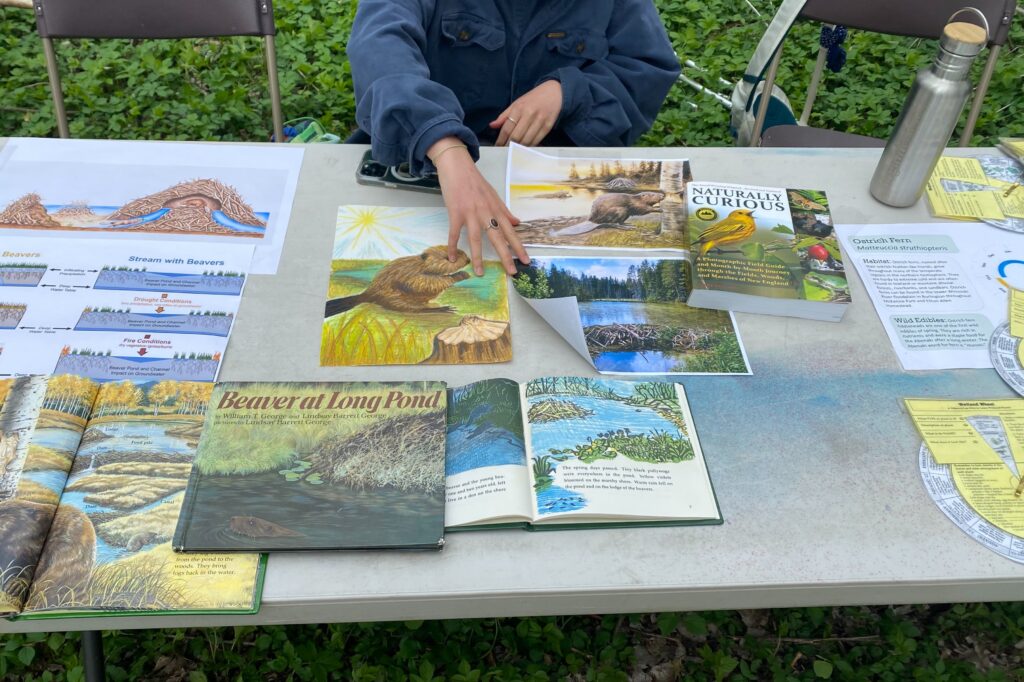
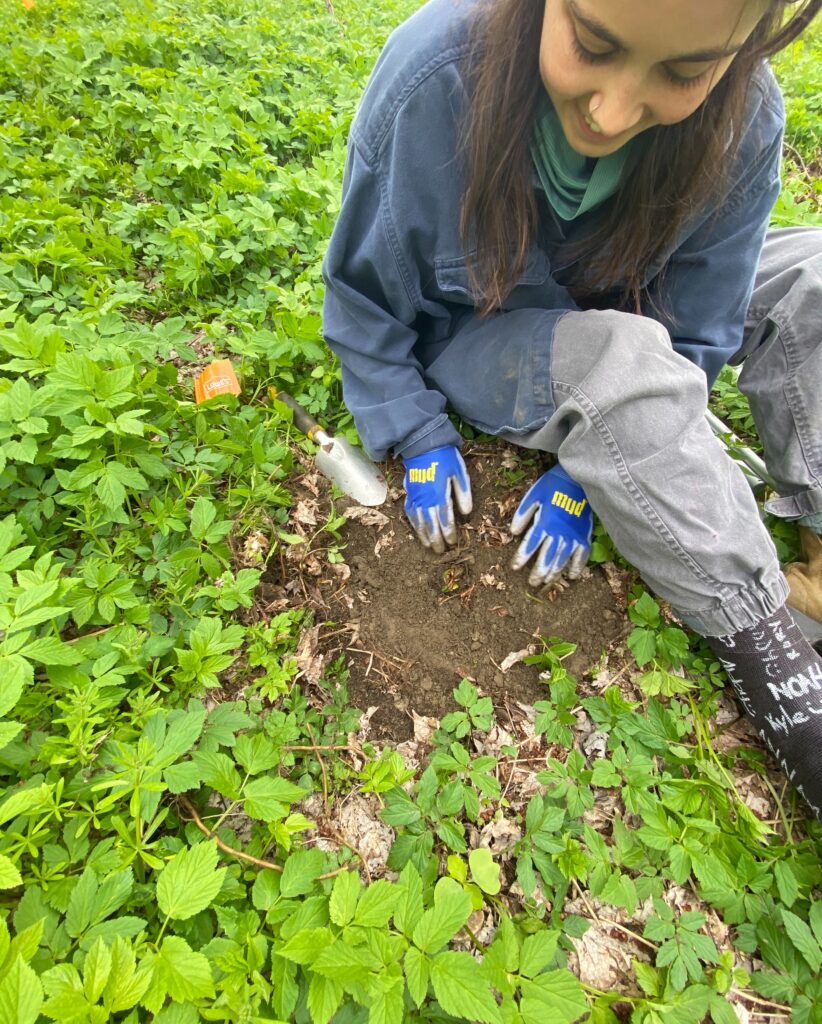
our table 🙂
Posted in Uncategorized | Leave a comment

Spring Phenology – Final Blog Post

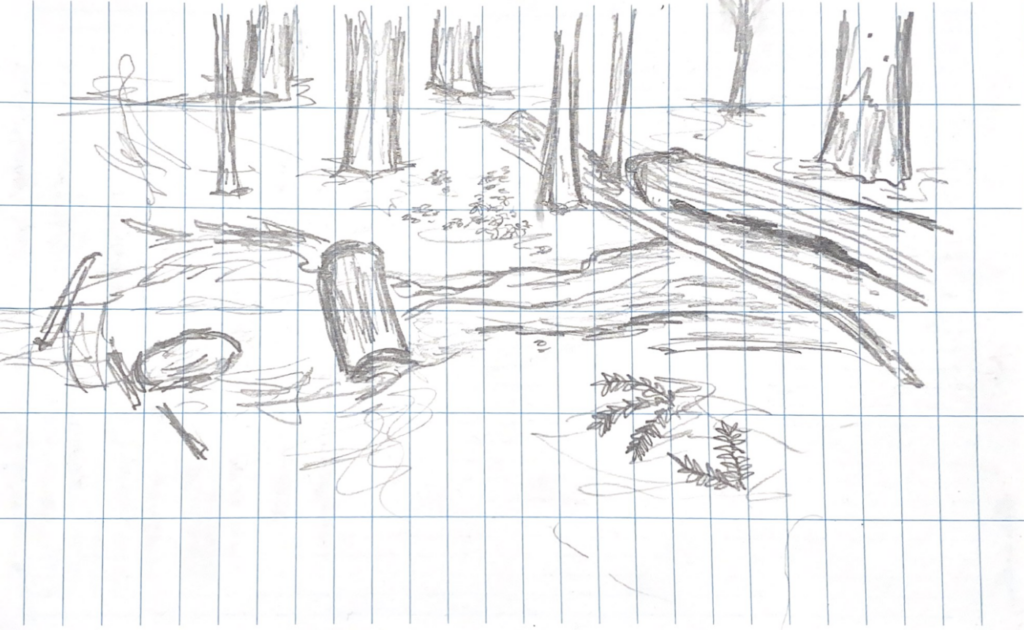
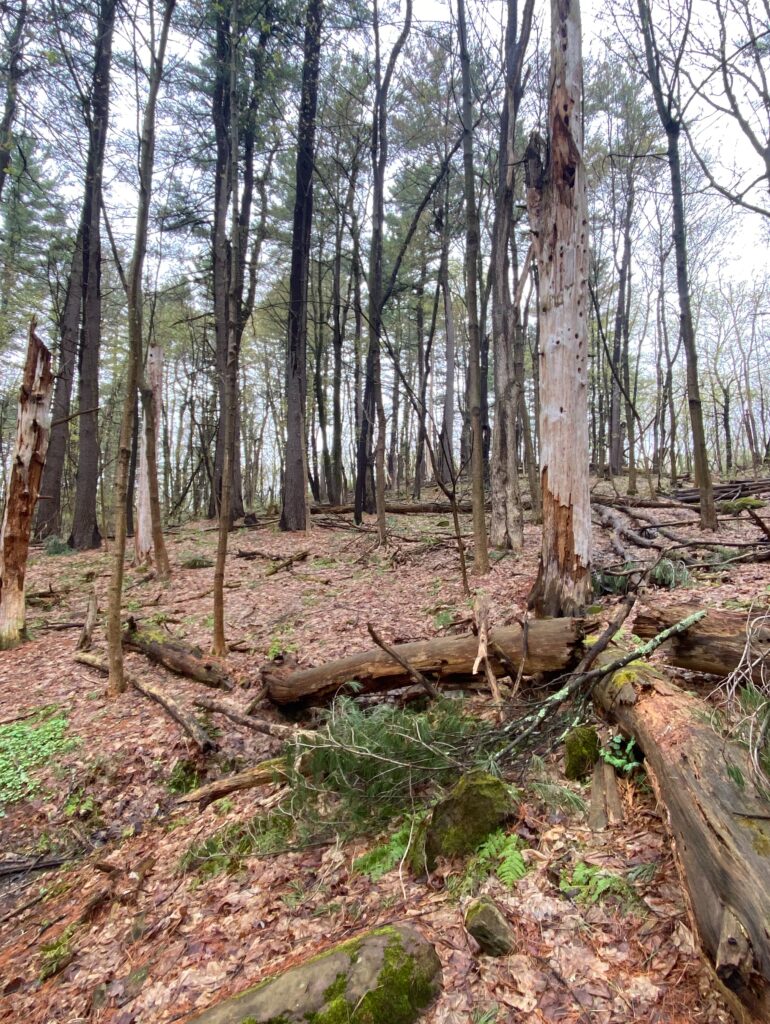
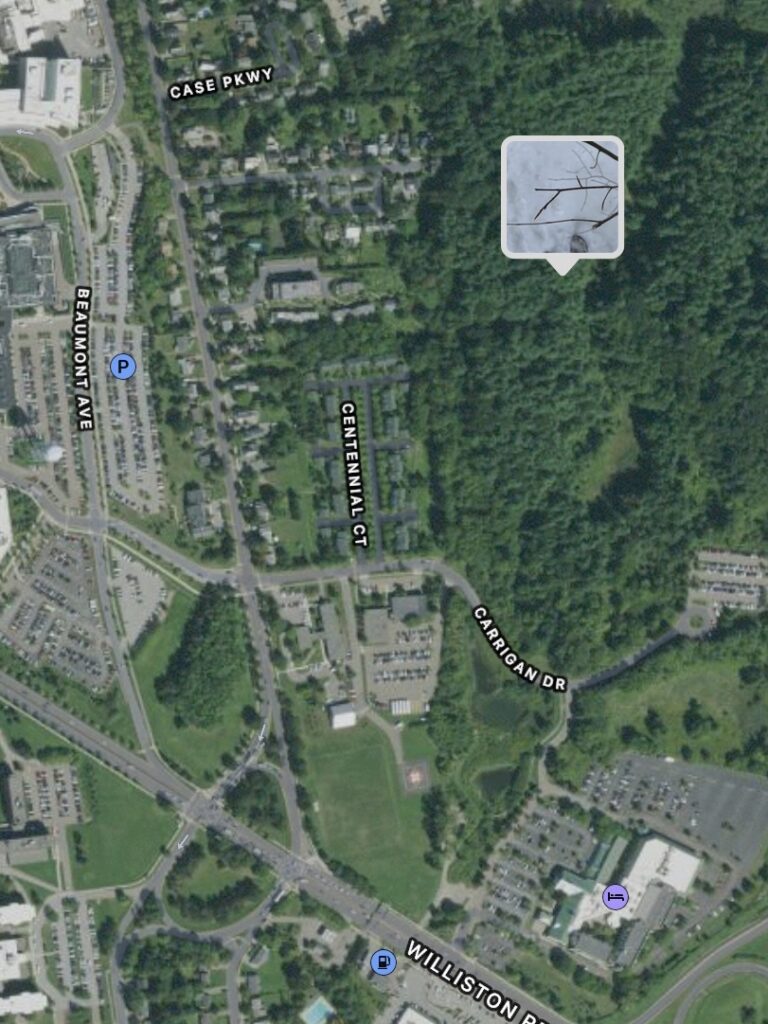
On a cloudy morning after a long day of rain, I headed back to my spot in the woods. It was very muddy and I noticed that the water level of the creek had risen on my way there. What stood out to me the most was the vibrance of the bright green budding tree leaves. throughout the woods, nearly all of the trees have begun flowering. I could hear the calls of chickadees overlapping with dozens of other bird songs. But arriving at my phenology spot, I did a 15-minute sit-sketch where I mapped out the key components of my spot once again.

sit-sketch of my phenology spot

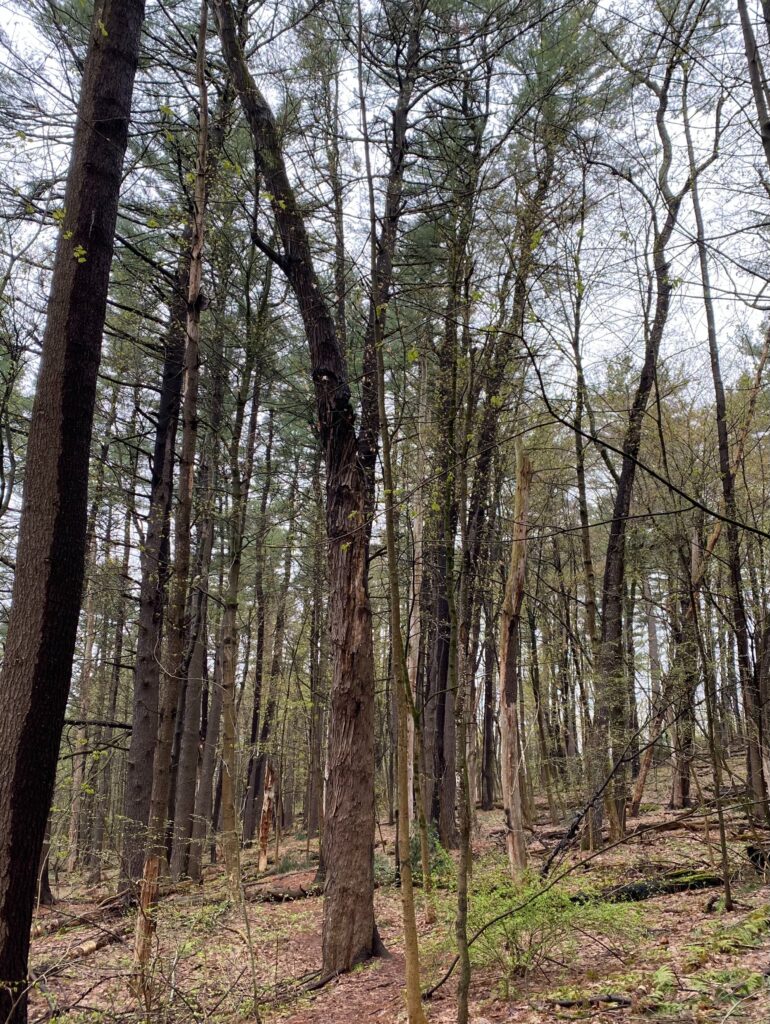
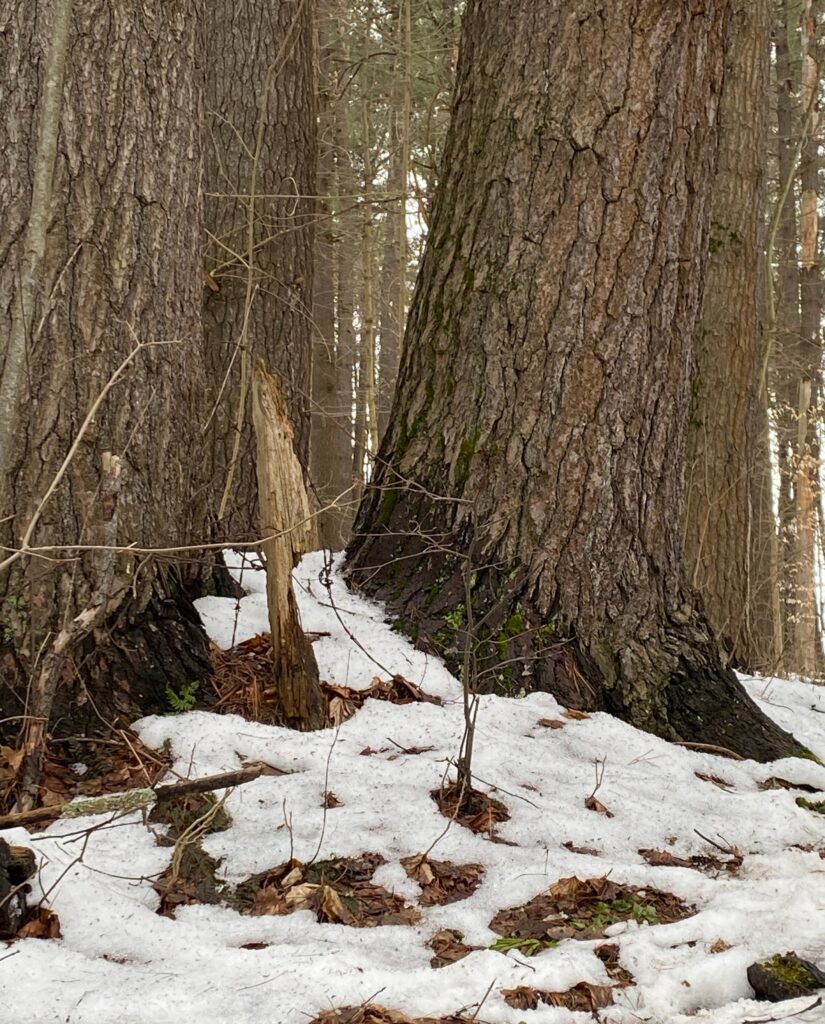
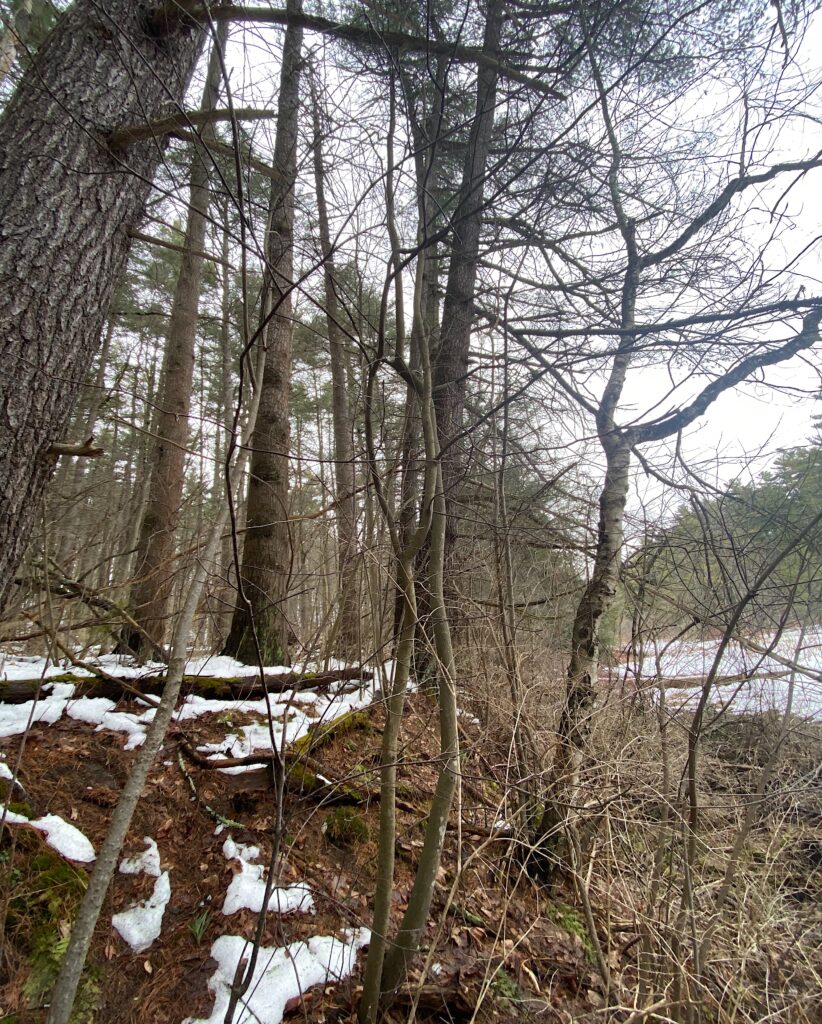
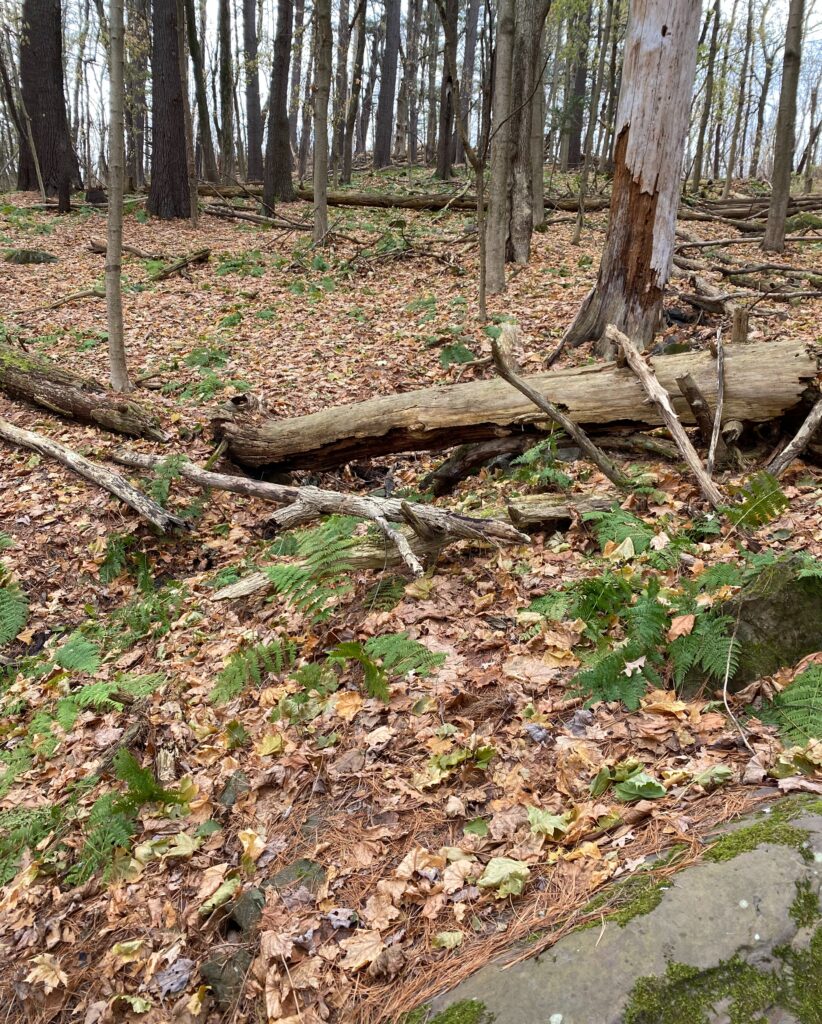
I noticed that compared to the beginning of the year, the depression underneath the fallen trees leading down the hill seemed to be a lot deeper – this time with water flowing down it like a small stream. I have grown accustomed to this little divot as a major landmark of my site. And in terms of landmarks, there seemed to be a growing collection of fallen trees and branches probably due to storms and the snow that we had this year. It’s fascinating to watch how these natural changes happen and what will result from them. I noticed that the ground was also covered in leaf litter rather than pine needles like at the beginning of the year. I am wondering how the trees within this space would benefit differently from the decomposition of leaves compared to needles. The forest floor species seem to be growing back as well, with patches of green in certain spots as you can see below. It has been largely eye-opening and gratifying to witness the change and growth happening in my area this year. On my way out of the woods, I ran into a few hikers as well as a class going birdwatching. I think that seeing that reaffirmed the cultural significance of Centennial Woods to the community of Burlington. People have always been connected to places and the land, and with mutual respect for each other’s existence, I would consider humans and nature to be intertwined. I believe that within the last year I have become a part of the story of my spot within Centennial.

Posted in Uncategorized | Leave a comment

Spring Tree Phenology – April Update

April 8th (400F)

During the first week of April, the days have been warmer, rainier, sunnier, and longer. While walking to my tree on Saturday, I noticed that all the snow had melted. It was very muddy and wet – having rained earlier during the week. It had also been very windy this week, I found the impacts of that to be evident as many trees were knocked over and the trails had more obstacles in the way than usual. I also heard birdcalls and wildlife activity within the forest. Checking in on my tree(s), I noticed the buds to be greener but also that many had sprouted white fuzz from the tip. I’m not exactly sure what this means (whether the tree is sick or impacted by fungi), but hopefully when the buds bloom, they will look the way they should. The buds still look relatively normal but it does not seem that much has changed within the last two weeks.

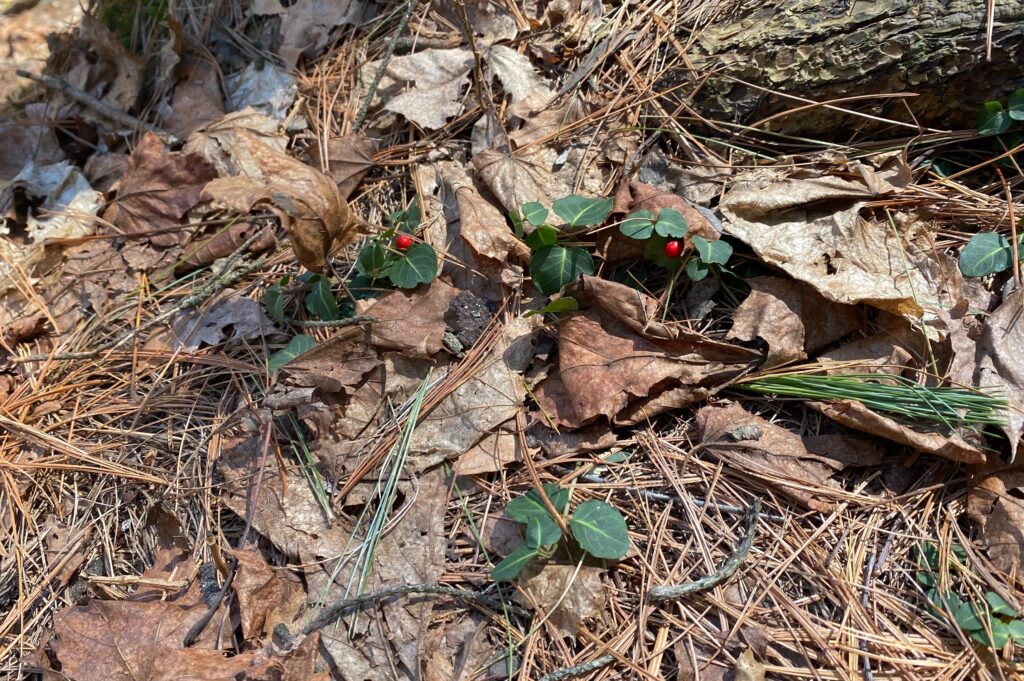
I also stumbled upon bright red berries on the patch of ground next to my tree. This seems to be a plant from the genus Mitchella.

Mitchella plant
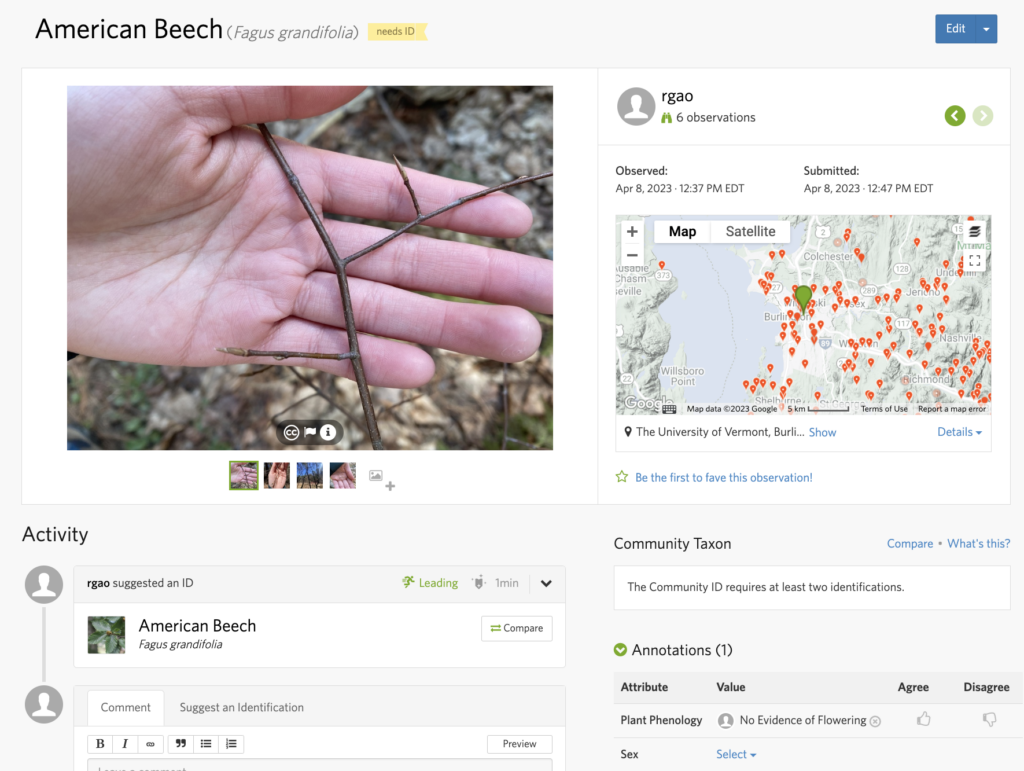
iNaturalist Post
Posted in Uncategorized | Leave a comment

Spring Tree Phenology – iNaturalist

On Sunday afternoon (3/26), I took an icy hike through Centennial Woods back to the tree that I had visited two weeks ago. I had begun searching for the whereabouts of my tree when I found another beech that I would be able to compare my observations with. The beech that I had originally looked at was a fairly small sapling that did not show much change since the last visit (3/10), so this nearby beech is more mature but still relatively small in diameter.

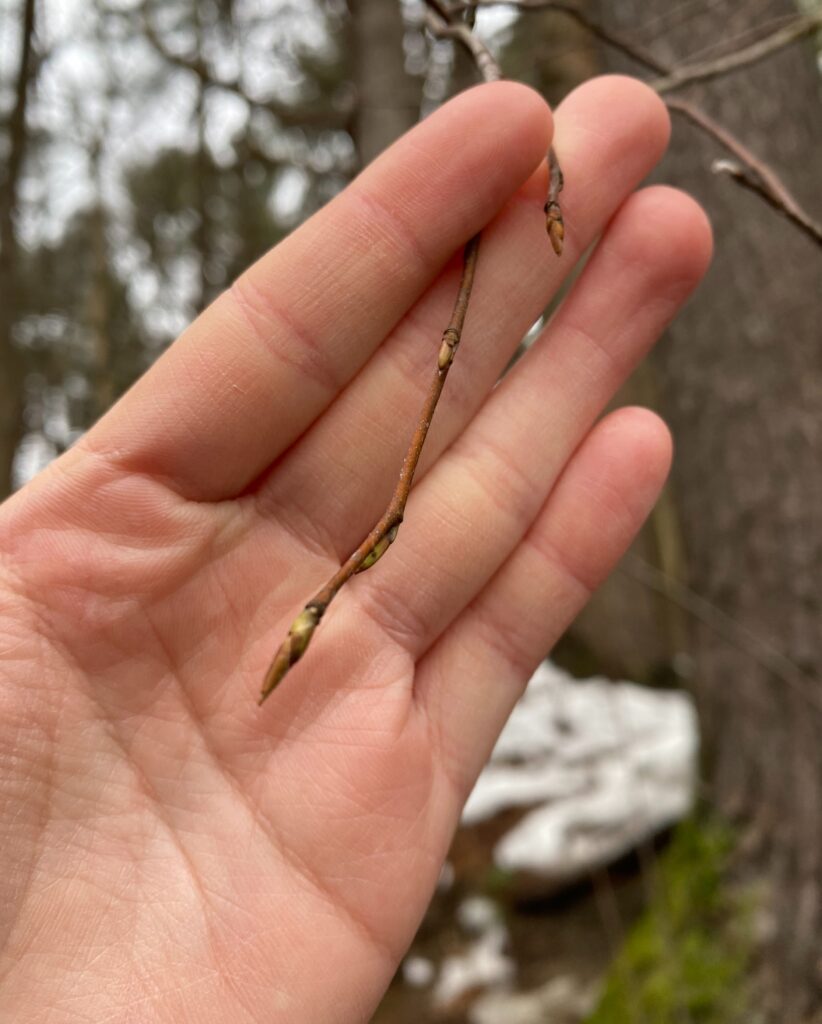
From the sapling: beech buds are still very brown and intact, showing no signs of green budding or flowering yet

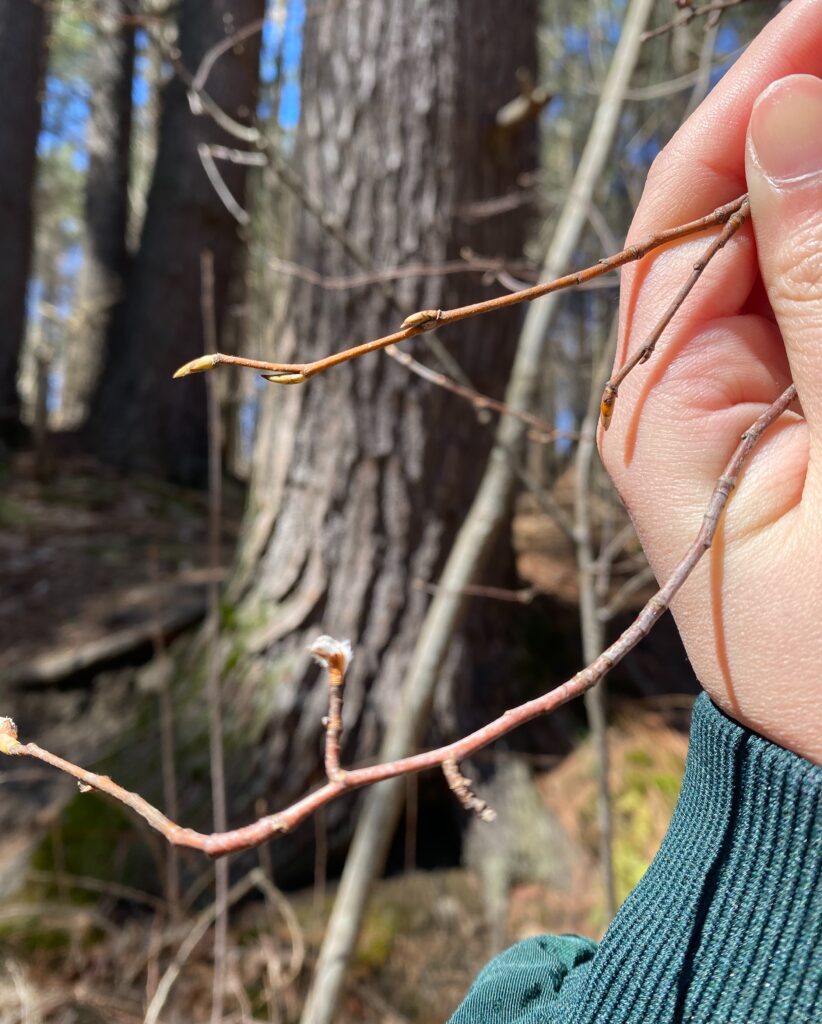
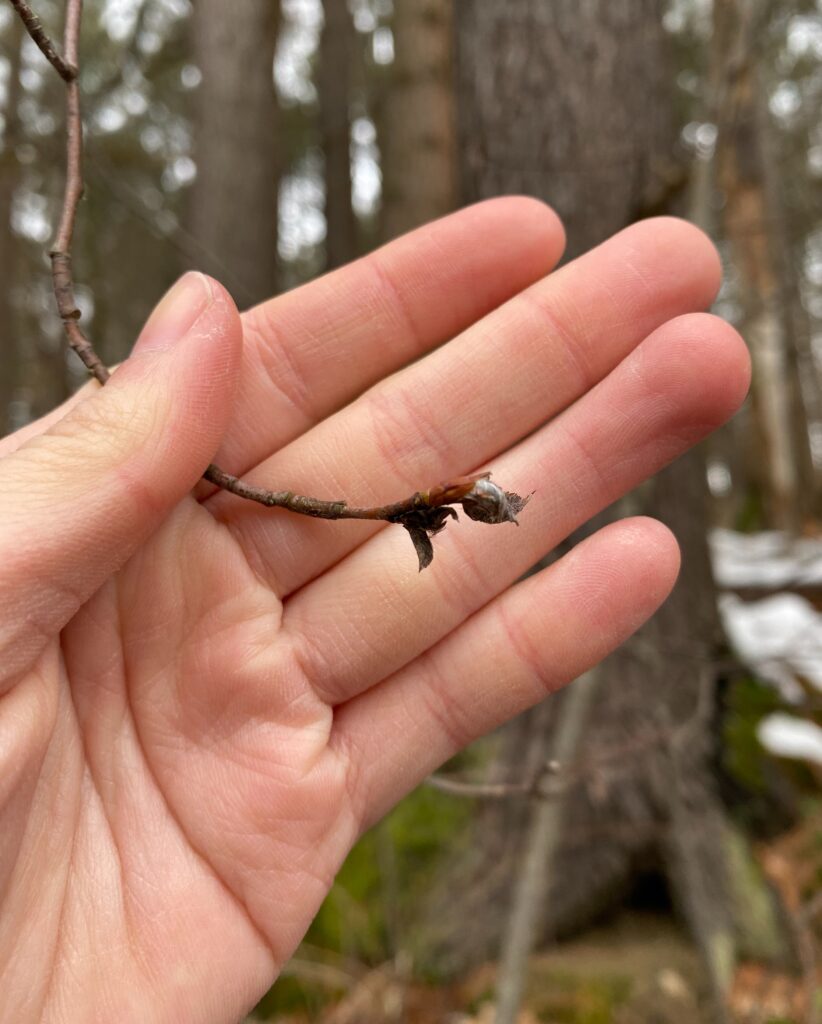
on the second beech tree, there seemed to be more pronounced signs of spring tree phenology. some of the buds were green along the edges and a few had even opened to expose a fuzzy gray substance. Knowing that beech budding and flowering produces more of a yellow and green long-stem flower with feathery tassels and globular clusters. The gray substance that is coming out of the beech bud pictured above is of concern as that is not what is usual. This may be a sign of health issues or disease. Maybe when I revisit next time there will be more signs of budding.

iNaturalist Post
Posted in Uncategorized | Leave a comment

Spring Break Phenology – Red Apple Farms

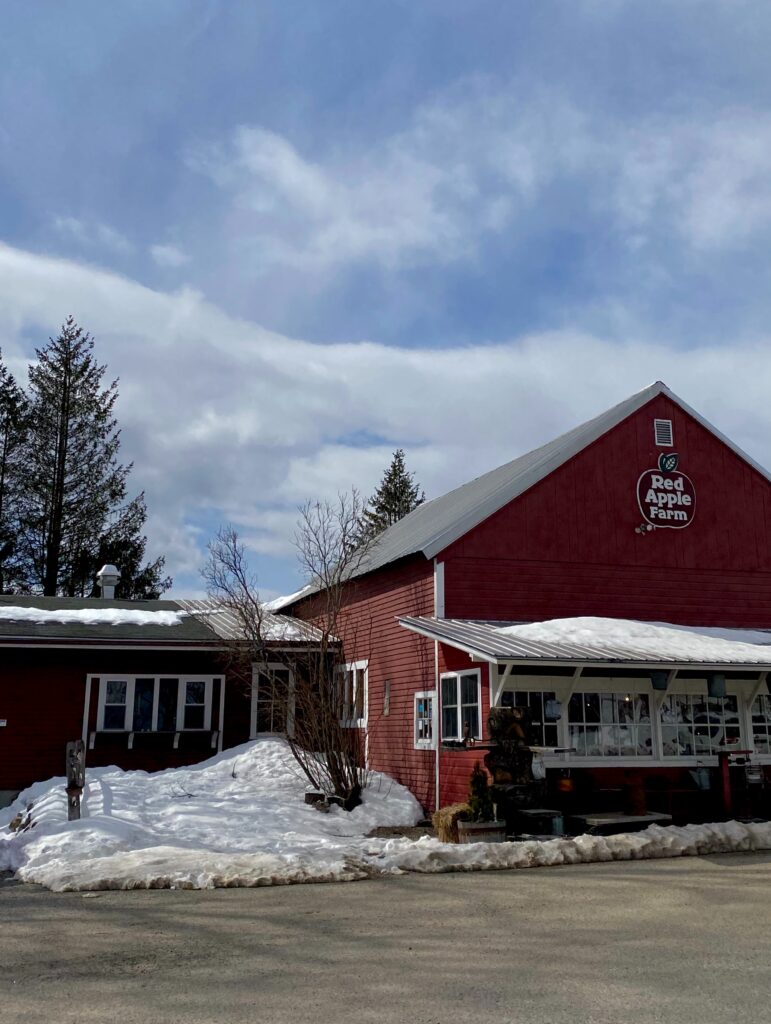
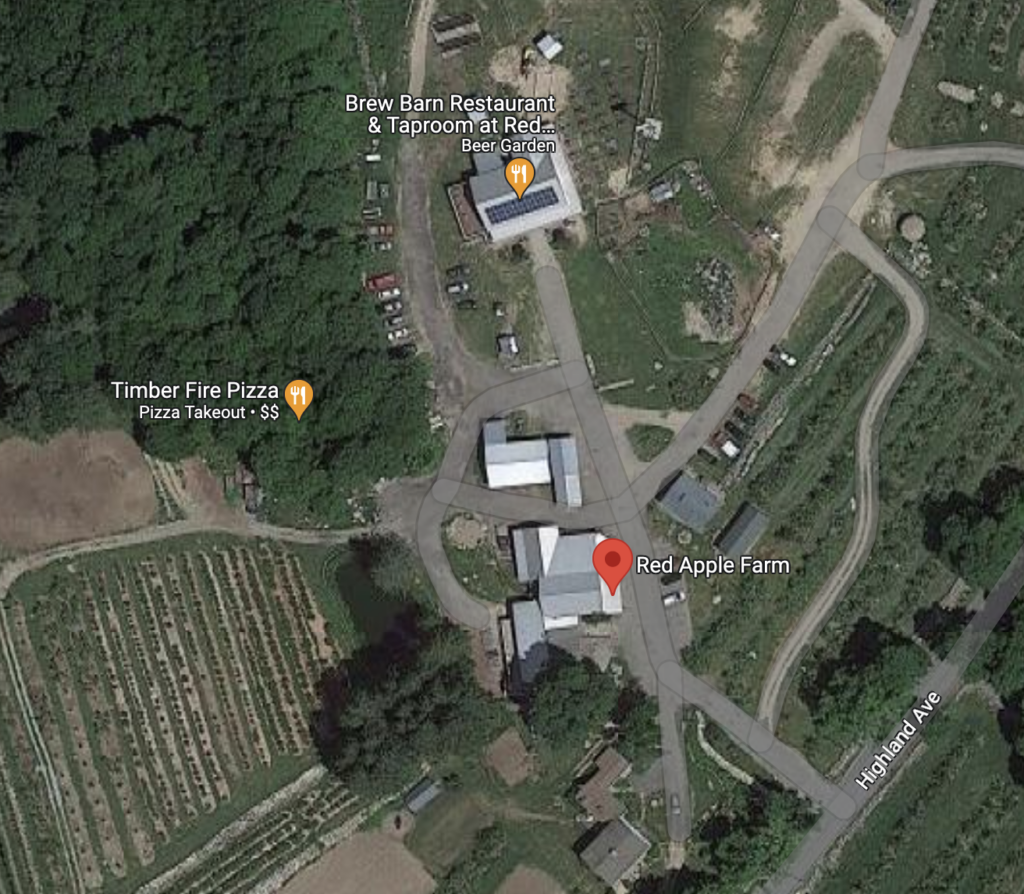
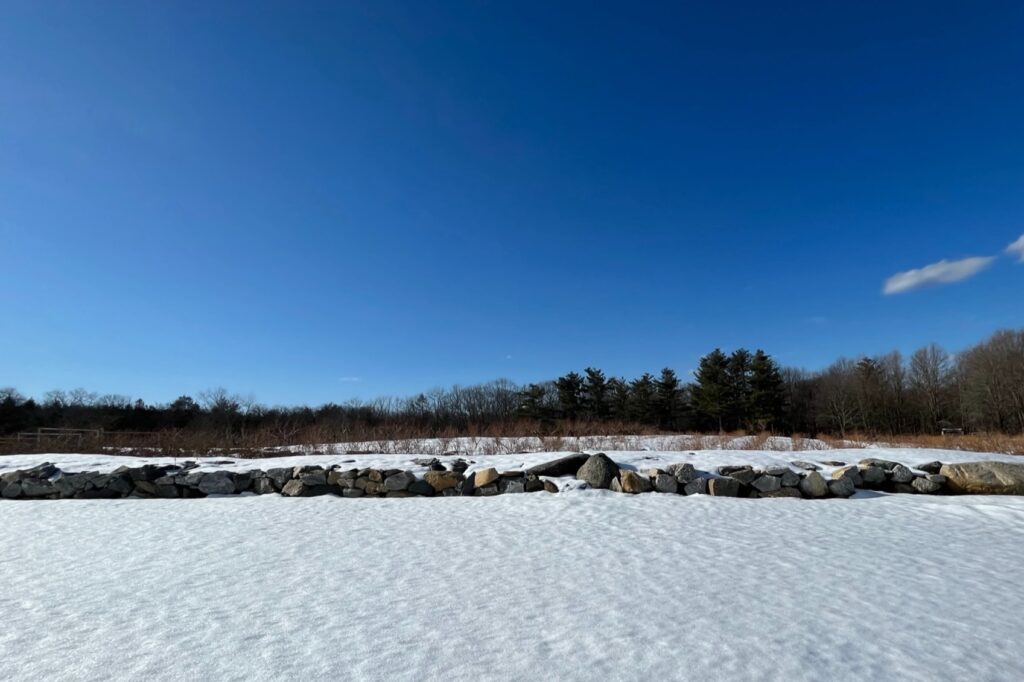
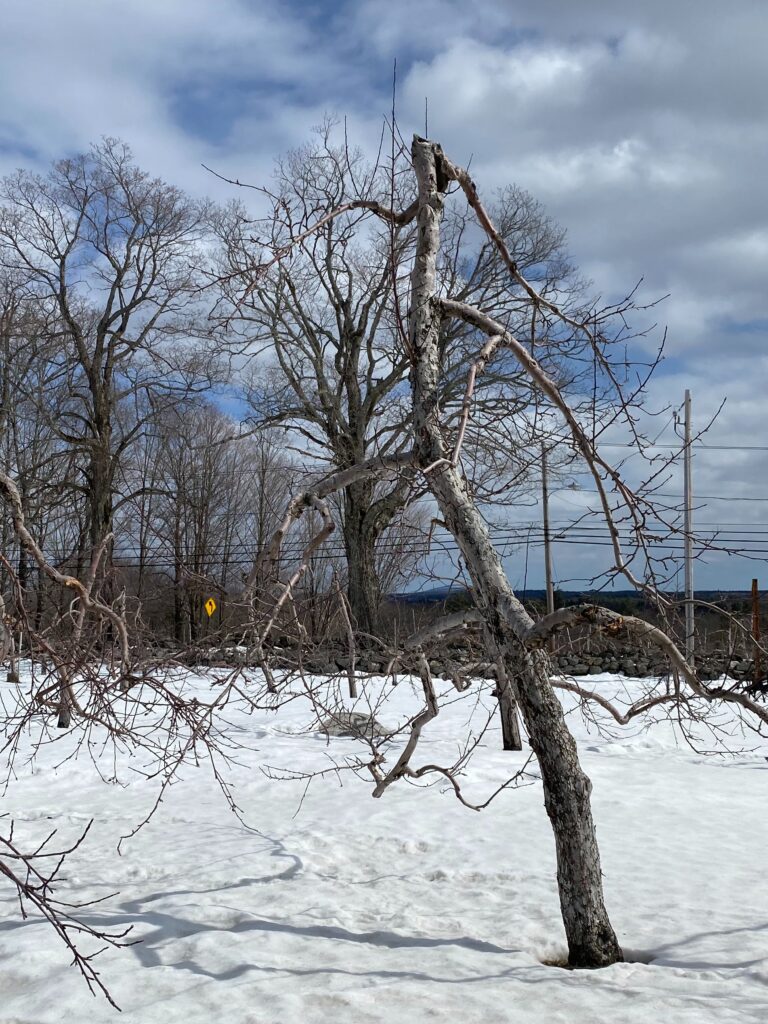
On Saturday morning (3/18), I visited my friend Maddy’s family apple farm in North Central Massachusetts. With a population of about 1,700, Phillipston is a rather small rural town compared to Burlington’s bustling number of 44,743 people. But, this also entails that the state of the orchard is free from the detrimental effects of urban life. We spent some time walking through a few feet of snow, exploring blueberry patches and the peach tree stand before visiting the chicken coop and collecting eggs. Though fields are very clear-cut, there was a healthy mix of conifers and hardwoods as well as a small frozen pond nestled on the edge of the forests behind the farm. I did make note of birdcalls but we were unable to identify what type of birds were making them. Right across the entrance of the farm lies the vast apple orchard.

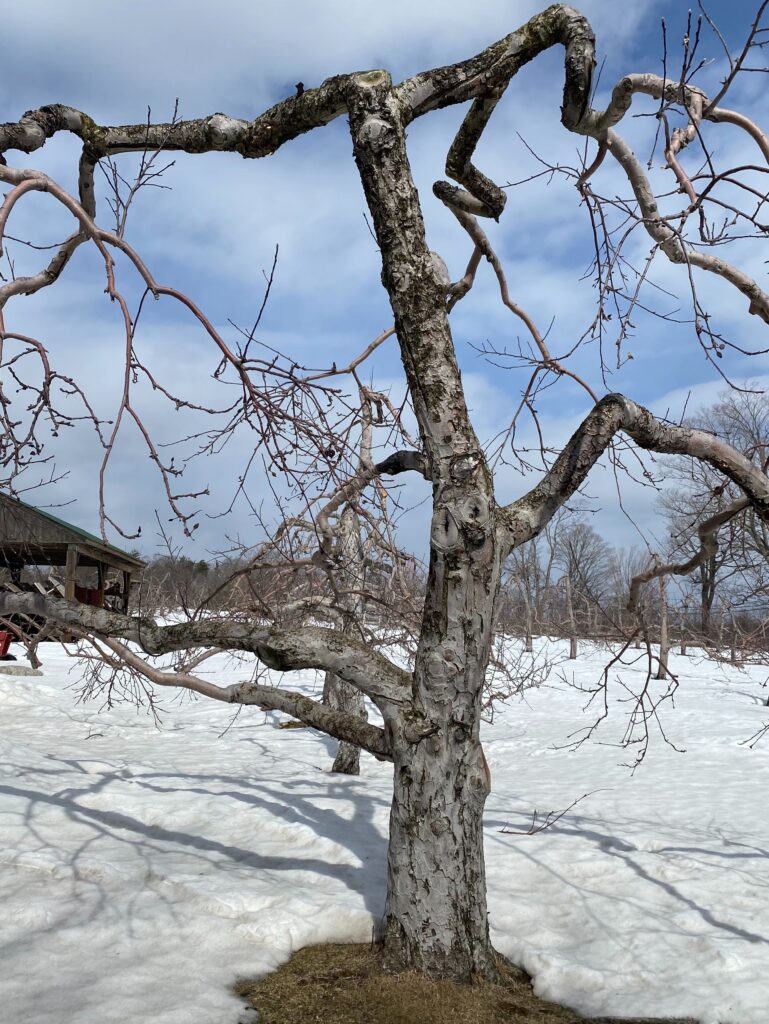
Situated at a 1250ft elevation, Red Apple Farm owns the highest elevation orchard in all of New England. The farm is also home to the oldest commercially planted McIntosh apple tree. Similar to my site in Centennial Woods, the arrival of spring means budding and flowering season for many trees. Cortland apples begin to bud and bloom at the beginning of April while McIntoshes need until about mid-May to fully flower.

Posted in Uncategorized | Leave a comment

Winter Tree ID – iNaturalist

On Thursday morning, I revisited the woods to search for one species from the list:

  • Red maple (Acer rubrum)
    • Northern red oak (Quercus rubra)
      • Paper birch (Betula papyrifera)
        • American beech (Fagus grandifolia)

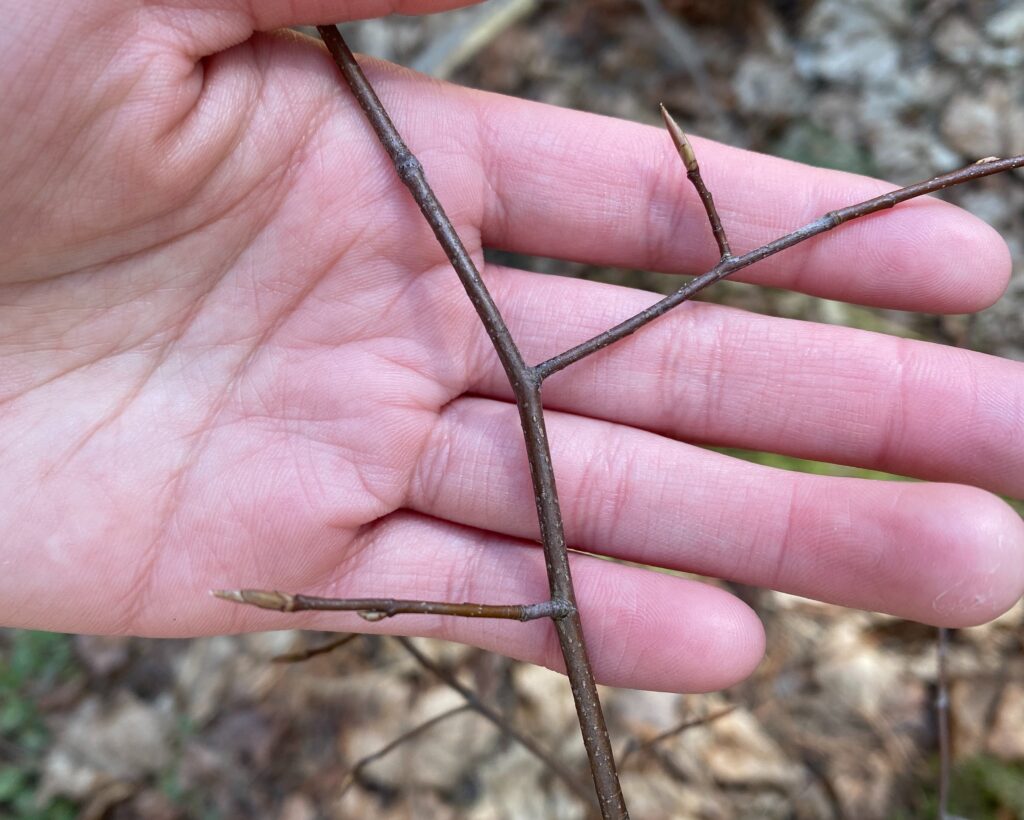
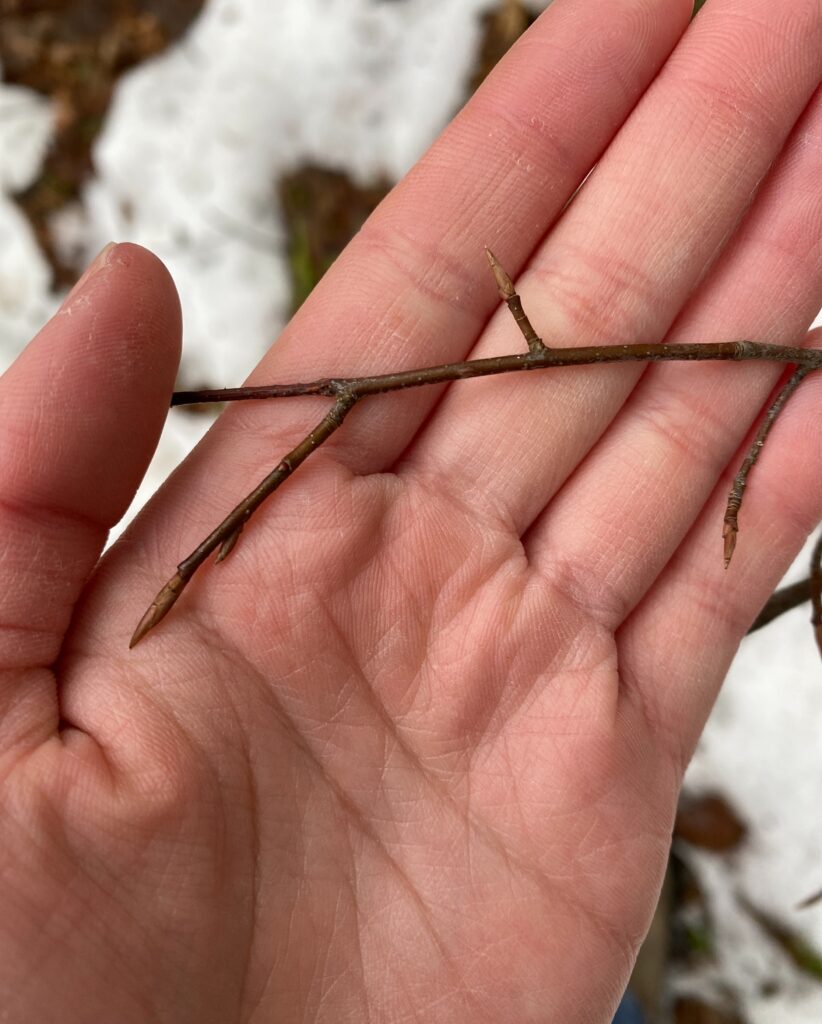
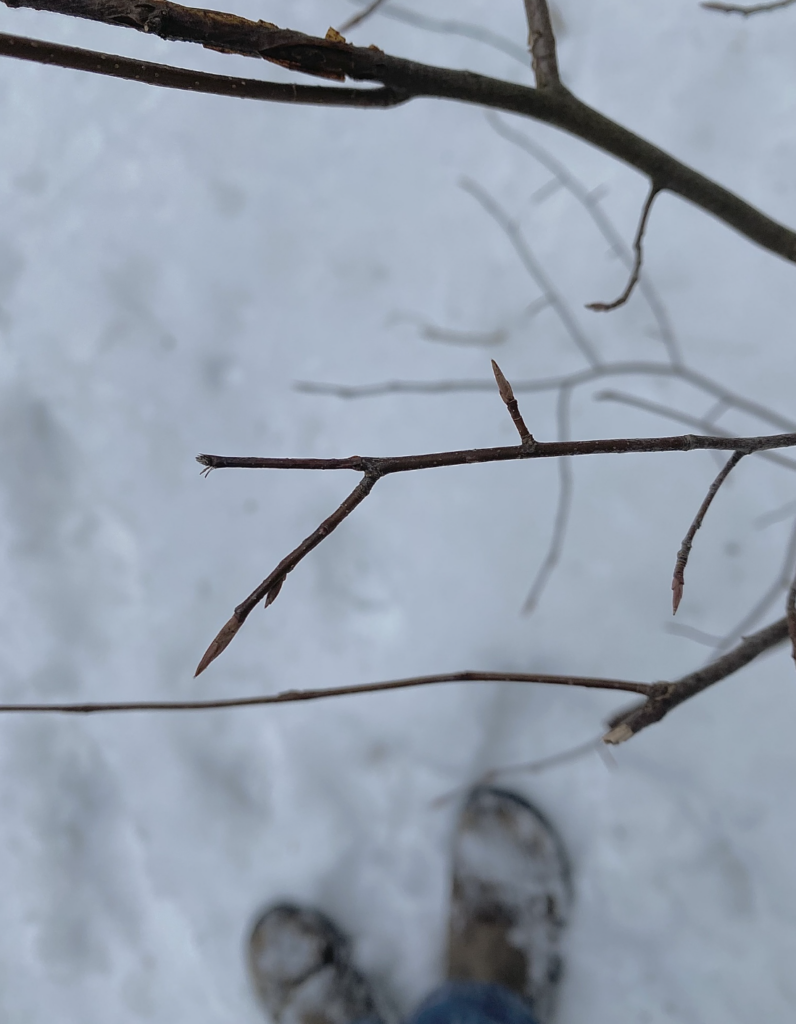
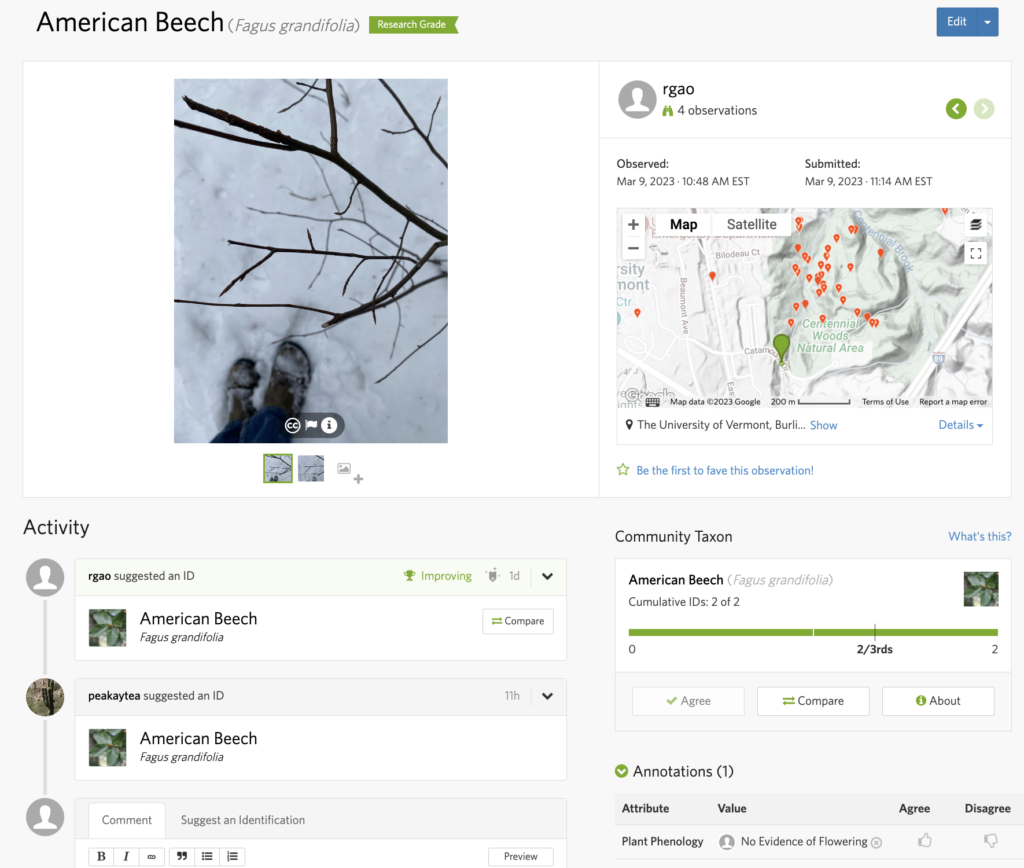
With the high volume of Norway and Sugar maples and conifers in my stand, I found it slightly challenging to find a smaller tree from our list to ID. With the exception of a dead Paper birch, I was not having much luck around my spot. Thus, I decided to look along the trail leading to my area in the woods. Scouting along the entrance to the woods, right by the edge of a small creek, I recognized the tell-tale signs of a beech bud. With its alternate branching and long, narrow, and pointed lateral buds, it was surely a young beech tree. Though often confused with a young maple, the prominent alternate branching disproved any possibilities, as maples are trees with opposite branching.

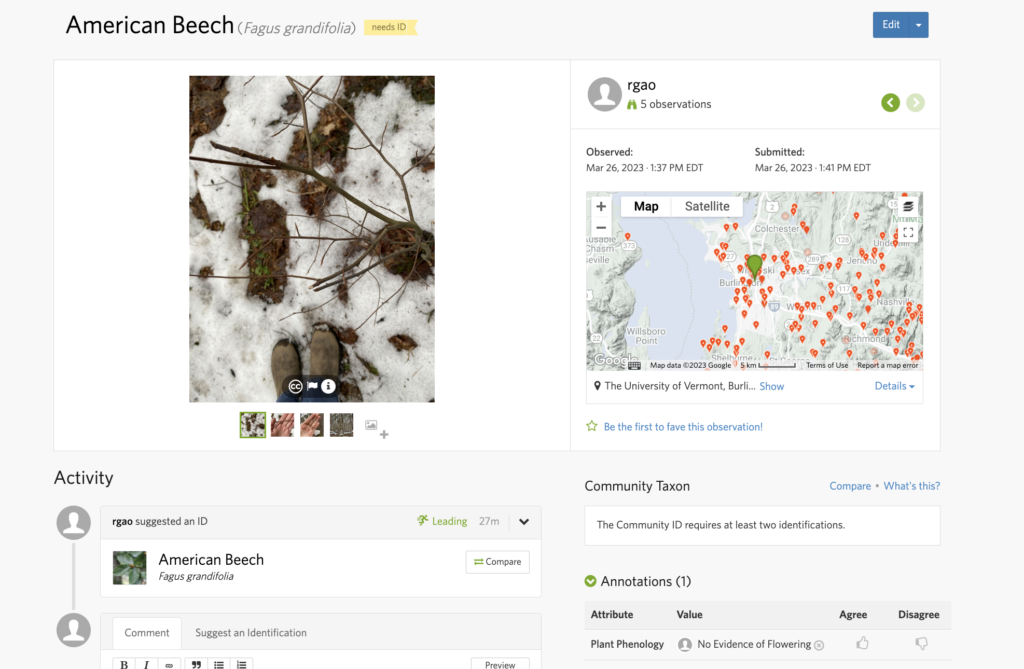
Using iNaturalist, I classified the phenological stage of this tree to be “no evidence of flowering” as the bud scales were still tight and there was no visible green tissue. In early spring, new beech leaves will emerge from these buds as feathery tassels.

iNaturalist Post
Posted in Uncategorized | Leave a comment

Winter Wildlife Signs

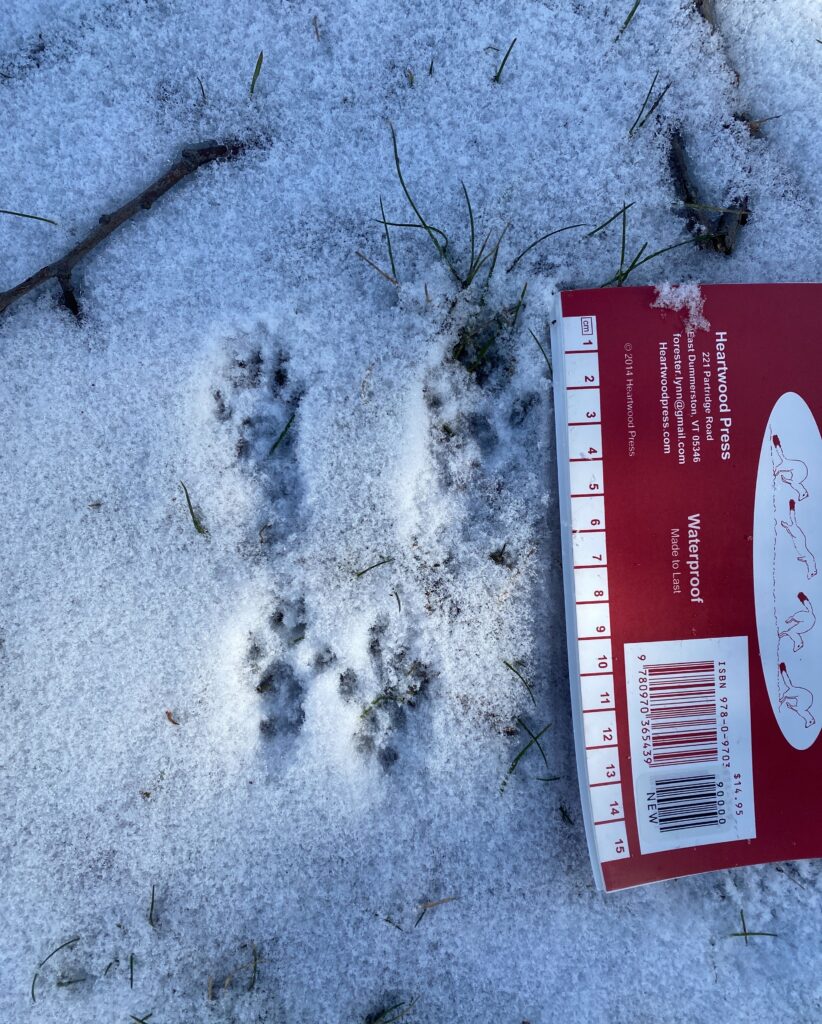
With a fresh blanket of snow on the ground, the morning of February 18th proved to be a good day to search for tracks and signs of wildlife in the city. Before even leaving campus, I saw signs of animal activity with what looked to be domestic canine tracks and squirrel prints. This would make sense as dogs are walked around campus in the mornings and because the paw print shows a slight inward turning of the claws as well as a larger space between the toe pads and the metatarsal pads. The tracks also showed a sporadic walking or bounding pattern. The smaller tracks in the photo above showed a sloppy hopping pattern of four paws. You can also see that the print of the paws in the front is larger and has five toes while the ones in the back have only four indicating the front legs are the hind legs.

tracks of possibly a gray squirrel on Main St. 02/18/23

We initially considered this to be a red squirrel but since the hind foot seems to be about 5cm in length and 3.5cm in width, it would be more likely a gray squirrel. This also makes sense as gray squirrels are usually found in deciduous forests matching the types of trees found nearby. Recording these tracks on iNaturalist, we saw that Eastern Gray Squirrels were one of the most common species found by peers. The app was fairly easy to use and a good way to see how different creatures fit in the grand scheme of the natural community of Burlington.

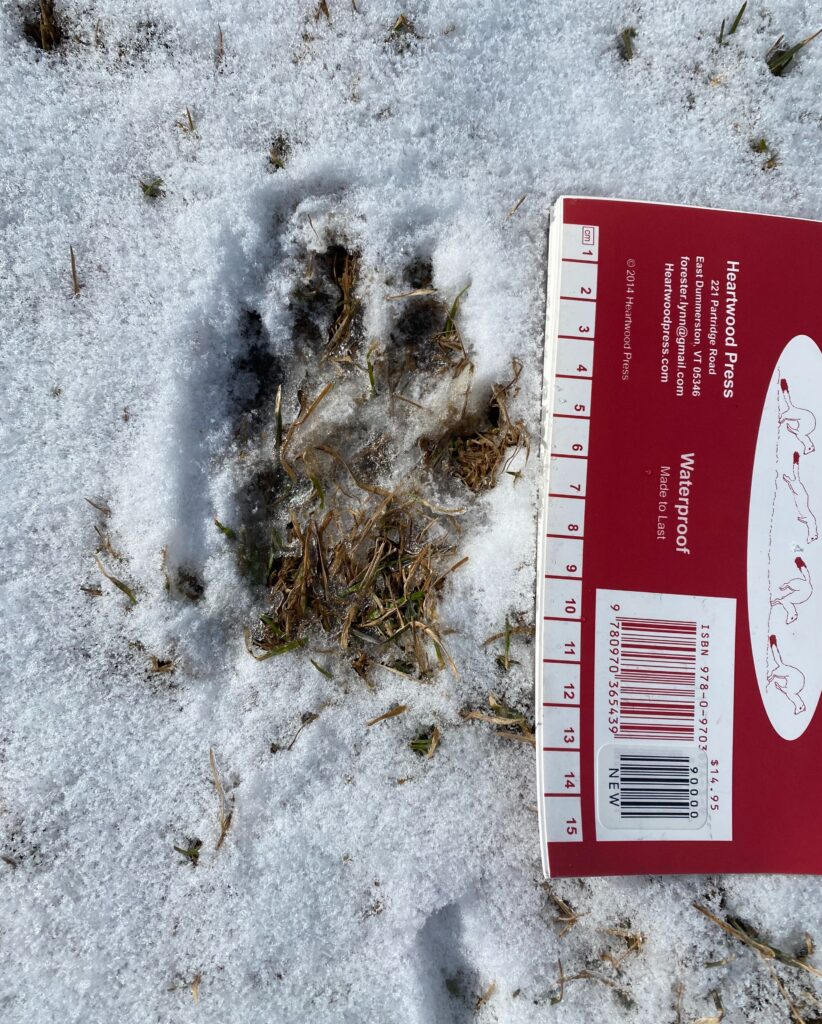
While continuing down Main street, we ended up exploring the open field behind the playground of Edmunds Elementary School to see if there were any creatures that had walked through there. There, we found an unusual sight as what would seem like a domestic dog track was 11cm in length, matching the size of a gray wolf. After considering and analyzing the spacing of the toe pads and the state of the claws, we ruled that this must just be a really large dog. Although we had no luck finding more exciting critter tracks, the prints that we found proved to be of pretty high quality.

Posted in Uncategorized | Leave a comment

Winter in Centennial

01/22/23

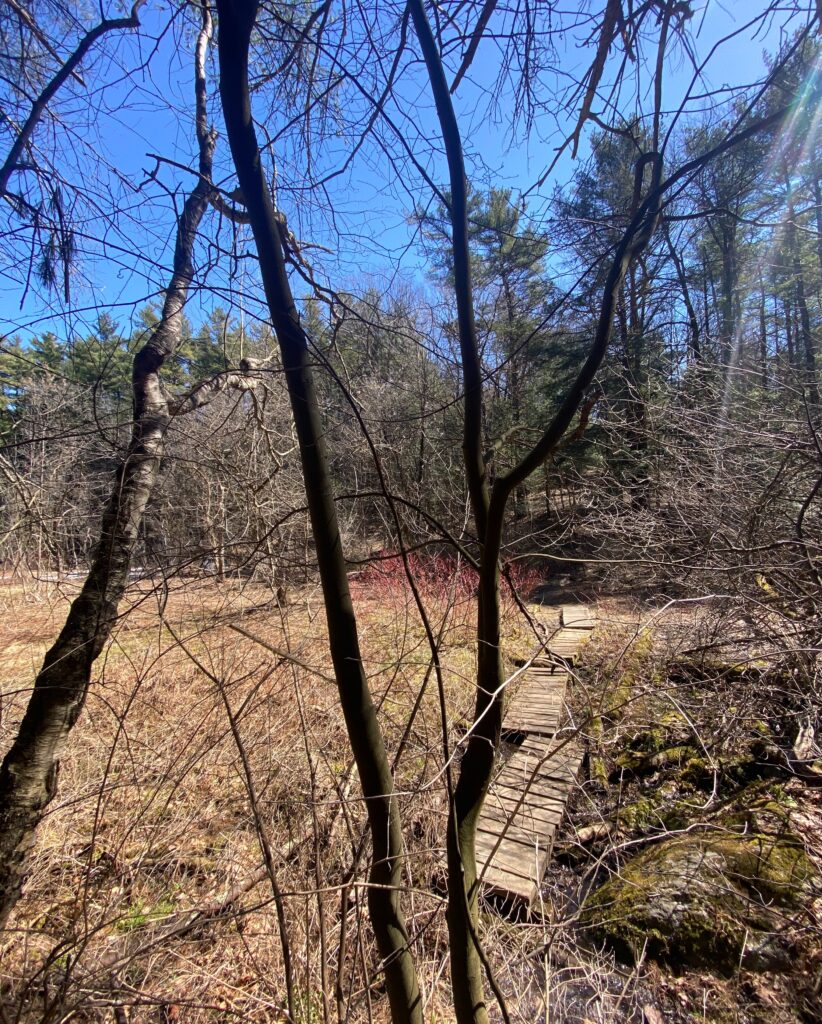
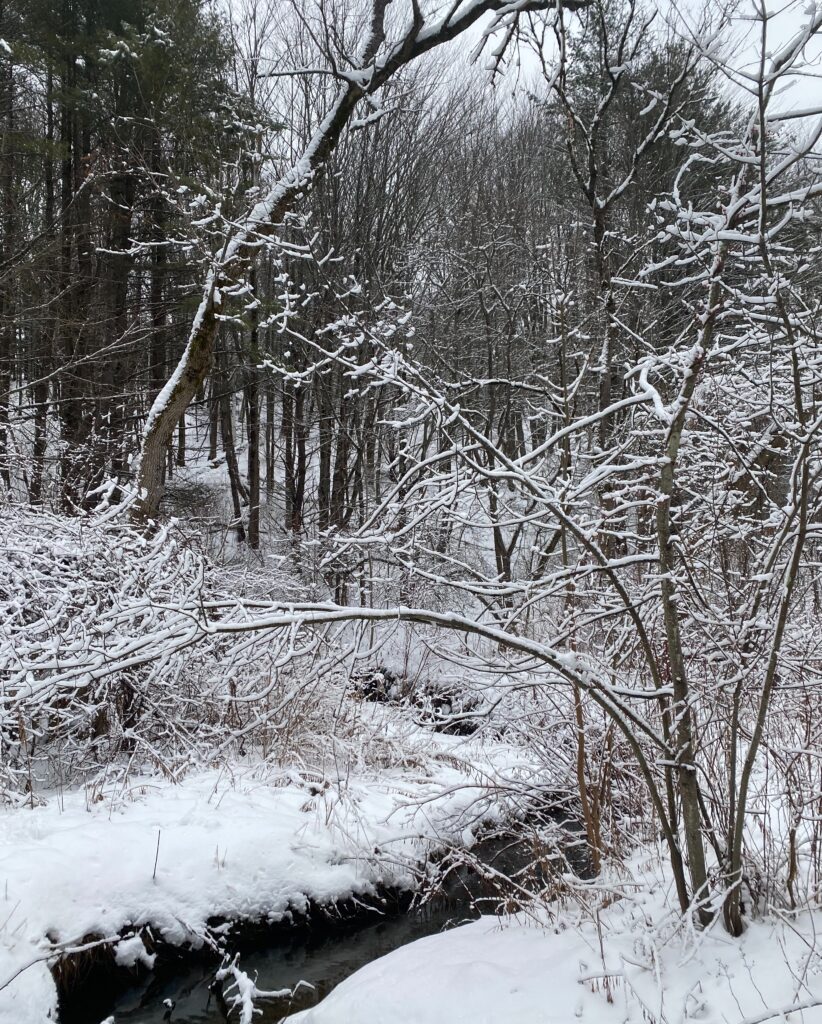
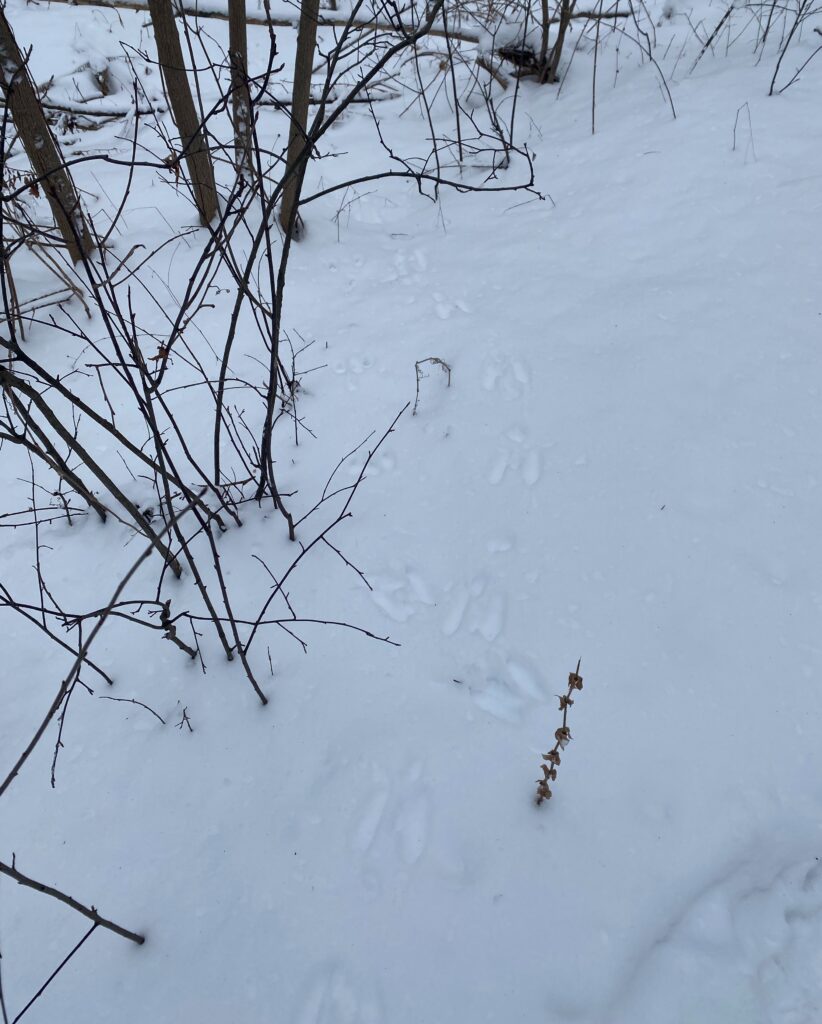
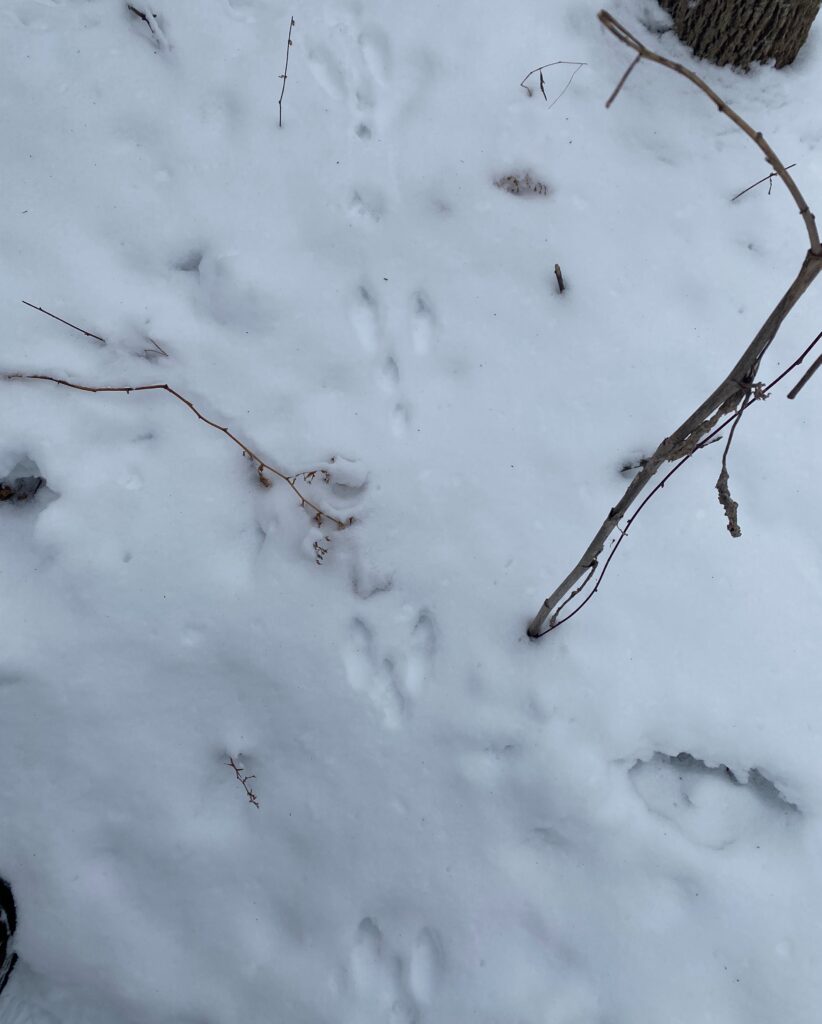
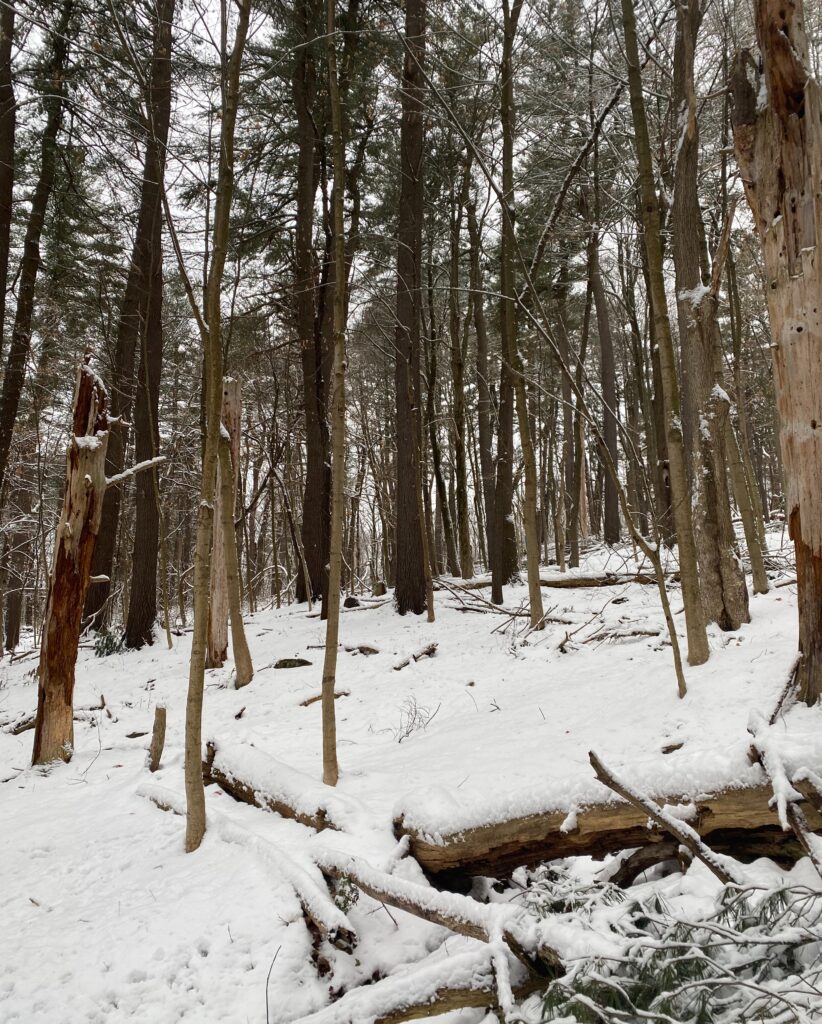
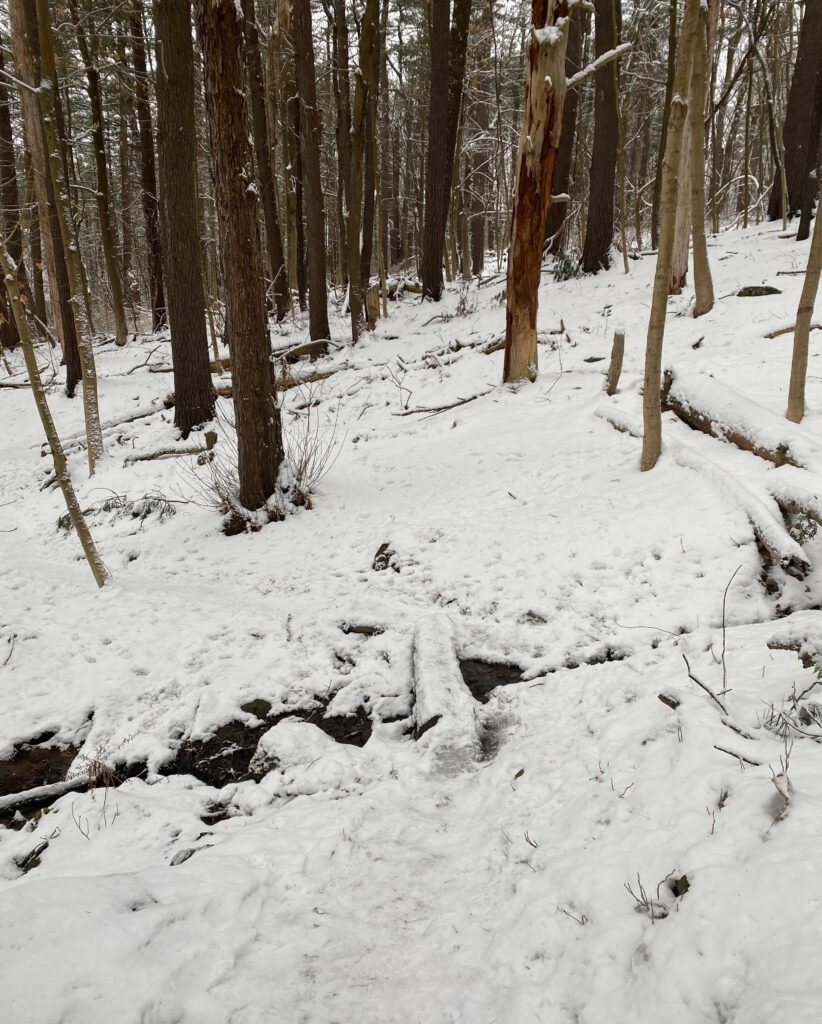
On Sunday, I revisited my spot in Centennial Woods for the first time since last November. Now fully in the midst of winter in Vermont, a thick blanket of snow covers the bridges and paths as well as the branches and barks of trees. Though many of the paths had iced over, the walk into the forest was very peaceful and serene. On my way in, I noticed some tracks here and there that could possibly be recognized as those of a rabbit or hare.

As I finally arrived at my spot in the woods, I noticed initially that there were a lot of footprints, pawprints of dogs, as well as snow melt divets all along the path. This made finding tracks around my area fairly difficult as I could not tell if track-like shapes were stepped over or from snowmelt. But as I re-examined my spot, I could see that the canopy was bare with the exception of the firs and pines that add a nice touch of green with their needles. And with a fresh layer of snow, it was difficult for me to see the forest floor, but I noticed the leaves of a few woodferns peeking out.

Posted in Uncategorized | Leave a comment

December 10th Update

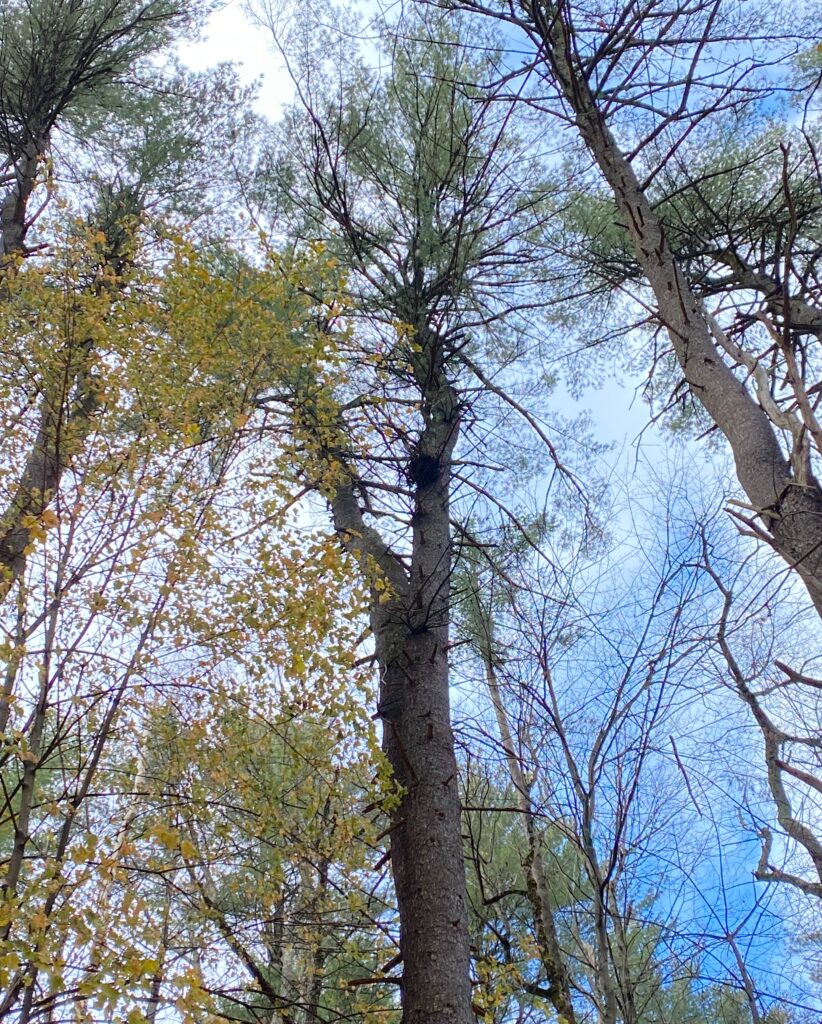
Since my last visit to my spot in Centennial Woods in November, I noticed that many things have changed. For starters, the days have gotten exponentially shorter and the weather much colder, with an occasional flutter of snow. Although this time of seasonal transition seems to come later and fluctuate more as the years pass (similarly to where I’m from), these signs point to the nearing of winter which largely reflects much of what I saw in the woods on Sunday, December 4th. During my time in the forest, I noticed that many of the hardwoods that had not lost their leaves last month were pretty much bare now, with the exception of Norway and Sugar Maples. I had also noticed that the only vegetation which still persists now were the intermediate wood ferns as well as some mosses and drying fungi. While analyzing the forest floor, I could see that the leaves which carpet the ground in a thin layer have begun to brown and naturally decompose back into organic matter. Having rained the days prior, much of the sloped path central to my spot had collected some water. Although I had not noticed any animal tracks, scat, or marks, the quiet air of the forest was occasionally filled with the calls of birds. Hearing these, I looked around to find a nest sitting snug up in the branches of an Eastern White Pine.

Throughout the last few months, the beauty of Centennial Woods has been an accessible natural area to escape into. The peacefulness and serenity that the walk through the streams and into the forest brings me is one I do not find when I am walking through campus. I really appreciate the diversity of the landscape as the exploration of these woods is full of surprises. The diversity of species and organisms has been exciting as well. Plus, when the weather was warmer, fish swam in the brook! Though this may be the last time I will visit my spot this year, I look forward to coming back soon!

Posted in Uncategorized | Leave a comment

11/28 Exploration of Phenology Update

phenology from home (Manlius, NY)
https://goo.gl/maps/zy5uRxo5HfnxQAA7A

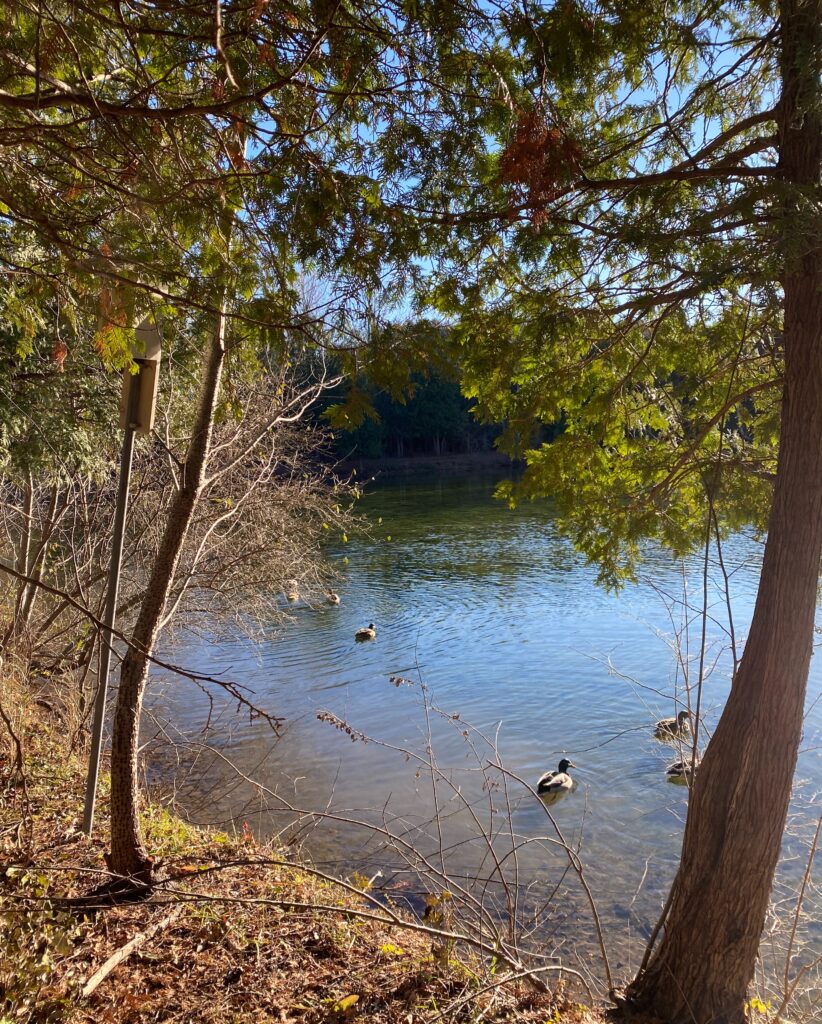
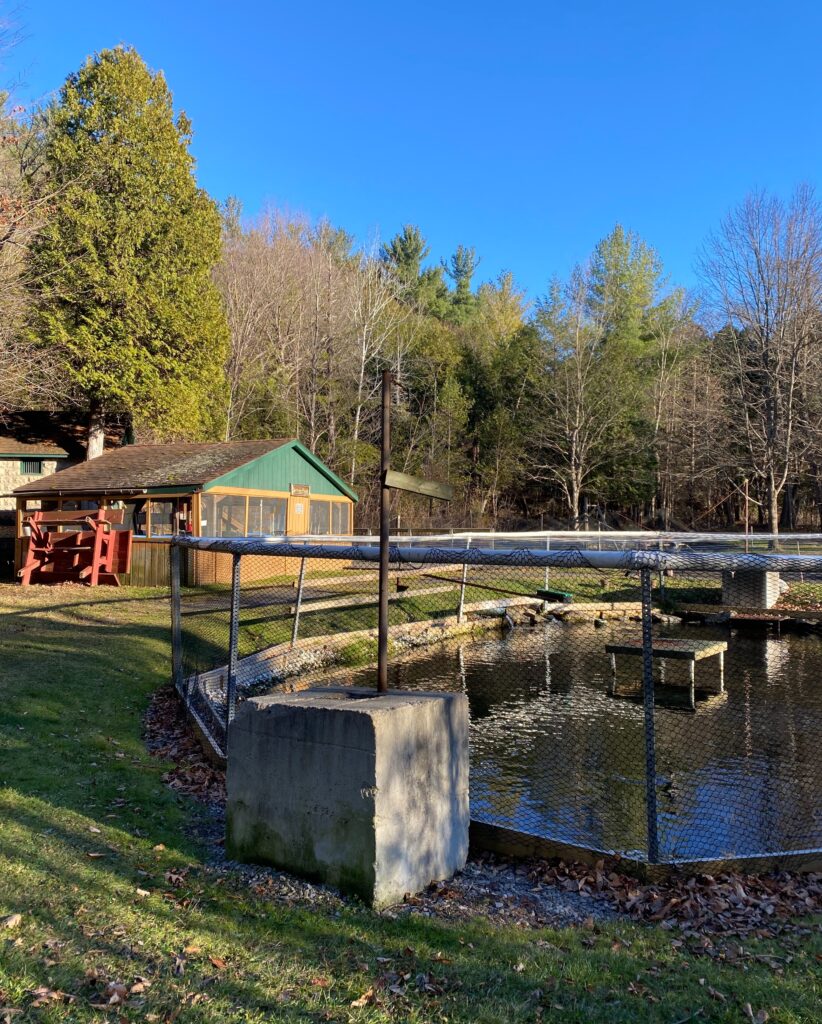
After being home for the week, I decided to revisit one of the hidden gems that my city had to offer. Located in the midst of a suburban village, the Perry Springs Park and Fish Hatchery was very simply the backyard of a Manlius neighborhood. Similar to the geographical circumstances of my phenology spot back in Burlington, this natural area is nestled right in the heart of an urbanized town center. The very first time it was introduced to me, I had been shocked that it was just down the street from my job (Cafe Kubal)!!
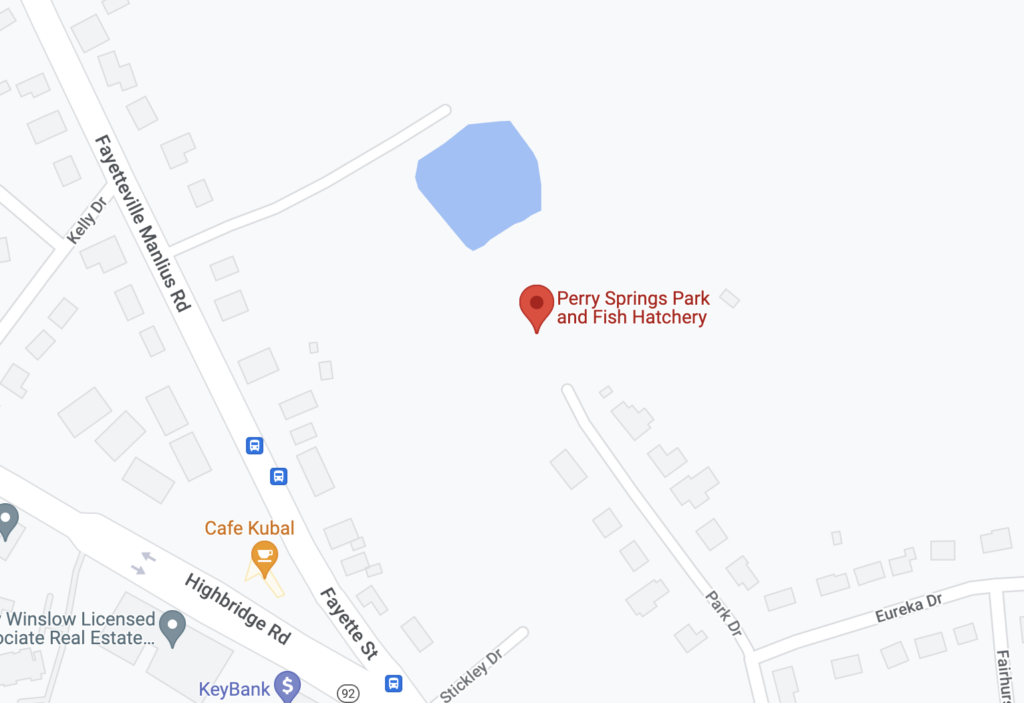
Perry Springs Park and Fish Hatchery is a collective natural area encompassing a pond, springs, forested trails, and a fish hatchery that is owned by the Village of Manlius (est. 1986). The water supply of this park originates from a spring on a hillside and has been tested to be pristine and pollution-free (ideal conditions to raise trout). Every fall, the Village purchases about 25,000 Rainbow trout eggs in order to provide the children and seniors of Manlius with a recreational fishing program.

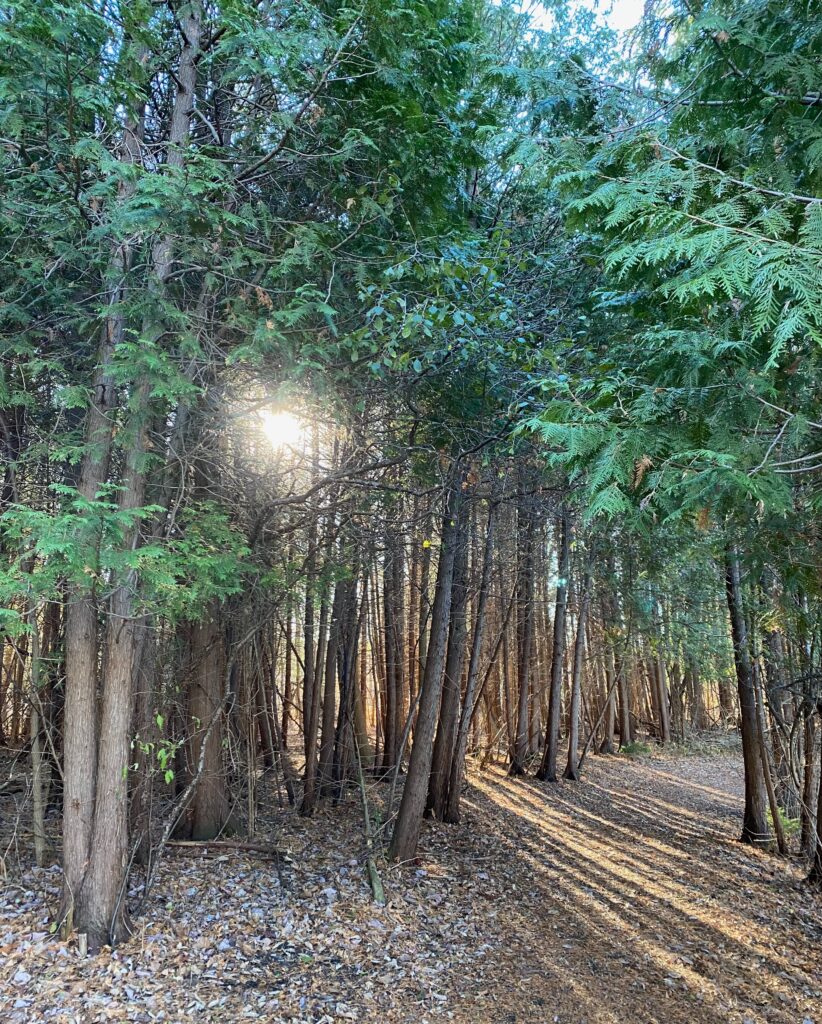
While walking around the pond and towards the hatchery, I noticed an abundance of Northern White Cedars as well as spruces and pines. This location is fairly secluded from the urban elements of the village which is beneficial to the health of this particular habitat. But, I definitely think that although the fish hatchery serves the purpose of preserving trout populations, the installation of the systems into the natural area brings a certain human disruption to the natural state of the area. But it is arguable that this system does not exert as strenuous of an impact on the state of the area as the highway and runoff do on Centennial Woods.

Hardwood/Conifer species:

  • N. White Cedar
  • Sugar Maples
  • American Beech
  • Eastern White Pine
  • Red Oak
  • Eastern Hemlock

Posted in Uncategorized | Leave a comment