
Jericho, Vermont; Mobb’s Farm Separate Phenological Analysis (November, 2020)
“Mobbs Farm is a 258-acre recreation area located in Jericho Center, Vermont. We have several miles of trails perfect for walking the dog, Mt. biking and trail running. Mobbs Farm is managed by the Mobbs Farm Committee of the Town of Jericho.”-Mobb’s Farm Facebook Post
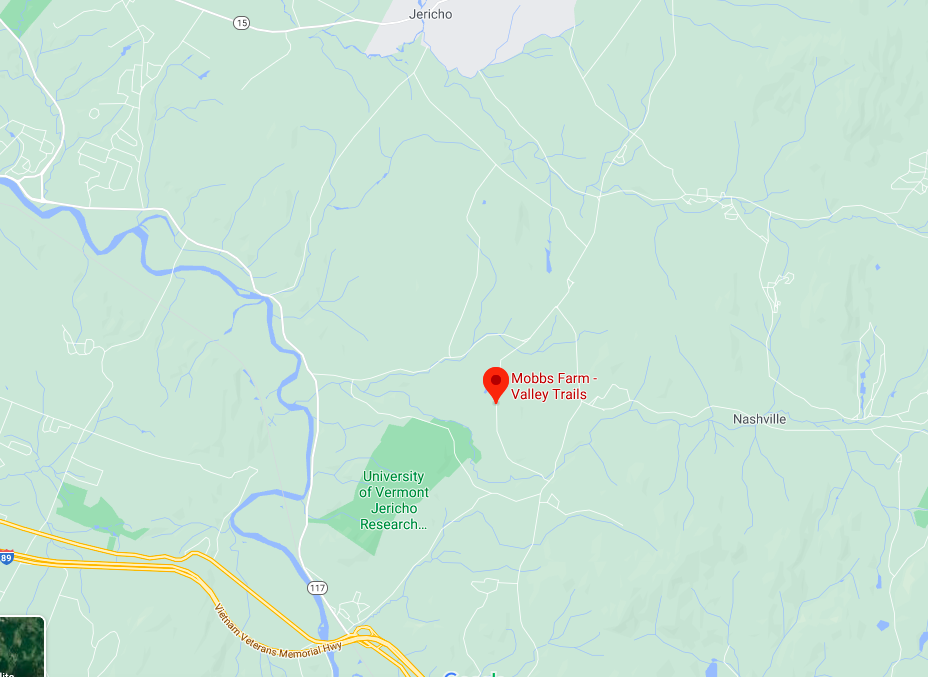
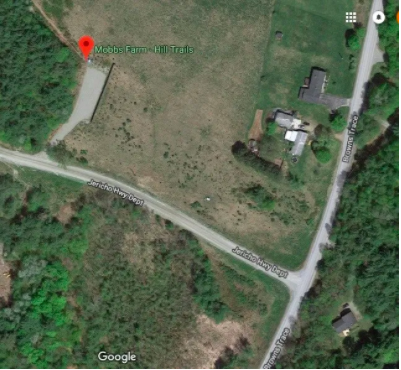
Mobb’s farm is very unique to the other ecological sites we’ve been studying in Burlington. I was excited to notice upon my arrival that the area was both very well kept, and the landscape was very easy to read/make out. Basically, the property was an extension of a farmhouse(which I’m assuming is the ‘Mobb’s farm’ although I didn’t have a chance to speak with anyone upon arrival), and half of that property was made up of tall and large hemlock, spruce, and hardwood forests. This part of the property was very intriguing to weave my way through on a hike, passing through various bunches of hemlock and pine communities. After emerging from the forest, I was greeted with an even more interesting surprise.

A diverse grassland, which appeared to have once been a vast expanse of farmland. Jericho, a town of only 5,000 people devotes over a fifth of its efforts to farming practices, both private and publicly funded. It’s very interesting to see how one of these farming projects in a small town has converted its energy to preserving and de-cultivating the land. This led to a diverse tall-grass meadowland to grow, with insects still thriving in it’s dense wildflowers towards mid-november!
It was also incredibly interesting to see a few trees scattered throughout the meadow, which had stretched their branches every direction possible. This reminded me of one of our earliest labs in NR 1, where we had a great discussion in Centennial Woods about how to read the trees to see how land has been cultivated in different ways over the years. Compared to Burlington, Mobb’s farm is not necessarily an urban wild, but a previously cultivated and developed space in a rural area turned back to its natural state. It’s essential as environmentalists to notice how changes in land development can cure many of the damages to natural ecosystems.
Recent Comments