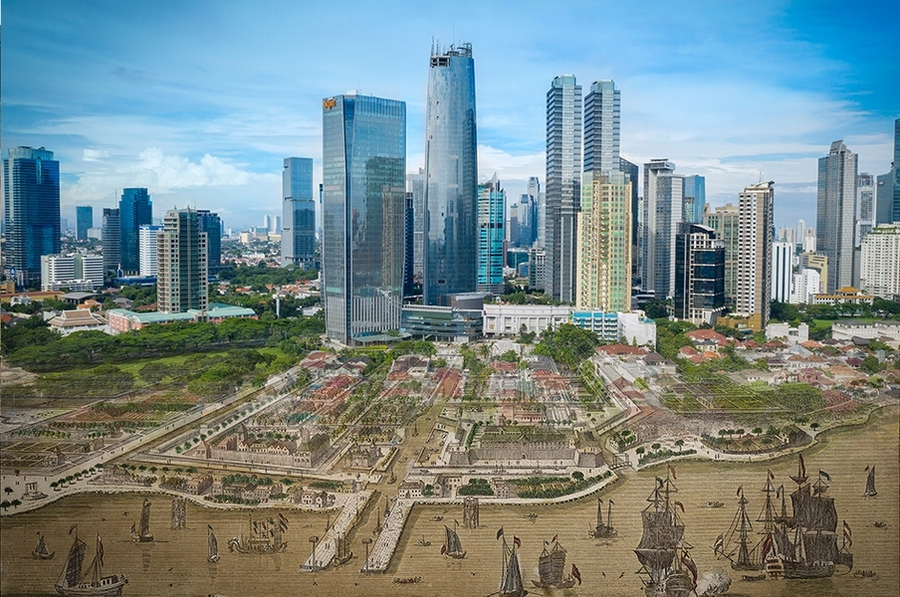
The Dutch started to colonize Indonesia in the 1600s and they ruled Indonesia from 1816 to 1941. The colonized Indonesia as they thought that the way of living there was backwards and primitive and that the European presence and impact of the Dutch would make Indonesia more civil and modern.
The material basis of the colony was exports of produce and labor from the farmers who lived there. This included exported produce such as rice, sugar, coffee, and indigo. One fifth of the land that a villager/farmer owned had to be set aside and set aside as tax for the Dutch ruling government. The primary laborers were the farmers and village people who lived in Indonesia before the Dutch colonized it.
The political and judicial system of Indonesia after the Dutch arrived changed. Taxes were enforced as part of the farmland had to be set side as a way of tax. If crop yield did not reach what was expected the farmers were had to pay the government the difference. The actual legal system was left pretty much how it was before the Dutch came over, that system being adat, a complicated and intricate system that had taken hundreds of years to develop. The Dutch did bring over their civil law tradition and code to be enacted in Indonesia.
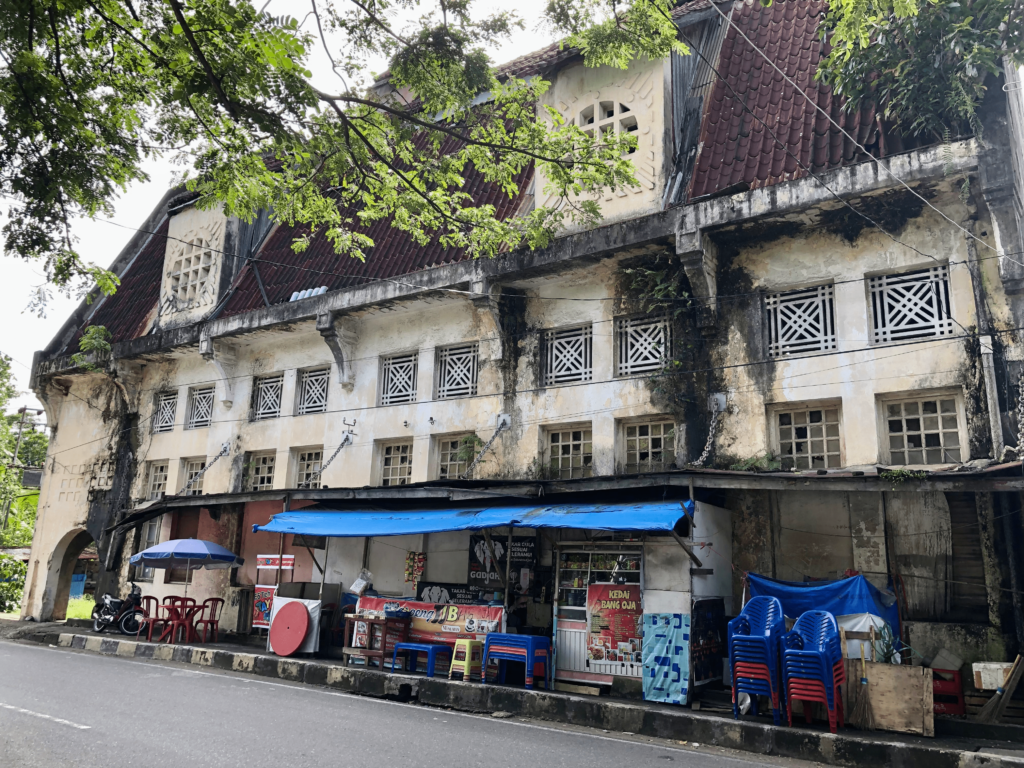
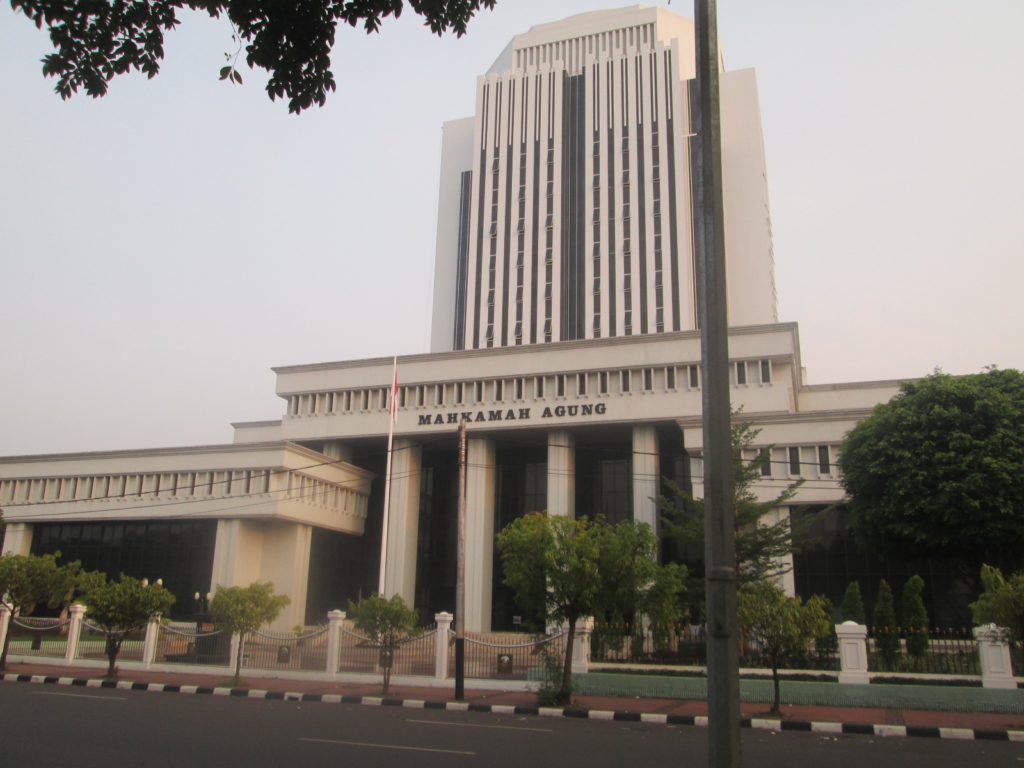
Remanence of Dutch colonization of Indonesia:

https://law.wm.edu/academics/intellectuallife/researchcenters/postconflictjustice/internships/internship-blogs/2022/whitsett-gray/iv.-colonial-scars.php#:~:text=Colonists%20populated%20Dutch%20districts%20of,Dutch%20civilian%20and%20commercial%20use.