Posts

Dole in Costa Rica

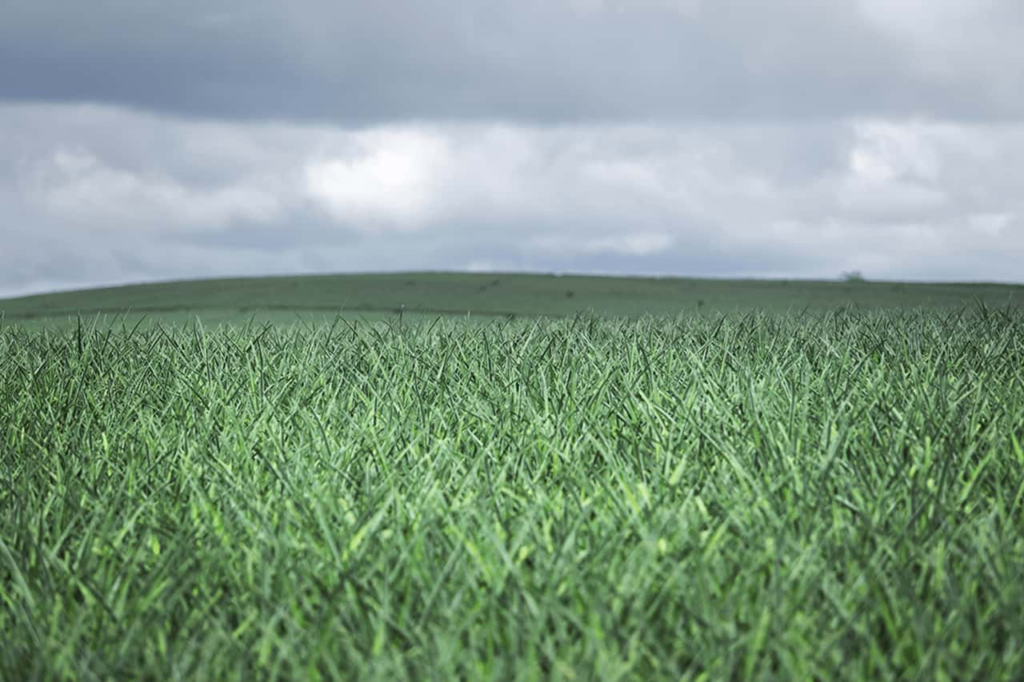
Dole is a multinational corporation that has multiple plantations in Costa Rica but the El Muelle farm is the largest of them. Dole is headquartered in Ireland and is one of the largest producers of fruits and vegetables world wide. They have 38,500 workers and operate in 75 different countries and have 300 products. In Costa Rica El Muelle is a large plantation that is 2375 acres and is a planation for bananas. It is located in San Carlos and employs over 512 people (Dole, 2023).
https://www.dole.com/en/farms/19015-el-muelle

Impacts of Manufacturing

Although Dole does employ a few hundred workers there are many negative impacts that came from the plantation and manufacturing in Costa Rica. Some of these include poor working conditions, deforesting to make the plantation, and miss-use of agrochemicals on the plantations (Costa Rica, 2024). However Dole has had some positive impact surrounding education as they won an award in 2023 for financial education of farm employees (Goldfield, 2023).

Discussion:

I believe that Dole and many other TNCs represent neo-colonialism. This is because to have manufacturing and plantations they bring in their own people to run the companies on the ground and employ local workers. However to some extent they also negatively impact the environment and have problems with ethics with their workers. Land is bought to be turned into plantations or manufacturing plants, and although jobs are created most of the money goes to the company that is headquartered outside of the country. If a local corporation owned the business more local people would be employed and the country could increase its economy more.

Citations:

Costa Rica: Allegations against Dole continue at its pineapple plantations; workers denounce salary and health abuses (no date) Business & Human Rights Resource Centre. Available at: https://www.business-humanrights.org/en/latest-news/costa-rica-allegations-against-dole-continue-at-its-pineapple-plantations-workers-denounce-salary-and-health-abuses/ (Accessed: 02 February 2024).

Goldfield, W. (2023) Dole receives Grand winner award for efforts that support its workforce and well-being in Costa Rica, Business Wire. Available at: https://www.businesswire.com/news/home/20231204848231/en/Dole-Receives-Grand-Winner-Award-for-Efforts-that-Support-its-Workforce-and-Well-being-in-Costa-Rica (Accessed: 02 February 2024).


Colonialism of Indonesia by the Netherlands

The Dutch started to colonize Indonesia in the 1600s and they ruled Indonesia from 1816 to 1941. The colonized Indonesia as they thought that the way of living there was backwards and primitive and that the European presence and impact of the Dutch would make Indonesia more civil and modern.

The material basis of the colony was exports of produce and labor from the farmers who lived there. This included exported produce such as rice, sugar, coffee, and indigo. One fifth of the land that a villager/farmer owned had to be set aside and set aside as tax for the Dutch ruling government. The primary laborers were the farmers and village people who lived in Indonesia before the Dutch colonized it.

The political and judicial system of Indonesia after the Dutch arrived changed. Taxes were enforced as part of the farmland had to be set side as a way of tax. If crop yield did not reach what was expected the farmers were had to pay the government the difference. The actual legal system was left pretty much how it was before the Dutch came over, that system being adat, a complicated and intricate system that had taken hundreds of years to develop. The Dutch did bring over their civil law tradition and code to be enacted in Indonesia.

Remanence of Dutch colonization of Indonesia:

The dutch judicial system is now primarily used in Indonesia https://en.wikipedia.org/wiki/Judiciary_of_Indonesia#/media/File:Gedung_Mahkamah_Agung_RI.JPG
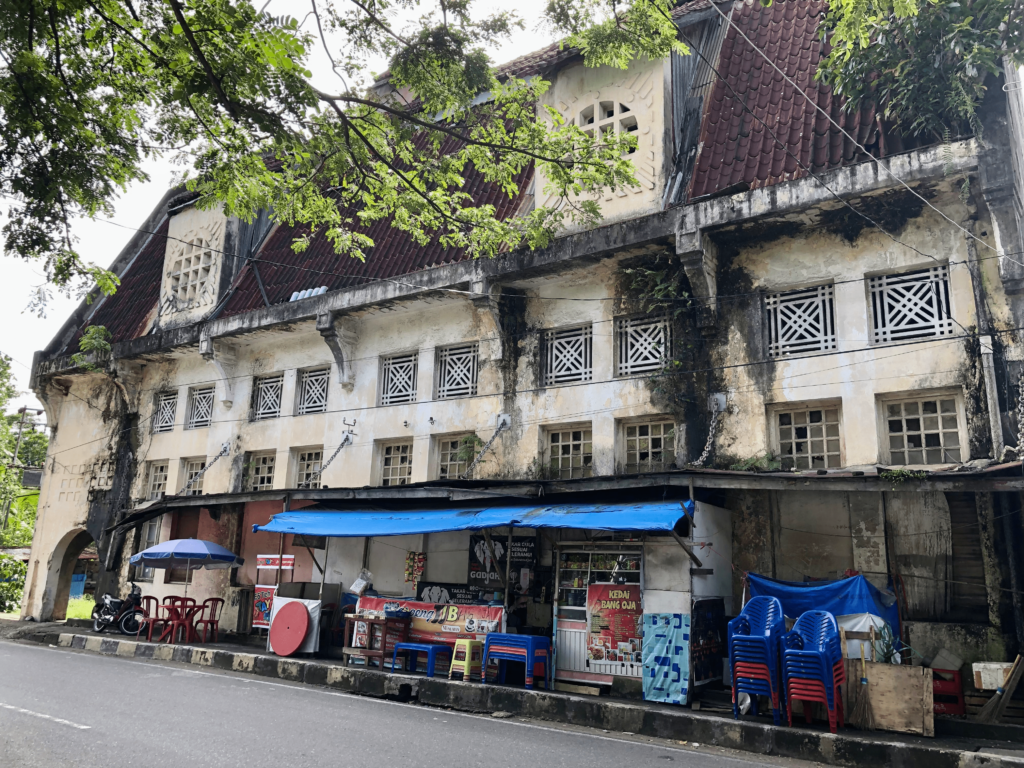
Dutch architecture
https://law.wm.edu/academics/intellectuallife/researchcenters/postconflictjustice/internships/internship-blogs/2022/whitsett-gray/iv.-colonial-scars.php#:~:text=Colonists%20populated%20Dutch%20districts%20of,Dutch%20civilian%20and%20commercial%20use.
Old dutch buildings now used as a market https://law.wm.edu/academics/intellectuallife/researchcenters/postconflictjustice/internships/internship-blogs/2022/whitsett-gray/iv.-colonial-scars.php#:~:text=Colonists%20populated%20Dutch%20districts%20of,Dutch%20civilian%20and%20commercial%20use.
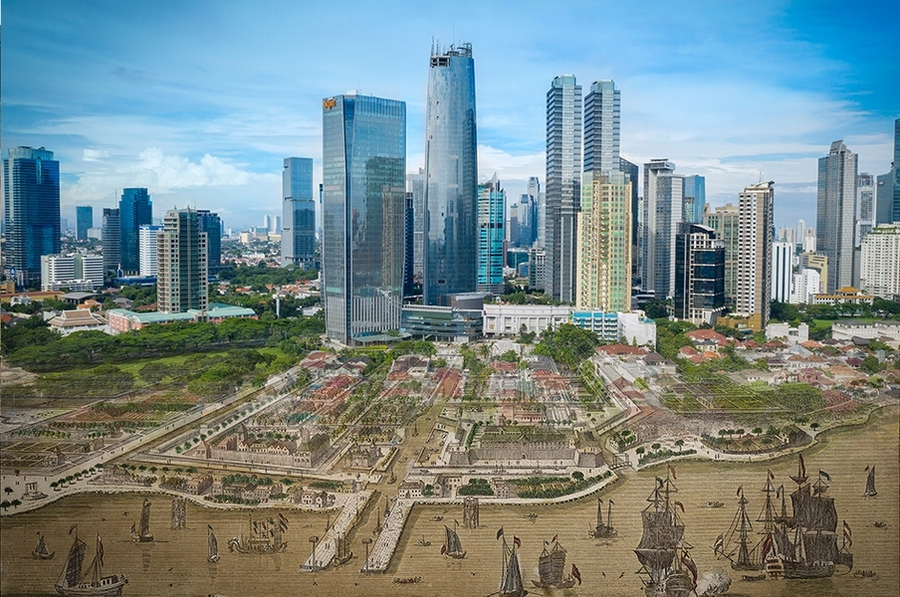
Former dutch colonies remain large cities today: https://news.mit.edu/2020/sugar-factories-colonial-indonesia-olken-dell-0206
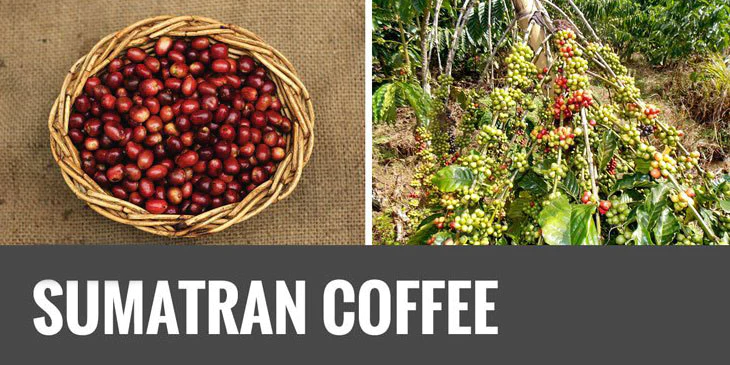
Indonesia remains a large exporter of coffee https://weaverscoffee.com/blogs/blog/what-is-sumatran-coffee

Products of the Osa Peninsula

Bananas:

https://costaricatravellife.com/osa-peninsula-costa-rica/

Bananas in the Osa Peninsula come in multiple varieties including sweet yellow and green ones for cooking. Bananas are typically grown in plantations and need fertile soil with a moist but well drained soil to thrive, the bananas themselves usually grow in clumps of 8-12. The Bananas are harvested unripe before being ripened with ethylene gas and sold to local stores as well as exported out of the country through companies such as Del Monte. Costa Rica exports millions of pounds of bananas every year this way, many of which make their way to the US and are found in grocery stores here.

Cosmetics:

https://www.osatourism.com/osa-natural-products

There are multiple brands that make and sell cosmetics out of the Osa Peninsula such as Osa Natural. Some products made are shampoo and conditioner, soap, creams, moisturizers, and many more. The ingredients of these products includes produce from the Osa such as coconut, cacao, lemon grass, Vanilla, and more. Products like this are sold online and in farmers markets but mostly is sold and used in many of the Spas on the Osa.

Chocolate

https://surcostours.com/wp-content/uploads/2016/04/img-local-experience.jpg

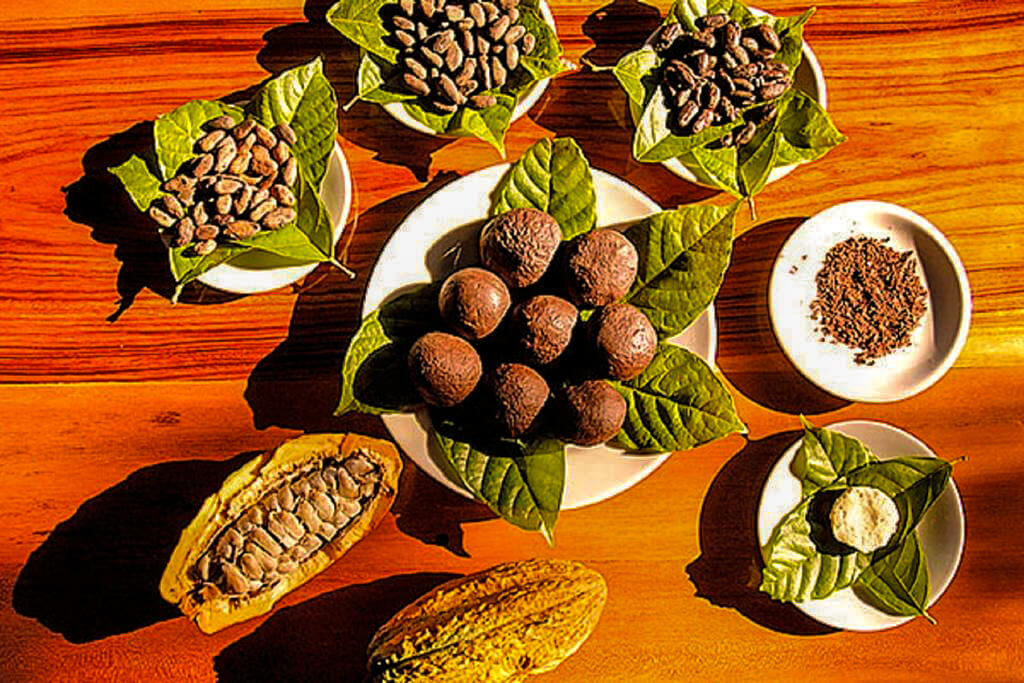
Chocolate is made in various locations on the Osa Peninsula. The harvesting and making of chocolate is not as simple as just eating it. The cacao has to be harvested and then fermented and dried which takes time and effort but helps to improve the quality of the chocolate. The cacao plant also has many threats such as disease, draught, and pests that all have to be monitored so that the beans and plant can be healthy and ready to be made into chocolate. The chocolate after being dried and fermented is processed into chocolate and is sold in local stores in town as well as online and shipped all of the Costa Rica and the world.

Vanilla

https://tse2.mm.bing.net/th?id=OIP.VzeOi9BXWp8u_0g02FR87wHaD4&pid=Api

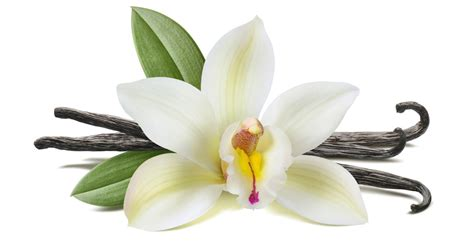
Vanilla is a woody vine that is in the Orchid family. The plant has white flowers and produces dark pods as its fruits that are what we know as vanilla. Vanilla plants take multiple months to reach maturity and form fruit after pollination. The pods are harvested after they reach maturity and a dark brown color, after being in the hot sun of the day the pods are wrapped in blankets at night to bring out their aroma. Much of this vanilla is processed into extract, this process involves curing the pods before adding them to a mixture of alcohol and water. Vanilla is very expensive and this is due to the fact that the plant can take up to three years before it first fruits, this along with many threats to the Vanilla plant leads to the increased price.

Palm Oil

https://www.science.org/content/article/courting-controversy-scientists-team-industry-tackle-one-world-s-most-destructive-crops

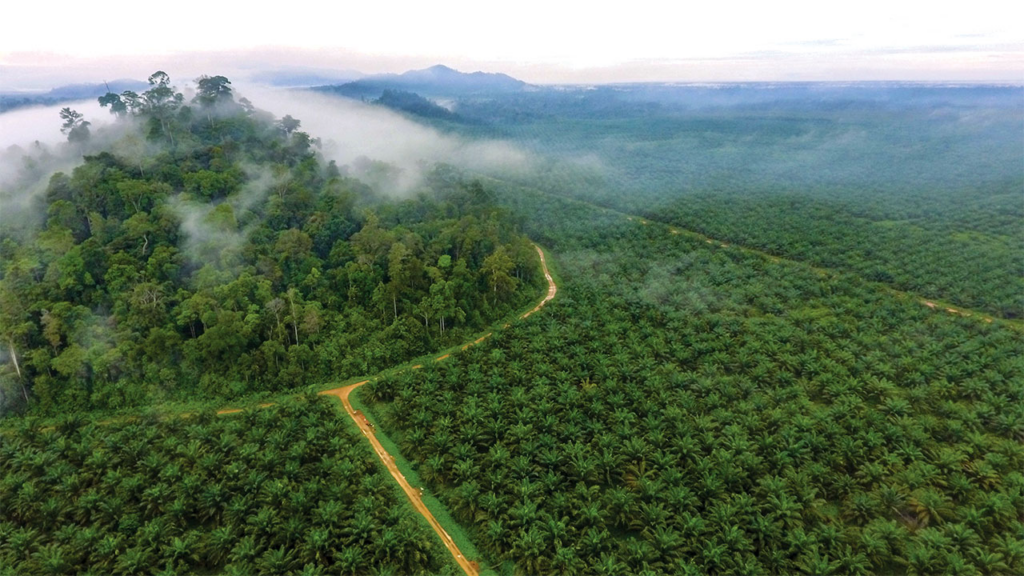
Palm oil is used in many different food products such as fast food, chocolate, cereal, toothpaste and many more products. It is sold to companies that use it in these products and most of it is exported out of Costa Rica to manufacturing plants. Palm is grown in large plantations as a mono-crop and is a leading cause of deforestation as large plots of jungle and forest are clear cut in order to create room for palm trees. This decreases biodiversity and takes up room that could be used as habitat or to grow food for the local or global community. Palms can grow in a diverse habitat but most plantation owners do not let this happen as it is harder to harvest. Palm plantations are highly productive but also highly damaging to the ecosystems and are increasingly putting native plants and animals under threat.

Skip to toolbar