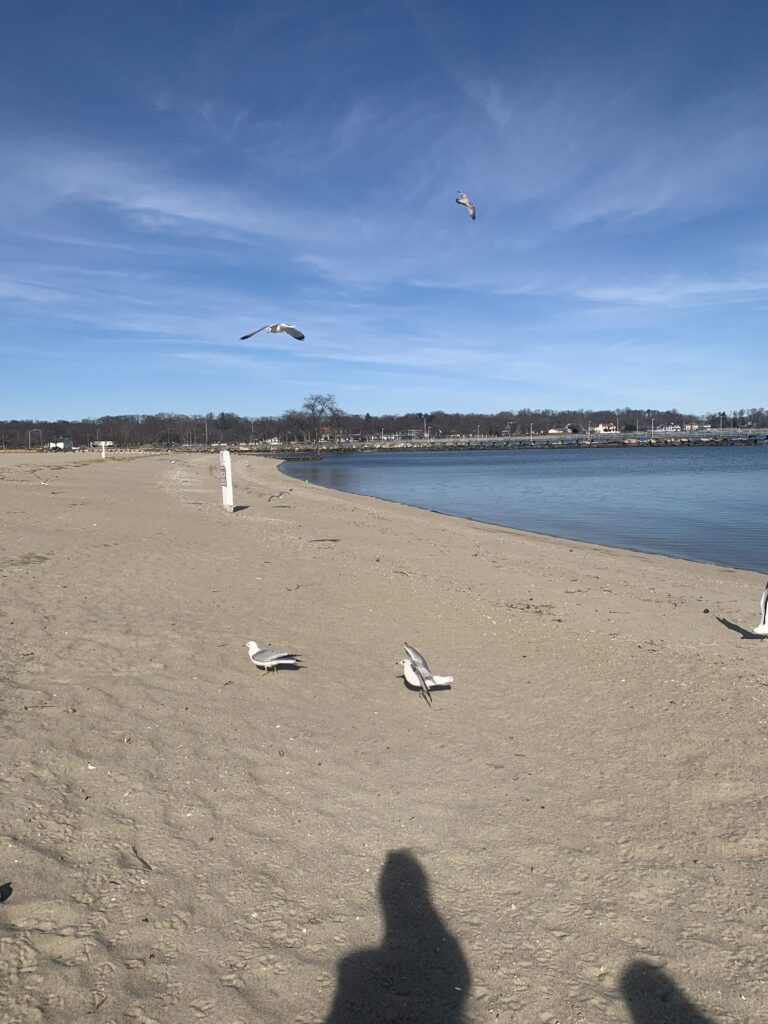
Over spring break I went to a new phenology place. In my hometown of Stamford Connecticut, I visited West Beach, a public beach situated on the Long Island Sound. Initially, this site is very different from my phenology site at school. Being a beach, the soils are sandier than what is found in Centennial, giving rise to difference in soil composition, erosion, etc. The stream in Centennial is freshwater, while the water at West beach is brackish (a mix of salt and freshwater). The lack of trees increase sunlight and exposure to wind, which was very prominent the day I was there.
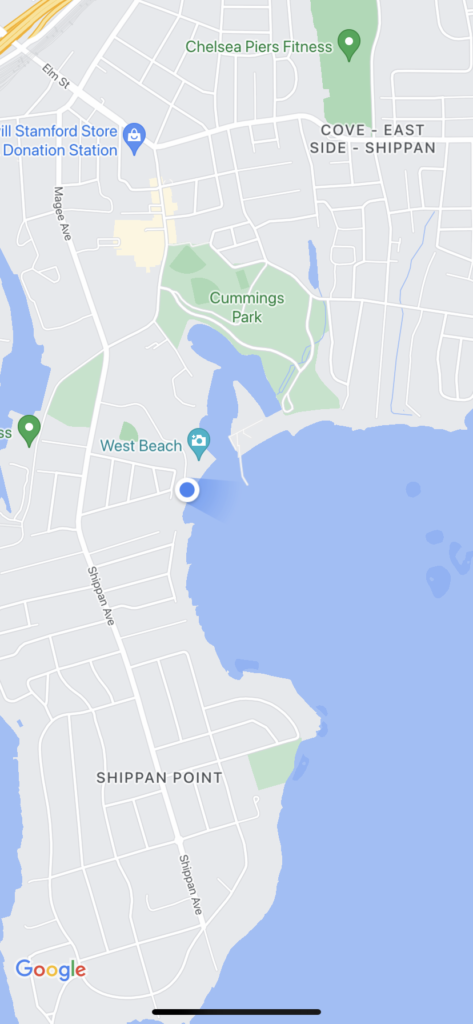
Natural History of West Beach: West beach is part of a neighborhood on the West Side of Stamford. It is a public beach for the City of Stamford (one of two) but requires the purchase of a permit. It offers recreational soccer fields, boating, and swimming in the summer. It is situated on the Long Island Sound, a brackish estuary. Because of the nature of the Long Island Sound, it provides a suitable habitat for many animals to raise their young, due to the concealed nature of the LIS. In the spring, you can find many horseshoe crabs breeding. The LIS used to offer lobsters, but have since fled to colder waters due to rising temperatures. Now, you are most likely to find comb jellies, hermit crabs, horseshoe crabs, mussels, and other small fish/crustaceans.
There was a large group of seagulls when I visited there, who were roosting in the sun on the sand. I have never encountered seagulls while in Centennial. Nearby, there was also a group of Canadian Geese. Vermont also has a large population of Canadian Geese
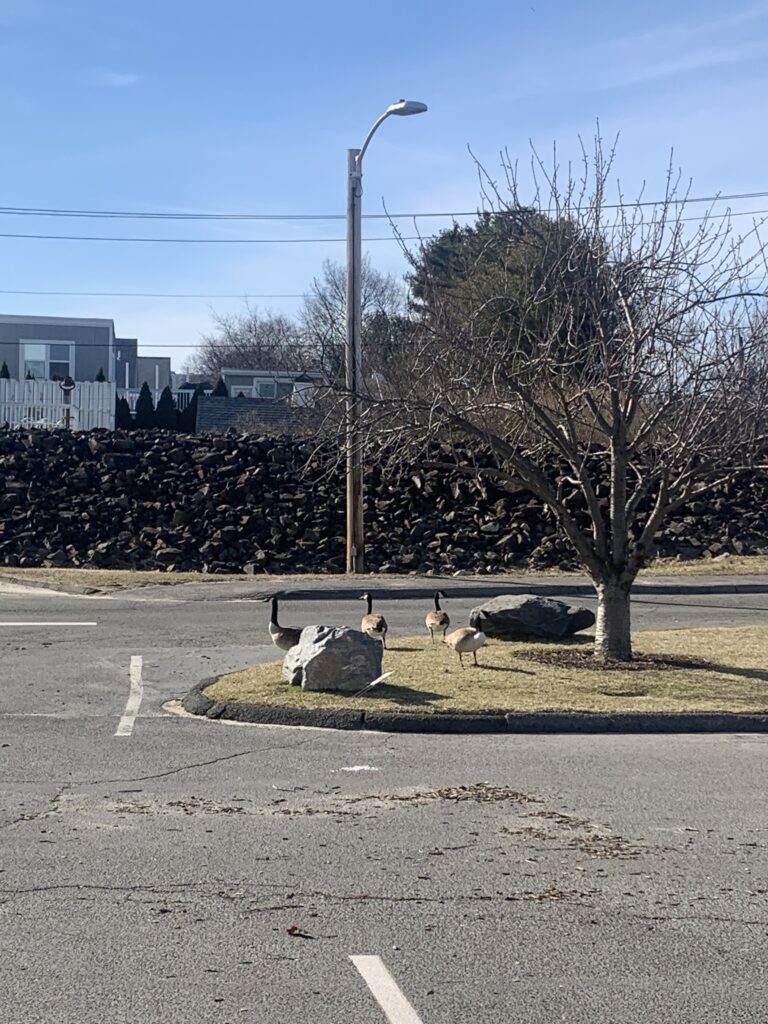
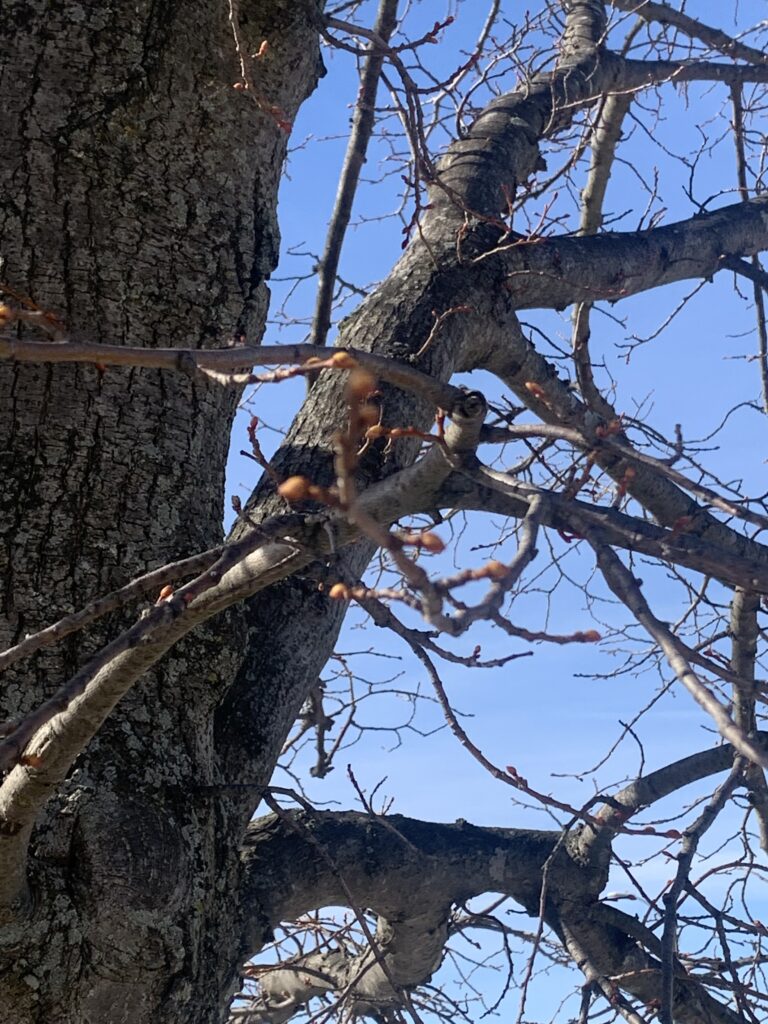
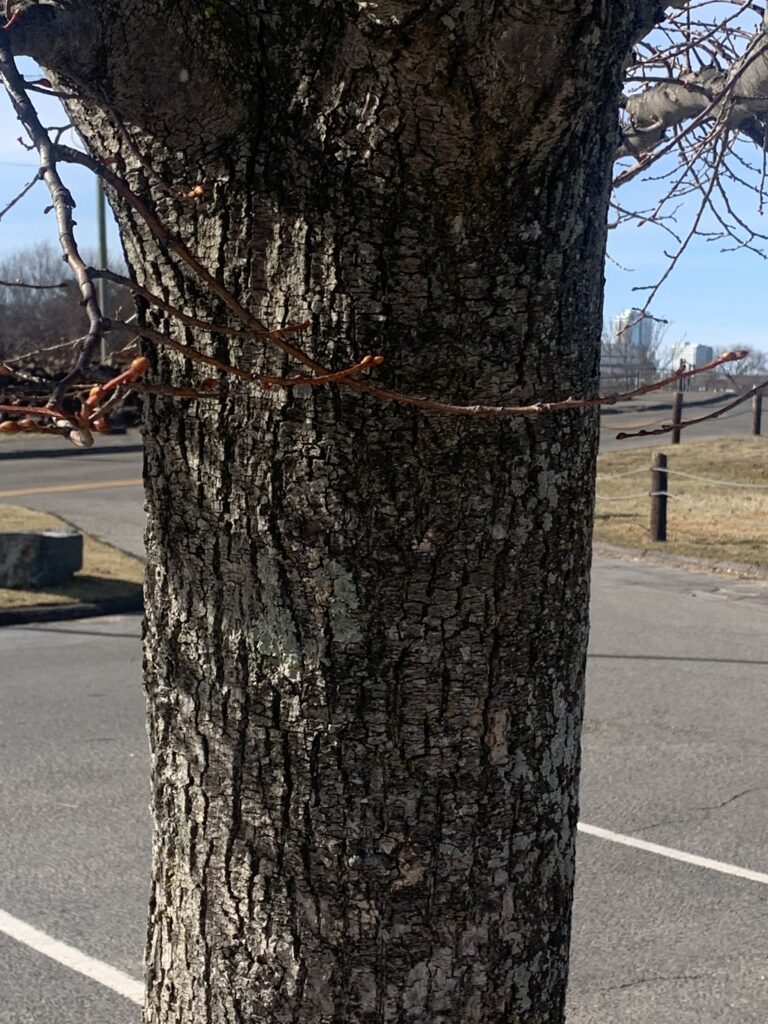
There was a very little vegetative life on the beach, other than some nearby trees planted in grassy areas. The beach itself only had some desiccated sand reeds. The recent warmer temperatures in Connecticut encouraged the budding of this tree, which I think it a red maple based on its vertical ridged bark and reddish tint of its twigs.