Posts

Featured

Introduction

Hi NR 1!

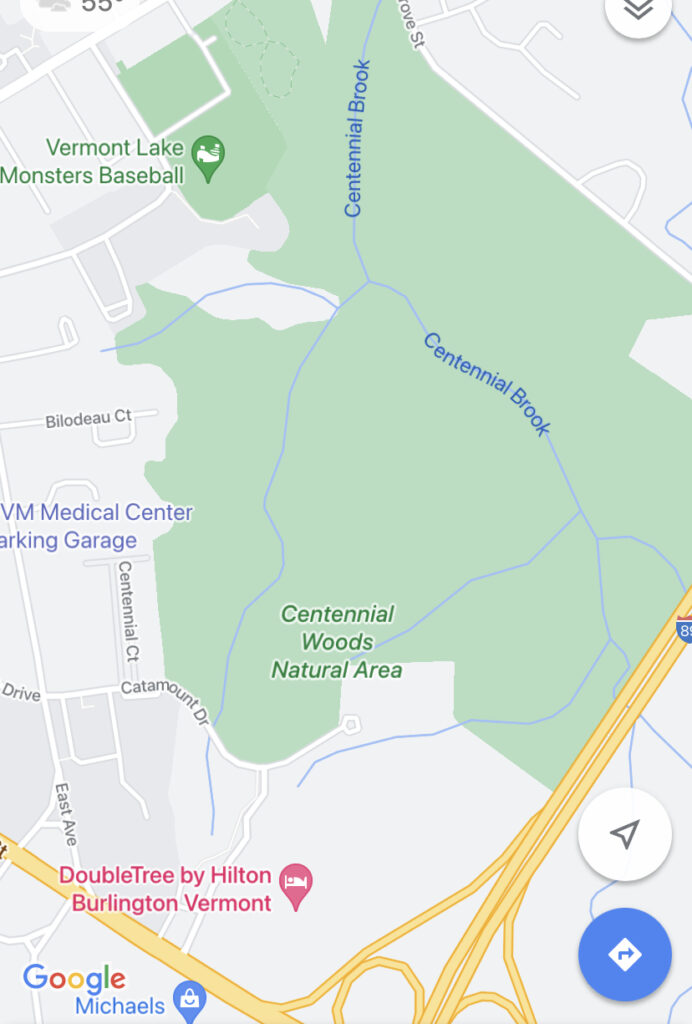
Welcome to my phenology assignment blog. I chose an area in Centennial woods, because of its proximity to campus and how frequently we interact with it through the Rubenstein School.

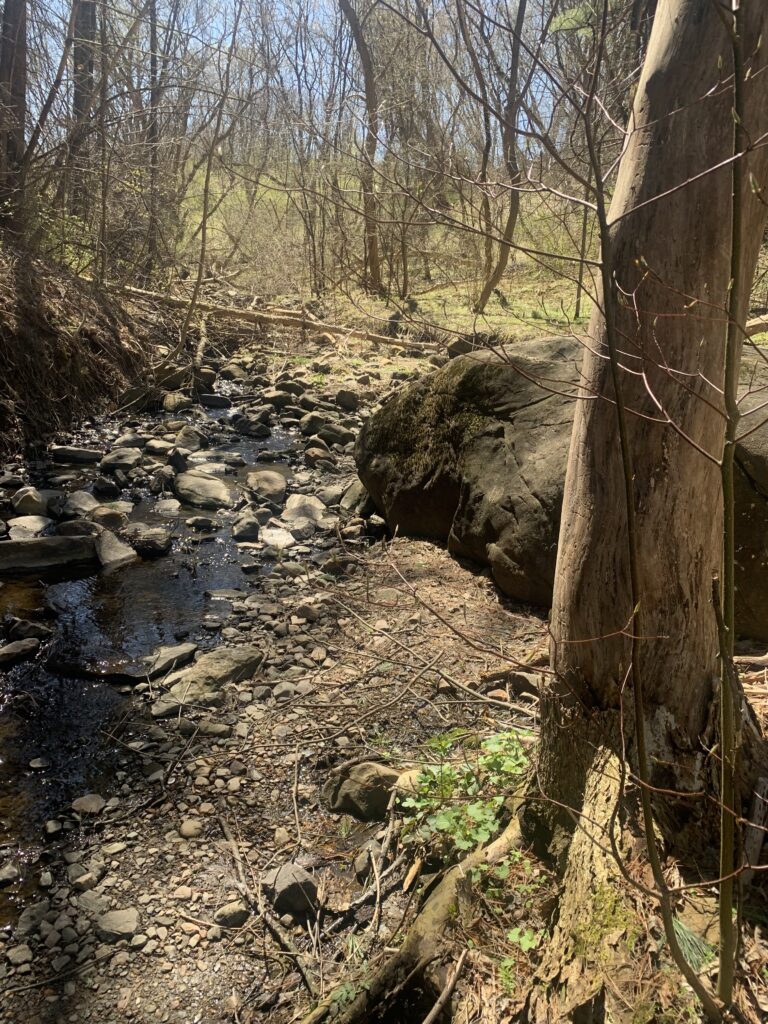
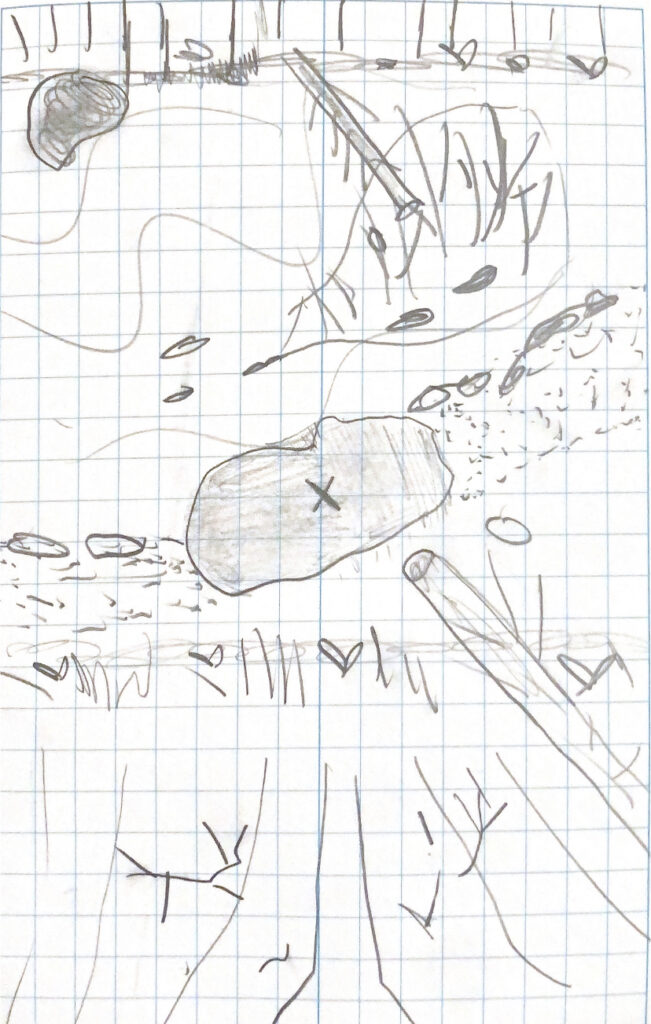
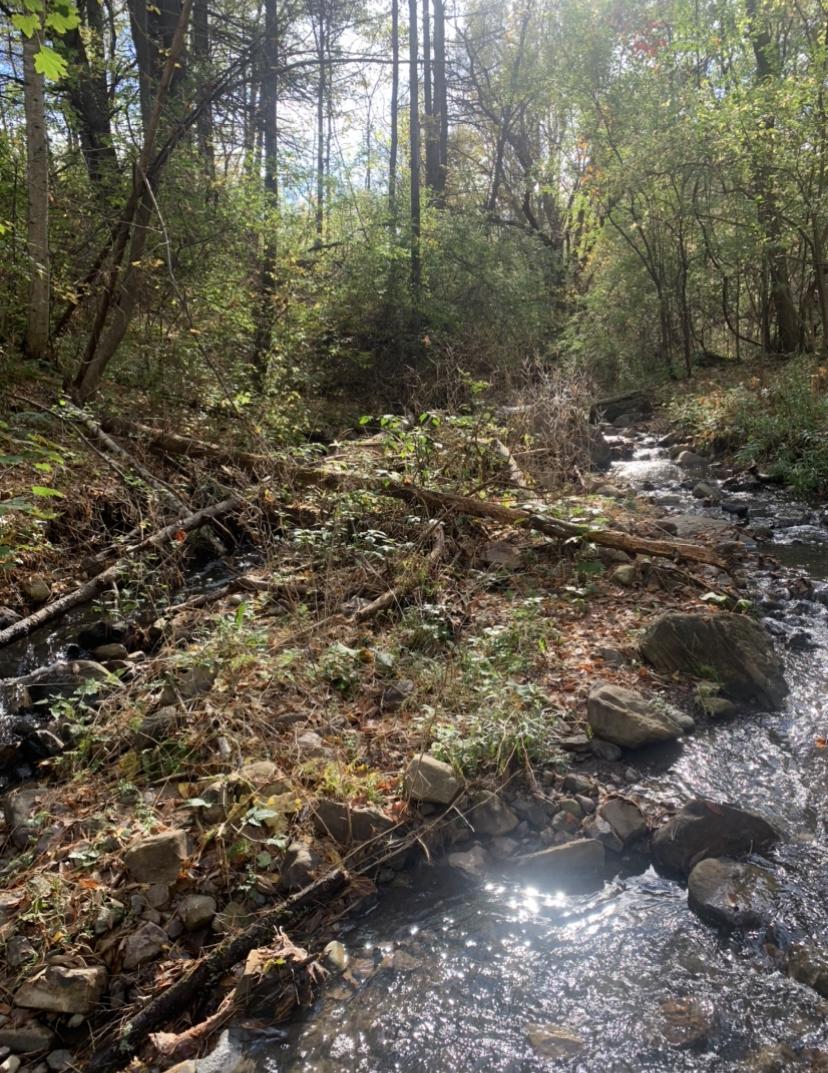
How to get to my place: To get to my place, you enter Centennial at its entrance on Catamount drive. Simply follow the trail until you get to the fork with all the Eastern white pine trees. Head right, down the slope, until you reach the water. Then, walk about 10 feet upstream, and you’ve made it!

The vegetation at my spot is still pretty vibrant this time of year. The floor has plenty of ferns, and what I believe is some type of common burdock. The understory has plenty of Norway maples, red maples, and green ash. The over story is composed of mostly Eastern white pine.

Thats all for now! Excited to report more about this place in the next coming weeks.

-Ava Sciglimpaglia
May 7th posting

Final visit to my phenology spot (for real this time).

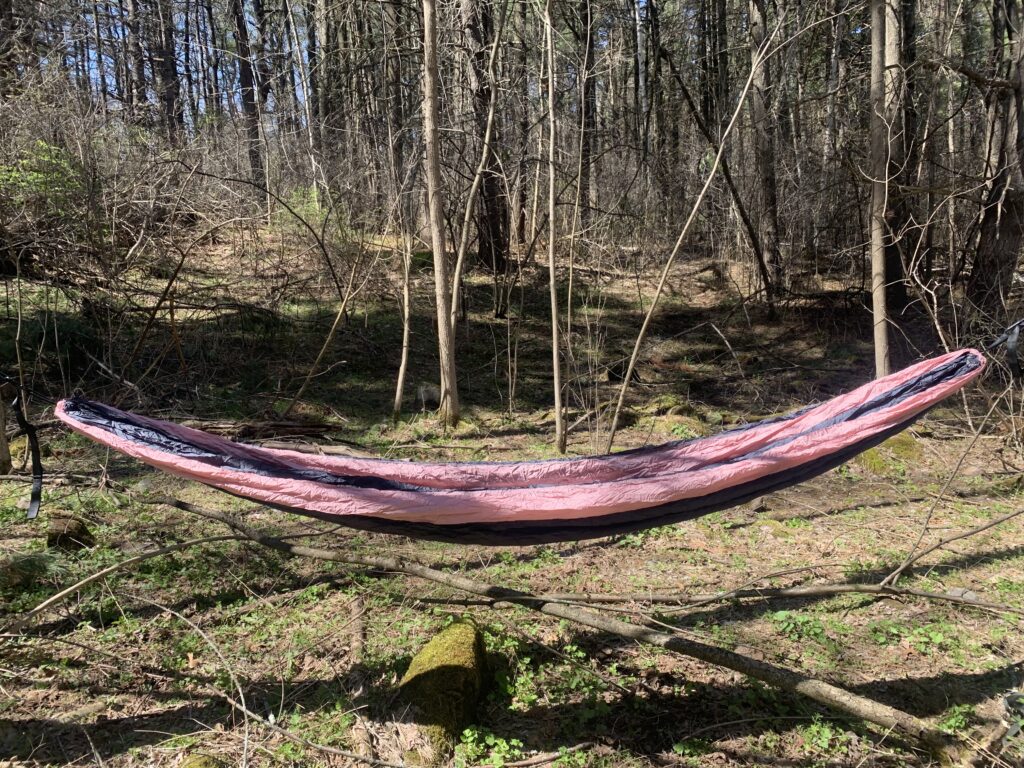
So much unfolding at my site this time! Like I said in my previous posting, I set up my hammock and spent some time in my phenology spot, as the spring weather was super enjoyable.

My final phenology spot visit

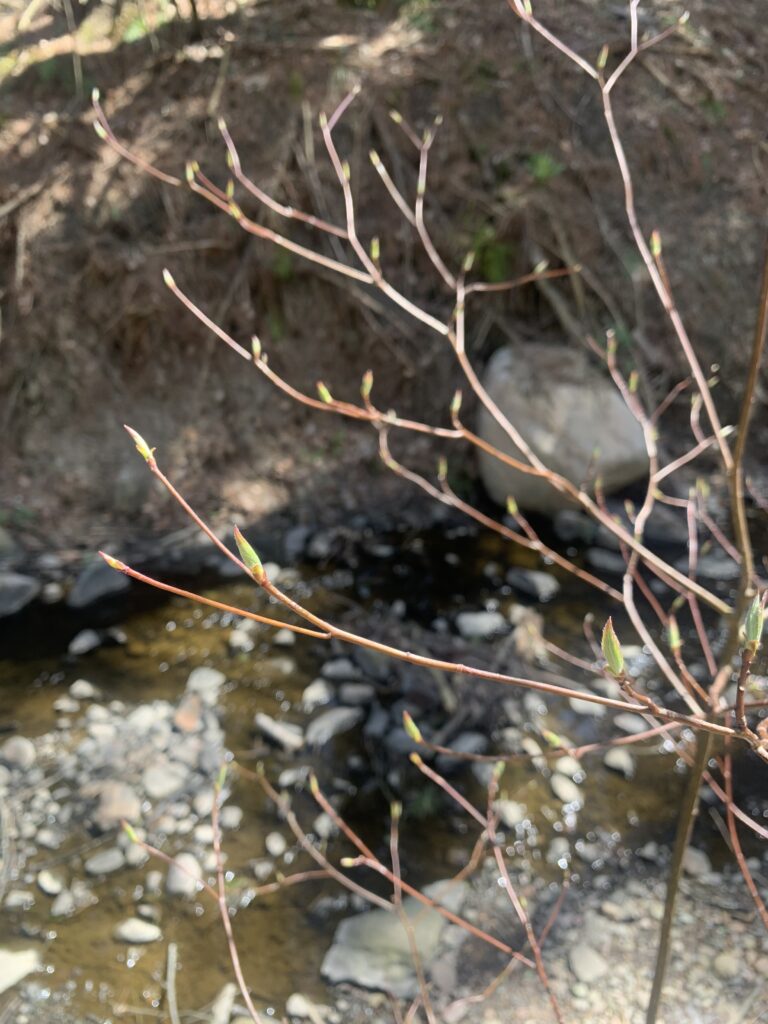
There are no leaves on the non-coniferous trees yet, but buds have formed. Below is some buds from a tree at my spot. Based on the tinted tips and shape of the buds I think this is a yellow birch tree.

Possible yellow birch buds

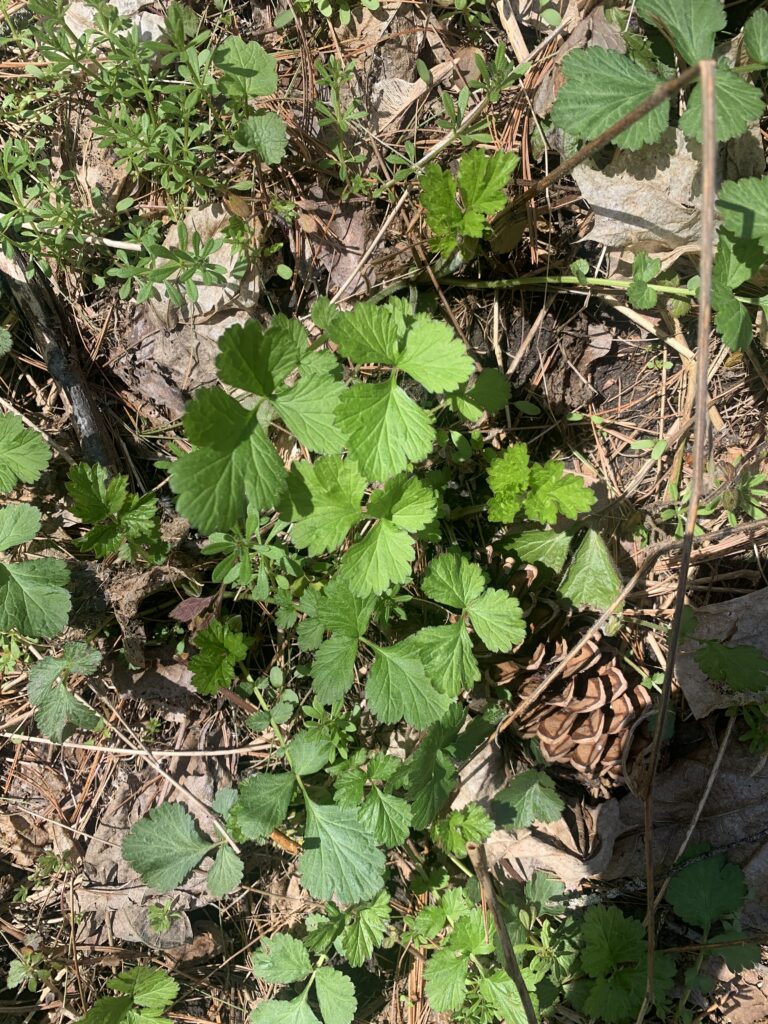
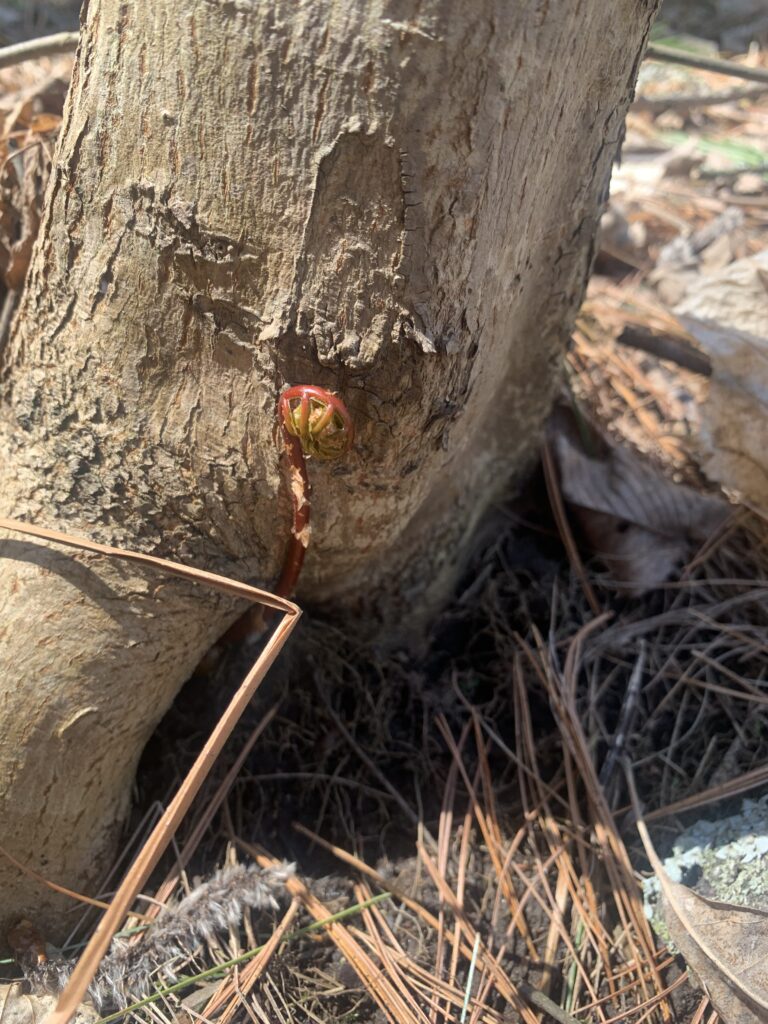
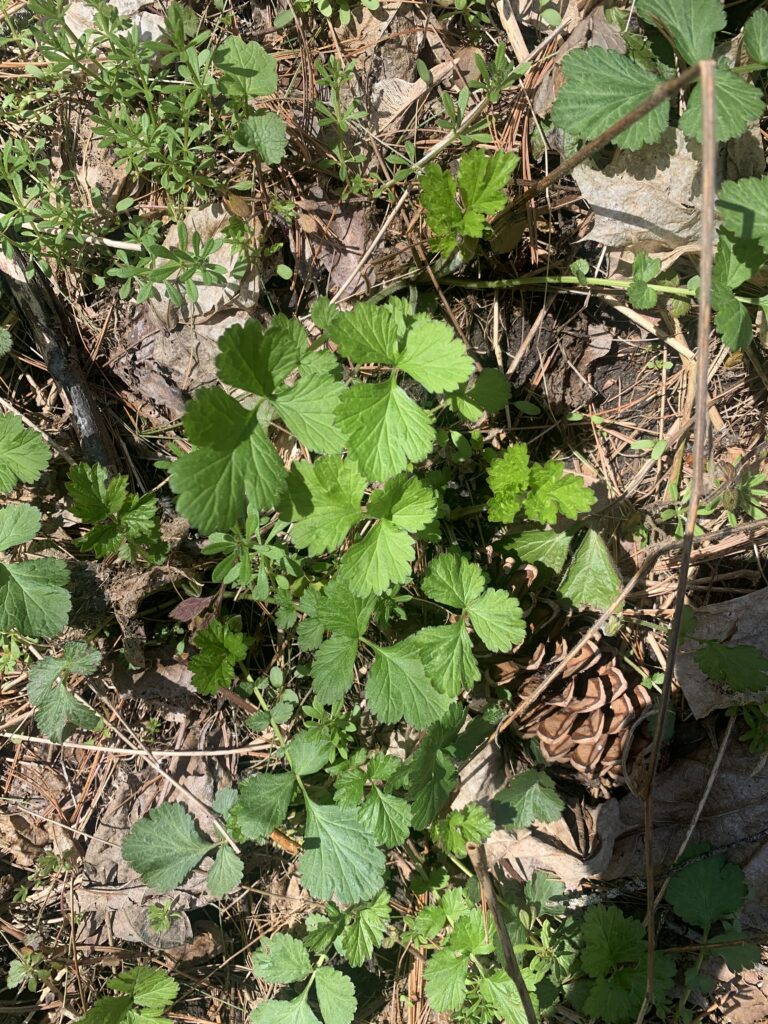
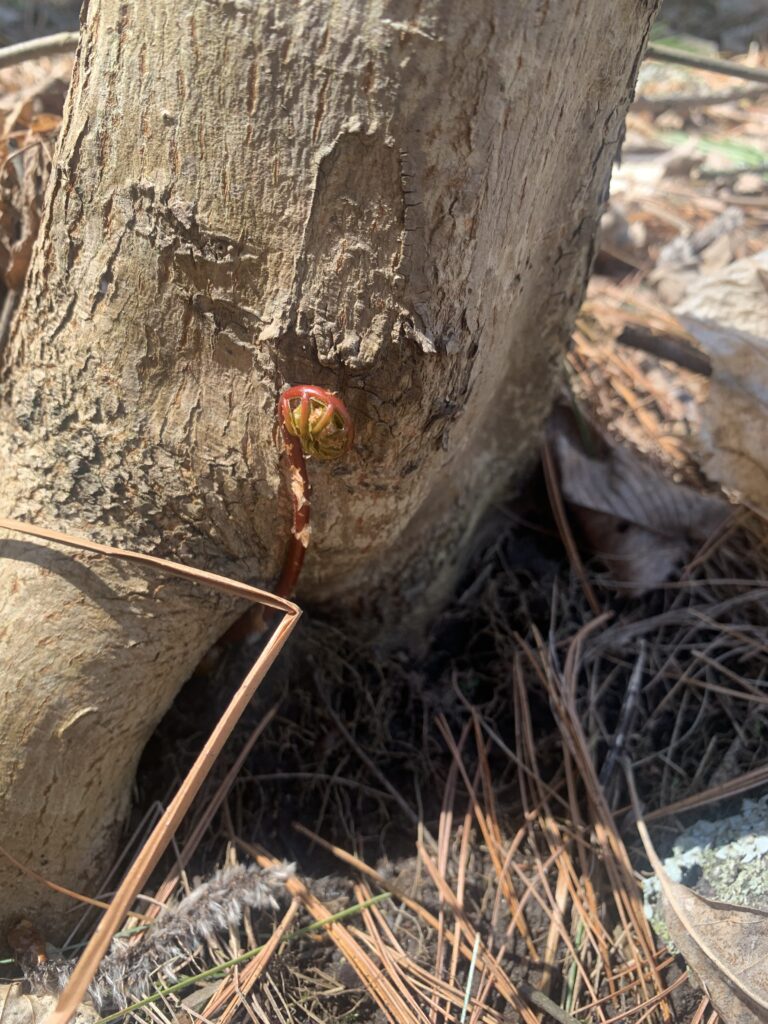
Lots of greenery in the area, which was not present in my last visit. A lot of the floor of the forest is covered in some of these common plants, such as garlic mustard and fiddleheads.

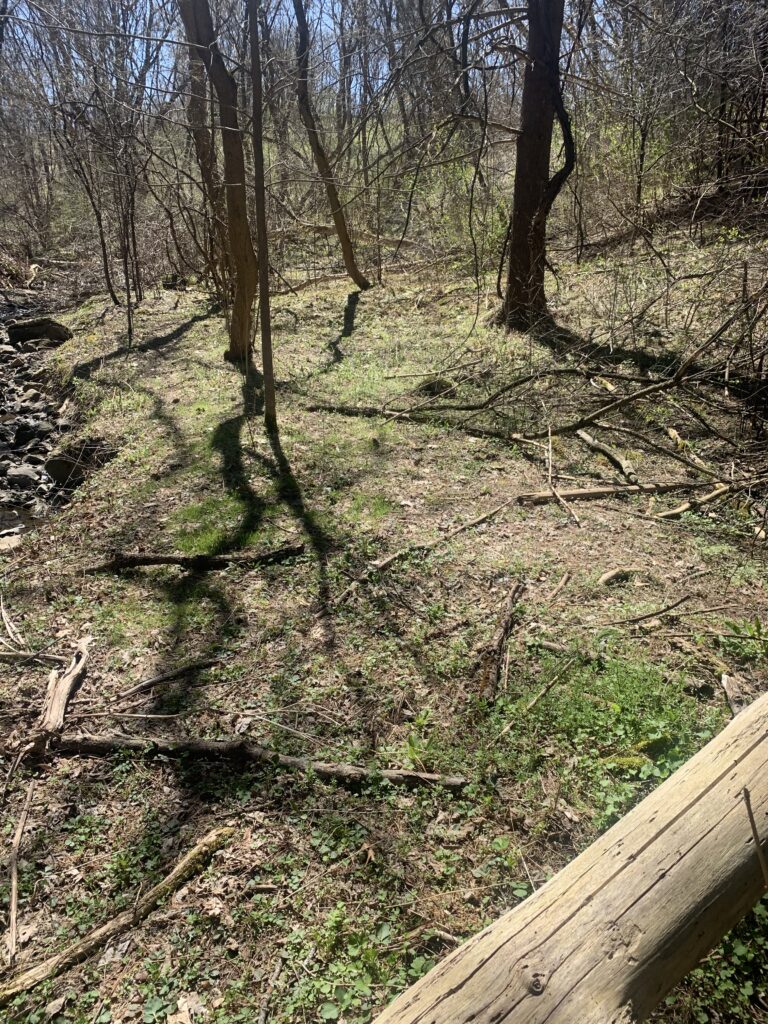
The ground was more solid than I thought it would be. I had anticipated more mud by the river due to snow melt or recent rain we had last week. Overall, I noticed a lot more green in the area, indicating some phenological spring changes.

Area is overall much more green. Soil is less saturated than I thought it would be.

The water was free flowing and no longer icy like when I visited last in February.

While sitting I heard a woodpecker feeding, and I saw the holes left from them, which inspired my species interaction diagram.

Nature and culture are intertwined at my place. Not only is Centennial woods a part of the culture of our school, it also was once land belonging to the Abenaki people. There is evidence of tool making found in Centennial woods that represented traditional Indigenous practices. Their land use perspective clashed with Euro-American settlers, who drove them off the land and converted for agricultural purposes. It is now a re-naturalized area in possession of The University of Vermont.

I feel that I am a part of this place. At my last visit I spent much more time there (about 2 hours) than I normally do. I spent time truly just being in the space, and reflecting on the year. I visited this spot in the warmer fall months with my roommate, then again through ice and snow, and now during spring while the buds form on the trees. I truly have watched the seasons unfold and plan on returning to my spot for enjoyment in the following years.

BioBlitz/May 2nd posting

For the City Nature Challenge iNaturalist BioBlitz, I went to my phenology spot. This time I set up my hammock to spend more time observing what species I would come across.

Where I explored

I found iNaturalist confusing to use, but hopefully got the hang of it. I liked using it in the moment but had technical difficulties uploading it to our class project. Eventually I figured it out.

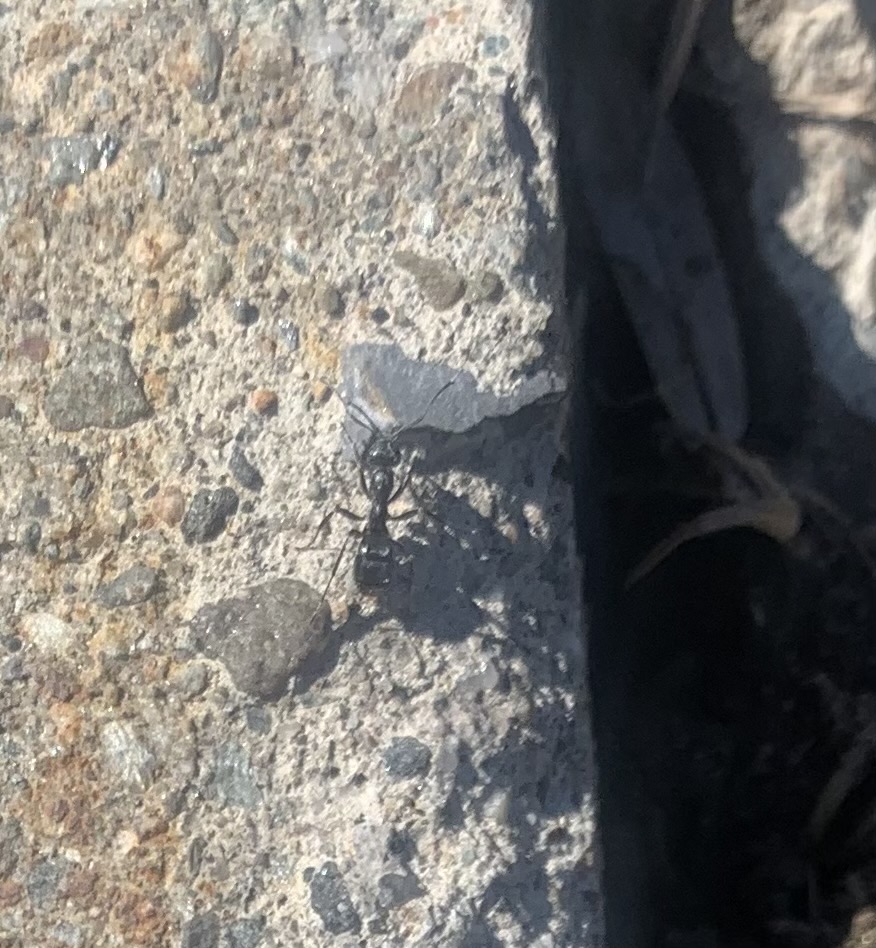
I encountered a few species, including a fiddlehead fern, garlic mustard, crows, black-capped chickadees (which I recorded sound of but unfortunately could not get a picture), and an ant on my way back. I noticed the longer I sat there the more birds I saw.

I find it interesting that Burlington (particularly me and my classmates postings) have less aquatic species than other cities. I think this could be due to the nature of Vermont being a landlocked state, which decreases the types of habitat and therefore biodiversity of species found here. I feel like the Lake probably has more to offer, or even its tributaries which are full of invertebrates like the ones we found at Potash Brook.

Here is some of the black-capped chickadee calls I heard: https://www.inaturalist.org/observations/114334073

March Posting

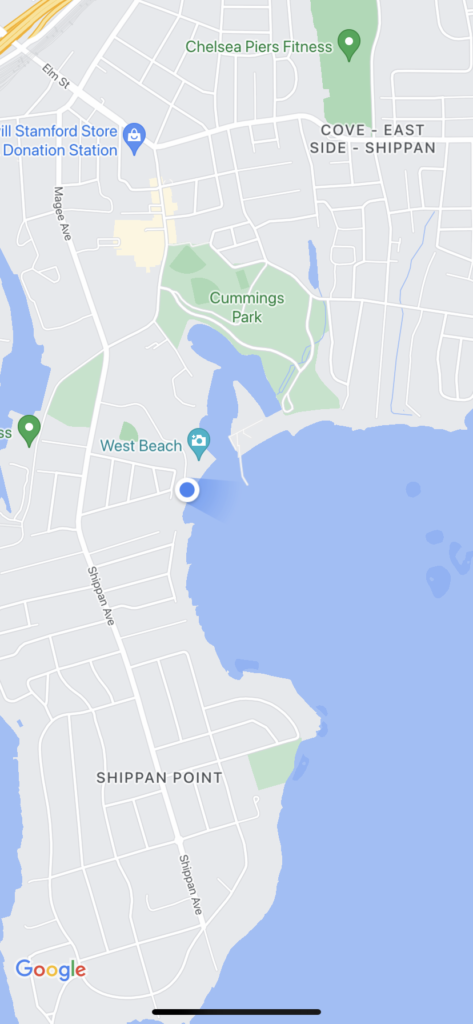
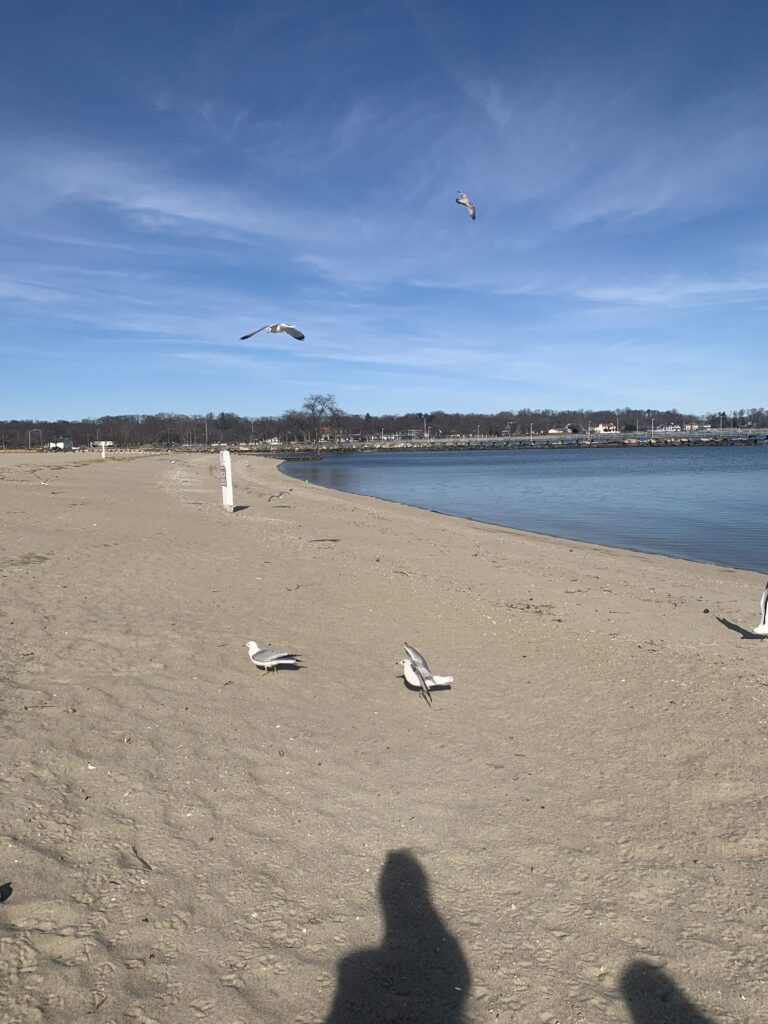
Over spring break I went to a new phenology place. In my hometown of Stamford Connecticut, I visited West Beach, a public beach situated on the Long Island Sound. Initially, this site is very different from my phenology site at school. Being a beach, the soils are sandier than what is found in Centennial, giving rise to difference in soil composition, erosion, etc. The stream in Centennial is freshwater, while the water at West beach is brackish (a mix of salt and freshwater). The lack of trees increase sunlight and exposure to wind, which was very prominent the day I was there.

Location of site

Natural History of West Beach: West beach is part of a neighborhood on the West Side of Stamford. It is a public beach for the City of Stamford (one of two) but requires the purchase of a permit. It offers recreational soccer fields, boating, and swimming in the summer. It is situated on the Long Island Sound, a brackish estuary. Because of the nature of the Long Island Sound, it provides a suitable habitat for many animals to raise their young, due to the concealed nature of the LIS. In the spring, you can find many horseshoe crabs breeding. The LIS used to offer lobsters, but have since fled to colder waters due to rising temperatures. Now, you are most likely to find comb jellies, hermit crabs, horseshoe crabs, mussels, and other small fish/crustaceans.

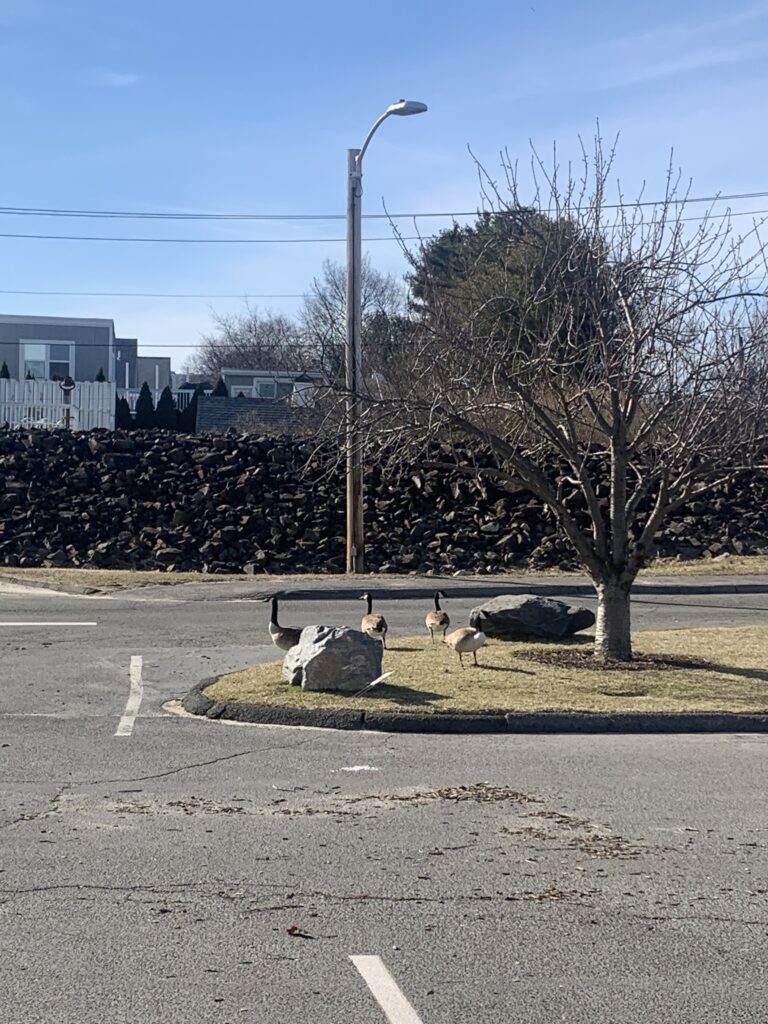
There was a large group of seagulls when I visited there, who were roosting in the sun on the sand. I have never encountered seagulls while in Centennial. Nearby, there was also a group of Canadian Geese. Vermont also has a large population of Canadian Geese

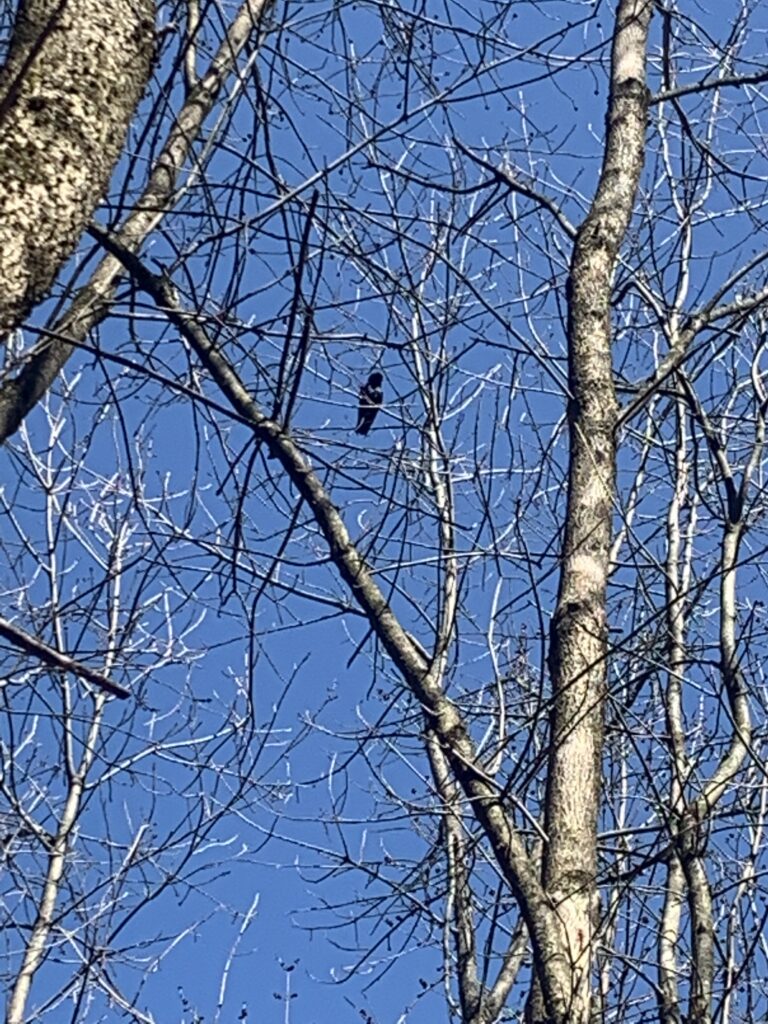
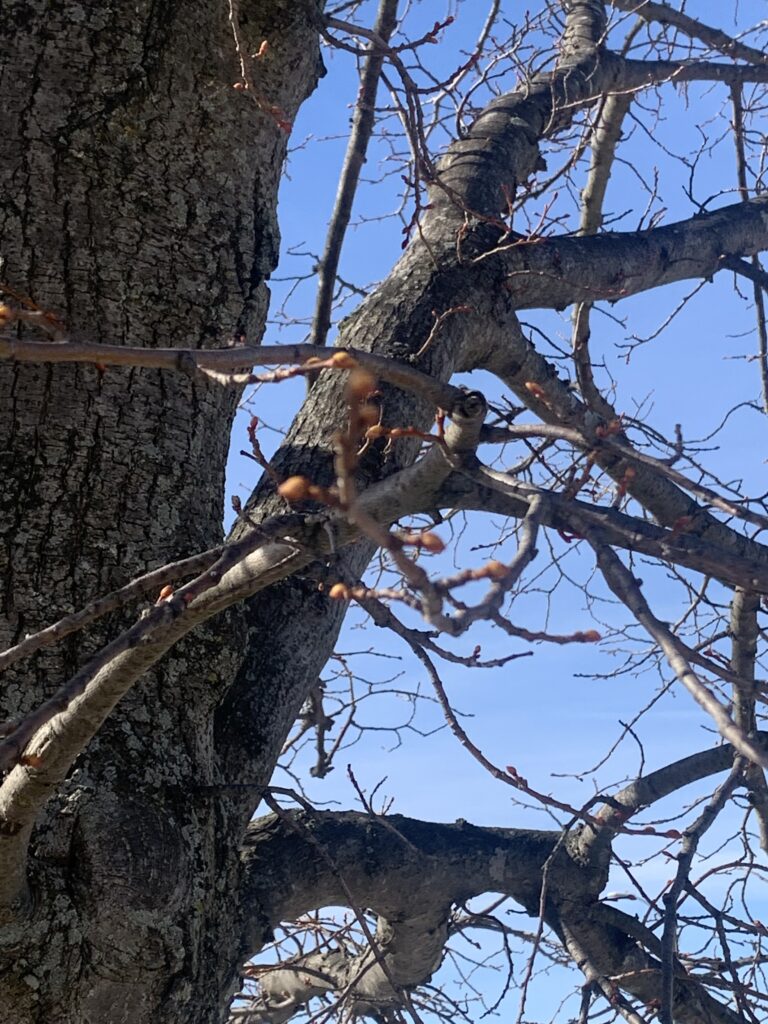
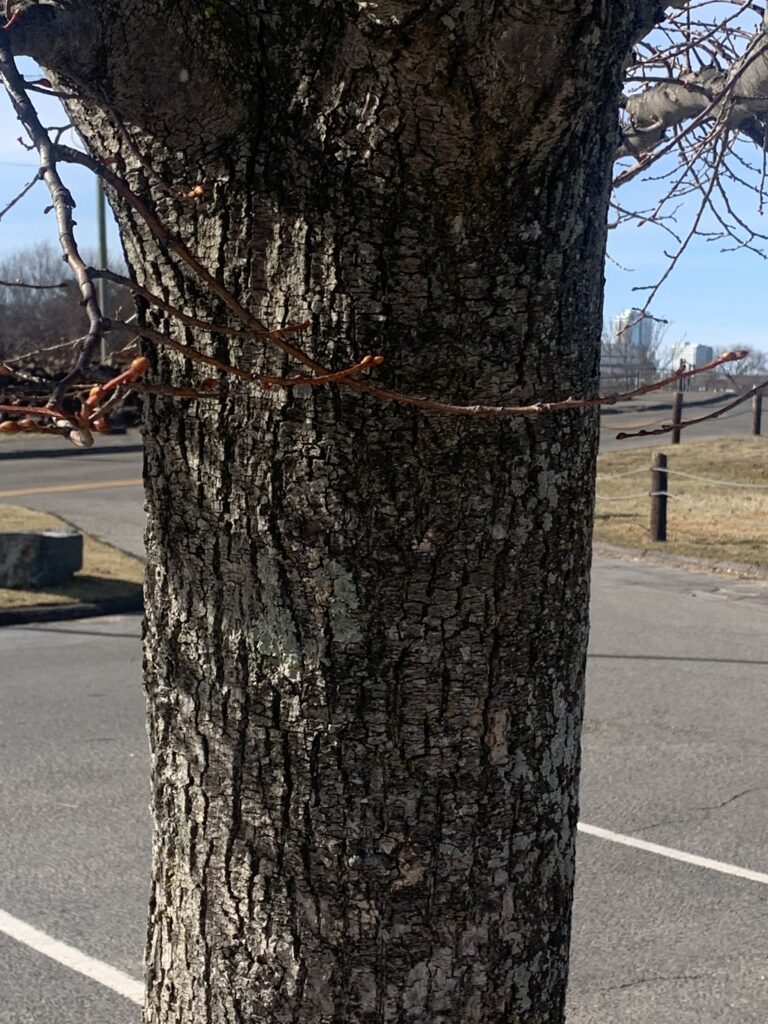
There was a very little vegetative life on the beach, other than some nearby trees planted in grassy areas. The beach itself only had some desiccated sand reeds. The recent warmer temperatures in Connecticut encouraged the budding of this tree, which I think it a red maple based on its vertical ridged bark and reddish tint of its twigs.

February 21st posting-Winter Wildlife Signs in Burlington

Today I took a walk over to Centennial Woods, but instead of going right to my phenology spot I explored around the area a bit. Today was a cloudy 37 degree day, and I visited around 2:30 pm.

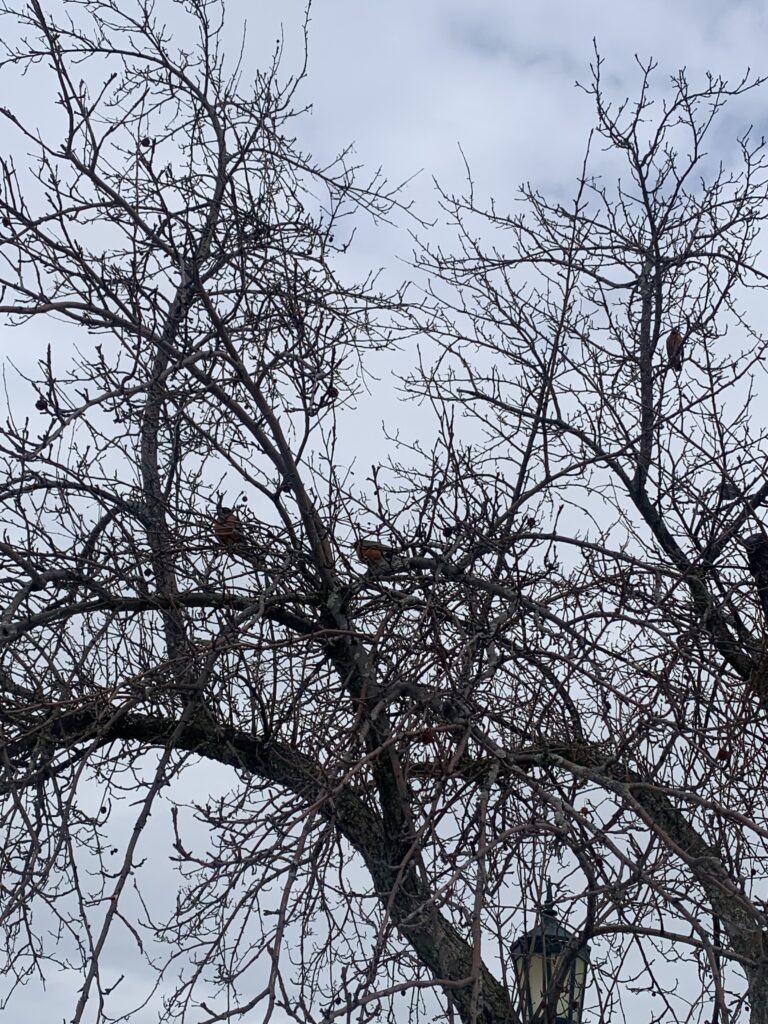
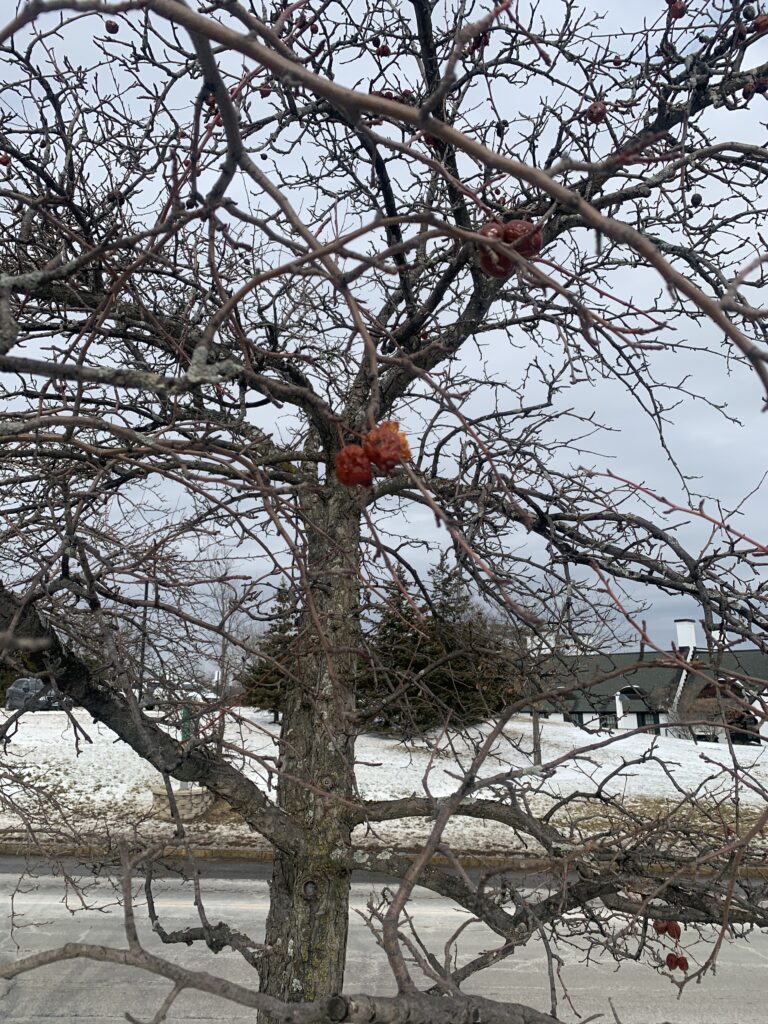
The walk started out with some American Robin sightings, who were feeding on the fruit of these crab apple trees

Crab apple tree on the way to Centennial Woods

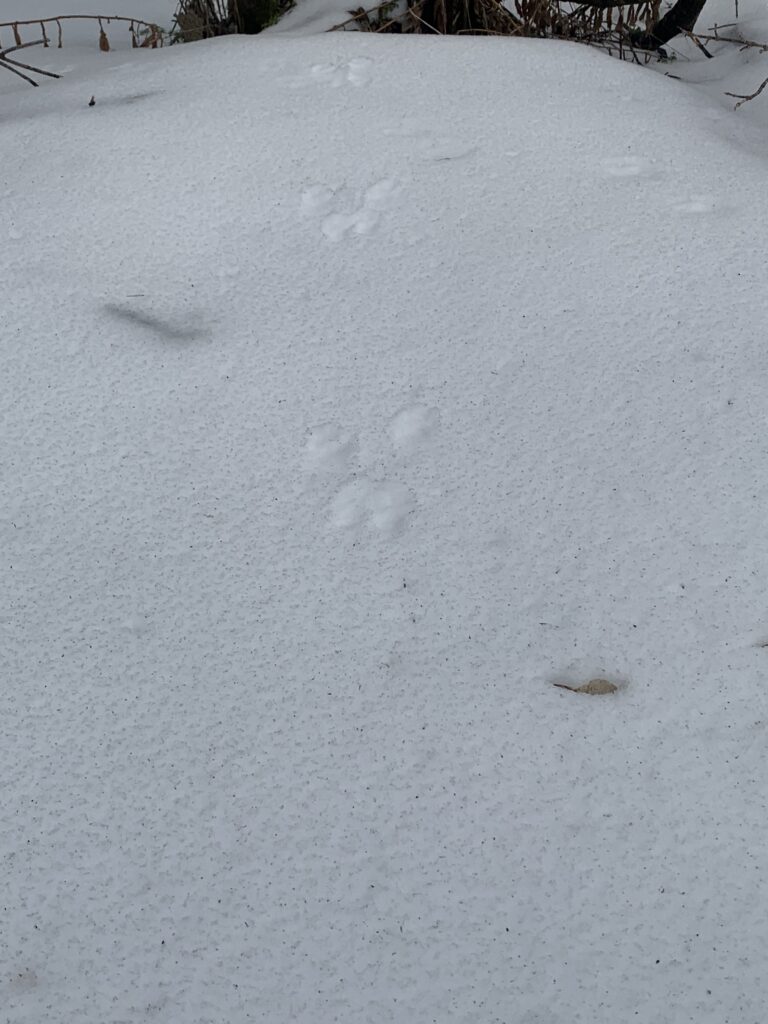
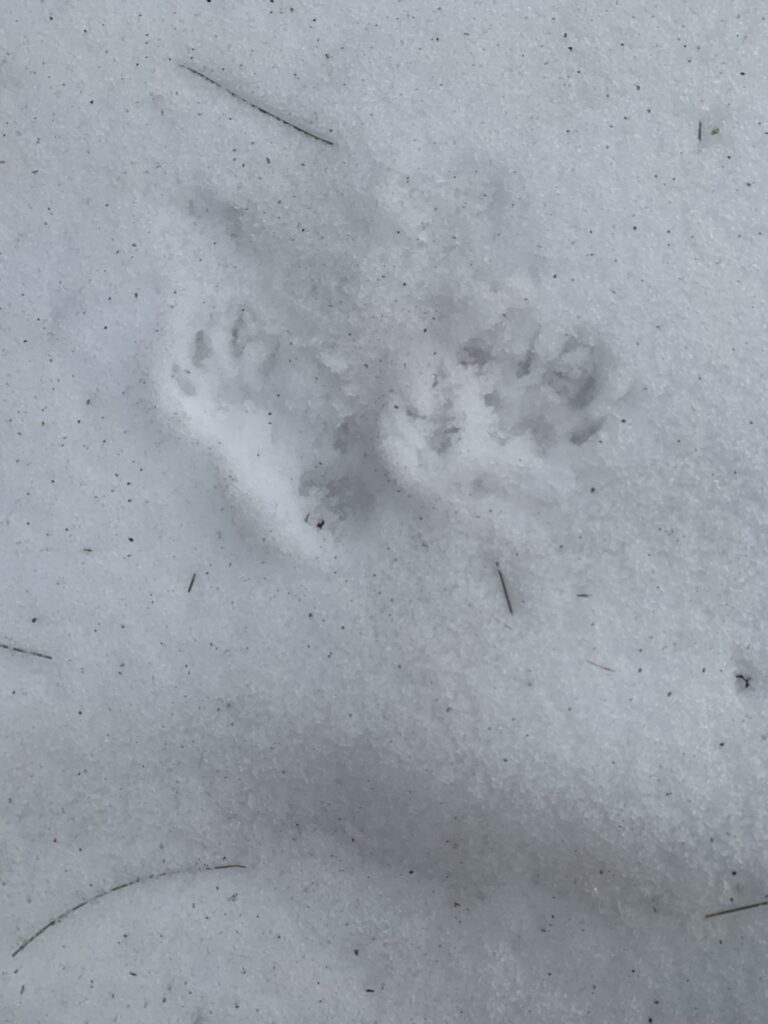
Signs of life: Tracks

During my walk I encountered some tracks…using the search feature on INaturalist, here is the identification of some

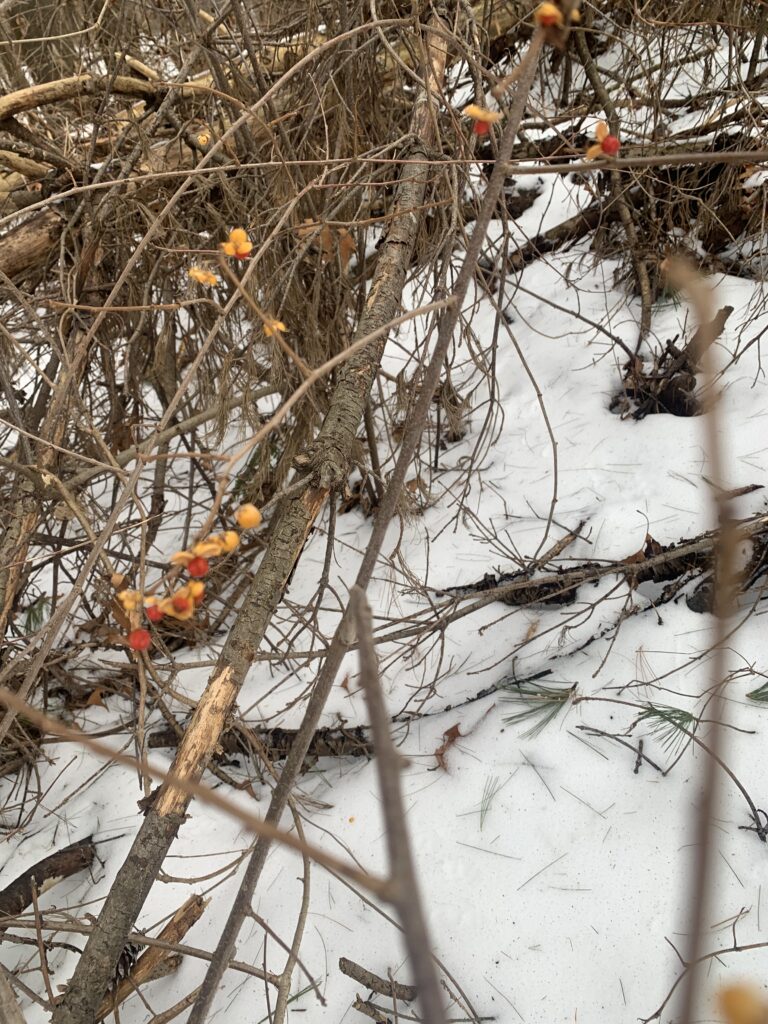
Signs of life: Plants

Despite the low temperatures this month, plant life is still present in Centennial. Here are some examples of what I saw, identified using the NR 1+2 phenology observation page on INaturalist or using the search feature on INaturalist.

Signs of life: Other

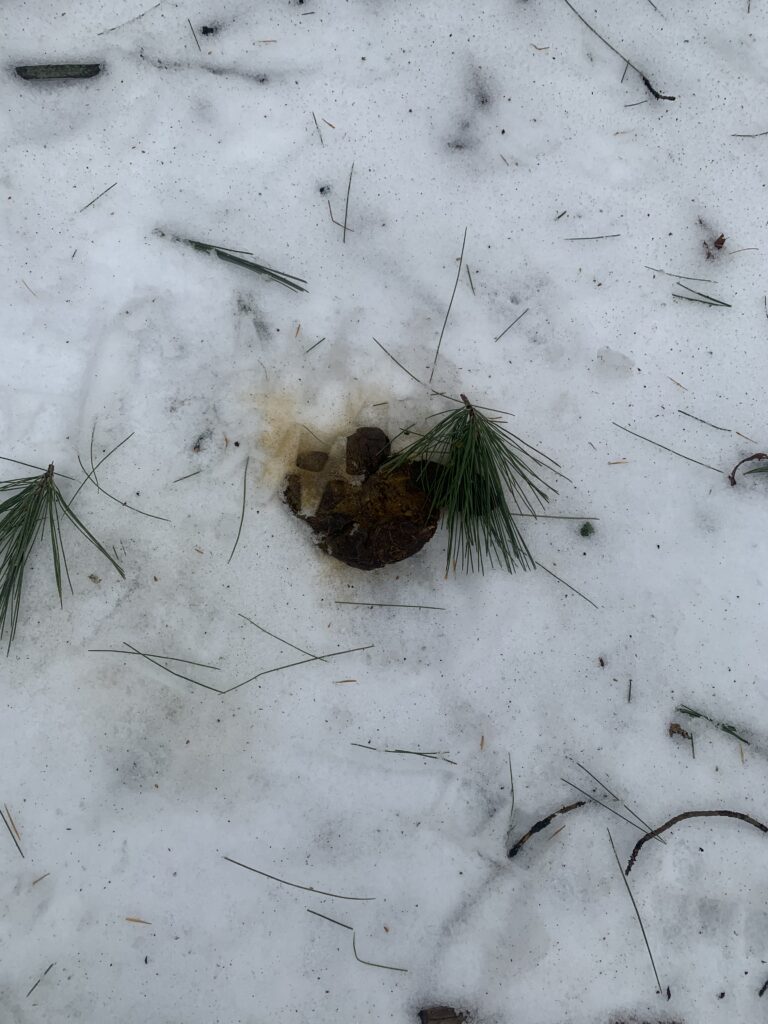
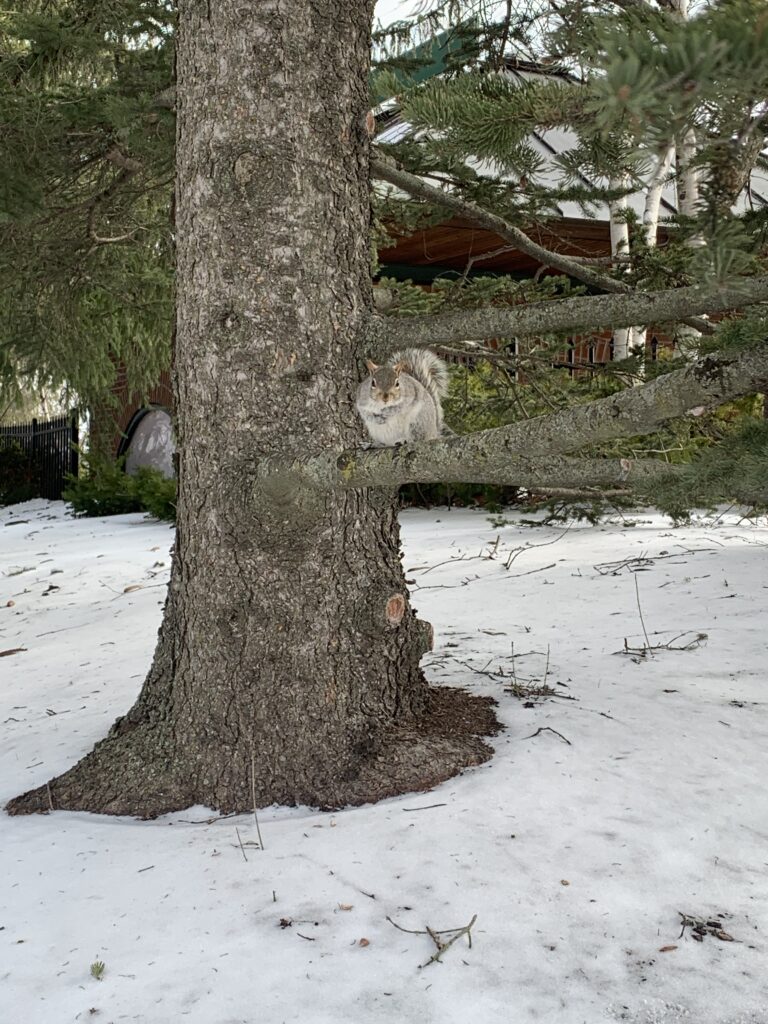
Some other signs of life I saw was scat and an animal sighting

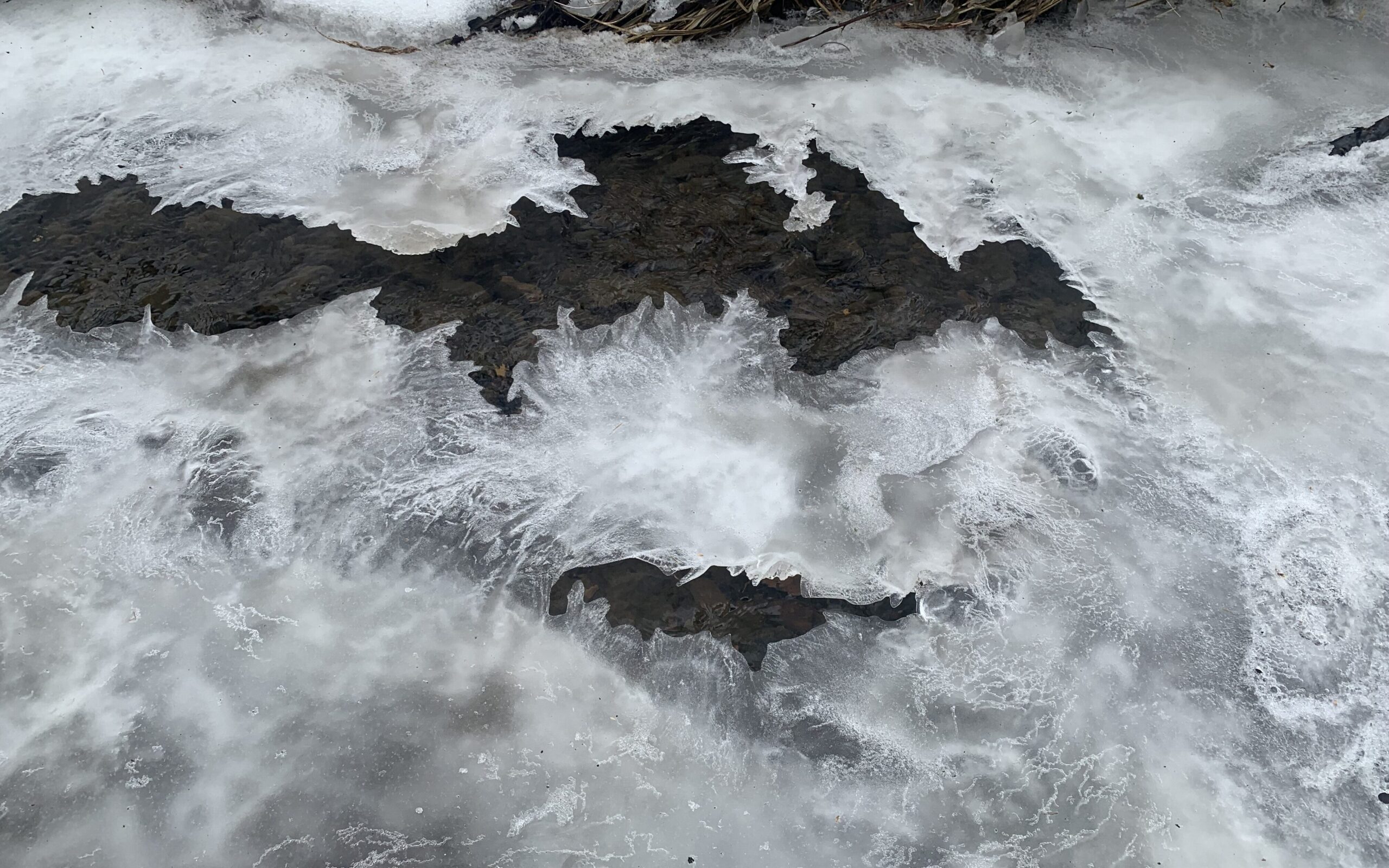
Phenological observations: Despite the warmer days, there was still some snow and ice present. Last time I was in Centennial, water areas were frozen solid. However, this time there was a thin layer of ice just crusting over the top, still allowing water to flow freely through.

January 29th, 2022

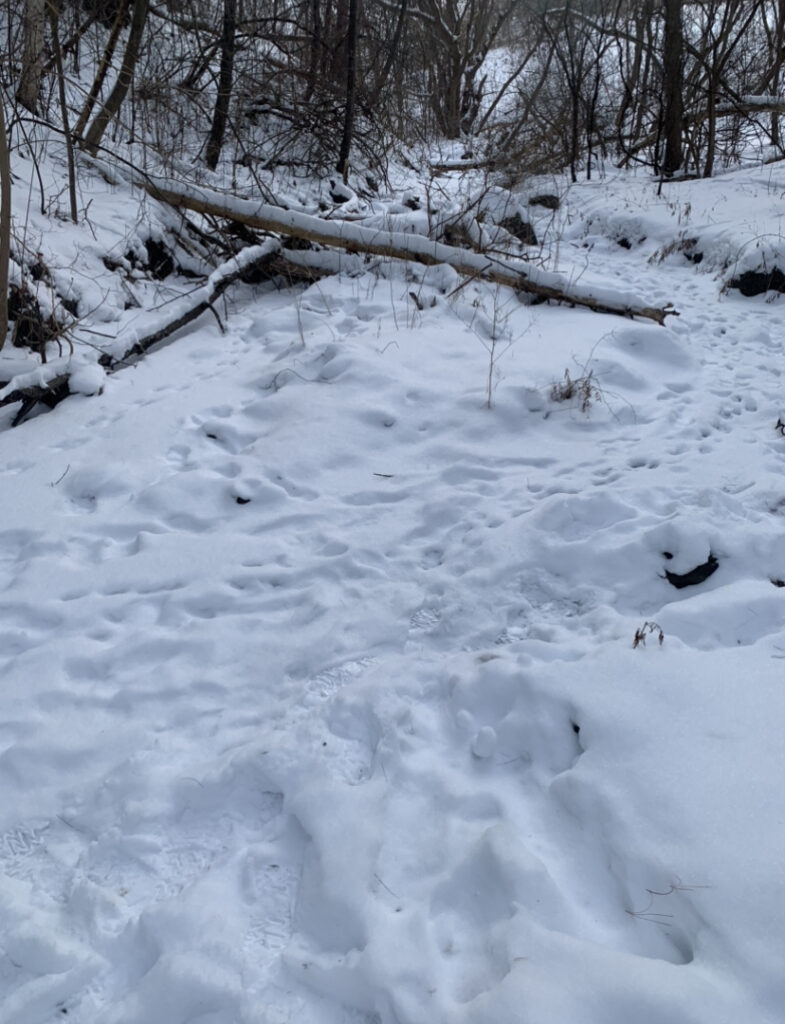
Today I returned to my phenology spot in Centennial woods from last fall. It was nice to see all the phenological changes since being there last, and the fresh snow from today offered some great tracks.

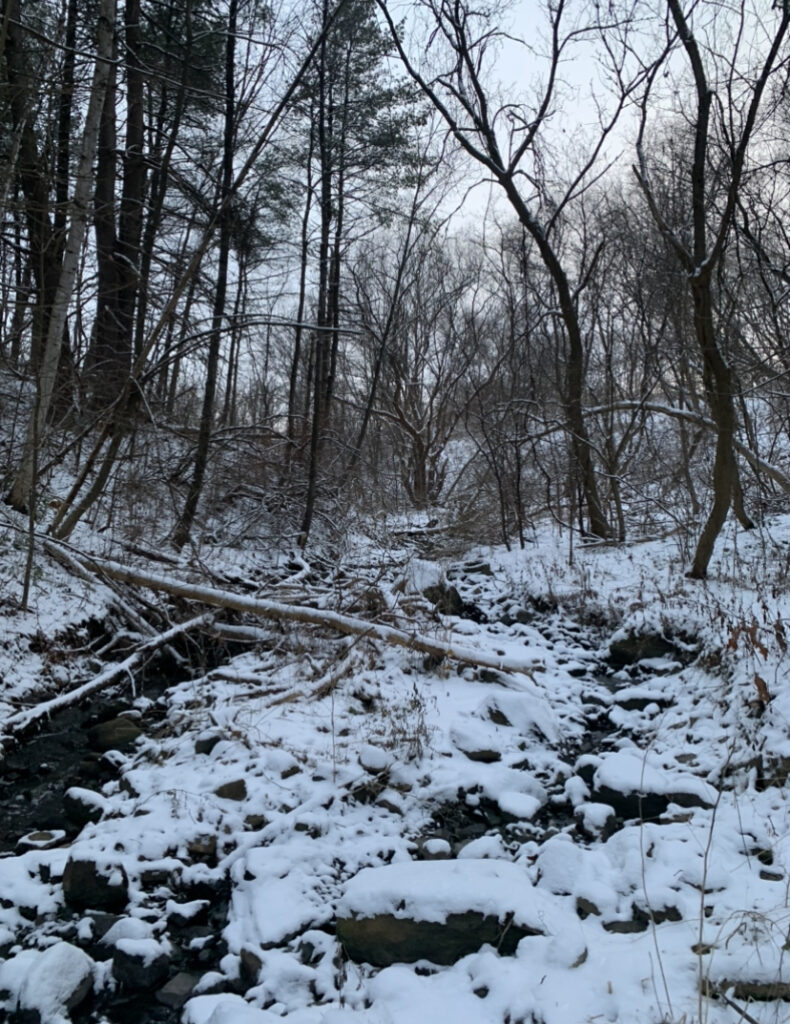
Above is a picture of my spot. When I visited in December the river was still flowing and not fully covered by snow. This time there was enough snow (Maybe about 6 inches) and ice to fully walk on the river, which was a nice way to view my spot in different angles.

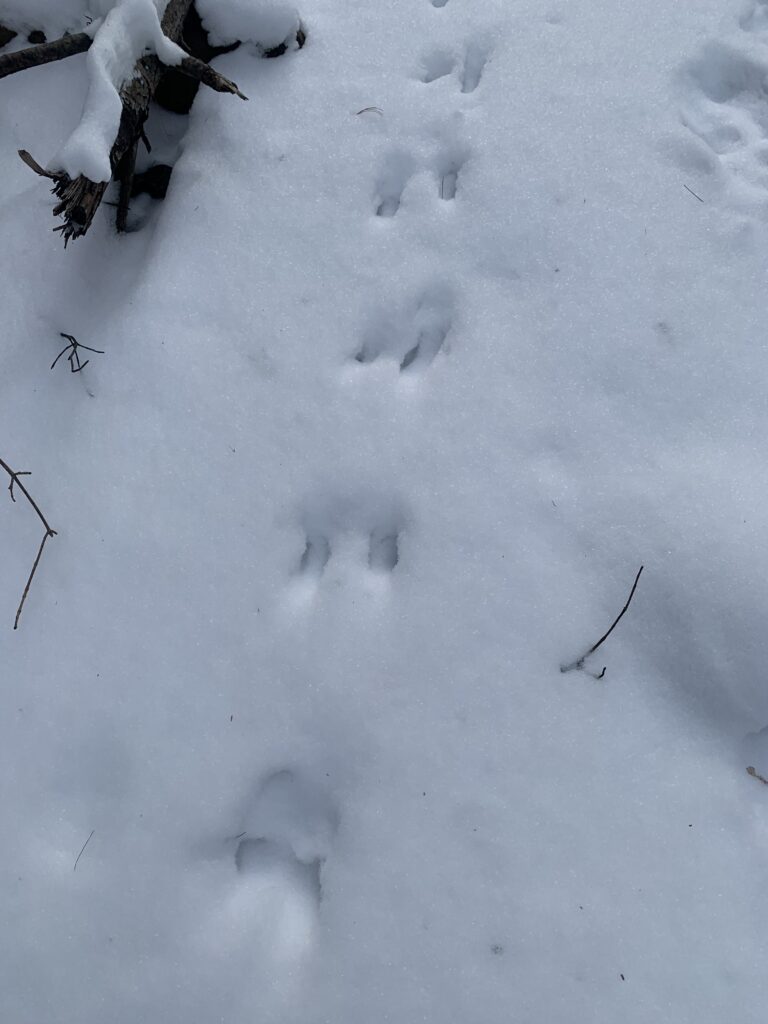
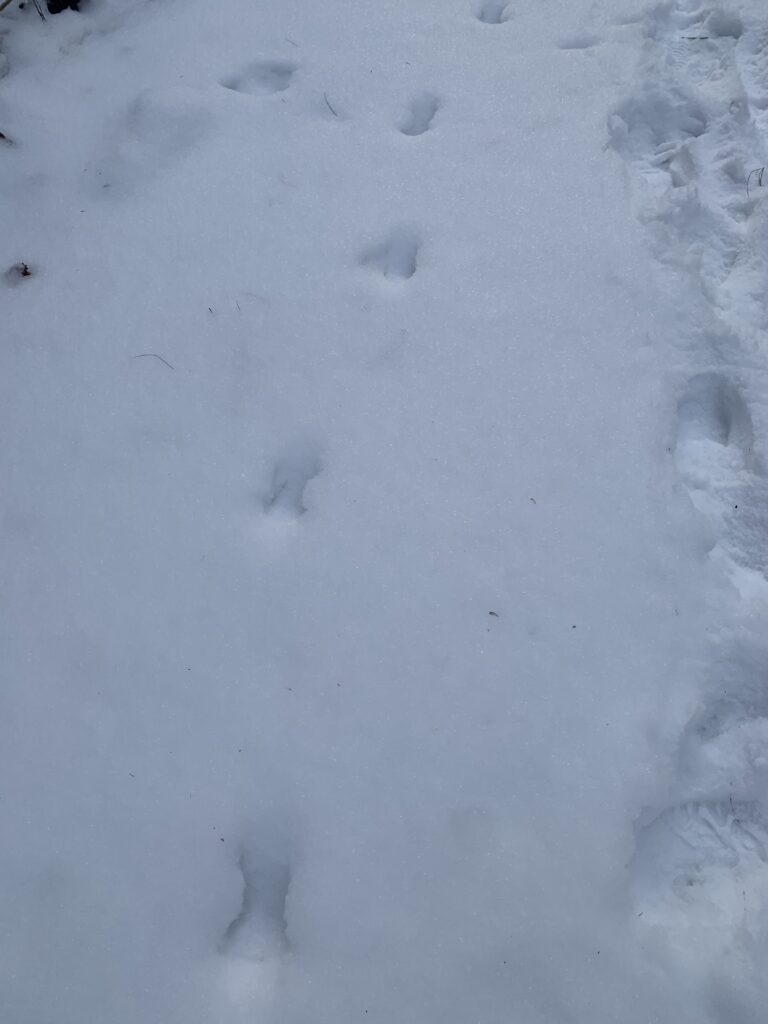
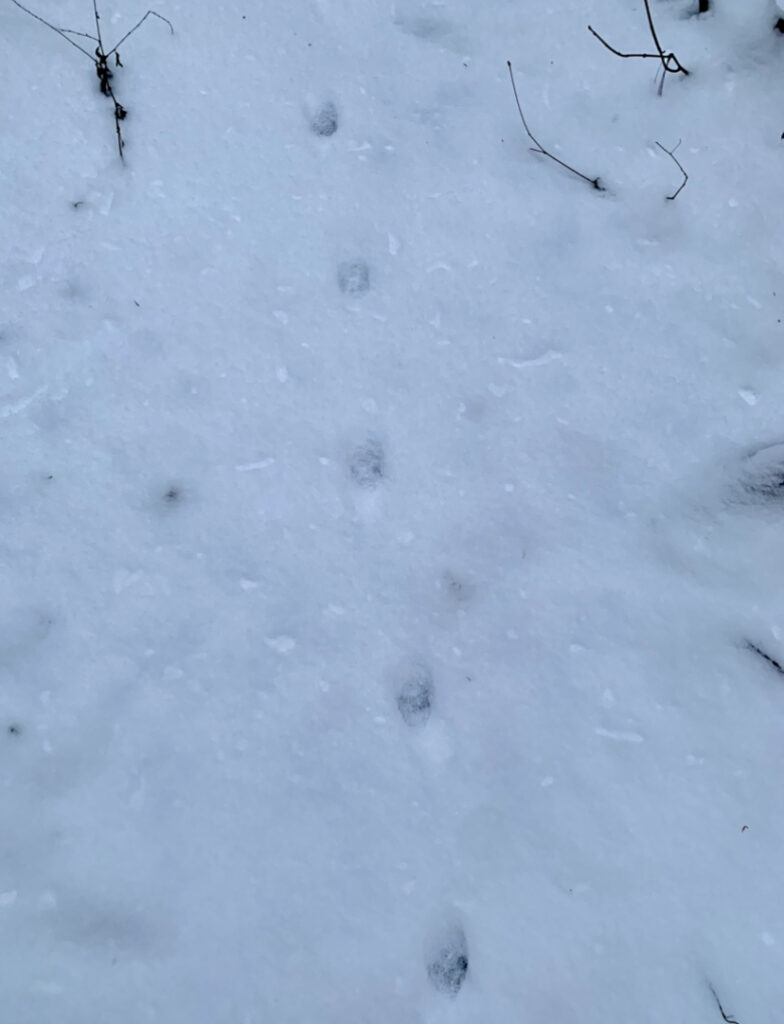
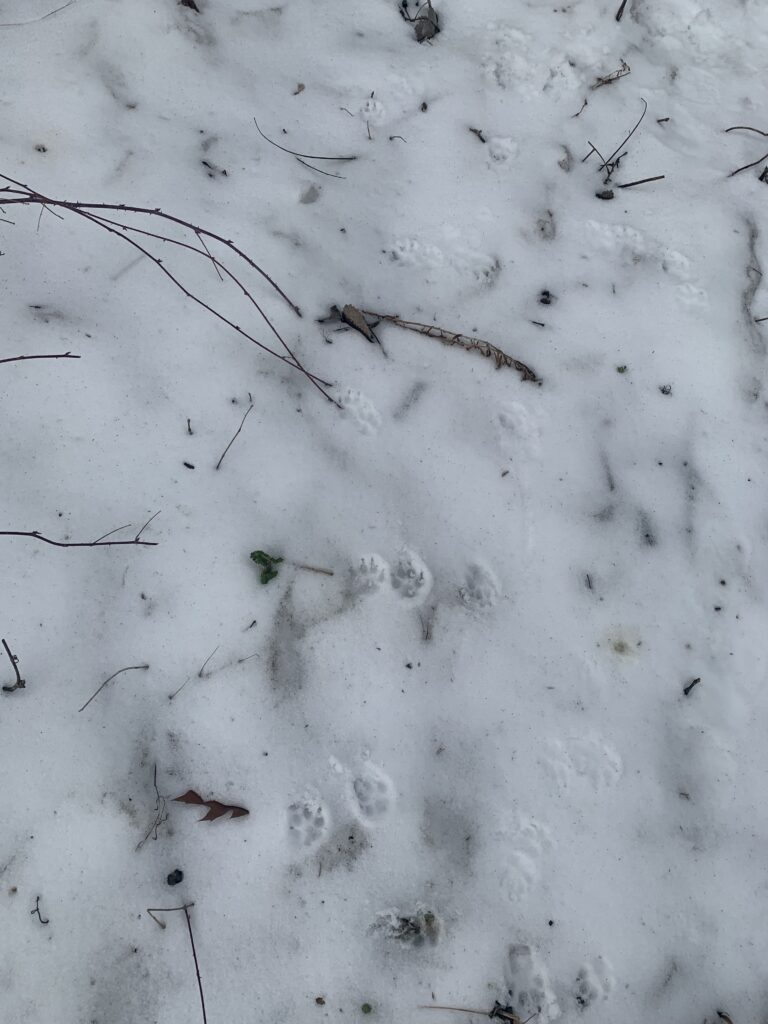
There were some tracks present, but the two had key differences. One had side by side prints that were about two inches in length. This kind of hopping motion and what we’ve seen in class makes me think it was left by a rabbit. The other tracks had an alternate gate with 3-4 in long prints. I’m not sure what would have left these.

There weren’t any nests present in the trees, but large birds (what appeared to be hawks) were flying over the area in circular motions. This makes me think they were probably looking for some food.

Update: 2/1/22

After discussion in class, I feel differently about the identification of my tracks. For the one on the left, I think this bounding pattern matches more closely to that of a mink, based on the tracks proximity to the water and size of the prints. For the one on the right, this exhibits a diagonal pace, and based on the size I think this could have been a white tailed deer.

Goodbye! December 10th

Hi Fellow NR’ers,

December has brought some interesting changes to my phenology spot. The most notable, snow! My spot looks very different then it did when I first began visiting it. And the snow brings some wonderful surprises.

Snow gives us the privilege of seeing some tracks, not sure what these may be from, but based off of our readings, I’m willing to guess they may be left behind by a rabbit, which tend to hop in a straight line and have 3in prints.

It wasn’t quite cold enough for the river to freeze yet, but I did note that pretty much 80 percent of the vegetation was not gone (other than the evergreens such as the white pines lining the river). Below is an image of what my site looked like when I visited, positioned at the same angle as one of my first postings for comparison. In the background you can see the eastern white pines with their needles, a stark contrast to their deciduous neighbors.

It was such a pleasure to watch the seasons unfold at my phenology spot this semester. Signing off for now!

-Ava Sciglimpaglia
Event Map

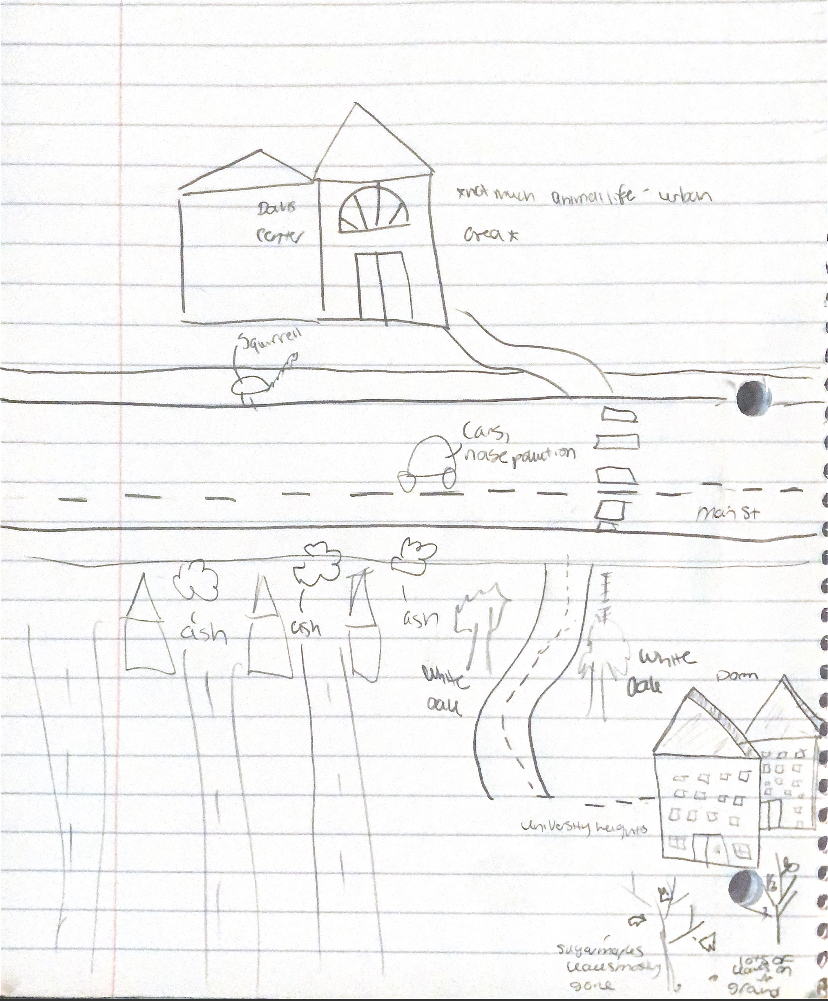
On our way to dinner, I did my event map. My roommates and I took a right at our dorm onto University Heights and then followed that road until we got to Main Street, across from the Davis center. We have some sugar maples outside our dorm that haven’t completely lost their leaves yet, so I’m trying to appreciate their bright orange colors while I still can. Then, we took a right onto Main Street, and followed that till we got to Church Street! It was kinda dark, and we didn’t really see much animal life out except for a squirrel. I think it is possible they get deterred from the amount of noise from the road. However, there were some ash and oak trees and shrubs on the way.

November 1st, 2021

Today I visited my phenology spot as a little break in between my work. It was nice to focus my senses on something other than my work, especially after such a busy weekend. Super thankful that the weather was nicer today. It was around 52 and sunny, which is a great change of pace from the rain we’ve been having the past couple days. This rain resulted in the soil surrounding my spot to be more saturated, and the river’s velocity seemed faster than when I previously visited this spot. There was still a great deal of vegetation, but most of it has changed color with the drop in temperature. The ferns were notably yellowed, they were previously green last time I visited. There was much more debris on the ground, mostly fallen leaves. I left my spot feeling a bit more calm than I was when I arrived there.

Skip to toolbar