Final Phenology Spot Visit – 5/2/24

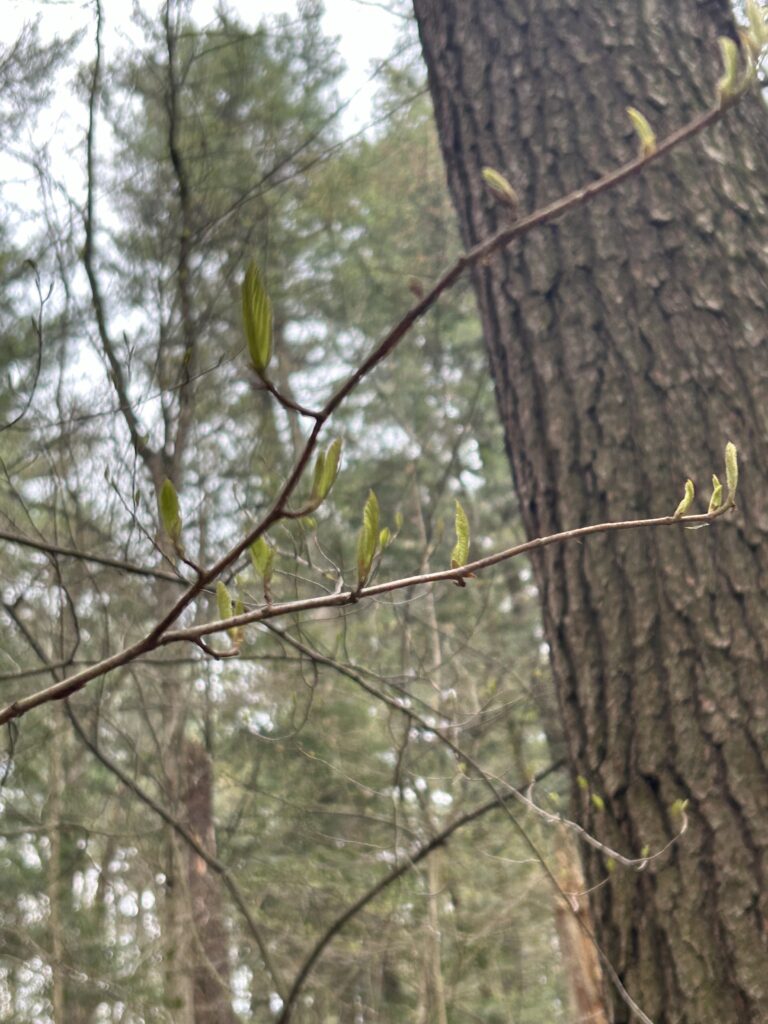
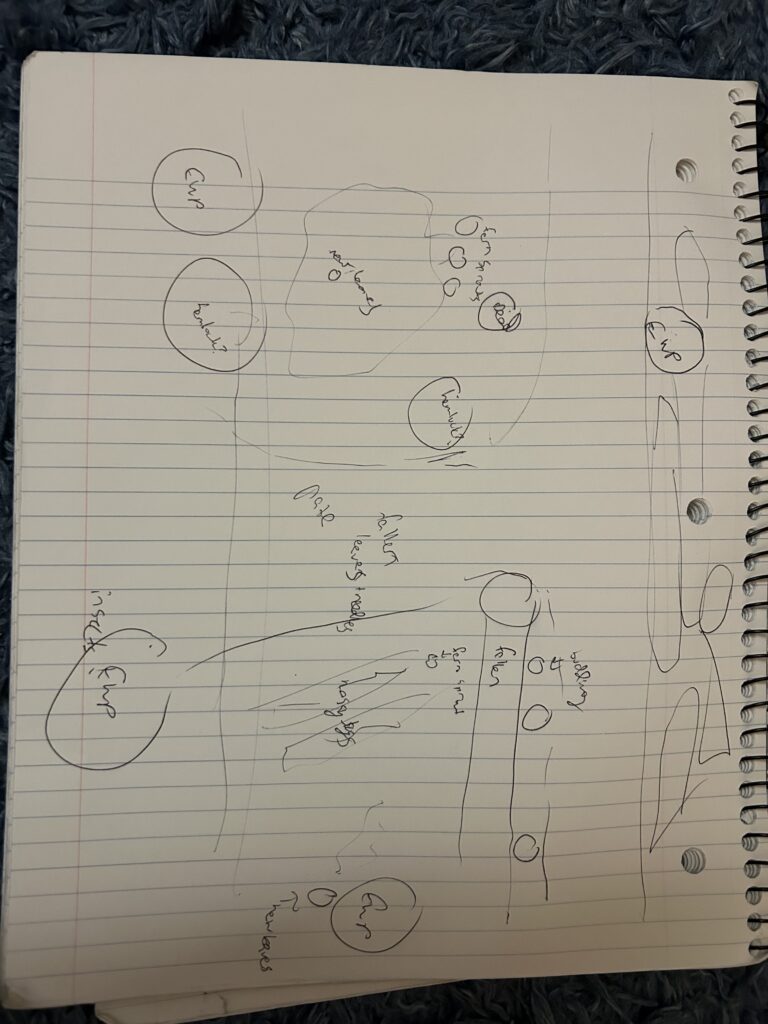
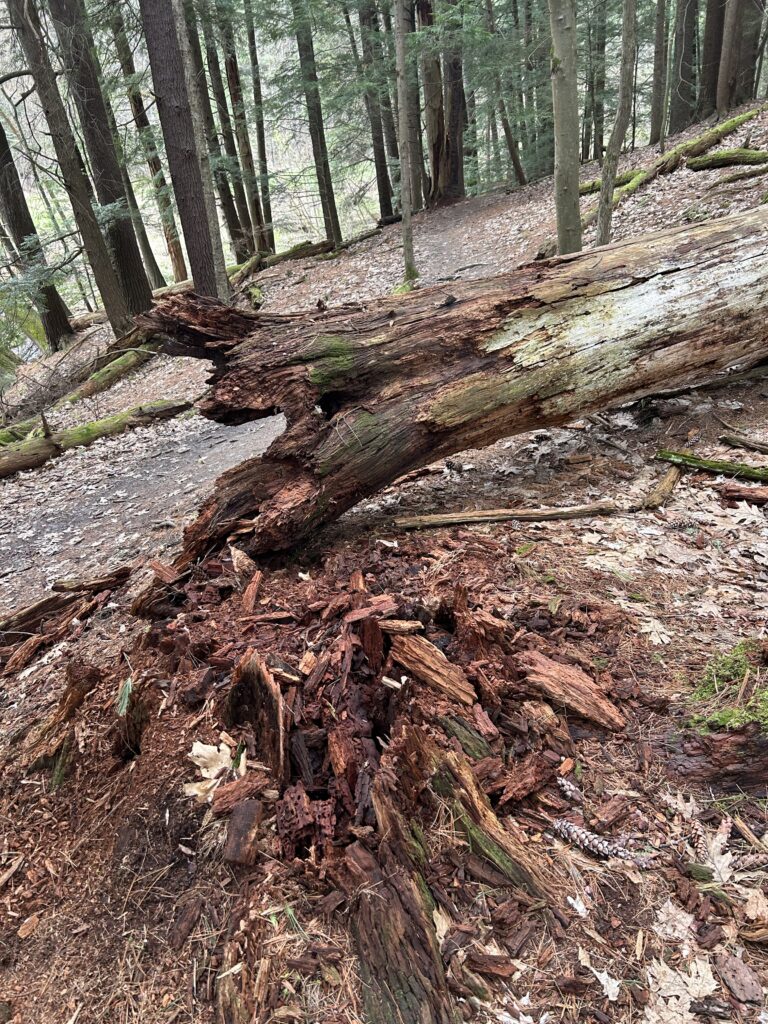
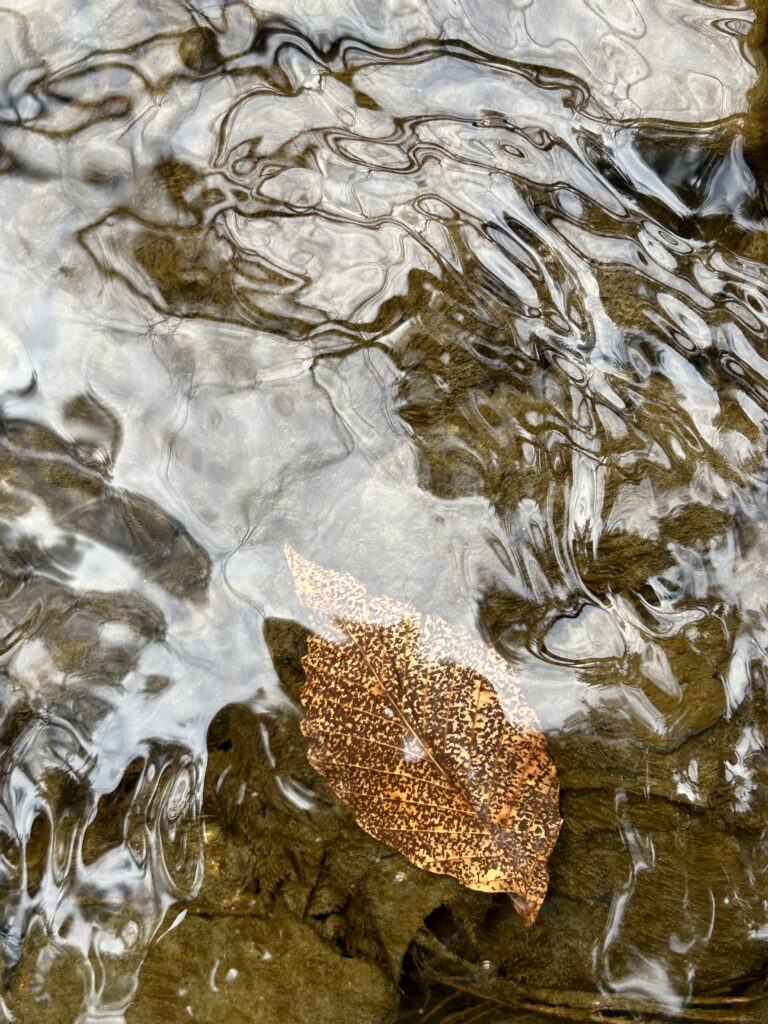
My site has experienced a few changes over the two semesters I have been visiting it. The deciduous trees had leaves, they fell, and then new leaves sprouted. Originally, there were ferns on the ground, but not all of them survived the snow of the winter. There are new ferns unfurling now. Also, a large tree central to my spot has fallen over recently. I have become familiar with the fallen log over the path, where I sit to do my sketches. I have also become familiar with the brook. In the brook, I have found several pieces of old broken glass and pottery, but I also see a lot of decomposing leaves and plants. So, the remains of both nature and culture end up in the brook. I would consider myself a part of my place only when I am there. I think that interacting with the life in the forest is what makes me a part of it, and that is only able to happen when I am in Centennial Woods. Overall, I have really enjoyed visiting my spot.
Sketch of my spot.

BioBlitz Experience

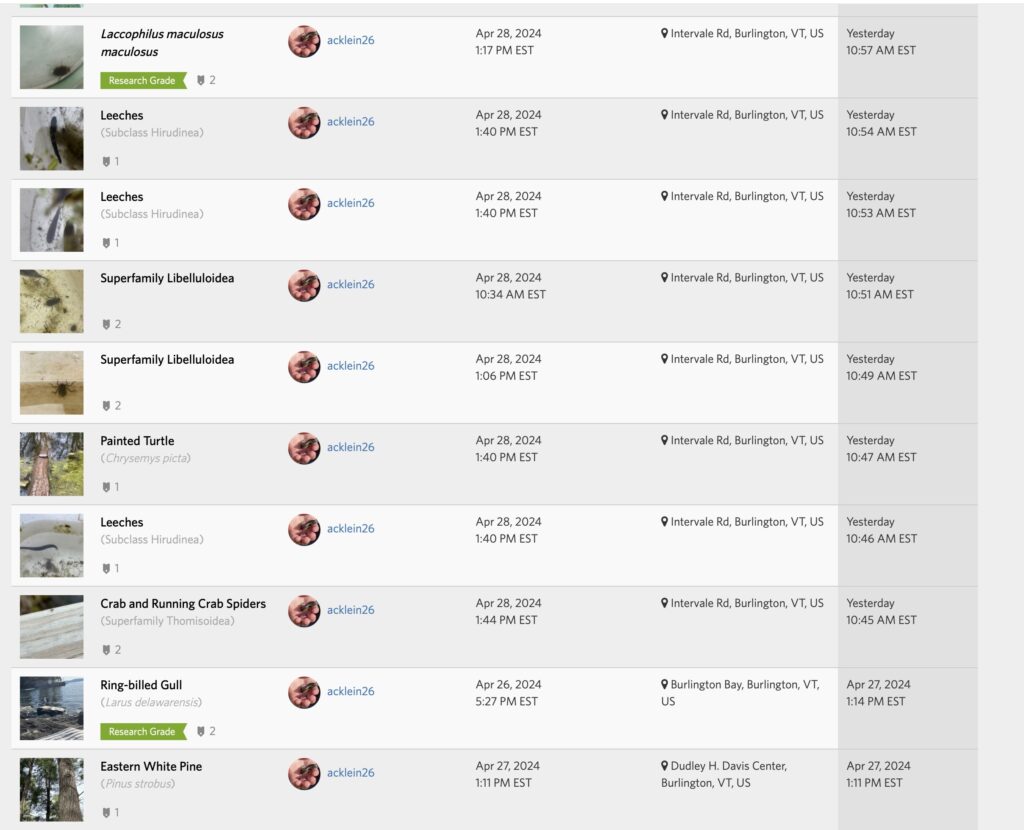
During the BioBlitz, I explored campus and the Intervale Center. I participated in the Spectacular Nature Day, at the pond dipping table, and I was able to see a variety of creatures. My experience using iNaturalist was a lot of fun. I enjoyed getting confirmations of my identifications from others, and a couple times people were able to narrow down what I had seen. I also explored the iNaturalist website for the first time (previously I was only using the app), and I discovered new features of iNaturalist. I encountered twenty-two species. Looking around the globe, it seems that observations are dense either in cities or along bodies of water. 

Here are some of my observations on iNaturalist.
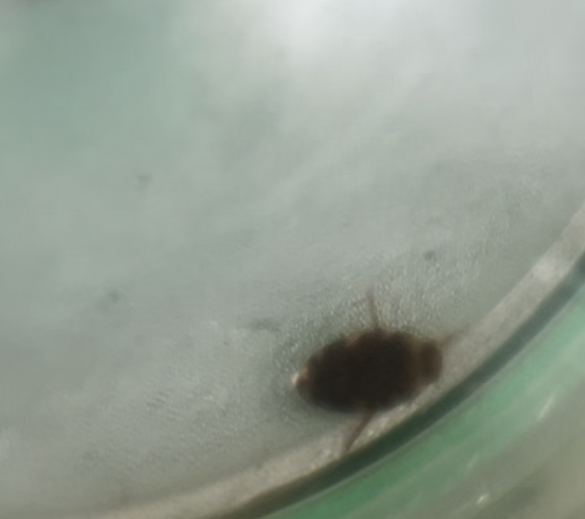
As one of my observations, I uploaded a blurry photo of this diving beetle. Just based on this, a stranger was able to a specific subspecies of a type of diving beetle.

3-24-24 Phenology Spot

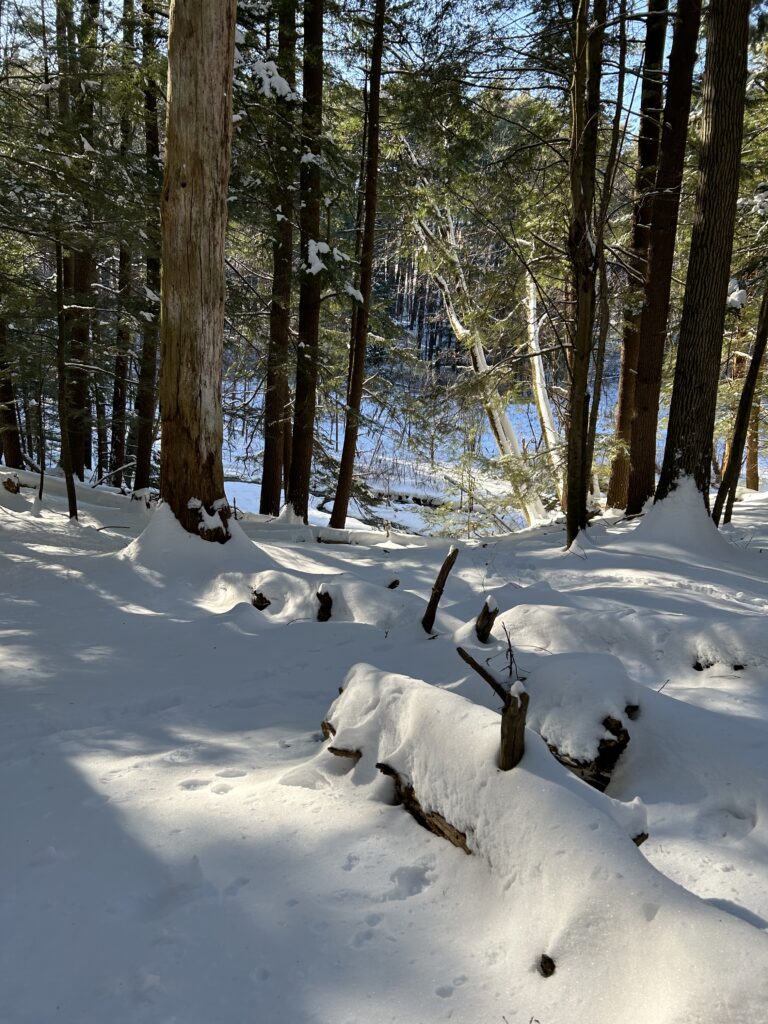
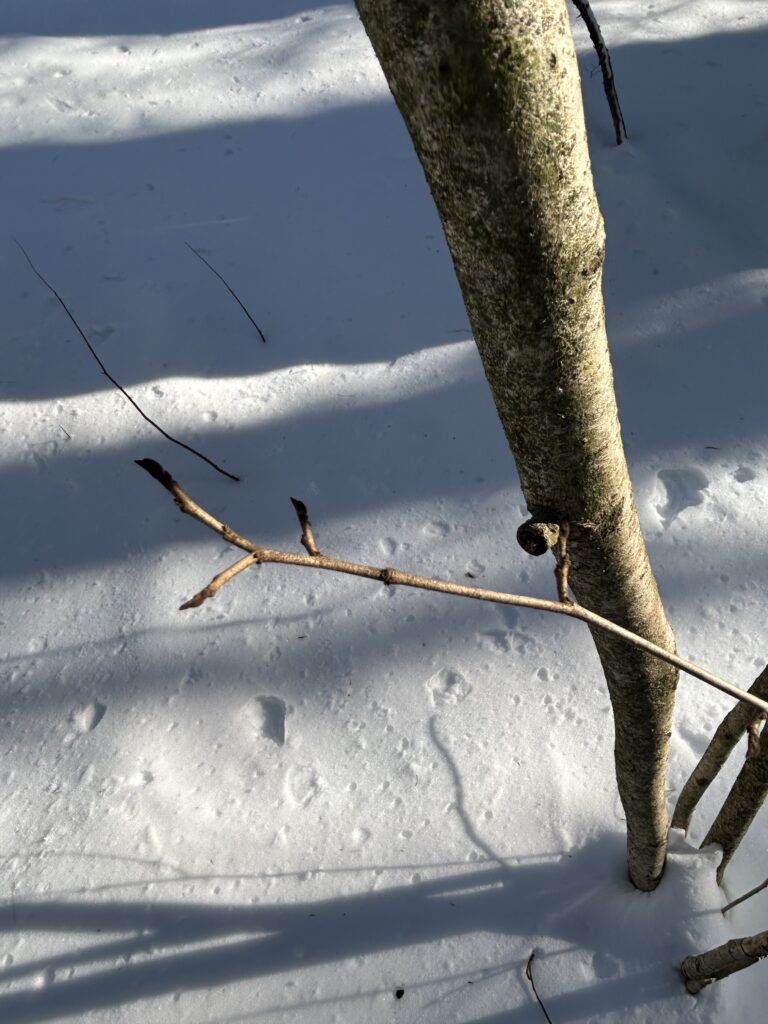
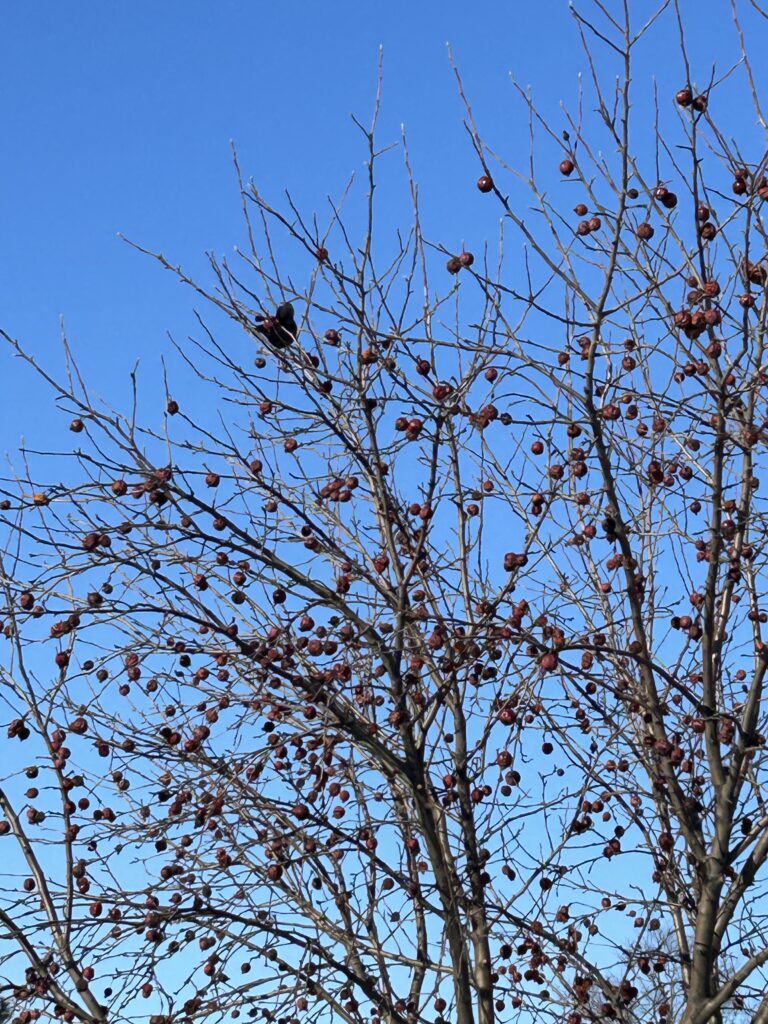
I visited my phenology spot this Sunday, 3-24. It had been snowing the entire day prior, so the entire ground was covered in a thick layer of snow. Despite the fresh snow, I did not see any animal tracks. My phenology spot is largely coniferous trees, but I did notice a couple deciduous trees budding. I was listening for bird calls when I was there as well. Sometimes I heard only water, and sometimes I heard birdcall, though it sounded like the bird was rather far away. I only ever heard one bird at a time, but I heard two different species of bird. I compared them to the sounds of our focal bird species, and did not find a match for either birdcall I heard. Overall, the appearance of my site was similar to when I last visited in January. Though the snow was deeper this time, I could tell it was beginning to melt as I could see snow falling off the tree branches and the sun was out. Also, the water in the stream was flowing this visit, whereas last visit the stream was frozen solid. As I was returning to campus, I noticed that a couple trees were fruiting, and there was a bird eating the fruit on one tree – this was the most obvious sign of spring I saw the whole time.

Snow, coniferous trees, and lack of animal tracks

Buds on tree

Bird eating fruit (not at my spot)

Birdcall I recorded and was unable to identify

Wildlife Sign in Burlington

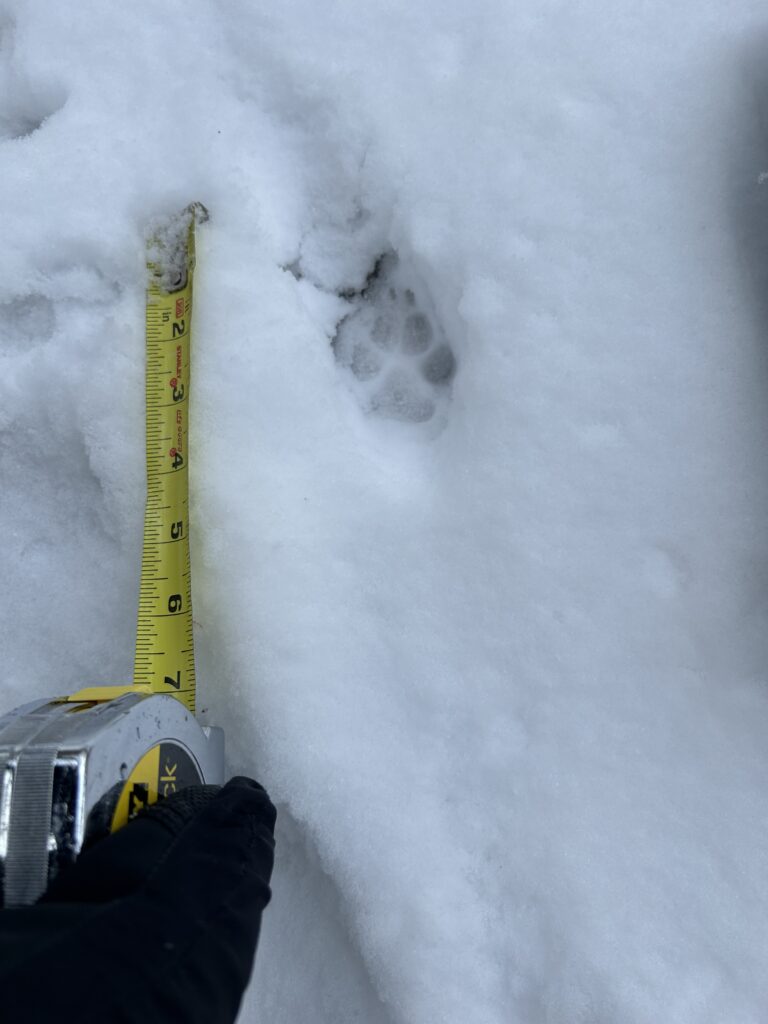
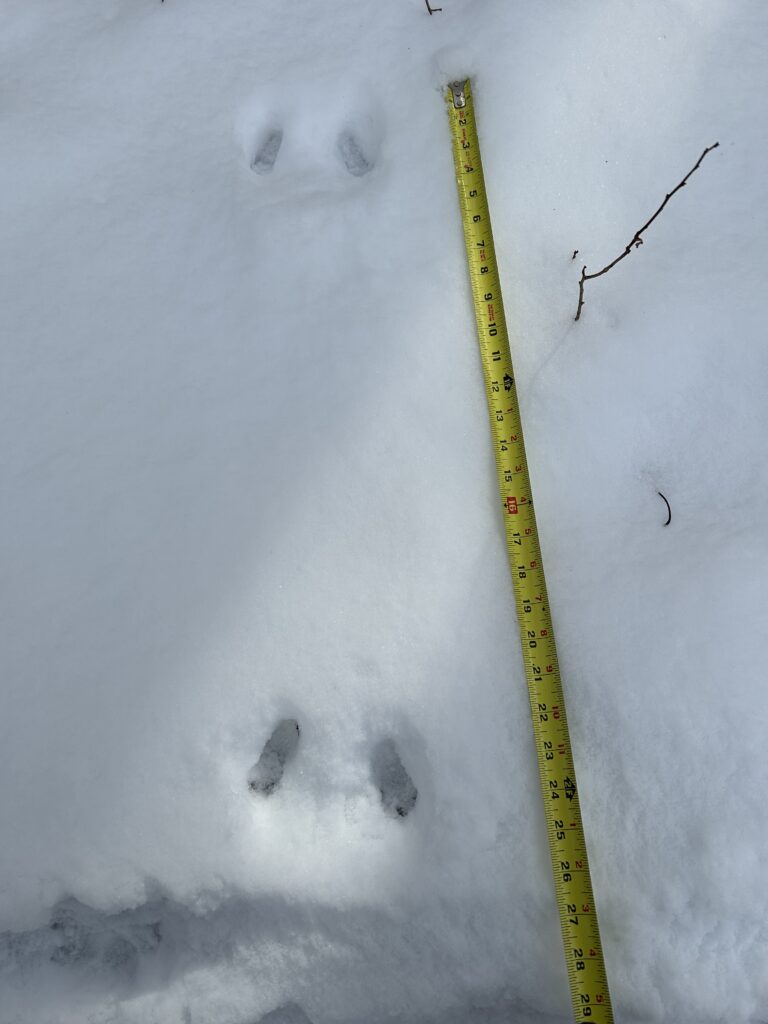
I went tracking on Saturday, February 17th. I went to Rock Point. There was snow on the ground, and I walked all the way from the community gardens to the fault line. The majority of the tracks I saw were parallel to the trail, and looked like they could be dog tracks, so I did not photograph them. Once the trail narrowed, I saw a print that was particularly clear and decided to take a picture of it. At the time, I assumed it was a dog track, but looking back, the track was about two inches, which meant that it was the same size as a fox track. It still could very well be a track from a small dog though; I am having trouble determining which. Since there is a big paw pad, I would guess it is either a red fox or a small dog.

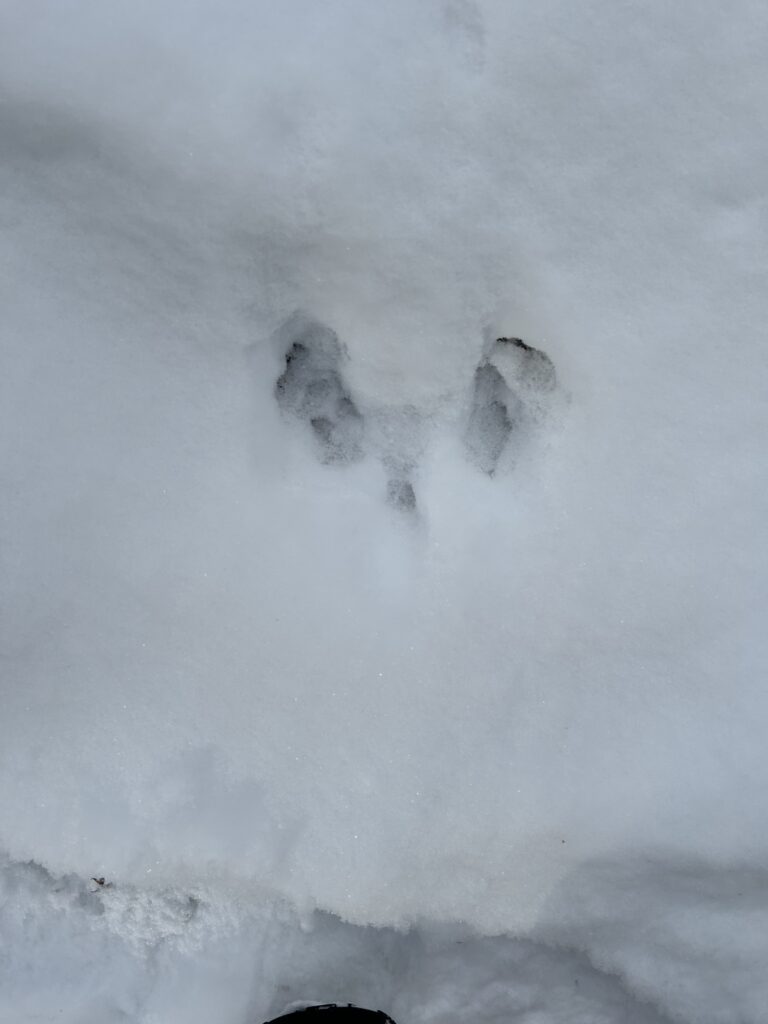
The next track I saw was much less clear in terms of the shape. There was obviously a bounding pattern, though, and the tracks are about two and a quarter inches long. Also, it appeared to be direct registering. Based on the size and bounding pattern, my guess is that this creature is a grey squirrel. In the second photo, you can see the imprint of a tail. If it is a squirrel tail, then the imprint is just of the base of the tail.

I decided to wait to upload my observations to iNaturalist until I was working on the blog post. This was not my best idea, as I was not able to complete the blog post until the iNaturalist group was no longer accepting submissions.

Animal Signs

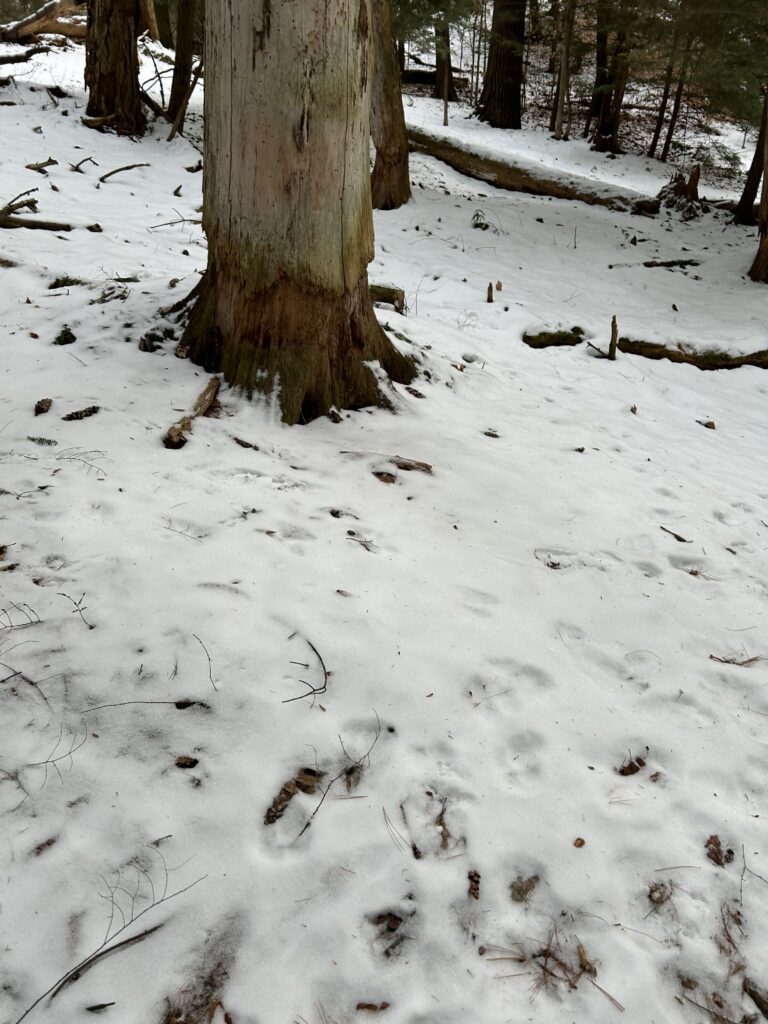
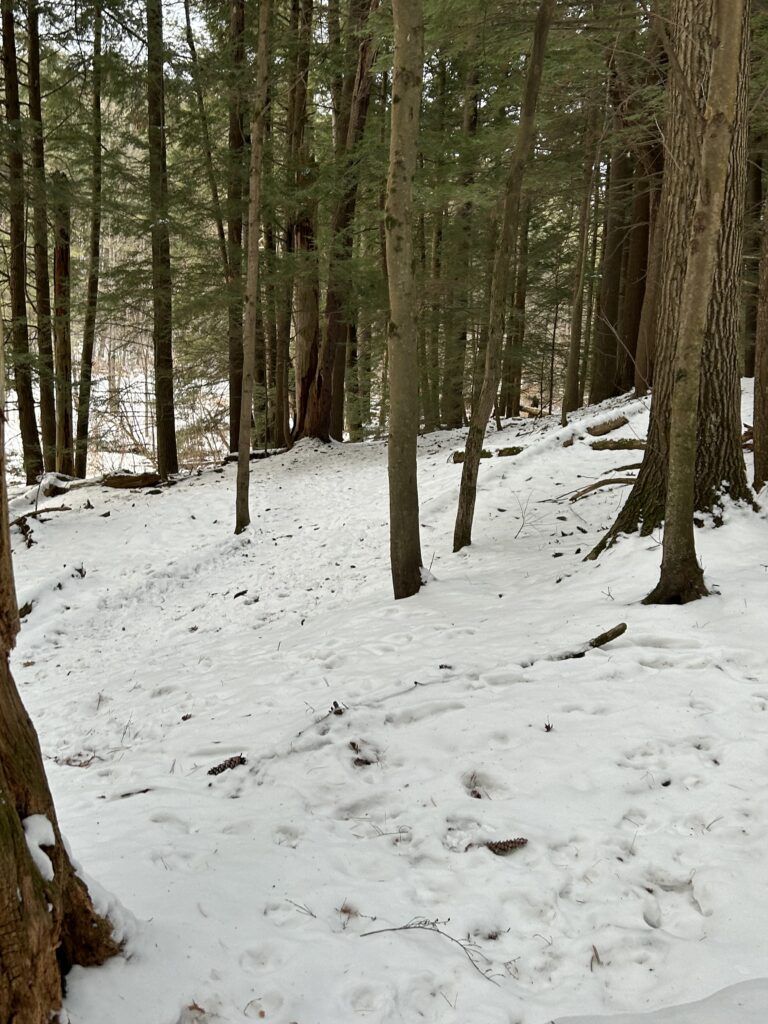
Though I saw some animal signs, they were tricky to distinguish from what species. I did not see any scat. I saw a couple different tracks, but they appeared as though they had been there for multiple days and were unclear. In the photo below, I can see what I think is a white-tailed deer track, and near it are a few tracks that look canine.

Phenological Changes

Since last visiting my site in November, there have been a number of changes. The most obvious of them is that there is snow on the ground. This meant that no leaf litter was visible. There were some pinecones on the ground, though. Another change is that now the deciduous trees are completely free from leaves. Finally, the stream was frozen over.

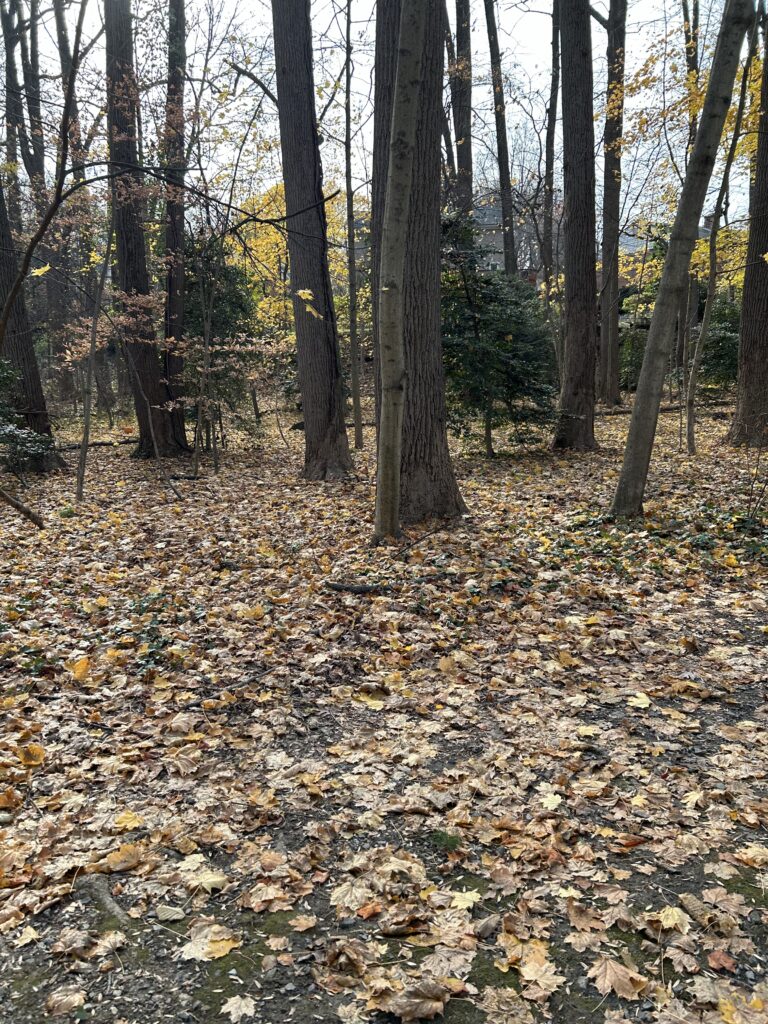
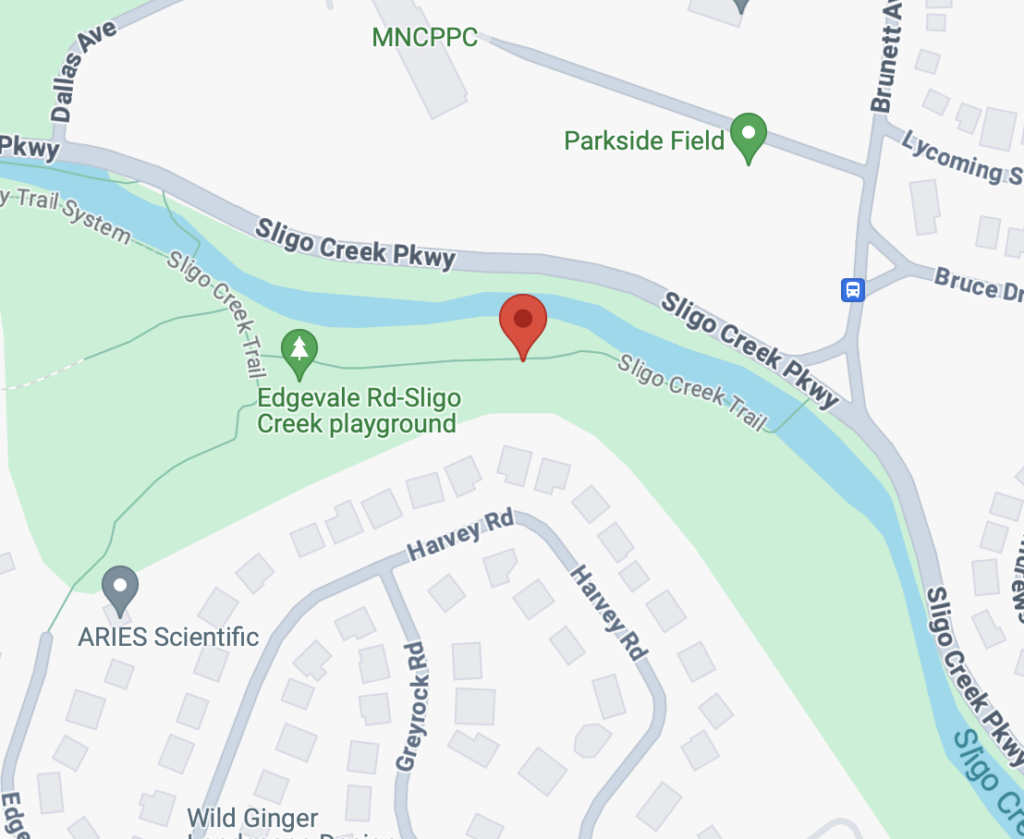
Sligo Creek Trail Photos

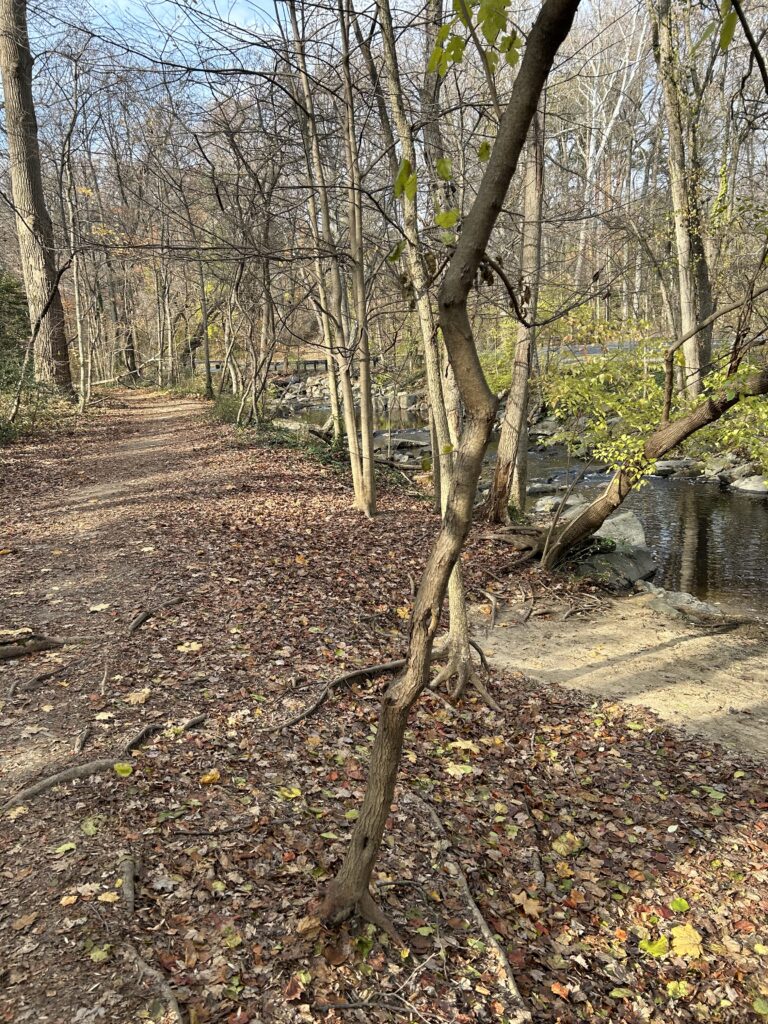
Trail along the creek

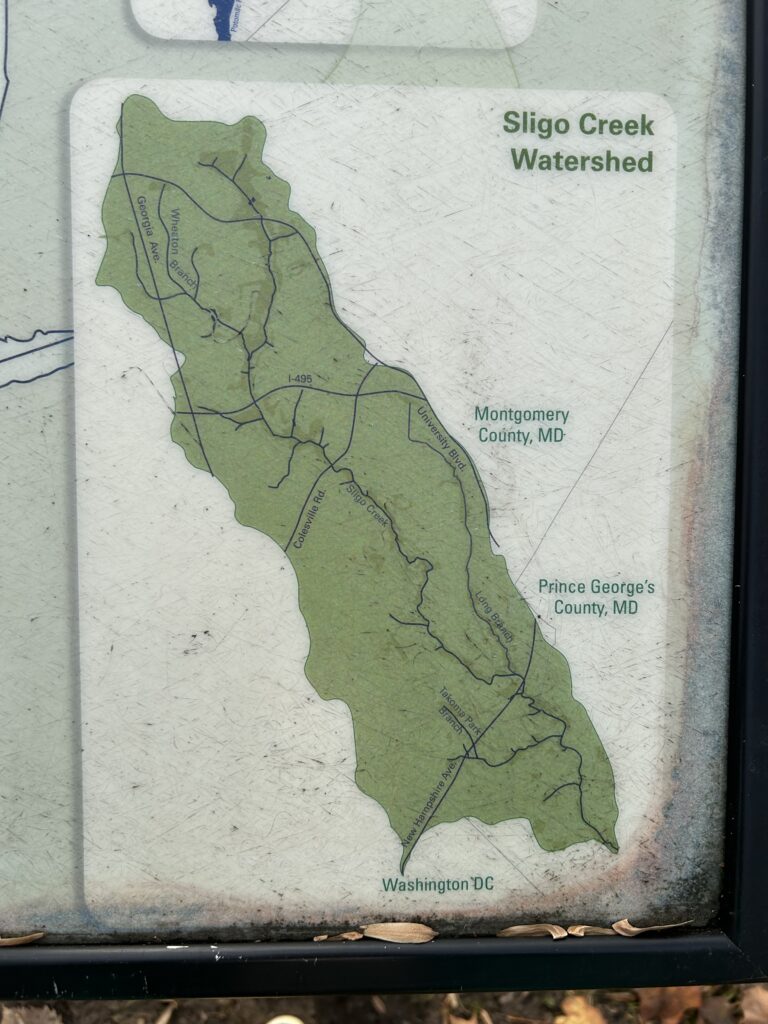
Sign with map of Sligo Creek watershed, located along the trail

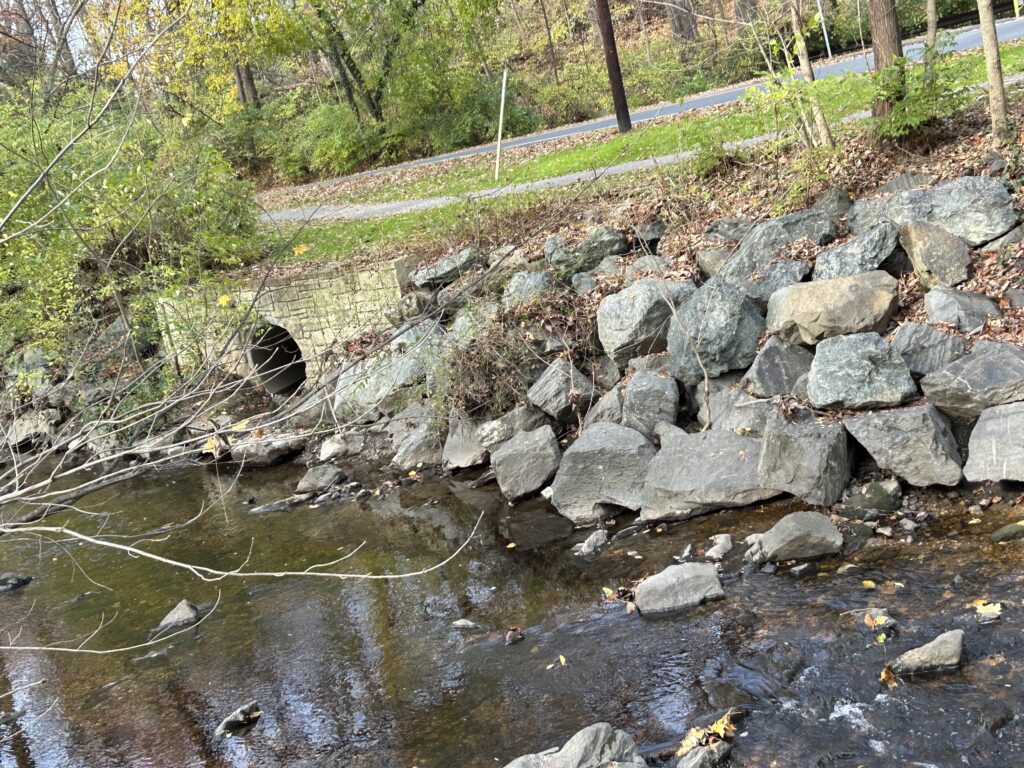
Human additions: a storm drain to manage rainwater and rocks along the edge to prevent erosion

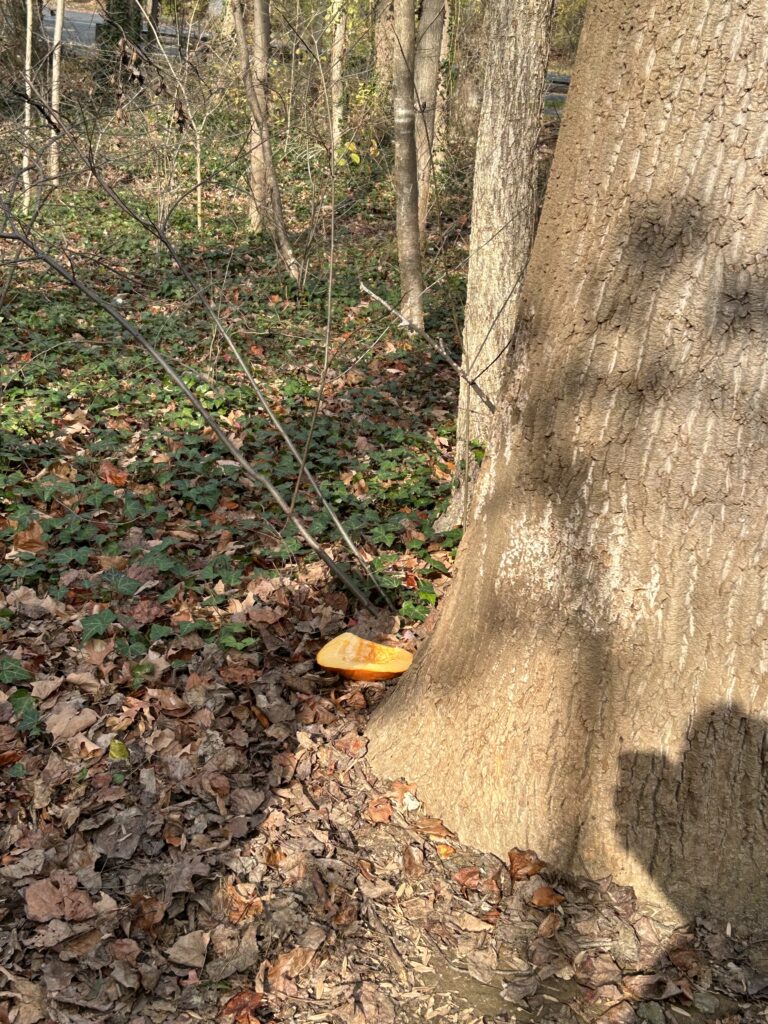
My Honorable Harvest gift: a piece of pumpkin, which will feed wildlife and break down into nutrients

Trees along the trail

Sligo Creek Trail vs Centennial Woods

  • Ground Cover
    • Centennial: Mostly ferns
    • Sligo Creek: Mostly ivy
  • They are both urban natural areas
    • Because of this, the waterways in both are affected by the runoff from the large amount of developed area around.
    • They are also both accessible to a lot of people
  • There are different species of trees
    • Sligo has a lot of tulip trees
    • Centennial has a lot of Eastern hemlock and Eastern white pine.
    • They both have a number of different types of maple trees

New Phenology Site Location

Changes in vegetation

Since I last visited my spot in Centennial Woods, here are some changes I noticed.

  • Leaf litter and pinecones on the ground in addition to pine needles
  • Much fewer trees still have leaves

Previous Older Entries

Skip to toolbar