Posts

Phenology Spot: Final Visit (2nd Semester)

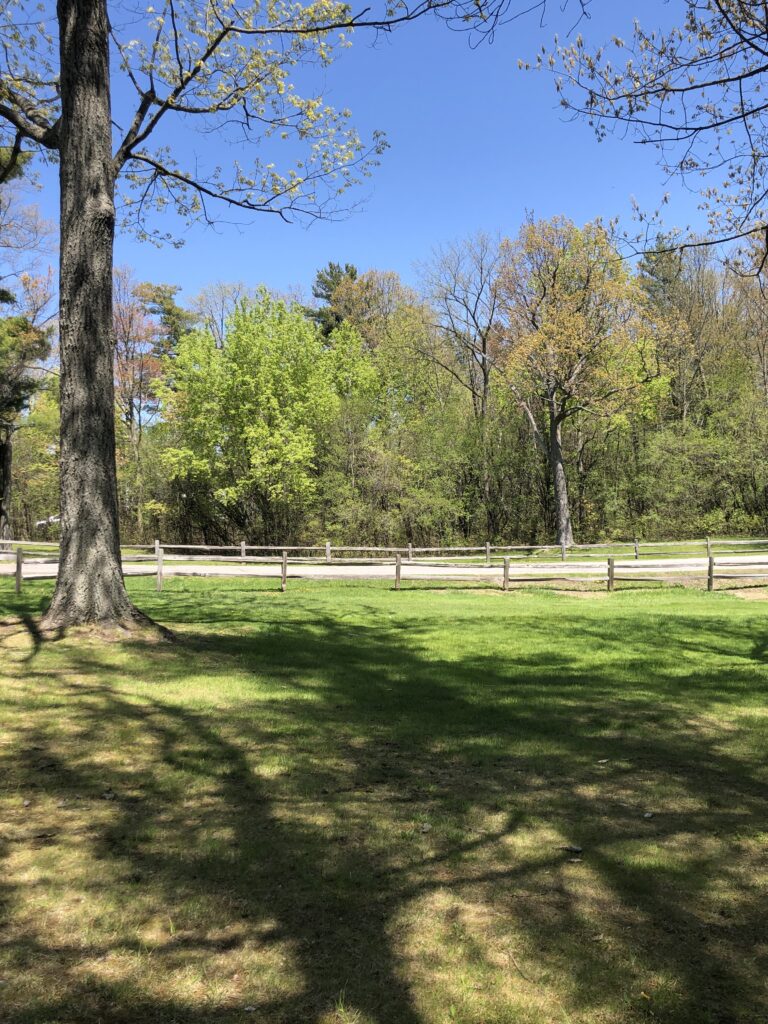
During my last visit today (5/13/2021), I went to my phenology spot with one of my friends. Today was a beautiful 65 degrees and breezy. The sky was cloudless and a gorgeous shade of blue. While I was there, I notice most of the understory and overstory had leafed out and bloomed. I also could tell that the pollen count for the day and especially near the country club gate was very high (good thing I took some Claritin!!!!) I was able to spot some focal species such as a very large Eastern Chipmunk (it stood still long enough for me to capture it in a picture). The Burlington Country Club also had planted an array of colorful tulips around their sign which I thought were very pretty.

In response to the two probing questions I will answer each individually.

In what ways do nature and culture intertwine at your place?

I think that nature and culture come to an intersection at golf courses. Don’t get me wrong, I think that golf courses have huge carbon foot prints due to their water consumption and maintenance, but I think that the tree lines around the course offer nice pockets of nature in a recreational space (there is the culture of recreation in the form of golf in a green area). Beyond this connection, golf courses are technically green spaces but since they are so private I think they can not be considered as public/community green spaces.

Do you consider yourself a part of your place? Why or why not? If
so, how?

I personally feel that I have an intimate connection with my place, that is to say I feel that I am a part of my phenology spot. I have visited it and documented it for several months which has caused me to form an attachment to my spot and its nature. Visiting my spot and noting its phenological changes has made me feel like I am a guardian of sorts to this small natural area near campus. Though I do not own or have any control over my spot, I feel like I can come back and still be familiar with all its features!
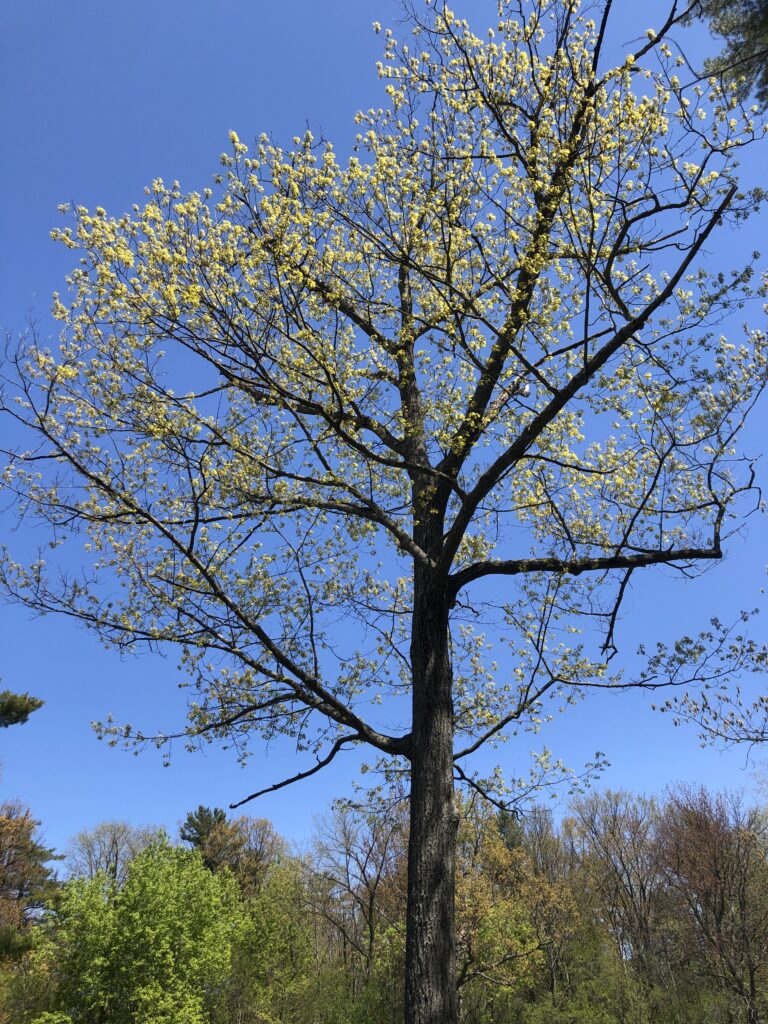
Leafed out Northern Red Oak
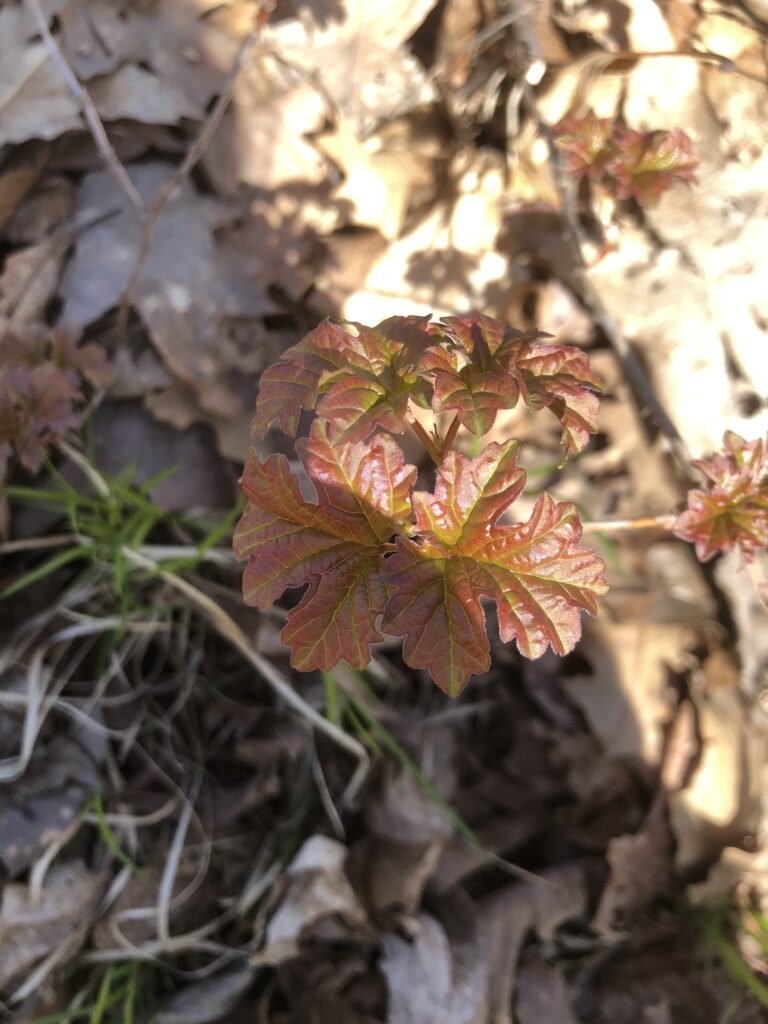
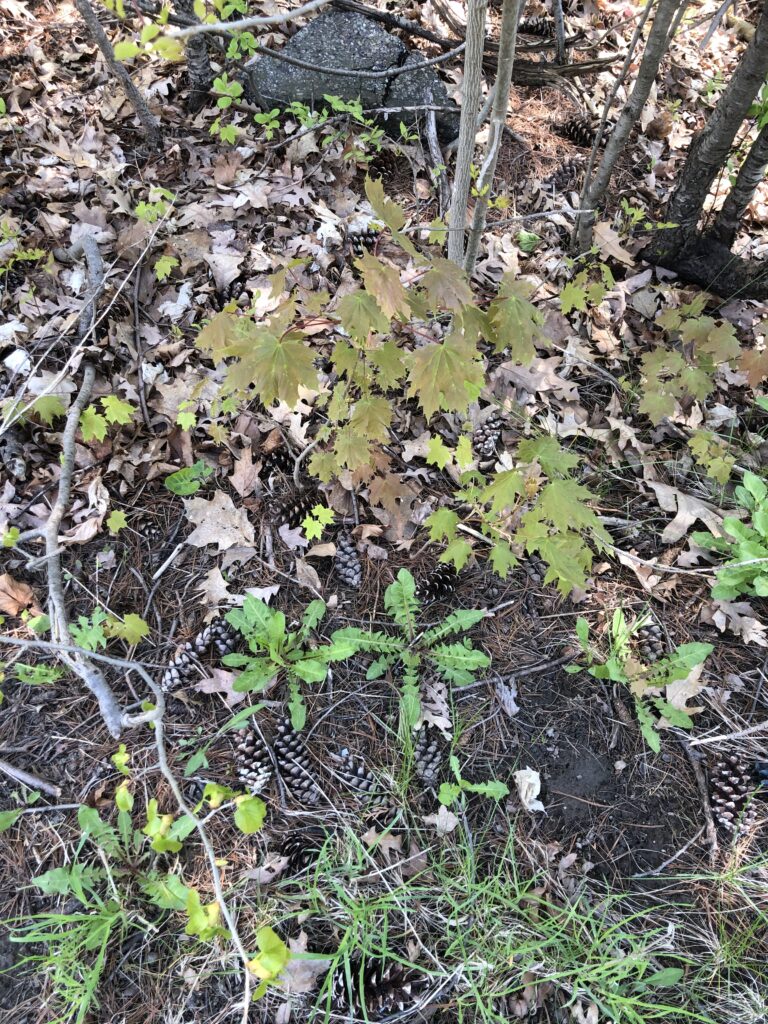
Some Norway Maple saplings.
Leafed out and blooming tree line near the entrance to the course.
Big Eastern Chipmunk!!!!

Phenology Spot: City Nature Challenge (2nd Semester)

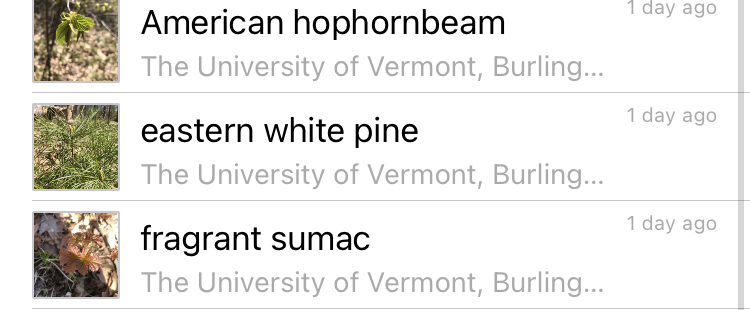
In the midst of the City Nature Challenge, my friends and I decided to explore the local phenology of Redstone Woods near (and on) our campus. We visited Sunday (May 2nd). The day was gorgeous with a sunny chill about it. While exploring the woods, we noted the vibrant understory full of saplings and tall grasses along with various shrubs. Some noted species we observed were Glossy and Common Buckthorn, Fragrant Sumac, Eastern White Pine, American Hophornbeam, and Dandelion. It was interesting to observe the salient tree species in the woods as the area showed signs of recent disturbance. The Overstory was populated with a significant number of White and Northern Red Oak trees. There were a few other tree species we could not successfully identify using iNaturalist. It is worth noting that iNaturalsit was very useful in identifying the species of shrubs and budding saplings.

After checking the site for the City Nature Challenge, I was interested by the city data breakdown. Some cities had little to no observations while others teemed with participants. It made me wonder what caused this deviation to occur (maybe cell service, financial and physical access, location, geography, politics, etc.).

Frangrant Sumac!!!
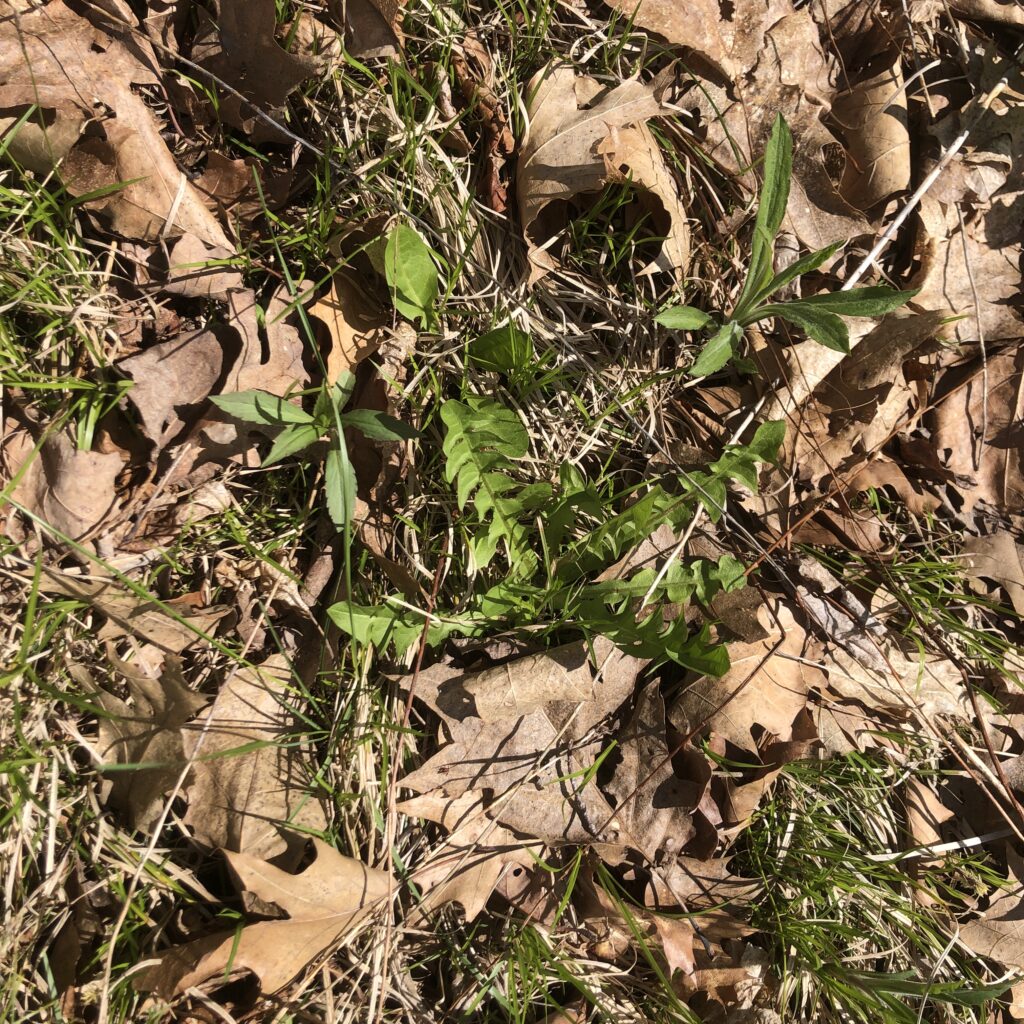
Dandelion Greens
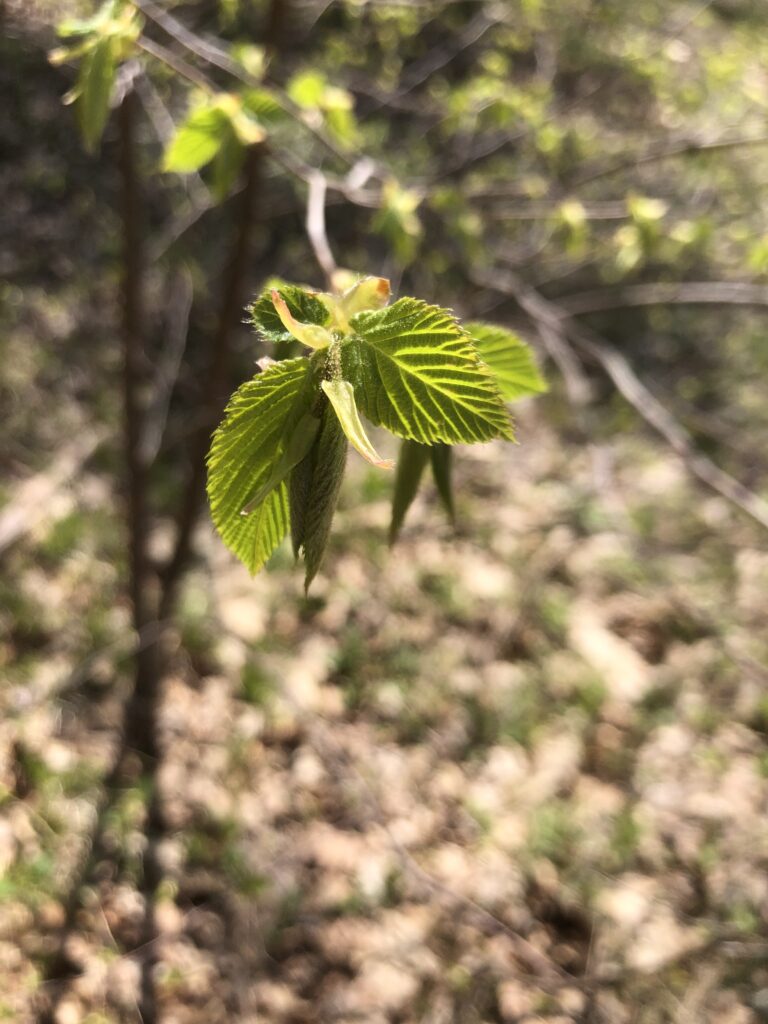
Leafing American Hophornbeam.
My iNaturalist observations during the visit.

Phenology Spot: 2nd and last Visit (2nd Semester)

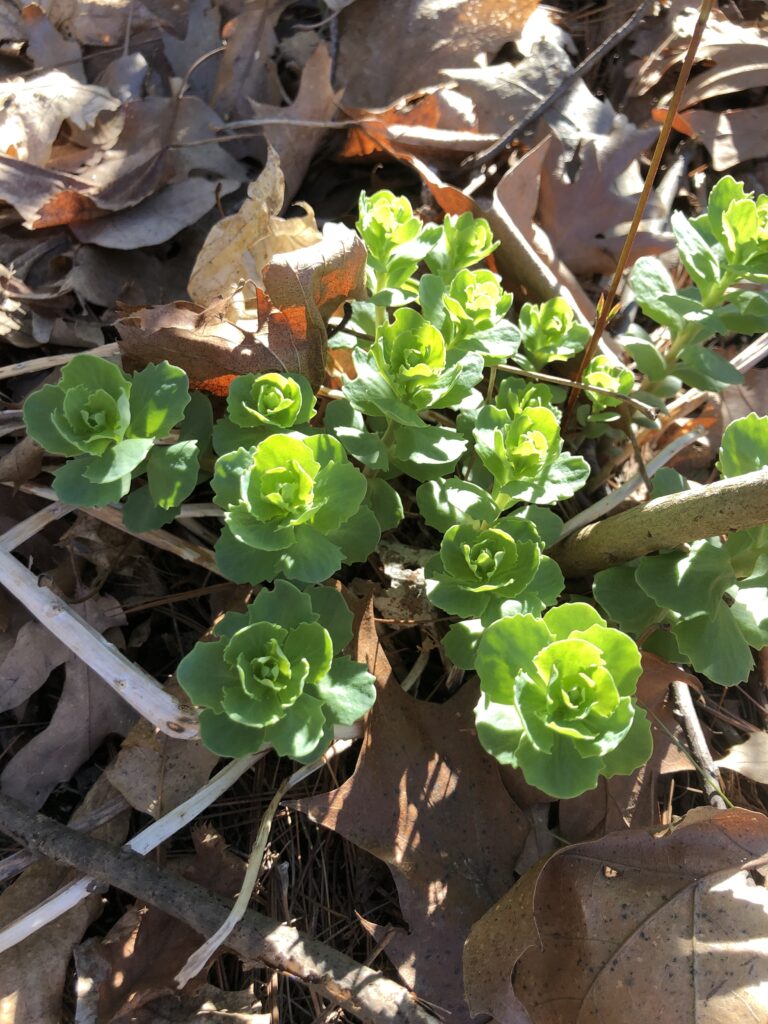
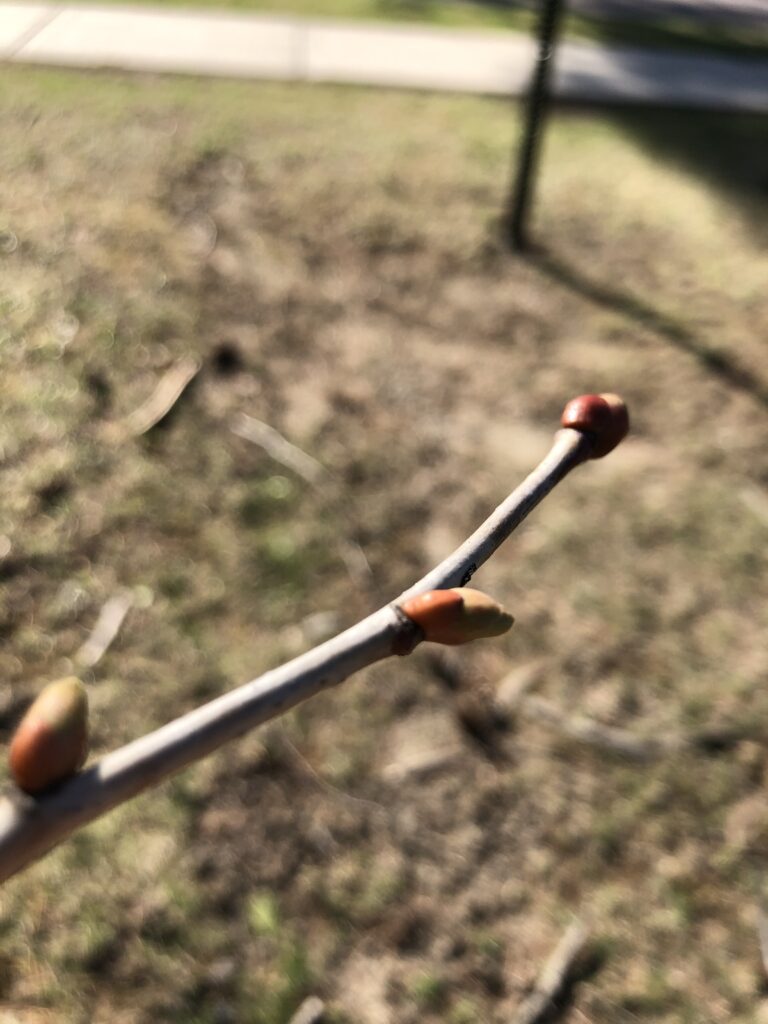
Today (4/13/2021) was a gorgeous and sunny day. The sky and air was clear. I walked down to my phenology spot after classes were over (around 4:00 PM). Once I arrived at the club entrance, I made way to the tree line where I began looking for phenological changes. I noticed that the Buckthorn has passed budding and had leaflets poking out of the casings. I also noticed a tiny, forest floor shrub that I did not recognize. Using iNaturalist, I found that it was under the Genus of Coporsma. Another cool plant that peeped up from the pine needles strewn across the forest floor was a small plant under the subfamily of Sempervivoideae. It had these clumps of compounding, alternating leaves, all in all, it was a fascinating plant to look at. There was a low amount of animal presence but I could hear and see a few birds in distant trees. I noticed signs of squirrels; chewed up shells of acorns from the grand Northern Red Oak on the property. There were also indiscernible prints near the sidewalk (I could tell it was from a large mammal but it was impossible to tell because they were incomplete). Also during my rounds through the tree line I found what I think to be was an Elm tree (not sure if it was an American Elm or some other kind). I was also able to find that one of the large trees by the driveway is a Red Horse-Chestnut. There were tall grasses and Dandelions poking up on the forest floor and near the tree line (I recognized the greens). Lastly, I had a very pleasant experience at my phenology spot.

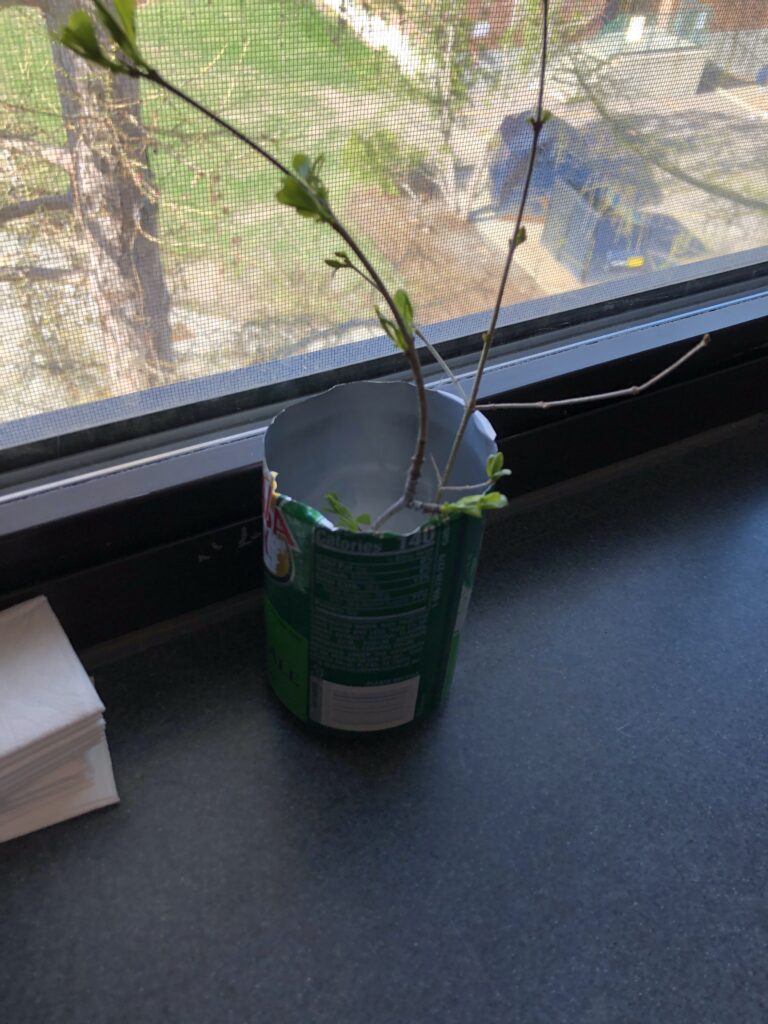
The two stems are Buckthorn and shrub in the Genus of Coporsma. I will add my ten day observations to my lab book!
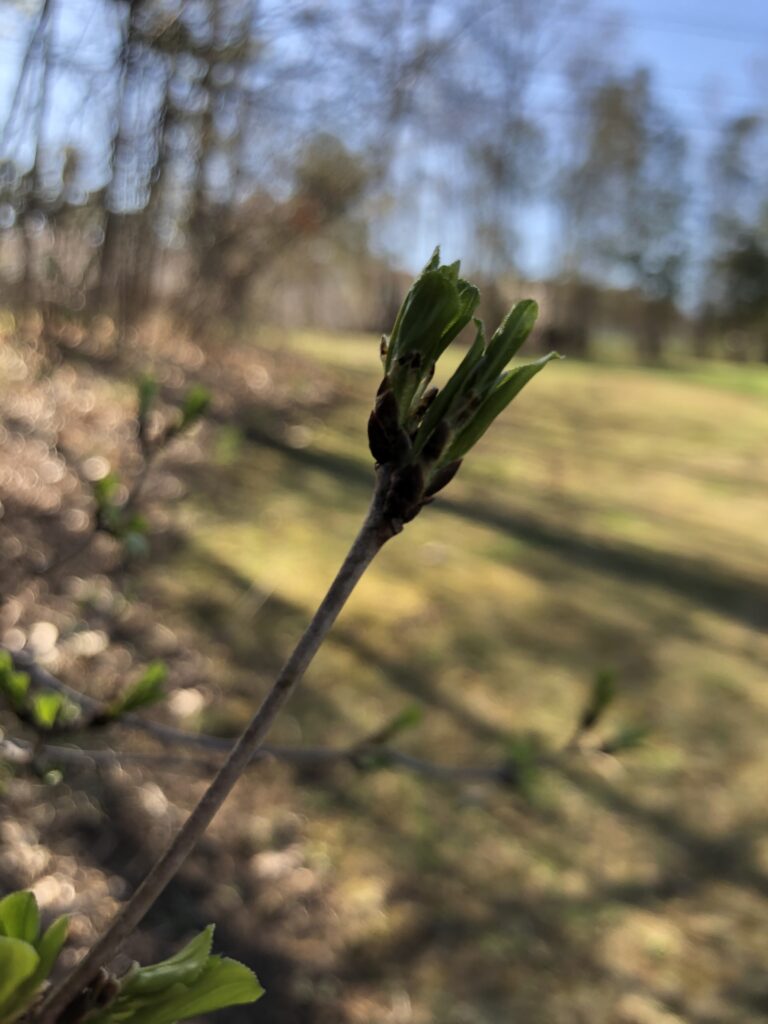
Buckthorn bud/flower
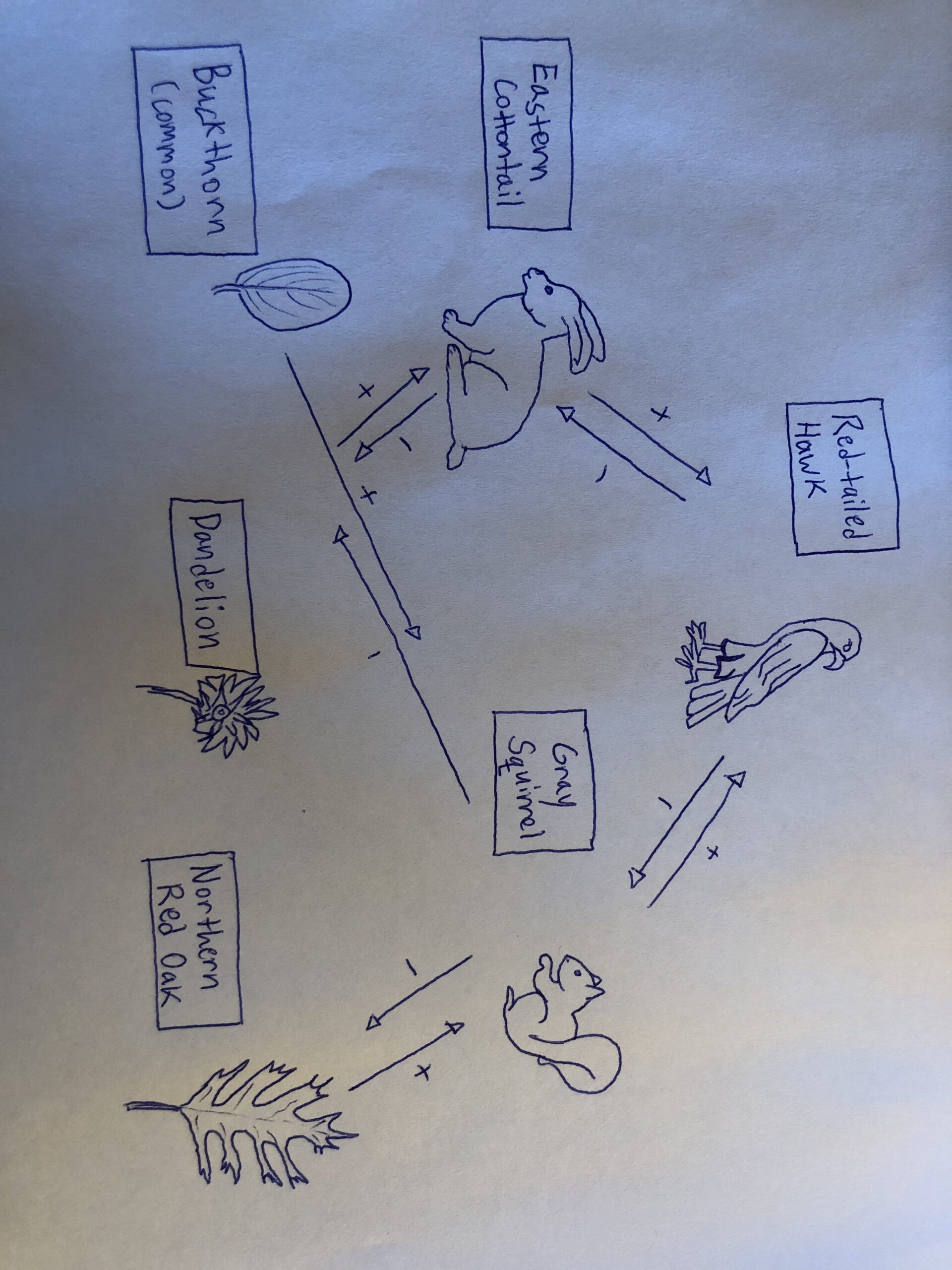
My species interaction diagram with focal species and observed species (sorry it is sideways, the crop feature won’t let me fix it).
Bud of the shrub in the Genus of Coporsma.
The small plant under the subfamily of Sempervivoideae.
Elm buds.

Phenology Spot: Exploration of Burlington (2nd Semester)

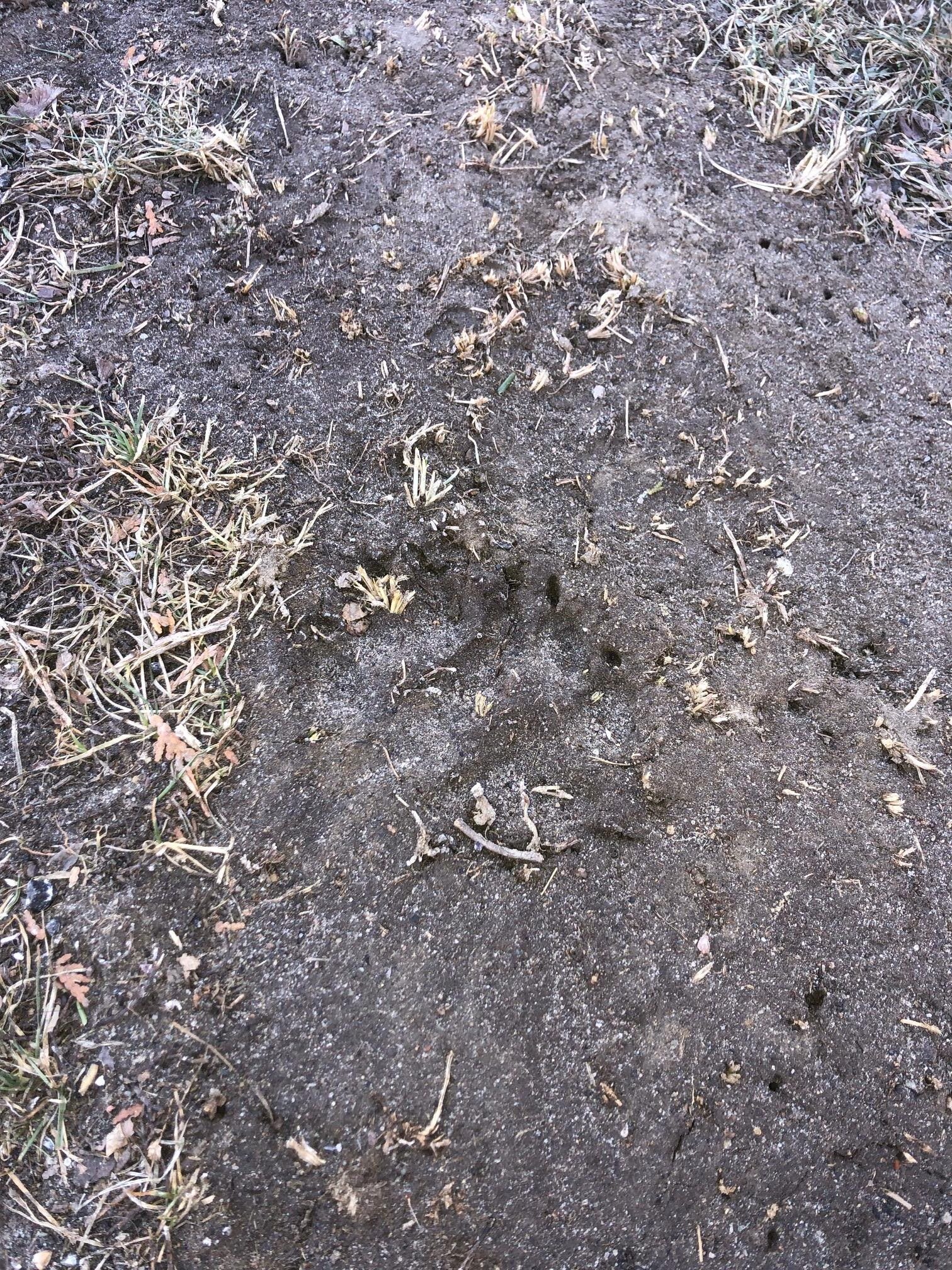
Paw print of a dog
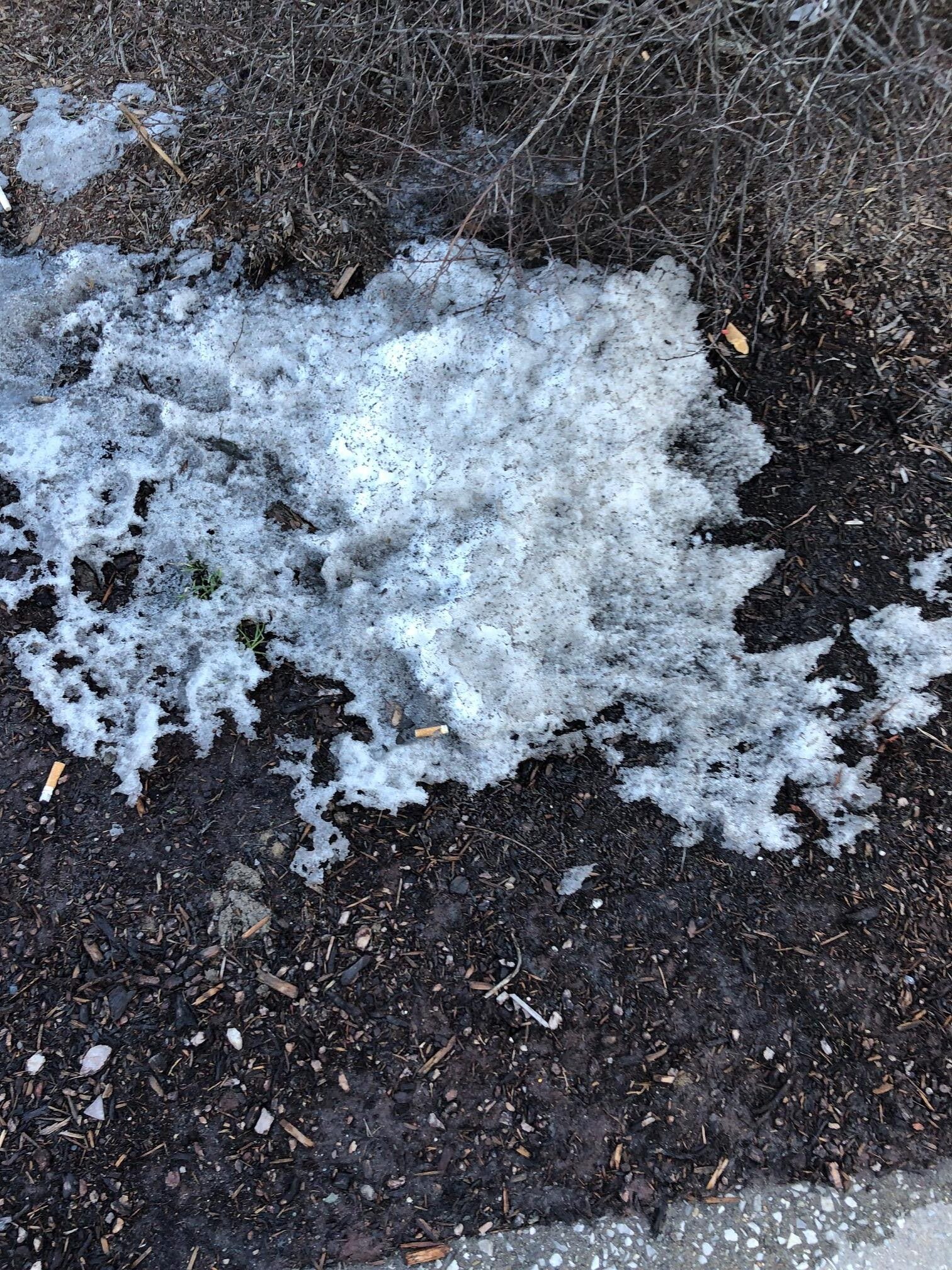
Snow pile with cool ice formations from melting and then refreezing
I was unsure of the species (tried inaturalist)
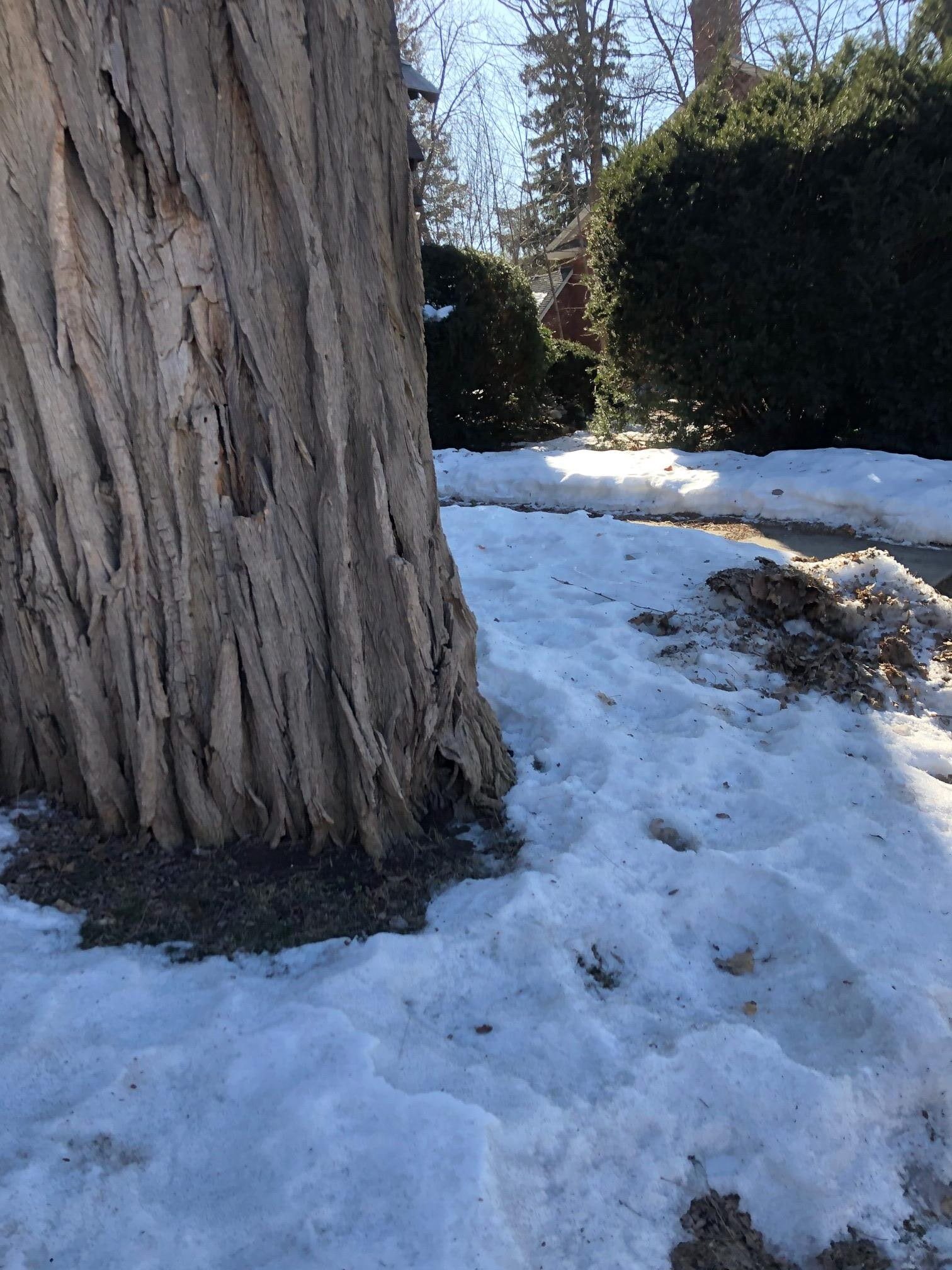
Black Locust Tree
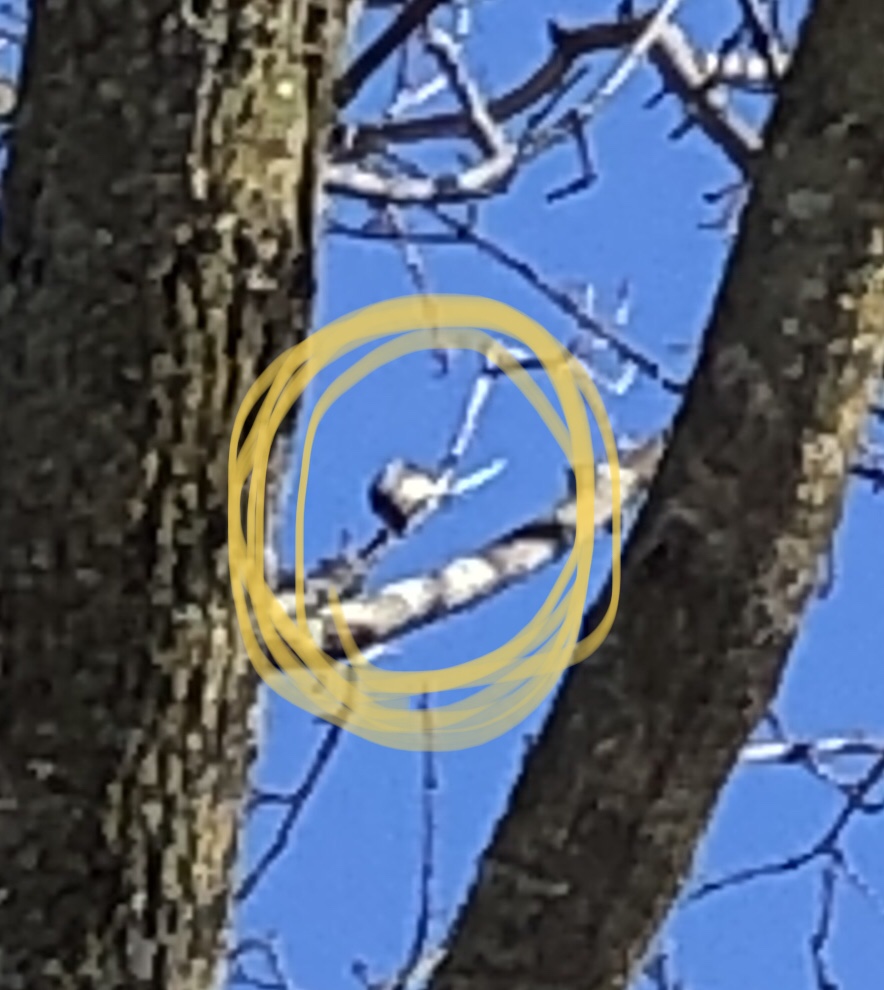
This was the only bird I heard and saw on my walk

Today (3/7/2021) I went on a long walk through Burlington and across campus for the latest phenology post. On the walk I saw many people enjoying the balmy, high 20 degree weather coming off the lake. The sky was clear with a bright sun and the wind was calm. On the walk I took the perspective of a phenologist and examined the wildlife in the city. The snow piles I found all had stalagmite-like formations that reached for the sky. Maybe they were created by a certain melting process? I think it could be the changing temperature or the copious amount of road salt the city puts down or a combination of the two. Anyways, it made fascinating structures. In the beginning of my walk, I came across a singular bird with a simple, two noted call. The bird stayed still long enough for me to take a picture (though the camera quality is poor). It had a yellow underbelly and was quite small. I also took pictures of two trees. The first I could not identify (it even stumped inaturalist). The second tree is one of my favorite trees… a Black Locust. I love the bark formations of this enormous tree. I had a very good time enjoying the fresh breeze and the natural areas the city has to offer.

Phenology Spot: Visit 1 (2nd Semester)

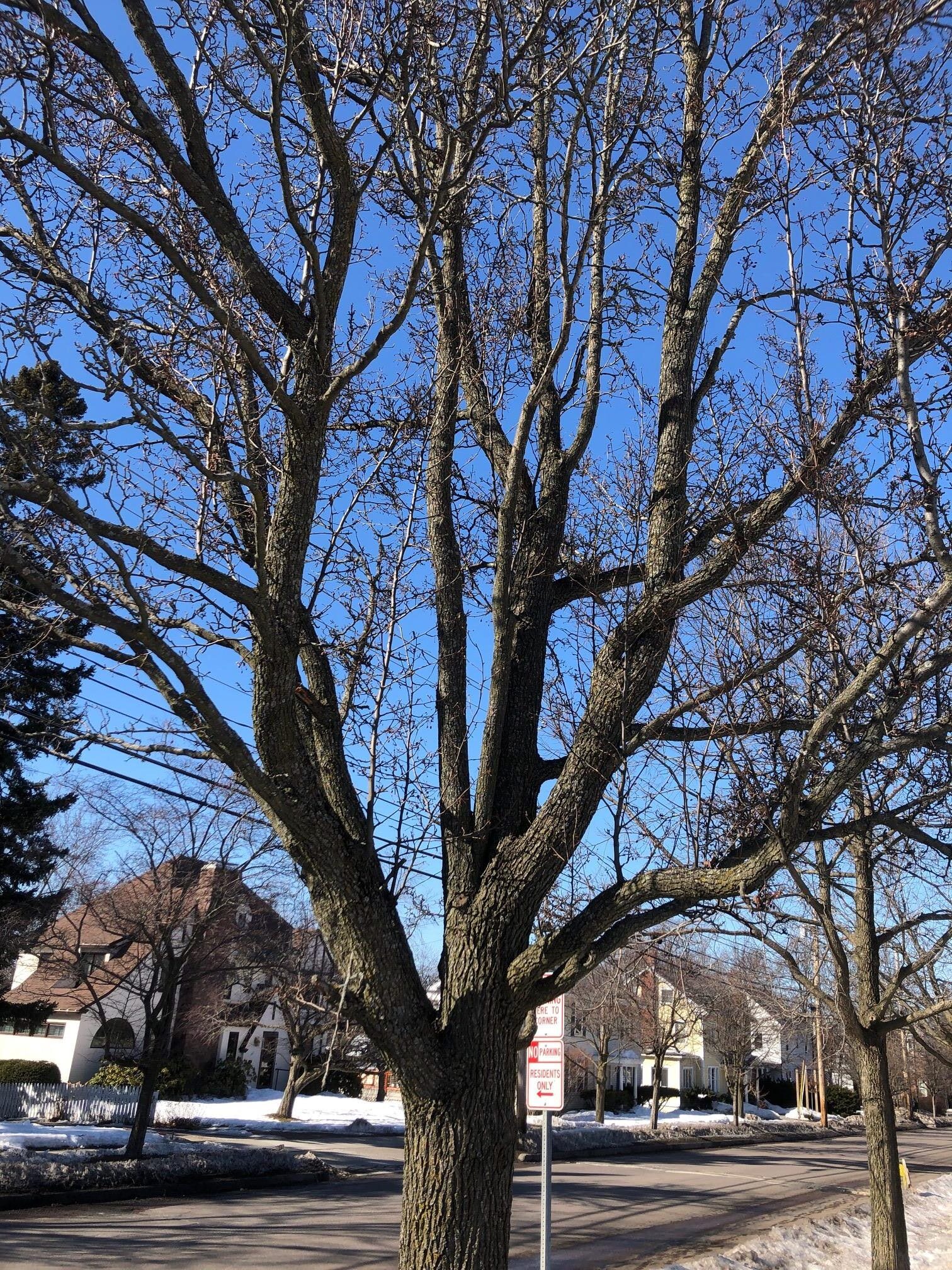
During my visit on Wednesday the 3rd of February, I noticed only minor nuanced changes in the landscape and life. One key difference in the Northern Red Oaks I noticed was that they were stripped clean of leaves. I assume that the harsh winter weather managed that long before I visited. Some of the branches look diseased or atrophied (this is only speculation). Also the tree line was recently clipped back (a lot of Buckthorn was cut back to the stump). Due to the time of season (hibernation or Dormancy) and constant snow, I was un able to find any tracks (even when I went to the tree line, the areas around shrubs were clear).

Citations for my Phenology Project (APA)

Images:

Phenology Spot Documentation [Personal photographs taken in Burlington Country Club, Burlington, VT – Derby Hill Road, Rupert, VT]. (2020, Fall).

Research:

Scott, E. B. (2005). Fairholt Collection, 1895-2005. Retrieved December 02, 2020, from http://www.smclibrary.com/archon/index.php?p=collections%2Ffindingaid%2C

Freyne, P. (1999, August 4). Appealing Fairholt. Retrieved December 01, 2020, from https://www.sevendaysvt.com/vermont/appealing-fairholt/Content?oid=2431081

C. (n.d.). Welcome to Burlington Country Club . Retrieved December 02, 2020, from https://www.burlingtoncountryclub.org/Default.aspx?p=DynamicModule

History of my Phenology Spot

The history of my Phenology spot, which lies on the property of the Burlington County club, dates back to the late 19th century (1890s). Henry Holt, a renowned publisher from New York City, purchased a significant portion of land (seller unknown) to build his summer mansion, “Fairholt.” The esteemed Fredrick Law Olmstead was the assigned architect for the project. Olmstead also oversaw the creation of “Fairholt Park.” In 1924, shortly before Henry Holt passed away, 150 acres of the Fairholt estate was purchased by a group of members of the Waubanakee Golf Club (which later became the Burlington Country Club). The club has maintained and owned the land since the purchase.

Phenology Spot (No.2): Visit 1 (Documentation)

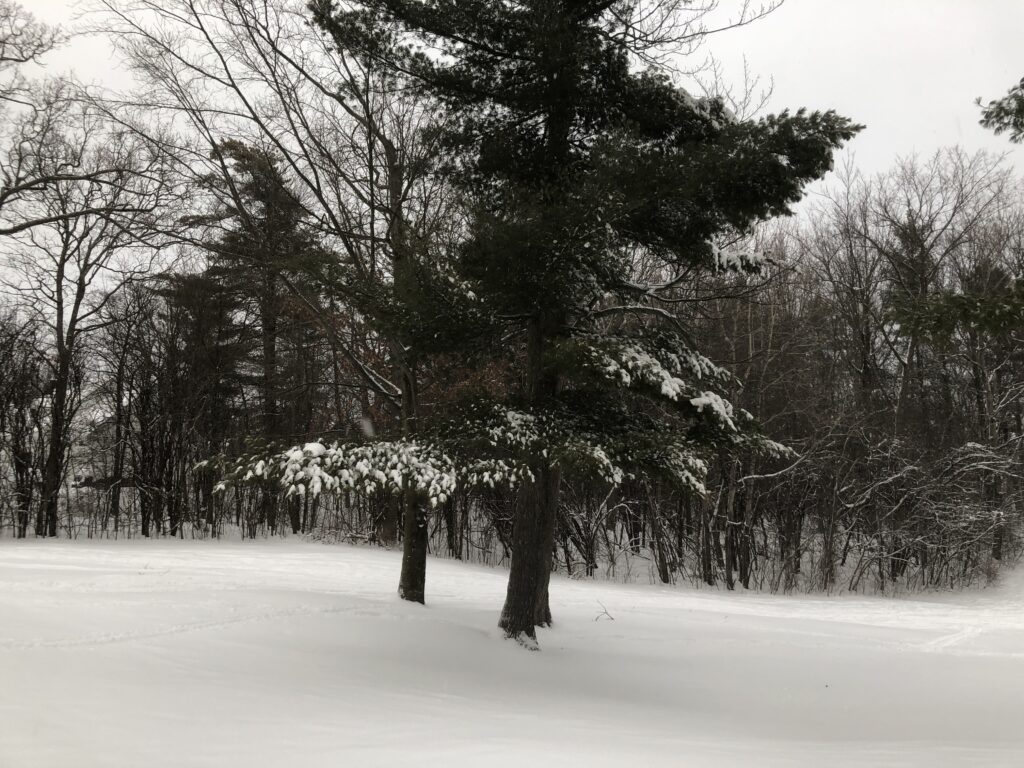
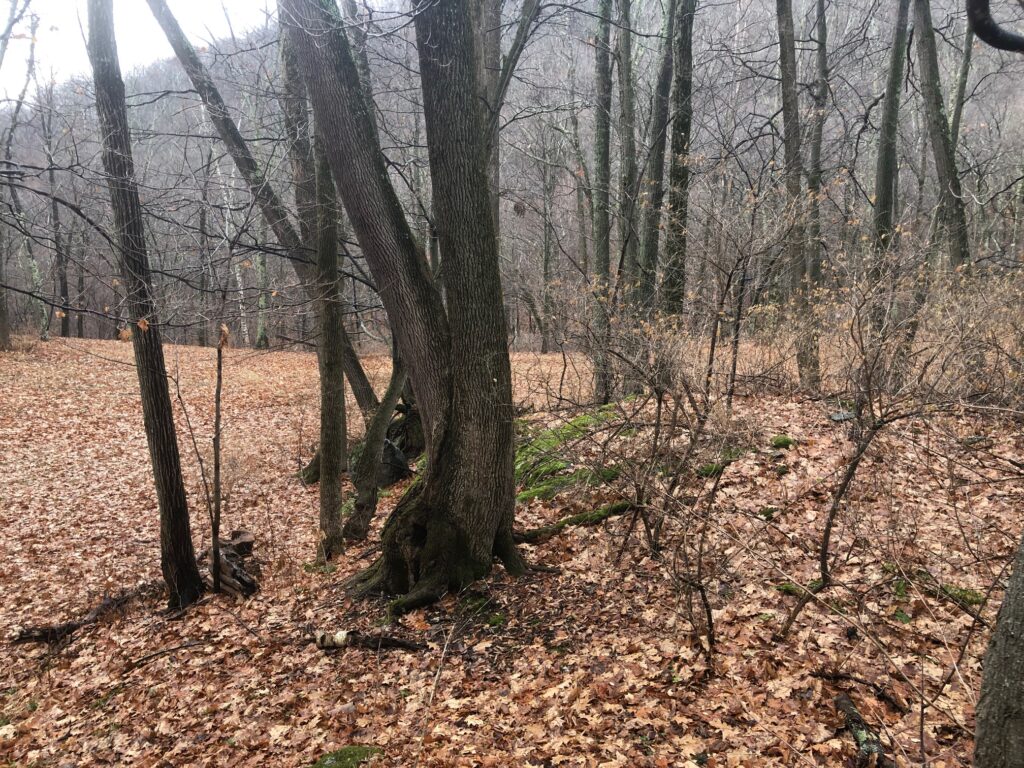
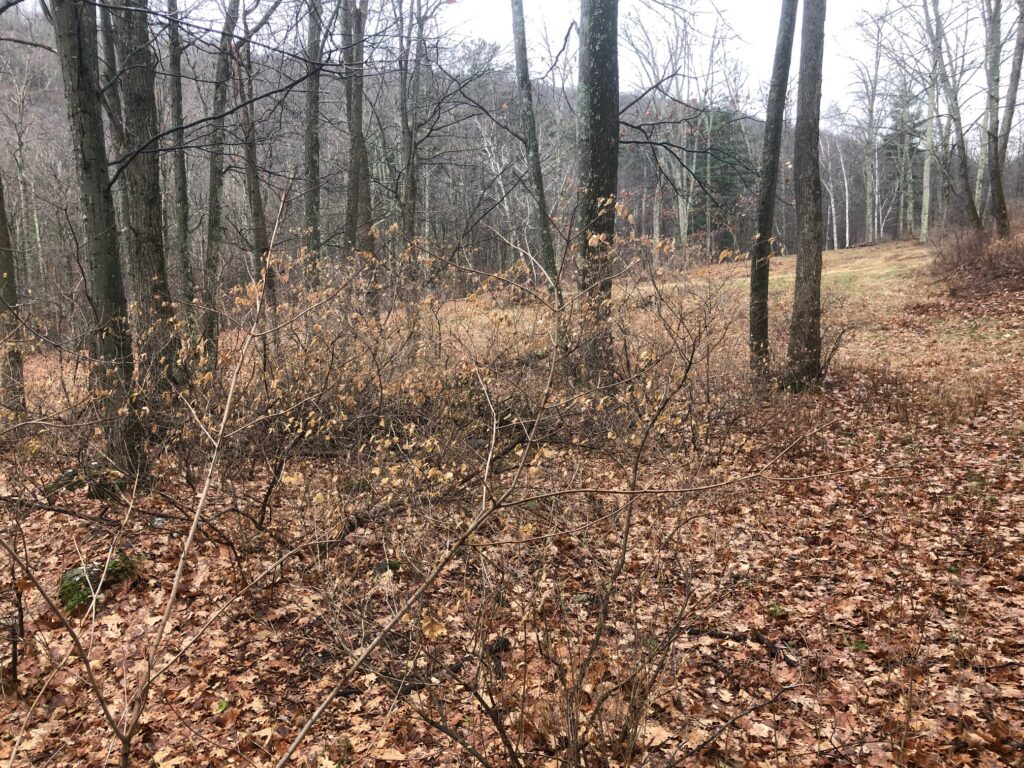
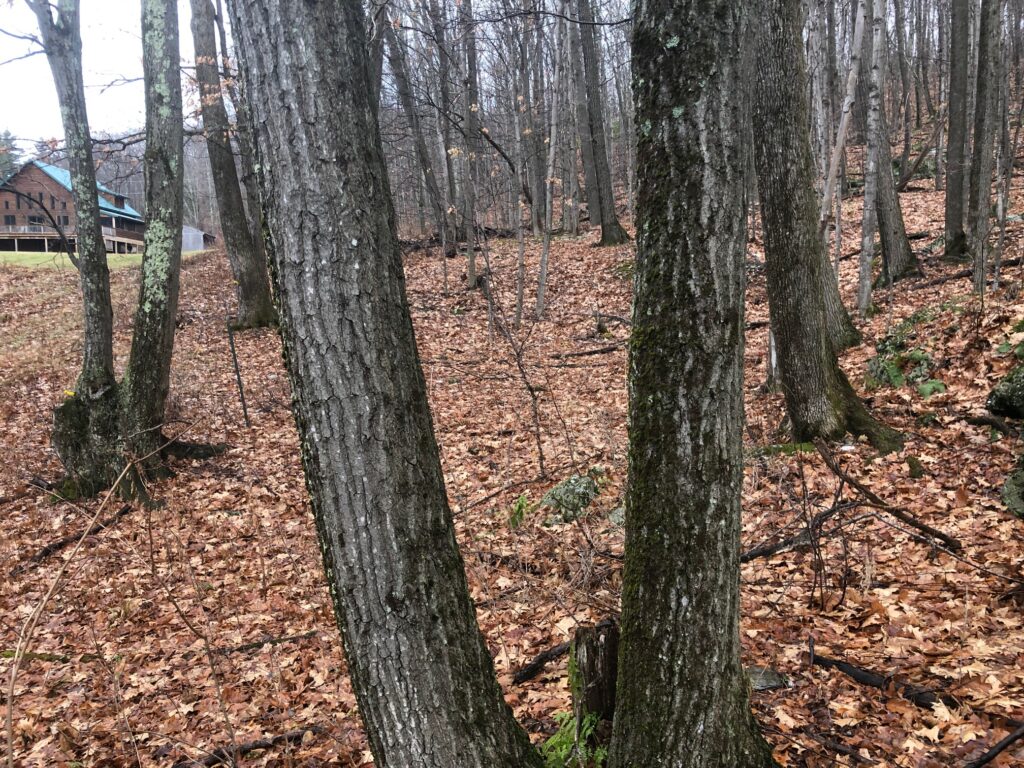
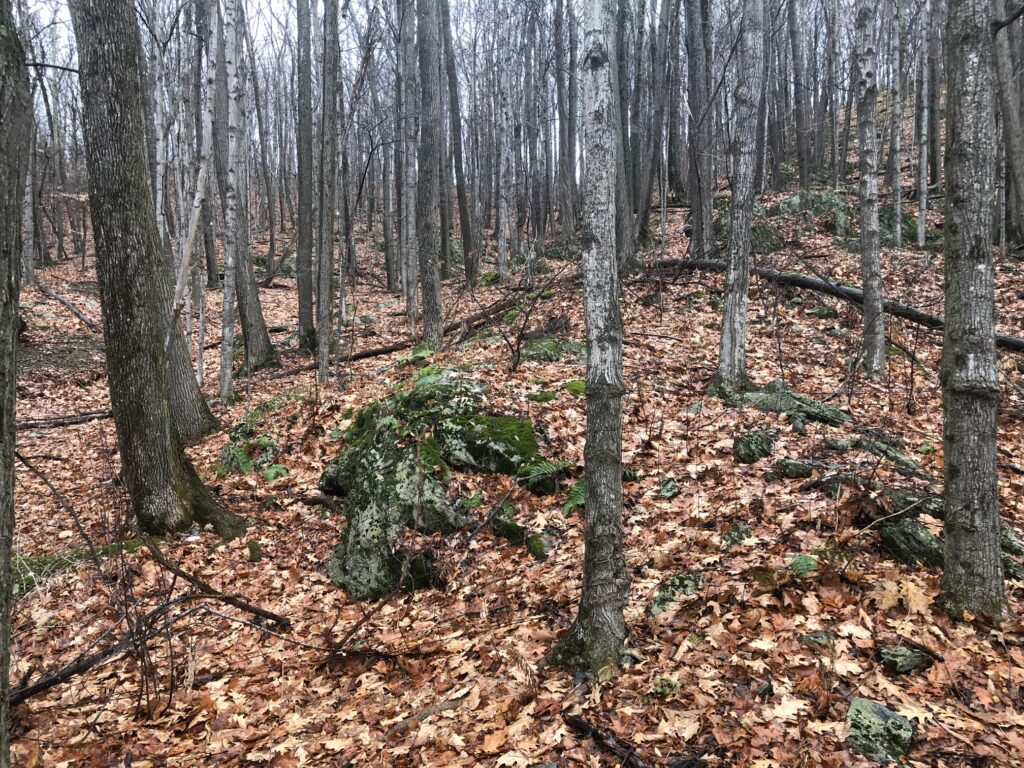
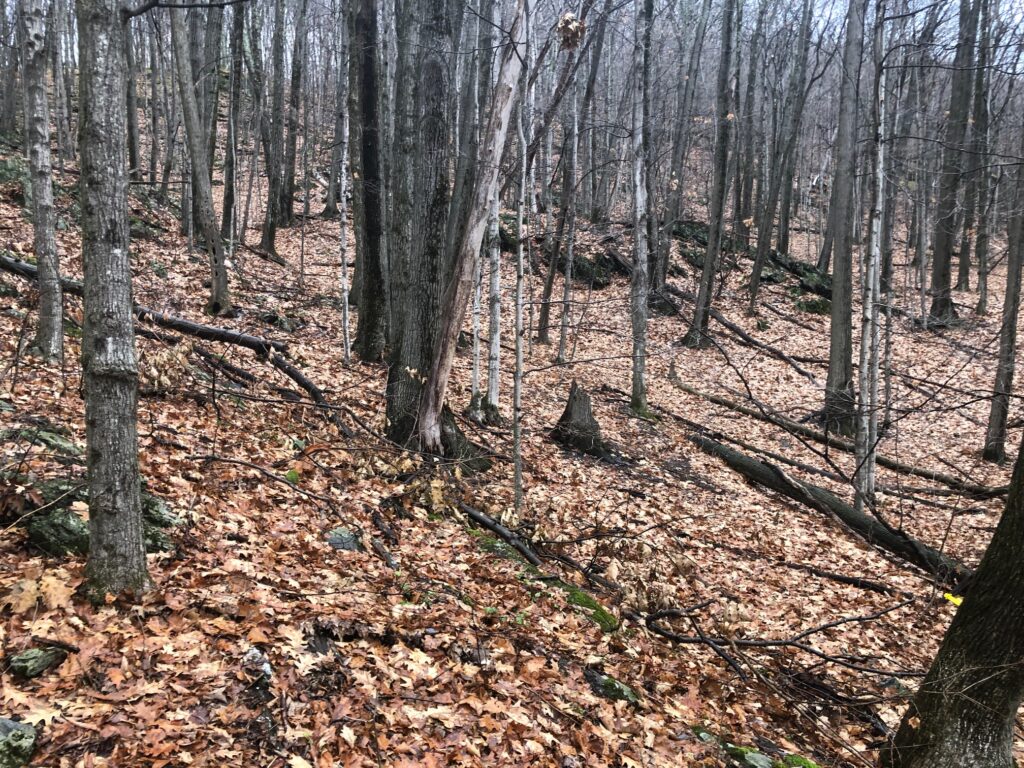
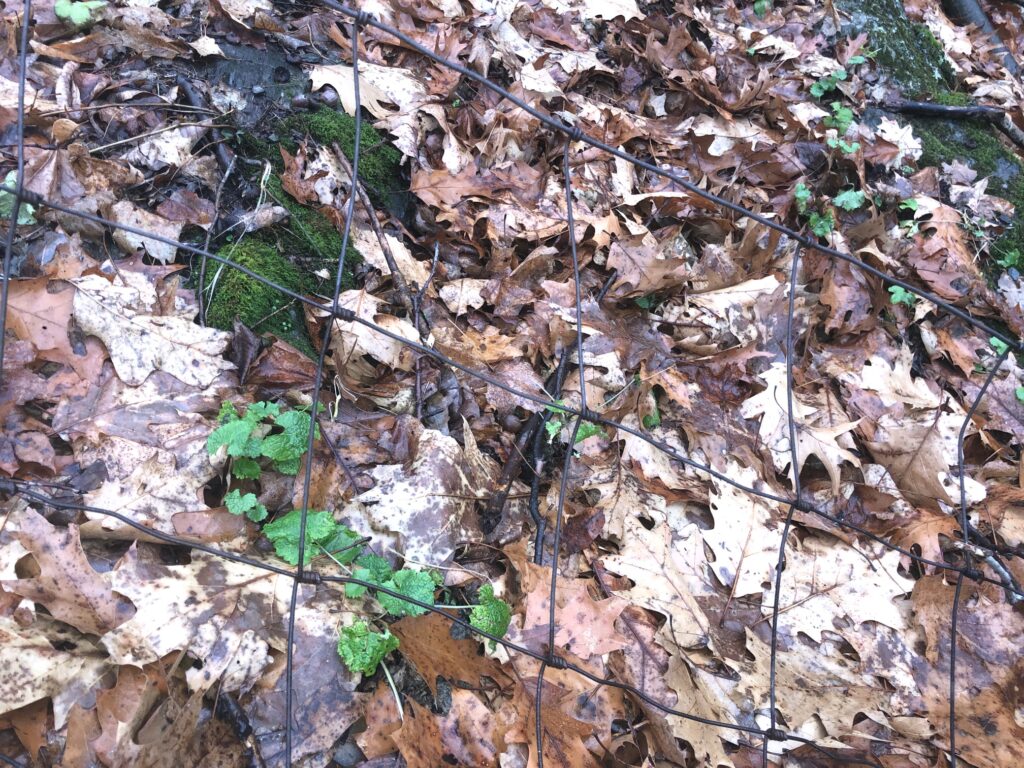
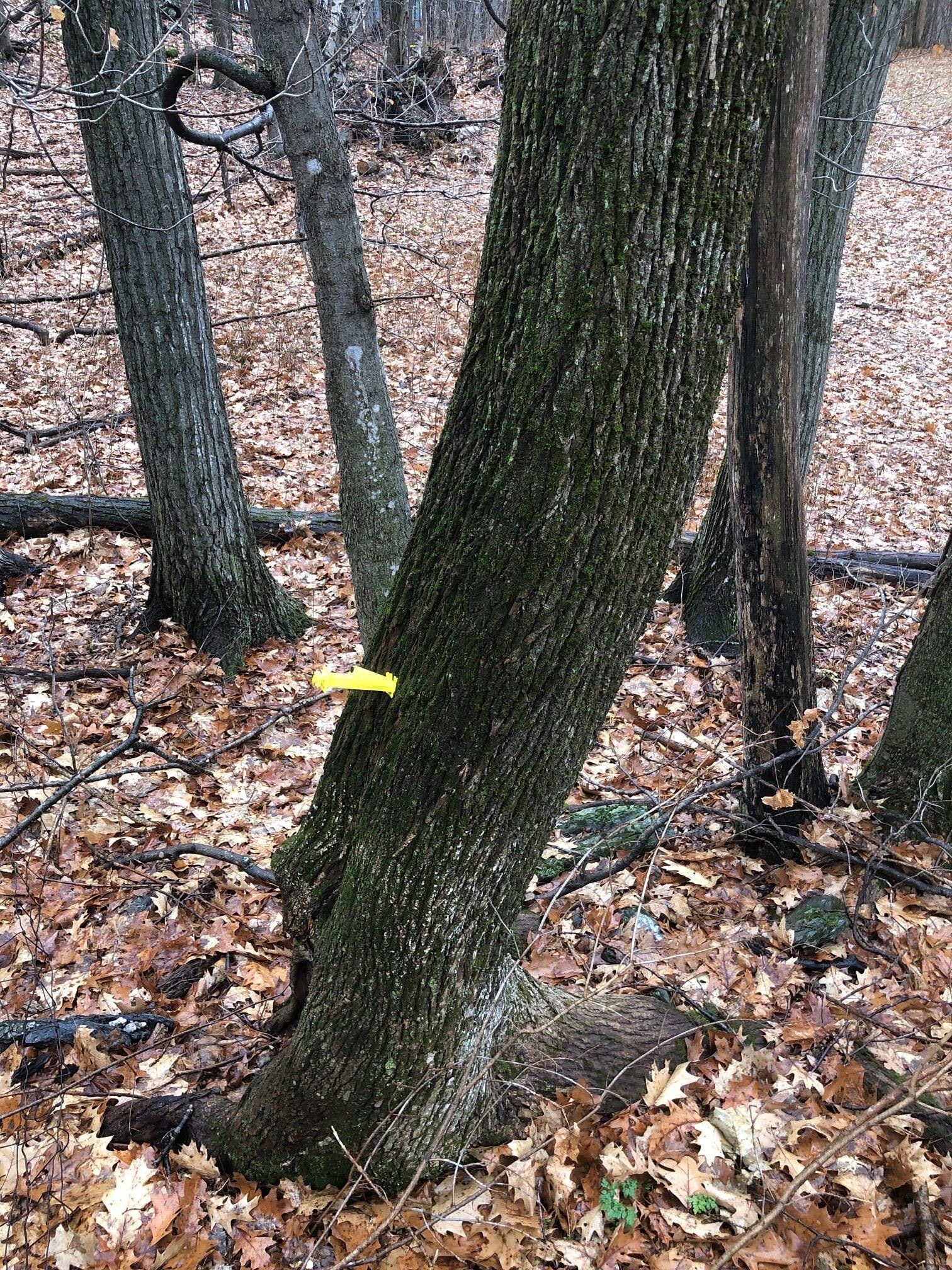
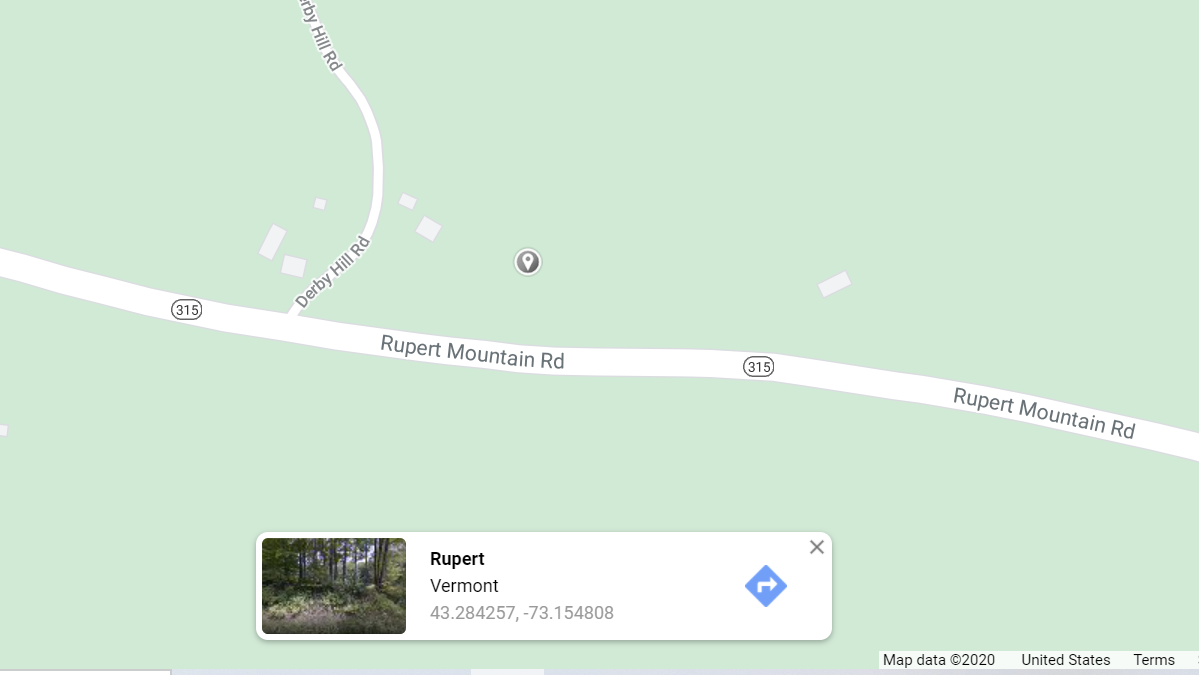
For my ‘home’ Phenology spot I picked a place in the woods across the meadow at my Vermont house in Rupert. The day of my visit (11/28/2020) was cold, rainy, and grey. Both the weather and scenery showed that the season of fall is past its midpoint. The ecology and phenology of my new spot differs drastically from that of my old spot, the entrance to the Burlington Country Club. My new spot has not been disturbed for quite a while (there are signs of disturbance like fencing from an old horse operation decades ago), while the entrance to the Country Club is a well groomed patch of land which has obvious land disturbances. Since both spots are geographically similar (located within a three hour drive of each other) and, to a point (with tree species), ecologically similar, the actual phenology of each spot is relatively similar. Although, it should be noted that my new spot is on a long, sloping hill which can be heavily affected by water, nutrients, and soil composition. Notable species viewed on my new spot include Northern Red Oak, White Oak, Red Maple, White Ash, Sugar Maple, American Elm, Poplar, Goldenrod, Honeysuckle, Wood ferns, Bulbet ferns, and Basswood. Despite there being a history of disturbance and the presence of invasives (ie: Goldenrod and Honeysuckle), my new spot has great biodiversity (in comparison to my old spot).

The Marker Between Derby Hill Road and Rupert Mountain Road is the approximate location of my new spot.

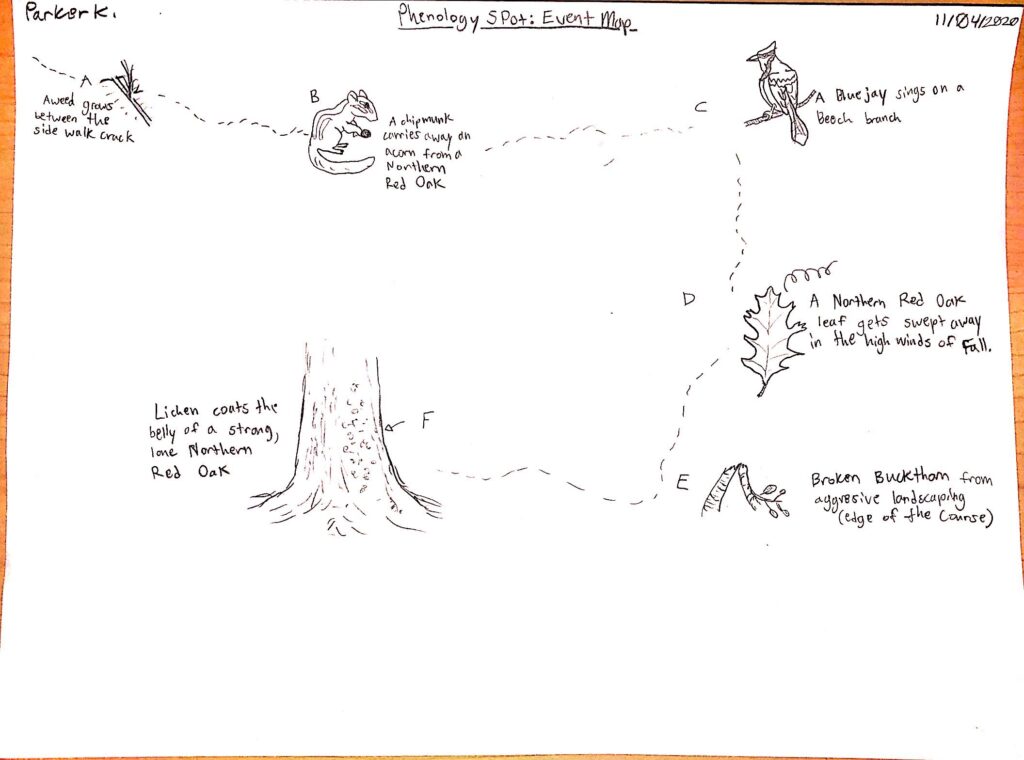
Phenology Spot: Visit 4 (Event Map/Poem)

On my latest visit to my spot (11/4/2020), I noticed relatively similar feature to my last visit. More leaves had gone from the trees and the understory of tree line was thinner. I could see a greater presence of squirrels, birds, and chipmunks. This makes sense due to the changing seasons and migratory habits.

Poem:

Under the lone Oaks I sit and see the world go round about me. I see, I hear, I smell the changes coming. It is a force in the air that surrounds me. The roots beneath my feet have been vying for space since before I stepped on the battle ground. I wish for their battle to be great and outlast me and my kin.

Phenology Spot: Visit 3 (Map)

Hello all!

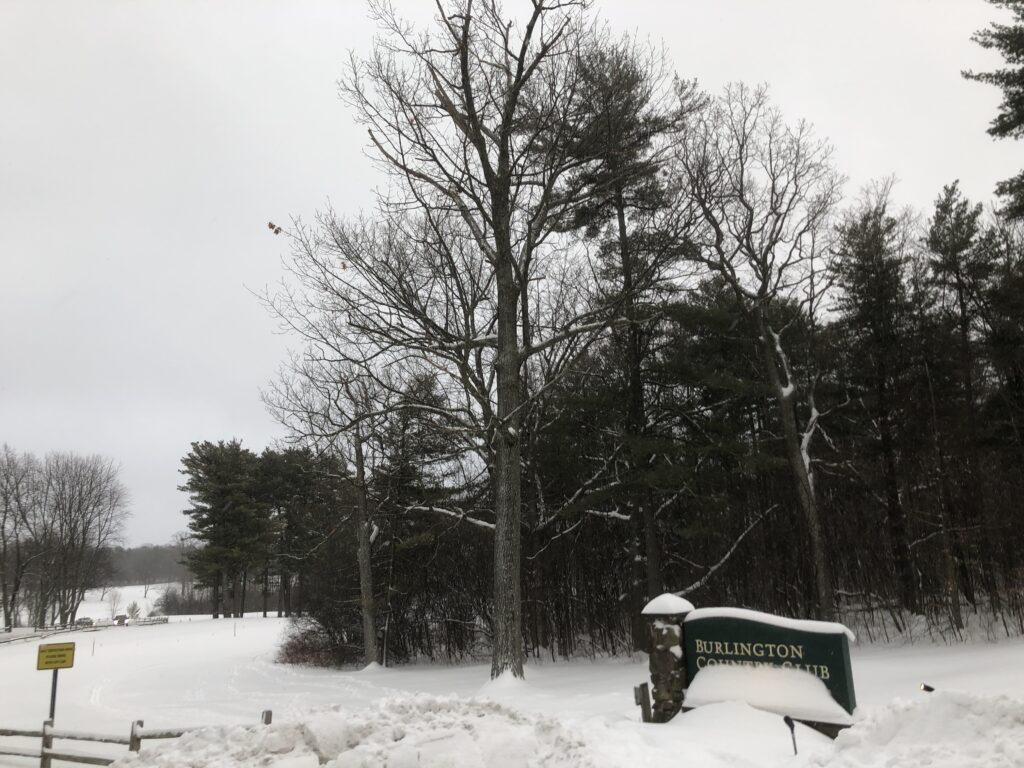
Today is October 21st and I visited my phenology spot for the third time today. Above is a scan of my map (bird’s eye view). During my visit I noticed that the tree line at the entrance to the property looked a bit sparse because some species of trees have already shed their foliage. The Northern Red Oaks and Beeches still were retaining their leaves, though their color had changed considerably (grays, browns, reds). I could see squirrels rushing (and hear them because of the leaves) in the tree line (probably stock-piling food for winter). Other than evidence of small mammals I could not find any other signs of bigger animals in the environment.

Skip to toolbar