Final Visit!

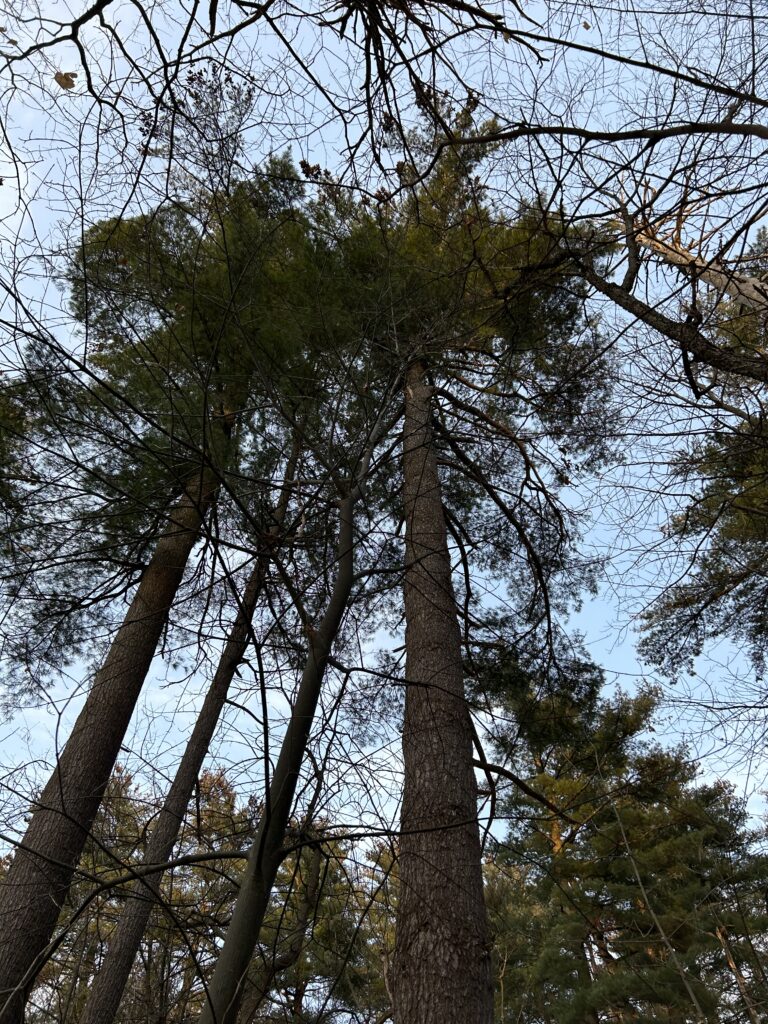
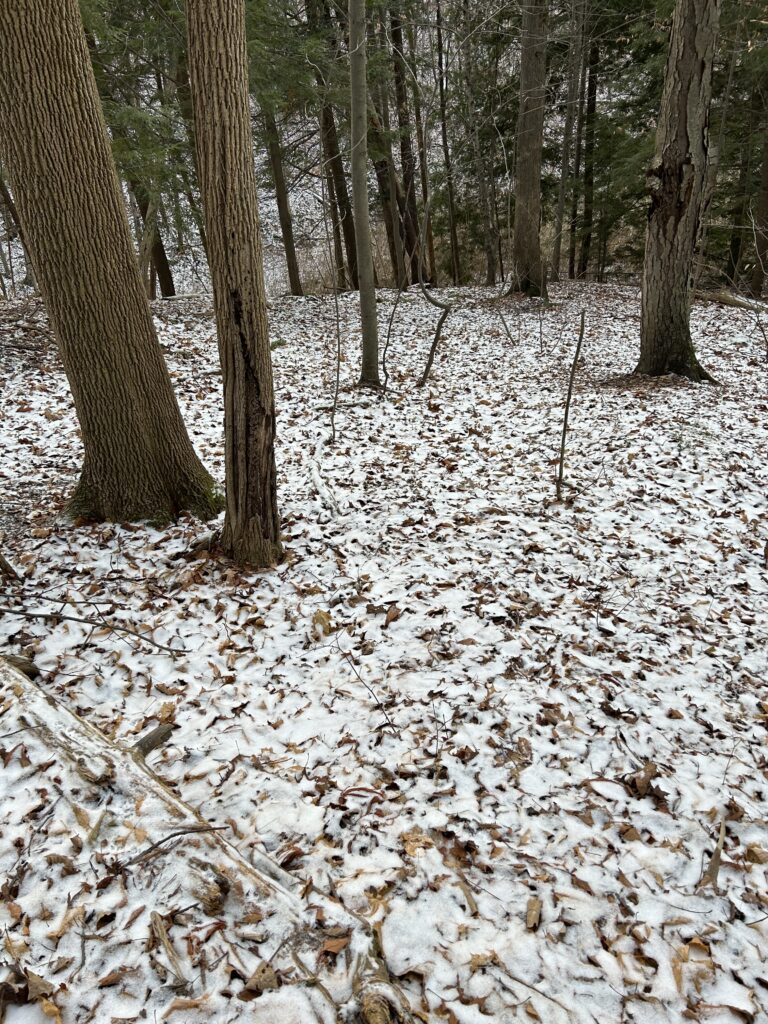
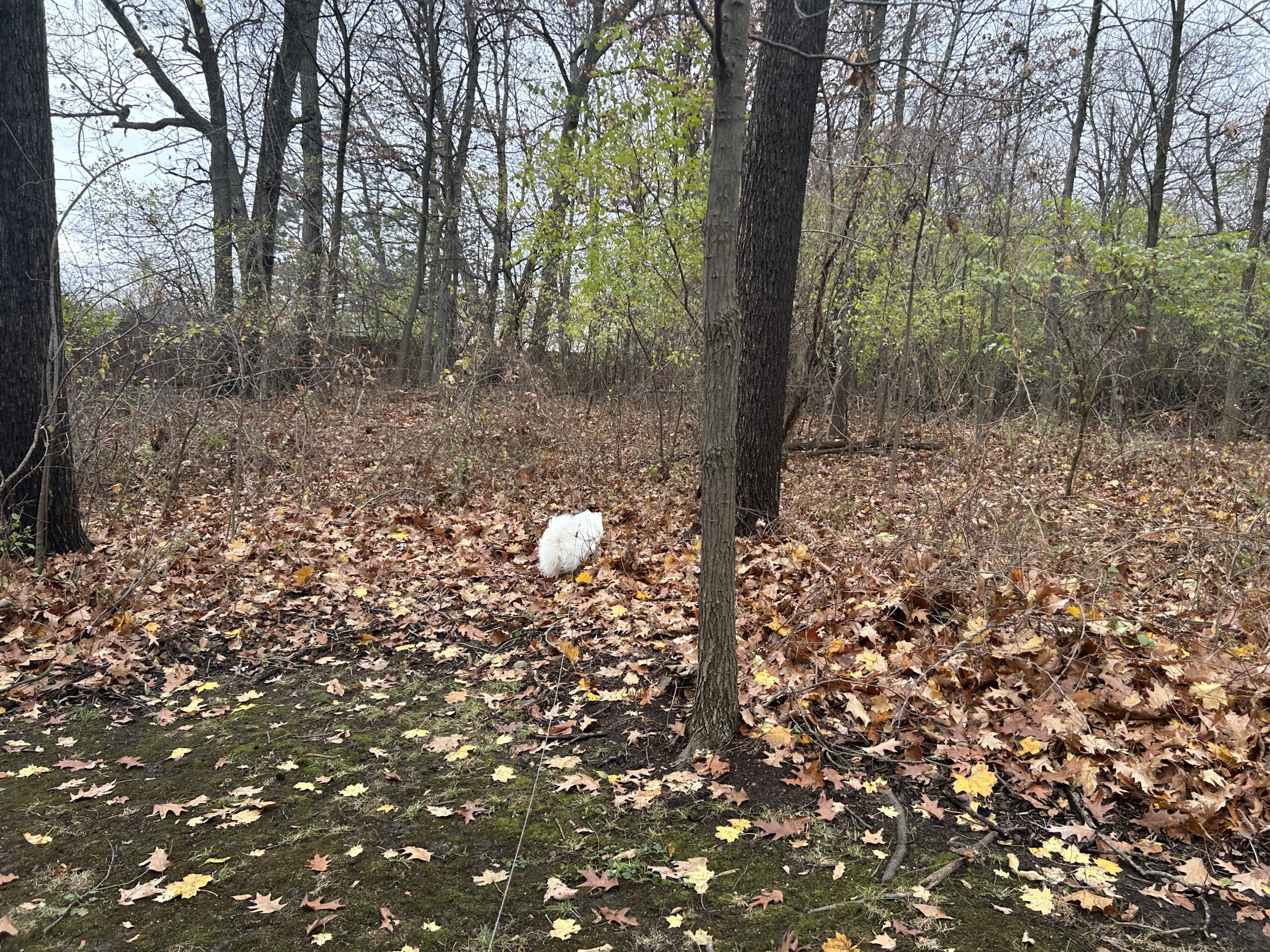
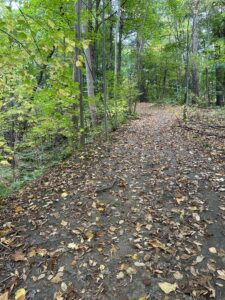
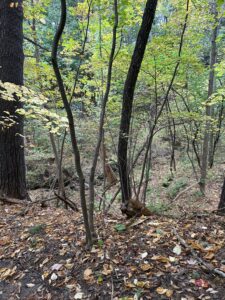
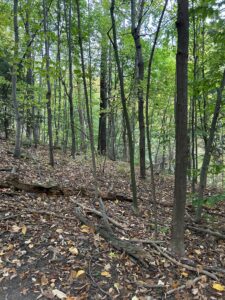
I can’t believe we’re already at the final phenology site visit! After observing my site since October, I have watching the site change with the seasons, and now that my site is actually starting to look more like it did at the beginning of the year I have noticed some differences. In the fall, the forested area was much more filled out with leaves whereas currently the trees and plants are just starting out and budding. There was also a lot more fallen leaves in the fall obviously but now the leaves have decomposed some and are very dull compared to the fall, so it’s nice that the new leaves are starting to come in. Bird are also much more active now, I could only identify two black capped chickadees calling back and forth but there were many other birds calling during my last visit.
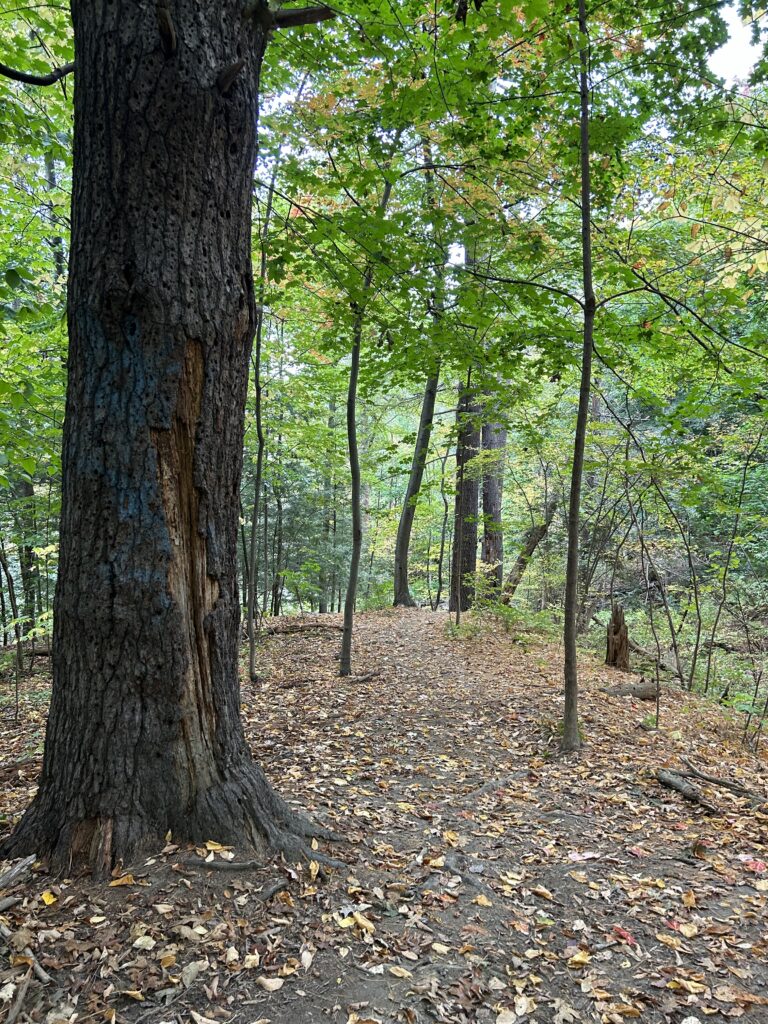
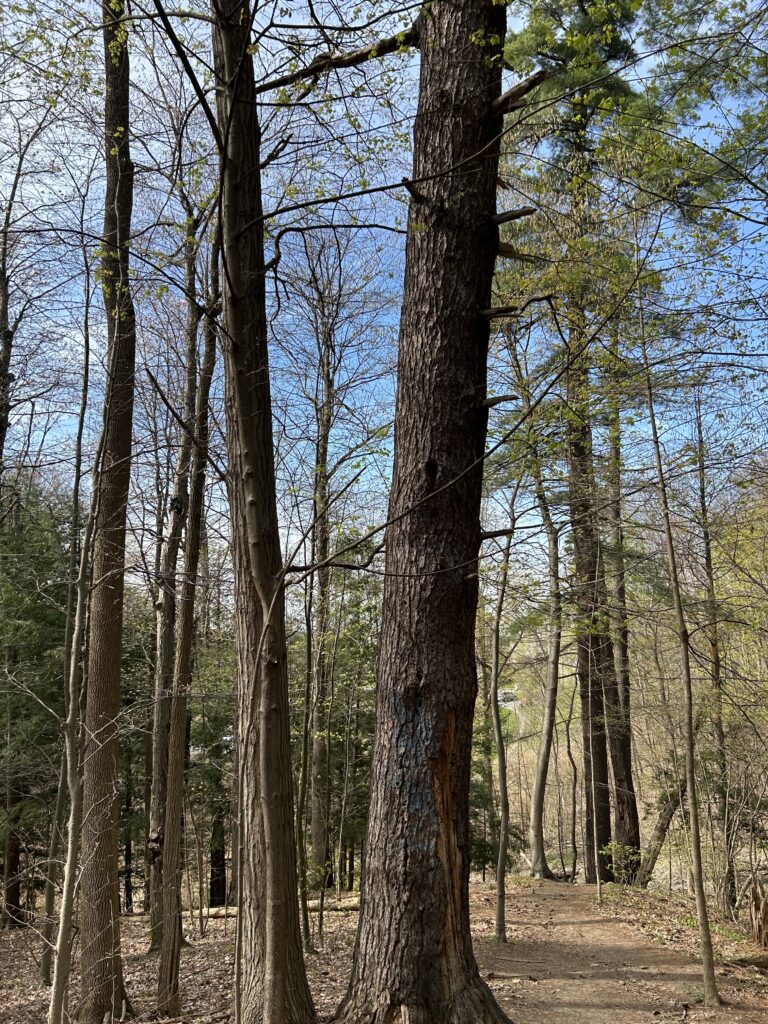
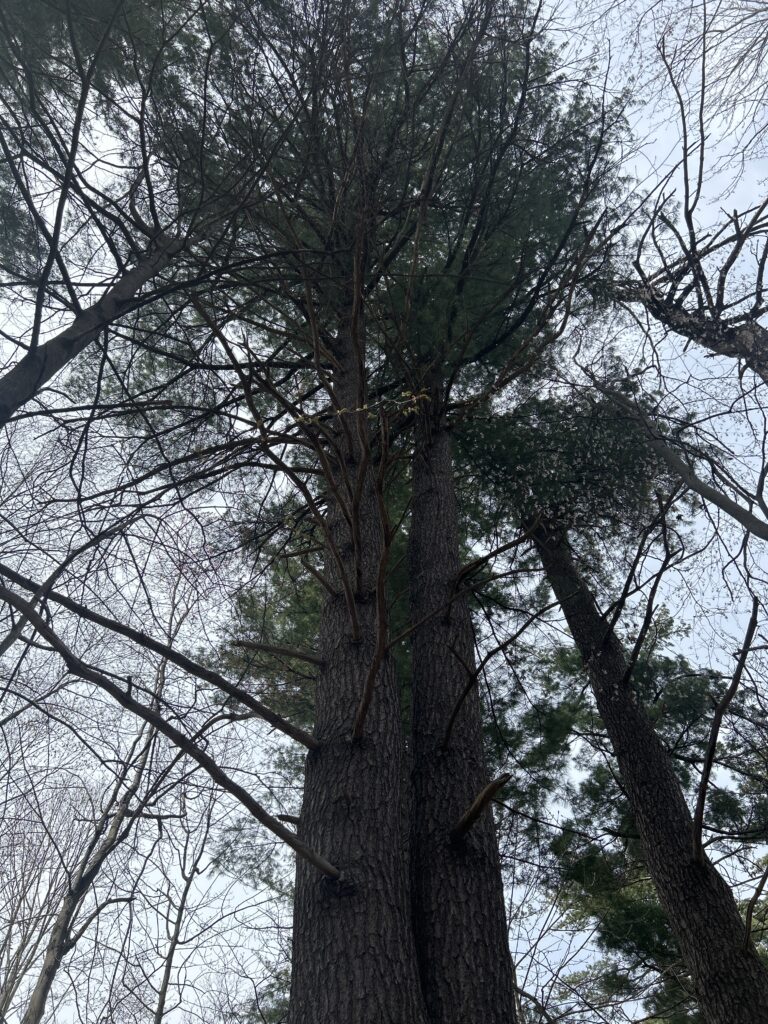
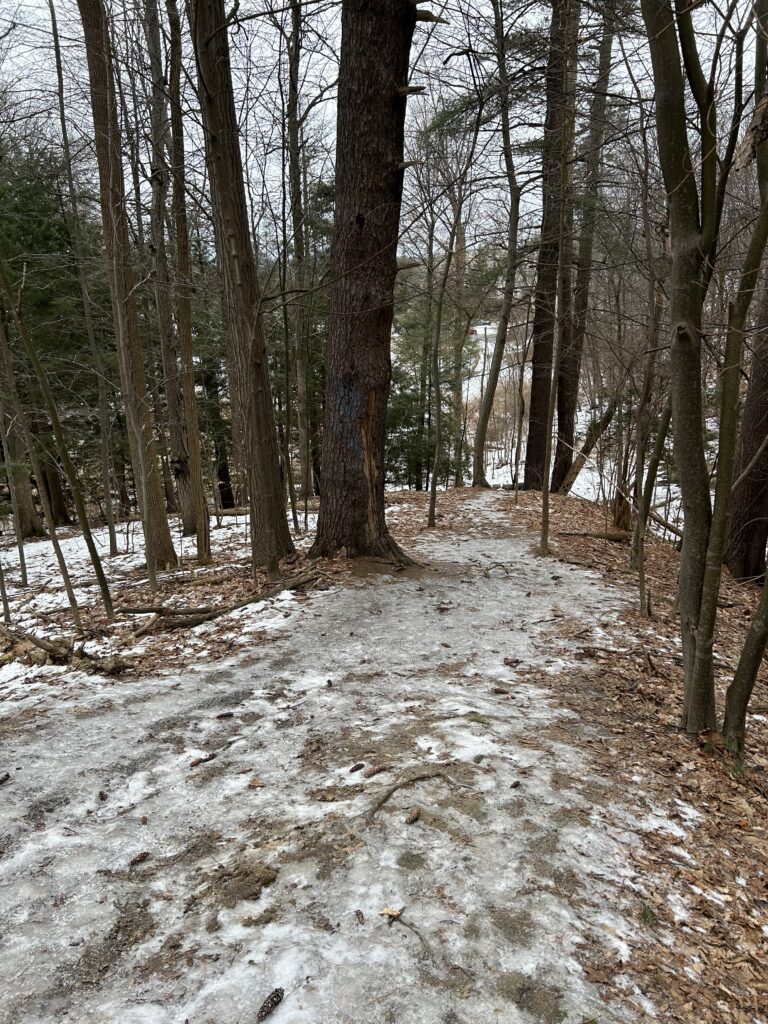
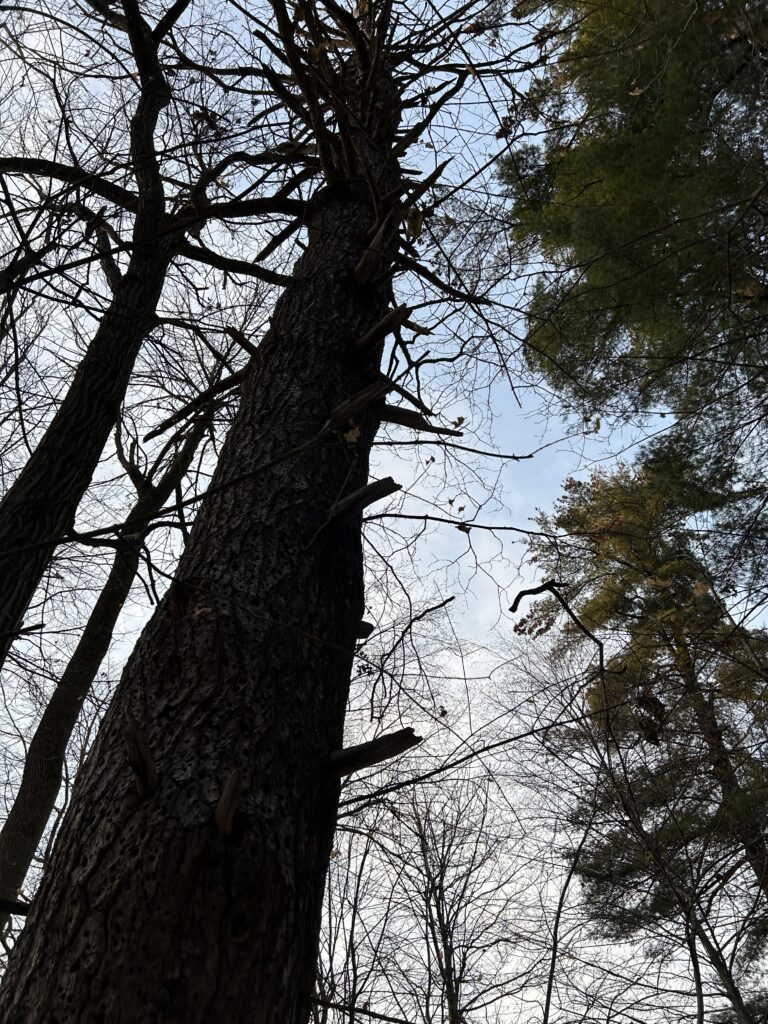
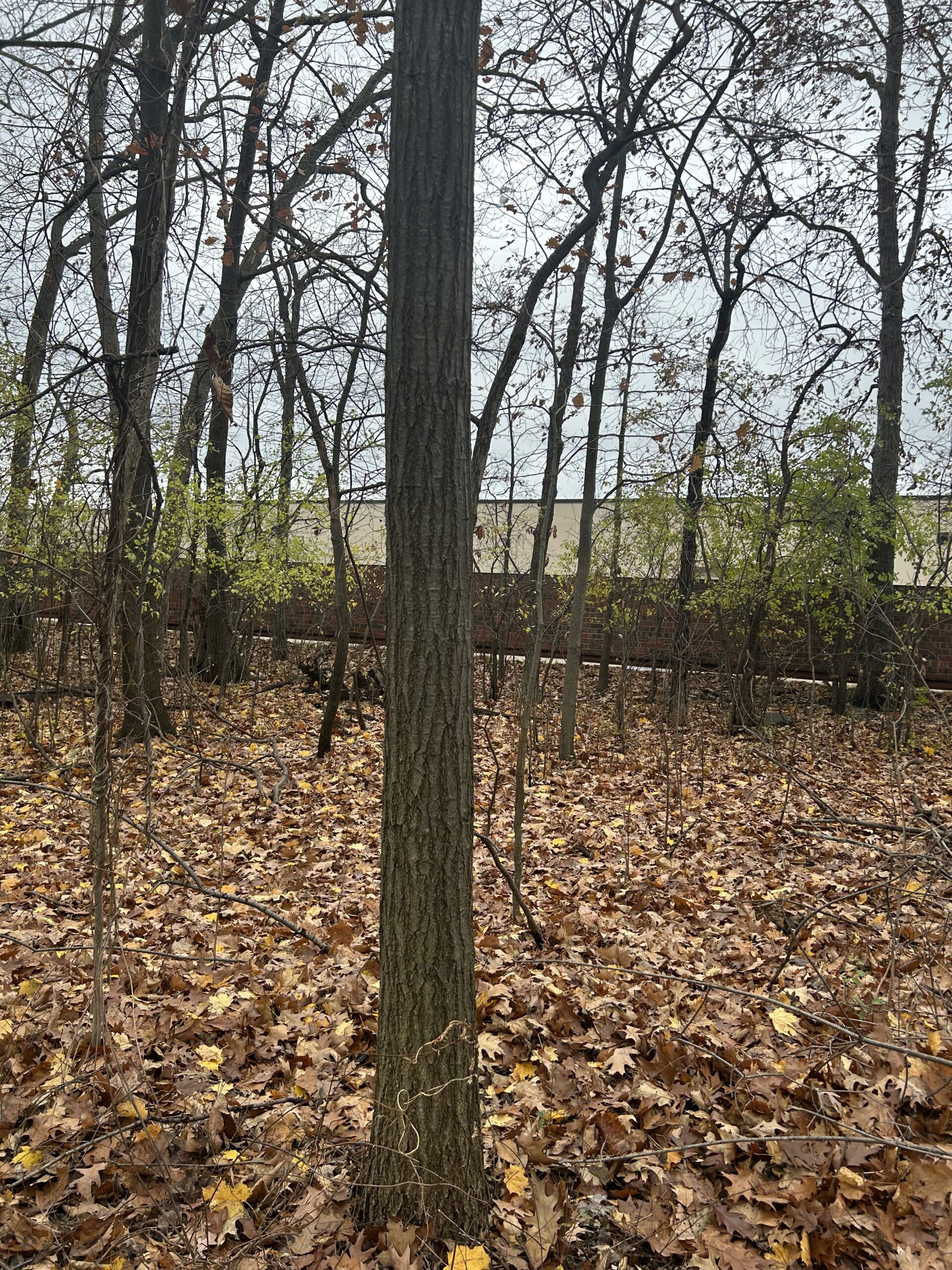
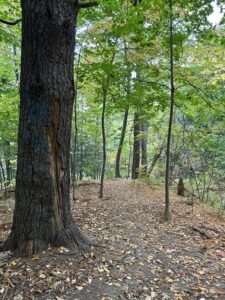
Eastern White Pine snag and the trail during first visit
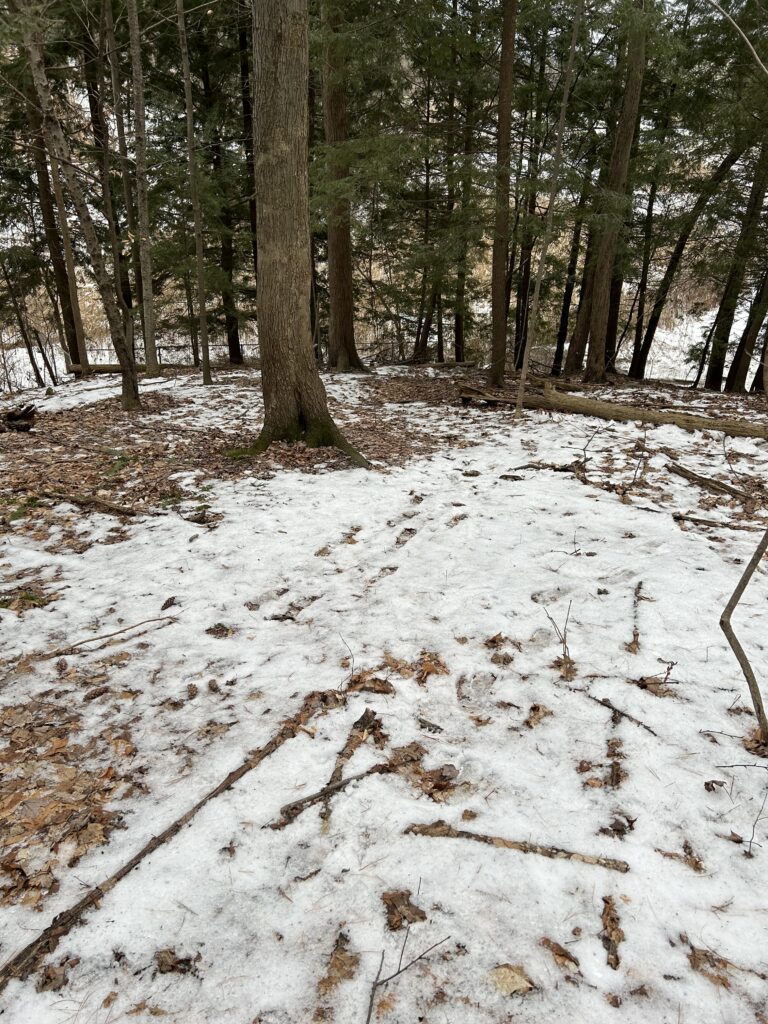
Eastern White Pine snag and the trail during final visit

The two main landmarks I’ve become familiar with are the yellow bird feeder and the large snag of an eastern white pine that has blue marking on it. These two are right at the center of my site which makes it easy for relocating each time I visit. More minor landmarks would be the striped maple on the other side of the trail from the snag and the fallen logs near the trail.
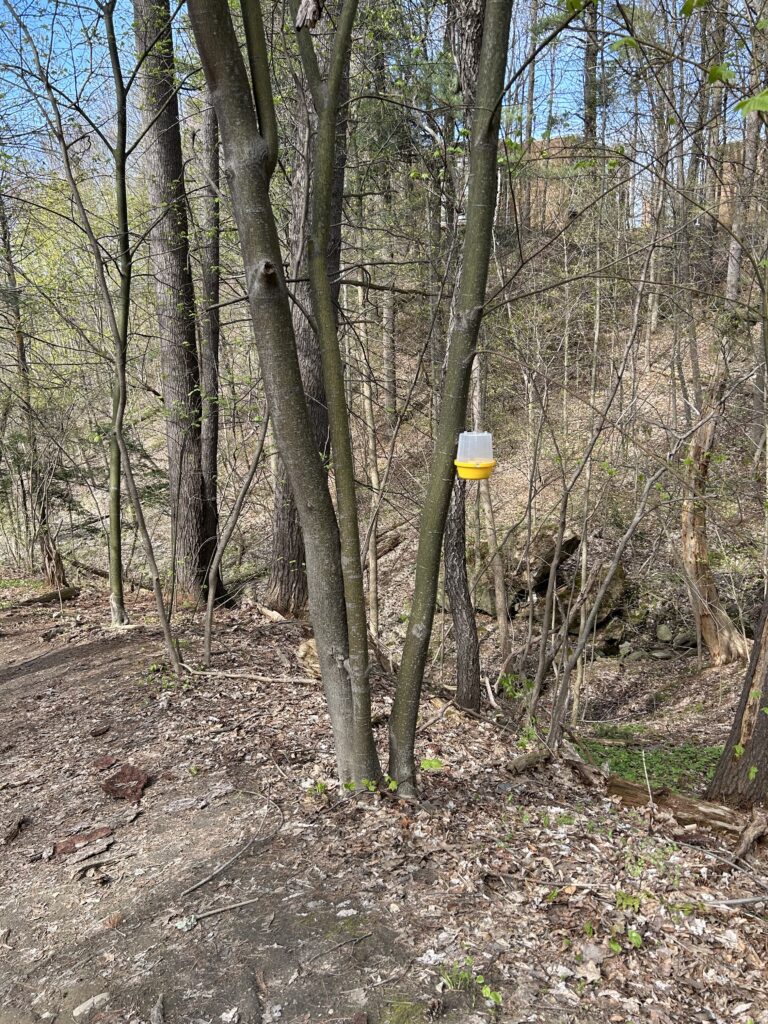
Yellow Bird Feeder
Yellow bird feeder

Nature and culture definitely intertwine at my phenology spot because of its proximity to Trinity Campus. It gets a lot of use from students hanging out or walking through and there are also often people from the Gund Institute or other buildings walking through the woods. The woods also eventually goes through to an apartment complex at the bottom of the hill so people could be using this trail as a way to walk home from work or school. I also know that there is a trail in the woods that eventually leads to a nun cemetery and a children’s school with a playground which a lot of people on Trinity go to explore via the woods. I would 100% consider myself apart of my phenology spot because I use the woods for way more than just this assignment but even if I only went to this spot because of this assignment I would still consider myself apart of it because I got to know the place over time and observed it change with the seasons.
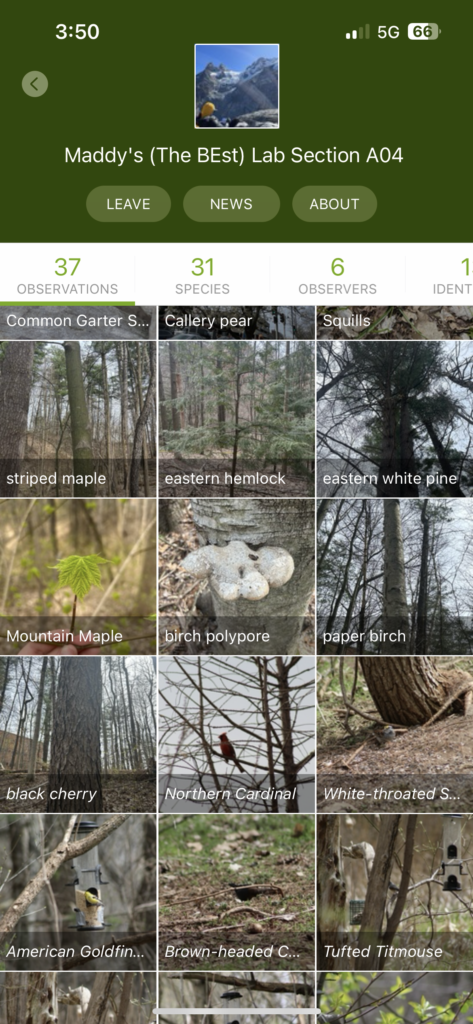
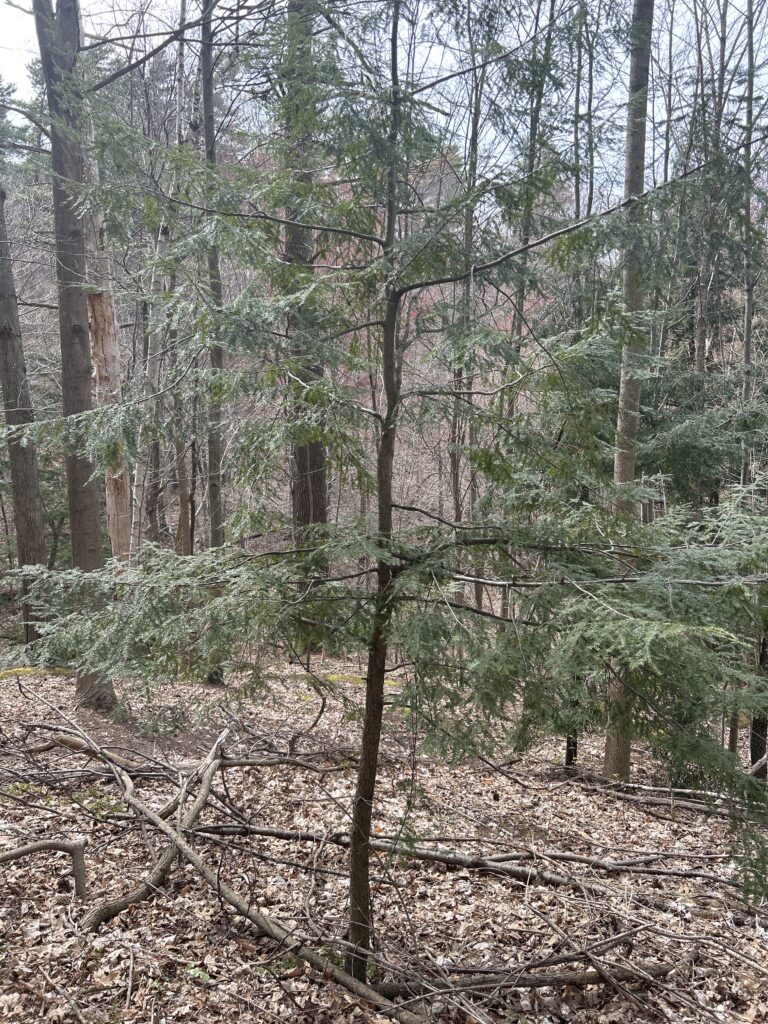
BioBlitz!

For the city nature challenge I explored more of the species in the woods by Trinity. I was also supposed to explore Centennial Woods and go bird watching with a friend but the rain put a damper on our plans. I had a good experience using iNaturalist because of our previous usage of the platform. I had to remember that if you just log an observation it goes directly into any projects that are on going which is very helpful. It was also fun to see others observations and people not from our lab section adding identifications to our observations. It was also interesting to look through a few of the other participating cities observation and see how different the species were. I looked at a county in Florida and noticed that a lot of the observations were of tropic plants that we do not have here but obviously make sense for Florida.

Below I have included some photos from my experience doing the BioBlitz and using iNaturalist.

Spring in Trinity Woods!

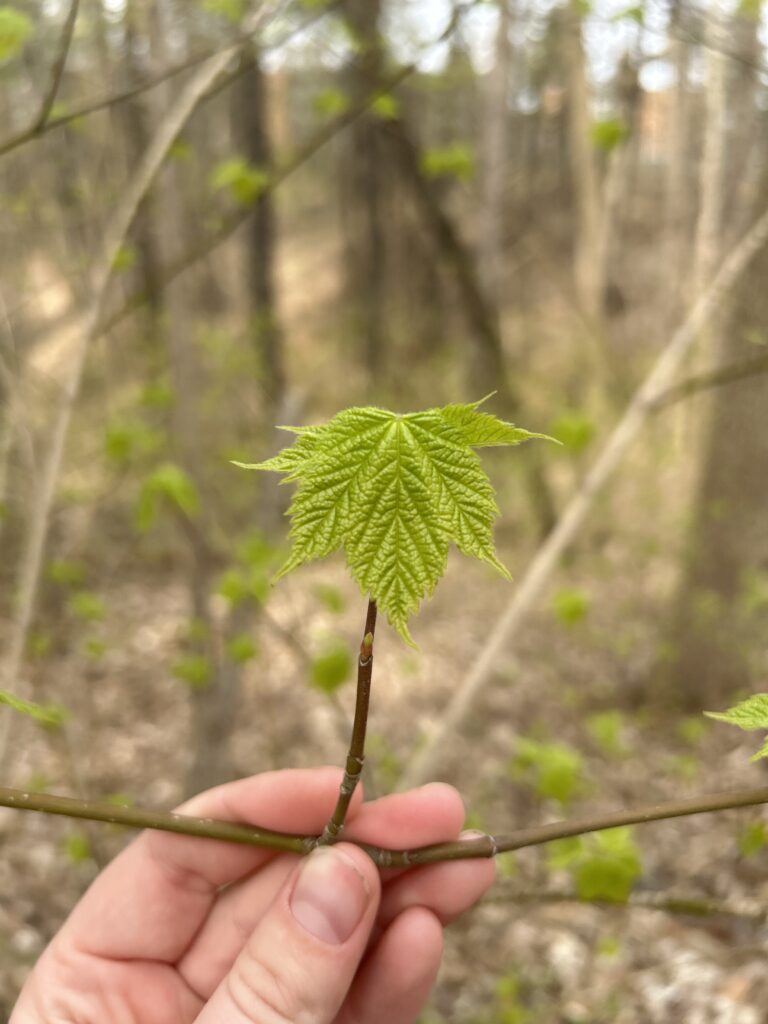
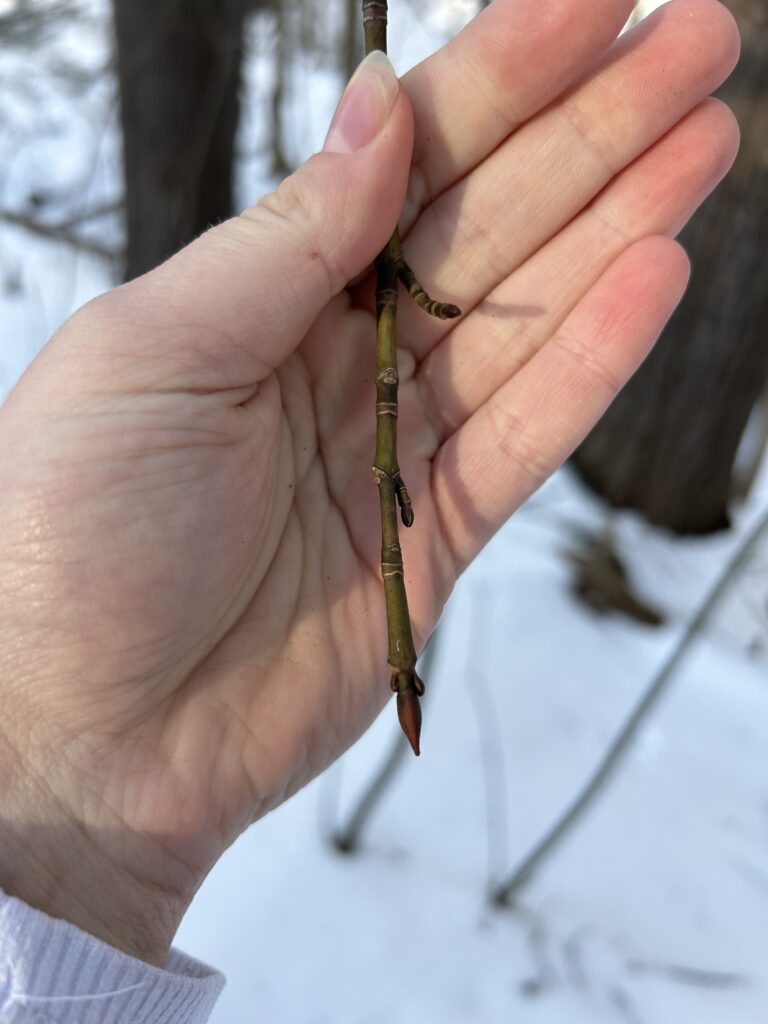
Even though this weekend’s snowstorm makes it not feel like spring is here, there are still definitely some signs of spring at my phenology spot. The one main sign is bird calls, there were many different birds calling in the area of my phenology spot however I was not able to see them. Below I have included a video that captures some of the bird calls. I was also able to spot some buds but none of them have begun to swell and I included a photo of a striped maple bud even though it was not swelling yet. The snow did make it easy to see any tracks however most were just tracks from humans and dogs walking on the trail. The last thing I noticed that was different from my last time at this spot was that the small creek about 20 feet down from the center of my phenology spot now has water running through it so amphibian activity should start once the snow is gone and the temperature is up a bit more.

Wildlife in Burlington with iNaturalist

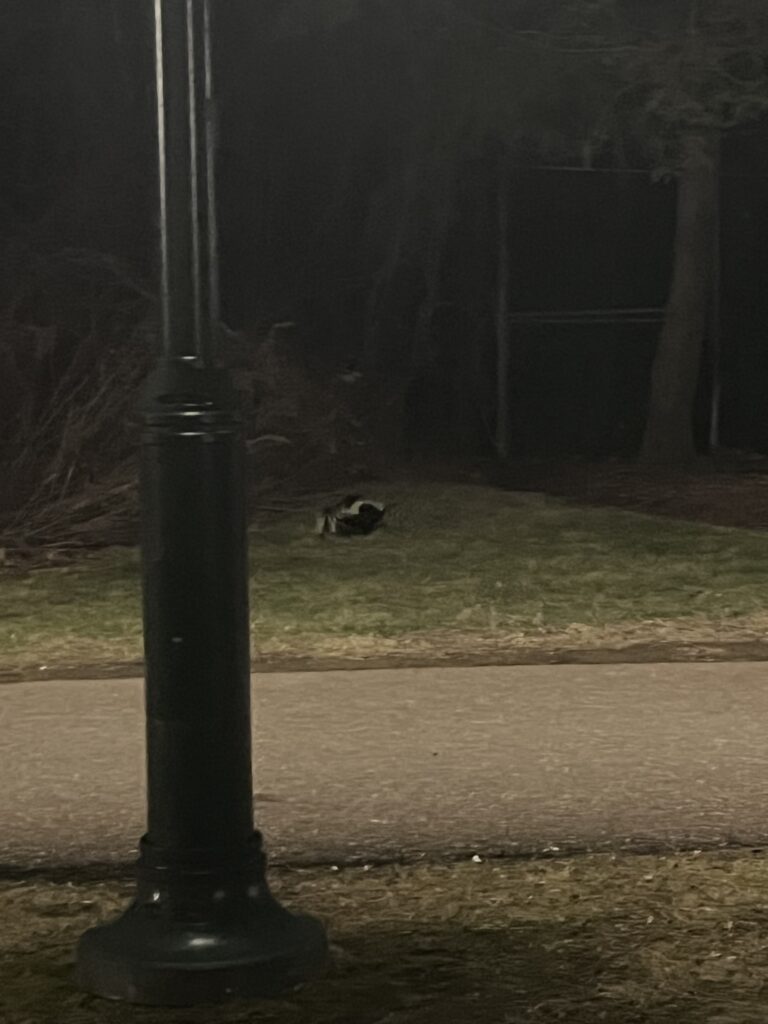
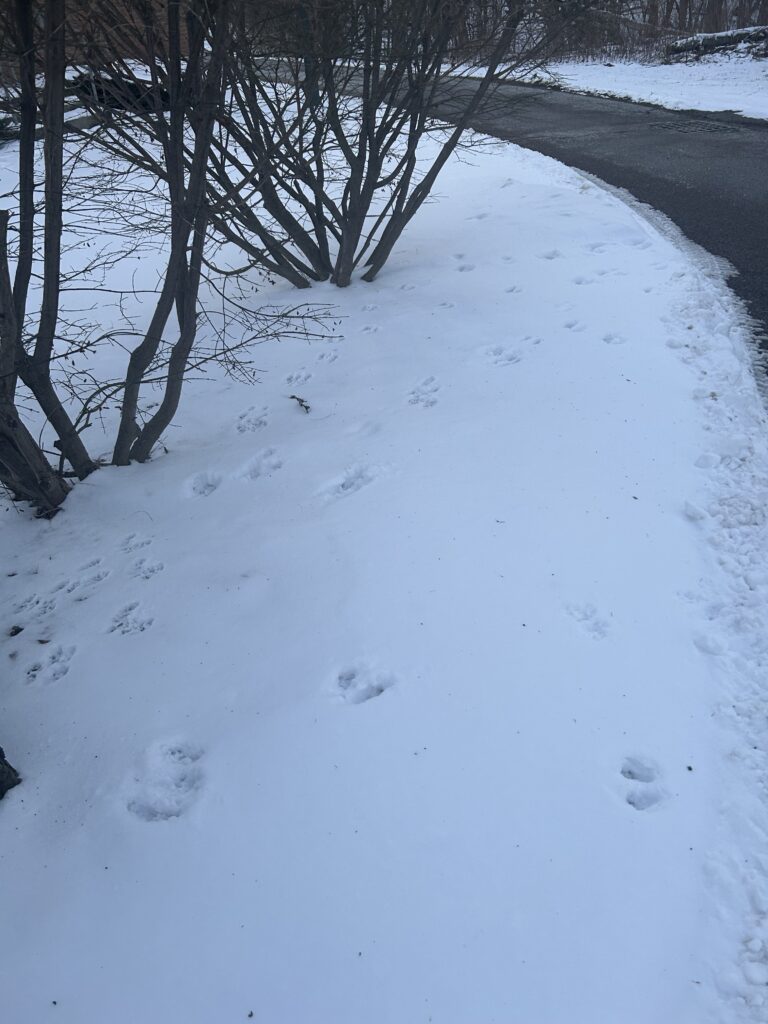
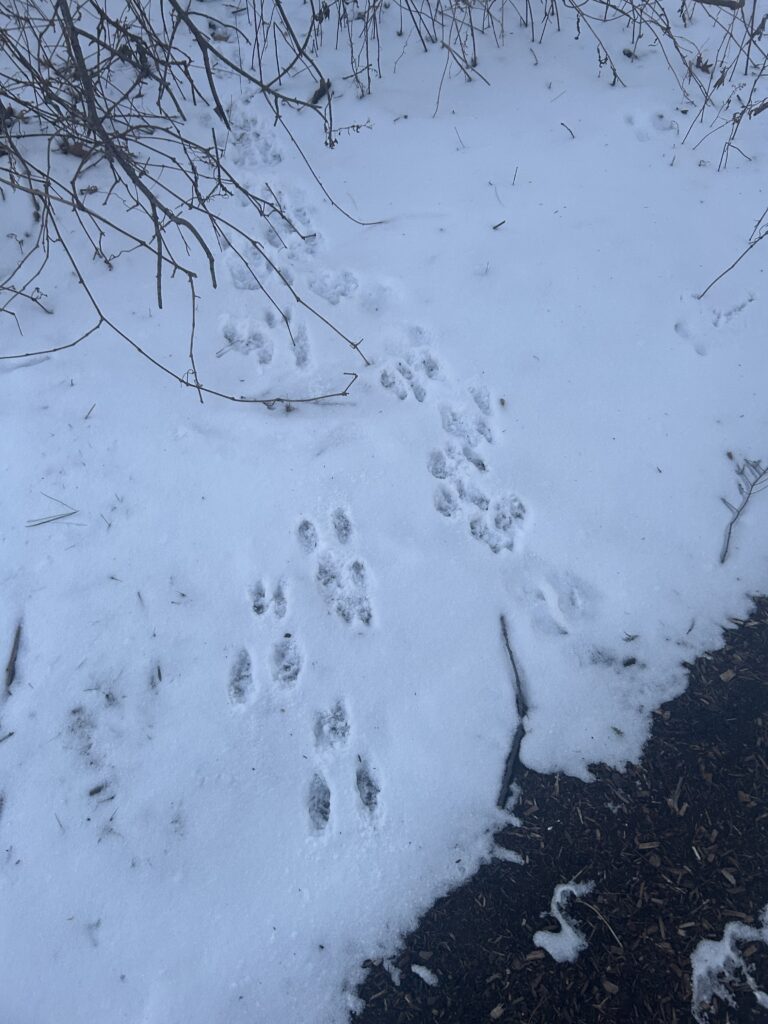
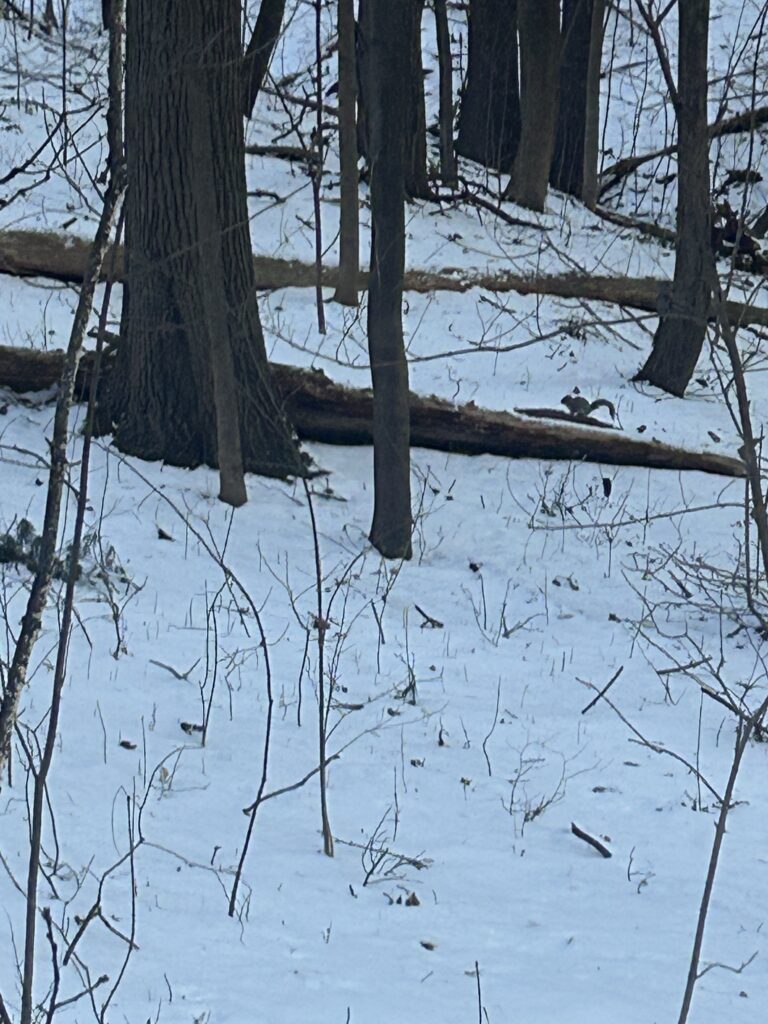
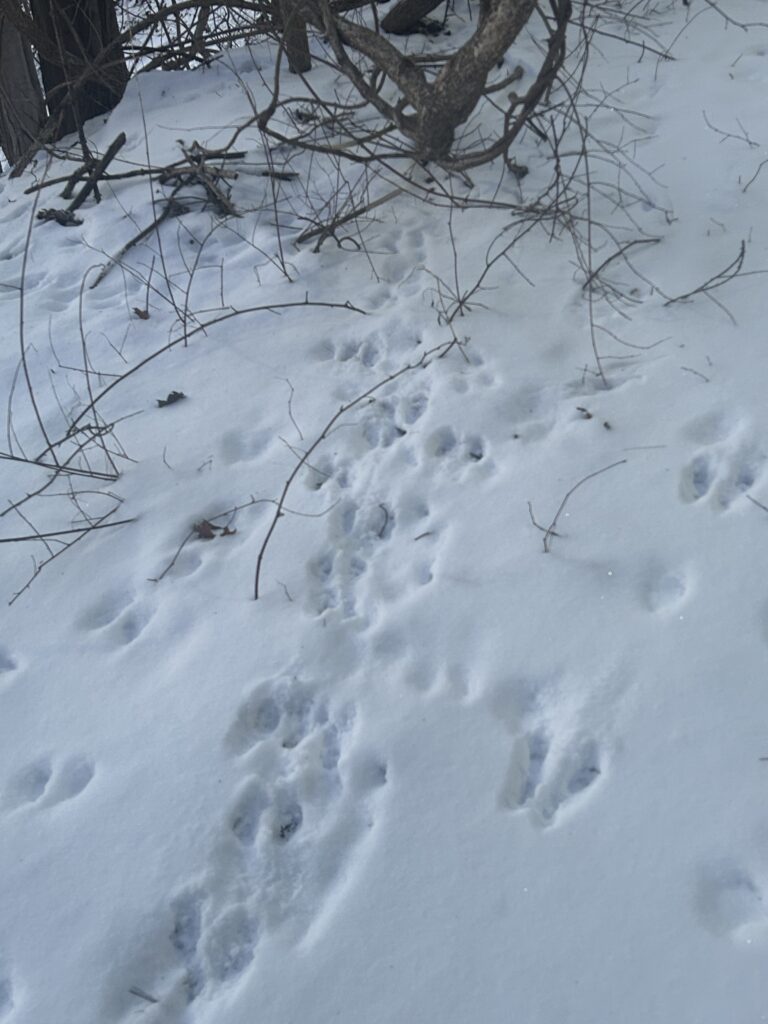
For this assignment I decided to explore wildlife around Trinity, specifically in the area of the Back 5 where the residence halls meet the wooded area behind/to the side of them. My first time exploring I encountered a striped skunk! The skunk came out from a shrub behind Mercy hall and walked into the woods and then a few minutes later came back out of the woods and proceeded to walk through the Back 5 area, scaring a few RA’s in the process. My second exploration of wildlife in the back and woods areas of Trinity I found an abundance of eastern gray squirrel tracks and even saw a few scampering around some fallen trees in the wooded area near Sichel Hall. A lot of the tracks I saw were indiscernible because of recent snowfall, but the ones I could see were small, lead to or came from a tree, and followed the same pattern as an eastern gray squirrel track. My experience using was pretty good, aside from trying to figure out which was the correct “Wildlife Signs in Burlington” project to join, everything else was pretty self explanatory. It was really simple to submit an observation and it automatically put it into the project which was nice. I wish I had more time to go more places in Burlington to find more interesting wildlife signs but hopefully I will be able to do so later in the semester or with our labs.

Returning Visit!

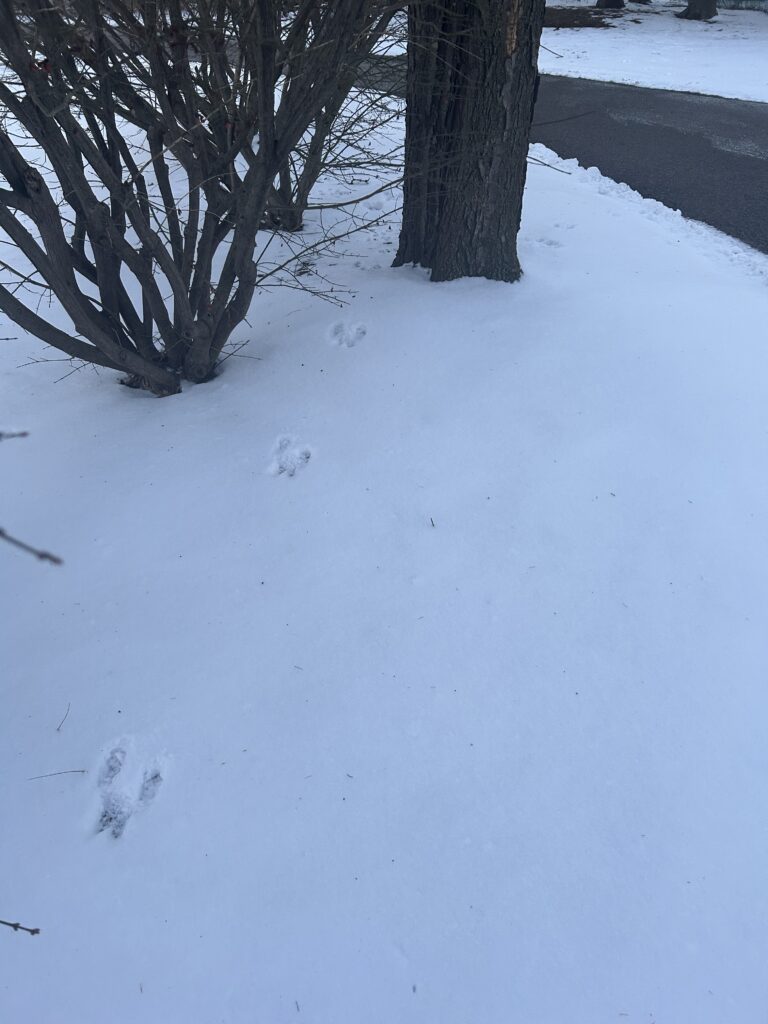
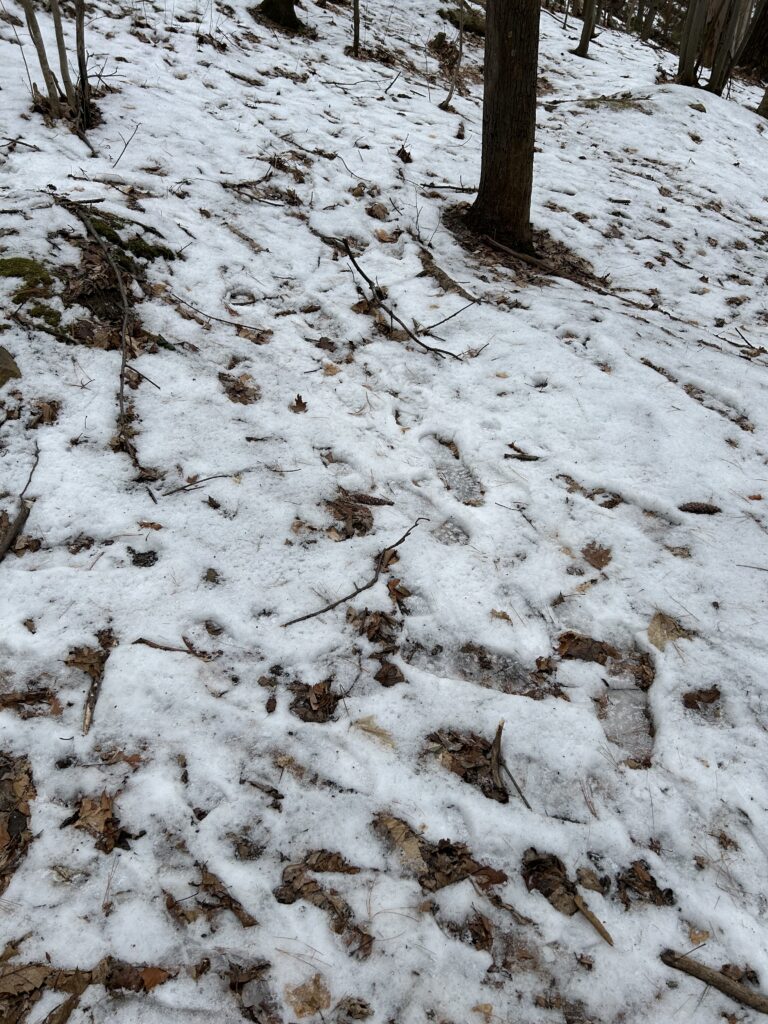
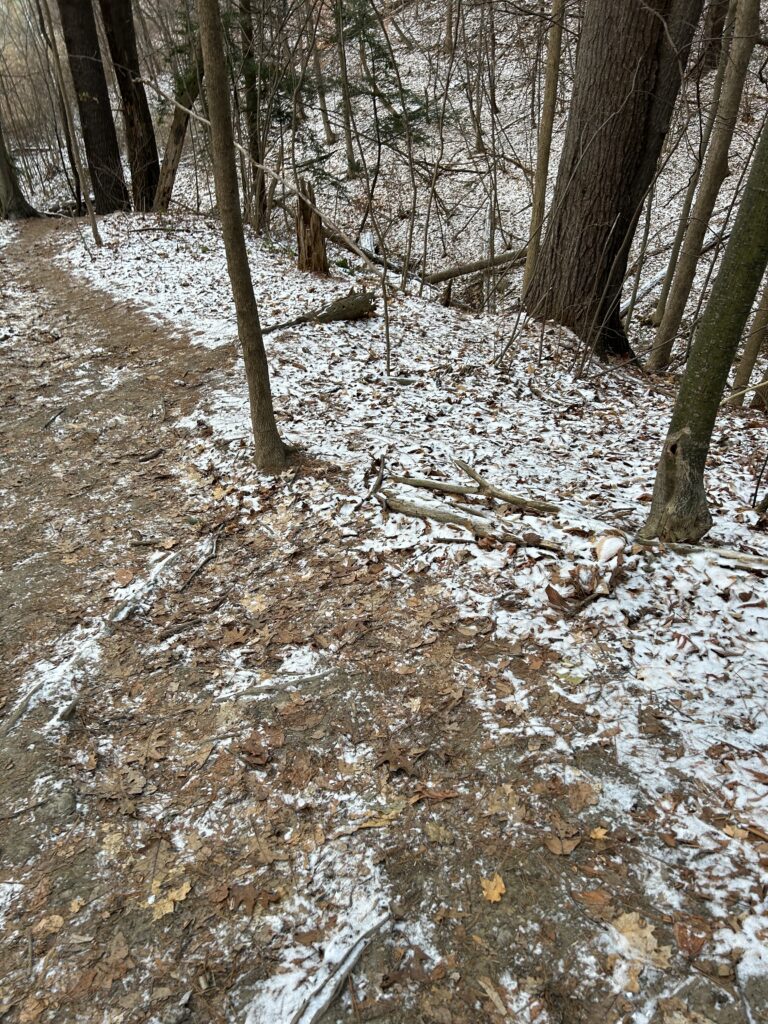
I returned to my phenology site in the Trinity Woods today and in terms of phenological changes there’s scatterings of patches of snow that hasn’t melted which is different from last time as there was just a light dusting of snow covering most of my phenology spot. There also lots of ice specifically covering the trails in the woods which makes it difficult to access my spot especially since I have to go down a hill that was covered in a large patch of ice. The leaf coverage was about the same, leaves were decomposed on the trails but off the trails there was still lots of leaves.

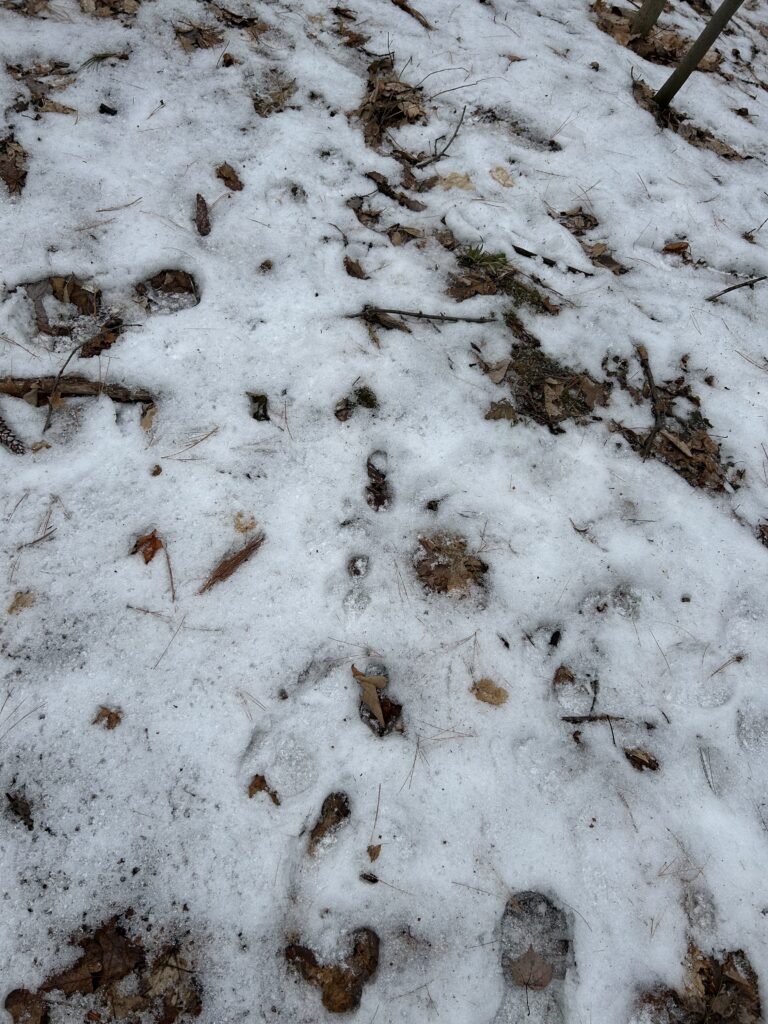
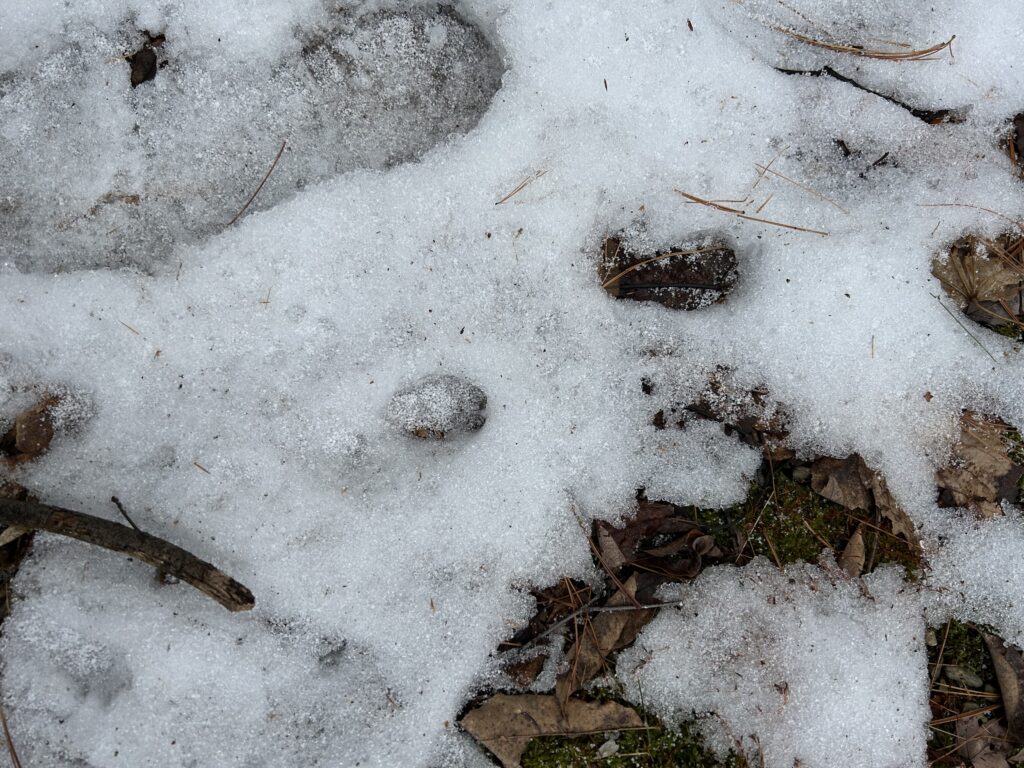
It was hard to find any animal tracks because there wasn’t very much snow and most tracks I found were human shoe prints but I did manage to find one small trail of tracks

December Phenology Post

The foliage that was still on the trees from my last post are almost all gone apart from a few leaves on an American Beech, and obviously the Eastern White Pines and Eastern Hemlock still have needles on them. In terms of leaf litter, the some of the leaves that covered the path last time have started decomposing from people walking on the trail and leaves off the trail were covered in a light layer of snow. I did not see any traces of animal presence this time but hope to see some next semester. I’m not entirely sure how much the animal activity has changed as the Trinity woods doesn’t have very many animals, at least those that are seen but I definitely think the bird population have gone down due to migration, as you don’t hear them anymore.

My favorite aspects of my phenology site would probably be its proximity to my dorm, not just because it’s convenient for this blog, but also because it allows me to be more connected to nature and I like to take walks in the woods to clear my mind. I also really like how there is a lot of different trees in my phenology site because it makes it more interesting to see how each one changes through the seasons, like seeing which keep their leaves the longest.

Thanksgiving Break Phenology Site

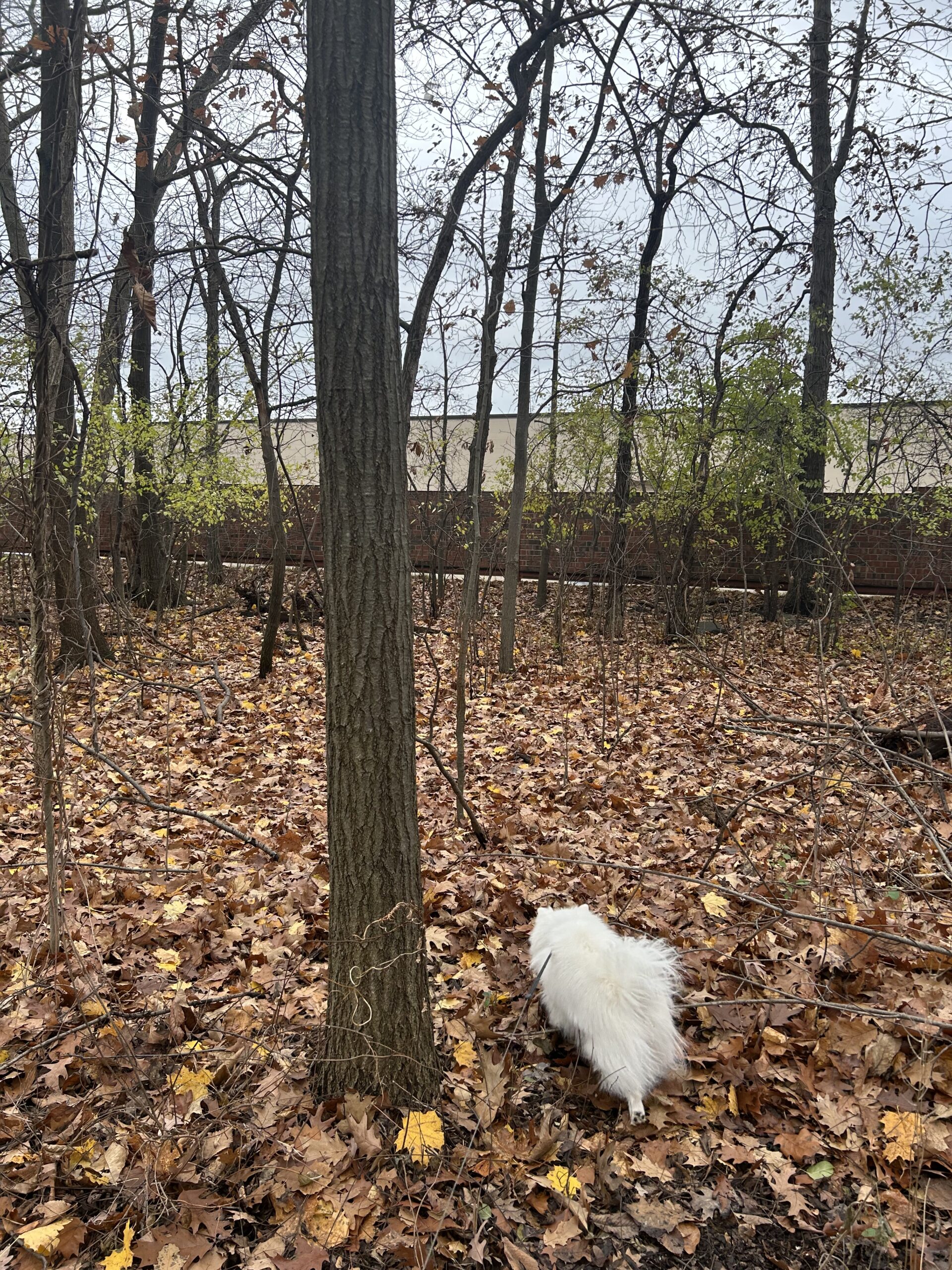
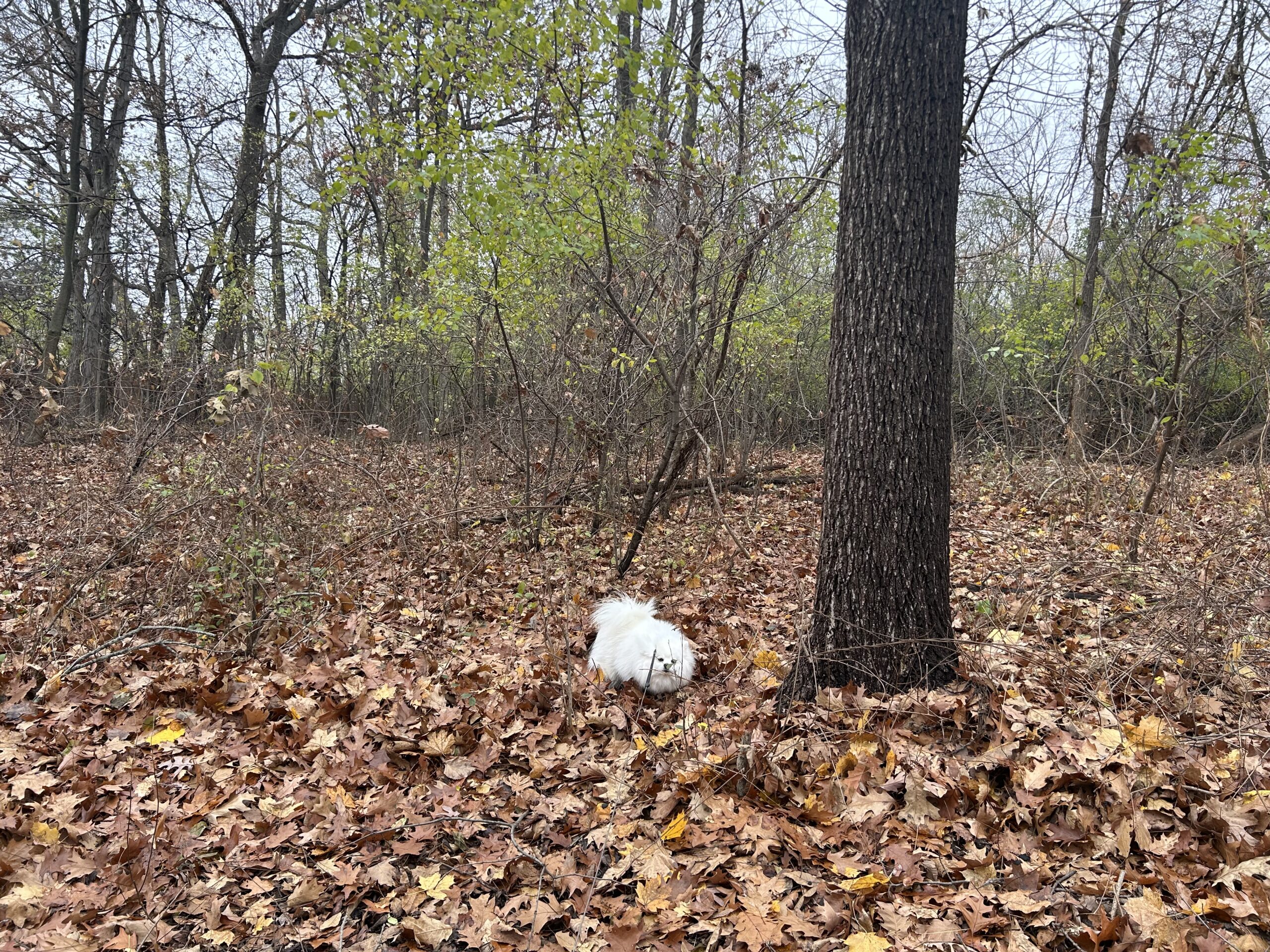
Over break I chose for my phenology site to be in the small natural area behind my house. I always loved playing outside and in the woods around my house and I was glad to be able to go back out and experience it with a little more knowledge about the ecology of the area. Compared to my Burlington phenology site, this site is very similar in terms of it’s phenology as both sites have trees that have lost more or all of their leaves with many leaves covering the ground. For ecology, my break phenology site shares a few of the trees from my Burlington site such as northern red oak, witch hazel, white and green ash. The one main difference I noticed was that my break site had lots of black walnut trees which also leave large walnuts on the ground. There was also a common privet plant with lots of dark berries on its branches.

https://maps.app.goo.gl/tWB2hUT6qbfiVoTj7?g_st=ic

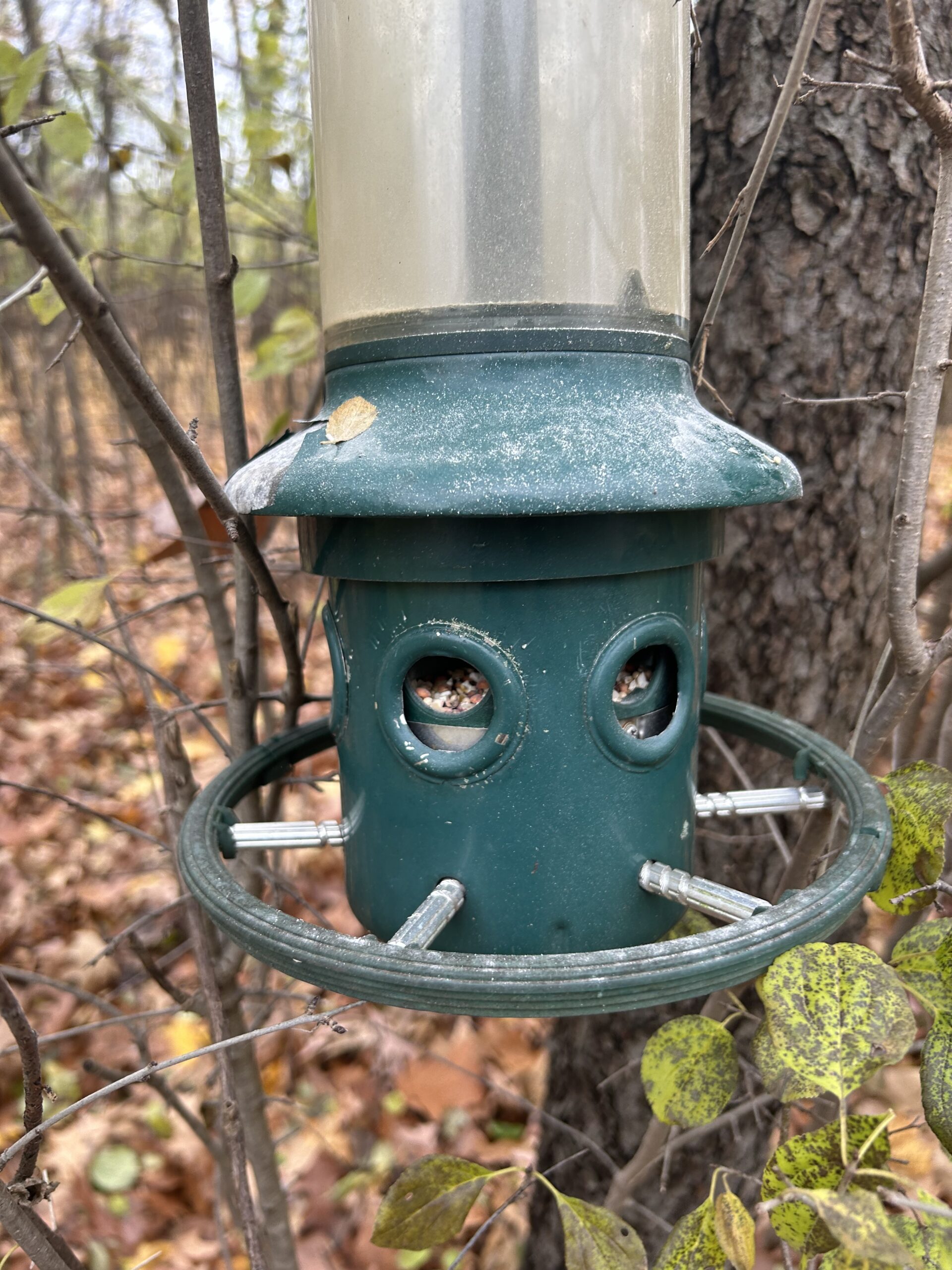
The gift that I left at my break site was refilling the bird feeder my dad puts out but hasn’t been refilled in a long time so I hope the birds that are still here enjoy the seeds before they migrate or the birds will enjoy the seeds once they return from migration. In the picture it looks like the feeder is still empty but its just a really big feeder so all the seed is at the bottom where you can’t see it but the birds can still get to it.

Trinity Woods Phenology Post 2

I chose to make my sit spot for this assignment on a fallen log in the middle of the trail so I didn’t have to sit on the ground. However, the log was still a bit damp and cold so I sat on my coat as I allowed myself to feel the temperature of the woods because it could be close to the last time I can go without a coat as winter weather approaches. It was nice to sit alone out in nature for awhile and listen to some music while doing so. I observed a bit more of my phenology site like the small stream that runs somewhat parallel to the trail. Some changes I noticed from last time were that there were a lot more leaves covering the ground and trail, the temperature has also significantly dropped with the first snow happening just yesterday. Another change is that only the American Beech and Sugar Maple trees still have leaves hanging on to their branches. Lastly, I noticed that the Mapleleaf Viburnum which was a bright green last time, has changed to a pretty sunset orange color.

Trinity Woods Phenology Site

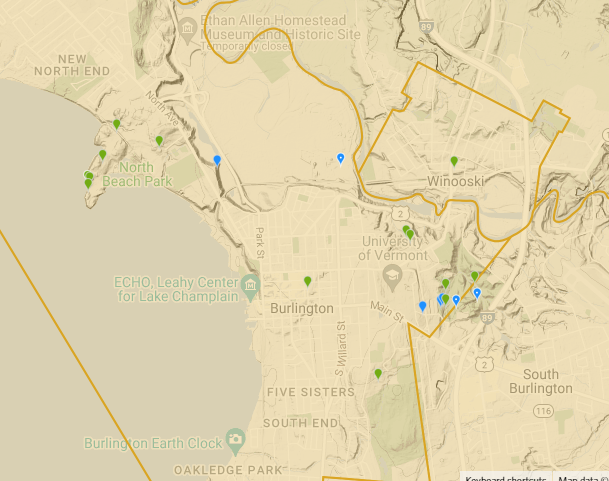
My phenology site is located in the woods beside Mercy Hall. To get there, find your way to Trinity Campus and head to the back of Mercy where you will see a paved path along a forest, somewhere along this path is an entrance to the woods. Follow this path all the way back, past the fallen tree used as a bench to the top of the hill with a large pile of wood. Head down the path leading down the hill and once you’re about halfway from the top and see a yellow and white bird feeder, you’ve made it to my phenology spot! I chose this site because of it’s relative location to my dorm considering most things are not close to Trinity I thought it would be nice to have my phenology spot close by so I can visit often and also get to know the woods by Trinity a bit better.

The vegetation at my site is mostly ferns including wood fern and christmas fern and I also found mapleleaf vibrunum scattered between fallen leaves and needles.

List of the most common woody plants:

  • Striped Maple
  • Sugar Maple
  • Witch Hazel
  • Eastern White Pine
  • Northern Red Oak
  • American Beech
  • White Ash
  • Eastern Hemlock
  • Sweet Birch

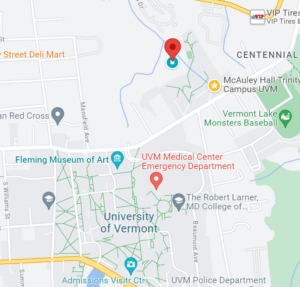
Here is the link and google maps image for my phenology site!

https://maps.app.goo.gl/XdxdH5WDvJFMCEHD7

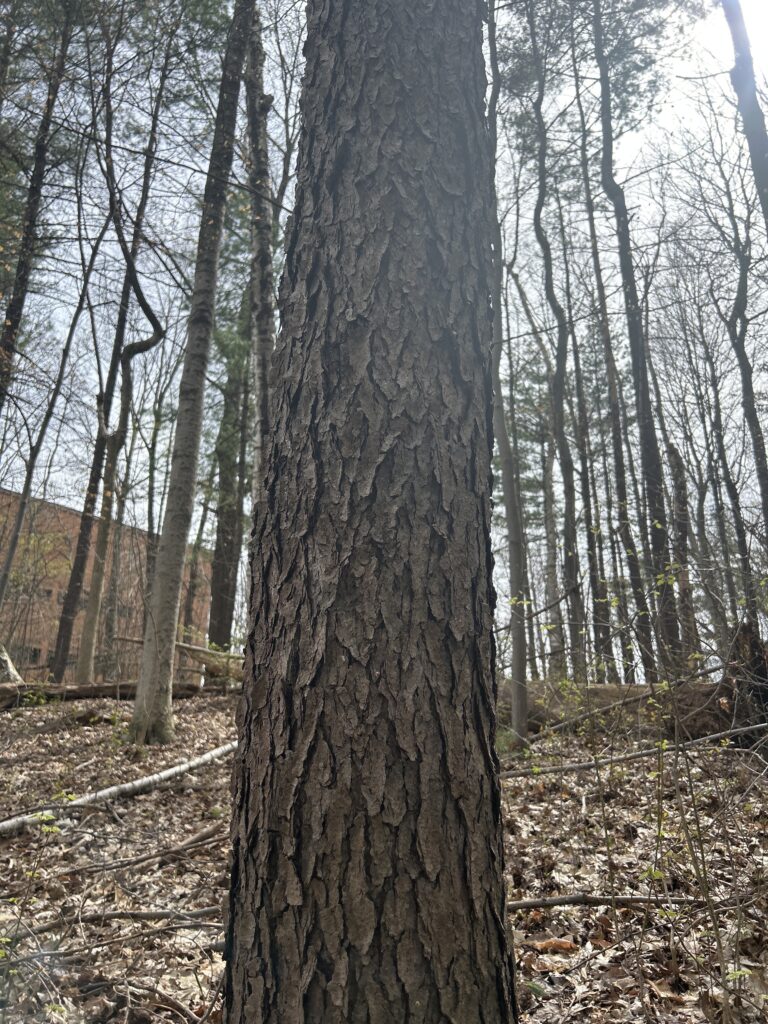
And lastly some photos:

Skip to toolbar