Posts

Phenology Assignment #4: City Nature Bioblitz Edition

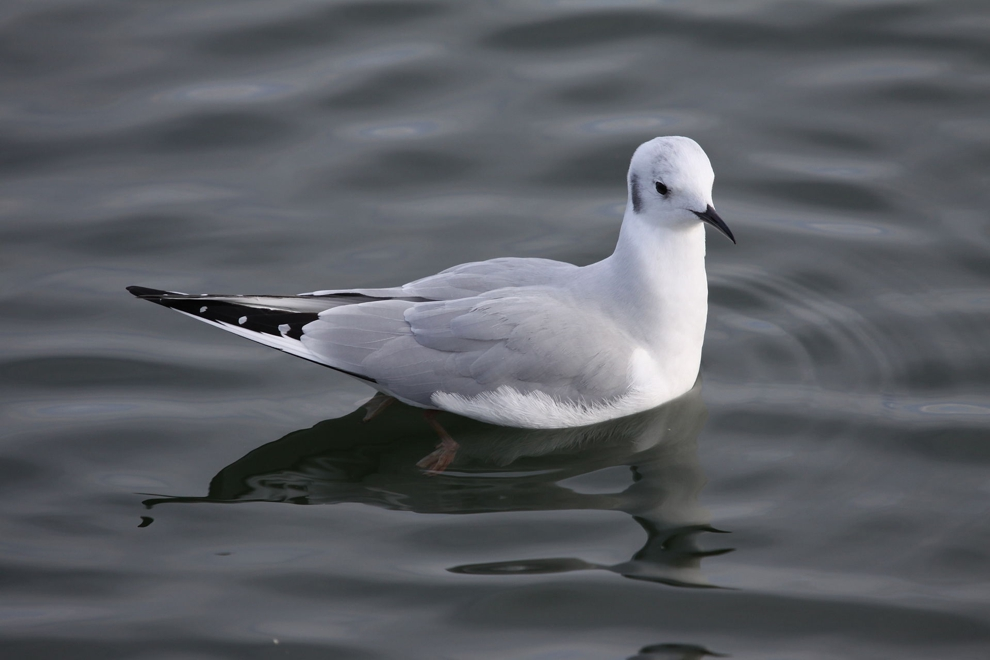
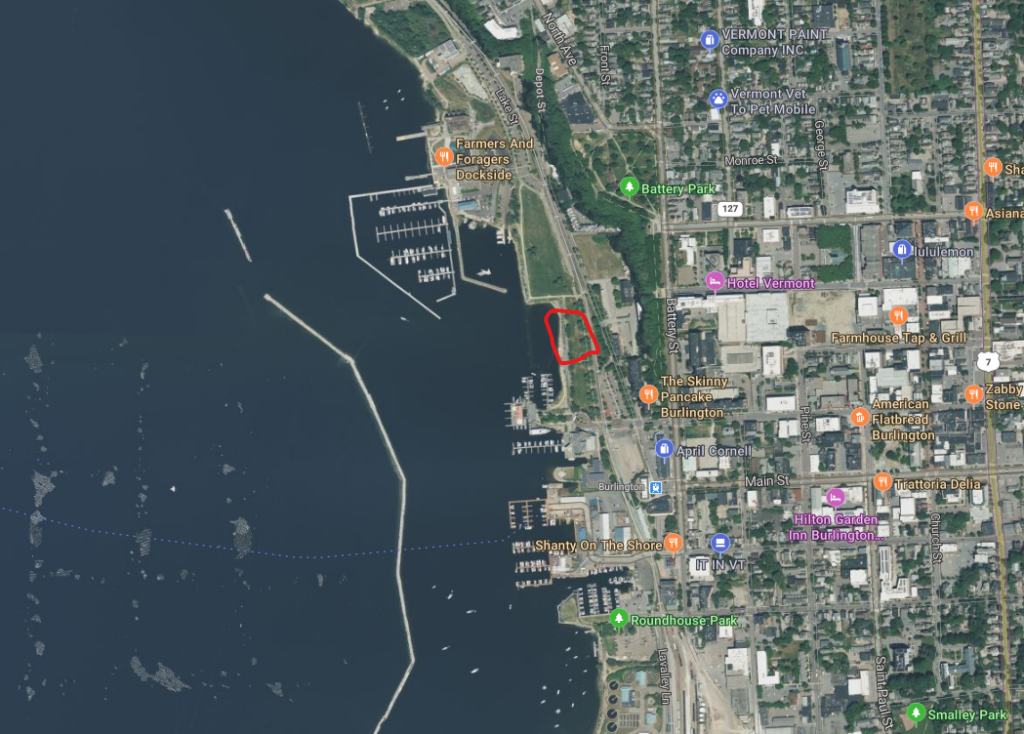
For this City Nature Challenge weekend, I walked around the edge of the lakefront down in Burlington. It was a little wet and cold, but still nice to get out and see the changes spring has brought with it. Along my walk to the lake, I saw two species, notably birds. One was a Bonaparte’s gull that iNaturalist helped me to identify, and the other one was a Goldeneye duck. Notably, these two bird species hang around bodies of water, Lake Champlain especially. Overall, using iNaturalist to document species was simple and easy to do. Looking at the reports from all over the world, it was super cool to see so many cities across the United States and all over the world participating! I think I am super shocked that currently, San Antonio, TX and Dallas, TX are both on the top 10 leaderboard.
Phenology Walk – April 24, 2025

I went around campus finding the different marked trees, which were a northern red oak, sugar maple, white oak, red maple, and a Norway maple. I did my walk on April 24, so spring is well underway by this point in time. Generally, I noticed that all of the different trees either had breaking buds, had already flowered, or were producing seeds that had fallen on the ground. The majority of the trees, including the white oak, red maple, red oak, and Norway maple had breaking leaf buds. Notably, the sugar maple and Norway maple also had breaking flower buds or already had flowered prior. Generally, most of the trees were preparing to get new leaves, and some having already produced seeds or flowers. Looking at the NPN’s website, there was an article that they published a few months ago researching if plants and animals respond differently to climate change. The study found that plants are leafing out, flowering, and fruiting earlier than they used to before. Although interestingly, even though plants are flowering earlier, most pollinators have been consistently sticking to the same cycle, having more phenological mismatches and less overlap between the two species. This study shows the changing and evolving effects that climate change has on many different species.

Final Phenology Blog Assignment – Spring 2025

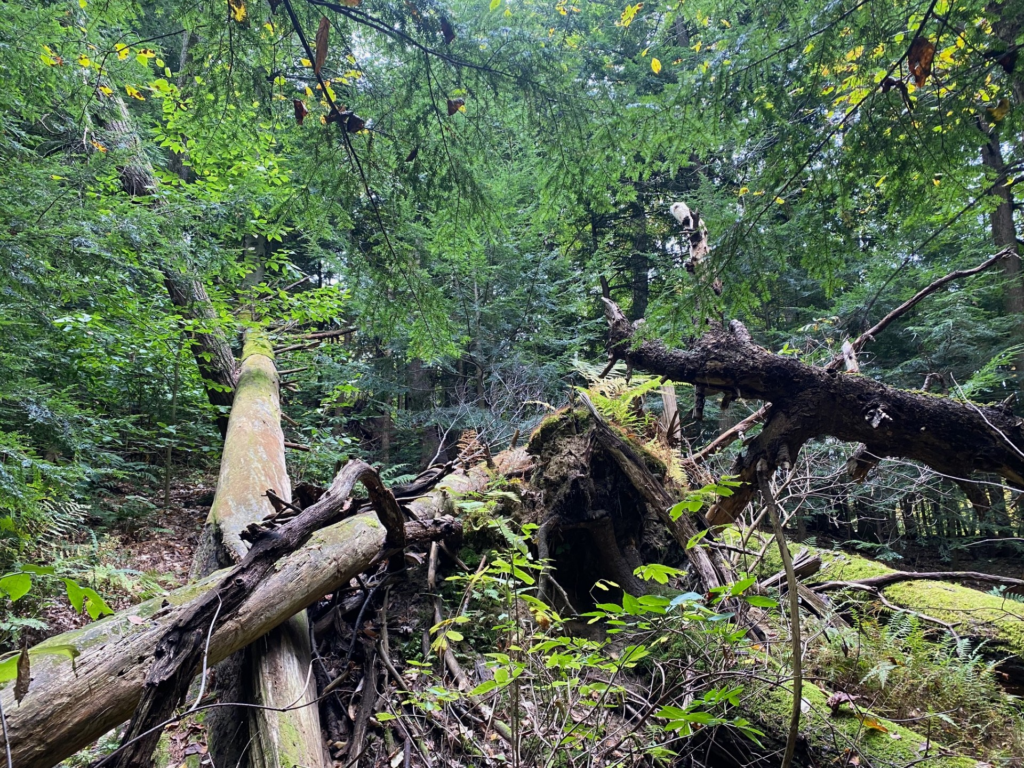
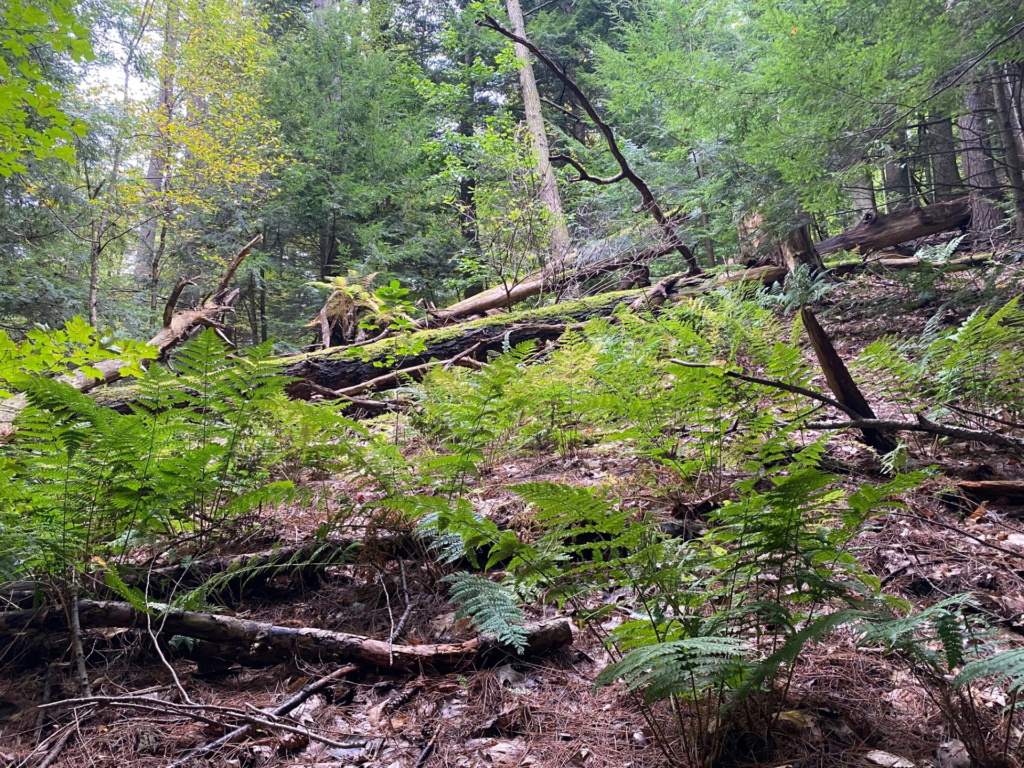
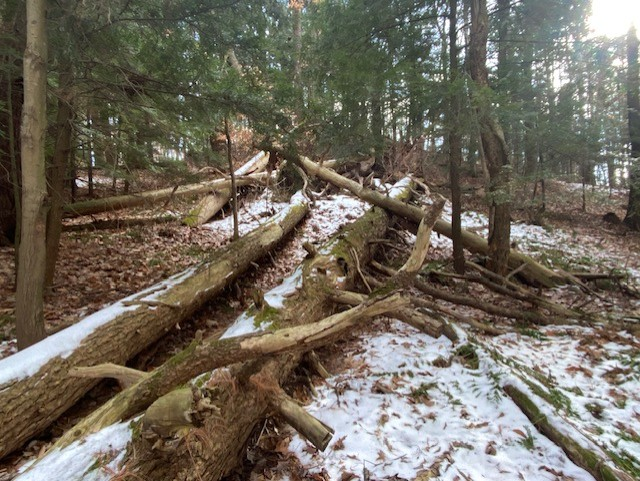
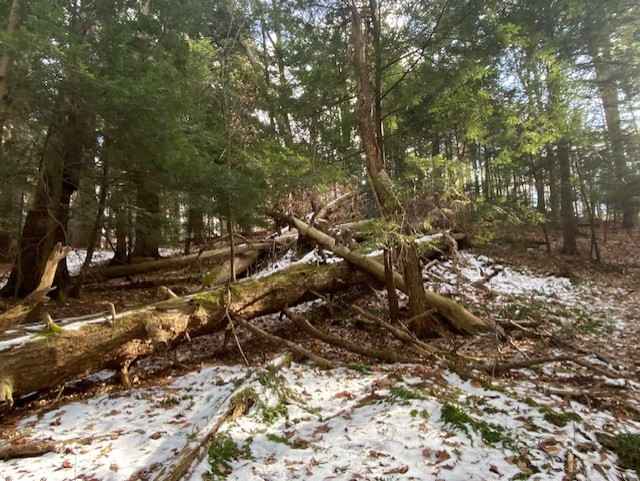
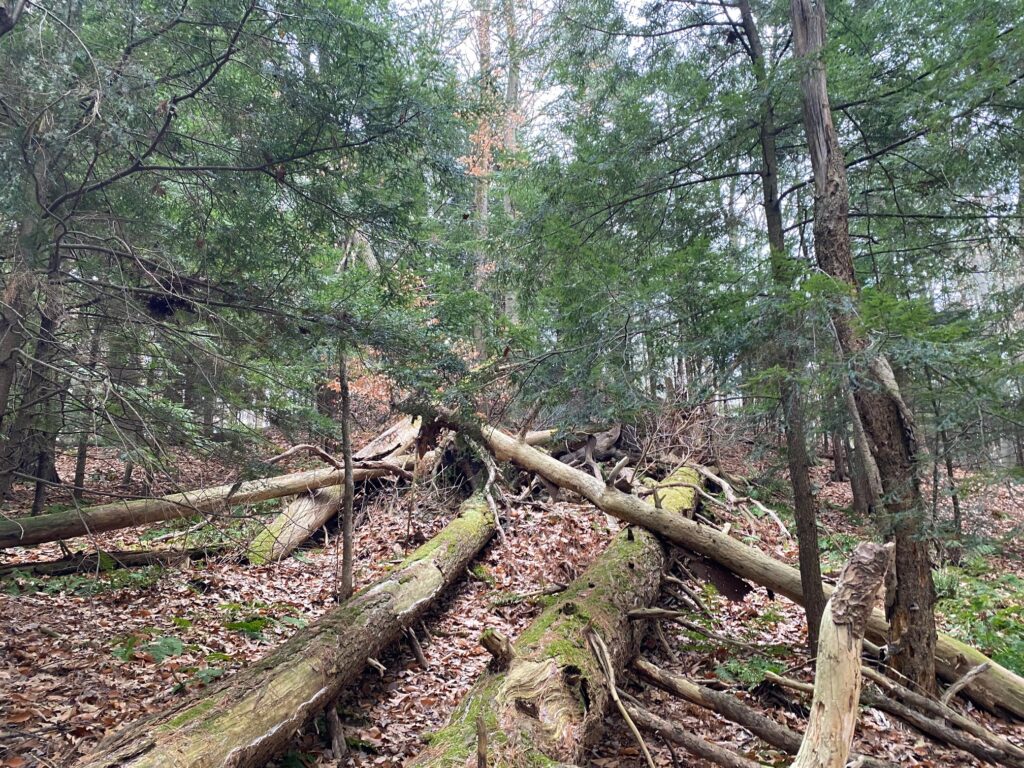
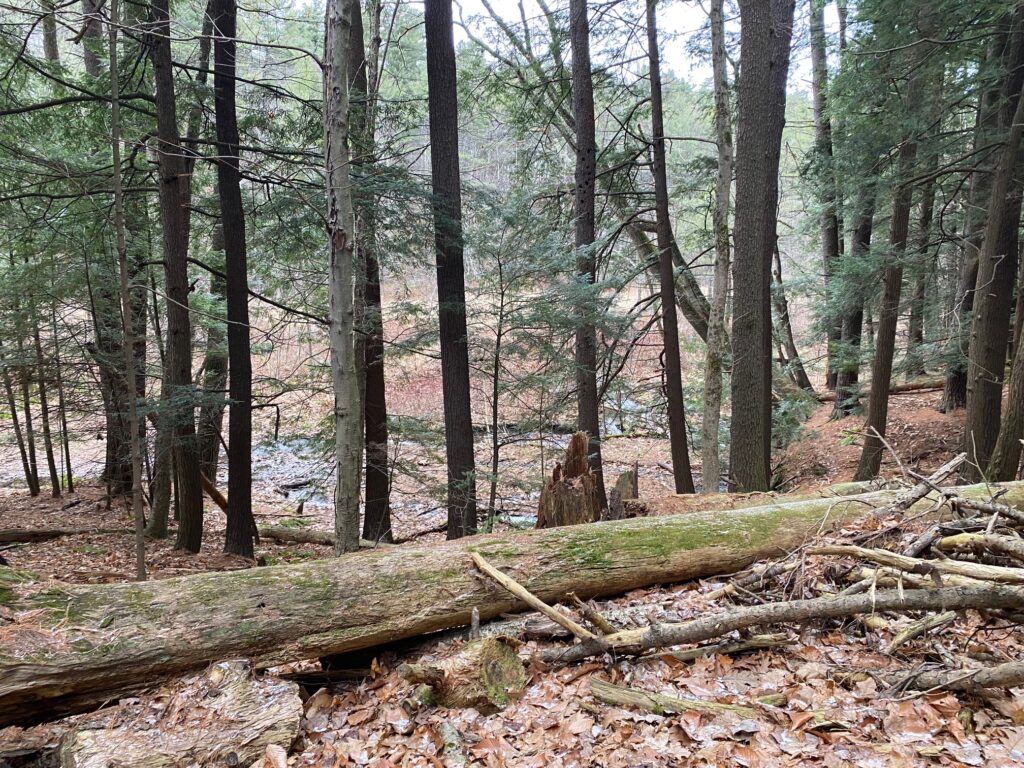
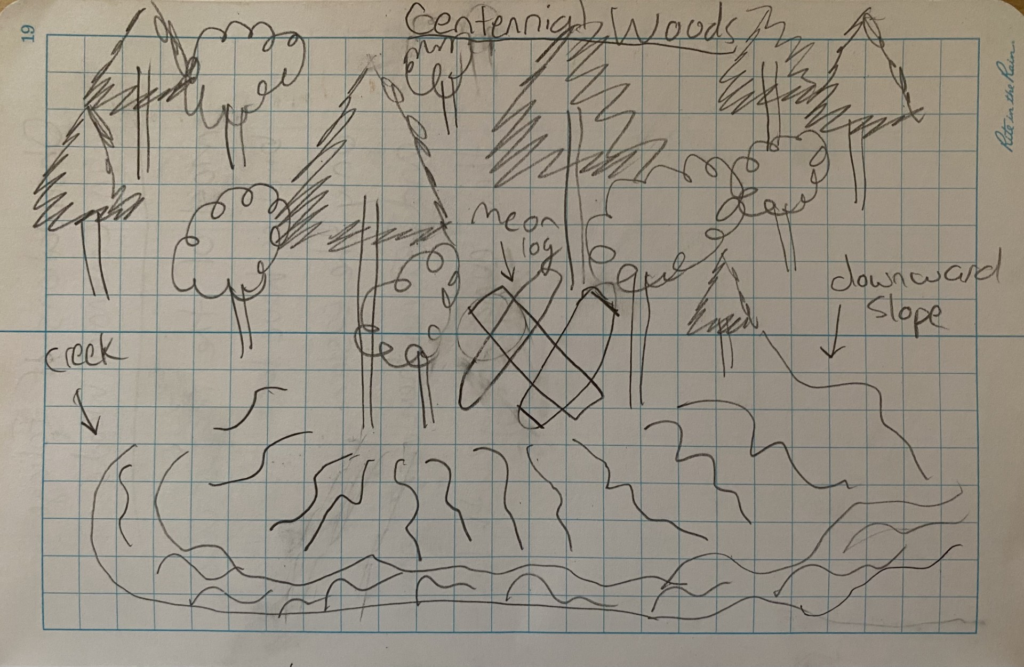
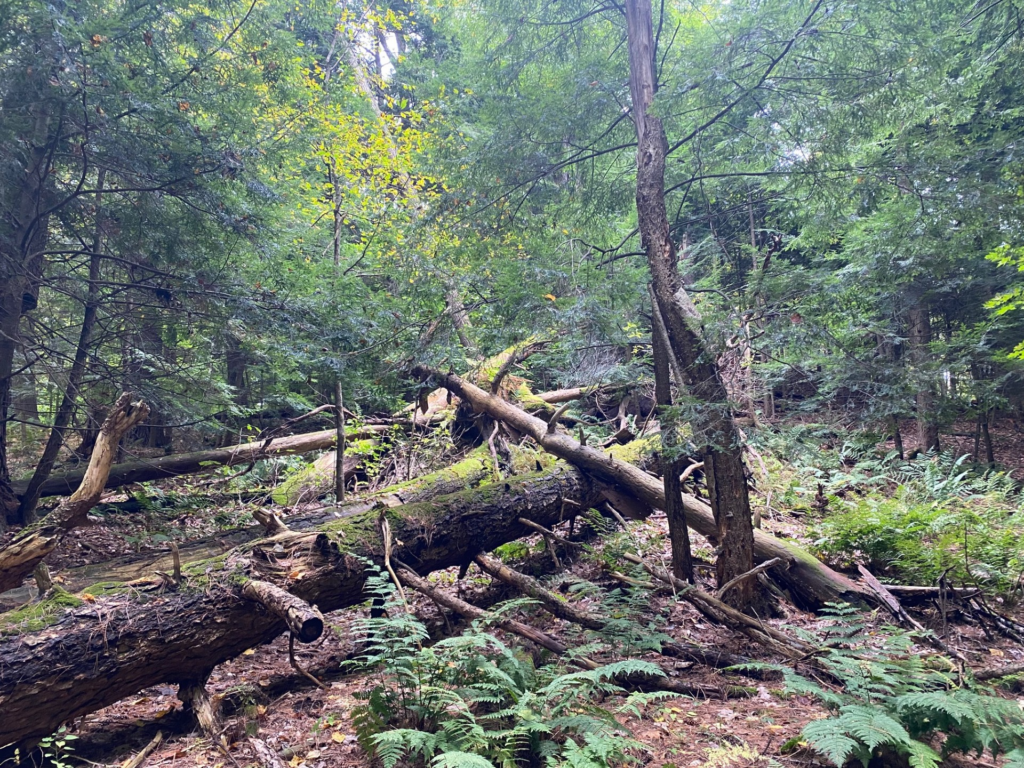
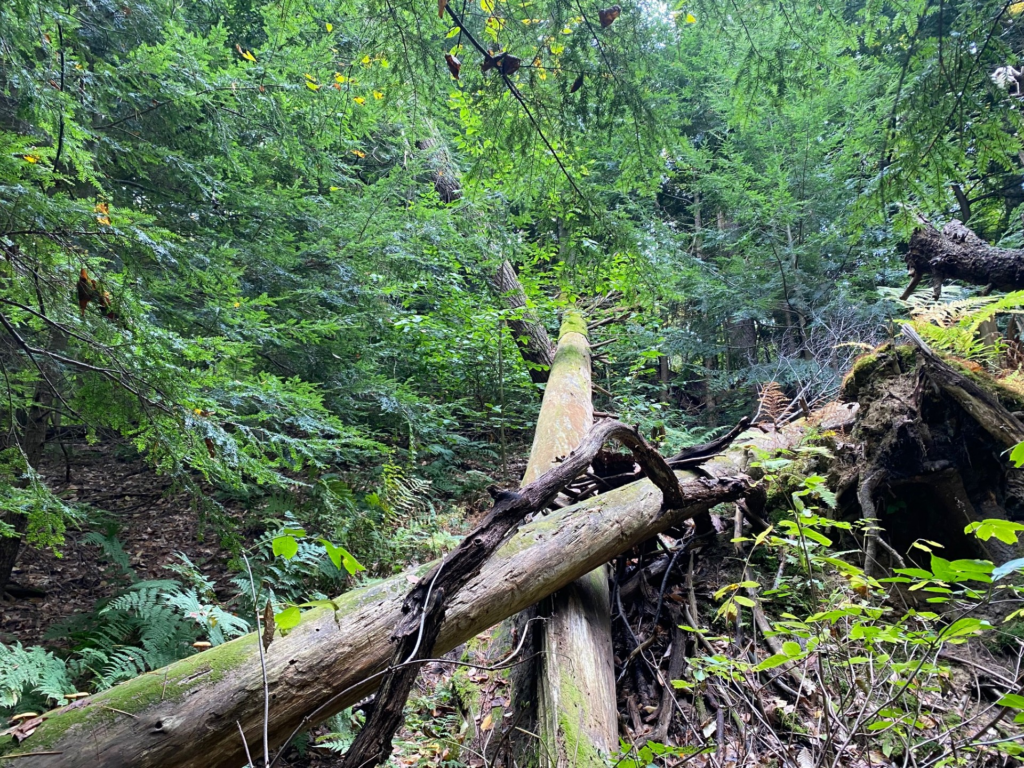
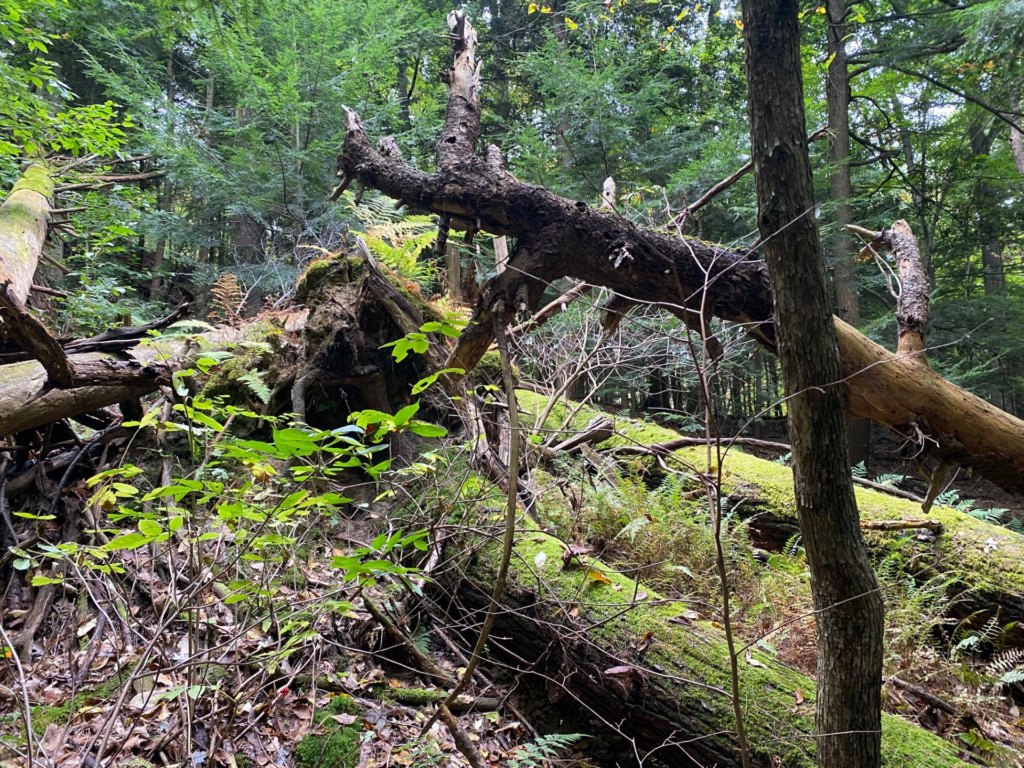
Before I even knew it, the end of the school year snuck up on me. Spring is here, the sun is shining, the flowers are blooming, and everything is starting to come back to life. As I walked back to my spot in Centennial Woods, I was reminded of how much it had changed over the many visits I had made to my phenology spot. Compared to last time, winter transitioned into spring, and many plants and animals were coming back as well. I saw new ferns growing on the forest floor, the return of bugs, (yay!), many different bird species, and new growth of woody shrubs too. I was able to identify a few of the bird calls I heard, namely chickadees, a crow, and another bird call I couldn’t identify. Some landmarks I’ve become familiar with at my spot are the creek down the hill, and mainly the fallen log pile, which helps me to identify my place. In Centennial Woods, nature and culture do intertwine directly, since Centennial Woods is a place owned and taken care of by UVM, for student and public use. People come to observe nature, take a walk, and just be in a natural environment. Since it is a heavily used space, I would say that Centennial is a union of both human culture and nature. Because of this, I would also consider myself to be a part of my phenology place. Human activity, although it seems separate from the natural world, is greatly connected to it. Humans, animals, and plants all occupy the same space, breathe the same air, eat, and survive through the seasons. I will always be connected to my phenology place.

Phenology Assignment #2

This time, instead of going to my usual phenology spot, I ventured to a different spot to see what I could observe in terms of animal activity and tracks. While it was a bit difficult to find tracks, I knew a spot on campus that always has a high amount of activity. Right next to Central Campus Dining Hall, there is a red oak tree that I always see squirrels running around every day. While I didn’t capture one in action, I knew that I would find tracks there. I took a photo of a track that looks strikingly similar to a squirrel paw, and using Inaturalist I identified it as an eastern gray squirrel. I feel pretty confident about this prediction because I see gray squirrels running around on the lawns during the day. Here are the photos I took.

NR1020 Phenology Assignment #1 – January 2025

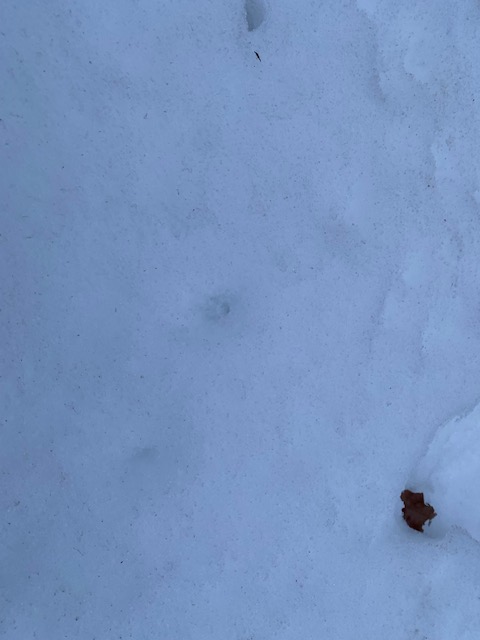
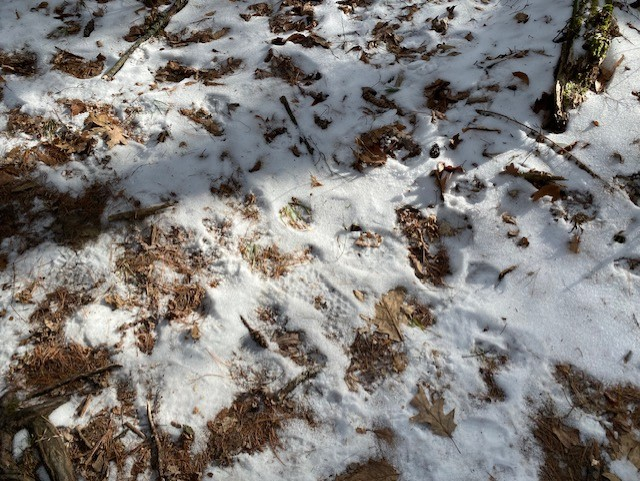
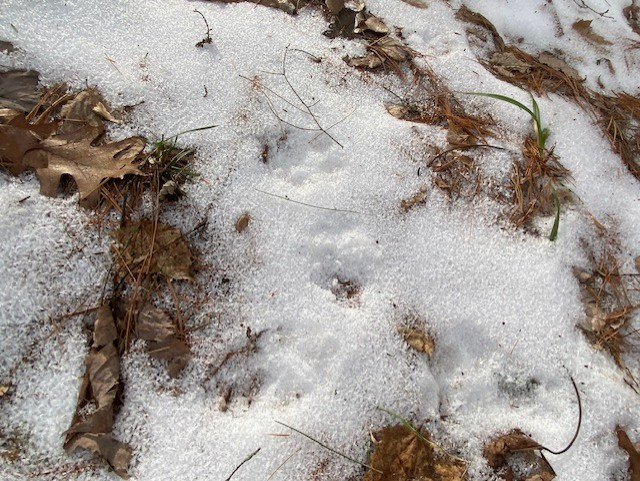
Heading back to my phenology spot in Centennial Woods for the first time this new year was very nice, like seeing an old friend. It was pleasant to sit down and just take some photos and jot down some notes as the sun shone through the forest. Some elements were different this time around then when I last visited in December. The ground was entirely frozen over solid and there was much snow all around. Compared to last time, the creek was fully frozen over and all of the plants were dead except for the evergreens. The leaf litter continues to decompose on the forest floor. I did spot some tracks that I took photos of. I know for certain some were human footprints along the path, but some were animals that I couldn’t 100% identify. My guess would be maybe a fox or some other small mammal. I look forward to coming back again and seeing potentially more tracks and animal activity.

Phenology Assignment #5: Wrapping up the Year

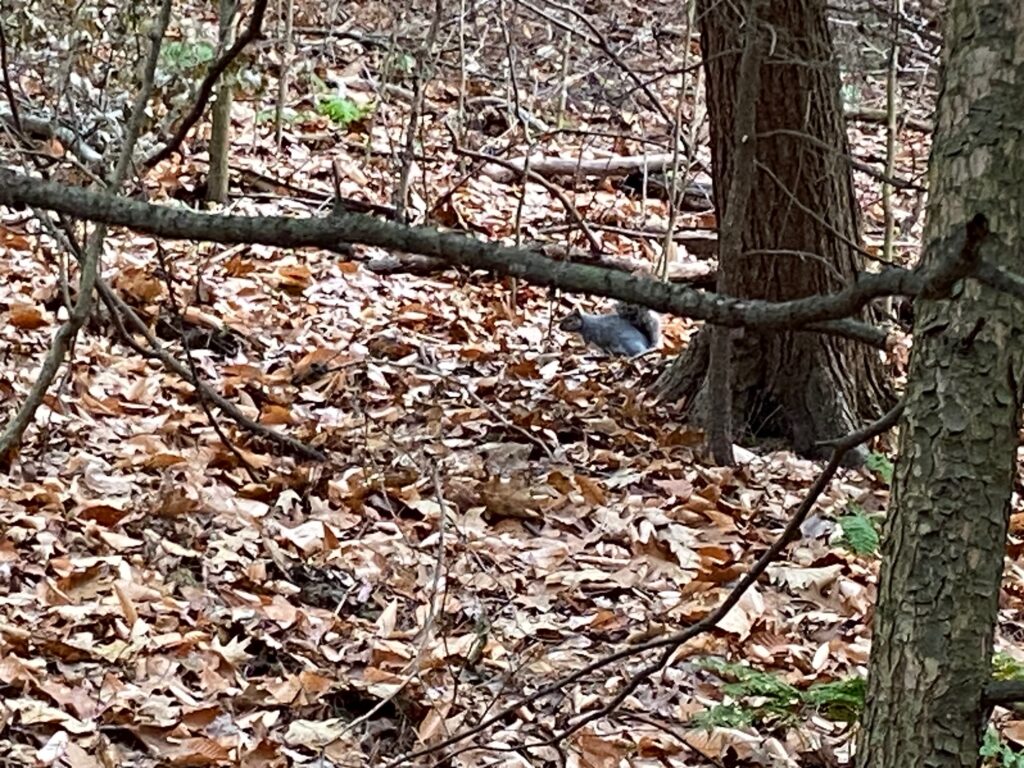
There’s a chill in the air, finals are right around the corner, and the end of the year is swiftly approaching. As I write this, it is a chilly December afternoon and I just visited my phenology spot in Centennial Woods for the final time. Walking back into Centennial Woods this time, I was starkly reminded that the seasons are quickly changing, and the foliage proved that. This visit, the only foliage remaining in Centennial is a few ferns left on the forest floor and the evergreen leaves from both the easter hemlocks and eastern white pines. I noticed that the fall leaf litter is very fresh and new, topped with a fresh dusting of snow. Since warmer temperatures lasted a lot longer than they should have, most leaves fell pretty recently. Underneath the newer leaf litter, there are signs of decomposition beginning with older leaf litter. Since it was so cold, I expected the nearby creek to be frozen over, but it was not, still continuing to flow. I looked around for signs of animal activity, such as tracks, scat, marks, etc. I couldn’t find any signs but I did manage to see and take a photo of a nearby squirrel scavenging on the forest floor for food. I was very excited to just see anything in my area. As I reflect back on my multiple visits to my phenology spot in Centennial Woods and even my new phenology spot at home, it makes me appreciate the quiet and peaceful part of being in nature and being more in tune to my surroundings. Sitting in both phenology spots, it is an important reminder to me to take breaks and live in the present moment. Life has moved so fast since I’ve begun college, so taking time out of my day to sit in nature and appreciate my surroundings helps to ground me and keep me on course.

Phenology Assignment #4: A New Phenology Spot at Home

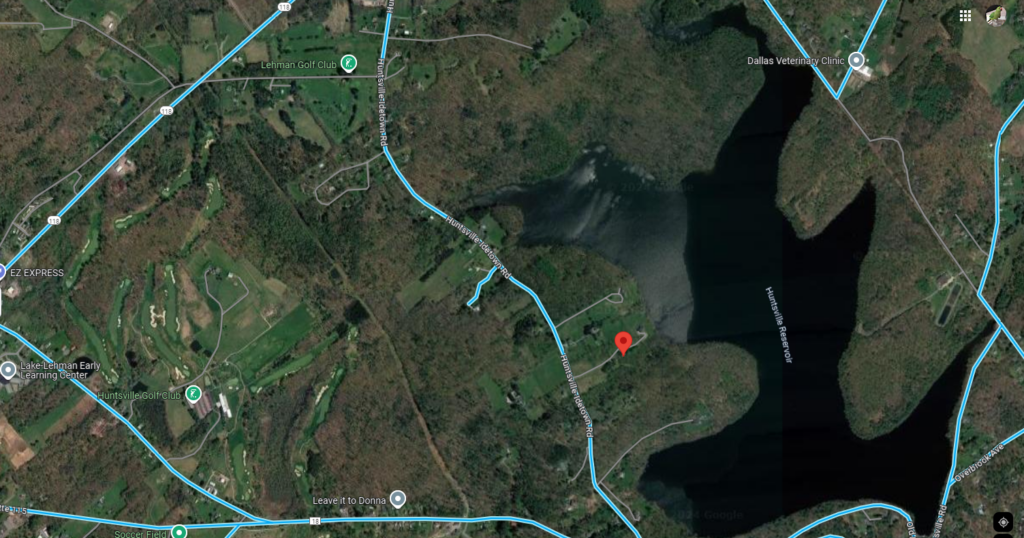
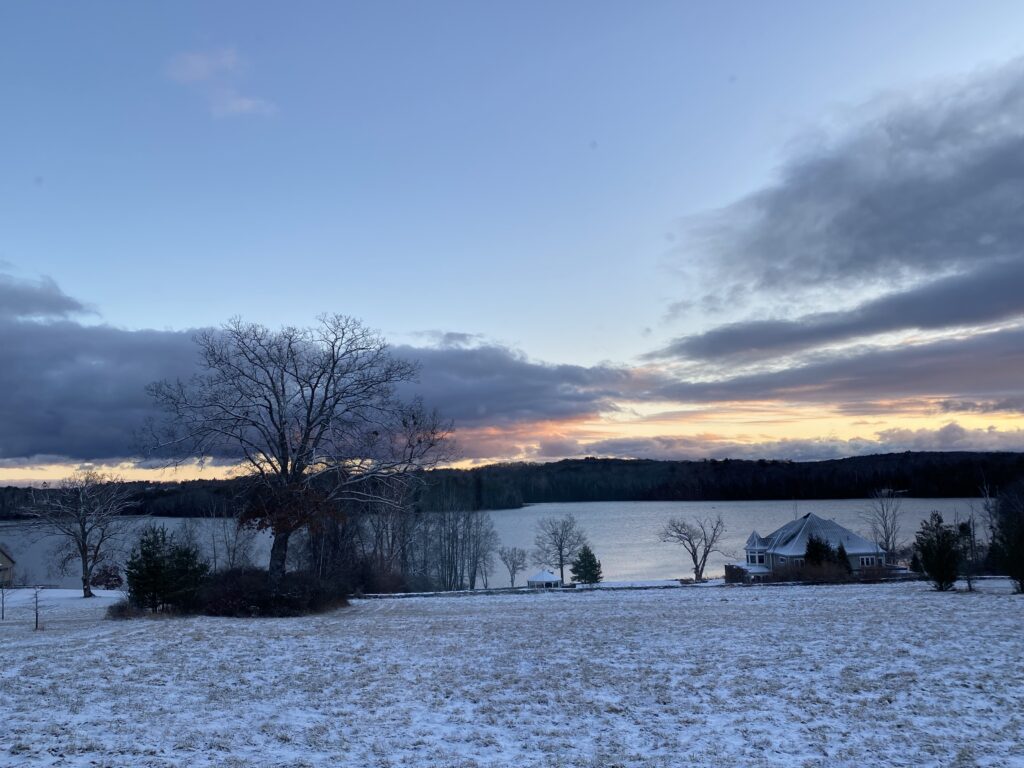
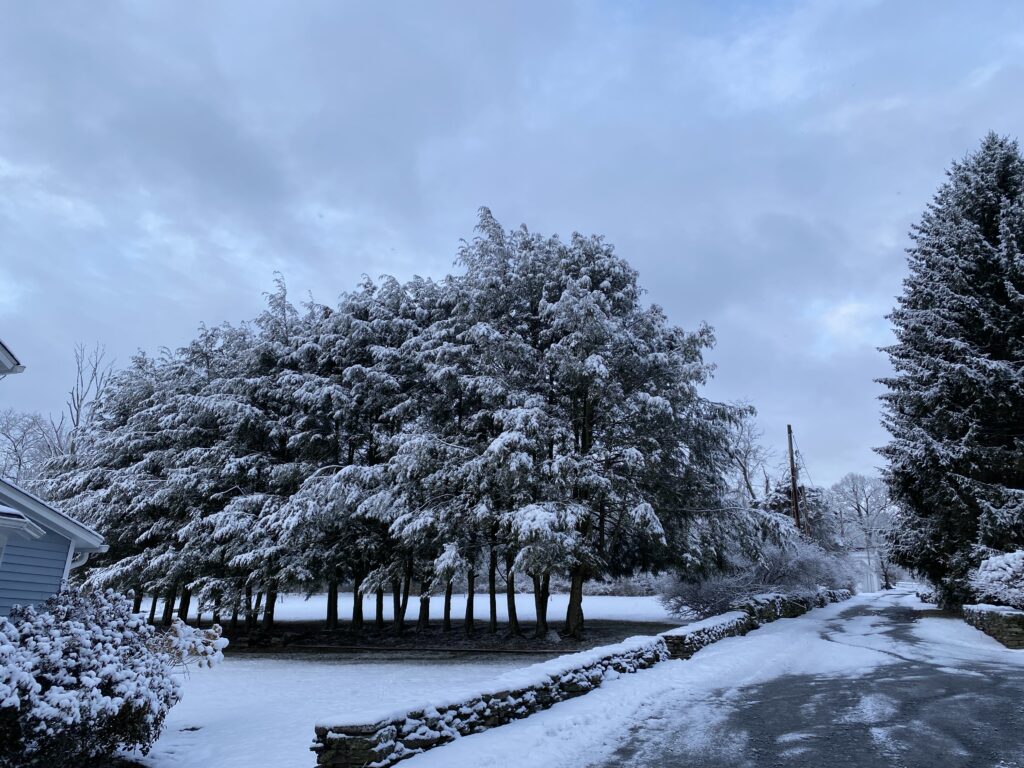
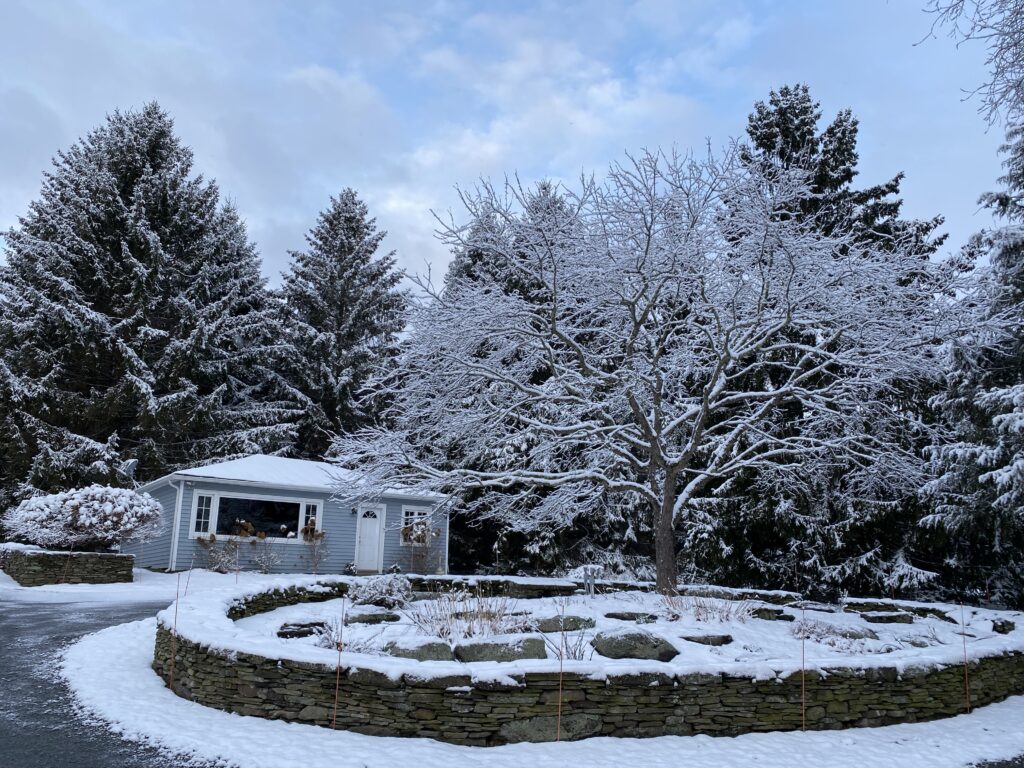
My new phenology spot is my house located in Dallas, Pennsylvania. My house is near a reservoir, which is owned by the government, so the area isn’t overdeveloped or inhabited by many people. The photos I took around my house and backyard are snow covered, due to having some snow while I was home over Thanksgiving break.

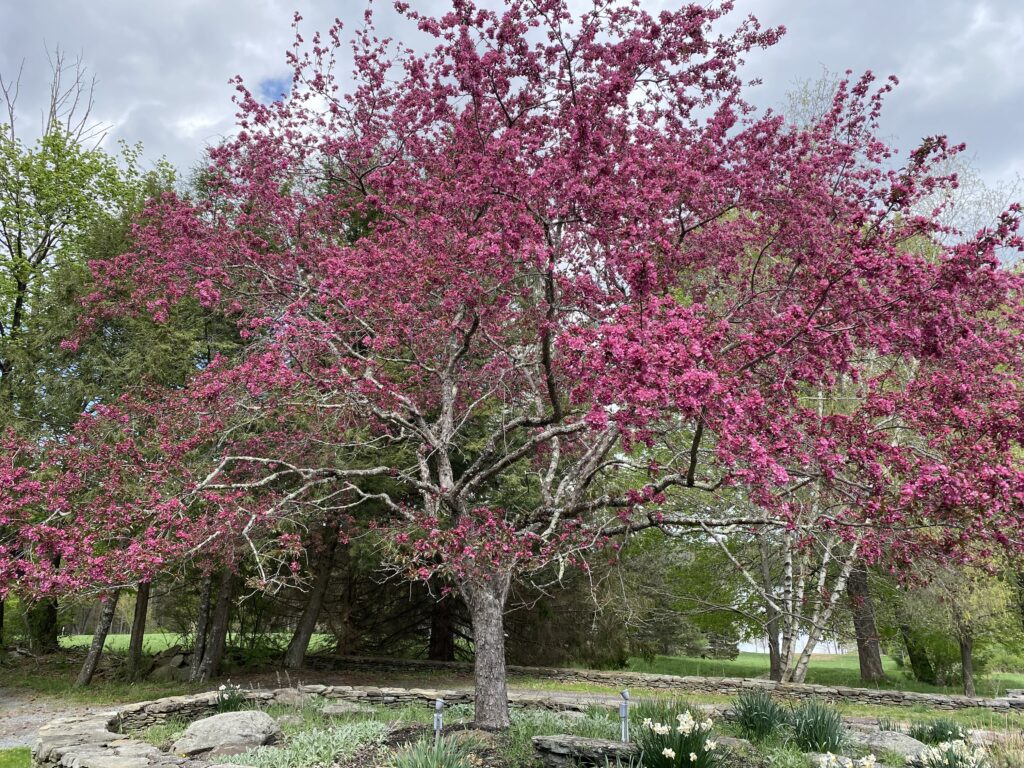
These photos are from around my house and the view of the reservoir from my house. Compared to my phenology spot back in Burlington, my new phenology spot is much more open and wider, since I live on an old farm. Some of the species are the same, but many are different. There are paper birches, eastern hemlocks, and eastern white pines in both locations, but in my new phenology spot there is a pin oak, Kousa dogwood, and Japanese flowering crabapple. Here is a photo of the Japanese flowering crabapple blooming in spring. Overall, my phenology spot at home varies much in both species composition and landscape compared to my phenology spot in Centennial Woods.

Phenology Assignment #3: Revisiting My Spot

When I revisited my spot, everything was a little different from when I was last there. I was going to say it was colder, but in reality it was much warmer! Today is a very strange Halloween, but with the warm weather I decided to go to my spot and sit down and observe some things. Sitting in the center of my spot in Centennial Woods, I noticed the main difference between my last visit and now, which was the lack of deciduous foliage. All of the sugar maples, red maples, and paper birches had dropped all their leaves and only the eastern hemlocks and eastern white pines still retained their evergreen leaves. Just sitting and observing the area around my spot was very pleasant, the sun shining through the trees and a warm breeze on my face. I know when I next return, it will not be this nice out, so I savored the delightful weather and surrounding environment around me.

Phenology Assignment #2: Introduction Post

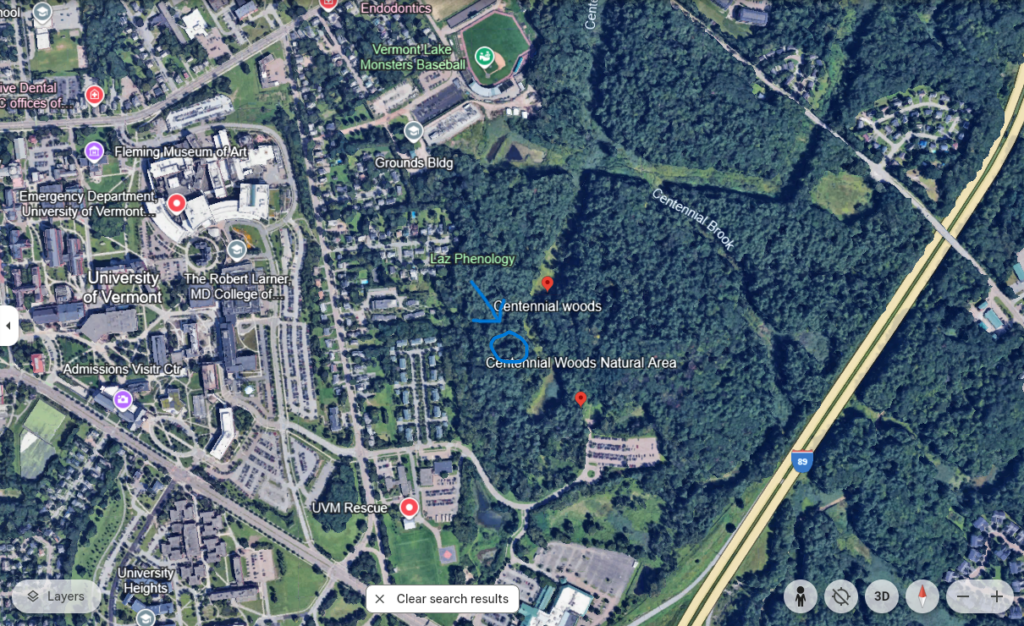
The place I chose to go to for my phenology project is Centennial Woods. One of the main reasons was that it is a very close walk from my dorm, so it is convenient for me. I live on Central Campus, so I cut around the College of Medicine and go around Jeffords lot, and after walking down you’ll eventually see the campus police building. It’s right around there. Another reason is that since I’ve been to Centennial Woods quite a few times, I get the feel for where I’m at and which areas were of interest to me.

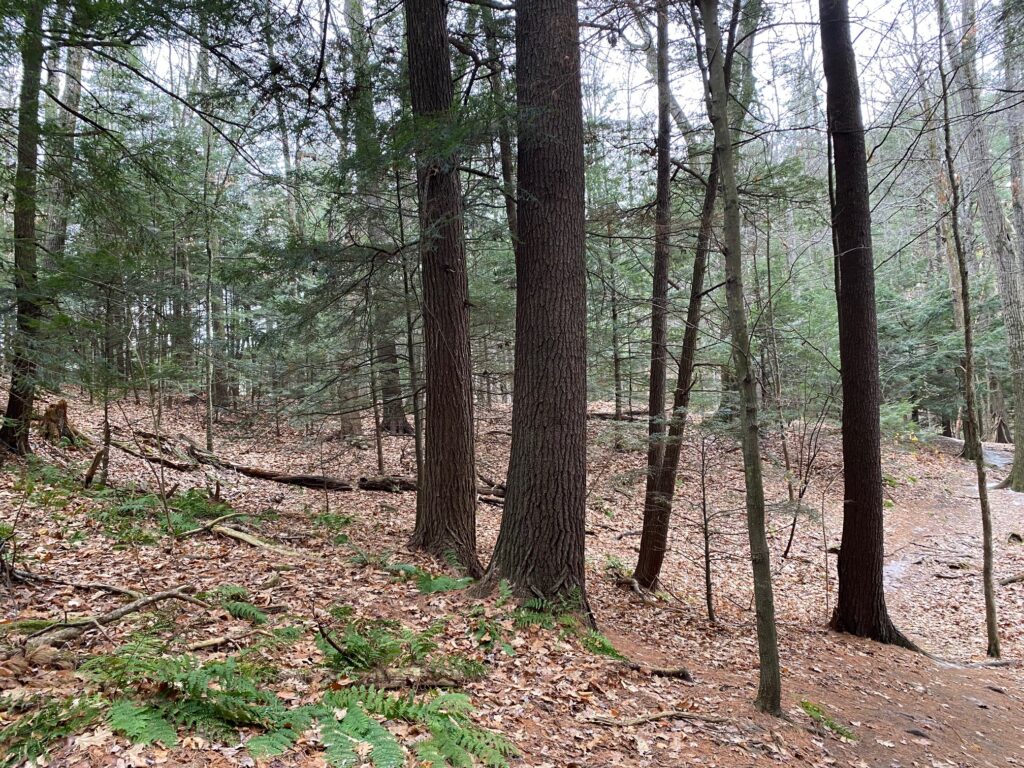
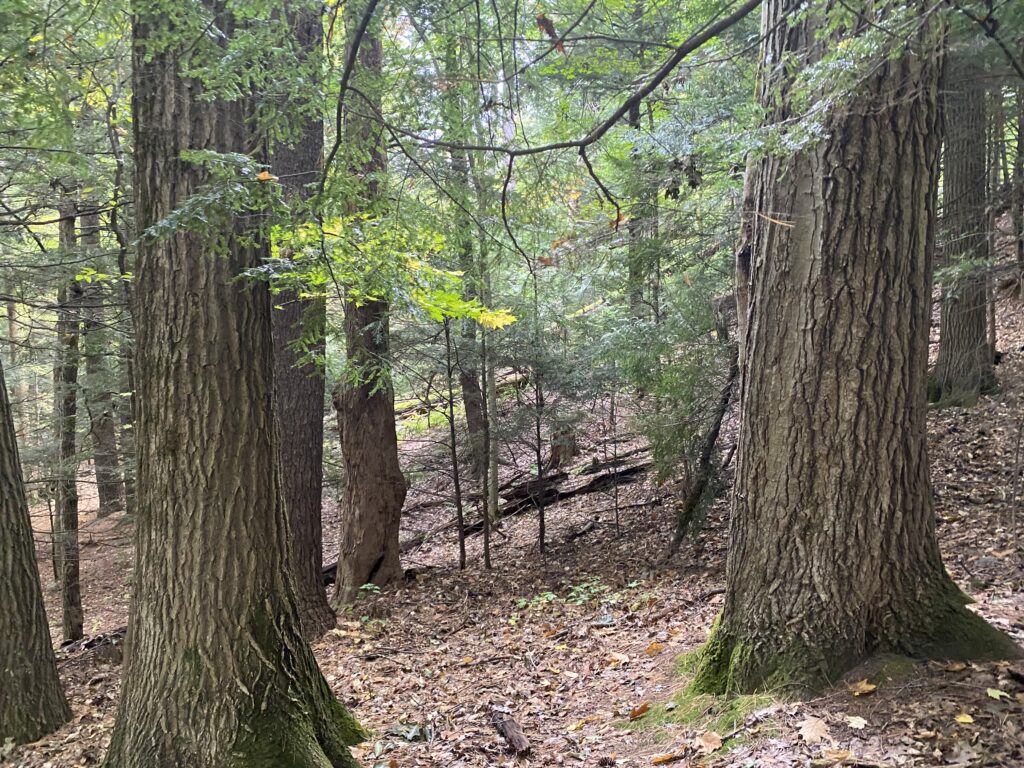
The vegetation in my place was very varied. My place is in the shadier part of the forest, so there were many ferns growing around the area. There was a good mix of taller and shorter trees around the general space. I noticed there were several fallen rotted logs, and on them there’s a thriving community of moss and fungi.

Common Woody Plants:

Eastern Hemlock

Eastern White Pine

Sugar Maple

Paper Birch

Skip to toolbar