
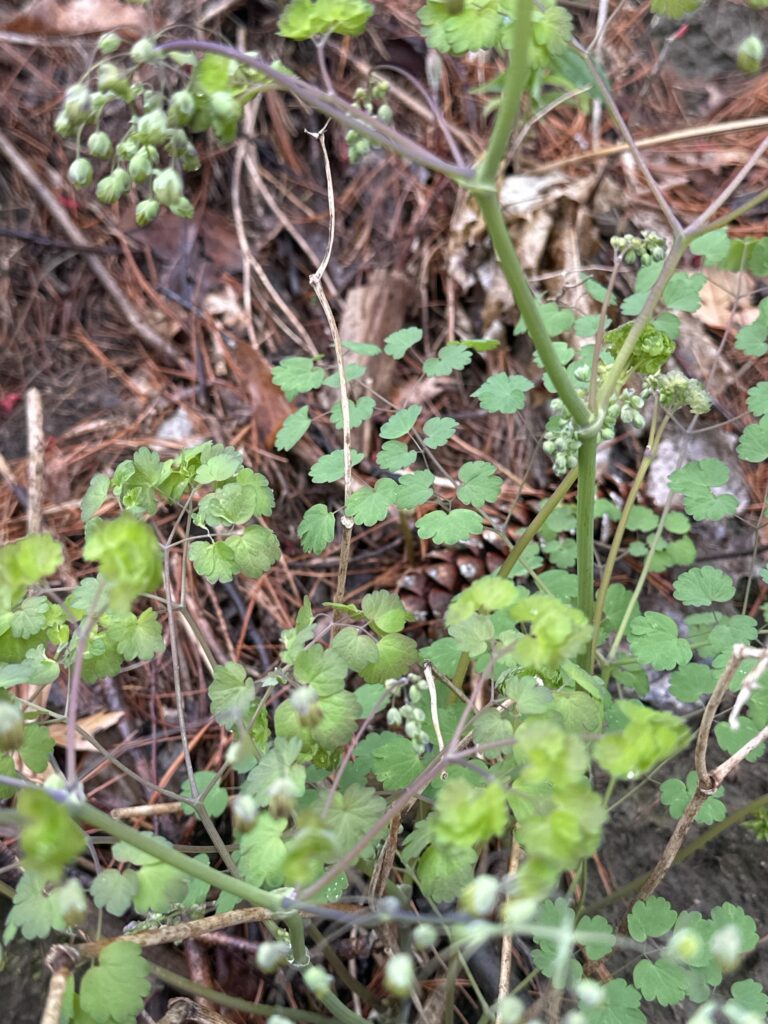
Using iNaturalist is nothing I’m new to. I have worked with the app on previous blog posts, and have gotten quite used to the interface. All I have to do is open the app, take a picture of wildlife, and it will suggest labels for it. That’s when the problem occurred. A large majority of the pictures I took were wrongfully identified, so I had to personally look up Vermont plant species in order to correctly label them. This wasn’t bothersome for me, but it goes to show how little I trust AI to identify plants; it should be a human job.
Observing Red Rocks Park…. With a Different Purpose
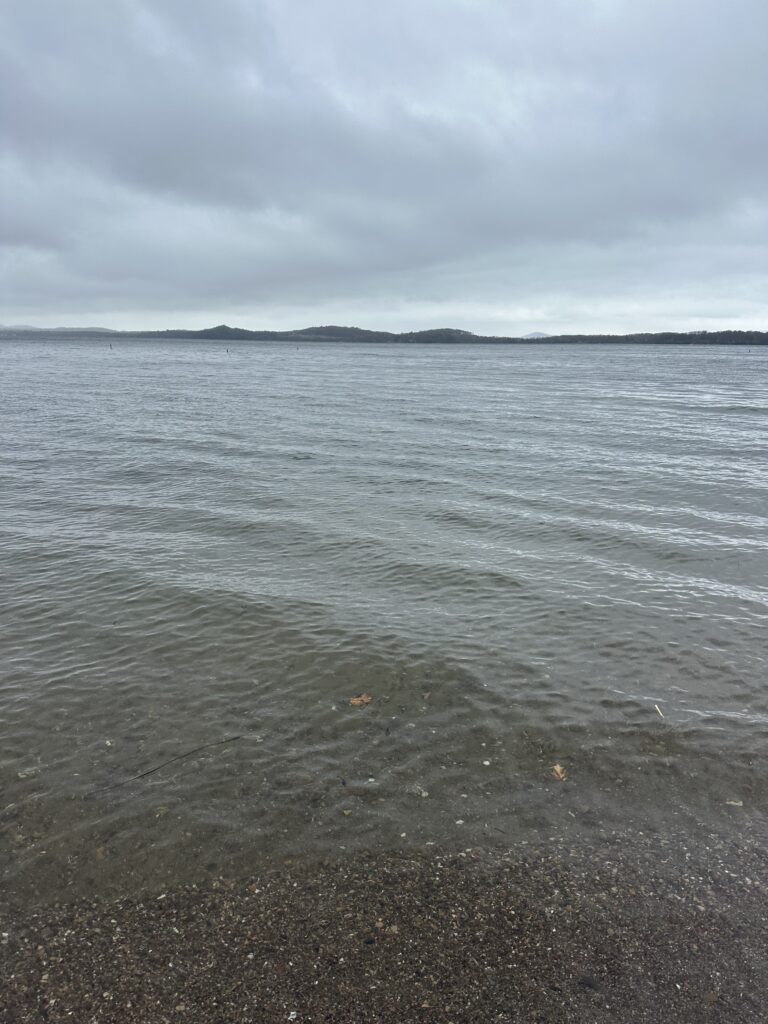
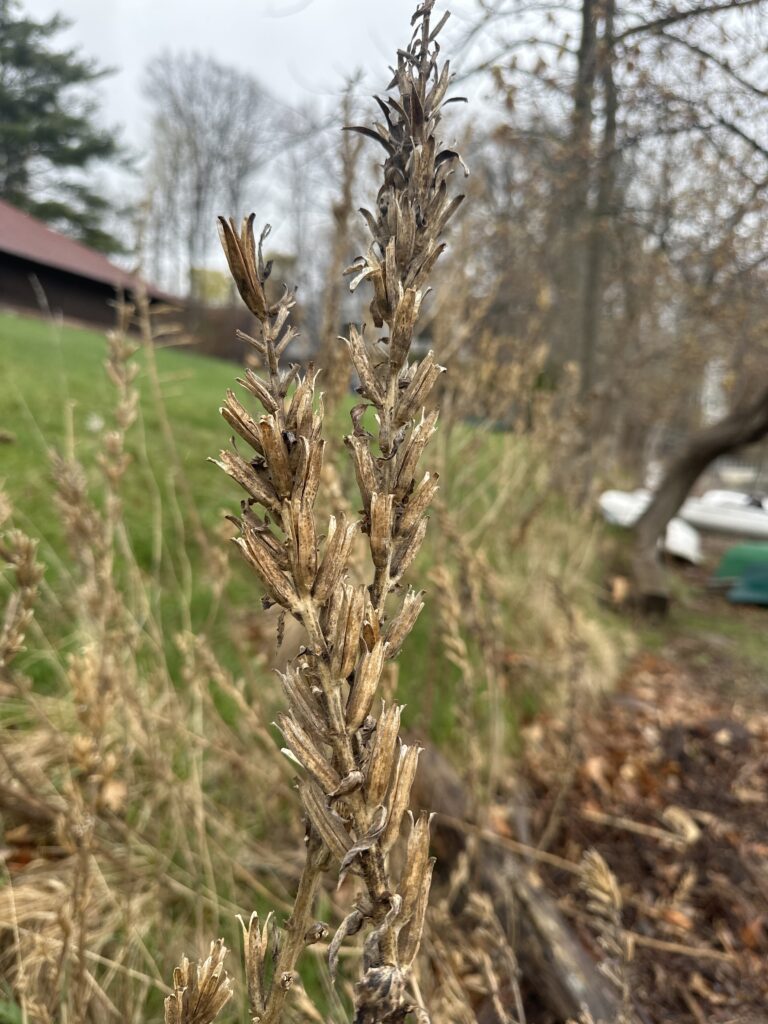
When visiting the personally remarked Red Rocks, I would go in with the purpose of finding my one particular place and look at the area around there. I had associated Red Rocks with a simple 15 square foot area, when I knew there was more to look at. This pervious excursion was the first time I really looked at the things the park has to offer. I’m incredibly proud that I didn’t overlook the wildlife there, I took the time to look for things I hadn’t seen and include them in a collaborative observation project on iNaturalist.
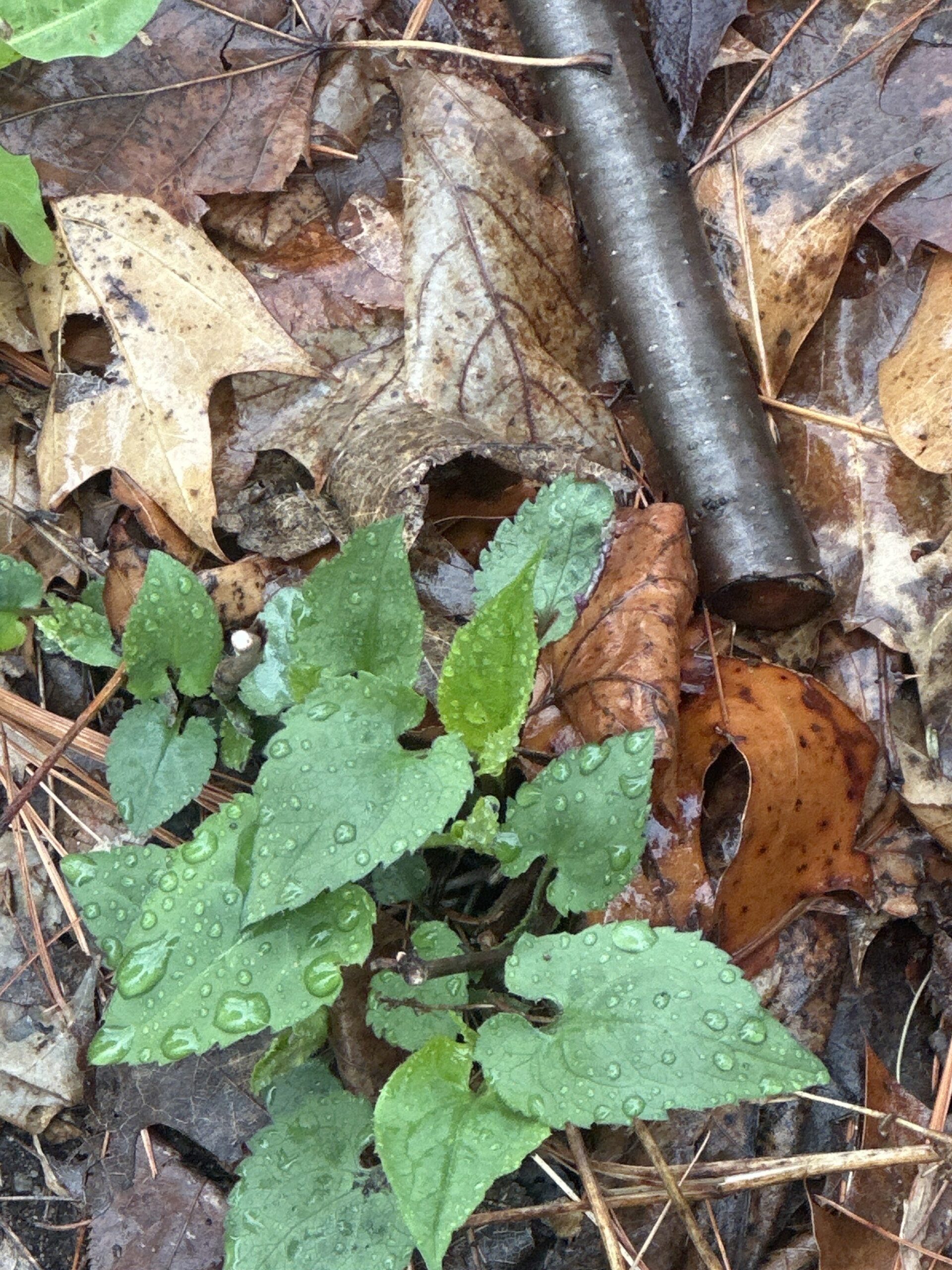
The iNaturalist Experience
This was not my first time using iNaturalist. There are many mentions of the app in other sections of my blog, and I’ve even taught my family how to use it so they can log their nature findings! It is safe to say that I love using iNaturalist. Taking pictures and getting suggestions is great. I seldomly find it unhelpful, but when it’s wrong, the picture typically has too much going on or it’s blurry. I know there are many people all across the world who use iNaturalist, and I took the time to look at ones that seemed interesting to me.
- Philadelphia saw few observations, but most of them are towards the edges of the impervious cityscape. Flowers, small mammals, and home grown plants were the most common things seen.
- Paris, being the European city it is, had many more areas built to support islands of biodiversity. Most of the observed species were small insects, urban tree species, and flowers able to grow in poor soil conditions.
- The Andes Mountains are fabulously tall, supporting only certain species. Most of these are incredible native flowers, birds, and large insects. I was surprised to see how many observations were made in such a place with limited access.
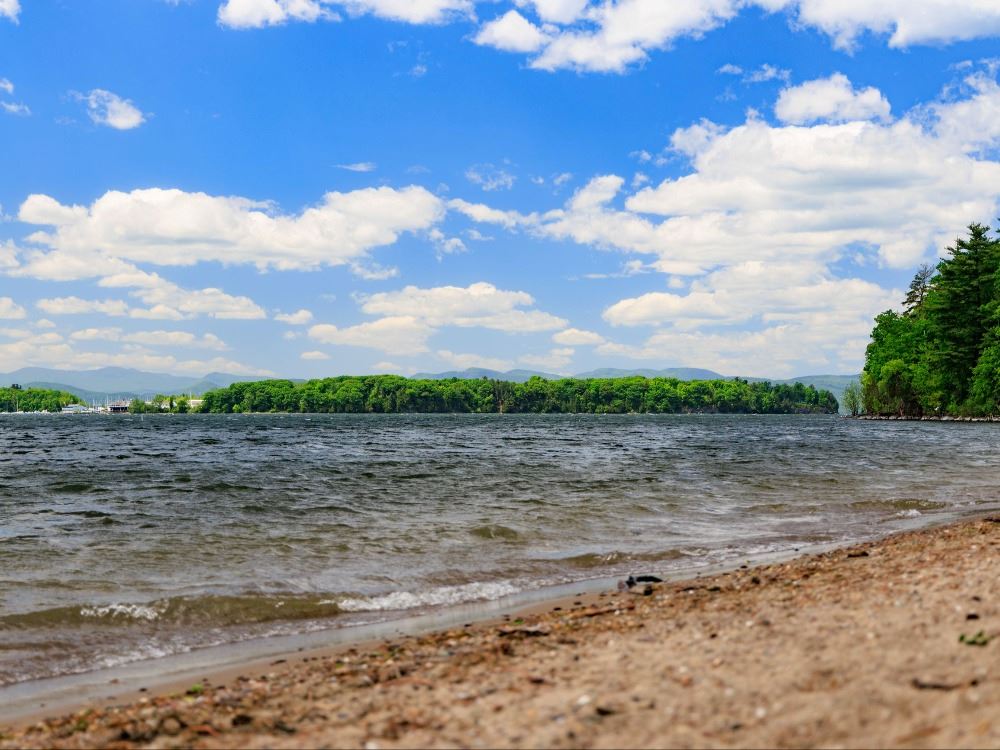
If you care to learn more about Red Rocks, please visit their site attacked to this photo. It’s one of the many biodiversity hotspots in the greater Burlington area!