A UVM blog SapovitsPhenology

Posts

That’s the End?

Some may call it Red Rocks, some may call it Southwest Burlington, some may even call it Red Rocks Park. I am one of those people. My site was never something I connected with, presumably so since I am not a sentimental person. In all honest, I did this post and the one before it in the same day. Knocking out two assignments at once is smart, but I do think I should have earnestly went to Red Rocks with the intention of it being an emotional journey. The thing is, I would not have been emotional no matter what the context was.

The large oak tree resting next to an old residential pipe could easily be deemed as my phenology spot, but it is not mine. I went to a space with other people, a place that has been visited by thousands of people before me and thousands more to come. How could I possibly call this place mine? It was a fun experience to go back to this location every once and a while, but I cannot lie and say I enjoyed myself.

What Has It Done for Me Lately?

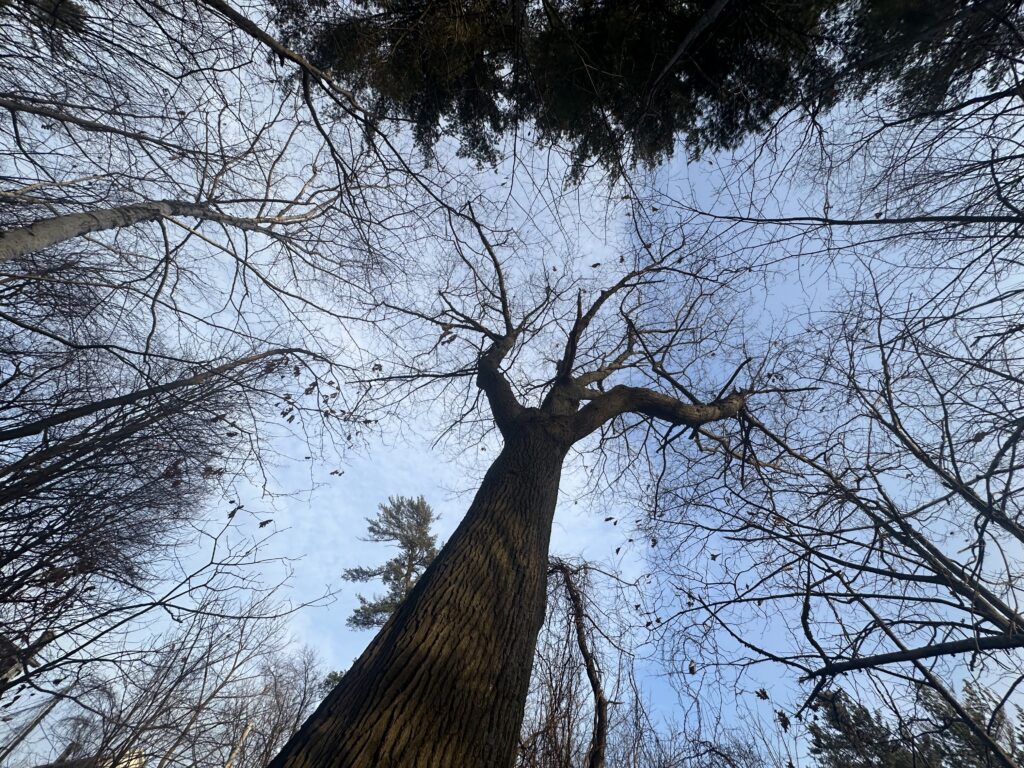
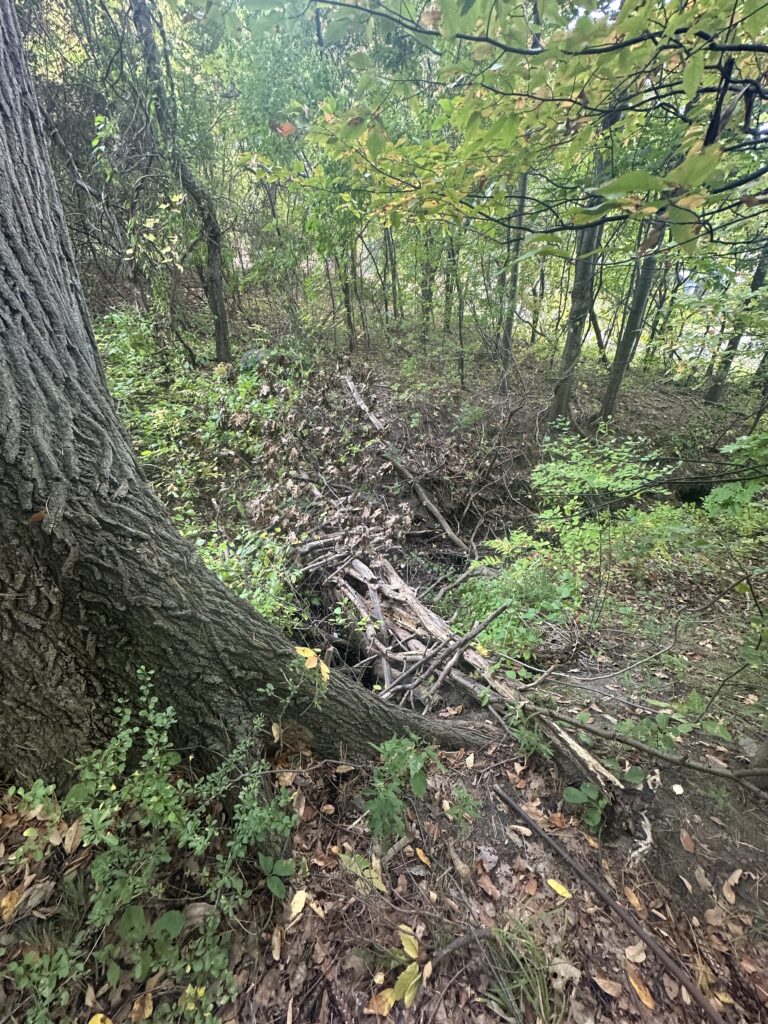
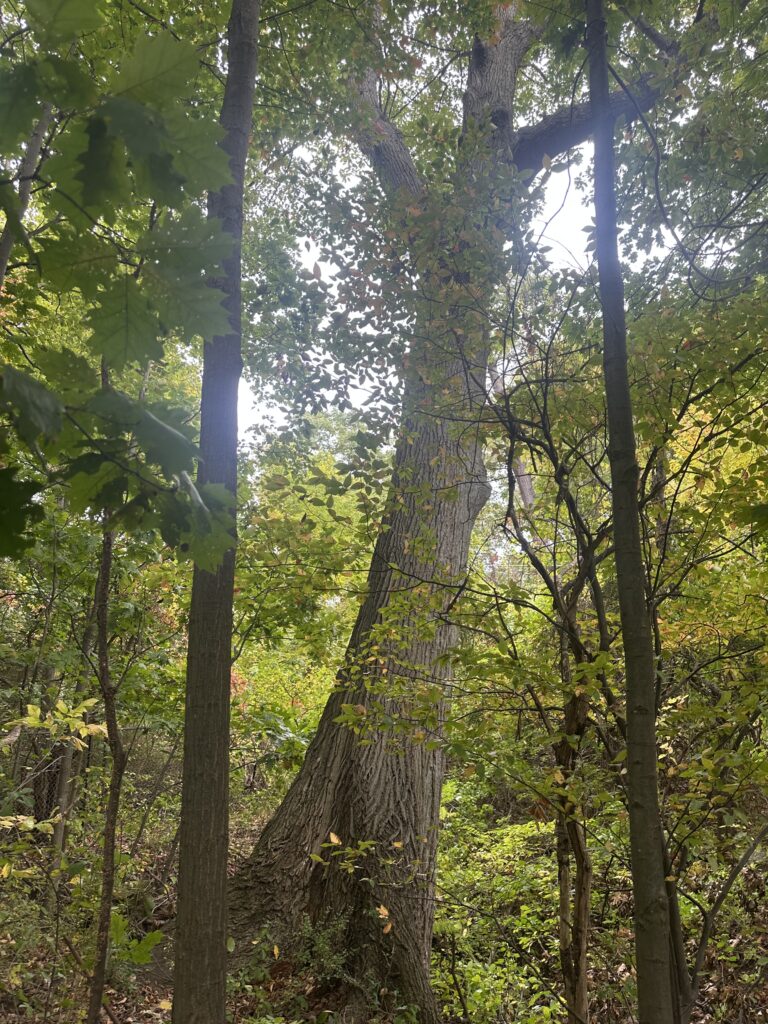
As you may or may not already know, the beacon of my phenology spot is a very large red oak tree. It rests next to a laughably small ravine carved by a leaky old pipe. Nothing is new since the first visit.

Other than the obvious leaves falling and tide rising, I have not seen a tree plummet or a fence built. I cannot imagine that it’s a place for care.

To the right would be a sketch of my spot that I spent 15 minutes on, but this terrible blog making site won’t let me put any images in for lord knows why. So just pretend there’s a picture, or don’t, I don’t care.

Funny How Time Flies

I really have nothing more to say about Red Rocks. I never loved it, and I will never think about it again. Culture doesn’t intertwine with nature here at all, actually, which is why it’s so awful.
City Nature Challenge iNaturalist BioBlitz

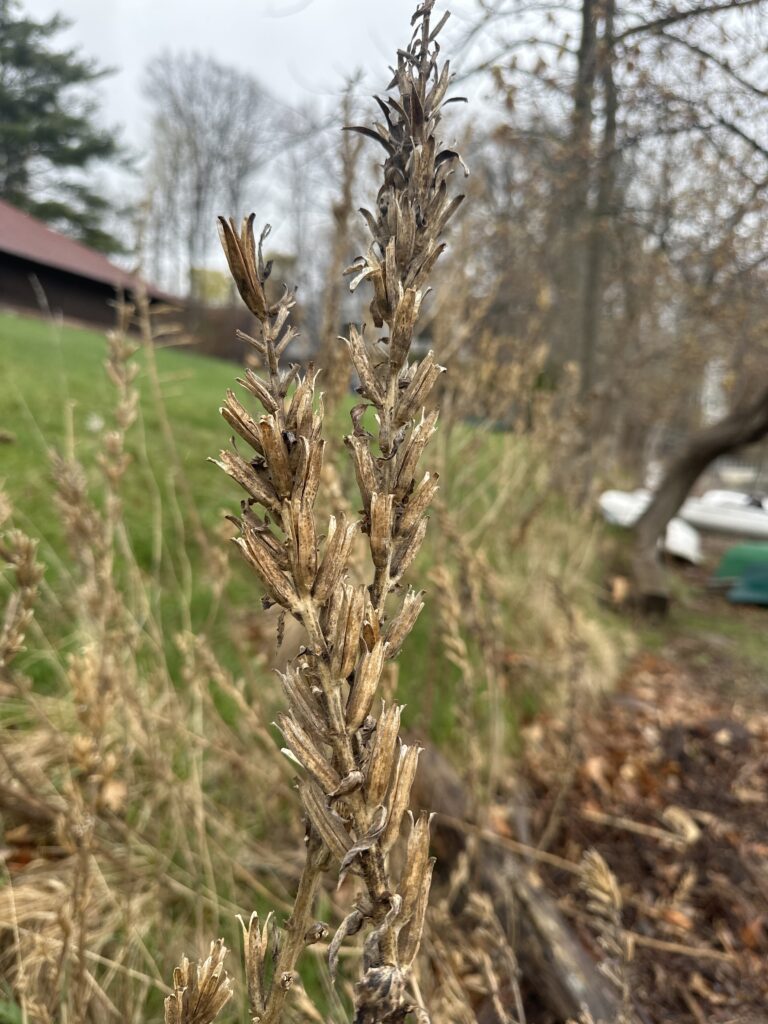
Using iNaturalist is nothing I’m new to. I have worked with the app on previous blog posts, and have gotten quite used to the interface. All I have to do is open the app, take a picture of wildlife, and it will suggest labels for it. That’s when the problem occurred. A large majority of the pictures I took were wrongfully identified, so I had to personally look up Vermont plant species in order to correctly label them. This wasn’t bothersome for me, but it goes to show how little I trust AI to identify plants; it should be a human job.

Observing Red Rocks Park…. With a Different Purpose

When visiting the personally remarked Red Rocks, I would go in with the purpose of finding my one particular place and look at the area around there. I had associated Red Rocks with a simple 15 square foot area, when I knew there was more to look at. This pervious excursion was the first time I really looked at the things the park has to offer. I’m incredibly proud that I didn’t overlook the wildlife there, I took the time to look for things I hadn’t seen and include them in a collaborative observation project on iNaturalist.

The iNaturalist Experience

This was not my first time using iNaturalist. There are many mentions of the app in other sections of my blog, and I’ve even taught my family how to use it so they can log their nature findings! It is safe to say that I love using iNaturalist. Taking pictures and getting suggestions is great. I seldomly find it unhelpful, but when it’s wrong, the picture typically has too much going on or it’s blurry. I know there are many people all across the world who use iNaturalist, and I took the time to look at ones that seemed interesting to me.

  • Philadelphia saw few observations, but most of them are towards the edges of the impervious cityscape. Flowers, small mammals, and home grown plants were the most common things seen.
  • Paris, being the European city it is, had many more areas built to support islands of biodiversity. Most of the observed species were small insects, urban tree species, and flowers able to grow in poor soil conditions.
  • The Andes Mountains are fabulously tall, supporting only certain species. Most of these are incredible native flowers, birds, and large insects. I was surprised to see how many observations were made in such a place with limited access.

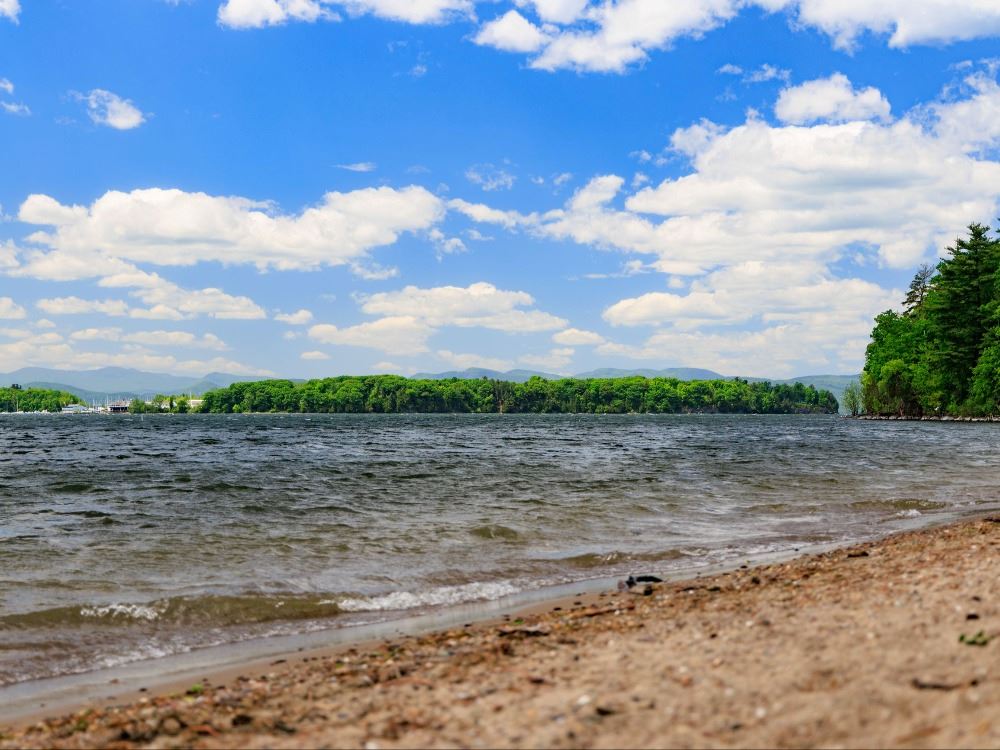
If you care to learn more about Red Rocks, please visit their site attacked to this photo. It’s one of the many biodiversity hotspots in the greater Burlington area!

Natures Notebook and the UVM Trees

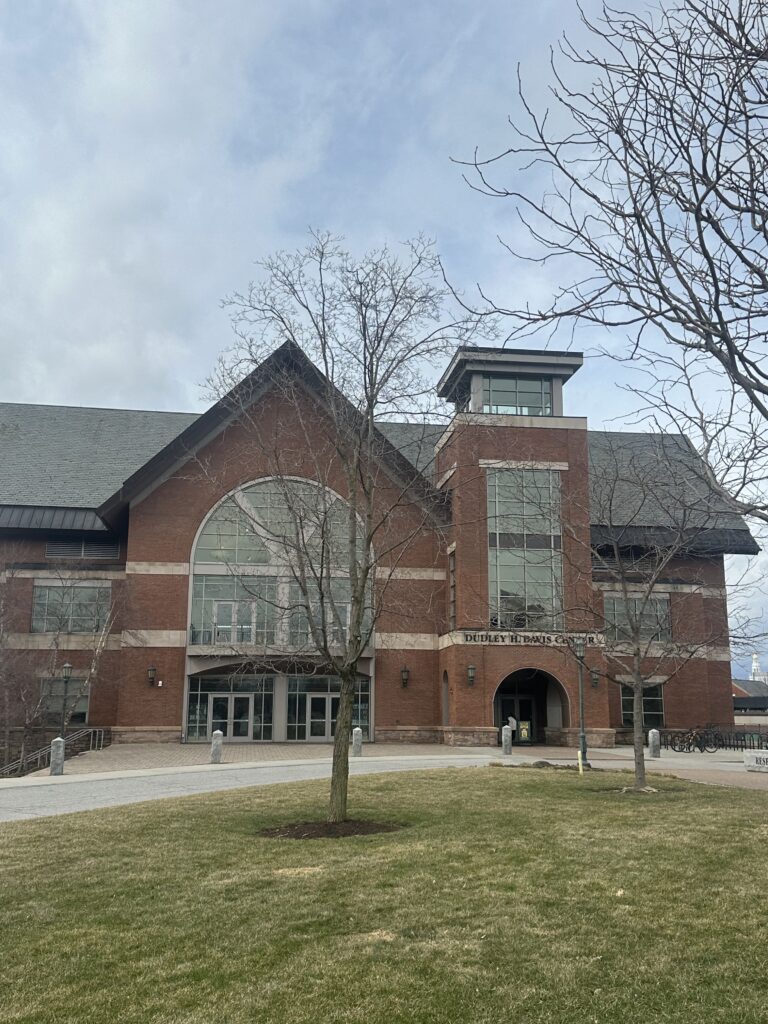
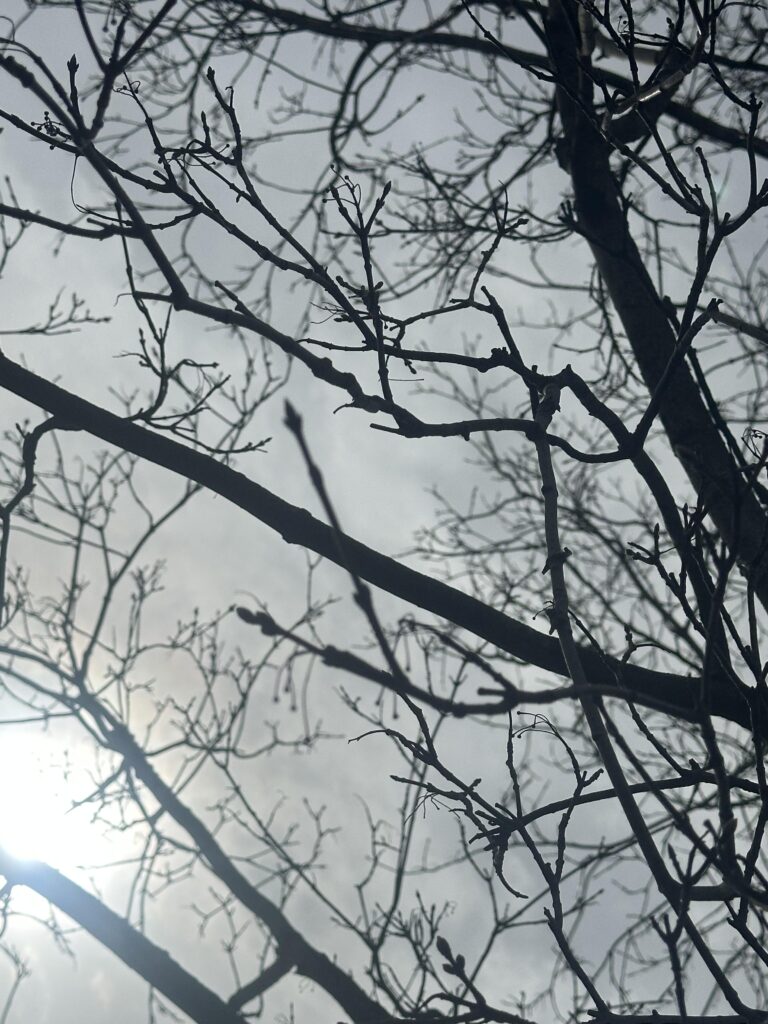
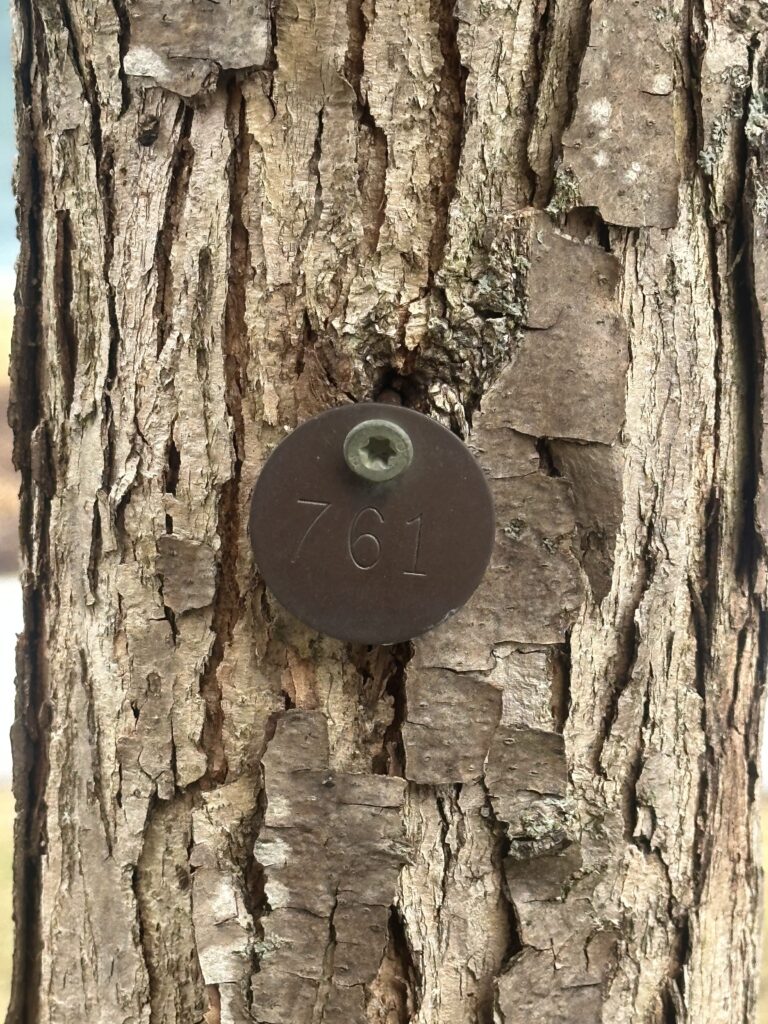
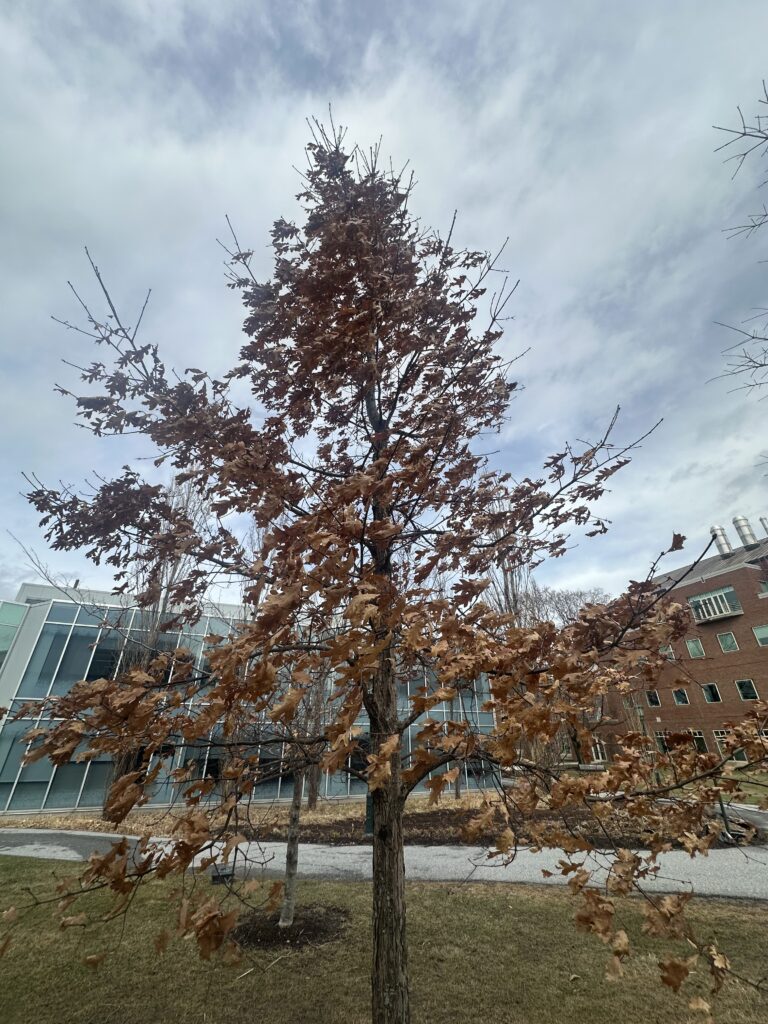
At 2:00 in the afternoon on the 3rd of April, 2025, I set off to chart the phenological changes among five different trees on the University of Vermont campus. I was looking for a red oak, sugar maple, white oak, red maple, and a Norway maple, respectively. Being a Pennsylvanian, I am used to early April being the time when trees start to bloom, when they flood my nose with allergens, and get ready for the pastel petals to bestow the landscape.

However, Vermont is not Pennsylvania. Vermont is about seven degrees higher on the Earth, and about twenty degrees colder at any given time. Presumptuously, I already knew there would not be much to talk about when reviewing these five trees. This would not stop me from delicately observing the flora anyway.

What’s phenophases got to do with it?

Upon any deciduous’ emergence from its winter rest, they begin to produce small buds on their nodes. This is common practice and the first indicator of springtime phenophase. According to National Phenology Network’s 2017 draft of Phenophase Primer for Plants, “‘Initial growth’ is a phenophase that observers will watch for when their chosen plant is an annual or perennial forb or grass, sedge or rush. It captures the first growth and emergence of leaves from a germinating seed or from a dormant plant at the beginning of a plant’s active seasons” What this tells me is that none of the trees I observed were in their initial growth stage. There were no leaves emerging… yet. I could tell that they were all getting ready to begin shortly, and as of late April, the initial growth phase has happened to most trees on campus, including these five.

When exploring other topics that the National Phenology Network has to offer, I found a map of 2025’s spring leaf index. The information they provided showed that I was in fact correct with my claims: leaves did not begin sprouting when I took my walk.

References

Guertin, P., Barnett, L., Denny, E. G., & Schaffer, S. N. (2017, June). Phenophase Primer for Plants [Understanding Plant Phenophases for Nature’s Notebook]. USA National Phenology.

Wildlife signs in Calahan Park, Burlington

When I was tasked with identifying wildlife in Burlington, I was eager to further investigate the area around me. I did not want to go too far from home, instead opting to expand my usual walk around the block, and explore the neighborhoods just outside of campus.
This lead me to Calahan Park. A small area inside a few streets of houses, designated for two baseball fields and a hockey rink. As I walked around the park, I made sure to look for prints, birds, unique trees, and anything else that looked peculiar. Using the iNaturalist app, I was able to take pictures of what I found to be interesting, and it came up with suggestions to what they could be. In total, I made 9 posts, but I only want to share the best of the best.

Winged and Once-winged Insects Stump

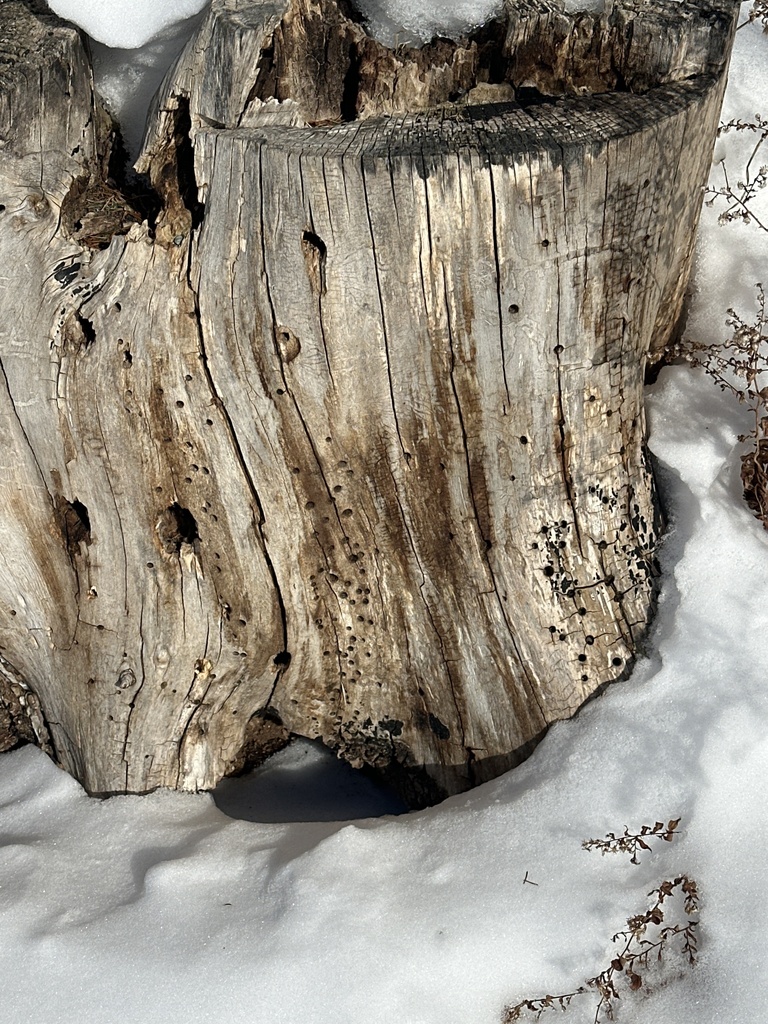
When moths and beetles lay their eggs, they nest them deep within trees. This keeps the egg safe until the insect can emerge a larva and fend for itself. In this case, I found a tree stump with many different holes in the wood from said insect species. I didn’t know what specific bugs they were, so I simply googled the right questions to lead me to find that this was a mix of various winged insects.

A Squirrel’s Home

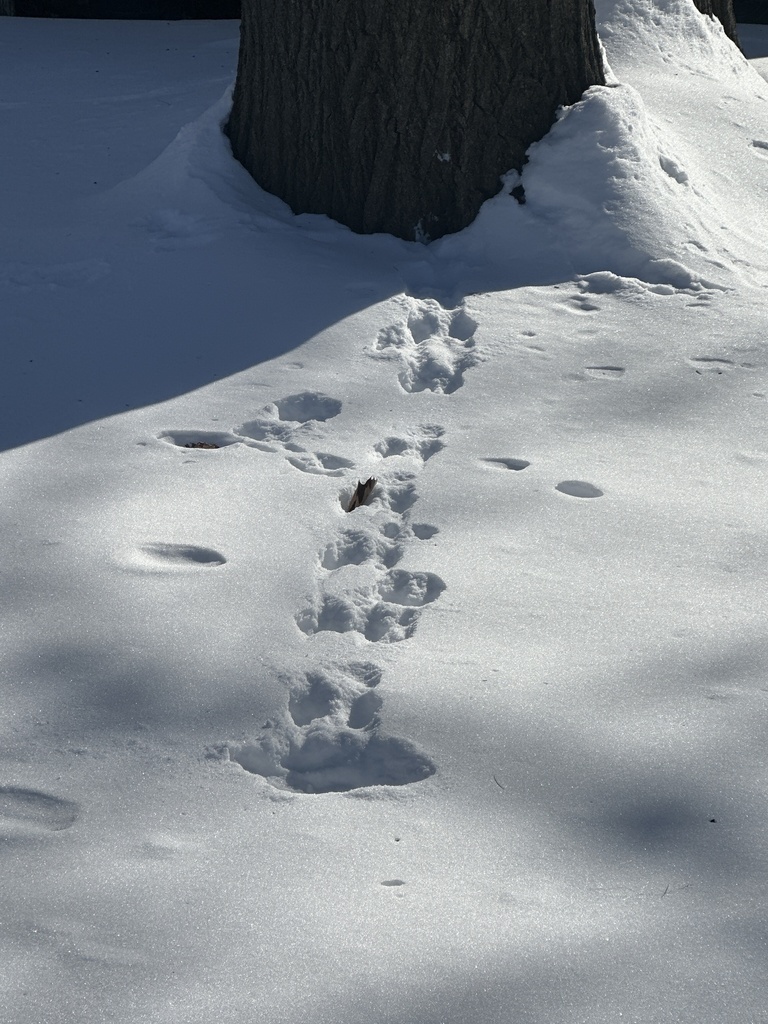
Near the middle of my walk around the park, I found myself next to a row of houses with a barbed wire fence separating their properties with the grounds. I didn’t mean to snoop, honestly, but I couldn’t help to notice these tracks emerging from some sort of hiding hole for the animal. Originally, I thought this couldn’t be a squirrel, since my knowledge of them tells me they nest in trees. After I posted on iNaturalist, simply identifying this as “mammal” someone made me away in a comment that this is a squirrel.
What Kind of Mushroom is This?

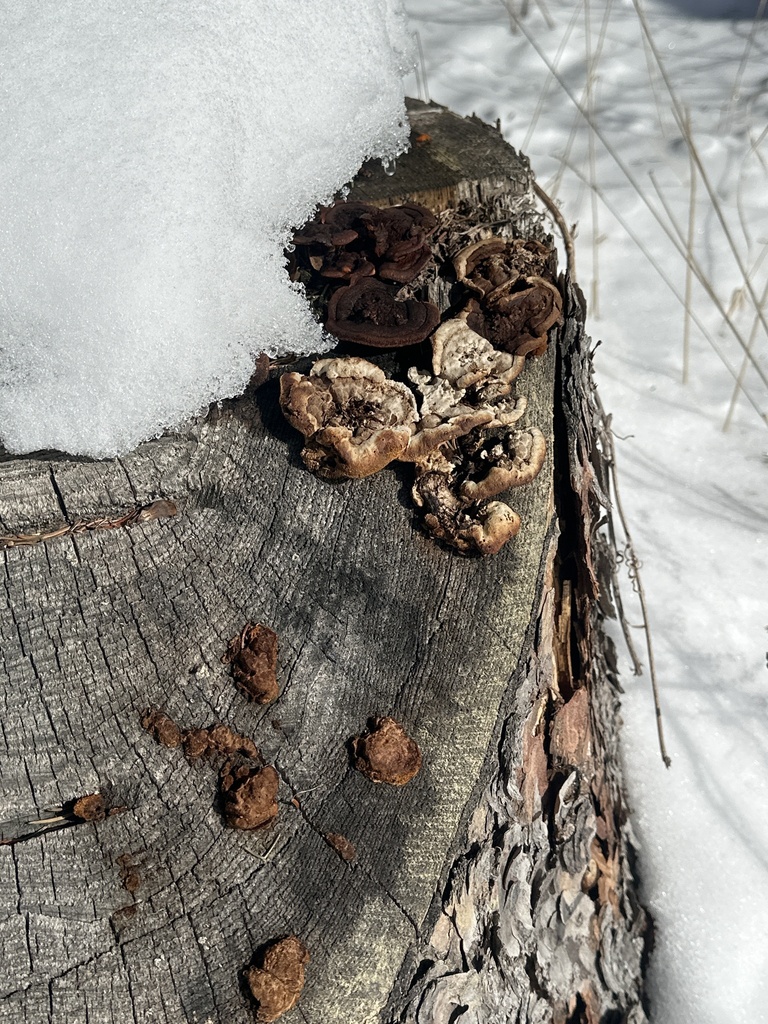
Once again, I am looking at a stump. What would be considered rather boring in most cases, looking for different cases of nature really made me see all the little interactions between species. I saw the brown smudges on the top of a stump, expecting they were scat. As I got closer I realized they were mushrooms. I looked up trail guides for brown mushrooms in Vermont, and the closest match I could find was Genus Gloeophyllum. The mushrooms that I found were definitely early on in their life, stunted in development by winter’s freezing temperatures.

A Tree For a Change

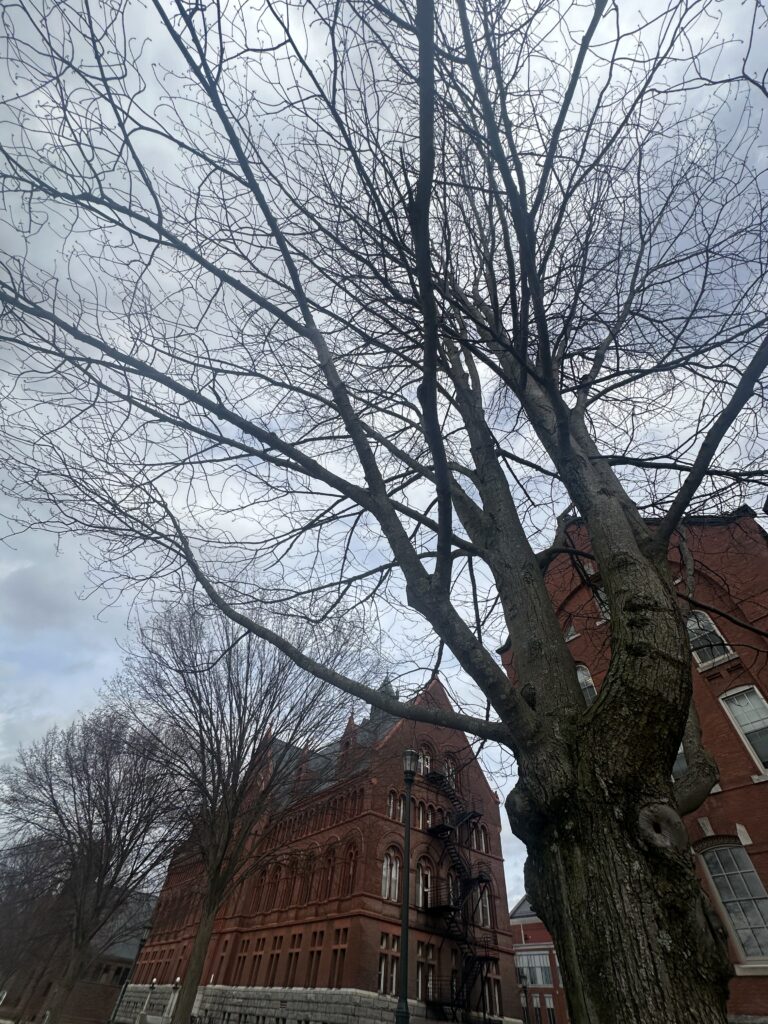
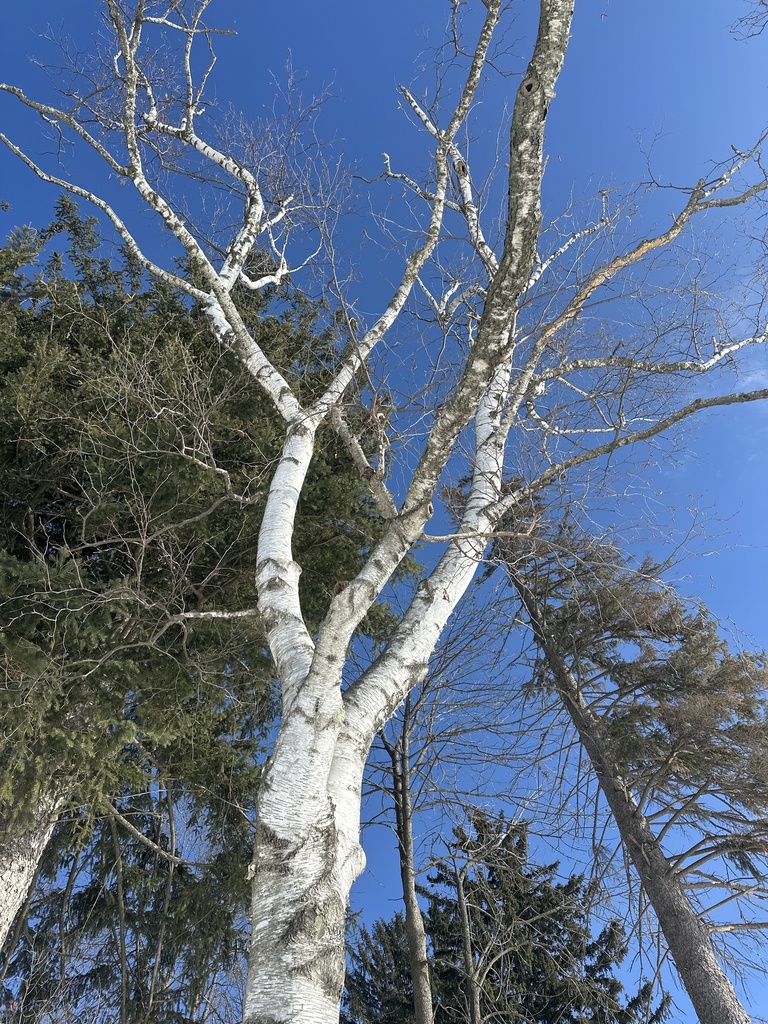
I was hesitant to include any flora at all when I first set off on my journey. Since I already looked for tree species before, I wanted this walk to be for animals. When I saw this massive, beautiful paper birch, I changed my mind. The way the ghoulish branches sprawl themselves thin in an effort to paint the sky was the true indicator that it is the dead of winter. Not one leaf sat upon a twig, and the buds had yet to emerge.

Red Rocks in 2025

The Great Change

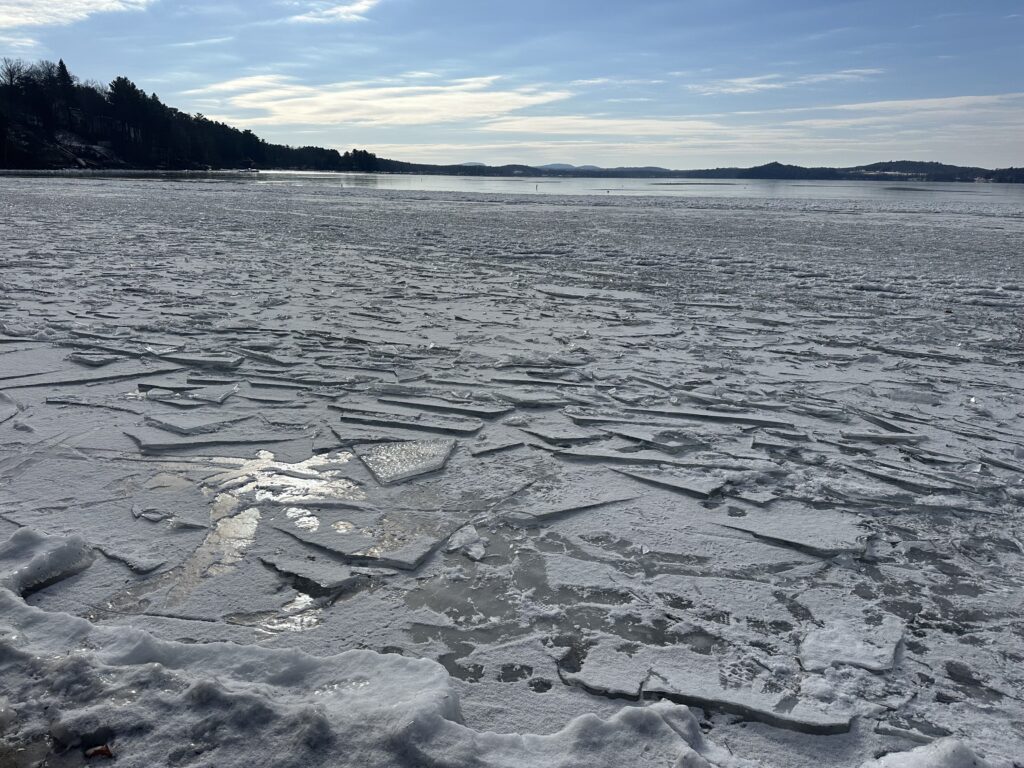
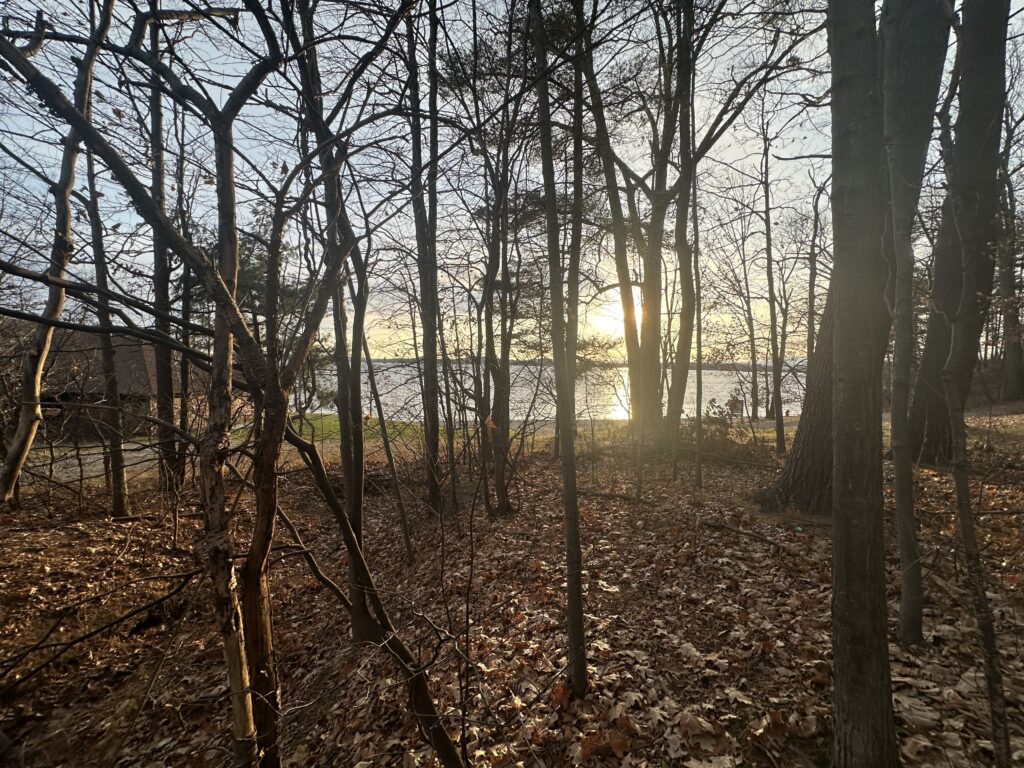
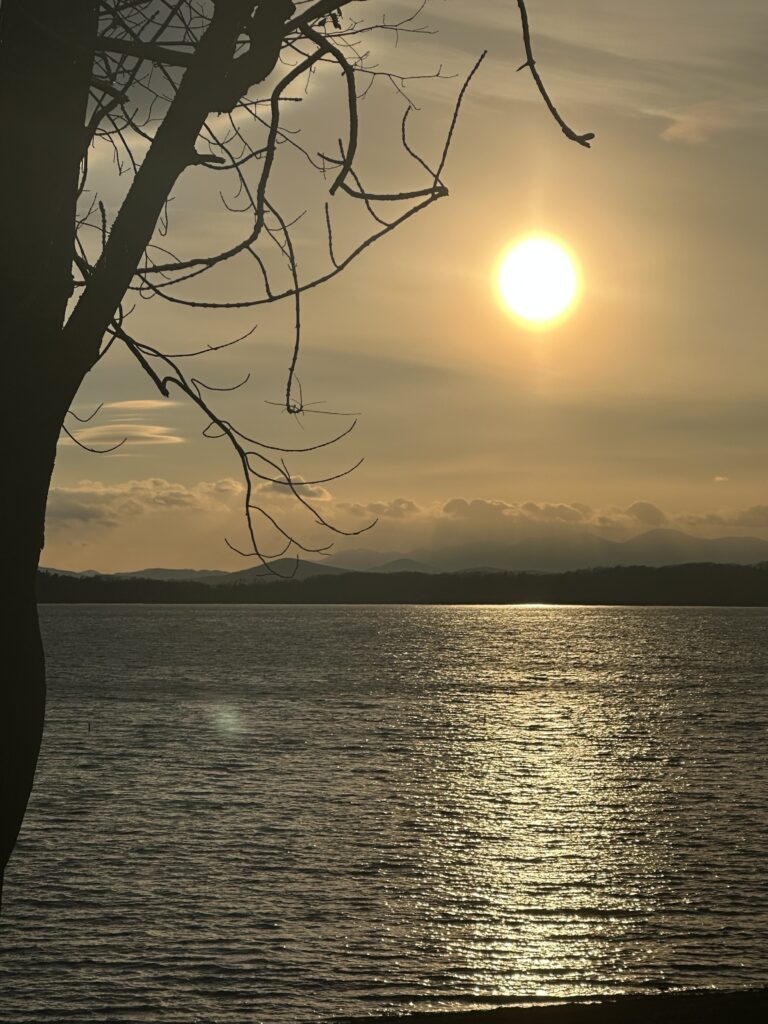
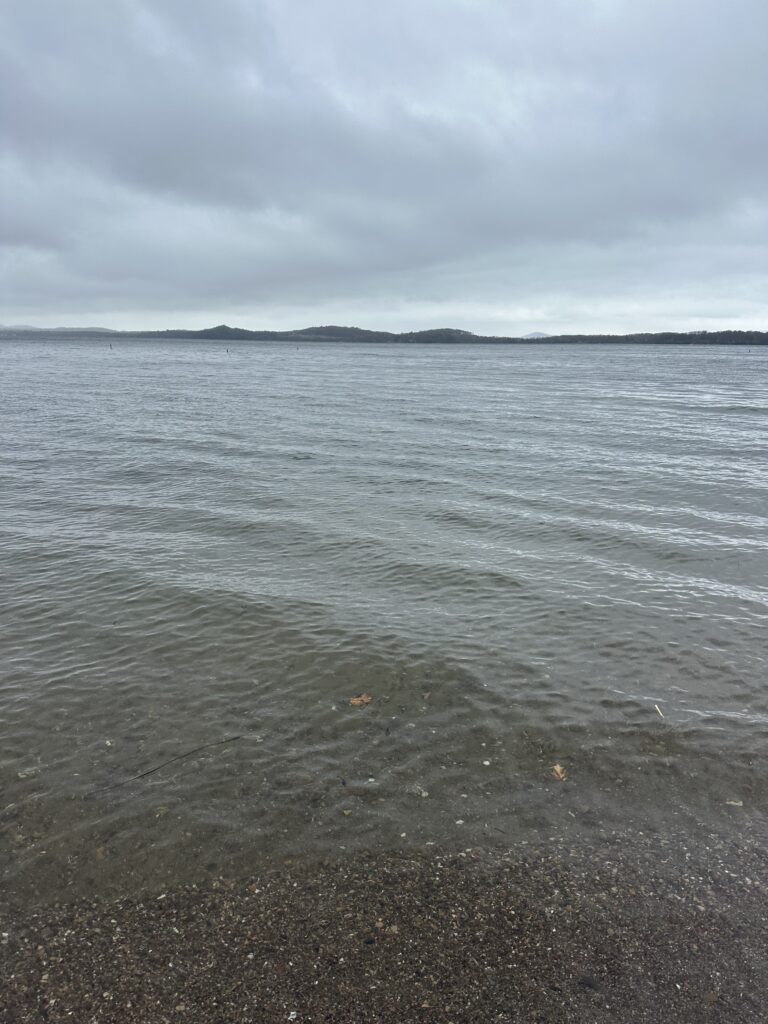
Coming back to Red Rocks Park for the first time all year, I noticed one thing out of the ordinary. A change so drastic that I had never experienced something like it in my whole life up until this point. For the first time in my personal history, I was able to stand and walk on a very frozen Lake Champlain.

The temperature on the lake has been consistently below freezing for well over a month now. In the depths of winter, one can expect this to happen. Fishes, plants, birds, and all other species alike anticipate this abiotic change just as we do, and plan their frozen journey accordingly. My presumptuous claim is that the ice is between 4-8 inches thick, as it was safe for walking but unsafe for vehicles. This means that most of the fish underneath are entering their winter rest period; slowing their metabolism, heart rate, and food intake. I noticed most of the birds were sitting far out on the water where there was less ice, most likely waiting to catch something edible so they could get their limited nutrients for the day. Another animal I wanted to take note of is one that was a lot more prevelent to my location…

Squirrels!

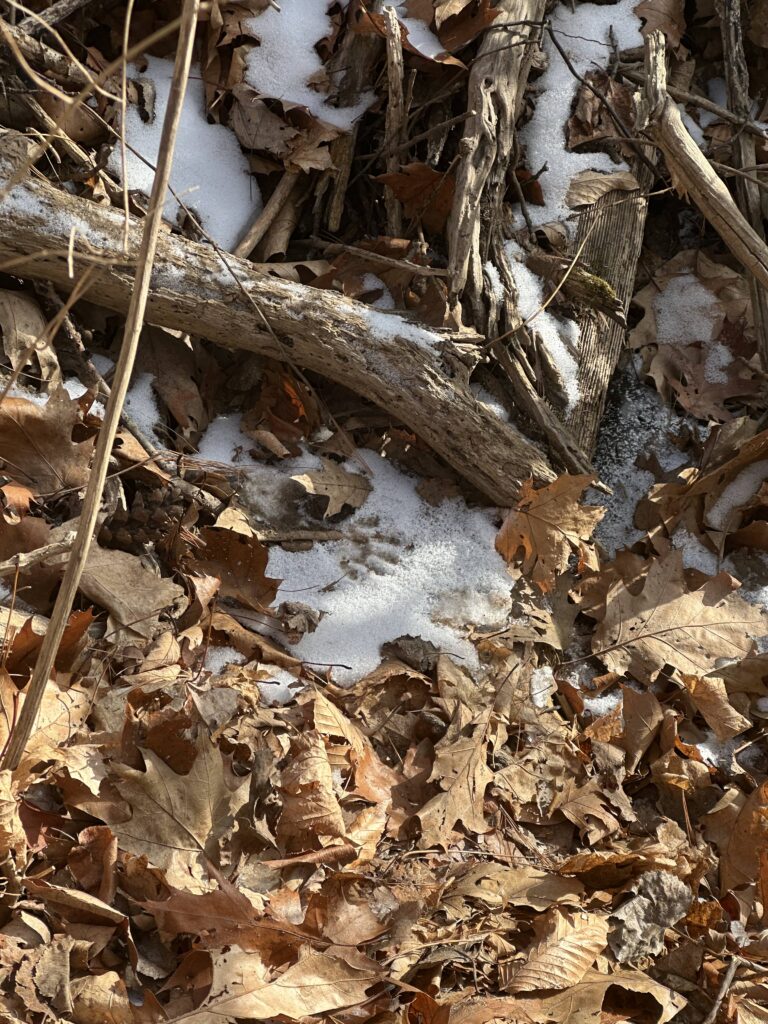
It is well known that winter is a time when mammals rest as much as possible. This idea is often exchanged with the term “hibernation”, but in most cases these are not interchangeable. Taking a look at the surrounding area of the great oak tree I like to hang around, I found evidence of at least one squirrel.

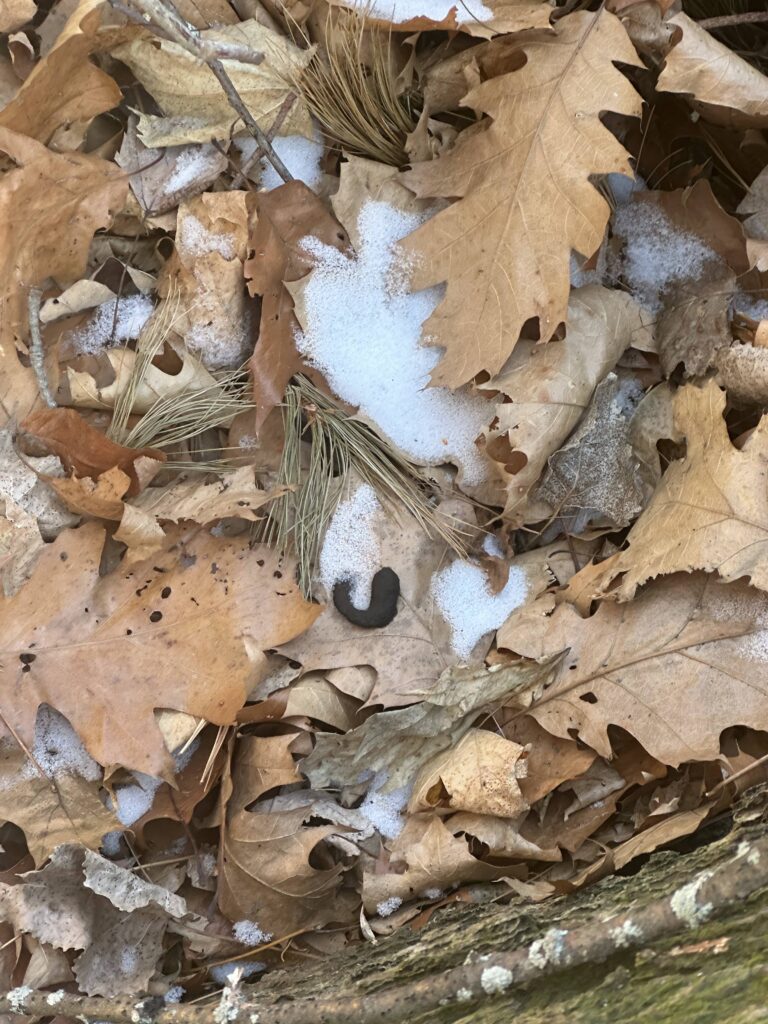
The image on the left (above) shows a single hand print of a North American Grey Squirrel (Sciuruscarolinensis) and the image to the right of that shows a fecal dropping from the same body that produced the print. I have taken note of the squirrels in the area before, as they are the larges mammal I have observed so far, but this is the first time I found solid photographable evidence of the critters!

Coming Back to Red Rocks Park

Foliage Changes

Coming back to Red Rocks park after a week at home was a shocking experience. It has become that point in the year when all of the leaves have found their final resting place on the ground, and the trees are left bare. The rustling of the leaves is almost completely gone, mitigated to a small crunch on the pavement bestowed by a chilling zephyr in the silence. Upon a closer look of the leaves, they have just started to decompose. Most of the larger piles are still there, but the areas that are thinned out are mostly dirt at this point in the season. I wouldn’t be surprised if they are all gone soon!

The Animals

All the animals have taken note of the changes and made their final appearances before disappearing for the winter. I was unfortunately unable to find any evidence of animals nearby. First I looked to the mud, thinking I could find a preserved footprint, but there was nothing. Next I thought there could have been a disturbance in the leaves or bushes from digging and burrowing, but alas, there was nothing. If there had been snow on the ground, or I came a week or two earlier, I may have been able to find some traces, but I also think there’s generally not too many animals in that area anyway.

My Final Feelings

When starting my journey with Red Rocks Park, I wanted to make sure I really thought about why I was there. With the goal to feel like I wasn’t present just because I had to be, I grounded myself and really took in the world around me. Simply sitting on the tree roots and looking at the wildlife has changed my view of place no matter where I go. In nature, everywhere is a home to something. I feel as though in my journey thus far, I have gained the skill to use all my senses to put myself in the shoes of the natural world that calls that place home. I love to think about everything in the world around me, and remembering the divinity of nature makes me optimistic. I came to Red Rocks not knowing what to expect, but I can trust that in the end I left with joy.

Comparing Waterworks Park to Red Rocks Point

When going back home, I asked myself what place close to my house would I like to explore since gaining the knowledge from NR1010. One block from my house is the resting place of Waterworks Park, a unique and quaint area of rest compared to the suburban land around it. Despite the brook running through it, copious resting spots for local wildlife, and the vast amount of trees, I never bothered to really observe the landscape. I’ve gone there since I was little, but I knew that this week was the ideal time to really get to know the area.

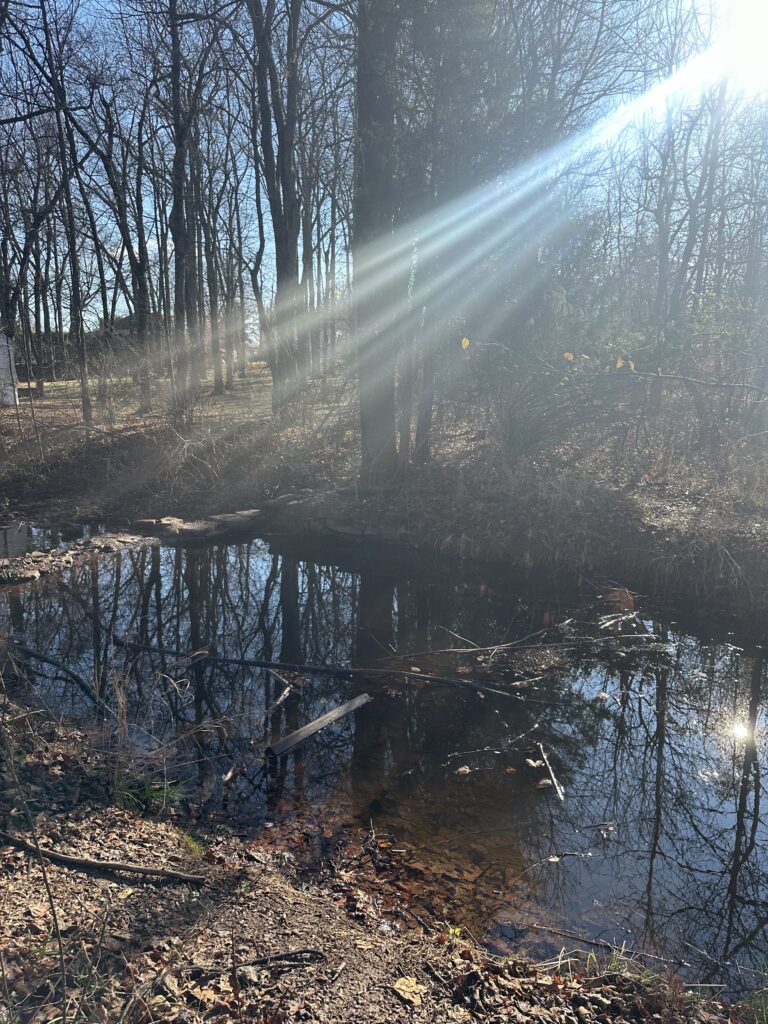
I took this picture while sitting down on the ground next to the water. This is one of the wider parts of the brook in the park. I estimate it stretches about 15 feet wide and about a foot at it’s deepest depth.

I can’t quite compare this to my area at Rock Point however. There’s no stream, brook, or creek in my area, but there is a man made pipe that causes water to flow nearby. (Previously mentioned in my last posts)

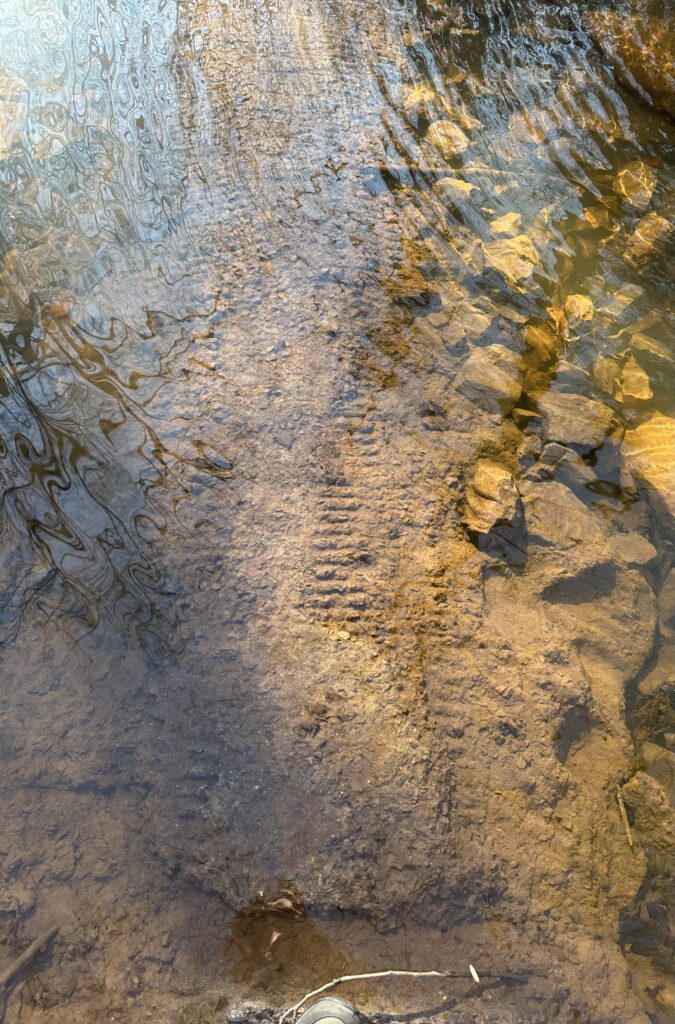
Similar to Rock Point though, my observed location at Waterworks has evidence of manmade structures in the area. The most obvious one are the nearby houses, but when looking closely, I noticed this concrete wall placed just under the water.

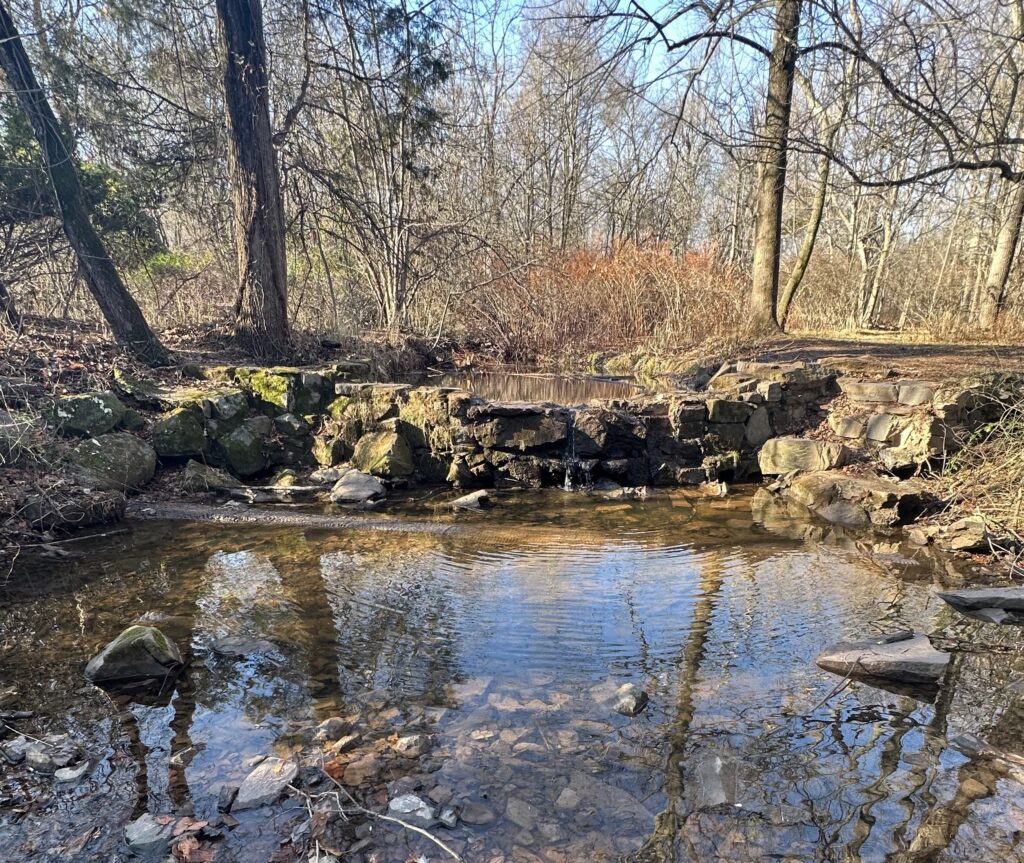
I know this stream was artificially altered recently, attested to the small rock dam (image below), but I can only assume that this wall was once a sort of damn that become obsolete after a storm or basic weathering.

I wanted to make note on the species that could be spotted in the park.

The only animals that I saw during my time at Waterworks was a broad-winged hawk, a few eastern grey squirrels, and I head a cardinal in a nearby tree. I can safely assume most animals either hibernating or migrated for the winter.

The tree species were a little more difficult to identify. Other than the overwhelming amount of oaks in the area, there were a few sycamore, Bradford’s pear, and aspens in the area. Bradford’s pears are very common in Pennsylvania, usually used to line neighborhoods. However, I wish they weren’t because when they bloom they smell horrible.

As per the future of Waterworks park, I think it’ll stay as a great nearby area of wildlife for generations to come. It’s not vulnerable to flooding, nor is it going to be clear cut since it’s protected by the borough of Collegeville. For a very long time, there’s been youth soccer games, yard sales, Easter egg hunts, and so many more family events taking place in the park. I know it’s brought me joy, and I’m sure it’s done the same for others.

Engaging With My Observed Site

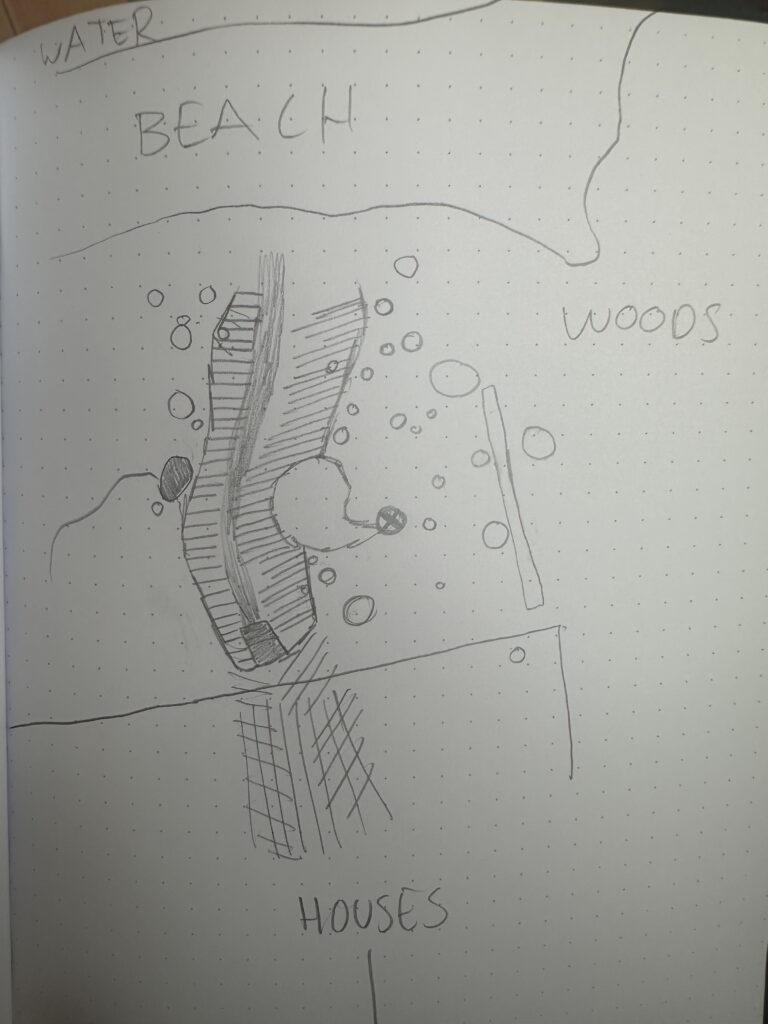
For 15 minutes on Saturday, October 26th, I sat directly in what I considered to be my site. I think that the boundaries of what “my site” is can’t exactly be pinpointed because I am choosing more to observe how the whole world interacts, but just looking closely at the physical space around me. With that being said, below is a hand drawn map of my site in south Red Rocks Park.

Bird’s Eye View of Area

Forgive me for not including a key on the picture and for the terrible quality. In the map, the X inside of the circle towards the middle of the canvas is the center and where I sat for fifteen minutes to observe the world around me. The way that this is drawn has the chain-link fence below me and the beach above me, however in real life, the water is south of my position, and the fence would be north. All the circles surrounding me represent the trees in the area, with the massive comma shaped tree being the main attraction. Just next to the big tree is a basin, I did the best I could to convey this with lines showing that the elevation changes and at the very bottom is a pool of water coming from a drainage pipe.

Fall Foliage

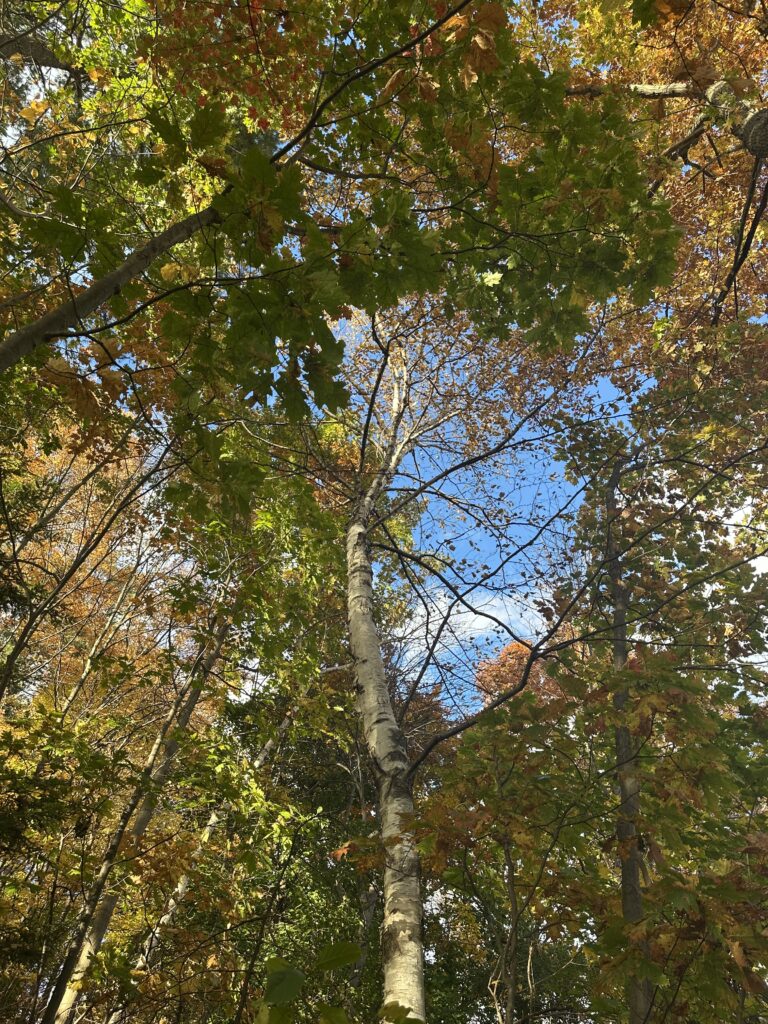
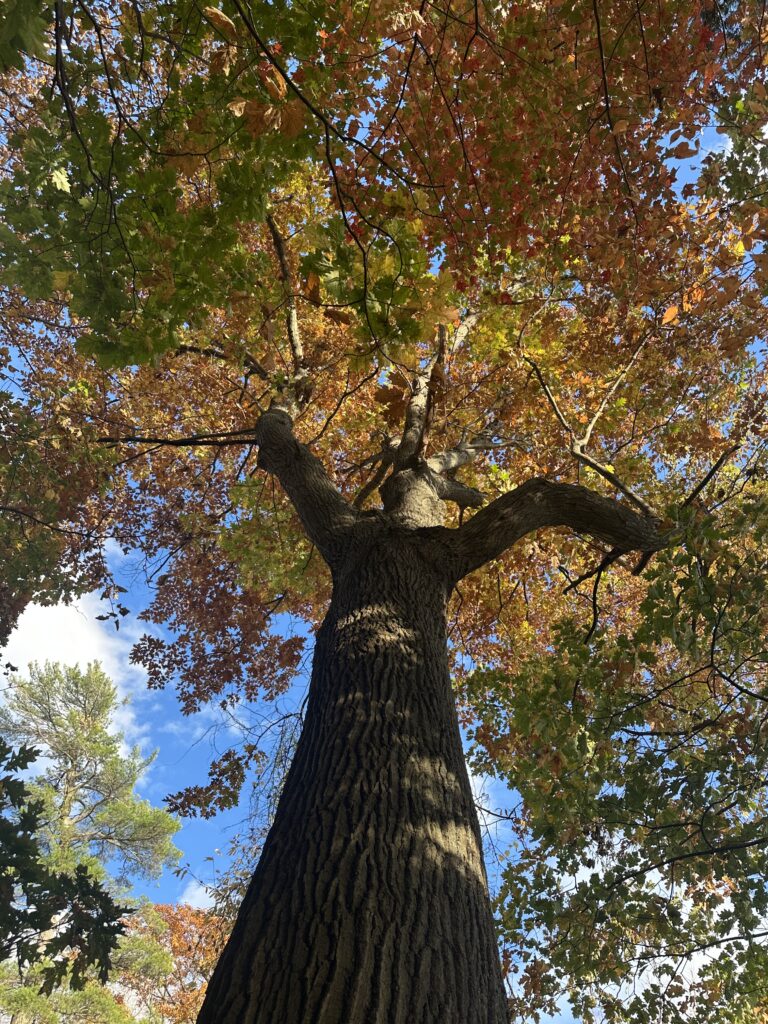
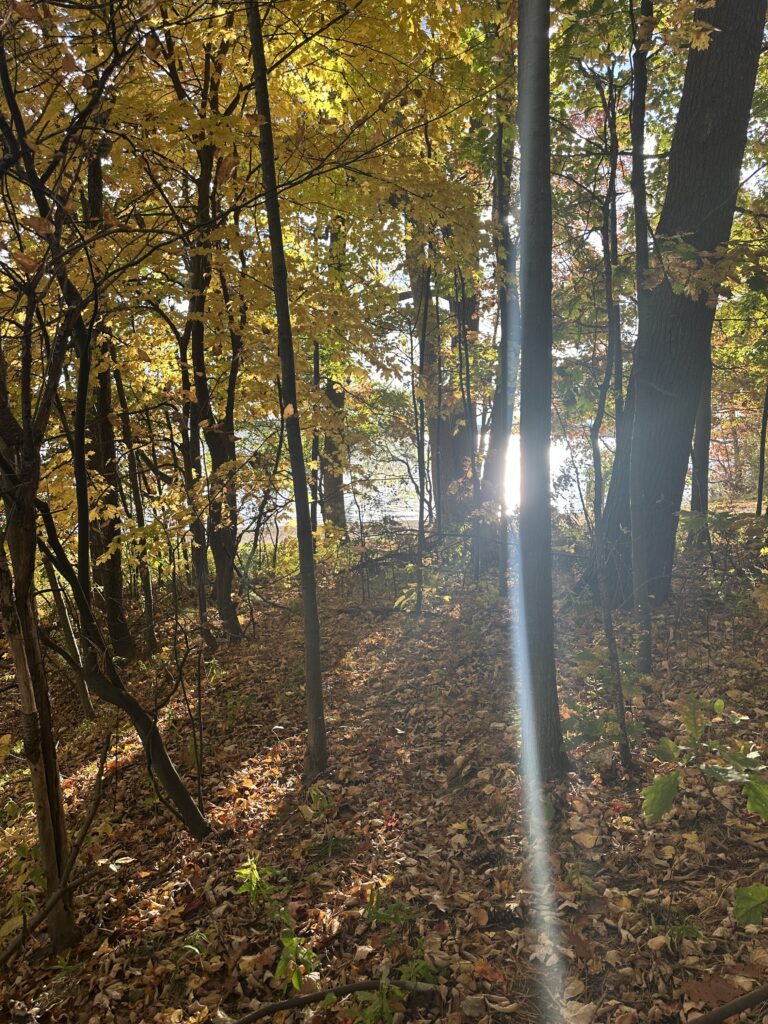
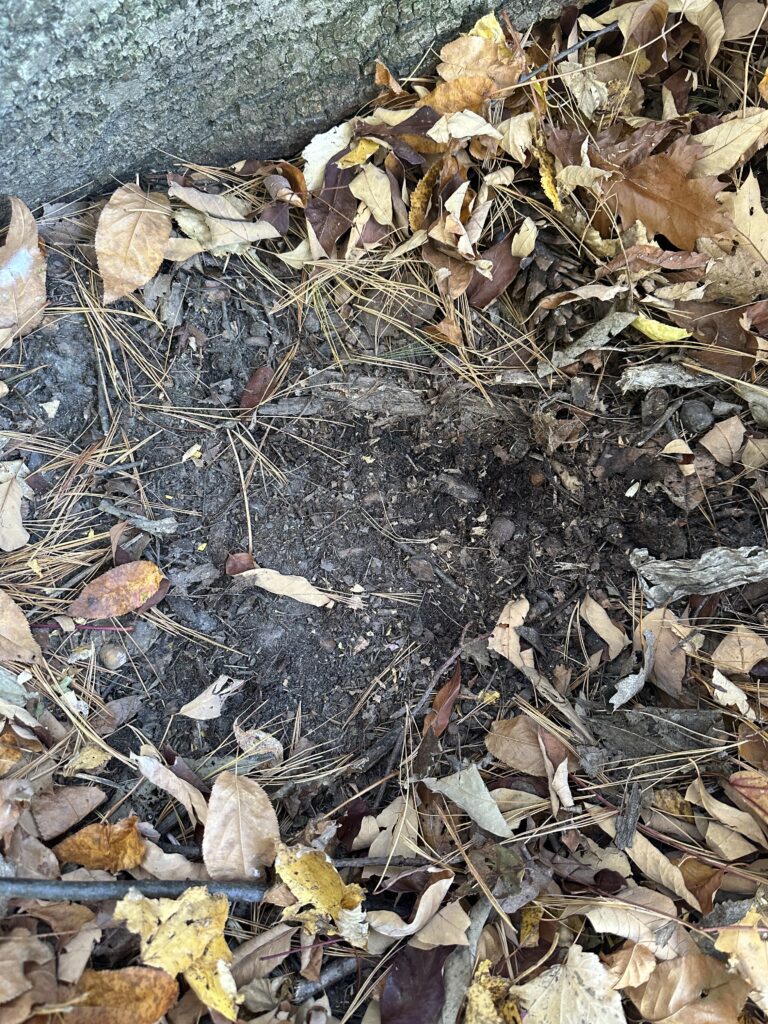
Above I have included some pictures of the trees in the area after the peak of this season’s change in over-story. I took note of the changes I saw; Most birches were devoid of leaves almost completely, white oaks were generally still green, red oak leaves were yellow-orange, and the beeches were yellow. Most of the leaves that fell were still on the ground nearby to where they fell. I dug through a small area of leaves to observe the soil itself, and I saw no new budding plants at all. As a matter of fact, the whole understory was lackluster and devoid of life compared to just a month ago.

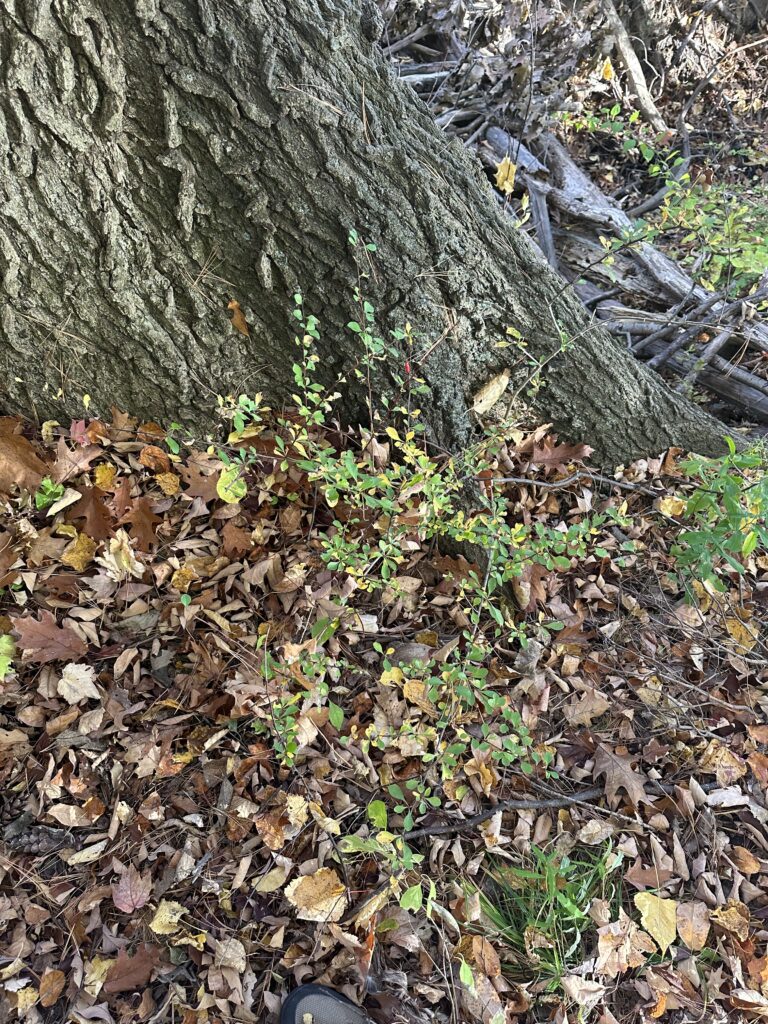
Below is some pictures of the ground and understory. The barberry bush at the bottom of the tree was smaller and less green than last time I observed the area. As mentioned, the soil and ground is what would be expected from the woods in the fall. The soil was as cold as the 51 degree day, and the leaves crunched for the first time when I stepped on them. Of course, after I was done with moving things around, I put them back, but I also wanted to take note of the insects there…

Animals and Wildlife

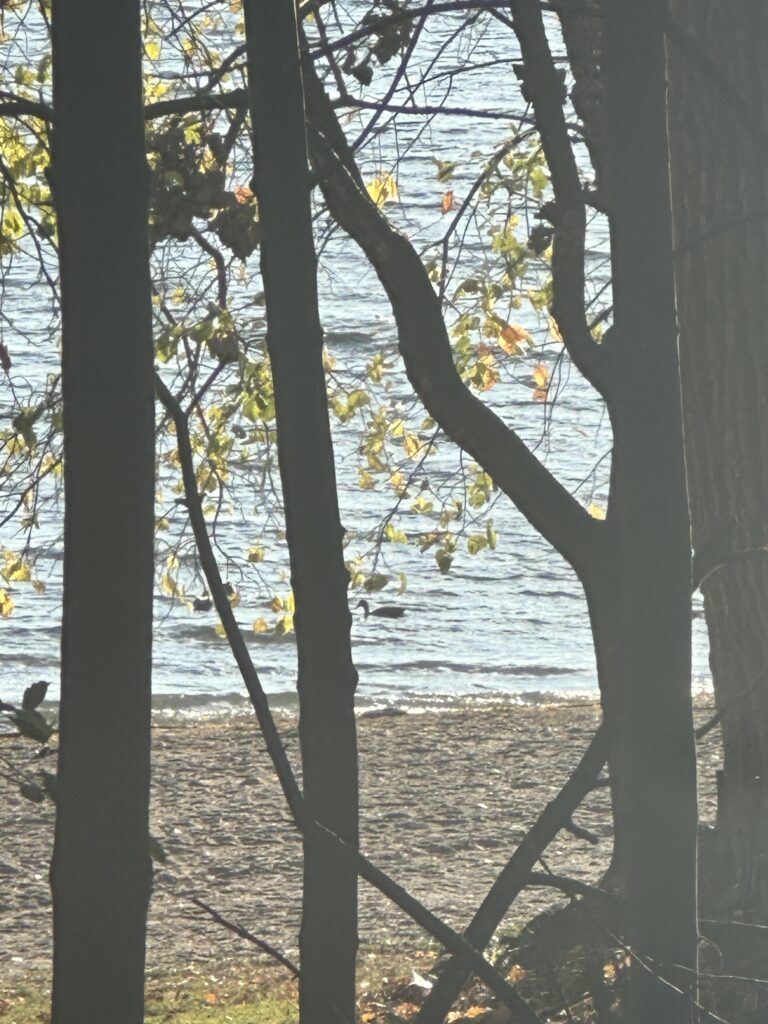
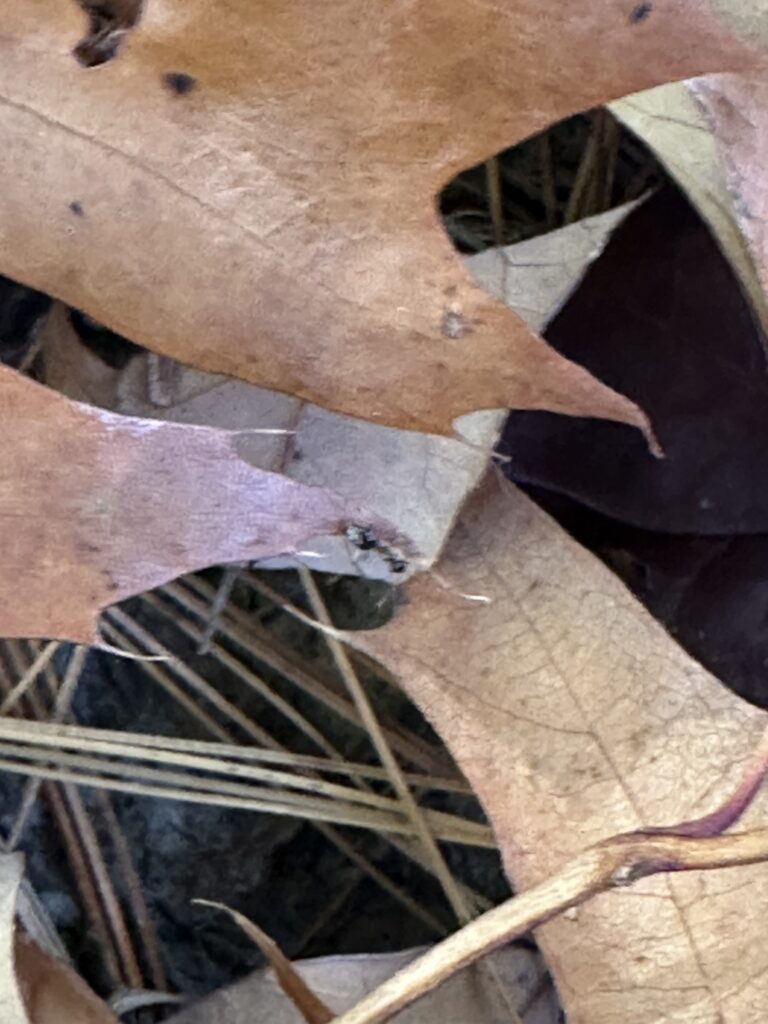
As I sat there, I heard two distinct bird calls, the American Goldfinch and the American Robin. This made sense, as they are both native to the area and they are both likely getting ready for wintering. I also saw two squirrels, though neither of them were interacting with the other. Likely, they were both frantically getting ready for the upcoming winter months, burrowing nuts and making their area nice and cozy for the cold. The only animal I could get a picture of was a duck, a whole family of them were taking a swim in the lake. I also got a picture of an ant, but I don’t think that’s too interesting as ants are all over the place.

More over on the insect side of things, as mentioned I dug up a spot in hopes that I would find something interesting, unfortunately there were no bugs. I was hoping to at least find a beetle but when I looked closely, I saw nothing. I imagine this is because they’re all going away for the winter, but it was still a let down.

My Observed Location: Red Rock Point

Red Rocks is among one of many wooded areas in Burlington Vermont. I had never heard of it until it was suggested by a friend to be explored. Once there, I started on the path on the far east side of the park, and made my way down to Red Rocks Beach. I looked around the area and found this beautiful, massive northern red oak just north of the Red Rocks Park Pump House. I originally had the expectation of observing a larger area of many plants, but after finding this tree, I knew this is what I wanted to spend my time exploring phonologically.

Vegetation and Activity – October 2024

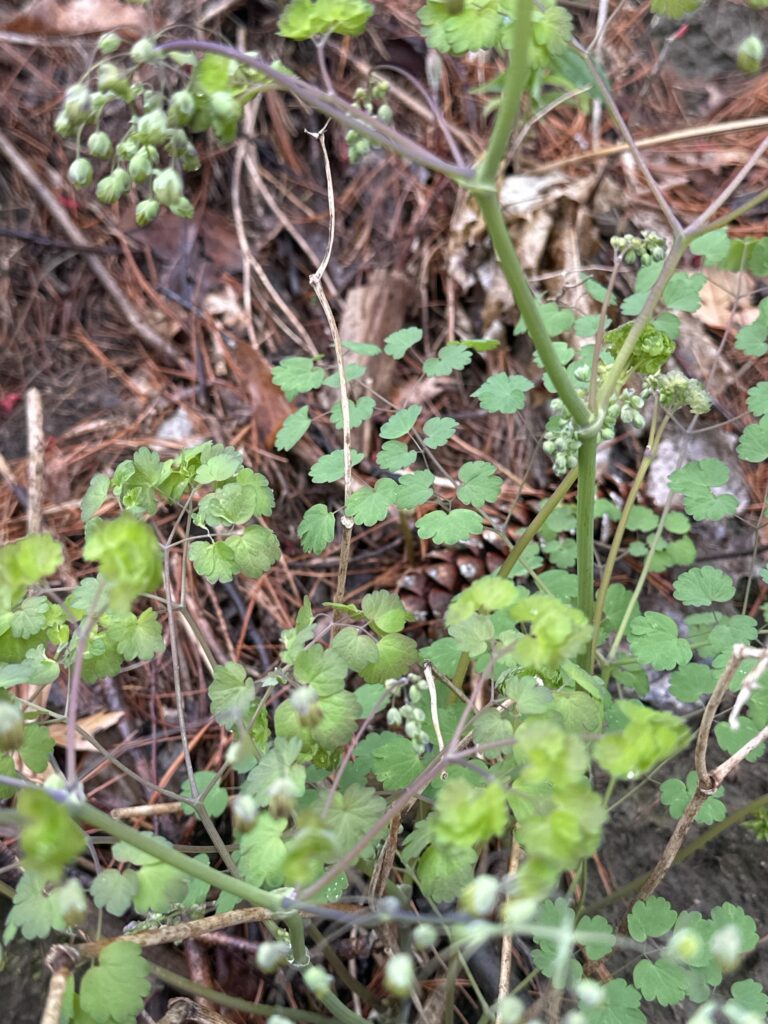
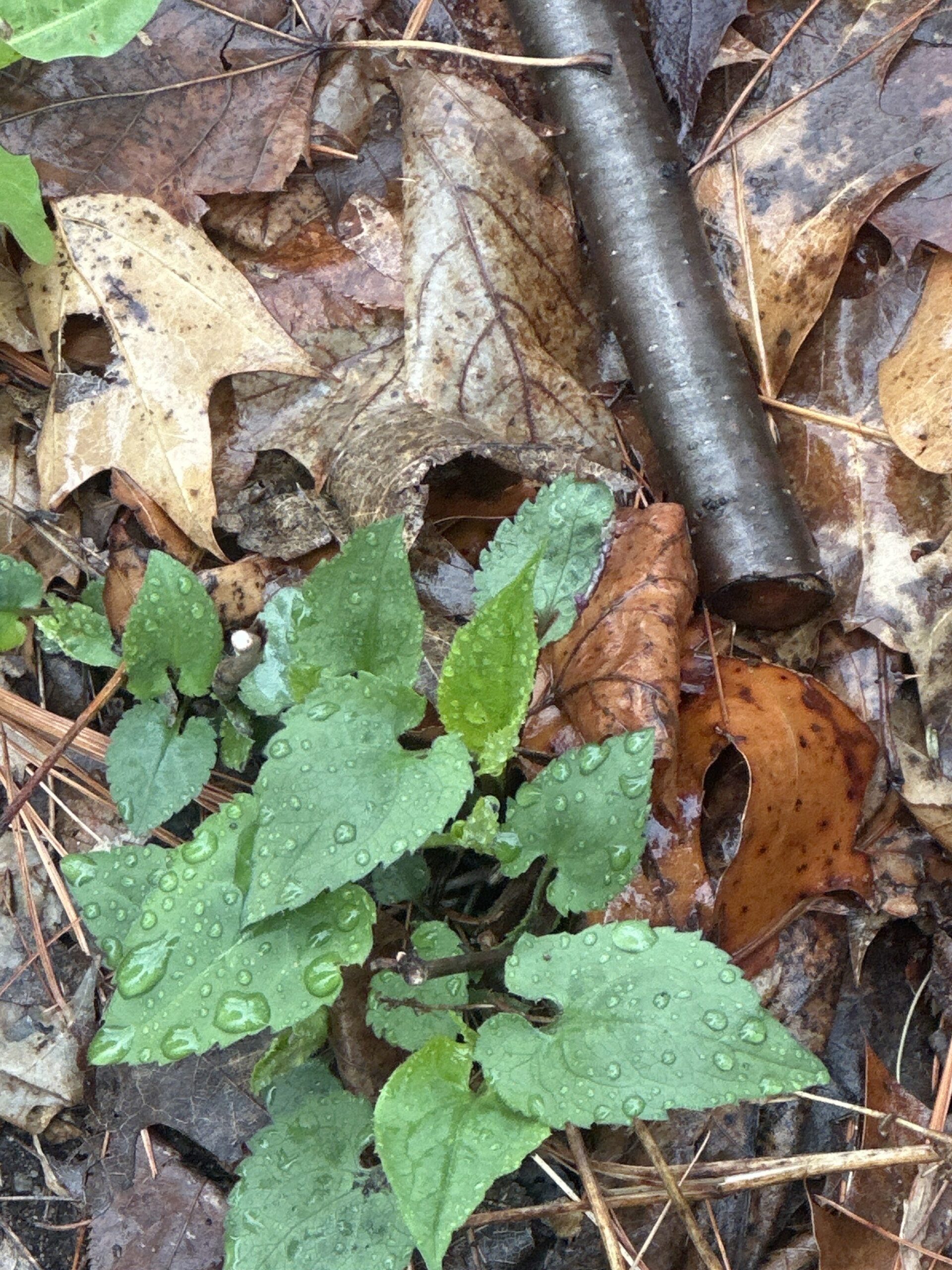
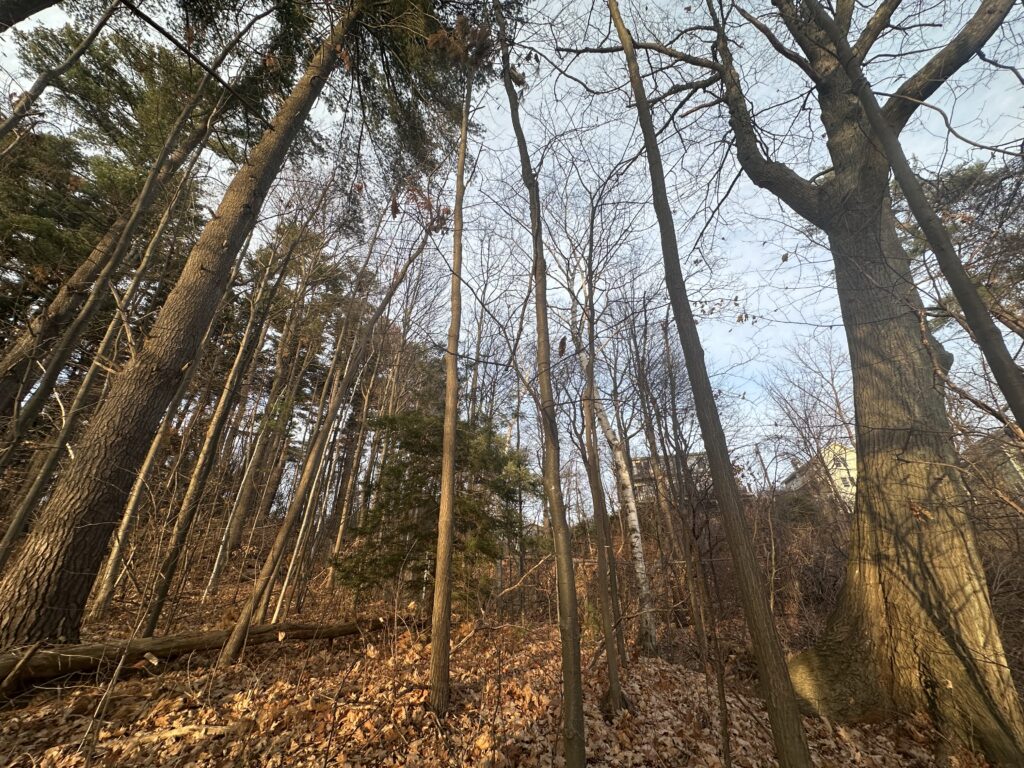
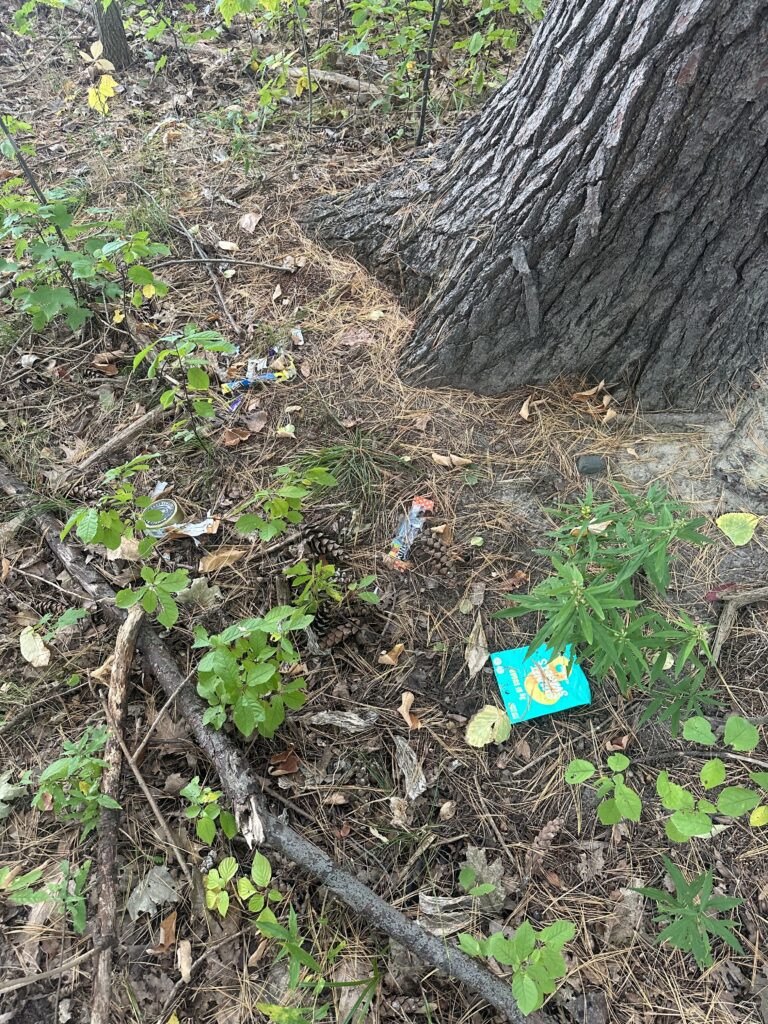
Within a three meter radius of the base of this northern red oak, I found no other trees that could hold a torch to the size of my tree. Although there were no stand outs in the over-story, the understory hosted many barberry shrubs, red oak saplings, decently sized paper birches (closer to 15-20ft in height), the occasional ash in it’s juvenile stage, round-leaved dogwood, american beech saplings, and unfortunately some human trash. If I had to make my best guess, the litter is likely an effect of the nearby tourist location of the beach and the many picnic areas seldomly cleaned by anyone who might care about the state of the park. On that note, I observed another piece of human activity integrated with the park in the form of a drainage pipe. Although I am unsure of what comes out of the pipe, and where this pipe starts, I can see the effects it has on the surrounding ecosystem. It’s carved out a section of the area, resulting in a a trench, I estimate around one foot deep and twenty feet long as it spans all the way to where the soil of the woods meets the sand of the beach. I would like to see how this pipe effects the plants in the area as the seasons move along, and under different conditions. Below is an attached link to my iNaturalist page where I will be keeping a photo-diary of my observed area and its vegetation.

iNaturalist links

Northern Red Oak

Barberries

Drainage Pipe

Below are some pictures of the area I am observing…

Skip to toolbar