December 8th, 2024

Our final visit to Rock Point for the semester 🙁

It was cloudy, a little chilly, but overall nice. The snowfall was pretty, but the landscape looked very barren.
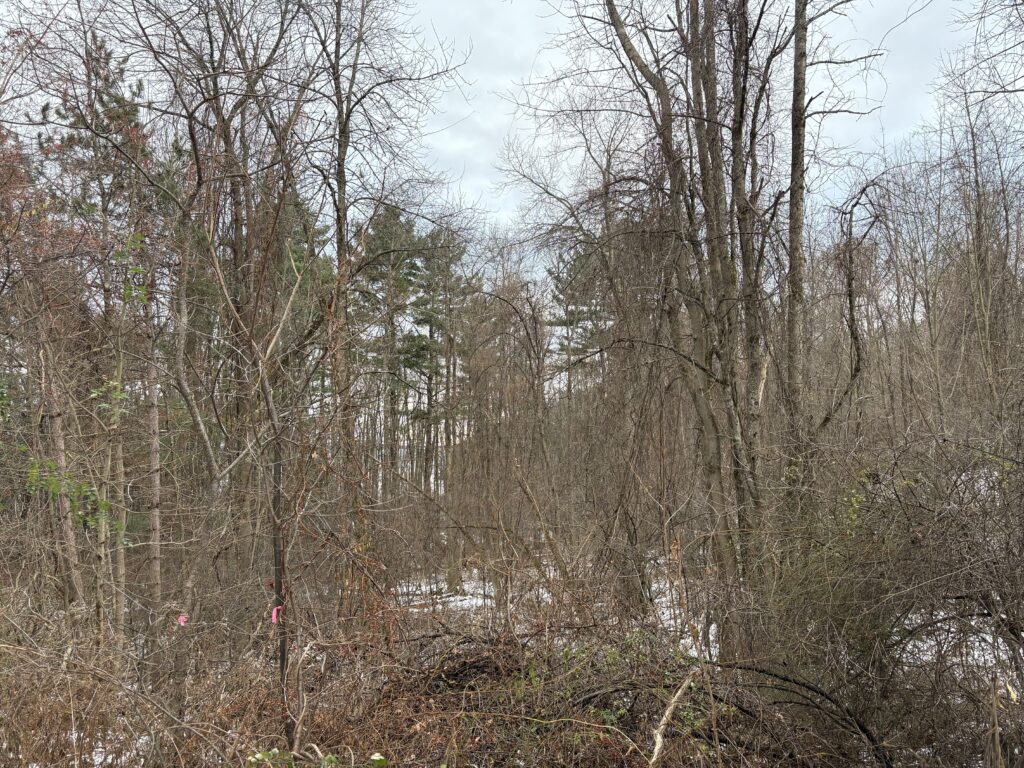
With a lack of density, you could see right through to the water. Without the leaves, you could really see the vines and woody material scattered on the ground.
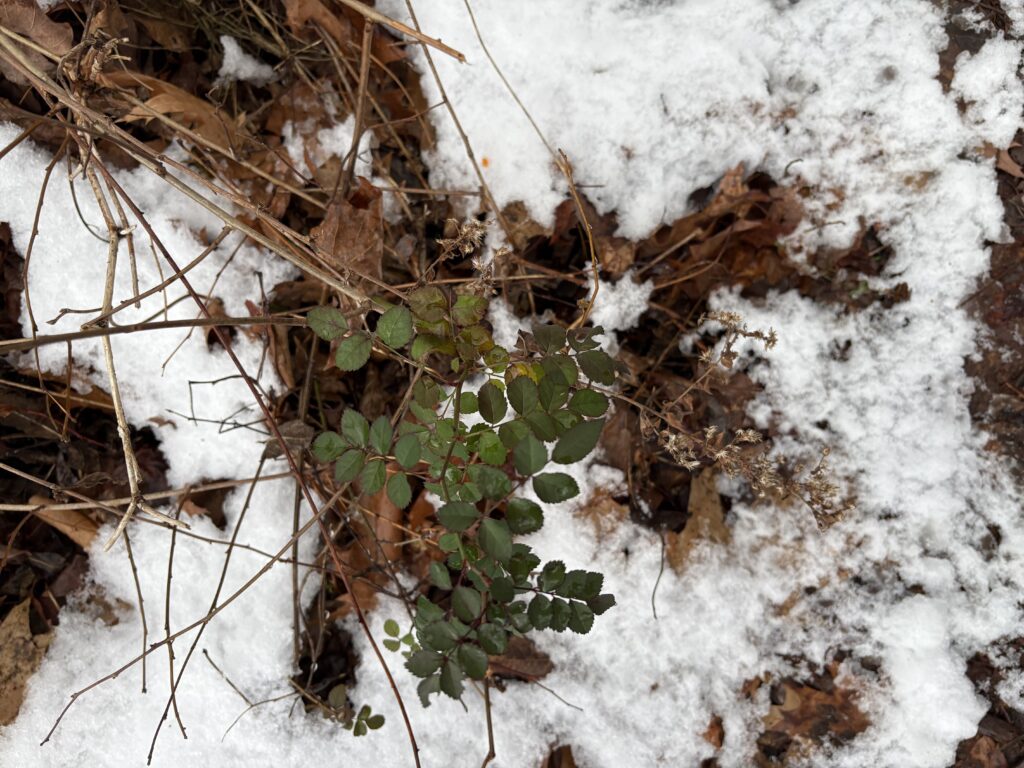
There was still some green in the herbaceous, ground cover plants. There weren’t many conifers in my little area, predominantly maples and some other young hardwood species, so there was a significant amount of leaf litter.

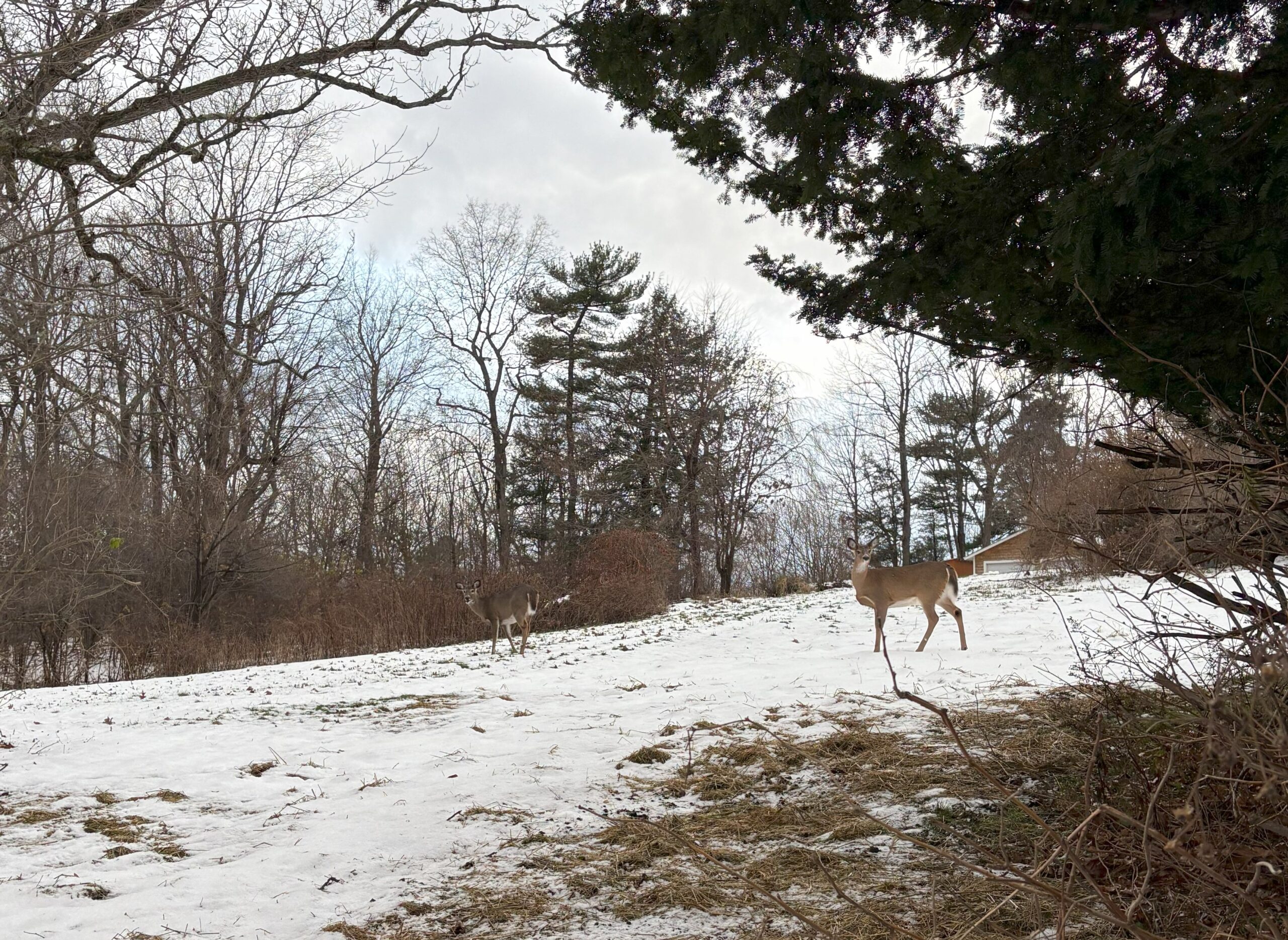
There was no visible signs of decomposers or tracks. It’s difficult to find those things since the snow was starting to melt off and there was a lot of plants covering the ground. While not directly in my area, on the walk down to the site, we saw deer! There were 3 just standing there staring at us. A bird flew overhead at one point which was interesting since it’s so cold out.
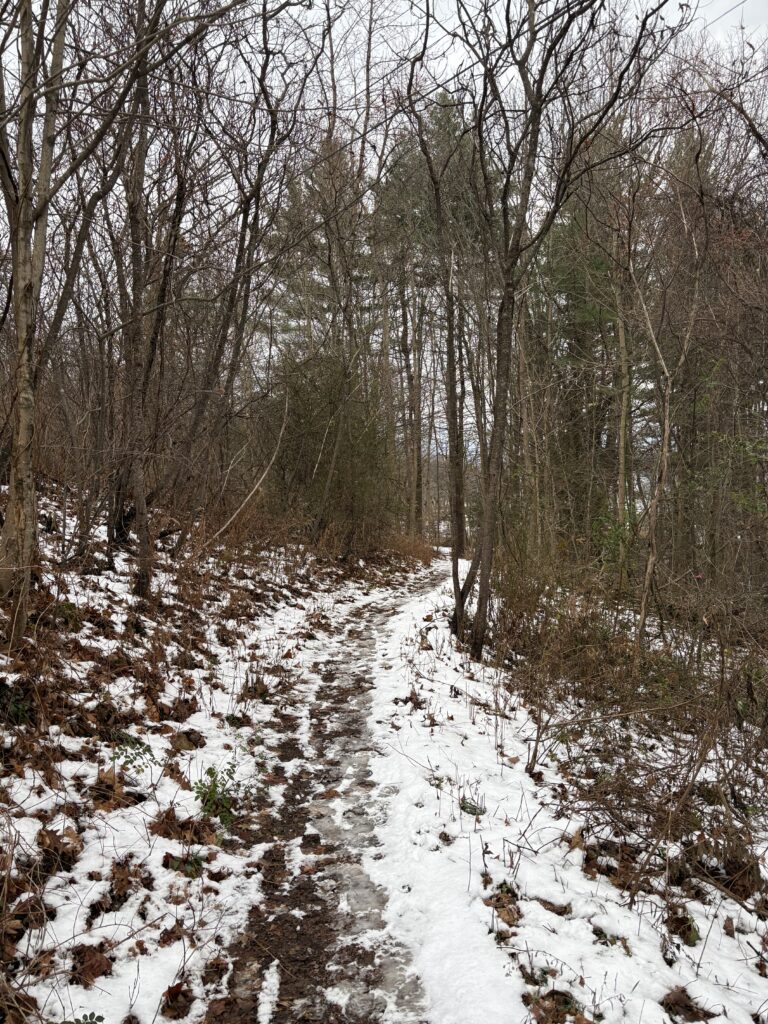
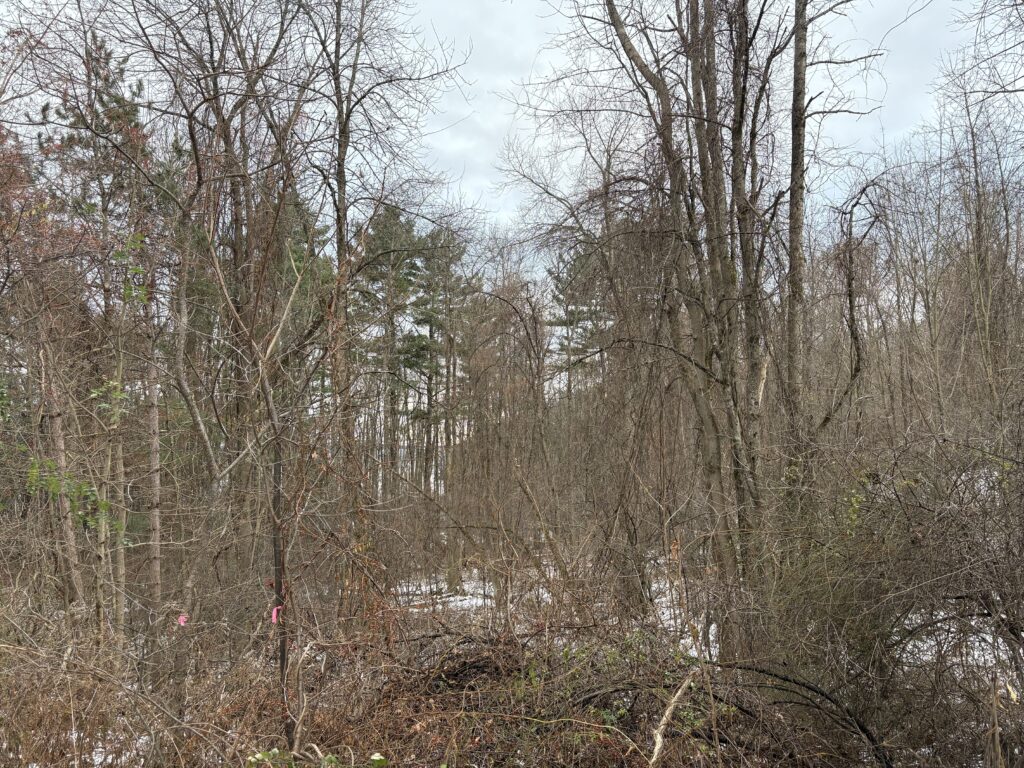
Oh how the seasons change!

Rock Point has been such a pleasure to visit. I have loved every second I have spent on that property and am so excited to visit again in the spring! I think the part I loved most about my place was the fact that it felt so incredibly wild, even though it was a few minute drive from the heart of downtown Burlington. Being able to look off the trail and into a densely populated ecosystem is just such a beautiful thing.
November 3rd, 2024

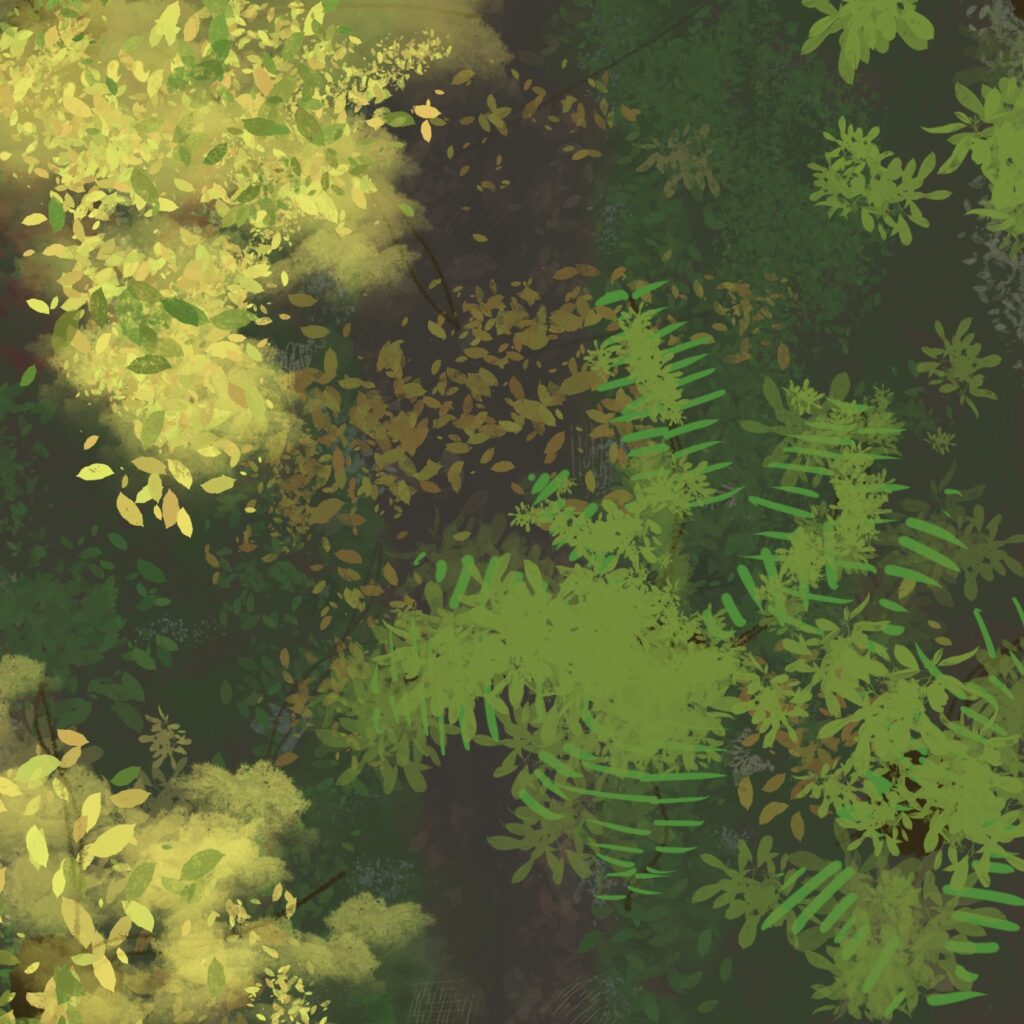
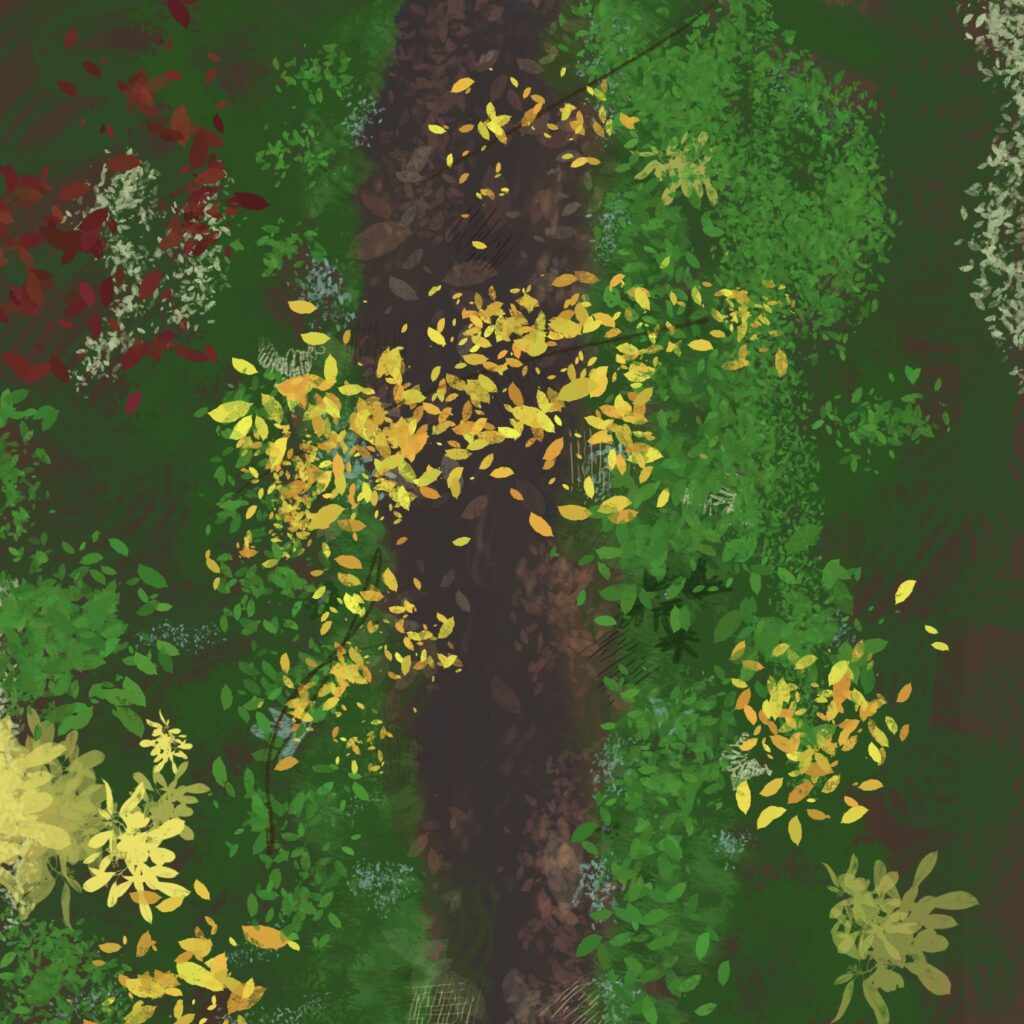
It has been quite the fall. There has been snow, 75 degree weather, and plenty of rain all within the span of a few weeks. As I sit in my place in the trails of Rock Point, it is around 40 degrees and a bit cloudy. Most of the leaves have fallen from the woody plants surrounding this area, and any remaining flowers have mostly died off. It is turning much more brown as the ecosystem prepares for winter. There are no people walking by, compared to the one or two I have passed while out here in the past. I am curious to see how the snow settles in here, how it coats the ground and blurs the line between trail and forest.

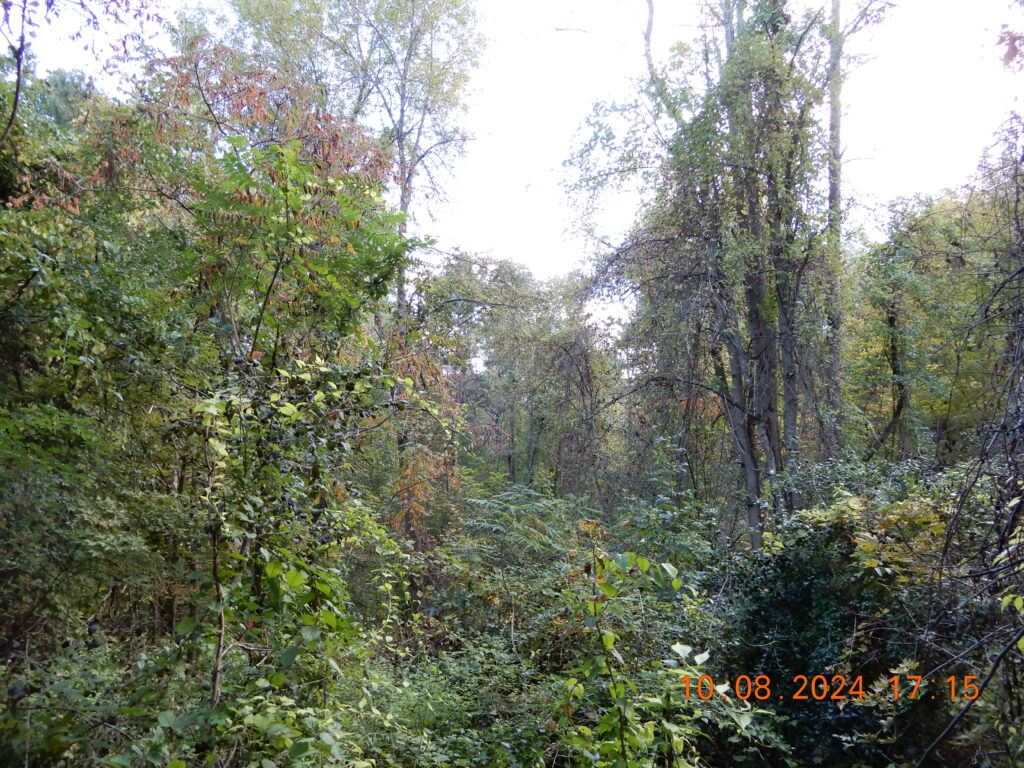
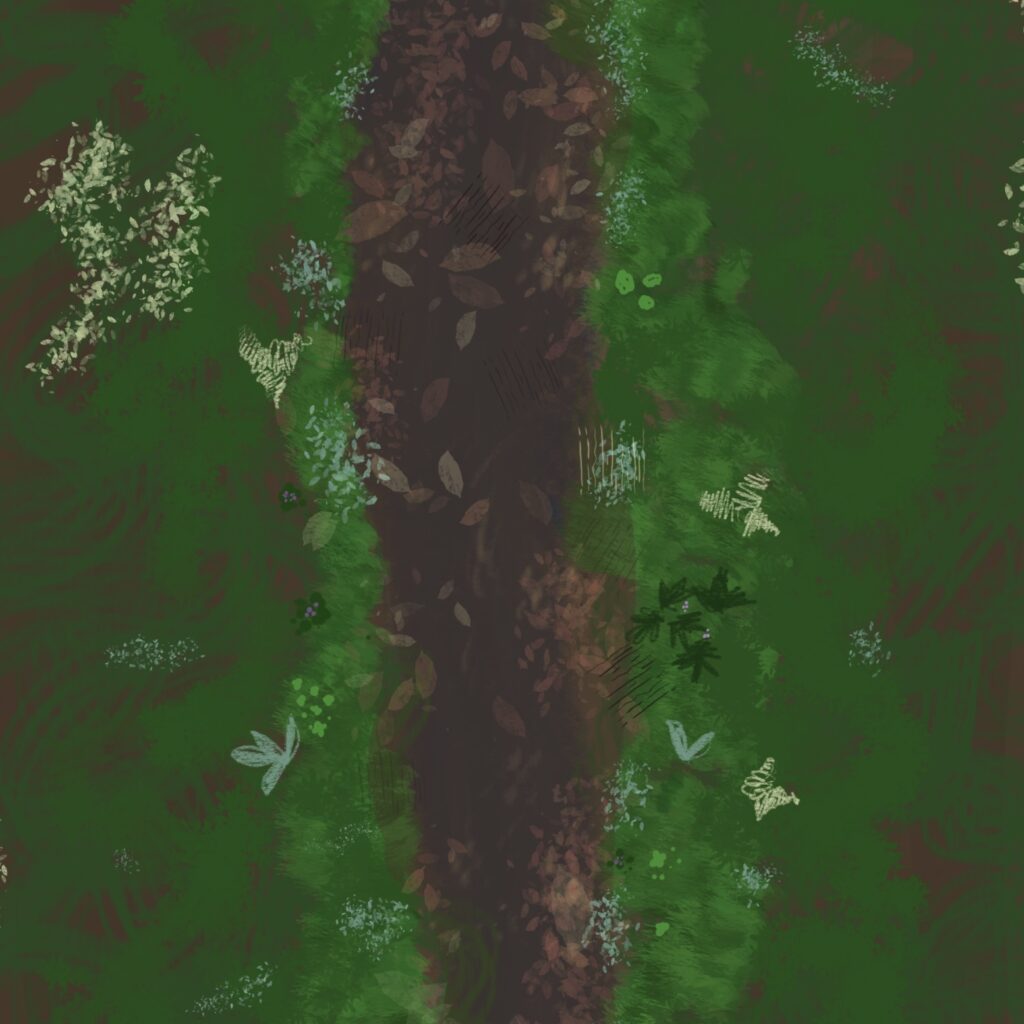
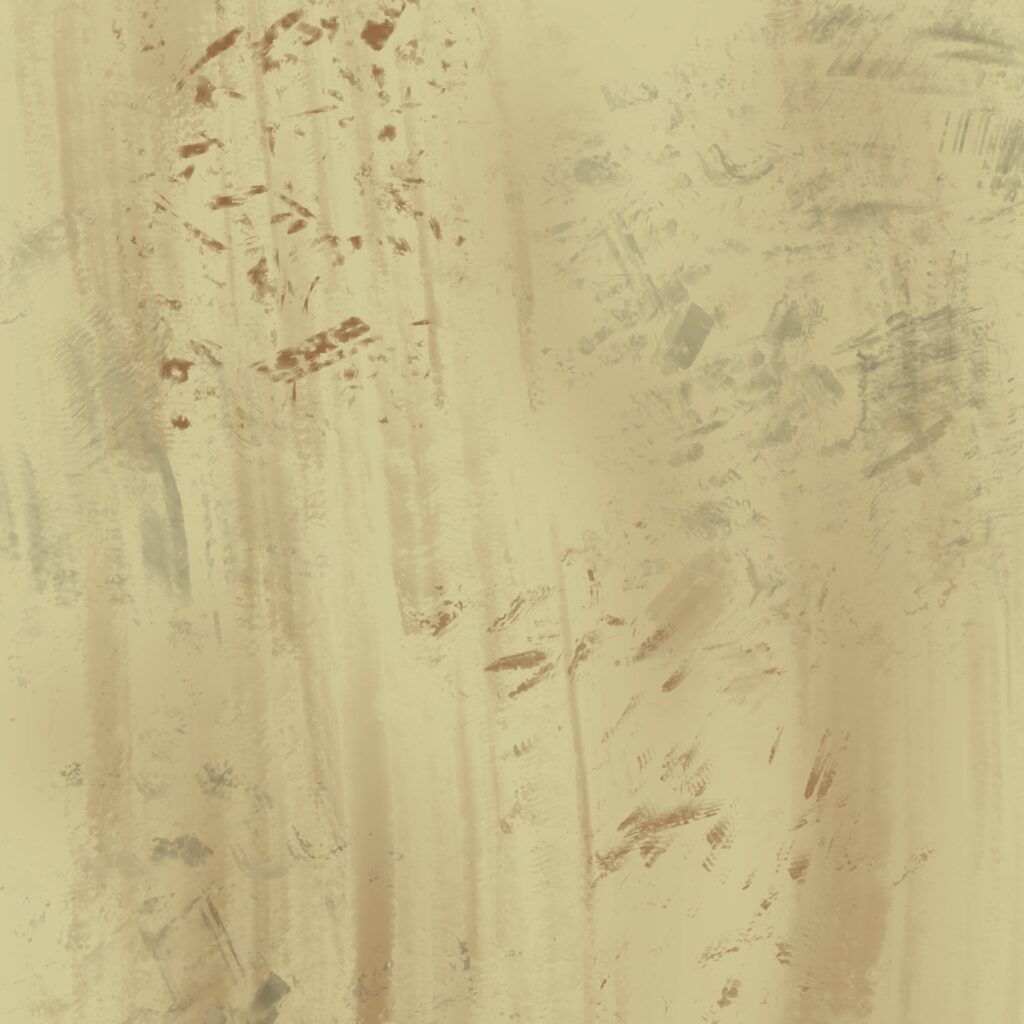
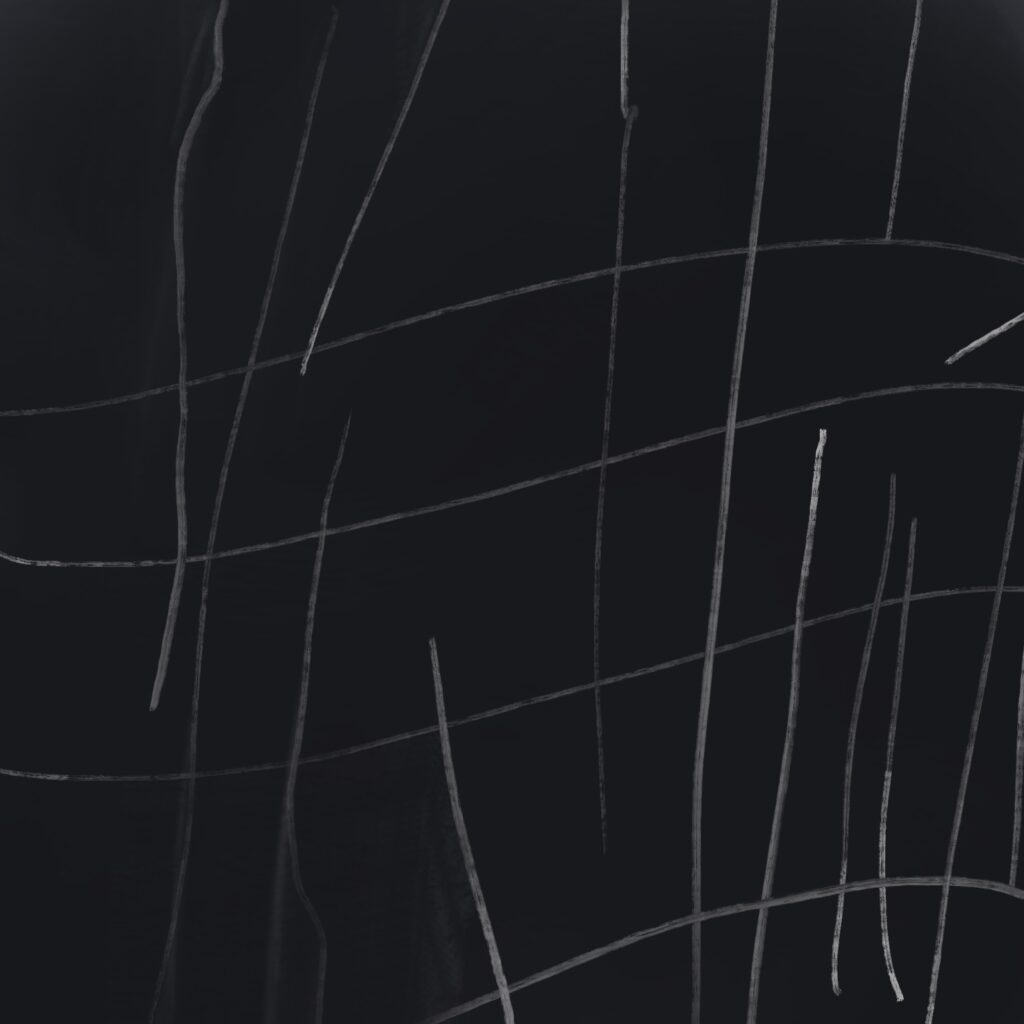
Instead of a simple birds-eye view look at the land, I chose to look a little deeper (literally). I chose to depict the layers of the landscape and foliage.

The Canopy- Layer 5

Within the Canopy, the dominant species are mature trees such as Ashes and a few Maples. There is also an occurrence of grape leaves which shadow the lower levels as they climb the trees and brush.

Undercarriage of the forest- Layer 4

The undercarriage consists of shorter, less mature saplings like Black Cherry and Sumac, as well as taller shrubs like Bittersweets and Brambles.

Ground Cover- Layer 3

The Ground cover is made up of predominantly weedy, herbaceous species, with not much appearance of grass due to the shape of the landscape. There are Lady Ferns, Asters and Wood Sorrels among many other ground-hugging plants. There is also some coarse woody debris in the form of twigs and other organic matter like fallen leaves.

Dunham Dolostone- Layer 2

At Rock point, the reverse thrust fault consists of two bedrock types: Iberville Shale and Dunham Dolostone. The Dolostone is an older rock, however it appears on top of the Shale in this region.

Iberville Shale- Layer 1

October 8th, 2024

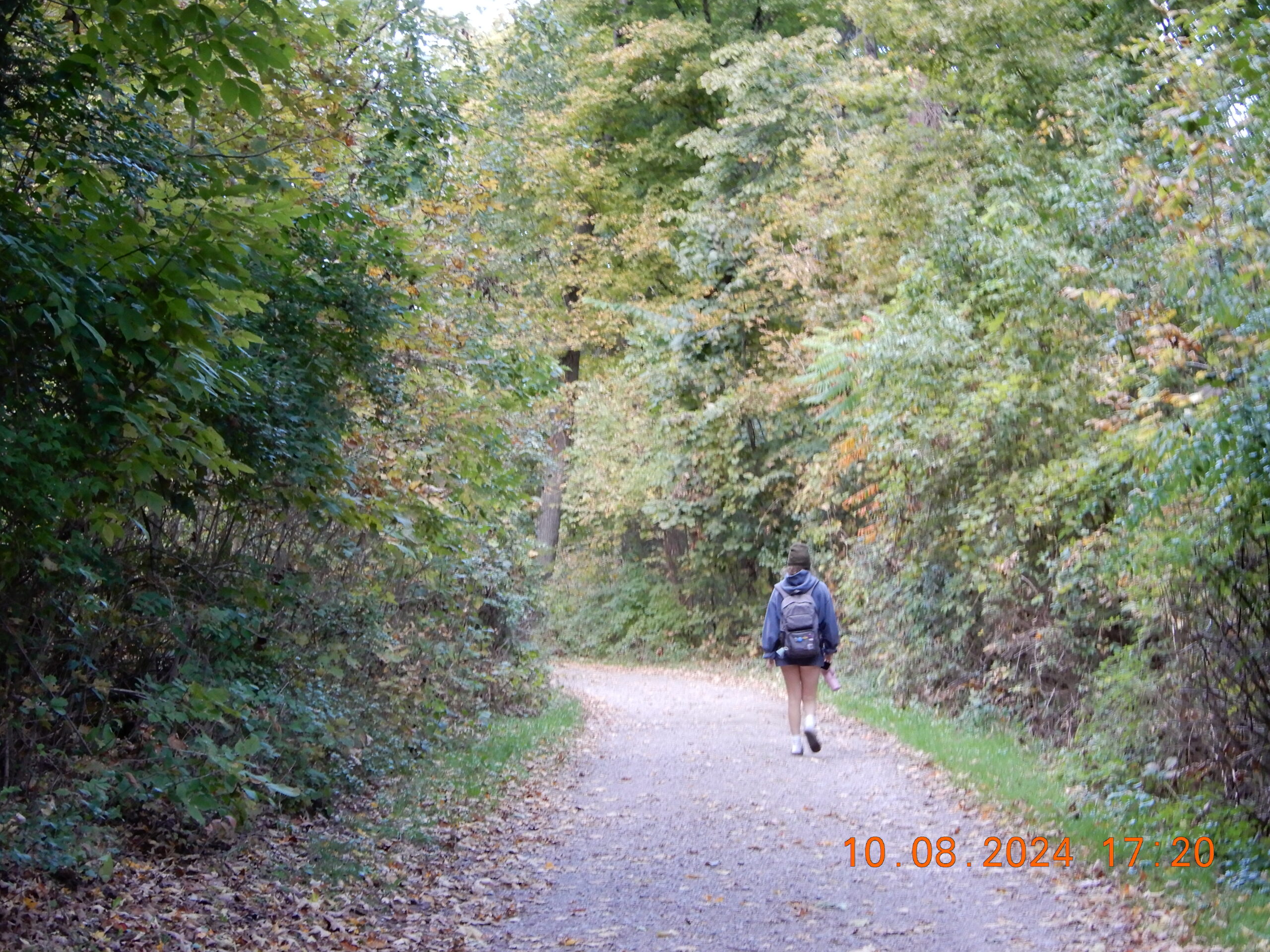
Evan walking down the Trail Access Road

First venture out for the phenology project!

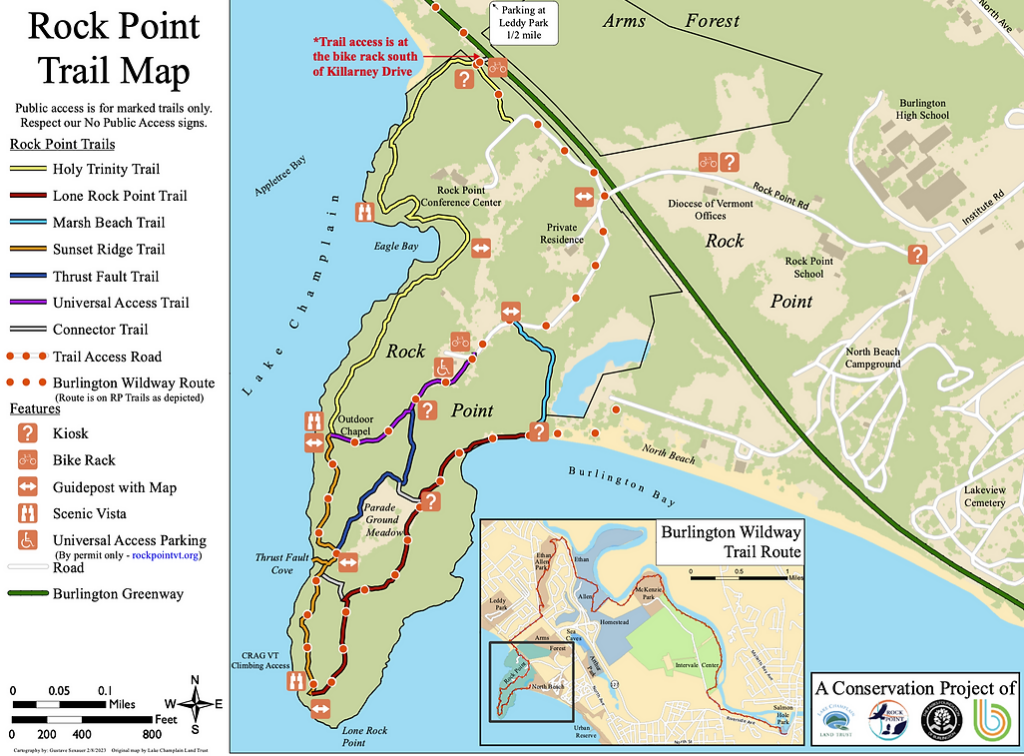
I chose a spot off of a main trail in Rock Point Natural Area. The exact location is a few feet down where the the Marsh Beach Trail meets the trail access road.

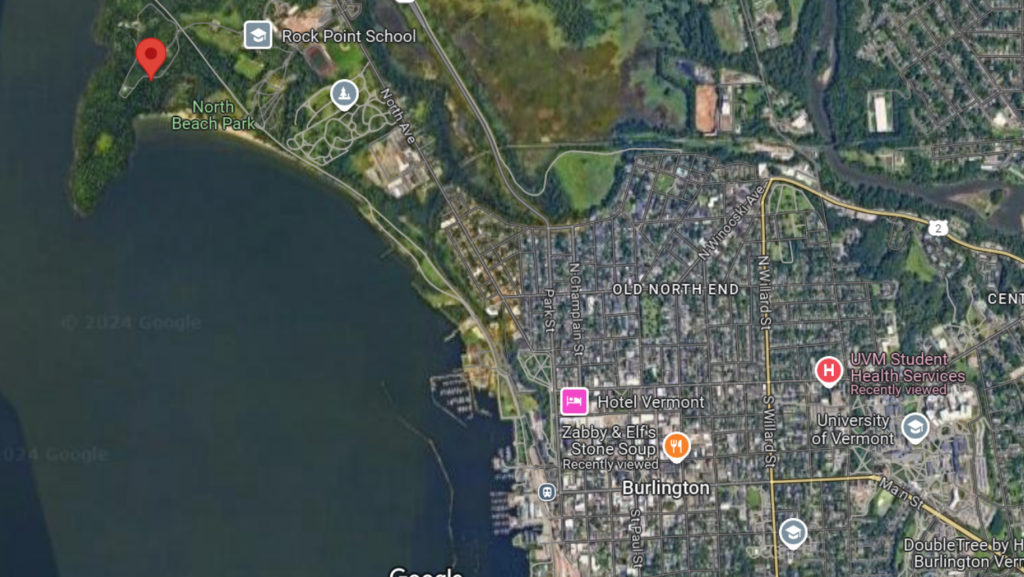
To get there from campus, you take the GMT from the University Heights stop, #1 to Williston, downtown to the transit center. From there, you take #7 to North Ave and get off at the Burlington High School Stop. After getting off the bus, you cross the road, walk down to the Rock Point entrance and continue straight down, past Rock Point School and the gardens, onto the trails.

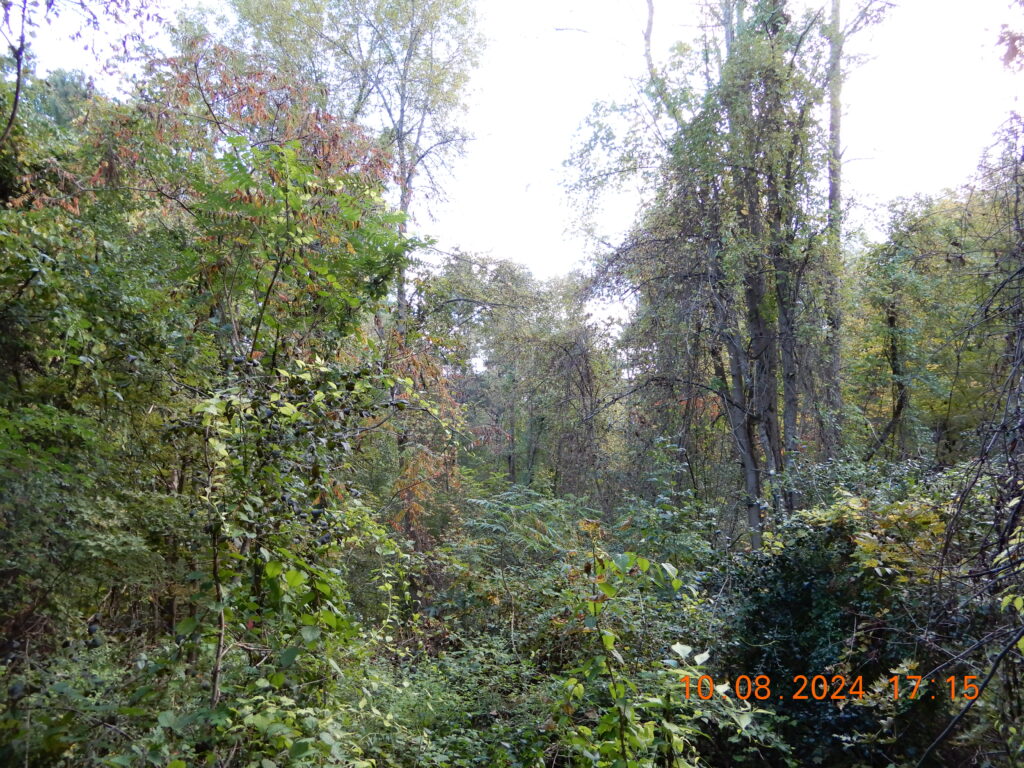
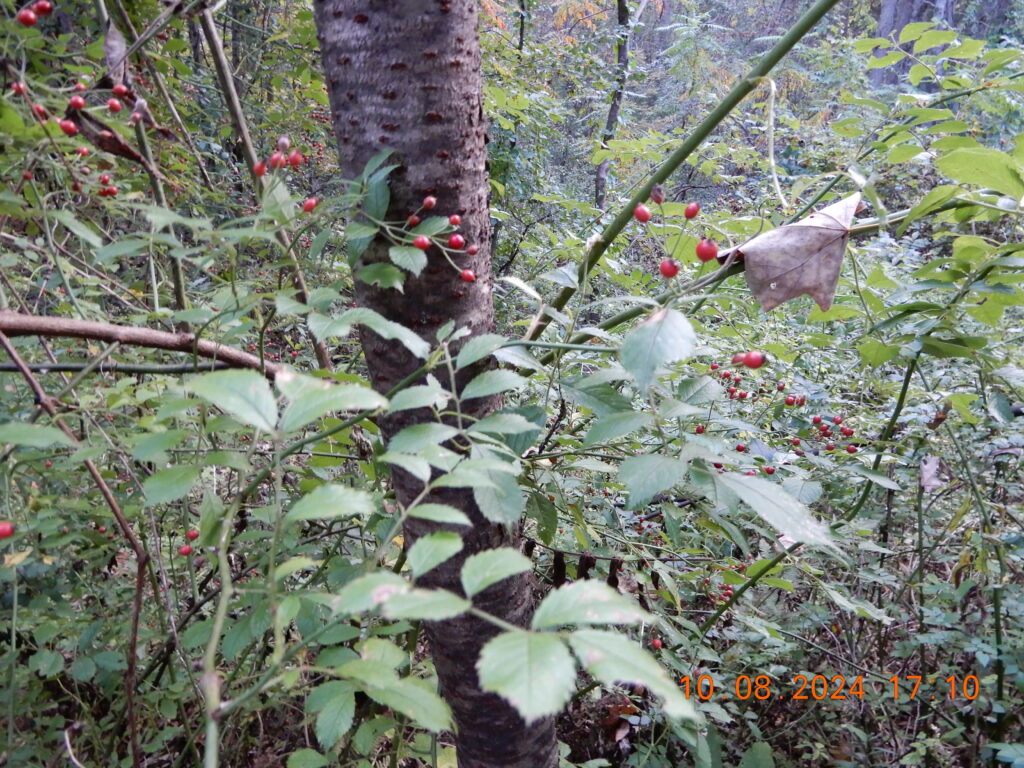
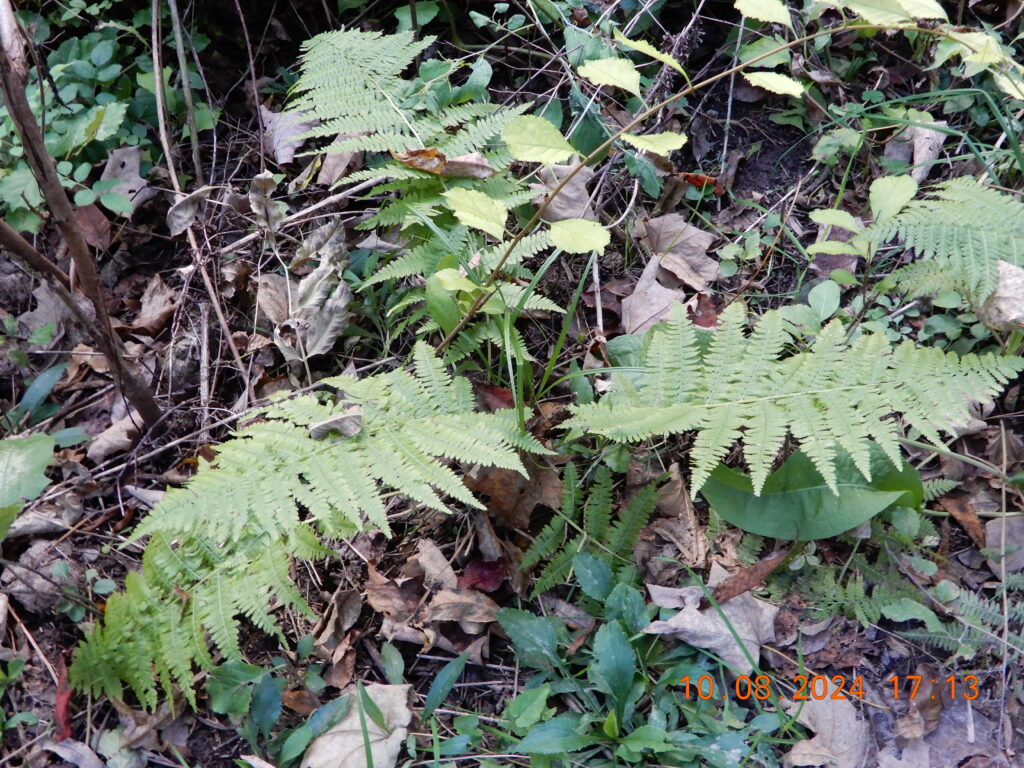
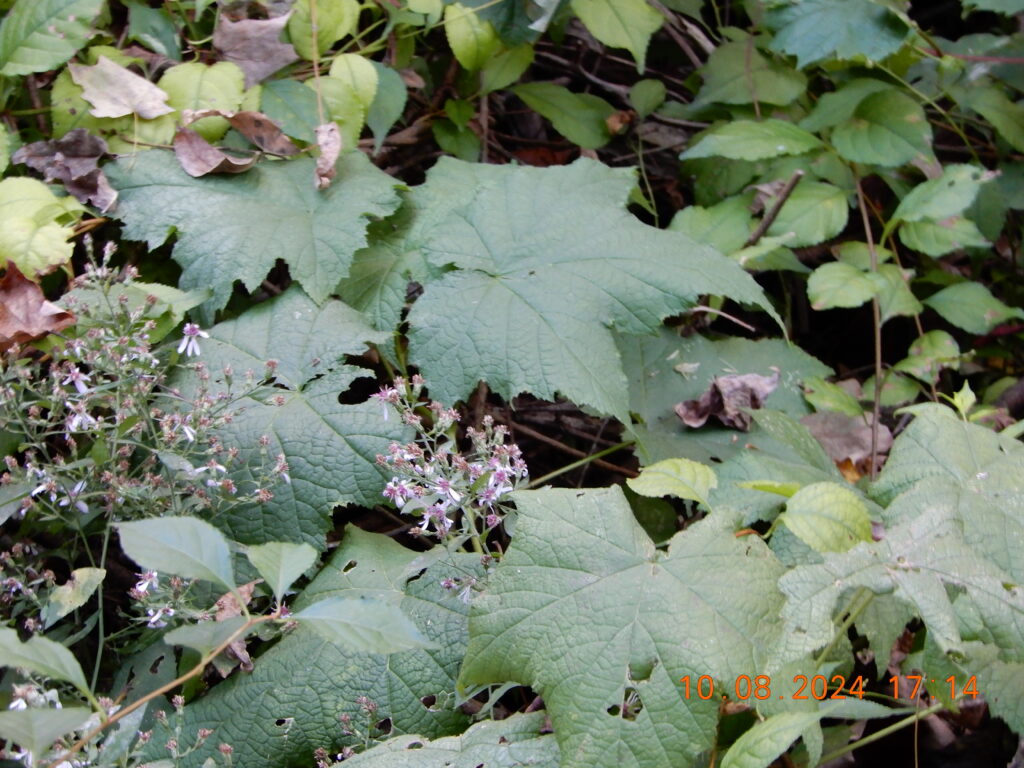
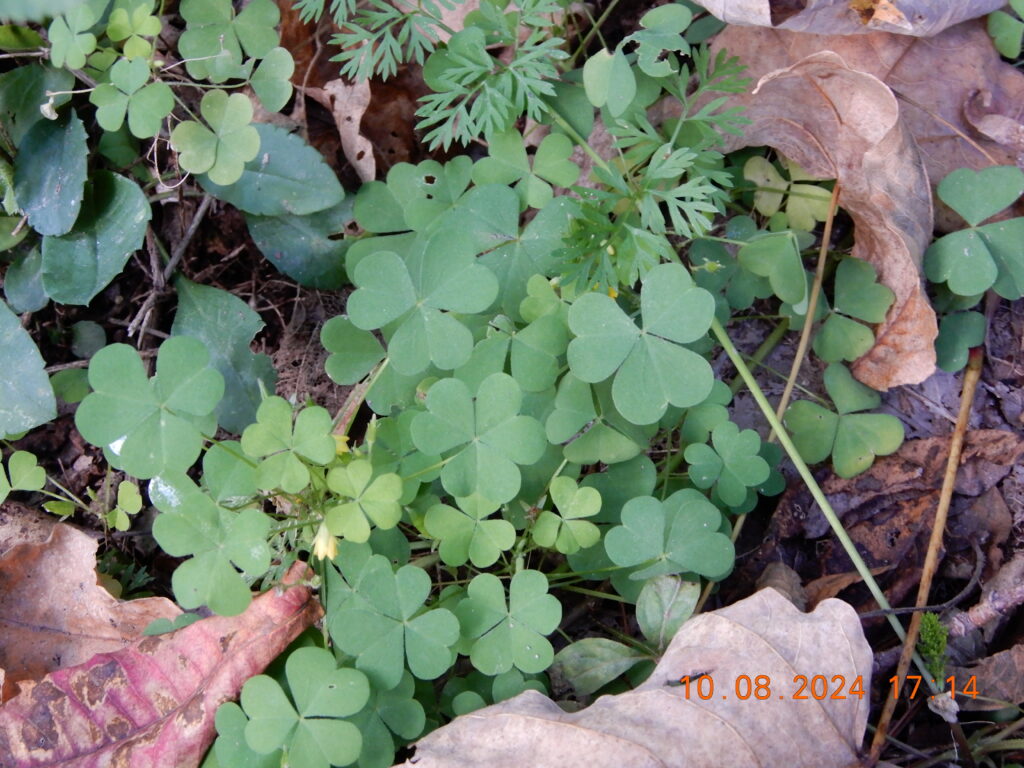
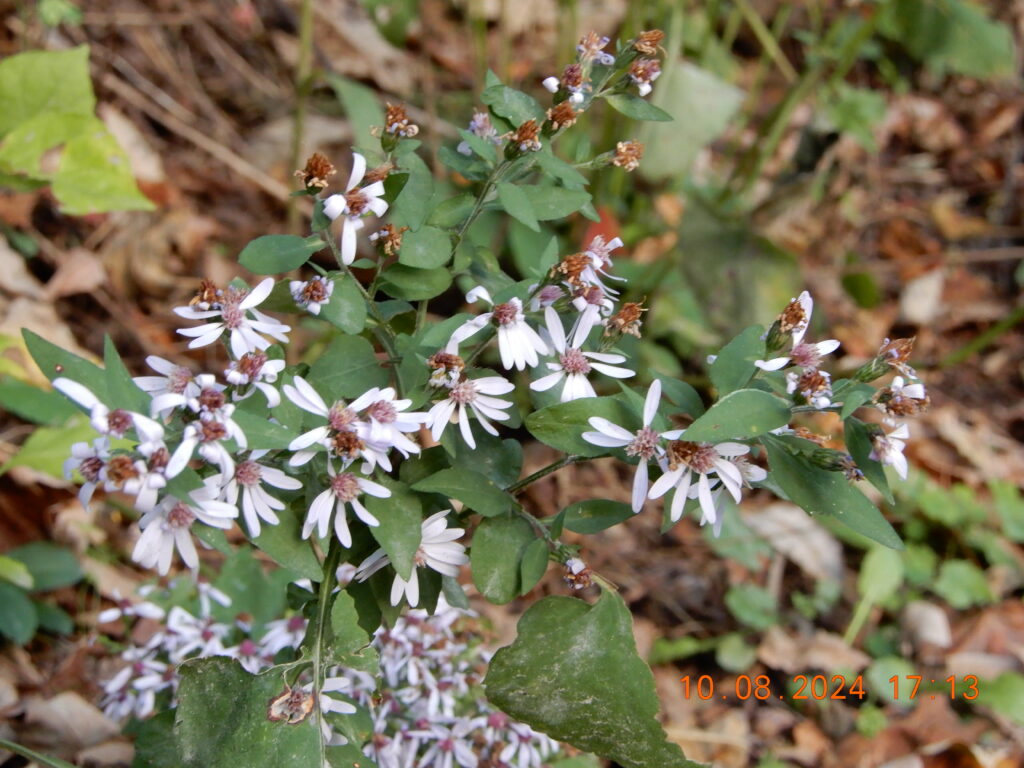
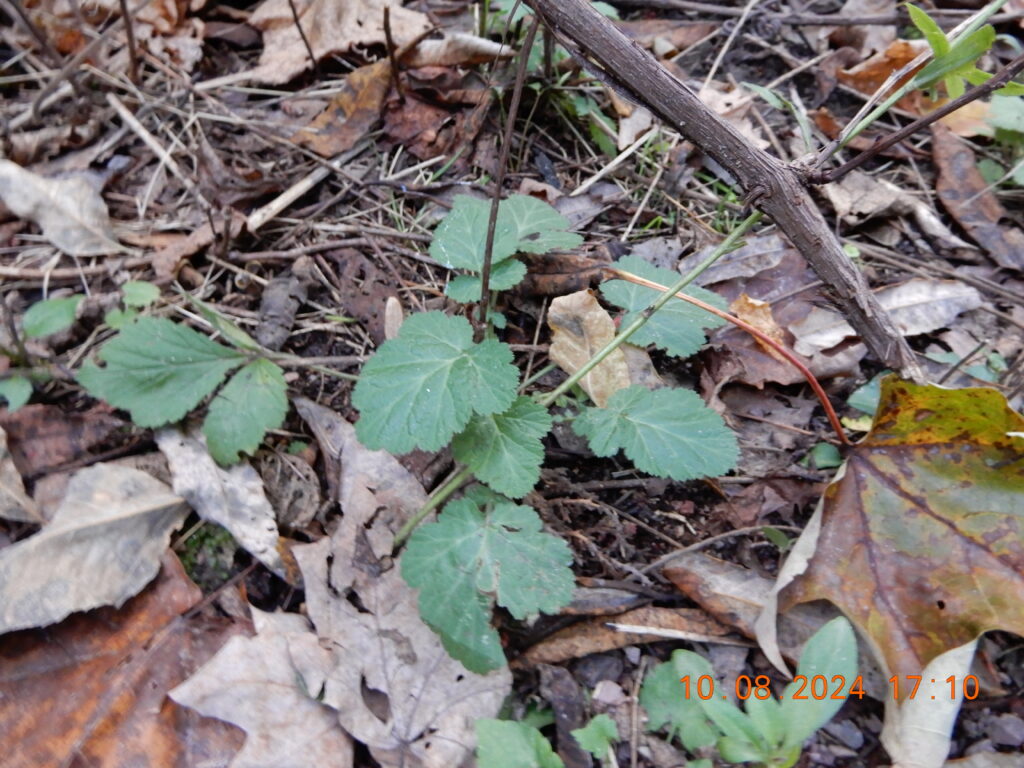
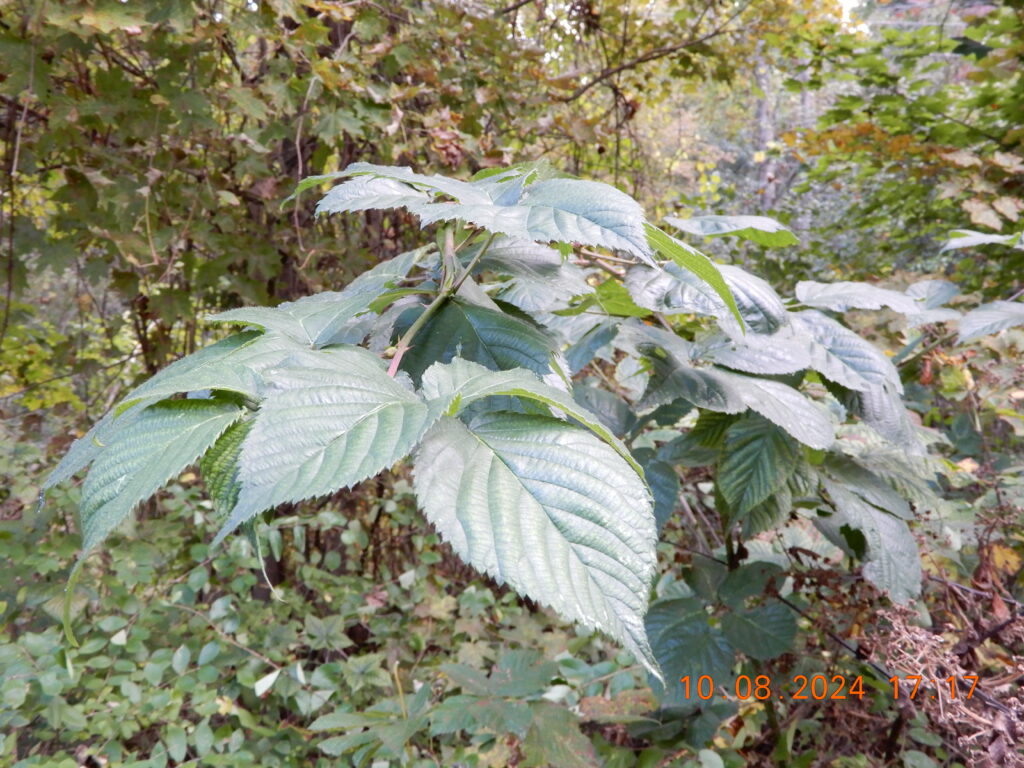
Due to the fact that we were on a trail at the edge of the woods, the majority of vegetation consisted of ground covers, bushes and young trees. Among other ground hugging plants were a few scattered ferns, differing species of brambles, American asters, maple saplings, and wood sorrels.

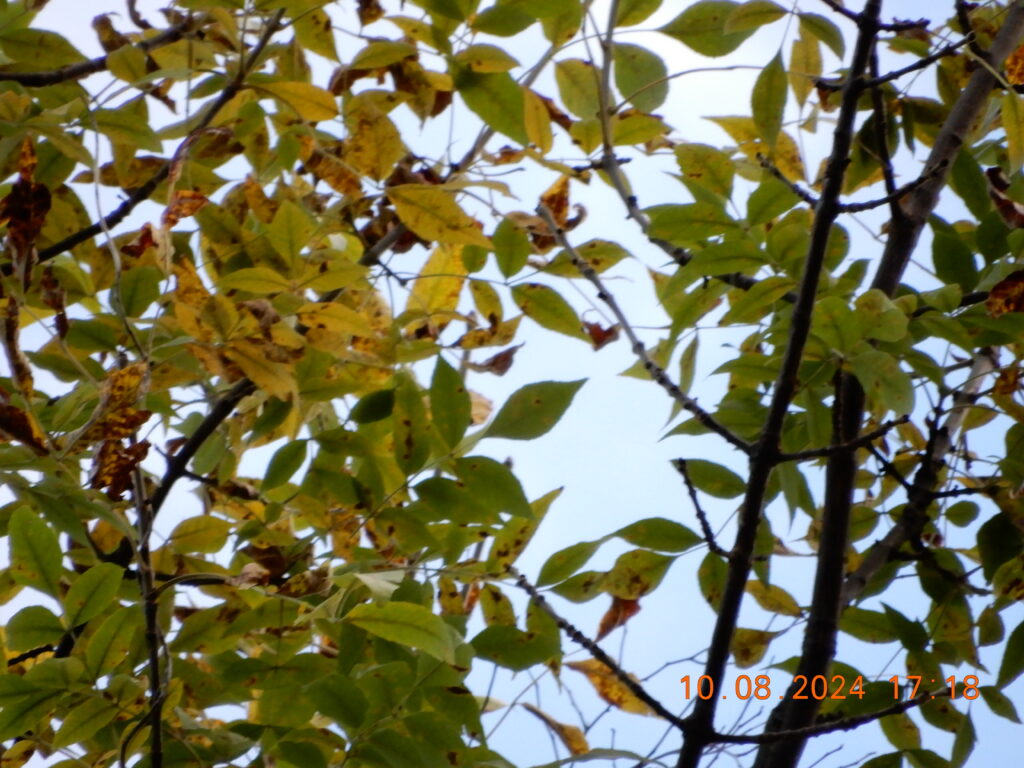
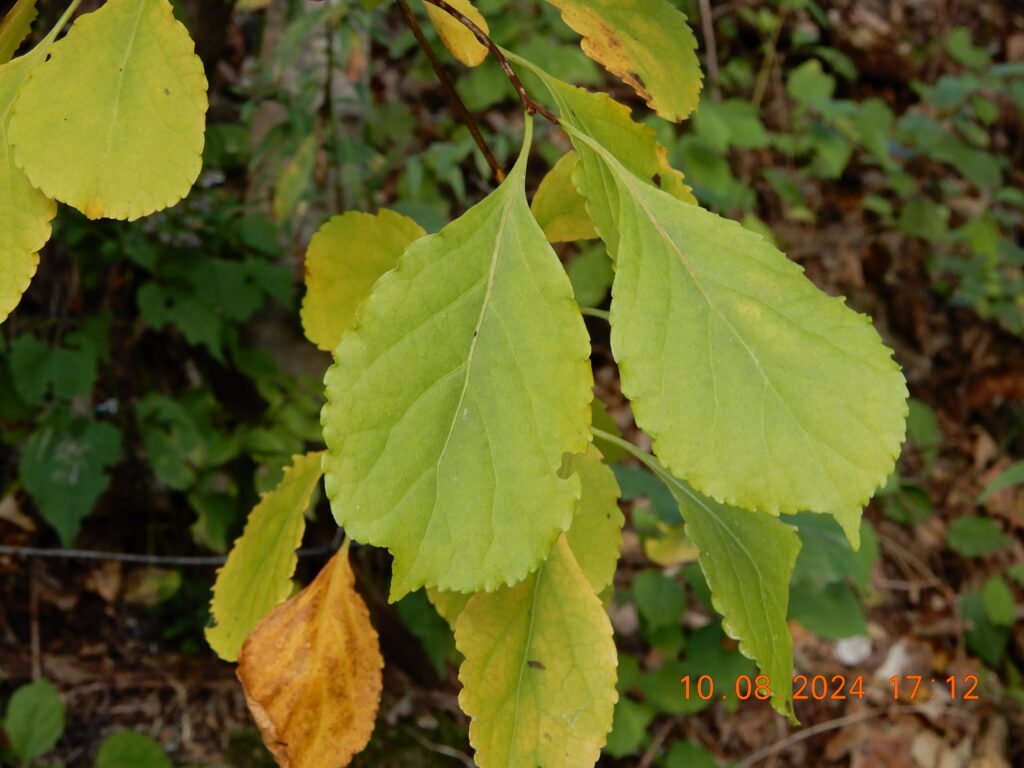
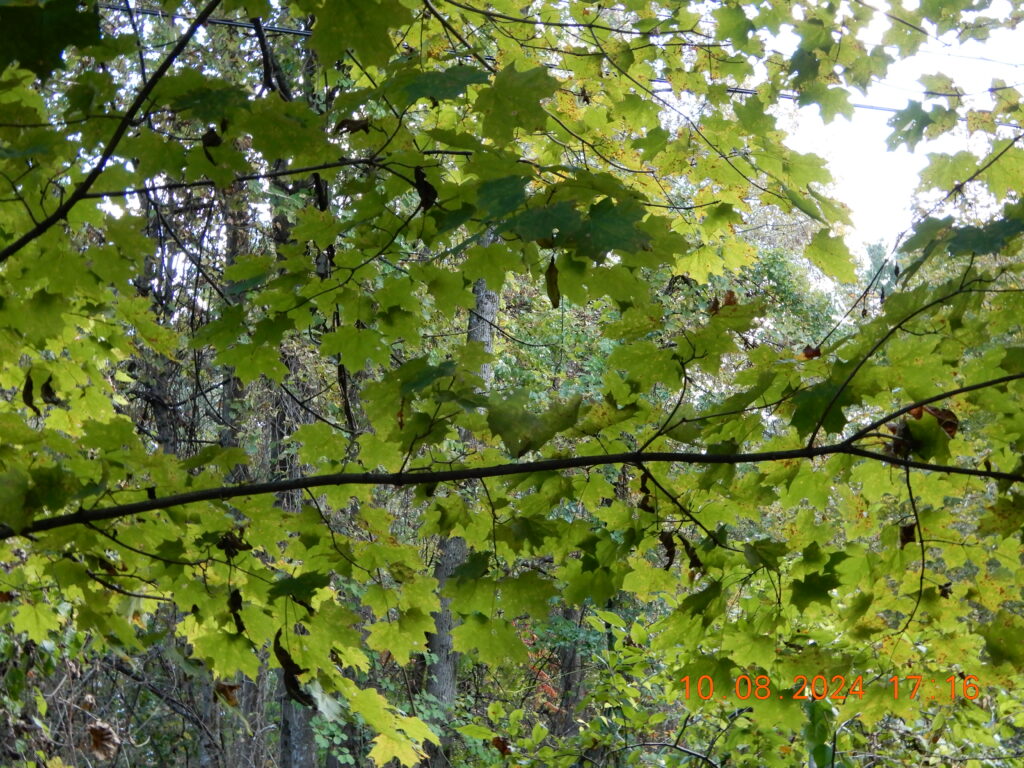
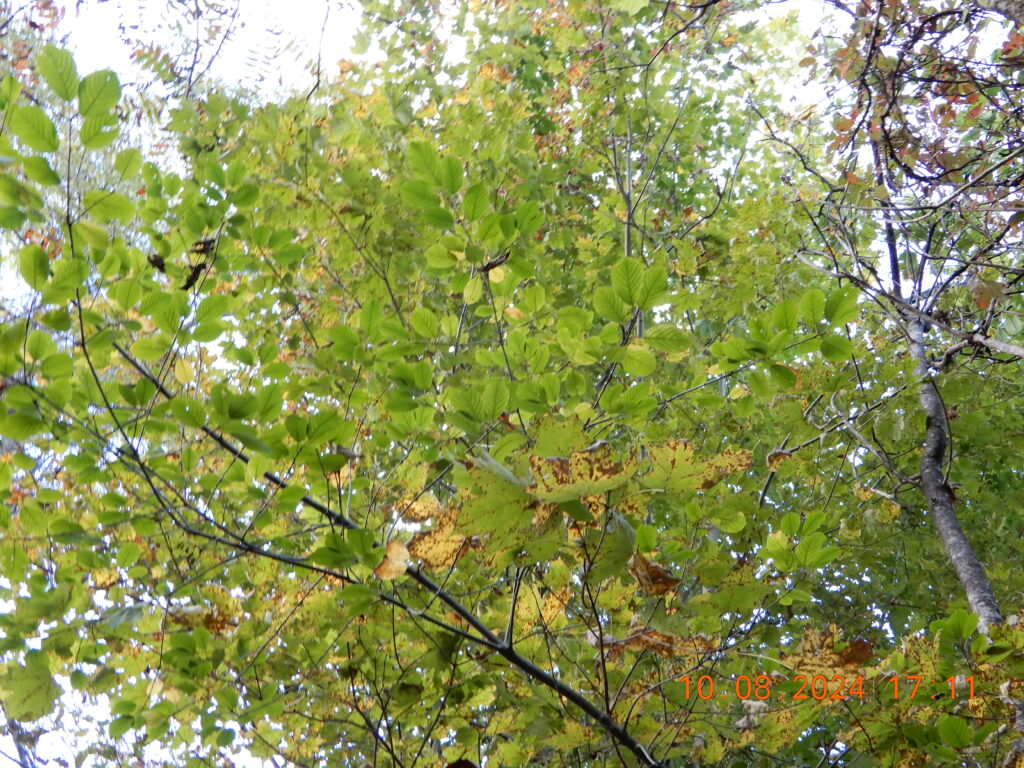
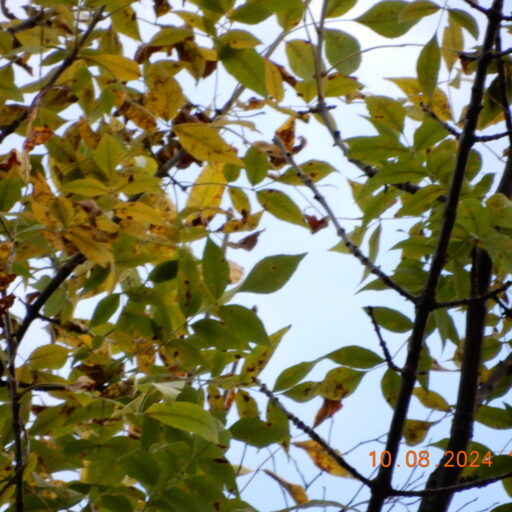
Dominant tree and woody plant species included Sugar Maple, Green Ash, Bittersweets, Sumac (not pictures), and a species which I identified to be Beech but will require further investigation when I return.

Ash Tree
Shrub with Red Berries
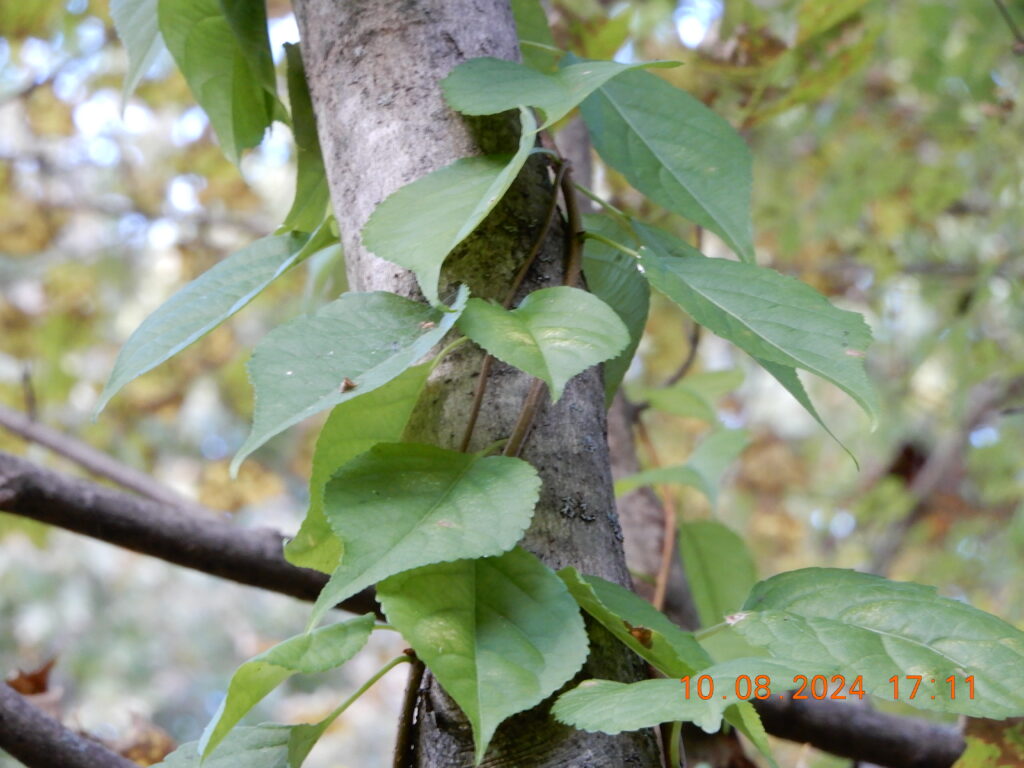
Vines Climbing up a Tree
Lady Fern
Wild Raspberry Plant (?)
Bittersweet Leaves
Wood Sorel
Sugar Maple Branch
American Aster Flowers
American Beech (?)
Garlic Mustard
Bramble Leaves (?)