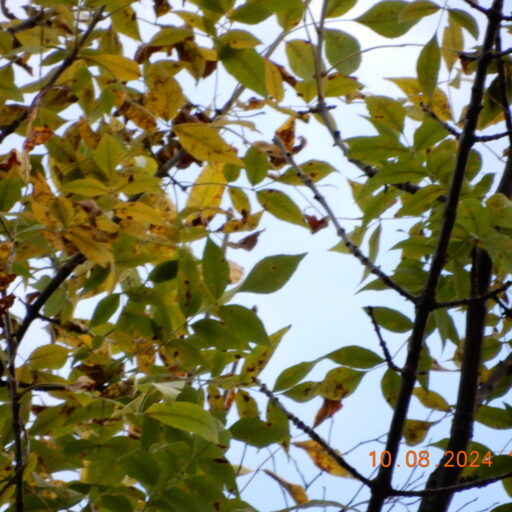
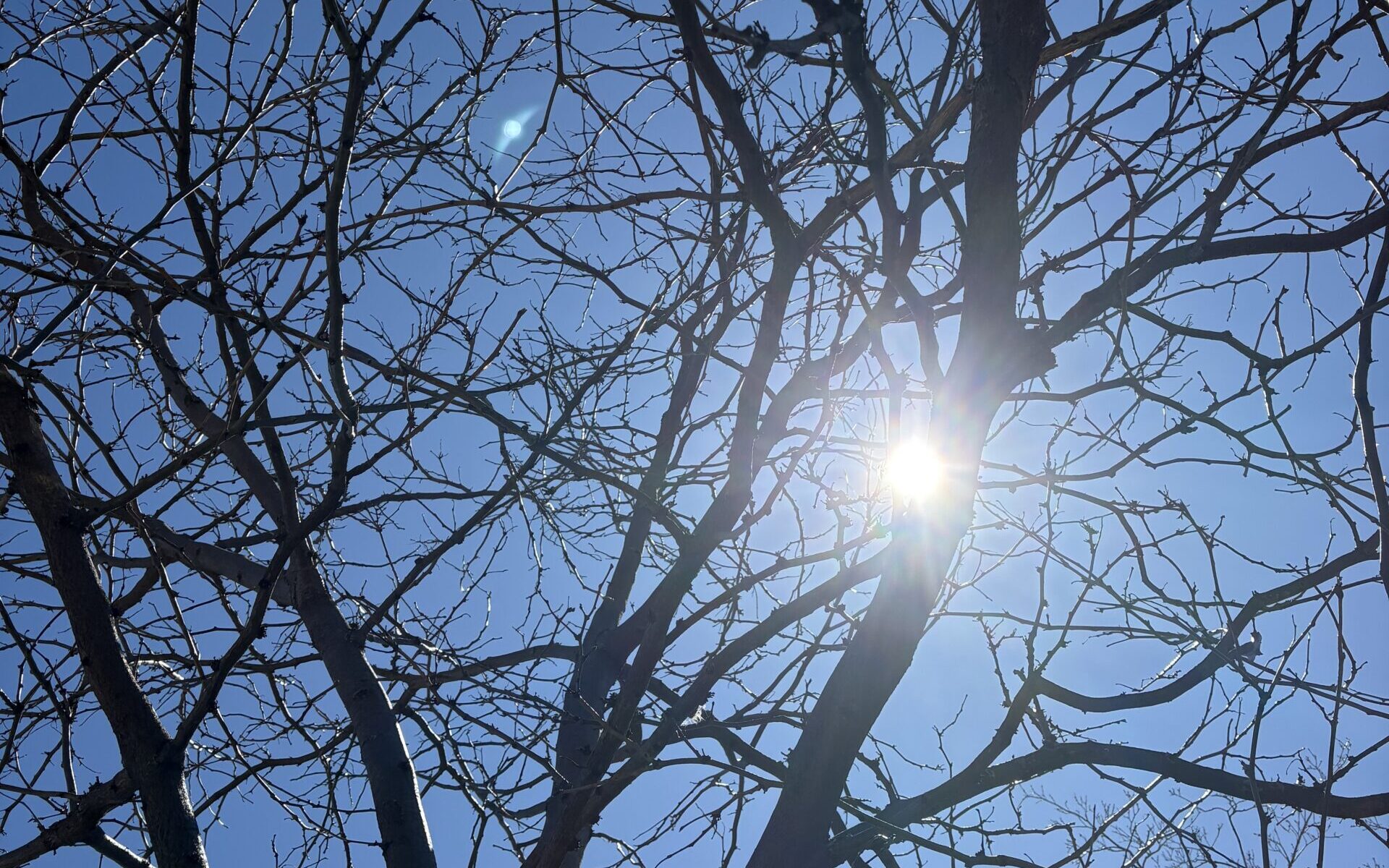
This semester’s phenology blog has had less emphasis on a specific location, but understanding phenology from a broader perspective. Obviously, it has been quite cold for the majority of what we call “spring semester”, so there ultimately has not been significant changes in the physical characteristics of my chosen location.
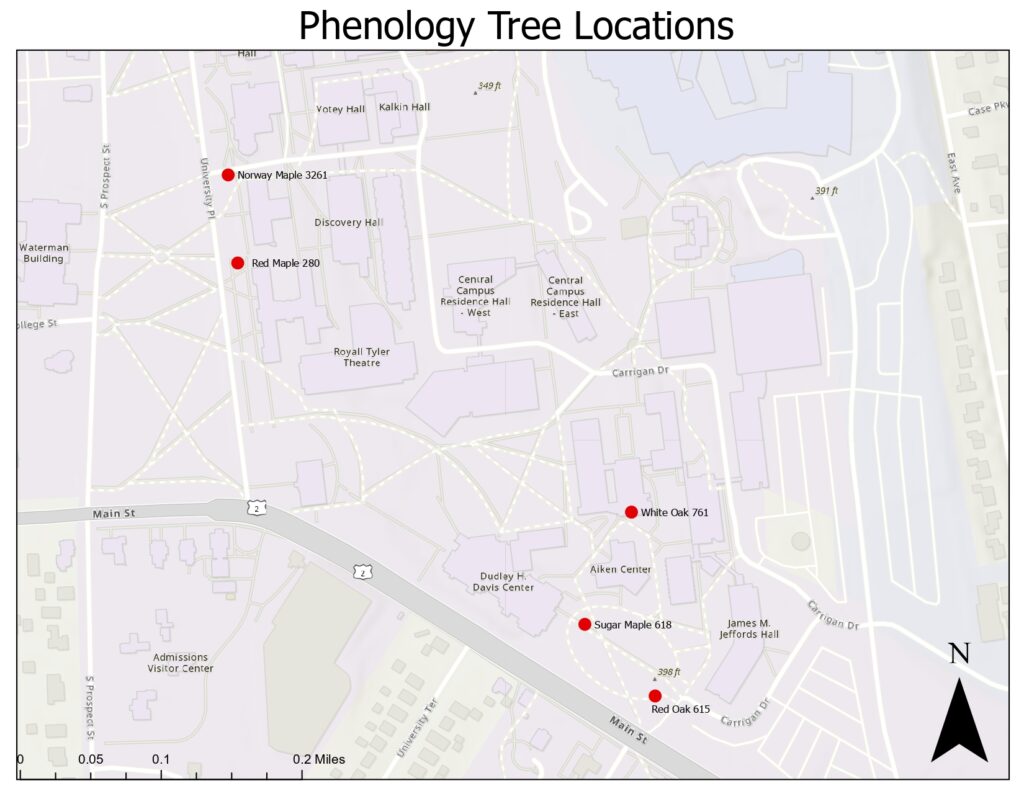
This month we were asked to contribute to a broader phenology study on campus, collecting data for 5 specific trees located around UVM’s central campus.
The weather here in Vermont has been very inconsistent since the vernal equinox, likely impacting the phenophases which the trees are exhibiting and the pace at which they change phenophases.
Tree 1: Red Oak
This tree has no breaking buds, flowers/flower buds, fruit or leaves.
Tree 2: Sugar Maple
There were breaking leaf buds on this tree, however I was to tall enough to be able to see how many buds were truly breaking. It also had a few flower buds.
Tree 3: White Oak
This tree had some leaves, however they were dried out and curled up, similar to how beech trees retain their leaves in the winter. There were no other visible phenophases occuring.
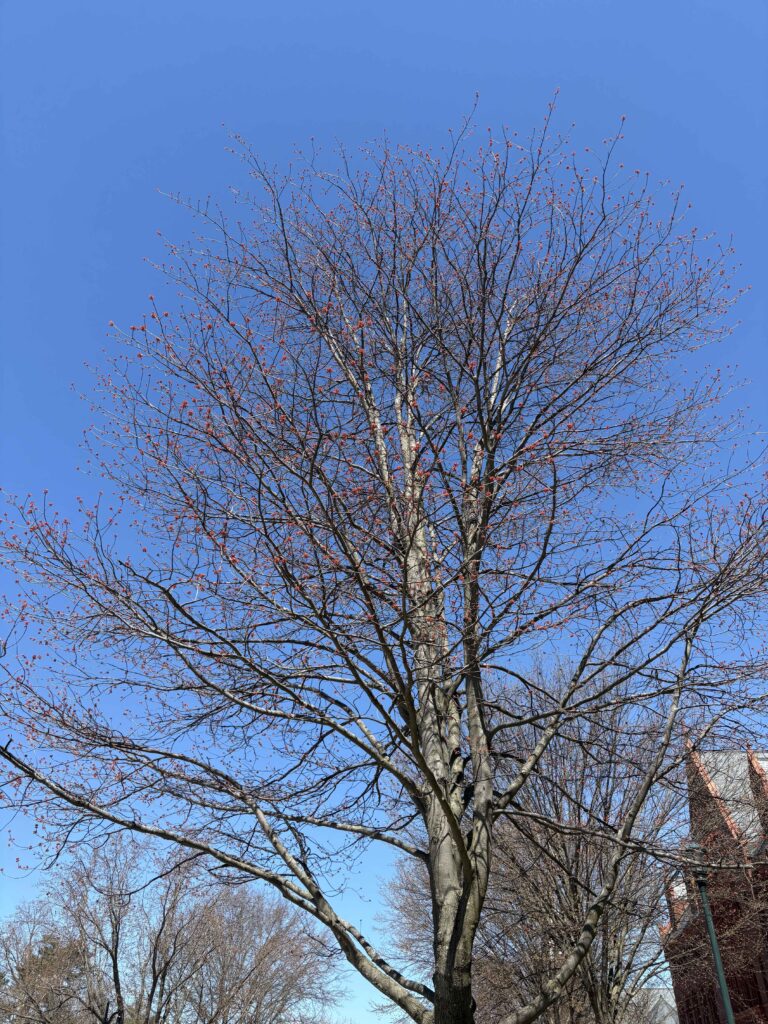
Tree 4: Red Maple
While I could not see any breaking leaf buds, there were many many flower buds and flowers across this tree. They were small and red in color, but way too high for me to see any more detail.
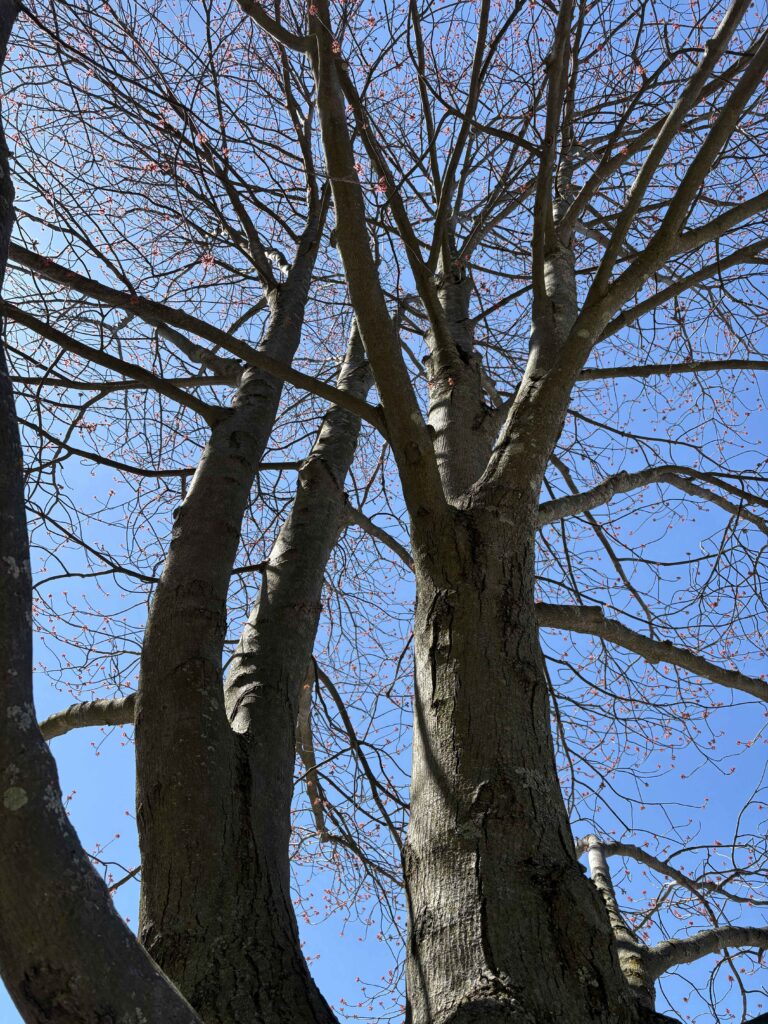
Tree 5: Norway Maple
This tree had a decent amount of breaking leaf buds as well as some flower buds.
Through this “phenology walk” of sorts, I ultimately came to the conclusion that it is incredibly difficult to determine many phenophases while significantly shorter than a tree’s lowest branch. None of the trees had expanded leaves, and many of them had buds which were just barely breaking, if at all. The Red Maple seemed furthest along in it’s transition into spring, appearing to be fully flowering in the next week or so and shoot out leaves soon after that.
The National Phenology Network
The “NPN” is the broader network our data collection falls under. The “Nature’s Notebook” App is what we were required to use during our walk, which is NPN’s app for data collection similar to how iNaturalist utilizes recreational nature enjoyers as a tool to collect data. They have a website which has a ton of information on phenology and for this assignment we were also asked to look over a publication/news article posted by them surrounding phenology, some of which have been created using the data they’ve collected through “Nature’s Notebook”.
“Are plant and animal species responding differently to climate change?”

Phenological mismatches are increasing as the climate changes. Plants are effected at a more rapid rate, with plants’ leaf outs and blooming earlier in the year. Animals have been found to respond slower to climate change and are therefore suffering due to the changes in timing of key phenophases. This study involved information collected from a variety of databases, including the USA-NPN.
Our data collection here on campus is levels below the size of the data used in this study, but may attribute to similar ones in the future. By looking at tree phenophases on campus, we can infer things occurring at a larger scale when also considering other factors such as climate. While we may not be able to determine exactly how the plant and animal interactions have changed globally by looking at a few trees, we can help contribute to datasets which might be used for future research on climate change.