Monday, April 24th

Throughout my first year at the University of Vermont, I had the opportunity to explore the beautiful Centennial Woods Natural Area. With each visit, I witnessed the ever-changing landscape and discovered new wonders of nature.

As the seasons shifted, I observed the phenological changes in Centennial Woods. In the early days of fall, vibrant hues of red, orange, and yellow painted the trees, creating a breathtaking tapestry of colors. I spent hours wandering through the rustling leaves, captivated by the beauty of nature’s transformation.

Winter arrived, and with it came a blanket of snow that covered the forest floor. My footprints were some of the only ones to disturb the snow-covered trails. The trees stood tall, their branches covered in ice glistening in the winter sunlight. The silence that enveloped the woods was truly amazing, broken only by the occasional chirping of winter birds.

As spring emerged, I noticed the awakening of Centennial Woods. Shoots pierced through the thawing ground, announcing the arrival of new plant life. Blossoms adorned the branches, and the air was filled with the smell of damp soil and leaves. This has been my favorite time to visit Centennial as it has been beautiful and full of change.

However, it wasn’t just the cyclical changes in nature that I observed. Centennial Woods also bore the marks of human and storm-induced changes. New trails were worn in as people began to walk off the main paths. Educational signs dotted the paths, providing insights into the ecological importance of the area.

Occasionally, I would come across fallen trees, their trunks weathered and worn. Storms had unleashed their fury upon the woods, reshaping the landscape and leaving behind a reminder of the power of nature. Yet, amidst the changes, I saw the resiliency of Centennial Woods, as new saplings emerged from fallen giants, proof of nature’s resilience.

Throughout my visits, I became familiar with the major and minor landmarks of Centennial Woods. The towering Oak I visited often, with its gnarled branches and sprawling canopy, became a symbol of strength and wisdom. The babbling brook that meandered through the woods became a spot I would often sit.

In Centennial Woods, nature and culture intertwined seamlessly. The woods served as an outdoor classroom, where students and visitors could learn about and appreciate the natural environment.

As I continued my visits throughout the year, I couldn’t help but feel a sense of belonging. Centennial Woods had become a place where I felt connected to the cycles of nature. I would definitely consider myself a part of this place, for it had awakened a deep reverence and love for the natural world within me. I have recognized that I, too, am a thread woven into the fabric of Centennial Woods—a witness to its changes and a guardian of its beauty.
Monday, April 10th

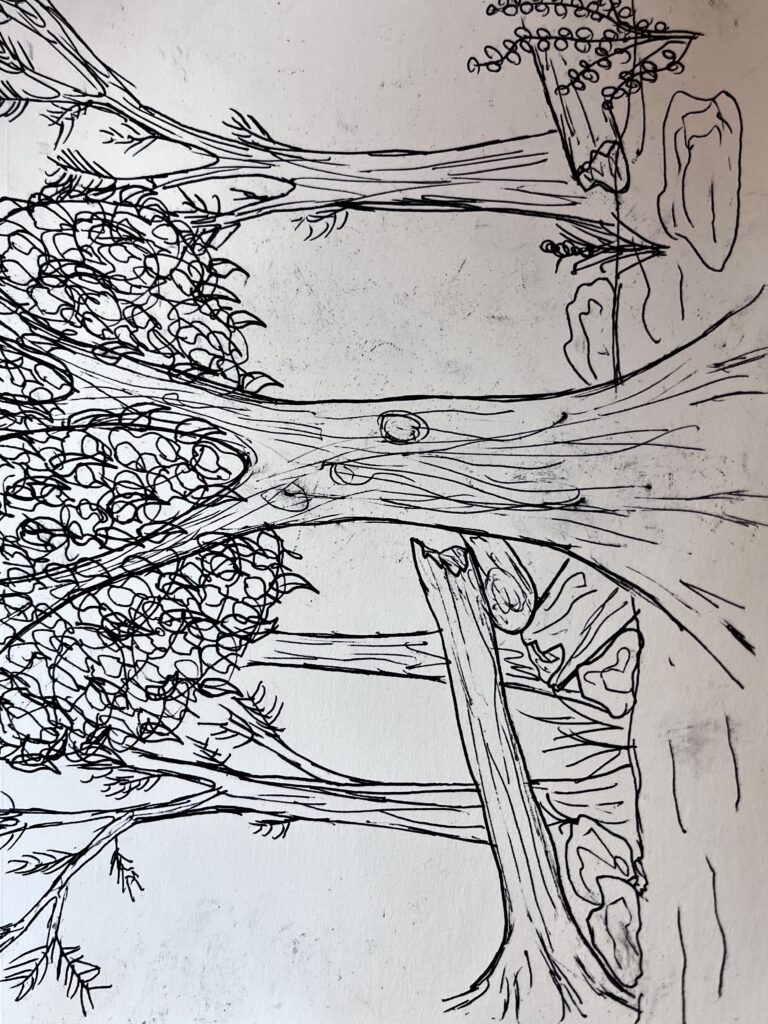
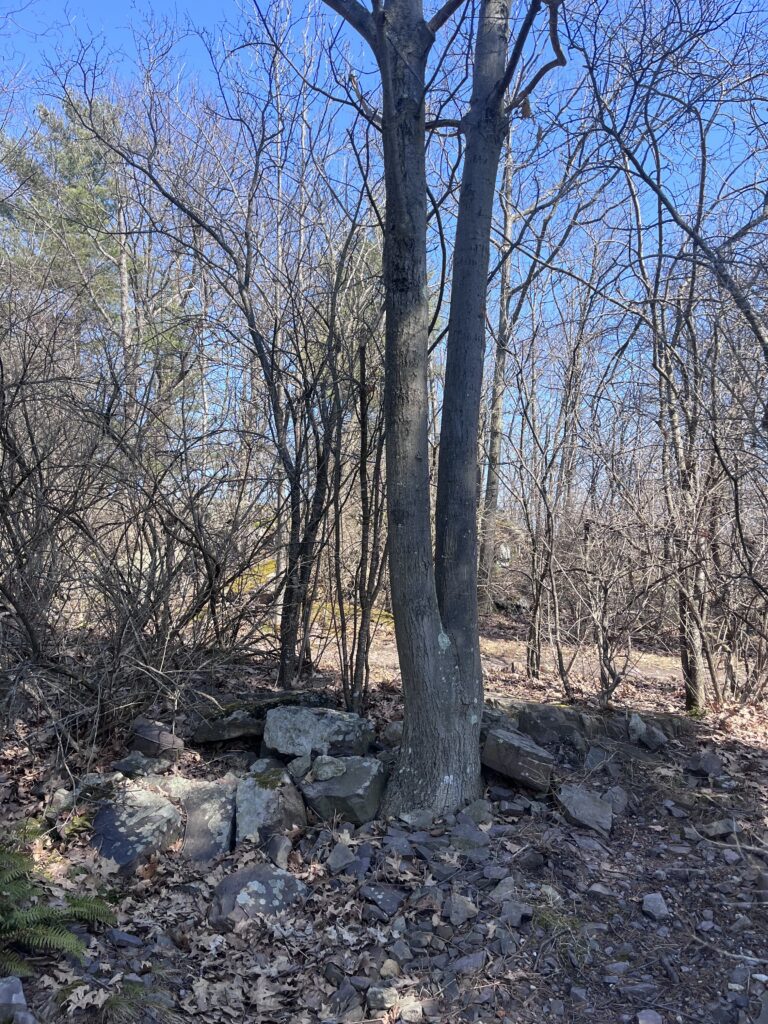
On this visit changes are present everywhere, those once tightly closed buds have now burst open, revealing a breathtaking sight. The branches of our Northern Red Oak are adorned with buds. Their color dances in the sunlight, infusing the tree with a newfound vitality.

Phrenologically speaking, these fully developed buds symbolize the tree’s complete embrace of growth and rejuvenation. Each leaf represents the Northern Red Oak’s ability to harness the energy of the sun, transforming light into life-sustaining nourishment. It’s a reminder of the tree’s connection to the cycles of nature and its role as a vibrant participant in the ecosystem.

As I stand in awe of this magnificent tree, I’m filled with a profound sense of gratitude and wonder. The Northern Red Oak serves as a reminder that, just like the tree, we too have the potential to blossom and flourish, even after enduring the coldest and harshest of winters.

As I walked deeper into the woods I was met by green shoots sticking up in the understory, the surrounding forest looks very similar however the understory has begun to come to life, and continued recent rains have promoted growth throughout the forest.

Monday, March 27th

Today I revisited my tree and bring a new update on our Northern Red Oak as the Vermont winter gradually relinquishes its hold. The signs of spring are becoming more pronounced, and our tree is embracing the changing season with grace and resilience.

Since our last update, there has been a beautiful transformation taking place. Delicate buds have started to emerge from the tips of the Northern Red Oak’s branches like tiny promises of life waiting to unfold. These buds, still tightly closed, hold within them the potential for new growth and vibrant beauty.

Phrenologically speaking, these budding branches symbolize the tree’s readiness for renewal. They represent the Northern Red Oak’s ability to harness the changing energies of the season, and they remind us of our own capacity for growth and transformation.

As I stand beneath the canopy of this majestic tree, I am filled with a sense of hope and anticipation. I will follow up this post with another update soon as we transition into spring and the forest becomes alive again.

Monday, March 6th

I want to share with you the fascinating journey of a magnificent Northern Red Oak as the Vermont winter slowly recedes. It’s incredible how nature’s cycles reflect the resilience and beauty of life itself.

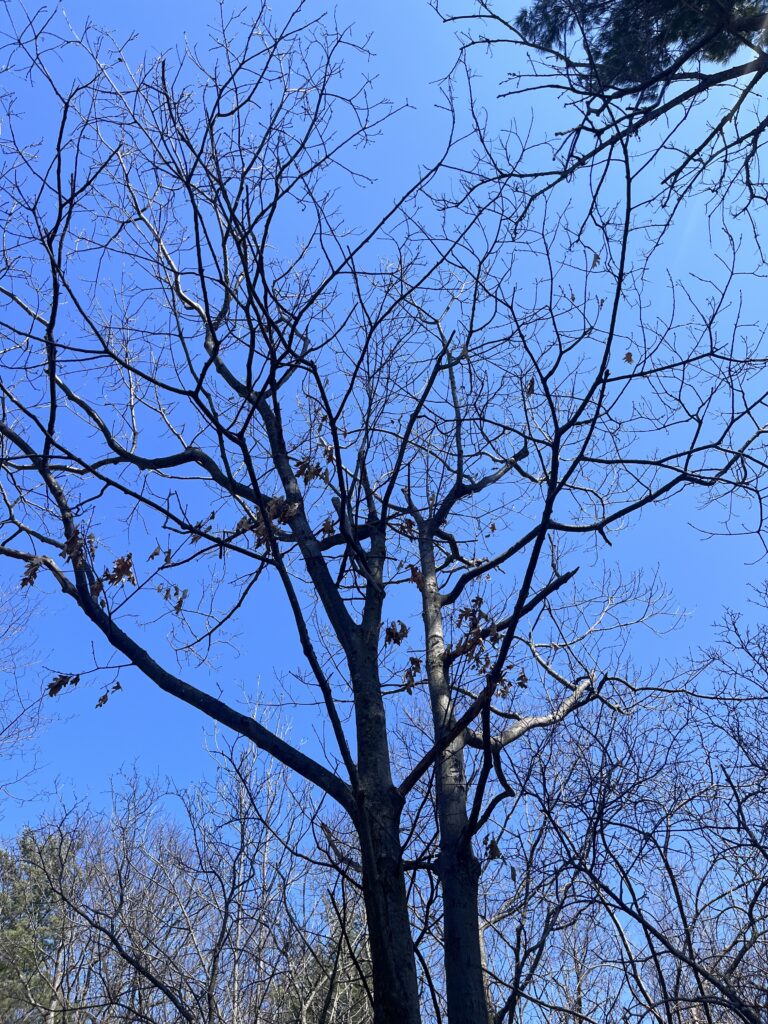
As I approach the tree, I am greeted by a mesmerizing sight: bare branches reaching out towards the sky, like intricate sculptures against the backdrop of a winter landscape. The Northern Red Oak stands tall, stripped of its foliage, a symbol of endurance in the face of adversity.

Phrenologically speaking, these bare branches signify the tree’s innate strength and perseverance. They symbolize its ability to weather the harsh winter and emerge stronger and more vibrant when the time is right. It’s a powerful reminder that even in the midst of challenges, there is a hidden energy waiting to unfold.

Standing in the presence of this majestic Northern Red Oak, I’m filled with a sense of awe and inspiration. It teaches us that just as the tree sheds its leaves, we too can let go of what no longer serves us and prepare for new beginnings. The woods surrounding the tree also lay mostly dormant, with moss persisting as the only green in the area.

February 20th

For this post we were instructed to choose a place within the greater Burington area, I traveled just outside of the city and studied the Bolton potholes, a natural area with large water features. I identified several tree species including Eastern white pine, Douglas fir, and Norway spruce. The trees found in this location were all relatively large, and able to withstand the high winds they face sitting elevated on a cliff. Exploring this new spot was interesting, as I was able to compare it to the place I selected originally in Centennial Woods it is amazing how the two spots, while so close together, differ so greatly. The woods are composed of completely different tree species, each suited specifically to their environment and conditions. I, unfortunately, was unable to use I naturalist, as my phone died only a few minutes into the hike. However, I was able to identify several species of tree, using the handout I carried with me, and find multiple sets of tracks in the area I explored. Overall it was a great experience exploring a new place and furthering my understanding of how different ecosystems function.

January 30th

For the start of the second semester, I have decided to continue using my original phenology spot, nestled deep inside centennial woods, upon visitation I have noticed several significant changes, there is almost no foliage left, in the overstory as well as the understory of the forest. White pine and several other conifers remain the only bits of greenery in the woods.

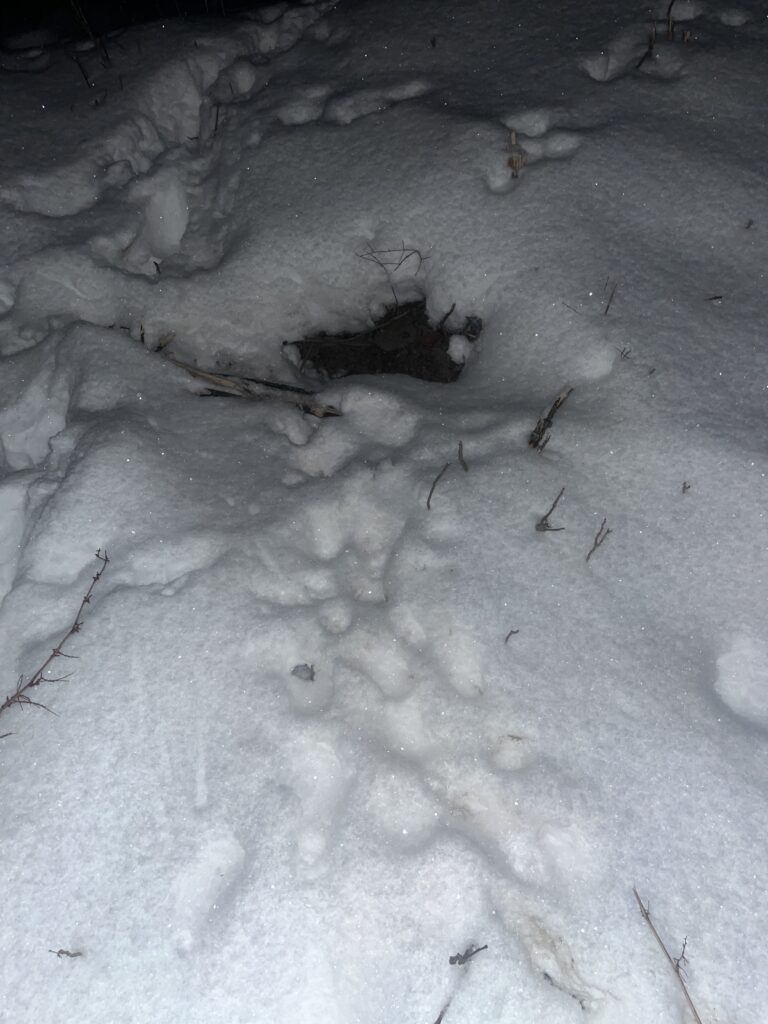
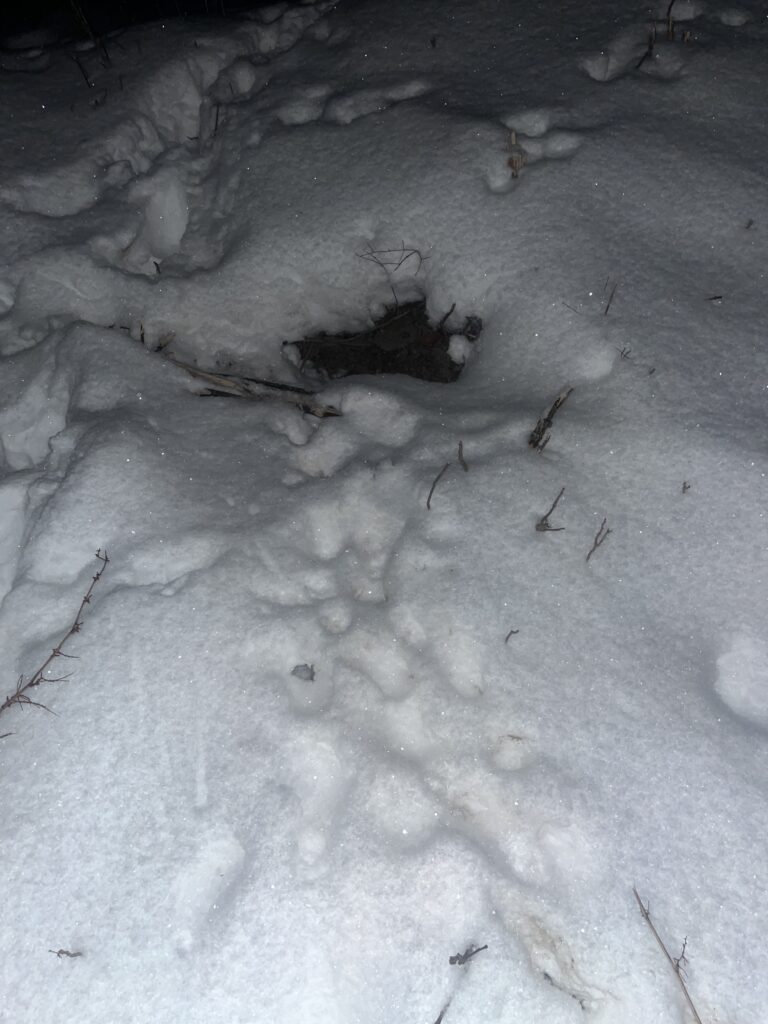
On this visit to my phenology spot, I explored the area, looking for tracks and other signs of wildlife, I visited at night due to my schedule and it was snowing significantly, making tracks rather hard to make out, I found several sets of tracks, including ones that lead to a den of sorts, unfortunately, due to the half inch or so of fresh snow atop the tracks it is extremely challenging to distinguish what they are. Photos are included below.

November 28th

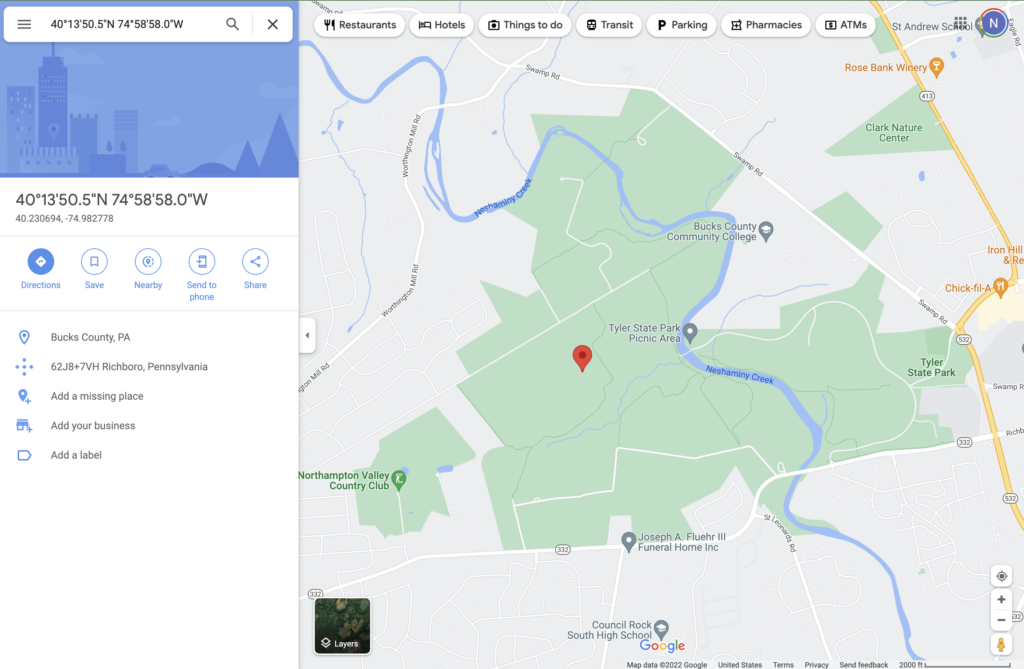
November 28th’s post has arrived, for this post, I am home, and have selected a temporary phenology located nearby. A short walk from my house this spot is located within Tyler State Park, the largest and closest skatepark nearby my hometown.

Here in this Image, you can see the location of my new Phenology spot, I found observing this new spot to be extremely interesting as it provided me an opportunity to compare and contrast what I found with my regular phenology spot located back in Burlington. It was a nice change of pace and enjoyed visiting the very park I used to frequent as a child.

One of the most noticeable differences was temperature, being more southern in Pennsylvania it was about 10 degrees warmer than it had been in Vermont, the composition of the woods was also completely different, there was very little understory left due to the deer issues we have in Pennsylvania, and the woods were composed of more hardwoods and fewer evergreens/conifers. The only animal life I saw while visiting this spot was gray squirrels as well as several deer.

November 7th

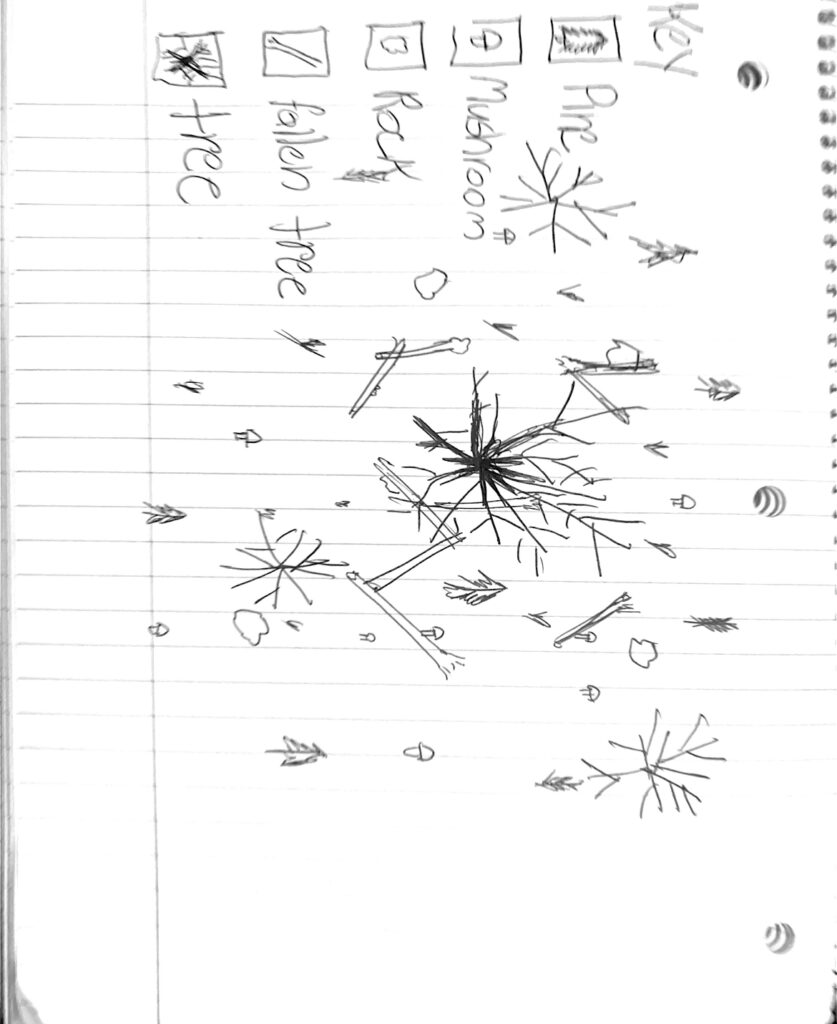
Yesterday I visited my spot nestled within centennial woods, I ventured towards the large ash tree that marks the central point and sat down, as I observed the sights and sounds around me I noticed several that stood out. They were the sound rustling of the leaves, as the wind propelled them through the woods, the sight of birds and squirrels in the leafless trees, and the smell of wood wet with the recent rain. In my map, you can see the center point marked by the large ash tree, surrounded by the smaller trees of many species, beneath them are the fallen logs, as well as the rocks.

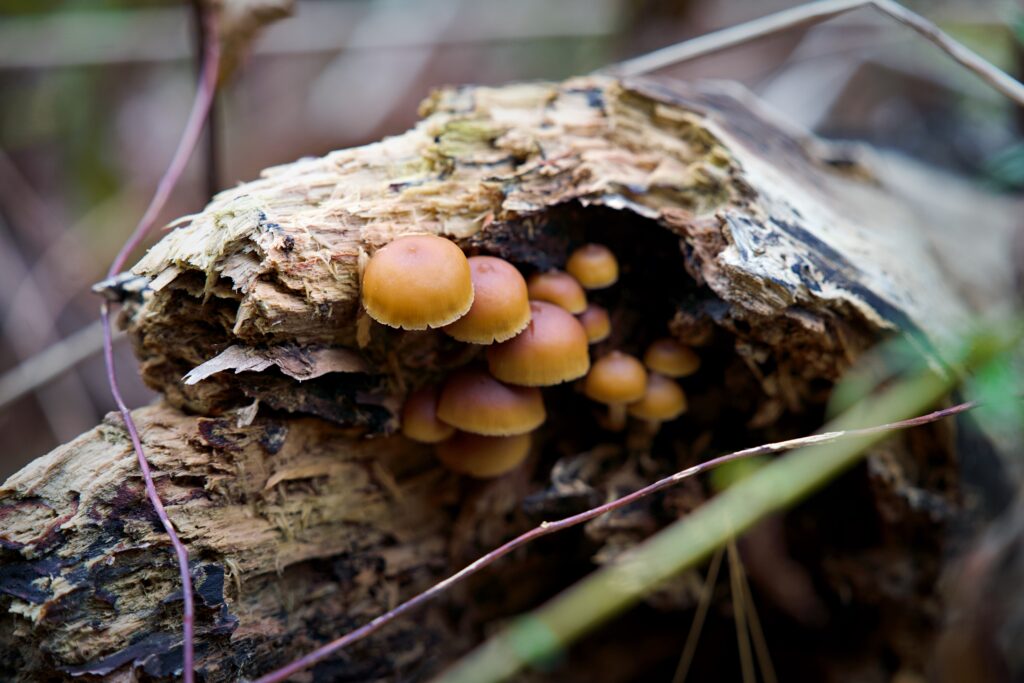
As far as changes I noticed essentially all the leaves have now fallen, and the understory is covered in dried leaves of many types, however, most other vegetation has remained the same, and the only noticeable changes were a slight darkening in color. Something I noticed on this visit that I previously had not was the number of mushrooms present, both on the ground and on logs/trees.

October 17th

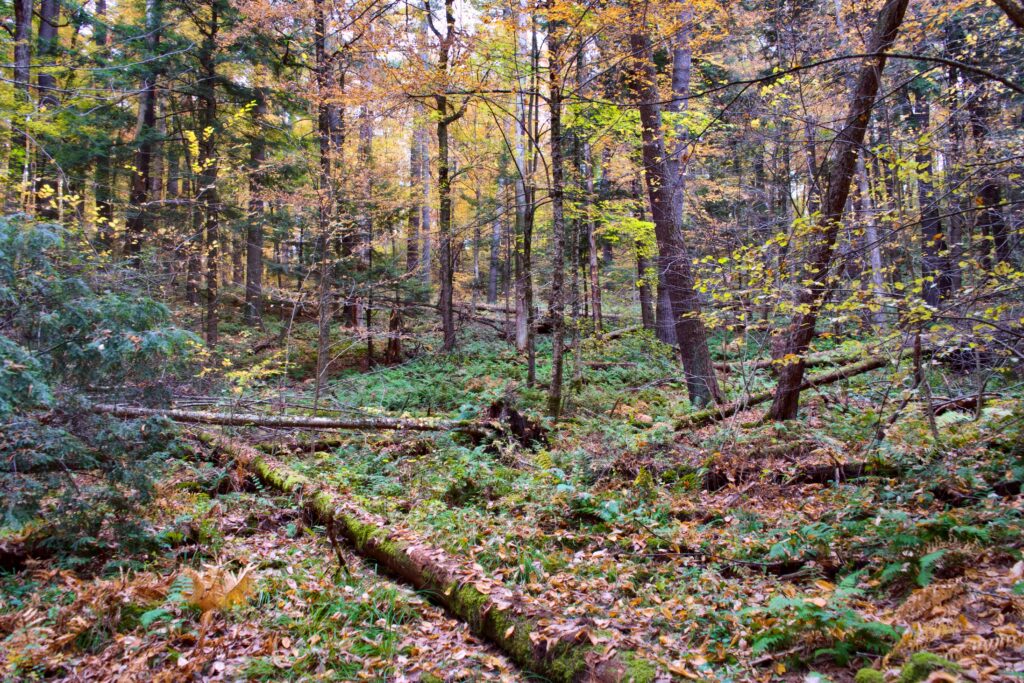
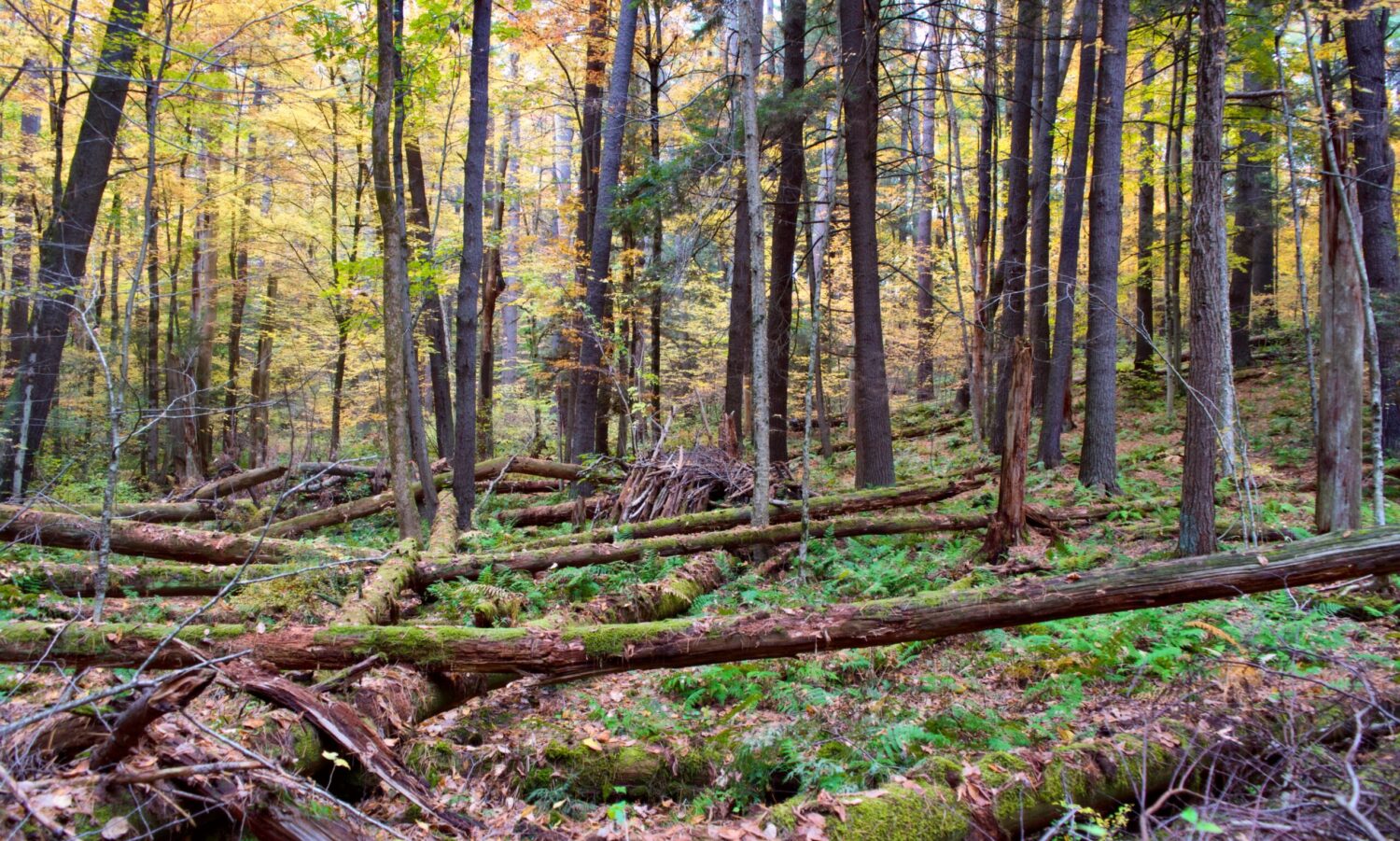
My phenology place is nestled away off of the beaten path in Centennial woods, to get there enter the woods and walk roughly half of the loop traveling to the left, after passing the marsh like area take a right and head deep into the woods. The center point of this spot is marked by a large ash tree, and you will know you are in the right area as it is surrounded by smaller fallen trees.

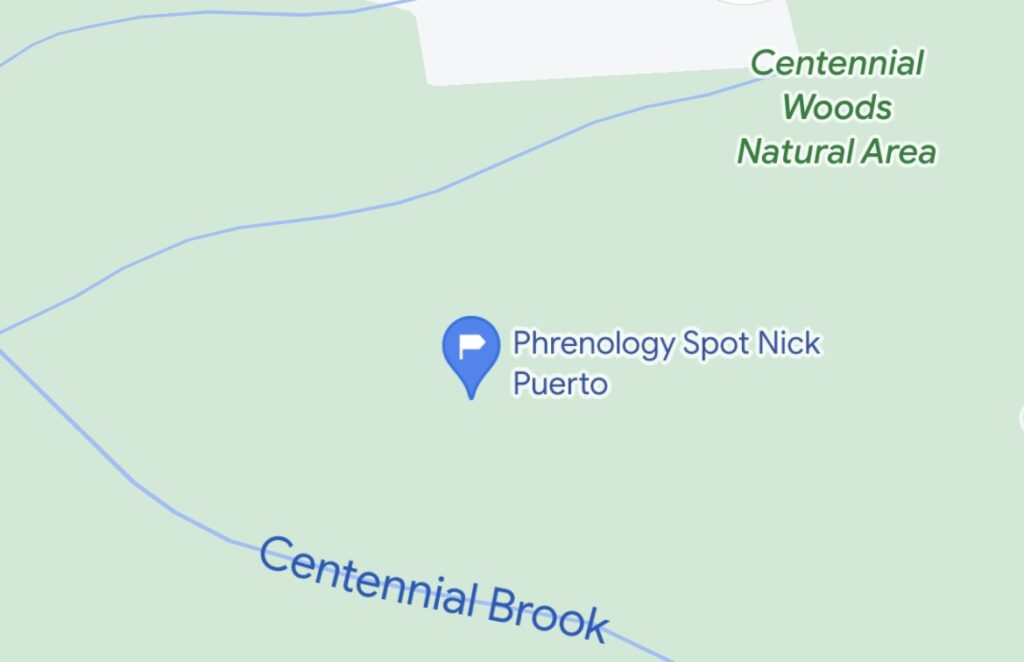
My Phenology spot as shown on google maps, coordinates are linked in the previous post.

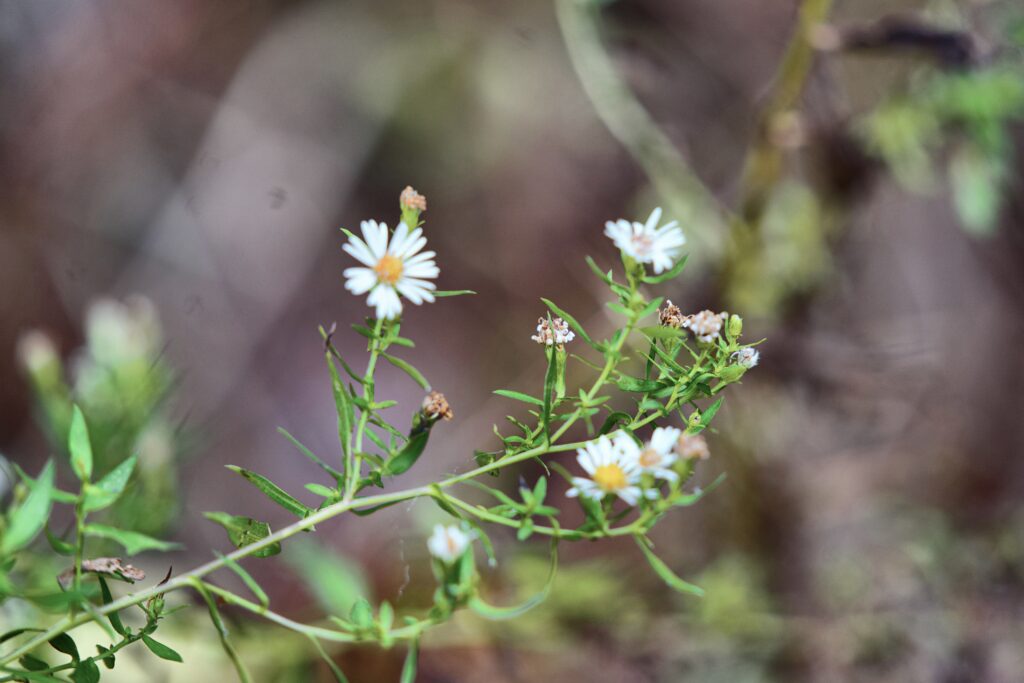
Many leaves have fallen already in this area and much of the understory is composed of ferns, it is truly a beautiful spot, other plant life in the area includes small hearty flowers as well as numerous types of mushrooms.

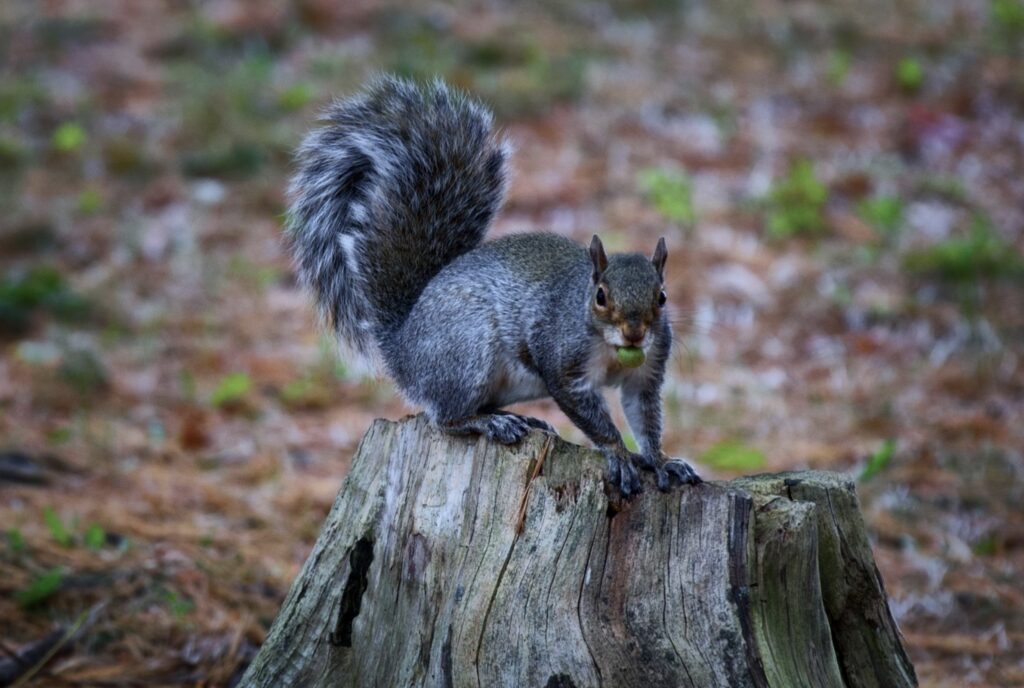
As far as animal life all that I captured a photo of today was a common grey squirrel, although i’m sure there are many smaller species and insects in the area.