For my post highlighting the ecology of a place back home, I wanted to go back and document a place that was instrumental to my passion for the environment. And that is a public park just about fifteen minutes from my house known as Benson Park in Hudson, NH.

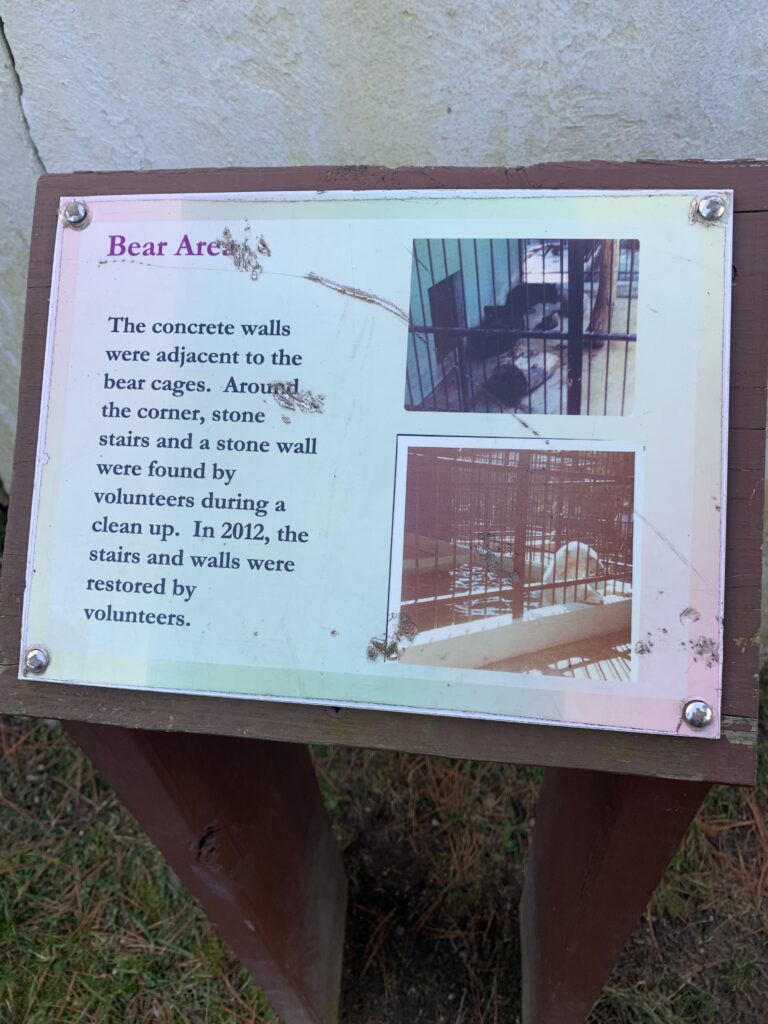
My mom would often take me here with my dog and we’d spend countless hours traversing the main park area and the attached forested hiking trails. It’s also a center of community as many picnics, cross country races, and other recreational activities take place there year round. The park has a very interesting history, originally being the place of “Benson’s Wild Animal Farm” which opened in 1924. John T. Benson was an ‘animal trainer and dealer who owned and operated the farm. A lot of animals would come though the zoo to quarantine and then be sent to other zoos or circuses. Around 1987 the zoo closed. Later, according to the town of Hudson’s info page, “The State of New Hampshire Department of Transportation (NHDOT) purchased the land for approximately $4 million in 1992 as wetlands mitigation to offset various highway projects’ impacts on wetlands. Of the approximately 168 acres of land, about 40 acres of wetlands will be constructed on the property.”. I loved learned about the site, it’s history, and taking long walks to appreciate it’s natural beauty. It was actually the site of a project for my individual AP Environmental Science class last year, which goes to show that I have grown a strong connection and knowledge of the area, which makes it all the more special to myself as an environmental science student.
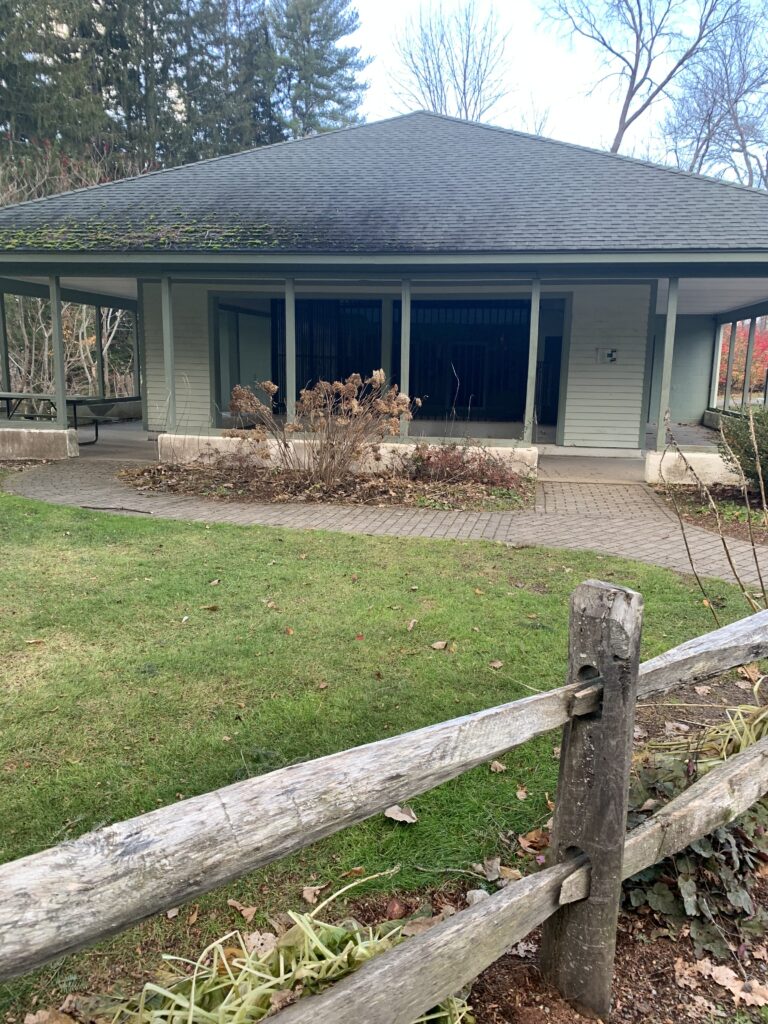
Some of the enclosures are still up and open for people to explore.
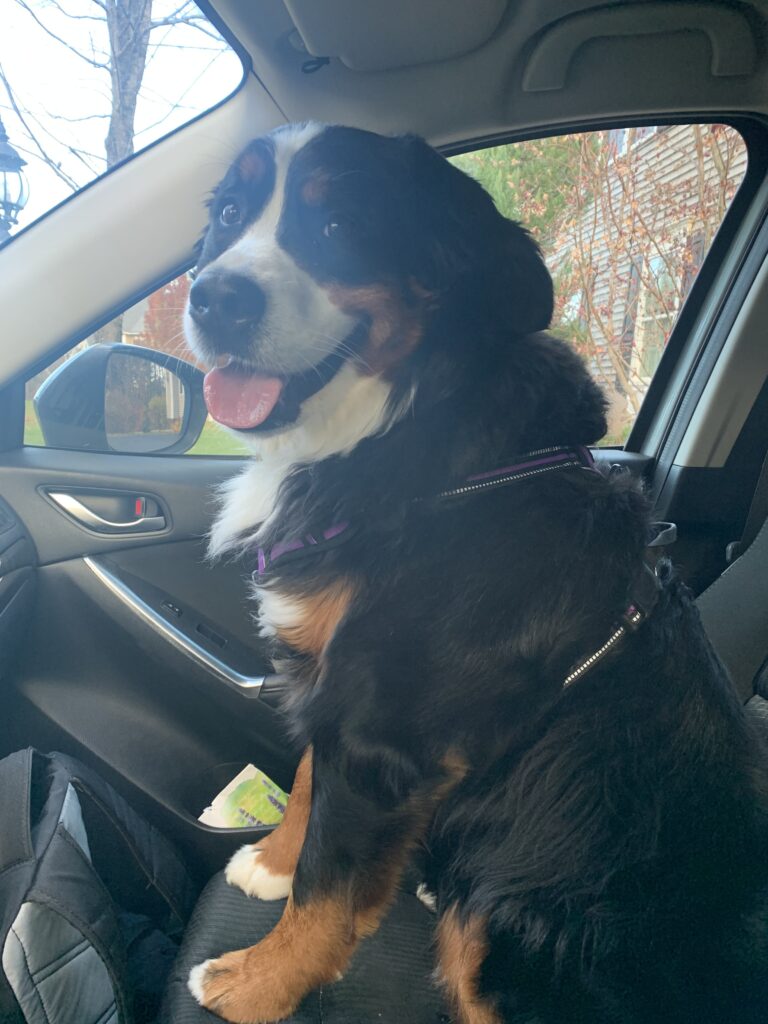
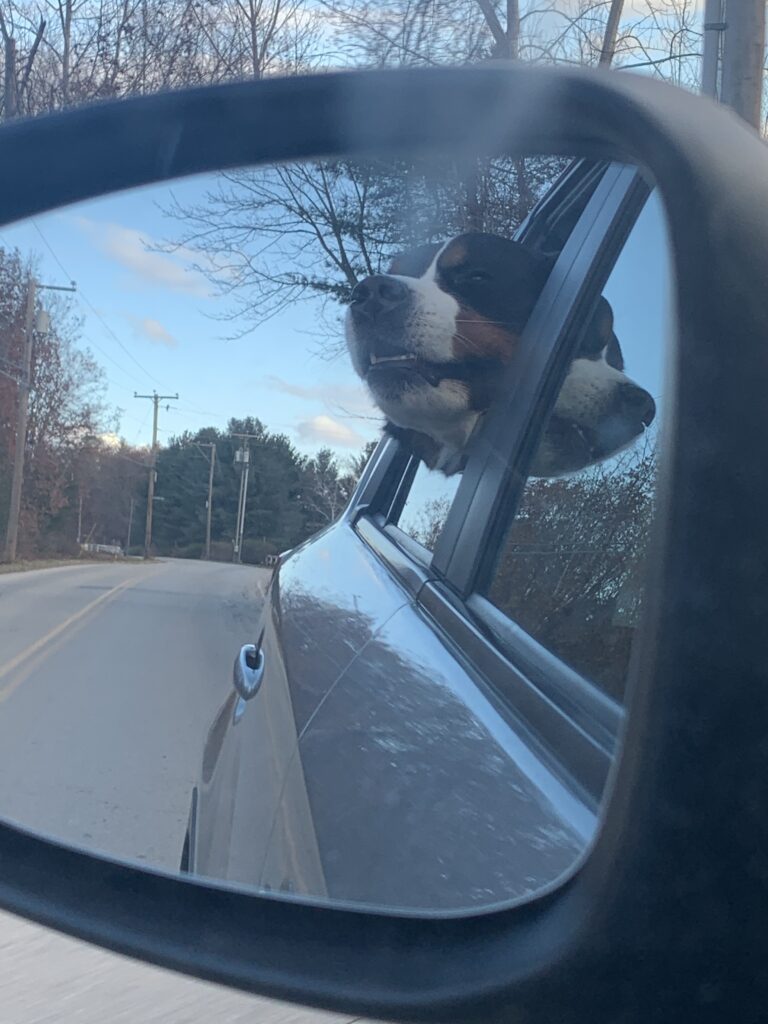
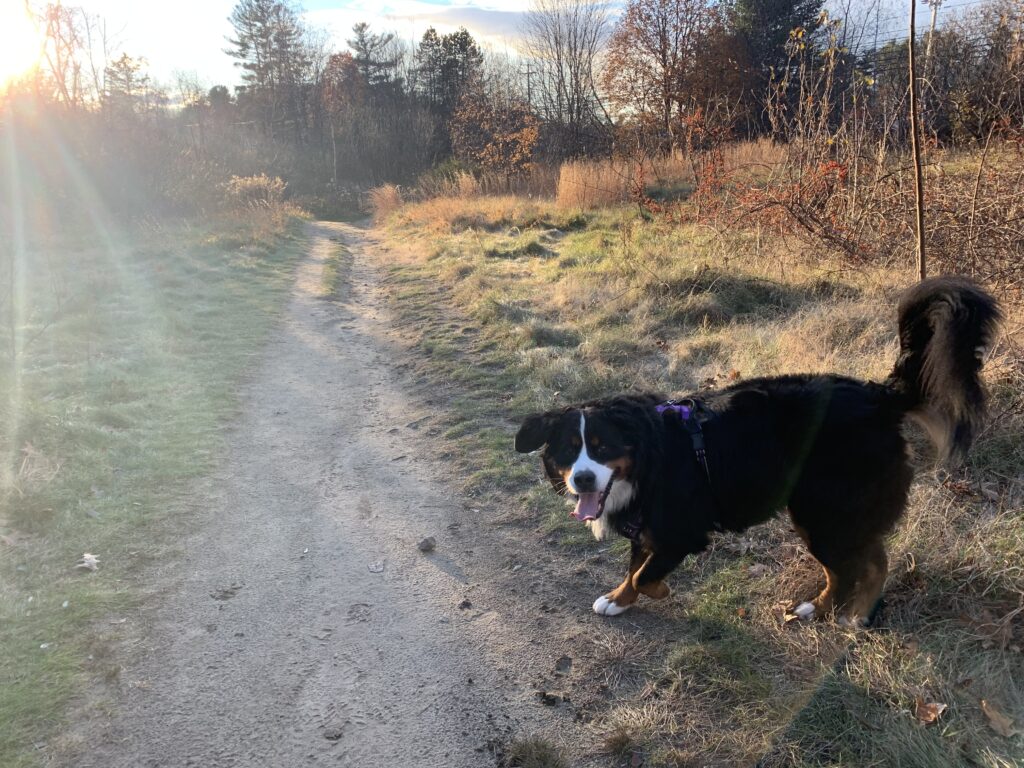
Not to forget my amazing hiking buddy, Millie!
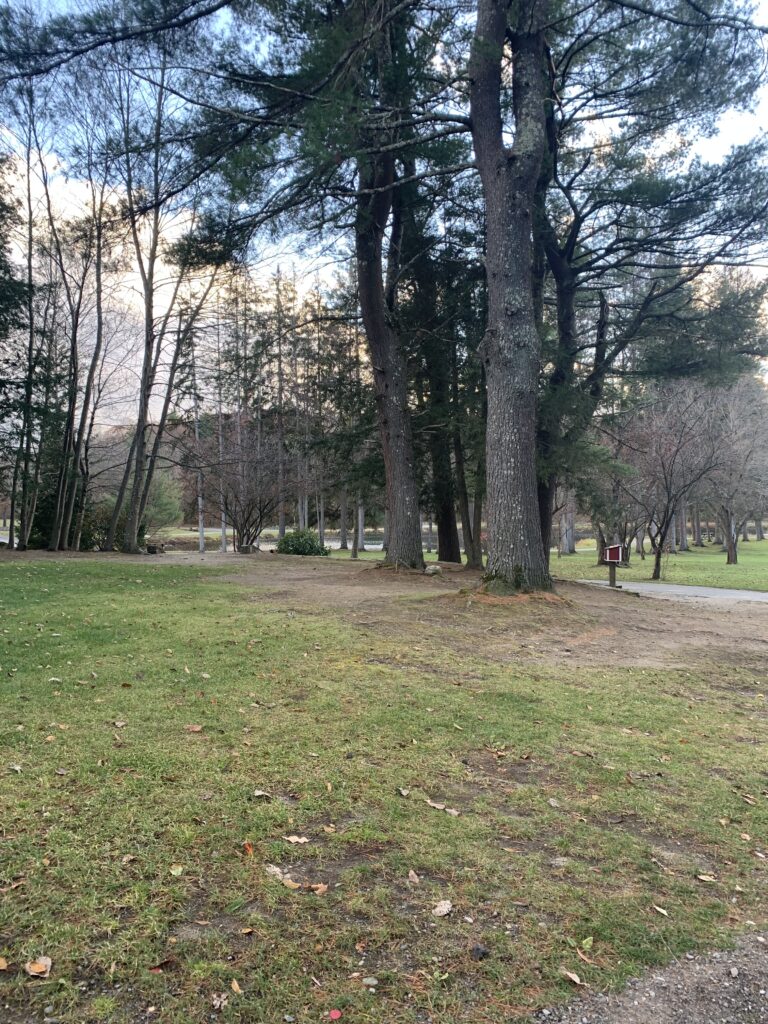
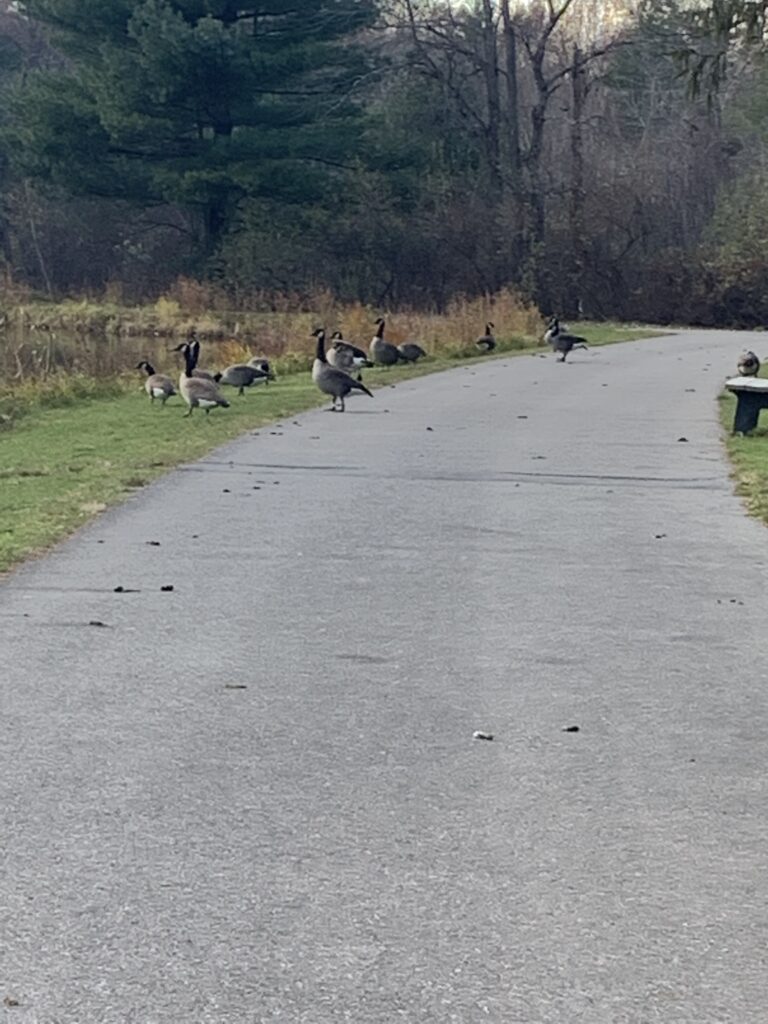
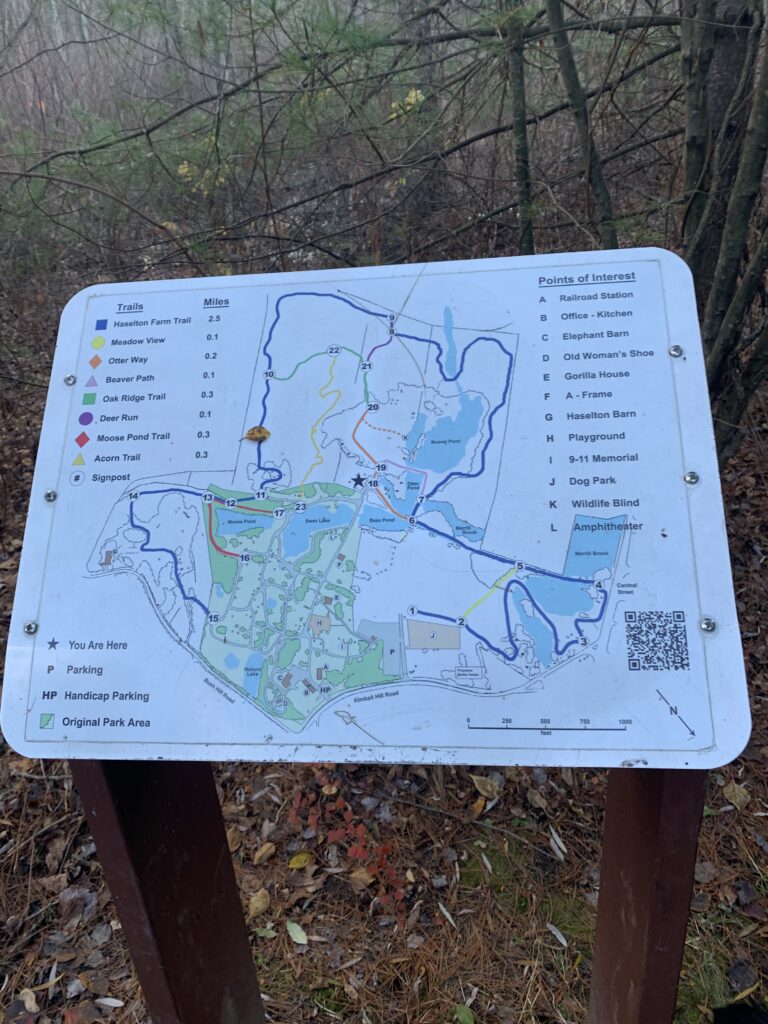
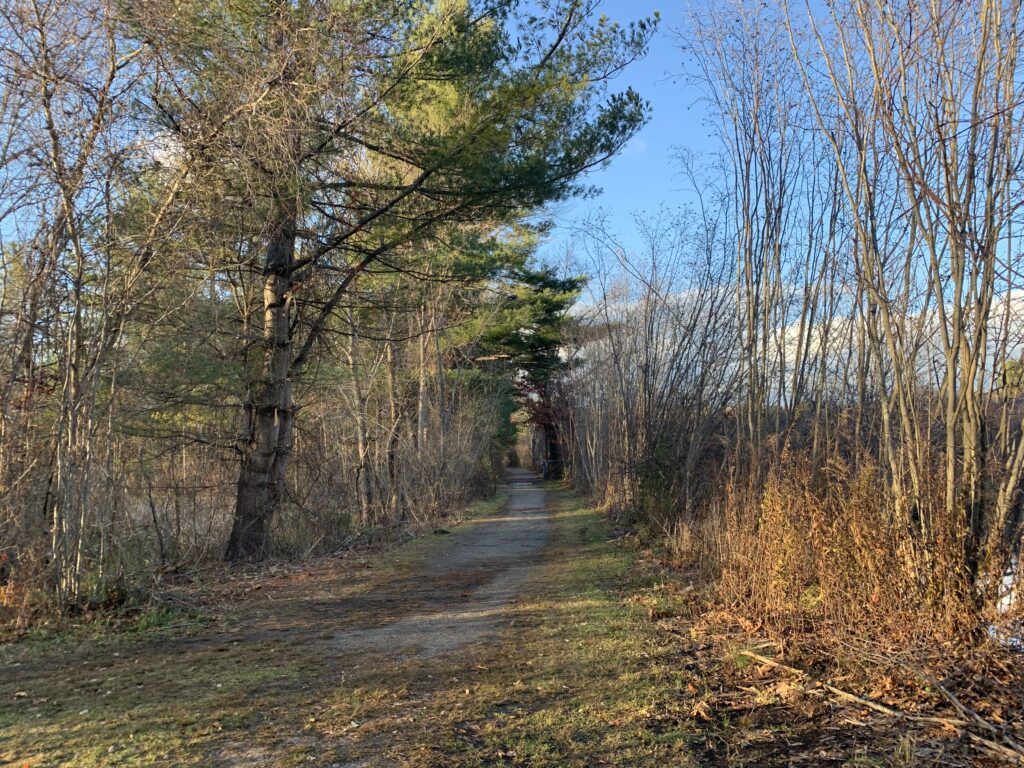
To the left and right of this path are more wetlands! Merrill Brook, Bass Pond, and Otter Pond 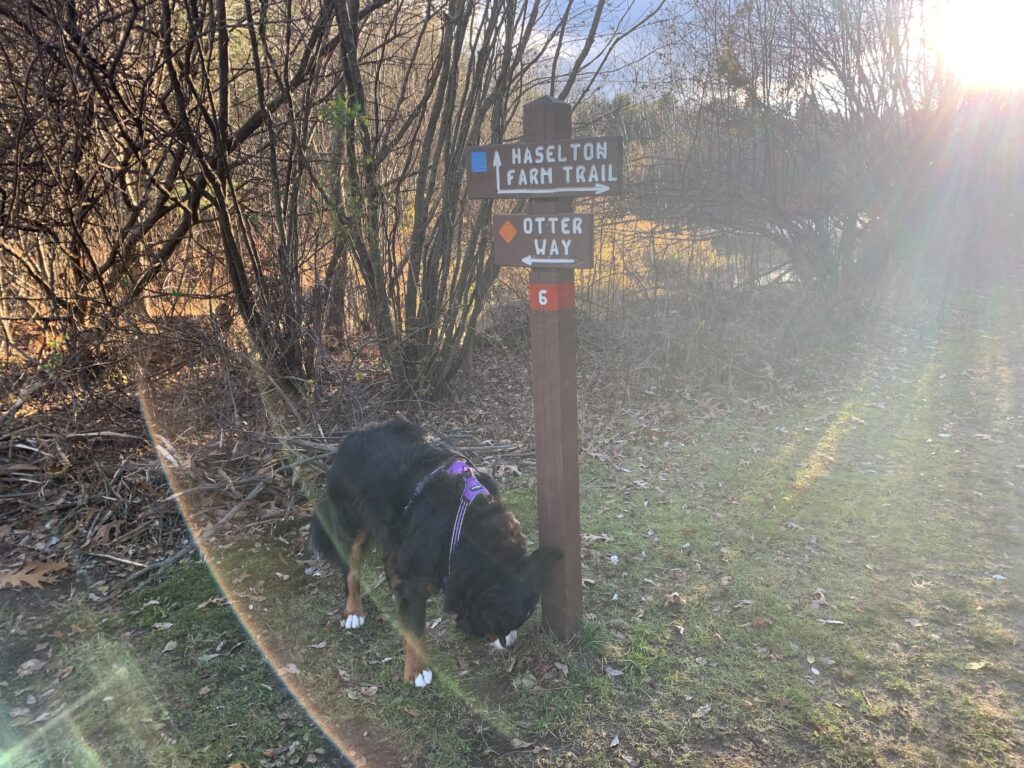
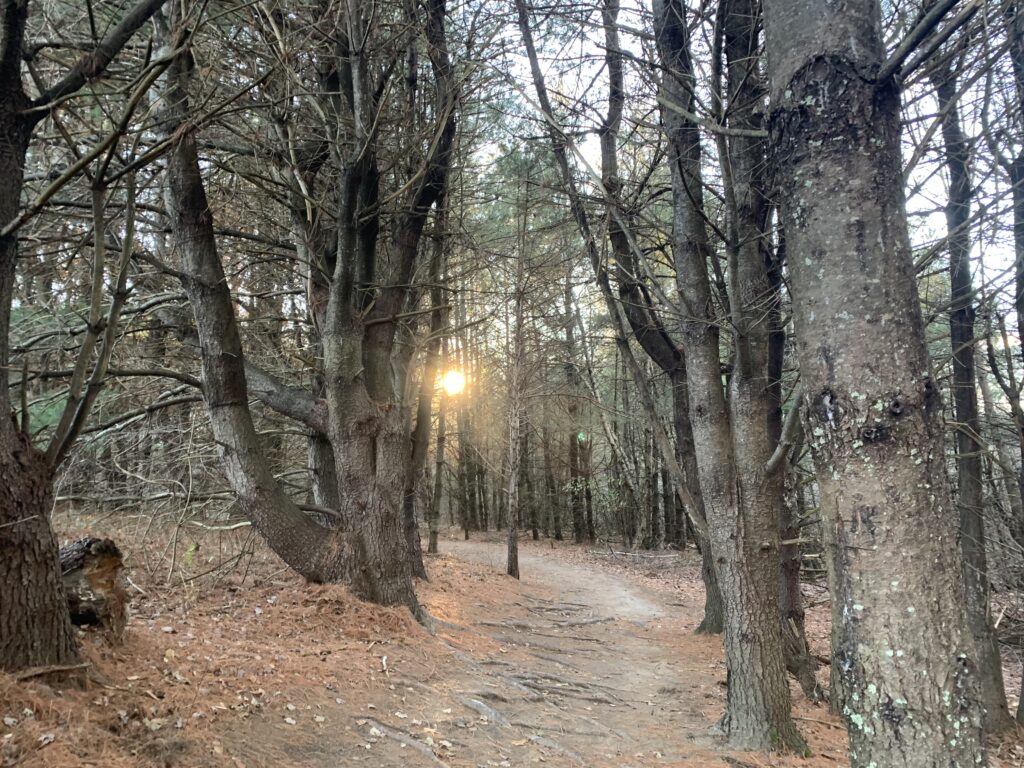
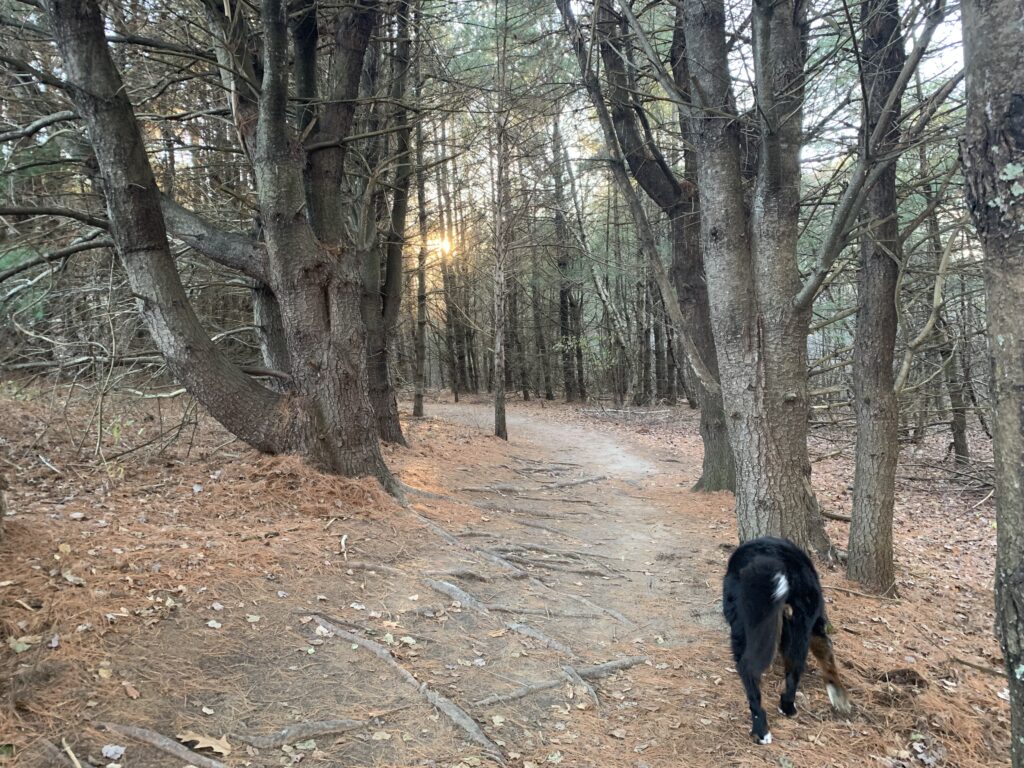
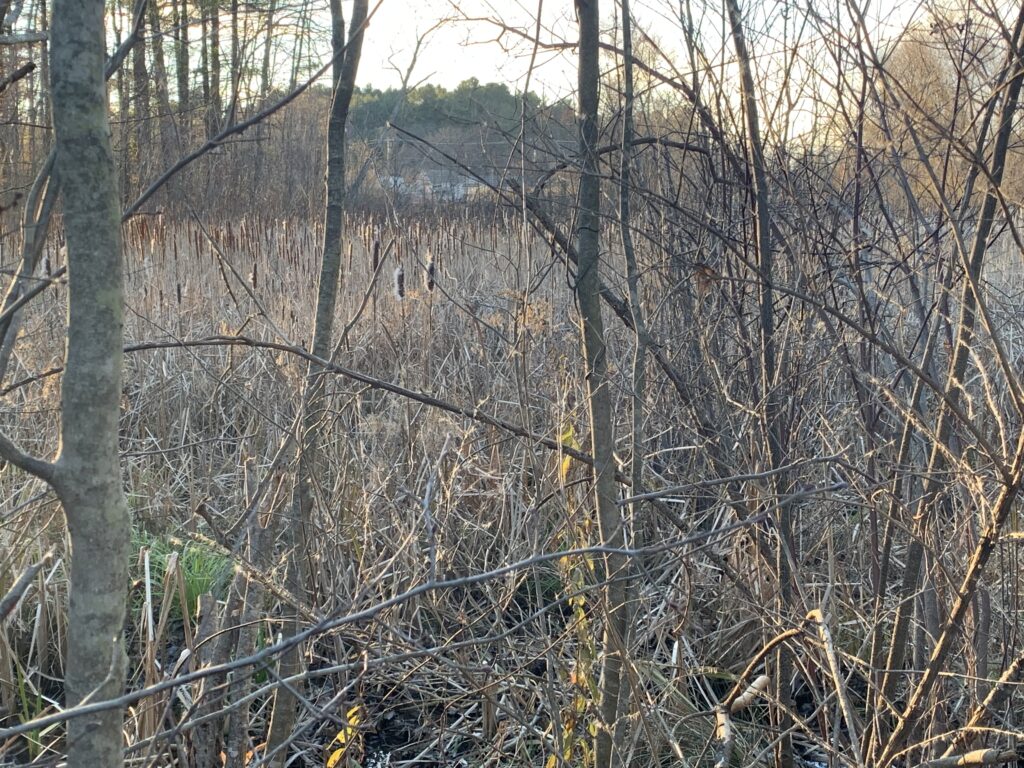
Photo of Beaver Pond 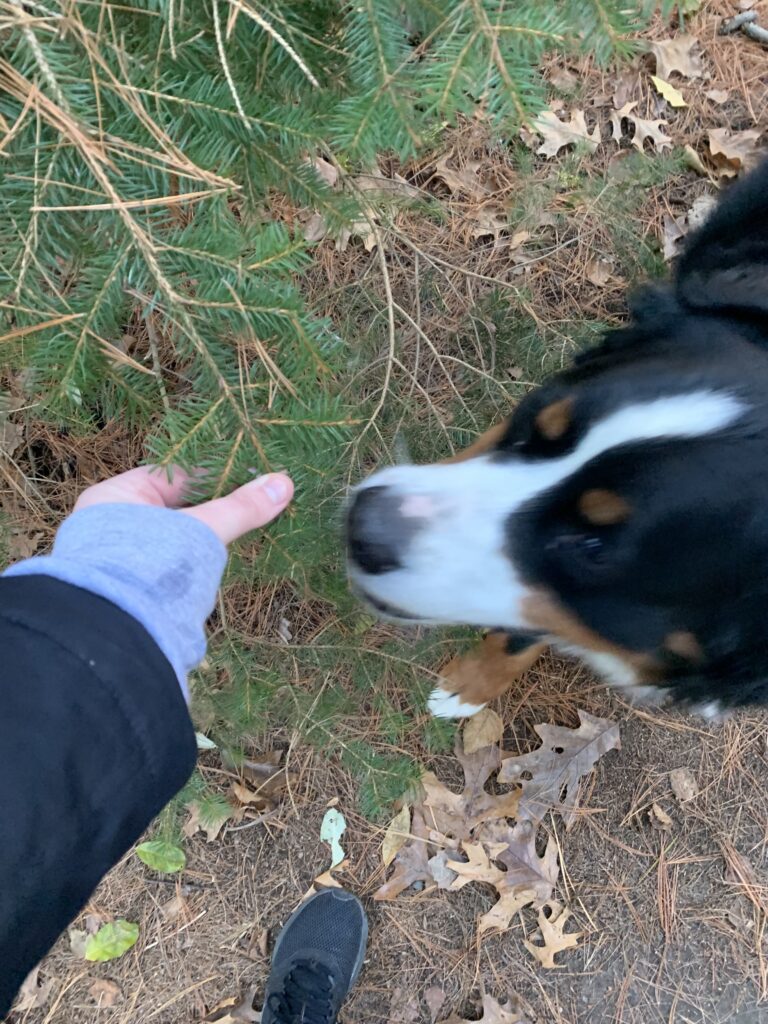
Millie trying to sample some of the focal species.


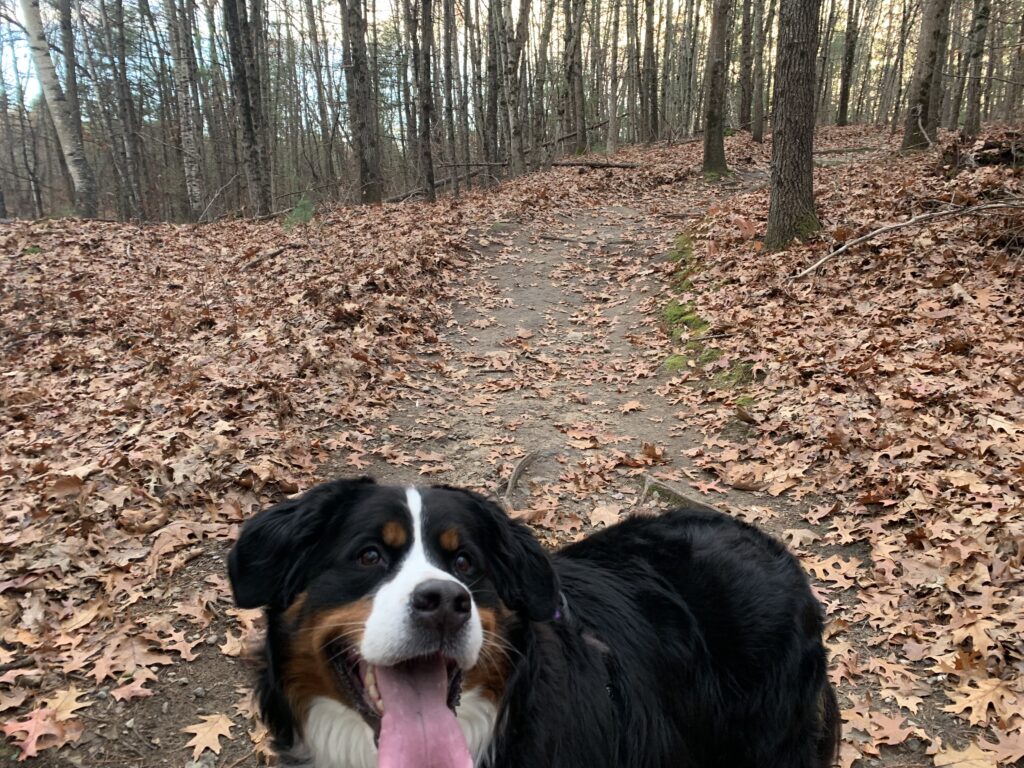

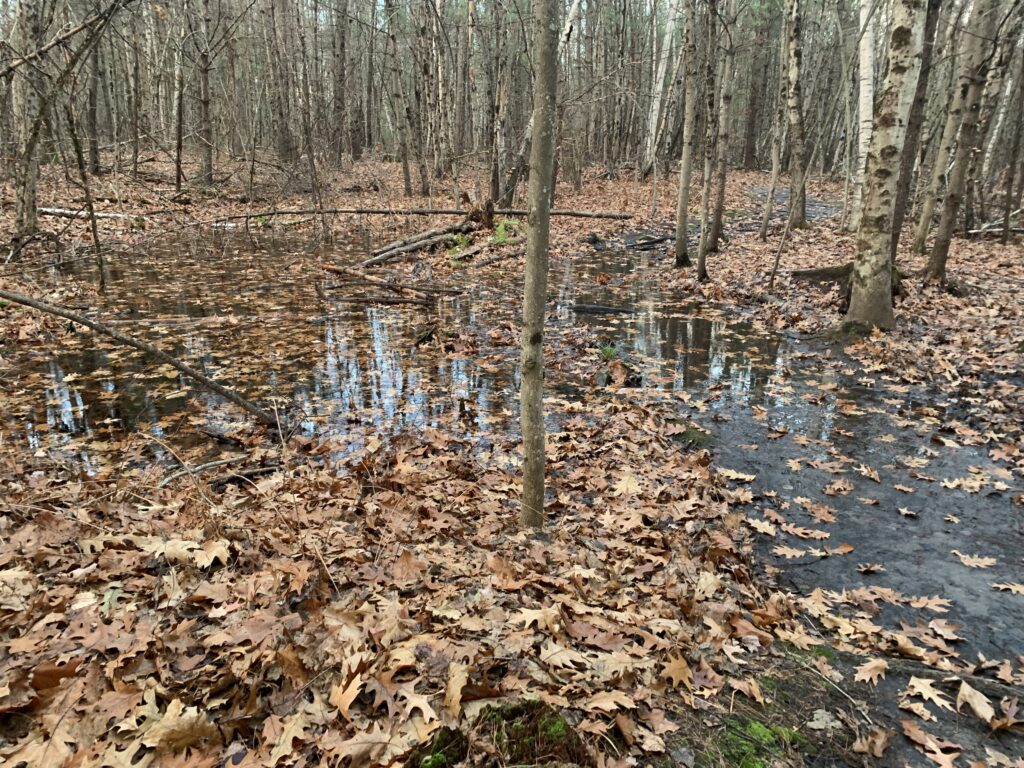

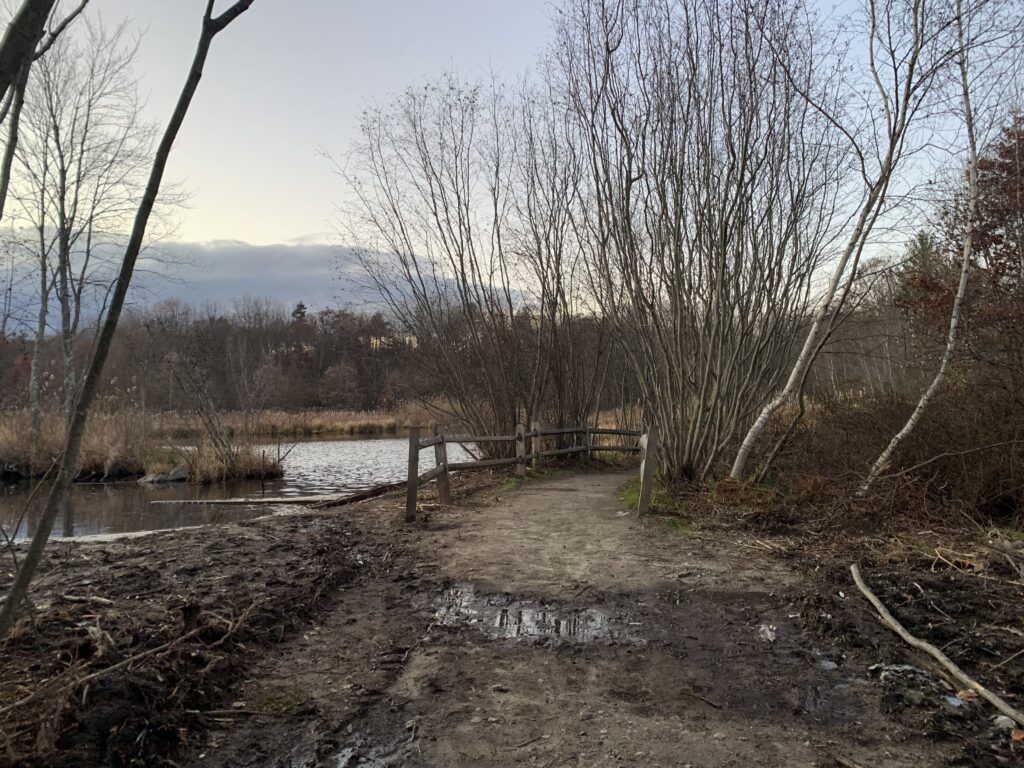
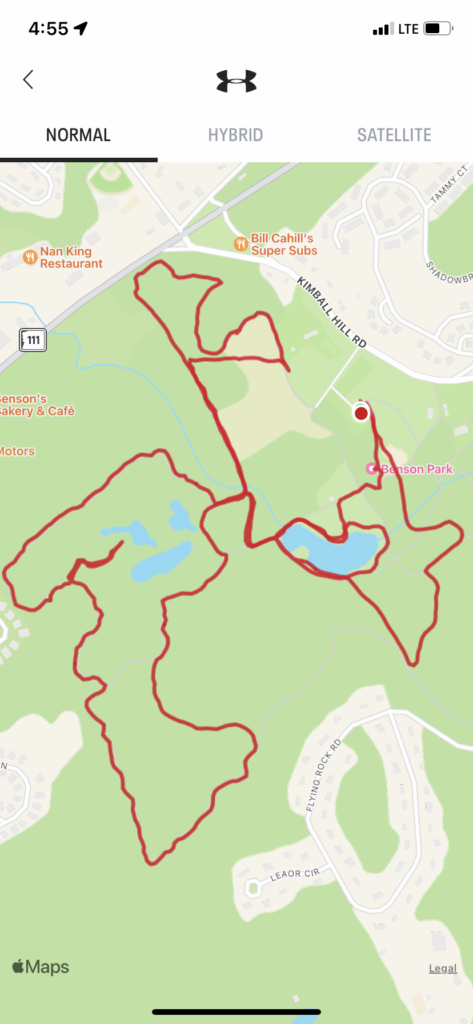
The natural ecology of Benson Park and Casavant Nature Trail are actually very similar. They are both within New England and therefore share many species of of plants. The two sights also follow similar phenology cycles, experiencing seasons around the same time and severity. However, the presence of wetlands such as ponds and lakes at Benson Park far outnumbers Casavant, which loops around one singular lake. There is also a much higher abundance of pine trees in Benson which do not exist in my phenology site. I also do not witness many native animal species while walking through Casavant, but I often encounter wildlife in Benson Park. As pictured above, there is a high population of ducks that live around the wetlands. I have also seen beavers, rabbits, squirrels, chipmunks, and snakes in abundance at Benson Park. Both sites sit very close or on developed urban lands, particularly busy roads.