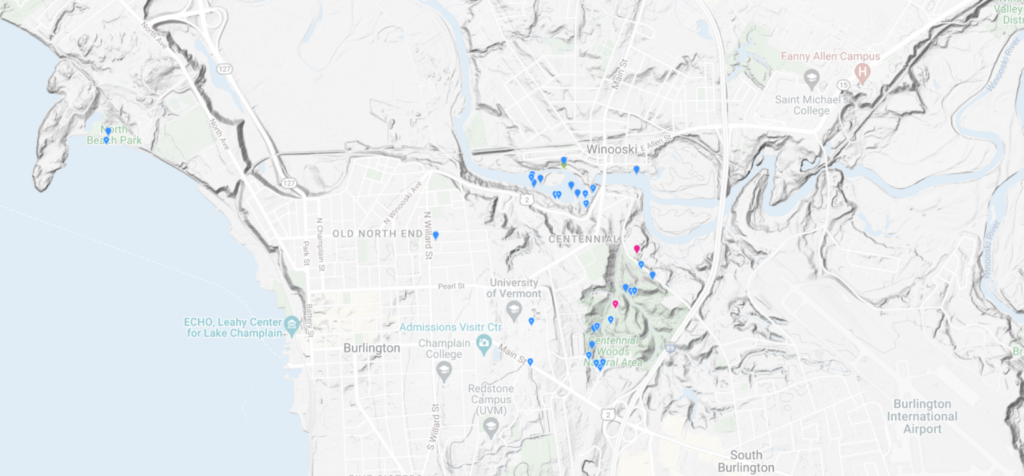
BioBlitz 2022

I started off the weekend making a few halfhearted sightings, from our lab room on Friday I spotted a finch and on Saturday I snapped a picture of a gull and a few mergansers down at North Beach. Sunday I decided I should pick up the pace and headed out for an afternoon in Centennial Woods.

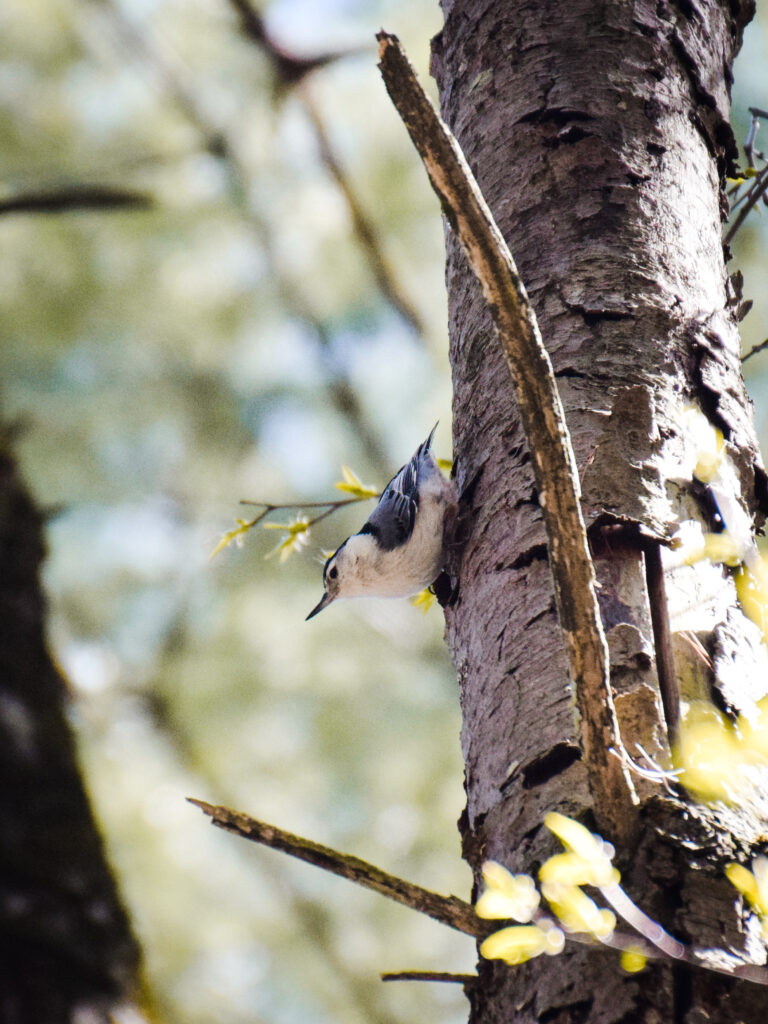
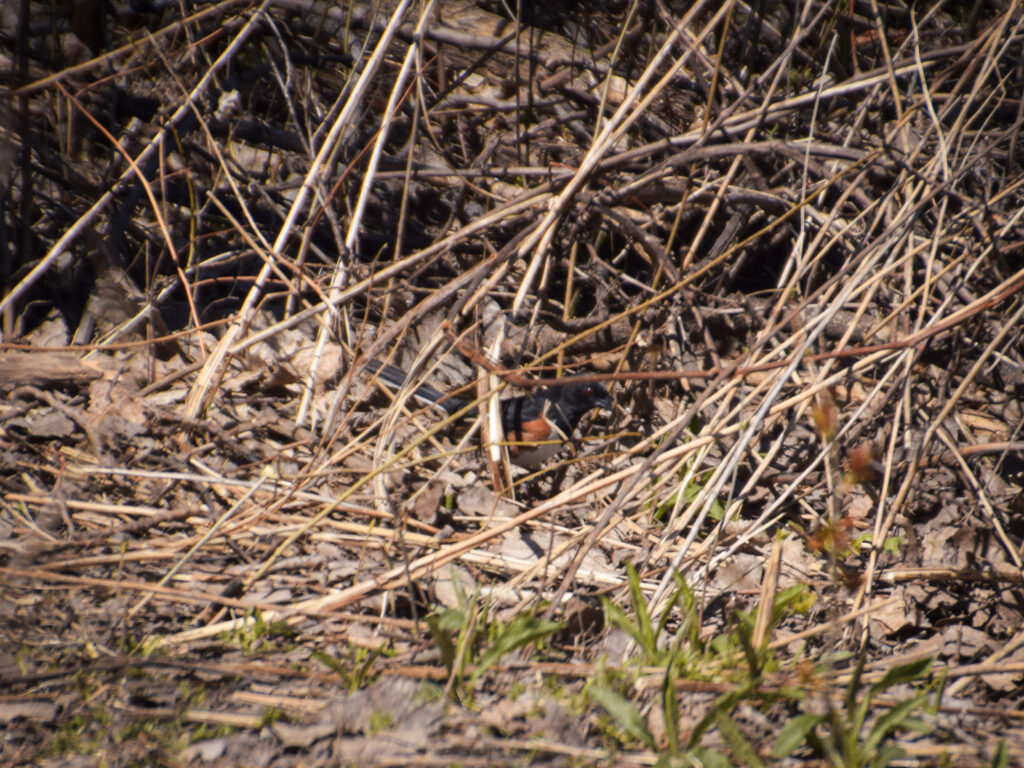
My ears instantly tuned to the sounds of birds in the canopy, which was refreshing given the near silence I’d experienced throughout the winter months. I stopped a few times on my way to the streambed, photographing birds at birdfeeders put up for a bio lab. Aside from the typical birdfeeder crowd, a white-bellied nuthatch swooped down and an elusive eastern towhee scampered out for just long enough to snap a picture.
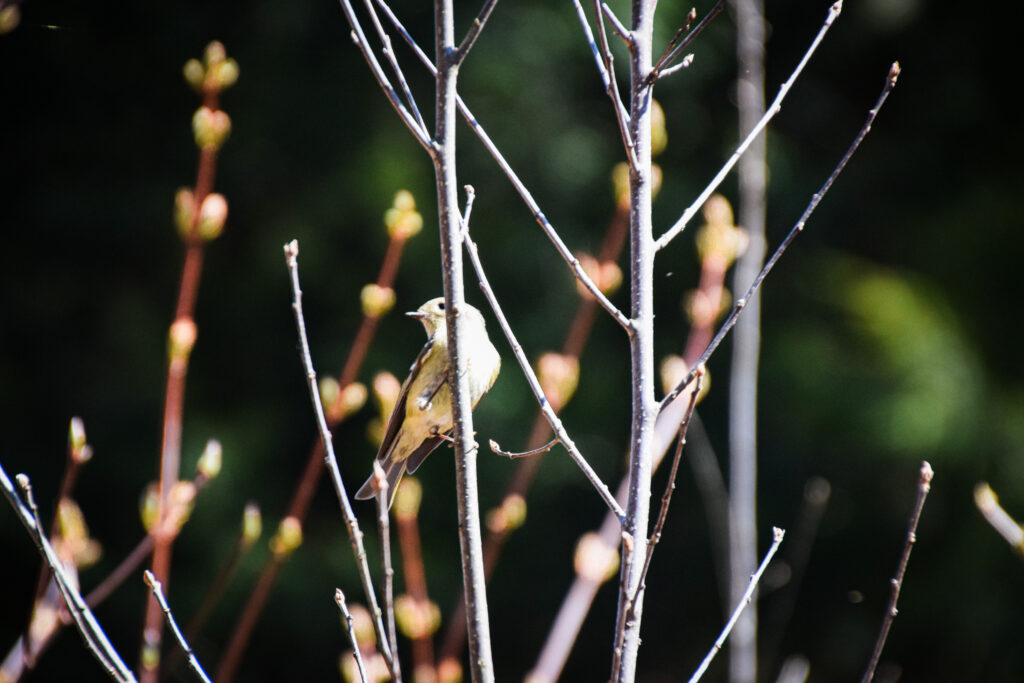
Out by the overflowing beaver pond I ran into a flock of ruby crowned kinglets fluttering in the reeds. I was hoping for some variety of waterfowl as well but there were none in sight.
While exploring the north end of centennial woods, which I’d never been to before, I heard a commotion and all of a sudden a barred owl swooped down in front of me and out into the woods. I tracked it down and we watched each other for a while before I decided to let it go about it’s day.
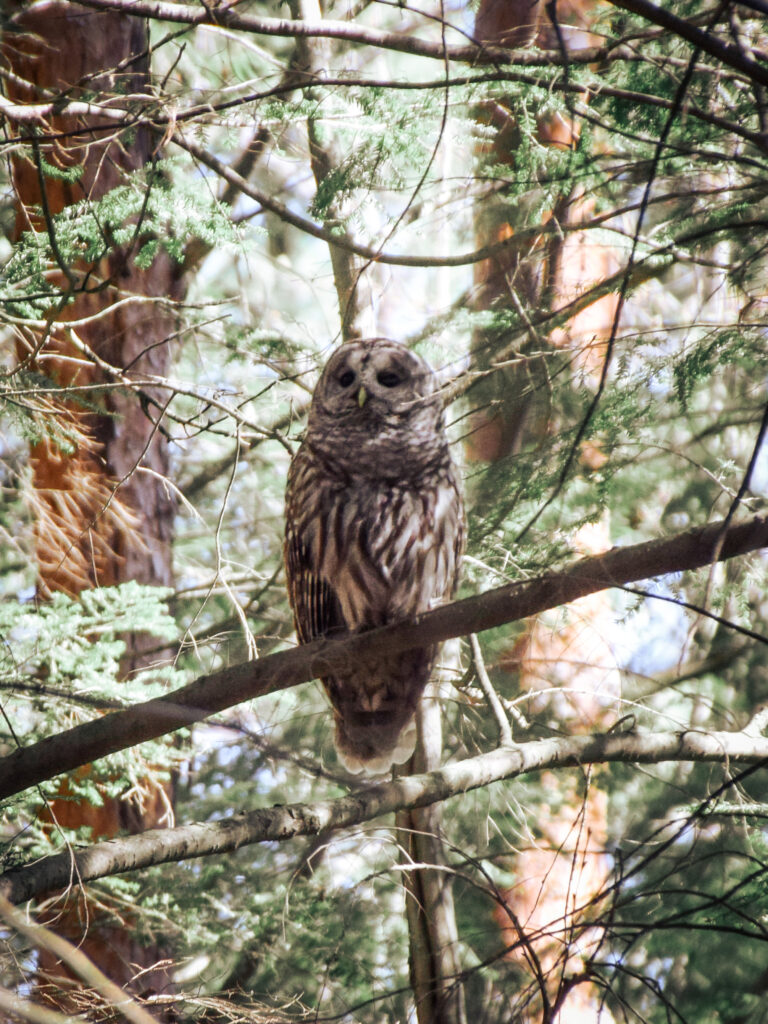
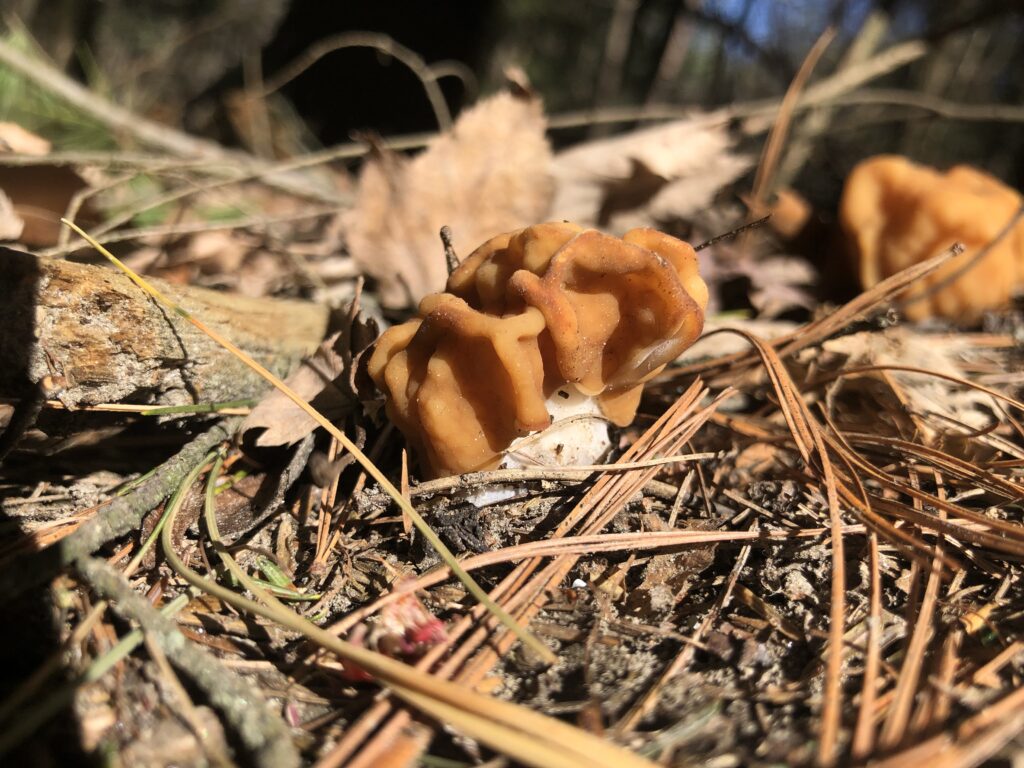
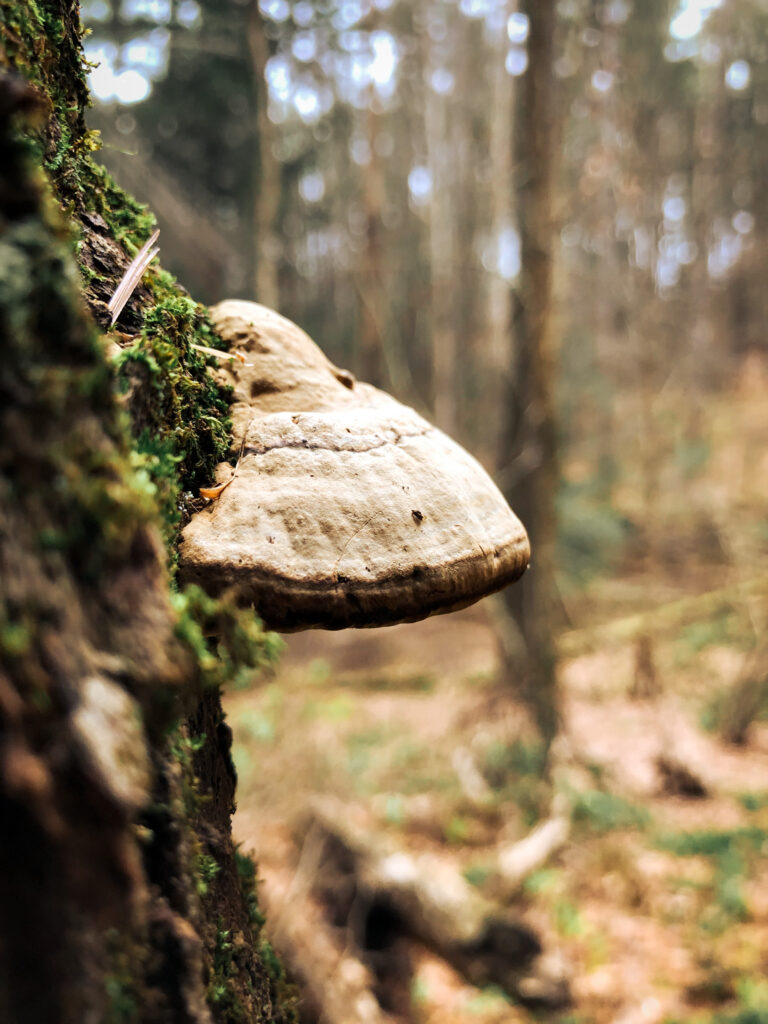
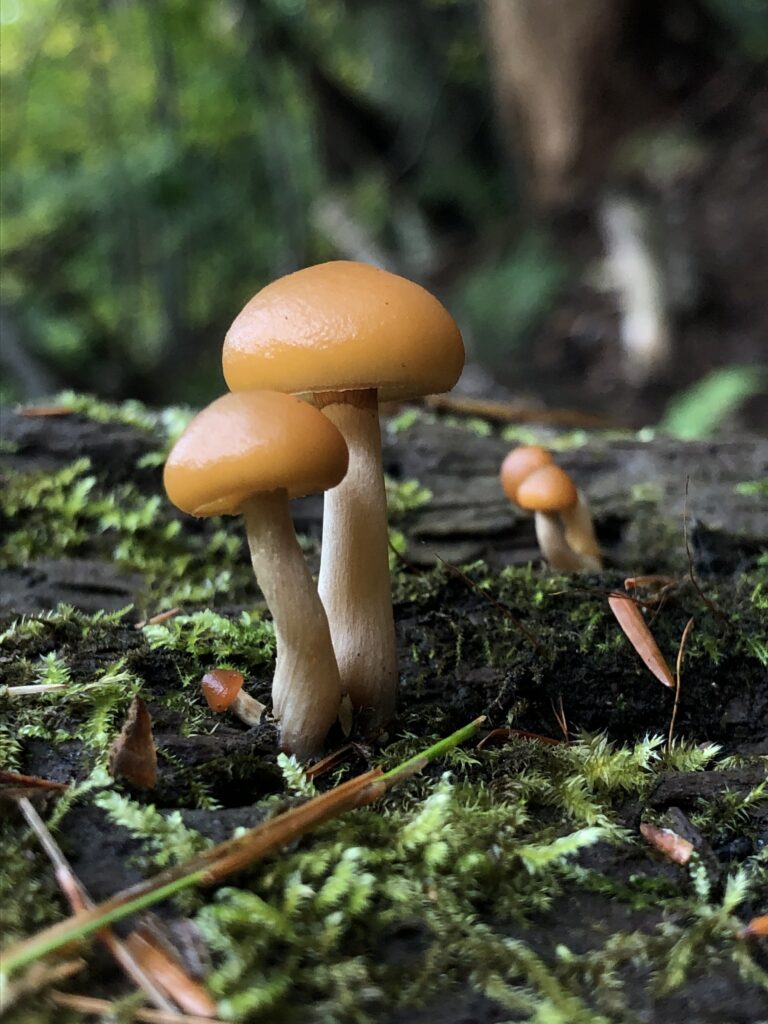
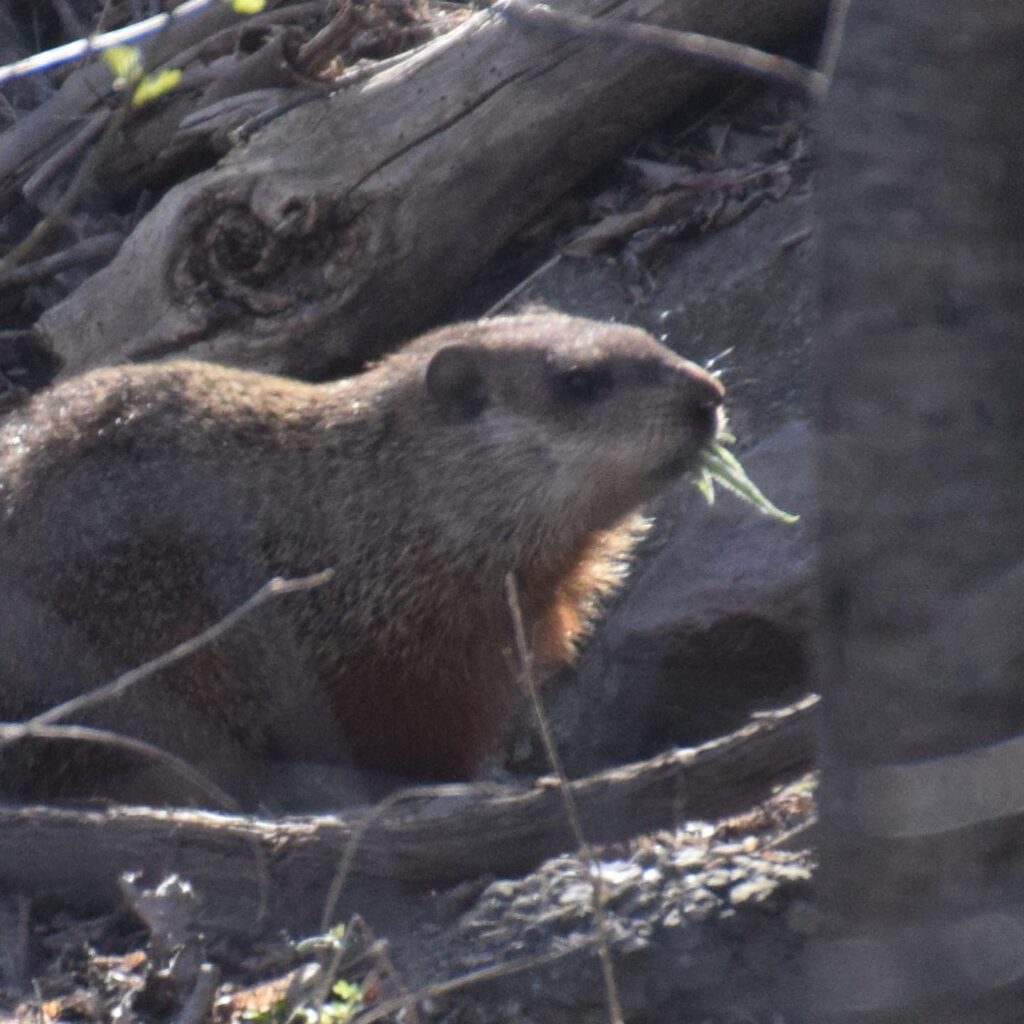
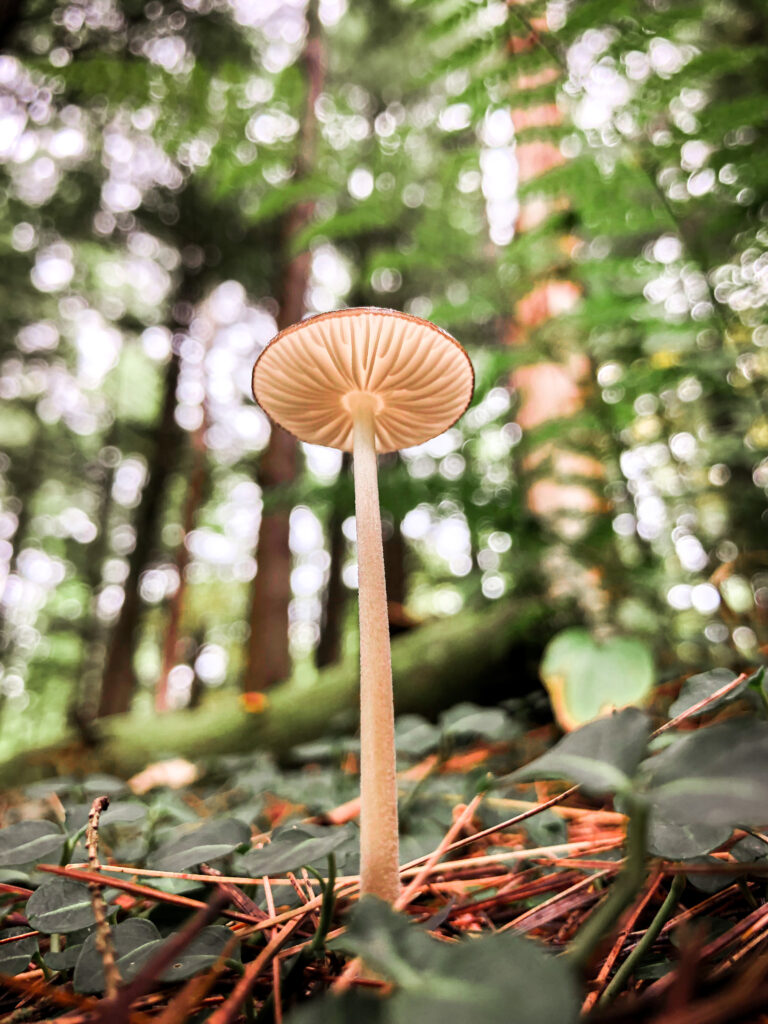
Aside from birds, which were definitely the highlight of the day, I spooked a garter snake and caught a groundhog eating lunch. I also came across a cool mushroom that I’ve never seen before.

Monday I headed down to Salmon Hole to see what I could see down there. I was able to log over ten new species, most notably a pair of bald eagles and a pair of belted kingfishers. There were a number of other water birds as well as a flock of cedar waxwings.

Using iNaturalist was a very good experience for me as well. I found it very intuitive and super cool to look back on what I came across. I’m definitely going to integrate it into my routine every time I hike or take photos. It will be fun to use the app at home in Wisconsin as well and compare species.
March 14th Spring Break Spot

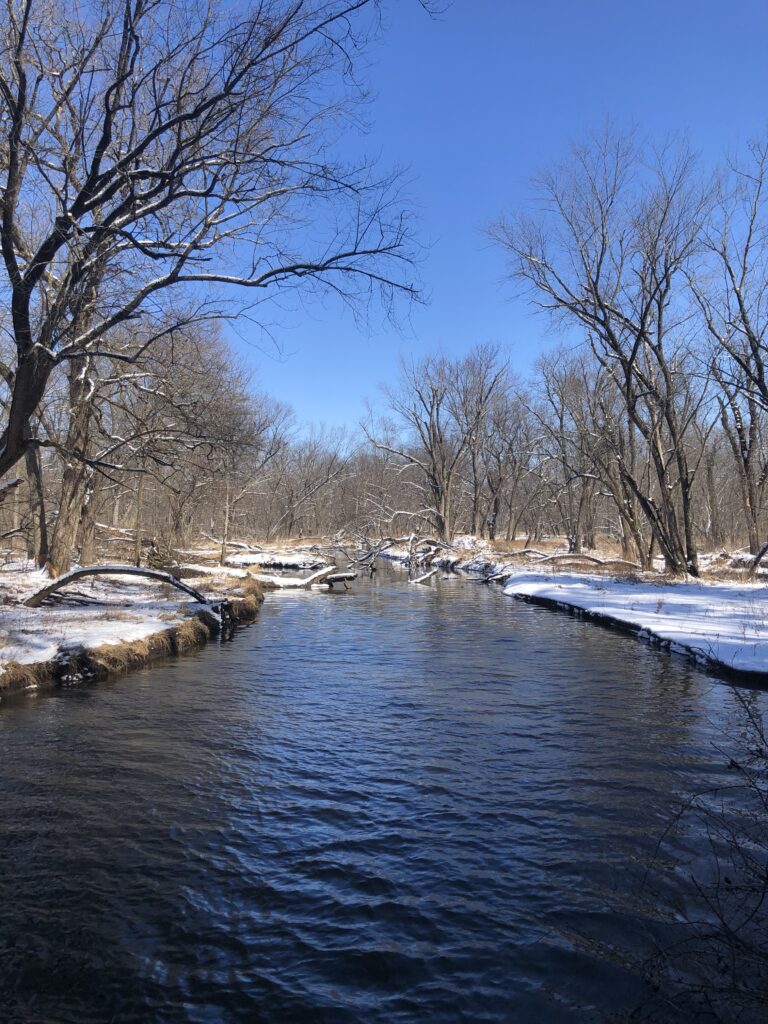
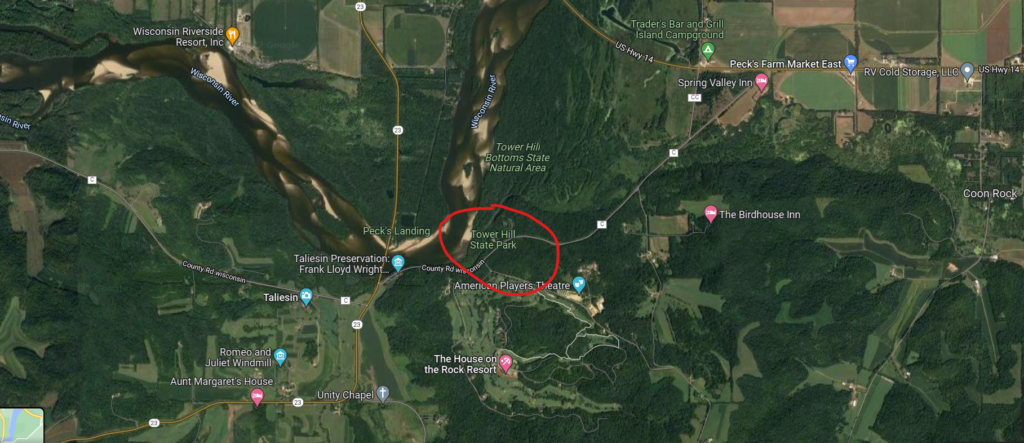
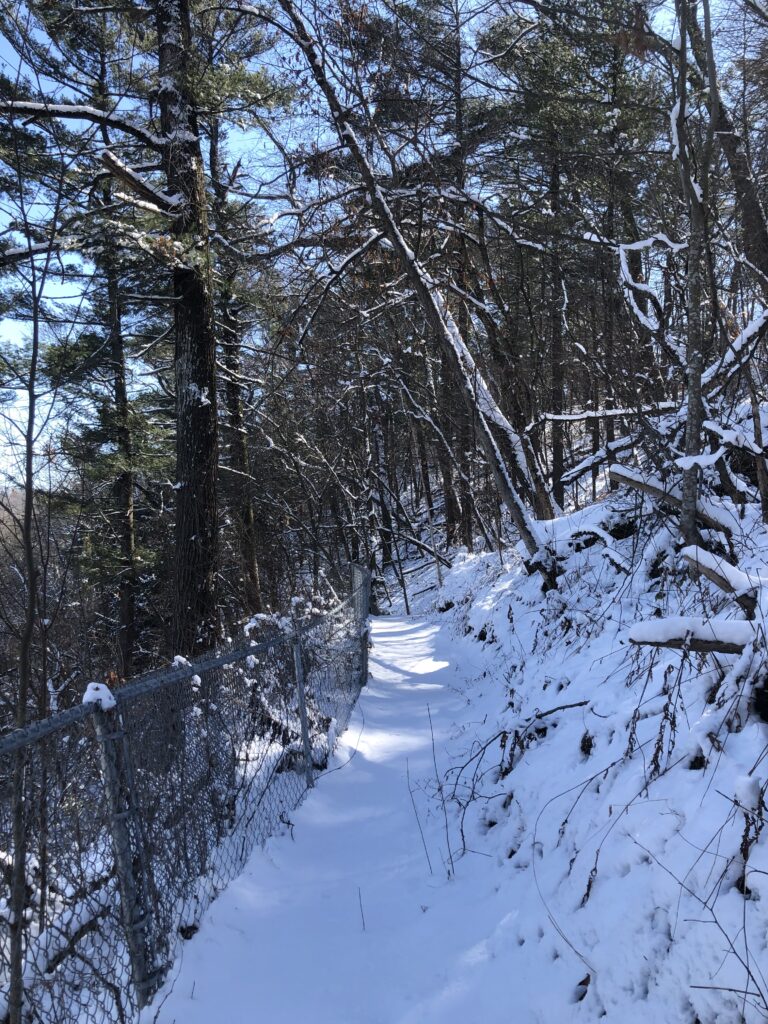
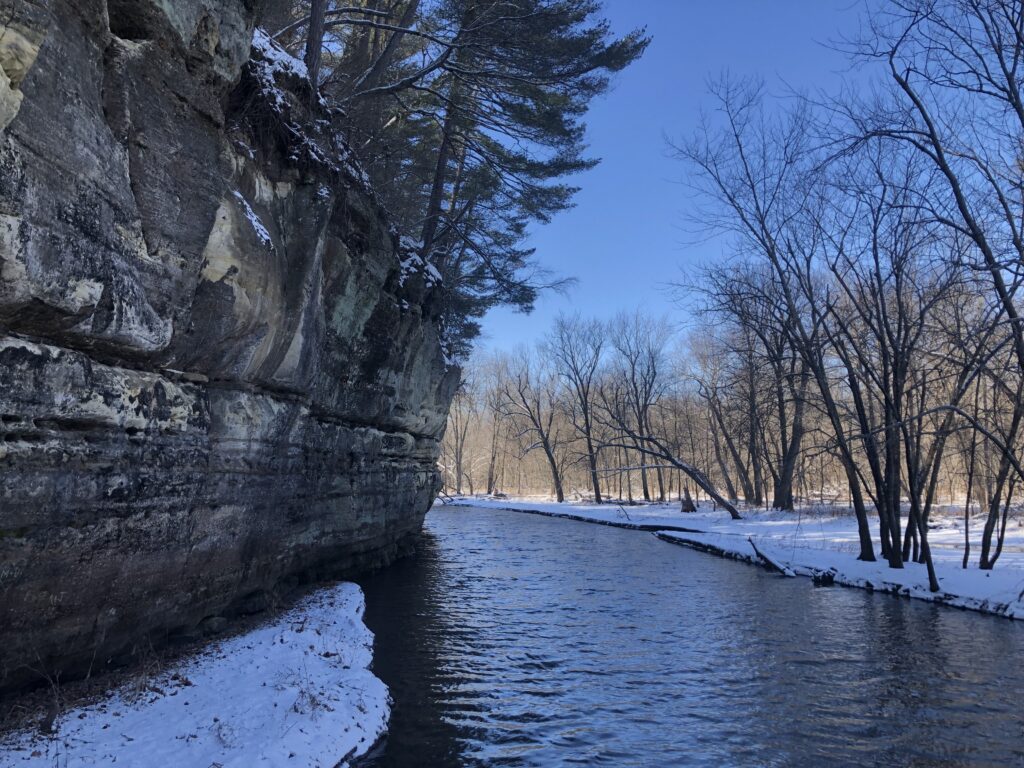
I went to Tower Hill State Park in south western Wisconsin right on the banks of the Wisconsin River. Tower Hill State Park consists of a large hill and sandstone bluff that overlooks the Wisconsin River flood plains. In many ways it is very similar to the natural areas of Burlington. It has mixed deciduous and coniferous forest on the similar to Centennial Woods, the floodplain forest and Wisconsin River create very similar natural communities to that of the Winooski and it’s floodplains, and atop the bluffs are scraggly cedars like at Rock Point. The biggest difference is the geology of the two places, south western Wisconsin is all sandstone and makes up a region called the driftless area. The driftless area is the section of land directly below the furthest reaches of the glacier that once covered much of Wisconsin leading to a very different terrain from the rest of southern and central Wisconsin.

The Wisconsin River is a major corridor for migratory ducks and birds and I visited right t the front end of the spring migration north. I saw a number of ducks such as wood ducks, buffleheads, and mergansers, however they were very wary of me and never let me get close enough for a picture. It also serves as prime fishing for predatory birds and I was able to spot a bald eagle and a pair of ospreys. Off in the floodplains were a couple of sandhill cranes making their journey north and of course geese and turkey were not hard to find.

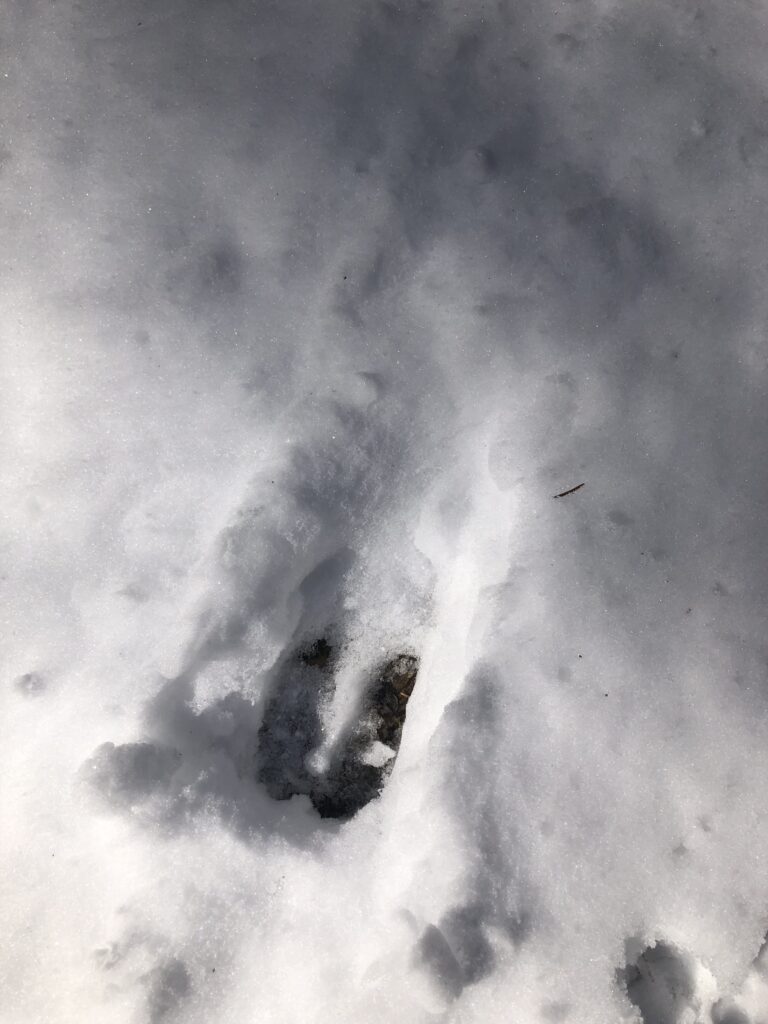
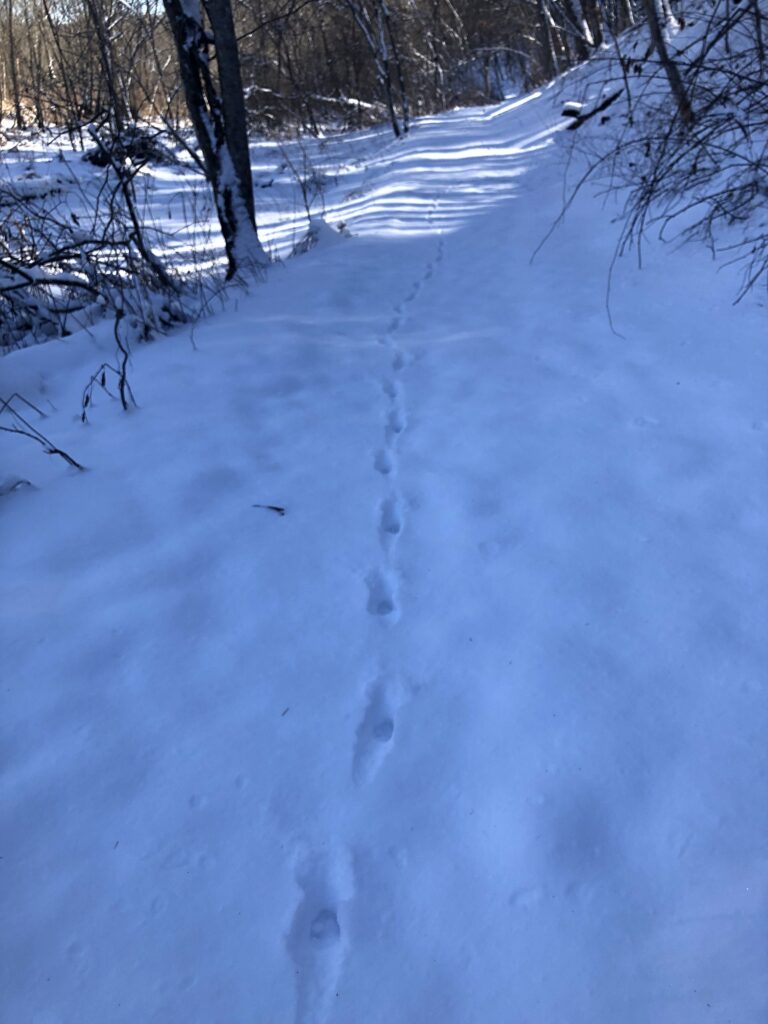
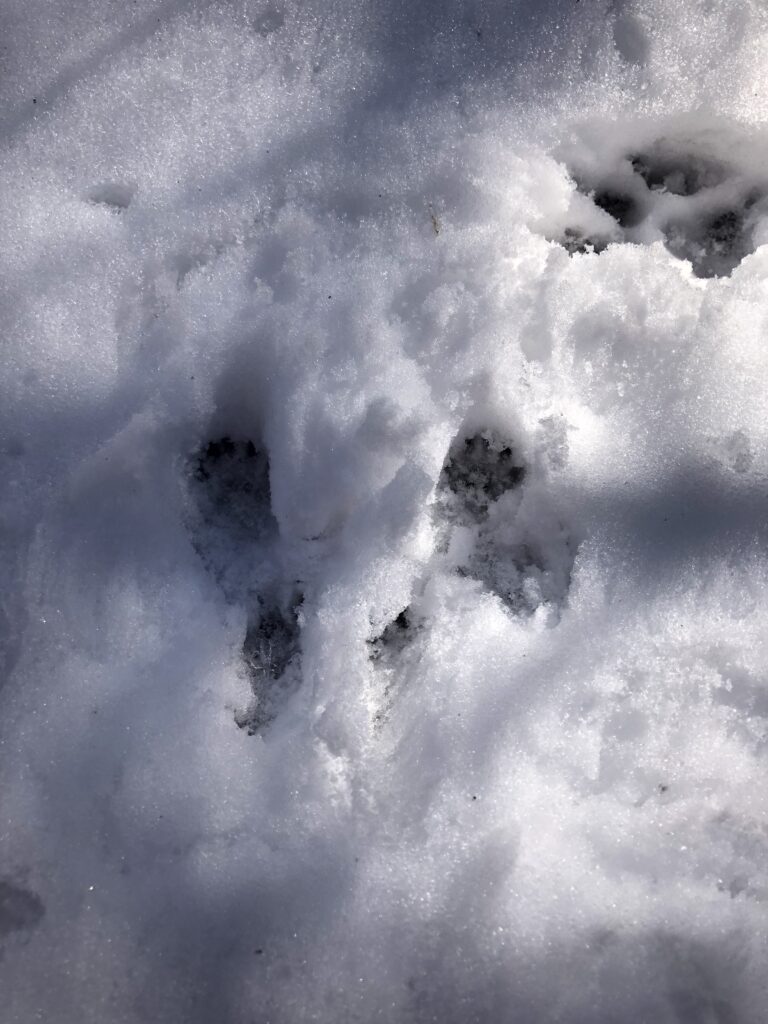
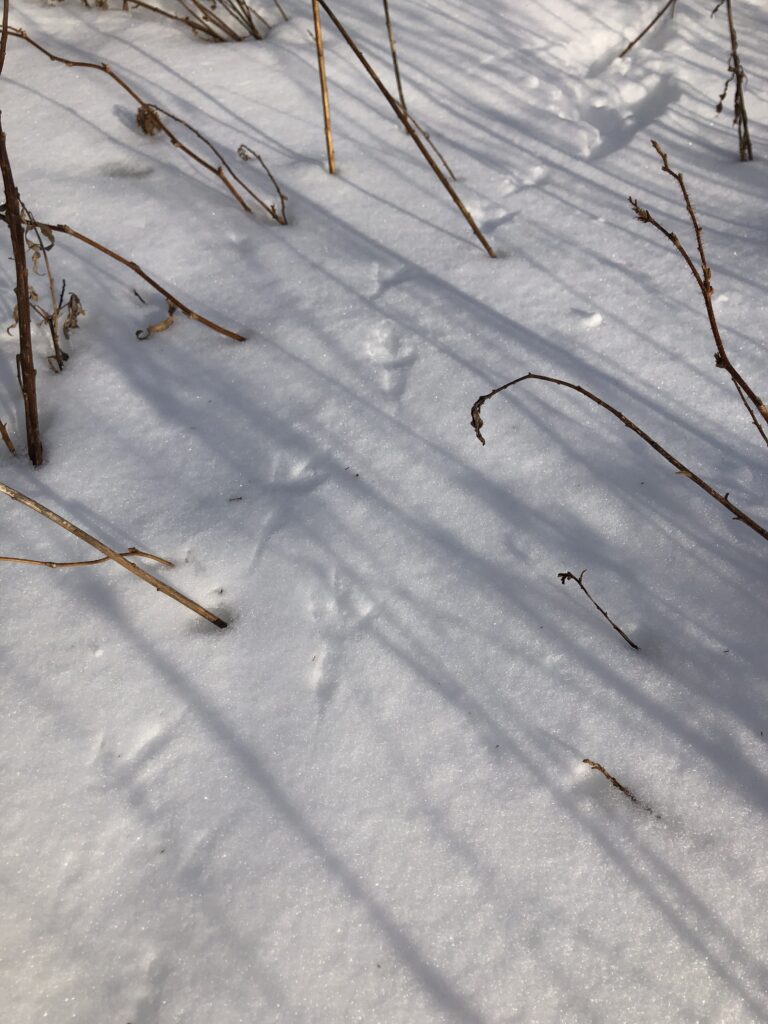
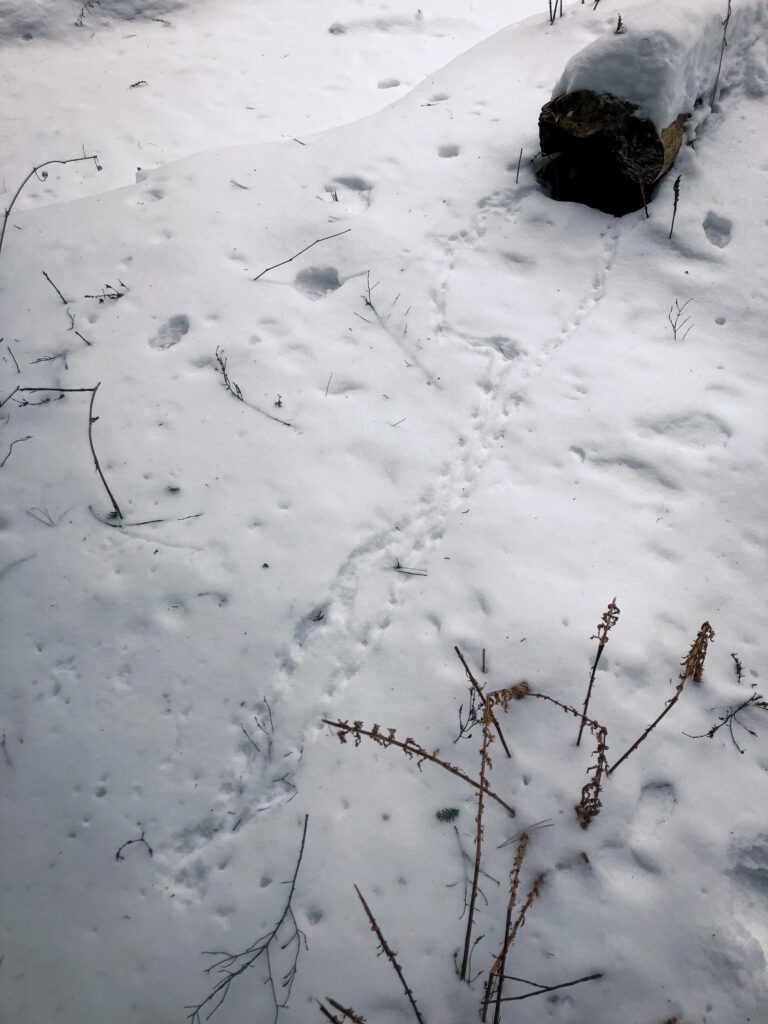
I was also able to spot a lot of tracks which I believe belong to white tailed dear, coyote, and red squirrel respectively.

https://www.google.com/maps/place/Tower+Hill+State+Park/@43.1473815,-90.0661527,6944m/data=!3m1!1e3!4m5!3m4!1s0x87fd7f0e5bace841:0xf93a406bd1020c75!8m2!3d43.1469781!4d-90.0483324

February 21st Birds and Mammals

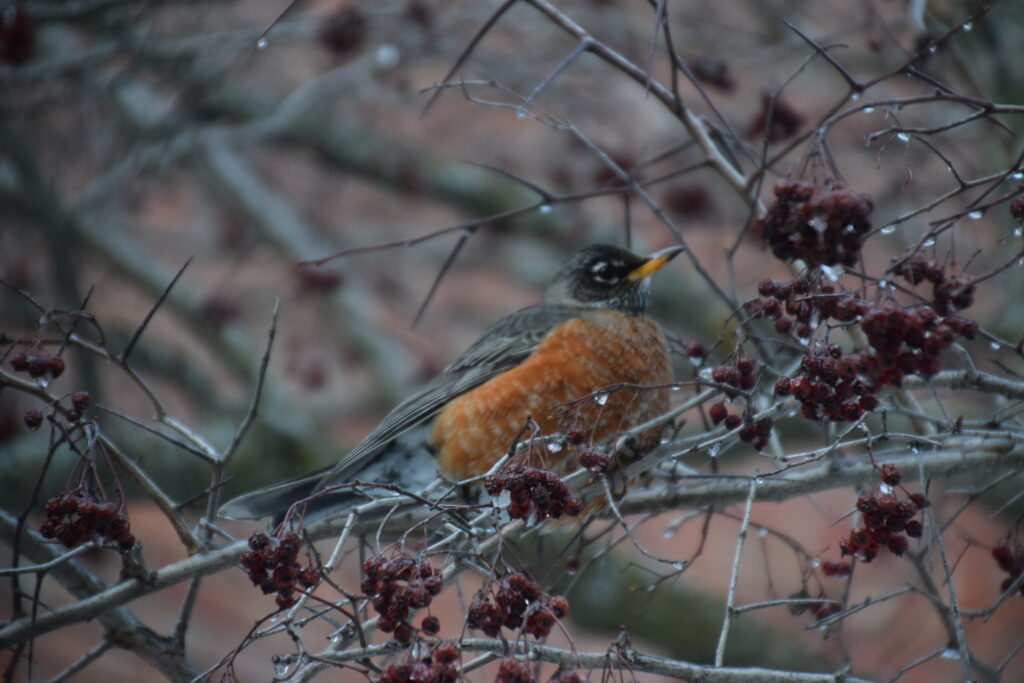
Over the last week I have walked around Burlington observing different signs of life. I searched through a few different ecosystem types including the city, prairie/meadow, and mixed deciduous/coniferous forest. While the walk through the city was nice, it was also very cold and had few detectible signs of wildlife apart from American robins feasting on berries.
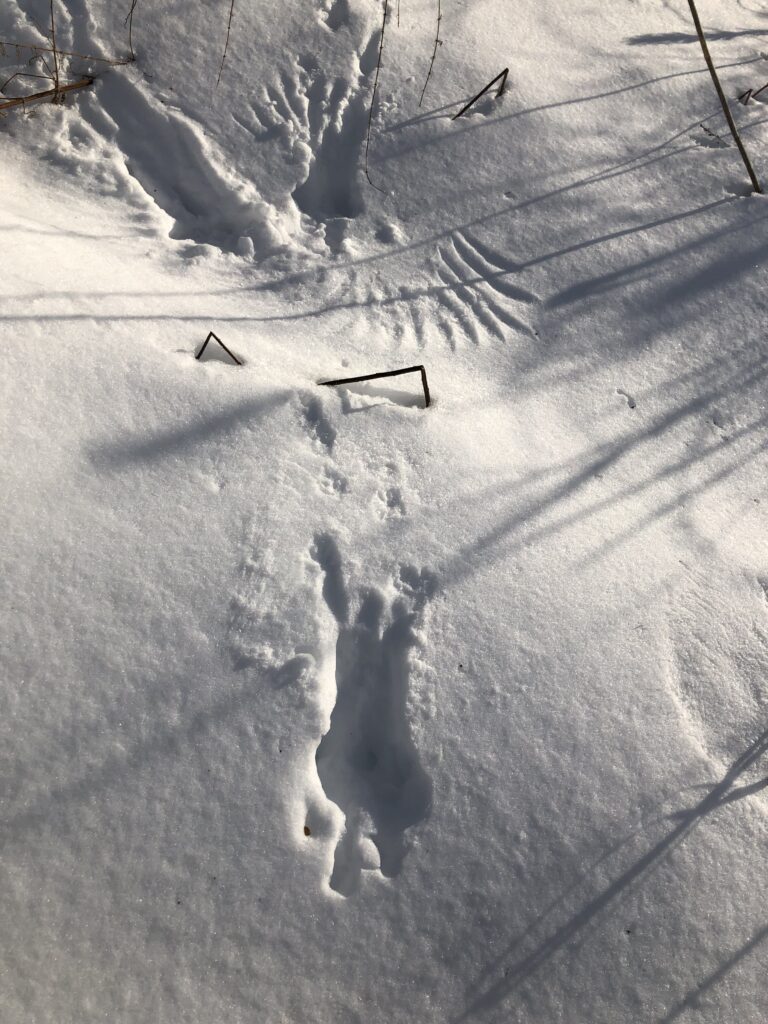
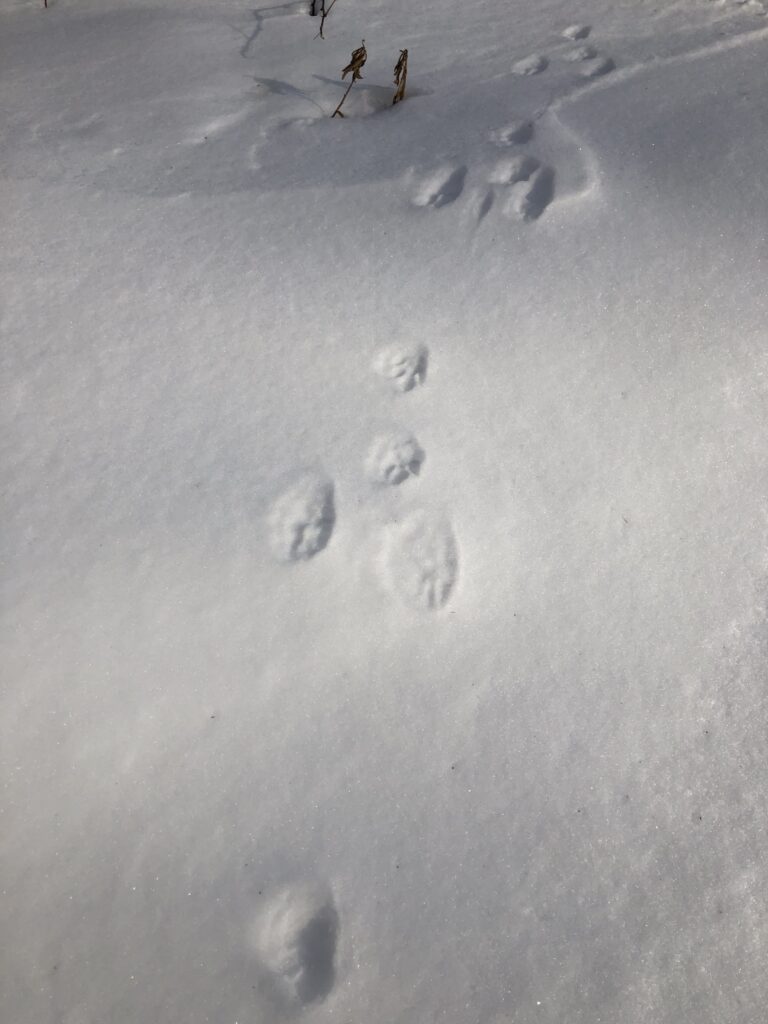
I had more luck with animal signs in a small prairie by the Aiken Forestry Center. I first saw cottontail rabbit tracks and after following them for a little while I came across tons of bird prints and wing prints. At first I was hoping maybe a raptor of some sort, but due to the sheer number and the fact that there were footprints walking about, I concluded that they were most likely crow.

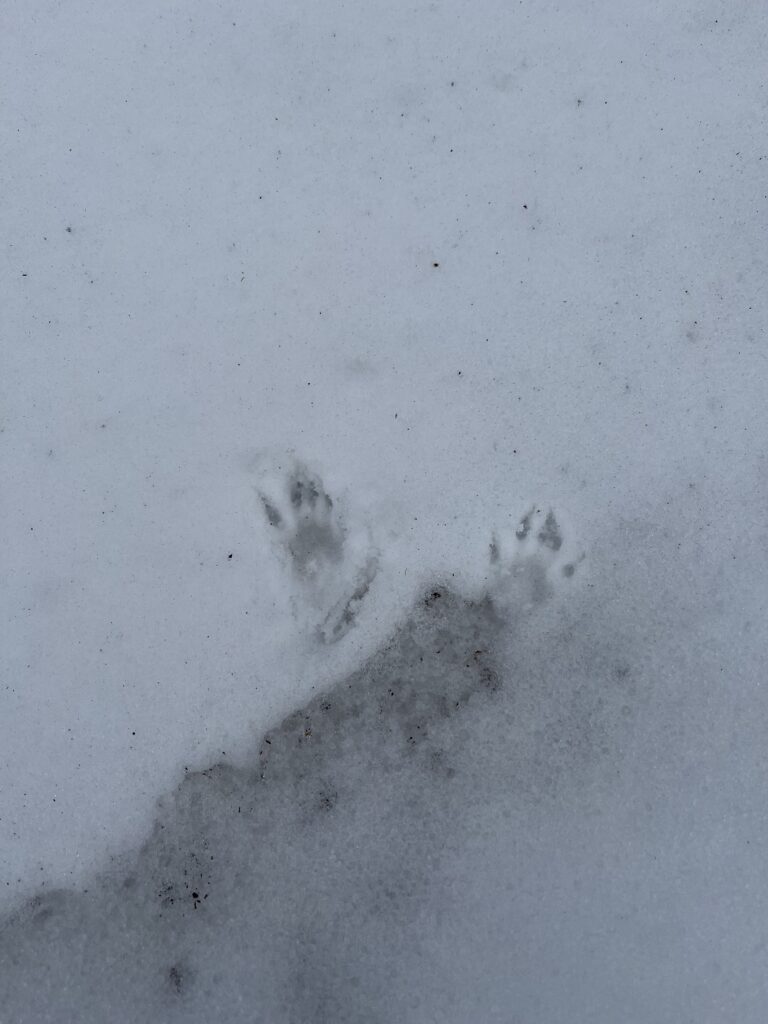
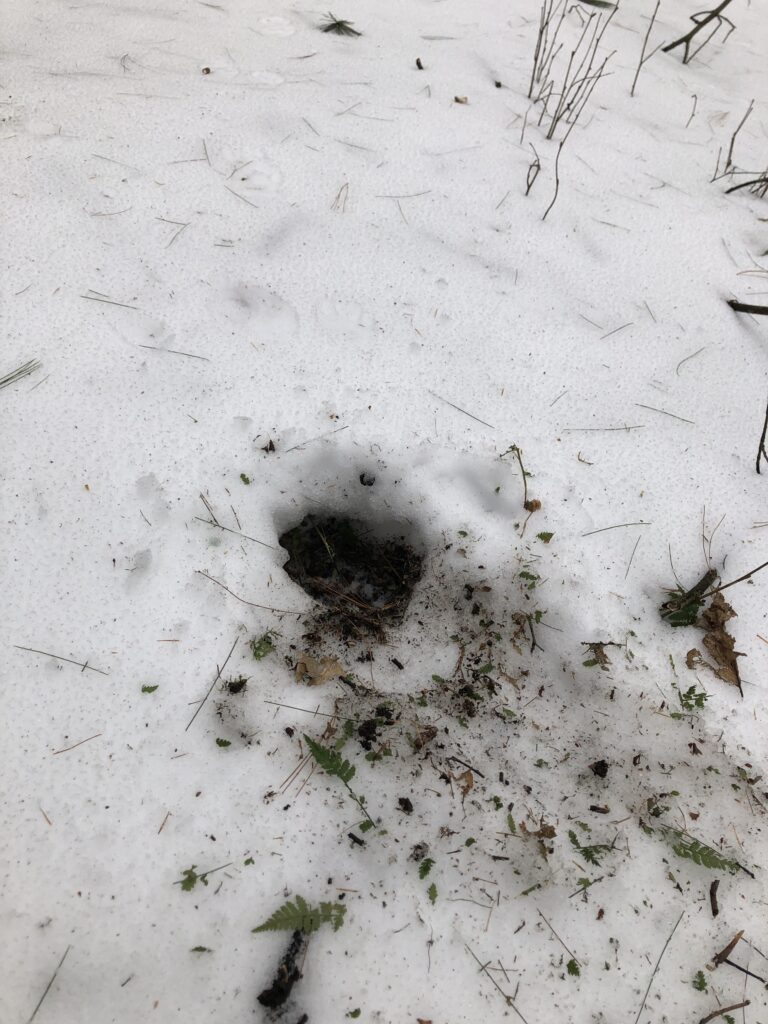
During a walk through the forest with some friends from our lab group we found lots more tracks. the most prevalent were definitely grey squirrel however there were quite a few skunk as well. We followed the skunk tracks all over the forest and ended up fining multiple different paths presumably of different skunks. one of the trails led to a small hole dug through the snow.

iNaturalist was fun to use however I often forgot to log things and enjoyed being in the present more and not have to worry about using technology. I will continue to use it though, especially when I see something interesting or unique. Also while browsing local projects, I found other groups that would be fun to follow an post to going forward.

January 29th Winter Wildlife Signs

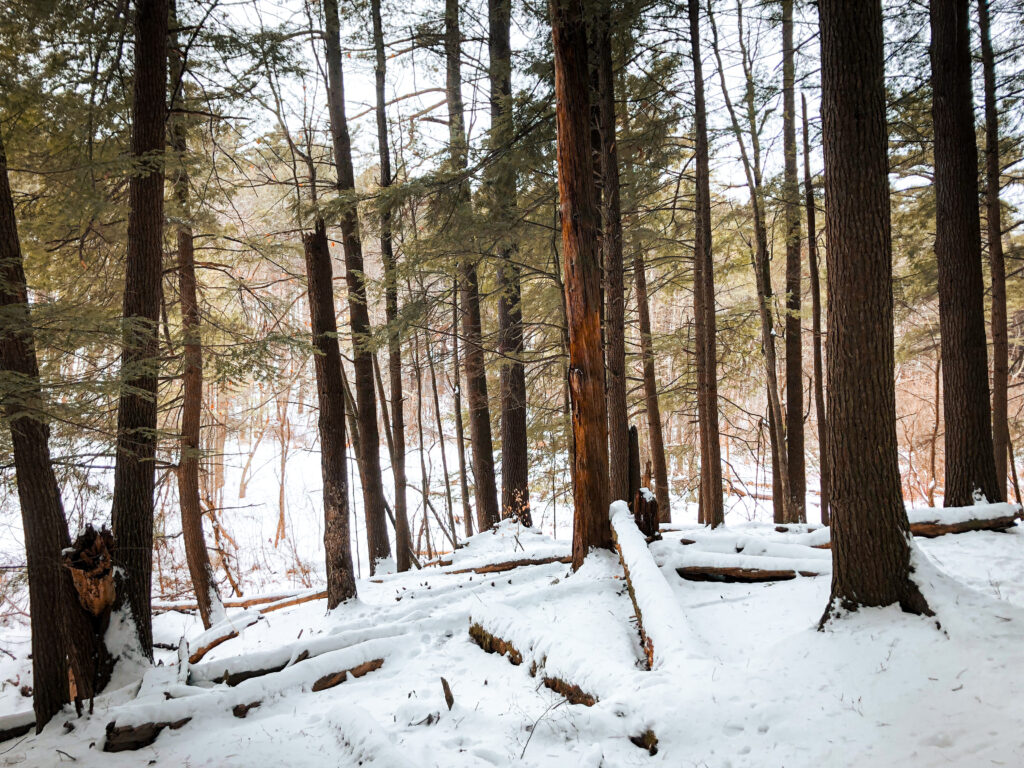
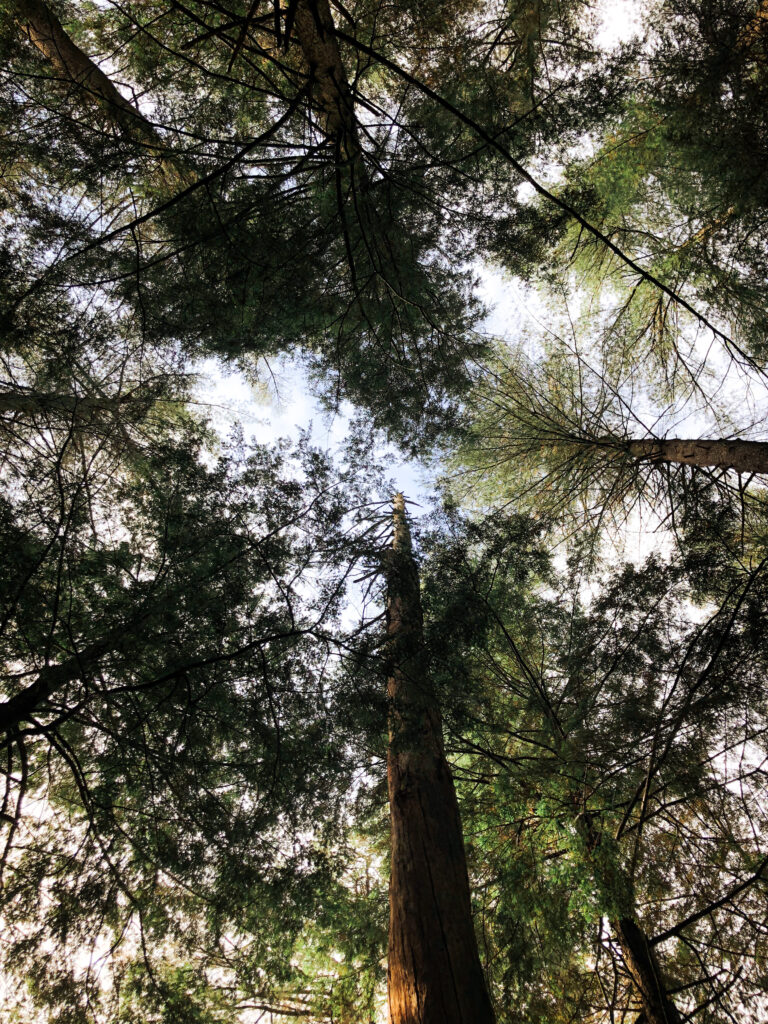
The phenological differences at my nook in centennial woods are few but substantial. Snow now blankets every inch of the ground and ferns have finally begun to die off. I expected quietness in the forest, however the lack of leaves and the icy snow has only seemed to amplify the city noises from the edges. The wind whips through the trees more freely now as well, startling me more than once when two lanky white pines clack in the cyanope.
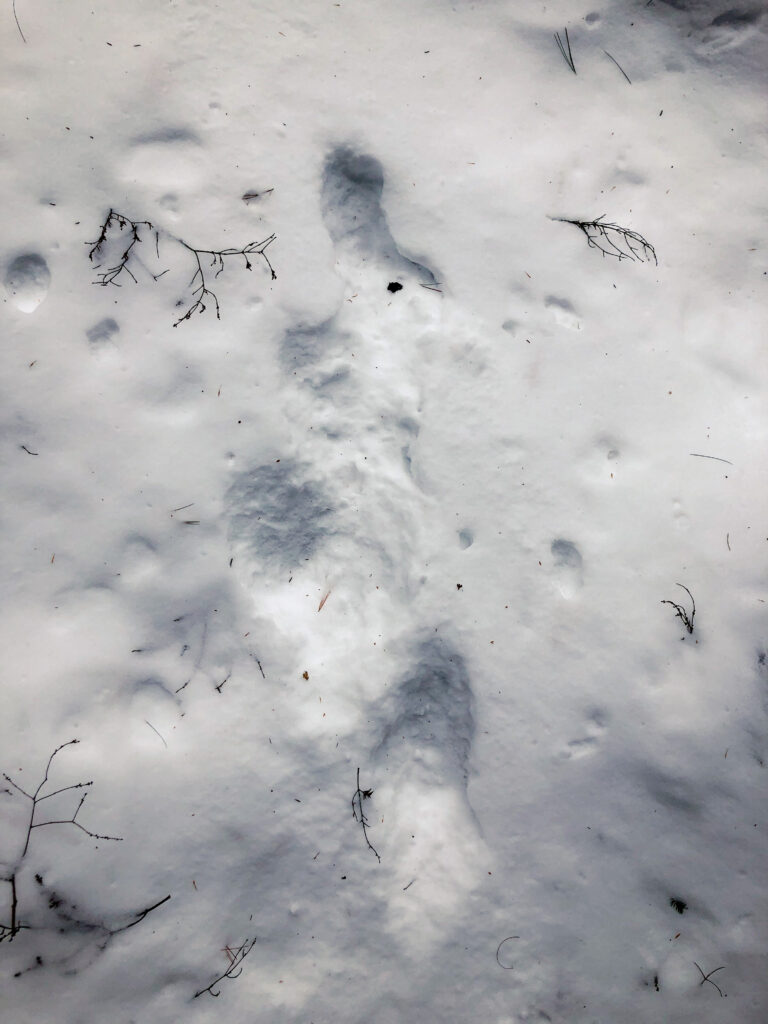
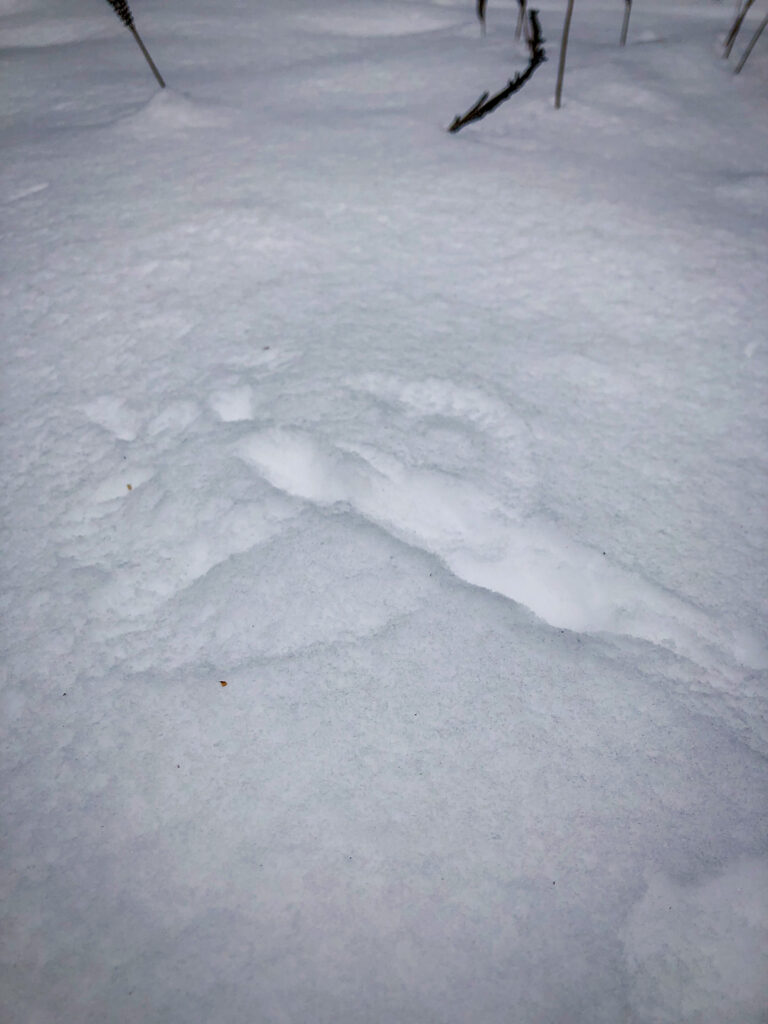
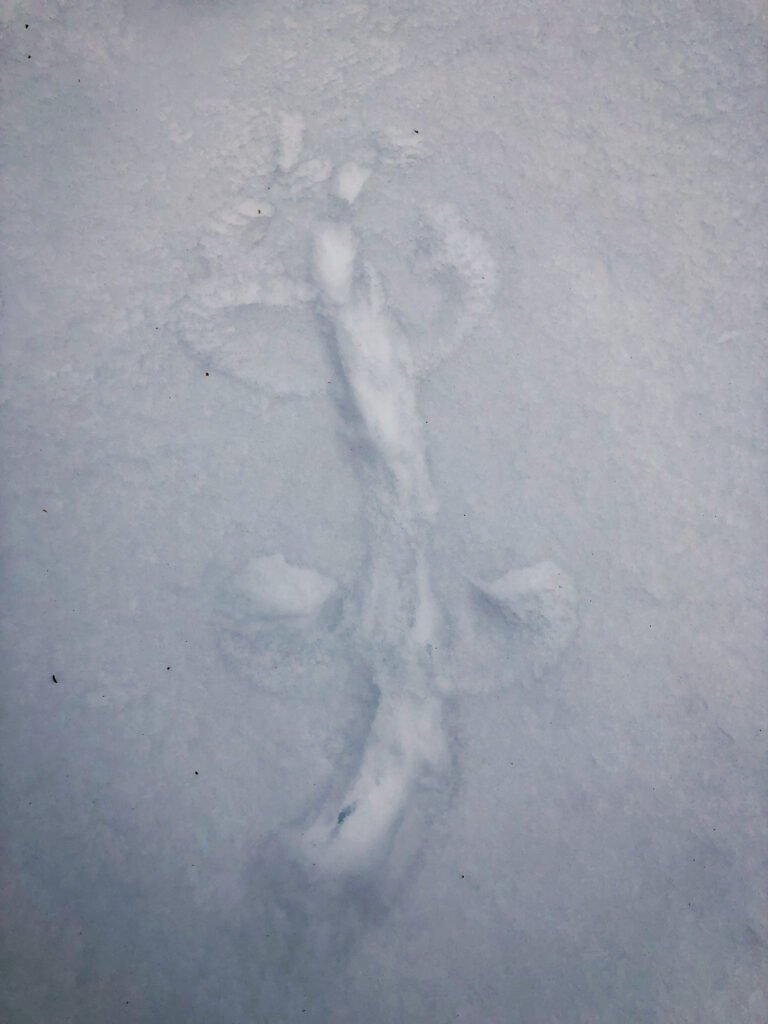
Signs of animal life seemed scarce at first, aside from the trusty crow calls nothing was jumping out at me. Luckily, It only took my usual loop around the perimeter of my area to spot several signs of activity. Over a small ridge away from the trail, I found tracks that ended right at the base of a tree, with that information as well as the bounding nature of the tracks I’m fairly certain it was squirrel. Over in the Meadow I came across some more interesting finds. Small tracks from a field mouse or shrew made a little loop leaving and returning to a fallen log, probably housing a burrow. I found a trail of much less distinguishable tracks running across the brook, based on the size and pattern I’m thinking fox or even coyote. Lastly and most excitingly, I found wing prints in the snow from a bird. They were no more than 8 inches across so my best guess would be robin, maybe picking up a berry or seed?

December 11th

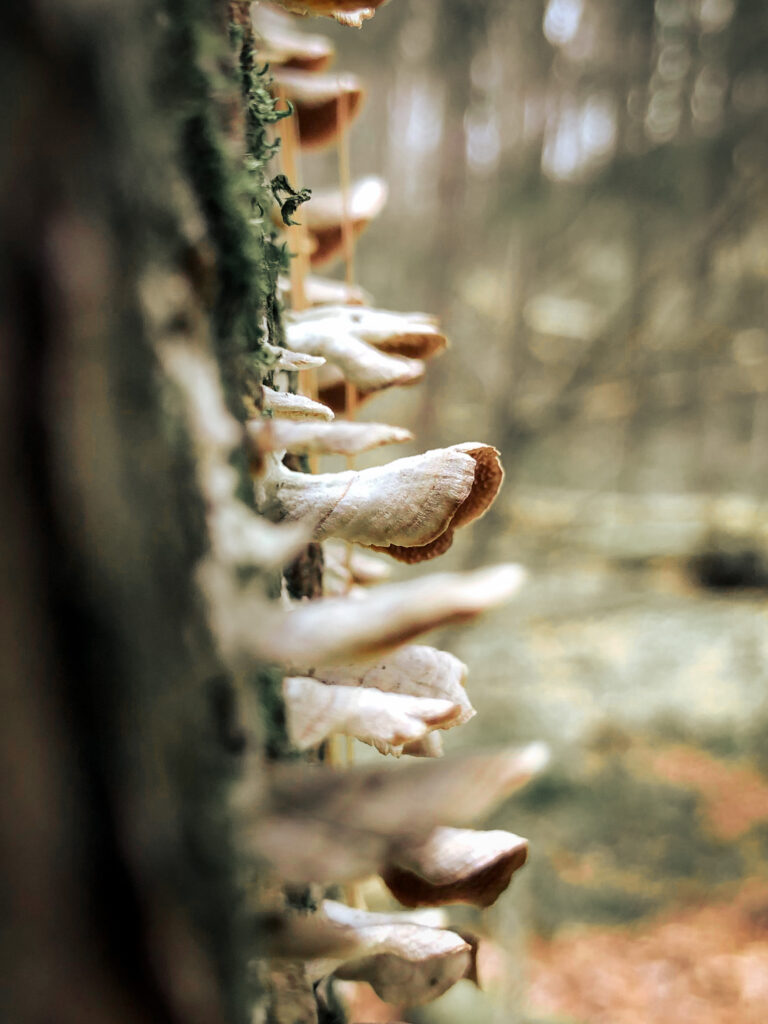
Without snow on the ground my penology spot doesn’t seem to have changed much from my previous visit. The plants that reside in in my spot are all still going strong as they are majority ferns and mosses which have some resilience to the cold. I did notice that mushroom and fungus activity has been steadily decreasing as we traverse through the phenological calendar, and it continues to trend in that direction. Aside from a few sturdy turkey tails and molds, there wasn’t much.

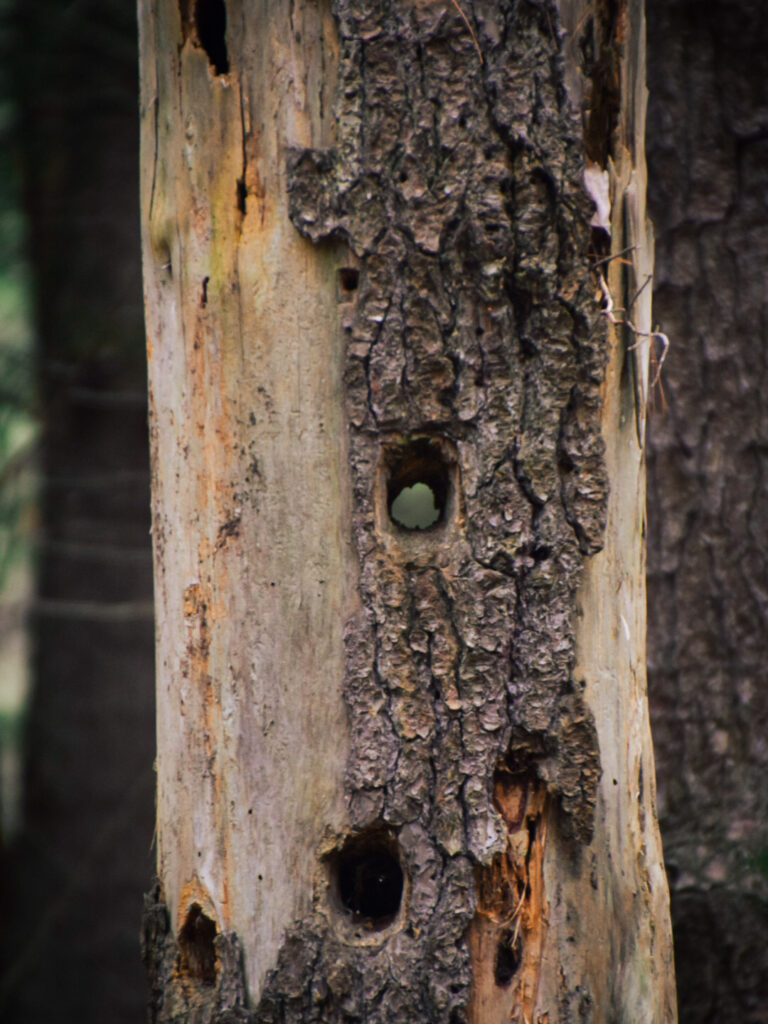
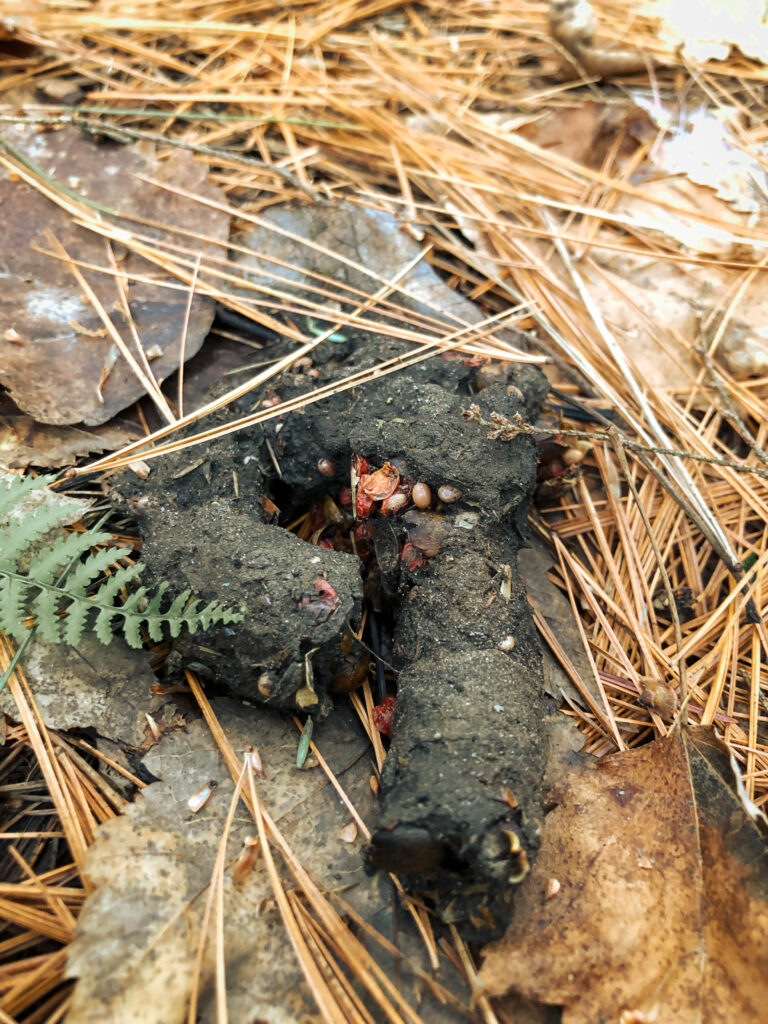
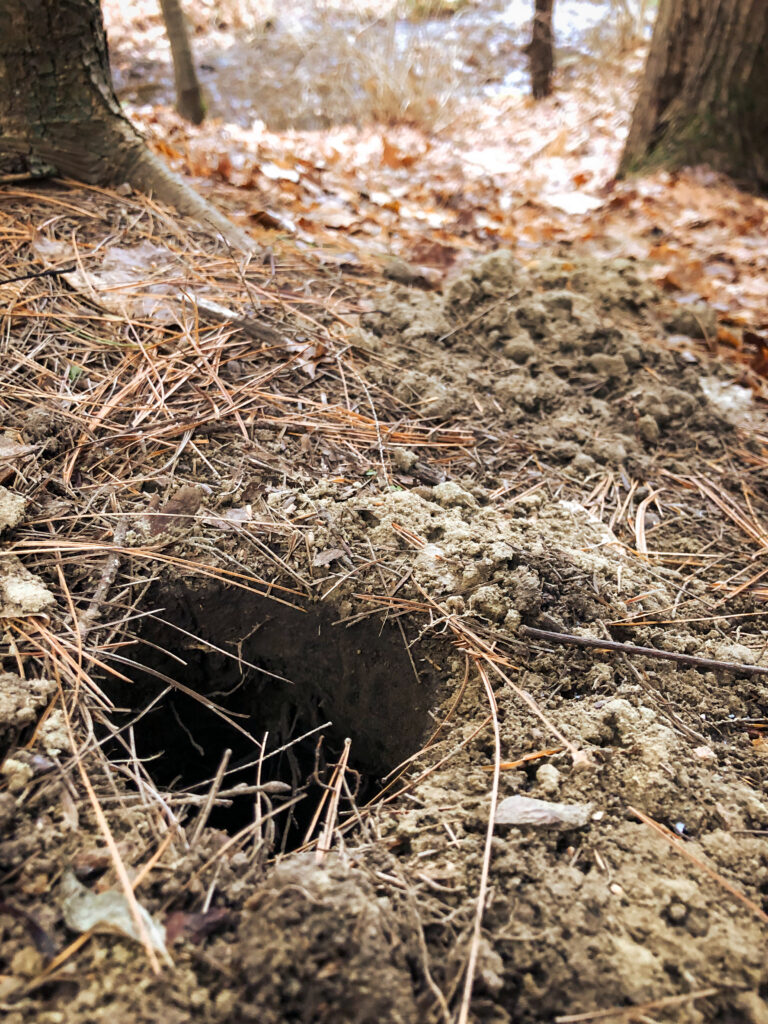
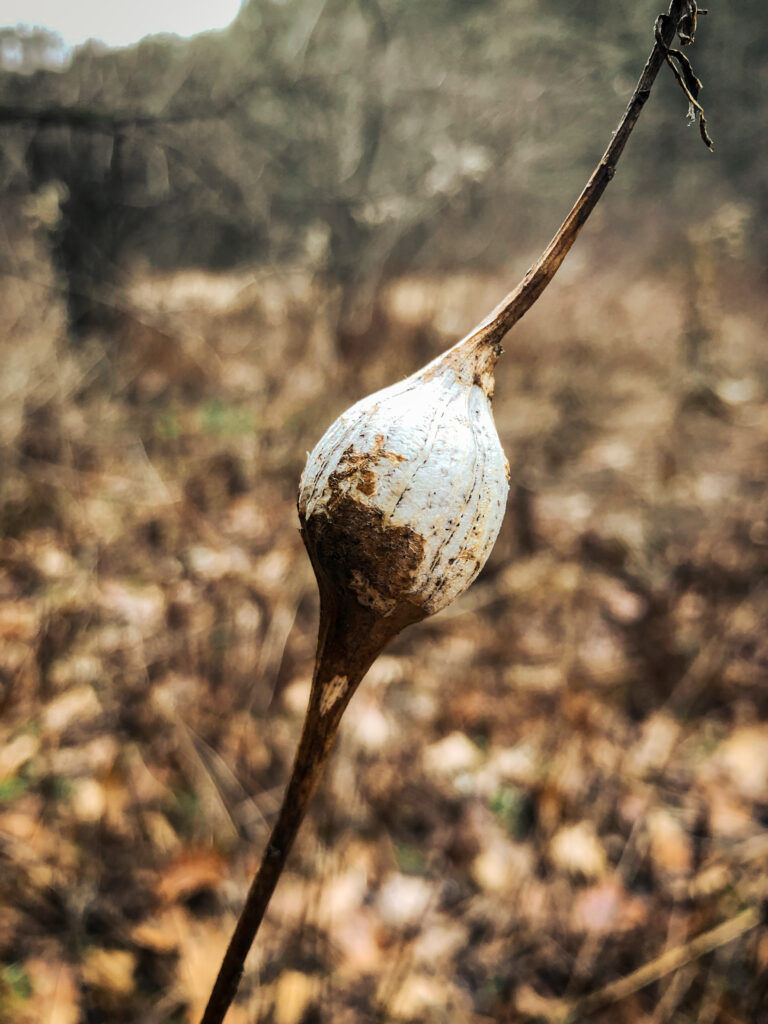
Animal wise, my phenology spot is pretty bare, even the fish in the brook are nowhere to be seen. The air was quiet aside from a flock of crows and I was pretty disappointed at first. With a little searching though, signs begun to reveal themselves. Dead trees were riddled with large pileated woodpecker holes and birds nests were common in the canopy. Looking down to the forest floor I noticed a small, freshly dug burrow, likely from a medium sized rodent. I noticed some scat that I later identified as racoon. It seems like there is no lack of animal activity however the animals were nowhere to be seen. The last thing I noticed was a gall on a dead goldenrod stalk in the meadow where a gall ball fly larvae was ready to wait out the impending winter.

November 12th

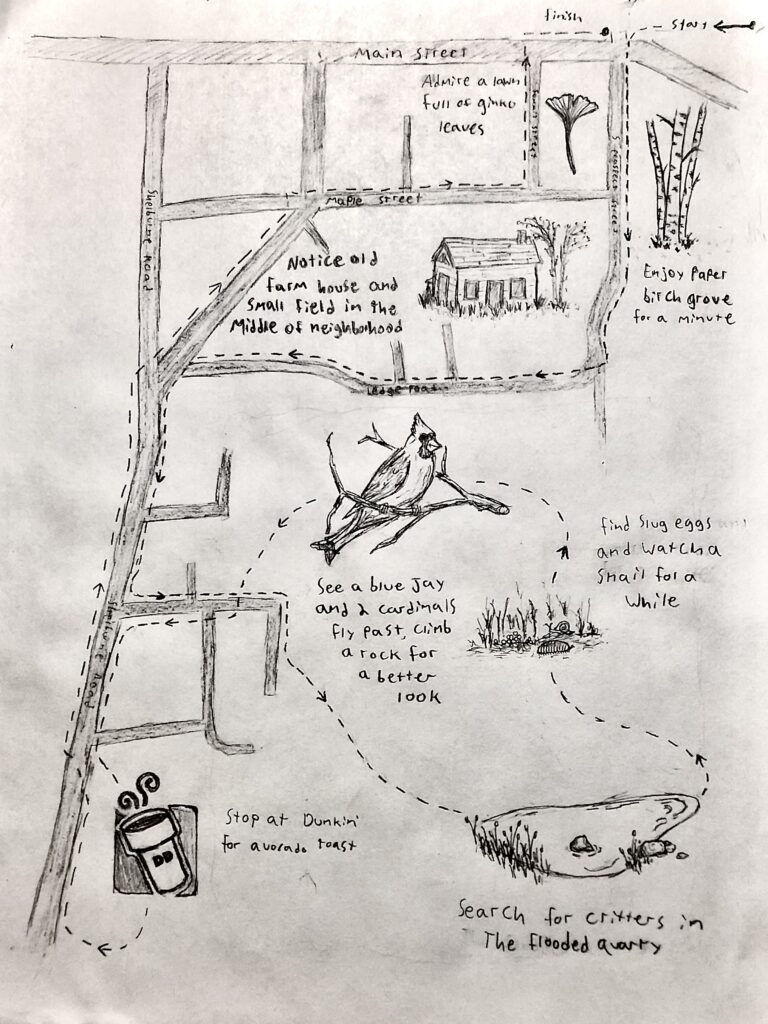
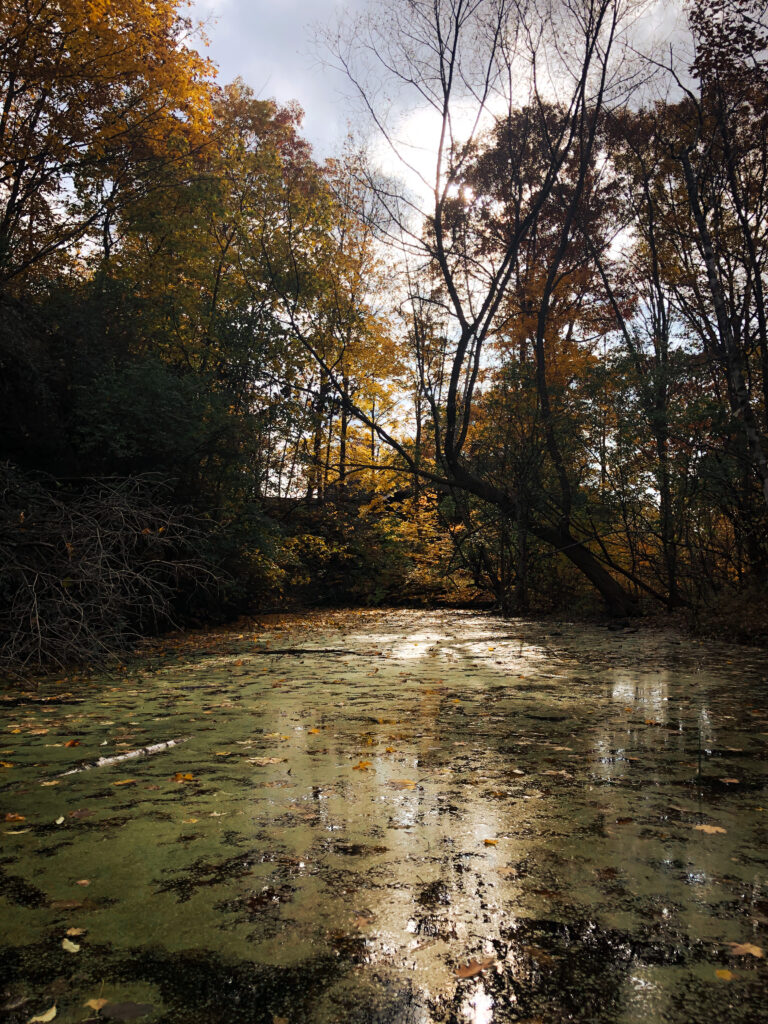
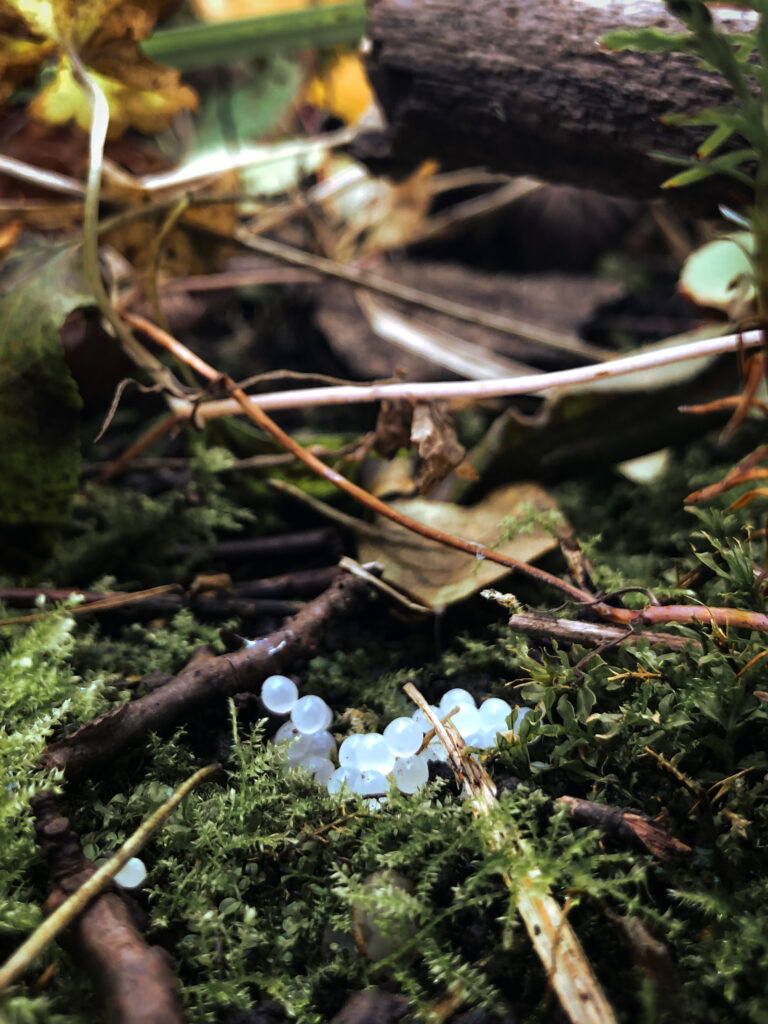
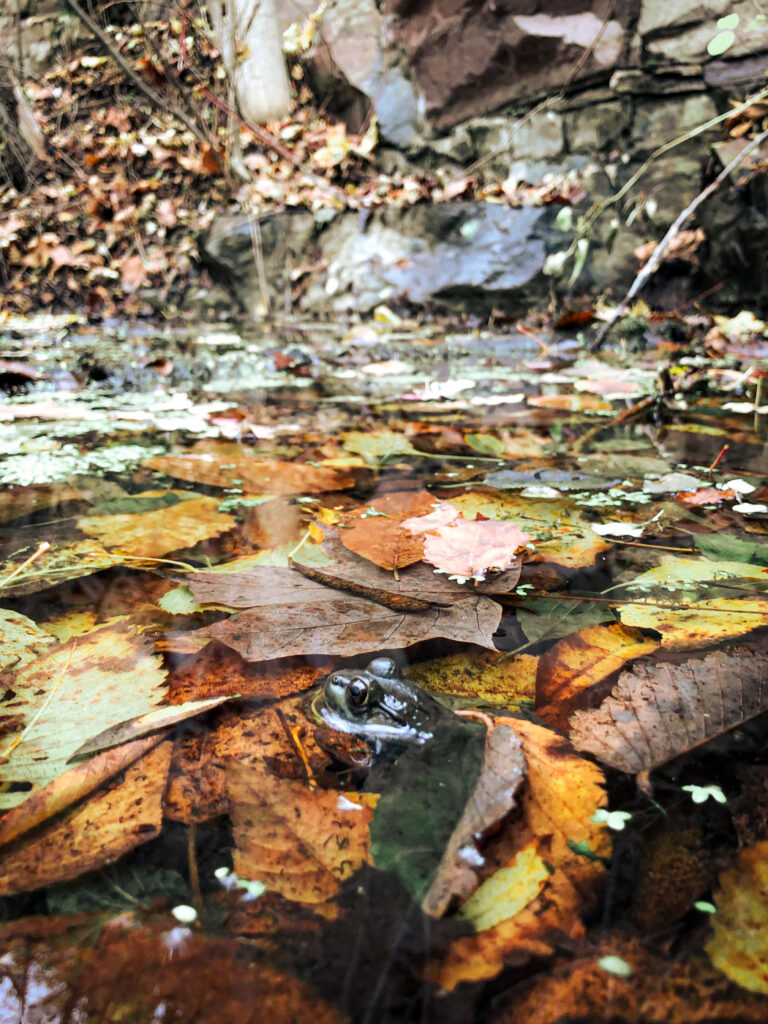
I began my journey walking south from CCRH heading down behind the admissions office where I came across a grove of birch trees, I thought they were very pretty and I took a moment to enjoy them before moving on. I walked down South Prospect Street all the way past campus and the golf course entrance, paying attention to trees along the way. I turned west on Ledge Road toward the lake and right on the hilltop I found an old farmhouse situated slightly misaligned from the rest of the neighborhood, I hypothesized that this was likely one of the original houses, probably from a farm before the city expanded through it. At Shelburne Road I turned south and then East on Hoover Street, this brought me to the quarry. I wandered over to a little low area filled with water right up against the back face of the cliff. The amount of macroinvertebrates that were visible just swimming about surprised me. I saw diving beetles, water boatmen, and two very large caddisfly larvae, along with quite a few others that I wasn’t able to identify. Moving on I found some slug eggs and watched a snail for a few minutes. A blue jay swooped past me and while searching for it in the trees a male and female cardinal landed on a branch. leaving the quarry I came across Dunkin’ Donuts where I used my $5 gift card for an avocado toast. On my way back to campus I pondered the wide variety of architecture styles in Burlington and what influences different groups of people have had on the city. Lastly I found a very vibrant ginkgo tree and stopped for a moment.

November 1st

One of the most prominent features of my spot in Centennial Woods is all of the fallen and decaying logs. I chose one of those logs right in the middle of the peninsula for my meditation. The air was cool and damp, in-between rain showers, however not uncomfortable. The first thing I dialed into while quieting my thought were the noises drifting through the forest. Birds, wind, a group of dendrology students. As I listened harder I could hear the gurgle of the creak and the dripping of water falling from the trees. The smell in the woods was enhanced by the moisture, the earthy smell of the decomposing leaves, wood, and pine needles was most prevalent. It was hard to keep my mind from drifting back to thoughts of school and friends however just outside surrounded by nature put me in a good mood and removed the stress from my mind. As always I got distracted by mushrooms and colorful leaves on the way out, so my 15 minute meditation turned into an hour and a half long romp through the woods. Often it is easy to forget to take time for yourself especially in as busy of an environment as collage, but this was a good reminder sometimes can help increase productivity to just take a break and de-stress.

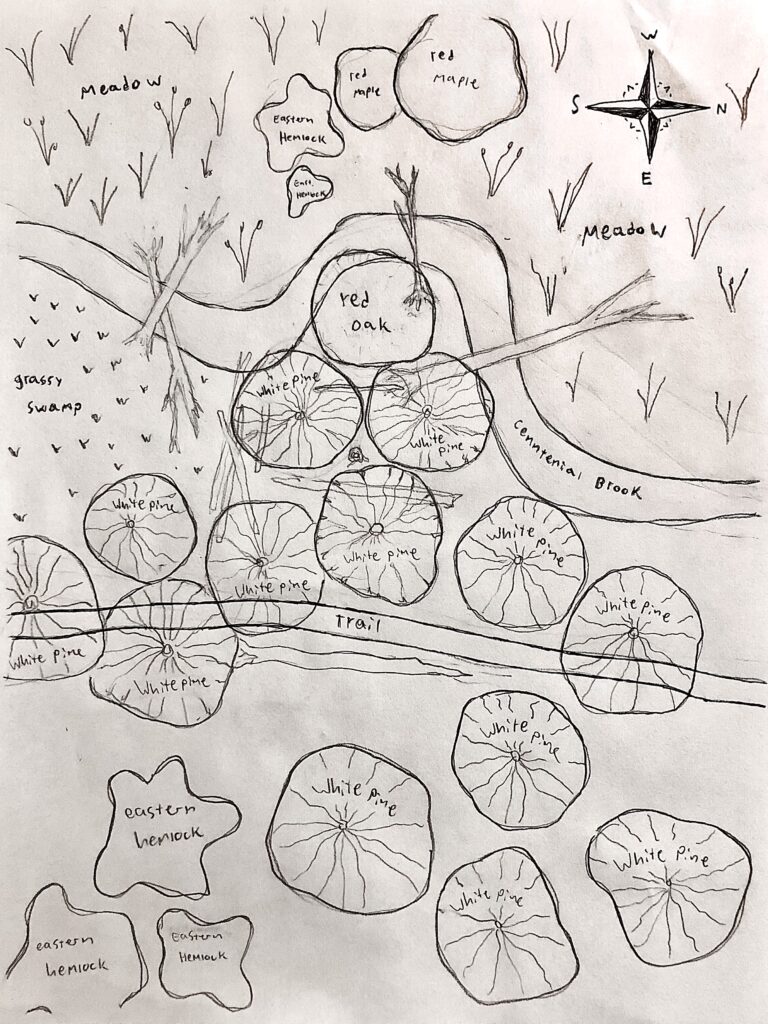
Centennial Woods phenology map

October 18th

My phenology study spot is situated in Centennial woods. Hike through the wood, and across the stream. When you reach the fork in the trail, take the left path that follows the stream. After 2-3 minutes you will reach a spot with a noticeable amount of fallen logs and a slight peninsula out toward the meadow formed by the stream. This peninsula up to the ridge is where I have chosen to study. I chose this spot because it is a point where the forest, the stream, and the meadow all border each other making for a very biologically and geologically diverse area.

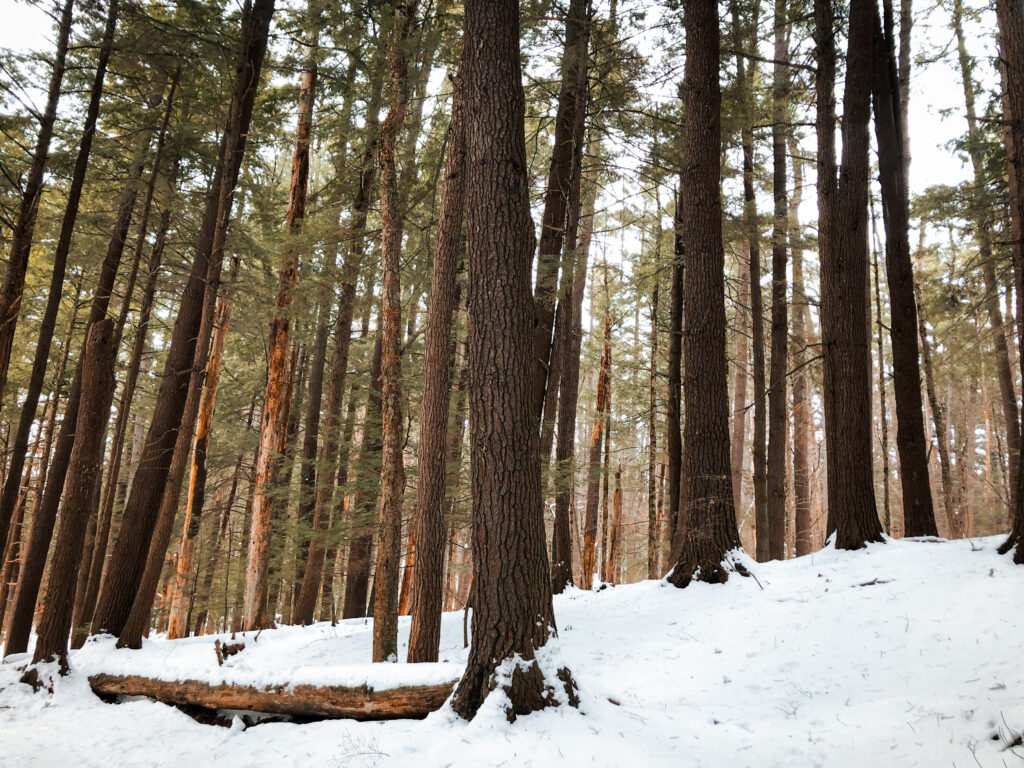
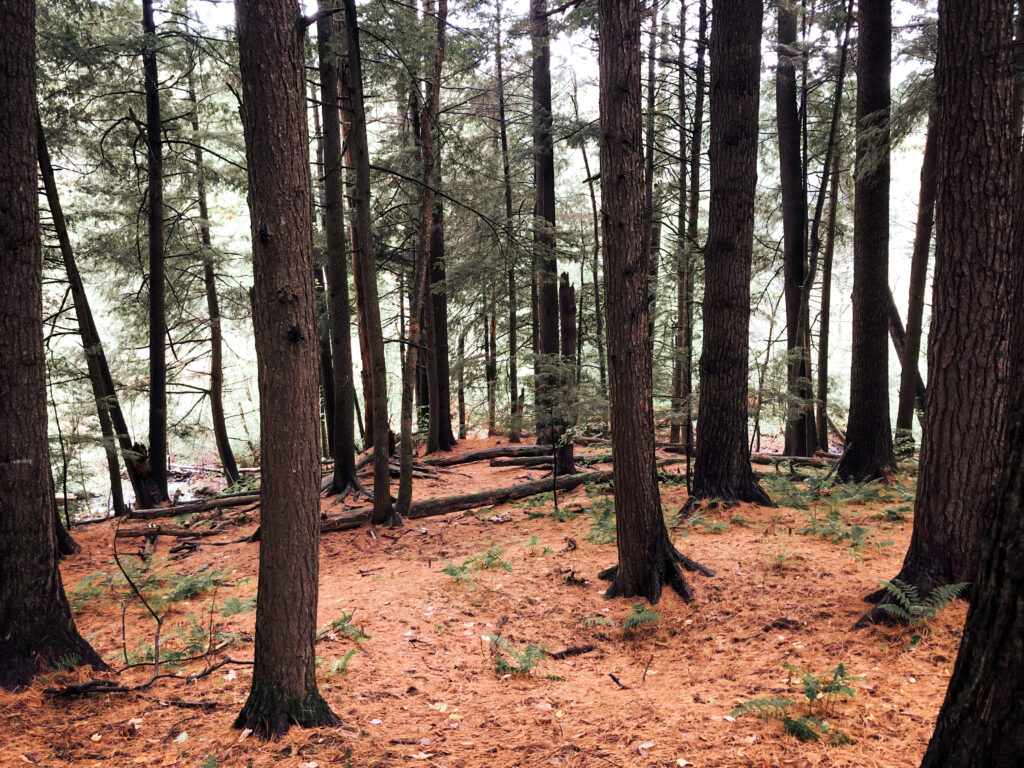
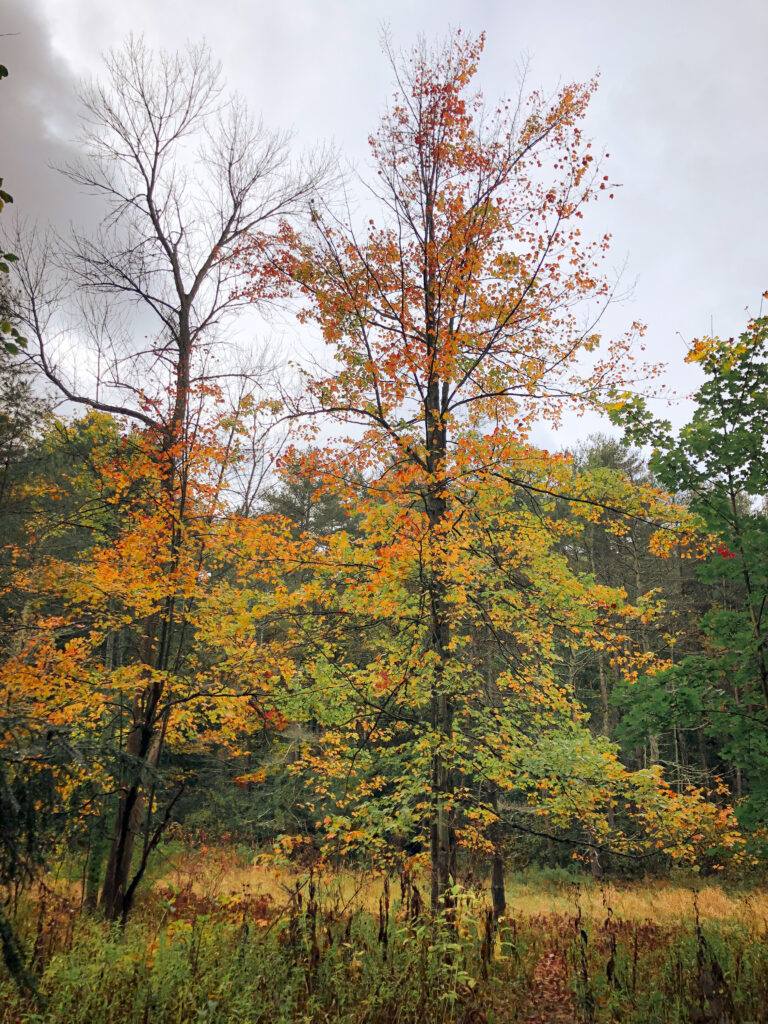
The trees found in the area are majority coniferous, northern white pine along with a fair amount of eastern hemlock. Closer to the creak and meadow you can find deciduous species such as sugar maple and red oak. The ground vegetation is sparse but consists of ferns, many types of moss, and just as many species of mushrooms/fungi. Most of this growth resides around the fallen logs.