
Bananas
One of Costa Rica’s most popular and recognizable exports are bananas. A report from 2015 stated that 2/3rds of the bananas consumed globally were grown in Costa Rica at one of the many plantations that, in total, employ over 100,000 Costa Ricans. Costa Rica’s affinity for bananas come from the perfect mix of tropical climate and rich volcanic soil that can be hard to find elsewhere. The banana industry in Costa Rica consists of a number of large industrial scale plantations, run by banana giants such as Dole, Chiquita, and Del Monte. Many small scale operations that use sustainable practices such as organic farming and permaculture are also quite prevalent, they are the main type of operation in the Osa. Due to it’s rural nature, much of the Osa’s bananas are distributed locally to the ecotourism industry, restaurants, and sold at markets.

Palm Oil
The African palm was first introduced to Costa Rica amid the banana plight in the 1940s as a way to offset the decline in banana production. Palm oil was quickly becoming in high demand due to its versatility and relatively high yield compared to many other vegetable oils, making it very lucrative. Costa Rica has the advantage of incredibly fertile soils and favorable climates for many tropical crops, this can be beneficial as it gives many people economic opportunity, however it also makes the country susceptible to the negative impacts of industrial farming and monocropping. In the Osa, many farmers are converting old pasture land to palm plantations due to its status as a global export. Compañía Industrial Aceitera Coto Cincuenta y Cuatro S.A is a processing company that many local farmers in the region sell their produce to to distribute internationally.
Vanilla
Vanilla is one of the worlds most expensive commodities by weight, much due to the fact that it has a very limited natural range and has proved difficult to cultivate. Vanilla belongs to the orchid family which is known for its complicated pollination processes, many of which are specially adapted to a single species of pollinator. Vanilla production soared in the mid 1800s when an advancement in manual pollination was made. However, this advancement has sadly led to vanilla being placed on the IUCNs redlist of critically endangered species due to extensive genetic bottlenecking from vegetative reproduction (essentially cloning) and limited cross pollination. Given that Costa Rica is within the native range of vanilla, many local farmers grow this valuable crop. Researchers are even testing creating hybrids between the widely cultivated vanilla and some of the wild ancestral vanilla to diversify the gene pool, a lot of which is happening in Costa Rica. Much of the vanilla produced, even at the small plantations and haciendas in the Osa, get sold to larger processing plants and exported world wide, similar to palm oil.
https://www.sciencedirect.com/science/article/abs/pii/S0959652621040051

Timber
Like any country covered in tropical forests, the timber industry as played a large role in Costa Rica’s economy for centuries. Tropical hardwoods are some of the most sought after wood types for many applications such as furniture, flooring, cabinetry, and other wood detailing. Teak, mahogany, and rosewood are just 3 of the approximately 1,300 (estimates vary) tree species present in the country. In many places across the globe, deforestation for wood products such as these have been ecologically devastating. Costa Rica has had a history of this, however, the industry of sustainable forestry has taken a stronghold in the country as well. With Costa Rica’s strong emphasis on environmental protection, exemplified by the forest law 7575 introduced in 1996 that calls for “rational use” of natural resources and prohibits practices that will result in land cover change in the country’s forests, as well as the consumer shift toward more sustainable products, Costa Rica has made a name for itself in the industry of sustainable timber.
https://www.gaprealestate.com/about-costa-rican-trees-and-wood/
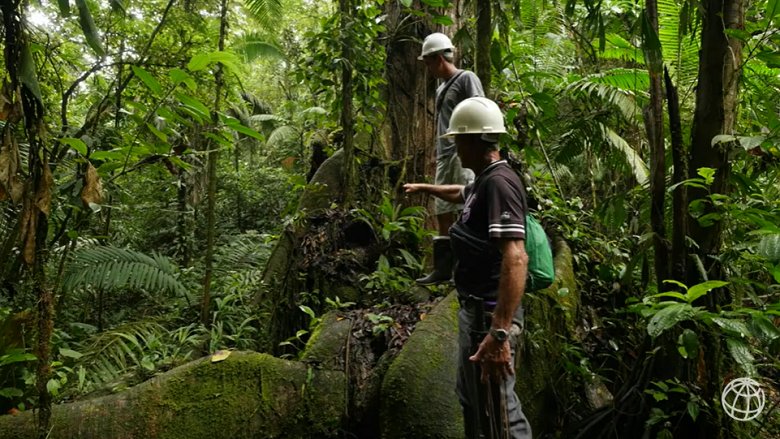
https://www.worldbank.org/en/news/feature/2022/11/16/costa-rica-s-forest-conservation-pays-off
Cattle/Beef
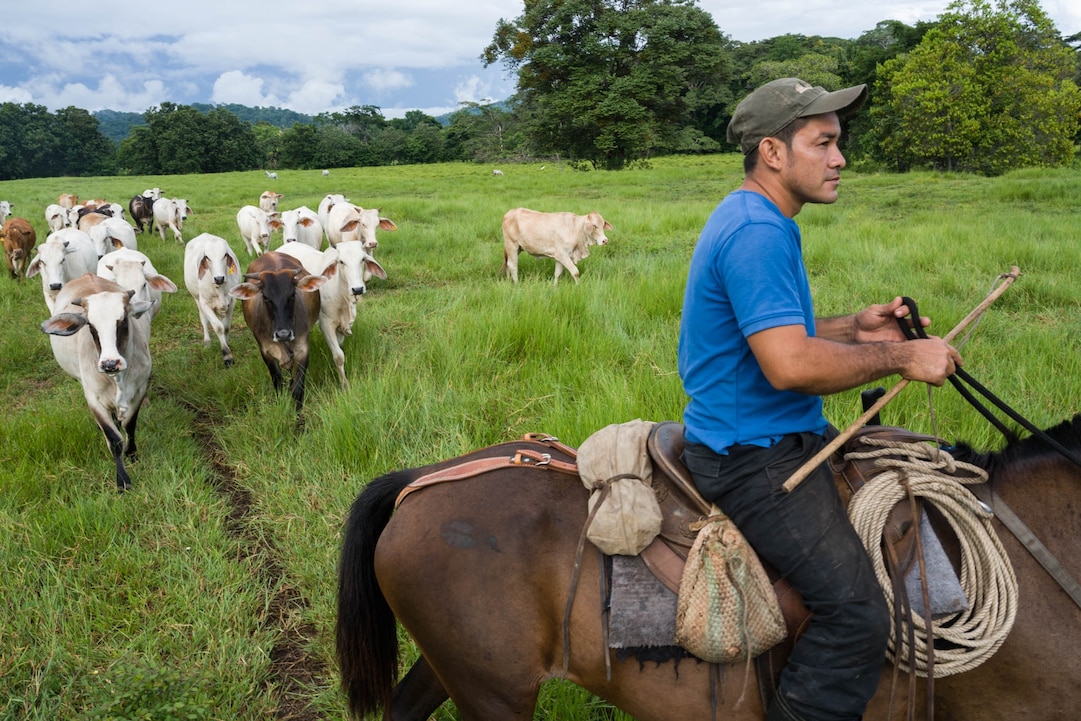
In the costal lowlands of the Osa Peninsula, cattle ranching has long been an important piece of the rural economy. Many ranches have been in operation for generations and are passed down within a family. Many small scale ranches are merely subsistence operations, producing a small excess to sell locally. Given the rise of ecotourism in the country, it has been popular for these and other agricultural operations to double as bed and breakfasts or eco vacation destinations, using the ranch as an appeal for those looking for an authentic experience. Rancho Raices de Osa is an example of a ranch that has transitioned into ecotourism, offering tours and chocolate making workshops alongside their operating ranch.
https://www.facebook.com/RanchoRaices/?locale=es_LA
Hi, this is a comment.
To get started with moderating, editing, and deleting comments, please visit the Comments screen in the dashboard.
Commenter avatars come from Gravatar.