Posts

Back at the OG site. How the salmon doing?

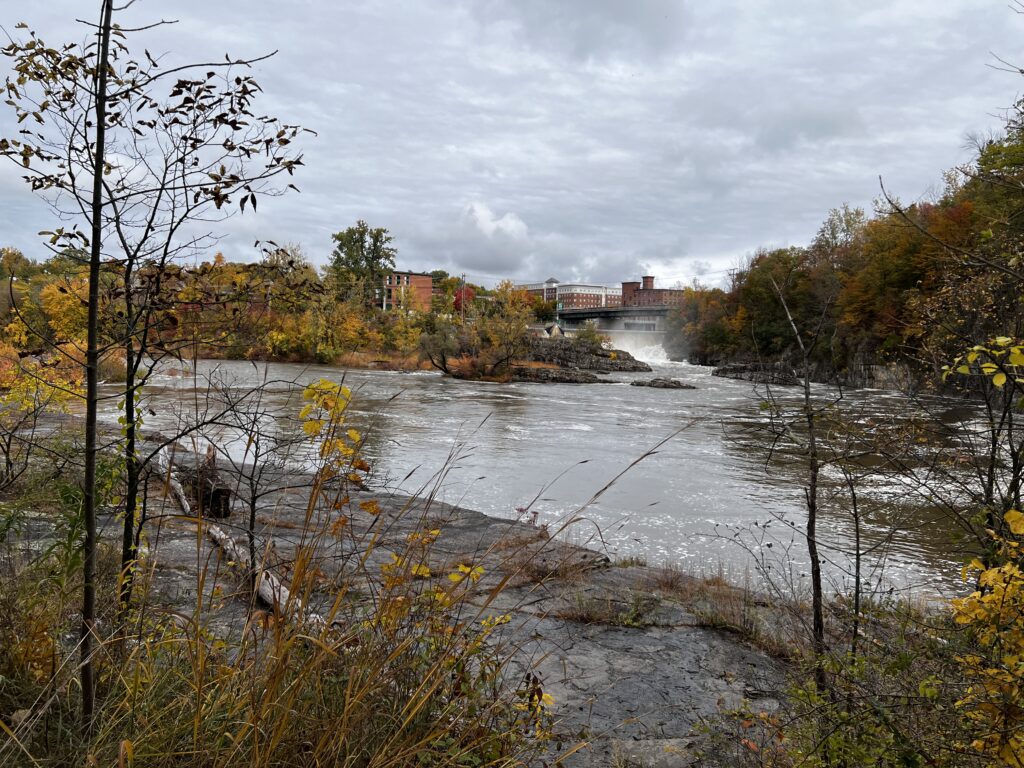
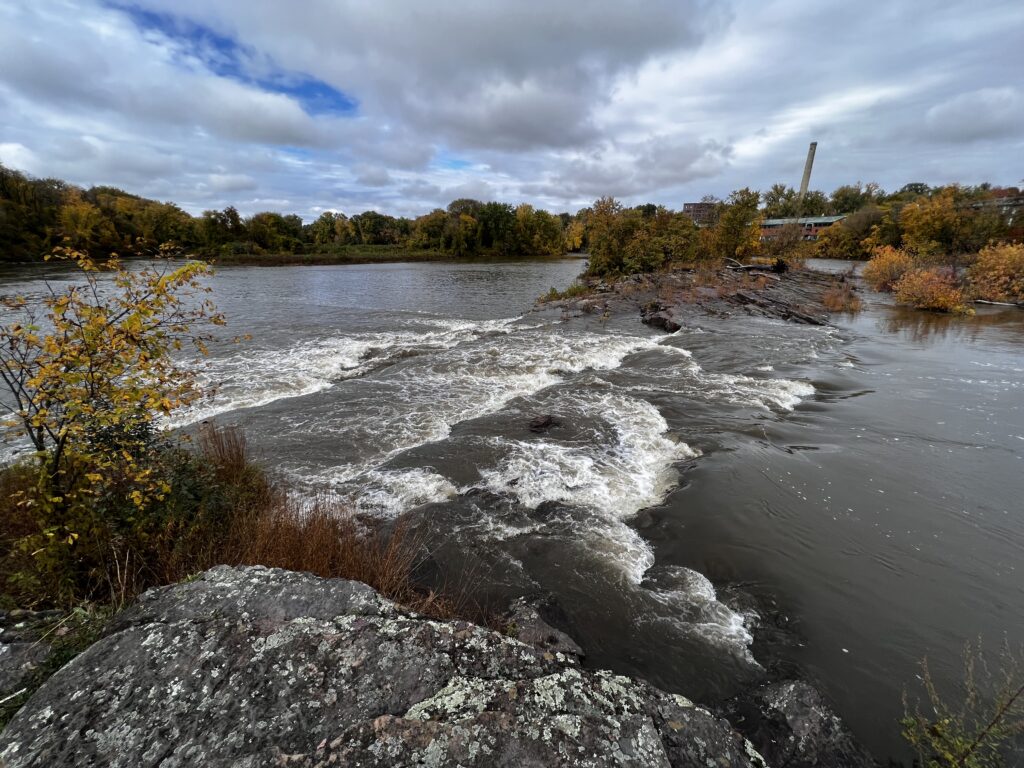
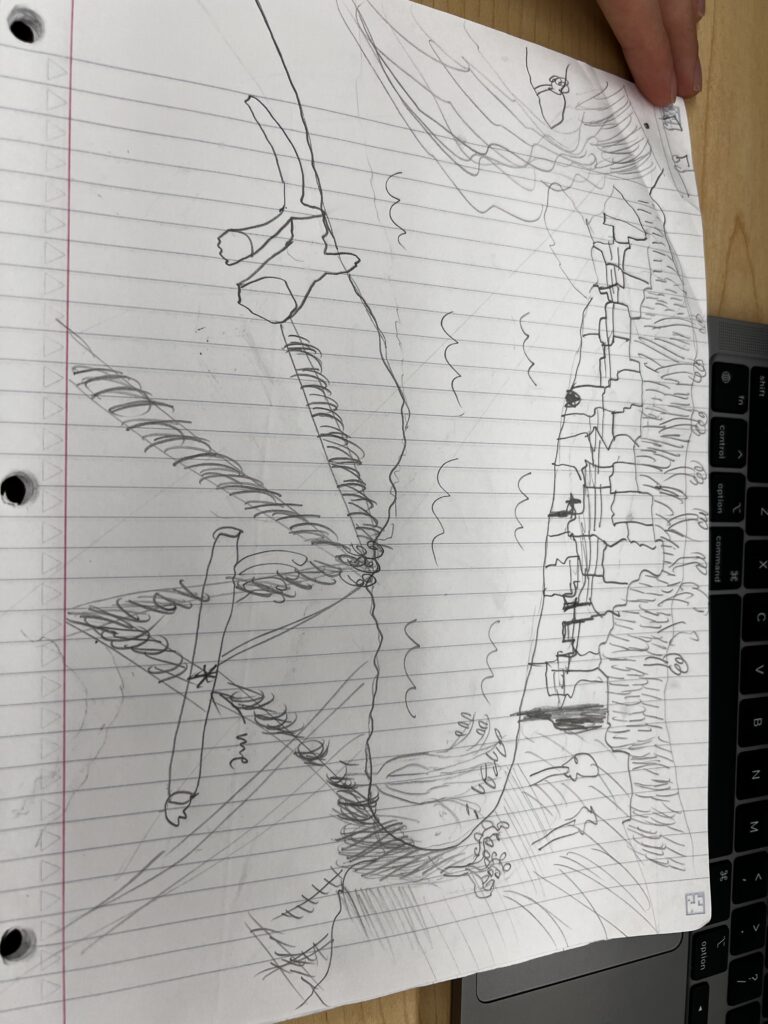
There really has been a lot of change at the site during this school year. During the fall it was “normal” with average water flow, in the winter, the water level was MUCH lower because of ice accumulation in the mountains, while now the water level is crazy high because of the melting of the snow from the green mountains and ALSO the massive amount of rain we’ve been getting recently. The water level has been changing throughout every season and follows a pattern of winter lows and spring/summer highs. I’ve become so used to the logs that you can sit/lay on the overlook the water. There are a few logs that, since the water level is so high, are completely underwater and I think that it’s so cool that just a few months ago I was sitting there. The dam is sometimes on and it’s become a classic thing to look at in awe with the sound its making and knowing the power of all that water coming through must be insane. The water is always so magical to look at and adore. Nature and culture seriously intertwine here in two ways. 1. The power of the water and the dam create power for Winooski. People have taken the power of nature and literally turned it into power/electricity. The other way culture has intertwined with nature here is the fact that people come here to relax because of how peaceful it is. Students and the general public find that this nature helps them in their lives and they dedicate time to come here. I do consider myself a part of this place since I go there all the time, like many others. Since so many people go there and walk around on the rocks, people are part of the land here (also because there is some litter). I, overall, thought that this place was awesome for phenology and will be returning there so many more times throughout my time here at UVM.
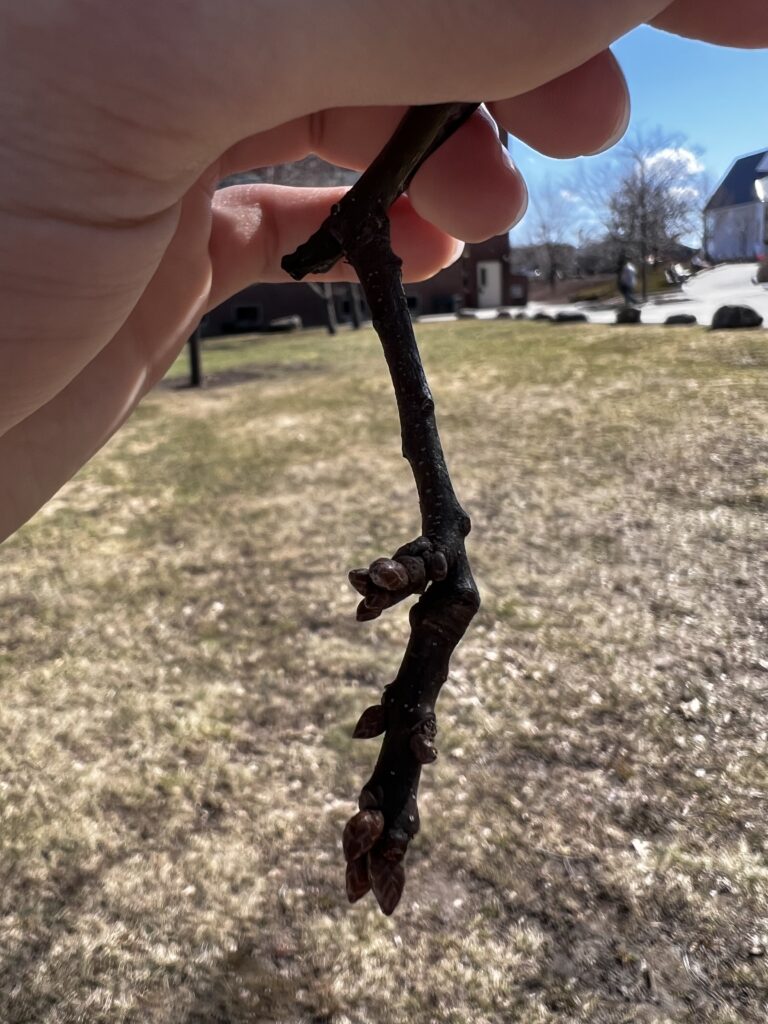
Early April, has anything changed?

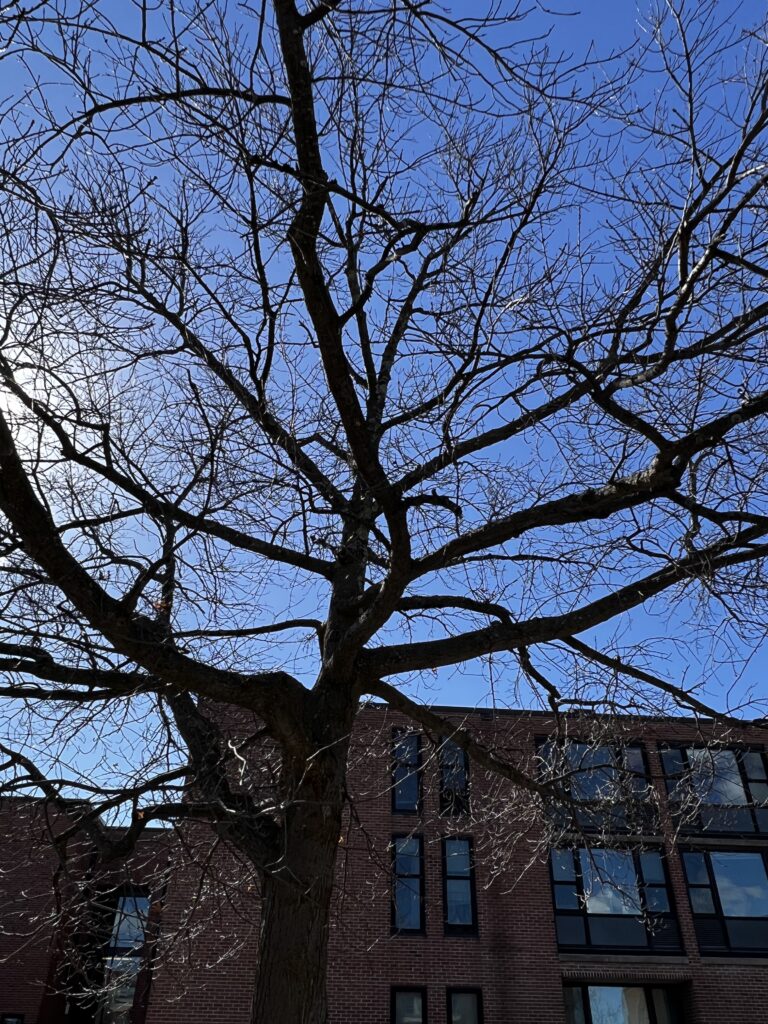
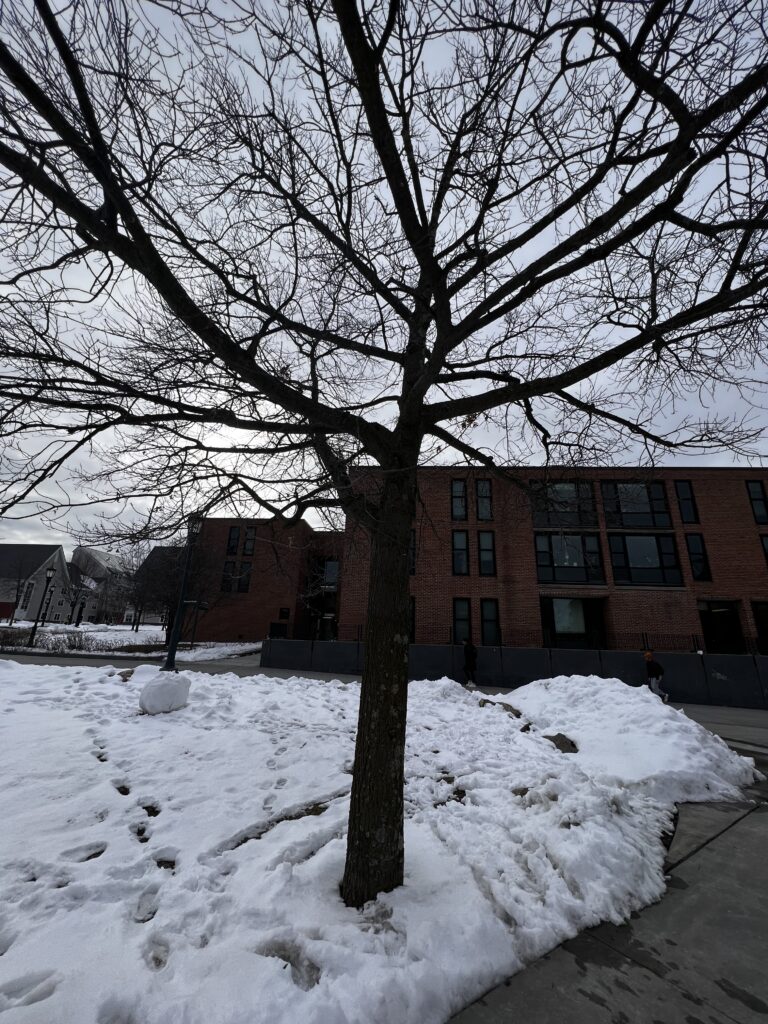
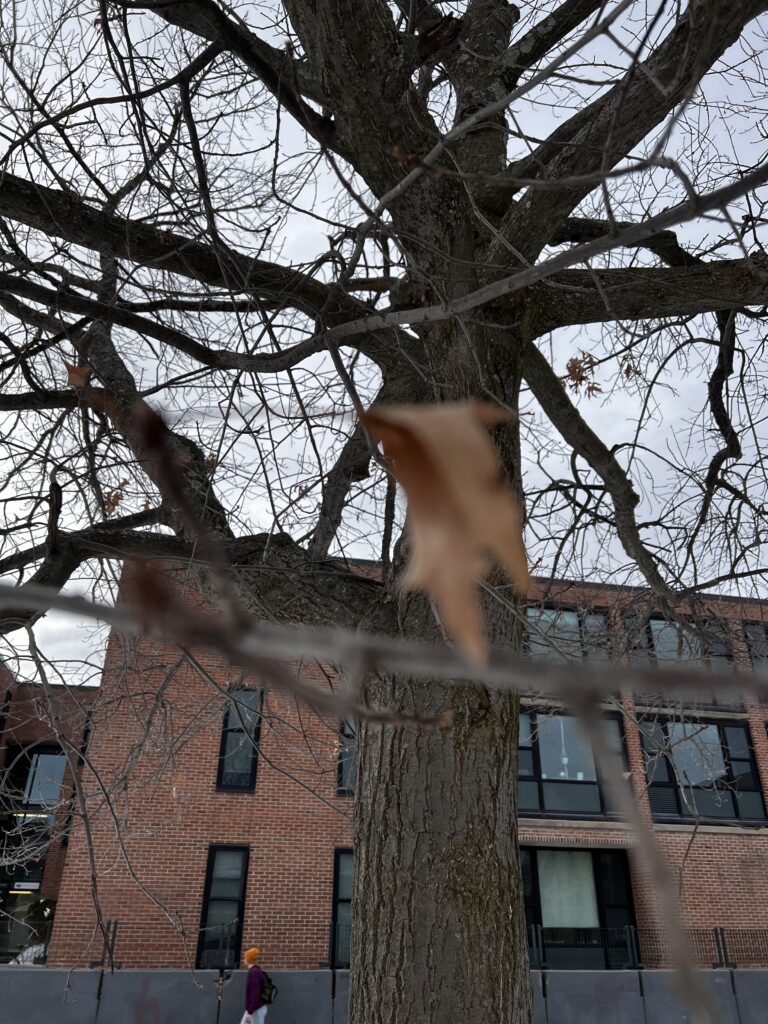
The answer to this dear old question is…basically nothing. I was shocked how other trees around it were starting to show baby leaves but this tree only showed buds that were SLIGHTLY bigger than the last time I checked. This tree doesn’t even deserve a photo so disappointing. To be fair this northern oak must be a late bloomer in the spring so hopefully in the next week or two something it’ll have SOMETHING to show for itself.

How’s the Tree Doing in Late March

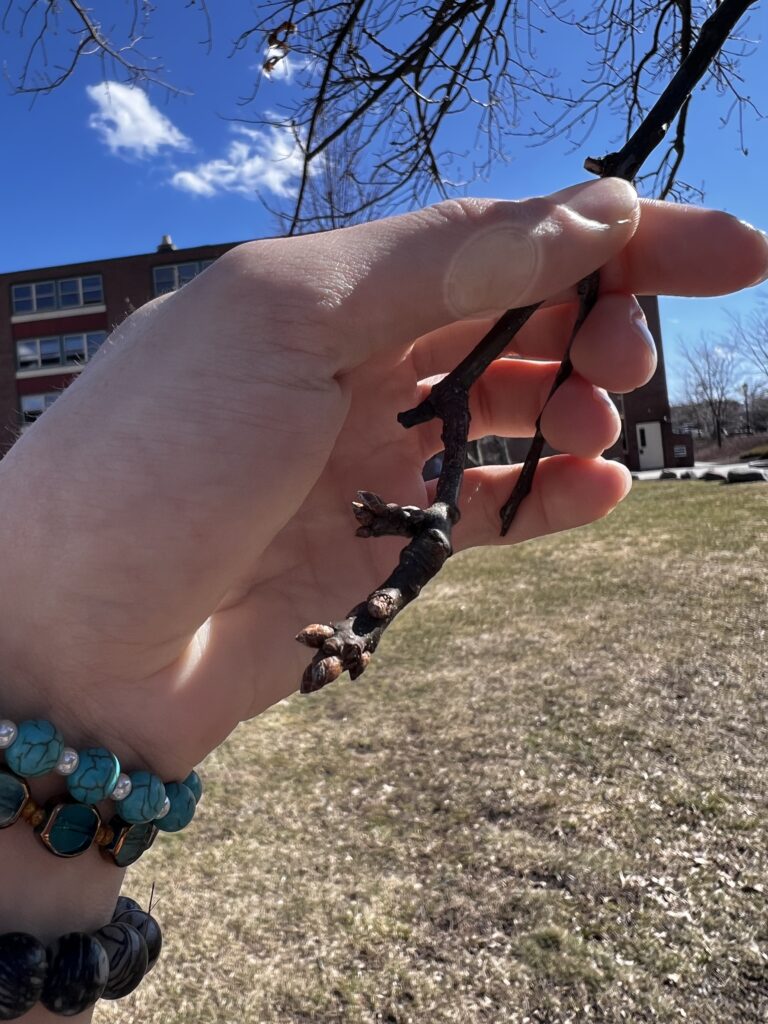
The Oak is basically the same as the last time I saw it. It was a cold day but under closer inspection…there’re buds! We see the first sign of Spring! I feel that it won’t be long until this tree stops looking ugly and leaves start to sprout. I have a feeling that during the next phenology visit to this tree there might not be ANYTHING different. The only thing that could possibly be different would be more developed buds. I’m excited to visit it soon because its supposed to be warm (thank god).

Let’s Find a Winter Tree!

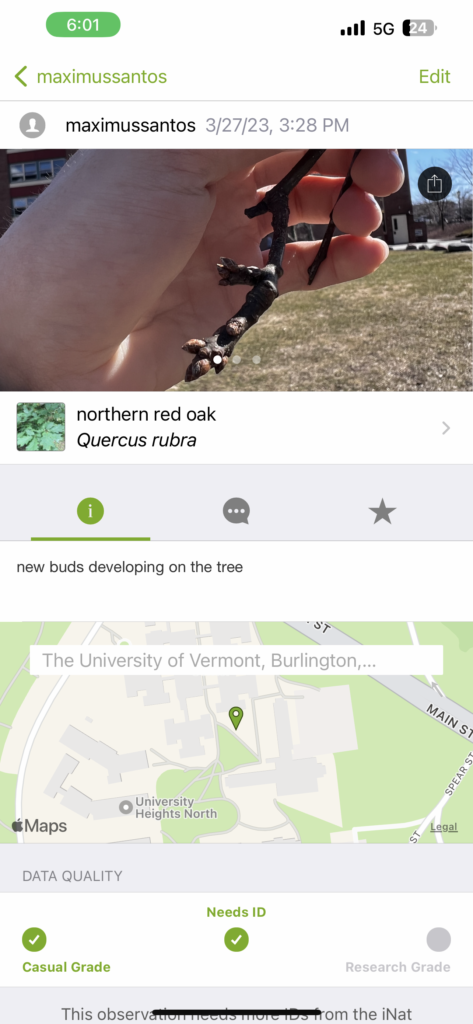
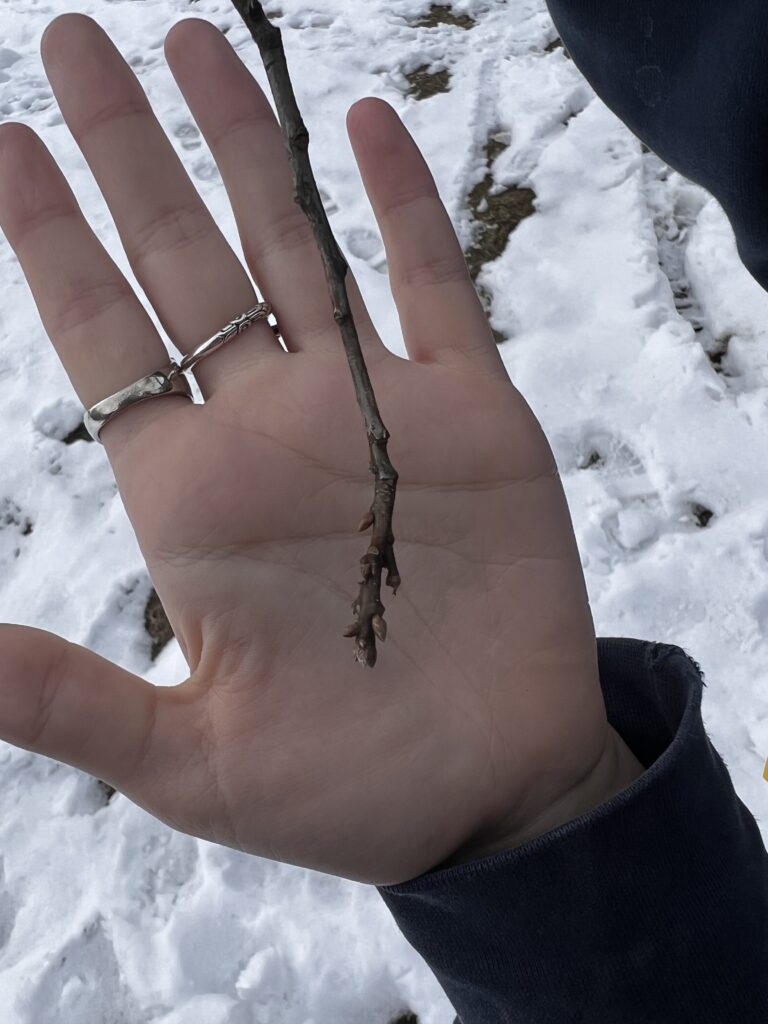
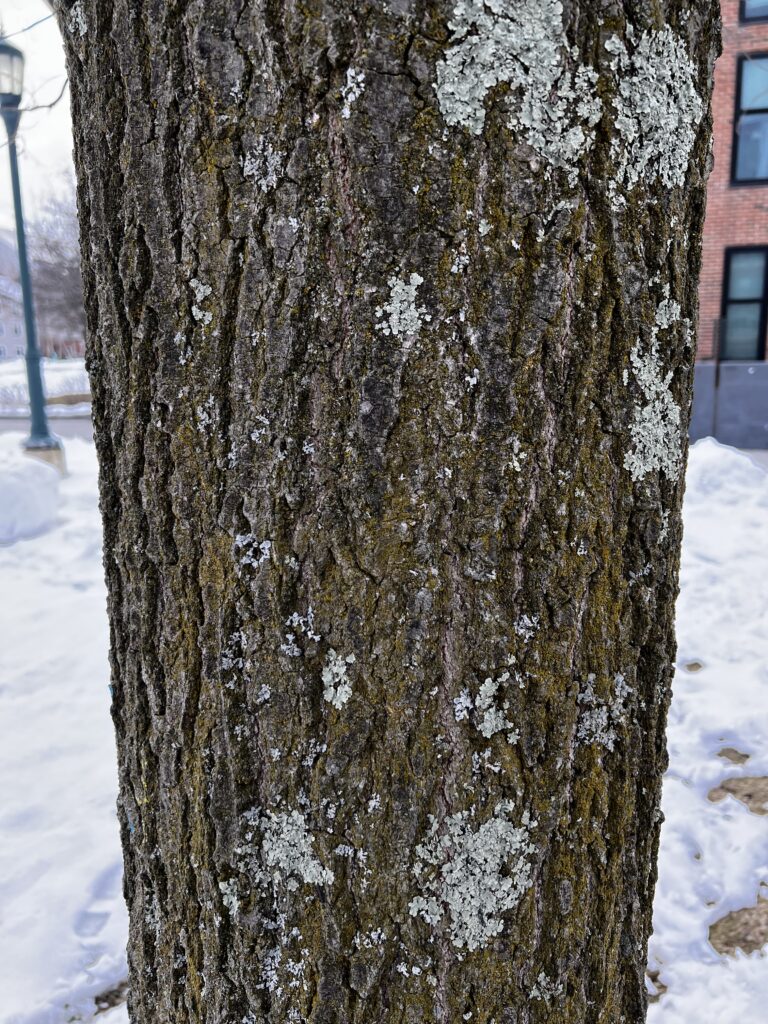
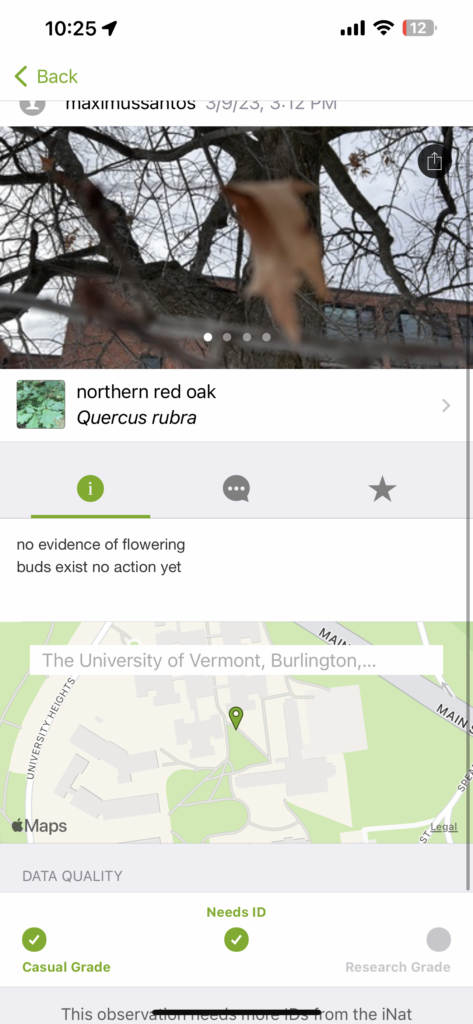
I identified a Northern Red Oak in a small little grass patch outside of MAT. I was able to tell with the scaly bark and the distinct budding that occurs. I know that this is a northern red oak because of the distinct scaly (not not too scaly) bark and the similar but slightly different budding pattern. Maple buds are more colorful and not nearly as spiky as red oaks are.

Tracking in Burlington!

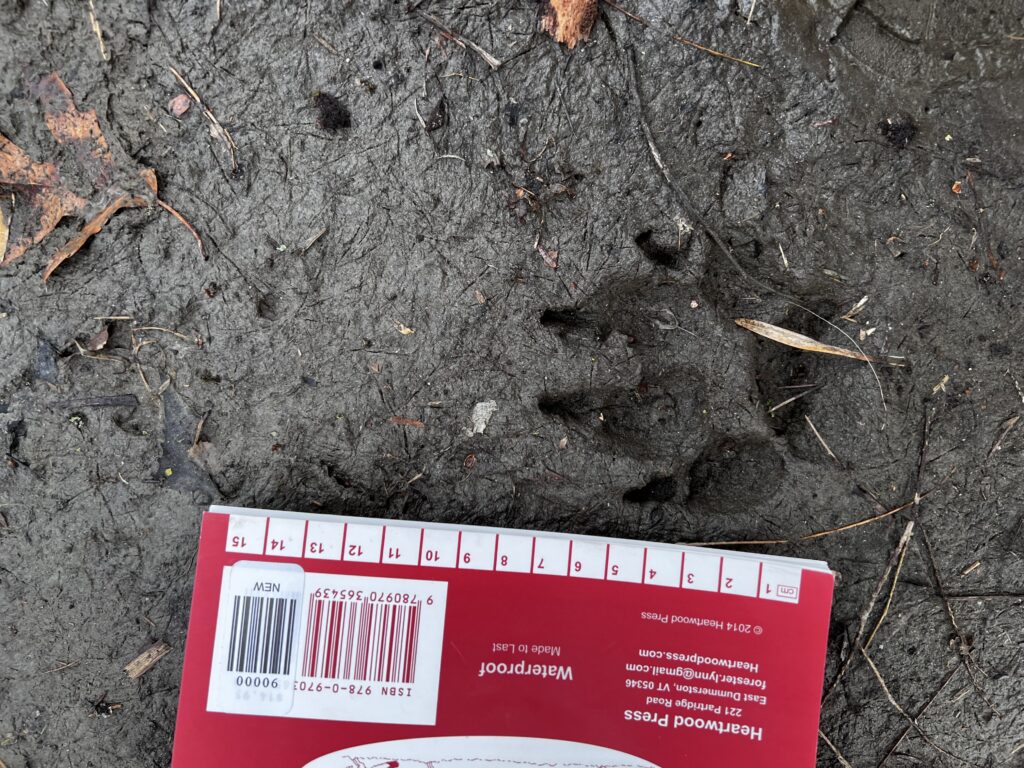
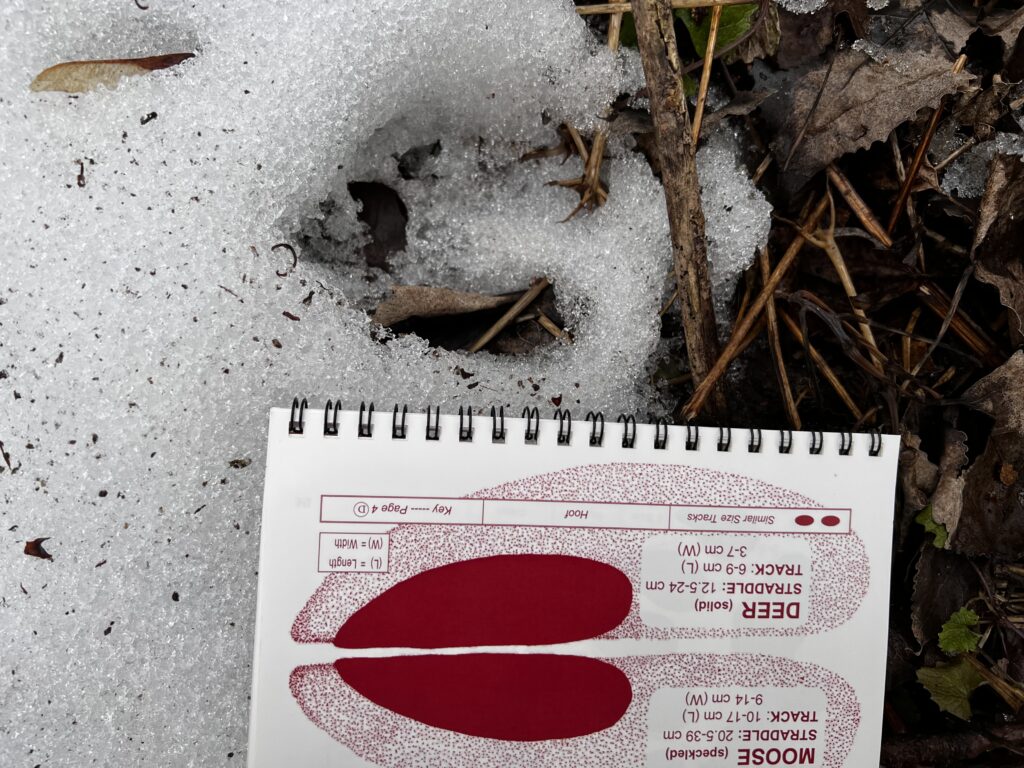
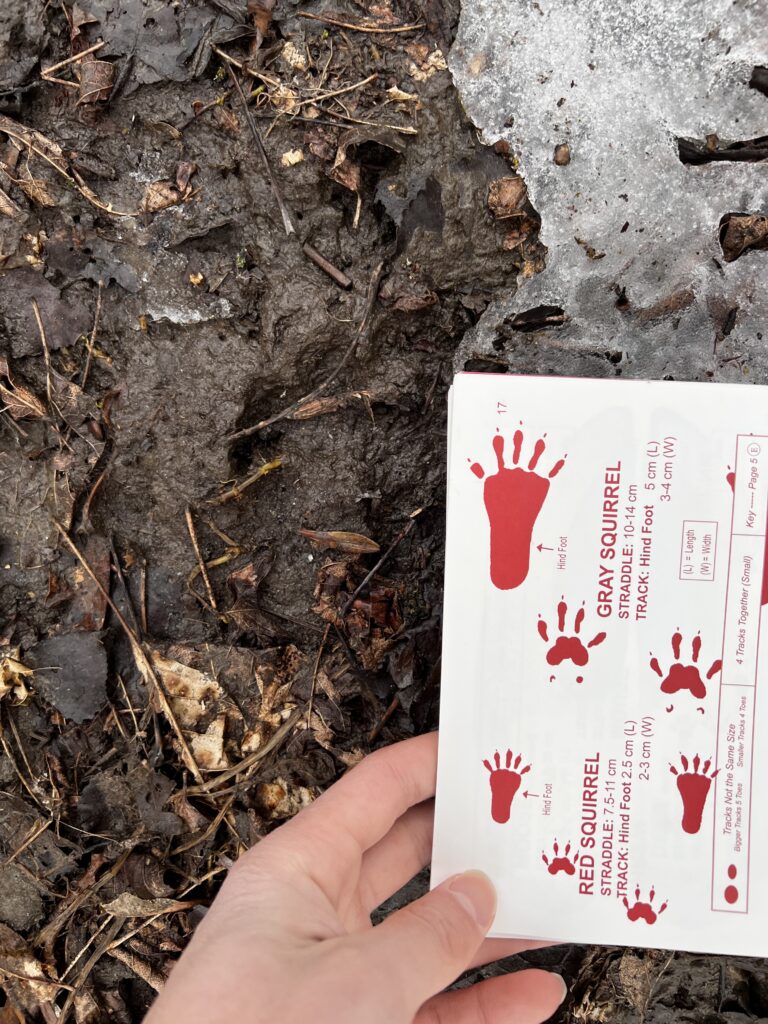
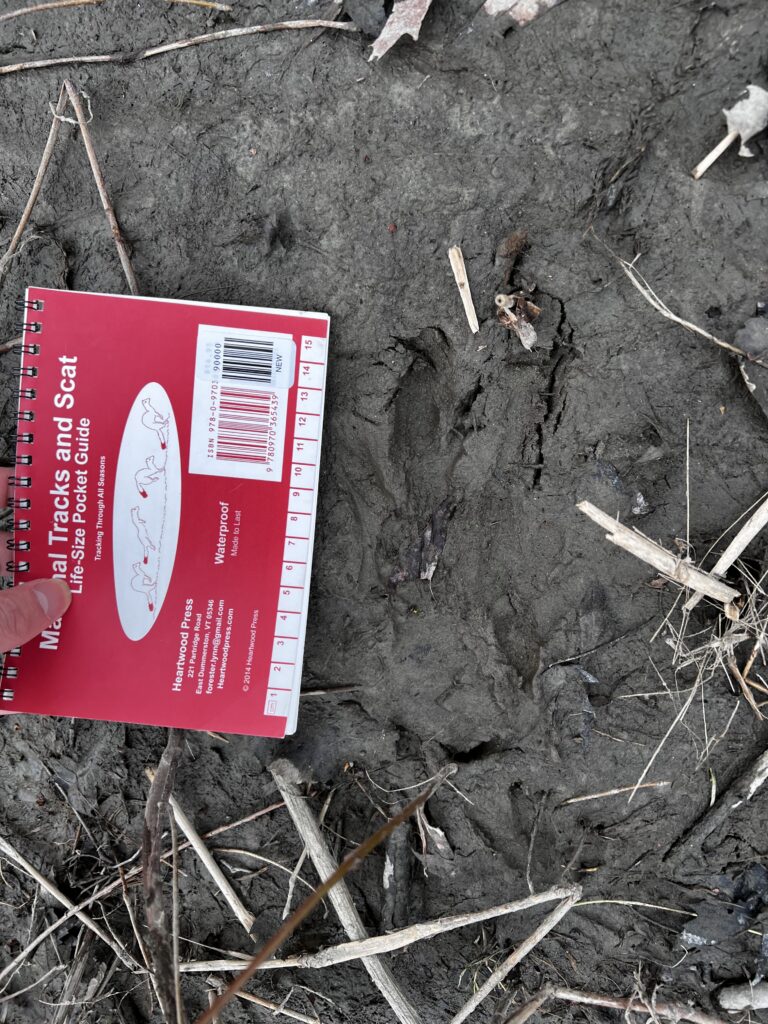
We went to the Intervale center which is right along the Winooski River. It was an awesome little walk with plenty of mud and a shoreline of the river so that we can find tracks. We encountered (sadly) mostly dogs but we came across some other animals. There were moments where we thought there were coyotes but instead it was just another dog. The iNaturalist app is very cool for tracking down and somewhat organizing the tracks found.

We saw many dog tracks like:

We saw some deer:

I’m PRETTY SURE that this was a squirrel but not fully confident:

I think you can see the hind foot and the front foot in the picture.

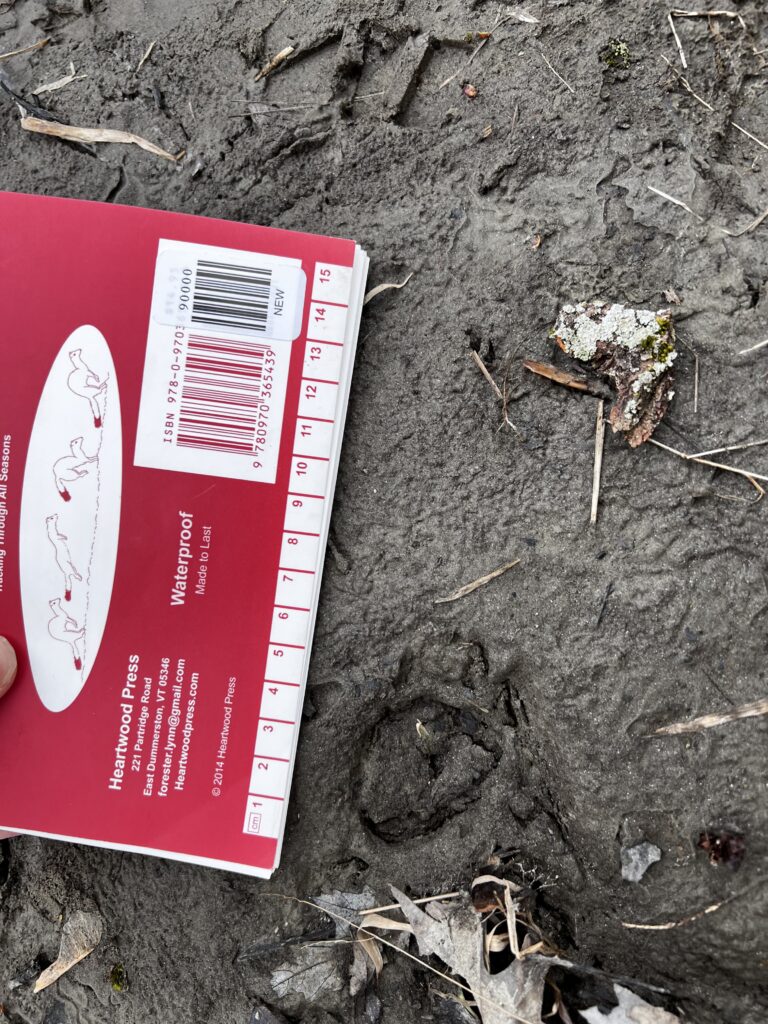
These two I have no idea what they are but the first one was from the water so maybe it was a beaver, the second one was something small and I saw no other footprint of it so I don’t know its walking behavior.

Overall it was pretty cool and he had to search and try to find anything that wasn’t a dog (there must have been dogs EVERYWHERE)

January 30th, Winter has taken over

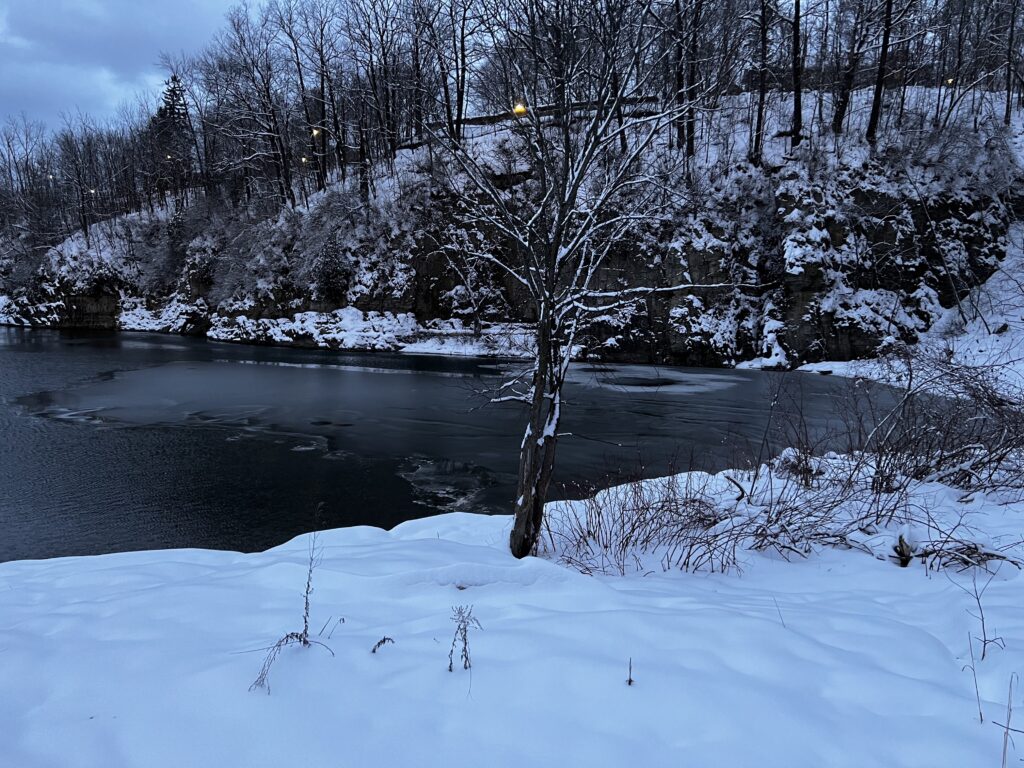
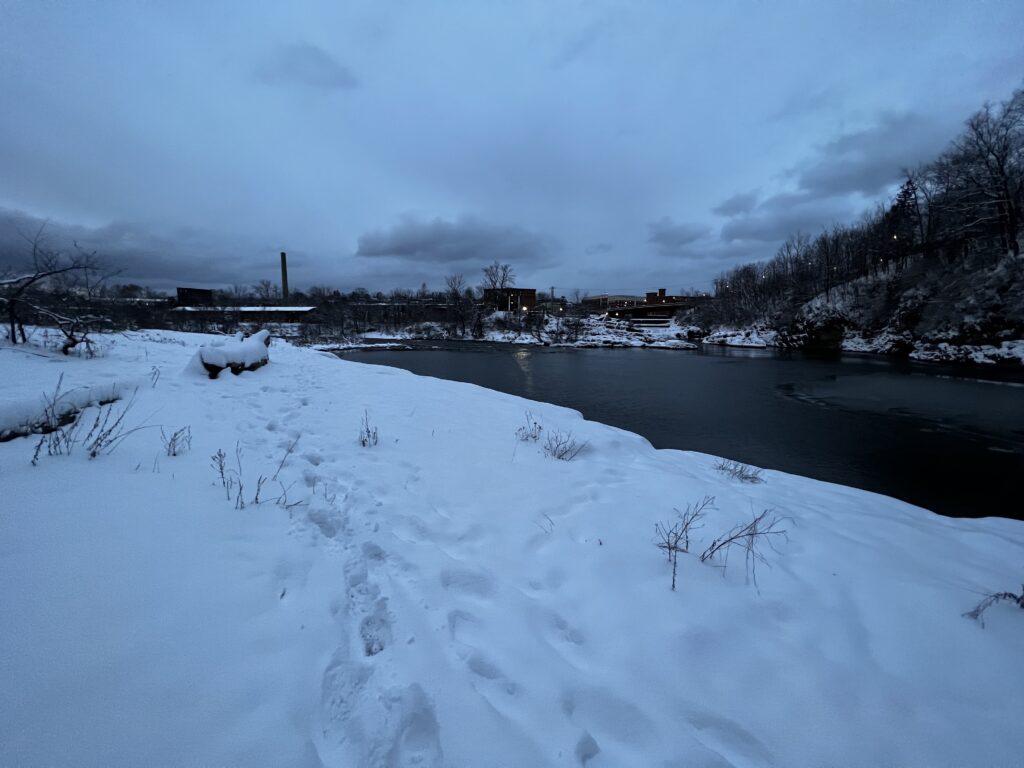
Ice is freezing over the river with around 6-8 inches of snow now covering the rock face that existed before

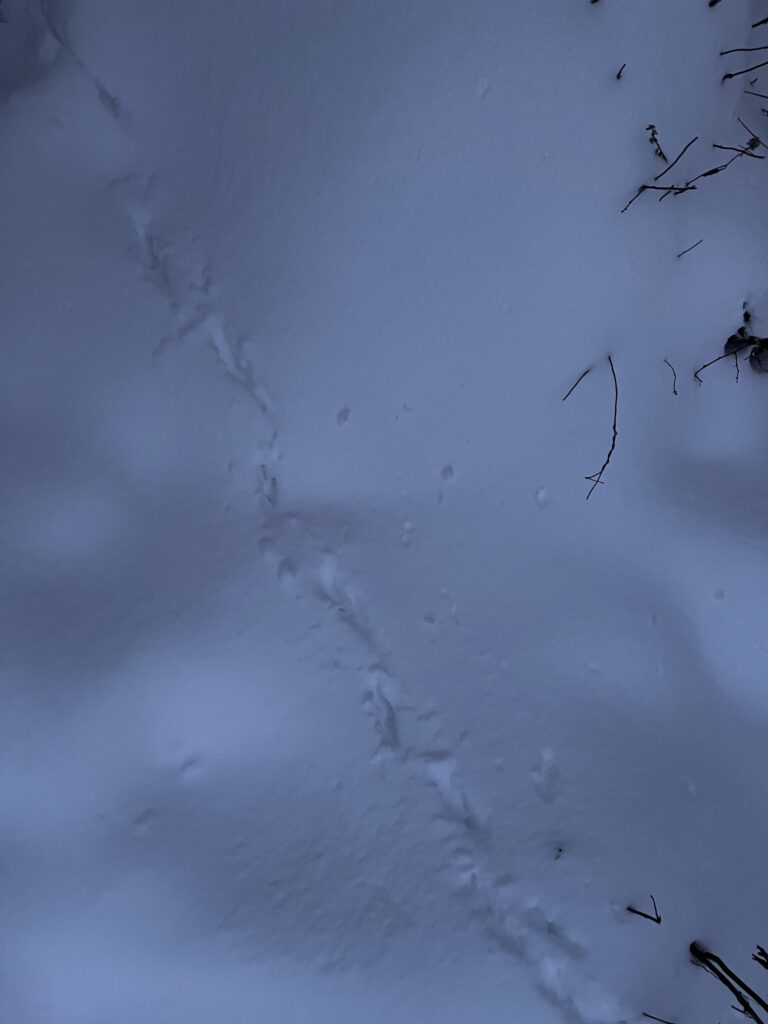
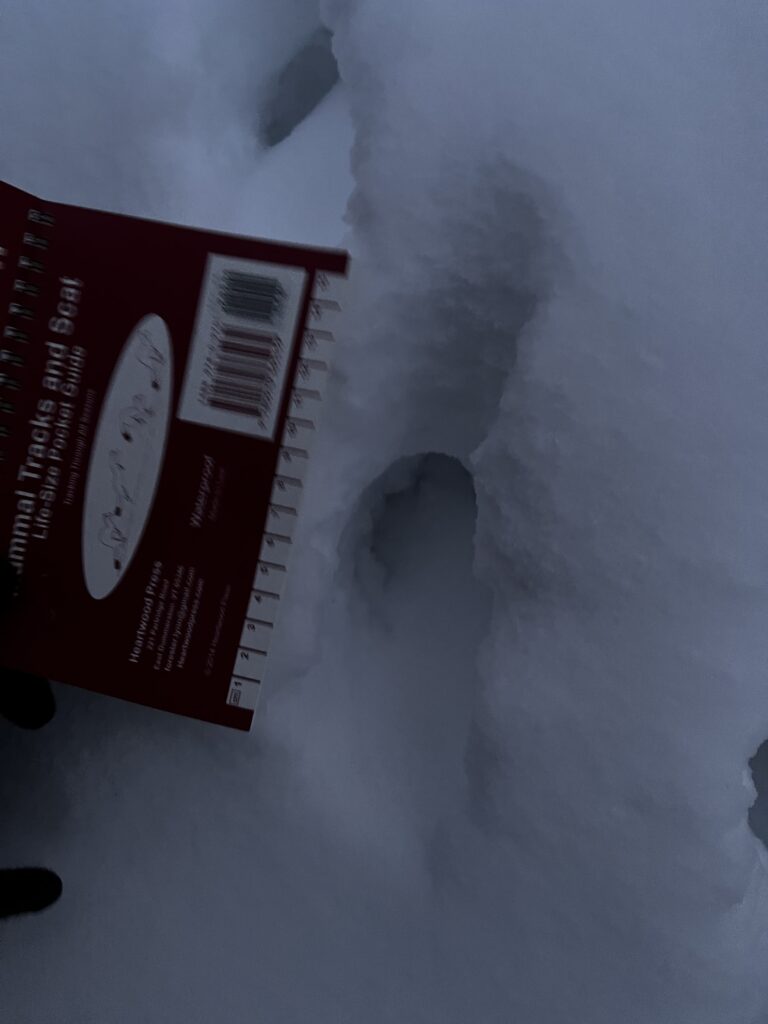
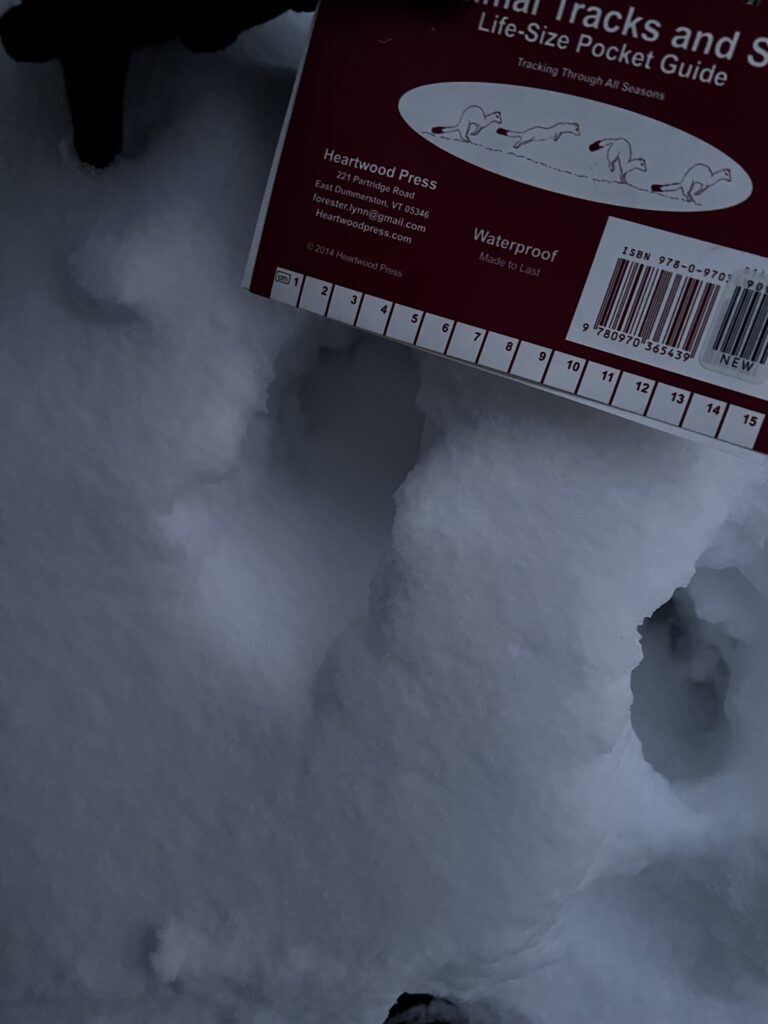
I found some tracks that were along the river and by using the booklet I determined that the mammal could be Marten. It matched the foot size while also gliding across the snow in the first photo.

The water level is lower now since more of the upstream water supply is frozen in snow on the mountains which only speeds up the freezing process of the river. I wonder by the next time I head out there if I will be able to stand on the ice.

November 28th Phenology

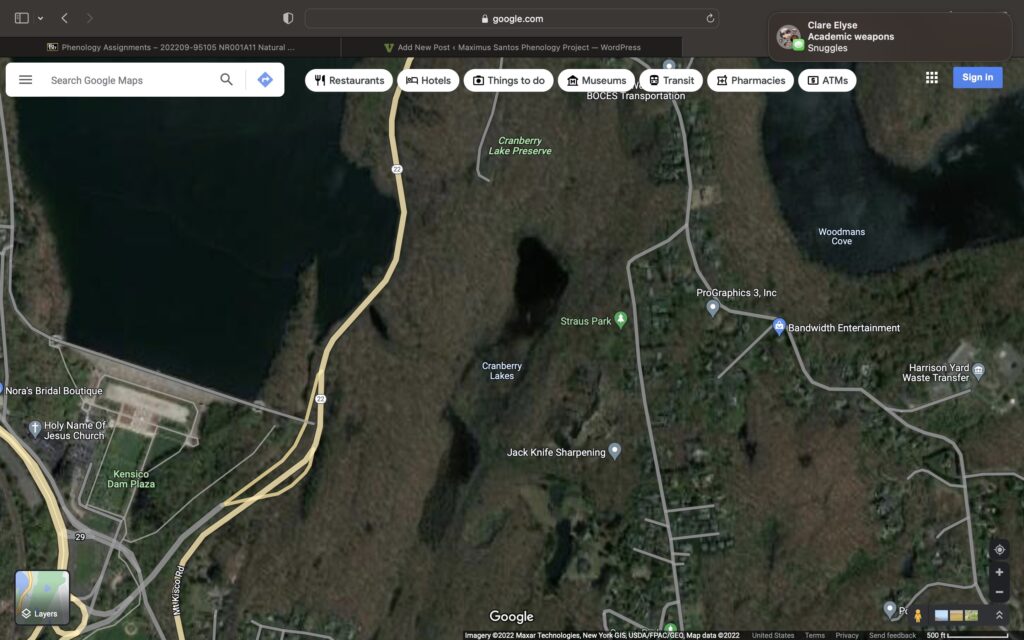
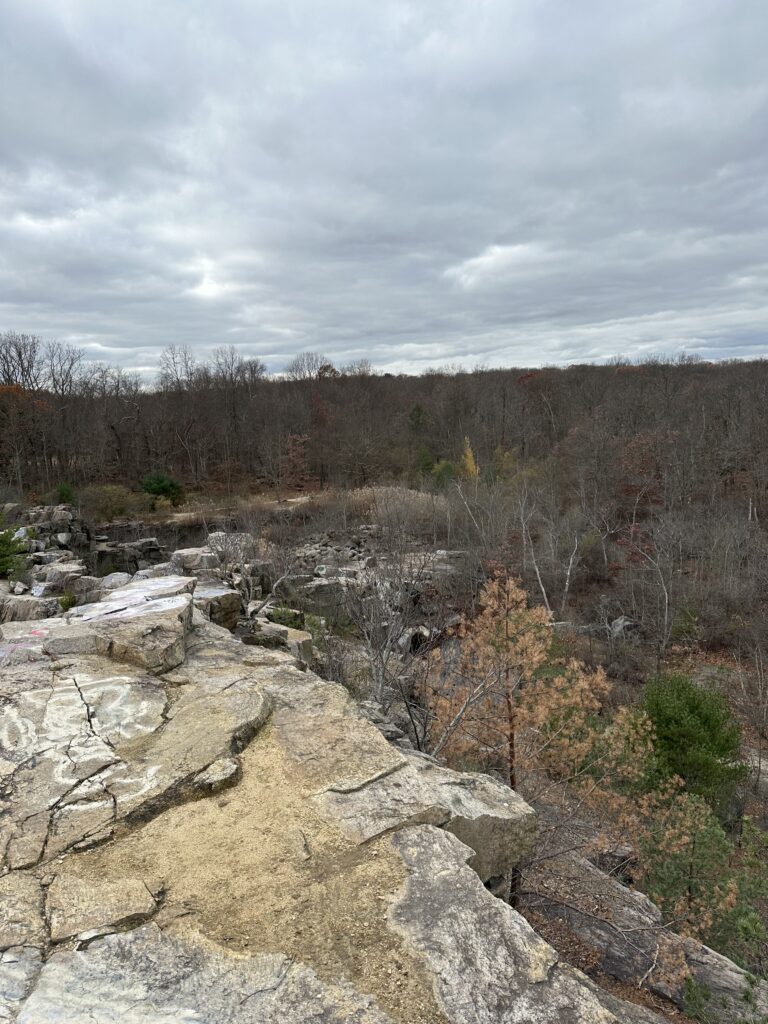
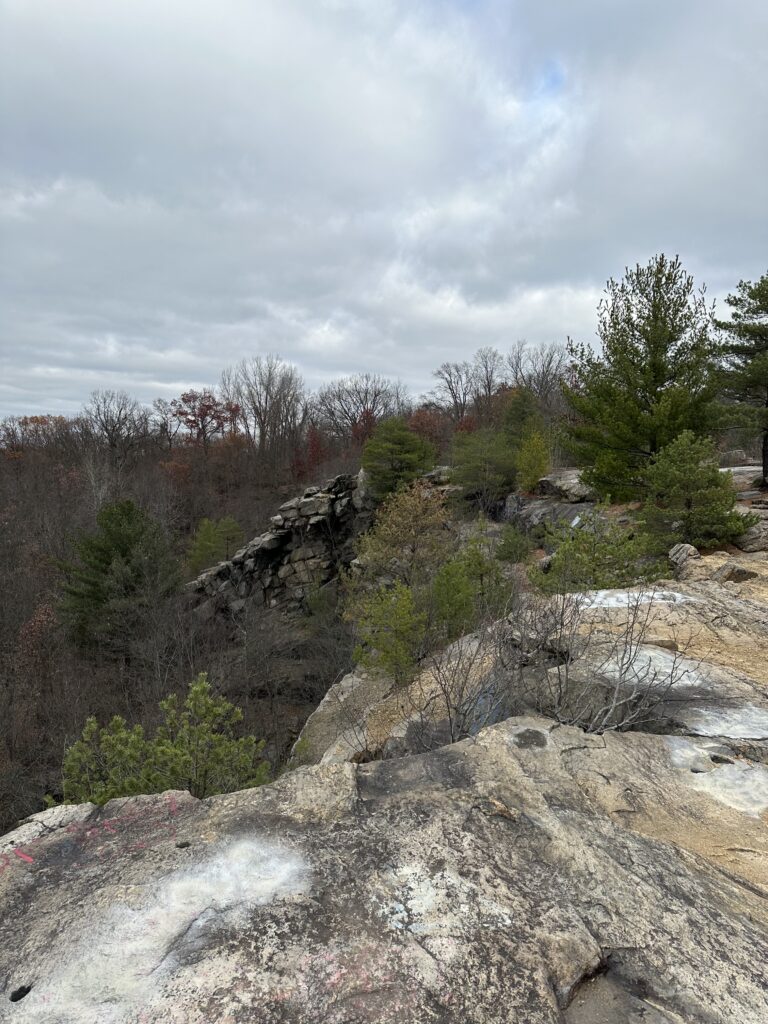
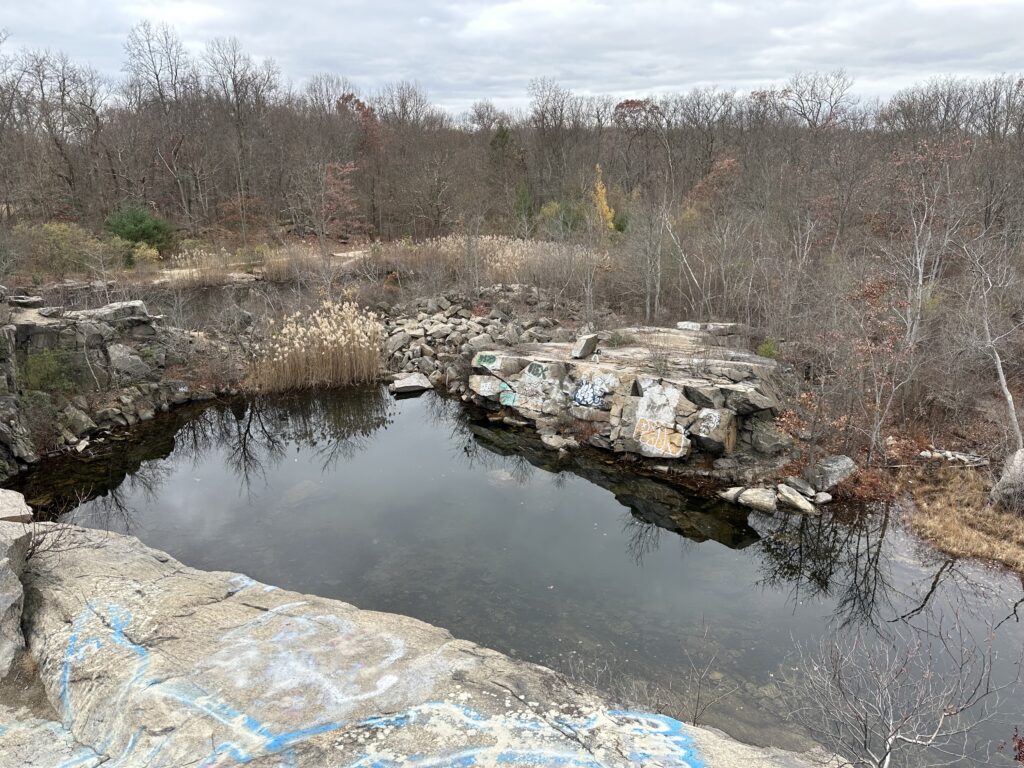
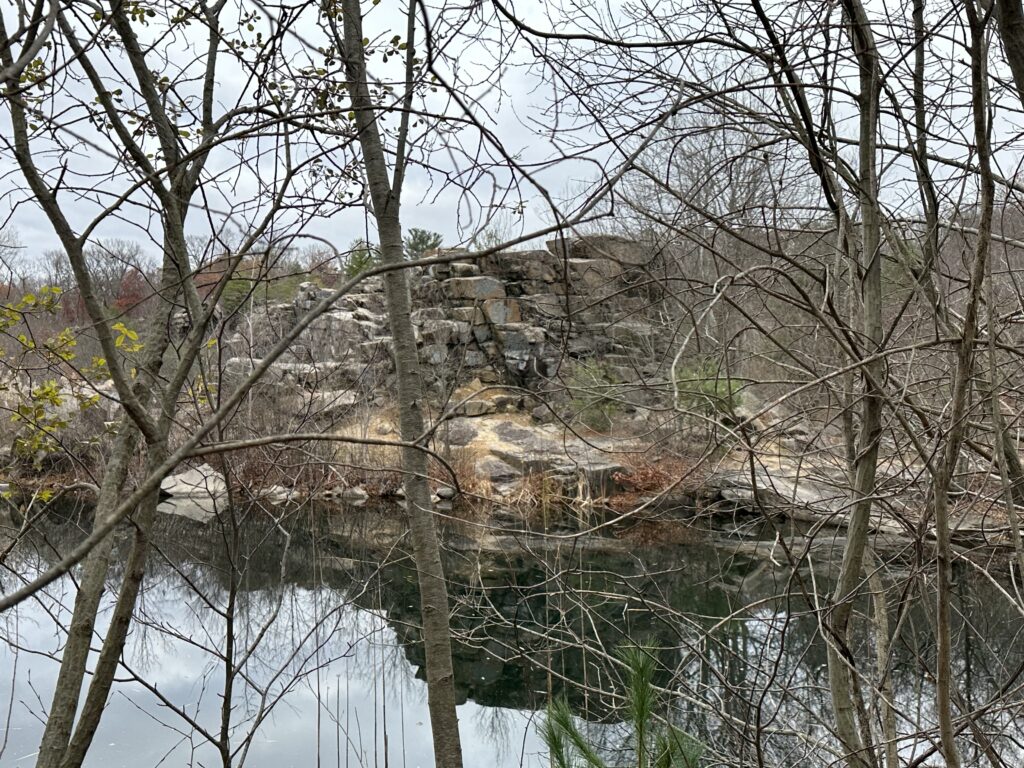
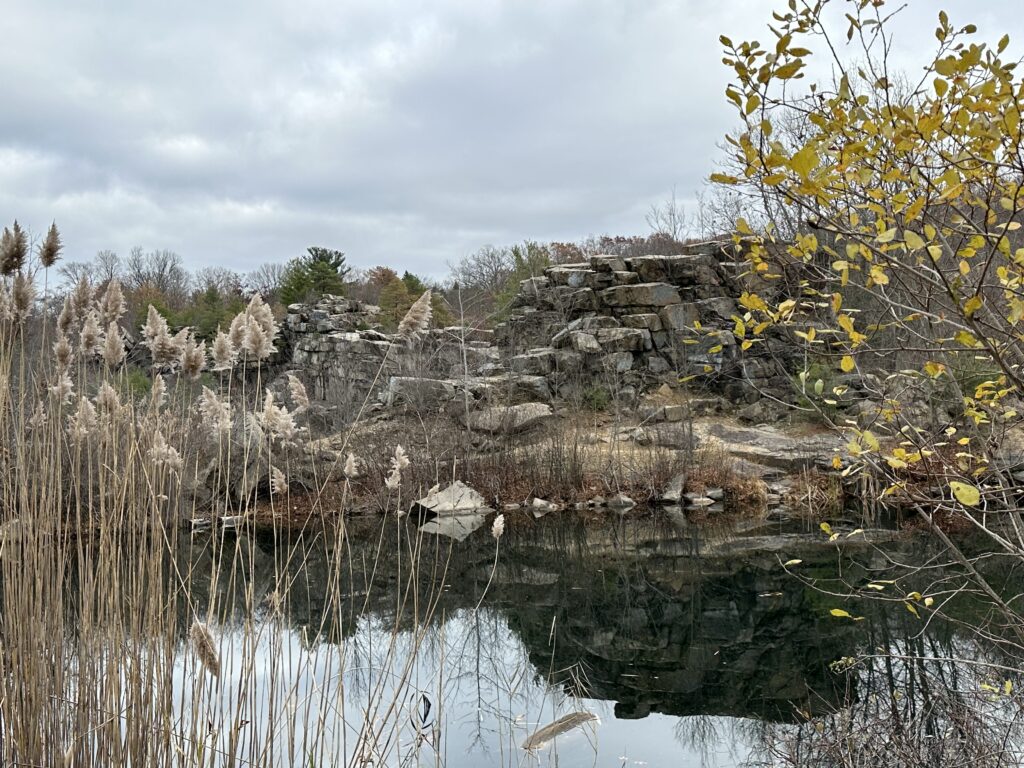
This is Cranberry Lake preserve next to the Kensico Reservoir with the quarry that built the dam in the image right next to Jack Knife Sharpening. It can be lightly seen on the map.

The ecology of the area is similar to Burlington with similar tree species however it is hard to tell since we are approaching winter where not many animal species and identifying trees can be seen. The Phenology is also the same since both Burlington and Armonk, NY are both in the northeast. What is different between the two is the geology of the area. Burlington primarily consists of Dolostone, Limestone, and Shale while this quarry is built of Granite which is why it was used for the nearby dam.

An Indian Summer at Salmon Hole

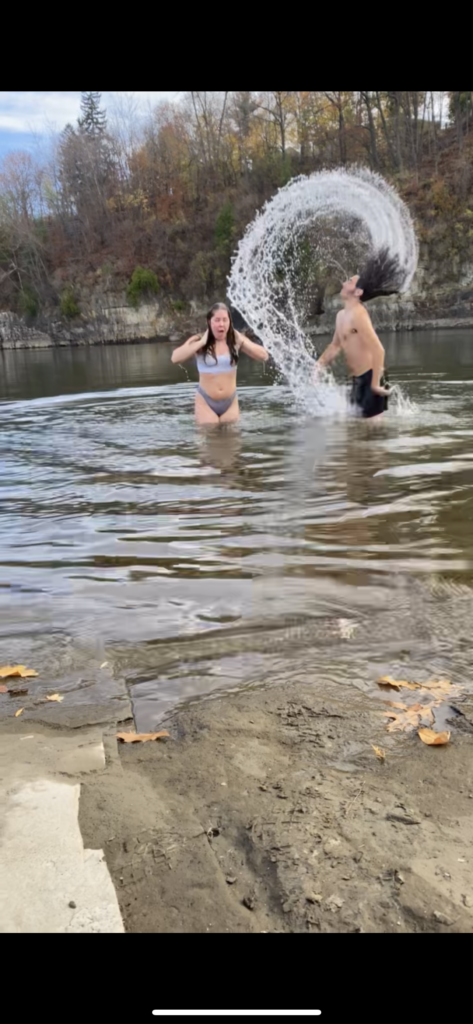
While sitting at Salmon Hole for 15 minutes and looking around at the peaceful nature, I realized how much has changed since the last time I was there. On the first day, there was a massive storm that caused the water level to be abnormally high and while I was there this time, the water level was much lower and I was able to cross most of the river with some jumping. It was warm so I decided to take a dip into the freezing cold water

The vegetation was much more dead than it was before with all of the tree species there lacking leaves or leaves that are brown. The water level is slowly dropping and will drop more once snow accumulates in the green mountains limiting the flow of water there.

First Day at Salmon hole

Introduction

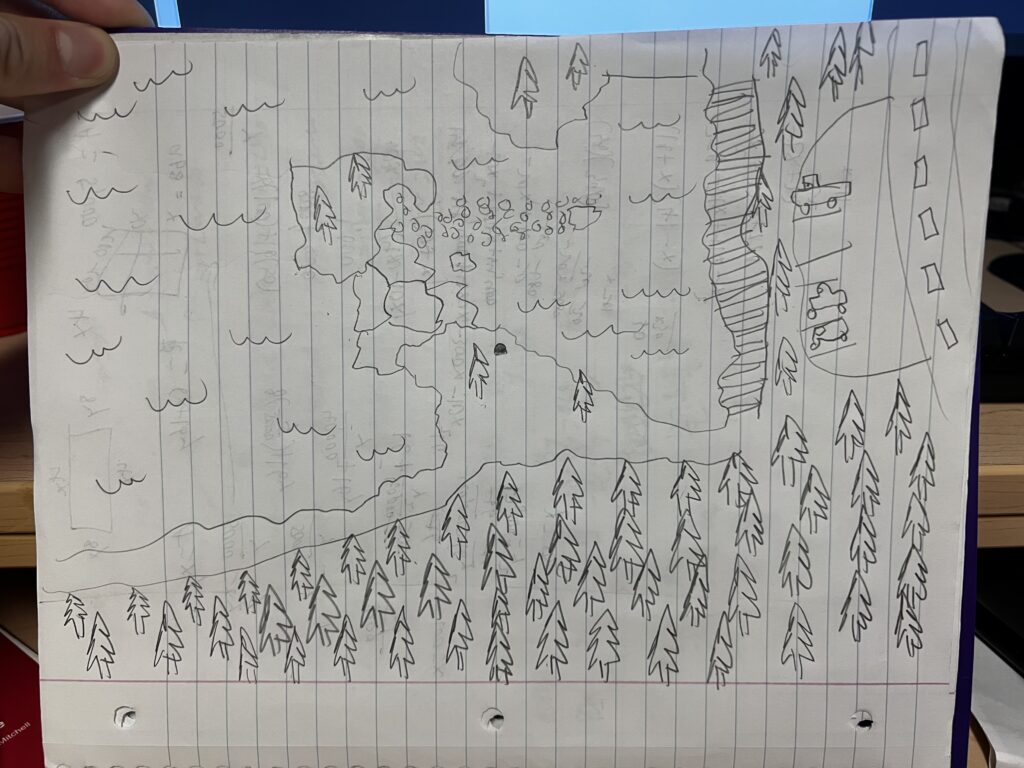
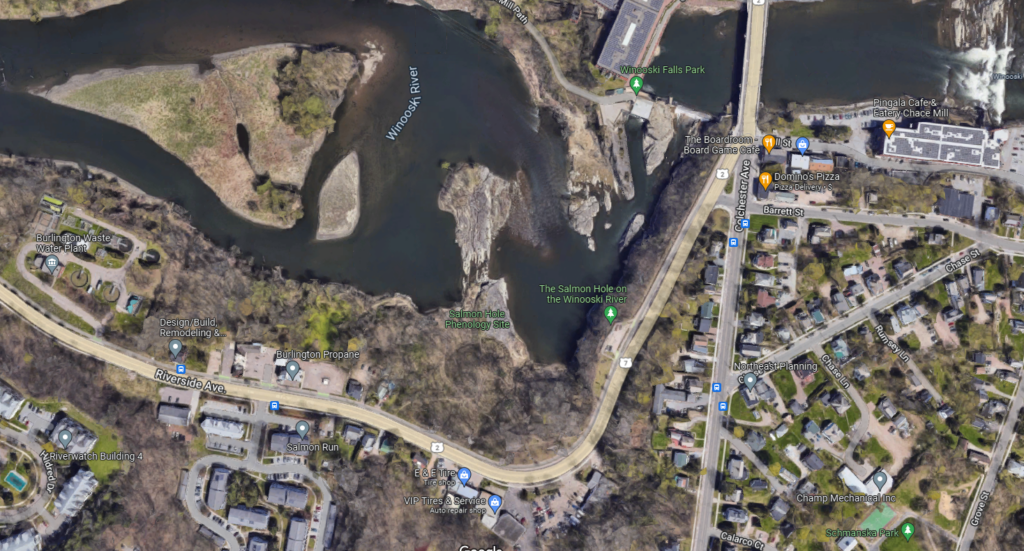
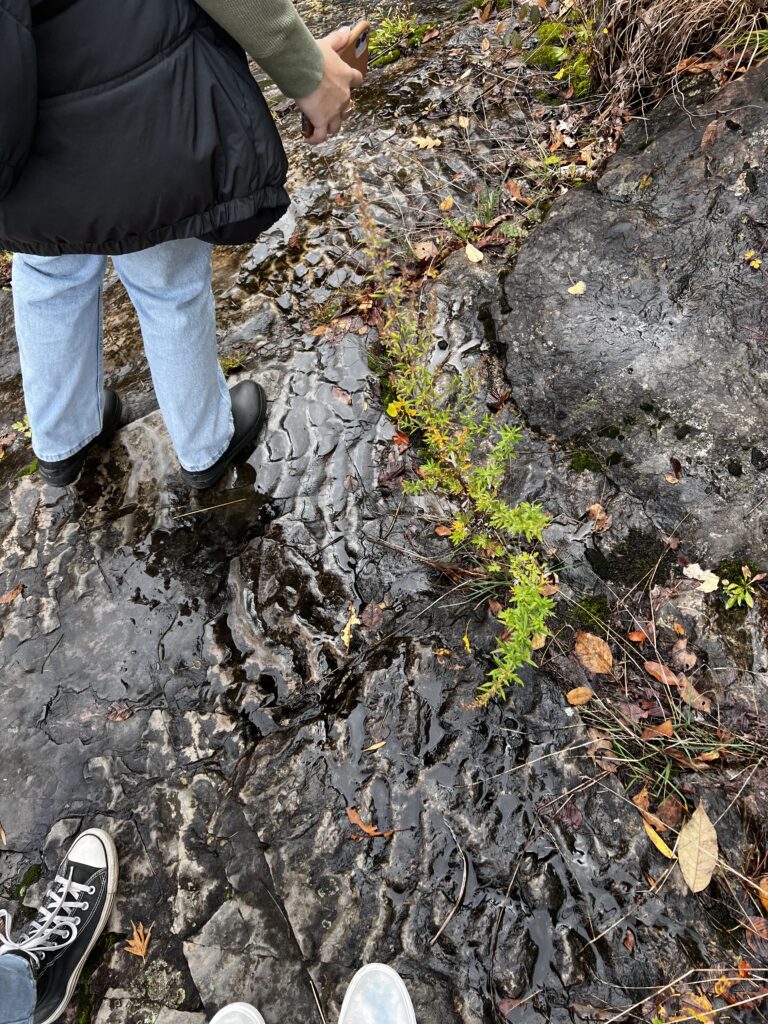
Salmon Hole is part of the Winooski River right downstream of the dam and bridge that connect the city of Winooski and Burlington. It is just north of Trinity Campus (nice and close to me!) and a small shortcut through the woods gets you there. It’s a classic fishing spot because there are both warm and cold water fish at different points in the year. There is a river walk trail that brings you to the large rocks along the river.

Vegetation

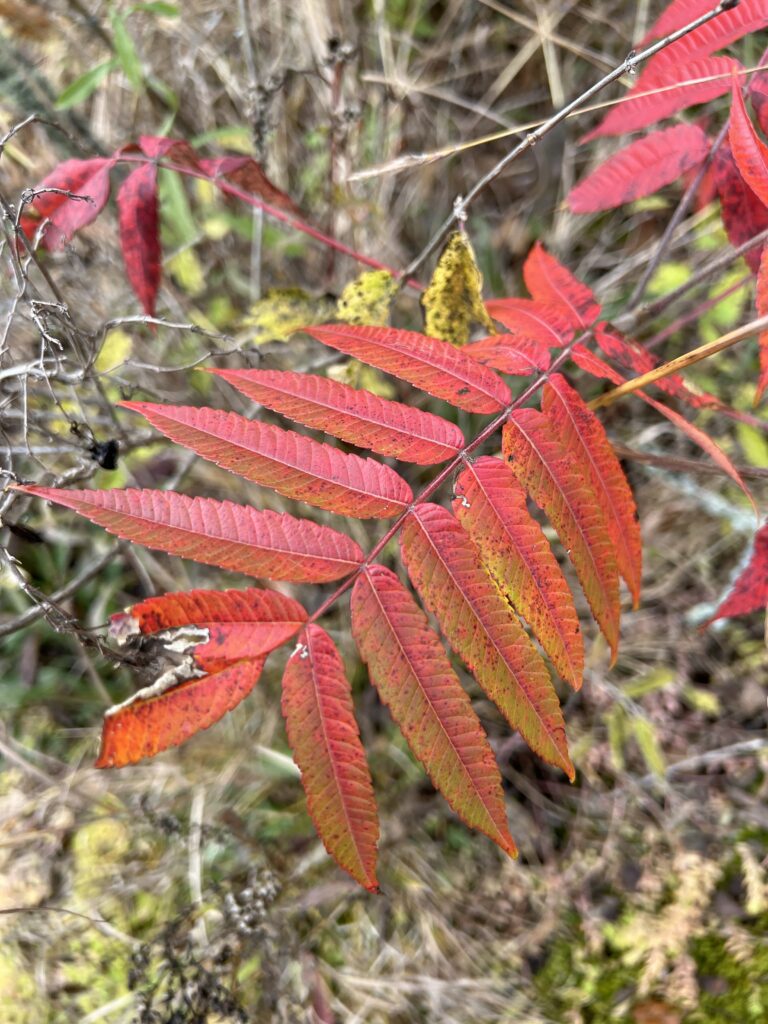
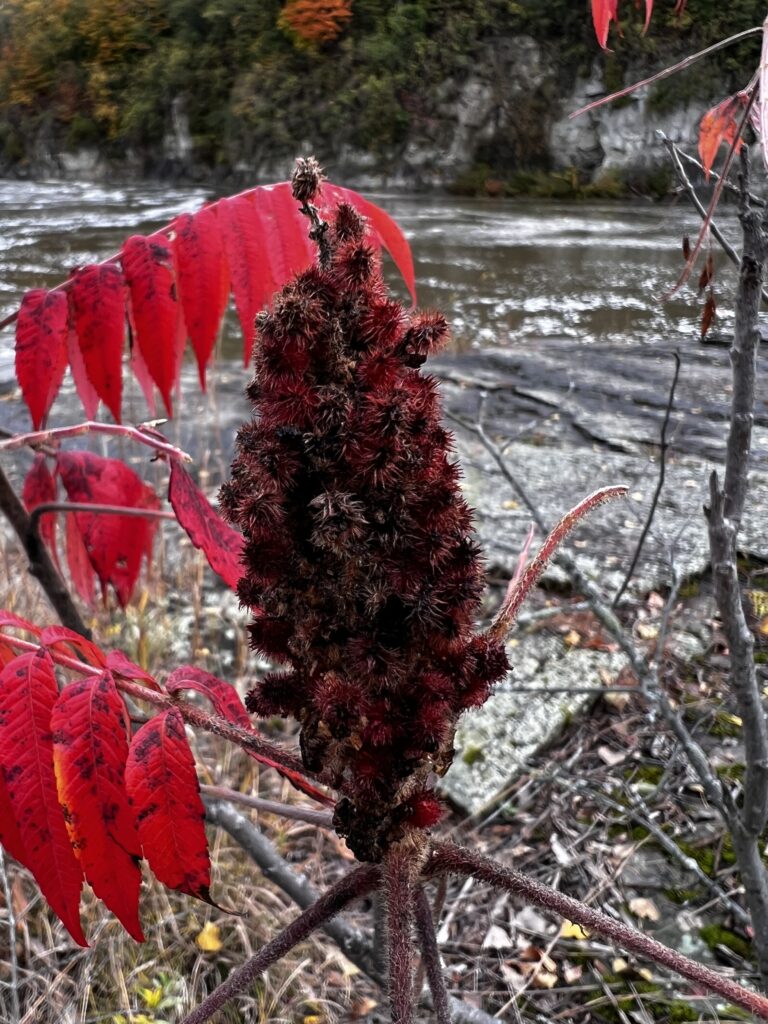
As I walked down to the river bank the vegetation changed from larger trees to more woody shrubs. In the buffer of forest around the river there were ash tree, Eastern Cottonwood, Grey Alder, Norway Maple, and scattered patches of wild strawberries. Closer to the river I observed lots of Riverbank Grape vines, Staghorn sumac, and American Bittersweet.

Skip to toolbar