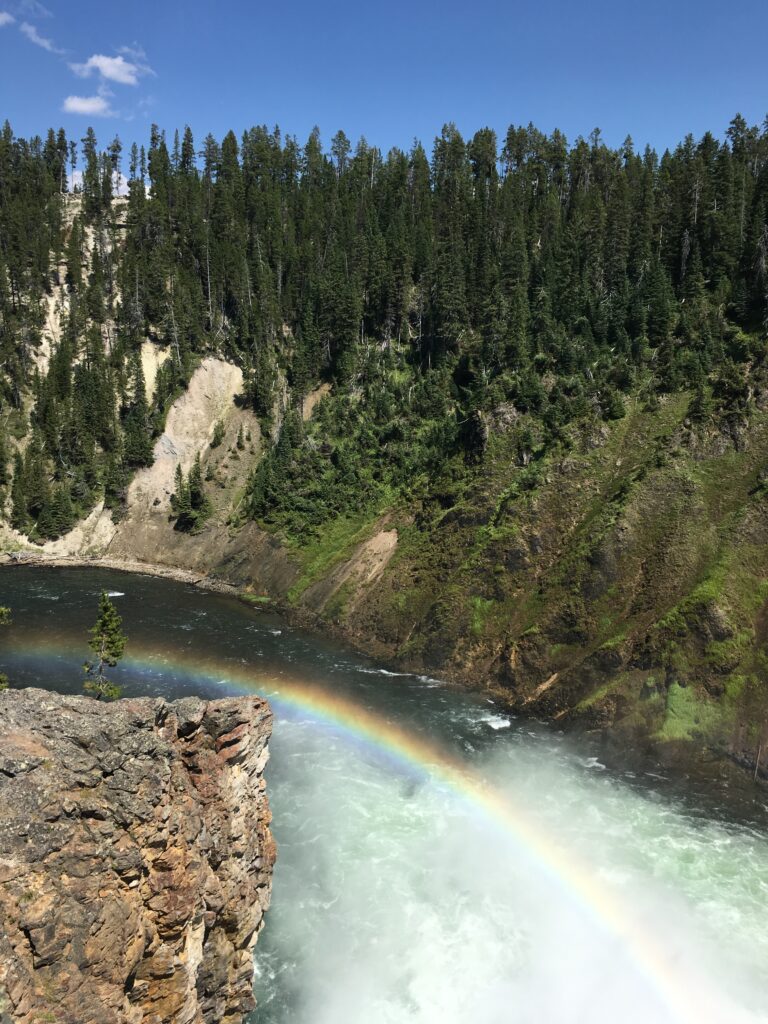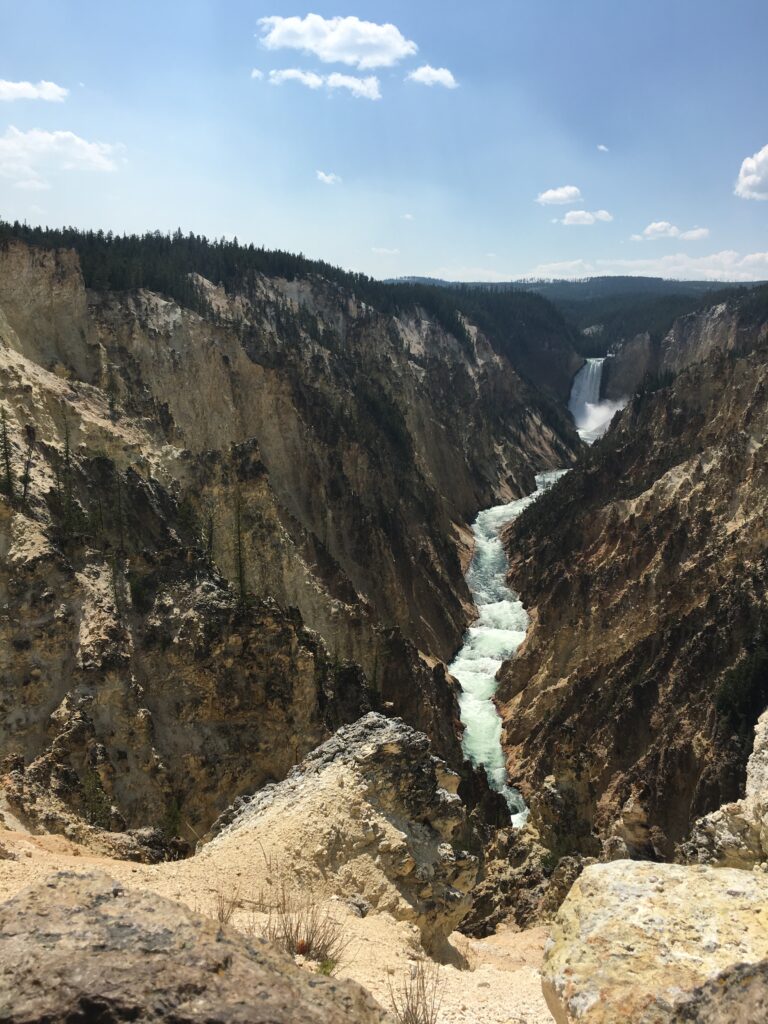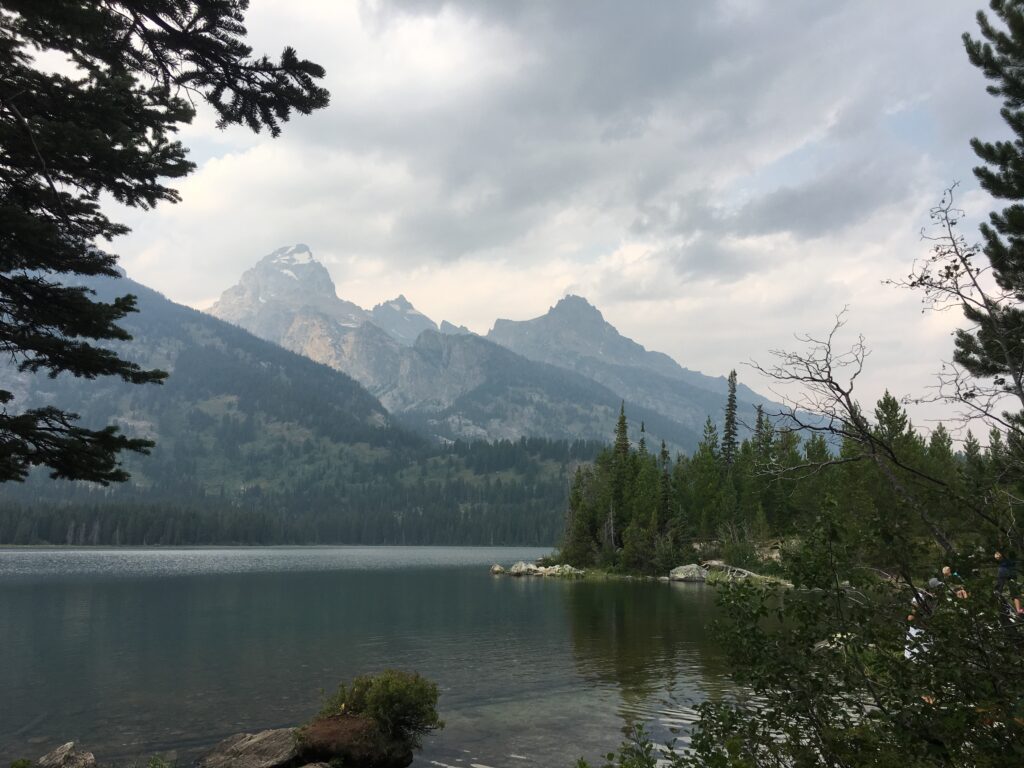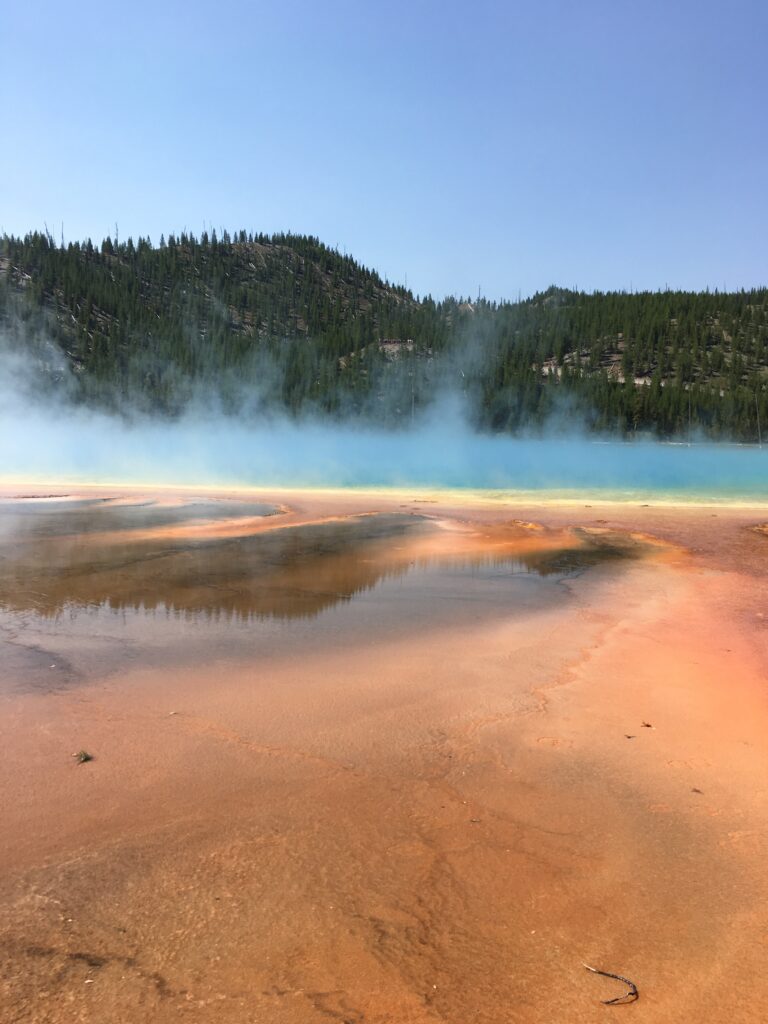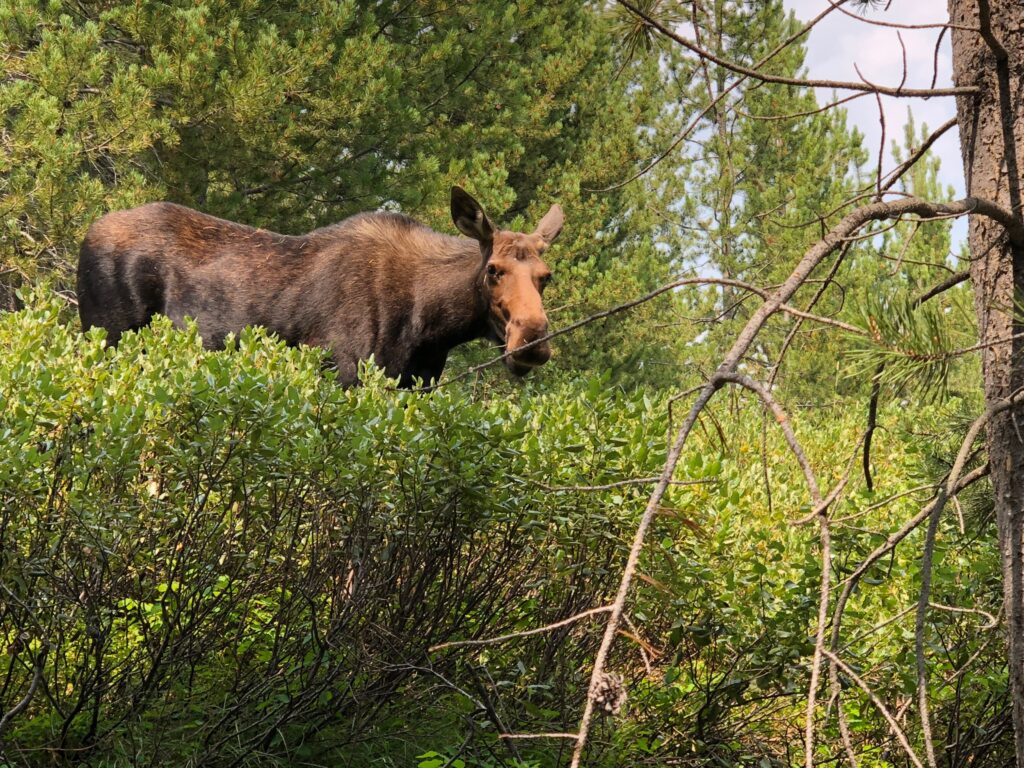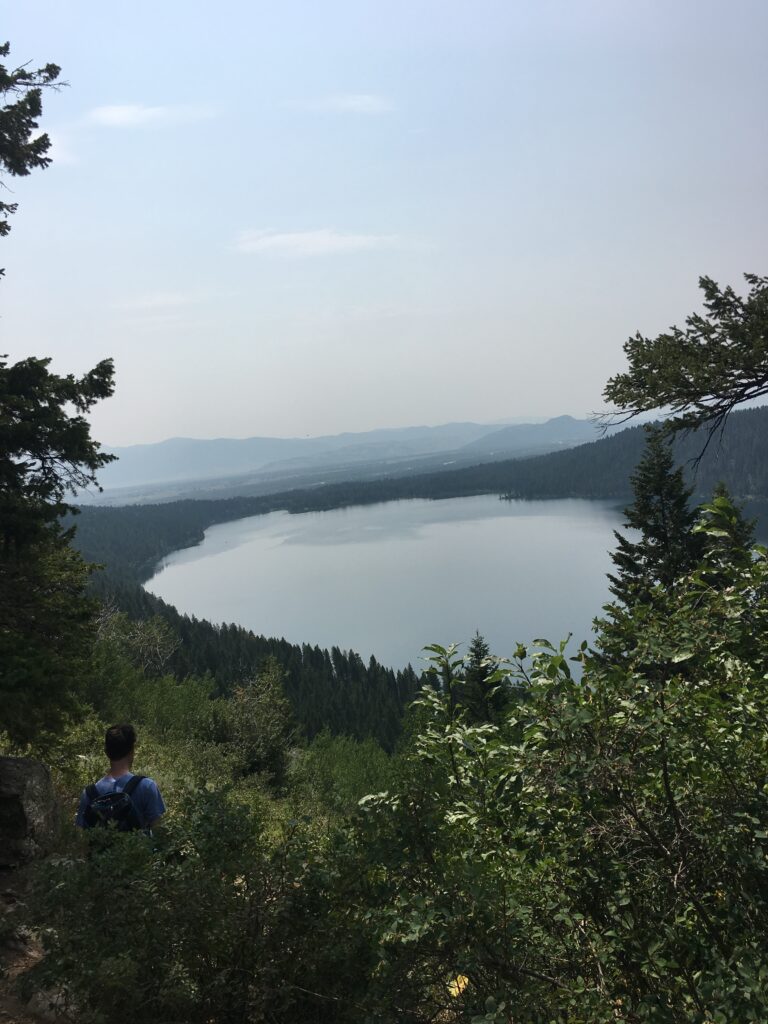
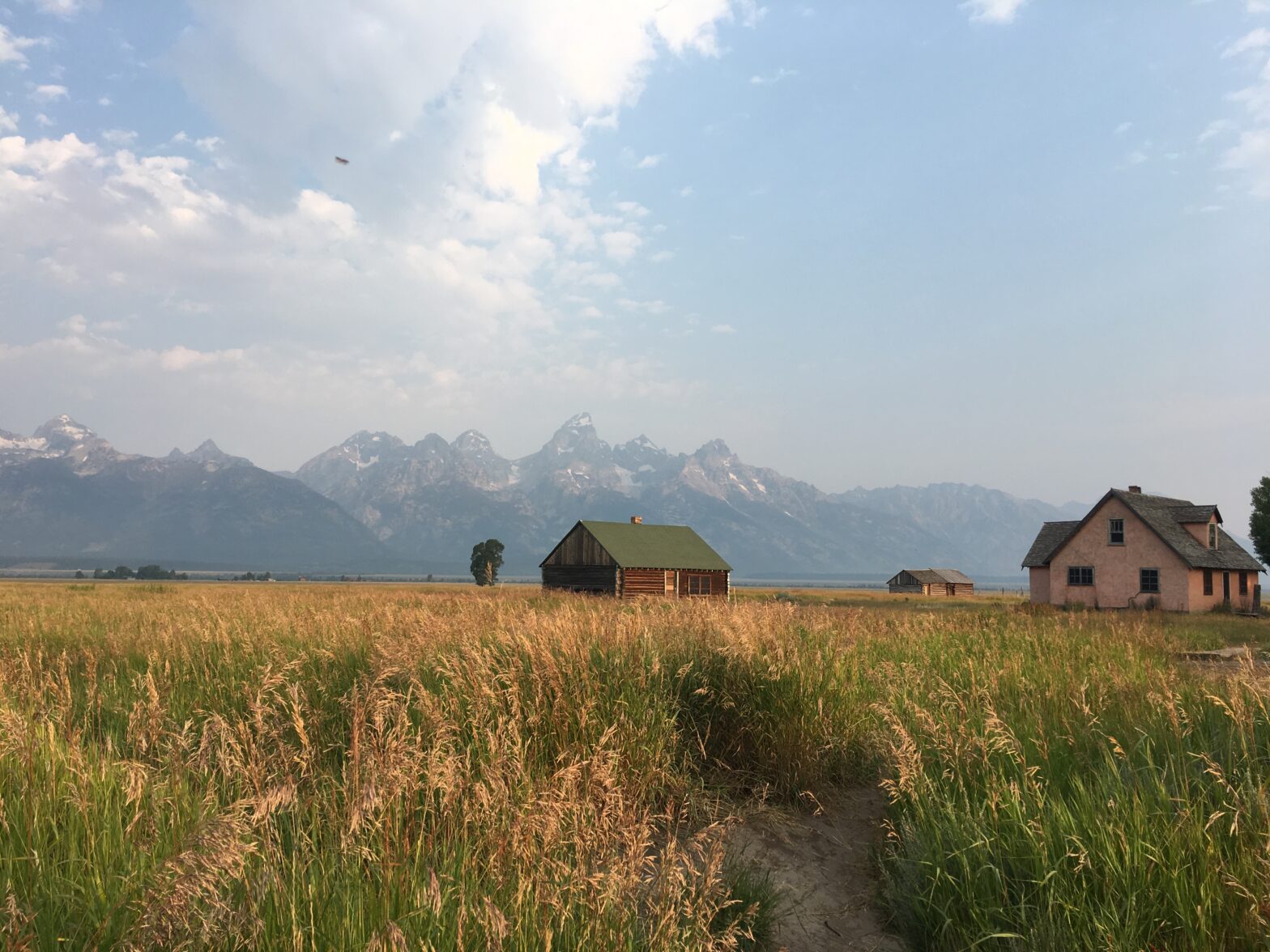
In 2018, my family and I went on a trip to Jackson Hole, Wyoming. I was 13 at the time, but I was lucky enough to have taken Earth Science prior to my trip so I was able to get a deeper geological appreciation of the landscape during my visit.
Yellowstone was made the first national park by Ulysses S. Grant in 1872. The continental divide exists within this national park and this is incredibly relevant to NR1 considering the course’s emphasis on watersheds. The terrain is dominated by lodgepole pine and alpine meadows. In the lower elevation regions, sagebrush steppe and grasslands provide a home to the park’s bison, elk, and bighorn sheep.
A great portion of the park lies within the caldera, and hydrothermal vents underneath the Yellowstone Lake serve as an energy source for microbes. Wildfires serve a great purpose in Yellowstone as it is essential for the lodgepole pine trees to reproduce. These trees make up of about 80% of the park’s forests, and one of the types of pinecones they produce require a temperature of at least 113°F for the resin that seals them to melt and thereby release the seeds. The fires serve to recycle and release nutrients.
Hilltops and south-facing hillsides generally remain clear of snow, and this provides an area for Yellowstone’s grazing animals to seek refuge during the long winters.
Yellowstone is a home to great amount of wildlife biodiversity as it contains many different habitat types. The biodiversity serves to support the resilience of the ecosystem.
Climate change has had a significant effect on these natural areas. In Grant Teton National Park, it has been observed that the flowering times have been shifted due to rising temperatures, but the seasonal behaviors of many animals have remained the same and this consequently has led to a great deal of mismatching in ecological timing.
The phenology and ecology of the Grant Tetons and Yellowstone are essentially the same as the parks are adjacent to one another. It is significantly more arid in these areas than it is in Vermont and the rest of the east coast, so similarities in the ecology of the ecosystems are few. What is shared would be the presence of large bodies of fresh water and mountainous ecosystems that include alpine forests and meadows at higher elevations.