A UVM blog Phenology 2022

Posts

Home Phenology Assignments

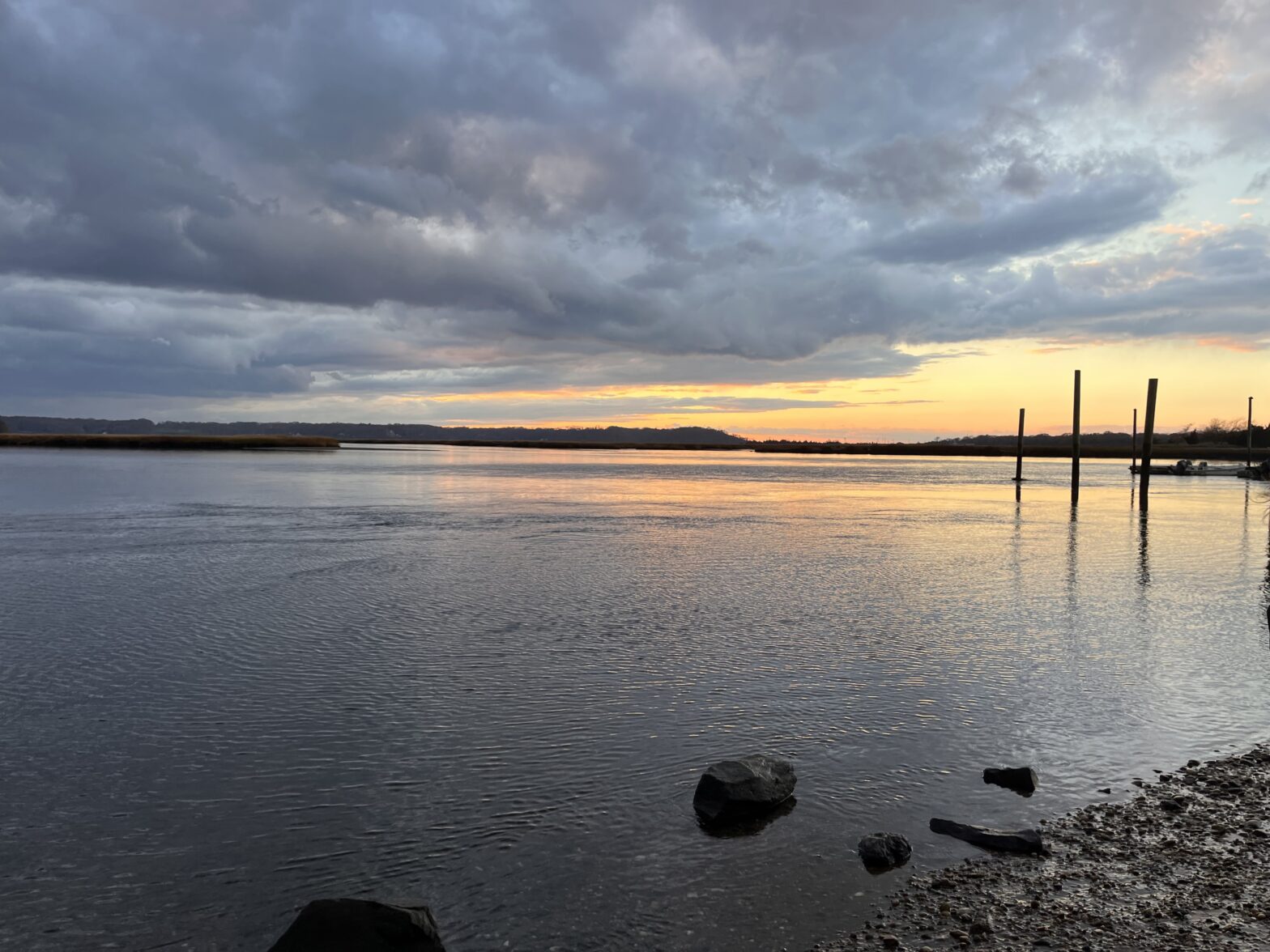
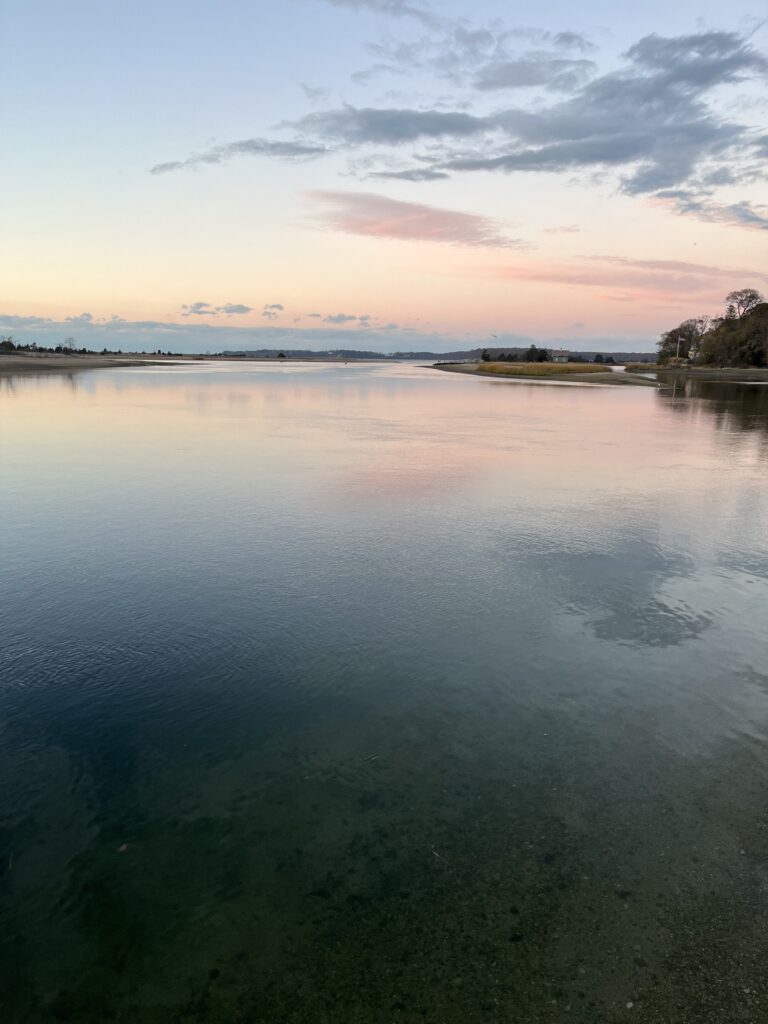
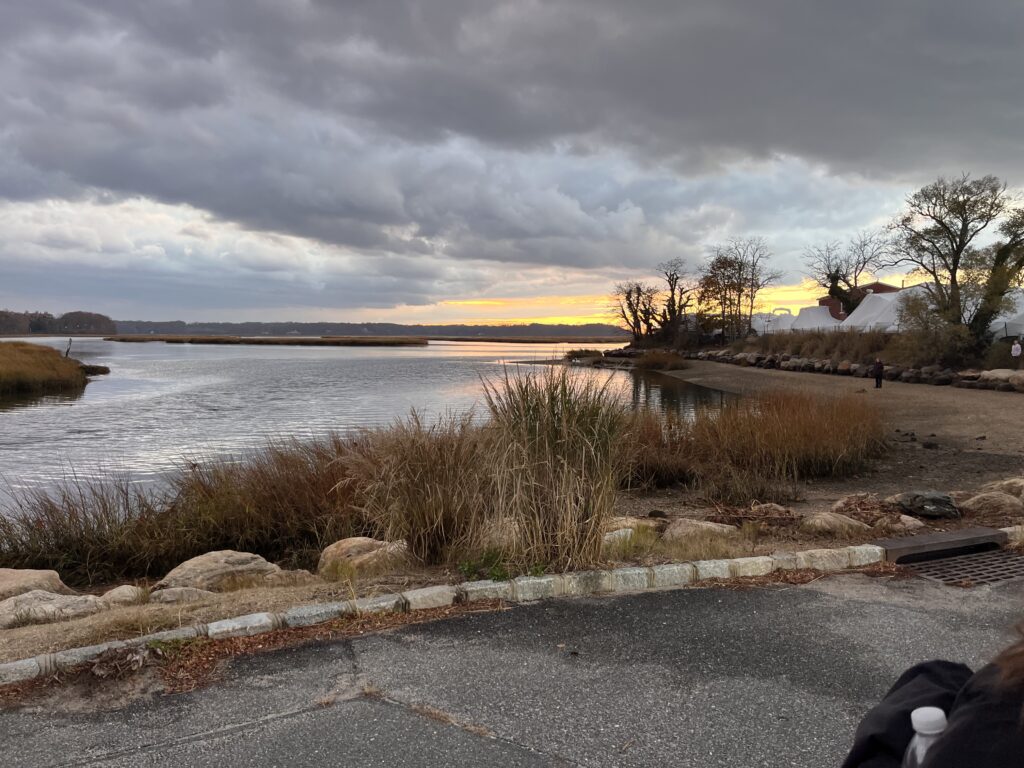
This is an incredibly special place in my heart. The images contained in this post are of Stony Brook Harbor, a wonderful historic site and a pivotal place for me growing up.

The ecology of this ecosystem is very special as it is a tidal wetland that is home to a variety of different salt-water fish species, water birds, and horseshoe crabs. It extends east to Flax Pond, an area dubbed by New York State’s Department of Environment and Conservation as a “Significant Coastal Fish and Wildlife Habitat.”

The ecology of this ecosystem is very different from anything that you would find in Burlington. While having in common the presence of a large (and ecologically significant) body of water, the ecosystems are entirely different as Lake Champlain is a fresh water body and the Long Island Sound is a body of salt water. However, similar to Lake Champlain, the harbor freezes over during the long winter months and suffers from the overgrowth of algae in the beginning of the warmer seasons.
Some deer spotted! (ignore my voice lol)

Benner’s Farm

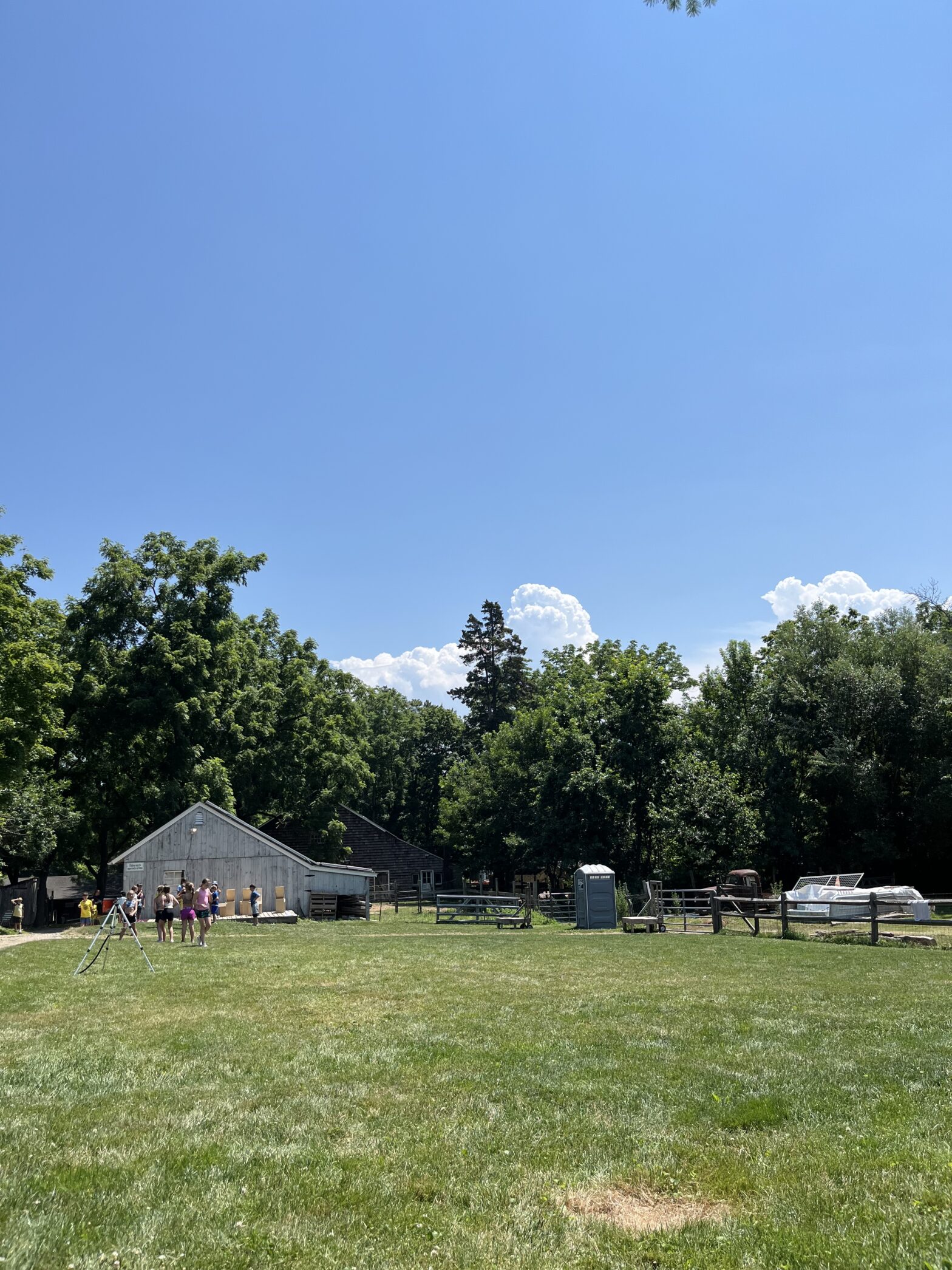
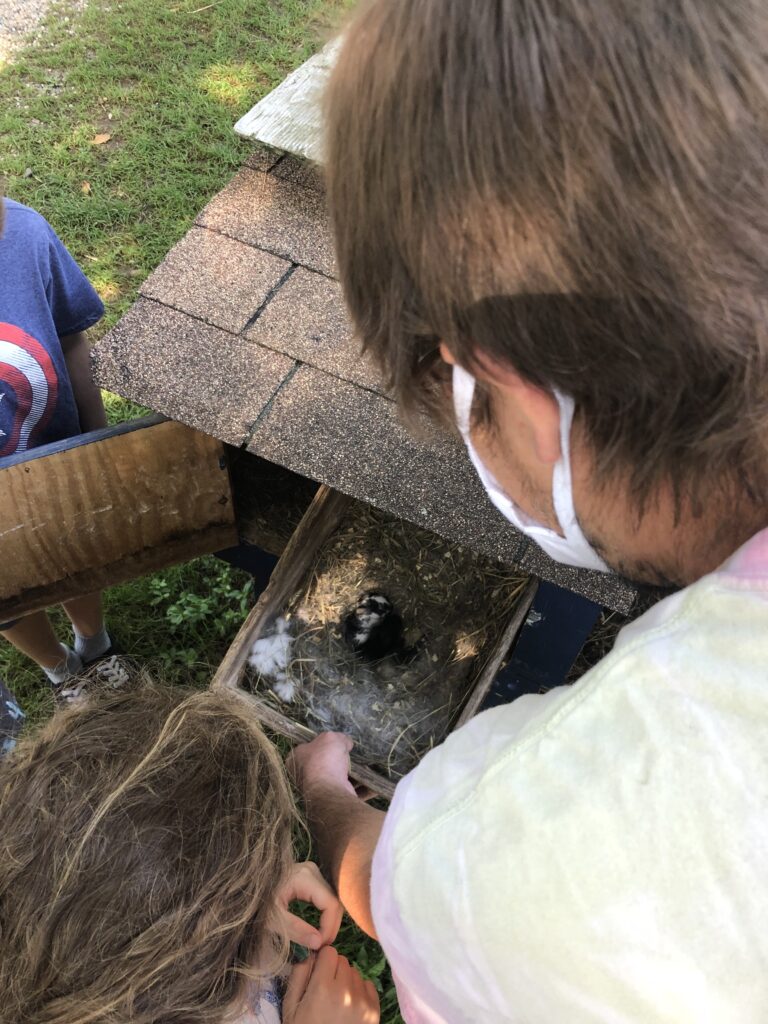
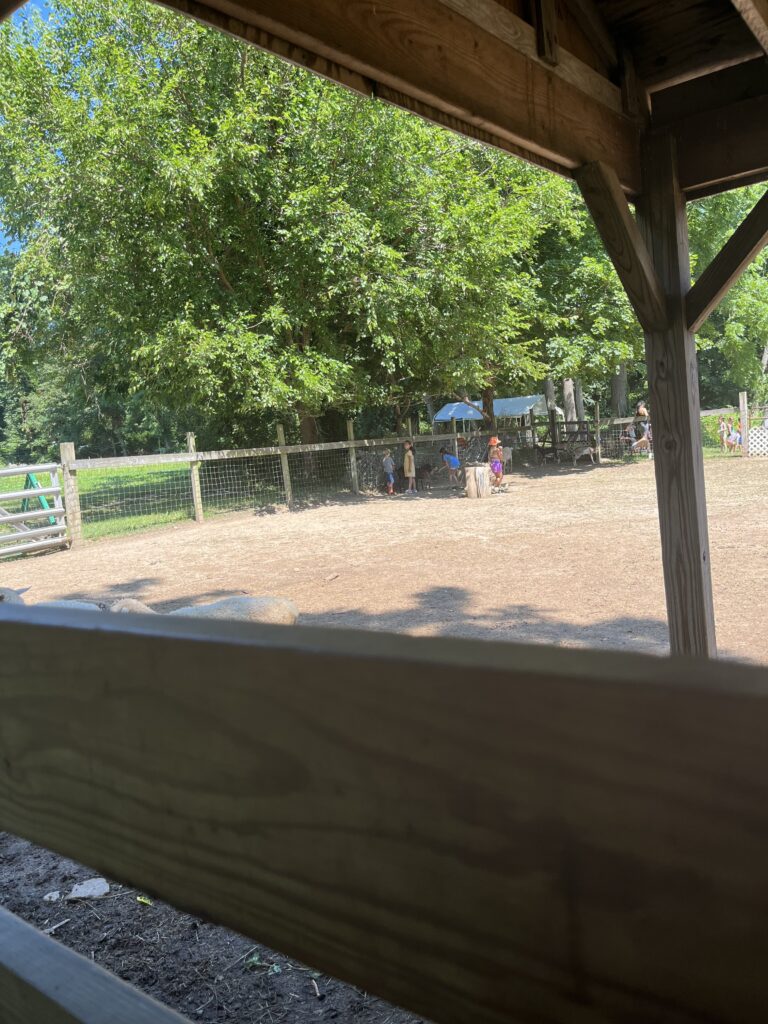
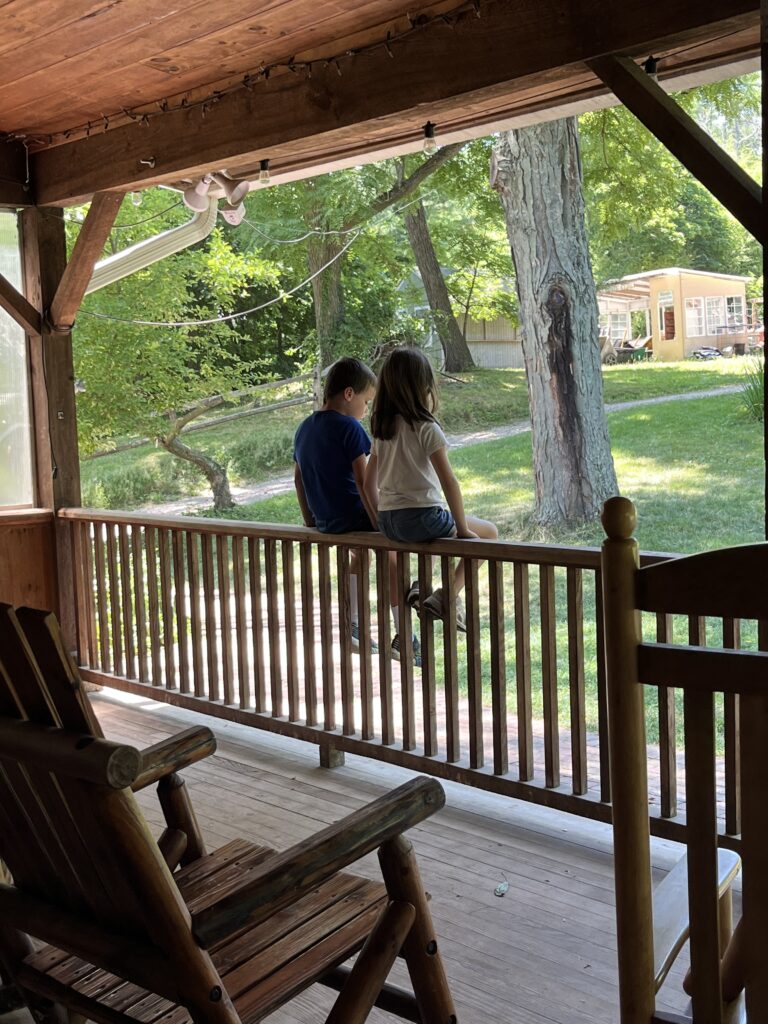
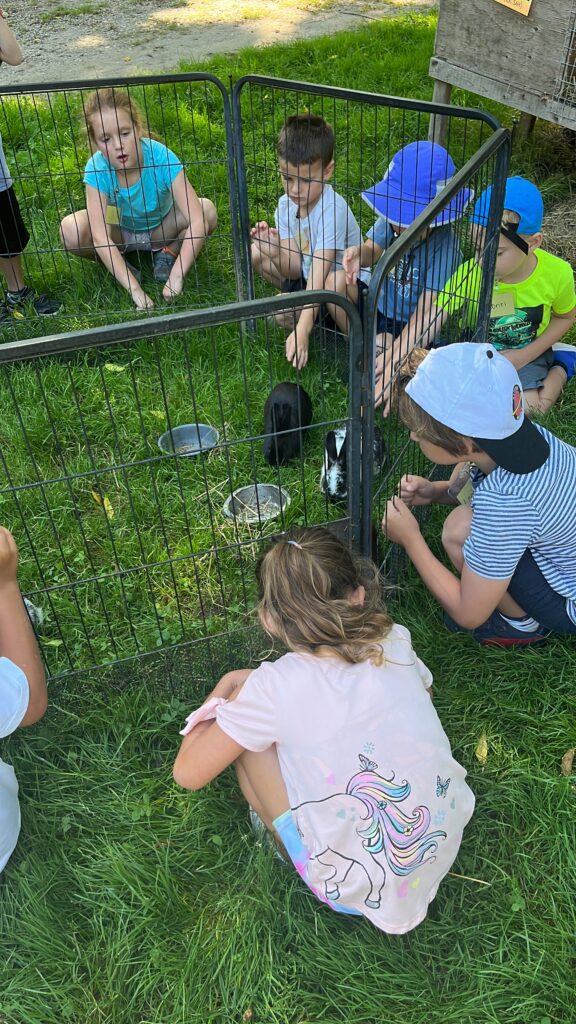
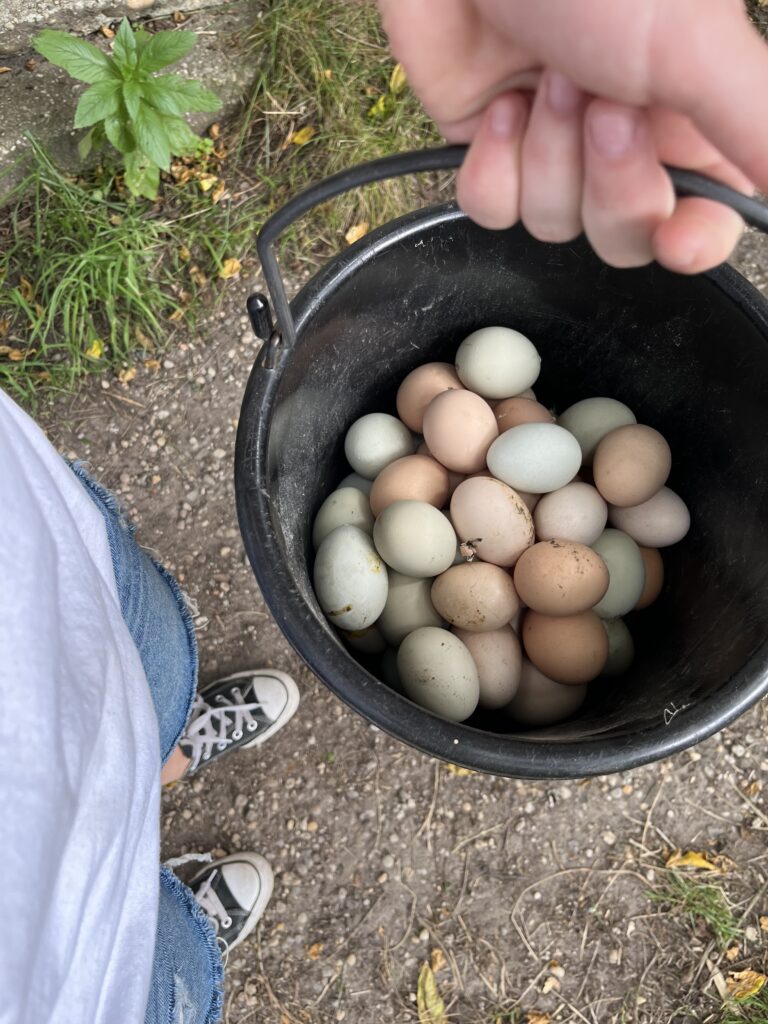
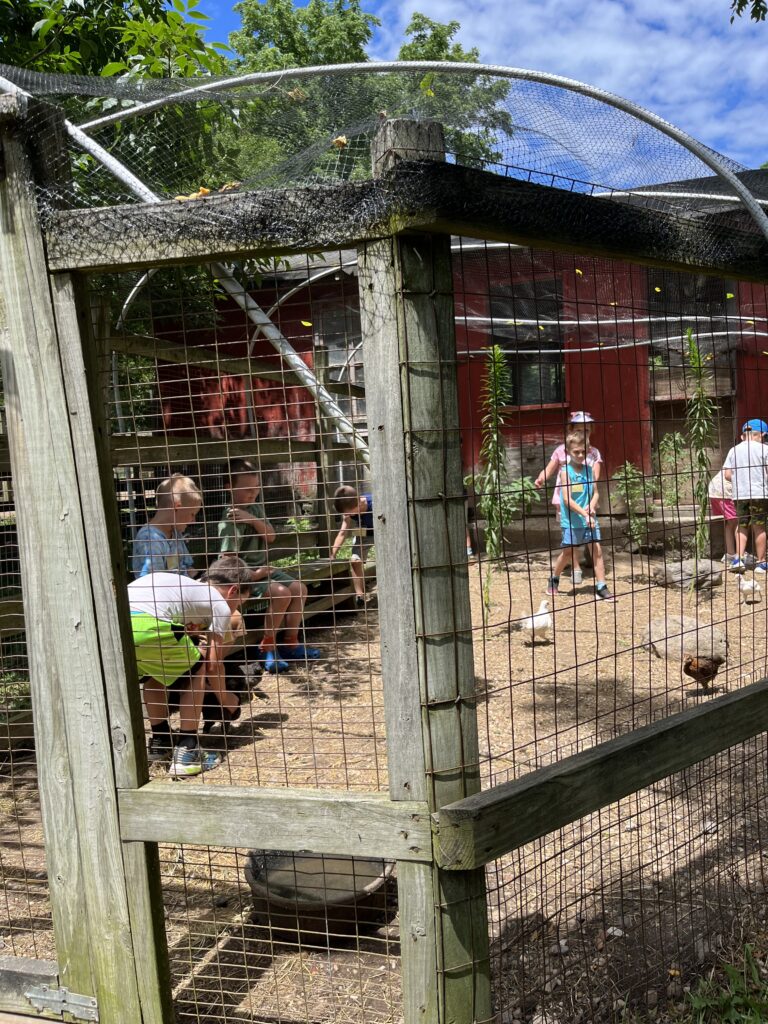
I started attending farm camp here at 6 years old, and now I am a counselor. It is a working farm, and it is home to sheep, goats, pigs, chickens, rabbits, cows, cats, bees, and horses. Environmental stewardship is ingrained into the farm’s curriculum throughout the year, whether that be in mommy&me classes, workshops, or during camp.

Prior to the pandemic, the farm would have at least one guest speaker each week of camp. Oftentimes, wild animal rescue & rehabilitation programs would visit along with Native American representatives from local tribes and historians to show us the ecological, cultural, and historical value of the land on which we conducted our activities.

The farm is in a continuous loop of reciprocity. The animals that feed off of the weeds that are picked from the gardens provide manure for the next year’s crops. All of the money made on farm activities and produce was re-invested into the animals. Food scraps from camp were always chucked into the chicken pen or in with the pigs. The goats were only milked when they had kids, and the milk was generally just used as a supplement with feed once the kids were a few months old.

The farm does a maple festival every year during which crowds come in to learn about the history of maple syrup making, the process of tapping trees, and the process of making the actual syrup. Other festivals highlight local bands, artisans, and other small businesses while giving children and adults alike the opportunity to safely interact with the animals we rely so much on.

Growing up on this farm and getting the chance to watch other campers grow up along with me is an unparalleled experience that I will forever treasure. It is a family-run farm, and one of sons of the owners (my direct boss) started a family of his own a few years ago. His oldest is the age I was when I started camp.

This is where my passion for the environment started, and it will forever be near and dear to my heart.

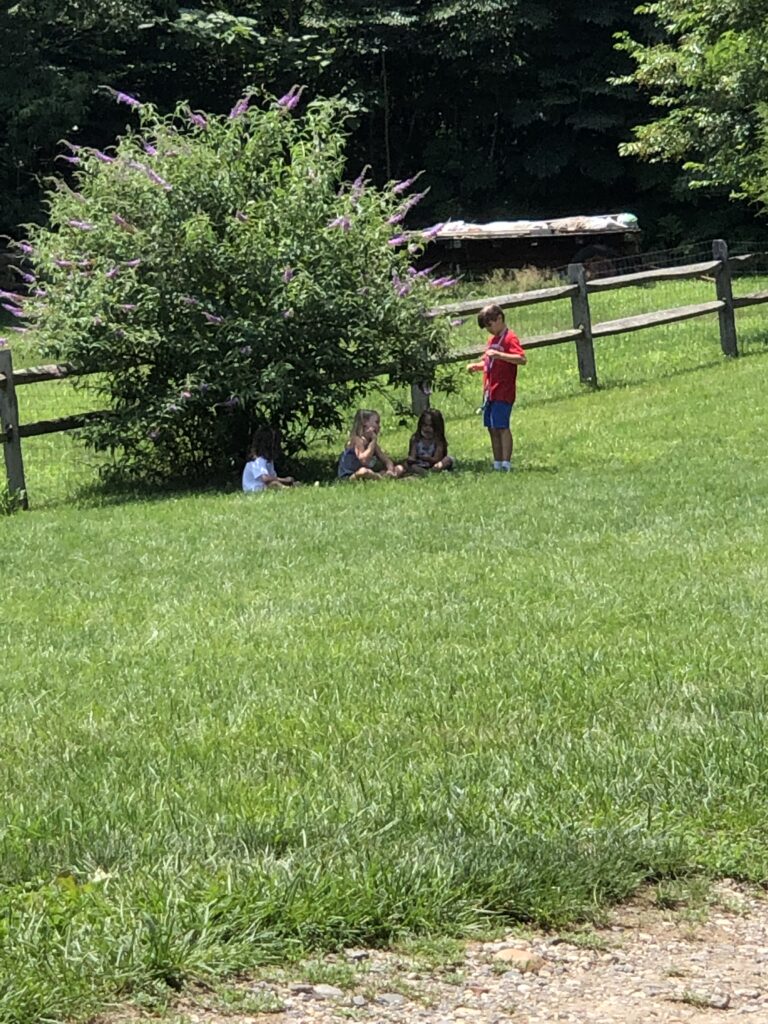
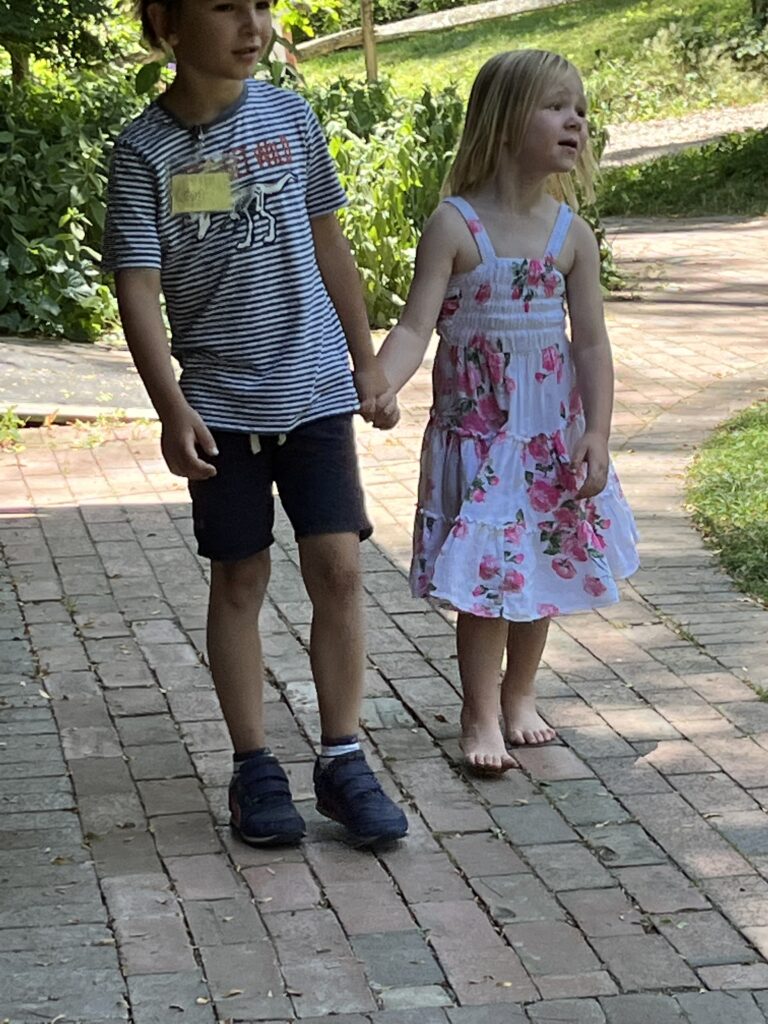
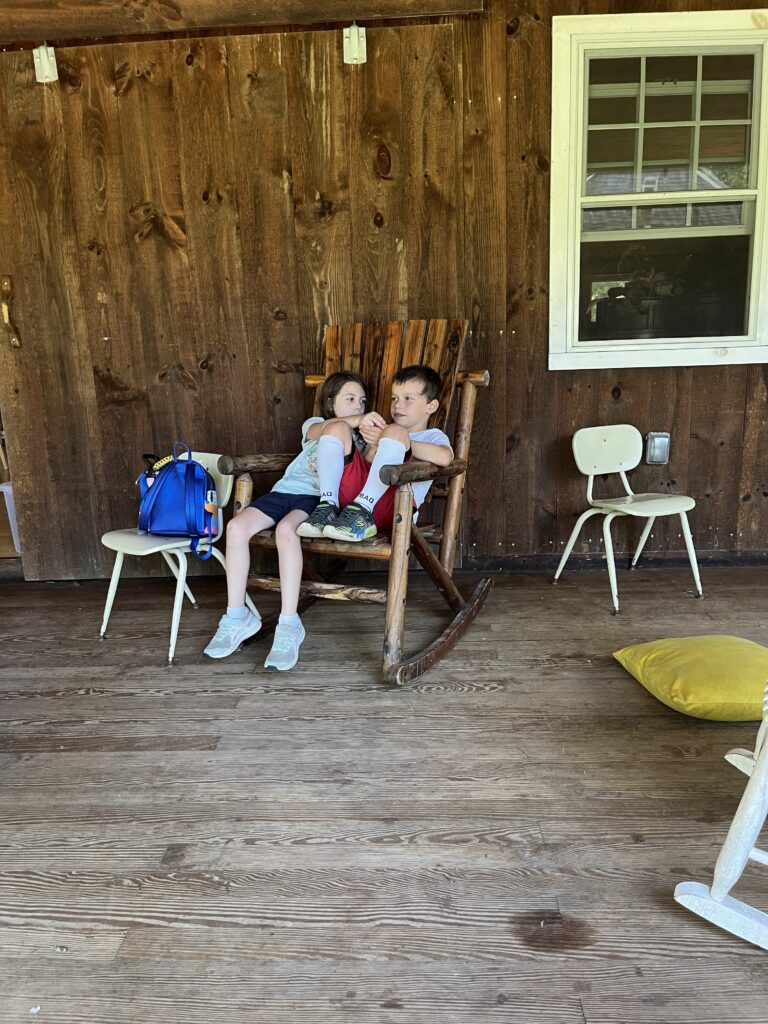
p.s. young camper love stories keep me going when the days get boring so I included a few pics of that too.

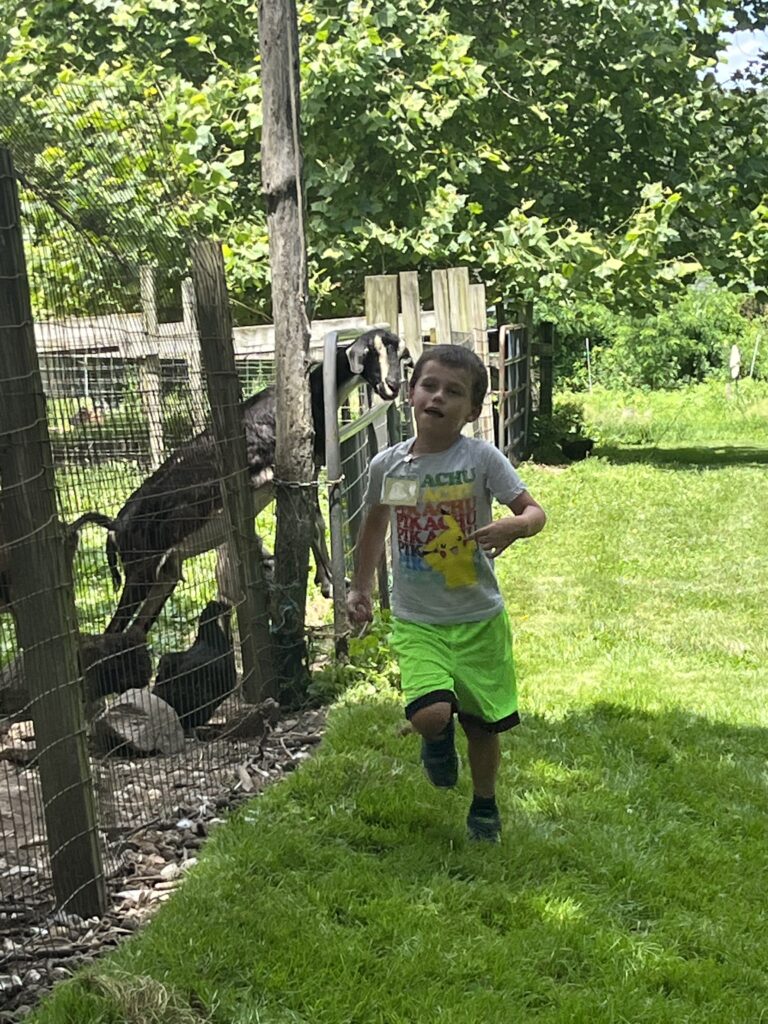
these baby goats were 3 days old when this was filmed
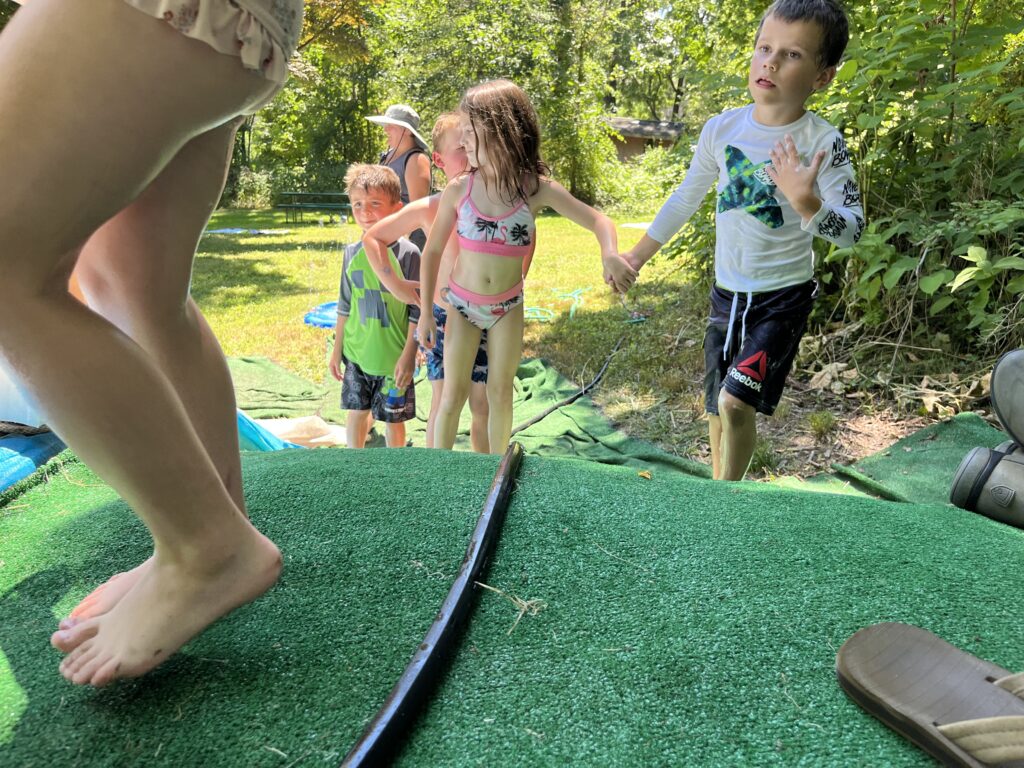
my campers chasing me

Tuscany

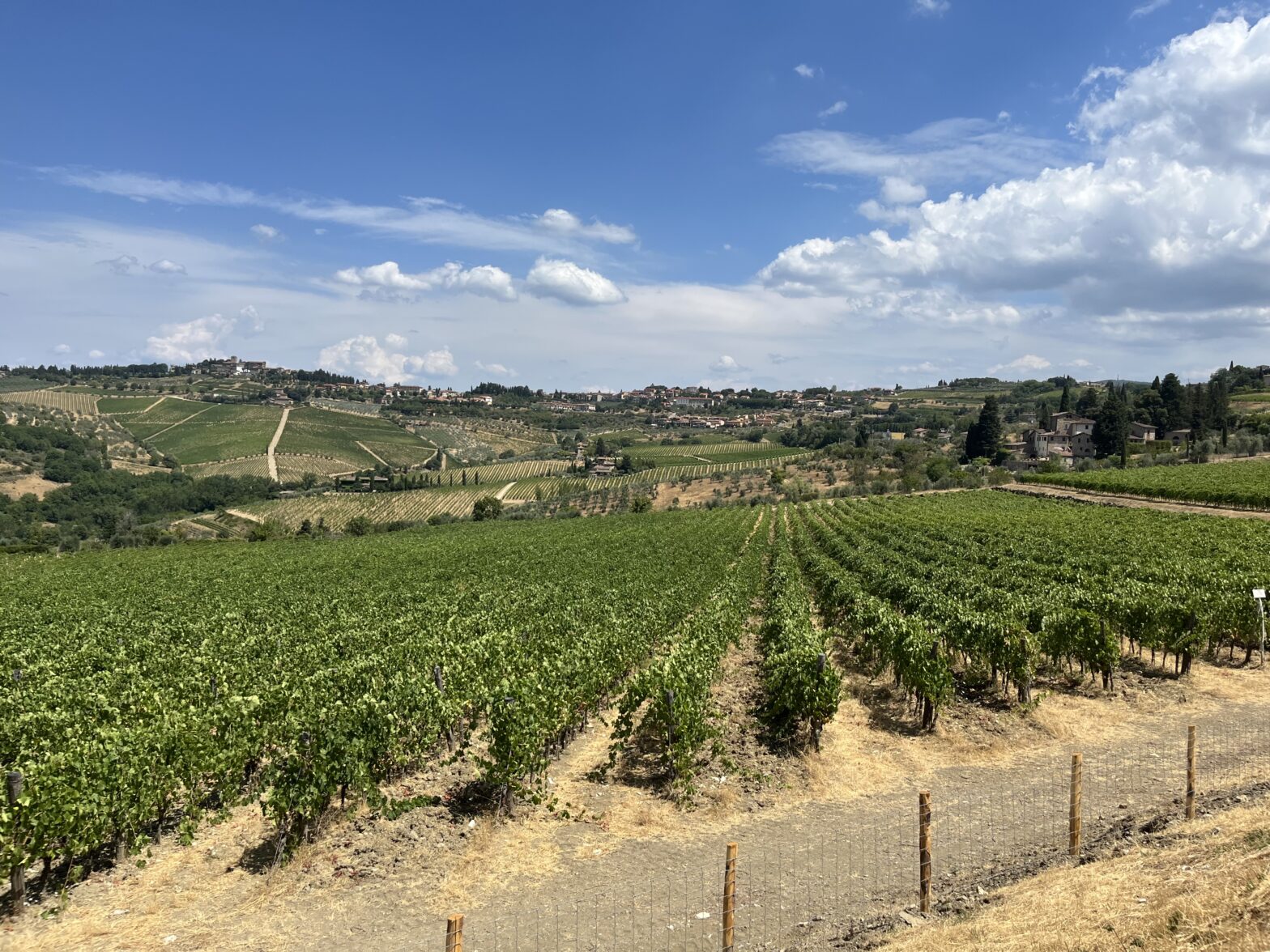
As another family trip, my grandparents chose to take my family abroad. In late July of 2022, I went to Tuscany, Italy.

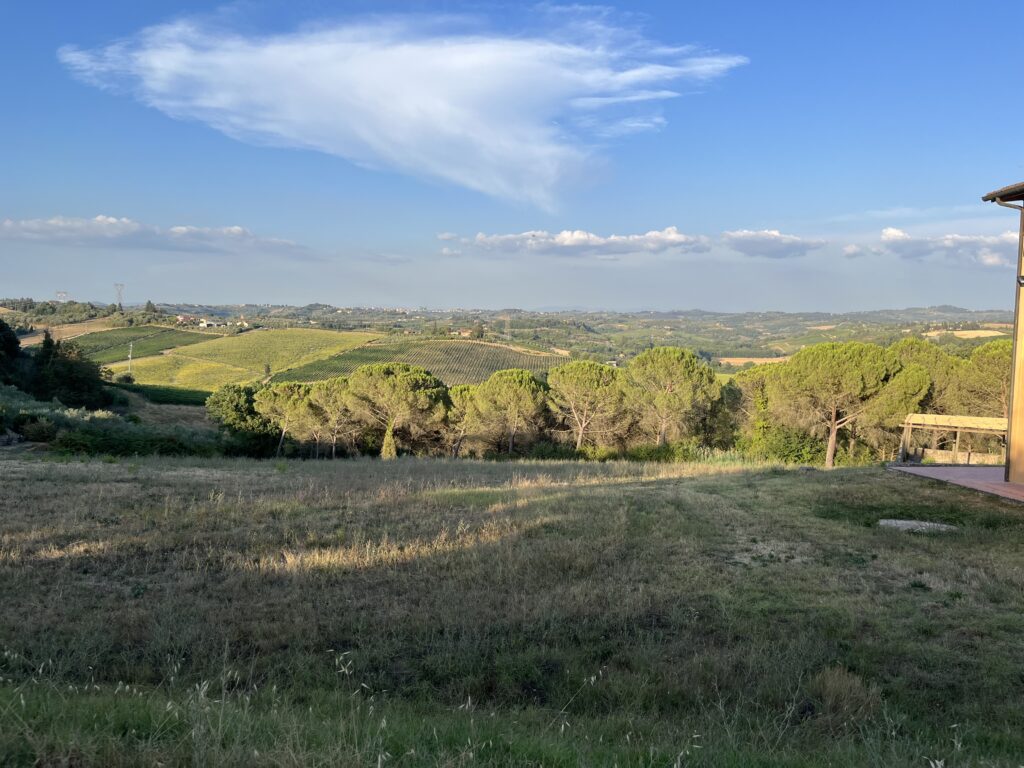
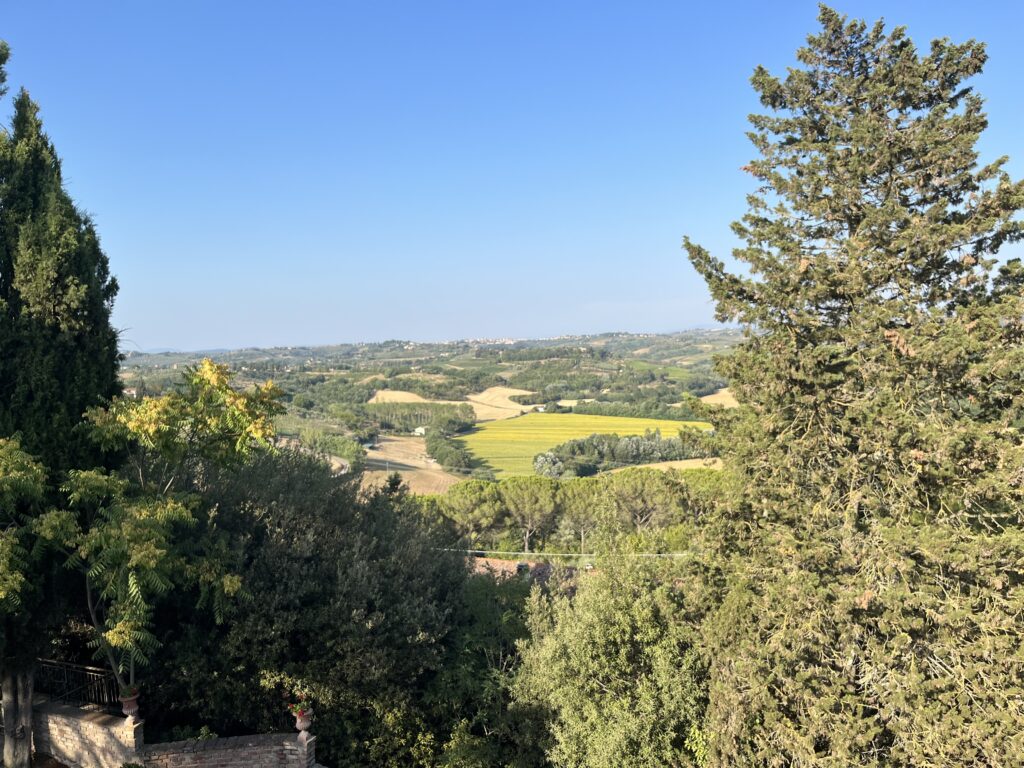
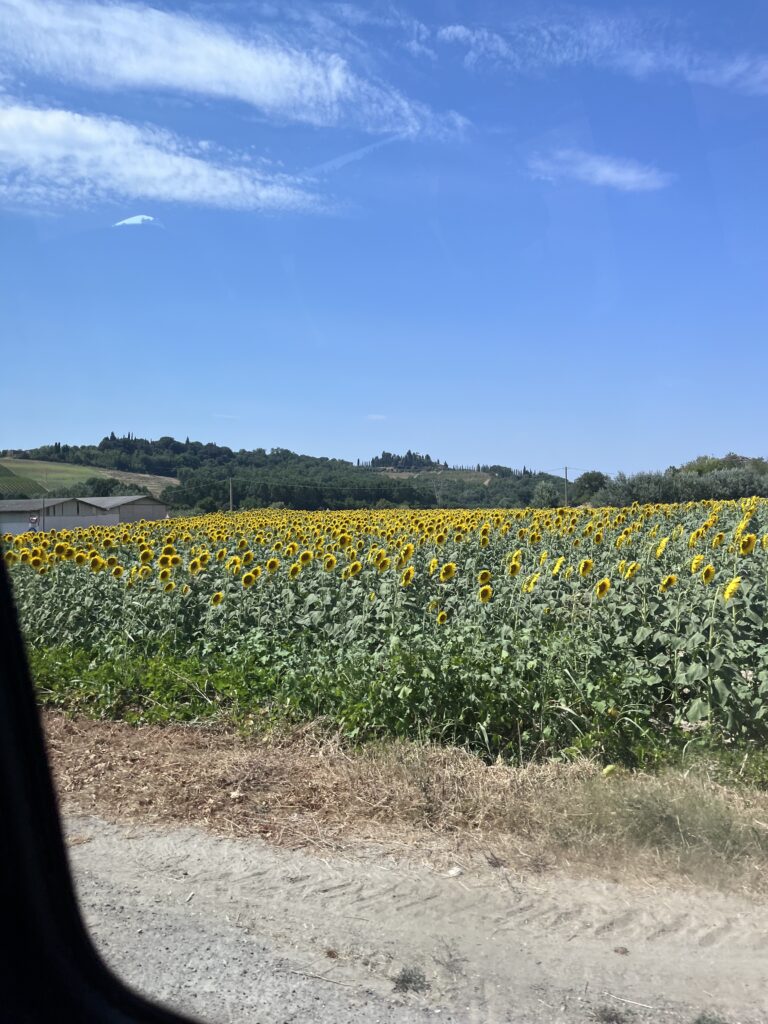
As it has been said many times before, the Tuscan countryside truly is unique. The endless acres of vineyards and olive trees that span the countryside are absolutely breathtaking. Grapes and olives actually thrive in poor-quality loamy soils. There is also a huge sunflower industry in Tuscany, so it is safe to assume that this remains true for sunflowers as well.

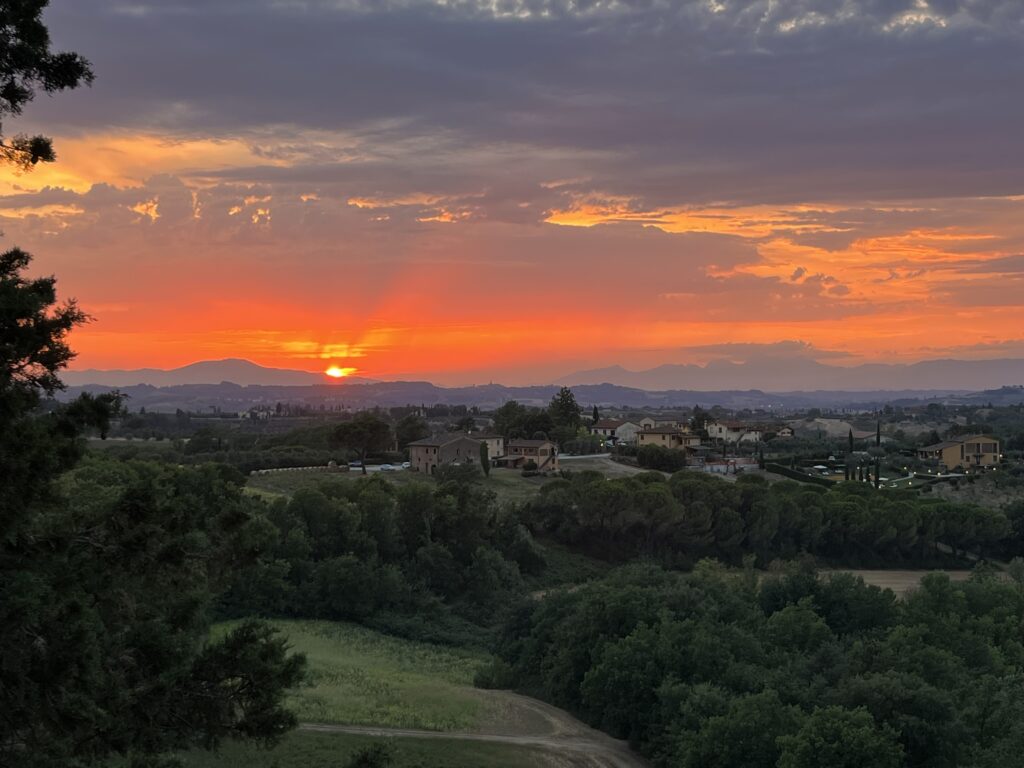
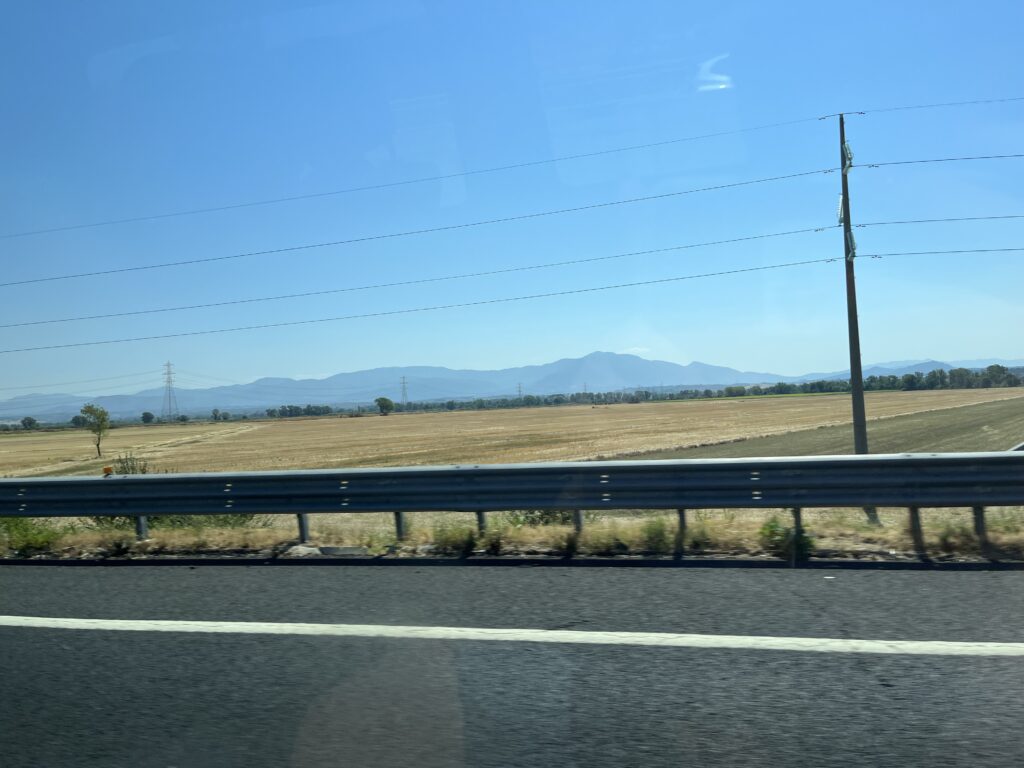
The Apennine mountains can be seen in the distance from higher elevations on the countryside, and these mountains essentially form the spine of Italy. The Apennines are composed mostly of sedimentary rocks, similar to the Green Mountain range here in Vermont; however, this mountain range is actually much younger as the Apennine Orogeny happened during the Cenozoic era and the Taconic Orogeny happened during the Cambrian period of the Paleozoic era.

Tuscany is definitely feeling the impacts of climate change as it has been leading to warmer and drier summers. The grapes are significantly impacted by the changes of weather during the growing season and the quality of the wine produced by the grapes evidently changes as well. As wine is an incredibly important part of the Tuscan economy, this is incredibly concerning.

Some mountains along the highway

Trip to Tetons and Yellowstone!

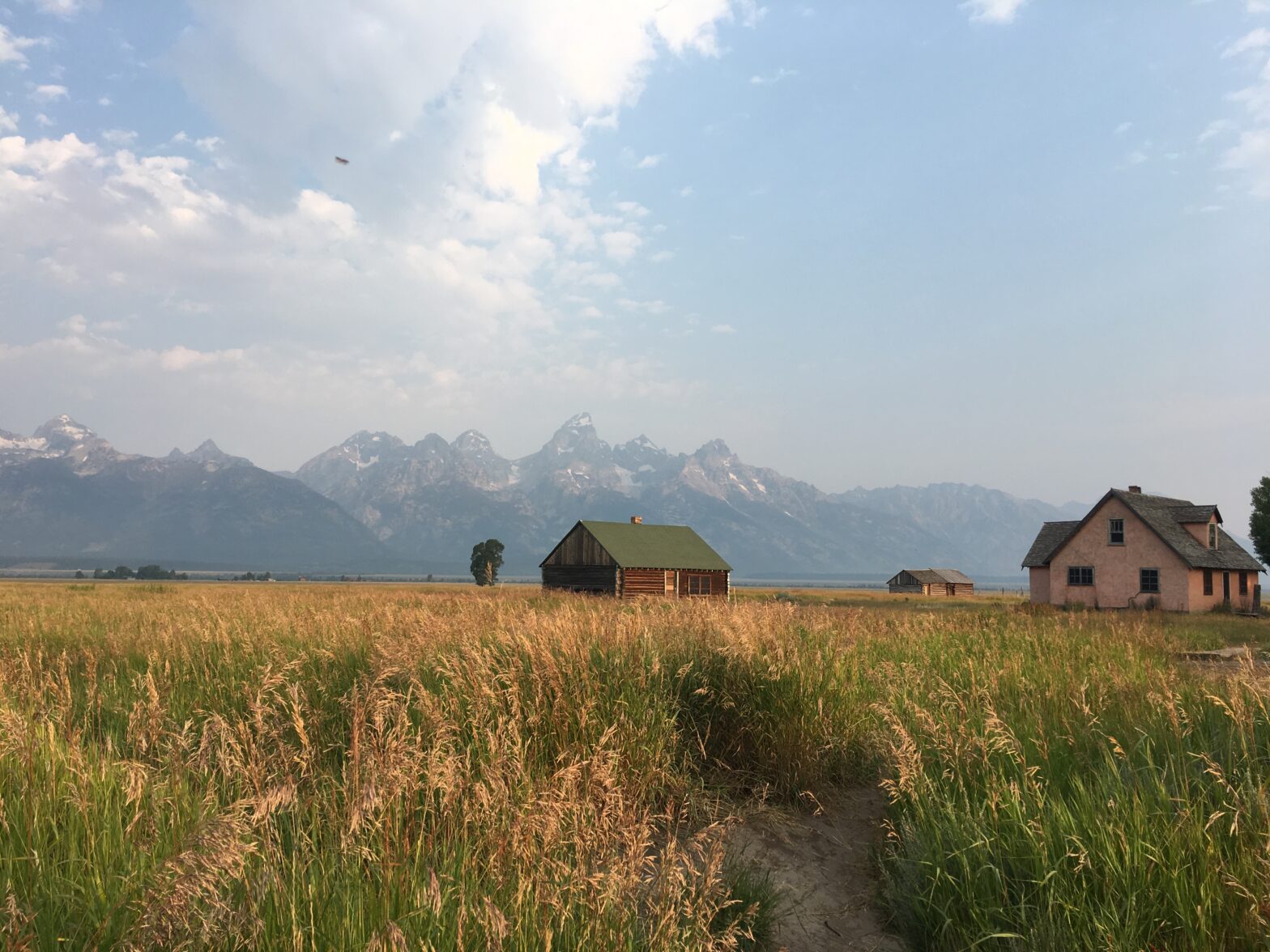
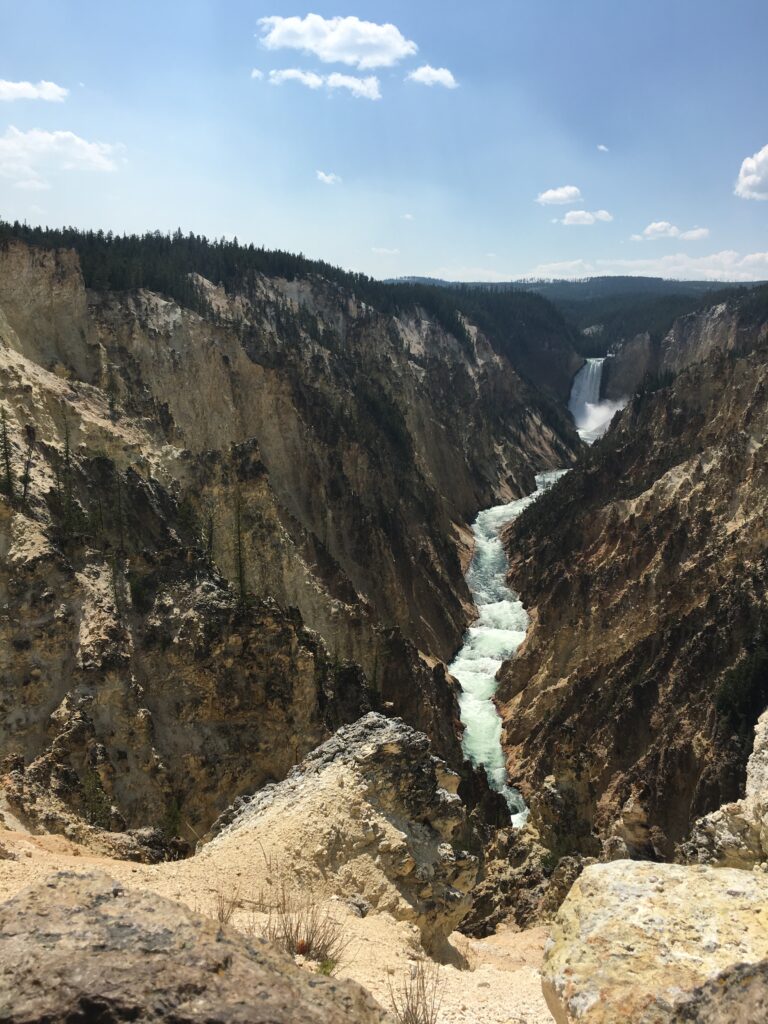
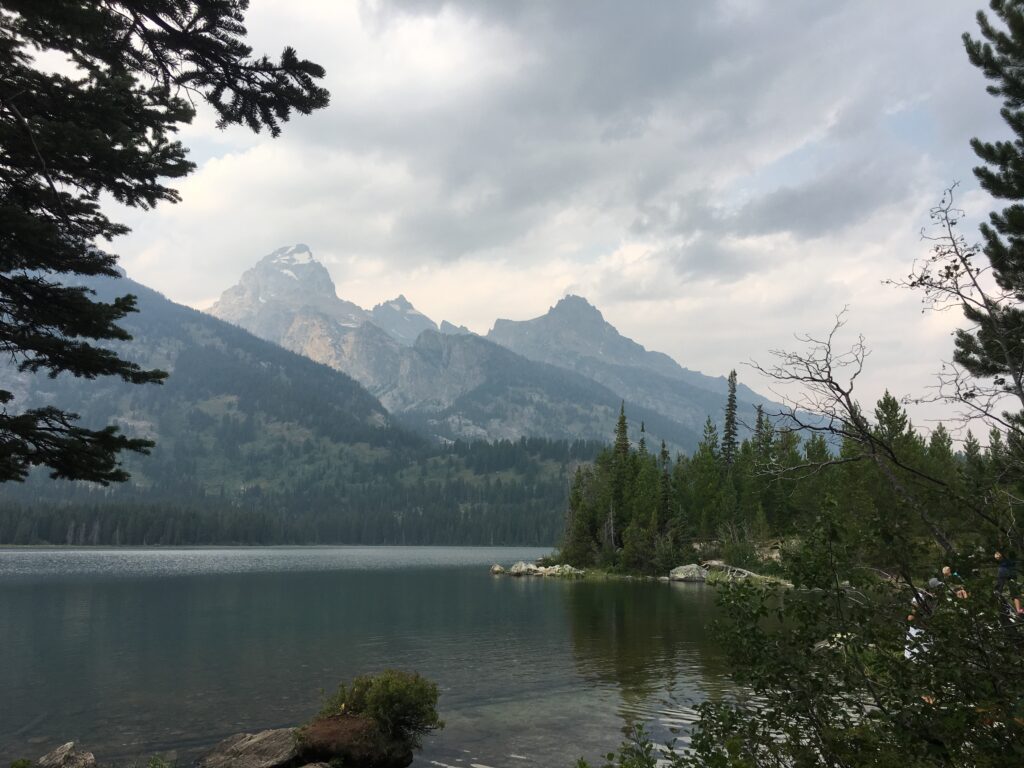
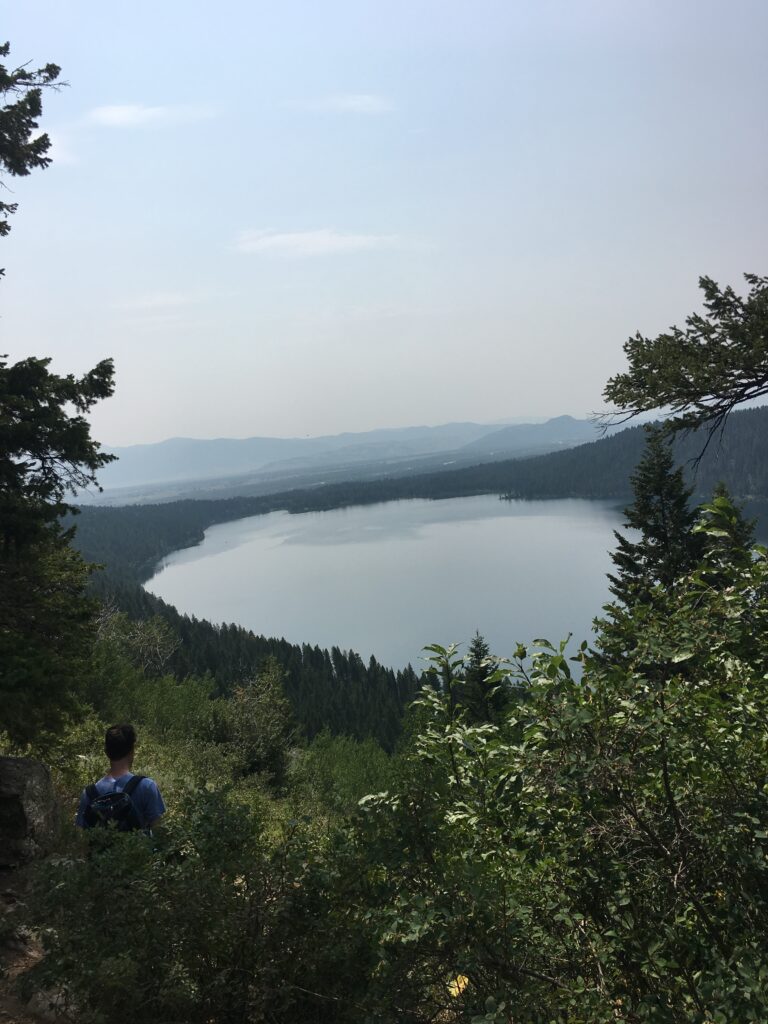
In 2018, my family and I went on a trip to Jackson Hole, Wyoming. I was 13 at the time, but I was lucky enough to have taken Earth Science prior to my trip so I was able to get a deeper geological appreciation of the landscape during my visit.

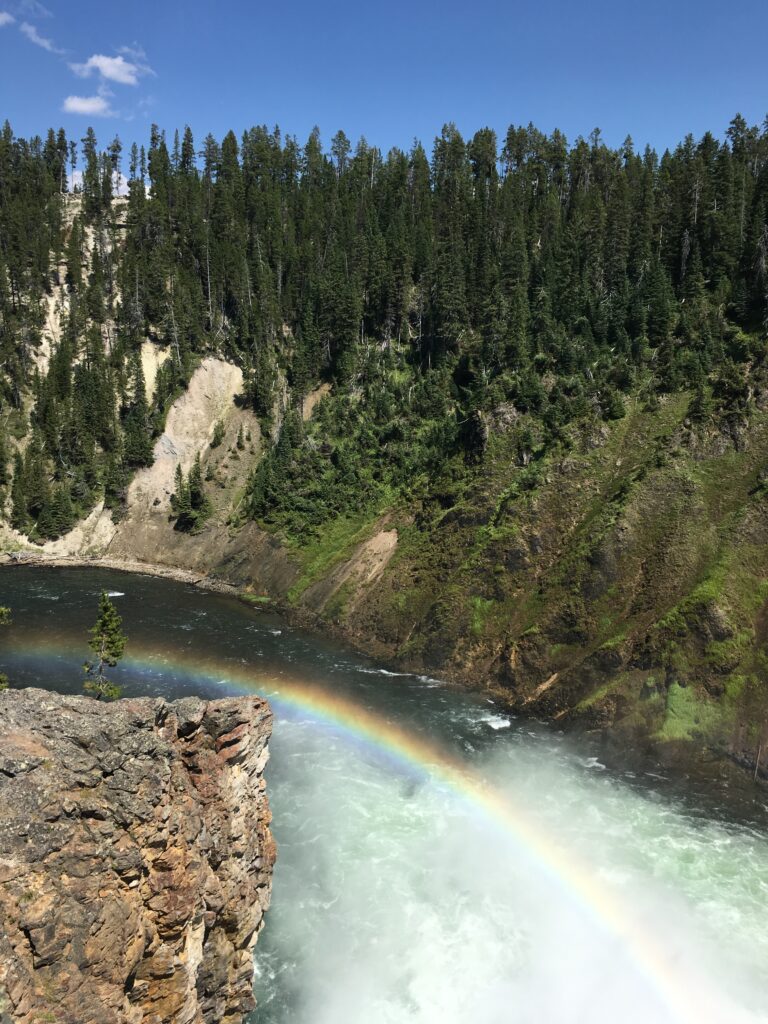
Yellowstone was made the first national park by Ulysses S. Grant in 1872. The continental divide exists within this national park and this is incredibly relevant to NR1 considering the course’s emphasis on watersheds. The terrain is dominated by lodgepole pine and alpine meadows. In the lower elevation regions, sagebrush steppe and grasslands provide a home to the park’s bison, elk, and bighorn sheep.

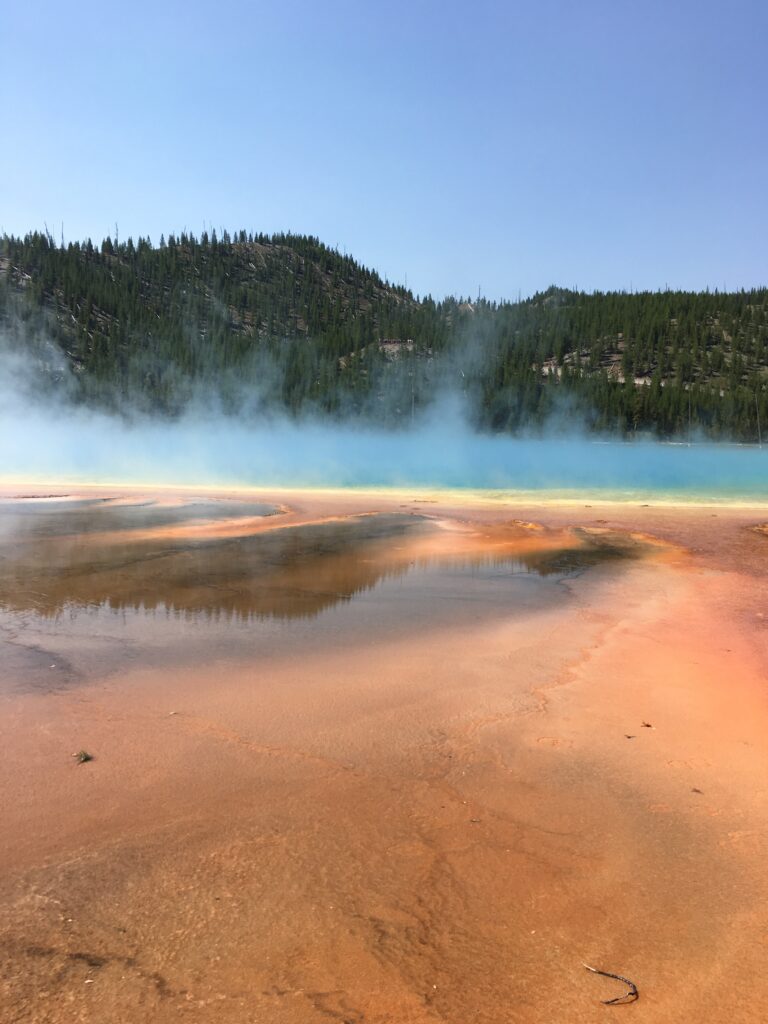
A great portion of the park lies within the caldera, and hydrothermal vents underneath the Yellowstone Lake serve as an energy source for microbes. Wildfires serve a great purpose in Yellowstone as it is essential for the lodgepole pine trees to reproduce. These trees make up of about 80% of the park’s forests, and one of the types of pinecones they produce require a temperature of at least 113°F for the resin that seals them to melt and thereby release the seeds. The fires serve to recycle and release nutrients.

Hilltops and south-facing hillsides generally remain clear of snow, and this provides an area for Yellowstone’s grazing animals to seek refuge during the long winters.

Yellowstone is a home to great amount of wildlife biodiversity as it contains many different habitat types. The biodiversity serves to support the resilience of the ecosystem.

Climate change has had a significant effect on these natural areas. In Grant Teton National Park, it has been observed that the flowering times have been shifted due to rising temperatures, but the seasonal behaviors of many animals have remained the same and this consequently has led to a great deal of mismatching in ecological timing.

The phenology and ecology of the Grant Tetons and Yellowstone are essentially the same as the parks are adjacent to one another. It is significantly more arid in these areas than it is in Vermont and the rest of the east coast, so similarities in the ecology of the ecosystems are few. What is shared would be the presence of large bodies of fresh water and mountainous ecosystems that include alpine forests and meadows at higher elevations.

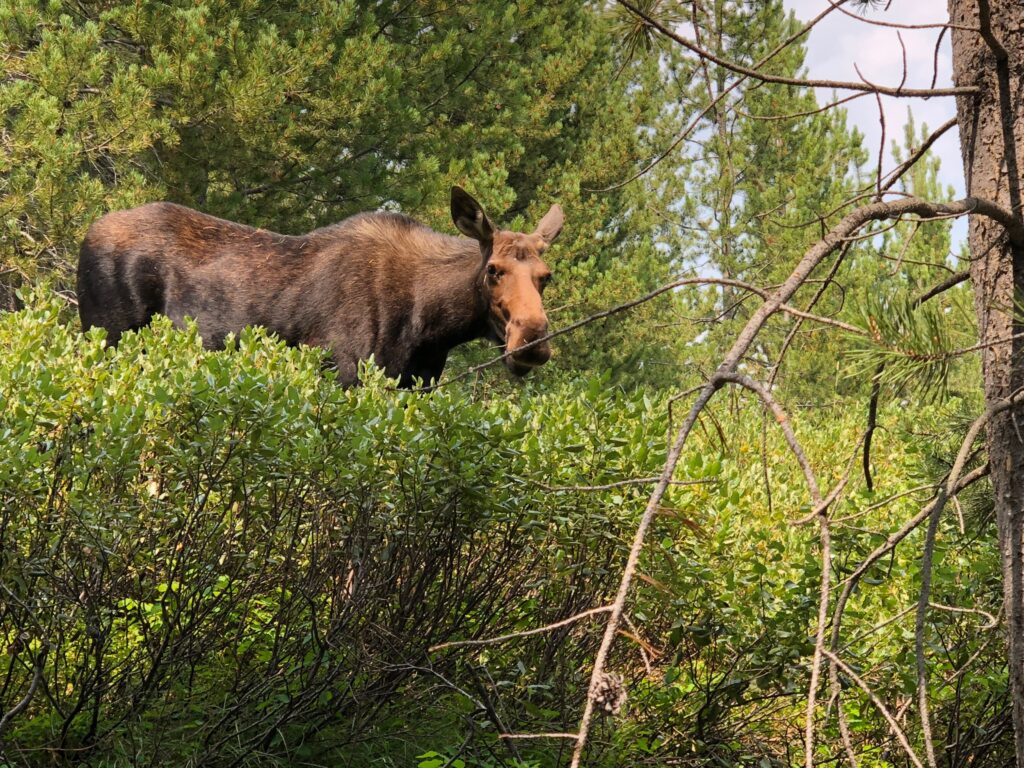
Moose are another thing that Vermont and the Tetons/Yellowstone have in common. This is a momma moose I saw on a hike, she had a baby (or two?) that are not in the picture.
Skip to toolbar