Posts

April 24 Post

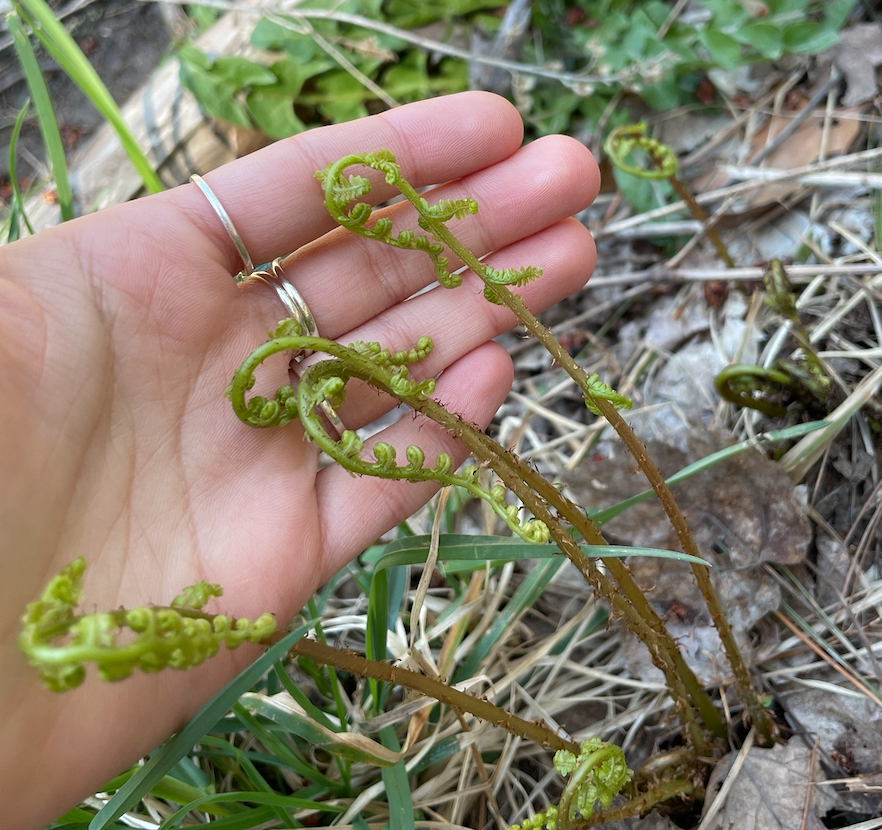
Going back to revisit my site now, it feels so much different from when I first went way back at the start of the semester. The snow is long gone, with new vegetation growing in for me to explore and find. On my way down to my site I found some small ferns growing in the grass next to the path. Finding ferns always feels like the true start to summer, as they grow early and are one of my personal favorite plants.
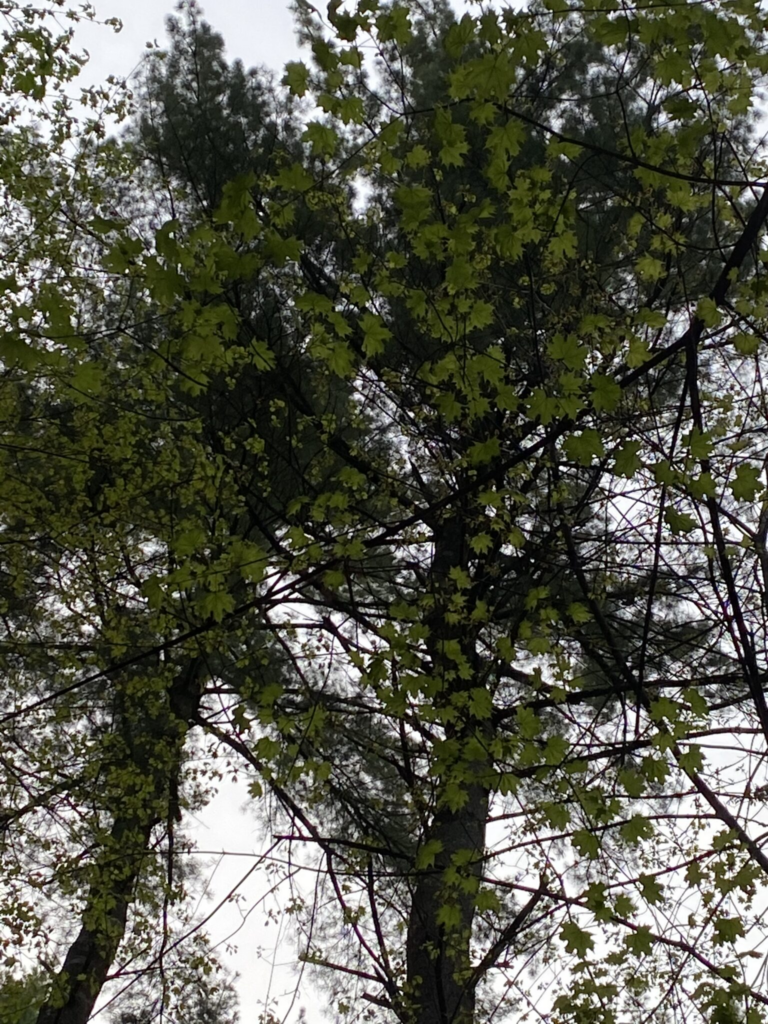
The buds on the trees are finally out and in bloom, it’s been so nice to see the green after the rain we have had recently. I found a maple that I had seen on previous visits that I could identify as a norway maple and the leaves were out and looked really nice.
I revised a large dead white pine that was a landmark for this site and could see marks from where woodpeckers had been eating at the tree. I don’t really consider myself a part of this place, but I have enjoyed visiting it because I think it is fun to find new places of nature that you can explore in areas that you wouldn’t think of.
April 10 Blog

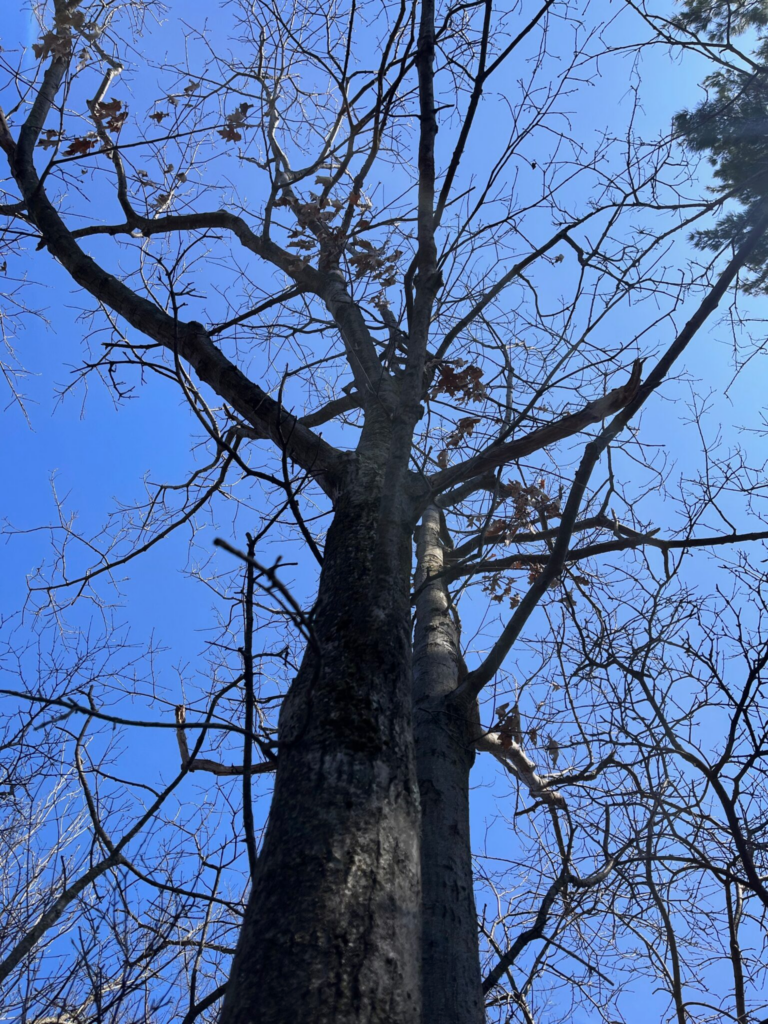
Some of the buds on the tree are starting to come out! It’s hard to see since most of the branches are up high, but the tree looks like it is in full spring mode now. The snow has melted so it’s looking a little sad since not too much green stuff has grown yet, but hopefully, things will start to look more green and full of life again soon.

March 27

A lot of the snow has melted that was at my site, but it seems like there haven’t been too many changes yet to my tree. I’m noticing that some branches on other bushes in the area are starting to bud, but not too much.

March 6

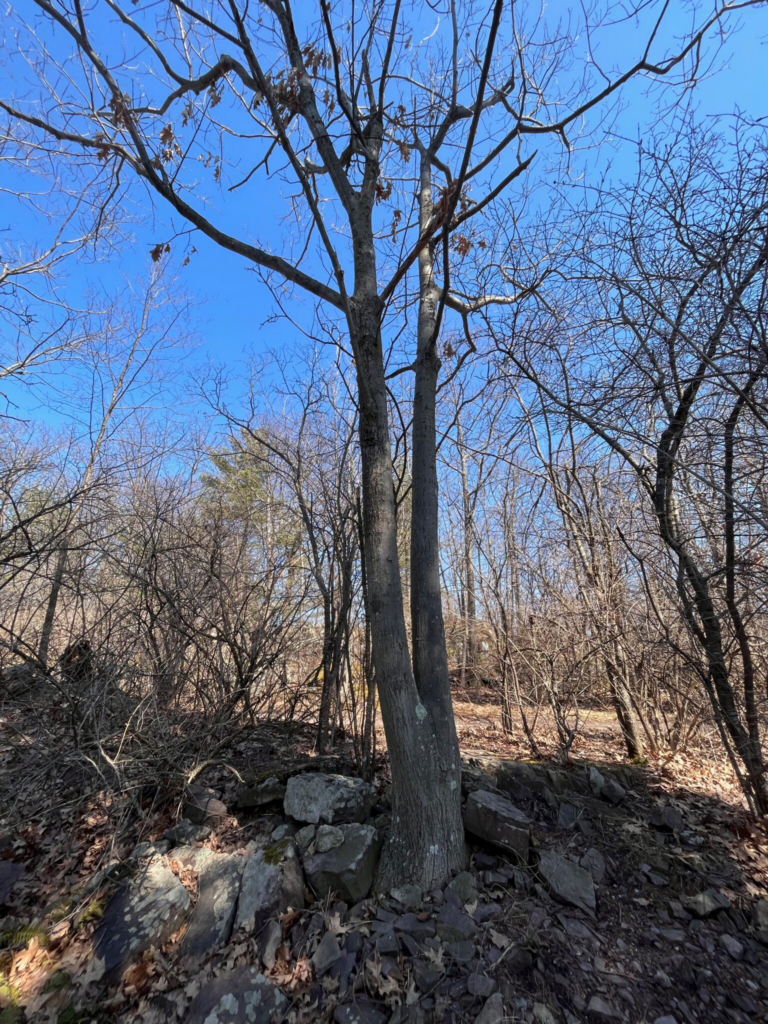
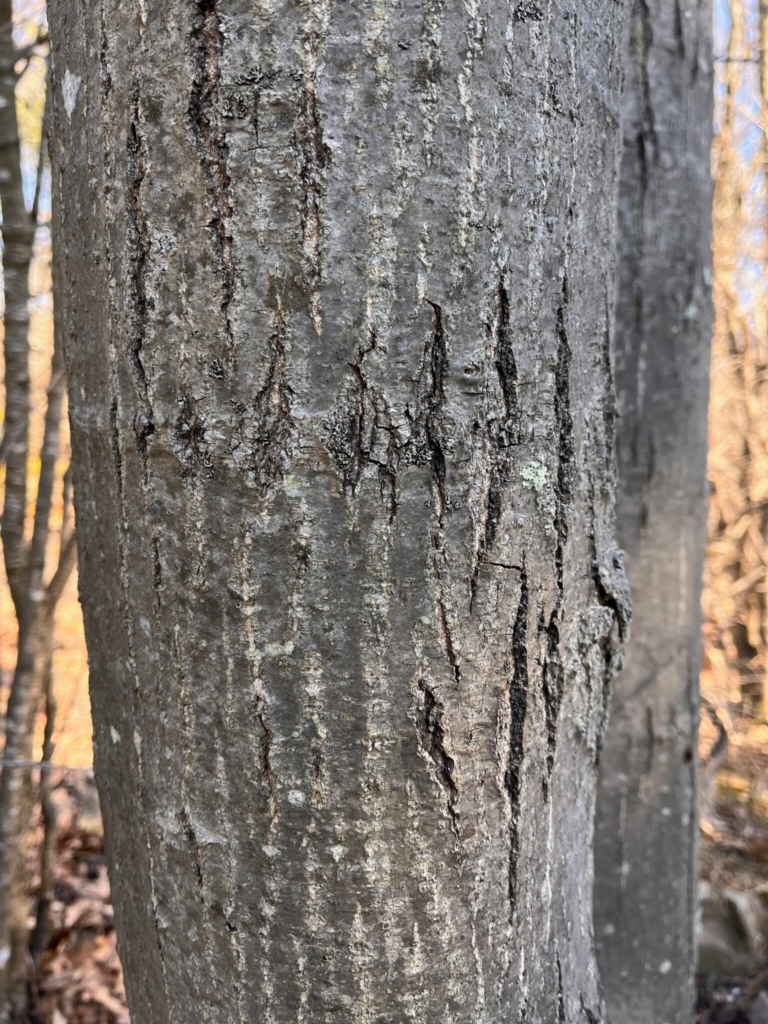
In the woods between Redstone and the golf course, I found a Northern Red Oak. I was able to identify it as such because of a dark red-grey-brown bark with ridges. While other oak trees look similar, white oak doesn’t have the red color in its bark that identifies this as a Northern Red Oak. There wasn’t any evidence of flowering occurring on the tree yet.

Feb 20th Blog

I wanted to really get out of Burlington and do some exploring, so I went up to the Stowe area to do some winter exploring. To find wildlife we walked around a lot of different areas and were successful in some more than others.

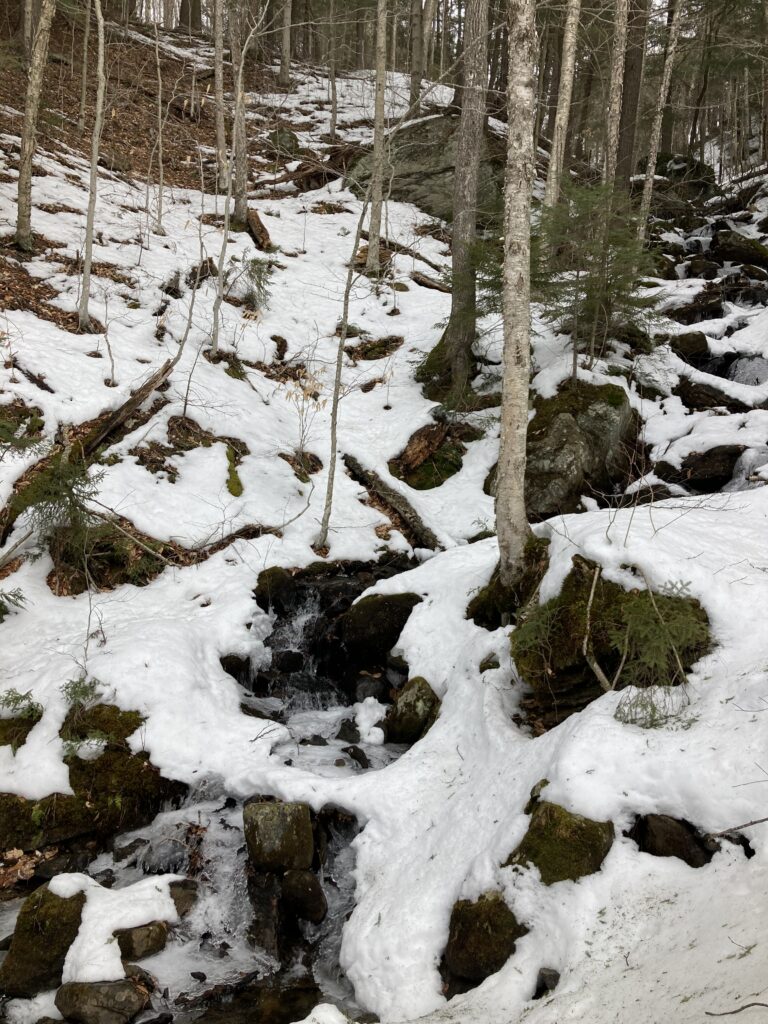
Found some cool water features!

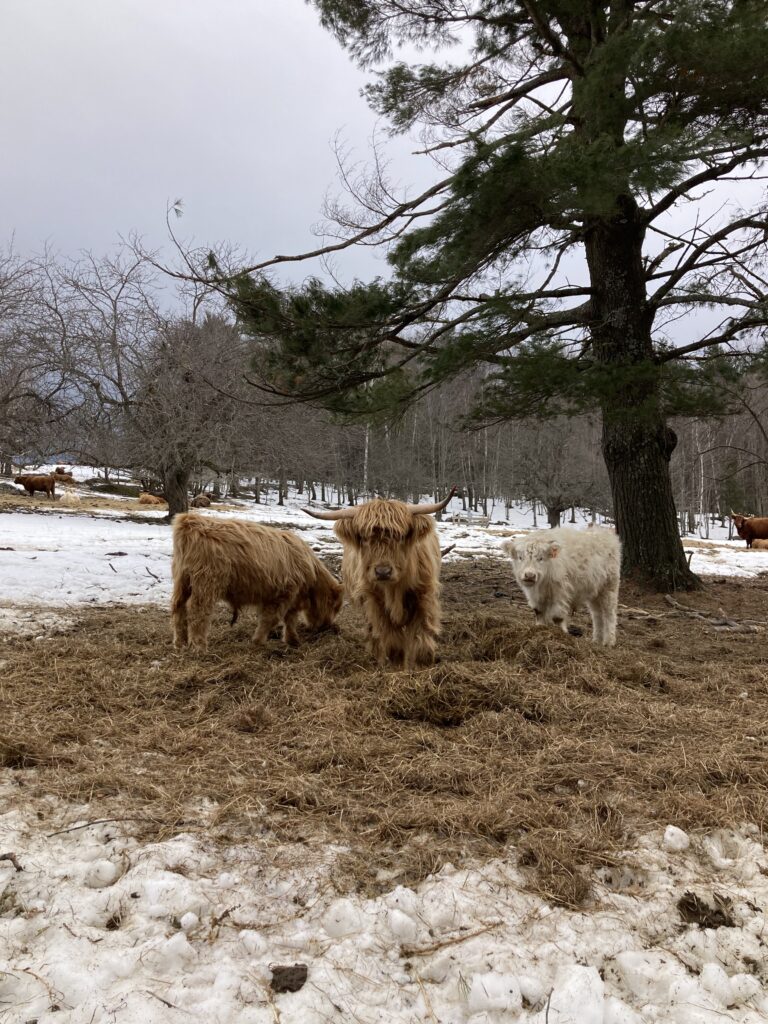
We first went up to the Trapp Family Lodge, where I found some rather large wildlife, the cows at the farm! I didn’t get close enough to see their tracks, but I can imagine they were rather big.

Big wildlife!

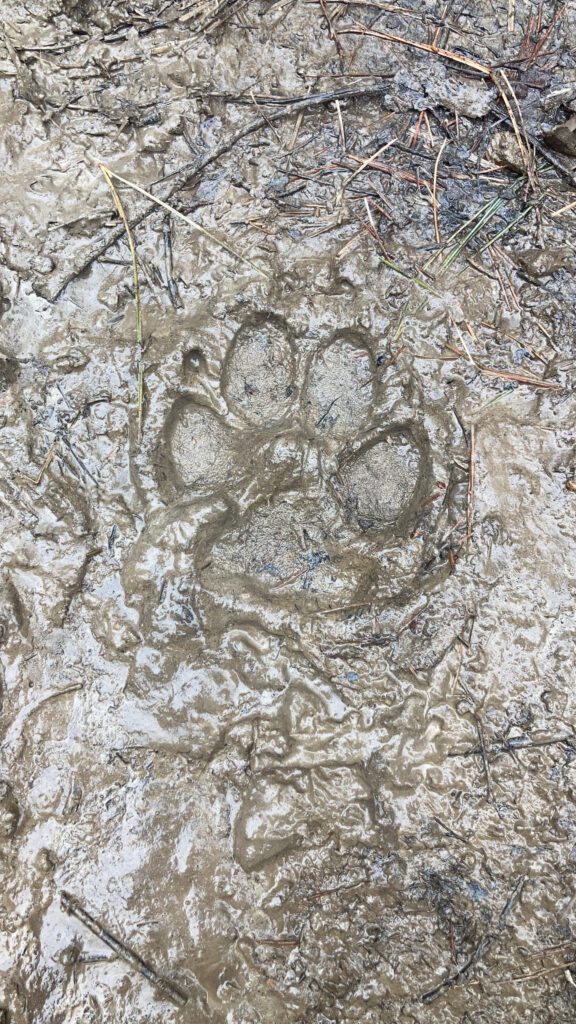
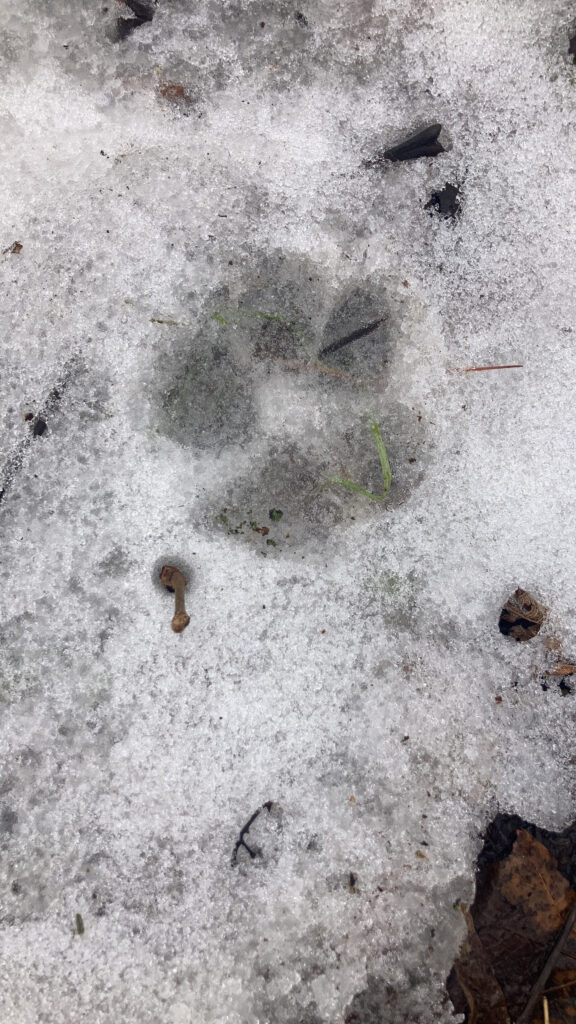
We also went walking on a path nearby where I identified canine tracks that were someone’s dog out for a walk, as the tracks were very scattered along the trail, it was walking with no purpose, jumping all around, and wasting energy. I wasn’t successful finding any more wildlife tracks, I walked off the path into the woods a couple of times but didn’t see any other marks in the snow.

Canine Tracks

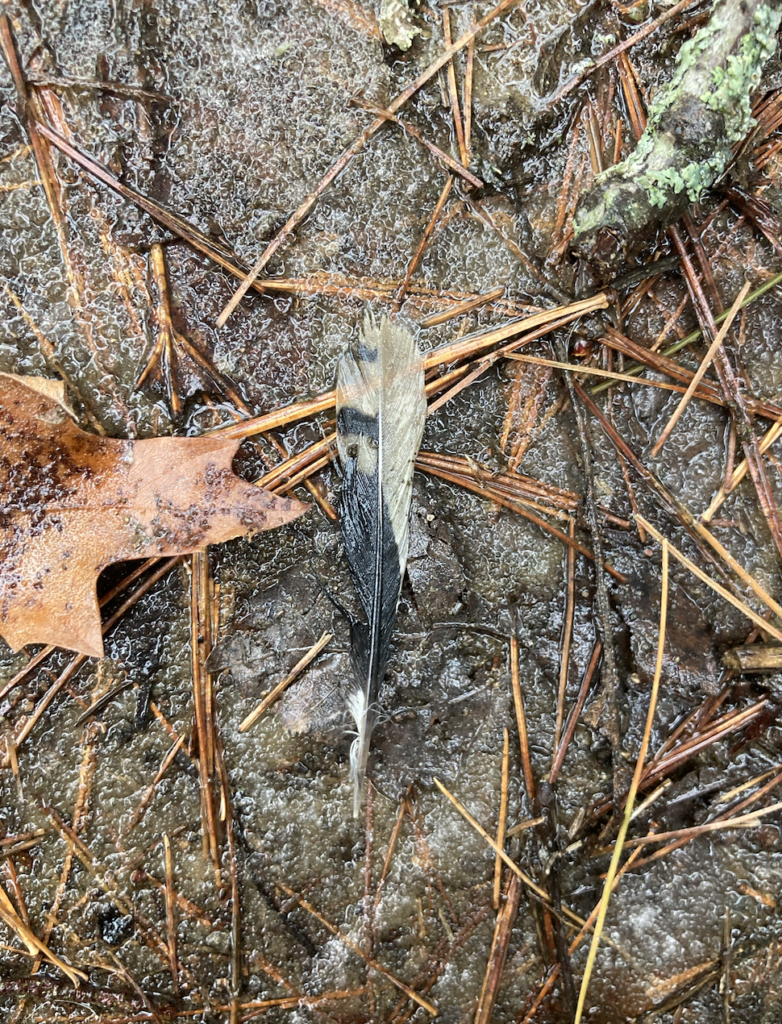
I did find a small feather on our walk back, but I was not sure what type of bird it comes from. I wasn’t able to download the iNaturalist app to mark them because I was out of service 🙁

Phenology Site!

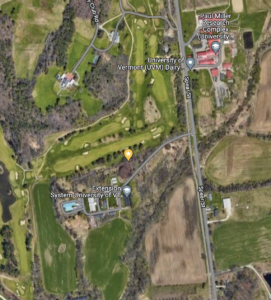
Welcome to my Phenology blog spot for 2023, a spot in the woods I found close to campus just off a trail that cuts between the Burlington Country Club and a Bio-Research Complex. To get to this spot I walk down the bike path alongside Spear St, past the UVM Dairy Barn, and turn right onto a road that leads into the Bio-Research Complex. A snow-covered dirt path leads off into a strip of woods running parallel to the golf course, and I walk on this till I find my spot.

I first noticed this specific area earlier this year, I run a loop around the golf course that takes this path, and there’s a big, dead, white pine that sits just off the path in the woods. It’s short but wide and has a lot of branches coming out of the trunk around my shoulder height, so it looks a little out of place where it’s surrounded by smaller hardwood trees like striped maples and basswood.

This spot has been visited by more than just me when I get there. My phone died in the middle of my trip so I didn’t get pictures, but squirrel tracks surround the bottom of the tree, and the snow is slightly dug up at the base, where scattered walnut shells are lying, remnants of the squirrel finding it’s hidden food for winter.

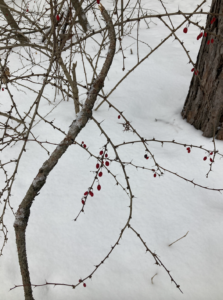
In the area around I see the distinctive red berries of the Japanese Barberry, an invasive plant that has thrived in the Northeast. The red berries are the only color I can spot in the brown and white, other than a patch of yellow snow left by what looks to be a deer that has left behind tracks. As I leave, snow starts falling a bit more heavily, and continues for a while longer, likely covering up the tracks that I saw, and burying the squirrel’s winter stores even farther under the inches of snow that already cover up the ground.

Skip to toolbar