Red Rocks Phenology Project

A UVM blog

October 29, 2024
by mmilman
0 comments

Changes in the site

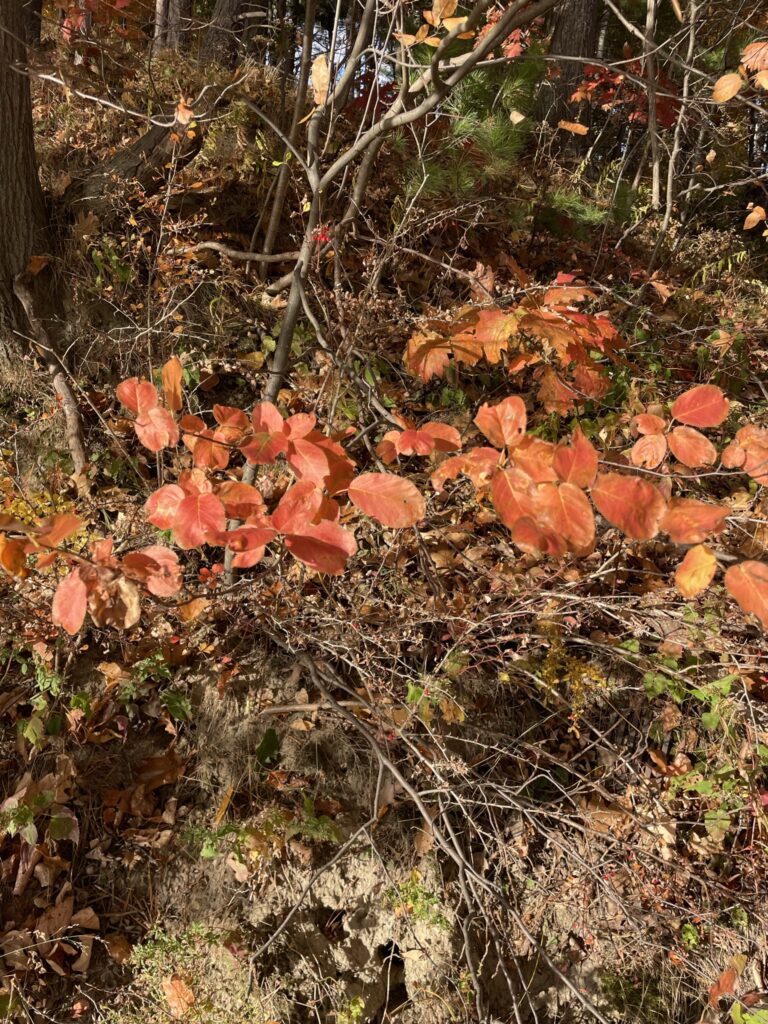
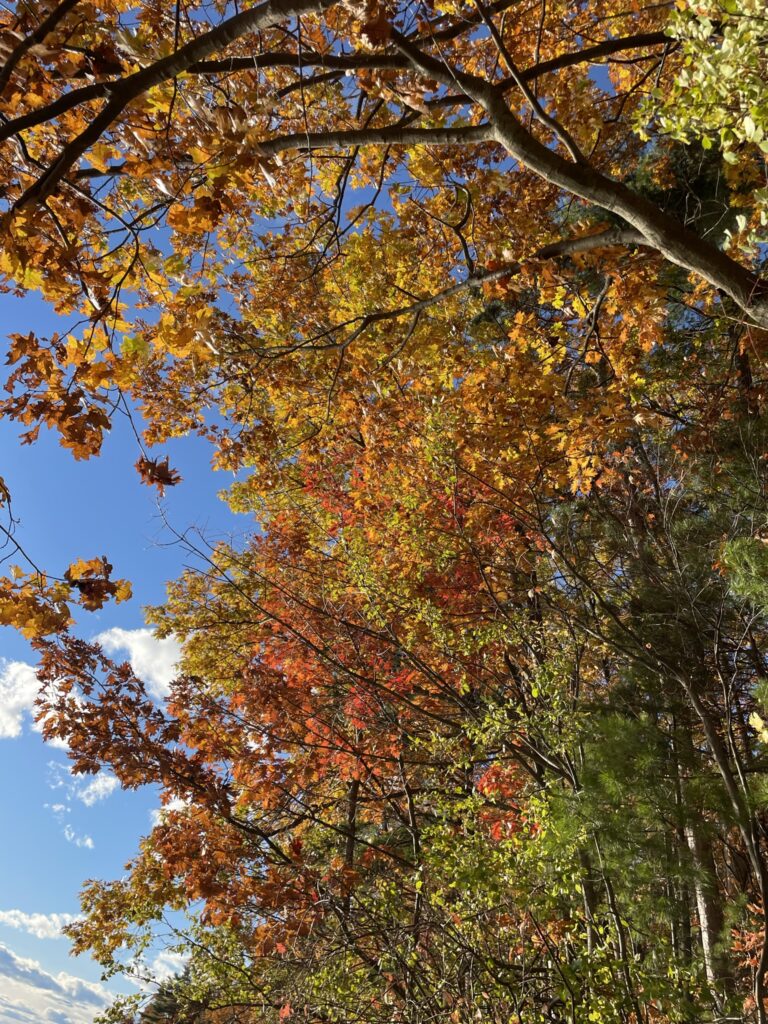
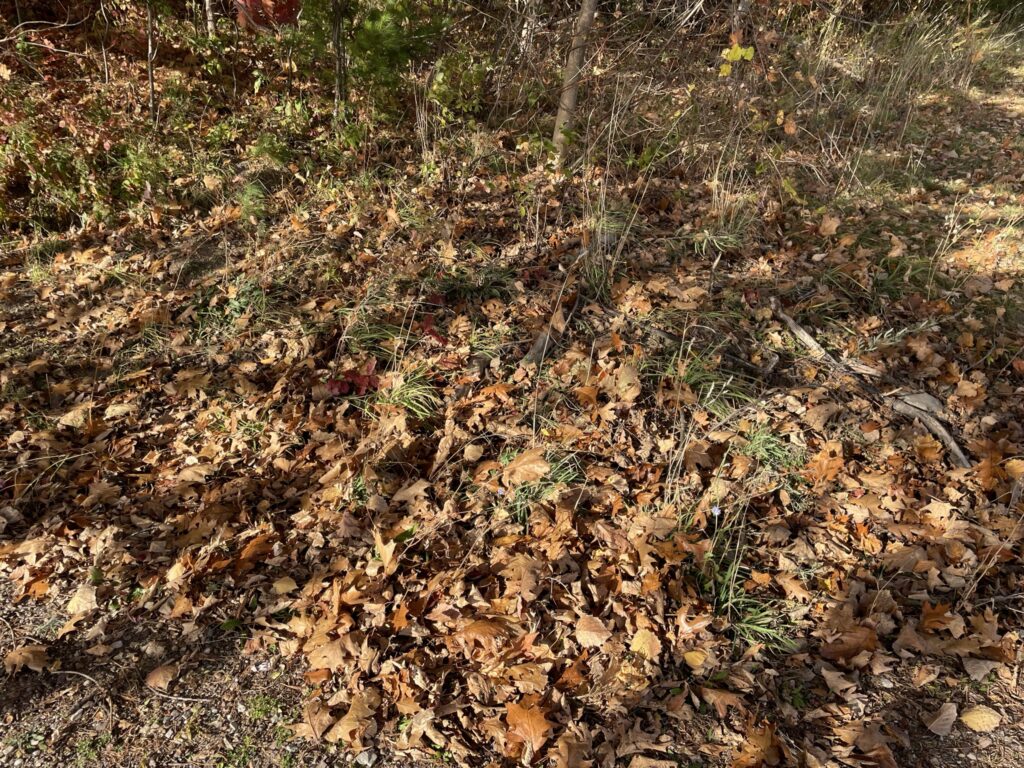
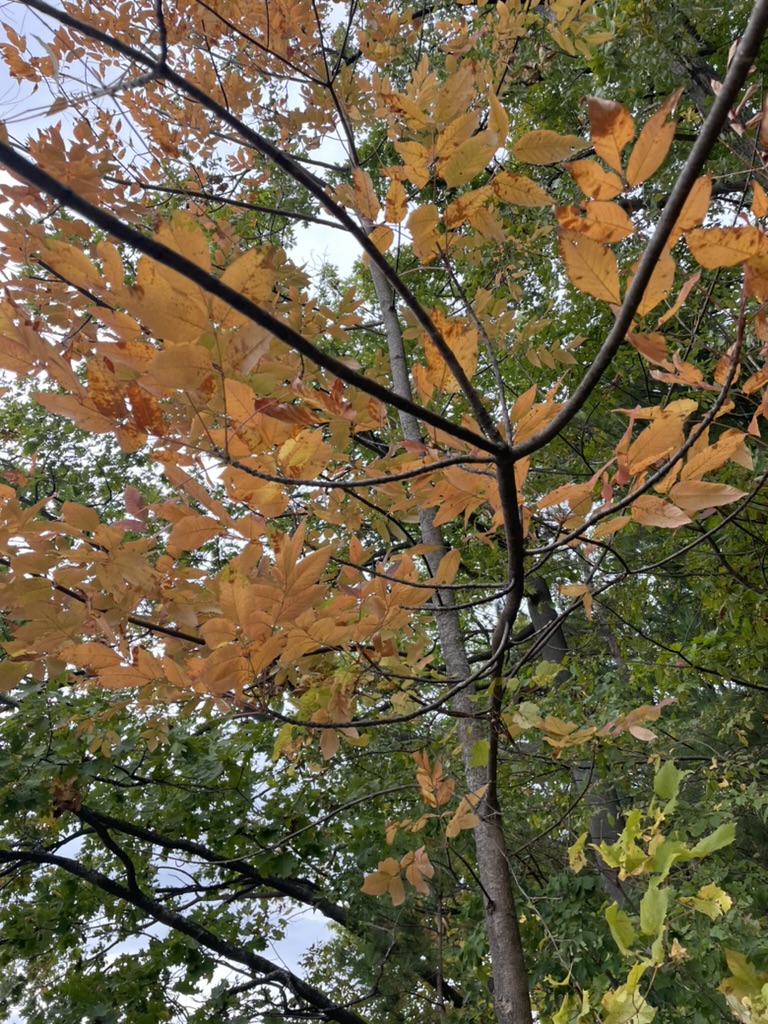
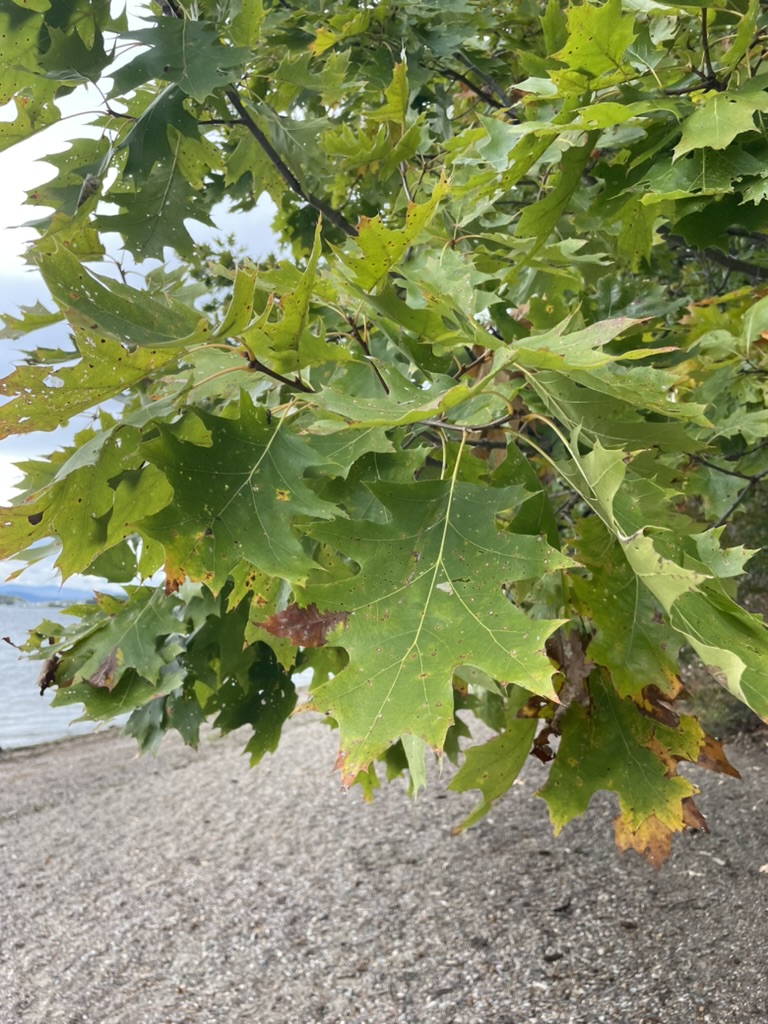
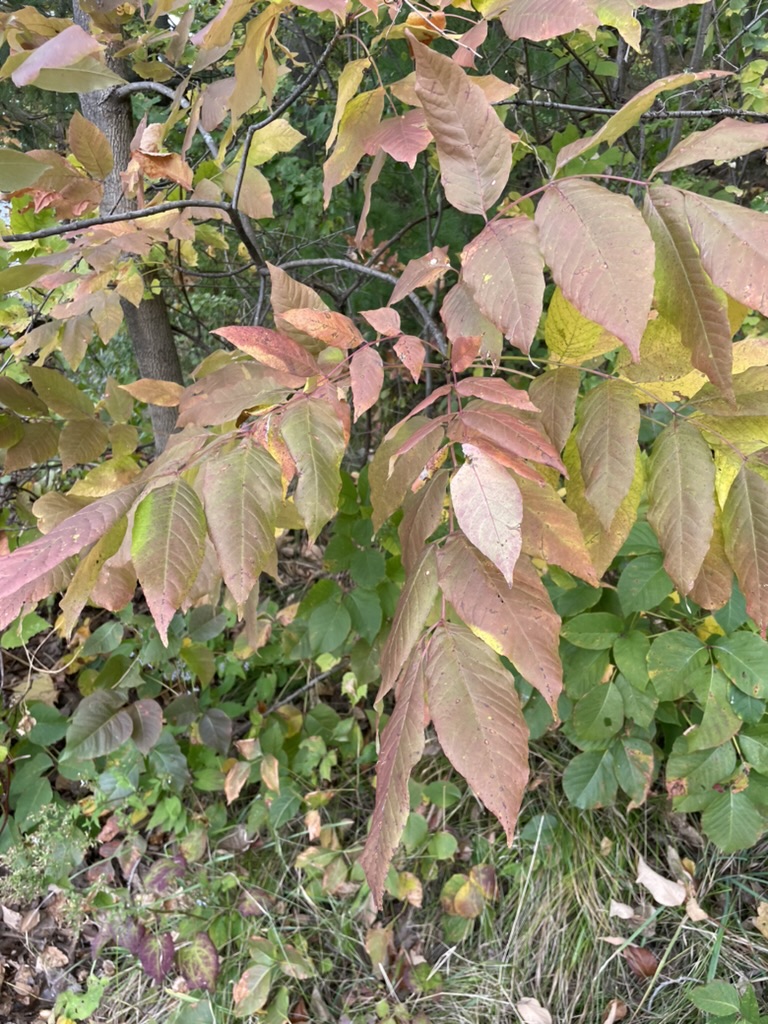
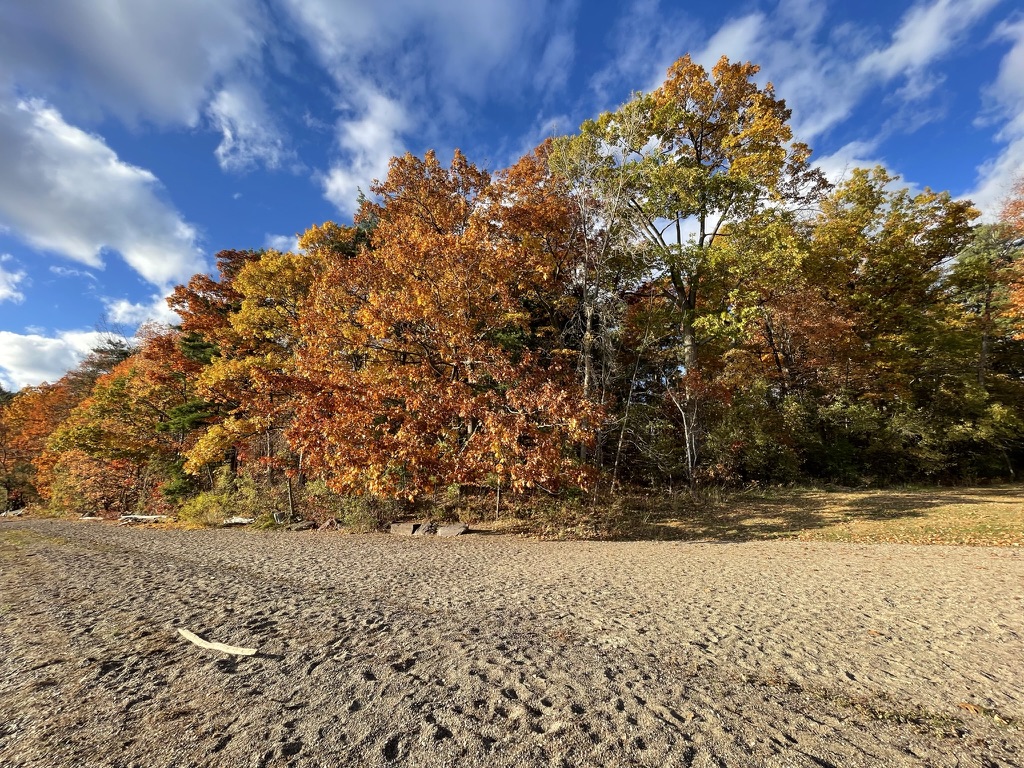
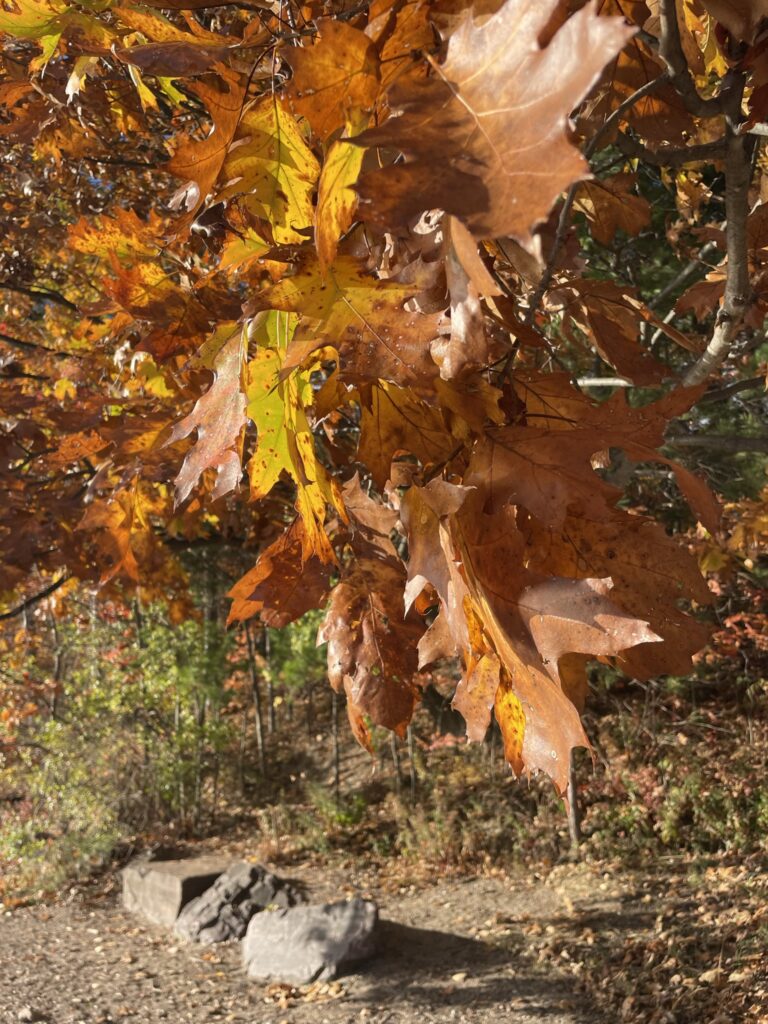
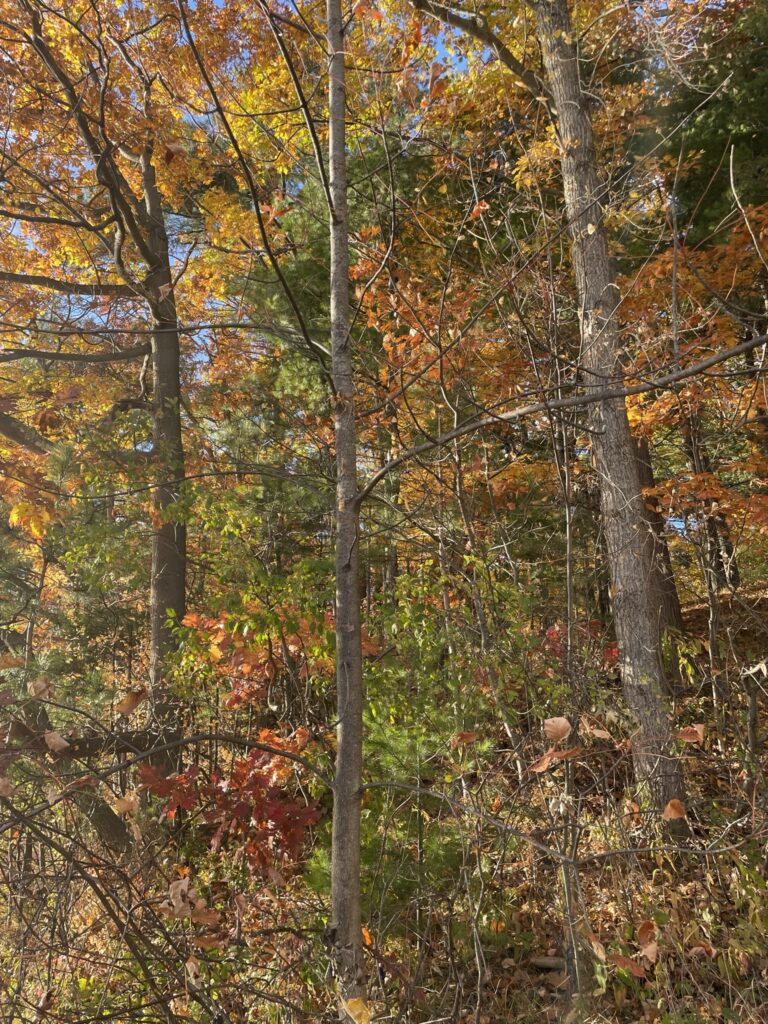
Coming back to my site after about three weeks I could see the development in the phenological cycles very clearly. The large northern red oak at the junction of shore and forest had completely changed color and retained most of its leaves, while the green ash had lost all of its leaves. Some of the barberry plants had also changed color by this time, but not all. The forest floor was covered in leaves and less woody plants were visible. The coniferous eastern white pine needles were more prominent now since many of the leaves of the deciduous species had already fallen.
October 13, 2024
by mmilman
0 comments

Description of Vegetation

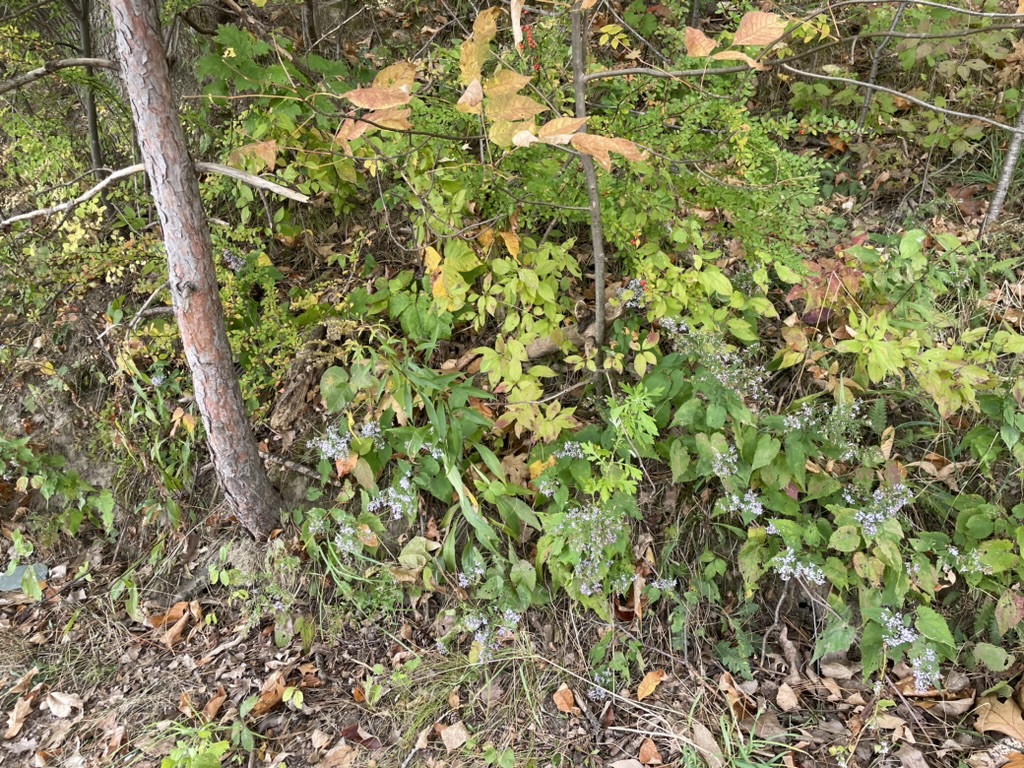
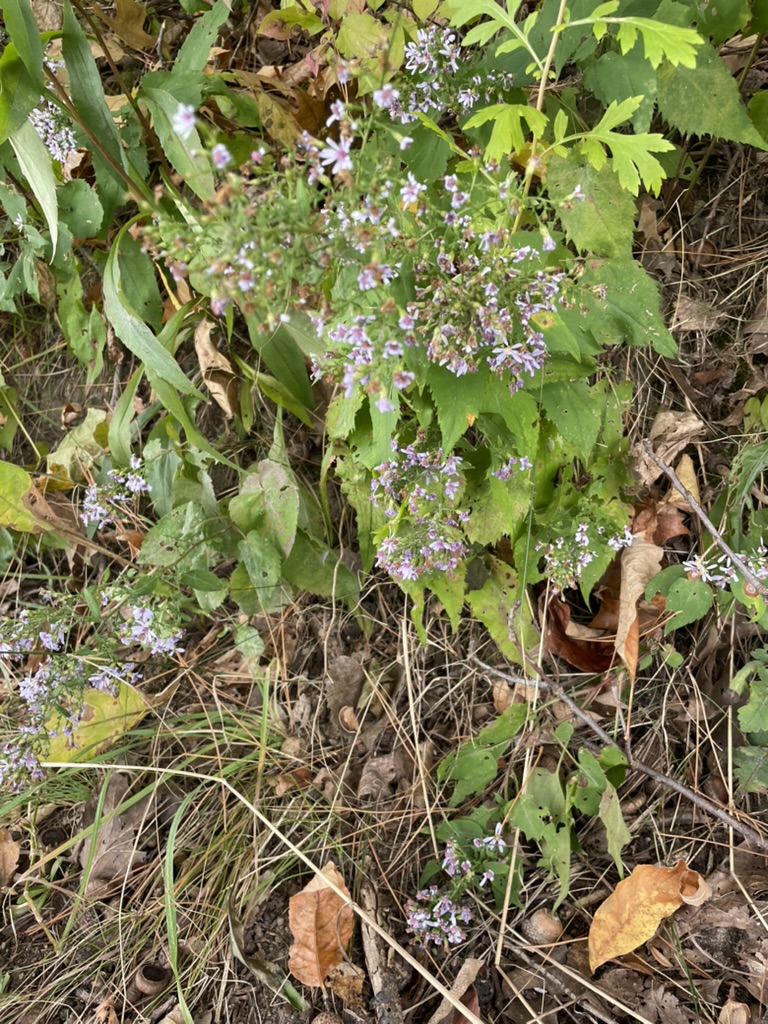
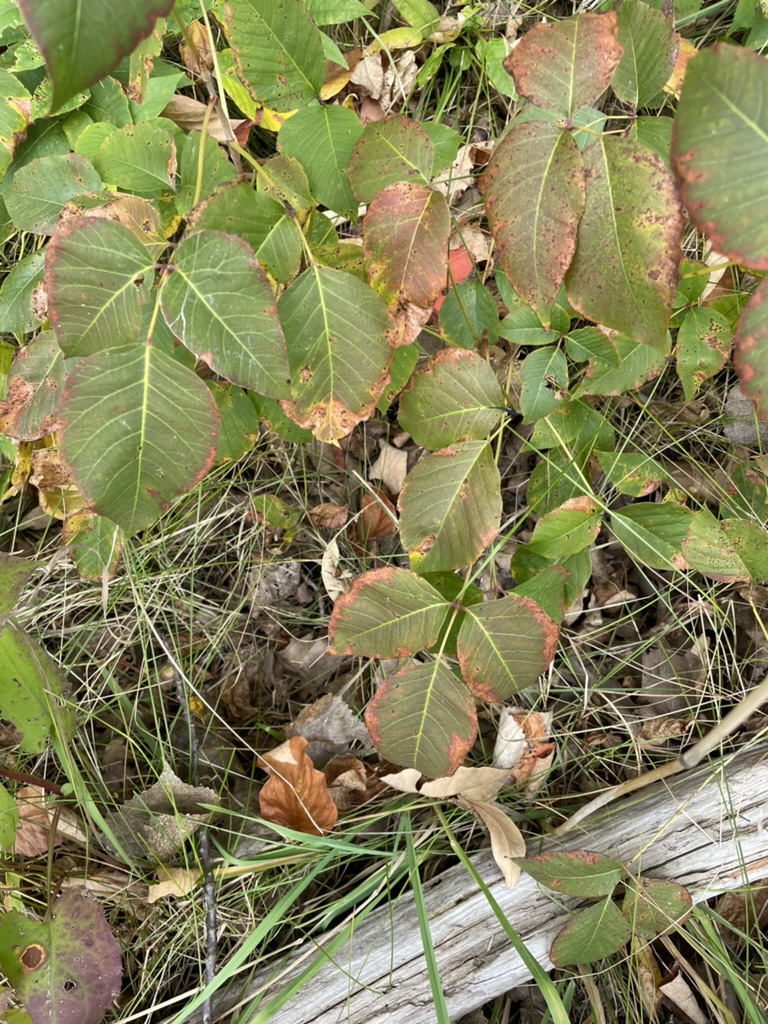
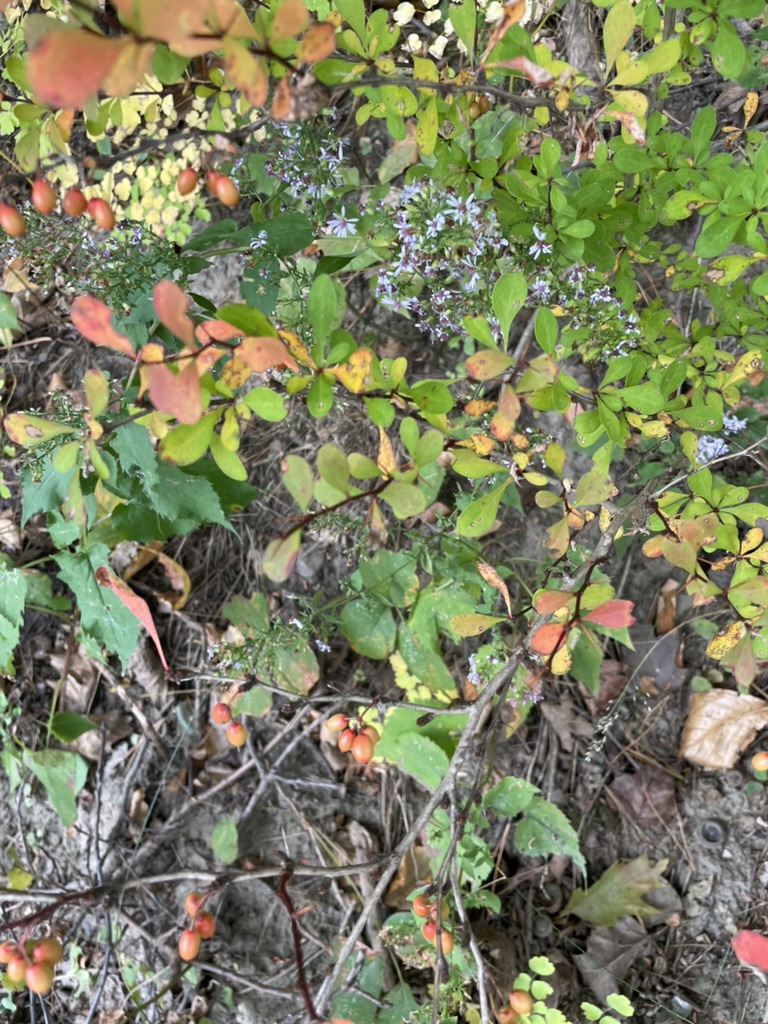
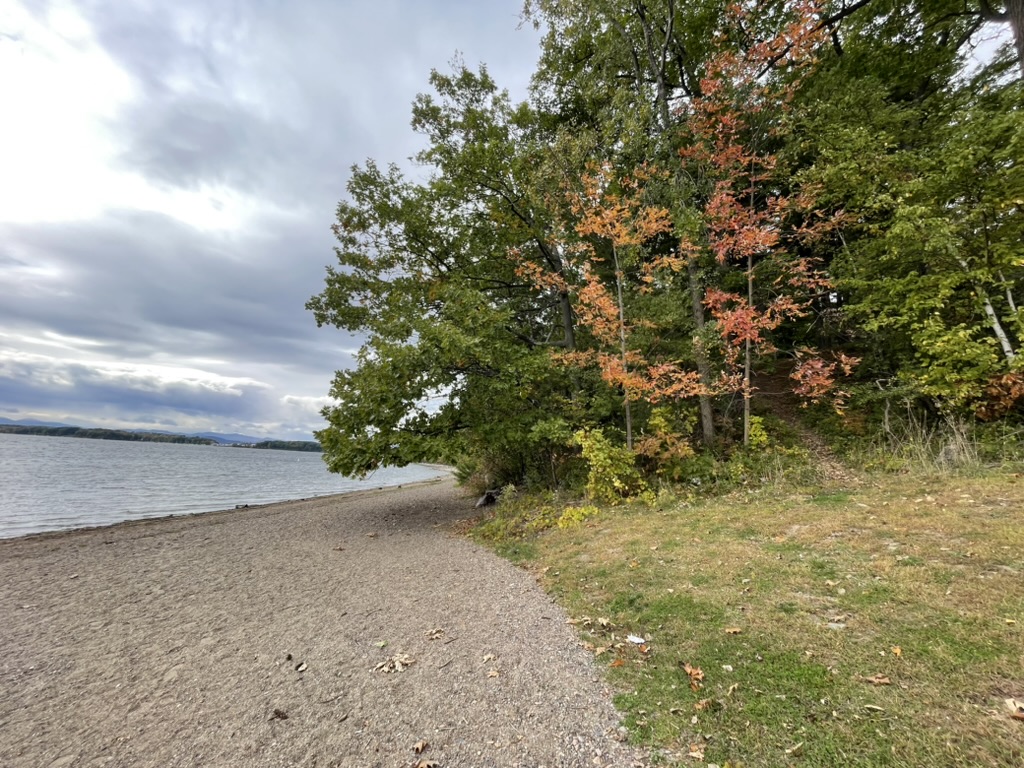
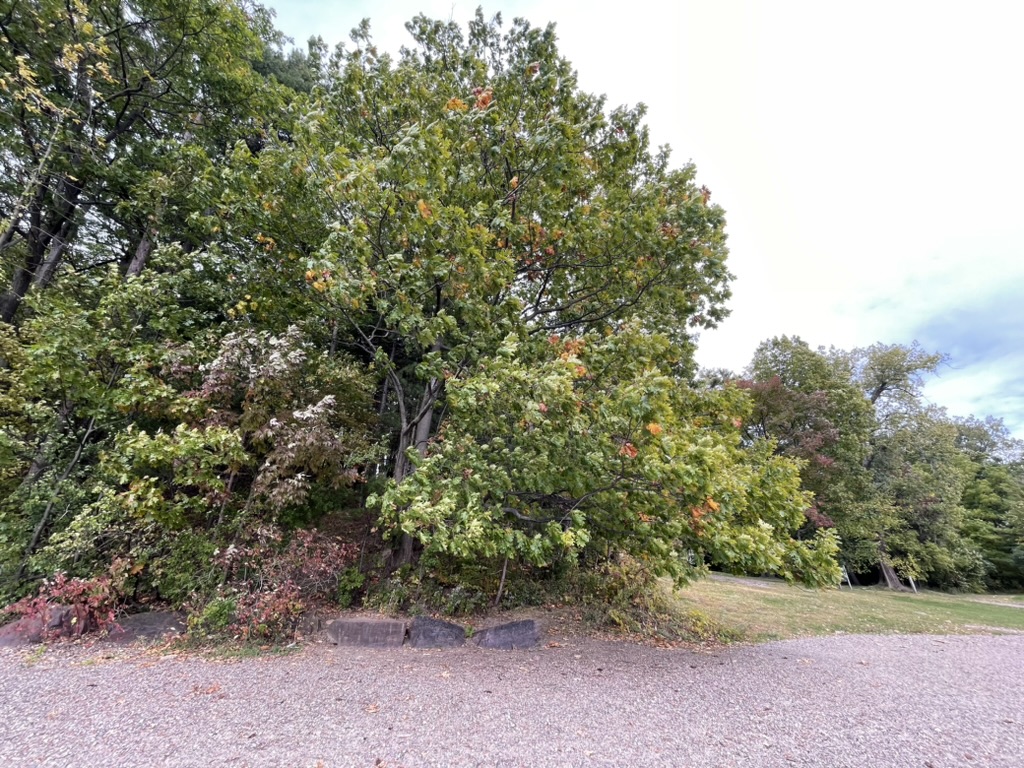
The vegetation at Red Rocks has a unique mix of tree species and woody species lower to the ground between the shore and the forest. The stark difference between the gravel shore and the vibrant understory makes the site phenologically and ecologically interesting. The bottom vegetation was mostly green, with some deciduous species already changing colors along their phenological cycles. I observed some flowering species along the forest floor, as well as invasive species like poison ivy and common ivy.

Vegetation between forest and shore
Ash tree changing color
American Aster

Common Woody Plants

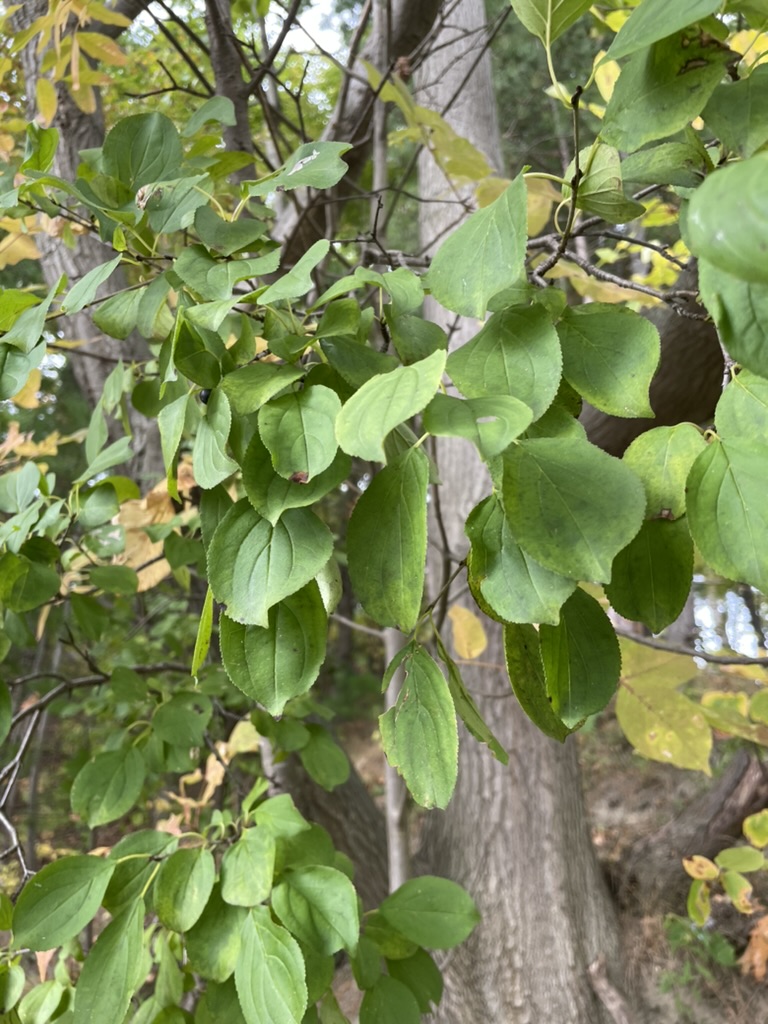
The most common species of woody plants observed at my site: Poison Ivy, Barberry, Ashes, Buckthorns, Northern Red Oak

October 13, 2024
by mmilman
0 comments

Site Location

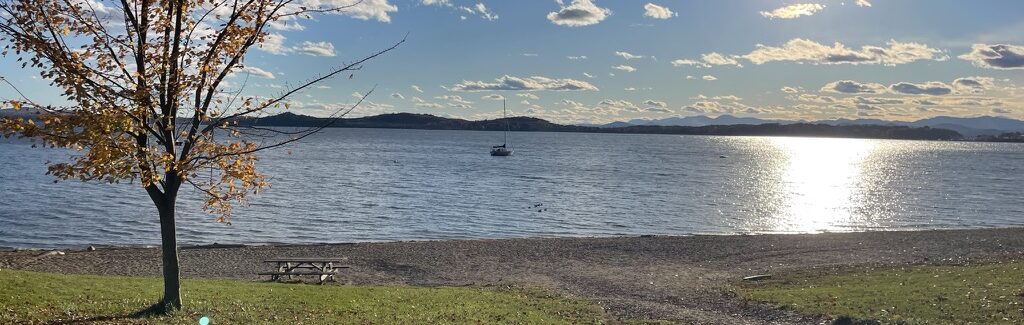
Site Photos

Red Rocks Beach
Red Rocks Beach

Site on Map

Map of Phenological Site

October 9, 2024
by mmilman
0 comments

Why Red Rocks?

Skip to toolbar