Red Rocks Phenology Project

A UVM blog

May 4, 2025
by mmilman
0 comments

Paying a final visit to Red Rocks… for now.

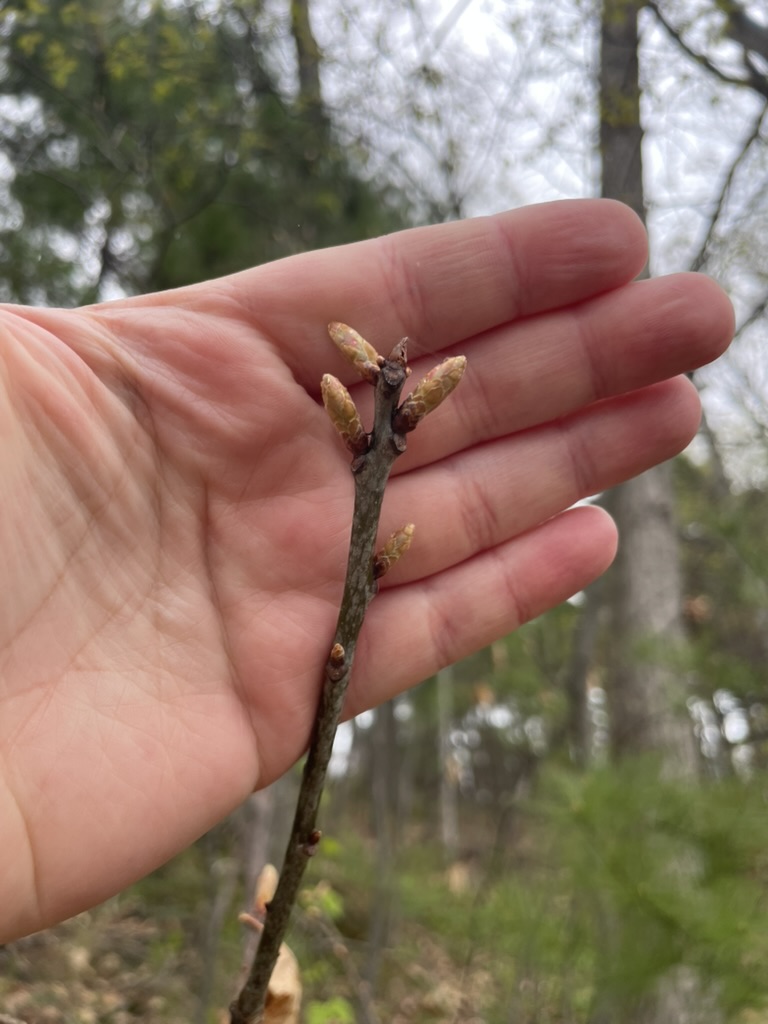
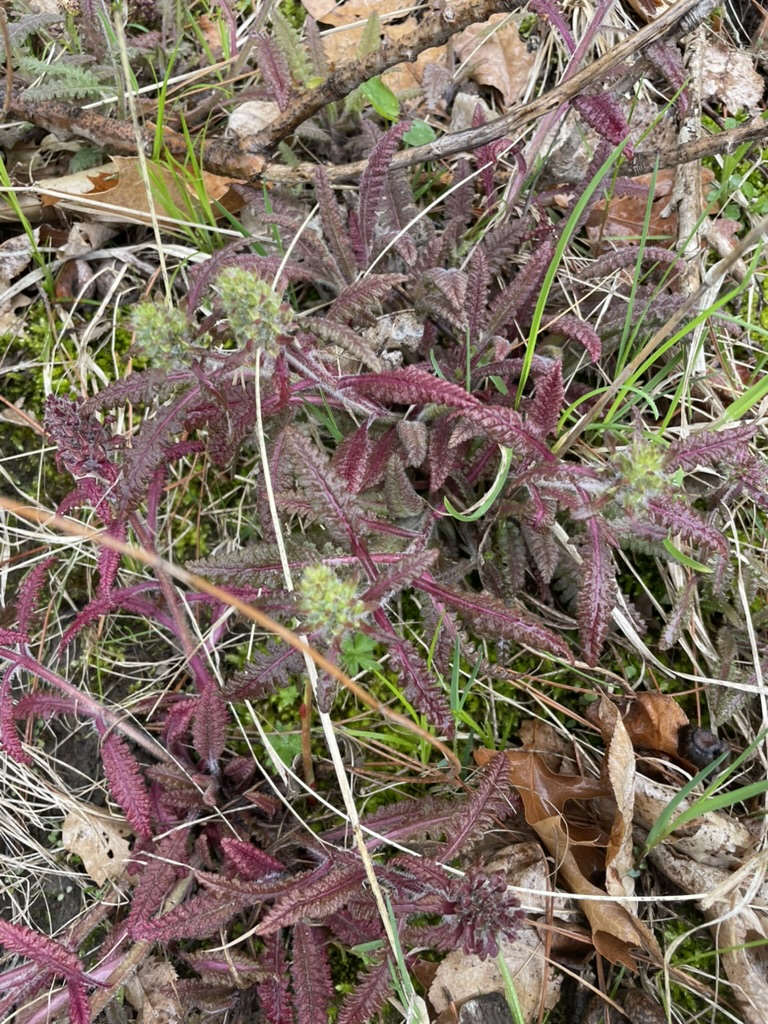
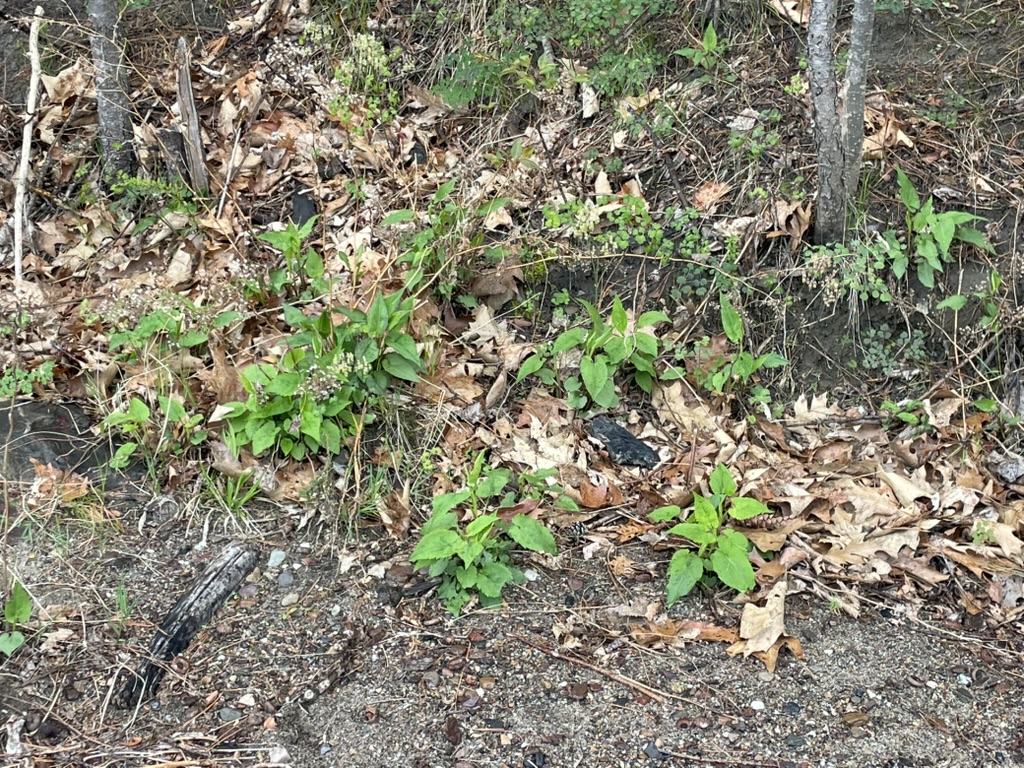
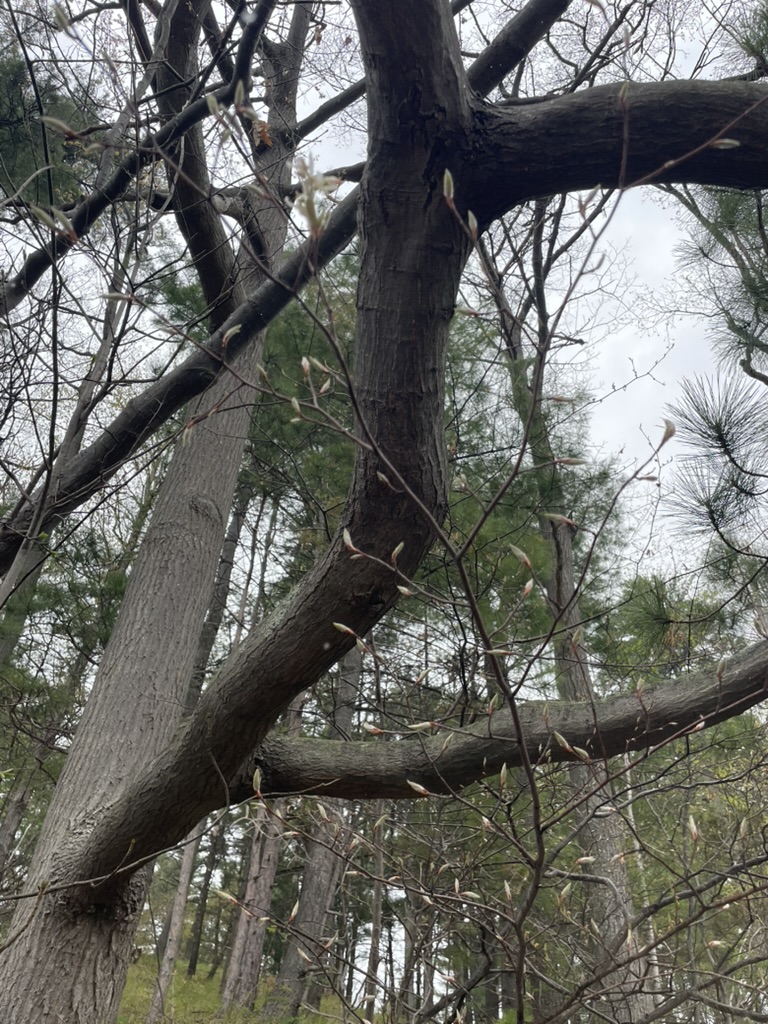
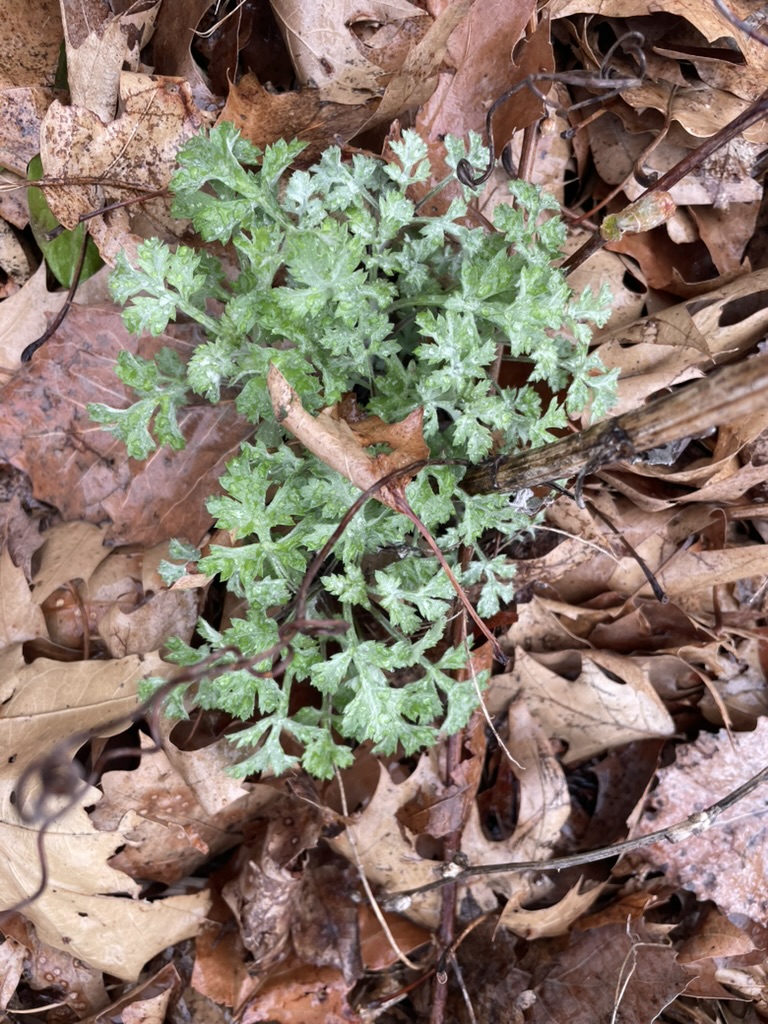
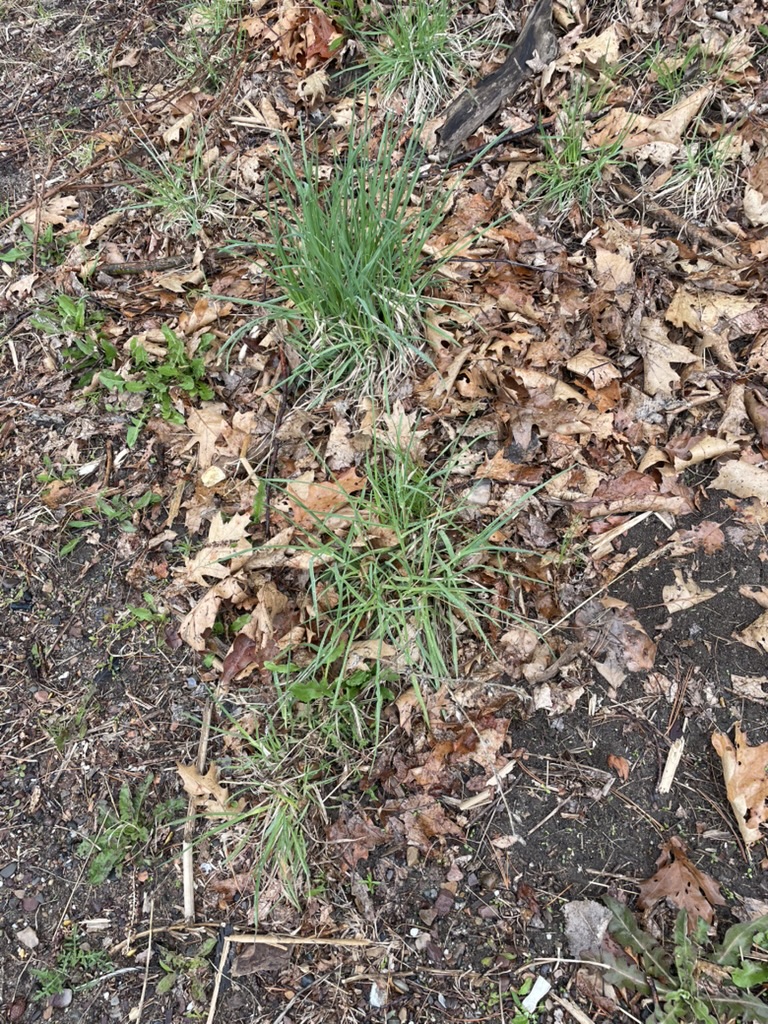
Over the weekend I visited Red Rocks Park for the last time this school year. When I went it was dark, rainy, and a little bit cold: a typical Vermont spring day. Returning for the first time in many weeks, the site had begun to open up to spring. New buds on trees had emerged, grass sprouts were returning, and vegetation was coming back to the park. It was quiet, with little signs of wildlife during the rain.
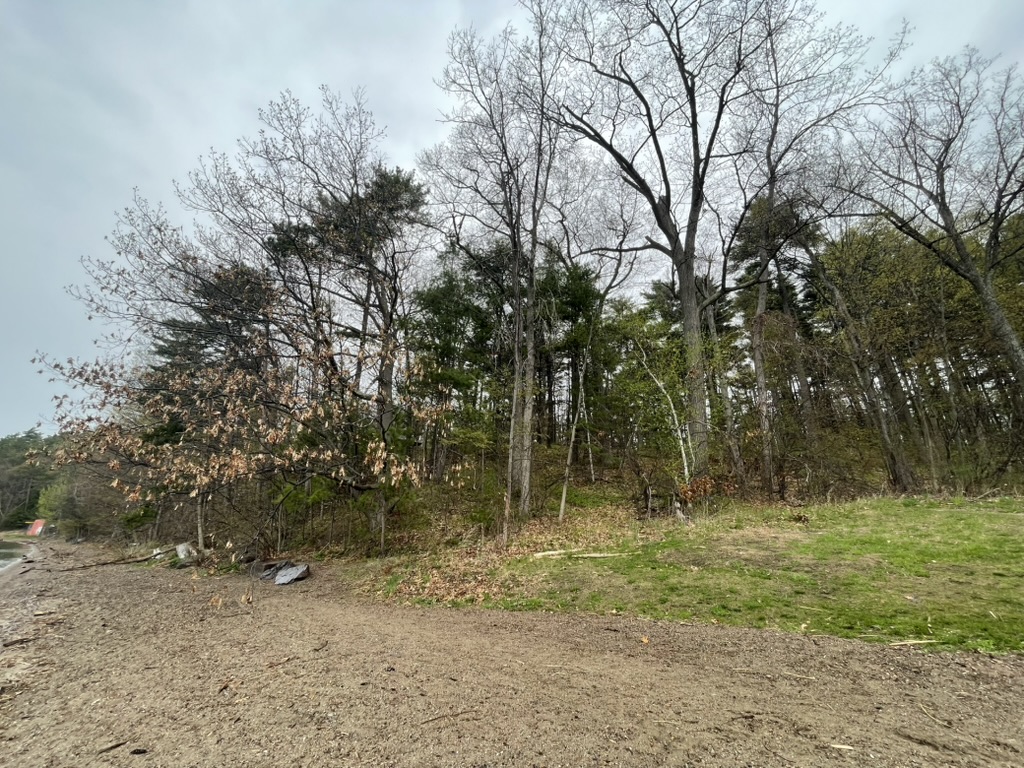
Over this academic year, watching my site change through the phenological phases and seasons has been truly beautiful to witness. I’ve enjoyed seeing the leaves change color in the fall, mourning their death in the winter, watching families of ducks paddle through the water, walking on the frozen-over bay, and seeing life begin to come back to this place. I’ve been here on quiet days, calm waters and sunny, as well as chaotic ones with strong winds and rain.
Landmarks

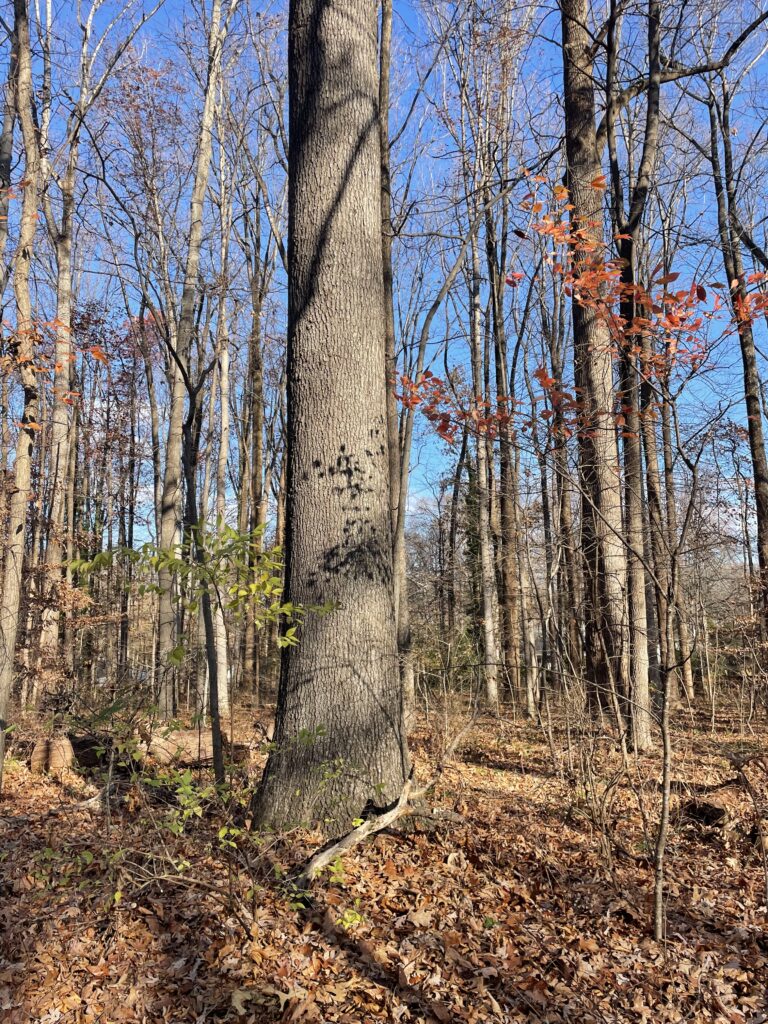
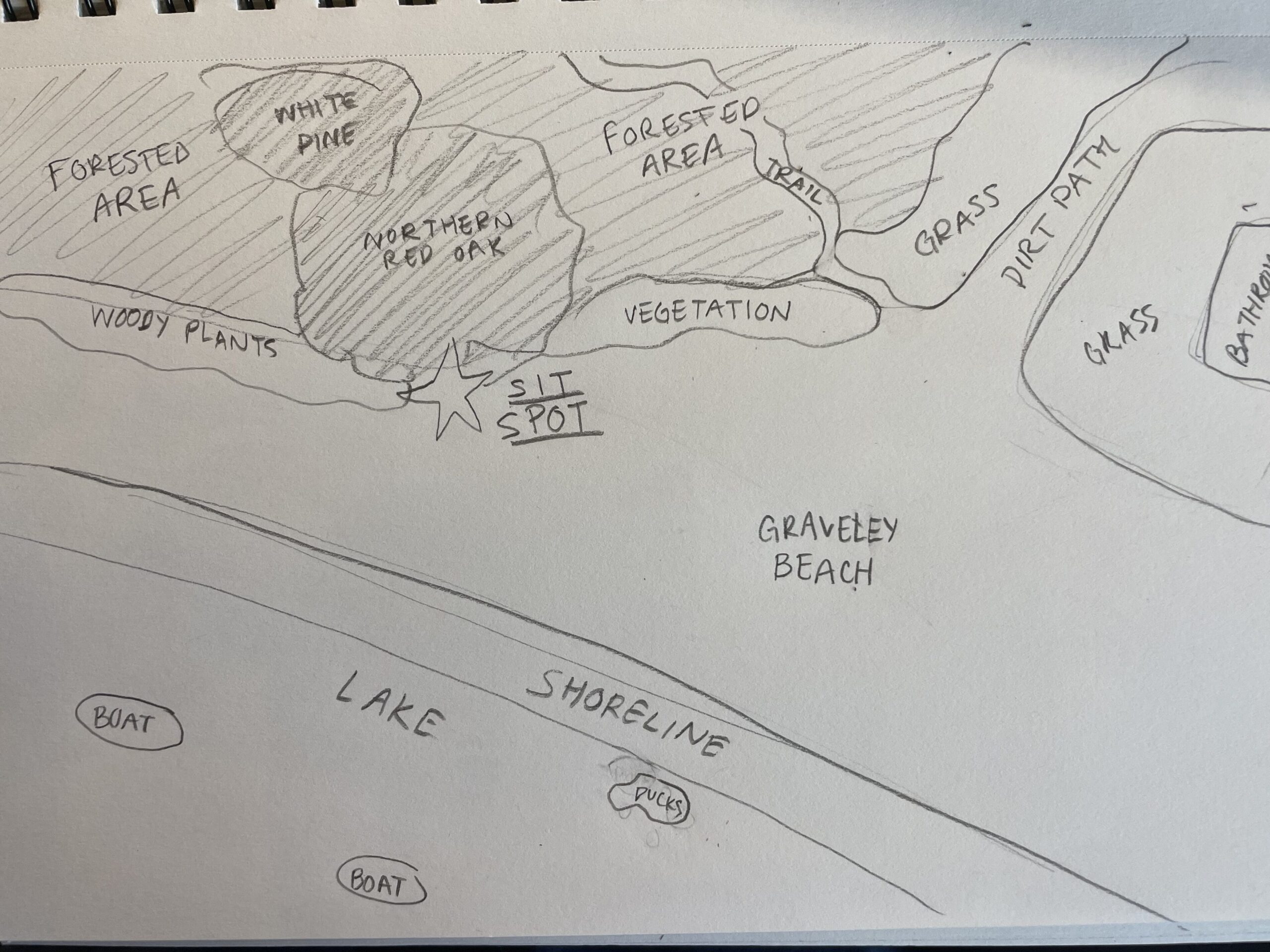
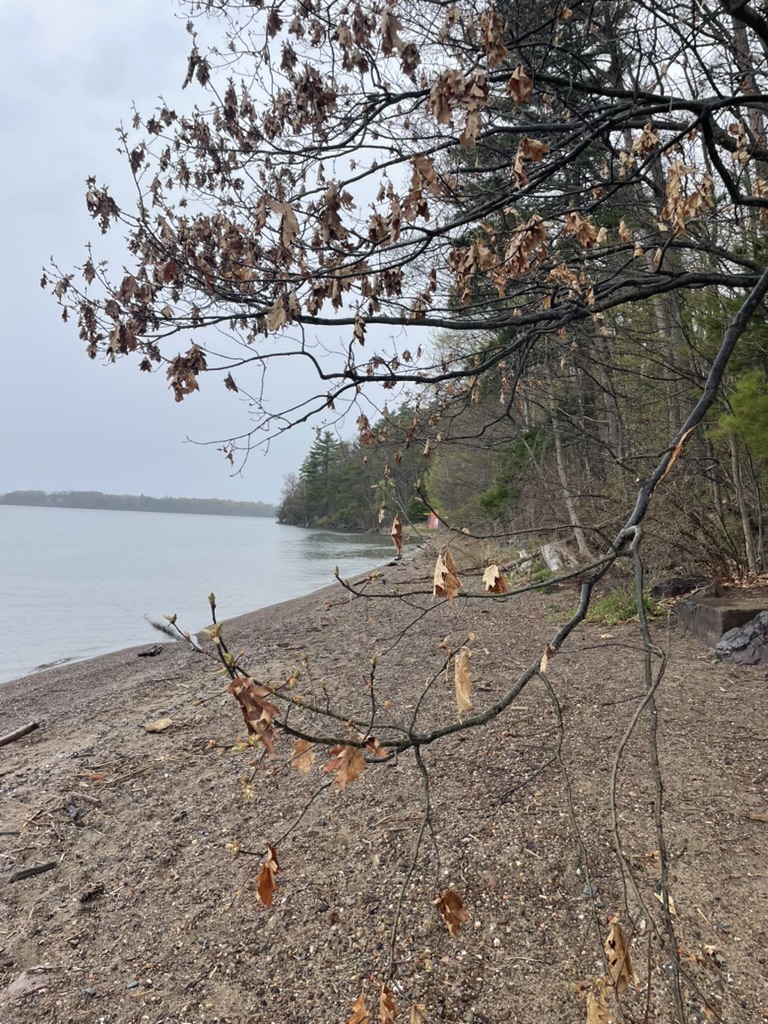
A special landmark to me at my site has been the northern red oak tree on the corner between the beach and the forest. This tree has seen dramatic changes through the year but has always held tightly onto its leaves, keeping them close all through the winter and into the spring, waiting patiently for newcomers to take their places. Minor landmarks I have become familiar with include the three large rocks where I sit and take in the site for all it has to offer, as well as the family of smaller eastern white pines, staying consistently needled through the fall and winter into the springtime.
Nature and culture intertwine

Red Rocks intertwines nature and culture by combining the natural areas with the recreation of local Vermonters. Residents often walk their dogs through the park and down by the water. Additionally, residents along the shoreline launch kayaks and canoes onto the lake from the shore. The recreation and outdoor experience culture of Vermont is easily observable here.

My part in this place

I consider myself a part of Red Rocks and have a relationship with it. I have brought my parents here when they visited me. I have brought my friends here to experience it with me. Every time I turn the corner of the trail to open out to the bay, I take in the views all over again. I sit on the rocks and listen to the lapping of the water and look down both ways of the shore to see if I am sharing the space with anyone else that day.

April 27, 2025
by mmilman
0 comments

City Nature Challenge 2025 BioBlitz!

For the BioBlitz of the Greater Burlington area, I chose to explore the South End of Burlington. Specifically, I was in the area surrounding the South End CityMarket grocery store (see map). I chose this area because it is near the house where my parents stay when they come up to visit me, and I have always liked the area. It is off Pine St and close to the water.

My experience using iNaturalist was streamlined and straightforward. The new version of the app that they recently rolled out is more intuitive and user-friendly. I could find my lab section’s project easily on the “search projects” feature and record my observations in the app.

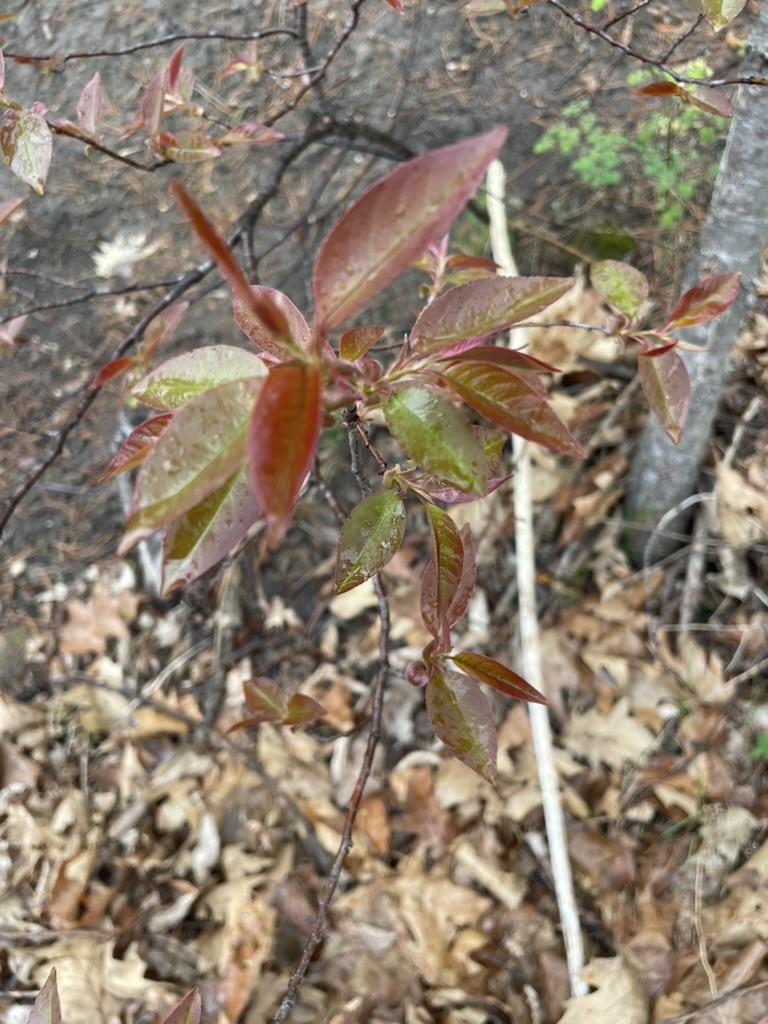
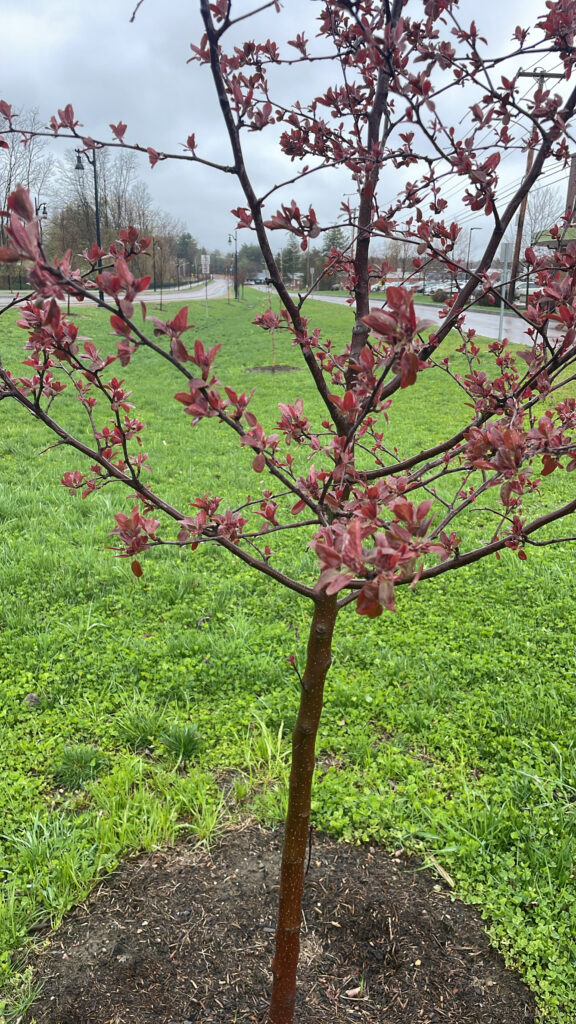
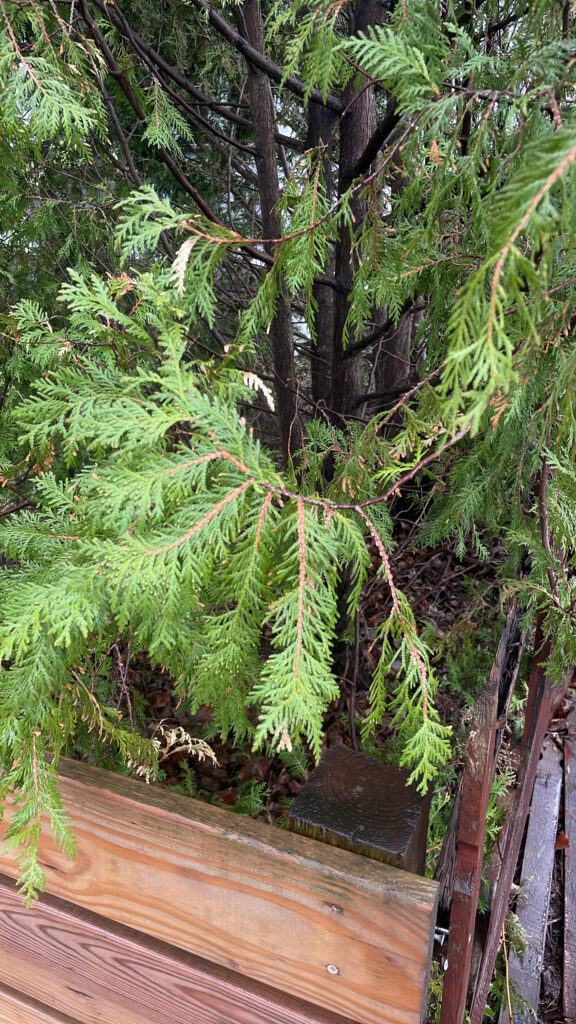
I encountered at least 8 different species out of my recorded observations. The most common ones I found were Red Maples, Northern Whitecedar, and Elms. Since it was a rainy day when I went out, there was not much wildlife activity to note or record. There was some birdsong earlier in the day, but it was difficult to make out due to rain and cars.

Looking at the reports from other cities around the world participating in the challenge, I found it interesting that the top city currently is the San Antonio Metro Area. I wouldn’t expect a metropolitan area to have the most observations, but it also seems plausible because of the high population.

April 4, 2025
by mmilman
0 comments

Phenology Walk Data Collection

March 31, 2025 – 2:30 pm

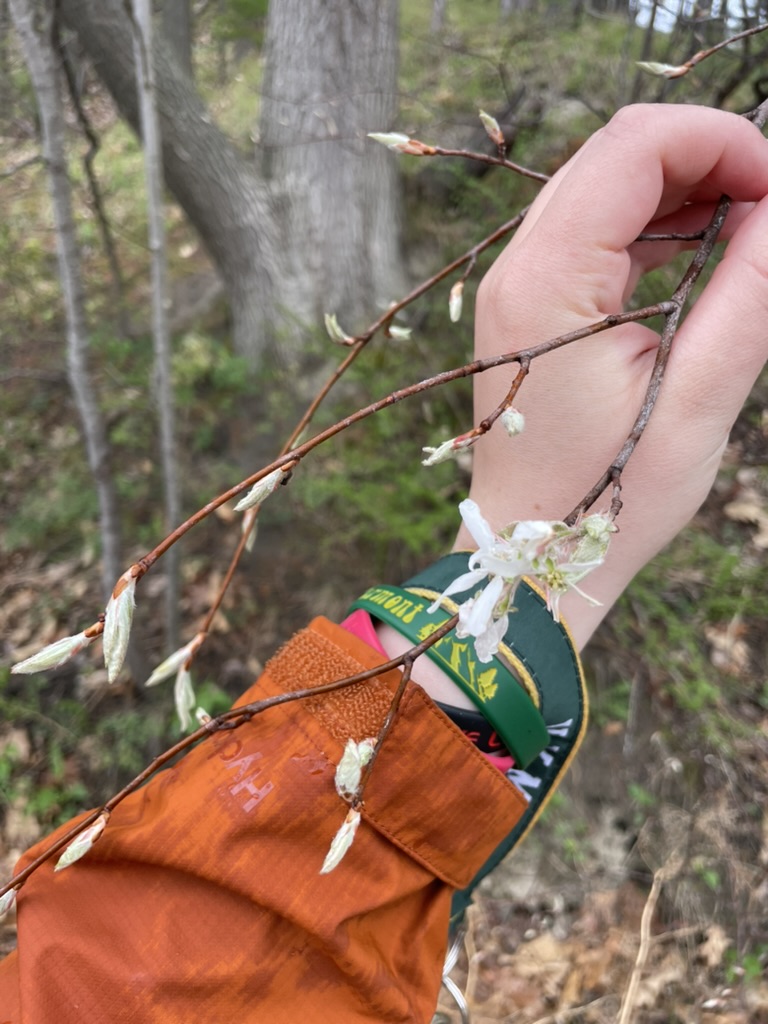
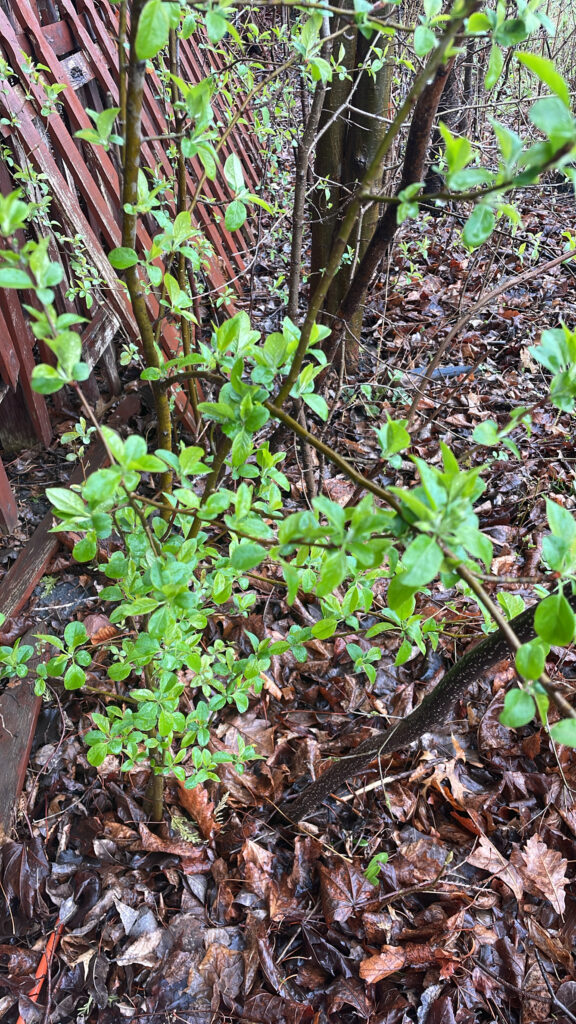
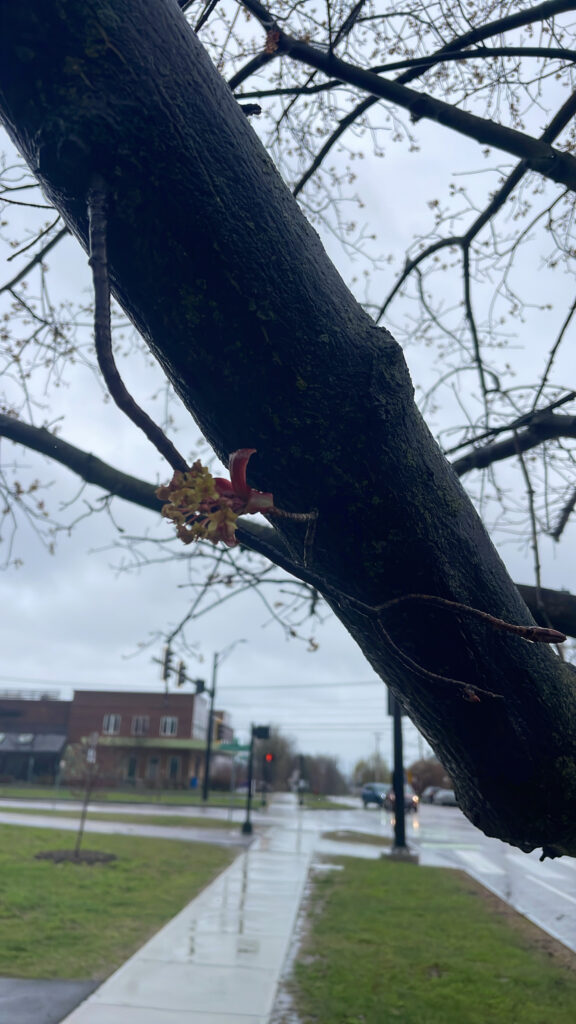
Another classmate and I went out to make phenological observations on five different trees throughout campus. We observed a sugar maple, a Norway maple, a red maple, a red oak, and a white oak. We did not notice any breaking buds, flowers or live leaves on all of these trees except for the Norway maple. The Norway maple had many full buds, some just barely beginning to break, and others very close. All five trees were still in their dormant phenophase.

NPN News: Heat Accumulation & Groundhog Day

Many parts of the country are warming up slower than usual. Punxsutawney Phil predicted 6 more weeks of winter, and he was right. Many parts of the east and middle of the US have been slower at heat accumulation. This could be related to the super-snowy winter we had this year. As climate change progresses, more inconsistent weather patterns are being seen around the country and the world.

February 24, 2025
by mmilman
0 comments

Wildlife activity in Burlington

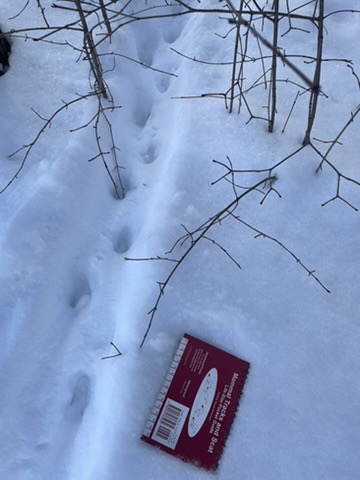
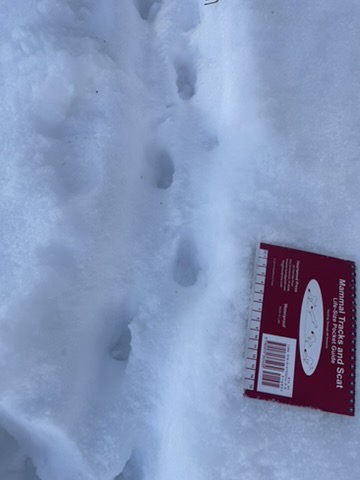
On Friday, February 21, a friend and I went to the Burlington Country Club to observe signs of wildlife. I chose the country club because of its lack of human activity in the winter months. I thought the mostly undisturbed area may attract some wildlife because of the large open spaces, trees, and plant species. While there, we observed multiple signs of wildlife activity. Most of the animal tracks observed were from domestic dogs, as the location is a popular dog-walking trail. However, we also observed tracks from species that we were unable to identify because of the recent snow and density of the tracks and snow. The tracks we found were in a diagonal walking pattern, indicating that the species could have been a deer or fox. Personally, I think it is more likely a fox than a deer due to the length of stride being relatively small. We heard multiple bird songs but were unable to identify them, and also observed an American Robin at our site. This is a bird that wouldn’t be uncommon to find here. Navigating this identification process in Burlington was somewhat difficult because of the similarity of tracks between species and the lack of activity at our chosen site. This could have been due to the old snow that had slightly melted and frozen again, or even the fences surrounding the country club, preventing wildlife from entering the area from multiple places.

January 25, 2025
by mmilman
0 comments

Red Rocks in the new year!

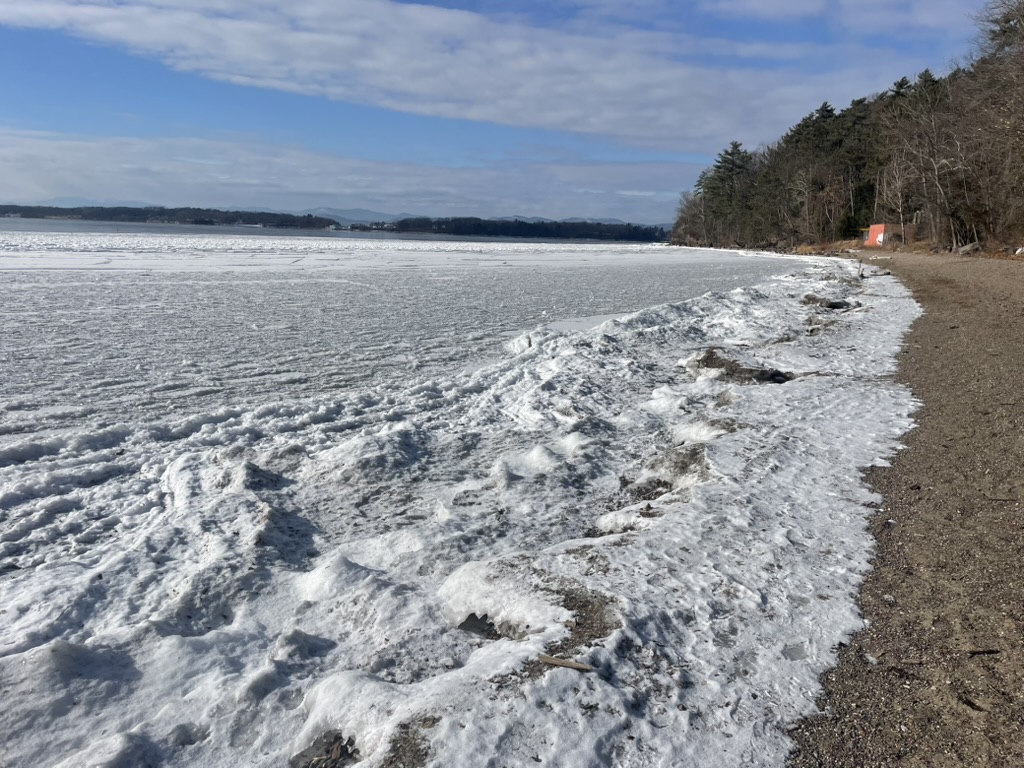
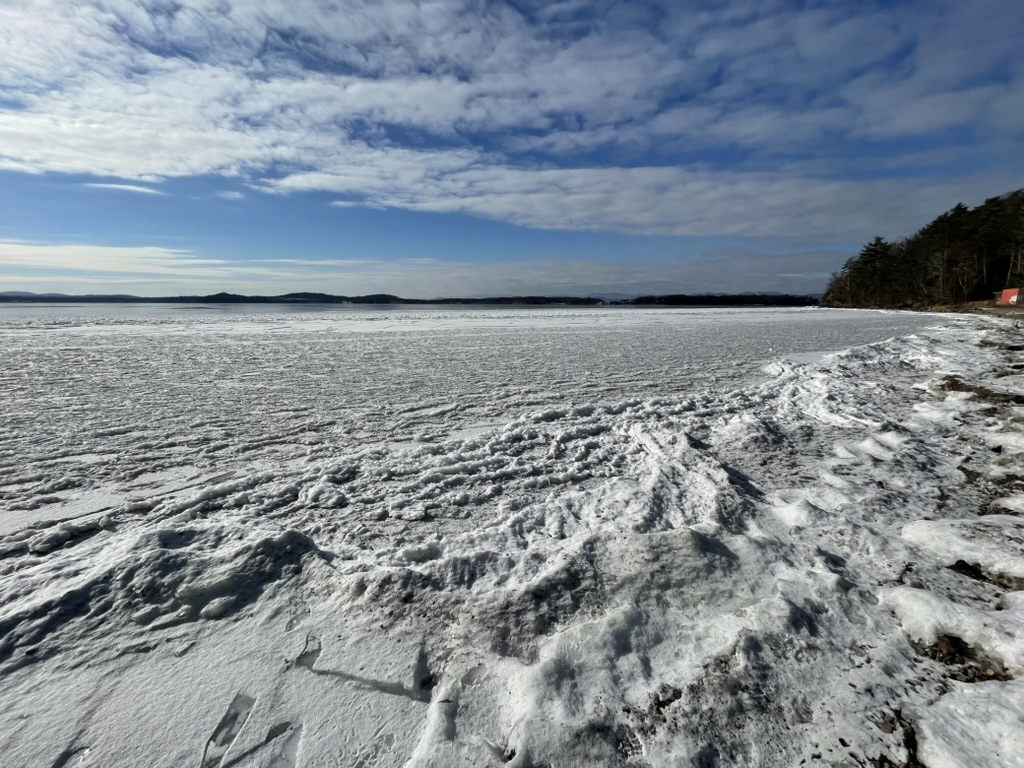
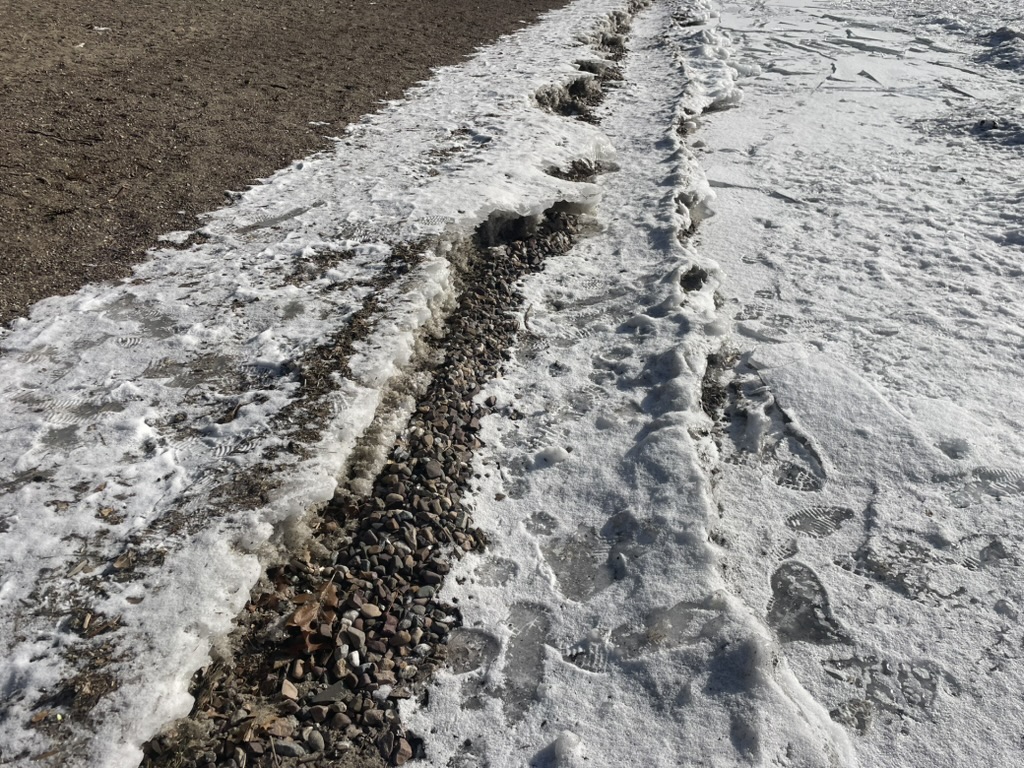
I returned to Red Rocks Beach after not being there since December 8th. The way the section of the bay had changed so much since I last visited was stunning. The part of the Shelburne Bay that Red Rocks is on was completely frozen and snow-covered. The ice was thick and smooth, with a dusting of snow overtop. I am curious as to why the snow stayed on top of the ice, but not on the beach itself? My theory is that the beach temperature warmed up during the days faster than the ice and caused the snow to melt faster. The large oak tree taking up the corner between the forest and the beach was resiliently holding onto its last dried and curled leaves.

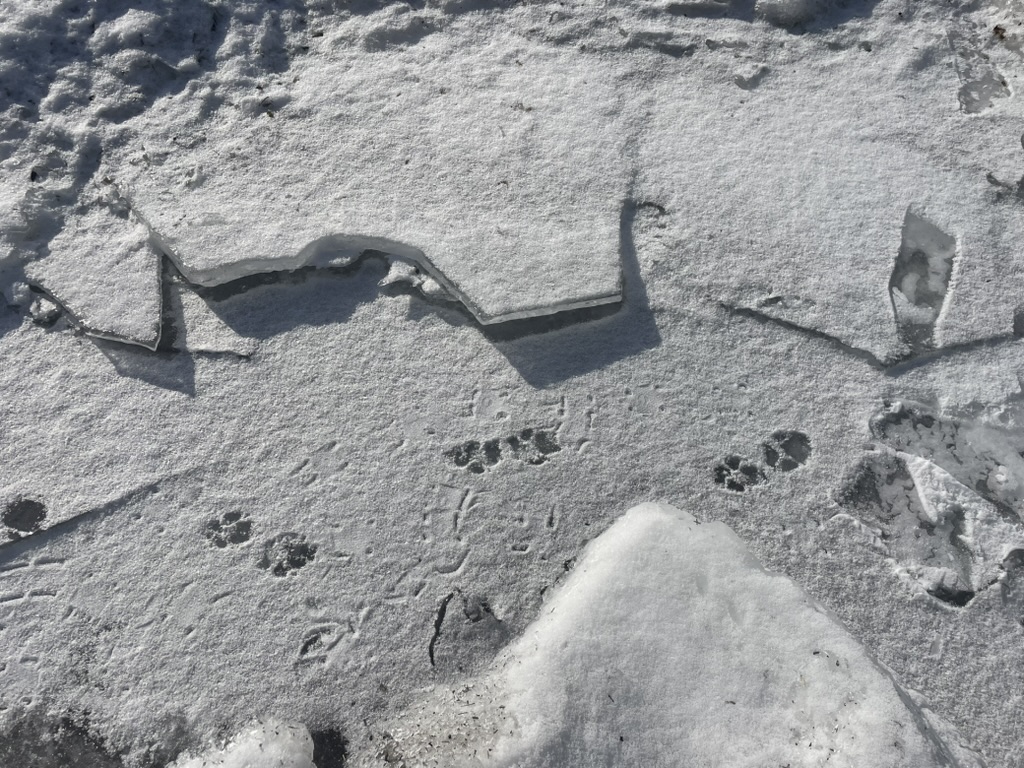
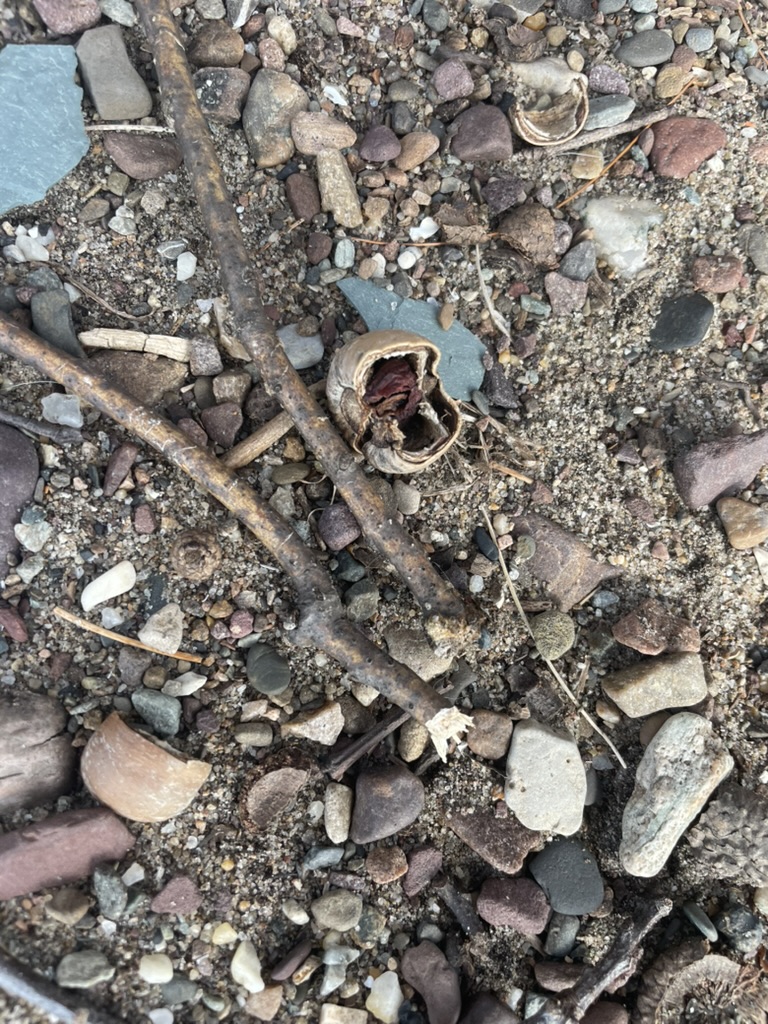
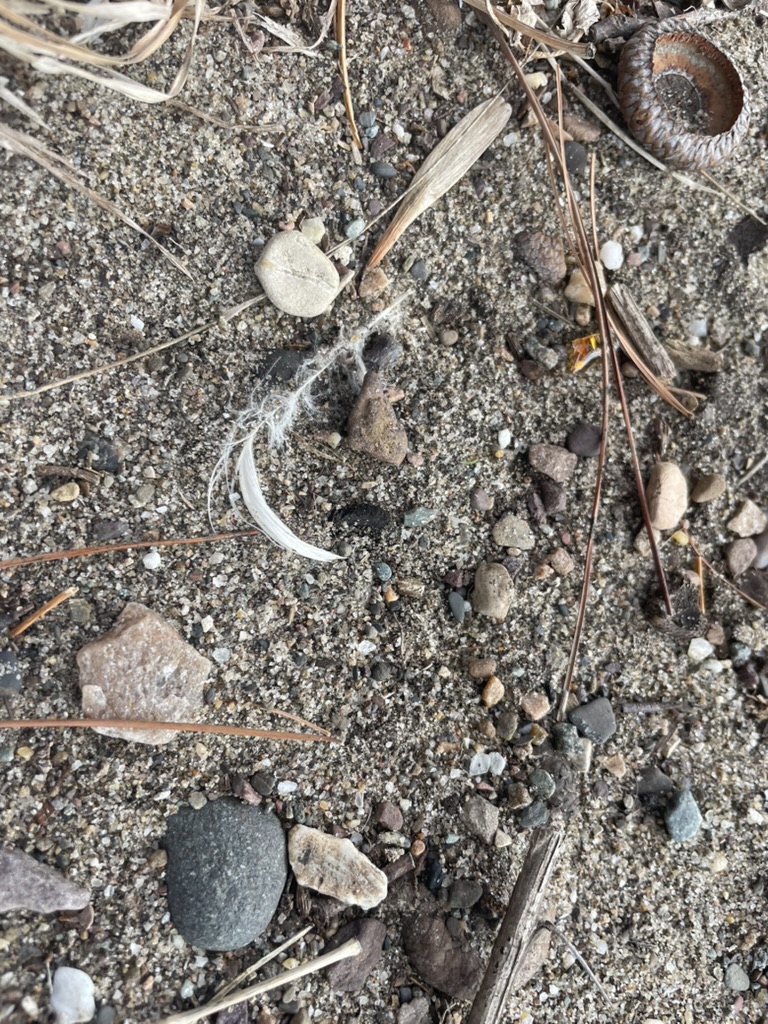
There was some wildlife activity at this specific site. There were dog tracks in the thin layer of snow, accompanied with a human’s shoe print. A ways into the lake, on a patch of unfrozen water, geese congregated together. I also observed some half-eaten acrons, signaling to me that squirrels were at this site, and also a couple feathers without a clear origin.

December 8, 2024
by mmilman
0 comments

I love Red Rocks <3

Red Rocks is a special place to me. A place with everything. A quiet beach, walking trails, and forest. What more could you want? My favorite aspects of Red Rocks are probably the quietness and the beach. Everything except the water on a windy day is very still and quiet. Compared to other more popular beaches, the quietness is a refreshing break from college life, while still being able to enjoy a beach. The vibrant fall foliage also made me really enjoy this spot. The variety of tree species created a colorful composition of forest.

December 8, 2024
by mmilman
0 comments

Goodbye 2024… hello 2025

Red Rocks Beach 12/6/24

A final visit before departing for break

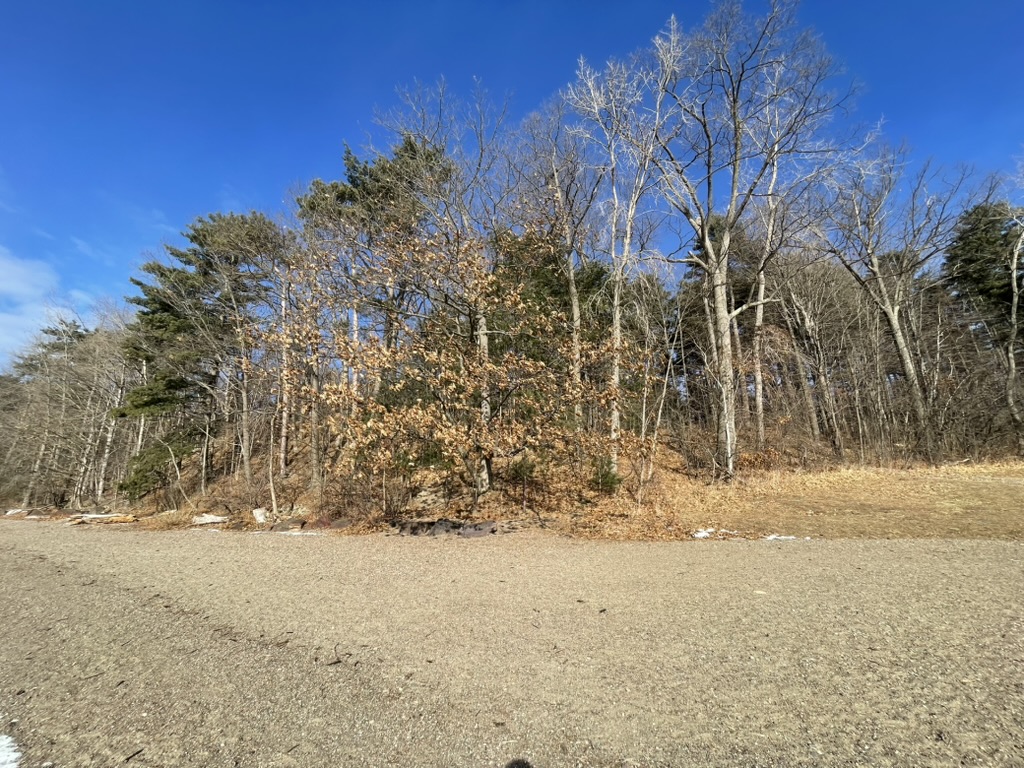
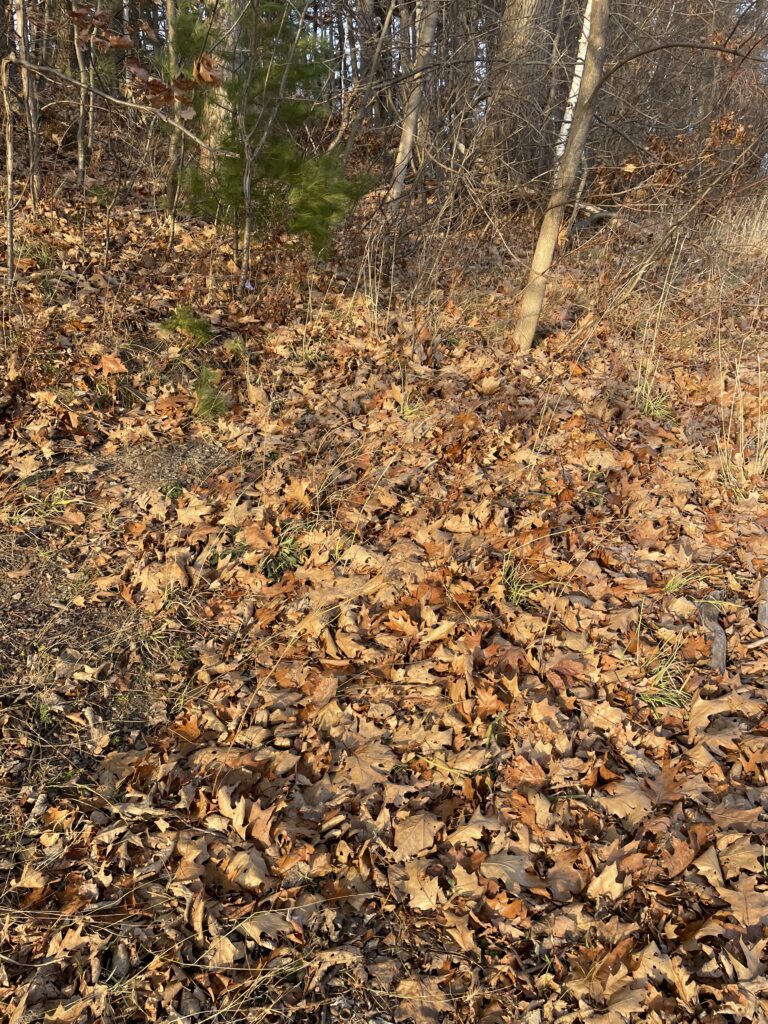
The site at Red Rocks was drastically different from when I last visited in November. The deciduous trees are now almost all bare. The only one with leaves remaining is a Northern Red Oak determined to hold onto its leaves. The larger Eastern White Pines are the only source of greenery in the overstory. The leaf litter on the forest floor is composed of red oak leaves and little else. Decomposition is more apparent on the trails, where more human activity has occurred, and is also starting to ramp up in the non-trail areas. A young eastern white pine is making its way into the wintery forest and growing strong.

Sand telling stories

Located along the shoreline on the Shelburne Bay/Lake Champlain, tracks are easy to spot in the coarse sand. Even though the tracks are not clearly identifiable, patterns of steps can be observed. It is likely that most of the tracks seen in the sand are from dogs and humans, as lots of nearby residents walk their dogs and take walks along the beach here.

The ducks seen in November were not to be found at this visit, leading me to wonder where they have waddled off to? Overall animal activity has definitely decreased since the last time I was here. It was quieter, more still, a lack of movement and activity was apparent.

November 30, 2024
by mmilman
0 comments

A visit back home…

Over Thanksgiving break, I returned to Springfield, Virginia, where I spent some time at Lake Accotink Park, our local county park. This man-made lake has a large looping trail through the woods that wraps around the lake. I noticed that many leaves still remained on the trees here whereas in Vermont, nearly all leaves are gone from trees. I noticed a lot of similar species here as ours in Burlington such as red and white oaks, white pine, and honeysuckle.

Map of northern Virginia and Washington DC with Lake Accotink marked by red star

Virginia’s place in my heart

This place is special to me because it is a place of quiet amidst the chaos and bustle of Northern Virginia, and by extension, the DC Metro area. We have precious few natural areas where I live, with Shenandoah being just about two hours away. I take my dog here sometimes to let him experience more than just a sidewalk and freshly mowed lawns. He loves to sniff all the interesting smells and explore the trails with my dad and I. Lake Accotink Park has been here my whole childhood and I grew up in this natural area, able to learn about nature and the environment in my own backyard.

October 29, 2024
by mmilman
0 comments

Engaging with the space

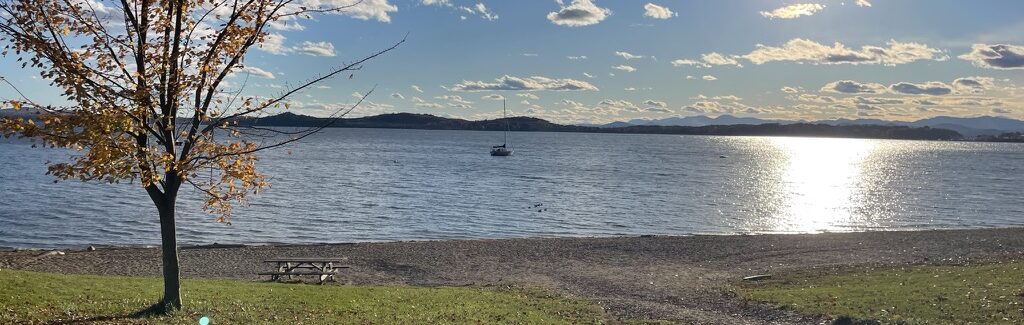
I made some observations while sitting and engaging with the site at Red Rocks for 15 minutes. The only wildlife I noticed was a family of ducks splashing in the shallow water, periodically dunking their heads under the water. It was 4pm, windy and sunny, about 55 degrees. The cool air swept my face while the sun warmed my arms. The oak leaves held on tight to their northern red oak despite the gusts. Besides the wind and waves, it was very quiet, with few wildlife noises noticeable from the site. This surprised me since I was right next to the forested area of Red Rocks Park. There were multiple boats farther out, peacefully rocking on the Shelburne Bay.

Video of Red Rocks shore

Skip to toolbar